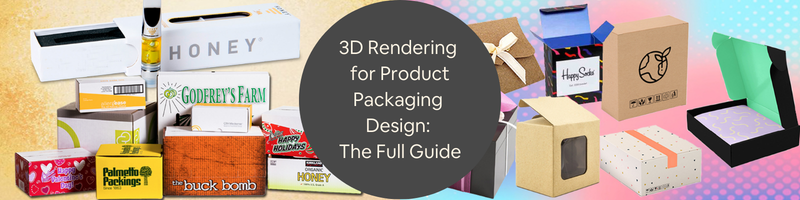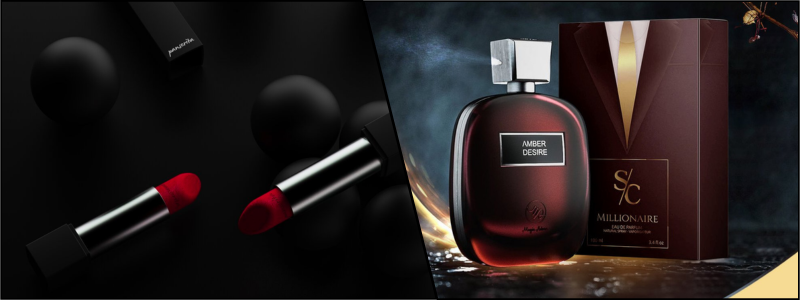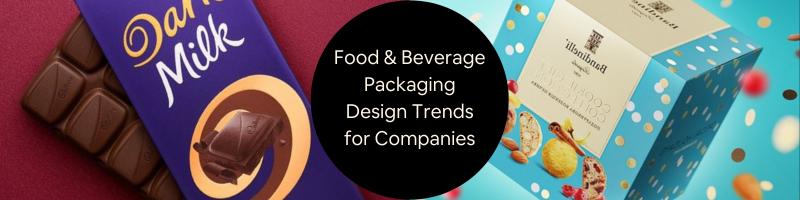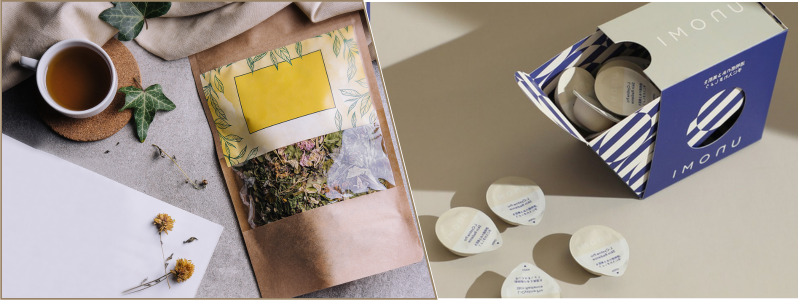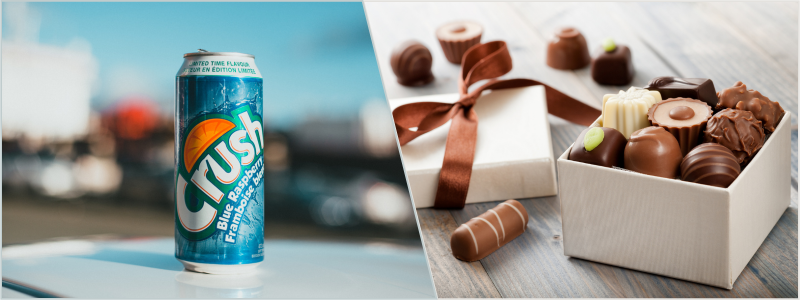
3D Rendering for Product Packaging Design: The Full Guide for Consumer Product Companies


Packaging is the first and easiest way to differentiate your product from all others displayed on store shelves. Want an easy example? Bottled water. There’s no way you can tell if the water contained in any particular bottle is any different from the next, unless you read the labels and do a taste comparison. Even by then, you probably won’t notice if one is just tap water put into a clear bottle or vapor distilled and kept in a slightly fancier container. Some people swear they can tell which is which without looking at the brands, but we’re never sure who these people are. Worse still is the pH level. It turns out that pH (apparently is short for Potential Hydrogen, who knew?) indicates the acidity. The lower the number, the higher the acidity. But have you seriously given it a thought before picking up a bottle from a convenience store? Unlikely. Chances are, you choose one with a greater number and feel proud of yourself as you walk to the cashier.

That, in a nutshell, is how important packaging design services are. The same thing applies to shampoo, soap, liquid detergent, foods and beverages, cosmetics, wristwatches, smartphones, pencils, and just about every other consumer product in the market. People choose a product because the packaging makes them feel confident about their purchase. Although other considerations, such as cost, brand loyalty, and whether their favorite movie star endorses it, also influence the buying decision, packaging plays a significant role. Some products sell better just because companies slap a photo of a K-pop idol on the box.

On a more serious note, packaging is almost just as important as the product it contains. Businesses have recognized this importance for a long time and invest substantial resources in the design and development of packaging as part of their marketing strategy. Along the way, 3D CAD modeling and photorealistic rendering software were introduced to streamline the design process. As technologies advance and the market becomes more competitive, it turns out that effective packaging visualization is a complex undertaking.

As more people shop online, companies are in a race to develop the most impressive, convincing, and persuasive product packaging renderings to attract these customers. Which makes perfect sense, because when people see products on a smartphone or laptop screen, a photorealistic visualization becomes a powerful tool for turning lookers into actual buyers.

But creating an accurate, high-fidelity CGI for product packaging isn’t a skill anybody can learn and master overnight. It takes an experienced CAD professional or perhaps a team of digital artists to develop the design, transform it into a 3D model, and render it into photorealistic visuals. Cad Crowd, a freelancing platform specializing in product development, helps you connect with thousands of design professionals and render artists who offer a broad range of CGI services at affordable rates. All the talents on the platform have been pre-vetted to ensure you’ll only collaborate with the most talented and qualified freelancers from around the world.

What to know about packaging rendering

First things first, rendering is different from designing, but the two can be parts of the same process. Let’s put it this way: not every design process ends up with a rendering, but every rendering workflow definitely involves design and 3D modeling services. Perhaps an example can clear things up a bit better:

  • Say you plan to sell a homemade car air freshener product in a blister card packaging during the upcoming county fair. You ask a graphic designer friend to create an illustration for the otherwise blank card. Because, for some reason, you give this friend complete freedom of approach, you end up with a bold image of some sort of Batmobile on the card. The designer sends you the printable file, and the job is done. No rendering required.
  • Your next-door neighbor has the same idea, only better. Instead of limiting sales to fairgoers, the plan involves listing the product on an online marketplace. To make the product look better on screen, this neighbor of yours has the packaging rendered and optimized for digital screens by the same graphic designer. The project is covered by an NDA, so even if the designer is your friend, you know nothing about it. The workflow involves not only designing the blister pack but also converting the design into a 3D model and rendering it. In this case, the final deliverables include a fully rendered image file and the 3D model for future use.

To compete in the online marketplace, you decide to use photographs (instead of rendering) to display the air freshener product. It’s from this instance that you realize that a rendering can look so much better and more creative than photos when used for a product display on the web. Oh, and the Batmobile appears a lot more realistic than yours.

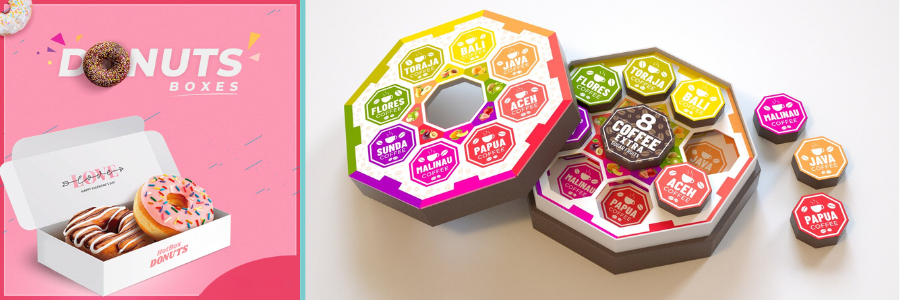
Packaging design of a donut box and aratisinal coffee box by Cad Crowd freelance Cad Designers

RELATED: Top 101 sites for freelance engineering jobs, mechanical design projects, & remote work

How a rendering happens

The design part always comes first. It may involve brainstorming or ideation, drawing sketches, or consulting references from existing product packaging. What comes next is the real deal: powering up the computer and tinkering with the design in a 3D CAD software. Modeling accounts for the bulk of the task, as the result can determine whether you end up with a poorly executed rendering or a high-quality one. The more detailed and accurate the models are, the better the rendering will be for the product design firm.

Unprocessed 3D models are plain, sometimes colorless, and have less obvious boundaries between one another. Every object needs textures, material properties, color, and surface patterns to define its characteristics. The models must also be positioned in specific arrangements in the scene, just as a professional photographer determines the right composition. When the grayscale scene is ready, the lighting setup and shadows are configured in a rendering software to give the scene a photorealistic look.

At this point, the 3D models (and, by extension, the entire scene) are converted into an image file. Some post-processing, such as color adjustment or other final touch-ups, might be necessary to improve the realism. If the resulting image needs corrections, the render artist must return to the 3D models to make the changes and repeat the process. Everything about it sounds very complicated indeed, but the rendering process gives you an advantage that no photograph can: the 3D models can be reused as many times as you need and redone with different visual properties. You can give them different colors and labels, place them in a new scene, apply animations, etc. All can be done on a computer screen; no photographs or props are needed, so it saves time and money.

So many rendering types to choose from

Well, there are only a few types mentioned here, which should be more than enough to offer the variety you need for every product packaging.

At the same time, the most useful and useless packaging rendering of all. Also, its usefulness comes only from the fact that it’s likely low-fidelity and therefore quick to generate. Packaging concept design services cannot care less about high resolution, texture detail, lighting accuracy, and everything else that makes a packaging visualization good. The most important thing is that you can produce many of them in a time-efficient manner, so you can check if any particular design works well to your liking. Low-fidelity rendering lets you experiment with shapes, colors, composition, typography, artwork placement, and other elements without spending too much time processing the work. It’s also useless, since you should never put conceptual renderings on the product page. Think of it as glorified rough sketches. It looks good as a concept, but terrible for actual use.

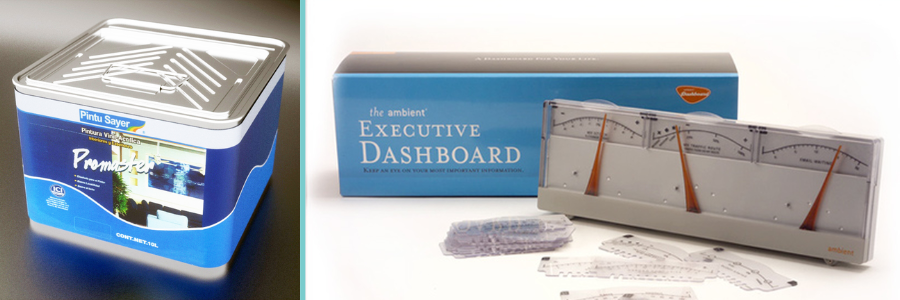
Packaging concept designs by Cad Crowd product design experts

RELATED: What are proven product design principles when working with companies & freelancers?

If a conceptual rendering is merely experimental and meant to test ideas, a photorealistic rendering is where things get serious. It’s the continuation of a concept, or a refined version of the best concept you chose earlier. But just because the concept is good and you have an image rendered, it doesn’t always mean the result will be photorealistic. Product packaging rendering, or any kind of photorealistic visualization, is a job best left to a professional. For a rendering to achieve photorealism, almost every visual aspect has to be correct. Visual aspects aren’t limited to geometry, dimension, and color, but also include material textures and lighting. The CGI is so precise that it does represent what the human eye can see. Everything has to be as realistic as a photograph, just like what the term says. Photorealistic rendering can be static or animated, with animated rendering among the most complex to generate.

Although not to the point where you can interact with the rendering like in a video game, an interactive visualization lets you explore the packaging design a bit more closely. Take, for example, the rendering of the car air freshener. When presented in an interactive format, there is usually a slider to zoom in, rotate, flip, or move the image around on the screen. A static rendering might show the Batmobile on the card, with a small label in Comic Sans that reads “It Smells Good” underneath. By the way, it remains unclear if the label refers to the Batmobile or the air freshener itself. But when presented in an interactive format, you can flip the whole image and find another label on the back that admits the product is not made in Gotham. You can, of course, make two static renderings to showcase both the front and back sides of the packaging, but the interactive type is just a lot more fun and satisfying.

Also known as white background rendering, the packaging in a silo visualization is presented as a stand-alone object. There’s nothing else to distract your attention from it, allowing you to see every detail in all its glory. At the same time, this prevents the CGI render expert from making any excuses for putting out poorly made CGI. This is not to say that mistakes are tolerable when the scene has multiple objects; it’s just that you may have a harder time noticing that some portions of the shadows are either too bright or overly dark, unless, of course, you’re an eagle-eyed observer yourself.

The vast majority of lifestyle rendering is meant for product visualization, not the packaging. That said, lifestyle rendering makes sense if you want to display the product still inside the container, like most things are. Which brings us back to the previously used example of bottled water. There’s just no workaround. You’re selling water, and the only way to showcase everything that’s good about the product is when it’s still in the bottle. And believe it or not, bottled water isn’t the only product that fits this category. A lot of collectible toys and action figures are sold on online marketplaces with the box still unsealed, and so are perfumes, liquid supplements, etc. In lifestyle rendering, the product is displayed with complementary objects in the scene. For example, bottled water might be displayed alongside a lunchbox, fruits, and in some cases, a mountain in the background, although everyone knows the water is processed in a factory. 

Every type of rendering can be formatted as static or animated. As the name suggests, static rendering is still imagery, like a photograph. You can’t interact with the image either, except for probably zooming in and out. An animated rendering, on the other hand, is formatted like a video and can use every visual effect imaginable, from a plain and simple rotation played in a loop to an outrageous Michael Bay-style. Advanced 3D modeling and rendering software enables companies to present their products and packaging in the most creative and imaginative ways while maintaining good accuracy. They can simulate physical details, add movements, create unique characters, and be playful with packaging design. The only limit is the imagination. Maybe the bottled water can burst out of the cap all of a sudden, or the Batmobile produces the rumbling sound of a muscle car in an animated rendering. 

RELATED: The importance of iteration in product development & working with product design companies

A prototype in the virtual world

With so many people purchasing products online, rendering has become an increasingly popular alternative to product photography. Rendering doesn’t need physical objects, and is much more flexible in case you want to use animation or some level of interactivity.

But the biggest advantage of 3D rendering isn’t actually about the finished visualization itself, but the design process as a digital prototype. Back in the old days, the term “prototype” was almost exclusively used to describe a physical product yet to be manufactured by a manufacturing design firm, let alone launched. Now, thanks to 3D CAD technology, a prototype can be entirely virtual with no physical form.

Everybody and everything has a digital twin these days. In fact, some people seem to enjoy their lives in the virtual world more than in the real one. It turns out people and their avatars aren’t the only fans of the Matrix. Product packaging designs, too, are very pleased with the Tron environment, for good reasons.

Conventional prototyping is time-consuming because it requires physical samples for each design iteration. While samples for product packaging aren’t probably the most expensive things in the world, the time spent on creating each and every version can still overwhelm the design process. A packaging sample can be made from readily available materials, such as cardboard or plywood. A handy person might be able to fashion the shape of a bottle from those materials, too. It’s not going to look pretty, but then again, it doesn’t have to be. A physical prototype is meant to facilitate design reviews through an iterative process. But as you improve the design with each revision, you’ll need to make a production-ready prototype, and this is where things can get expensive.

Say you’re making decorative tin packaging for tea or tobacco products. Instead of the usual printed graphics, you choose laser-etched textures to give it a premium look and feel. It’s not likely that you’re going to produce an accurate sample using papers or bamboo. A production-ready prototype should be nearly identical to the final version (in terms of materials, dimensions, textures, features, and functionality). You need to review and test the packaging design before consumers even get to see it on store shelves. Only when you’re sure the packaging looks and functions exactly as intended can you afford to send it to the manufacturing line. 

With 3D modeling and rendering, it’s possible to design and build virtual prototypes without spending a dime on purchasing materials and hiring a CNC machinist for consumer product companies. All prototype versions, including the production-ready one, may exist as digital files on your laptop. Making design changes is no longer time-intensive, and the results are visible in an instant. You get to try countless graphic options for the tin, animate the model to see how the hinges work, fill it with water to test for leaks in simulation, and so forth. You can do all this on a screen to keep things efficient.

As a friendly reminder, only use high-quality 3D models. Nothing makes a packaging visualization look gloomier than low-poly models suffering from a terrible lack of detail. These low-poly models are cheap, sometimes even free, but certainly not cheerful. They should be reserved solely for conceptual rendering. On the other end of the spectrum, high-quality 3D models can be costly, should you decide to purchase them. However, there might be limitations on the models you can buy, especially if you’re making completely custom packaging. The only practical solution here is to create the models from scratch. It’s not the most time-efficient, but in most cases, building from scratch is the only way to get the job done. 

3D rendering provides a realistic and, more importantly, view of the packaging design long before production begins. The accuracy isn’t limited to geometry and dimensions, but also to textures and material finishes. If there are illustrations, brandings, logos, instructions, or labels of any kind, the render engine can process those as well. You can scrutinize the design as far as you want, down to the tiniest detail, at zero cost, except for the render artist’s hourly rate, for sure. Each time you discover room for improvement, making revisions is far quicker and cheaper than doing so on a physical prototype.

If you have to work with stakeholders who are as invested in the project, you can store virtual prototypes (including all their versions and modifications) in a centralized database for easy, simultaneous access. Everybody can see the latest prototype and its revision history for more streamlined, informed design decision-making.

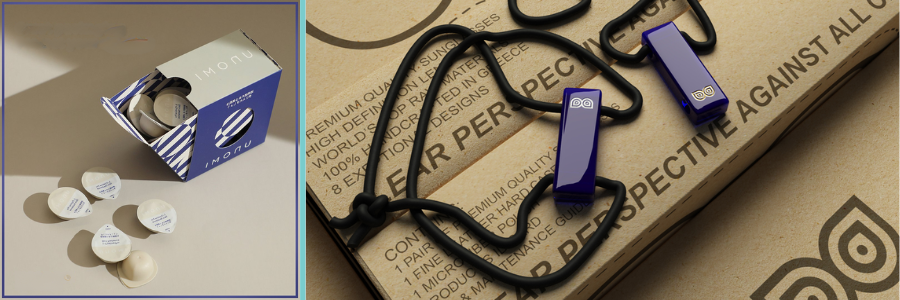
Packaging design examples by Cad Crowd design freelance experts

RELATED: How innovative design techniques can supercharge your new product concept

Layers of packaging

Selling one unit of bottled water to a cyclist certainly needs a different approach than supplying dozens of boxes of the product for a cycling race. A cyclist probably notices that your bottled water has the exact pH level recommended by a random person on the Internet, and boys, it, but the logistics manager of a cycling race takes a deeper look and wonders if you have a nice, colorful, thick packaging box to ensure safety during transportation. Depending on the product and your buyers, you may need to provide multiple layers of packaging, especially for product engineering services.

Primary: the first layer of packaging of a product. For bottled water, the primary packaging is the bottle itself. Therefore, your primary concern is every individual buyer in every convenience store. Just a suggestion, perhaps it’s best not to include the blue color as it seems to have been overused to exhaustion by other companies. People want a refreshing design as much as they crave hydration. The use of recyclable material is always optional.

Secondary: This is the box we discussed earlier. It’s supposed to provide an extra layer of protection on top of the primary layer. Sometimes you can use the extra space on the box to display additional product information. The design of a secondary layer should primarily target bulk buyers. Secondary packaging often needs to be stackable and keep the individual products organized.

Tertiary: specifically designed for manufacturers (when the products are still fresh out of the production line) and warehouses. The main function is to protect the product during shipping and ensure easy handling. Appearance isn’t that important for this layer. So long as it’s rigid enough to withstand bumps and impacts, it’s good to go.

When you do need multiple layers of packaging for a product, it goes without saying that you must design them well (and preferably with a 3D modeling design expert), not only to impress passersby who glance at your billboard ad, but also to enhance the product’s safety and shelf life.

Takeaway

Packaging is, first and foremost, a container to protect the product inside. Now that we’ve discovered easy, affordable, and industrial ways to make protective packaging from a broad range of materials, the focus has expanded into the aesthetic territory as well. Thanks to modern manufacturing technology, companies can maintain and enhance the functionality of product packaging while deepening its visual appeal. For quite a while now, 3D rendering has been at the forefront of the new movement. Specialized visualization software enables companies to design effective product packaging almost entirely on a computer screen through virtual prototyping. They get to simulate physical details, experiment with materials, try an unlimited variety of designs, and analyze everything without the need for physical samples. Request a quote today.

author avatar

MacKenzie Brown is the founder and CEO of Cad Crowd. With over 18 years of experience in launching and scaling platforms specializing in CAD services, product design, manufacturing, hardware, and software development, MacKenzie is a recognized authority in the engineering industry. Under his leadership, Cad Crowd serves esteemed clients like NASA, JPL, the U.S. Navy, and Fortune 500 companies, empowering innovators with access to high-quality design and engineering talent.

Connect with me: LinkedInXCad Crowd

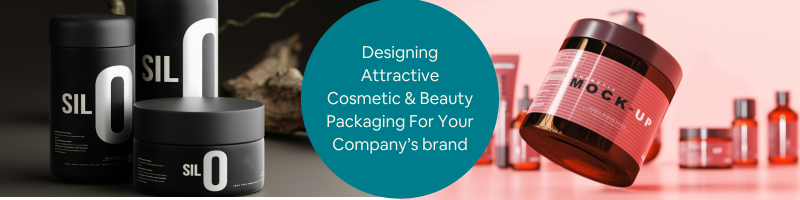
Designing Attractive Cosmetic Packaging & Beauty Packaging for Your Company’s Brand


Luxury cosmetic packaging design is key to staying on top of the game in today’s cutthroat beauty industry. However, there is more to cosmetic packaging design than aesthetics alone. The packaging design of your cosmetic and beauty products influences your consumers’ perceptions, establishes your brand’s identity, and bolsters your business’s sales. You might have also noticed how influencers usually highlight the packaging design when reviewing products, which is proof of how important it is for any cosmetic and beauty company or brand out there. 

In a market where visuals are the name of the game, cosmetic packaging design companies can help you create a good initial point of contact between your brand and your target audience to leave an excellent first impression that will last a long time. Some of the most critical elements of packaging design include branding, imagery, typography, and color. 

Cad Crowd has worked with some of the best design firms, big and small, to create packaging that their customers will love and be proud of. This article aims to serve as your guide in designing attractive cosmetic packaging & beauty packaging for your company’s brand:


:rocket: Table of contents


RELATED: New product packaging design & why it’s important for product designers

Key elements of effective cosmetic packaging design 

Effective cosmetic packaging design relies on important elements that can influence consumers’ perception of your product. These elements include the following:

  1. Branding

You can reinforce your brand’s unique identity if your luxury cosmetic packaging design prominently displays the message and logo of your brand. A 3D logo design professional can help with designing a logo that resonates with your story and the brand message you want to convey. You have to ensure that all your products use uniform branding to encourage brand loyalty. 

  1. Color

Carefully selected colors can evoke the right emotions. Your choice of hues and tones will also significantly impact the appeal of your product. To create a more solid visual connection, you need to choose colors aligned with the identity of your brand and its target audience. Neutral colors and minimalism are modern trends that use color and create a chic vibe. 

RELATED: Create better packaging designs for cosmetic and beauty product companies

  1. Imagery

Topnotch imagery is critical to convey the benefits of your product and improve its visual appeal. The use of imagery allows brands to forge an emotional connection with consumers. State-of-the-art cosmetic packaging design solutions can easily integrate with elements like QR codes to further engage customers and offer interactive experiences. 

  1. Sustainability

As society becomes more conscious of different environmental problems, more and more businesses are hiring packaging concept designers that focus on using eco-friendly materials and practices. Brands can use sustainable materials to connect with consumers conscious about making more eco-friendly choices. 

  1. Typography

Legible and clear fonts can improve product communication. Brands can further strengthen their identity and recognition if they maintain consistency in typography across various products. 

RELATED: Company beauty and cosmetic packaging designs that are designed for sustainability

branded cosmetic packaging designs

Effective tips for luxury cosmetic packaging design

You have probably seen how consumers go gaga with almost every cosmetic product launched by their favorite brands. But the harsh truth is that it is never a simple walk in the park. It takes a lot of hard work to develop a massive number of loyal ambassadors for your brand. Cosmetic packaging design is a big thing, which makes it a critical component for branding. In a lucrative industry like beauty and cosmetics, businesses are more than willing to spend millions of dollars annually for their marketing campaigns. 

As such, it is all too easy to be overwhelmed by recognized companies whose who have been able to establish their brand names as a household name for consumers. If you want to make it big in this dog-eat-dog industry, your cosmetics and beauty company must know how to stand out from your competitors. Careful and proper branding through striking and effective cosmetic packaging design services is one of the best ways to entice people to check out your products on the store shelves and purchase them. 

Check out the following tips for luxury cosmetic packaging design that your customers will always recall and remember:

Use foil stamping for a luxurious effect 

One of the best ways to add a luxurious effect to your cosmetic packaging design is to use silver and gold foil stamps. These foil stamps are visually striking and have the capacity to give your products a stunning vibe. To make things better, foil stamping is very affordable but can offer a top-of-the-line feel guaranteed to catch eyes once displayed on store shelves and online websites. 

RELATED: Luxury beauty packaging and cosmetic packaging design trends for companies and firms

Take advantage of haptic appeal 

The haptic appeal of your cosmetic packaging design can influence the decisions of your target customers. Embossing can create visual intricacy by adding a new dimension to your brand’s graphics and message. When the packaging designer incorporates texture into your packaging design it can create more depth. You can also use it to highlight some of your branding elements, like your brand name or logo. 

Opt for eco-friendly packaging options

Sustainable packaging has become extremely popular now that customers pay close attention to the environmental efforts of the brands in the market. Using sustainable packaging only shows that you’re participating in the efforts to conserve natural resources by reducing waste on paper and developing packaging that can be recycled, reused, or repurposed. Pillow boxes without coating and simple tuck-end kraft boxes are among the most common structures for sustainable packaging. 

Focus on experience 

Now more than ever, brands should use every platform at their disposal to convey their message as people are fixated on their screens every single day. People will endorse and talk about your products on social media if you offer them a memorable customer experience. For example, you can package your cosmetic products in a way that will bring the buyers a sense of thrill and excitement while unboxing them. 

RELATED: Effective cosmetic packaging design tips for new and better cosmetic products companies & firms

You can also add foam or cardboard insets to separate and organize your products. It is a great way to improve the visual experience for your consumers. You can leave a lasting impression by adding branded tissue paper and thank you notes. All of these efforts show customers that you took the time to gorgeously present your products while adding a more personal touch. When it comes to product concept design services, the options are endless.

cosmetic and beauty packaging design services

Go Premium

You have to ensure that you have a uniform approach and a one-of-a-kind luxury cosmetic packaging design if the main focus of your brand is to provide premium products. Premium-quality boxes and luxury rigid gift boxes will never fail to sweep customers off their feet. These boxes are also extremely durable, and customers often love to keep them as home décor or for storage purposes, making it a win-win situation. 

RELATED: Latest 3D logo animation services cost and rates

Use your logo as the focal point 

A minimalist design can appeal to most people not fond of overwhelming and excessive details. Classic minimalist cosmetic packaging design can work. It gives customers the idea that your items are worth buying and shows them that you don’t need a lot of words to convince them to buy. A minimalist design will also emphasize the logo of your brand, featuring simple typography and using space creatively.

Keep it simple 

People tend to remember things they’ve seen according to color, shape, symbol, and words respectively. A striking but still simple cosmetic packaging design from an expert 3D designer that uses great combinations of colors can achieve excellent results. Minimalist and straightforward designs mean you can do away with the unnecessary details in your packaging that might only confuse your buyers. 

A minimalist design also has the potential to set itself apart from the rest of the products on otherwise cluttered and noisy store shelves. This offers buyers a much-needed breath of fresh air while boosting the perceived value of your brand. 

Use artwork to tell the story of your brand

Your brand’s story is what makes you, your products, and your company different from others. Creating a luxury cosmetic packaging design that effectively tells your brand story will help you connect with buyers who also believe in your advocacy and visions. 

RELATED: Tips for cosmetics packaging design & development

Opt for scented or laminated packaging 

Coated and laminated cosmetic packaging design with excellent aesthetic appeal will surely capture the attention of target customers. Adding scent and texture to your luxury cosmetic packaging design can further boost your sales. Integrating a combination of glossy and matte laminates into the elements of your cosmetic packaging design will also further create more depth and stunning appeal.  If you use and follow these tips to design attractive cosmetic packaging design for your company’s brand, you can look forward to winning over the unwavering loyalty of your customers. 

How Cad Crowd can help 

Aligning with the latest trends in luxury cosmetic packaging design can help your company come up with packaging that will resonate with your consumers and strengthen your brand presence while focusing on sustainability and practicality. Working with the best cosmetic packaging design companies will let you meet your branding goals and turn your visions into reality, and Cad Crowd has an extensive network that you can tap into.

Contact Cad Crowd today for a free quote, and we will connect you with the right company that can produce the most luxurious packaging design for your cosmetic products!

author avatar

MacKenzie Brown is the founder and CEO of Cad Crowd. With over 18 years of experience in launching and scaling platforms specializing in CAD services, product design, manufacturing, hardware, and software development, MacKenzie is a recognized authority in the engineering industry. Under his leadership, Cad Crowd serves esteemed clients like NASA, JPL, the U.S. Navy, and Fortune 500 companies, empowering innovators with access to high-quality design and engineering talent.

Connect with me: LinkedInXCad Crowd

Company Beauty and Cosmetic Packaging Designs that are Designed for Sustainability


The last few years have put the beauty industry under a great deal of serious scrutiny. Beauty and cosmetic companies are also dealing with the mounting pressure to become more sustainable and eco-friendly, from the specific ingredients used in their products to their manufacturing process and how they ship the products to customers. This is why there is now a high demand for beauty and cosmetic packaging designs that are designed for sustainability. 

What is sustainability?

Before getting into the nitty-gritty of design details of cosmetic packaging design services, first, it’s important to know the working definition of sustainability and how beauty and cosmetic companies can create designs aligned with this. While there are numerous strategies and variations on how companies approach the concept of sustainability, there are several overarching features that make packaging designs sustainable. For starters, the packaging must be 100% natural or recycled materials with an eco-friendly production process.

RELATED: Open innovation for more sustainable products

It means the need for a well-managed and ethical supply chain. The package’s production must also be in a closed-loop or zero-waste way for the packaging to be considered eco-friendly and sustainable. Second, it should also be easy for the customers to upcycle, reuse, or recycle the packaging in some form. It’s extremely important to remember that for most beauty and cosmetics companies, it can be tricky to integrate all these elements into a single package while trying to keep the price points at reasonable levels for customers. 

This is the reason why it’s important to set priorities for the values of the company as far as eco-friendliness is concerned and to focus on it while the packaging designer designs sustainable packaging for beauty and cosmetics products. For instance, although beauty companies can’t always produce the most eco-friendly packaging for lotions since bottles are mostly produced using plastic, the secret here is to make a resolute effort in the right direction.

The ultimate goal here is to make the packaging as eco-friendly as possible to protect the planet and still offer customers the value they deserve. The following are some of the best sustainable options for your beauty and cosmetic packaging designs:

RELATED: What are the benefits of sustainable manufacturing?

Bamboo packaging

Bamboo is an up-and-coming trend in eco-friendly packaging for cosmetic and beauty businesses. This is suitable for disposable packages such as lipstick or lip balm cases. Bamboo is among the best choices for plant-based cosmetic packaging because it uses completely renewable sources. Pesticides or insecticides are not used to cultivate and grow bamboo. Different species are also available to give companies lots of options to choose from. 

Bamboo is also a lightweight option for packaging, with its sheath adding an extra durability layer to cosmetic containers. Bamboo is highly recommended as a biodegradable alternative to paper and plastic because its wood is ideal for external jars that use glass or acrylic as an inner coating. Cosmetic jars made from bamboo can also be branded using different techniques such as engraving, hot stamping, screen printing, and more. 

beauty packaging design experts

Beeswax packaging

Beeswax is another excellent and intriguing sustainable material for beauty and cosmetic packaging concept design firms. This can be easily manipulated and molded which makes it an excellent layer of protection to serve as a cover or surround items. Beeswax packaging, as its name suggests, is made from beeswax, coconut oil, and jojoba oil paired with a coating in the form of cotton that resembles fabric. Beeswax is an excellent substitute for plastic that allows more unique opportunities for branding. 

RELATED: Sustainable product design tips for a healthy world

Beeswax packaging also comes in various patterns and colors and is a cheaper option compared to other sustainable packaging options for beauty and cosmetics products. Beeswax can also benefit cosmetics thanks to its distinct characteristics. The material has antibacterial elements that offer outstanding protection while being durable enough to keep the products safe from damage. 

Cornstarch packaging

Cornstarch is an ideal substitute for plastic for beauty and cosmetic companies looking for an eco-friendly and more organic packaging option for lotion bottles. This type of packaging is made from PLA or polylactic acid derived from renewable sources like sugarcane or cornstarch. Although there are concerns regarding supply chains if this is more extensively used, options are still available to integrate this packaging alternative into overall operations. 

Cornstarch as a viable replacement for plastic offers numerous possibilities as far as sustainable packaging options are concerned. It is recyclable and biodegradable at the same time, which makes it a great option for skincare cream jars and lotion bottles. Cornstarch is non-toxic and doesn’t produce huge quantities of emissions, which is why more and more companies are now turning to cornstarch as an ideal packaging alternative. 

RELATED: Sustainable product design and product development principles for firms to consider

Paper packaging

For the longest time, packaging design firms used paper as an eco-friendly packaging material in various industries, including the beauty and cosmetics industry. There are various ways to use this kind of sustainable packaging as an alternative to plastic. Lipstick and makeup packaging, for example, usually includes plastic filling like bubble wrap for added protection.

Using paper fillers made of recycled or cardboard paper as a replacement for plastic fillers is a great substitute to achieve more sustainable packaging for your company. Paper is biodegradable and renewable at the same time to offer a more sustainable protection alternative to single-use plastics. 

Post-Consumer Recycled (PCR) packaging

Post-consumer recycled (PCR) packaging is one of the most popular choices for eco-friendly packaging. It has quickly gained famed with projections revealing that the industry is expected to grow into several billion dollars soon. This type of packaging is produced using recycled items like paper, cardboard boxes, aluminum, plastic bottles, and other common materials. Once these recyclables reach a recycling facility, they are separated according to materials and sorted into bales. These bales are bought and molded to produce new items. 

cosmetic packaging design services

RELATED: Sustainable packing design tips for new products at your firm

It results in a solution with a plethora of capabilities in terms of the size and shape of the packaging produced, making it an ideal choice for beauty and cosmetics companies that want to pursue the initiative of using 100% recycled materials. What sets PCR packaging apart from other recyclable or compostable packaging options is the fact that it is made after sending the raw materials to recycling facilities. Reusing the materials gives them a new life.

On the other hand, with recyclable and compostable packaging, customers dispose of the packages, ending their lifecycle. Compostable and recyclable packaging also greatly relies on the disposal process of the customer because some conditions may change the biodegradability of the material. PCR packaging is often chosen over compostable and recyclable choices for beauty and cosmetics packaging and containers because of the different advantages it offers for customers and companies alike. 

It is also among the most accessible eco-friendly options for beauty packaging since it can be easily shaped into various sizes and forms, which makes it an ideal option for items such as lotion bottles or cream jars. The following are some of the key advantages of PCR packaging:

  • Flexibility
  • Good strength
  • Protection
  • Alternative for plastic film
  • Reduced carbon footprint
  • Strong barrier performance

PCR packaging is also beneficial as it helps beauty companies showcase and maintain eco-friendly initiatives through sustainable packaging. As modern customers become more conscious about the environmental effects of materials like plastic, PCR packaging is an excellent way to engage with the target market about environmental impact and sustainability without compromising the quality of the product packaging. 

RELATED: Effective cosmetic packaging design tips for new cosmetic products companies & firms

Refillable packaging

One of the biggest challenges in the beauty and cosmetics industry is reducing the use of plastic in traditional skincare and lotion packaging. However, with only a few waterproof and durable options available, beauty companies are trying to reach compromises to reduce the effects of abundant plastic use in items like cosmetic jars and lotion bottles. The best way to achieve this is to encourage customers to reuse the containers by offering refill services. 

Refillable cosmetic packaging helps companies lessen their environmental impact while engaging with customers and establishing product value. This allows companies to dramatically reduce the impact of plastics and at the same time, encourage customers to continue reusing and returning the product. Companies can also provide special discounts for customers who use refill services to encourage the extended and continuous use of their containers. While plastic itself is not eco-friendly, constant reuse is an outstanding compromise for sustainable packaging options. 

Seaweed packaging

Seaweed, on paper, may not sound like a possible option for sustainable packaging but it offers lots of potential for new concept design & product development companies. Seaweed packaging is dissolvable and edible which makes it an ideal option for biodegradable packaging. While seaweed is more commonly used in the food industry, it also offers lots of exciting benefits for the beauty industry. Seaweed is a great substitute for eco-friendly skincare packaging for gels, lotions, face masks, and other types of general liquid-based cosmetic products.

RELATED: Top 20 packaging design blogs for freelance product designers

Seaweed packaging also serves as a great alternative to plastic because it is an abundant resource without negative effects on the environment. Although the innovation is currently in the prototyping stage, the general idea here is to freeze the seaweed, thaw it, and then air-dry it to transform it into a packaging material. It produces a transparent film, packaging, or cushioning that can be further reinforced with other types of natural materials like fiber or algae for extra protection. 

How Cad Crowd can help 

Check out the Cad Crowd platform to find the best companies that can come up with sustainable packaging designs for your beauty and cosmetic products. 

author avatar

MacKenzie Brown is the founder and CEO of Cad Crowd. With over 18 years of experience in launching and scaling platforms specializing in CAD services, product design, manufacturing, hardware, and software development, MacKenzie is a recognized authority in the engineering industry. Under his leadership, Cad Crowd serves esteemed clients like NASA, JPL, the U.S. Navy, and Fortune 500 companies, empowering innovators with access to high-quality design and engineering talent.

Connect with me: LinkedInXCad Crowd

Luxury Beauty Packaging and Cosmetic Packaging Design Trends for Companies and Firms


The cosmetics industry relies a lot on packaging. As the primary point of contact between the end-user and the product, luxury beauty and cosmetic packaging doesn’t only serve as protection for the product inside. At the same time, it also serves as a powerful and effective tool for marketing and branding. Suitable and well-thought-out packaging can dramatically affect the perception of consumers, buying decisions, and overall experience with the brand. 

Aside from this, as consumers become more and more conscious about the effects of cosmetic and beauty packaging waste on the environment, beauty and cosmetic companies are dealing with the pressure of being more responsible and eco-conscious. This is the reason why packaging is now one of the most important facets of the sustainability strategies of the beauty and cosmetics industry. This article discusses the different luxury beauty packaging options and cosmetic packaging design services and trends for companies and firms.


:rocket: Table of contents


RELATED: Effective cosmetic packaging design tips for new cosmetic products companies & firms

Importance of luxury beauty packaging and cosmetic packaging

Now more than ever, it’s clear to see that packaging is no longer a mere wrapper. Instead, it has become a powerful way to express the identity and values of your brand. But did you know that you also shouldn’t underestimate its economic impact, either? It has been revealed that the global market value of beauty and cosmetic packaging is expected to grow bigger in the coming years. 

Considering that choosing the right packaging is a critical aspect in the development or rebranding of a beauty or cosmetic line, it’s important to thoroughly evaluate and maybe even embrace the following trends in luxury beauty and cosmetic packaging when hiring a packaging concept design expert to gain an edge over your competitors. 

Design and art trend 

The fusion of design and art in beauty and cosmetic packaging is one of the most anticipated trends in which beauty products and cosmetics are rising above their functional roles, turning into aesthetic pieces rightfully on their own.  The use of distinct design concepts, fine art, and abstract elements paves the way for creating packaging that feels and looks more like a piece of art or a collectible item. This approach improves the product’s perceived value and at the same time, makes a solid visual statement that can elevate the image of a brand. 

RELATED: Tips for cosmetics packaging design & development

For example, artistic and bold packaging with ornate details and vibrant colors can exude a more luxurious and dramatic experience that is in perfect alignment with innovative product lines. Artistic approaches can transform the experiences of consumers and make the simple practice of using the product feel like a unique moment of self-expression and luxury. 

Color and boldness trend

The trend toward color and boldness in the luxury beauty and cosmetics industry offers a dynamic counterpoint to the modern minimalist movement. The packaging design firm uses bold colors in beauty and cosmetics packaging design to catch the eye, evoke certain emotions, and create an unforgettable image for the brand. Color psychology plays a critical role in shaping the perception of consumers and can dramatically affect buying decisions. 

Red, for example, can signify intensity or passion. Blue, on the other hand, can convey reliability and trust. Many brands are usually noted for their daring use of lively packaging colors that set them apart from the crowded marketplace. These brands understand that vivid and bold packaging not only makes them stand out from competitors but also resonates better with consumers who want to express their individuality through their products. This is why the strategic and clever use of colors is now a cornerstone in influential and effective cosmetics and beauty packaging design. 

RELATED: Functional and creative packaging designs for new and existing products for companies

cosmetic packaging design services (

Convenience trend 

In this modern fast-paced life, it has become more crucial than ever for beauty and cosmetic packaging to be convenient. A cleverly designed packaging is not only an extension of the appearance of the product but also the secret to a better consumer experience. Resealable designs, travel-friendly sizes, single-dose packaging, and easy-to-open containers make the product simpler to use. This also caters to the pursuit of efficiency among modern consumers. This is why brands and product designers should pay close attention to developing more convenient packaging. 

Customization trend 

Brands today are increasingly recognizing customized packaging and its imminent power. Companies can set their beauty and cosmetics products apart from their competitors if they incorporate unique branding and design elements, starting from their aesthetic choices in terms of packaging. Customized beauty and cosmetics packaging gives companies the chance to establish a deeper connection with their target market and set themselves apart from the rest. Customized packages can give products a more exclusive touch, whether in terms of exclusive patterns, colors, or logos. 

The sustainable and eco-friendly trend 

The rise of eco-friendly beauty and cosmetics packaging underscores the important role of sustainability in the present-day cosmetics and beauty industry. With environmental concerns now influencing the choices of consumers, brands have shifted to greener solutions for their packaging design. The focus is mainly on reduced environmental impact from the implementation of refillable systems to the use of recycled and biodegradable materials

RELATED: Cosmetic packaging design & package design services costs and pricing

This trend is a reflection not only of a marketing strategy but even a serious commitment towards planet conservation. Brands have now started to recognize that sustainable packaging is no longer a mere option as it is also an important component of their responsibility and identity. The combination of aesthetics with sustainability not only caters to eco-conscious consumers has it also sets new standards for the entire beauty and cosmetics industry. 

Technology and innovation trend

The intertwining of technology and innovation is driving a brand new wave of shift in beauty and cosmetics packaging. Technology pushes the boundaries of what is possible with the rise of connected packaging trends or smart packaging. For example, the technology of airless packaging has changed the cosmetics and beauty industry through the prevention of product degradation, waste reduction, and preservation of formulas’ integrity. 

In addition, augmented reality, NFC technology, and QR codes are also being incorporated into packaging designs to provide additional information about the products, create immersive experiences, and improve user interaction. A few distinct brands have become pioneers in the use of technology with innovations that offer consumers valuable information. These advancements also show how technology not only shapes the future of beauty and cosmetics packaging it also allows brands to add more utility and value to their products that go beyond aesthetics to enhance the overall experience of users. 

RELATED: New product packaging design & why it’s important for product designers

Metallic trend

The Y2K aesthetic is now making a big comeback. Fashion forecasts anticipate the rise of earlier staples once again. As far as packaging is concerned, consumers can look forward to seeing shelves filled with sparking metallic finishes. This aesthetics is even more popular among Gen Zs who have growing buying power year after year. 

Simplicity and minimalism trend

Simplicity and minimalism are also shaping the industry of cosmetics and beauty packaging as the growing trend leads toward pared-back and clean designs. The true meaning of minimalistic packaging is all about straightforward aesthetics that convey honesty and transparency that is appealing to most modern consumers. The focus of this simplistic approach is the essential elements such as form, typography, and colors that result in striking yet uncomplicated designs. 

packaging design professionals

One skincare brand, for example, stands out in its minimalist packaging with minimal text and simple dropper bottles with a focus on the ingredients instead of ostentatious marketing claims. There is also a brand renowned for its iconic minimalist pouches in pink and product packages that resonate with its unique philosophy. These brands show and prove that minimalistic design not only complements the overall identity of the brand it also solidifies the trust among consumers by showing their products in their purest form. 

RELATED: How to find a fantastic freelance packaging designer

Inclusivity and target audience trend

Promoting inclusivity and understanding the target audience are emerging as critical aspects of cosmetics and beauty packaging designs. Acknowledging that different demographics like Gen Zs and millennials have specific values and preferences can help brands tailor their designs accordingly. For example, most of the younger consumers right now are attracted to brands that support sustainability, resulting in the popularity of environmentally conscious packaging.

At the same time, there is also a rise in gender-neutral packaging, with brands seeking to dismantle conventional stereotypes and meet the needs of a more diverse target market. Companies leverage non-gendered and simple design elements that appeal to every consumer regardless of gender. This change towards inclusivity as well as understanding the preferences and needs of the target audience has a significant impact on the packaging design. This will not only strengthen the market position of the brand but also reflect a bigger societal shift towards equality and acceptance. 

How Cad Crowd can help 

The potential effects of these luxury beauty packaging and cosmetic packaging design trends for companies and firms are far-reaching. These innovations in packaging play a key role in shaping the bright future of the industry, from influencing the purchasing decisions of consumers to differentiating brands in the ever-competitive market. 

The trends are also a reflection of broader environmental and societal concerns that link the cosmetics industry to the global concerns of inclusivity and sustainability. Call Cad Crowd today and let us connect you with the best services that are familiar with all these luxury beauty and cosmetics packaging trends. 

author avatar

MacKenzie Brown is the founder and CEO of Cad Crowd. With over 18 years of experience in launching and scaling platforms specializing in CAD services, product design, manufacturing, hardware, and software development, MacKenzie is a recognized authority in the engineering industry. Under his leadership, Cad Crowd serves esteemed clients like NASA, JPL, the U.S. Navy, and Fortune 500 companies, empowering innovators with access to high-quality design and engineering talent.

Connect with me: LinkedInXCad Crowd

Complete Guide to Cosmetic Label Design and Packaging for Beauty Product Companies


Aesthetic matters and it matters a lot! That’s a fact you can’t deny! Your cosmetic label design and packaging are the primary elements that customers come into contact with right at the get-go. Even if you have the best products, everything will be futile if you don’t label them properly. The look and feel of product labels can never be made otherwise. Labels and packaging are the best and easiest way to leave a lasting good impression on customers.

Several key factors must be taken into consideration when designing the label and packaging of your beauty and cosmetic products. This article serves as a complete guide to cosmetic label design and packaging concept design services for beauty product companies. Here are the nine stages involved in designing cosmetic labels and packaging:

RELATED: Effective cosmetic packaging design tips for new cosmetic products companies & firms

Complete guide to cosmetic label design and packaging for beauty product companies

1. Choose a suitable visual language

Your cosmetic label and packaging’s visual language plays a critical role. Make sure you choose one that will perfectly reflect your product and brand. The right visual language will convey the correct feeling to your end customers. 

2. Identify the style of the product label

The specific style of the cosmetic label design and packaging will largely depend on your target audience. If your target audience belongs to a younger demographic, you should opt for a more extravagant style. On the other hand, if your target market is more sophisticated or elegant, the right choice is a minimalist label. 

If your brand is already a popular historical one, you will surely want to stick to a more traditional style. Modern beauty companies, in contrast, can enjoy the perks of letting their imagination go wild. This will allow the cosmetic packaging design firm to design custom product labels for eye-catching items. The main point here is to know how to be daring while staying faithful to your existing brand. 

RELATED: Benefits of product label and packaging designs for companies and Amazon sellers

3. Pick the right images

After defining the basic design of your label and packaging, it’s time to choose the images you will use. The best advice here is to use images that best represent the uniqueness of your product or brand. Dig deep and pinpoint the elements that set you apart from other similar products on the market, including your production method, ingredients, and the like. 

4. Determine the size and shape of the label design and packaging

The next step is to pick the size and shape of your product label design and packaging. You can opt for a standard label size and shape or choose something custom that will make your product stand out. Choose a different label on the front and back of the package. You can also go for a wraparound label. 

5. Opt for readable characters

Whether you believe it or not, the specific typeface you use is equally important too. Using the correct font will allow you to convey the correct message and establish the personality of your brand. While it can be tempting to use more imaginative and creative fonts, all your efforts will go down the drain if readability is not guaranteed, making it extremely critical. 

RELATED: Functional and creative packaging designs for new and existing products for companies 

3d packaging design firm

6. Find the right color 

When the packaging designer chooses the color, there are three primary factors that should be paid close attention to:

  • Select a color palette aligned with your brand’s personality. 
  • The color should attract the attention and capture the interest of potential consumers. 
  • You have to stand out from your competition. 

In highly competitive markets like beauty and cosmetics, strict attention should be given to the smallest detail, although this is often underestimated. For instance, your brand’s cornerstones are respect for raw materials and sustainability. In cases like this, green is undoubtedly a color that will recall nature and health, which makes it a great choice to consider. 

The choice can also include pastel and soft colors that exude delicacy and are simultaneously original compared to competitors. You can opt for lively and bold tones like fuchsia, turquoise, and yellow for a younger and more modern product. On the other hand, if you prefer a simple but elegant label, the packaging design company can never go wrong with white and black and possibly add some touches of glamour with a copper or silver finish. 

RELATED: Actionable tips to successfully prepare your product packaging for the US market

7. Decide on the material 

The material you choose must also be in line with your brand and reflect the primary characteristics you wish to communicate with your customers. If you want your brand to stand out for its natural ingredients and eco-sustainability, the good news is that you can choose from a plethora of natural anti-pulping papers. These include laid paper, marked paper, and cotton that tactfully return the concept of simplicity while respecting the planet. 

On the other hand, if you prefer something more avant-garde and more impactful, you can go for unique cards that exude modernity and a premium feel. In such cases, the most obvious choice is matte-coated or glossy paper. However, you can also consider other materials like transparent polypropylene or silver metallic paper that will give the product a distinct no-label look. 

8. Enter the right information 

Several critical pieces of information must also be indicated in your cosmetic label design and packaging. These details include the following:

RELATED: Sustainable packaging design tips for new products at your firm

Compliance with labeling requirements mandated by regulatory bodies

All countries have their regulatory bodies that decide the labeling requirements for beauty and cosmetic products, and companies should adhere to these. In the United States, for example, there is the FDA or Food and Drug Administration, while Italy has the Ministry of Health.

The respective regulatory bodies regulate every country equally. Thus, one thing to consider when designing the labels and packaging of your beauty products is compliance with the regulations as directed by your country’s regulatory body for beauty and cosmetics labeling. 

3d packaging designers

Declaration of product identity or identity 

The declaration of product identity or identity, more popularly called the PDP or principal display panel, is an integral part of a product label. The order of identity refers to the name of the product together with the product’s net weight. This should be indicated on the front of the product package. You also need to put the product’s common name and its specific type, whether it’s a cream, soap, eyeliner, or the like. 

RELATED: Tips for cosmetics packaging design & development

Information panel

All beauty and cosmetic packages must have an information panel that includes the declaration of ingredients, the warning statement, and the manufacturer’s address. Every single ingredient must be listed in descending order. This means listing first the ingredient with the highest percentage in the product, followed by the most elevated rate after number two, and so on. 

Net weight or net content

The net product content indicates the quantity of the product. The net content should be in terms of weight for semi-solid or solid products. Meanwhile, the net content should be stated in terms of volume for liquid products. See to it that the net content should be placed at the lower part of the front label. The net content must not be higher or lower compared to the actual content.

Warnings

It’s also important for manufacturing design services to mention warnings on certain beauty and cosmetic products like products that contain alpha hydroxyl acids, cosmetic aerosols, and deodorant sprays to avoid endangering the health of consumers. This is especially true for certain products that contain contents that could be flammable under pressure like product sprays. This warning statement should be mentioned for it to be easily legible and prominent at the time of the product purchase. 

RELATED: 12 Tips to create the best product packaging design

9. Perform printing tests

Proofing your cosmetic label design and packaging is essential, especially if you are planning to launch a new product on the market and prefer a selective test that will help you make a wise decision. Here are the benefits of printing proof for cosmetic label design and packaging:

  • It lets you pick the right material.
  • It helps identify errors in the file.
  • Look for suitable color combinations.
  • It reduces testing costs. 
  • It allows testing the extra machining. 

This cosmetic label printing test will let you touch a proper reproduction of the product label on plastic or paper, which you can use during the production process and in future processes. Packaging experts can recommend the most appropriate way to perform a print test for cosmetic label design and packaging.

RELATED: 20 Minimalistic packaging design concepts for products

How Cad Crowd can help 

Convincing your target customers to choose and buy your products is never easy. However, you can easily do so as long as you have quality cosmetic label design and packaging. Properly labeled beauty and cosmetics products will not just help your customers but even your brand. 

Contact Cad Crowd and we will be more than happy to assist you. We will help you find the best professionals who will be there for you right from the conception to the final production stage of your cosmetic label design and packaging for your beauty products. Call us today and we will get back to you right away! 

Latest Food and Beverage Packaging Design Trends for Companies and Firms


The industry of food and beverage packaging design evolves and improves every single day, driven by technological advancements and the ever-changing preferences of modern consumers. The packaging landscape is gearing up for yet another significant transformation this year. It is more critical than ever for companies and firms to stay on top of these developments to thrive and succeed in the cutthroat and fiercely competitive market.

This article explores food and beverage packaging design trends for companies and firms right now:

Adoption of digital print

Digital finishing and print continue reshaping food and beverage packaging design services as they revolutionize packaging production. An increasing number of brands have now opted to use digital print from the beginning because of its top-notch print quality and indisputable advantages to the supply chain. These benefits include flexible quantities of orders, reduced waste, and faster lead time, which are challenging to deliver for traditional methods of production with a similar agility level.

RELATED: New product packaging design & why it’s important for product designers

More and more brands are expected to take advantage of web-to-print, digital print, and other digital tools to improve their strategy for custom packaging sourcing. Brands with an established presence in retail avenues that help boost brand identity and awareness are expected to switch to digital print if they haven’t done so yet. In a modern market crowded with products, quick-to-market and stunning packaging can be inexpensively customized to a particular audience to help brands stay ahead of their competition. In such cases, digital print is the perfect solution.

Packaging makers continue investing resources in digital finishing and print. Those who lack financial means outsource new concept design & product development services to cater to the growing demand. It strongly indicates that digital print is expected to continue dominating the market soon.

E-commerce-first approach

Most brands today are born online, catering to e-commerce customers right from the get-go. For this reason, e-commerce packaging shouldn’t be a mere add-on afterthought. Instead, it should be the first format that any brand that wishes to succeed online must develop. Online shopping is projected to continue driving demand for specialized solutions for e-commerce packaging, which include poly bags, custom inserts, custom mailers, various void fill solutions, and more. A big chunk of retail purchases are anticipated to happen online. Since consumers have gotten used to shopping without stepping outside their houses, it is expected to be the new normal soon.

RELATED: Top 20 packaging design blogs for freelance product designers

Handling of returns is among the most critical aspects of e-commerce. As an important facet of the online shopping experience, online brands must also consider returns as a great opportunity. Formats of e-commerce shipping boxes that simplify the return process for consumers, particularly for apparel items and fashion design companies, can help improve customer loyalty and satisfaction. Online shoppers will favor brands that adopt a robust strategy for e-commerce packaging.

Consumer-centric packaging design

Before you start designing your food and beverage packaging, you must truly understand what your target audience is looking for. Do you need to consider some distinct visual cues? What are the most appealing colorways for your consumers? Should you follow an instructional or informational route for your packaging? These questions can help you understand the best design that will connect the most with your target audience. Solid insight and knowledge of consumers can help you produce some of the finest design work.

Blindly following trends, hoping that something will stick, will only put you at risk of getting lost in the crowd or not even connecting with the target audience. Make sure you do your research first, though, to understand who you are making the design for. Using this information will help the packaging concept design firm create packaging that will resonate with consumers.

RELATED: Effective cosmetic packaging design tips for new cosmetic products companies & firms

custom-packaging-design-services-1

Unique shapes to the rescue

Packaging with customized shapes is expected to become a powerful tool for making your brand easily recognizable and different from others in the market. Distinct geometric shapes, eye-catching patterns, and intricate cut-outs on labels are and will continue to capture consumers’ interest and attention. Remember that attention is the newest currency. If your brand recognizes this, you should invest more in packaging that will make your products stand out even on overcrowded offline and online shelves.

However, there is more to the trend of packaging with unique shapes than aesthetics alone. It also serves as a tangible way of conveying the values and identity of your brand. It’s not just about vivid colors or compelling typography. Brands should use the packaging itself to tell a unique story. While other brands use fonts and colors to stand out, packaging designers using shapes as decorative elements are guaranteed to create longer-lasting and stronger impressions compared to their direct competitors.

Go eco-friendly

Most consumers today prefer brands that advocate sustainability. As a result, companies and firms are under increasing pressure to cater to this, which explains the traction of so-called green packaging. However, only a small percentage of consumers shop from such brands. Although eco-friendly product packaging is popular, it might not always be realistic. Even with broadcasted media’s prevalent environmental awareness, such as Blue Planet, many people still don’t actively contribute to reducing their carbon footprint.

RELATED: Benefits of product label and packaging designs for companies and Amazon sellers

However, it’s expected that consumers will continue to have new expectations when it comes to packaging. Consumers just feel that they can’t act as eco-friendly as they like to because the best practices leave them baffled. It’s important to consider how to simplify and clarify recycling communications as much as possible. Some brands, for example, are using color-coded packaging that aligns with the designated recycling bins to reduce consumers’ cognitive effort.

Eco-friendly and consumer-first packaging might not overlap easily in terms of design. An excessive focus on consumers may lead to ego-driven design briefs. On the other hand, consumers might feel alienated if the design focuses more on the environment. To prevent these issues, consumer research is critical. Solid research will help you achieve the right balance and develop a packaging design that is environmentally conscious and appeals to your target market.

AI-aided packaging design

The past year has seen the undeniable impact of artificial intelligence (AI) in almost all industries. In the food and beverage packaging design industry, AI is also making significant changes in the design process as designs aided by AI technology continue to rise. With AI tools now easily incorporated into professional software platforms, they are expected to be used further by structural and graphic designers to offer more efficient means of refining and ideating packaging concepts. This will also pave the way for the creation of production-ready graphics.

RELATED: Functional and creative packaging designs for new and existing products for companies 

In the next years, AI will revolutionize not just packaging design but also other areas of packaging management, including automation, supply chain management, and manufacturing. AI may soon be used to manage inventory levels, cut down shipping costs, estimate demand, and search for ways to streamline different business operations. Food and beverage brands embracing the use of AI tools are poised to perform better than those that don’t.

Immersive experience

Offering immersive experiences for customers through packaging now significantly impacts overall brand experiences. The next few years will likely witness the combination of packaging and technology quickly gaining momentum. NFC tags, QR codes, and the services of augmented reality experts are becoming increasingly popular in interactive packaging. Scanning these allows consumers to access brand-exclusive offers, special promotions, or additional information. Aside from creating a more memorable and engaging consumer experience, it also helps differentiate your brand from the rest.

Packaging designs will eventually be seen as purely existing in the digital sphere. The designs might be exclusively featured online to lure buyers to make a purchase. After ordering the product, it will then arrive inside a standardized cardboard box. This is an innovative means to strike the right balance between making a visual impact that doesn’t compromise sustainability. As overconsumption becomes a serious issue, your brand will surely stand out more if you show a proactive approach that doesn’t jeopardize product experience or quality.

RELATED: Cosmetic packaging design & package design services costs and pricing

product-design-company-1

Sustainable materials

Sustainable materials are now a central point in the packaging industry, and the trend is expected to grow further in the coming years. As consumers become increasingly aware of the impact of packaging on the planet, demand for environmentally friendly packaging solutions will continue to rise. These solutions are made from recycled materials and are compostable and biodegradable.

Recent years have witnessed a dramatic increase in the number of companies and firms that embrace sustainable initiatives, and the trend will gain further traction in the coming years. Companies now recognize the essence of aligning with eco-conscious consumers as they define their ESG goals and work to cut down their carbon emissions to support the United Nations’ sustainable development goals.

How Cad Crowd can help

Keeping up with the food and beverage packaging design trends for companies and firms is the secret to selling more products, satisfying customers, and increasing market share. Cad Crowd can connect you with the best packaging designers who will help you stay ahead of your competition.

Create Better Packaging Designs For Cosmetic And Beauty Product Companies


The past few years have seen the beauty and cosmetic industries experiencing substantial growth because of the growing demand from consumers. As different beauty trends are introduced and become more popular, the market is expected to grow bigger soon. A big part of this success is due to the different beauty preferences of different countries that pave the way to the plethora of cosmetics and beauty products across the globe. Unfortunately, while this growth benefits the consumers, it also means tougher competition for companies and firms. 


:rocket: Table of contents  
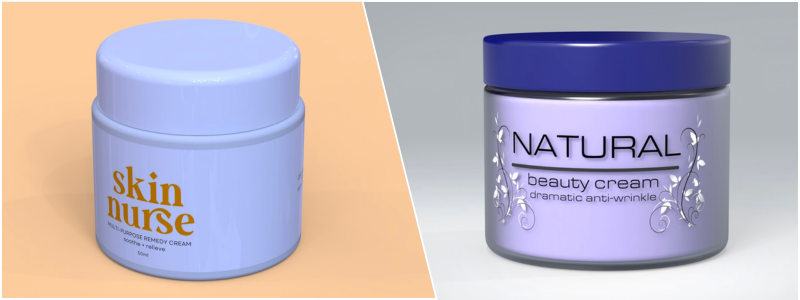

As more brands are launched in the market, it makes it even harder to maintain your brand and set it apart from the rest. This is why it’s imperative to search for new and breakthrough ways that will make your beauty products appeal to your target audience and stand out from the large crowd. This is where packaging concept design firms come in handy. Developing an enticing packaging design for your cosmetics and beauty products is one of the best-kept marketing secrets that will highlight the uniqueness of your brand. 

RELATED: New product packaging design & why it’s important for product designers

With the right designs, you can also form a stronger relationship with your customers and at the same time, improve your brand’s reputation and market value. But the million-dollar question now is, what is the best packaging design for your cosmetic and beauty products? This article discusses the basics of cosmetic and beauty product design for companies and firms. 

Three layers of cosmetic and beauty product packaging 

Consumers today usually rely on an item’s product packaging to decide whether it’s a good buy or not. For this reason, cosmetic and beauty product companies from across the world take time to design their product line. The following are the three basic layers of beauty product and cosmetic packaging:

1. Outer packaging 

The outer packaging is often the container used for shipping orders to customers, which starts from the warehouse where products are manufactured to the shelves of local stores and retail locations. Aside from letting customers know what kind of product is inside, the primary purpose of the outer packaging is to safeguard the products during transit and prevent compromising their quality along the way. 

2. Inner packaging 

The inner packaging is the material housing the product to add an extra protective layer while serving as the display packaging on store shelves. The packaging designer can use different types of materials for this layer including corrugated or cardboard boxes, slip-lid boxes, sliding boxes, folding cartons, and sometimes, even pillow boxes. The inner packaging can also contain details regarding the product like usage directions, care instructions, and ingredients. 

3. Product packaging

The third layer is the packaging housing the product itself and retains its quality over time. Droppers, tubes, bottles, and jars are the most common examples of packaging for cosmetic and beauty products. These can be molded to custom shapes as well as to best suit other aspects of the design including product label fonts and packaging colors. 

cosmetic-packaging-design-services-2

Best packaging designs for companies and firms: cosmetic and beauty product design

Modern-day consumers often switch to different shopping habits depending on what appeals to their current needs the most. It’s important to understand and be familiar with these trends as well as how your company or firm can best keep up with the new perspectives. Here are some of the best packaging designs from new concept design and product development companies that best appeal to today’s modern consumers:

RELATED: Benefits of product label and packaging designs for companies and Amazon sellers

1. Go bold with patterns

Your customers will be able to spot your products easily on the shelf and tell them apart from other similar products if you come up with a distinctive logo or pattern for your brand. This is a simple but often effective way to establish the reputation of your company with no need to use big statements just to capture the interest and attention of your target audience. 

2. Try connected packaging 

With connected packaging, you can give customers a whole new level of experience by giving them a way to interact with your product online. A special code like a QR code is printed within or on the packaging of the product in connected packaging applications. Consumers can then use their mobile devices to scan the code and activate it to receive exclusive content. It is a convenient way of getting your brand introduced to modern consumers where it has become a necessity to use smartphones, tablets, laptops, and the like. 

3. Keep it minimal 

Utilizing a product packaging design service for minimalistic designs can effortlessly make your cosmetic and beauty products look engaging and clean at first glance. This will also help you convey your message in a simple and easy-to-understand way. 

4. Switch to refillable products

There is a significant demand for refillable products now that more consumers are searching for eco-friendly options for their personal care regimen. Aside from having refill pouches for your product, you can also join this trend by setting up refill stations while cutting down the amount of waste your company produces. 

5. Stick with a structured layout

A structured product design that keeps function, coherence, and innovation in mind can create a pleasant and unforgettable user experience. Structural packaging, unlike commoditized design, tends to be more effective because its goal is to set your product apart from the rest on the store shelves. It also enhances your brand as well as its values while giving customers an unboxing experience they won’t forget. 

6. Use sustainable materials 

More and more consumers today have developed consciousness about the products they buy and use and the waste that comes with them. Using eco-friendly materials for your cosmetic and beauty product design is one of the best ways to appeal to such consumers.

7. Settle for travel-friendly sizes

Travel-friendly sizes are becoming more popular for cosmetic packaging design companies now that most beauty products have become indispensable. This is why it’s important to use packaging designs that will make your products easy to carry and light enough for people who are always on the go. 

8. Opt for a uniform color palette

Consumers will only feel overwhelmed if you use a lot of colors, urging them to buy something else from another brand. The best way to catch the attention of your customers is to use a color palette that is easy and attractive to the eyes at the same time. 

product-cosmetic-packaging-design-company

RELATED: Functional and creative packaging designs for new and existing products for companies 

9. Pick unique custom fonts 

Another effective way to grab your target market’s attention is to choose a visually intriguing packaging font. It is also a creative way of conveying the message of your brand to your consumers and helping them differentiate your products from the rest of its kind. 

Important considerations for cosmetic and beauty product packaging design

It’s no easy and simple process to create an effective packaging design for your cosmetic and beauty products. You have to consider several important factors when choosing a design that will best represent your brand and company in the market. Below are some of the things to take note of when hiring a product designer for the product design process:

Consistency

Your customers will find it easier to set your product apart from the rest if you stick with a consistent packaging design for your products. This can also strengthen the identity of your brand and recognition of your products in the market. 

State claims and guidelines

There may be different regulations for product packaging depending on your city, state, or country that you have to adhere to. Always do your research before you finalize your product design to prevent any legal issues.

Labeling and packaging options 

Be careful when considering the packaging materials that will work best for the different kinds of cosmetics and beauty products you make. Their respective labels should convey your products. 

Flexible packaging

Flexible packaging is the best way for cosmetic products that could be squeezed without causing any damage to the container. 

Shipping methods 

Although your product packaging must capture your target audience and stand out from your competition, you also need to design it with shipping in mind. Be careful when choosing packaging materials that can protect your product and its quality even during transit. 

Typeface

One of the best ways to capture the attention of prospective customers is to use unique and bold designs that will set you apart from your competitors. It’s important to use fonts readable enough for anyone to clearly understand the details presented to them. 

The personality of your brand 

Matching the packaging of your product with the distinct personality of your brand is among the best ways for your customers to distinguish your items from the rest and establish the market value of your brand. 

Your budget

Manufacturing your packaging isn’t cheap and this is why you should avoid rushing when finalizing the designs. Aside from searching for substitute materials, you can also manufacture your packaging in bulk. Doing so will help you save more money in the long run. 

Your target customers

Since the packaging of your product is intended to appeal to your target customers, make sure that you always keep them in mind in every decision you make. This way, you will be able to track trends that appeal to them the most as you convey the message of your brand. 

cosmetics-packaging-design-agency

RELATED: Actionable tips to successfully prepare your product packaging for the US market

How Cad Crowd can help

Your cosmetic and beauty product packaging is the first thing that your customers see. Make sure you contact Cad Crowd to find professionals who can help you create the best packaging designs that will grab people’s attention and resonate with their unique needs. Create a design your customers will adore with a free quote today!

Effective Cosmetic Packaging Design Tips for New Cosmetic Products Companies & Firms


Saying that the beauty industry is seeing tough competition among brands is an understatement. It’s a cutthroat and dog-eat-dog world, and if you aren’t too careful, your beauty brand could all too easily drown in the vast sea of competitors. This is why you need to capture the interest of your target audience right from the get-go. How do you do this, though? It’s where cosmetic packaging design comes in.

The design of your company or firm’s cosmetic packaging can make or break your chance to succeed. As the general public becomes more and more visually oriented, packaging design serves as the initial point of contact between your brand and your target market and leaves a lasting impression. Custom product packaging design services can assist you in creating the right packaging design to make your beauty products more attractive to shoppers’ eyes. This short guide will explore some of the most effective cosmetic packaging design tips for new cosmetic products.

Cosmetic packaging layers

Today’s shoppers seek cosmetic products that deliver outstanding benefits, and cosmetic packaging design services are essential in meeting these expectations. Furthermore, it’s crucial to have packaging that makes your products easily recognizable to consumers and improves their overall experience with your brand. One of the easiest ways to overcome such challenges is to use several layers for your cosmetic packaging. Every layer should serve a particular function, significantly impacting the final value and overall product quality.

Outer packaging

The tertiary or outer packaging is the first thing people see every time they buy online or offline. Companies and firms typically use it for shipping orders from retail stores or warehouses. This initial layer also offers protection to the product during its transport.

Inner packaging

The secondary or inner packaging encloses the product. A good example is a box housing a lipstick tube. The inner packaging lies between the product it houses and the outer packaging. Good options include labels, stickers, wrapping paper, and presentation boxes.

RELATED: Cosmetic Packaging Design & Package Design Services Costs and Pricing

Key elements of effective cosmetic packaging design

cosmetics1

Several key elements make up an effective cosmetic packaging design that affects consumer perception, and these are the following:

Branding

With custom cosmetic packaging design services, you can reinforce your brand’s identity by prominently displaying your messaging and logo on your cosmetic packaging design. Ensure you use uniform branding on all your products to promote brand loyalty.

Carefully picked colors can evoke a wide range of emotions with a significant impact on the overall appeal of your product. Always choose colors aligned with your target audience and brand identity for a strong visual connection. One of the current modern trends is neutral colors and minimalism that exude a chic appeal.

Top-quality visuals convey the product’s benefits and improve its visual appeal. Using imagery allows your brand to link with your target audience emotionally. Innovative packaging designs and solutions can also incorporate QR codes to engage customers and offer more interactive experiences.

With the world becoming more aware and conscious of environmental concerns, companies and firms are expected to use eco-friendly materials and follow green practices. Using sustainable materials will allow your brand to connect with your environmentally-conscious audience.

Legible and clear fonts can improve product communication. Your brand can strengthen your identity and recognition if you maintain consistency in your typography for all your products.

RELATED: Benefits of Product Label and Packaging Designs for Companies and Amazon Sellers

Helpful tips for effective cosmetic packaging design

Whether you’re a cosmetic company planning to sell new makeup products or a 3D design firm in charge of a beauty brand’s packaging, several tried and tested strategies ensure your packaging design will stand out.

cosmetics3

Here are some tips to help you get started on the right foot. Remember, however, that your product should still be your main focus, and your packaging design must complement it instead of competing for attention.

  • Focus on honesty and authenticity.

It’s all too easy to get caught up in making the perfect cosmetic packaging design you can think of. Most brands don’t realize the importance of honesty and authenticity.

Health Canada regulates cosmetic products in the country and implements strict rules regarding the specific types of claims that could be made on such products. Thus, make sure you determine the purpose of your product and what it promises or is intended to do. The last thing you want to happen is to mislead your customers, which will only make them unhappy and dissatisfied with their purchase.

As far as cosmetic packaging design is concerned, the secret is to keep everything simple. But just because your goal is to keep your design simple doesn’t mean that it should come off as looking unprofessional, unfinished, or lacking in character.

The main objective of effective cosmetic packaging design is to attract and inform simultaneously. It’s critical for the packaging design professional to strike the perfect balance between the two. Stay away from cluttering too many details into your design. This way, your packaging won’t overwhelm your audience. An uncluttered design can give you more room to pay attention to your packaging’s overall aesthetic.

RELATED: Functional and Creative Packaging Designs for New and Existing Products for Companies

  • Keep up with the latest market trends.

Dedicate some time to research popular products, packaging innovations, and consumer trends in the cosmetics industry. Keep an eye out on what other brands and companies are doing and everything else happening in the market. What do consumers expect from products? What do they buy at the moment? What products do celebrities and beauty influencers rave about? You can use this knowledge of the industry to your advantage to add more flair to your design.

  • Commit to the identity of your brand.

Cosmetic packaging design is a critical marketing tool, so you must stick with your brand’s identity. It means you should use colors, fonts, and other design elements that consumers associate with your brand. Take note that your product will be printed with your brand name.

cosmetics2-1

Your unique brand identity is an important trait that sets your company or firm apart from the rest. This is also an integral aspect of your cosmetic packaging design. You can also use it to differentiate your brand from the competition. How does your cosmetics compare to others? Always make it a point to protect these elements of your brand and avoid straying too far from them. If you deviate from your brand identity, it will only confuse your consumers, and worse, they might even associate your brand with a different company.

  • Be familiar with your target market.

Many consumers will always have a first impression of your product according to your cosmetic packaging design. During the design process, the 3D artist must remember that your consumers want to feel an instant connection to your brand. What is your target market? What are their interests? Consider the population in general and the people who will likely buy your product. Is your product intended for an older or younger market? Do you have upscale products, or do they cater to a bigger audience? By answering these questions, you can decide who you’re designing the packaging for.

  • Consider functionality and practicality.

Your cosmetic design packaging should be easy to close, open, and use to enhance consumers’ overall experience.

  • Make it visually appealing.

Create a captivating cosmetic design packaging that reflects the essence of your product and your brand’s identity to enthrall more consumers.

  • Maintain regulatory and legal compliance.

Adhering to all regulations and rules like Health Canada guidelines and labeling requirements is not only about ticking the boxes. It is also about showing your consumers that you are committed to keeping them safe by maintaining the quality of your products. This level of commitment can boost your brand reputation and make consumers trust your brand more.

cosmetics4

Even if the concept of cosmetic packaging design may seem simple and easy, this niche can make or break your product and your company or firm. This is why the past few years have seen more innovative trends for cosmetic packaging designs that have dominated the industry. Containers, labels, and packaging are all essential tools for safely distributing cosmetic products. These can also work wonders in increasing the visibility of your product, making it more appealing to your target audience, and simplifying its sales.

Outstanding packaging will make your product look its best while ensuring that consumers will notice its features. To compete on the shelf, you should inspect your cosmetic packaging design strategy and all its elements. Pay special attention to how other brands succeed and the essential design principles they leverage to achieve that success.

RELATED: New Packaging Design Costs, 3D Modeling Rates & Services Pricing for Companies

How Cad Crowd can help

Cad Crowd has an extensive pool of design professionals who can help you develop the most effective and innovative designs for the packaging of your cosmetic products. Contact us immediately, and let us help you in your design process!