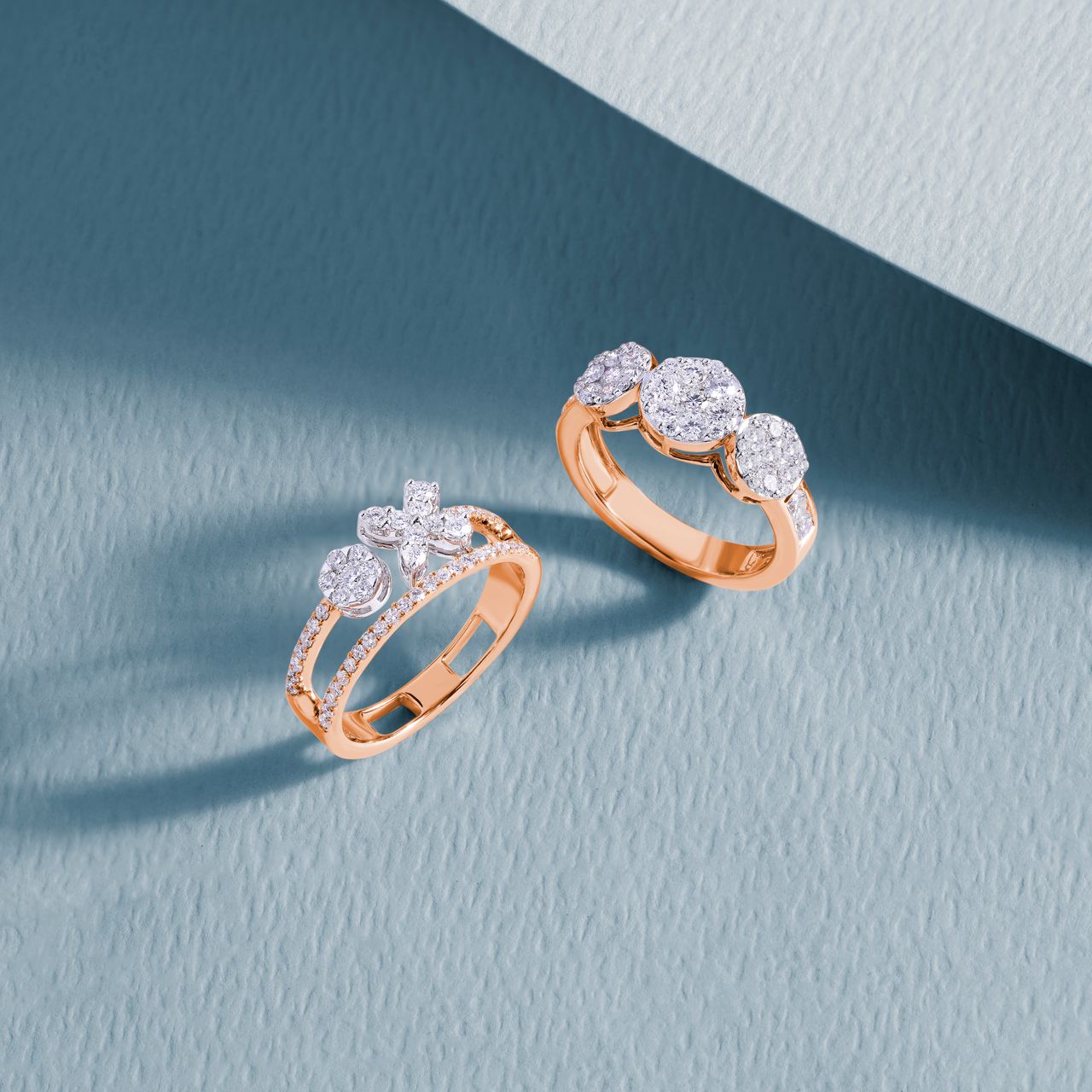

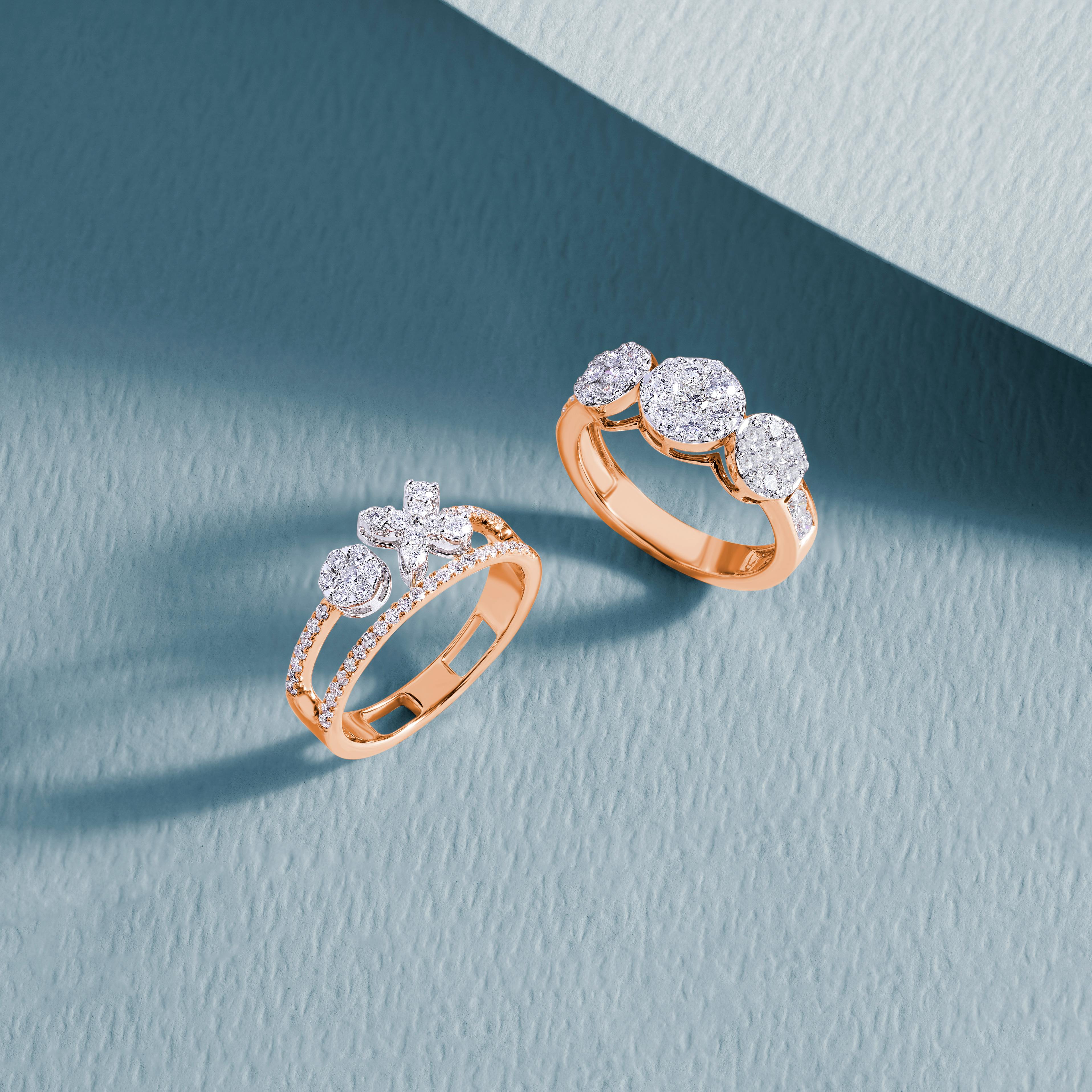
You finally decide to sell your diamond, but then you remember the small chip near the edge or that scratch on the band you’ve been ignoring for years. Now you’re stuck wondering if that damage to the diamond’s condition will tank your offer or barely matter at all. Not knowing the answer makes it hard to set fair expectations before you even ask for a quote, and it leaves you second-guessing a piece you have owned and known for years.
Buyers actually look at condition in specific, predictable ways, so the guesswork does not need to stick around for long. Some kinds of damage move the price a lot, while other things you might be dreading barely register with a buyer at all.
This article breaks down exactly how your diamond’s current condition shapes the number you actually get offered.
1. Chips Or Cracks in the Stone Lower the Clarity Grade

A diamond’s clarity grade reflects how clean the stone looks when examined at a magnified level, and damage diminishes that clarity in no time at all. A chip near the girdle or crack inside the stone counts as a flaw that wasn’t present at the time of original grading. Even a small amount of damage can push a stone into a lower clarity tier, and this would immediately be apparent to the buyer.
This drop is important to buyers because clarity is one of the biggest things that sets the price. A diamond that appears clean to the eye may become less appealing if damage is visible, potentially affecting what a buyer is willing to offer. The precise amount of grade shift depends on the location of the damage and its size, as a chip near the center may be more significant than a chip closer to the edge and not seen.
Sellers who intend to sell diamond ring items with visible chips or cracks should anticipate it before they ever request a price quote. A buyer will spot the damage during evaluation no matter what, so it never helps to hide it.
2. Cosmetic Wear on the Band Rarely Lowers the Diamond’s Price
Scratches on a gold or platinum band look bad, but they do not change what the diamond itself is worth. Buyers price the stone and the metal weight on their own, separate from how shiny or scuffed the band looks. Even deep scuff marks stay on the surface and never touch the diamond sitting above them.
Sellers often expect a big discount for a ring that looks worn, and that is where things get surprising. The metal still gets valued for its weight and purity no matter how many small dings sit on the surface. Only the stone’s own condition changes the number, not the ring’s overall look.
Understanding this stops you from assuming your ring is worth less than it really is. A scuffed-up band on a clean, undamaged stone can still bring in a strong offer, so cosmetic wear alone should never talk you out of getting a quote.
3. Repairing the Ring Before Selling Rarely Pays Off

Getting a ring polished or fixed up before selling can feel like the smart move, especially if you want a better number. In most cases when it comes to a diamond’s condition, though, the cost of that repair never comes back to you in the final offer. Buyers care about the stone and metal, not how fresh the ring looks on arrival, and a shiny band will not change what number they write down.
Money spent on prong repairs, band resizing, or professional cleaning usually just eats into your profit instead of adding to it. Since the offer is based on the diamond’s grade and the metal’s value, presentation barely factors in. Repair costs almost always come straight out of your own pocket.
Pointing out cosmetic damage to the buyer costs nothing and works just as well as fixing it yourself. Buyers already expect some wear on a ring that has actually been worn, so saving your money is usually the smarter path.
4. Recertifying a Damaged Stone Can Result in a Lower Grade
Sending an already-certified diamond in for a fresh certificate might sound like a smart extra step. But when a stone has picked up damage since it was first graded, recertifying can actually work against you. A borderline stone can come back with a lower grade than the one printed on your original paperwork, and that new number sticks.
Something to know about a diamond’s condition is that a grade is not locked in forever. It reflects how the stone looks on the day someone checks it, nothing more. A chip, a new inclusion, or even wear near the setting can shift how a grader scores the stone today, even if it looked perfect years ago. Once that new grade gets written down, you cannot go back to using the old one.
Ask a buyer whether your existing paperwork still works before you request anything new. Plenty of older certificates on undamaged stones still hold up fine. Skipping an unnecessary recheck protects the grade you already have.
5. A Diamond’s Condition Is Judged Alongside the Diamond’s 4Cs And Certificate

A buyer never looks at condition all by itself. It gets weighed next to the 4Cs, which are carat, cut, color, and clarity. Your certificate matters here too, since it backs up everything the buyer sees. Even a small bit of damage on an otherwise strong stone can still bring in a solid offer overall.
This mix of factors explains why two damaged stones can sell for very different amounts. A chipped diamond with great color and a high carat weight can still outsell an undamaged stone with poorer overall quality. Condition pushes the price up or down a little, but it does not erase everything else the stone has going for it.
Thinking about your diamond this way makes it much easier to set realistic expectations. Ask a buyer how your specific mix of factors, condition included, adds up to one final offer.
Final Thoughts
A diamond’s condition plays a real role in what your diamond sells for, but it is only one piece of a bigger picture. Chips and cracks can pull the grade down, while cosmetic wear on the band barely moves the needle at all once a buyer looks past the surface and checks the stone itself.
Skipping unnecessary repairs and being upfront about any damage puts you in the strongest position possible before you ever send in a quote request. That honest approach gets you closer to a fair, accurate offer, and it saves you from spending money on fixes that were never going to help in the first place.
Find a Home-Based Business to Start-Up >>> Hundreds of Business Listings.