Venture capital activity in Africa has shown resilience over the past six months, with major firms backing startups on the continent closing their funds despite the ongoing funding winter.
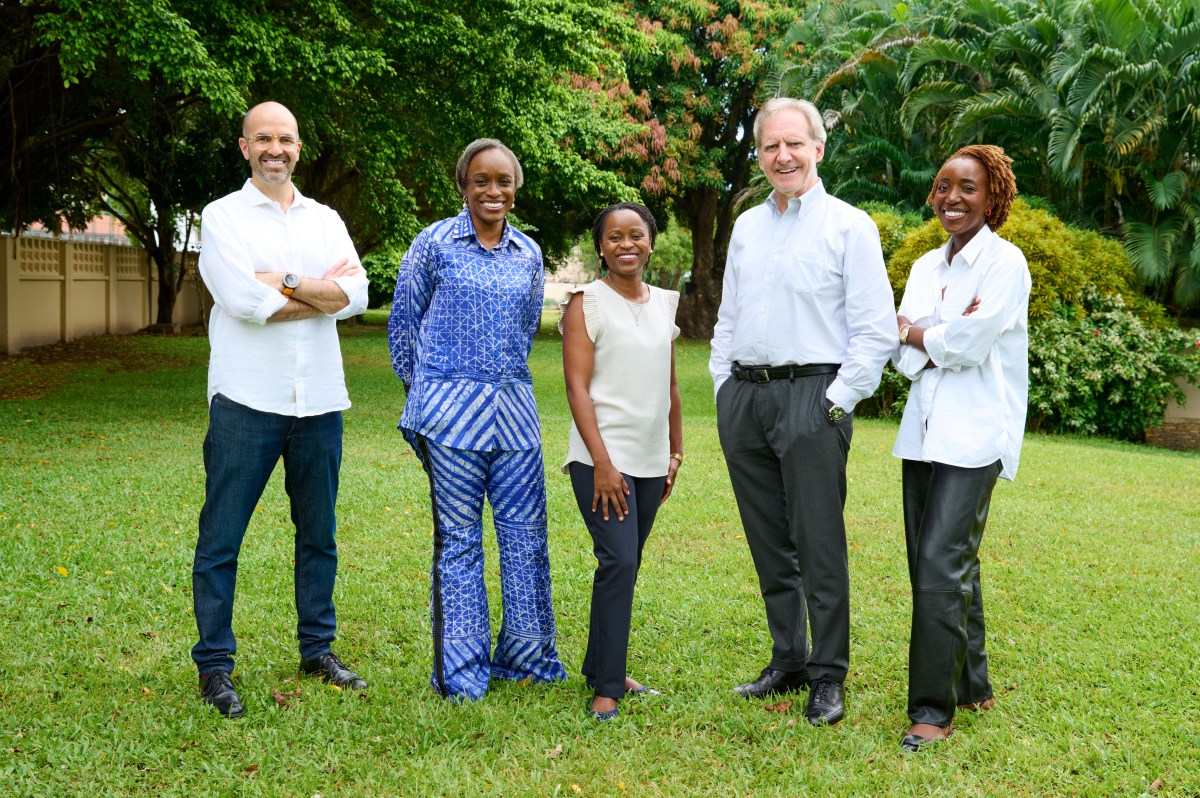
In the latest development, TLcom Capital, an African VC firm with offices in Lagos and Nairobi and a focus on early-stage startups, has concluded fundraising for its second fund, TIDE Africa Fund II, totaling $154 million. The final close positions the firm as Africa’s largest investor across seed and Series A.
The oversubscribed fund, initially targeted to close at $150 million, attracted participation from over 20 limited partners. Notable investors include the European Investment Bank (EIB), Visa Foundation, Bertelsmann, and AfricaGrow, a joint venture between Allianz and DEG Impact.
This news comes two years and a few months after TLcom Capital announced the first close of the second fund at $70 million, matching the size of its first fund, TIDE Africa Fund I. While the broader slowdown affecting venture capital and startups globally contributed to the prolonged fundraising period, the VC firm can count a few positives, managing partner Maurizio Caio told TechCrunch in an interview.
Notably, TLcom Capital closed the second fund in a shorter timeframe than its preceding fund despite being twice its size. Caio attributes this to an improved understanding and acceptance of venture capital in Africa among limited partners as a legitimate asset class. Additionally, a portfolio of companies exemplifying the firm’s investment strategy played a pivotal role in garnering investor confidence and support.
Unlike many VC firms that progress from backing startups in pre-seed and seed stages to later-stage investments with subsequent funds, TLcom Capital maintains a consistent strategy. The firm, which also has an office in London, continues to prioritize early-stage opportunities, particularly at the seed and Series A stages, while also considering opportunistic deals at growth and later stages. For example, the investor backed 10 out of the 11 companies from its first fund at seed or Series A. Yet, it has deployed capital in follow-on rounds at later stages across both funds (a Series C investment in Andela, a unicorn provider of global job placement for software developers, and partaking in a Series B extension round in FairMoney, a Nigerian digital bank.)
“We like to start early when the entrepreneur is raising seed or Series A and then to be with the entrepreneur along the journey and continue to invest if we think that the company deserves more capital deployed,” remarked Caio. “The reason is that we build our portfolio such that we back 20 to 25 companies that ‘if everything works out’ can return the fund individually.”
The managing partner further emphasizes that when TLcom evaluates early-stage opportunities, it assesses the potential of its portfolio companies to generate 10-20x returns. The approach, he says, is to ensure that successful companies compensate for losses and allow the firm to achieve 3-4x return on an aggregate basis.
One way the firm is bettering its risk in this regard is by backing repeat founders. Examples include Sim Shagaya (of uLesson and Konga), Etop Ikpe (Autochek and Cars45), and Grant Brooke (Shara and Twiga). Despite past ventures not achieving desired outcomes, Caio says these founders gained insights that will help them avoid repeating past mistakes and make better decisions in their new ventures. “When things don’t go as planned, it’s important to act swiftly, pivot, and move on to the next venture, knowing that lessons learned will pave the way for future success,” he noted.
Another is by investing earlier in deals, at the pre-seed stage. In 2020, TLcom Capital invested in Autochek and Okra at the pre-seed stage and has since followed up in subsequent rounds. Two years later, the firm launched a pre-seed strategy that involved allocating $5 million to be disbursed in small check sizes and a low-touch approach, thereby creating a pipeline to its primary strategy at seed and Series A (Upskilling platform Talstack is its first recipient). A portion of this fund, $2 million, was also dedicated to co-investing in female-led startups through FirstCheck Africa, a female-focused pre-seed fund. The firm says its commitment to gender balance is evident in its majority-female partnership and investment committee, where three out of five partners are women.
TLcom Capital, which focuses on traditional sectors like fintech, mobility, agriculture, healthcare, education, and commerce, has already backed six companies from its new fund, making initial investments ranging from $1 million to $3 million. They include SeamlessHR, FairMoney, Zone, and Vendease. Additionally, the firm has expanded its portfolio to include ILLA, a middle-mile logistics platform, and Littlefish, which enable payments and banking products for SMEs, marking its first investments in Egypt and South Africa, respectively.
“For us, the Big Four markets always continue to produce the most valuable companies, so it was important to add Egypt and South Africa as destinations of our capital,” said Caio, noting that TLcom’s portfolio before now has primarily been startups based in Nigeria and Kenya, countries where the firm has since expanded its operational capacity and expertise.
The multi-sector-focused firm and other notable venture capital firms like Norrsken22, Al Mada, Algebra Ventures and Partech Africa have raised significant funds to back African startups from pre-seed to Series C. However, as these funds are deployed across various stages of startup growth, attention will turn to the exit opportunities they facilitate and the tangible returns they deliver to their LPs, as these outcomes play a crucial role in driving the overall growth of the African tech ecosystem.
“Africa shouldn’t just be about how much money is going in but also about returns,” emphasizes Caio. “We need global capital to look at Africa and think of a place where good investments can be made and technology can generate much value. That’s still to be achieved at scale, so that’s our primary target.”