Blog | Editorial
When a seven-year-old me spent what seemed like countless hours sitting cross-legged in front of his trusty Sega Master System, the one title which reliably ensnared my attention was Sega’s Shinobi. A pitch-perfect blend of Japanese folklore sensibilities, compelling platforming and oddly cool side-scrolling shooting on account of the infinite shuriken projectiles it granted players, Shinobi just didn’t look or play like anything else, and was a key milestone in Sega’s storied history. In 2025, Sega brought back its infamous acrobatic assassin for another shot at glory with Shinobi: Art of Vengeance, and wouldn’t you know that not only does this latest instalment do justice to this often forgotten Sega franchise, but it also looks set to stand shoulder to shoulder with the industry’s best. Here’s how Sega and developer Lizardcube have pulled off a franchise revival for the ages.
Shinobi: Art Of Vengeance Is In Good Hands
Put simply, Shinobi: Art of Vengeance is in great hands, not least because developer Lizardcube has a long, varied and storied history with revitalising what were once thought to be dormant Sega franchises. From their underrated work on the excellent Wonder Boy: The Dragon’s Trap, through to the studio’s much more recent and seminal Streets of Rage 4 – which not only gave fans a proper full-blooded sequel to a beloved series, but improved upon it in many ways – it’s clear that Lizardcube is perfectly up to the task of bringing Sega’s Shinobi back from the dead with ample verve.
It Nails The Series Essence And So Much More
If you were to boil Shinobi down to its essence, you would have an offering that marries up side-scrolling platforming, run ‘n’ gun (well, shuriken) sensibilities and tight controls in a wholly compelling union. Shinobi: Art of Vengeance very much embraces those fundamentals first and foremost, offering players a genre effort that at once controls with a buttery smooth responsiveness and yet has an almost muscle-twitch style snappiness to the array of attacks it provides the player with. This is just the beginning of the magic that Parisian developer Lizardcube has woven here.

In the original and beloved classic, the main protagonist Joe Musashi was a shuriken dispensing machine first and a close-quarter martial artist second. In Shinobi: Art of Vengeance, though, the concept is essentially flipped with shiruken being in finite supply and the emphasis very much on dishing out devastating melee strikes, juggle combinations, timely evasions and even attack cancels. Beyond this, Shinobi: Art of Vengeance also empowers its primary protagonist to make the most of a broader set of Ninjitsu skills, including all manner of magical fire attacks, deadly chain assassinations, and so much more besides.
The platforming and traversal side of things has also seen a similar level of love lavished upon it, with our endlessly nimble hero able to leap, double jump, air-dash, roll, and wall jump his way through the various levels that feel absolutely on par with some of the best two-dimensional platformers around. With the newly refreshed combat and platforming mechanics taken in tandem, then, Shinobi: Art of Vengeance represents nothing less than a thorough evolution of everything that made the original Shinobi so essential all those years ago.
Progression Systems Which Make Sense And Encourage Replay
Another crucial element in how Shinobi: Art of Vengeance looks to drag Sega’s legendary series kicking and screaming into the present day is in its deft implementation of progression systems which complement its resoundingly solid gameplay fundamentals, rather than overshadowing them with banal busywork. As you carve a path through each of Art of Vengeance’s levels, Joe will accrue precious gold that can be used to purchase additional traversal abilities, new combat techniques, increased kunai storage and a range of other skills and buffs to boot. It’s also worth noting that some especially devastating Ninjitsu arts can only be unlocked by progressing further in the story.

Beyond this, players can also leverage special amulets that provide a veritable swathe of passive bonuses that can activate under specific circumstances, such as reaching a particular hit milestone in a combo, for example. This ties in with perhaps the most overlooked aspect of progression in Shinobi: Art of Vengeance – its clear nod to Metroidvania design. In practice, this design manifests itself during exploration, with levels having various areas, nooks and crannies that are inaccessible until you revisit them later on with the means to do so, discovering all manner of new secrets and loot as a reward for wandering off the beaten path, so to speak.
Further afield, special elite challenges which task players with taking down a range of extra-powerful enemies within a constrained environment also provide skilled players with yet another reason to replay and explore every area that Shinobi: Art of Vengeance has to offer. Make no mistake, this is no one-and-done sort of affair; Shinobi: Art of Vengeance has legs.
A Painterly Japanese Aesthetic to Die For
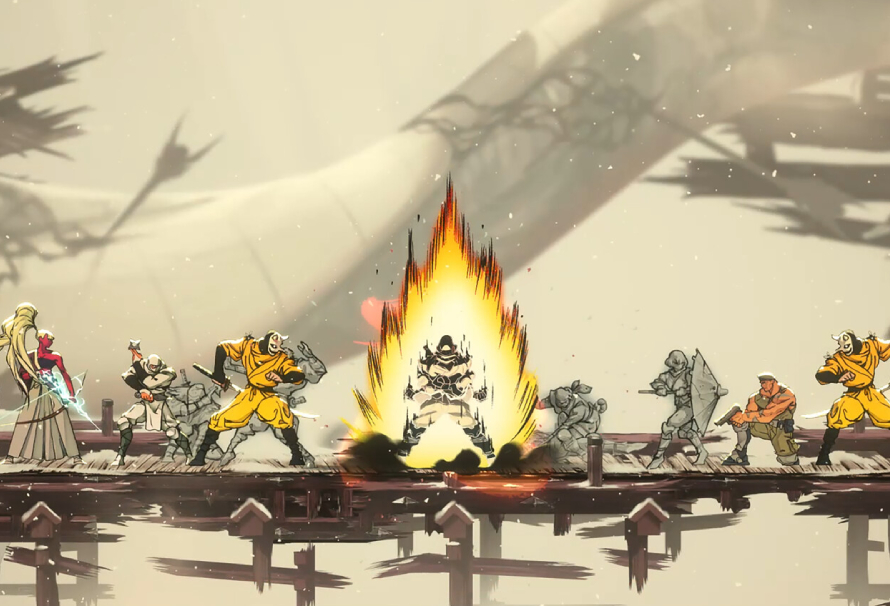
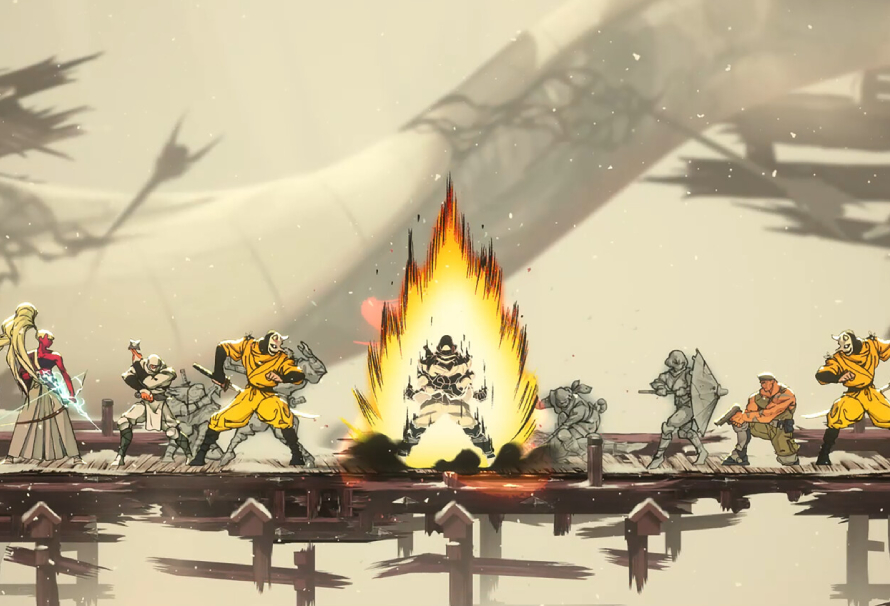
Easily one of the most striking things about Shinobi: Art of Vengeance is its visual aesthetic. The game draws heavily on the considerable talents of Lizardcube’s art team, who have once again crafted retina-stroking, hand-drawn visuals – something we last saw in Streets of Rage 4. At the same time, the style leans deeply into the expressive and vibrant traditions of classic Japanese manga. Taken together, it’s clear that Shinobi: Art of Vengeance stands as the studio’s most artistically ambitious title to date. Whether you’re gawking at the gorgeously realised comic book style characters that move with effortless grace, the painterly backgrounds, or staring wide-eyed at the deliciously over-the-top Ninjitsu attacks that look like they’ve leapt off the page of a Japanese comic, Shinobi: Art of Vengeance is easily one of the most visually arresting games of the year.

Shinobi: Art Of Vengeance Has A Proper Story
Though the story of previous Shinobi games has hardly been a point of emphasis, Shinobi: Art of Vengeance looks to change that particularly depressing state of affairs. Indeed, the 2025 entry in the Shinobi franchise unfurls a whole plot around Joe Musashi’s village and clan coming under attack by a nefarious paramilitary group called ENE Corp, which in turn is seemingly led by a mysterious individual known only as Lord Ruse. Though the setup might seem familiar to folks who have played earlier entries in the series, Shinobi: Art of Vengeance expands on the plot by not only stringing together a raft of in-game cutscenes and dialogue, but also by introducing players to a cast of both new and returning characters, too.
In the end, Shinobi: Art of Vengeance isn’t just another revival of a classic Sega property – it’s a statement. By blending razor-sharp combat, layered progression, fluid platforming, and a painterly aesthetic that feels as bold as it is reverent, Lizardcube has crafted something that both honours Shinobi’s legacy and propels it into a new era. For longtime fans, it’s the triumphant return of a childhood icon. For newcomers, it’s an introduction to one of Sega’s most enduring legends at its absolute best. Either way, it’s clear that Joe Musashi has never looked sharper, deadlier, or more essential than he does here.
John-Paul Jones
Scribbling about videogames since 2005, John-Paul Jones first stoked his love for the industry with the Atari 65XE at the age of four before proceeding onto the ZX Spectrum, Amiga and beyond. These days, he finds himself unreasonably excited about Sega’s Yakuza franchise, foreign cinema and generally trying to keep his trio of sausage dogs from burning his house down. Clearly, he is living his best life right now.