Palworld Beginner Guide: Essential Tips for Getting Started


Blog | Guide

Palworld has now hit full release, and whether you’re stepping onto Palpagos for the first time or returning after a long break, there’s a lot to get your head around. Underneath the chaos, monster-catching, base-building, and occasional legal drama, Palworld is still a survival game at heart. That means preparation matters.

If you want the headline details before diving in, check out our full breakdown of Palworld 1.0’s release date, new features, gameplay trailer, and more.

To help you get off to a strong start in Palworld 1.0, we’ve put together some practical beginner tips covering world settings, base building, Pal catching, gear, travel, and a few easy mistakes to avoid.

Check Your World Settings First

Before you properly dive in, take a minute to look through your world settings. Palworld gives you a surprising amount of control over how forgiving, grindy, or chaotic your world can be.

You can adjust things like experience gain, resource gathering, damage, stamina, and what happens when you die. If you don’t want to spend hours farming basic materials, or you’d rather focus on exploring and catching Pals, there’s no shame in tuning the experience to suit you.

The best part is that you can adjust many settings after creating a world, as long as you do it before loading back in. So if the game starts feeling too slow, too punishing, or too easy, tweak it rather than forcing yourself through a version you’re not enjoying.

Returning Players Should Check Mods And Saves

If you’re coming back for Palworld 1.0 and previously used mods, take extra care before loading an old world. Major updates can break outdated mods, and Pocketpair has specifically warned players to remove incompatible mods before playing the new version.

It’s also worth backing up your save before jumping in, especially if you’ve spent dozens of hours building bases, breeding Pals, or clearing bosses. A few minutes of caution can save a lot of heartbreak later.

Pick Your Base Location Carefully

Your first base doesn’t need to be perfect, but it should make your life easier. Look for somewhere with nearby resources, enough flat space to build, and a layout that won’t constantly trap your Pals on rocks, cliffs, or awkward terrain.

A good early base location should ideally have access to wood, stone, ore, and open building space. Being close to resources saves time, and time is one of the most valuable things in Palworld. The less you have to sprint back and forth carrying basic materials, the faster you can build, craft, and explore.

Defensibility matters too. Avoid placing your base somewhere too exposed if raids are enabled, and try not to build in a spot where enemies can easily swarm every angle.

Build For Workflow, Not Just Looks

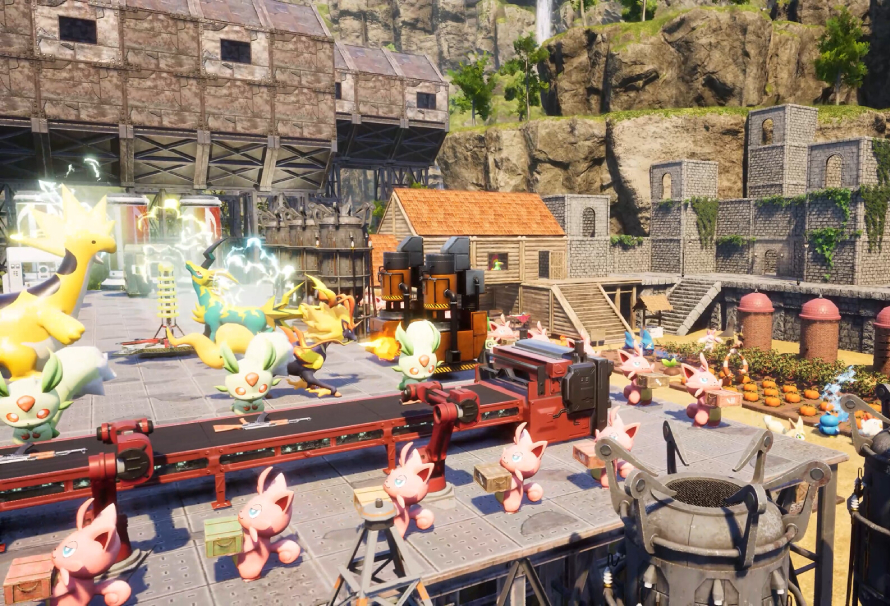
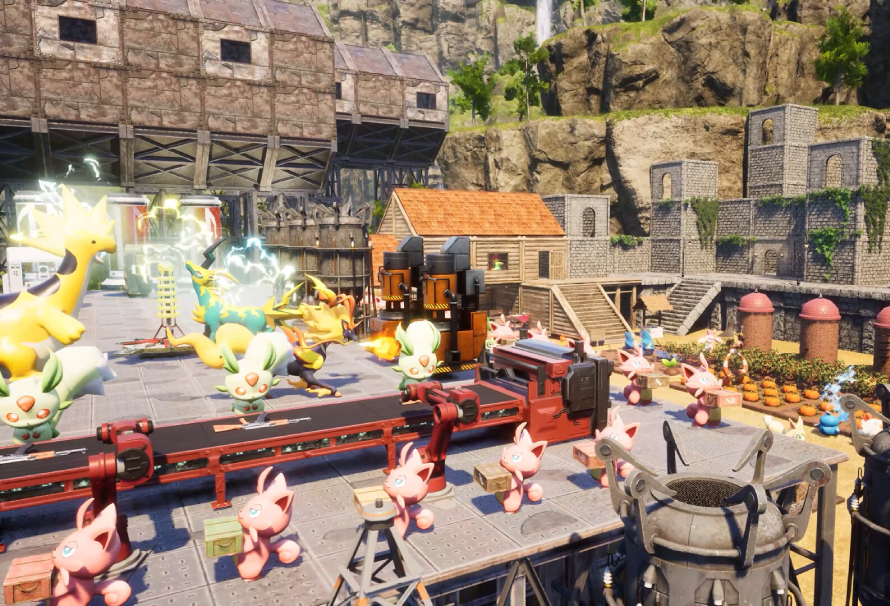
A tidy base is nice, but a functional base is better. Your Pals need to move between beds, food, workstations, storage, and resource nodes without getting stuck or wasting time.

Place storage close to production areas. Keep food accessible. Give your Pals enough room around crafting benches, farms, and mining spots. If workers keep stopping, wandering, or failing to reach tasks, your layout may be the problem rather than the Pals themselves.

As your base grows, think of it less like a house and more like a little production line. The smoother the layout, the less you’ll have to babysit it.
Follow Your Base Missions

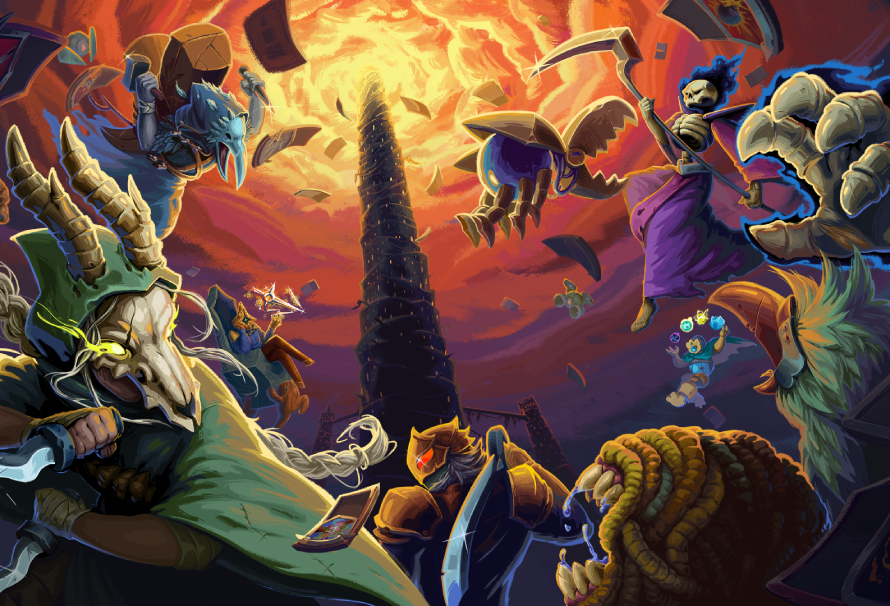
If you’re ever unsure what to do next, check your base missions. These objectives are more than a tutorial checklist. Completing them increases your base level, which unlocks more working Pal slots and expands what your settlement can do.
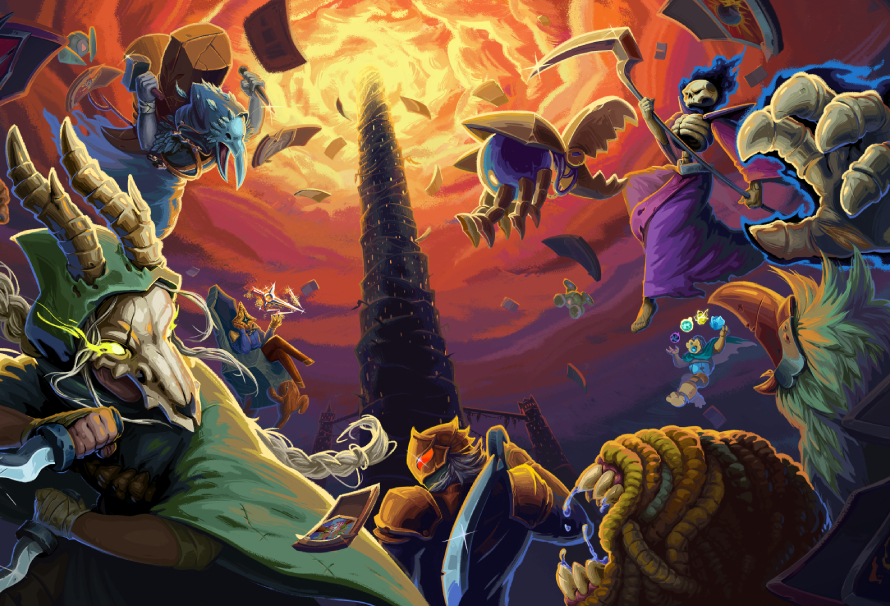
A higher base level means more production, more flexibility, and more room to specialise. It also gives you a clear path through the early game, especially when Palworld starts throwing a dozen possible distractions at you.

When in doubt, progress the missions, improve the base, then head back out stronger.

Catch Plenty Of Pals

Yes, you should absolutely catch loads of Pals. Different Pals have different elements, work suitabilities, passive traits, and partner skills, so variety is incredibly useful.

Catching duplicates is also worthwhile. Extra catches can provide experience bonuses, give you better passive skill options, and help you find stronger workers or fighters. Even if you already have one of a species, another might have better traits or be more useful for breeding later.

Try to build a team that covers different elements and roles. You’ll want combat Pals, base workers, mounts, gatherers, miners, kindling specialists, and more. The broader your collection, the easier it is to respond to whatever the game throws at you.

Learn The Element Matchups

Palworld’s elemental system matters, especially once fights start getting tougher. Pals and attacks have elemental strengths and weaknesses, so bringing the right team can make a huge difference.

You don’t need to memorise everything immediately, but you should start paying attention to what works. If a boss or wild Pal is giving you trouble, swap in Pals with a better elemental matchup rather than brute-forcing the same fight over and over.

A balanced team will save you resources, reduce failed captures, and make boss fights far less stressful.

Upgrade Your Gear Regularly

Your Pals will do a lot of fighting, but you still need to look after yourself. Better armour can improve survivability, and some gear offers protection against environmental hazards like heat or cold.

Weapons matter too. Even if you prefer letting your Pals handle combat, your own damage can help finish fights, weaken targets for capture, or save you when things go sideways. Keep an eye on new crafting options as you unlock technology, and don’t forget to repair or replace gear before heading into dangerous areas.

A good rule is simple: if you’re entering a new biome or fighting stronger enemies, check your equipment first.

Travel Smart

Palworld’s map is big, and walking everywhere gets old quickly. Early on, activate every fast travel statue you find. Even if you don’t need it immediately, you’ll thank yourself later when you need to return to an area for resources, bosses, dungeons, or rare Pals.

Mounts are just as important. A reliable ground mount makes exploration faster, while a flying mount can completely change how you move through the world. Once you have access to rideable Pals, prioritise the ones you’ll actually use and craft the relevant saddle.

The less time you spend trudging across familiar ground, the more time you can spend doing the fun stuff.

Don’t Hoard Technology Points Blindly

Technology points unlock new structures, weapons, gear, saddles, and base tools, but not every unlock is equally useful right away. Prioritise upgrades that solve immediate problems.

Need better movement? Unlock a saddle for a Pal you actually own. Struggling with production? Unlock better workstations. Taking too much damage? Look at armour. Running out of food? Improve farming and cooking.

It’s easy to unlock something just because it looks shiny, but practical upgrades usually pay off faster.

Prepare Before Bosses And Dungeons

Before heading into a boss fight, dungeon, or dangerous new area, do a quick checklist. Bring food, repair your gear, rest your Pals, check your ammo or weapon durability, and make sure your team has sensible elemental coverage.

Palworld can go from peaceful resource gathering to absolute disaster very quickly. A little preparation makes those disasters much easier to survive.

Final Thoughts

Palworld gives you a lot of freedom, and that’s part of the fun. You can build a cosy production hub, chase rare Pals, optimise your team, explore every corner of the map, or simply cause a bit of creative chaos.

The best beginner advice is to make the game work for you. Adjust the settings, build somewhere practical, catch more Pals than you think you need, and keep upgrading your base, gear, and travel options. Do that, and your first steps into Palworld’s full release should be much smoother.


Jason Coles

Jason likes to focus on roguelikes and co-op games; in a dream world he’d make a living writing about Dark Souls. As well as being a writer he also does personal training and accounting and can occasionally be seen on other people’s streams. Being a big fan of fluffy things means he has two cats, both of whom refuse to let him sleep, but at least they are cute.

Denshattack! Mini-Review: Tony Hawk’s Meets Trains In A Stylish Trick Game


Blog | Review

Denshattack! is one of those rare games that feels familiar in its aims, but completely fresh in its execution. It takes place in a world ravaged by climate change, where most of humanity now lives inside corporate-controlled domes. Outside of that carefully managed society, you play as a woman selling ramen from an old train.

The rails, unfortunately, have seen better days. While you are technically still travelling on tracks, getting around means jumping gaps, pulling off kickflips, grinding rails, and chaining together tricks in ways that make your train feel more like a skateboard than a vehicle.

Yellow train performing a high-speed wall ride with comic-style motion effects in Denshattack!

Early on, you meet someone who introduces you to Denshattack, a sport where train drivers compete to be as cool, stylish, and fast as possible. Honestly, why wouldn’t you get involved?

The world around the sport is just as charming as the sport itself. Some people compete, while others make a living by decorating trains, creating zines, and celebrating the culture around these stylish rail-riding daredevils. It gives the game a strong sense of personality, even before things start getting truly strange.

At first, you are simply learning how to turn properly, which takes more skill than you might expect. Before long, though, you are pulling off increasingly absurd stunts, chaining tricks together, and pushing your train far beyond anything resembling sensible public transport.

Yellow graffiti-covered train racing along a raised track toward a giant baseball in Denshattack!

Denshattack! does not stop at tricks and time trials. The game also features boss fights, and while we will not spoil them here, they become wonderfully ridiculous.

As you progress, you learn new techniques that expand what is possible. Manuals let you connect tricks and grinds for higher scores, while later abilities allow you to grind along magnetic forces surrounding the world. These appear as psychedelic rainbow trainlines, which is about as wonderfully unhinged as it sounds.

There is almost no way to describe Denshattack! without making it sound completely wild, and that is part of its appeal. It is strange, stylish, loud, and refreshing in a way that makes it stand out immediately.

Yellow train speeding along glowing rainbow rails through a vivid landscape of pink trees and rocky cliffs in Denshattack!

At its heart, Denshattack! is about fighting back against evil megacorporations while performing ridiculous train tricks with as much style as possible. That combination works far better than it has any right to.

The characters are engaging, the boss battles are memorable, and the side objectives give you plenty of reasons to replay levels in search of higher scores and better medals. It also becomes surprisingly challenging after the opening stages, but once you hit that flow state and start chaining everything together, it feels fantastic.

Denshattack! is bold, energetic, and gloriously odd. If you like games that take a simple idea and push it somewhere completely unexpected, this is absolutely one to watch.


Jason Coles

Jason likes to focus on roguelikes and co-op games; in a dream world he’d make a living writing about Dark Souls. As well as being a writer he also does personal training and accounting and can occasionally be seen on other people’s streams. Being a big fan of fluffy things means he has two cats, both of whom refuse to let him sleep, but at least they are cute.

Every Major Way Subnautica 2 Improves on the Original


Blog | Feature

With its blend of deep-sea exploration, crafting, and survival sandbox gameplay, Subnautica quickly became a favourite among players when it launched in 2018. Now, Subnautica 2 from Unknown Worlds Entertainment builds on everything that made the original so memorable, adding a wave of fresh ideas to pull returning players back underwater.

As Subnautica 2 begins its Early Access journey, here is how it is already improving on the original experience.


Subnautica 2 on PC

Unreal Engine 5 Brings More Than Just Better Visuals

One of the biggest changes in Subnautica 2 is the move from Unity to Unreal Engine 5. While that shift obviously means a massive visual upgrade, the benefits go well beyond surface-level improvements.

Thanks to Unreal Engine 5’s Lumen lighting system, the ocean feels incredibly dynamic and atmospheric. Bioluminescence casts light convincingly across the environment, while sunlight filters through the water in a way that reacts naturally to movement on the surface. The result is an underwater world that feels richer, moodier, and far more immersive.

The water itself is also highly reactive. Dynamic currents push both players and vehicles around the environment, turning navigation into a much more active part of survival. In some areas, those currents act as a serious hazard rather than just background detail.

The engine also introduces fresh environmental threats, including Bloom zones. These infected areas are filled with thick, murky fog that limits visibility and makes exploration deeply tense, pushing Subnautica 2 closer to survival horror territory.


Subnautica 2 on PC

Multiplayer Co-op Is Finally Happening

For many fans, this is the big one. After years of requests, Subnautica 2 launches into Early Access with multiplayer co-op for up to four players.

What makes this feature especially impressive is how seamless it is. Players can start a world solo and open it up for friends to join later, without needing to build the whole experience around co-op from the beginning.

Shared progression is another major step forward. Blueprints, databank entries, materials, and recipes are all shared across the group, making teamwork feel meaningful rather than inconvenient.

Better still, players aren’t constantly forced to stay close together. Instead of imposing strict distance limits, Subnautica 2 gives co-op groups the freedom to split up, explore, and tackle tasks in their own way.


Subnautica 2 on PC

Base Building Looks Much More Flexible

Base building has received a major overhaul. The rigid modular construction of the first game is replaced by a flexible procedural building system that gives players far more control over how their bases look and function.

Rather than working within fixed room sizes and limited layouts, players can reshape corridors, rooms, and interiors freely. That opens the door to more personal, creative base designs and makes construction feel less restrictive overall.

There’s also more control over the finishing touches. Interior lighting can be adjusted in greater detail, including both colour and intensity, and a wide variety of window options make it easy to create bases that feel practical, stylish, or both.


Subnautica 2 on PC

Biomods Create New Progression Options

Character progression in the original Subnautica was mostly tied to gear upgrades. In Subnautica 2, that system expands in a much more interesting direction through Biomods.

By harvesting DNA from local wildlife and taking it back to a Biolab, players can unlock mutations that affect how their character develops. These upgrades sit within skill trees and offer active and passive benefits that go beyond simple stat boosts.

That means unlocking improved resistance to water pressure, faster swimming, or better visibility in hazardous areas like Bloom zones. It’s a layered progression system that adds another dimension to exploration and survival.


Subnautica 2 on PC

The Ocean Is More Dangerous Than Ever

The creatures of Subnautica 2 aren’t just threatening in appearance; they are highly advanced in how they behave.

New predators, such as the Collector Leviathan, provide large, intelligent threats that actively hunt players, attack vehicles, and flush explorers out of hiding spots. More broadly, the game’s fauna reacts to a wide range of factors, including prey relationships, water currents, and even the time of day.

This makes the world feel unpredictable and deeply alive – exactly what a game like Subnautica needs.


Subnautica 2 on PC

Meet the Tadpole

The original game’s Seamoth is replaced by a new modular vehicle called the Tadpole, and it is a massive upgrade in terms of flexibility.

Instead of relying on a single all-purpose design, players can swap out the Tadpole’s shell chassis depending on what they need for a particular expedition. A faster setup suits exploration, while a bulkier shell prioritises storage and endurance.

This level of customisation gives players complete control over how they approach each dive, making the vehicle system feel incredibly adaptable.


Final Thoughts

From upgraded visuals and smarter creature behaviour to co-op play, deeper progression systems, and more flexible base building, Subnautica 2 is a meaningful step forward rather than a simple follow-up. With all of these ideas already taking shape at the start of its Early Access journey, it is well on its way to becoming the sequel fans have been waiting for.


John-Paul Jones

Scribbling about videogames since 2005, John-Paul Jones first stoked his love for the industry with the Atari 65XE at the age of four before proceeding onto the ZX Spectrum, Amiga and beyond. These days, he finds himself unreasonably excited about Sega’s Yakuza franchise, foreign cinema and generally trying to keep his trio of sausage dogs from burning his house down. Clearly, he is living his best life right now.

Best Sci-Fi and Horror Games Like Directive 8020


Blog | Games Like

Directive 8020 brings Supermassive Games’ signature brand of cinematic horror into a more action-heavy, survival-horror-flavoured space. The studio has always had a knack for tense choices, grisly consequences, and making you deeply suspicious of every dark corridor, but this time, that familiar formula is heading into sci-fi territory.

So, we’ve rounded up the best games like Directive 8020, from choice-driven horror stories to sci-fi scares, lurking threats, and games where everything can go horribly wrong very, very quickly.


Silent Hill f on PC

1. Silent Hill f

Silent Hill f is an exceptional entry in one of horror’s most beloved series, and a great pick if what you’re after is lurking terror, unsettling imagery, and a story packed with twists and turns. You take control of Hinako as she explores her hometown, now swallowed by a strange fog that has warped everything into something deeply unpleasant. It’s eerie, stylish, and deeply unnerving, which makes it an easy recommendation for anyone after a strong dose of psychological horror.

  • Perfect For: Players who want psychological horror, unsettling storytelling, and the constant feeling that something is very, very wrong.

Alien Isolation on PC

2. Alien Isolation

Alien: Isolation is the perfect game if you want to spend every waking second fearing for your digital life. You play as Amanda Ripley, skulking through dark corridors and trying to survive while a relentless Xenomorph stalks you from the shadows. The game uses plenty of clever tricks to make sure you never feel safe for long, and while you’re desperately trying to stay alive, you’re also uncovering the truth about what happened to your mother. Lovely stuff, really, if your idea of lovely is constant terror.

  • Perfect For: Anyone who wants sci-fi horror, ruthless enemies, and the horrible knowledge that hiding under a desk might not actually save you.

The Quarry on PC

3. The Quarry

The Quarry is all about trying to keep yourself and a group of teenage counsellors alive in the very classic horror setup of a summer camp gone horribly wrong. It’s packed with choices, grisly outcomes, and the kind of “please don’t go into the dark woods alone” moments that make Supermassive’s games so much fun. It’s also playable with others, which adds a nice bit of chaos to the whole thing. Really, this is our stand-in for Supermassive’s wider catalogue, because if you want something like Directive 8020, it makes sense to start with another game from the same developer.

  • Perfect For: Fans of cinematic horror, branching choices, and trying very hard not to get a full cast of characters killed.

Resident Evil Requiem on PC

4. Resident Evil Requiem

Resident Evil Requiem is another strong choice from a long-running survival horror series, and it delivers that familiar mix of tension, action, and deeply unpleasant monsters. This one puts you in control of Grace Ashcroft and Leon S. Kennedy as they try to survive the horrors connected to the Umbrella Corporation. It’s a great pick if you like your horror with a bit more firepower, a lot of stress, and the occasional moment where you realise you probably should have saved those bullets.

  • Perfect For: Survival horror fans who want action, tension, iconic characters, and plenty of reasons to regret wasting ammo.

Prey on PC

5. Prey

Prey fits the bill nicely because it’s creepy, clever, and set in space, which is a pretty good starting point when looking for something in the same general orbit as Directive 8020. It’s also just a stunning game all-around, with a fantastic concept and loads of ways to approach its many problems using your growing set of strange tools and abilities. Also, sometimes mugs come to life and try to eat you, and frankly, there just aren’t enough games willing to commit to that bit. Then again, almost anything in Prey could be an alien, so you’re better off trusting absolutely nothing.

  • Perfect For: Players who like sci-fi horror, immersive problem-solving, and being suspicious of every single coffee cup in a room.

Detroit: Become Human on PC

6. Detroit Become Human

Quantic Dream games can be a little divisive, and Detroit: Become Human has moments where it lays things on a bit thick, but it’s still an excellent game if you want choice-driven storytelling with a sci-fi edge. It explores advanced androids, personhood, and what it means to be alive, all while giving you plenty of decisions that can send the story in different directions. It’s also a beautiful game to explore, and if you want to feel like every choice you make matters, this is still one of the better options out there.

  • Perfect For: Players who want cinematic sci-fi, branching narratives, and the pressure of knowing one bad decision can change everything.

Sherlock Holmes The Awakened on PC

7. Sherlock Holmes The Awakened

We’re finishing up with probably the biggest curveball on the list. Sherlock Holmes The Awakened comes from Frogwares, which means there’s plenty of investigating to do, a story that pulls you along, and, in this case, a thick layer of horror and tension. You take control of Mr Holmes himself as he dives into a mystery far stranger than his usual cases, with the Cthulhu Mythos creeping in and making everyone involved question absolutely everything they know. It might not seem like an obvious match at first, but if you’re here for mystery, dread, and a story that keeps getting weirder, it absolutely earns its place.

  • Perfect For: Players who want investigation, cosmic horror, and a mystery that becomes much stranger than anyone reasonably asked for.

Jason Coles

Jason likes to focus on roguelikes and co-op games; in a dream world he’d make a living writing about Dark Souls. As well as being a writer he also does personal training and accounting and can occasionally be seen on other people’s streams. Being a big fan of fluffy things means he has two cats, both of whom refuse to let him sleep, but at least they are cute.

Battle, Explore, and Survive with the Team17 Collection Bundle


Blog | Store

Fight, explore and survive across a world of unforgettable adventures with the Team17 Collection Bundle. This collection of eight standout games challenges you to battle through dark fantasy realms, master co-op missions, uncover strange new worlds and more. From intense strategy to creative exploration, every title offers something distinct – making this a bundle packed with variety and discovery.

Even better, every purchase helps support Save the Children, contributing to the vital work they do for young people around the world. By diving into these incredible experiences, you’re also helping make a real-world difference.

Eight Standout Adventures. One Great Cause.

The Team17 Collection brings together a diverse lineup of experiences, each offering its own unique challenge:

  • Sworn: Brave a corrupted Camelot in this dark fantasy action experience where danger lurks around every corner.
  • Heroes of Hammerwatch II: Descend into perilous dungeons, battle fearsome enemies, and grow stronger with every run.
  • Amber Isle: Restore a charming community as you rebuild shops, befriend locals, and bring life back to a vibrant world.
  • Operation: Tango: Team up in a two-player co-op spy adventure where communication and coordination are key to success.
  • Heavenly Bodies: Take on zero-gravity challenges in a physics-based experience that’s as rewarding as it is unpredictable.
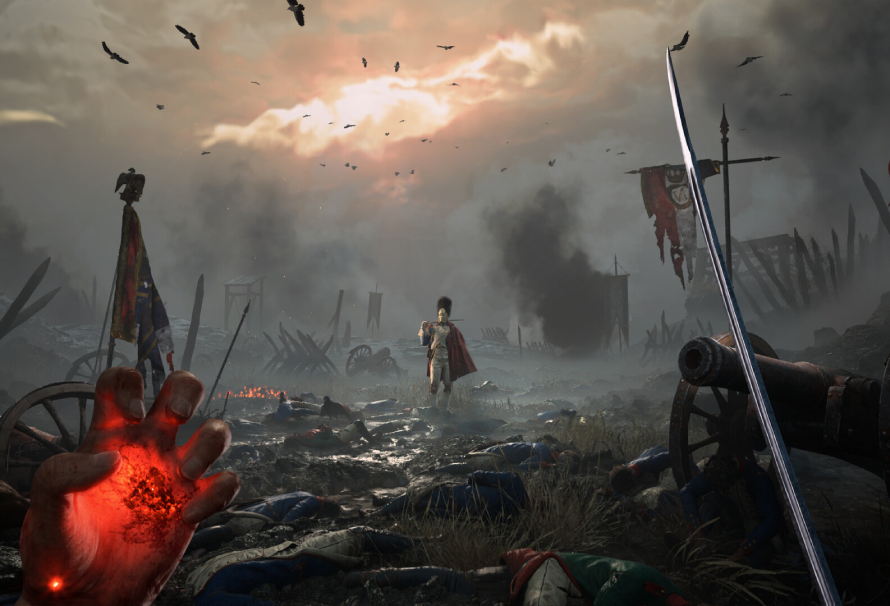
  • CONSCRIPT – Director’s Cut: Endure the brutal realities of war in this atmospheric survival horror set during World War I.
  • Warcana: Command armies and outthink your opponents using strategic, card-driven gameplay.
  • Scarlet Tower: Survive relentless gothic hordes in a dark, fast-paced action experience filled with upgrades and chaos.

Gaming That Gives Back

Every purchase of the Team17 Collection supports Save the Children, helping fund essential work across more than 100 countries. The organisation focuses on ensuring children stay safe, healthy, and able to learn—whether that’s through emergency aid in crisis zones, access to education, or protecting children from harm and exploitation. By picking up this bundle, you’re not just expanding your library – you’re helping give children the chance of a better future.

Instant Access. Endless Adventure.

As with all Green Man Gaming bundles, your keys are delivered instantly so you can jump straight into the action. You’ll also receive an extra 3% off voucher for your next PC game purchase, keeping the adventure going. Be quick, though, the Team17 Collection is only available for a limited time. Don’t miss your chance to experience this diverse collection of standout indie games while supporting a great cause.


Green Man Gaming

The Green Man Gaming Staff account represents the voices of the team behind Green Man Gaming, bringing you the latest in store news, industry insights, and curated gaming recommendations.

Slay the Spire 2 Mini-Review: Familiar Foundations, Fresh Co-Op Brilliance


Blog | Review

At first glance, Slay the Spire 2 in Early Access feels like a slightly expanded version of the original. You start with Ironclad again, and most of the launch roster features familiar faces, with only two of the five characters being new. Those new additions bring dramatically different playstyles, which helps a lot, but the overall experience can still feel a little too familiar early on. It can even seem somewhat basic when you compare it to the many games that have built upon the formula since the first game was released.

Slay the Spire 2 in Early Access on PC

That feeling starts to shift as you spend more time with it. You gradually unlock features that add more depth and variety to each run. New paths open up, relics introduce fresh ideas, and builds become far more interesting. The game also mixes in different level types alongside the standard progression, which helps keep things feeling varied. These additions make runs feel much fresher overall, though there are still features many players would like to see added. It’s still Early Access, though, so there’s plenty of room for that to happen.

The co-op mode is what really makes the game shine. It changes how you approach every run and adds a new layer of strategy. You and your teammates need to think carefully about how your characters and builds interact, which leads to some fantastic moments. You’re not just playing side by side – you’re actively supporting each other throughout. At rest sites, you can choose to heal a teammate instead of yourself, and some builds focus heavily on supporting others.

You can also share your block with another player, letting them go all-in on offence instead. This adds an entirely new dimension to the game, and each additional player deepens that complexity even further. It opens the door to creative strategies and leads to some memorable wins and losses along the way. If this is the game at its earliest stage, then Slay the Spire 2 has the potential to become something truly remarkable by the time it’s finished.


Jason Coles

Jason likes to focus on roguelikes and co-op games; in a dream world he’d make a living writing about Dark Souls. As well as being a writer he also does personal training and accounting and can occasionally be seen on other people’s streams. Being a big fan of fluffy things means he has two cats, both of whom refuse to let him sleep, but at least they are cute.

Nomori’s Ghibli-Inspired Aesthetic Belies a Mind-Bending Portal Puzzler


If you love games that challenge your perception and reward thinking outside of the box, upcoming physics puzzler Nomori may be right up your alley. At the recent ID@Xbox event at GDC, I was able to play through the demo and chat with Studio Director Marnix Licht, who leads Enchanted Works’ small remote team distributed across the Netherlands.

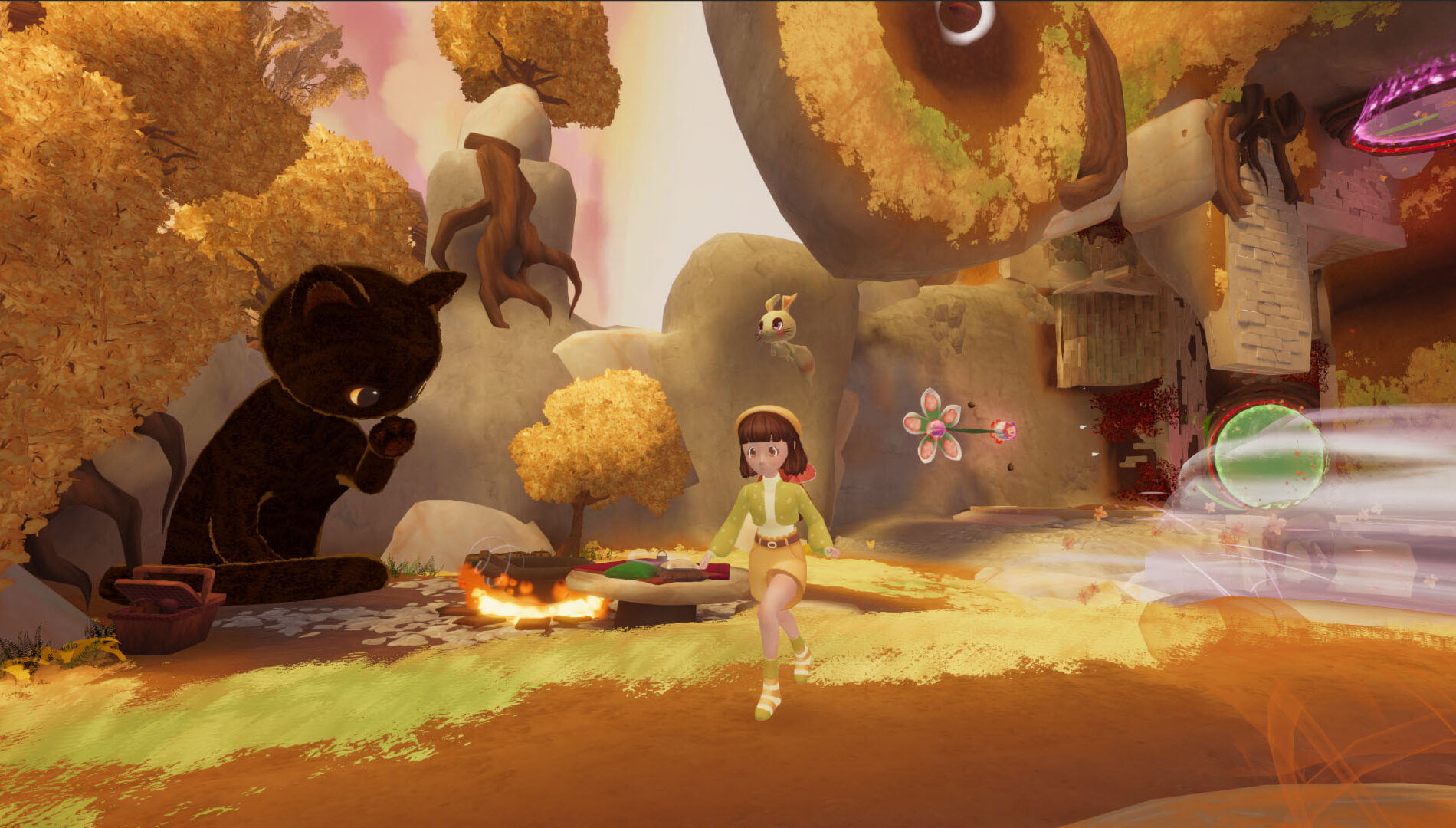
In Nomori you play Kiko, a young girl who, in classic folktale form, gets sidetracked on the way to her grandmother’s house. Soon she finds herself lost in a whimsical spirit world of floating islands populated with friendly mushrooms, giant talking cats, and the like. It’s all drawn from Japanese folklore, particularly via the beloved work of animation legend Hayao Miyazaki and Studio Ghibli, like “Spirited Away” and “Princess Mononoke.”

That extremely cozy and inviting surface belies a much trickier puzzle design, however. Licht told me that one of their core observations at the start of development was that often a game with gentle vibes has similarly gentle puzzle mechanics. They supposed that many people might like a game with a cozy aesthetic, but far trickier and more nuanced underlying gameplay, akin to Portal, which is a comparison that will shortly become obvious.

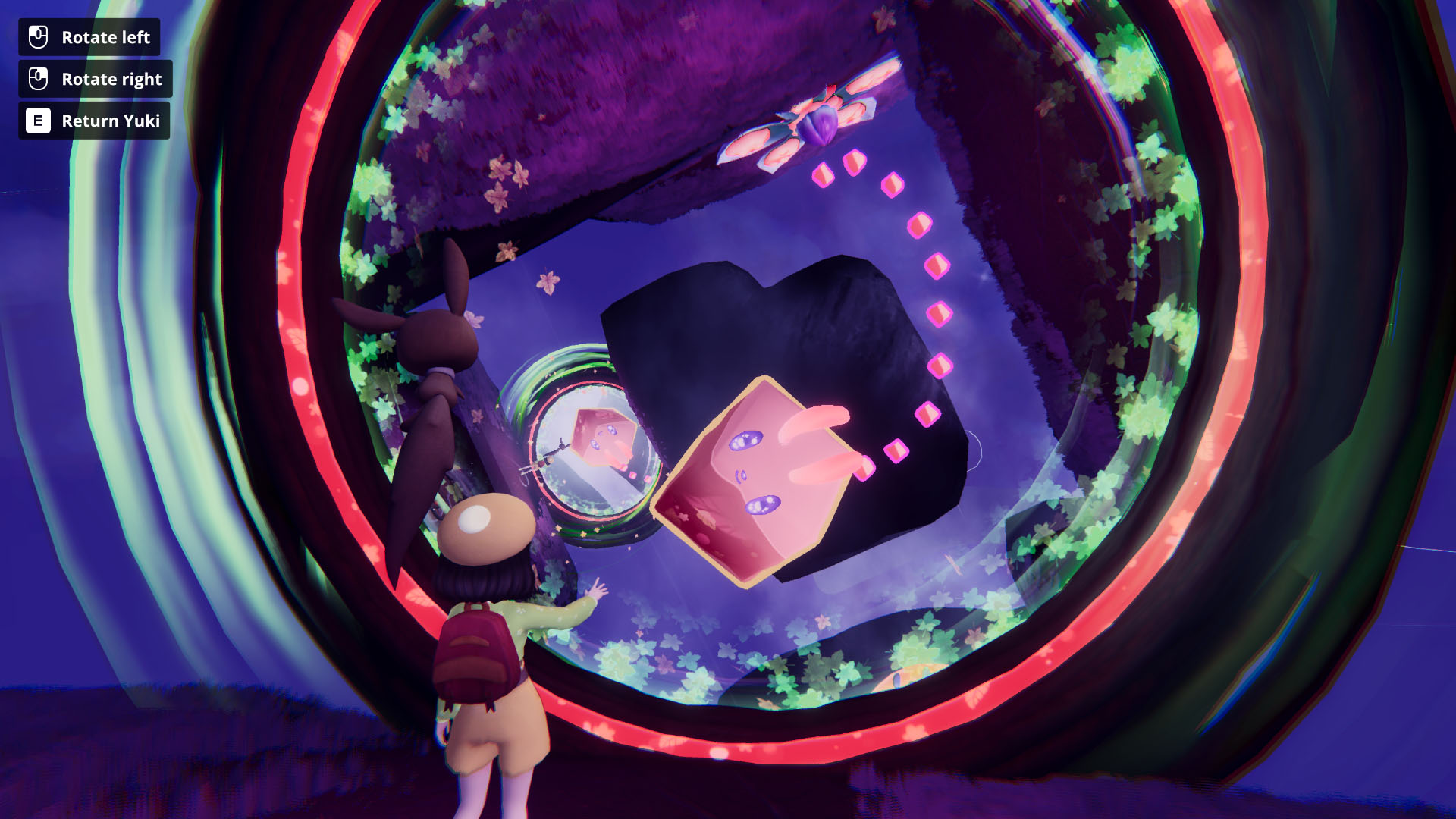
Initially the challenge is simple navigation and platforming, making your way across a series of floating islands that are connected by fixed portals. The first twist comes when you find that portals maintain orientation, so the direction of gravity when you enter will be the same for you wherever you exit. So, for instance, you can step through a portal at the bottom of a cliff face and emerge through a perpendicularly oriented portal onto that cliff as your new ground.

“If Portal is all about conservation of momentum, Nomori is about conservation of orientation,” Licht told me. He also brought up the work of surrealist illustrator M.C. Escher as a big and obvious inspiration for this relativistic relationship to space.

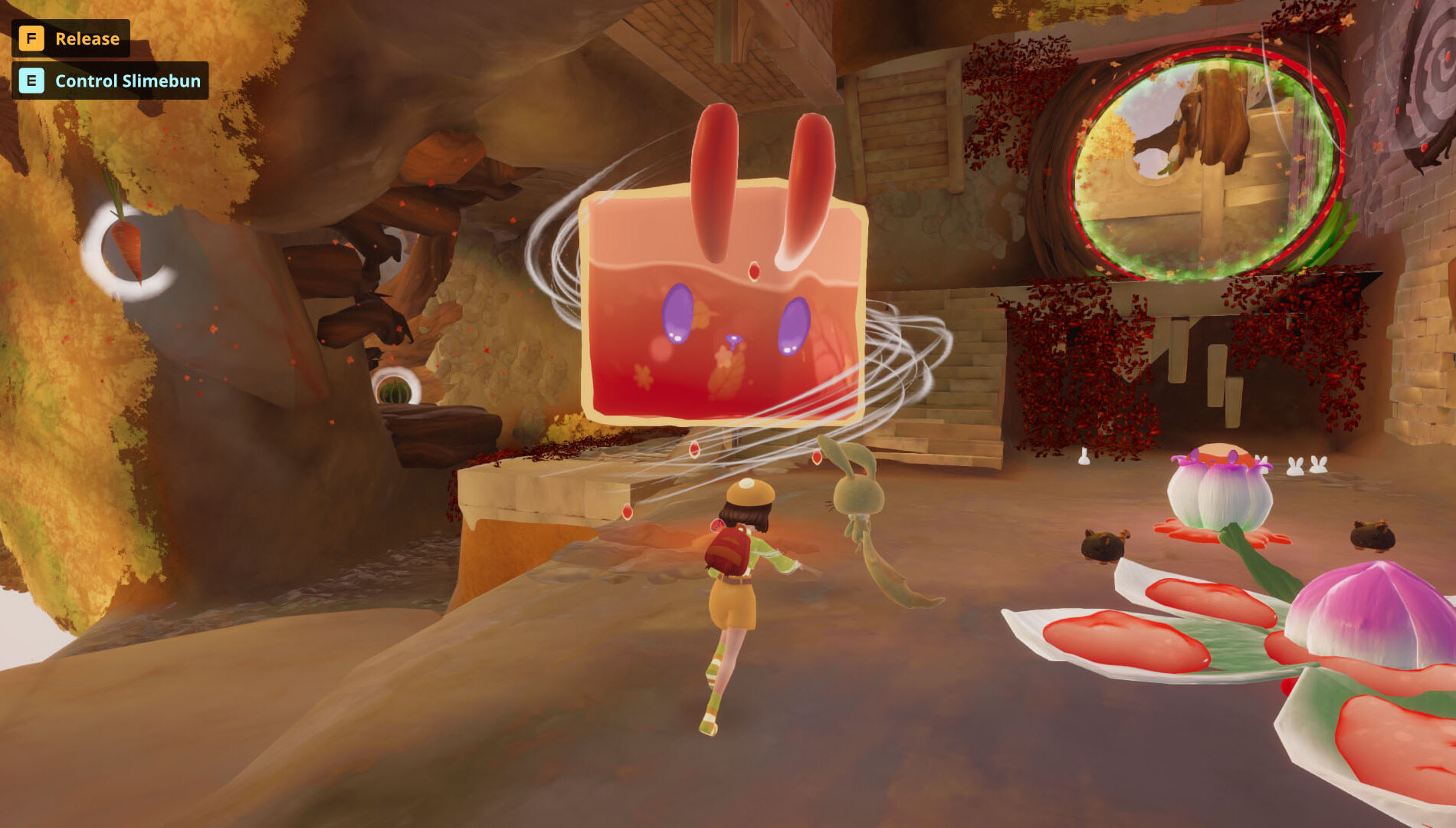
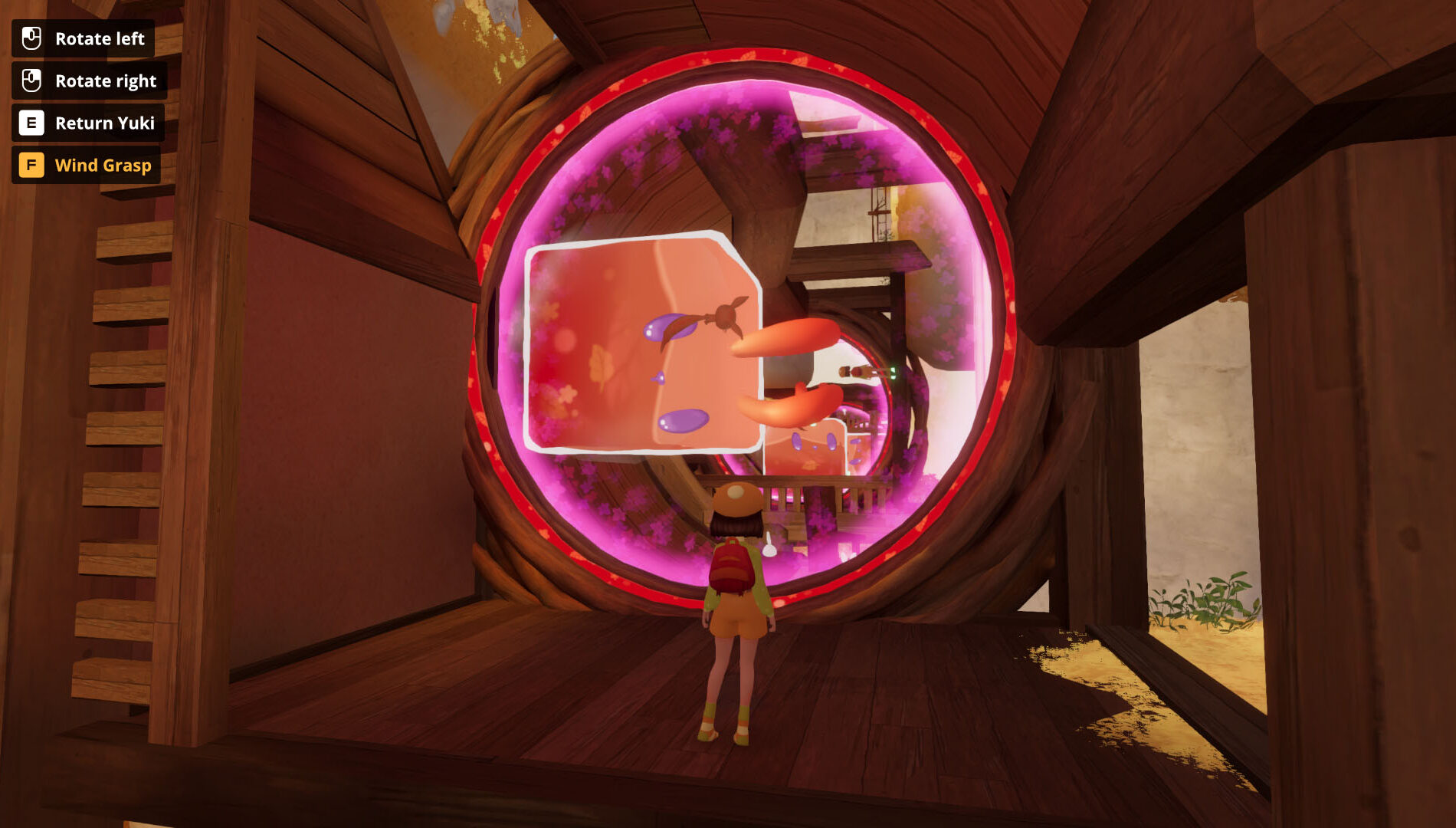
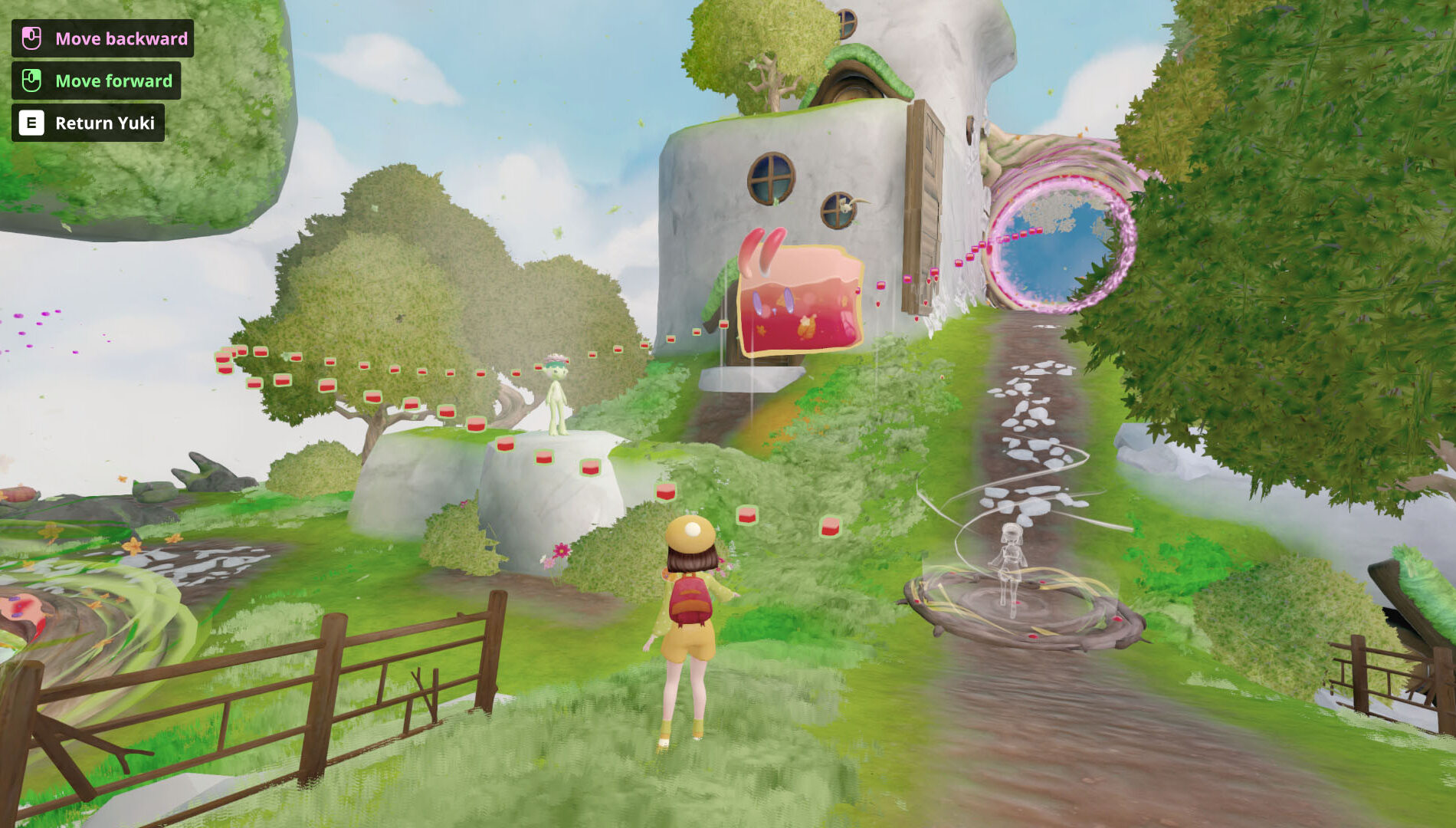
The next major element introduced is a large, friendly gelatinous cube with bunny ears called a Slimebun. You can pick it up and telekinetically move it around with your Wind Grasp ability to use as a mobile platform and as a key to open the door to the next island. Invoking Portal again, Licht called it “the ultimate companion cube.” Eventually, you can also reverse its direction in time, scrubbing it back and forth along its previous path like with Link’s Recall ability in The Legend of Zelda: Tears of the Kingdom, creating a moving platform for your traversal.

The moment that really made me lean forward and recognize what this game has cooking was when Kiko could start rotating the portals in 90-degree increments, changing the orientation at which you came out (and thus the direction of gravity when you did). I’d been breezing through the introductory puzzles to this point, but suddenly I had to start rotating the space in my mind like a Rubik’s Cube and just ended up doing a lot more experimentation.

The Slimebun has a sloshing layer of liquid on its bottom and bunny ears on top, which are important cues for making its orientation obvious. This is crucial because Wind Grasp lets you send it through portals without you, bringing it out nearby with a different direction of gravity than you, for instance turning it falling down into your elevator ride up. This gets even more complicated with moving it back and forth in time, since its path (helpfully represented in the world with a dotted line) retains orientation to the Slimebun and not the environment, so you can use that in conjunction with rotating portals to do some tricky things.

By grounding the world in consistent (but interesting) physics and giving you a growing array of open-ended tools, Nomori increasingly allows for multiple solutions to its problems as it goes on and grows in complexity, which can give you that delicious feeling that you’ve outsmarted the game for coming up with something that doesn’t seem intended. Licht and team have rewarded this directly by placing Kodamas (collectible spirits) based on spots their playtesters have managed to reach that they hadn’t initially intended to be accessible.

Nomori is charming and thoughtful, and I’m now very excited to see all the directions its relativistic portal puzzling goes across the whole game when it comes to Xbox Series X|S and Xbox on PC later this year, with support for Xbox Play Anywhere.

I tried Lenovo’s wild modular ThinkBook at MWC, and now my laptop feels outdated


Lenovo has a long-standing habit of showing up to MWC with at least one laptop concept that makes you stop in your tracks and double back for a closer look. Usually, those concepts are eye-catching but clearly something that makes you go – “cool, but never happening.”  The ThinkBook Transparent Display Laptop we saw back in 2024 was one such futuristic laptop, but at MWC 2026, things felt different.

It’s not the kind of thing you just admire behind glass; it’s actually something you can see yourself using.

Lenovo showcased its new ThinkBook Modular AI PC concept, and surprisingly, it felt very normal. Don’t get me wrong; this is a good thing. This means the laptop is not the kind of thing you just admire behind glass; it’s actually something you can see yourself using in real life, albeit with some minor tweaks and refinements.

From the front, the ThinkBook Modular AI PC concept looks like any other 14-inch touchscreen business laptop. It’s thin, clean, and professional. There’s nothing about it that instantly screams “concept.” But then you walk around to the back, and that’s where the real story slowly starts to reveal itself.

Firmly attached to the rear lid via pogo pins is a second 14-inch display. It sits flush, almost invisible until you actually see it, and one use case that comes to mind almost immediately is sharing your screen with someone sitting across from you. Instead of awkwardly swiveling your laptop or having people huddle around your screen, you can just have one screen facing you, while the other faces the person across the table. Neat, right? But that’s not all…not by a long shot.

Don’t want to miss the best from Android Authority?

google preferred source badge light@2xgoogle preferred source badge dark@2x

That secondary display at the back isn’t fixed. In fact, it’s magnetic and detachable, and Lenovo clearly designed it to be more than a gimmick. Pop it off, and you have a whole other portable display that can be mounted using a kickstand. You can use the secondary screen both vertically and horizontally, though it does need power from a separate pogo pin adapter.

Lenovo ThinkBook Modular AI PC 6

Adamya Sharma / Android Authority

Things get even more interesting once you start rearranging the core pieces. The keyboard itself is removable, and you can swap it out for that second display, using the keyboard wirelessly with what’s now a dual-screen workstation.

The way all of this just works didn’t feel like I was using a concept laptop; it felt like I was using a laptop that just happened to be way more flexible than usual.

Then there are the brilliantly removable and swappable ports. The IO modules can physically shift from left to right (and vice versa) depending on how your desk or setup looks that day. USB-A, USB-C, and HDMI are all modular and move for your convenience. There’s even a small case that stores the removable ports, so you don’t lose them once they are out of the laptop.

The ThinkBook Modular AI PC feels more like Lenovo is testing what it should do next.

Under the hood, the ThinkBook Modular AI PC gets an Intel Core Ultra 7 255H processor, 32GB memory, and 1TB of M.2 PCIe SSD storage. There’s a 33Wh battery powering the whole thing, which is quite unfortunate, but then again, the story here isn’t the specs. This is a concept laptop, and one that Lenovo can always refine and upgrade if it ever becomes a reality. We may never see the whole laptop release as is, but parts of its modular design could very well show up in Lenovo’s retail units in the future.

Lenovo has shown ambitious modular ideas before, and several of them have quietly turned into shipping products over the years. Similarly, the ThinkBook Modular AI PC doesn’t feel like Lenovo is showing off what it can do; it feels more like Lenovo is testing what it should do next.

Thank you for being part of our community. Read our Comment Policy before posting.

AMD may have just made these high-end handhelds obsolete after only two and a half years


ASUS ROG Ally Hollow Knight

Nick Fernandez / Android Authority

TL;DR

  • Reports from users and comments from hardware manufacturers suggest that AMD may have discontinued support for the Ryzen Z1 Extreme APU.
  • This would mean that several high-end PC gaming handhelds running Windows 11, like the ASUS ROG Ally, will no longer receive new drivers.
  • As a result, these handhelds could miss out on day-one optimizations for major game releases, which could lead to performance issues.

The handheld PC gaming market is full of options to choose from, be it the Steam Deck, MSI Claw, Lenovo Legion Go, and so on. If you’re thinking about picking one up for yourself, you may want to avoid any handhelds with an AMD Ryzen Z1 Extreme APU. Troubling reports cast serious doubt on the longevity of these devices.

Don’t want to miss the best from Android Authority?

google preferred source badge light@2xgoogle preferred source badge dark@2x

According to Tom’s Hardware, reports from handheld users and hardware manufacturers alike suggest that after two and a half years, AMD may have discontinued support for the Ryzen Z1 Extreme APU. This affects several high-end handheld gaming PCs that run Windows 11, including the ASUS ROG Ally, ROG Ally X, Lenovo Legion GO, and GO S. If this is true, then these devices may no longer receive driver updates going forward.

Reportedly, a Korean Lenovo community support representative told one user that there were “no more plans” to issue new drivers for the original Legion Go. Multiple users on Reddit also report that their devices have not received new drivers for several months.

So what does this mean for gamers who own affected handhelds? You’ll still be able to play games on your device, but the experience will suffer. Since you’re not receiving new drivers, you’ll miss out on day-one optimizations for major game releases. As a result, the likelihood of crashes and poor performance will be greater.

If you’re concerned about the longevity of your handheld gaming PC, you could try swapping out Windows for a Linux-based OS, like SteamOS or Bazzite. These operating systems use open-source drivers that don’t depend on AMD’s support.

Thank you for being part of our community. Read our Comment Policy before posting.

Stardew Valley 10th Anniversary: How One Indie Game Defined the Cozy Genre


Blog | Editorial

It is nearly impossible to discuss the ‘cosy’ or ‘wholesome’ genre without thinking of Stardew Valley. Released in February 2016, the game quickly became the gold standard for the genre. Its accessible, charming slice-of-life style created a blueprint that countless titles have since tried to follow. Now celebrating its tenth anniversary, this indie darling has effectively reinvigorated an entire genre and changed how we think about video games at large.

A Solo Labour of Love and Consumer Respect

I don’t know what Eric Barone (better known as ‘ConcernedApe’) has in his morning cereal, but I need some. Consider the staggering scale of Stardew Valley. Every element—from the code and pixel art to the music and dialogue—was created solely by Barone while he worked as a theatre usher just to keep the lights on.

Stardew Valley on PC

This dedication translates into a level of consumer respect that many modern “AAA” publishers have forgotten. In an era of pointless battle passes and predatory microtransactions, Barone has delivered massive new content—including multiplayer and new regions—entirely for free. Ultimately, Stardew offers a world defined by the player’s choices rather than the size of their wallet, earning the developer tremendous goodwill.

The Addictive “One More Go” Rhythm

Each 24-hour day in Stardew Valley lasts about 14 minutes of real time. This finite window to finish activities before the next cycle begins naturally fuels a “one more go” loop. You keep playing to catch an elusive fish, finish a farmhouse upgrade, or plant one last vegetable patch. There is always something more to achieve, yet it never feels like a forced chore. It’s a masterful modernisation of the formula established by the Harvest Moon series on the Super NES, which Stardew Valley naturally inherited and updated for a new generation.

Deep Social Bonds and Seasonal Secrets

The beating heart of the game is its deep social dynamics. With over 30 unique NPCs, the game reveals a cast with distinct personalities and needs. This is best shown through ‘Heart Events’—special cutscenes that reveal emotional struggles like depression or family trouble. The game invites you to share in these virtual lives in ways that can be truly detrimental to your real-world free time.

Stardew Valley on PC

Beyond the village bustle and seasonal festivals, Stardew Valley hides a massive cache of secrets. You might find forest spirits that help restore the town, strange capsules from rare events, or a sewer filled with mysterious shadow people. There is never a shortage of mystery outside the core farming routine.

Infinite Growth Through a Dedicated Community

A major reason for the game’s popularity is the passionate modding community. Because the game is so open-ended, players have created thousands of mods. These allow you to extend the game indefinitely by adding new crops, villagers, and even entire new towns to explore. This community-driven content ensures that even veteran players always have something fresh to discover.

A Decade of Support: The Road to Update 1.7

While many games from 2016 have long been forgotten, ConcernedApe is still releasing free updates. The most exciting is the forthcoming 1.7 update, timed to match the 10th anniversary. This substantial update brings expanded social content, new marriage candidates, and more reactive personalities for children. While the pace of these updates is steady rather than fast—expected for a solo creator—each one is crafted with the same care and attention that has defined the game since day one.


John-Paul Jones

Scribbling about videogames since 2005, John-Paul Jones first stoked his love for the industry with the Atari 65XE at the age of four before proceeding onto the ZX Spectrum, Amiga and beyond. These days, he finds himself unreasonably excited about Sega’s Yakuza franchise, foreign cinema and generally trying to keep his trio of sausage dogs from burning his house down. Clearly, he is living his best life right now.