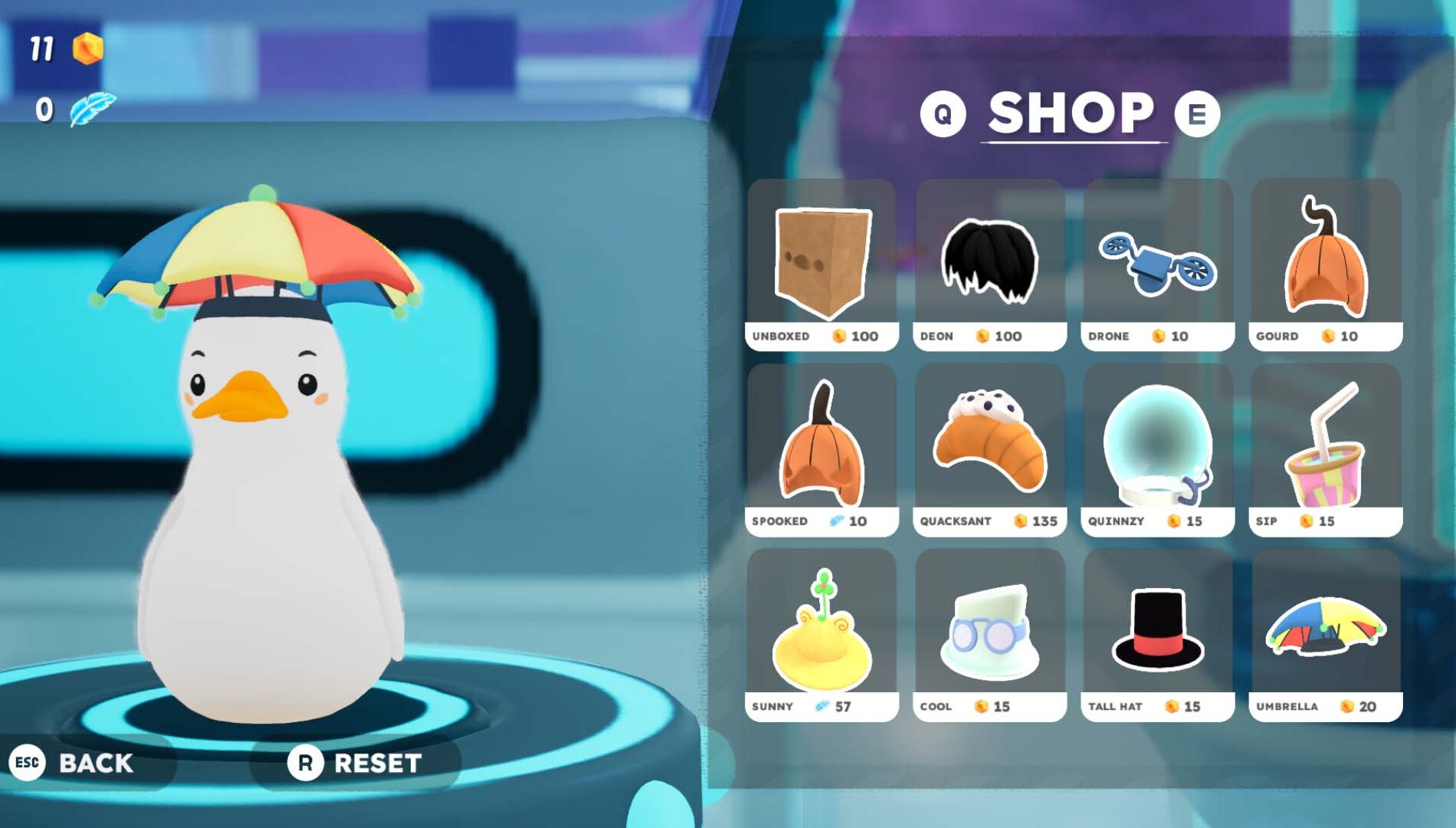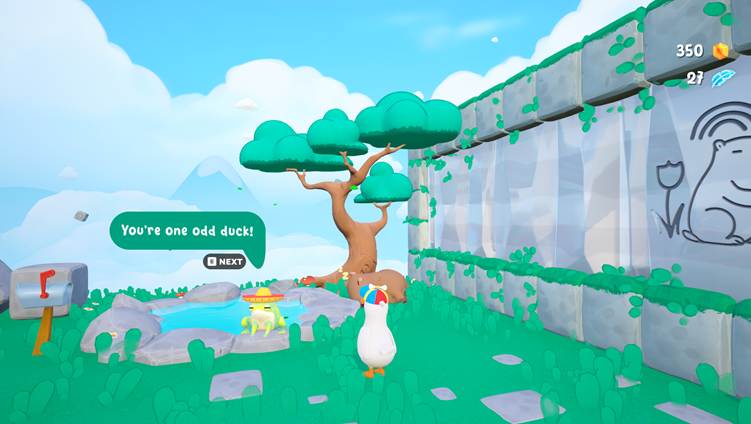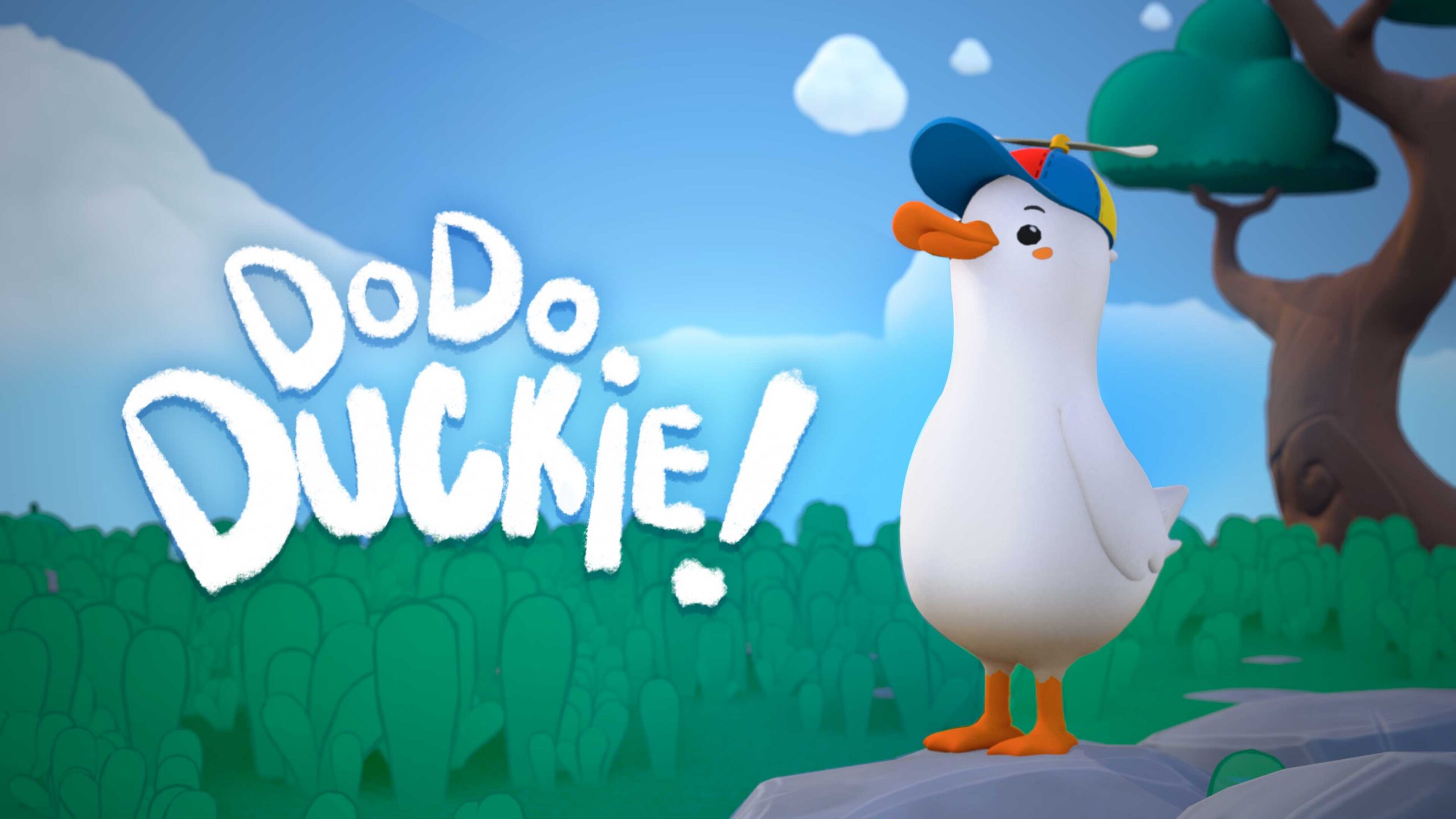
Tips to Help you Stay Sane as Party Club Hits Xbox Today


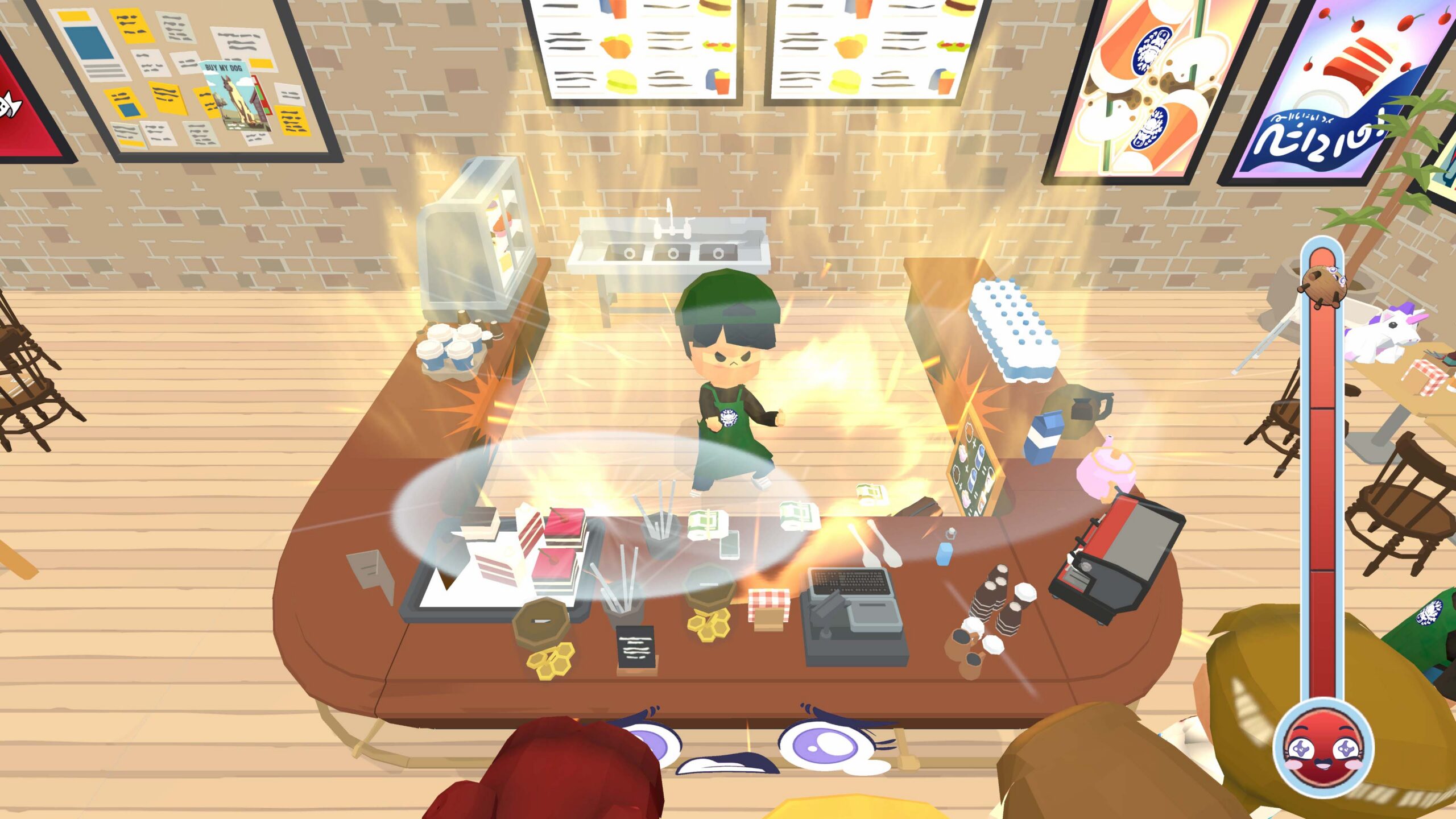
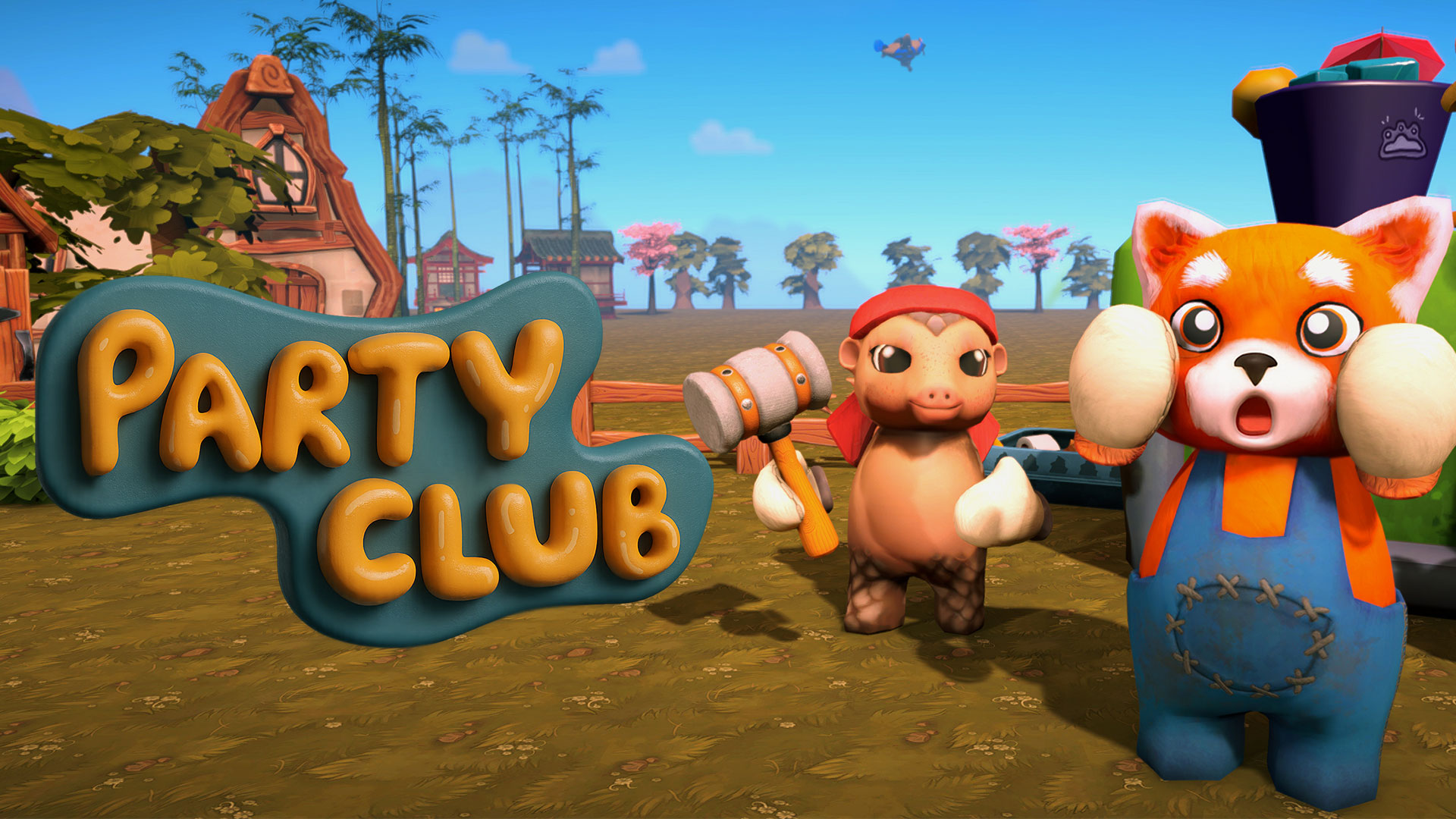
A customer is waiting. Another one’s tapping their foot. A machine is sitting somewhere it absolutely shouldn’t be. And somehow — somehow — things are already a mess. That’s the gist of Party Club.

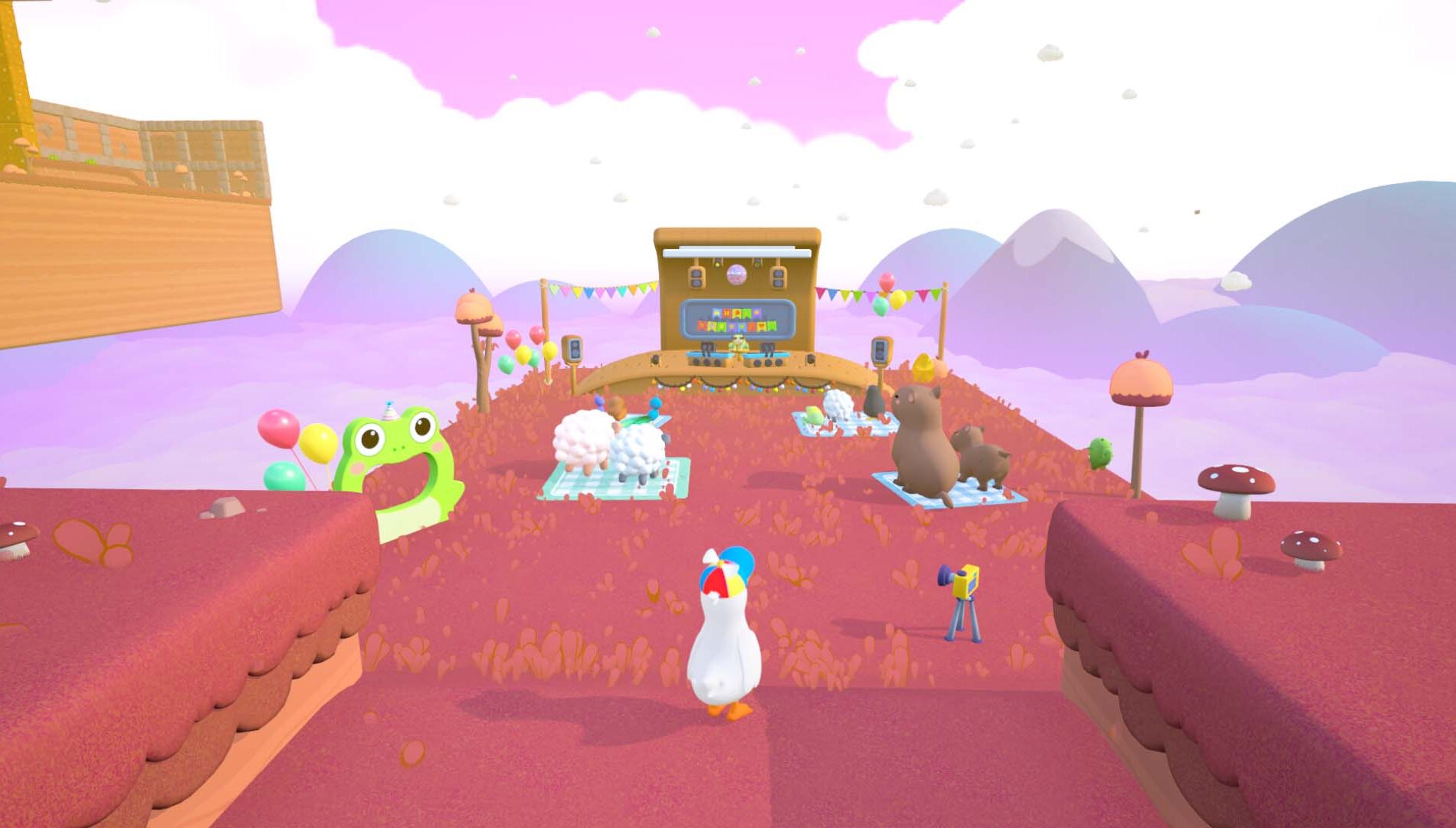
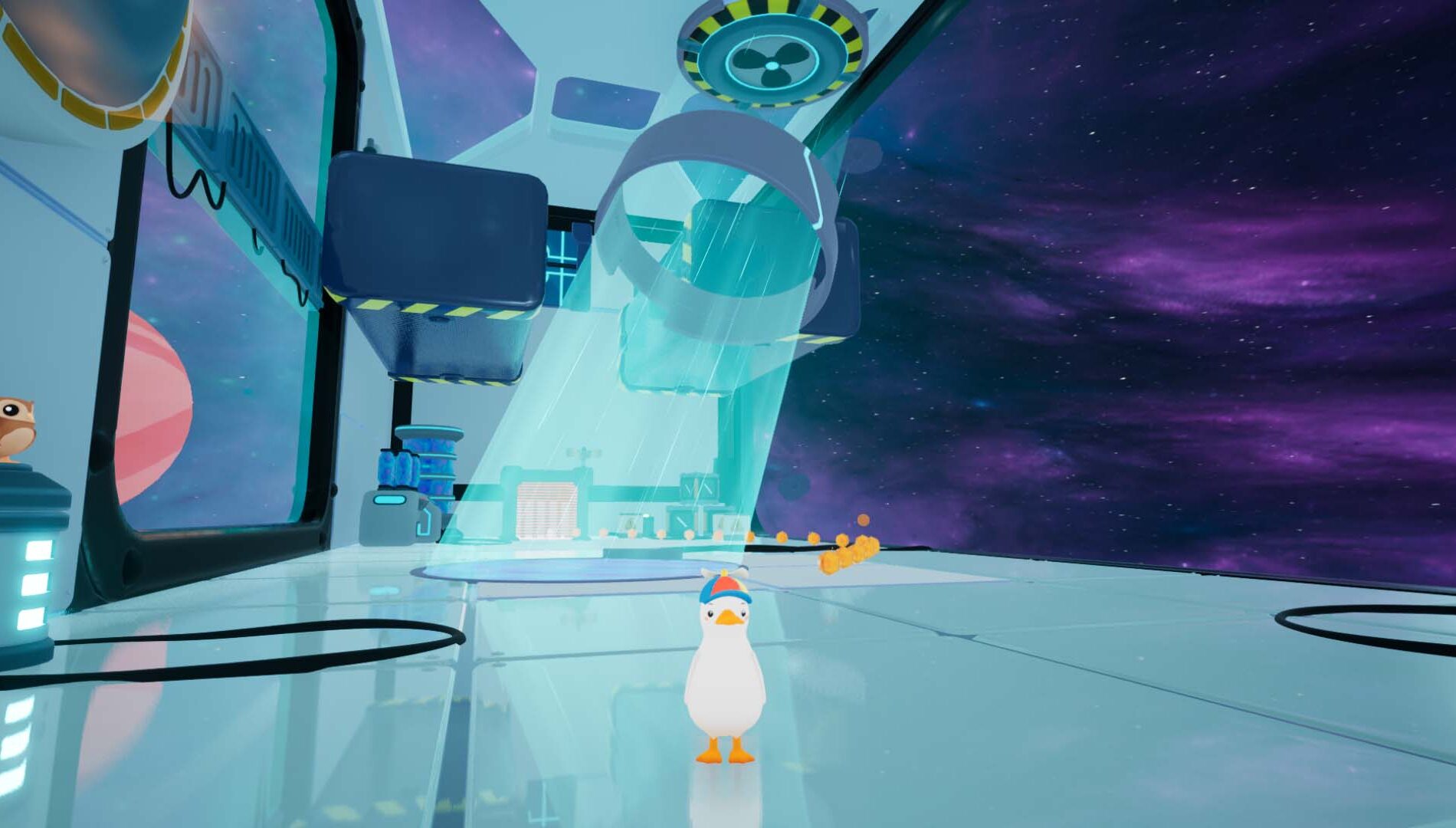
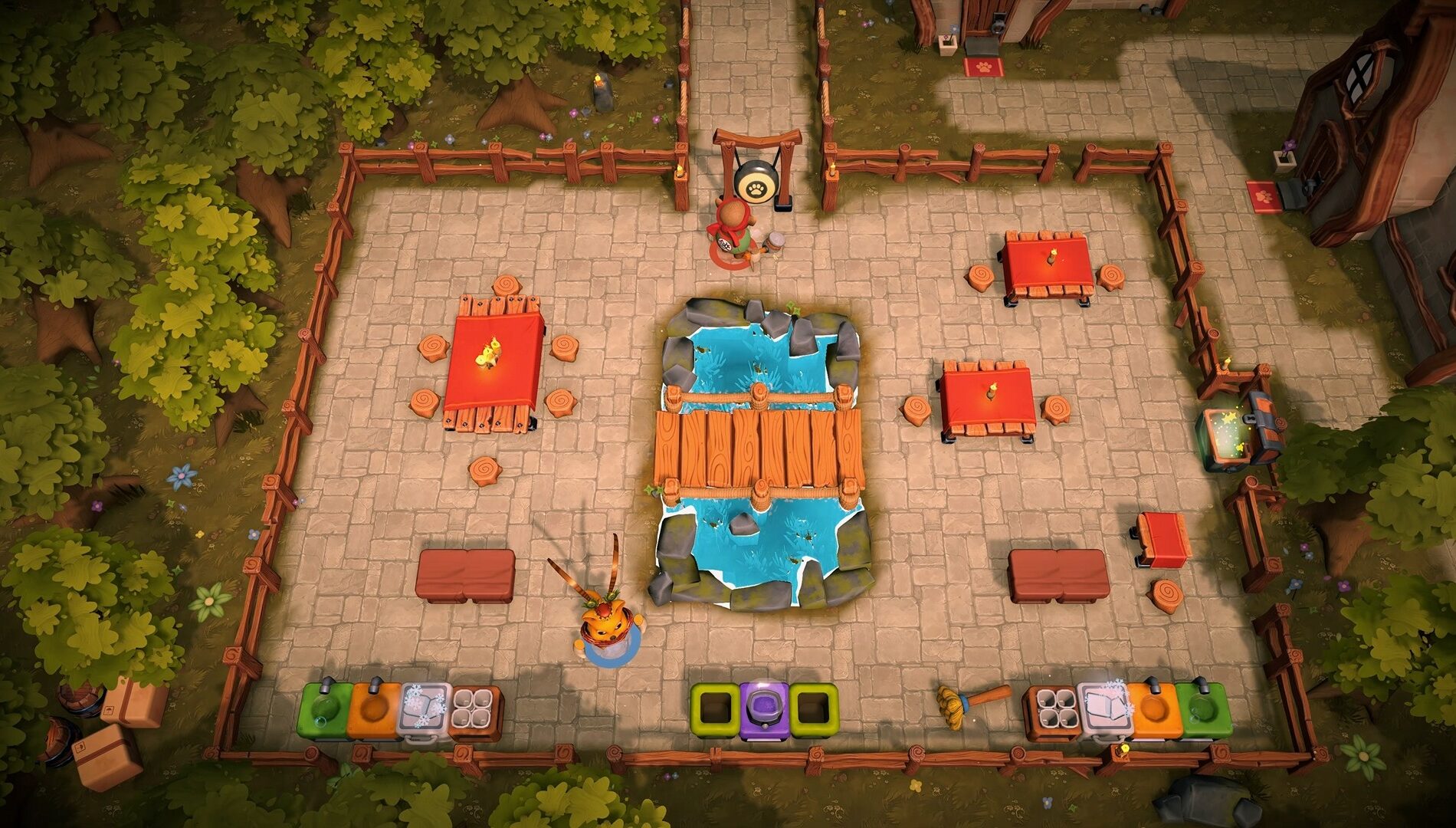
Party Club is a single-player or co-op (same-room or multiplayer) party game. In the game, you run a noisy, animal-filled venue and try to keep up with demanding customers while the entire business teeters on the brink of disaster.. It starts simple enough. Then it really, really doesn’t.

On day one 3.7 million players jumped in when the PC version of Party Club launched. Not because it was different from others. Because there’s something genuinely fun about organized chaos when you’re playing with the right people. Now a better experience is coming to Xbox, with full cross-platform, play anywhere support so you can drag your friends in regardless of what they’re playing on.

If you’re new to this chaos, there are some things you should know before diving in alone or with your friends.
Tip 1: Your Layout is Everything.

Be careful, even before a single customer walks through the door, you might be already winning or losing the day.

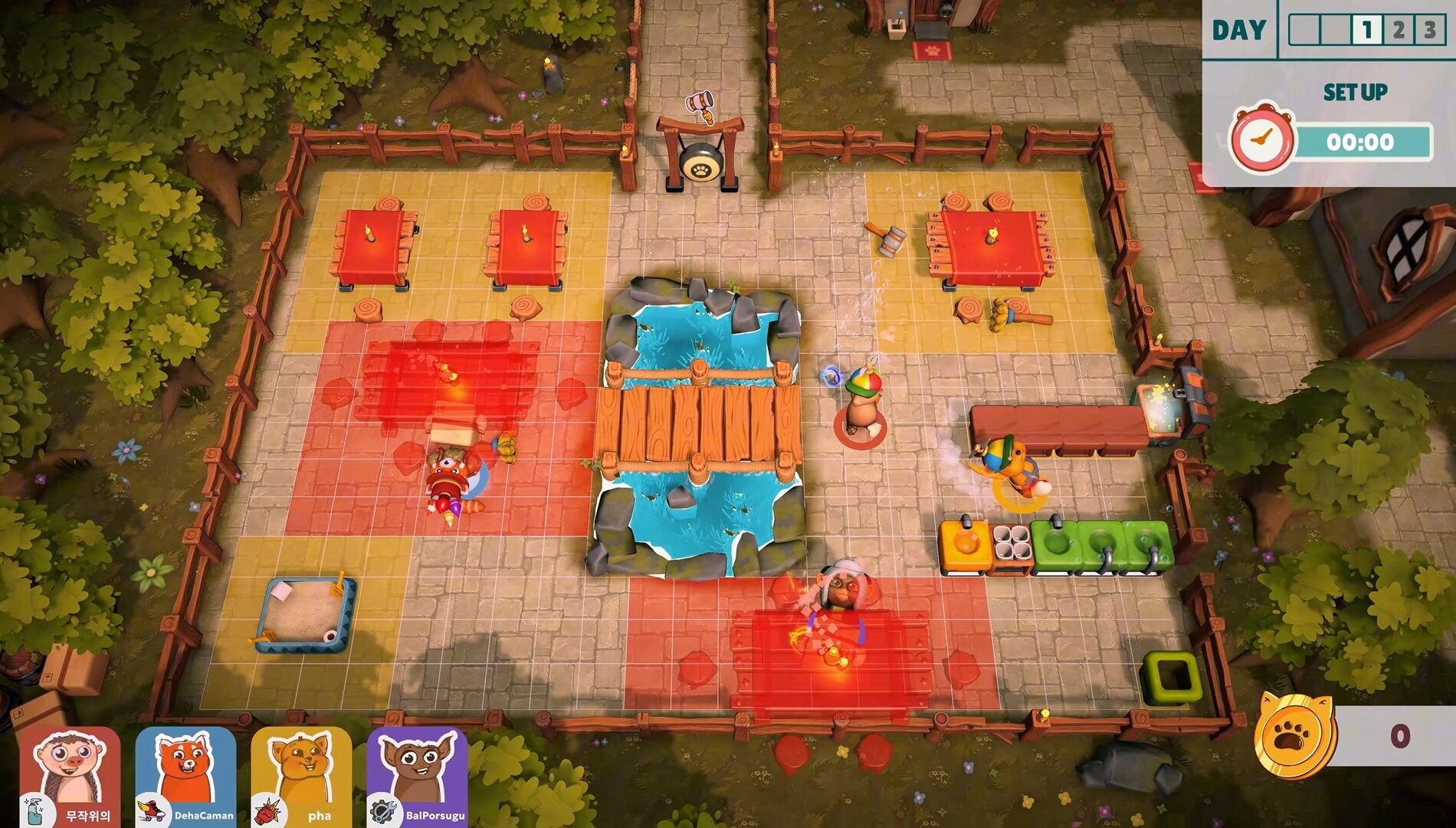
Where you place your juice machines, tables, restroom determines how smoothly everything will run when things get busy (which they will). A well-planned layout buys you precious seconds. A sloppy layout turns manageable chaos into a full chaos.

Think of it less like decorating the restaurant. Think of it more like solving a puzzle.

Every placement decision creates a chain reaction. Take it seriously before hitting the gong.

Tip 2: Not All Customers are Equal

Some customers have more needs. Some are dangerous neighbors. And some, if ignored long enough, will ruin your entire day.

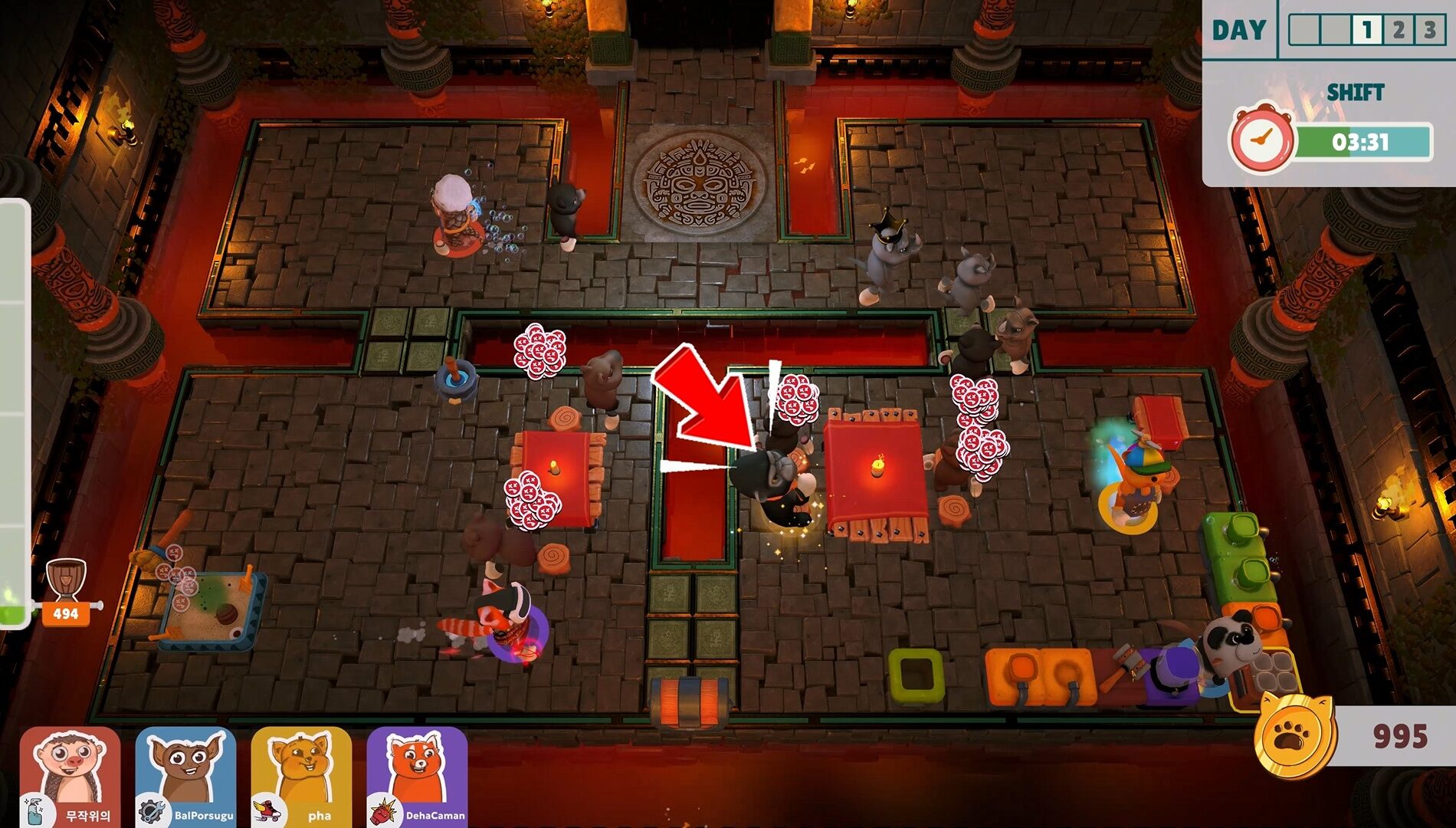
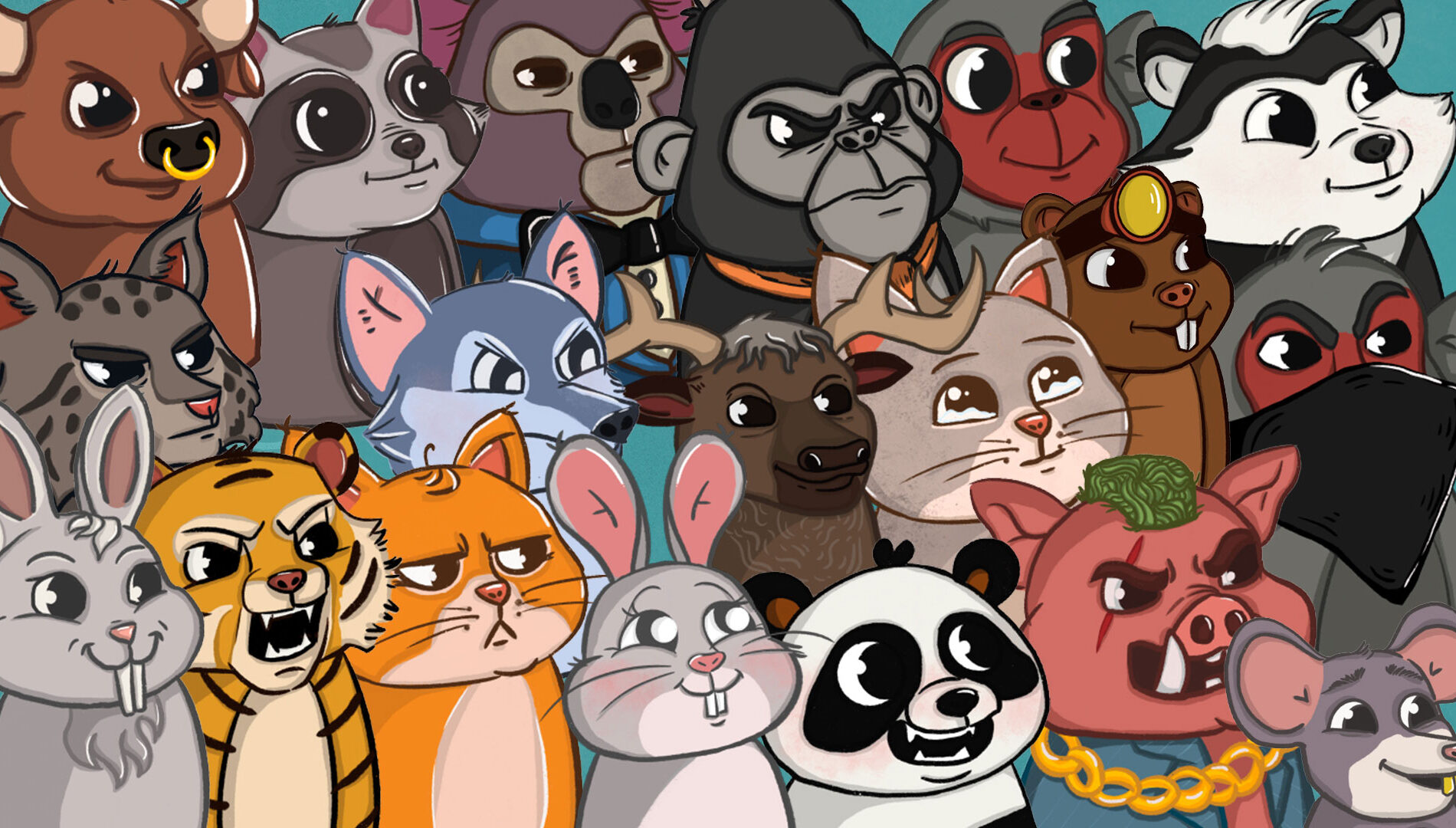
Wolves, for instance, come with bigger points if you can handle their demands in time. But if you seat them next to the wrong animals, like rabbits, chaos begins. If a gorilla has been waiting too long, it can be loud and, don’t be surprised when the whole room decides to leave with him. They can take every animal out.

Know who needs attention first. And who can afford to wait.

Tip 3: Think Before you React

Speed matters in Party Club, but blind speed will get you nowhere.

Each level brings new customer types and new conditions, and walking in without a plan is a recipe for disaster. Where are the disruptive animals sitting? Is your skunk positioned somewhere there, uh, influence won’t spread across the room? Have you thought about the flow from entrance to exit?

The players who do well aren’t just fast. They’ve already thought of more moves ahead.

Tip 4: Be Smart With Your Upgrades

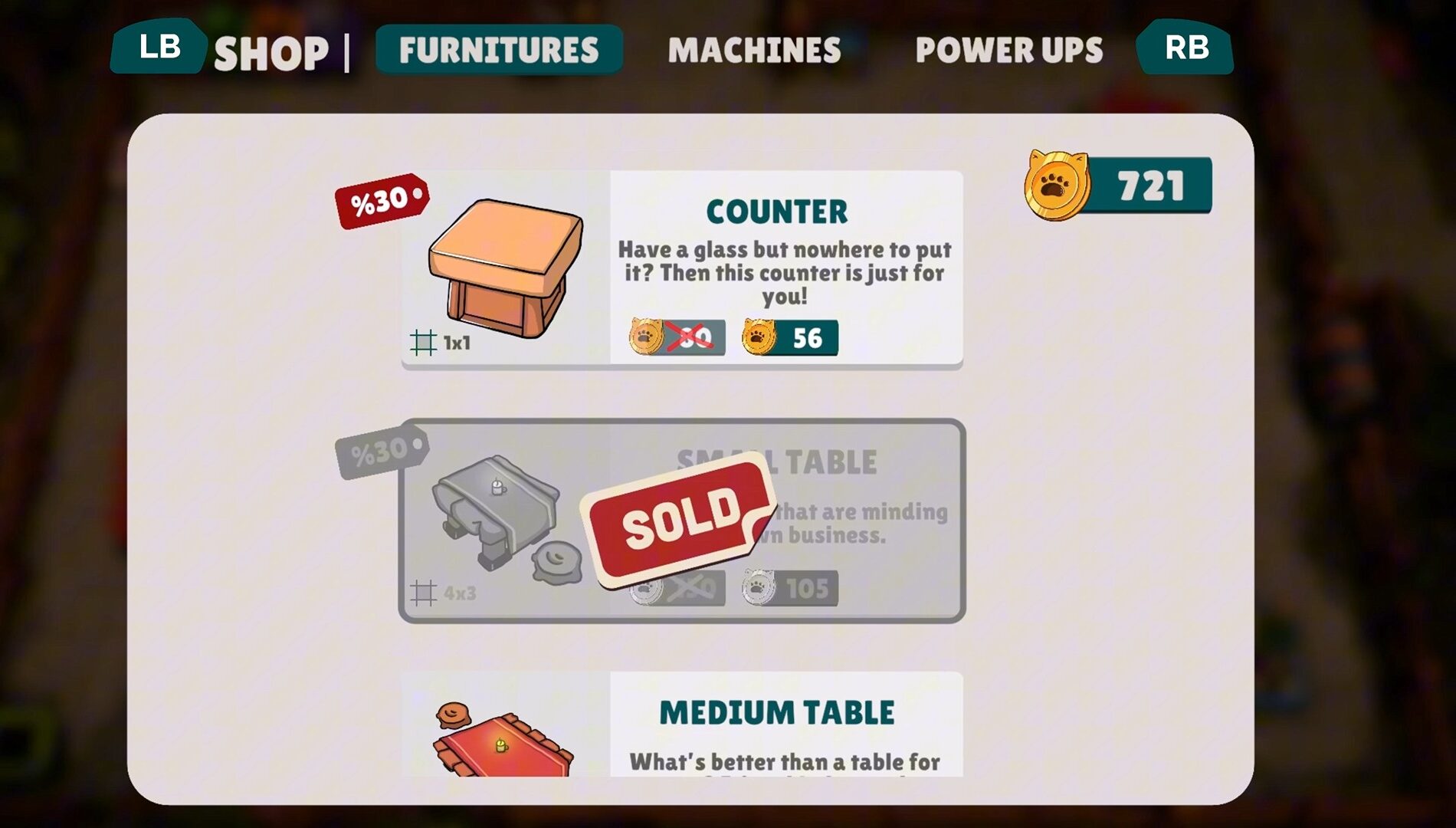
Deciding what to buy from the shop between days is just as important as how you play during the day.

You’ll get the chance to upgrade your restaurant after each day, but more isn’t always better. Since customers only order from machines you actually have placed in your venue, a cluttered setup means more complex orders. Sometimes pulling a machine out entirely makes the next level dramatically more manageable.

Spend carefully. Upgrade with intention. And don’t be afraid to simplify.

Tip 5: Split the Work

No one can do everything alone. And trying to is how teams fall apart.

In multiplayer, assign roles and stick to them. Someone handles orders, someone manages machines, someone cleans, someone controls the layout. When everyone knows their job, the chaos becomes workable.

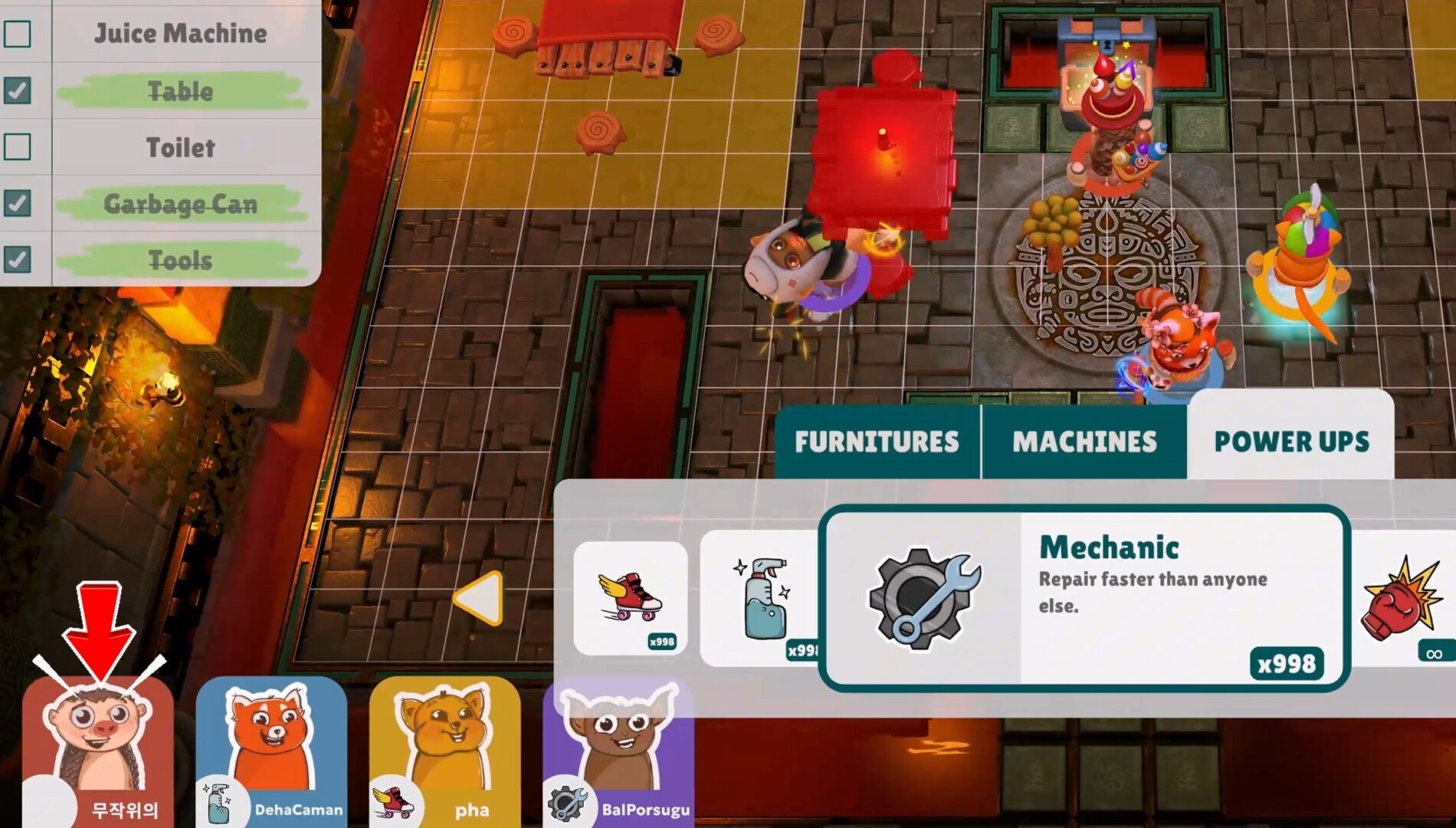
Power-ups make this coordination even more important:

Cleaning Spray: Allows you to quickly complete cleaning tasks.

Skates: You’ll move faster, seat faster, serve faster.

Boxing Gloves: One-touch finish for annoying customers
Mechanical Power: Quickly gets broken machines and tables working again.

Pro tip: Put one player almost exclusively on cleaning with the Spray, and give another player Skates for rapid response. Specialized roles under pressure make a real difference.

Tip 6: Keep it Clean

We all know a dirty restaurant is not a place where you can earn money.

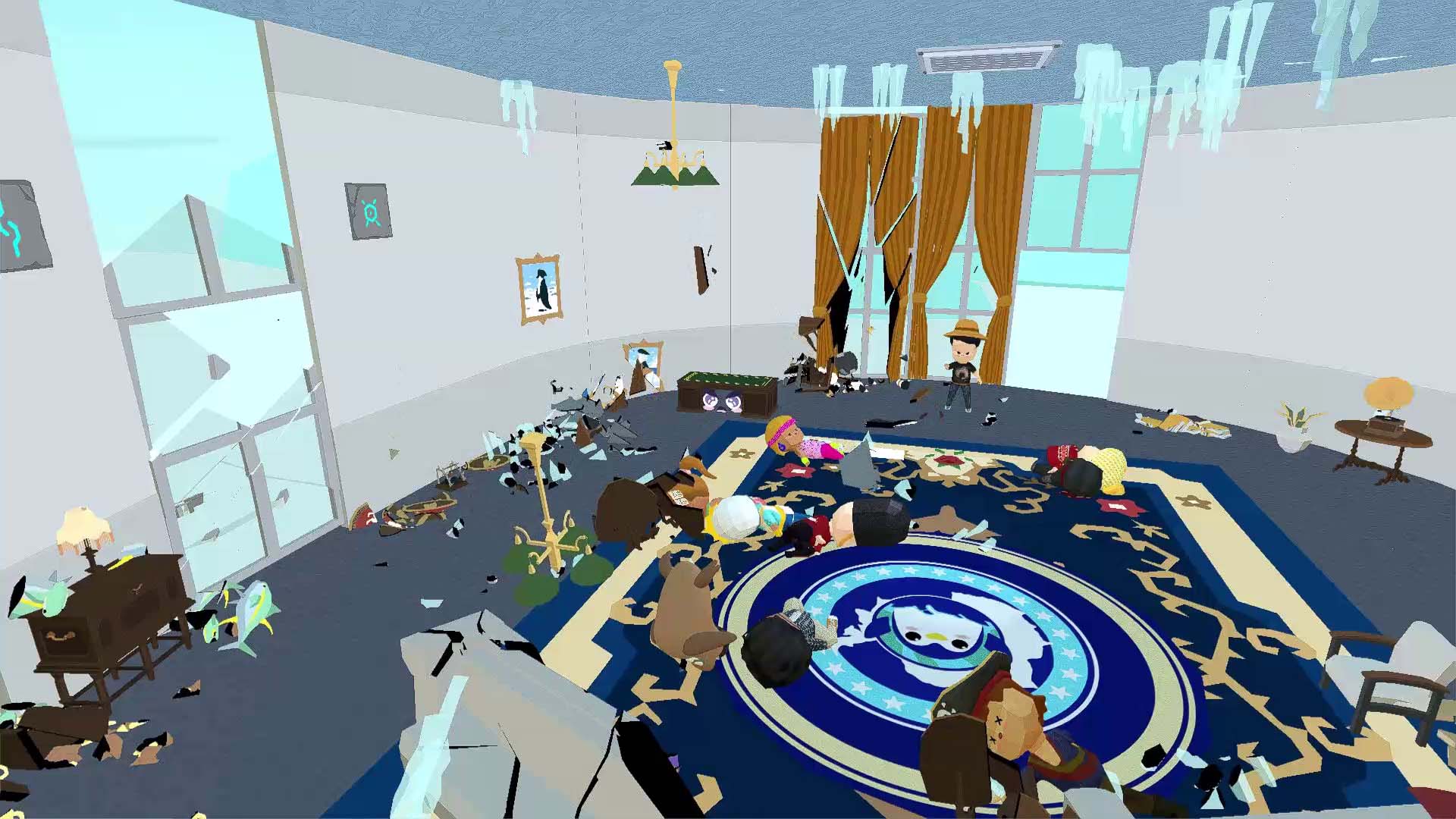
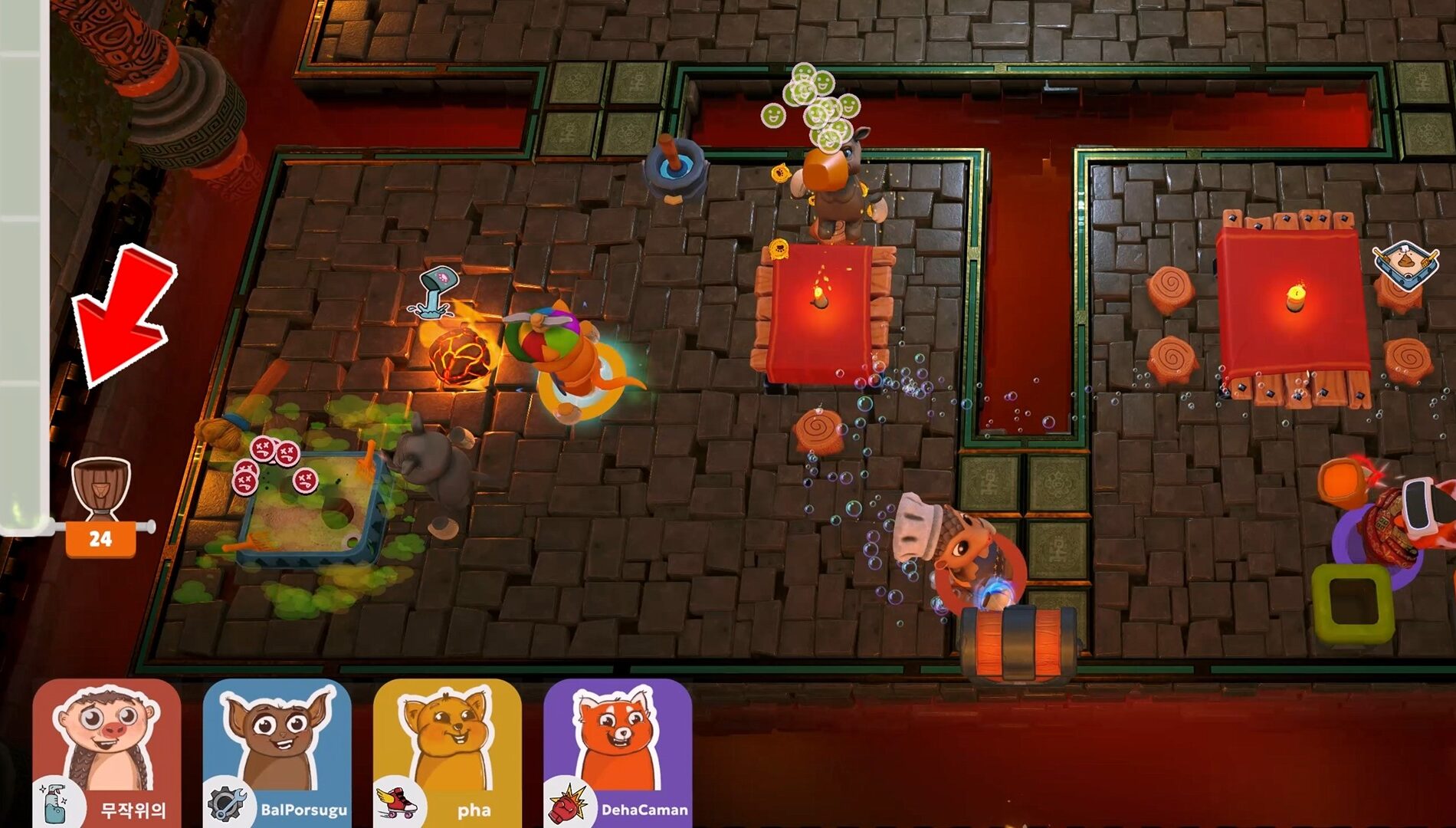
Your score takes a constant hit as things get messy, so cleanliness isn’t just aesthetic. It’s for your survival. Between the mess left by customers, environmental issues, and the general chaos of running a place full of animals, keeping everything clean becomes a full-time job in itself.

Oh, and meteors. Falling meteors are a thing. They’re hot when they land, so you’ll need to cool them down with drinks before you can clear them. Just another Tuesday and an example.

Tip 7: Be Ready to Rethink Everything

Whatever strategy helped you get past the first levels, won’t work all the time.

New mechanics get introduced. New challenges show up. What worked yesterday might actively hurt you today. Don’t get too attached to any one layout or approach. Sometimes the smartest move is tearing things down and starting fresh.

Seating certain customers near restrooms, swapping out machines mid-run, reorganizing your entire floor plan between days.

 All of it is fair game. Stay flexible.

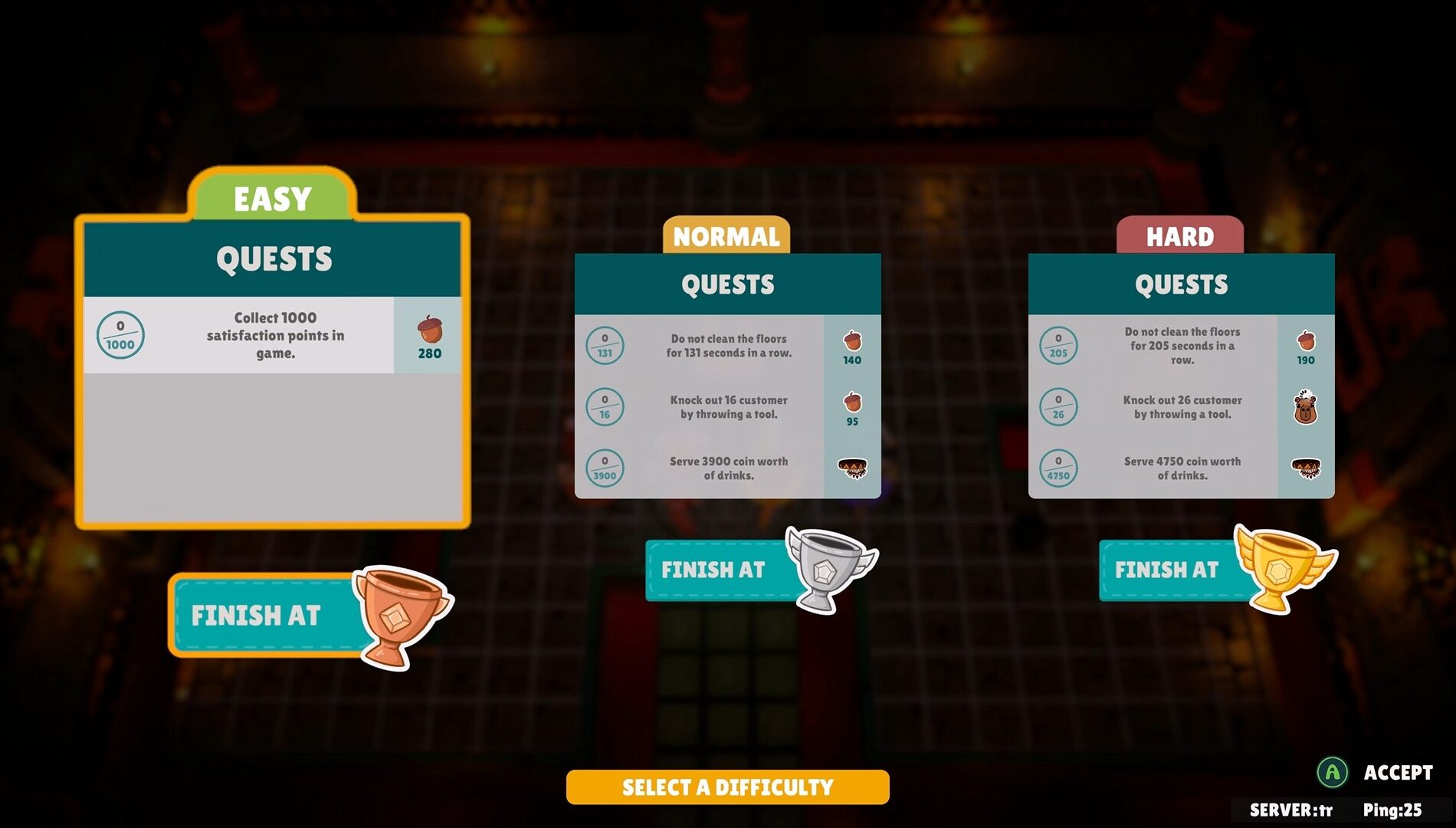
Tip 8: Pick a Difficulty That Fits

Party Club doesn’t force one experience on everyone.

On Easy, there are no tasks. Just keep things running and survive. You can clear the game with the lowest possible rating and still have a good time. You don’t need to focus on tasks.

But high-level challenges come with clothing rewards you can show off to your friends.
Tip 9: Things Will Go Wrong. Get Ready

At some point, your carefully crafted plan might fall apart. This isn’t a bug. It’s the nature of the game.

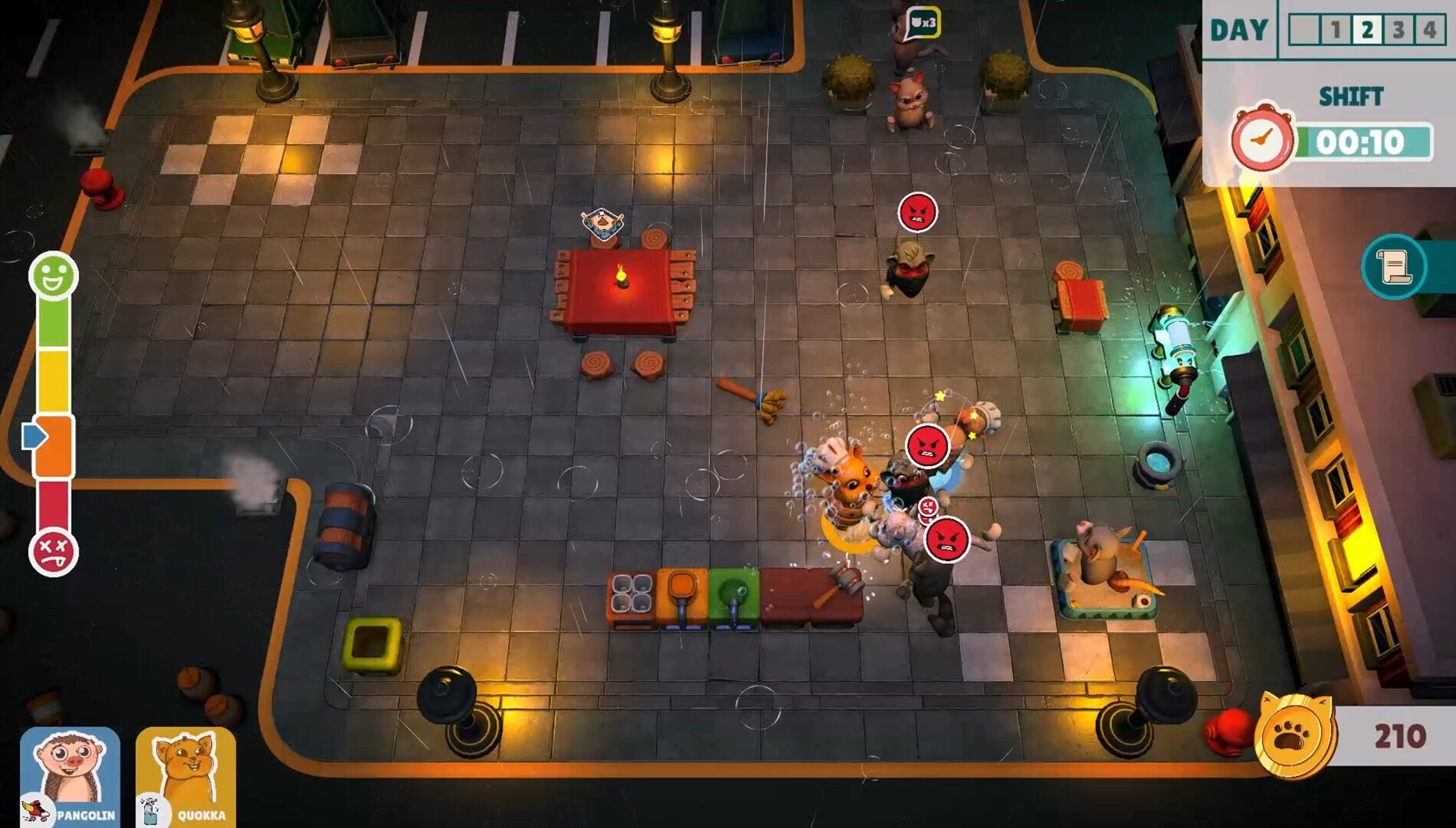
Moles will pop up and you’ll need to deal with them immediately, Rich Pig will sneak into your place and drop money every time you hit him or a cat will be looking for shelter and suddenly you’ll be tasked with protecting him in the middle of it all.

Some of the best moments in Party Club come from things going completely wrong. Last-minute saves.

An unexpected series of failures. A victory that no one can quite explain. That’s the game. Just let yourself go.

Out Now on Xbox

Party Club is built for those moments. With full cross-platform and play anywhere support of Party Club, it doesn’t matter what platform your friends are playing.

Come see how long you can keep the party under control.

Xbox Play Anywhere

Party Club

Lucid11 Interactive


$4.99


Seat customers, serve drinks, and manage chaos with up to 4 players! Keep the peace by considering customer types while seating them. Survive disasters, handle quirky customers, and design the perfect venue to keep the party going!

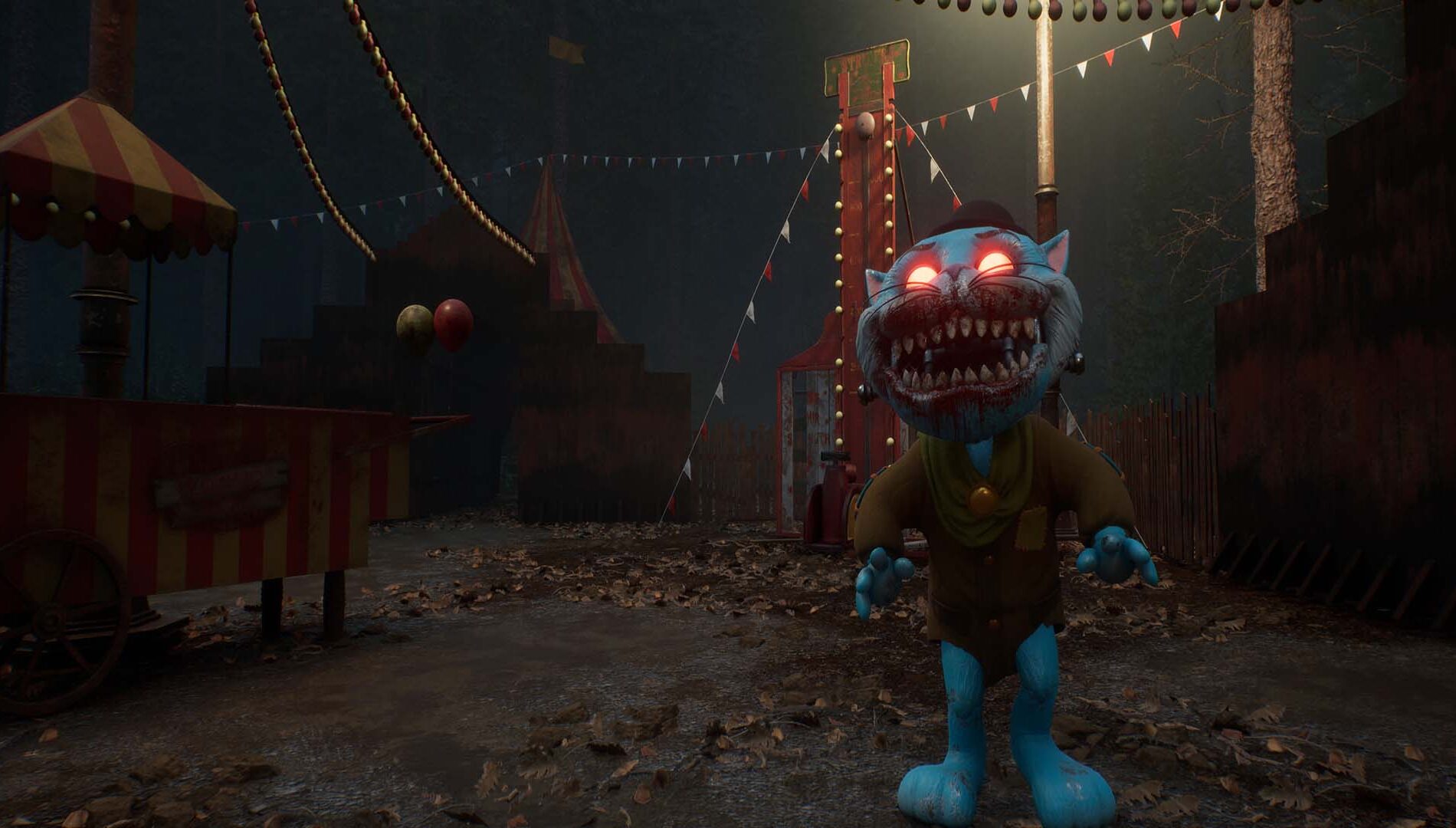
The Evil Clown Psychology: How Birthday Boy Bridges Generational Horror


What makes a clown terrifying isn’t the makeup or the maniacal laugh. It’s the shattered trust between child and protector. I’m really happy that ID@Xbox has welcomed Birthday Boy because I’m excited at the idea of mixing the experience of horror that taps into this primal fear while speaking to both seasoned horror veterans and a generation raised on recent years “viral” scares and cinematic interactive nightmares of this sub-genre called “monster horror”.

The Universal Language of Fear

While studying at the university, I’ve also did my best to take classes from the psychology department, and old-school psychiatrists like Freud, and one of his students, Wilhelm Reich, specifically influenced my thinking about human psyche.

It always felt natural for me to develop games with “psychological” themes.

Birthday Boy‘s central revelation that the protagonist’s childhood tormentor was his own father in clown disguise strikes at fears that transcend generations. This isn’t about supernatural entities or elaborate horror mythologies. It’s about the devastating moment when a child realizes their protector has become their predator. That universal dread forms the emotional backbone of an experience designed to resonate across different horror preferences.

Something Sinister for Everyone

Rather than chasing every horror trend, I did my best to weave together elements that speak to distinct audiences while maintaining narrative coherence and designing the core mechanics of Birthday Boy. Classic horror enthusiasts will recognize the psychological depth reminiscent of films like “The Shining”, which also happens to be “almost”  my all time favorite “psychological horror movie”. The slow burn revelation of family dysfunction masked by seemingly innocent settings, that, I believe is a universal remark in horror settings of all sorts. The evil circus atmosphere channels decades of carnival based horror, which is also a very “safe-haven” setting for this kind of horror game.

Meanwhile, players discovering horror through modern gaming will find familiar elements that feel fresh in this context. Plush toy horror, a phenomenon that exploded across TikTok and YouTube, takes on new meaning when these corrupted comfort objects represent twisted childhood memories rather than arbitrary scares.

We wanted the toy destruction to feel cathartic and fun. And simple enough to keep it addictive.

When you’re using physics to tear apart these possessed stuffed animals, you’re literally dismantling traumatic associations.

The game’s animatronics serve as a bridge between classic mechanical horror and contemporary tech anxiety. These aren’t just jump scare mechanisms. They’re manifestations of how childhood wonder becomes corrupted when trust is broken. Players who grew up fearing mechanical figures in dark rides will feel that familiar dread, while younger audiences accustomed to viral animatronic content will encounter something more psychologically complex.

Physics Powered Catharsis

What sets Birthday Boy apart is how it transforms horror tropes into meaningful interaction. The physics-based gameplay isn’t just about spectacle. It’s about agency. You aren’t helplessly running from threats. You’re actively confronting and destroying representations of your trauma. This is what I believe can be called “therapeutic horror”, where the act of playing becomes part of processing difficult emotions.

I realized that giving players the power to fight back changes the entire psychological dynamic. Instead of feeling victimized by the horror, you’re working through it with the support of your in-game psychiatrist.

After testing it many many times, I can safely say that Birthday Boy can show that horror games can simultaneously deliver genuine scares, viral worthy moments, and meaningful commentary on real world issues like mental health.

Whether you’re drawn to psychological thrillers that explore family dynamics, action horror featuring physics-based combat, or atmospheric experiences that build dread through environmental storytelling, Birthday Boy offers entry points for different horror preferences without diluting its core vision.

As you prepare to confront your worst childhood fears today, Birthday Boy stands as proof that the most effective horror often comes not from elaborate monsters, but from the terrifying possibility that those meant to protect us might be the very source of our nightmares. Sometimes, the most powerful way to overcome that fear is to face it head on. Even if it means returning to the most twisted birthday party ever thrown.

Also, let’s admit: Tossing around animatronics, balloons and plush toys is simply fun.

Birthday Boy launches on Xbox Series X/S Today.

Birthday Boy

Playstige Interactive


$5.99

$4.79


Birthday Boy: A First-Person Psychological Horror Experience

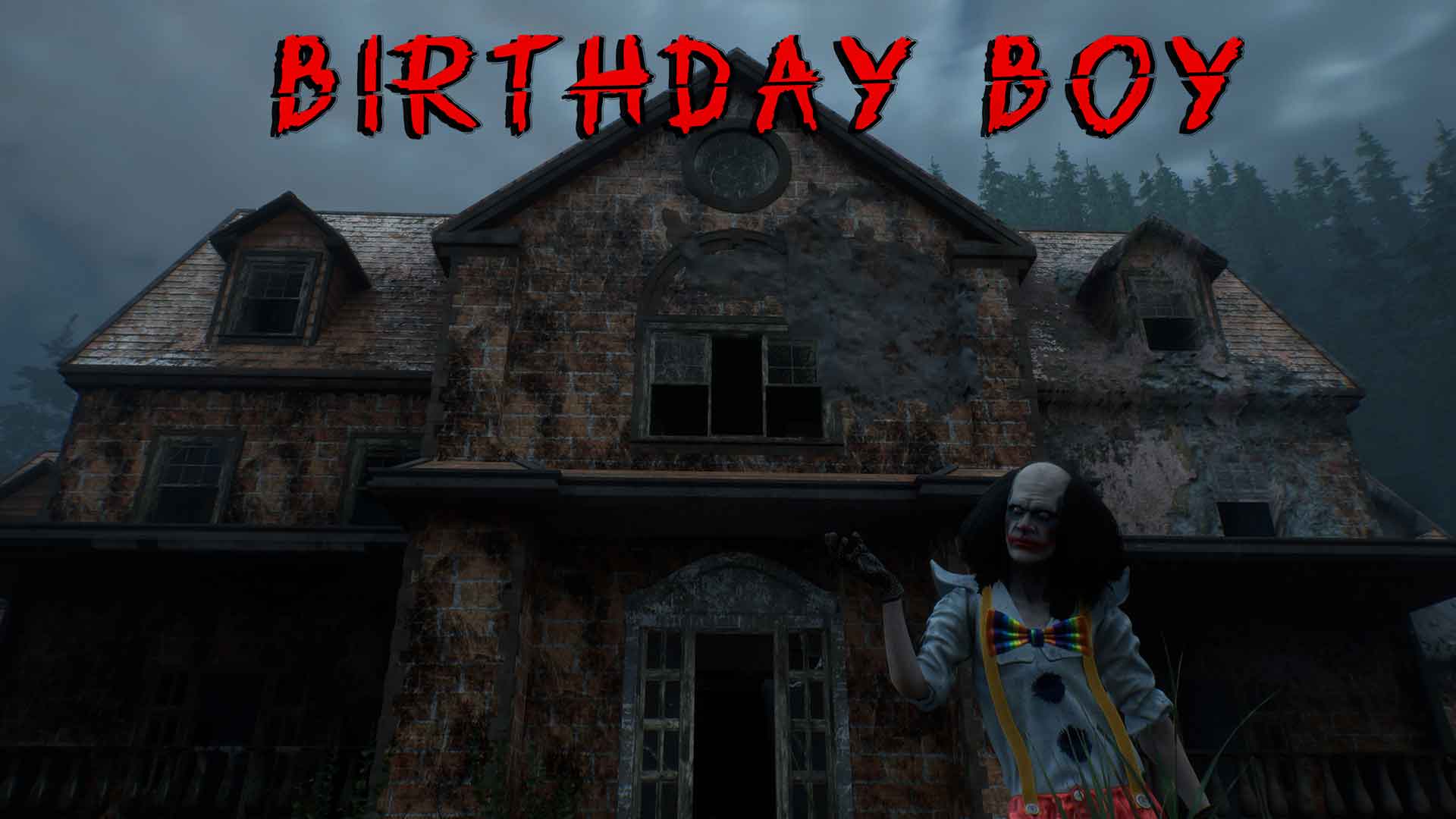
In Birthday Boy, players delve into the haunting psychological landscape of “Brian,” a successful Manhattan investor who is forced to confront the traumatic memories of his past. The game explores the dark corners of his childhood, dominated by his father, Jo, a disturbed engineer with a penchant for dressing as a clown. Jo’s eccentricity masked a sinister nature, leading to a tragic family history culminating in the murder of Brian’s mother and Jo’s own suicide.

Brian’s father had a twisted obsession with performing as a clown, complete with garish makeup and a sadistic sense of humor. Birthdays, meant to be joyous occasions, became nightmares for Brian, marked by his father’s cruel antics and physical abuse whenever Brian failed to laugh at his jokes.

As an adult, Brian appears to have moved on, residing in a luxurious Manhattan apartment and running a successful investment firm. However, beneath the polished exterior lies a man still haunted by his past. His home, adorned with perpetual birthday decorations and unopened gifts, reveals his ongoing struggle to cope with childhood horrors.

Birthday Boy offers an immersive journey through Brian’s mind as he attempts to bury his trauma with material excess. Dr. Hannah, Brian’s psychiatrist, is convinced that true healing can only come from facing these memories head-on. She urges Brian to return to his dilapidated family home, the place where his nightmares began, to confront the ghosts of his past.

Join Brian on this terrifying journey as he navigates the eerie remnants of his childhood, uncovering buried secrets and battling his inner demons. Birthday Boy challenges players to explore the thin line between memory and reality in this gripping psychological horror experience.

Rival Stars Horse Racing Gallops Onto Xbox April 28


Summary

  • Multiple game modes including Flat Racing, Steeplechase and more.
  • Breed and train a stable of champion racehorses.
  • Genetic breeding system with detailed horse generation for ultimate realism.

What happens when you’re given the keys to a rundown ranch and asked to restore your family’s legacy? Rival Stars Horse Racing challenges you to take the reins and become a racing legend.

Prove Yourself

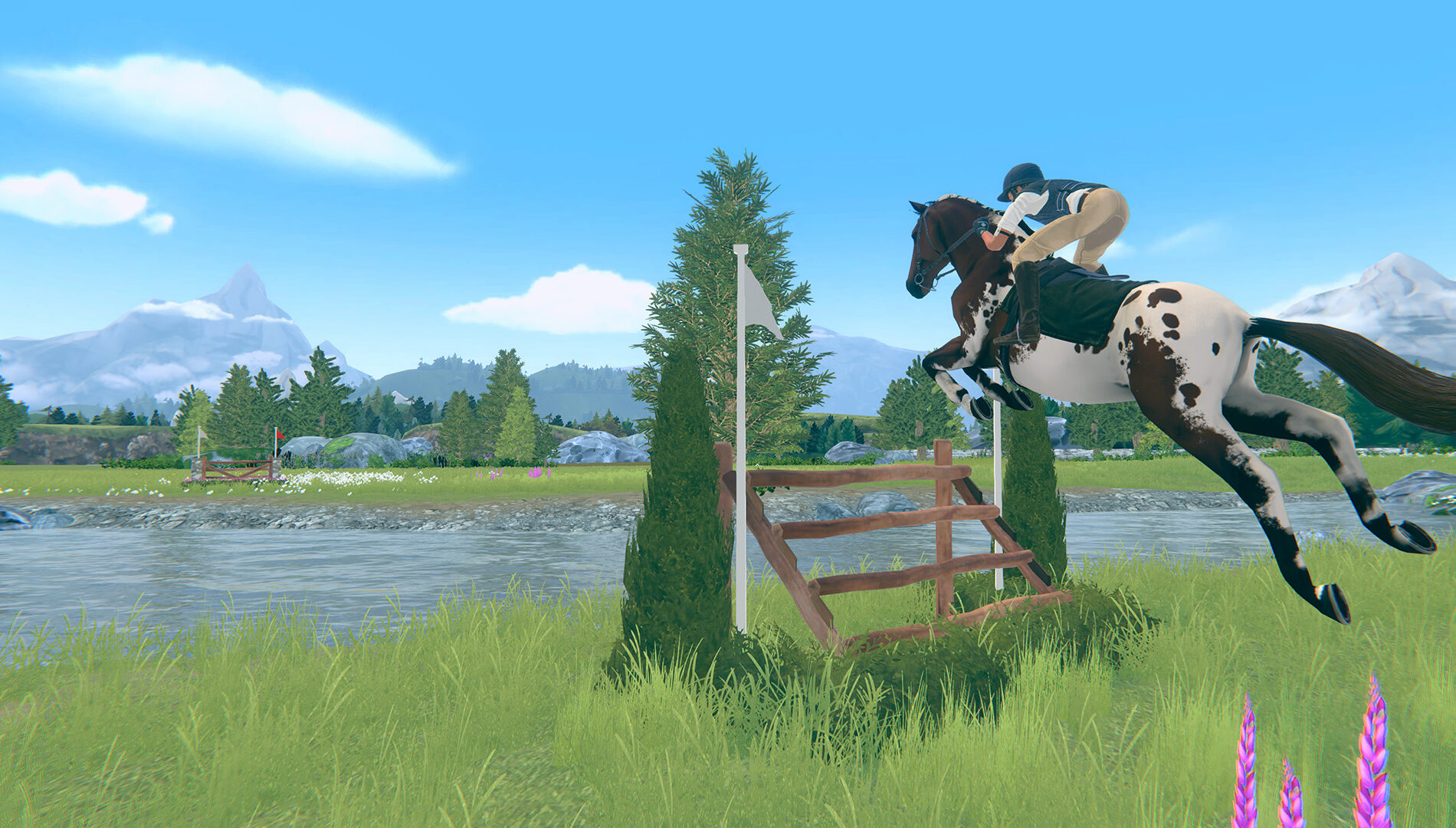
In Rival Stars Horse Racing, we wanted to capture the most authentic and in-depth horse racing experience for equestrian fans. Not content with just the regular racetrack, the game offers four different racing modes: In Flat Racing, you’ll burst out of the starting gate and aim to be the first across the finish line. Cross Country will have you navigating sharp turns and jumps, while Steeplechase combines the best of both modes into a challenging thrill. And for something a little more elegant, you can take to the arena in Show Jumping. Story Mode will take you through all game modes with a full campaign, meeting new friends (and rivals) as you seek to restore your ranch to glory.

Breed your Dream Horses

We’ve put a lot of love into the horses of Rival Stars Horse Racing. Beyond your standard thoroughbred, you can raise the elegant Arabian, the powerful Mustang, the otherworldly Akhal-Teke and six other popular breeds. With 270 coat patterns, 12 colors, 5 dilutions and over 60 markings, the genetics system means you can breed a whole lineage of champions, with dominant and recessive genes existing just like in real life. You can even crossbreed to get the best of the breeds you like most! Or create your own dream horse using Horse Creator, and customize everything from mane length to facial markings exactly the way you want them.

Cozy Meets Realism

There’s no anime girls here – we’ve used motion capture on real horses for an immersive, realistic experience that captures the beauty and power of these magnificent animals. Saddle up and feel the pressure of the racetrack, and then wind down by taking your horses out for a ride in Free Roam mode and use the in-game camera to capture beautiful shots of your favourite steeds. You can even share Free Roam mode with up to eight friends, and explore scenic locations like Switzerland or the American Southwest. We’ll see you on the track when Rival Stars Horse Racing launches on Xbox on 28 April.

Rival Stars Horse Racing

PikPok


Play Rival Stars Horse Racing for the ultimate horse racing and riding experience.

Handed the keys to a rundown ranch, it’s up to you to restore your family’s legacy and become an equestrian legend! With the help of a host of colorful characters, you’ll raise charming foals, manage your dream stable of horses, and bring the ranch back to its former glory.

Ride your way — take the reins to feel the thrill and thunder on the racecourse, hone your jumping skills on the Cross Country course, explore the ranch with your horses, and so much more.

Nomori’s Ghibli-Inspired Aesthetic Belies a Mind-Bending Portal Puzzler


If you love games that challenge your perception and reward thinking outside of the box, upcoming physics puzzler Nomori may be right up your alley. At the recent ID@Xbox event at GDC, I was able to play through the demo and chat with Studio Director Marnix Licht, who leads Enchanted Works’ small remote team distributed across the Netherlands.
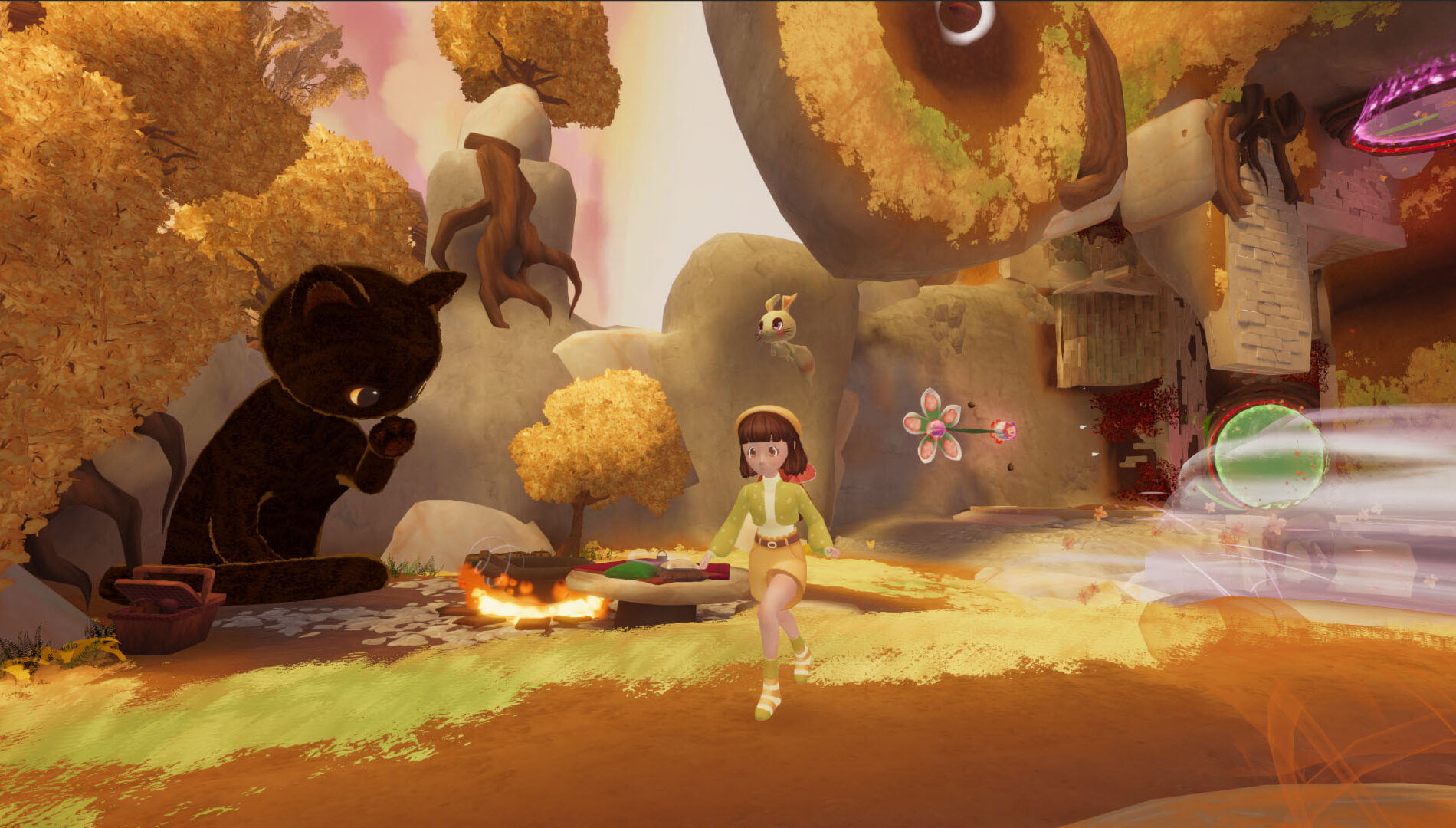
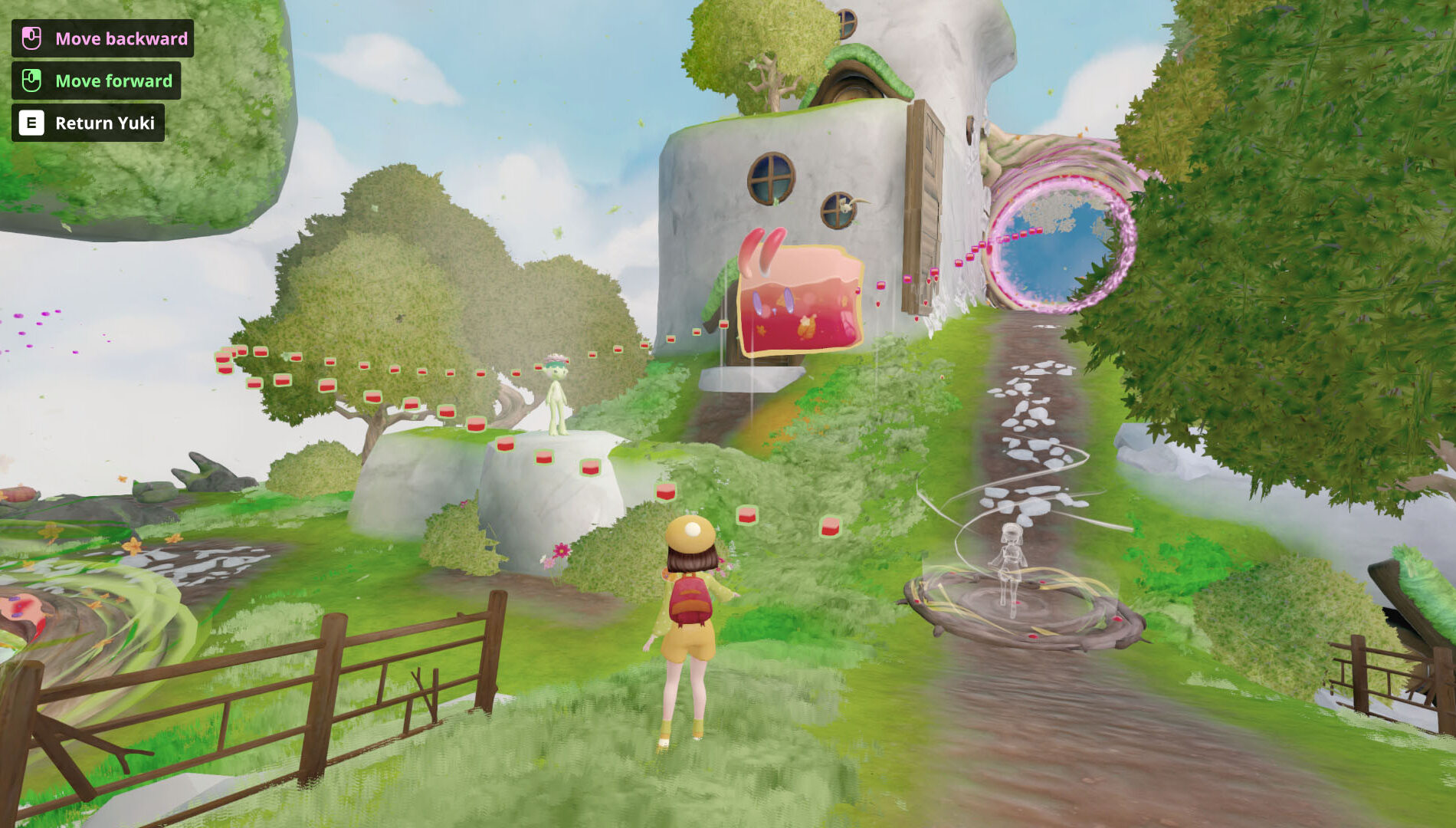
In Nomori you play Kiko, a young girl who, in classic folktale form, gets sidetracked on the way to her grandmother’s house. Soon she finds herself lost in a whimsical spirit world of floating islands populated with friendly mushrooms, giant talking cats, and the like. It’s all drawn from Japanese folklore, particularly via the beloved work of animation legend Hayao Miyazaki and Studio Ghibli, like “Spirited Away” and “Princess Mononoke.”

That extremely cozy and inviting surface belies a much trickier puzzle design, however. Licht told me that one of their core observations at the start of development was that often a game with gentle vibes has similarly gentle puzzle mechanics. They supposed that many people might like a game with a cozy aesthetic, but far trickier and more nuanced underlying gameplay, akin to Portal, which is a comparison that will shortly become obvious.

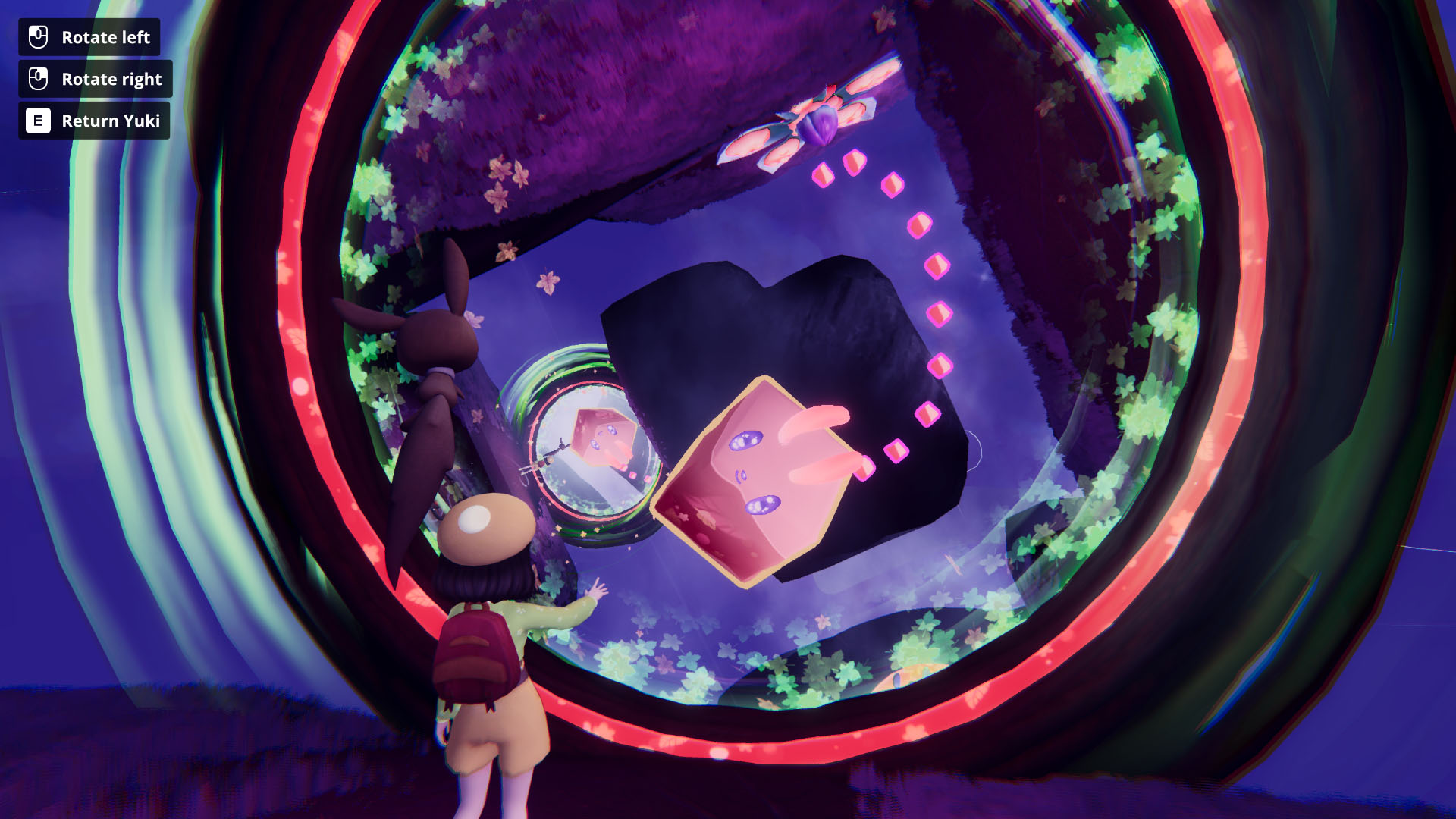
Initially the challenge is simple navigation and platforming, making your way across a series of floating islands that are connected by fixed portals. The first twist comes when you find that portals maintain orientation, so the direction of gravity when you enter will be the same for you wherever you exit. So, for instance, you can step through a portal at the bottom of a cliff face and emerge through a perpendicularly oriented portal onto that cliff as your new ground.

“If Portal is all about conservation of momentum, Nomori is about conservation of orientation,” Licht told me. He also brought up the work of surrealist illustrator M.C. Escher as a big and obvious inspiration for this relativistic relationship to space.

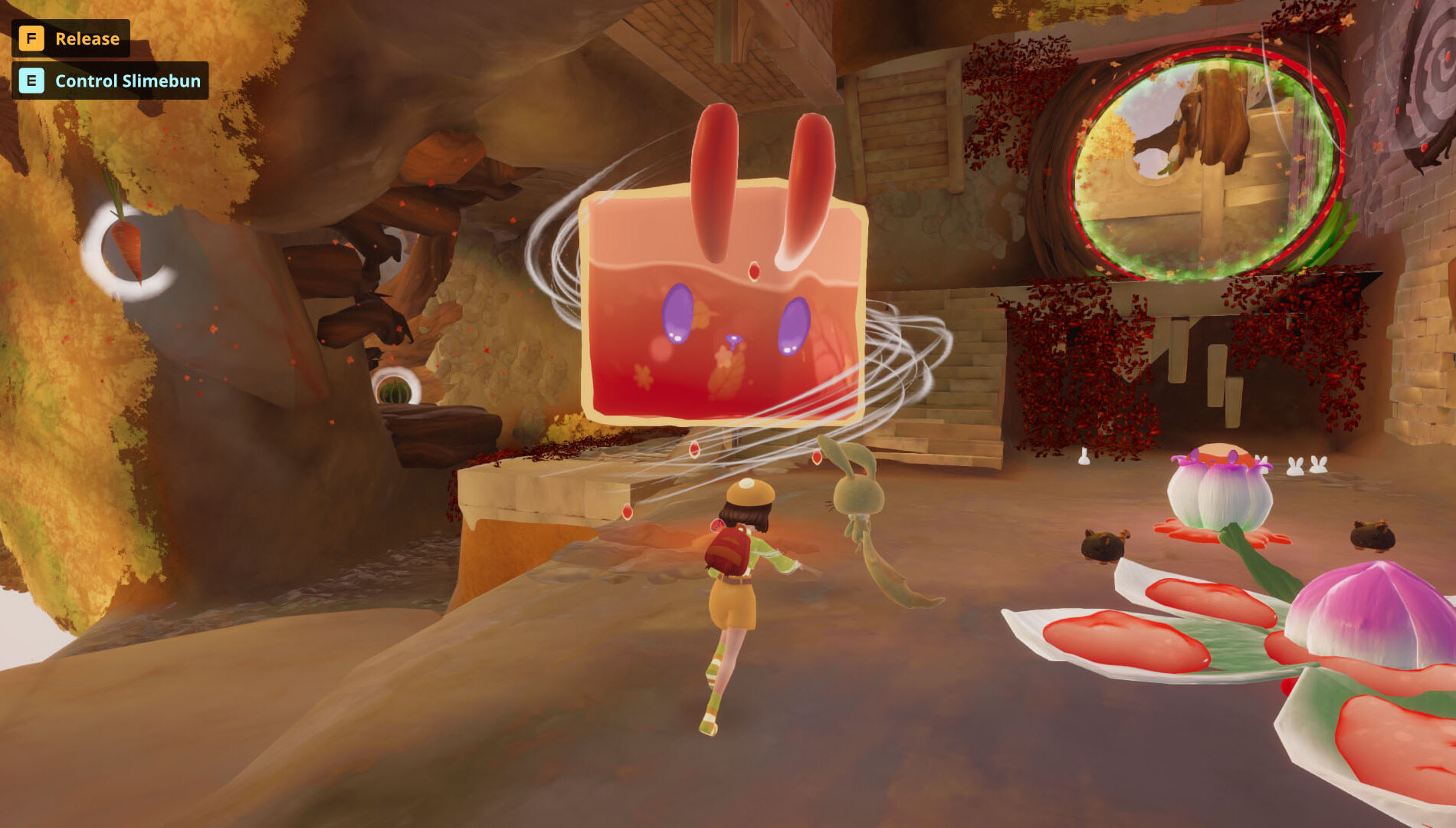
The next major element introduced is a large, friendly gelatinous cube with bunny ears called a Slimebun. You can pick it up and telekinetically move it around with your Wind Grasp ability to use as a mobile platform and as a key to open the door to the next island. Invoking Portal again, Licht called it “the ultimate companion cube.” Eventually, you can also reverse its direction in time, scrubbing it back and forth along its previous path like with Link’s Recall ability in The Legend of Zelda: Tears of the Kingdom, creating a moving platform for your traversal.

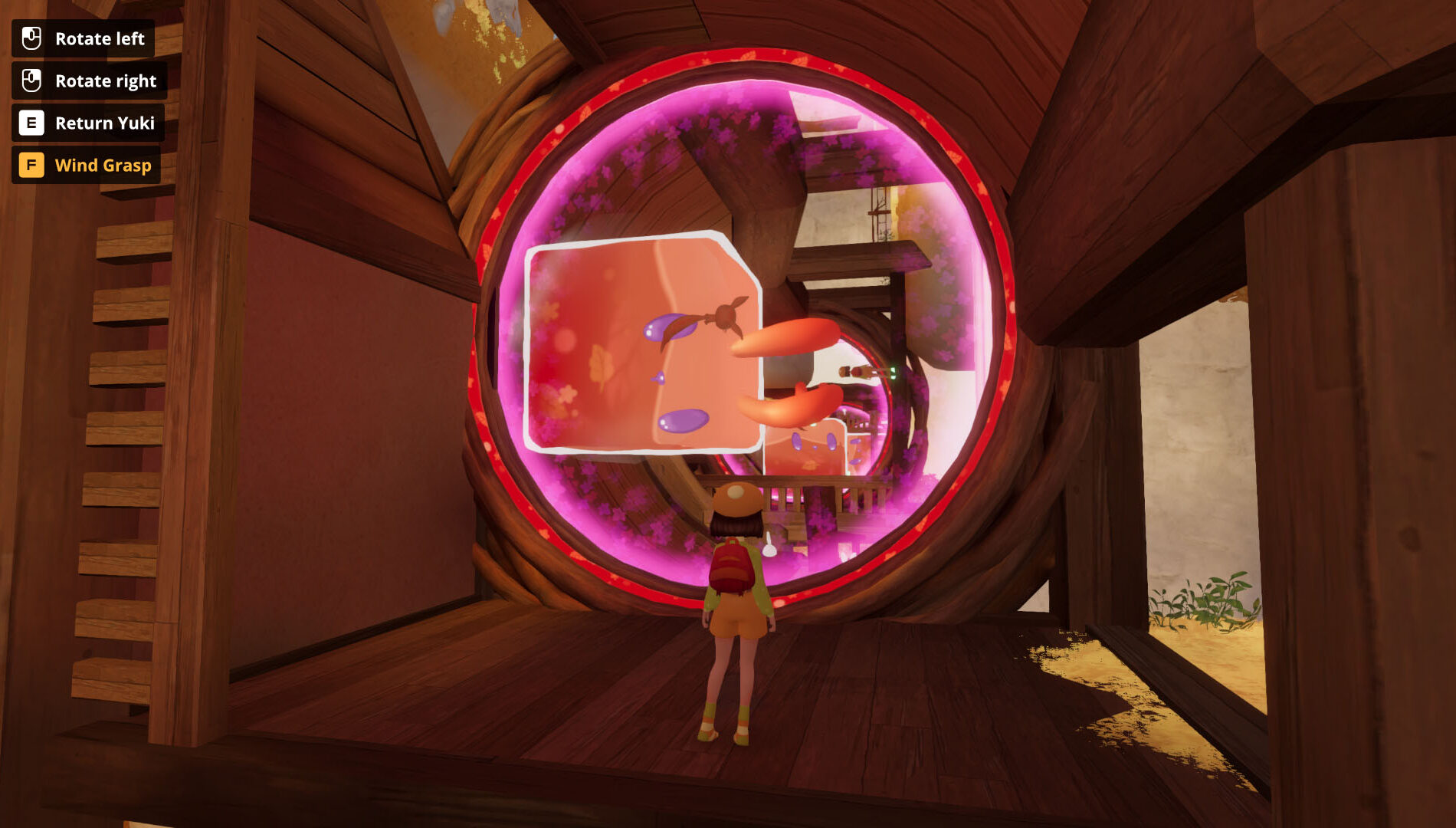
The moment that really made me lean forward and recognize what this game has cooking was when Kiko could start rotating the portals in 90-degree increments, changing the orientation at which you came out (and thus the direction of gravity when you did). I’d been breezing through the introductory puzzles to this point, but suddenly I had to start rotating the space in my mind like a Rubik’s Cube and just ended up doing a lot more experimentation.

The Slimebun has a sloshing layer of liquid on its bottom and bunny ears on top, which are important cues for making its orientation obvious. This is crucial because Wind Grasp lets you send it through portals without you, bringing it out nearby with a different direction of gravity than you, for instance turning it falling down into your elevator ride up. This gets even more complicated with moving it back and forth in time, since its path (helpfully represented in the world with a dotted line) retains orientation to the Slimebun and not the environment, so you can use that in conjunction with rotating portals to do some tricky things.

By grounding the world in consistent (but interesting) physics and giving you a growing array of open-ended tools, Nomori increasingly allows for multiple solutions to its problems as it goes on and grows in complexity, which can give you that delicious feeling that you’ve outsmarted the game for coming up with something that doesn’t seem intended. Licht and team have rewarded this directly by placing Kodamas (collectible spirits) based on spots their playtesters have managed to reach that they hadn’t initially intended to be accessible.

Nomori is charming and thoughtful, and I’m now very excited to see all the directions its relativistic portal puzzling goes across the whole game when it comes to Xbox Series X|S and Xbox on PC later this year, with support for Xbox Play Anywhere.

Parkour Labs: Conquer Neon Skies and Defy Gravity in a Brutal Vaporwave Gauntlet


Summary

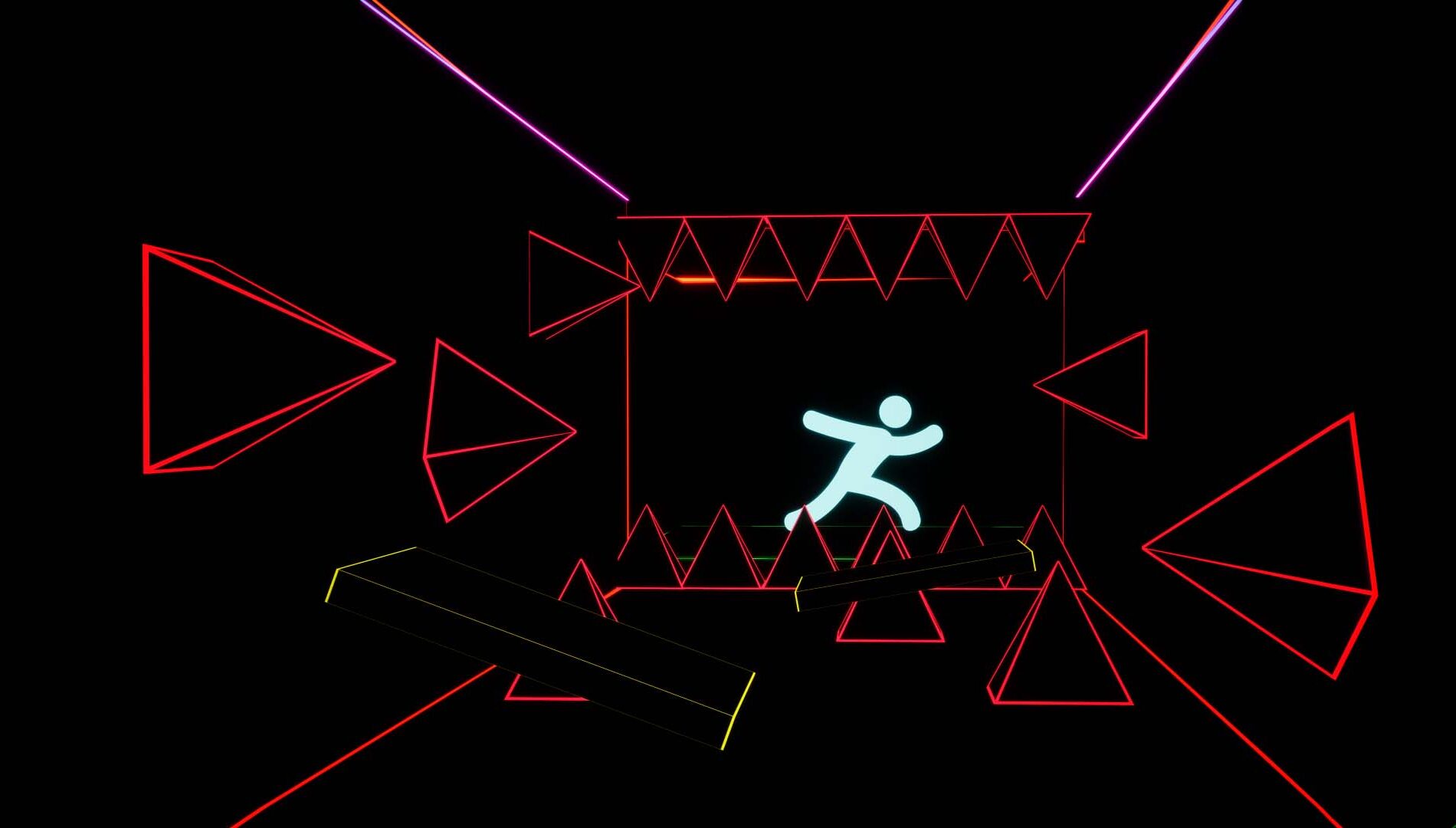
  • First-person precision platformer in a neon-soaked Vaporwave world of lethal geometry.
  • 60 brutal levels built around flow, timing, and absolute control.
  • Pure skill challenge – every fall is your fault and every victory earned.

Reclaiming Pure Movement: How Parkour Labs was created (Solo)

Parkour Labs arrives after two intense years of solo development and an additional year dedicated to polishing its adaptation to consoles. It’s the purest vision of movement brought directly to the Xbox ecosystem.

The journey behind Parkour Labs hasn’t been conventional. Its creator comes from the audiovisual world, where he worked for years editing videos for clients. Over time, the need arose to leave behind imposed aesthetics and reinvent himself by learning programming on his own to create something truly his own.

Parkour Labs is the result of that personal effort: a project in which every mechanic, model, and line of code has been built from scratch.

It was born in response to a growing trend in big-budget video games: visually spectacular experiences with automated gameplay, where much of the action occurs without the player having real and precise control.

The goal was to recapture raw, organic gameplay. This title is designed for lovers of extreme movement who, lacking modern alternatives, turn to mods and communities in other games, such as the surf maps in Counter-Strike: Global Offensive, the competitive scene in Warfork.

The game offers a home for this community seeking 100% free movement based on realistic physics, bringing that essence intact to Xbox.

Designed to Die and Learn Instantly

Control is the core of the game. Character movement was fine-tuned until the final months of development to achieve such a level of precision that, after just a few matches, it’s possible to play almost without looking at the controller, feeling a direct connection with the character. The challenge is demanding and deliberate: you’ll fall many times before mastering each level. However, frustration is completely eliminated thanks to the absence of loading screens. If you fall, a flash appears, and in less than 0.2 seconds, you’re back in action. The rhythm never breaks.

Tips for Mastering All 60 Levels

To get ahead of today’s release, here are the fundamental rules:

1. Momentum Defines your Jumps

The double jump isn’t a fixed animation: it’s the sum of forces. The distance depends on the speed and momentum at the moment of execution.

2. The Player Levels Up

There are no stats, experience points, or grinding. It’s a purely mechanical game. Improvement is structural and depends on mastering the controls.

3. Extreme Optimization

The game has been polished to push the hardware to its limits and maintain absolute technical fluidity. A stable frame rate on Xbox is key to perfecting reaction times

Laboratory Rules

Learn to read the environment or you will fall:

  • Yellow platforms: they blink and collapse. Don’t stop. Jump fast.
  • Red platforms: contact means instant death.
  • Violet platforms: stable platforming surfaces. Your only safe ground.
  • Blue platforms: they launch you upward with a bounce. Use them to reach the impossible.

Today’s launch marks the beginning of a new era for the console movement community. Parkour Labs is now available and ready to test your reflexes, precision, and consistency.

Parkour Labs

Pdpartid@games


$14.99


Welcome to the Ultimate Parkour Game!

Welcome to Parkour Labs, a vaporwave-inspired parkour game.
Surf the waves of nostalgia and retro aesthetics, sliding down ramps and performing smooth turns.
Explore colorful and surreal landscapes inspired by the culture, music, and art of the 80s and 90s.
Collect glitch effects and artifacts to unlock new levels and secrets.
Experience the synthwave atmosphere in this unique and original game that challenges your mouse control and movement skills.

The Shore: Enhanced Edition Celebrates Five Years with a 2026 Xbox Series X|S Launch


Summary

  • Coming to Xbox Series X|S this year,
  • Dragonis Games’fully optimized Enhanced Edition.
  • Five-year milestone since the acclaimed Lovecraftian horror adventure launched 2021.

Five years ago, The Shore introduced PC players to a nightmare realm of cosmic horror and existential dread. Now, as the game celebrates its anniversary, that same haunting experience is coming to Xbox Series X|S in 2026 with The Shore: Enhanced Edition.

I still remember the first time I encountered one of The Shore‘s massive eldritch entities towering over the island’s abandoned ruins. That oppressive atmosphere, those twisted landscapes shaped by ancient gods – now console players will experience that same terror firsthand, reimagined and optimized for modern platforms.

Originally released on PC in February 2021, The Shore quickly gained recognition for its atmospheric Lovecraftian horror and deeply personal narrative. Dragonis Games’ debut title resonated with horror fans worldwide, establishing the studio’s reputation for creating immersive, story-driven experiences rooted in cosmic dread.

Now, through a publishing partnership with Iphigames, The Shore: Enhanced Edition brings this celebrated indie horror experience to a new generation of players on Xbox Series X|S. The Enhanced Edition has been fully adapted for modern console platforms, delivering refined visuals and an immersive experience that takes full advantage of the hardware.

You take on the role of Andrew, a father searching for his missing daughter on a remote island abandoned by humanity. As you explore decaying ruins and twisted landscapes, reality begins to fracture around you. The island hides secrets older than time itself, and every step forward pulls you deeper into a nightmare shaped by fear, loss and obsession.

Ancient gods lie hidden beneath the island, slowly changing the world above. Armed with strange artifacts and fragments of forbidden power, you must survive encounters with eldritch beings while uncovering the truth behind both the island and your daughter’s fate. Knowledge comes at a terrible cost.

The Shore blends exploration and environmental puzzles in a world shaped by forbidden knowledge. Dark visuals, huge creatures, and unsettling locations create a constant feeling of dread as you navigate villages, ruins and strange landscapes inspired by Lovecraftian horror.

You’ll solve environmental puzzles using logic, observation and strange objects found throughout your journey. The game’s immersive sound design uses whispers and silence to build tension and pull you deeper into this nightmarish world.

The five-year journey from PC launch to console debut represents an important milestone for Dragonis Games. Founded by Ares Dragonis, the independent studio has continued to focus on creating atmospheric, story-driven experiences inspired by cosmic and psychological horror, with previous titles including Eresys and Necrophosis.

The console version comes through a publishing partnership with Iphigames, a game development studio based in Athens, Greece, that supports distinctive and ambitious projects and helps developers bring their creative visions to console and global audiences.

The Shore: Enhanced Edition is scheduled to launch on Xbox Series X|S in 2026. As the game enters its sixth year, this console release marks a new chapter for the beloved horror adventure.

Love Eternal’s Uncanny Mix of Precision Platformers and Psychological Horror


Summary

  • Run, jump and flip gravity to escape the mind of a selfish god.
  • Themes of isolation and childhood struggles in a treacherous world.
  • Experimental narrative channeling influences from Silent Hill to Satoshi Kon’s filmography.

Love Eternal, releasing on Xbox One today,is a psychological horror platforming game set in a mysterious and ancient dilapidated castle, which serves as the prison of our abductee protagonist Maya. The predicament of Maya, an American teenager who gets spirited away in the middle of dinner from her suburban family home by a callous and jealous god, is quite the emotional whiplash for anyone, but to what end must Maya endure these trials?

Today I’ll dig into the diverse influences and ingredients that the developers of Love Eternal, brlka, mixed together in order to serve up an unsettling journey with an experimental narrative where you truly won’t know what next to expect.

For starters, brlka, comprised of siblings Toby and Sam Alden, conceived of Love Eternal as an evolution to an older platforming game they made together, simply titled Love. The original Love, made almost a decade ago, shares mechanical roots with Love Eternal in that both are platformers in the vein of masocore (a portmanteau of masochism and hardcore) inspired from the 2000s freeware era of games like Jumper, an early platforming game by Maddy Thorson long before the likes of Celeste, and the Knytt series from Swedish developer Nifflas.

These masocore challenges – and the effort required to overcome your initial apprehensions at seemingly insurmountable platforming arcs – traditionally serve as a meditation on a rhythmic cycle of failing, observing one’s mistakes and mental lapses, and returning to the breach. With Love Eternal, however, brutality in platforming is the scaffolding for Toby, the game’s principal programmer and designer, to hang the quiet terror of the game’s narrative dressing.

Love Eternal’s influences gel together with considered curation – yet it’s also accurate to say, “These are just the movies and TV that Toby was watching at the time of development!” Either way you see it, the influences that run in Love Eternal’s blood include significant works from the esoteric works of Kiyoshi Kurosawa, particularly Pulse”  (2001); the fever dreams of “Twin Peaks” season 3 and “Paprika” (alongside all of Satoshi Kon’s other animated movies); and the inimitable 1998 anime “Serial Experiments Lain”.

The common thread is how these pieces of media parlay psychological horror, even though horror wouldn’t be considered each work’s principal genre. As it appeared to Toby, psychological horror was seemingly underrepresented in precision platforming, and they decided to use horror to express the narrative in deeply uncanny ways.

Toby has described the essence of the Love Eternal experience as the feeling that one gets after experiencing a nightmare that, when described to another person, that other person would not find immediately apparent as to what was scary about the nightmare, even though one’s direct participatory experience of the nightmare is charged with a curdling unease.

To my eye, having seen the Aldens repeatedly discuss their development journey, the themes of Love Eternal have emerged organically during development, rather than being explicitly designed into the game. For example, the theme of isolation stands out through the visual design and structural composition, with the cavernous environments of the god’s castle imposing upon the miniscule Maya who is comparatively only a few pixels tall.

The juxtaposition of Maya – who is still a child – and her isolation in the vast castle ruins viscerally convey how children often lack physical and mental autonomy, and must submit to the whims and mercies of higher powers, parents or otherwise. Taken from the view of an adult – and likely worsened if a player has the experience of parenthood – Love Eternal’s lens of childhood is abstractly horrific.

There’s horror even in the experience of a child learning to inhabit and occupy their own body as it grows and contorts in unexpected ways, though that horror isn’t explicitly violent. Even simple experiences like losing your baby teeth as new ones push out, or the awkwardness of reconciling with the image of one’s rapidly morphing body during puberty can be strange and unnerving markers of growing up.

Such is the flavor of unusual, lightly grotesque expression of body horror conveyed by Love Eternal’s gorgeously expressive pixel aesthetic and animation. This is all crafted by Sam, a professional animator and artist whose experience spans across work like the aforementioned Love to well-known franchises like “Adventure Time”.

Through character animation, Sam pushes how characters’ bodies can be depicted in pixel art, forming a sense of the uncanny with his subtle explorations of how even mundane things might move and writhe. As an example, not too far into Love Eternal’s introductory stages, Maya will come face to face with a distorted version of her father with freakishly elongated limbs, and even in the confines of pixel art, watching this man creep around like a spider (and not like your friendly neighborhood Spider-Man) tended to raise some hairs amongst those who’ve already experienced the demo of Love Eternal.

This uncanny aesthetic dovetails into Love Eternal’s mechanical and narrative pillars for  an experience that careens from somber, melancholic and ominous to bizarre, spine-chilling and occasionally unhinged. Ultimately, the team at brlka and I are confident that just about no one will be able to predict the ways in which the experience of Love Eternal unfurls its twisted tendrils.

We’re excited for players to gear up for the unrelenting challenges and eerie narrative of Love Eternal, now that the game’s out on Xbox One today!


LOVE ETERNAL

Ysbryd Games


$9.99

$8.49

Wander a castle built of bitter memories in LOVE ETERNAL, a psychological horror platformer with devious trials and an unsettling, experimental narrative.

Run, jump, and reverse the flow of gravity itself to escape the mind of a selfish god in this challenging precision platformer. Play as Maya, a child stolen from her family on the whim of a lonely, forsaken deity, and make your way through over 100 screens filled with spikes, lasers, switches, and traps as you unravel the horrifying secret of your new prison.

Will you find your way home, or wander these halls carved of memory forever?

Quirky Indie Games We’re Crushing On: Indie Selects for February


Every Wednesday, dive into the Indie Select Hub — your gateway to a fresh, curated indie collection plus four themed spotlights that rotate weekly! You can always find this collection hub in the Xbox Store and on Xbox.com/IndieSelects.

The ID@Xbox team felt February’s peculiar sparkle in the air, so we curated 6 offbeat adventures that match that delightfully strange charm. From a hand‑drawn British comedy to a psychological race against time to save a plague‑stricken town, this slate delivers bold hooks for every mood. Fight fairytale capitalism, settle into a magical farming life, brave a dread‑tinged fishing odyssey, or command a retro JRPG party through dungeon‑delving action. Whether you crave calm, comedy, chaos, or a fight for survival, we’ve got something uniquely – and unexpectedly – perfect for you this month (in no particular order):

Thank Goodness You're Here

Humor in video games is notoriously difficult to pull off, but the team at Panic may have cracked the code with Thank Goodness You’re Here! a comedy adventure game that lands joke after joke with remarkable confidence and impeccable timing.

Thank Goodness You’re Here! is a lively, hand-drawn comedy adventure game in the art style reminiscent of Terry Gilliam’s Monty Python’s and other surreal British animation from the 1960s and 70s, and it pairs this visual with sharp distinctly British humor. The result is a game that appears crude on the surface, but it’s clearly well designed with genuinely laugh-out-loud moments. 

From the opening cutscene, the game establishes its bizarre premise and rarely lets up. You play as a small, mostly silent salesman wandering the fictional Northern English town of Barnsworth. Progress is driven entirely by interaction: poking, pulling, slapping, and getting into increasingly absurd and strange situations. The game rewards curiosity, timing, and the willingness to lean into the absurd.

The voice acting is superb, including the unmistakable presence of Matt Berry who delivers the game’s tone perfectly. Thank Goodness You’re Here! trusts you to find the humor without over-explaining and handing you the control to let the comedic timing do the work.

Charming, strange, confident in its own silliness, and never overstaying its welcome, Thank Goodness You’re Here! stands out as one of the most memorable comedy games in recent years. Ta-ta for now. – Oscar Polanco

Pathologic 3

Pathologic 3 is a game that lingers long after you put the controller down. The cult-classic psychological survival series from Ice-Pick Lodge returns with a new entry that reimagines its haunting world for modern hardware, while staying true to what makes Pathologic so distinct. This isn’t survival-horror built on reflexes or fear alone. It’s about pressure — the kind that builds quietly as time moves forward and the town refuses to wait for you. From the moment you arrive, the world feels hostile in subtle ways. Conversations are uneasy. Information is fragmented. Even simple decisions feel loaded. Playing Pathologic 3, I was constantly aware that every choice — where I went, who I helped, what I ignored — carried consequences I wouldn’t fully understand until much later.

You play as a doctor navigating a plague that can’t simply be cured. Resources are scarce, and the town’s residents feel less like quest-givers and more like people trying to survive alongside you. Saving one life often meant neglecting another, and there were moments where doing “the right thing” only made the situation worse. Combat is not the focus here. Survival comes from managing hunger, exhaustion, infection, and trust, both your own and the town’s. The tension doesn’t spike; it simmers. More than once, I found myself hesitating before making a decision, knowing the game wouldn’t stop me from making a mistake — it would just remember it.

On Xbox Series X|S, Pathologic 3 benefits from faster load times and enhanced lighting and environmental detail, keeping the experience uninterrupted and deeply immersive. The town feels oppressive, alive, and uncomfortably close. Pathologic 3 is a game that trusts players to sit with discomfort, ambiguity, and consequence. The plague is back on Xbox — and it’s watching how you choose to face it. – Steven Allen

Escape from Ever After title art

Escape from Ever After is a cozy, whimsical experience that proudly wears its inspirations on its sleeve. What begins as an atypical hero-goes-to-slay-the-dragon story quickly shifts into a buddy-cop-esque journey about capitalism, evil conglomerates, and climbing the corporate ladder to destroy a company from within. It’s very unserious and silly — yet somehow the most genius thing I’ve played in a while.

The premise is centered around hero Flynt Buckler, villain Tinder the Dragon, and their temporary truce to thwart Ever After Inc. — a “real-world” conglomerate bent on infiltrating beloved fairytales and folklore to farm resources and characters for labor. As a result, you’ll find Pinocchio working a desk job, Red Riding Hood manning a receptionist’s desk, the Three Little Pigs as an evil construction company, and Dracula as a… tailor. You’ll also see things like printers as save points, gold coins referred to as “wages,” and coffee as your mana pool. I love how much it plays into the theme of the corporate world blending into fantasy, and it left me eager to see what stories would be included and how they’ve been impacted by Ever After.

As for the core gameplay, it’s an approachable RPG with platforming, puzzles, and exploration balanced into the mix. The combat is turn-based but leverages timing-based mini games to enhance actions. Historically, I’ve never really been a big turn-based RPG person, so this helped keep the combat engaging and definitely felt satisfying to pull off. There’s also a bit of party management as you recruit characters from different stories, a leveling system, abilities to unlock, and mild customization through costumes and such.

This game is awesome, and I had an absolute blast playing it. Through its story, gameplay variety, and approachability, this feels like a game I can easily recommend to anyone. – Deron Mann

Wylde Flowers

Wylde Flowers is a standout farming life sim that breaks from genre norms with its fully voice‑acted cast and story‑driven approach. Instead of creating your own avatar from scratch, you step into the shoes of Tara, who returns to her quiet island hometown after twenty years to help care for her grandmother’s farm. It doesn’t take long before Tara learns that her grandmother is actually a witch and that she may actually share the same abilities.

The gameplay blends farming, daily chores, witchcraft, and socializing with the townsfolk, delivering a satisfying loop that stays approachable but rewarding. You’ll harvest resources, upgrade tools, craft practical and magical components, and unlock new potions and spells. One especially clever design choice is the way seasons advance: they don’t run on a timer but instead shift only when you decide. That small twist removes a lot of pressure, giving you all the time you need to gather materials and finish tasks before moving on.

But the real magic of the game lies in its cast of unique characters. The town is filled with everyday villagers as well as a few supernatural‑leaning residents, all of whom initially see you as an outsider which means you will have to win them over. Each character has distinct stories, quirks, secrets, and requests, and the more time you spend with them, the more your relationships deepen, with some even blossoming into romance. These connections aren’t just optional side flavor; they actively push the story forward as you piece together what’s truly happening in the community and who’s genuinely on your side.

If you’re an Animal Crossing fan craving something with richer narrative layers wrapped in cozy farming gameplay, this one is absolutely worth your time. – Raymond Estrada

Loan Shark

Quite possibly the most indie game to ever indie without being in voxels or 2D, in Loan Shark you play as a sad sack fisherman who owes a lot of money to a loan shark just waiting onshore to do serious damage to you and your loved ones if you don’t meet the payment deadline. To make a dent in a seemingly impossible debt ceiling, you just have to keep fishing like your life depends on it… because it does. Because this is a horror fishing game.

As a hapless fisherman desperate to pay off a debt, you’ll have to fish, fish, fish stuff out of the ocean from your ramshackle boat, gut your catch, and toss it in a chest for a payment that slowly chips away at an enormous bill you’ve racked up with the local crime-lord-slash-loan-shark. The waters are dark, the visuals are murky in a PS2 kind of way, and the controls are both simple and clunky at the same time. Don’t dive into this one expecting to marvel over technical gymnastics or pristine presentation – this is a game about making choices, being accountable for them, and of course, a creepy talking fish who offers you some potentially easy answers (which is also a choice for you to make). And that’s really it. Each run lasts around 45-ish minutes and, depending on how you handle yourself, can result in very different endings. I don’t really want to dish out any more info in order to avoid spoilers, as you kind of have to go into this one with an open mind, a willingness to persist with little to no guidance, and a robust imagination (to make up for those technical rough edges). But please do, fish away!

Hero Seekers title art

This game hits me with all the nostalgia dopamine. Late‑’90s and early‑2000s turn‑based JRPGs were absolutely my thing, and Hero Seekers takes that classic formula and elevates it with a clever premise, strong characters, and stylish presentation. Memory drives both the story and gameplay: you awaken in a world where humans have been enslaved by demons, and major historical events have been rewritten. You’re the only one who remembers the true past, and it’s up to you to recover forgotten heroes, restore what was erased, and save humanity.

Combat is turn‑based and built around smart party choices and resource management. You can field up to five unique heroes, and while most battles are straightforward, tougher enemies and status effects occasionally demand more strategy. Routine encounters can be handled automatically.

Where the game really shines is in its hero collection. You gain access to a wide roster early on, encouraging experimentation as you mix and match characters, build unique parties, and optimize skills so they complement one another. Along the way, you’ll meet several standout heroes with distinct backstories that unfold as you help them reclaim their memories.

Hero Seekers scratches that old‑school JRPG itch with intuitive gameplay and strong presentation, while adding its own twist through its hero‑collecting focus and memory‑driven narrative. I’d recommend it to anyone who loves memorable, classic‑style JRPGs. – Raymond Estrada


Crosak: Tips, Tricks, and Secrets of a Multi-Gravity Play-Dough Universe


Summary

  • Open-world platformer set in multi-gravity, play-dough-style environments.
  • Pro tips to help you save everyone from the evil wizard Double G.
  • Two-player co-op mode with no splitscreen.

Crosak has arrived, ready to transport you to a fun universe made of play-dough, where gravity is on your side. Step into the role of a true caveman, grab that sturdy bone club, and head out in search of adventure, because adventure is just a small planetary spin away.

Life in Routine Village is peaceful, but it doesn’t take long for things to take a dark turn with the arrival of the evil wizard Double G.

Your journey will take you through several freely explorable open worlds, each with its own distinct theme. You’ll need to overcome the challenges and minigames, and to progress in the adventure, you’ll also need to battle Double G’s minions, the Kobi, defeat Mr. Egg and Big Rock, eventually reaching the depths to face Double G himself. Read on to discover some of the best ways to explore, vanquish enemies and save the world.

Exploring the planetoids and uncovering their secrets is a big part of the fun. Thanks to the smooth gravity shifts that keep you glued to the ground, you can walk across their entire surface. If you see the horizon getting close, don’t worry, just keep moving and you’ll discover you can loop around to the other side, uncover hidden areas beneath the surface, or even drop through a hole into the planet’s inner layer.

There’s only one exception: those ultra-flat platforms have gravity fixed in a single direction, tied to their specific zone. So don’t try to stand on them upside down or you’ll fall into nothingness… or lava… or water… either way you end up respawning at the last checkpoint.    

To save your impatient pals, you’ll need to overcome a wide variety of challenges and games. Here are a few hints of the ones you’ll have to discover: find the toy plane so a Kobi will agree to race you, convince a pterodactyl to carry you to a distant planetoid, chase and catch slippery critters, take on combat arenas, ground-pound buttons to flush out hidden Kobi, roll a massive ball of bones without falling into the void, and for those giant balls… find a proper goal.

Oh, and will you manage to find the T-Rex? At first, it may seem a bit aggressive, but that’s only because you wandered into its lair unannounced. Soon enough, it’ll become a loyal friend, letting you ride on its back to reach places that would otherwise be impossible.

As for enemies, don’t let them pile up. They may be small, but they pack a punch. If you keep them under control, you can definitely defeat them. Knock out the Kobi by hitting them or jumping on their heads. The karate dinos are easy to beat but very fast, so take them out quickly. If carnivorous plants give you trouble, try attacking them from behind. Snakes are sneaky, dodge their strike and hit back right after. And when it comes to skeletons, a solid ground pound will keep them from getting back up.
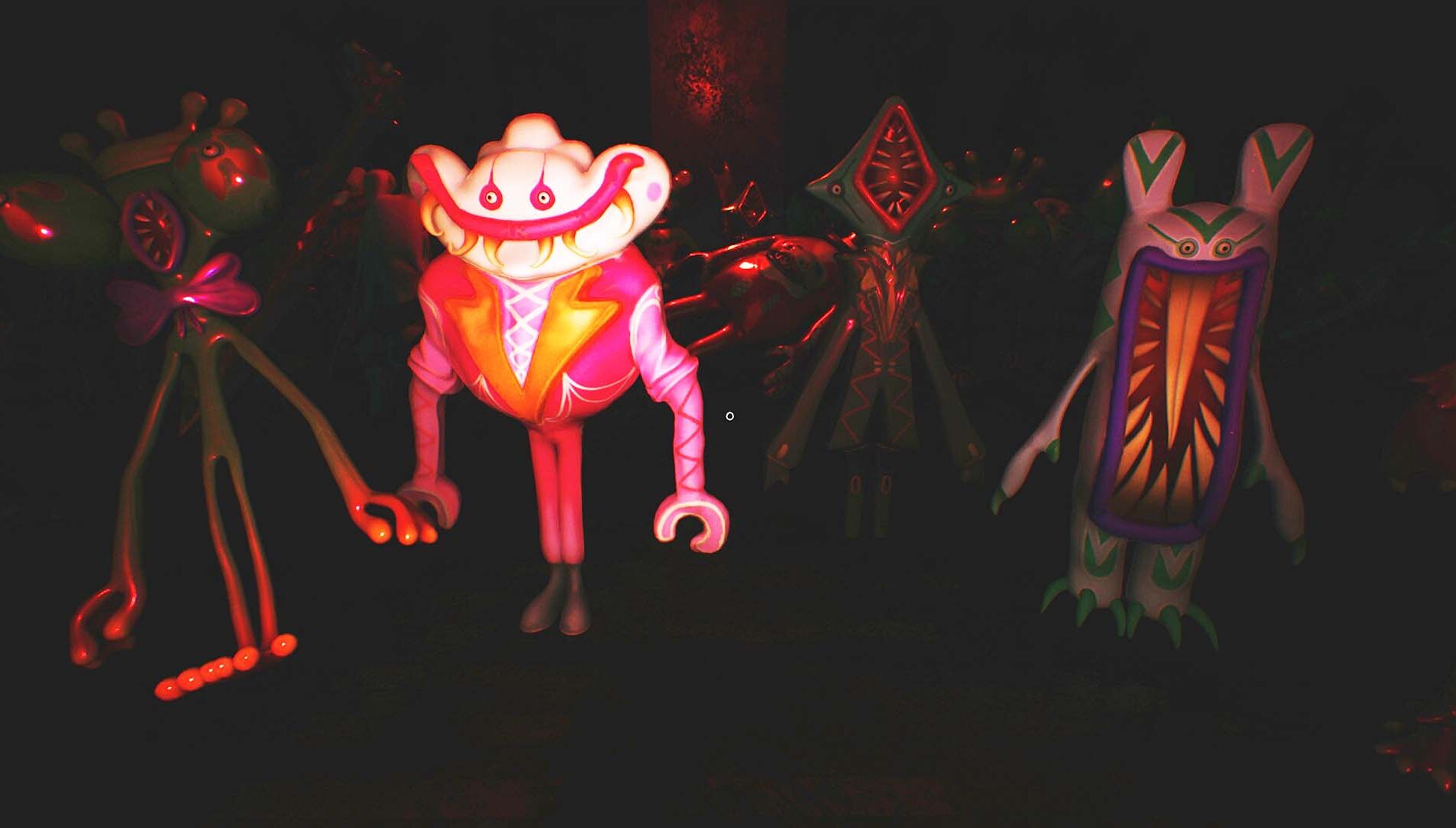
If, when you start playing, you notice small white items floating around that don’t seem to do anything yet, don’t panic, they’re power-ups you’ll unlock later on. You’ll earn the anti-gravity feathers by defeating Mr. Egg, and these will allow you to jump higher and fall more slowly, making longer jumps possible and letting you escape the planet’s gravity at certain locations. The rock helmet, unlocked after beating Big Rock, adds weight so you can sink in water and grants damage resistance, enough to walk across lava. Finally, by defeating Double G, you’ll obtain the flaming club, which lets you shoot fireballs and access green fire areas.


All of this can also be enjoyed in co-op mode with a second player. Invite a friend, sibling, parent, child, grandparent, cousin, anyone you like! They can jump into the game at any time.

This co-op mode doesn’t use a split-screen setup to allow both players to work together toward the same goal without losing track of each other during exploration. And if the second player strays too far or gets a bit lost, the teleport function is always there to help.

Crosak comes packed with a feel-good vibe, a touch of classic platforming, and a strong sense of adventure, all while having fun turning the world upside down. Jump in and enjoy the ride!

Crosak

WildSphere


2

$14.99

Do you like platforming, exploration, and plumbing…? Uh, I mean… play-dough?! Well, we may not have pipes, but we can give you 64 reasons to join Crosak’s daring adventures.

1. Become a real caveman jumping and clubbing your way through a multi-gravity universe made of sticky play-dough: six open worlds full of secrets plus three special worlds with everything a galaxy could wish for.

2. Invite your favorite second player to have fun with Crosak and his friend Ena! Enjoy the full adventure in one- or two-player mode, switching whenever you like.

3. Face crazy “Jurassic-inspired” enemies — from giant carnivorous plants to karate dinosaurs or our take on the missing link (the Kobi).

4. Experiment with various power-ups to overcome the twisted planets’ challenges: anti-gravity feathers, rock-helmet, or flaming club, to name a few.

64. And let’s not forget the main mission! Rescue the 60 cavemen from Routine Village captured by the fearsome warlock Double G. 60 objectives with all kinds of missions: races, pterodactyl flights, mini-games, free falls, T-Rex rides, powerful boss fights, and much more.

Don’t overthink it — give your world a spin with Crosak!

The Last Train: Baquedano Turns a Ride Home into a Nightmare


Summary

  • First-person psychological horror where the familiar becomes terrifying.
  • How the designers twist common themes into nightmare.
  • Use calmness and wits to escape an abandoned subway station while being hunted by a familiar presence.

What if falling asleep on your daily commute was the worst mistake you could make?

The Last Train: Baquedano is a first-person psychological horror experience that turns an everyday situation into a disturbing nightmare. Developed as an intense, narrative-driven indie title, the game invites players to explore the dark corridors of an abandoned subway station where time feels frozen and something is watching from the shadows.

A Familiar Face Turned Into Fear

One of the most striking elements of The Last Train: Baquedano is the presence of Tung Tung Sahur, a character widely recognized as a viral internet figure. In this game, that familiar face takes on a far more unsettling role. What was once humorous and recognizable becomes distorted and threatening, transforming internet culture into a source of psychological tension.

The game builds fear through a unique blend of anticipation, sound design, and the unsettling contrast between recognition and danger. Seeing something you know and realizing it shouldn’t be there becomes one of the core emotional drivers of the experience.

Explore, Survive, and Uncover the Truth

Exploration, environmental storytelling, and light puzzle-solving are the core mechanics as you search for clues that hint at a deeper story hidden beneath the surface.

Stay Calm and Observant to Survive

The game features four different endings, encouraging replayability and interpretation. Each ending reveals new layers of meaning, allowing you to piece together what really happened and what the station represents.

A Short, Intense Psychological Experience

The Last Train: Baquedano is designed as a concise yet impactful horror experience, ideal for fans of atmospheric storytelling and emotional immersion. Its urban setting, inspired by real-world subway spaces, grounds the horror in reality, making the experience feel uncomfortably close to home.

Blending psychological tension, subtle humor, and modern cultural references, the game offers a unique take on contemporary horror, one where the scariest things aren’t monsters, but the familiar routines we trust every day.

Are you ready to reach the last stop? Just make sure you don’t fall asleep on the way.

The Last Train: Baquedano is available now on Xbox Series X|S and Xbox One.

THE LAST TRAIN: Baquedano

Pdpartid@games


6

$7.99

Last stop of the line. All passengers must exit

In The Last Train, a first-person psychological horror game, routine turns into nightmare when you fall asleep on the subway. Upon waking, you discover you’ve reached the end of the line, an abandoned station shrouded in darkness. But you’re not alone; something else waits in the shadows, watching you and following your every move.

Explore the gloomy corridors and hidden corners of the last station as you try to find a way back to safety. Every sound, every movement, could be a sign that what’s hunting you is closer than you think. You’ll need to keep your calm, solve puzzles, and find clues that reveal the dark secrets hidden within this abandoned station. Will you escape before the entity catches you?

Features

– First-person horror with touches of humor
– 4 endings to unlock
– Interact with and run from popular characters
– Discover secrets that reveal a larger story
– Intense experience in a mysterious station

Prepare for a one-way journey into fear. The last station awaits you… and not everyone makes it back.