Slay the Spire 2 Mini-Review: Familiar Foundations, Fresh Co-Op Brilliance


Blog | Review

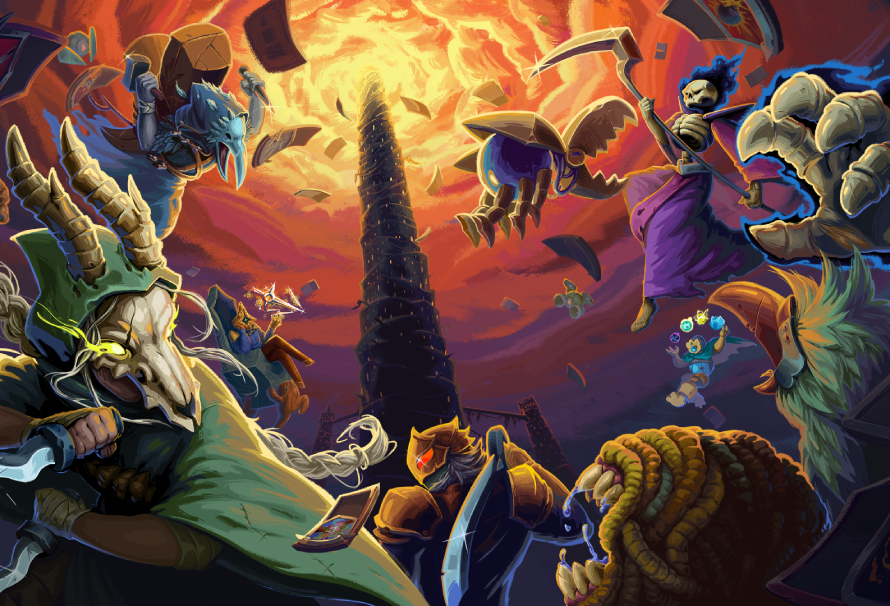
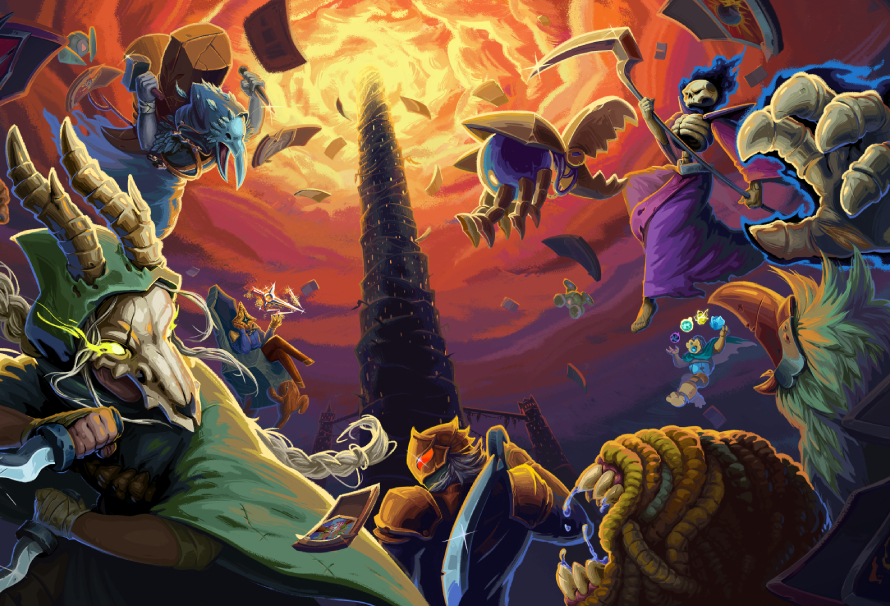
At first glance, Slay the Spire 2 in Early Access feels like a slightly expanded version of the original. You start with Ironclad again, and most of the launch roster features familiar faces, with only two of the five characters being new. Those new additions bring dramatically different playstyles, which helps a lot, but the overall experience can still feel a little too familiar early on. It can even seem somewhat basic when you compare it to the many games that have built upon the formula since the first game was released.

Slay the Spire 2 in Early Access on PC

That feeling starts to shift as you spend more time with it. You gradually unlock features that add more depth and variety to each run. New paths open up, relics introduce fresh ideas, and builds become far more interesting. The game also mixes in different level types alongside the standard progression, which helps keep things feeling varied. These additions make runs feel much fresher overall, though there are still features many players would like to see added. It’s still Early Access, though, so there’s plenty of room for that to happen.

The co-op mode is what really makes the game shine. It changes how you approach every run and adds a new layer of strategy. You and your teammates need to think carefully about how your characters and builds interact, which leads to some fantastic moments. You’re not just playing side by side – you’re actively supporting each other throughout. At rest sites, you can choose to heal a teammate instead of yourself, and some builds focus heavily on supporting others.

You can also share your block with another player, letting them go all-in on offence instead. This adds an entirely new dimension to the game, and each additional player deepens that complexity even further. It opens the door to creative strategies and leads to some memorable wins and losses along the way. If this is the game at its earliest stage, then Slay the Spire 2 has the potential to become something truly remarkable by the time it’s finished.


Jason Coles

Jason likes to focus on roguelikes and co-op games; in a dream world he’d make a living writing about Dark Souls. As well as being a writer he also does personal training and accounting and can occasionally be seen on other people’s streams. Being a big fan of fluffy things means he has two cats, both of whom refuse to let him sleep, but at least they are cute.

Arcane Trigger Mini-Review: Big Spells, One Button


Blog | Review

Some roguelikes let you fight with preset weapons, but a small sub-genre lets you invent your own, turning every run into a playground of spells and chaos. Noita is a great example, letting you play with the world’s physics by freely mixing and matching effects. Magicraft does something similar, but with a more traditional roguelike viewpoint, and becomes pure chaos once a run really gets going. Both demand sharp reactions, but Arcane Trigger approaches things a little differently.

Arcane Trigger on PC

Arcane Trigger has you playing as an arcane gunslinger, combining different bullet types and spells to unleash massive chains of firepower against a strange realm encroaching on your own. It begins simply, as most roguelikes do, but escalates very quickly, eventually letting you fire dragon eggs and even meteors. The key difference is that everything here is turn-based.

In fact, all you really need to do is click the fire button. You don’t need to move at all, just pull the trigger. That doesn’t mean there’s no depth, though. The order of your bullets matters, as do your upgrade choices. You’ll be aiming to collect three of a kind to fuse bullets together, lean into specific elemental synergies, or ban certain bullets entirely so you can focus on a single strength. When it comes to combat execution, however, it’s still just one button.

As a result, this is a roguelike where your reactions don’t need to be constantly tested. Instead, you’re free to take your time crafting and refining your attacks. As you progress, you’ll develop a stronger understanding of how different builds work, and you’ll also unlock other gunslingers to experiment with. It’s an incredibly easy game to play, but a difficult one to master, and it’s refreshing to experience a roguelike that embraces a slower pace for once.


Jason Coles

Jason likes to focus on roguelikes and co-op games; in a dream world he’d make a living writing about Dark Souls. As well as being a writer he also does personal training and accounting and can occasionally be seen on other people’s streams. Being a big fan of fluffy things means he has two cats, both of whom refuse to let him sleep, but at least they are cute.

Super Fantasy Kingdom Mini-Review: Addictive in the Best Way


Blog | Review

Hooded Horse, the publisher behind this game, is on an incredible streak. They’ve been consistently delivering hit after hit, with titles like Against the Storm, Cataclismo, and He Is Coming proving nearly impossible to put down. Now Super Fantasy Kingdom joins the line-up, and it’s another one of those “just one more run” experiences that’s hard to quit.

Super Fantasy Kingdom on PC

Super Fantasy Kingdom is a roguelike city builder where you play as either the human or undead kingdom, trying to improve with each attempt. Every run lasts up to 28 days, and the better you perform, the more glory you earn, unlocking new areas, roads, and permanent upgrades. As you progress, you’ll gain access to stronger starting resources, new heroes, units, and other meaningful rewards that make each run feel fresh.

Defeating bosses grants stars that open up new features for both kingdoms, encouraging you to switch between them to explore what’s new. Progress can occasionally feel slow, but one strong run can completely reshape your strategy or open up an entirely new landscape to experiment with.

It’s also an excellent fit for the Steam Deck, where it’s even more dangerously addictive. Super Fantasy Kingdom is a joyful city builder that lets you set your own pace, rewarding careful planning—or punishing rash decisions. Either way, you’ll constantly find yourself saying, “just one more run,” and more often than not, it’s worth it.


Jason Coles

Jason likes to focus on roguelikes and co-op games; in a dream world he’d make a living writing about Dark Souls. As well as being a writer he also does personal training and accounting and can occasionally be seen on other people’s streams. Being a big fan of fluffy things means he has two cats, both of whom refuse to let him sleep, but at least they are cute.

Megabonk Mini-Review: Internet Humor Meets Vampire Survivors


Blog | Review

Megabonk has taken the internet by storm. It’s the latest in a long line of Vampire Survivors-inspired games, only this time, it’s in 3D and packed with layers of internet humour. The jokes can be grating, but if you’ve spent more than five minutes online, you’ve probably learned how to tune that out. Do that, and you’ll find a game that’s surprisingly deep and rewarding.

Megabonk on PC

The core gameplay loop is exactly what you’d expect: run around, slay waves of enemies, avoid dying, and keep upgrading your weapons until you become an unstoppable force. It’s a tried-and-true formula that’s hooked countless players, but here it feels a bit sharper and more refined. What really helps Megabonk stand out is its 3D design, which adds a welcome layer of complexity to the experience. Since your attacks are automatic, the addition of jumping alone changes everything – especially when you unlock items that boost your jumps or give you extra power while airborne.

You also need to locate specific areas to finish each stage, which keeps you actively engaged rather than zoning out with it in the background. You’ll hunt for summoning points to spawn tougher enemies with better loot, track down chests for unlocks, and locate boss arenas – all within a strict time limit that adds real tension.

Megabonk is an excellent take on the Survivors-like formula, though it could use more content. What’s here is already impressive, but with just two levels so far, there’s room to grow. If it follows the Vampire Survivors path (frequent updates, often cheap or free), it could easily become the best of its kind.


Jason Coles

Jason likes to focus on roguelikes and co-op games; in a dream world he’d make a living writing about Dark Souls. As well as being a writer he also does personal training and accounting and can occasionally be seen on other people’s streams. Being a big fan of fluffy things means he has two cats, both of whom refuse to let him sleep, but at least they are cute.

Slime Heroes Nintendo Switch Mini-Review: A Great Family Action Game


Blog | Review

Slime Heroes originally launched earlier this year, but it only arrived on Nintendo Switch at the end of July, making it feel like a brand-new game for many players. It’s a Soulslike at heart, but one with a much cuter aesthetic and a range of difficulty options to play with. That means the game can be forgiving if you want it to be, or still deliver a fair challenge if you prefer – striking a nice balance between accessibility and tension.

Slime Heroes on Nintendo Switch

The game really shines in co-op, especially with a younger player. You can design your own slime, giving it goofy facial features and mixing colours to create something truly silly. On top of that, you can tweak health, enemy damage, and other parameters to make the experience just right for the player you’re teaming up with. It’s a thoughtful system that makes the game flexible enough for different skill levels without losing its charm.

Once your slime is ready, you can dive into a charming adventure together, guiding each other through puzzles and battles. The ability system is particularly delightful; you collect a variety of skills as you progress, and you can even combine two into one hybrid ability. This opens up all sorts of creative ways to approach combat and experiment with different strategies, keeping the gameplay fresh and fun.

While Slime Heroes isn’t the most punishing or revolutionary Soulslike out there, it succeeds perfectly as a solid, approachable experience for younger gamers. It’s especially joyful when shared with kids, creating moments where you’re both engaged and entertained. On the Nintendo Switch, it fits beautifully, is easy to pick up, fun to explore, and rewarding to experiment with. Sometimes it’s nice to play a game with your kids that’s genuinely enjoyable for everyone, and Slime Heroes does exactly that.


Jason Coles

Jason likes to focus on roguelikes and co-op games; in a dream world he’d make a living writing about Dark Souls. As well as being a writer he also does personal training and accounting and can occasionally be seen on other people’s streams. Being a big fan of fluffy things means he has two cats, both of whom refuse to let him sleep, but at least they are cute.

Heroes Of Mount Dragon Mini-Review: A Classic Beat ‘Em Up With Transformations


Blog | Review

The classic beat ‘em up has enjoyed a resurgence lately, thanks in large part to the magnificent Streets of Rage 4. That means gathering a few friends and spending hours punching the crap out of enemies is back on the menu, and honestly, it’s a joyous experience, especially for anyone over the age of 30.

Heroes of Mount Dragon

Heroes of Mount Dragon is the newest beat ‘em up on the scene, featuring all the classic class archetypes but with more complex move sets. Each character has two basic attacks, which can even be different weapons, so the archer can kick just as well as shoot arrows. You can mix and match these attacks however you want, and there are special moves too, like launching enemies into the air for juggling combos, either by you or a teammate.

As you level up, you unlock new abilities, with each one adding fresh layers to your character’s combat style. This gradual evolution keeps the gameplay feeling dynamic and helps fend off the boredom that can sometimes sneak into this genre. Plus, when you fill a special bar, you can transform into a dragon and unleash a fiery breath attack – an incredibly fun and over-the-top way to execute your special moves.

All of this comes together in four-player online or offline co-op, letting you and your friends run around and beat things up together. It’s not revolutionary by any stretch, but it’s a whole lot of fun and a great way to hang out with mates. And, of course, you still get to turn into a dragon and rain down cleansing fire on all the goblins and other foes you face. In the end, it’s a solid, enjoyable beat ‘em up that knows exactly what it is – and does it well.


Jason Coles

Jason likes to focus on roguelikes and co-op games; in a dream world he’d make a living writing about Dark Souls. As well as being a writer he also does personal training and accounting and can occasionally be seen on other people’s streams. Being a big fan of fluffy things means he has two cats, both of whom refuse to let him sleep, but at least they are cute.

Dragon Is Dead Mini-Review: An Enjoyable And Fairly Forgiving Roguelike


Blog | Review

Roguelike games come in all sorts of flavours and difficulty levels. While many lean toward the punishing end of the spectrum, every now and then, you come across one that lets you sidestep some of that challenge with a bit of time and effort. Dragon Is Dead fits firmly into that camp. While certain items are unique to each run, your core equipment carries over, giving you a sense of steady progression no matter how many times you dive back in.

Dragon Is Dead

This means that if you stumble upon a legendary sword that tweaks one of your skills in a wild way – like hurling ice axes or calling down meteor showers – you get to keep it for as long as you like. Builds are crucial here, and legendary items in particular are game-changers. While regular gear can offer useful buffs, it’s the legendary pieces that truly transform your skills and often mark the difference between crushing victory and total defeat. Well… that and your actual skill as a player.

You’ll still need to learn boss attack patterns and discover which playstyle suits you best, but solid gear can help you brute-force through some of those learning curves. And because gear in Dragon Is Dead has levels, that amazing legendary weapon you find early on won’t stay relevant forever – but you’ll find plenty of new legendary options to replace it, which keeps things exciting.

Combat, for the most part, is fast and frantic. You’re constantly on the move, dodging, weaving, and striking whenever you get an opening, while also figuring out how to make the most of your skills and efficiently replenish your unique resources mid-fight. Altogether, Dragon Is Dead delivers a tight, engaging roguelike experience with progression mechanics that feel genuinely rewarding, ensuring every run counts, even if the big prize at the end is nothing more than a slightly better pair of boots.


Jason Coles

Jason likes to focus on roguelikes and co-op games; in a dream world he’d make a living writing about Dark Souls. As well as being a writer he also does personal training and accounting and can occasionally be seen on other people’s streams. Being a big fan of fluffy things means he has two cats, both of whom refuse to let him sleep, but at least they are cute.

Battle Train Mini-Review: Like A Board Game In The Best Possible Ways


Blog | Review

The world of roguelikes is a broad one. It’s less a strict genre and more of a flexible framework – one that many games use to deliver quick, rewarding gameplay, even in short bursts of 20 minutes or so. Battle Train takes that familiar structure, fuses it with railway-building mechanics, and turns it into something deeply satisfying on just about every level.

Battle Train

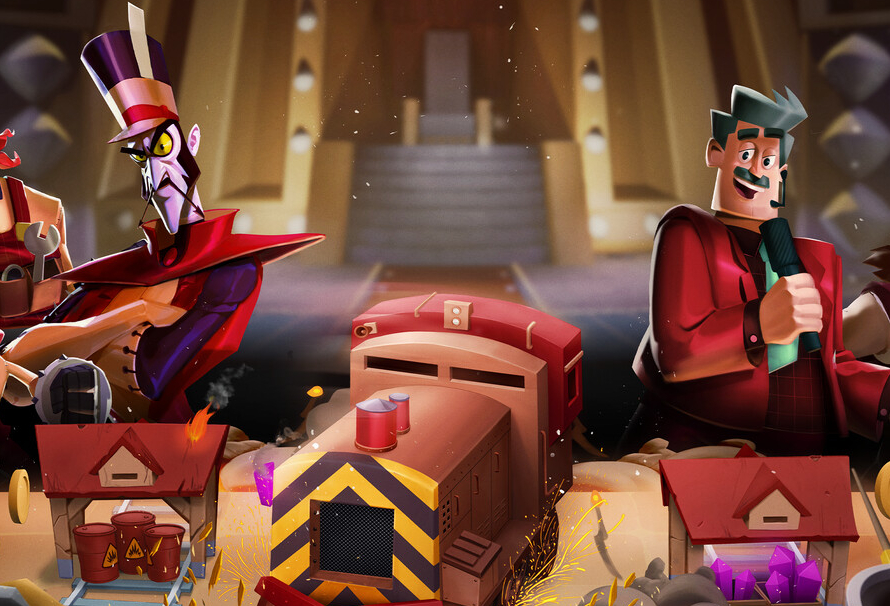
Each match places you on one side of the battlefield and your opponent on the other, with cards drawn to lay down tracks toward key resources, falling special items, and enemy depots. The goal is to guide your train through these targets, because while Battle Train does feature life totals, it doesn’t rely on traditional attacks. Instead, your offence is all about driving your train straight into enemy depots to take them out.

The twist is that both you and your opponent can use each other’s tracks. Leave a gap, and if your enemy connects to it, they’ll gain access to the same resources you were aiming for. They can even use bombs to reshape the track, opening up new routes to block you or reach your depots faster. Of course, you can do the same to them. Each turn becomes a strategic balance between expanding your own path, cutting off theirs, and tactically destroying track sections to slow them down.

You also earn passive buffs for your train along the way, gently nudging you toward specific builds and strategies, all while being treated to a parade of over-the-top cutscenes and colourful characters. It’s an absolute delight of a game – and if you’re after something that blends thoughtful strategy with chaotic energy, Battle Train is one of the best examples of that fusion in quite some time. Plus, let’s be honest: it’s just plain great if you love trains, as so many of us do.


Jason Coles

Jason likes to focus on roguelikes and co-op games; in a dream world he’d make a living writing about Dark Souls. As well as being a writer he also does personal training and accounting and can occasionally be seen on other people’s streams. Being a big fan of fluffy things means he has two cats, both of whom refuse to let him sleep, but at least they are cute.