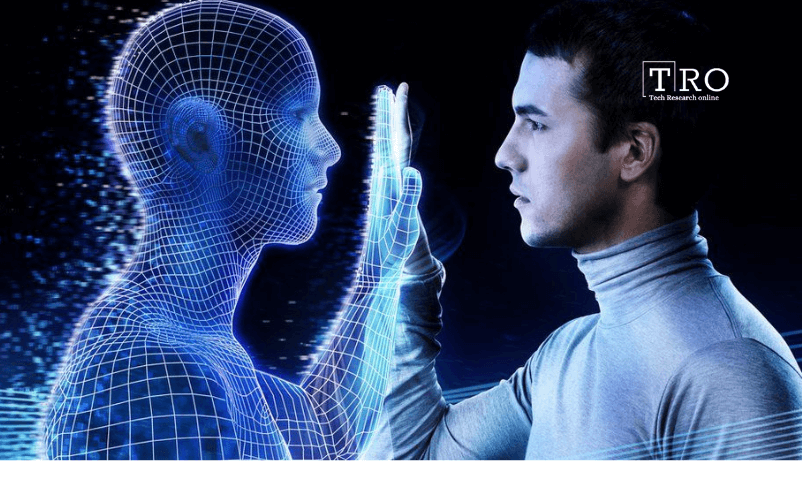
These programs can integrate with artificial intelligence, IoT, and software analytics to improve outputs. IoT sensors facilitate the transfer of real-world data needed to create virtual twins. Using the simulations, businesses can predict how a process or product will perform. But, virtual twins aren’t just about simulation. They span the entire product or process lifecycle and have service, engineering, and manufacturing use cases.
In this article, we delve deeper into the types of digital twin technology and its use cases.
What is Digital Twin Technology?
- A virtual definition of their counterparts
- Operational data of their components
- Information model that gathers and presents data to inform decisions
Types of Digital Twin Technology
There are four types of digital twins namely:
1. Component Twins
Also referred to as part twins, component twins are the lowest levels of virtual twins. It corresponds with the tiniest elements within a specific part of a product or equipment like a switch or an IoT sensor. Component twins facilitate performance monitoring and allow for the simulation of real-world conditions for purposes of testing their efficiency, stability, or endurance.
2. Product/Asset Twins
3. System Twins
These digital twins show how varying products combine to form functional units and duplicate product assets at the system level. They provide a large-scale view of plants or factories, allowing engineers to test varying systems for optimal effectiveness.
4. Process Twins
These constitute the highest level of virtual twins, connecting system twins into a single entity that supports synchronization and collaboration between systems. Process twins create solutions that offer a maximum view of workflows within manufacturing plants or factories for deeper and more versatile output analysis.
Key Industrial Use Cases of Digital Twin Technology
Virtual twinning has varying use cases. Below are the main use cases for this technology in businesses across industries:
1. Product Design
Digital twins allow companies to develop quality products, cities, processes, systems, or buildings. By simulating physical objects, product developers test varying designs, identify design flaws, and make adjustments to improve those flaws before commencing actual production.
2. Service Optimization
Companies can use digital twinning to identify service improvement opportunities and optimize the delivery of those services. Companies use virtual twinning to improve customer experience, optimize manufacturing processes, and improve operations.
3. Supply Chain Management
Industries can use digital twins to simulate and test scenarios that facilitate the identification of inefficiencies in supply chain management processes. This information enables them to optimize the flow of materials and products in supply chains. Digital twinning is also used to simulate supply chain disruptions like transportation problems or raw material delivery delays and their impact on the business. This allows suppliers to mitigate these issues before they occur.
4. Operations Management
In operations management, virtual twin technology facilitates real-time remote access and performance monitoring of systems, assets, and processes. This enables industries to test varying scenarios and find improvement opportunities. Digital twins also help companies identify and fix performance problems like energy consumption, uptime, and maintenance needs before they can result in production losses or downtime.
5. Entertainment
One of the leading digital twin technology examples in the entertainment industry is the simulation of attractions and rides in amusement parks. This allows customers to experience the rides virtually even before they make actual visits to the parks. With this information, customers can plan their visits better and prioritize their preferred attractions for more satisfying experiences.