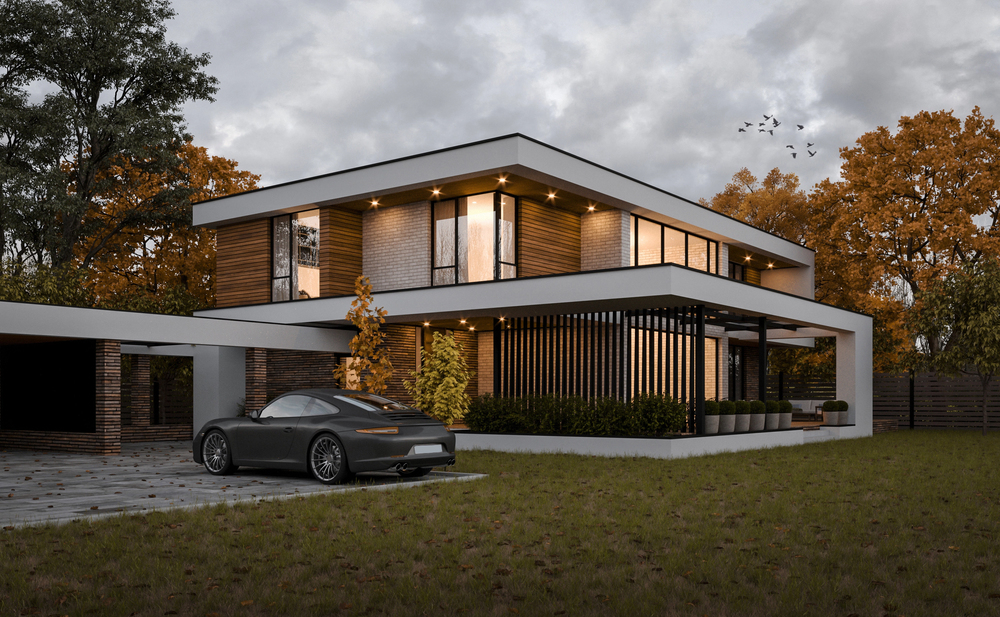
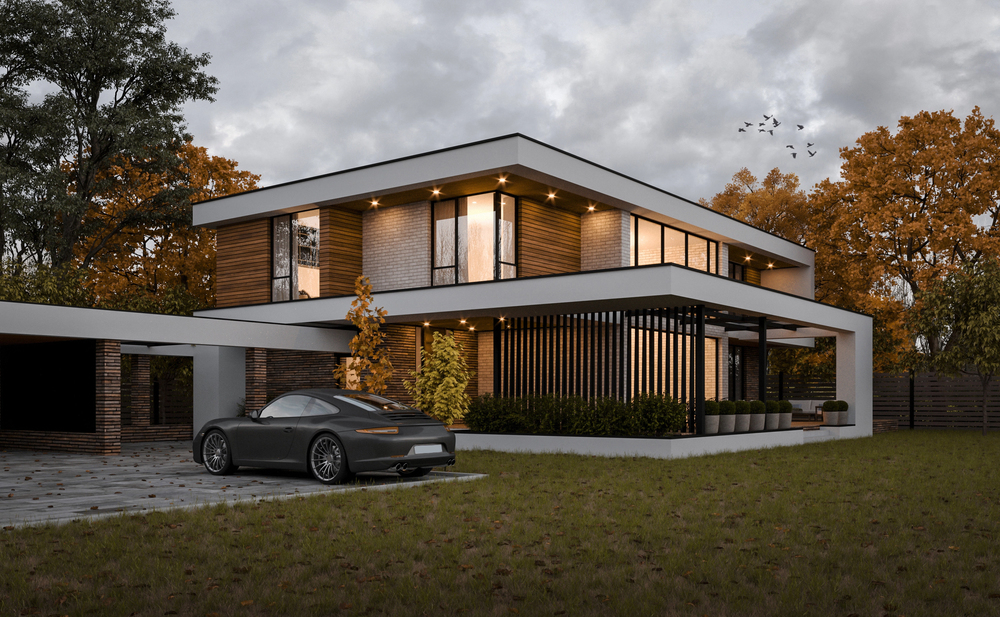
Premium materials represent a significant investment category in the US housing market, with homeowners spending thousands on upgrades they believe will pay off. From natural stone benchtops and hardwood flooring to aluminium batten cladding and custom architectural finishes, these premium materials in U.S homes are often chosen for their perceived durability, aesthetic appeal, and long-term value The reality after 10 years, however, often contradicts these expectations. Granite countertops show wear, hardwood floors need refinishing, and yesterday’s luxury features become today’s standard expectations. This article examines what actually happens to premium materials over a decade, exploring physical deterioration, maintenance costs, depreciation patterns, and resale value impacts. Understanding these factors helps homeowners make smarter decisions about when premium upgrades genuinely make financial sense and which materials truly hold their value.
What Counts as Premium Materials in US Homes
Stone surfaces define the premium tier in the US housing market, with distinct price brackets separating standard from luxury installations. Granite countertops cost $90 to $150 per square foot installed (1), while quartz ranges from $65 to $110 per square foot (1). Marble stands at the top, starting at $125 per square foot and reaching $250 for high-end varieties (1). Carrara marble, a popular choice, runs around $40 per square foot, while Calacatta marble commands up to $180 per square foot (1). A standard 50-square-foot kitchen in marble totals approximately $3,500 including installation (1). Edge designs add another $40 per square foot, and sink cutouts cost around $100 each (1).
High-end countertops and surfaces
Quartz delivers moisture and stain resistance through permanent resin sealing, eliminating the need for regular resealing that granite requires (1). Granite provides heat resistance that quartz cannot match, allowing hot pans directly on the surface (1). Marble offers luxury status but requires more maintenance than either alternative (1). Each granite and marble slab carries unique natural variations, making installations one-of-a-kind (1).
Luxury flooring options
Engineered hardwood distinguishes itself as one of premium materials in U.S homes from standard options through multiply core construction that provides stability across different environments. W™ Luxury Genuine Hardwood uses 100% real wood with CrystaLux Ultra™ Protection for durability against everyday wear (1). These floors carry limited lifetime structural warranties and work above or below grade (1). Hand-graded planks feature radiant heat approval and slip-resistant properties suitable for residential and commercial applications (1).
Exotic species bring distinct visual character to premium installations. Brazilian Cherry delivers intense red shades with intricate patterns, while Tigerwood offers deep orange with dynamic graining (1). Brazilian Walnut provides sophisticated dark tones, and Santos Mahogany contributes wine-red coloring known for longevity (1). Acacia combines durability with visual intrigue, and Sapele features refined grain patterns (1). These prefinished engineered options install quickly without the mess of on-site finishing but typically last 20 years rather than a century (1).
Premium Roofing Materials
Metal shingles are premium materials in U.S homes that replicate slate or cedar appearance in lightweight aluminum that never rusts. Interlock metal shingles carry 50-plus year lifespans backed by Guardian lifetime limited material warranties (2). They provide 120 MPH wind resistance, Class 4 hail protection, and Class A fire resistance (2). The Alunar finish resists chalking and fading under a 30-year warranty (2). Weight runs just 0.4 pounds per square foot, allowing installation over existing roofs (2).
Cedar roofs last 30 to 50 years when properly maintained (1). Natural resistance to insects and moisture requires periodic sealing and moss removal to maintain performance (1). The material develops an elegant silvery-gray patina over time (1). Slate roofing achieves 75 to over 100 years of service as natural stone (1). Fire resistance and extreme weather tolerance come standard, though impact can cause fragility requiring careful installation (1).
Custom cabinetry and fixtures
Handcrafted cabinetry built to exact specifications separates premium materials in U.S homes from standard installations. Custom pieces incorporate specific wood species, finish colors, door styles, and interior accessories tailored to individual requirements (2). Functional enhancements include pull-out shelves, appliance garages, drawer organizers, hidden charging stations, and soft-close hinges (2). Premium cabinetry extends beyond kitchens into bathrooms, home offices, libraries, bars, and media centers (2).
Luxury cabinetry features precise tolerances, premium-grade materials, meticulous joinery, and multi-layered finishing processes requiring weeks to complete (2). Hand-selected veneers, substantial weight, silk-smooth glide mechanisms, and perfect alignment create tangible quality differences (2). Sequence-matched wood grains flow seamlessly across multiple doors and drawers for unified high-end appearance (2).
The Initial Cost Premium: What Homeowners Pay Upfront
Upgrading from builder-grade to premium materials in U.S homes requires substantial financial commitment that extends beyond material costs alone. Most homeowners spend between $1,851 and $4,453 on kitchen and bath countertops, with the average landing around $3,139 (1). These figures represent complete projects including materials, labor, and associated expenses that many buyers underestimate during planning phases.
Price differences between standard and premium materials
The gap between standard and luxury options widens dramatically across material categories. Laminate countertops cost $20 to $50 per square foot installed, while marble ranges from $100 to $250 per square foot (1). Granite sits in the middle at $80 to $200 per square foot installed, and engineered quartz runs $90 to $200 per square foot (1). A point often overlooked: these price differences compound quickly across larger surface areas.
Luxury home construction reveals even steeper premiums. Standard homes cost $150 to $300 per square foot, while custom luxury builds run $400 to $800 per square foot (2). Ultra-luxury projects climb beyond $800 per square foot (2). Material choices account for much of this disparity, with imported materials, custom cabinetry, and premium finishes costing significantly more than standard options (2).
Premium materials in U.S homes deliver higher upfront costs but require less frequent replacement. Quality hardwood floors last 30 to 50 years with proper care, while standard flooring needs replacement every 10 to 15 years (3). Builder-grade materials seem cheaper initially but demand more frequent replacements (4). This lifecycle difference offsets some initial cost premiums over extended ownership periods.
Installation costs and labor premiums
Professional installation adds $10 to $30 per square foot on top of material prices for countertops (5). Labor costs typically range from $50 to $100 per hour, with complex materials requiring higher rates (1). Standard professional installation adds $300 to $500 to total project costs 1. Removing existing countertops before new installation adds another $200 to $500 to project budgets (1).
Premium materials in U.S homes demand specialized installation that increases labor expenses. Certain types require specialized treatments before they become safe to use (5). Luxury home builds use more materials that take longer to source and install, with skilled specialists commanding higher labor costs than general contractors (2). Installation complexity creates premiums that match or exceed material cost differences in some cases.
Regional variations in material pricing
Geographic location substantially impacts material and labor costs. Northern Virginia countertop costs run higher than the national average, typical for that market (1). Building in dense metro areas means higher labor costs, stricter building permits, and more expensive land (2). Regional cost pressures play a major role in pricing variations (6).
Material cost volatility affects regional markets differently. Lumber, steel pipe, and aluminum saw double-digit decreases over 12 months, yet concrete, glass, gypsum, and insulation experienced double-digit increases during the same period (6). Direct material costs of premium materials in U.S homes make up a significant portion of overall expenses, so even moderate increases significantly inflate project budgets (3). Trade policies on imported materials needlessly push up housing costs in certain regions (3).
What Happens to Premium Materials after 10 Years
A decade of daily use reveals performance patterns that contradict many homeowner assumptions about premium materials. The wear timeline varies dramatically based on material composition, maintenance habits, and environmental exposure.
Physical condition and wear patterns
Quartz countertops are premium materials in U.S homes that look nearly identical to installation day after 10 years in most households (4). The non-porous engineered surface doesn’t oxidize, fade, or develop patina (4). Extreme heat creates the only visible damage, with resin scorch or discoloration appearing where homeowners place boiling pots directly on surfaces for years (4).
Granite maintains excellent condition through the decade as long as homeowners follow basic sealing schedules (4). The crystalline depth doesn’t dull over time, and the volcanic rock resists scratches that would cover laminate or wood surfaces with nicks (4). Quartzite delivers similar performance, maintaining sharp edges and luminous surfaces after 10 years while resisting the chemical etching that damages softer stones (4).
Marble follows a different trajectory. Etching occurs when acids from lemon juice, vinegar, or tomato sauce dull the polished surface (4). By year 10, heavily used marble resembles a kitchen in a historic European villa, with visible character marks replacing the mirror-like shine (4). Soapstone develops a deep, rich patina through daily use, with small nicks and darkened areas creating an antique appearance (4).
Hardwood floors show surface wear in high-traffic areas through scratches, scuffs, and dullness. Light scratches require refinishing every 7 to 10 years to restore natural sheen (2). Deep scratches exposing fresh wood indicate worn protective finish requiring professional intervention (2).
Maintenance requirements over the decade
Granite needs annual sealing tests, with resealing required when water droplets darken or absorb quickly into the surface (3). Professional inspections every one to two years include deep cleaning, minor polishing, and structural integrity checks (3). Outdoor granite requires more frequent resealing every 6 to 12 months due to elemental exposure (3).
Hardwood maintenance follows a specific schedule when it comes to premium materials in U.S homes. Screen and recoat services every 3 to 5 years cost $2.00 to $4.00 per square foot (7). Full refinishing every 10 to 15 years runs $4.00 to $8.00 per square foot (7). A 1,000 square foot home averages $4,000 to $8,000 for complete refinishing (7).
Actual vs expected lifespan
Granite countertops last 25 years or more with proper care, often outlasting the kitchens they occupy (3). Quartz achieves 15 to 25 year lifespans (3). Marble reaches 20 years or more when maintained properly, though its softer, more porous composition makes it susceptible to scratches and etching (3).
Solid hardwood floors exceed 100 years with refinishing 6. Refinishing costs $6,000 every 15 years totals $24,000 over 60 years (7).
Market perception shifts
Materials designed for visual perfection at handover reveal stress within a few seasons when optimized for immediate impact rather than long-term behavior (8). Homes aging gracefully incorporate maintenance planning during design, allowing care to extend life rather than delay failure (8).
The Depreciation Reality: Resale Value Impact
Appraisers assign obsolescence factors to aging structures, recognizing that properties lose value over time regardless of initial material quality (9). New homes built within the last 10 to 20 years receive higher appraisals because they present lower risk to buyers (9). Premium materials in U.S homes installed a decade ago face scrutiny around trend relevance rather than receiving automatic value credit.
How appraisers view aged premium materials
Timeless home designs maintain long-term value, while trendy decor and finishes face appraisal penalties when styles shift (9). Homes last updated in the 70s with period-specific finishes appraise lower because they don’t appeal to all buyers (9). In effect, appraisers evaluate whether premium materials remain current or signal needed updates.
Comparative market analysis examines properties sharing lot sizes, square footage, bedroom counts, and bathroom configurations (5). Age and condition rank among key factors, alongside improvements made over the years and special features (5). Stone countertops factor into these assessments, with neutral tones and subtle veining appealing to broader buyer pools (1).
Buyer preferences for vintage vs new premium features
The 2026 buyer overwhelmingly prefers fully remodeled, move-in-ready homes (10). With stabilized interest rates, buyers have less renovation cash after down payments and want monthly mortgages covering finished products (10). Outdated homes sell primarily to investors or bargain hunters demanding price reductions exceeding actual update costs (10).
Vintage style shows signs of comeback potential, with dark wood cabinets, stained glass windows, wallpaper, and decorative bathroom tiles generating renewed interest (11). Heritage and Victorian homes in Toronto neighborhoods like Cabbagetown consistently sell for top dollar (12). Authenticity, materials, and craftsmanship never go out of style, with buyers realizing older homes were built to endure (12).
Style and trend obsolescence factors
High-quality upgrades from real hardwood to stone counters pay back through daily durability and resale value (12). Granite countertops lower buyer resistance by signaling kitchens won’t need immediate work (1). Poor material choices undermine value when style or color doesn’t fit the home’s overall look (1).
Comparative market analysis data
Stone countertops significantly influence property value as focal points in kitchens and bathrooms (13). High-quality countertops enhance esthetics and functionality, attracting prospective buyers and potentially increasing selling prices (13). Stained, dated, or poor-appearing countertops deter sales, creating expensive warning marks that accumulate in buyer minds (13).
Making Smart Material Choices for Long-term Value
Natural stone countertops deliver the strongest long-term value retention in the US housing market when it comes to premium materials in U.S homes. Quartzite, high-quality granite, and honed marble age with character while surviving family use (14). These materials photograph well for resale and remain consistently desirable across market cycles (14). Correspondingly, hardwood flooring maintains appeal through multiple refinishing cycles, with wide-plank varieties avoiding trend obsolescence (14). Custom cabinetry with dovetail drawers, soft-close hardware, and handcrafted woodwork outperforms prefab installations for decades (14).
Materials that hold value best
High-performance windows reduce utility costs while improving home refinement (14). Premium fixtures in solid brass and architectural lighting elevate daily tactile quality without calling attention to themselves (14). Metal roofing lasts 40 to 70 years 8, while fiber cement siding resists rot and fire with minimal maintenance 8. These durable exteriors prevent the frequent repairs that erode budgets over 20 to 30 years (15).
When premium upgrades make financial sense
Kitchen and bathroom remodels rank among the best property investments when markets favor sellers (16). Traditional choices deliver results: all-wood cabinets, stone countertops, and natural flooring appeal to broad buyer pools 16. Energy-efficient systems lower operational costs while modern smart home technology improves functionality (17). Buildings constructed with durable materials attract higher offers because buyers recognize reduced repair expenses (18). Therefore, premium upgrades make financial sense primarily in homes you’ll occupy long enough to recoup costs through lower maintenance and energy savings.
Maintenance strategies to preserve value
Regular inspections of premium materials in U.S homes identify potential issues before they become expensive failures (3). Proactive maintenance extends equipment lifespan and reduces unplanned downtime (3). Properties with documented maintenance histories retain higher resale value because buyers see evidence of proper care (3). In particular, addressing worn components early prevents cascade failures that multiply repair costs (3). Prioritizing craftsmanship over novelty and choosing materials with proven longevity creates homes that age gracefully rather than requiring constant intervention (14).
Conclusion
Premium materials represent substantial investments that behave differently than most homeowners expect after a decade. Quartz and quartzite maintain their appearance with minimal effort, while marble and hardwood develop character requiring acceptance of natural aging. On the other hand, resale value depends less on premium status and more on timeless appeal and documented maintenance.
Smart buyers choose materials proven to last rather than chasing trends. Stone countertops, quality hardwood, and durable exteriors deliver returns through reduced replacement cycles and broader market appeal. Regular maintenance preserves both function and value, making the premium investment worthwhile for long-term homeowners who plan accordingly.
References
[1] – https://topscountertops.com/granite-countertops-and-resale-value-is-it-worth-it/
[2] – https://www.traditionalhardwoodfloors.com/how-to-know-when-hardwood-floors-need-refinishing-or-replacemen
[3] – https://rmhoist.com/about-us/blog/preserving-value-how-maintenance-impacts-lifetime-value
[4] – https://www.eastcoastsurfaces.us/blog/the-10-year-countertop-test-which-materials-still-look-good-a-decade-later
[5] – https://www.bankrate.com/mortgages/comparative-market-analysis/
[6] – https://www.garrisoncollection.com/blog/how-long-do-hardwood-floors-last
[7] – https://www.advantagefloor.com/blog/articles/how-long-should-hardwood-floors-last-heres-the-truth-about-lifespan-and-refinishing-costs
[8] – https://www.home-cost.com/affordable-building-materials-that-can-save-you-money/
[9] – https://blog.bhhsmichiganrealestate.com/13-factors-that-determine-your-home-appraisal-value/
[10] – https://www.fastexpert.com/advice/do-buyers-prefer-a-fully-remodeled-home-or-an-outdated-10155/
[11] – https://hilltoprealestate.com/blog/the-evolution-of-homebuyer-preferences-whats-trending-in-2025
[12] – https://realestateundertheradar.ca/planned-obsolescence-real-estate/
[13] – https://www.silverbostone.com/blog/the-impact-of-stone-countertops-on-home-resale-value/
[14] – https://burghomesllc.com/luxury-finishes-worth-the-investment/
[15] – https://www.troyconst.com/blog/best-building-materials-for-homes-a-practical-comparison
[16] – https://www.hgtv.com/lifestyle/clean-and-organize/which-home-improvements-pay-off
[17] – https://cohenwhiteassoc.com/key-factors-luxury-home-investment/
[18] – https://cmsmaterialsolutions.com/blogs/news/how-material-selection-affects-building-longevity-and-maintenance
Find a Home-Based Business to Start-Up >>> Hundreds of Business Listings.