Airchat Is Silicon Valley’s Latest Obsession


Ravikant said most of the funding for Airchat has come from his own fund, as well as from Jeff Fagnan, a founding partner at Accomplice Ventures. “[OpenAI CEO] Sam Altman threw in a check, kind of blindly,” Ravikant said. He communicated all of this to me in a public response on Airchat, after politely declining to respond to my DMs and insisting our conversation should happen in public. “It can’t be a side-channel, DM-based interview. That’s the old world that we are leaving behind,” he told me. (In the old world, as in the new world, conducting an interview synchronously is almost always … preferable.)

So far the Airchat feed appears to be filled with tech enthusiasts, early adopters, venture capitalists, and journalists. There’s lots of Bitcoin posting. Winefluencer Gary Vaynerchuk is on the app. So is Y Combinator CEO Garry Tan. This weekend Tan posted, “Breakfast is the first step to greatness. What are you eating this morning?” So far it has more than 96 audio responses. Social media is back, baby.

Airchat has AI. What doesn’t? The app’s deployment, though, is quietly sensible. The transcripts for each Airchat voice note appear almost immediately, and they’re good. Pronounced “Ums” appear within the transcript, but other slight pauses and filler words are edited out. When I used the word “Airchat” in a voice note, it first showed as “error chat,” then quickly self-corrected. The app appears to be able to recognize and transcribe other languages, too; one user spoke in Russian and the transcript appeared in Cyrillic, while another spoke in Moroccan Arabic, known as darija, and then marveled in a follow-up voice note at how good the transcription was.

So what will happen to all of this voice data? Ravikant claimed that the creators of Airchat have no intention of training a large language model on user voices and making “weird synthetic clones of you.” He also said he wouldn’t sell Airchat data to another company building AI models, especially given how relatively small the app is and how uncategorized its data. Airchat will, however, likely use people’s voice data to train a model that improves its own audio and transcription functions. If you’re in, you’ve opted in.

I asked Ravikant about whether some AI company might still scrape Airchat data without a formal agreement. He replied, “We’ll block them, we’ll sue them, and then, if I have a battery of orbital satellites, we’d nuke them from orbit.”

Airchat’s monetization plans are less clear. Navikant hasn’t said anything about charging for access. The current format seems to lend itself to audio ads, but there’s always the risk of making the app unlistenable.

There’s also the issue of content moderation when people’s unfiltered sound bytes are posted to a timeline the moment they release the virtual microphone. One troll seemed to be pushing the boundaries of it on Sunday, cursing the app’s founders, calling the app “fucking trash,” and in as many words telling the founders to, uh, perform fellatio. The voice note is still there. So is a thread where two users go back and forth telling a story about “gay Jewish teens” and “neo-Nazi killers.”

Best $700 Gaming PC in 2024


What you get for your $700

The more you move down the price ladder, the more the value matters. You can’t just spend an extra $50 on a flashier memory kit, or $100 on a more potent cooling solution, what you’re looking for is the best bang for the buck for all of your hardware put together. Despite the budget limitations, we have managed to create the best custom PC build that we could for $700. One that’s easy to put together, performs at the highest levels at 1080p, and doesn’t break the bank in the process. Of course, compromises had to be made, but we’ve made sure that the impact on gaming wherever possible is minimal to non-existent. 

One area we have had to compromise on is storage space, specifically with the SSD. Ideally, we recommend updating this later down the line. That being said, there is still plenty of room for your operating system and favorite games to get you started. This mid-level PC can not only handle the lat best games at 1080p with ease but on top of that, looks the part!

Despite that $700 price tag, you will get some awe-inspiring gaming performance from this gaming PC. This custom PC handles 1080p gaming in max settings with most titles. In our testing, we saw all of our game benchmarks, sit steadily above the 80 fps mark across the board. Admittedly some titles were below that average of course, Hogwarts Legacy, was one, along with CyberPunk.

The Intel Core i5-12400 isn’t the absolute monster that its 14th gen younger sibling is, but it is more than potent enough for this build, coming complete with six cores, and 12 threads. Its hyper-threading grunt makes it ideal for any workload, whether gaming or otherwise, you’ll be all set. Combine that with 960 GB of PCIe 3.0 Western Digital M.2 goodness, and this custom PC will be sailing.

As mentioned, the $700 custom gaming PC used to sit at the lower end of our mid-level builds but due to the current market, it has slipped further down. An important area for your consideration is the cost, as a gamer, you need to ensure that the PC meets your requirements. This gaming PC will perform at 1080p resolutions and despite what some may think, won’t be smashing 4K any time soon. You may want to think about our $800 PC and above for anything higher. It is worth noting that due to Amazon’s price fluctuations, the build price can sometimes change. We do our best to ensure we keep this build as close to $700 as possible, with regular updates.

Upgradability and Future-Proofing

Future upgrades will always be in the back of a PC builder’s mind. How easily upgradeable a PC is, thanks to our choice of components, this PC will be very easy to upgrade when the time comes. While making compromises to get this PC within that $700 target, we left room for future improvement. While these components may not be the newest releases, they still offer excellent gaming performance that will last you for years.

If you were to upgrade anything on this build it would be to a larger storage solution or a newer CPU. Remember, any upgrade will enhance performance but it will bring extra costs.

Overclocking on a $700 budget

Overclocking your PC can give you a free increase in performance. Boosting your clock speed or overclocking RAM has been shown to give you that little extra. Of course, when overclocking a CPU you bring about extra heat, so consider adding a CPU cooler to your basket to keep things chilled.

This $700 gaming PC features fast RAM but, unfortunately, RAM kits don’t come at these speeds out of the box, so you will need to overclock them in the BIOS. Luckily motherboard manufacturers have made the RAM overclocking process significantly easier to do in the BIOS.

How easy is it to build a $700 PC?

First-time builders should always consider how difficult it is to build a PC. Generally speaking, the PCs on the lower end of the budget spectrum tend to be easier to build as they contain fewer complex components. With this in mind, we carefully selected a beginner-friendly PC case that simplifies the whole process. The case is from a manufacturer you can trust and one that has building and cable management as a primary concern. The case does a good job of hiding cables with little fuss on your end, however, for those that wish to spend time on it, there is plenty of room to create something excellent.

Our recommended CPU comes with a stock cooler as standard. These stock coolers will handle your cooling efficiently and reliably. The stock coolers come with thermal paste pre-applied, saving you a job. That being said, we recommend you purchase some aftermarket thermal paste to replace it. Replacing the thermal paste will often bring better thermal performance and provide you with lower operating temps, you will need to replace it in future intervals.

Build A Gaming PC By Price

Check out some of our price-focused custom PC build guides below.

Other Related Custom PC Guides:

Related Prebuilt Gaming PC Guides

Check out some of our related prebuilt PC guides below.

AI Profile picture | Best AI Profile Picture generator 2024


ai profile picture

Revolutionize Retail Store Space Planning with Omnichannel


Competing in today’s digital retail landscape means more than simply offering various products. It requires a harmonious blend of online and offline experiences, a challenge modern retailers face with omnichannel retail space planning. This integrative approach transcends the traditional retail store space planning concept to create a seamless, engaging, and highly personalized customer shopping environment.

This blog will delve deep into the concept of retail store space planning, emphasizing its pivotal role in crafting an immersive shopping environment.

The Concept of Retail Store Space Planning

Traditionally, retail store space planning strategically arranges a physical store’s products, displays, and sales areas. The main goal has been to optimize the use of space to increase customer engagement and drive sales. This involves creating a store layout that guides customers through different sections and prompts them to make purchase decisions.

The product placement, the creation of focal points, and the use of signage are all part of retail store space planning. However, in an era where customers are increasingly turning to online shopping, this traditional approach to retail store space planning is rapidly evolving.

Embracing the Omnichannel Retail Strategy

The advent of e-commerce and the increasing use of smartphones for shopping have blurred the lines between online and offline retail. Today’s customers expect to move seamlessly between online and physical stores. They might browse products online, compare prices on their mobile devices, and then visit a physical store to make the final purchase. This shift in consumer behavior has given rise to the omnichannel retail strategy.

An omnichannel retail strategy involves creating a seamless, integrated shopping experience across all online, mobile, and in-store channels. The strategy aligns the physical store environment with the digital shopping experience, creating a cohesive customer journey. This means that the retail store space planning must consider its physical layout and how it integrates with the online experience.

Integrating Retail Store Space Planning with Omnichannel Retail Strategy

Integrating retail store space planning with an omnichannel strategy involves using technology and strategic planning to create a physical retail environment that complements and enhances the online shopping experience.

Technology like digital signage can mirror the online experience in the physical store. For example, digital displays can show real-time product reviews from the online store, making the shopping experience more interactive and informative. Similarly, technology like mobile point-of-sale systems can streamline the checkout process, making it quick and hassle-free for customers.

Furthermore, data from the online store can inform retail store space planning. For example, if certain products sell well online, they can be more prominent in the physical store.

Enhancing the Omnichannel Customer Experience

Integrating retail store space planning with an omnichannel retail strategy to enhance the omnichannel customer experience. A seamless, unified shopping experience across all channels can significantly improve customer satisfaction and drive brand loyalty.

When customers can shop at their convenience, whether online from a desktop or mobile device or in-store, they are more likely to have a positive shopping experience; moreover, when the physical store environment mirrors the online shopping experience, it creates a sense of familiarity and trust, enhancing the omnichannel customer experience.

Bottomline

Integrating an omnichannel retail strategy with store space planning can revolutionize the retail landscape. It enhances the omnichannel customer experience and gives retailers a competitive edge in the ever-evolving retail market.

Whether you’re a retail business owner looking to revamp your store layout or an industry professional seeking to understand the latest trends in retail, an integrative approach to retail store space planning is critical. By leveraging technology and data and creating a seamless, unified shopping experience, you can take your retail store space planning to the next level.

Ready to embrace the future of retail? At IndiaCADworks, we specialize in helping retailers integrate their physical and digital spaces. Our team of experts can guide you through incorporating an omnichannel retail strategy into your store space planning. Contact us today to learn how we can help you create a seamless and engaging shopping experience for your customers.

Tags: , ,


Python Interview questions – Provide an overview of Python.


Estimated reading time: 4 minutes

So you have landed an interview and worked hard at upskilling your Python knowledge. There are going to be some questions about Python and the different aspects of it that you will need to be able to talk about that are not all coding!

Here we discuss some of the key elements that you should be comfortable explaining.

What are the key Features of Python?

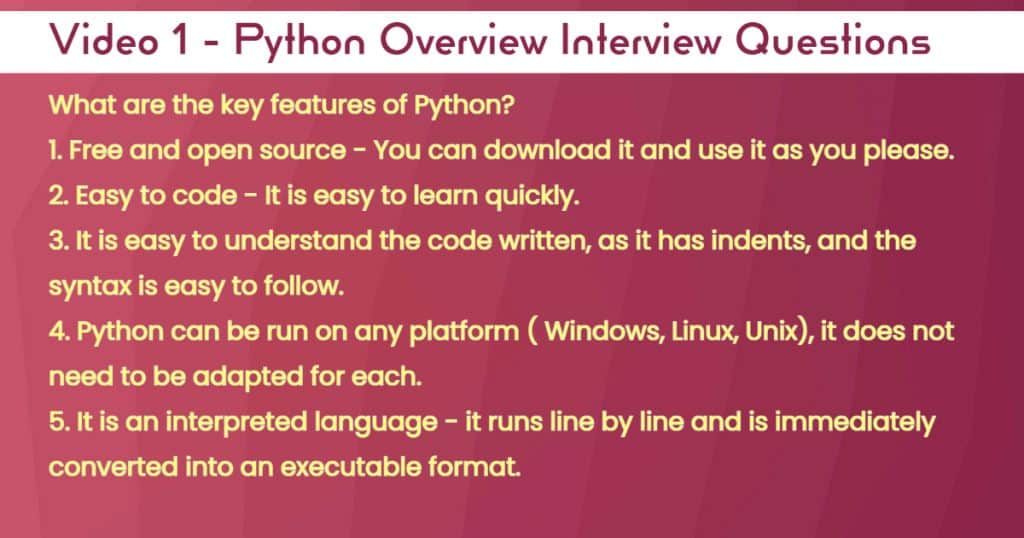
In the below screenshot that will feature in our video, if you are asked this question they will help you be able to discuss.

Below I have outlined some of the key benefits you should be comfortable discussing.

It is great as it is open source and well-supported, you will always find an answer to your question somewhere.

Also as it is easy to code and understand, the ability to quickly upskill and deliver some good programs is a massive benefit.

As there are a lot of different platforms out there, it has been adapted to easily work on any with little effort. This is a massive boost to have it used across a number of development environments without too much tweaking.

Finally, some languages need you to compile the application first, Python does not it just runs.

What are the limitations of Python?

While there is a lot of chat about Python, it also comes with some caveats which you should be able to talk to.

One of the first things to discuss is that its speed can inhibit how well an application performs. If you require real-time data and using Python you need to consider how well performance will be inhibited by it.

There are scenarios where an application is written in an older version of code, and you want to introduce new functionality, with a newer version. This could lead to problems of the code not working that currently exists, that needs to be rewritten. As a result, additional programming time may need to be factored in to fix the compatibility issues found.

Finally, As Python uses a lot of memory you need to have it on a computer and or server that can handle the memory requests. This is especially important where the application is been used in real-time and needs to deliver output pretty quickly to the user interface.


What is Python good for?

As detailed below, there are many uses of Python, this is not an exhaustive list I may add.

A common theme for some of the points below is that Python can process data and provide information that you are not aware of which can aid decision-making.

Alternatively, it can also be used as a tool for automating and or predicting the behaviour of the subjects it pertains to, sometimes these may not be obvious, but helps speed up the delivery of certain repetitive tasks.

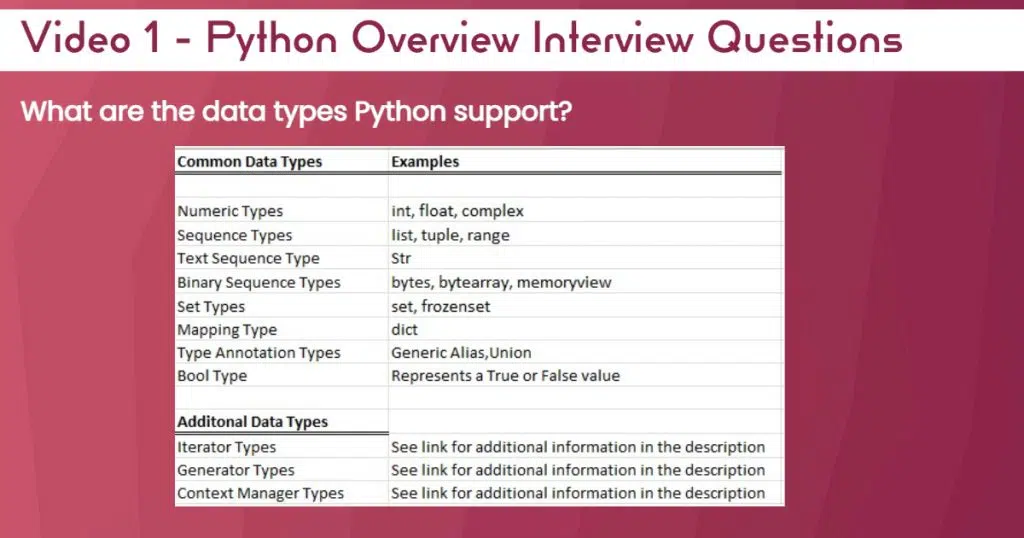
What are the data types Python support?

Finally below is a list of the data types you should be familiar with, and be able to discuss. Some of these are frequently used.

These come from the Python data types web page itself, so a good reference point if you need to further understand or improve your knowledge.

Making Creation and Expression Easier for Anyone In Marketplace


  • For the first time, Roblox is making it easier for anyone to create in Marketplace.
  • Marketplace is a powerful place for creators and brands to connect with their audience.
  • We’re expanding Marketplace to be more personal and to foster more self-expression.
  • We’re developing new tools and systems to ensure that Marketplace is safe and that creators’ and brands’ IP is protected. 

At Roblox, we’re building an immersive platform for connection and communication where 71.5 million users* come every day to entertain themselves, hang out with friends, and have fun. 

Nearly everything users discover on Roblox is made by our global community of creators. And our job is to help creators make the experiences, avatars, clothing, and accessories our users will enjoy.

Since 2019 we’ve allowed, through application only, a small and growing number of people to create 3D virtual items in Marketplace, one of the key destinations on Roblox for users to shop and express themselves through their avatars. 

Today, we’re making it easier for anyone to create in Marketplace. This will be a powerful step forward for creators and brands to market a diverse collection of avatars, clothing, and accessories, and to connect with their audience.  

One of the biggest benefits of this is the surge of great new content that we expect will soon be available there. Millions of users already visit Marketplace every day, and in December, 2023, nearly 71 percent of them spent time editing their avatar. And people have bought billions of items there, including nearly 1.6 billion digital fashion items during the first nine months of 2023. Brands are also getting in on the action: in 2023, our brand partners sold about 27 million items on Roblox.

adidas is bringing its iconic sport and lifestyle brand to Roblox

adidas is bringing its iconic sport and lifestyle brand to Roblox

A great example is adidas. The brand has collaborated with Roblox creators like Rush_X and CoffeeNerdz on a diverse catalog of hundreds of items, including rare, sold-out Limiteds like its Neckpiece. adidas is bringing its iconic sport and lifestyle product to Roblox and plans to experiment with a shopping experience where users can create their own adidas virtual items and outfits.

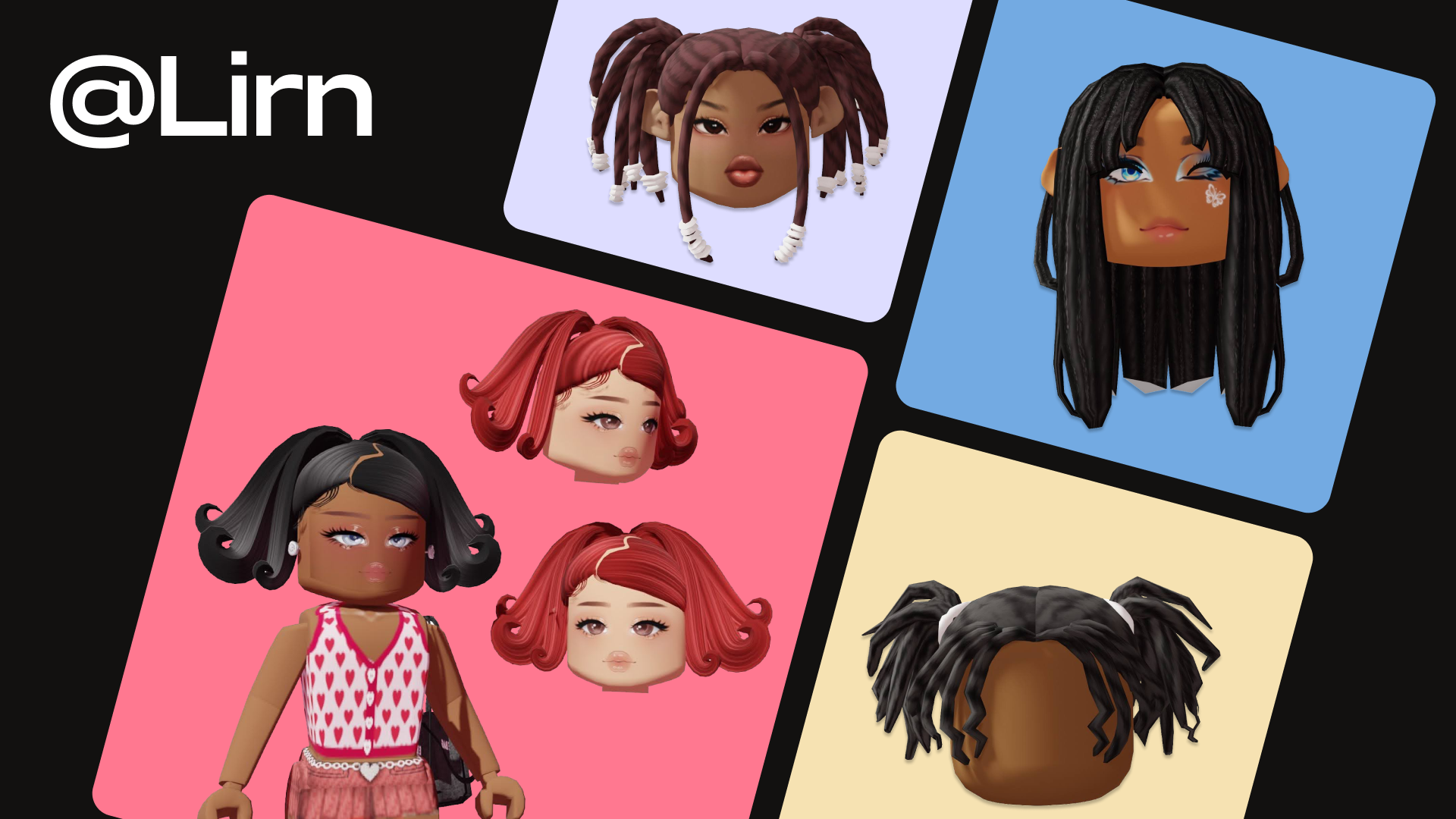
In Marketplace, some creators have found success by diversifying the variety of things people can buy. A great example is Lirn, an original Marketplace creator, who wanted to fill a gap in gaming for authentic Black hairstyles. A self-taught creator, she’s collaborated with brands like Gucci, and created items like her HeadScarf, Bantu Knots, Pigtails Locs, Box Braids, and others. Roblox users have bought millions of her items. 

Lirn, an original Marketplace creator, wanted to fill a gap in gaming for authentic Black hairstyles.

By opening up creation on our platform, we’re now able to welcome more creators like Lirn. Moving forward, here are the three areas we’re focusing on to achieve this:

  • Making creation easier for anyone
  • Evolving Marketplace to foster more self-expression
  • Laying the foundations of a healthy Marketplace 

Making Creation Easier for Anyone

Making it easier for anyone to create and sell 3D virtual items in Marketplace and/or in experiences is just the start. We’re also working to inspire professional creators to build successful businesses on our platform by developing new ways to make creation on Roblox easier, regardless of their experience level. 

For example, our new Avatar Auto Setup tool leverages AI to quickly and automatically convert 3D models into avatars people can use on Roblox right away. Using this tool, which is launching broadly in the coming month, can reduce the time it takes to create an avatar from days to minutes.

Our new Avatar Auto Setup tool leverages AI to quickly and automatically convert 3D models into avatars people can use on Roblox right away

Our new Avatar Auto Setup tool quickly converts 3D models into avatars**

And soon, we’ll offer templates allowing creators and brands to build customizable shopping experiences dedicated to the buying and selling of avatar items. For example, Dress to Impress is a space that celebrates diversity and inclusivity, and where users can dress up as themselves and then walk a runway or vote on others’ looks. 

There’s a growing number of experiences like this, and we’ll begin by surfacing them in Marketplace, which will help connect the creators and brands who make them with the broader audience there.

Evolving Marketplace to Foster More Self-Expression

We want Marketplace to be a more inspiring, personalized, and social shopping experience than ever before. In the coming year, we’ll expand what’s available there beyond individual items and focus on developing an avatar-first shopping experience. This will create more personalized and diverse content and unlock social shopping. It will also provide new ways for creators and brands to share their collections and connect with their audience.

Avatar-first shopping experience

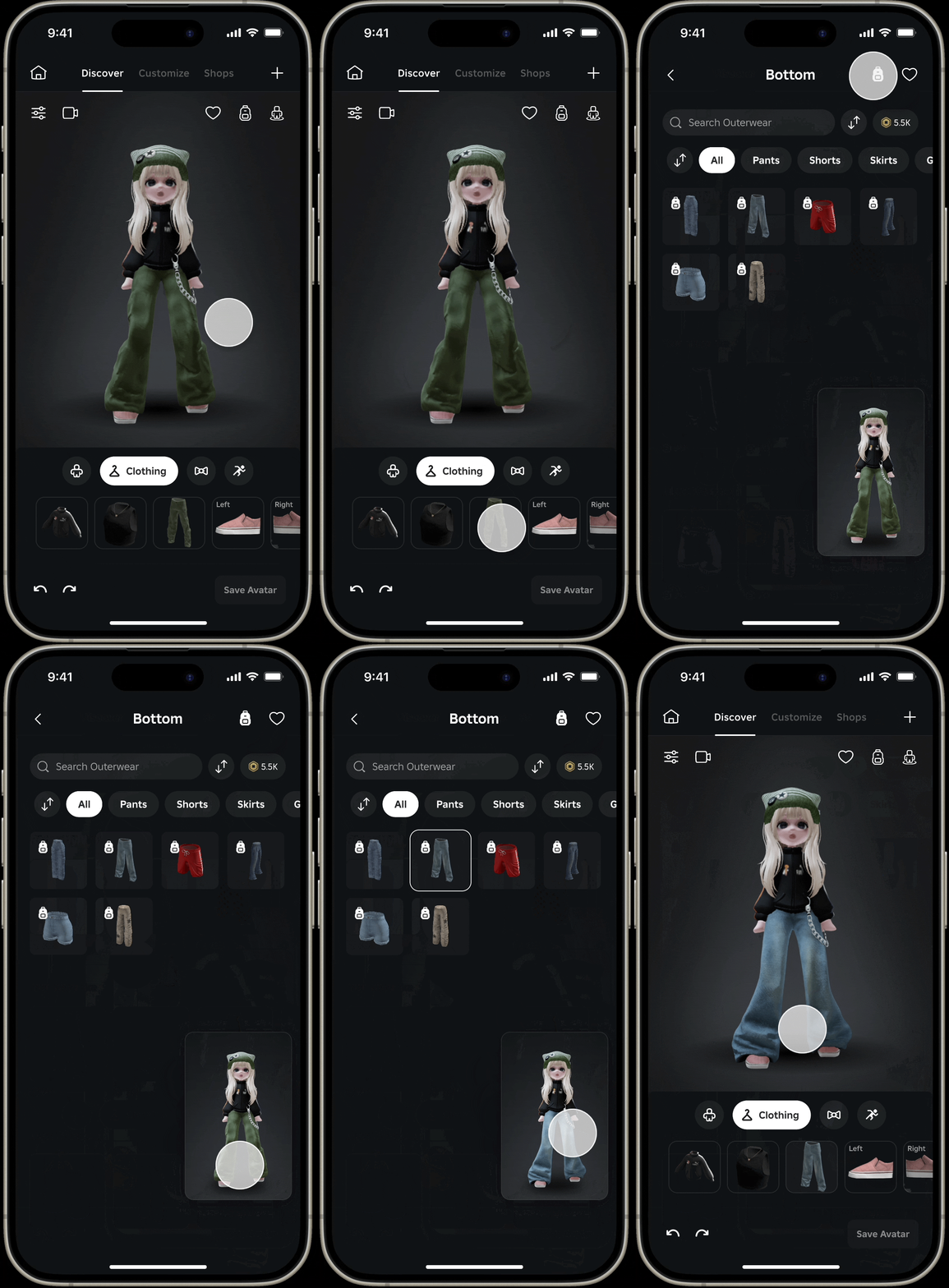
Buy entire outfits or mix-and-match before you buy.

Buy entire outfits or mix-and-match before you buy.**

Since its inception, Marketplace has been dedicated to selling individual avatar items. Now, the Marketplace shopping experience is evolving. Users will be able to find inspiration from styled avatars and outfits and buy an entire outfit’s items, or just some of it. Shopping in Marketplace will soon be similar to the physical world. When users look for a specific item, they’ll be able to see how everything they discover would look in their existing wardrobe or what they might wear it with. 

That’s important because we know that when users shop in Marketplace, they want to complete their avatar’s look with multiple items. In fact, users buy more than one item 60% of the time.

In addition, Roblox users can search for outfits. That means creators and brands can express their full creative vision by selling entire looks and avatars rather than just single items. And creators will be able to collaborate and sell outfits made of items by different people.

More Personalized and Diverse Avatar Content

We know that many people on Roblox want to express their individual personalities and identities. To do that, shopping needs to be personalized and it should be easy to move between discovery and avatar customization. That’s why we’re developing new tools that make all that possible. 

For example, AI has become a crucial technology across our entire platform, powering things like creation and safety. Soon, it will provide individual shoppers with diverse and personalized items rather than showing everyone the same list. Someone might see collections or outfits from creators or brands that fit their style or outfits that are popular with their friends. They might also see trending shopping experiences, or seasonal collections (like for Halloween or Christmas).

A More Social Marketplace Will Unlock Users’ Creativity

Digital fashion is increasingly a source of inspiration, and we believe the next wave of fashion designers will emerge on our platform. We want to support their efforts, and we’re proud to see digital designs created on Roblox recreated in the physical world. For example, at RDC 2023, we showcased physical replicas of two Parsons School of Design students’ Roblox creations

at RDC 2023, we showcased physical replicas of two Parsons School of Design students’ Roblox creations.

At RDC 2023, we showcased physical replicas of two Parsons School of Design students’ Roblox creations.

Going forward, we’ll make it easier for users to discover and follow new creators and brands and always stay up to date on their latest offerings. In turn, creators and brands will have new ways to connect with their audience and showcase their creations.

Many people see their avatars as intrinsically social — a way to connect with friends. We want to help them share their newest avatar outfits. Many users and creators are already doing that by posting screenshots or videos on external social or messaging platforms.

WhoseTrade, who created 20 items which sold more than 100,000 times (and dozens more with at least 50,000 sales), is an exceptional example. He collaborated with the electronic music brand Monstercat on a rare Limited that sold for 1 million Robux, as well as with Nivea. Like others, he’s significantly grown his social channels by posting his creations.

WhoseTrade collaborated with brands like Monstercat and Nivea, and created dozens of items that sold tens of thousands of times.

Soon, users will be able to share their latest avatar creations or newly-purchased items on Roblox. We think this will unlock more creativity for many users. It will also help them become curators and influencers while boosting creators’ exposure.

Laying the Foundations of A Healthy Marketplace

We’ve developed new methods to help creators and brands find success. Those include tools to defend their IP, maximize their earning potential, and simplify managing competitive pricing. 

Protecting Creativity

We recently launched Rights Manager, which helps creators, developers, and brands manage their content and IP on Roblox, and increases transparency around filing removal requests. 

We’ve also introduced a publishing advance system that inspires creators to focus on their highest-potential creations rather than generic items that distract buyers. 

At the same time, to ensure accountability and deter bad actors, creators wanting to build on Roblox must verify their identity through our ID verification process. This allows us to enforce our Marketplace policies and deter violators from returning to the platform.

An Economy Responsive to Supply and Demand

Our virtual economy should reflect market conditions, so we’re implementing a new system to ensure prices on Marketplace respond to supply and demand.

Previously, some creators had a difficult time knowing how to price their items and when such prices should be increased or reduced in response to fluctuating market demands.  Guessing at how to price items does not benefit creators or buyers.  

Our new system can help support smarter pricing to better reflect market conditions by automatically setting the lowest price in an item category based on demand. We also give creators controls that let them set rules for how much to charge for their items relative to these dynamic prices. We’re confident this will help make sure creators can earn a fair return while giving consumers more access to items at fair market prices.

Diverse Ways of Expression

We know that the Roblox ecosystem is richer and stronger when we enable varied and diverse ways for people to create and express themselves. We’re excited to build tools and systems that expand our creator community while giving people more opportunity to buy things they’ll love.

____________________________________________________________________________

* As of Q4 2023

** Rendering shown for illustrative purposes only. Actual features and other visual depictions may vary and are subject to change at any time.


Visual Studio Geeks | How to publish Helm 3 charts to GitHub Container Registry using GitHub Actions


I have already written how to publish Helm chart to ACR using Azure DevOps and GitHub actions. But did you know that you can also publish Helm3 charts (or any OCI compliant package) to GitHub Container Registry(GCR)? In this post we will see how to do that.

Enable improved container support

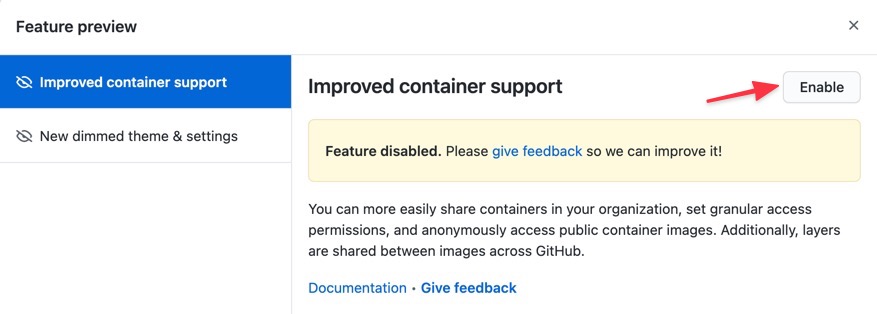
GitHub Container Registry is currently in public beta. So, the first step is to ensure that you have enabled the GitHub Container Registry for your account. If you have GitHub personal account, you can do that from Feature Preview window.

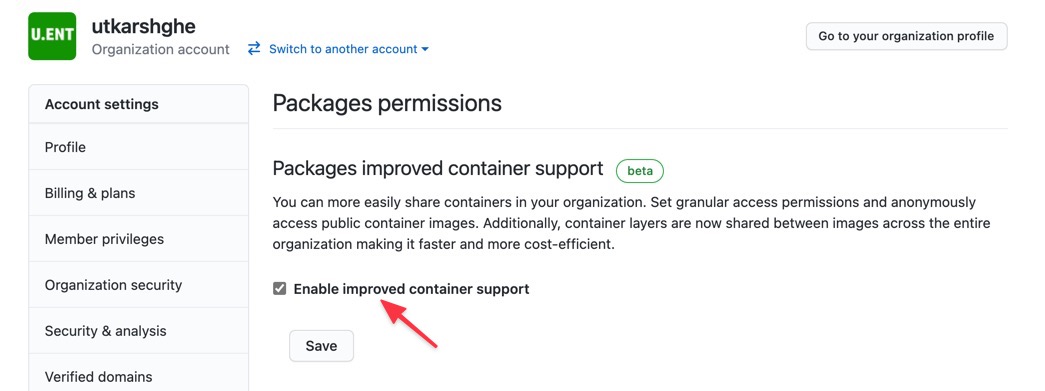
If you have a Enterprise account, you can do that going to Settings page.

GitHub documentation has step-by-step guide of enabling improved container support here

Publishing Helm 3 charts using GitHub Actions

It really takes only couple of steps to publish a Helm chart to GCR using GitHub Actions. Like any other action, you start by creating .github\workflow folder and create an yml file in your repository.

Excluding the name and trigger part, first step in the YAML is to define few necessary variables.

env:
  HELM_EXPERIMENTAL_OCI: 1 #enable OCI support
  HELM_VERSION_TO_INSTALL: 3.5.0 # version of HEL to install
  GCR_IMAGE: ghcr.io/${{ github.repository_owner }}/vote-app

First variable enables the OCI support for the Helm commands we are going to run later in the YAML.

Next variable HELM_VERSION_TO_INSTALL is used later in the workflow to install specific version of the Helm. For this workflow, we need 3.5.0.

Last variable GCR_IMAGE is constructing the chart name for the publication.

The GitHub Container Registry hosts containers at ghcr.io/OWNER/IMAGE-NAME. I get the OWNER of the repository using github.repository_owner from github context.

Next steps are defining the job with steps to download the code (where we have Helm chart) and install the specific Helm tool on the runner/agent.

jobs:
  build:
    name: publish gcr
    runs-on: ubuntu-latest
    environment: prod
    steps:
      - uses: actions/checkout@v2
        name: checkout repo
      
      - name: install helm
        uses: Azure/setup-helm@v1
        with:
          # Version of helm
          version: ${{ env.HELM_VERSION_TO_INSTALL }} # default is latest

The above steps setup the agent machine with the required Helm tool.

Next, we need to run few helm commands to login to GCR (GitHub Container Registry) and finally publish the chart.

  1. We login to GCR using ${{ secrets.GITHUB_TOKEN }}

    GitHub Container Registry only recently started supporting GITHUB_TOKEN. Previously you had to create a separate PAT token with specific permissions to GCR.

  2. Next two steps in the workflow will be to save the chart and publish. We do that using helm chart save and help chart push commands as shown below.

- name: login to acr using helm
  run: |
    echo ${{ secrets.GITHUB_TOKEN }} | helm registry login ${{ env.GCR_IMAGE }} --username ${{ github.repository_owner }} --password-stdin

- name: save helm chart to local registry
  run: |
    helm chart save ${{ github.workspace }}/src/azure-vote-helm-chart/ ${{ env.GCR_IMAGE }}:${{ github.sha }}

- name: publish chart to acr
  run: |
    helm chart push ${{ env.GCR_IMAGE }}:${{ github.sha }}

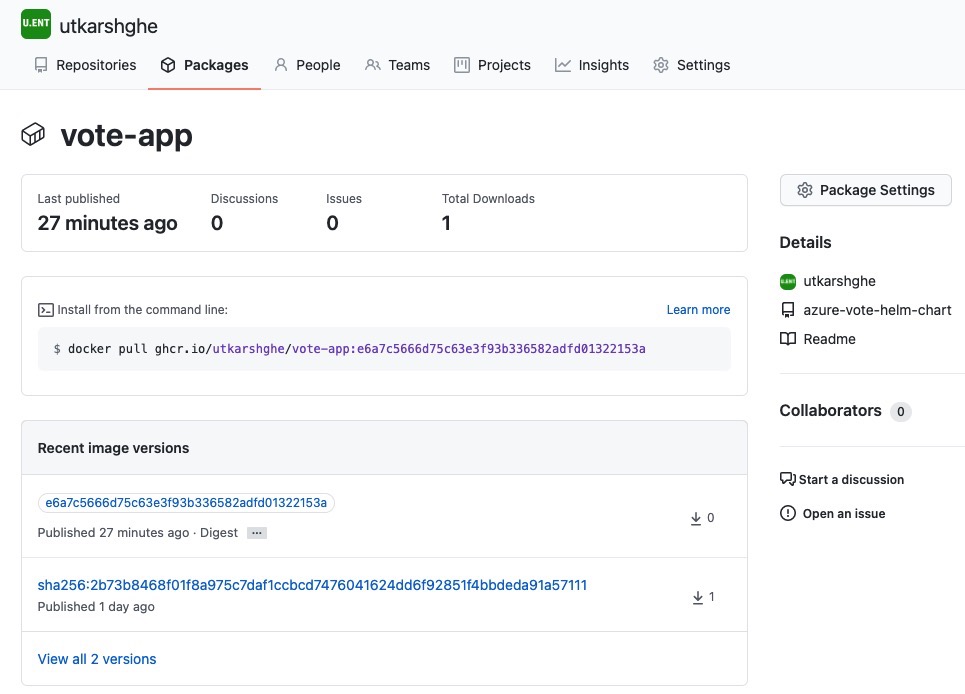
That is it, if all worked successfully for you, you should see the chart in the GCR.


Honor Pad 9 review: A terrific budget Android tablet with a big caveat


Android tablets have come a long way in the last two years, and there are plenty of decent choices if you want a budget option that excels at the basics. I used Xiaomi’s Pad 6 for the better part of a year, and its large 11-inch screen served as the ideal dashboard for monitoring smart home devices in my house.

So when Honor said it was launching a budget tablet with an even larger 12.1-inch screen, I was interested. The Pad 9 doesn’t look like a budget tablet at a first glance; it has a metallic chassis and a thin profile that belies its price tag, and the IPS panel gets plenty bright.


15 Work From Home Jobs with Flexible Hours


Embracing the trend of remote work, you now have the opportunity to craft a career that fits your lifestyle, rather than adjusting your life to fit a job. Work-from-home jobs have seen significant growth, offering you the flexibility to choose when and where you work.

This evolution in the job market caters to a vast array of skills and professions, making it possible for you to select a position that not only aligns with your expertise but also your need for a better work-life balance.

Whether you’re looking to avoid the daily commute, accommodate personal commitments, or simply desire a change in environment, the rise of work-from-home jobs with flexible hours marks a shift towards a more adaptive and personalized approach to professional growth.

Different Types of Flexible Work

When considering work-from-home jobs with flexible hours, it’s essential to understand the various types of flexible work arrangements available. Here are some common setups you might encounter:

Remote Work: You perform your job duties from a location other than the traditional office. This could be your home, a coffee shop, or even while traveling.

Flexible Scheduling: Your start and end times can vary. Employers may offer a range of hours during which you’re expected to be available or allow you to set your own schedule entirely.

Part-Time Work: Your working hours are less than the standard workweek, providing the opportunity to balance work with other commitments.

Freelancing: As a freelancer, you’re self-employed and usually work on a project-by-project basis. Your schedule is often determined by the deadlines for each task.

Job Sharing: Two people share one full-time position, splitting the hours and responsibilities according to an agreed schedule.

Compressed Workweek: You complete a full-time job’s hours in fewer days, such as working four 10-hour days instead of five 8-hour days.

Here’s a quick look at the pros of flexible work arrangements:

  • Work-Life Balance: Better manage personal responsibilities and relaxation time.
  • Reduced Commute: Save time and stress by eliminating daily travel to a traditional workplace.
  • Increased Productivity: Work during hours when you’re most energized and focused.
  • Autonomy: Take more control over how and when tasks are completed.

Remember, the right type of flexible work for you will depend on your personal situation, career goals, and the nature of the job.

15 Work From Home Jobs With Flexible Hours

Whether you’re seeking to supplement your income or transition into a full-time remote career, there’s a diverse range of work-from-home jobs with flexible hours to accommodate your lifestyle and expertise. You can choose roles that fit your schedule, making it possible to balance work with personal commitments effectively.

1. Translation

If you’re proficient in more than one language, translation jobs can offer a flexible schedule. Translators typically work on a project basis, which allows you to work as a freelancer and manage your own hours while providing valuable linguistic services across various industries.

2. Content Writer

Your flair for writing can lead to a fulfilling career as a content writer, creating articles, blog posts, and other written content. Writers often work as freelancers or independent contractors, which grants you the flexibility to take on as much or as little work as you wish.

3. Transcribing and Captioning

As a transcriber or captioner, you turn audio content into written form, perfect for those with excellent listening skills and a fast typing speed. These jobs offer the liberty of choosing projects that align with your availability, whether you’re looking for part-time or full-time engagements.

4. Graphic Designer

As a graphic designer, you can create visual concepts for clients remotely, setting your own schedule and choosing projects that match your creative style. Design work is well-suited to remote, contract-based, or freelance arrangements.

5. Language Tutoring

You can connect with students across the world as an online English tutor or any other Language teacher. With businesses such as ACD Direct, you’ll find tutoring roles that pay in the range of $15-$25 per hour, and you can schedule sessions at times that work for you.

6. Online Customer Support Jobs

Companies like Omni Interactions look for remote customer service agents to provide technical support and customer care. These roles often do not require set schedules and allow you to work as an independent contractor or in entry-level roles.

7. Virtual Assistants

Virtual assistants perform administrative tasks from the comfort of their homes. As a VA, you can choose to work freelance, manage multiple clients, and create your work schedule based on the teams’ needs and time zones.

8. Data Entry

Data entry jobs provide the convenience of working from home with the flexibility to set part-time or full-time hours. As a data entry specialist, you can enter and manage data for clients on a freelance or contractual basis.

9. Online Researcher

Online research roles are great for those who love to dive into data and gather information. These positions are easy to do remote jobs that often contract-based, allowing you to work as a freelancer and control the number of projects you want to take on.

10. Accountant

Remote accounting jobs can range from full-time corporate positions to part-time work for smaller businesses. Digital tools allow accountants flexibility and the ability to work independently for various clients when and where it suits them.

11. Data Scientist

In the growing field of data science, remote work has become prevalent. Data scientists can analyze and interpret complex data for clients as freelancers or part-time remote employees, providing insights from virtually anywhere.

12. Copy Editor/Proofreader

With an eye for detail, working as a copy editor or proofreader allows you to take on projects where you refine and polish content. Assignments can be sourced on a freelance basis, offering flexibility in workload and hours.

13. Social Media Managers

Social media managers orchestrate the online presence of a brand or client. These positions can be performed remotely with flexible hours, and as many companies seek digital marketing specialists, the demand for this expertise is significant.

14. Nutritionist

Nutritionists can advise clients on health and diet plans remotely, scheduling consultations at mutually convenient times. This professional can maintain a part-time or full-time practice through virtual platforms.

15. Pet Sitter

While pet sitting often involves in-person care, you can use remote tools to coordinate appointments and services. Being a legit non-phone job, pet sitter offers flexible hours and the joy of working with animals on a schedule that you set.

10 Companies that provide work from home jobs with flexible hours

If you’re seeking a work-from-home position that offers flexibility in your schedule, numerous reputable companies cater to this need. The following list highlights notable employers in diverse sectors providing remote jobs that can help balance your professional and personal life.

1. HubSpot

At HubSpot, you find remote roles that support your interest in autonomy and time management. Known for its inbound marketing, HubSpot offers a range of remote positions where technology plays a central role, enabling smooth telecommuting experiences.

2. Chili Piper

Chili Piper has created a niche in the technology sector, emphasizing work-life balance for employees. This company is an excellent choice for those looking for flexible remote jobs that accommodate both full-time and part-time hours without stifling personal commitments.

3. DigitalOcean

DigitalOcean, a cloud infrastructure provider, offers roles in an environment where flexibility and employee well-being are prioritized. Availability of health insurance and career webinars add value to their remote working positions.

4. DuckDuckGo

Focused on privacy, DuckDuckGo is a search engine that also champions flexible schedules for its employees. It’s a place where you can contribute to significant projects while enjoying the perks of a remote set-up and minimal stress over rigid scheduling.

5. Study.com

Study.com offers a platform for educators and professionals to share their knowledge. The company provides flexible remote jobs, perfect for a parent or student trying to juggle professional growth with time management challenges.

6. GitHub

On GitHub, you can find remote work that taps into the gig economy trend. Its platform supports a hybrid role model, blending autonomy with cutting-edge technology to enable meaningful and flexible work for software developers and other tech professionals.

PagerDuty operates at the intersection of technology and service reliability. Its remote jobs appeal to those who want the control of a flexible schedule without compromising the pursuit of technological solutions that make a difference.

8. Expensify

Expensify’s commitment to simplifying expense management extends to its employment philosophy. With their flexible work options, they offer a remote job landscape favorable to small businesses and freelancers who make up significant portions of their client base.

9. UnitedHealth Group

UnitedHealth Group recognizes the need for flexible work options, especially in health insurance and related fields. Embracing remote jobs allows employees to serve patients effectively while prioritizing their own work-life balance and personal schedule.

10. Appen

Appen is a technology company that specializes in providing high-quality training data to improve machine learning and artificial intelligence algorithms. They offer a wide range of data collection and annotation services to help organizations develop more accurate AI models.

Each of these remote companies understands the importance of providing remote jobs that support a range of lifestyles and commitments. They offer flexible hours that empower you as an employer or small business owner to manage your time effectively and maintain a healthy work-life balance. By exploring roles in these organizations, you can identify opportunities that align with your career aspirations and personal life.

Find Work From Home Jobs with Flexible Hours With DailyRemote

If you’re interested in remote jobs with flexible hours and are searching for high-paying remote jobs even without a degree from a trustworthy source, sign up for DailyRemote.

DailyRemote is home to thousands of employers looking to hire remote workers, and the best part some of the highest-paying remote jobs are also here. Search and apply for remote jobs and positions that interest you. If you get any responses, follow up with them on the spot. Always be connected to relevant remote jobs. Save money on a membership. Of course, applying for remote jobs isn’t the only thing you can do on DailyRemote.

Unlike other job boards out there, DailyRemote just charges you $7 to browse remote positions, apply to jobs that interest you or even get hired. That’s because transparency, trust, efficiency, and knowledge are the core values we follow.

DailyRemote makes it easy to find remote jobs that fit your schedule and interests. See which employers are hiring right now. Browse remote jobs that have already been posted. Get help with your job search by joining a community of like-minded professionals. And so much more.

When you search for remote jobs on DailyRemote, use the following terms to get all possible remote-work jobs available.

Lastly, create a remote job alert, which notifies you of new job openings based on a specific job title, salary, or location to increase your chances of seeing remote work jobs.

If you’re interested in looking for remote work, there’s no better place to start than DailyRemote. So, what are you waiting for? Get started today. Working remotely is the need of the hour. And now that you know how to find the remote job of your dreams, so follow these tips and start applying today. Join like-minded people in our


Trump Media Stock Price in Free Fall as It Files to Issue More Shares


The company behind Donald Trump’s Truth Social has been public for just a few weeks, but the stock price has plunged 50% from its first full day on the market. Trump Media filed with the SEC on Monday to issue 21 million more shares of DJT stock, and made the first steps towards allowing Trump to resell some of his own shares, according to Bloomberg. DJT’s stock price dipped by almost 15% to $27.52 on Monday morning.

The SEC filing shows that Trump Media plans to increase the number of available shares by 15%, CNN reports. This could devalue the shares of existing DJT shareholders, including Trump Media’s largest shareholder, Donald Trump himself. The filing also included a provision that could allow Trump and other insiders to one day sell their stock, after an initial lockup period expires in Sept.

Also on Monday, Trump stepped into a New York Courthouse for the first day of his criminal trial. The former President has been charged with 34 felony counts by a Manhattan district attorney for his alleged role in an alleged hush money scheme.

Last week, two of Trump’s co-founders made a bid for the right to sell their Trump Media stock in the next six months, according to Barron’s. Wesley Moss and Andrew Litinsky, former contestants on The Apprentice, filed an amendment to their ongoing lawsuit against Trump asking to be exempt from a lockup provision. This amendment is part of Moss and Litinsky’s lawsuit against Trump filed in Feb., claiming the former President deprived the co-founders of a proper stake in Trump Media, according to The Washington Post.

Trump responded to Moss and Litinsky’s February lawsuit by suing them back a month later claiming they failed to properly set up Trump Media. At the moment, Trump Media is caught in a complicated web of legal battles between co-founders, major investors, and the SPAC that Trump Media was borne out of, The Washington Post reports.

The former President’s stake in Truth Social’s parent company has lost roughly $2 billion since March 28, when DJT’s price closed at $58. Though Trump is bound by the lockup agreement, he could be especially reliant on DJT’s stock price. Trump faces millions of dollars in legal fees, and his social media company once seemed like his saving grace.

Despite Trump Media’s disappointing stock performance, many investors see the stock as a direct way to support Donald Trump. A report from The Washington Post featured several Trump supporters saying they would keep their dollars invested in Trump Media, even as the price falls.

Truth Social’s stock price has been a roller coaster in the last few weeks. DJT’s stock price climbed to a high of $77 on its second day as a public company but has since plummeted. Short sellers have flooded the stock, as over 5 million shares of Trump Media have been shorted, according to CNBC. DJT became the most expensive stock to short against a few weeks ago, according to Reuters, though some still seem willing to do it. DJT is now a mainstay conversation topic on r/wallstreetbets, adding credit to the claim that Trump Media is a meme stock.

Truth Social offered Donald Trump a platform for years when few others would give him one. Now the social media company’s stock is buoying the former President’s net worth, allowing Trump supporters to invest in him. The DJT stock is emblematic of Trump himself, proving to be a massively divisive issue that investors can’t seem to agree on.