Razer just launched a new line of official Minecraft edition PC accessories, including new versions of the Razer BlackWidow V4 X mechanical keyboard, Kraken V4 X wired headset, Cobra wired mouse, and Gigantus V2 mouse pad. All four peripherals feature exclusive Minecraft-inspired color schemes and even come bundled with codes to unlock in-game items.
While all four Razer x Minecraft items are available now, some are temporarily out of stock at Amazon. The good news is you can still add them to your cart and place them on backorder, and your order will ship once they’re restocked. They’re also available directly from Razer’s online store and may also be in stock. Be sure to check all the links below to see if they’re available.
The Minecraft edition of Razer’s BlackWidow V4 X mechanical keyboard features doubleshot ABS keycaps with a color scheme based on the Creeper monster from the game, with green clicky switches and Chroma-RGB per-key backlighting. The board is also equipped with a few additional features, including six programmable macro keys, a multi-function roller, and media keys. You also get a key for the Ender Dragon Shawl in-game cosmetic item for Minecraft.
This version of the Razer Kraken V4X Wired gaming headset offers all the same specs and features of the standard edition–including 40mm drivers with 7.1 surround sound support, memory foam cushioning, a retractable cardioid mic, and Chroma RGB lighting–but sports a unique green and black color scheme, and comes packed with a code for the Ender Dragon Shawl in-game item.
The Razer Cobra Gen3 is a lightweight, wired gaming mouse that features Chroma RGB lighting elements and Gen-3 optical mouse switches, which Razer says offers an extended 90-million click lifecycle and 0.2ms actuation time without debounce delay–in other words, clicks will be fast and accurate. Like the other items in Razer’s new Minecraft accessory collection, it has a unique green color scheme inspired by the game with decals of the Greeper monster’s face and comes with a key for the Overgrown Arm cosmetic item.
You can complete the collection with this Minecraft Edition oversized mouse pad with micro-weave cloth. It measures roughly 14 x 11 inches and is 3mm thick, with a high-density rubber anti-slip base. It’s got a Minecraft skin that resembles the iconic dirt block from the game and is emblazoned with a Creeper face. It also includes a key to unlock the Overgrown Arm in-game item.
Apple does not publicly advertise mAh battery capacities for iPhones. In his iPhone 16e review video today, however, Dave Lee of the YouTube channel Dave2D said the device is equipped with a 3,961 mAh battery. That is more than a 10% increase in battery capacity compared to the regular iPhone 16 model’s 3,561 mAh battery.
Lee evaluated the iPhone 16e’s battery life with a test that continuously loads the Reddit website over Wi-Fi, and he found that the device achieved 12 hours and 54 minutes of battery life for this purpose. In the same test, the regular iPhone 16 lasted 11 hours and 17 minutes, so the iPhone 16e was the clear winner in this particular test.
iPhone 16e battery life test by Dave2D
Tom’s Guide also tested the iPhone 16e’s battery life in a different way, and the device achieved similar results as the regular iPhone 16:
In running Tom’s Guide’s battery benchmark test, the iPhone 16e puts up an average time of 12 hours and 41 minutes. That’s only a couple of minutes shorter than the iPhone 16’s average of 12 hours and 43 minutes. However, the best times recorded on both phones are 12 hours and 49 minutes for the iPhone 16e, and 13 hours and 19 minutes with the iPhone 16.
The website said its test “runs a script that simulates normal web surfing over cellular until the battery’s depleted.”
I’ve had the 16E for six days and only had to charge it three times. I used a 30-watt wall charger, and the 16E went from empty to 59% in 30 minutes. And I’ve been using the phone heavily, testing the cameras, running Apple Intelligence tools and playing graphics intensive games.
The iPhone 16E can definitely make it through a day on a single charge and, depending on how you use it, it’ll likely make it through a day and a half before needing to be plugged in.
In CNET’s video streaming battery test with the battery charged to 100%, the iPhone 16E didn’t drop a single percent after an hour. Compare that to the iPhone 16 and iPhone 15, each of which dropped to 97% after an hour in the same test. I have more battery tests to run, but so far the iPhone 16E has a great battery life.
Fintech has revolutionized the way people trade their stocks. The stocks can now be traded even more easily than before. There are many apps created for trading stocks and options in the stock market. Investors can now trade, monitor trends in the stock market, or manage their portfolios directly from their cell phones. Where there is demand, however, development of stock trading apps would be a great strategy. In this blog, we will discuss the development cost of a stock trading application, current trends that arise, and some of the essential features and technologies involved in the development process.
Current Top Trends in Stock Trading App Development
AI and Machine Learning Rise
The role of Artificial Intelligence (AI) and machine learning is becoming increasingly significant in the stock trading apps. These technologies help to analyze vast data providing personalized investment advice, predictive analytics, and automated trading options.
Stock trading apps are becoming prominent in AI and machine learning. These technologies will allow analysis of large volumes of data and much more to contribute to the realm of investment advice, analytics, and automated trading capabilities.
Social Trading Features
Social trading has grown within the platform because one can simply follow and copy the trades of other good investors. These systems tend to be community-based and encourage novices to start trading with the platform.
Integration with Cryptocurrencies
As cryptocurrencies become more mainstream, trading applications are jumping into the fray by including digital assets. In addition to traditional trading of stocks, giving a better user base to apps to use them for cryptocurrencies would also be good.
Enhanced Security Features
With growing data breaches, they have been developing features more related to security enhancement, like two-factor authentication (2FA), biometric login, and end-to-end encryption.
Robo-Advisory Services
Robo-advisors offer automated, algorithm-driven financial planning services with minimal human intervention. They can be used for better portfolio diversification by risk tolerance levels and investment purposes.
Essential Features of Stock Trading Apps
While developing a stock trading application, there should be features that bring comfort and functionality to its use. These are some essential features:
User Registration and Profile Management
The onboarding process of the stock trading app has to be as smooth as possible. It should make it easy for users to create an account, manage profiles, and set customizable preferences.
Real-Time Market Data
Financial news that keeps a user connected with actual time stock prices and market trends is very important for traders. It can keep users informed through the integration of APIs providing real-time data feeds.
Order Execution
The heart of any trading app is that it lets users place trades. This includes such functions as: Trades, opportunities, and being able to see order history.
Portfolio Management
Users should be able to follow and manage their investment portfolio. This includes performance tracking, tracking profits and losses, and obtaining diversification insights.
Charts and Analytics Tools
Advanced charting and analytics implementation enables users to make trading decisions. Technical indicators, bar charts, and historical data are some of the features that are involved in this implementation.
Notifications and Alerts
There is push notification for changes in prices, news from the stock market, and order executions, which keep the user noticed and engaged with his investments.
Payment Integration
Deposits and withdrawals should always be assured to pass through secure payment gateways. Various payment options such as credit/debit card, bank transfer, and even digital wallets make it easier for users.
Customer Support
In-app customer support through AI chatbots or live agents helps in answering the questions of users promptly and increases user satisfaction in general.
Educational Resources
Educational content, such as articles, videos, and webinars, can prove useful in helping users gain the maximum out of their trading capabilities and knowledge.
Technologies Used in Stock Trading App Development
The making of a stock trading app consists of all the technologies that have to be amalgamated in order to provide functionality, security, and user engagement. These include the following primary technologies that will be mainly used during the course,
Frontend Development
The user interface is fundamental to the engagement of the end-user. Following are the quite commonly used technologies for frontend development:
React Native: Used for cross-platform app building.
Flutter: This is another framework for making natively compiled applications for mobile, web, and desktop in a single codebase.
HTML/CSS/JavaScript: For developing web applications.
Backend Development
Back-end takes care of processing data and executing trades. The most used are:
Node.js: For developing scalable network applications. • Python: Becoming very popular because of simplicity and libraries, especially in finance. • Java: It is a reliable and scalable technology at the enterprise level.
Database Management
User data, transaction history, and real-time market data need a very high-performance database to be stored in. There are several, but among the most common are:
Mongo DB: NoSQL database. Flexible.
MySQL: Traditional relational database. Strong data integrity
APIs (Application Program Interface)
There are various APIs that should be included in your application to give functionalities like real-time data feeds, payment processing, and trading capabilities. Some of the most extremely common ones are:
Alpha Vantage: Stock and crypto data. • Plaid: User bank account, safe end. •Stripe or PayPal: To process payments.
Security Protocols
The safety of user’s details and transactions is essential. The following technologies should be in use:
OAuth: This is authorization with safety.
SSL/TLS: This encrypts information being sent over the internet.
Blockchain: This is implemented to add security in transactions, as well as the integrity of data.
Stock Trading App Development Cost
The cost of developing a stock trading app is quite variable, based on several factors, such as the features developed, platform, complexity, and geolocation of the app development company. So here is a list of the factors on which the cost influences the development process:
App Complexity
Basic Apps: These might include basic abilities, including user registration, minimal trading functions, and portfolio management capabilities. Prices may be in between $ 30,000 – $ 50,000.
Mid-Level Apps: Features installed will comprise real-time data, analytics, and payments. Development cost range from $50,000 to $150,000.
Advanced Apps: This comprises features such as social trading, AI analytics, and robo-advisory services. Costs can reach up to $150,000 to $300,000 or more.
App Development Platform Choice
iOS vs. Android: Creating your app for both platforms will triple the cost. However, creating it using cross-platform frameworks such as React Native or Flutter helps save some of the costs involved.
Location of the Development Team
The location of your development team can significantly affect the cost. Let’s do a rough estimate here:
North America: $150 to $250 per hour.
Western Europe: $100 to $200 per hour.
Eastern Europe: $30 to $100 per hour.
India and Asia: $20 to $80 an hour.
Maintenance and Updates
There will be an ongoing cost after launch for maintenance. Allocate 15-20% of the initial development budget as annual updates and support.
Conclusion
The demand for stock trading apps continues to grow as technology and consumer expectations evolve. Understanding the trends, essential features, and technologies involved in development will help businesses create successful applications. The cost of development of stock apps can vary widely based on complexity, platform, and location, so careful planning and budgeting are essential. By investing in a well-designed, feature-rich trading app, you can tap into the lucrative fintech market and provide users with a valuable tool for managing their investments.
Ah, the Epic Games Store. You come for the exclusive titles, but stay for the free games. Just like its desktop application, the Epic Games Store mobile app is a bit of a mess. However, it does offer a rotating catalog of free games for your phone if you need a reason to check it out. For instance, through Mar. 20, you can pick up the mobile versions of Star Wars: Knights of the Old Republic and its 2004 sequel for free. All you need to claim these titles is a valid Epic Games Store account and the mobile app, available for iOS or Android.
Set roughly four millennia prior to the events of A New Hope, the KOTOR saga is one of the better Star Wars storylines penned in the post-prequel era. Both titles are considered classics of the CRPG genre, and are also responsible for developing the morality and companion systems that later rose to prominence in the Mass Effect franchise.
While KOTOR 1 & 2 first became available on mobile devices in 2013, I’m still baffled that a pair of games that I originally played by shuffling around four, count’ em, four CDs on my desktop can now be called down from the ether of the internet for free, and played on the same device I use to order Mexican food.
I have about 4-5 microservices running in docker along with an api-gateway. I cant seem to get VS2022 to hit the breakpoints. I have the debug mode enabled in all the docker files.
Apigateway dockerfile
                # Use official .NET 9 runtime as base
            FROM mcr.microsoft.com/dotnet/aspnet:9.0.2 AS base
            WORKDIR /app
            EXPOSE 3000

            # Build stage
            FROM mcr.microsoft.com/dotnet/sdk:9.0.102 AS build
            WORKDIR /src
            COPY ["ApiGateway/ApiGateway.csproj", "ApiGateway/"]
            RUN dotnet restore "ApiGateway/ApiGateway.csproj"

            # Copy and build the app
            COPY . .
            WORKDIR "/src/ApiGateway"
            ARG Mode=Debug
            RUN echo "$Mode"
            RUN dotnet publish -c $Mode -o /app/publish

            # Final runtime container
            FROM base AS final
            WORKDIR /app
            COPY --from=build /app/publish .
            ENTRYPOINT ["dotnet", "ApiGateway.dll"]
The other dockerfiles are exactly similar except for the name of the microservice.
The client app is Blazor Web app and it runs outside the docker and the breaktpoints for it are hit fine.
We have some good—but not great—news about a small number of AMD Ryzen 7 9800X3D processors that seem to be experiencing crashes: If you have an ASRock motherboard, a BIOS update is coming your way that might solve the problem.
The company released a new BIOS update that addresses memory compatibility. We haven’t confirmed that the BIOS update saves the day, but, as Tom’s Hardware points out, some gamers claimed that they were able to fix the crashing issue by using older BIOS versions for their ASRock motherboards. That’s good for ASRock users, but if you’re having this issue on a different motherboard, you may not have a fix yet.
Gamers love the AMD Ryzen 7 9800X3D because its V-cache makes it a gaming performance beast. A tiny number of users had issues with the processor early on, but MSI released a BIOS update for its motherboard. Now ASRock is the mobo maker releasing a BIOS update.
Credit: AMD
The problem with the Ryzen 7 9800X3D crashing seems to have come to ASRock’s attention via complaints on Reddit. ASRock looked into the situation and released a statement encouraging its users to download its 3.20 Beta BIOS update. Interestingly, it referred to “Ryzen 9000 series processors,” rather than the 9800X3D specifically. Wccftech noted a small number of the 40+ complaints about the issue are CPUs without the X3D. So far, the 9800X3D appears to be the CPU in the majority of these instances, though.
AMD hasn’t responded to the alleged crashes yet, so the situation remains a bit murky. And, it’s worth remembering, it’s a problem for a very small number of AMD Ryzen 7 9000 series CPUs right now. Still, we suspect AMD is investigating the issue and will have an official comment down the road. The Ryzen 7 9800X3D isn’t just another CPU in AMD’s stable; it’s seen as driving the company’s record desktop processor sales. Having its star gaming CPU suddenly crash or fail definitely warrants a response.
Our colleagues at PCMag reviewed the Ryzen 7 9800X3D and loved its gaming performance. If you’re not a gamer, you can probably find other CPUs with better price-to-performance ratios. The 3D V-Cache gives the CPU a performance boost when it comes to games, making it a good choice for anything from casual gaming to esports.
How to Make Money Writing Postcards to Online Casinos ($5 Per Letter!)
What if I told you there’s a simple way to make money from home—no selling, no phone calls, and no recruiting? Just writing two sentences on a postcard. Sounds too good to be true, right? There is always a catch to things.
Can you make money from this? Yes, but there are some things you want to know before you move forward.
One of my subscribers, Kimberly brought this to my attention and has been using this method since last July and now earns around $3,000 per month sending 100+ handwritten postcards (pictured above) to online casinos. The best part? It’s completely legal and straightforward.
Why Do Casinos Pay You for This?
Online casinos are legally required to offer an Alternate Method of Entry (AMOE) for sweepstakes. This ensures compliance with laws that require free entry options for contests and giveaways. By providing a mail-in option, casinos meet these legal requirements while keeping their promotions running smoothly.
Casinos don’t offer AMOE just to comply with sweepstakes lawsuits; it’s also a strategic marketing move. Here’s why:
1. Legal Compliance: Sweepstakes laws require casinos to provide a free method of entry to avoid being classified as illegal gambling. AMOE ensures they meet regulations while still running promotions.
2. Customer Acquisition: By offering free sweepstakes coins, casinos attract new users who may not have otherwise signed up.
3. Engagement & Retention: Even if players enter through AMOE, they become familiar with the platform, which increases the chances of them continuing to play.
4. Brand Awareness: It keeps their brand top-of-mind and creates a competitive advantage against other online casinos.
Since most people don’t take advantage of this, it’s an easy loophole to make money.
How It Works
Mail-in Request Submission – You send a handwritten postcard following the casino’s specific AMOE guidelines.
Processing & Approval – The casino’s sweepstakes team verifies your submission and links it to your account.
Receive Sweepstakes Coins – Once approved, you get sweepstakes coins deposited into your online account.
Convert to Cash – Play the required amount (strategically) to meet the casino’s redemption rules, then withdraw your cash to your bank account.
Pros & Cons
✅ Pros:
Simple to do—just write and send postcards.
No sales, no calls, no recruiting.
Can be done from anywhere.
Steady income potential ($5 per postcard adds up!).
❌ Cons:
Repetitive and boring.
Must follow casino guidelines precisely.
Takes time to mail out enough postcards for decent earnings.
You could lose the money if you don’t know how to convert it
If you don’t have someone showing you how to do this you may end up spending more than you’re making
How Much Can You Make?
Kimberly sends out about 150 postcards per week and makes $3,000 a month doing this. The math is simple:
$5 per postcard
30 postcards per day (5 days a week)
$150 per day → $3,000 per month
This method has been around since 2009, but most people don’t know about it. The casinos don’t actively promote it because they prefer players to deposit money directly.
How to Get Started
While the concept is simple, the key to making money without mistakes is knowing exactly which casinos to send to and how to meet their AMOE guidelines. That’s where training comes in. Some casinos that do this are LuckyLand Slots and Pulsz Casino, these are just two examples, but part of Kim’s program she provides ongoing guidance on which casinos are consistently paying, along with step-by-step instructions to ensure submissions meet their guidelines.
Kimberly offers a self-paced course that walks you through everything—what to write, where to send, and how to maximize cash payouts while minimizing risk. The course is a one-time payment of $225, and it ensures you don’t waste time sending postcards that won’t get approved.🔗 Learn More & Enroll Here
I earn nothing from this, if you want to research the information online for yourself for free you can, but if you want to do it and can’t find the guidance you’re looking for you might want to consider learning from someone who is doing this.
Common Questions
Q: Is this legal? A: Yes! Sweepstakes laws require casinos to offer a free entry option, and AMOE is how they comply.
Q: How do I get paid? A: You receive sweepstakes coins, play them strategically, then withdraw cash.
Q: Can I lose money? A: Not if you follow the system. The training teaches a risk-minimizing strategy so you can cash out rather than gamble.
Q: Is this available worldwide? A: Currently, it’s only available in the U.S. and Canada.
Final Thoughts
If you want a legit, no-stress way to make extra money from home, this is a great option. It won’t make you rich overnight, but with consistency, you can generate a steady income.
Today’s article explores the varieties of dynamic 3D visuals in architecture and design services. Did you notice how the architecture and design services industry has been enjoying a colossal change with the rise of 3D technology, specifically rendering? Indeed, 3D technology simplifies transforming even the most basic ideas and concepts into visual masterpieces that speak so much before the actual groundbreaking. The most recent breakthroughs in technology have helped a lot in making architectural concepts more transparent and captivating.
What’s most interesting is that they also serve as the much-needed sandbox for innovation and experimentation. Digging deeper into the newest trends shaping the future of 3D visuals will tell you right away that this tool is no longer as simple an accessory as it once was. Instead, it has now become a true cornerstone in the nonstop evolution and development of designs and architectural concepts. High-quality dynamic 3D renders created by expert 3D architectural rendering firms are essential for presenting architecture and design projects.
Cad Crowd has years of experience working with the best design and architecture firms, and this allowed us to observe how 3D visualization and its purposes and techniques evolved over the years. Let’s take a look at what we learned.
It doesn’t matter if it’s for the purpose of a client presentation, a marketing promotion, or a competition bid; you’re expected to use visual materials that can convey your ideas down to the T. It’s an open secret that static images alone can no longer keep up with the extremely short attention spans of modern audiences. Expert 3D renders are now poised to become the new norm that will wow viewers, including the most perceptive ones.
Exploring the different versions of dynamic 3D visuals in architecture and design services
3D visuals in design and architecture
The shift from traditional blueprint designs to modern digital 3D renders is a real breakthrough in and of itself. The transformation endowed designers and architects with a larger-than-life tool that can come up with more accurate, detailed, and immersive representations of their ideas and concepts. What makes these 3D renders truly essential is the fact that they bring life to the spatial dynamics, lighting, and textures of future designs.
It’s no surprise, then, that 3D visuals have made an imprint in the design and architectural industries. Most of today’s rendering companies produce different types and forms of 3D renders. The following are only among the most popular formats that might change the game for you and your company:
360-degree renderings that are full of life allow viewers to rotate realistic 3D models of buildings and inspect them from all sides. Out of all the common 3D visualization service types, 360-degree views are particularly at home for mobile apps and websites alike. These views are also more effective and impactful for commercial and residential projects as they make room for more scrupulous scrutiny from all angles.
3D animation
3D animations are no doubt some of the most engaging and versatile out of all 3D renders. With these animations, architects and designers can come up with a narrative or story around their ideas and throw in spectacular effects, music, voiceovers, transitions, and viewpoints. The format can also illustrate projects at different points of the day or seasons to add more context and depth to the overall visual experience. The use of this footage captured by drones in 3D animations can also endow a unique mishmash of cinematic quality and realism.
However, this might hamper creative freedom when it comes to lighting and weather conditions. It’s because they will look exactly like what the drone footage has captured. These animations are more cost-effective because you no longer need to build a detailed 3D landscape from the ground up. Unlike the rest of the 3D renders listed here, 3D animation professionals are also recommended unequivocally for aerial views.
Machine learning and artificial intelligence, or AI, are on the brink of redefining the creativity and efficiency of 3D renders. These two modern-day technologies are starting to put into autopilot the more tiring components of rendering, such as optimizing textures and lighting. This will give designers and architects more free time to pay attention to the creative facets of their projects.
Algorithms that are based on AI are also starting to recommend modifications in design to perk up functionality or aesthetics. It can possibly spearhead a new wave of encroachment in architectural and design industries.
Augmented reality
Augmented reality, or simply AR, can spread the digital details over those of the actual world. 3D AR/VR architectural services improve the physical environment using data and 3D models in an engaging and dynamic way. Using AI on-site makes it possible to superimpose the suggested designs over the existing surroundings. As a result, it provides a more tangible sense of context and scale. The state-of-the-art technology is a big help during design presentations while making the construction process enjoy better accuracy.
Did those moving photos in the Harry Potter flicks blow you away? These are the perfect examples of cinematography: dynamic 3D visuals with minor repeated movements included. These cinematographic techniques can be used to capture the viewers’ attention in a more powerful way while maintaining the subtlety preferred. When these techniques are used in archviz, they can highlight specific design elements or set the favored ambiance or atmosphere. Cinemagraphs can breathe life into static images and heighten the emotional effects during presentations.
Hyper-realistic renders
The realism requirement in 3D renders has paved the way for substantial breakthroughs in simulating texture and lighting. Modern renders can now copy the multifaceted interplay of materials and light, from the rough textures of old wood to the morning sun’s soft flow on the façade of a building. Hyper-realistic visuals are appealing to the eyes and offer a more defined depiction of the finished product. The result is that clients can make better decisions along the way.
Immersive 3D tours
Immersive 3D tours created by 3D architectural visualization designers take the customary virtual experience to the next level with interactive elements. The tours feature real-time renders of environments that are dramatically realistic. Users can also engage in active interactions with such tours. They can customize the interior design or change the lighting, too.
BIM or Building Information Modeling, and 3D rendering can join forces to produce more accurate and efficient representations of design and architectural projects. The objective of BIM is to create digital representations of the buildings’ functional and physical characteristics. The data is visually brought to life with the help of 3D renders. The combination of these two technologies creates a seamless workflow. It’s because the changes crafted in the BIM model are shown in the 3D render in a snap of a finger. It encourages collaboration among everyone involved, from construction professionals to engineers, architects, and designers.
Green design and sustainable visuals
With the sustainable movement growing bigger across the globe and with the ever-increasing awareness about it, the architecture and design industries have also switched to green design and practices. 3D rendering services & 3D designers play a critical role in this newest trend as it helps envisage the sustainable features of buildings. These include the use of eco-friendly materials and natural lighting combined with energy efficiency. The renders call attention to the environmental advantages and present sustainable design principles and their practical and aesthetic applications and uses. All of these make green design more appealing and accessible to today’s clients.
3D virtual tours
3D virtual tours are a variety of 3D renders that allow users to find their way around a digital setting as if they were in that very area themselves. These tours also come in several categories. VR fusions, for example, allow users to interact with the design and customize it at the same time. Thanks to this, VR fusion offers a more personalized and immersive experience.
Meanwhile, the virtual maps are 3D visualizations from 3D visualizer experts that work hand in hand with Google Maps so that the audience can see future projects in the same context in real life. These 3D virtual tours are of great help for large-scale or complex projects because they provide a more interactive and meticulous exploration.
Virtual reality
Virtual reality, or VR, is one of the most cutting-edge of all 3D renders because of the completely immersive experience they offer. VR can whisk viewers right into the proposed project before its actual construction begins. Users can use VR headsets to explore every nook and cranny of a digital space to gain a better understanding and become more familiar with the materials and dimensions of the space.
VR is practical during the finalization of the design details with the clients. It ensures that every element is just as needed before the construction begins. Architects and designers can also use VR to the fullest by teaming up in a shared virtual space. It makes it a win-win choice for every phase of the project.
The future of dynamic 3D visuals in design and architecture
With the entire world gearing up for the future, it‘s quite obvious that 3D renders will continue with their evolution. This is driven by their integration with more digital tools and technological advancements. The existing trends lay down the path for an exciting journey toward more intelligent, immersive, and sustainable design practices. These 3D visuals crafted by experienced 3D designers play a decisive role in shaping the built environment, and their possibilities are just starting to be realized.
In the ruthless world of architecture and design, the aptitude to present designs in an unforgettable and captivating way is a must for professionals who like to leave lasting impressions on their audience. It is where the different types of dynamic 3D visuals stand out the most. They provide architects and designers with a helpful toolbox of breakthrough formats that can take their presentations to the next level. It also encourages a more effective engagement with their target audience.
Do you feel like you can use a dynamic 3D visual that can highlight your design and architectural project in a way that is not like anything before? Cad Crowd has helped designers and firms come together to create 3D visualizations that translate to impact and profit, with our leading network of engineers and designers built from years of experience.
Contact Cad Crowd today to get those captivating visuals that everyone will love and appreciate!
MacKenzie Brown is the founder and CEO of Cad Crowd. With over 18 years of experience in launching and scaling platforms specializing in CAD services, product design, manufacturing, hardware, and software development, MacKenzie is a recognized authority in the engineering industry. Under his leadership, Cad Crowd serves esteemed clients like NASA, JPL, the U.S. Navy, and Fortune 500 companies, empowering innovators with access to high-quality design and engineering talent.
The upcoming reboot for Fable, the fantasy role-playing game of British chortles ‘n’ chuckles, has been delayed until next year, says head of Xbox Game Studios Craig Duncan. Developers Playground Games need “more time” to create the world of Albion, it turns out, but Xbox has offered a sparse sprinking of of game footage as compensation for the delay. There’s nothing particularly mind-blowing among it. Some combat, some vistas. But it’s something.
Now, in the preview channel, you can attach images in GitHub Copilot chat to help you illustrate your ideas effectively and get the best responses.
Imagine working on a UI development task where describing a design or layout through text just doesn’t cut it. Or perhaps you’re debugging an issue and need to share a screenshot of an error state or message. Starting in 17.13 Preview channels, you can now paste an image from your clipboard or use the paperclip icon in the chat window to upload your image directly from your file explorer. Simply add your prompt text and send! Copilot will analyze the image and use it as additional context to generate a better response.
In this simple example, Copilot was able to interpret the attached image context as a colorful breakout game. Combining that request with the open file and the loaded project, Copilot can create a plan and suggest code to scaffold an entire working project from scratch. When combined with the iteration power of Copilot edits, even more is possible with existing code bases. Check out this clip of the Microsoft Ignite session that previewed this functionality to see it in action.
More details
PNG, JPG, and GIF image attachments are only supported in the preview release on GPT-4o, though the model will only take a single frame of an animated GIF. Additionally, you can attach up to three images per message, providing ample space to convey your ideas visually.
Building with your feedback
This capability to attach images in GitHub Copilot chat helps bring the latest in LLM improvements to work for you in Visual Studio. To continue to improve these experiences, please share your feedback on this survey.
As we continuously strive to improve Visual Studio, and your feedback is invaluable! We appreciate your ongoing support and are excited to bring you this new feature to enhance your coding experience.



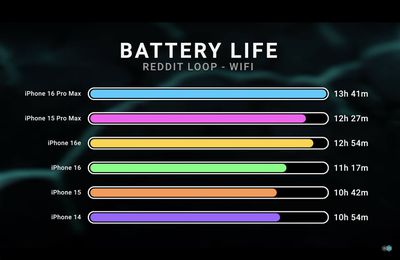




 Table of contents