Spotify is launching Audiobook Charts for the U.S. and U.K., the company announced on Friday. Similar to the streaming giant’s Music and Podcast Charts, the Audiobook Charts will be updated weekly and highlight the top audiobooks overall and by genre. These rankings are based on listening behavior and engagement on the streaming service, the company says.
The new charts are accessible to both free and paying users within the audiobooks hub. You can find them by tapping the search button in the app and selecting the “Audiobooks” tile to enter the hub. Then, you need to scroll down to the “Dive deeper” section to find the charts.
The move marks Spotify’s latest investment in the audiobooks space, following its official support of the format in 2022.
Since then, Spotify has continued investing in audiobooks with additional features like the recently-launched “Page Match” tool, which lets users scan a page from a physical book to instantly transition to that spot in the audiobook, and “Audiobook Recaps,” which are short audio summaries to catch you up on what you’ve already read so far.
Spotify says the new Audiobook Charts will benefit both readers and authors by giving listeners a trusted way to discover popular titles, while also creating new opportunities for authors and the publishing industry to reach wider audiences.
“As we’ve proven with Music and Podcasts Charts, when content is easier to access, discover, and enjoy, the demand grows,” said Duncan Bruce, Spotify’s Director of Audiobook Partnerships and Licensing, in a blog post. “We are delighted to now bring that to audiobooks, to help provide even more ways for users, publishers, and authors to discover what’s trending on Spotify, and make books more connected with culture in real time.”
It’s worth noting that Spotify isn’t only interested in audiobooks, as the streaming giant also recently ventured into physical book sales. Spotify announced earlier this month that users in the U.S. and the U.K. will soon be able to purchase physical copies of books directly within the app through a partnership with Bookshop.org.
This week, we’re diving into the big changes at Xbox and what it all means for Microsoft’s gaming future. Phil Spencer, the longtime face of Xbox, announced he’s retiring last week. He’ll be replaced by Microsoft’s former CoreAI CEO Asha Sharma, instead of his longtime deputy Sarah Bond, who plans to leave the company. Will this change actually help the beleaguered Xbox division, or is it another example of Microsoft shoving AI into everything?
Also, Samsung held its latest Unpacked event this week to announce its new Galaxy S26 family. They look pretty much the same as last year, but the Ultra model includes a unique privacy feature that can instantly make the screen unreadable to bystanders. It’s one of those features we expect to see in every phone eventually.
Subscribe!
Topic
Xbox leadership falls apart. what happens next with Phil Spencer and Sarah Bond out? – 1:53
Samsung Unpacked: Privacy display on the S26 Ultra looks amazing – 27:27
U.S. Defense leadership gives Anthropic a Friday deadline to let it use Claude as it sees fit – 42:38
MrBeast editor accused of insider trading on Kalshi – 50:40
Discord delays age verification program after user revolt – 54:09
Around Engadget – 1:04:04
Pop culture picks – 1:08:21
Credits
Hosts: Devindra Hardawar and Igor Bonifacic Producer: Ben Ellman Music: Dale North and Terrence O’Brien
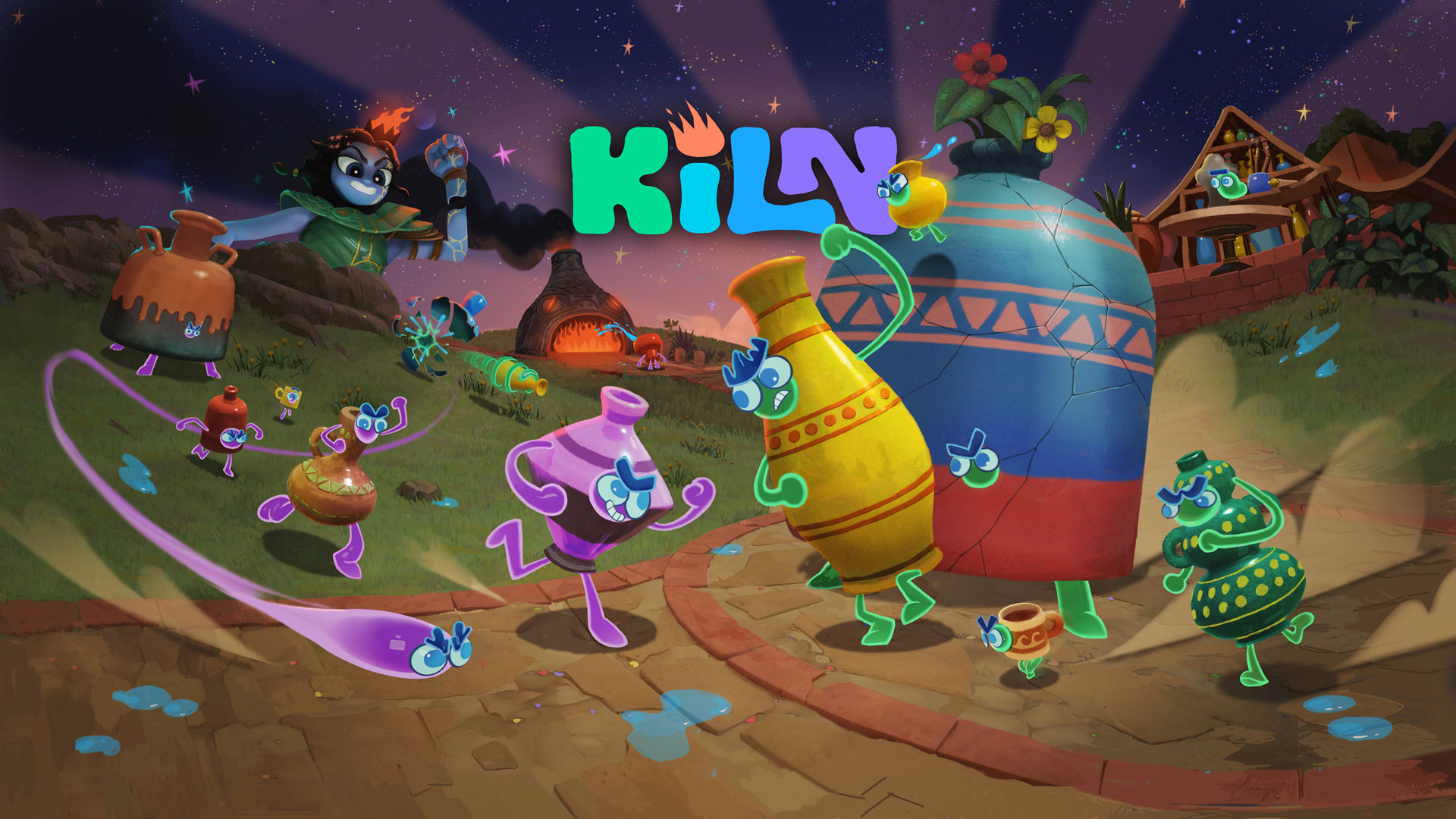
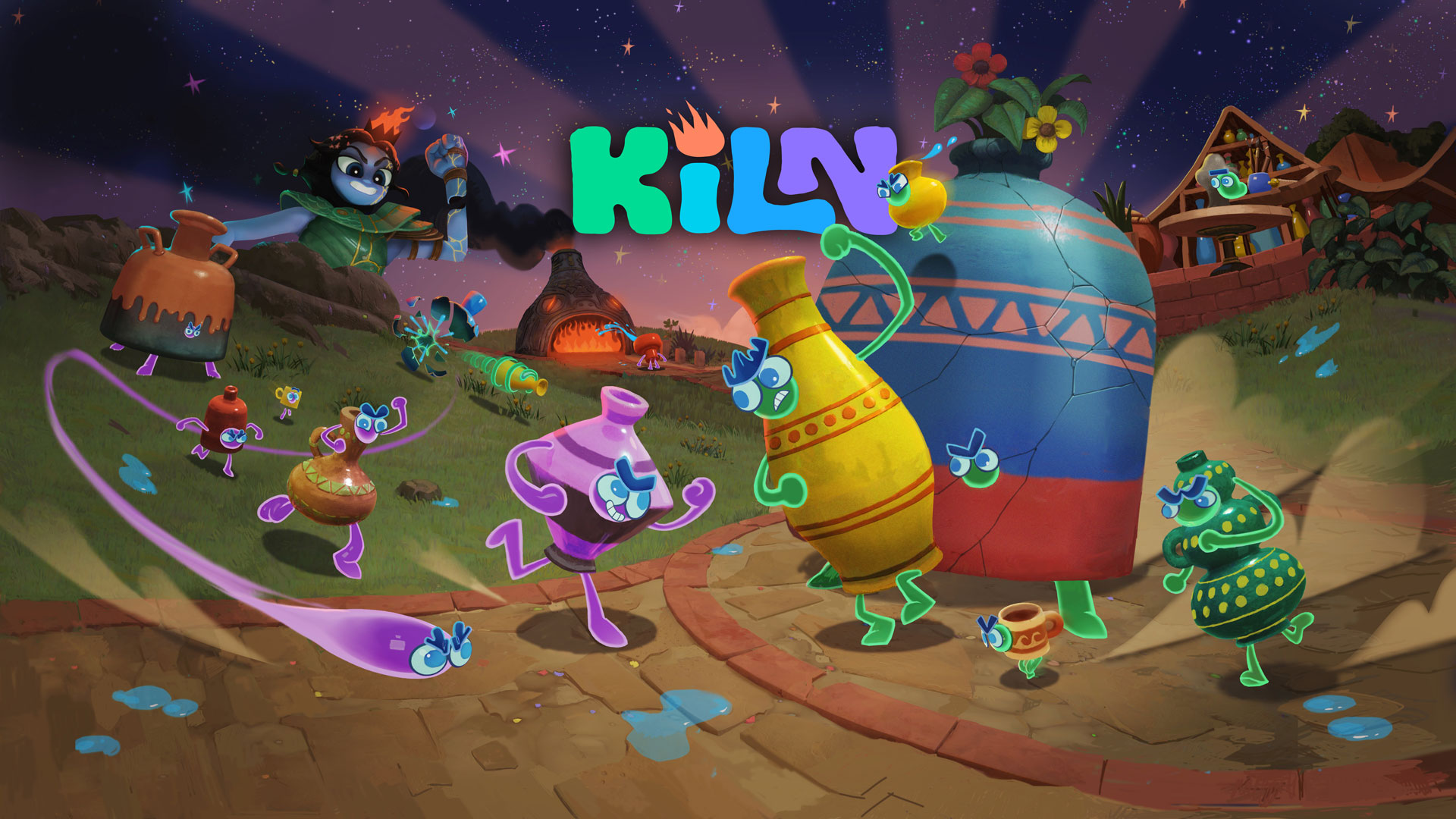
Learn how Double Fine’s newest creation came to life, from the inkling of an idea to a pottery party brawler.
Through iterations and experimentation – and real-life pottery classes – Double Fine has taken one of its most creative and technically ambitious leaps ever.
Kiln is launching Spring 2026, for Xbox Series X|S, Xbox on PC, Xbox Cloud Gaming, Xbox Play Anywhere, Handheld Optimized, PlayStation 5, Steam, and with Xbox Game Pass Ultimate. Sign up at DoubleFine.com for a chance to play in the closed beta taking place in March 2026.
I’ve always found the “ah ha!” moments of game development yield some of the most interesting stories, because that moment of inspiration can come in many forms — and when you least expect it. It could happen on a stroll in the park, in the middle of the grocery store, or in the case of Kiln, while looking at clay pots on the Internet.
“I had this idea of clay molding in the back of my head ever since I had come across some pictures of pots when I was online researching something else,” Project Lead Derek Brand tells me. “It immediately stood out to me that there’s a lot of variety in pots, and you could probably make that on a controller because it’s more of a 2D kind of representation. Then it all started snapping into place from there, and I had a pitch for the next Amnesia Fortnight. It kind of came together at the last minute.”
Amnesia Fortnights are semi-annual game jam events that Double Fine holds internally with members of its studio. Here they’re given a limited amount of time, a fortnight (two weeks), to turn the inkling of an idea into a playable game – this is when Derek pitched his idea to bring Kiln to life. “I played a lot of action games at the time, and I wanted to make my little clay characters fight someone else’s little clay characters. I was thinking that’d be fun — and so that was in the back of my mind — but didn’t know how to do that on a controller.”
One of the many fun details Derek revealed was that as development started to kick off in earnest, the team at Double Fine started to take pottery classes in real life, which contributed to understanding all the different elements involved in the making of pottery. That’s when the ideas really started to flow.
“There are a whole world of techniques and processes and so much raw material to pull into the game, that once we were like, ‘Okay, you can sculpt a character,’ there’s so much more you can do with clay. And all those ideas just piled on,” Brand explains. “We spent a long time talking about your basic shape, but now I want to dip it into glaze — to glaze a pot you take a pair of metal tongs and you dunk it into a bucket of glaze — and really trying to pull those pieces of real-life pot making into the game and introducing those ideas to players.”
From there, more ideas came about in terms of how a player could customize their pot beyond its basic shape. From sticking on handles, lids and spouts, and even getting a little sillier by adding stickers, there are countless different ways you can take a basic clay pot and really make it your own. “It all came down to research and ideas from people on the team and then having a pile of those ideas and whittling them all down to something that is coherent and well designed,” Brand says.
But how do you translate a difficult hobby like clay pot making into a competitive multiplayer game? Ensuring it’s as approachable as possible. “After the Amnesia Fortnight prototype, we got through that part and a lot of the initial ideas of, ‘I can make a character on the wheel like a pottery wheel’ — that initial thought was naive on my part. I had taken ceramics in college and learned a little bit about pot making, but it was more of a way to fit character creation onto a controller.”
By using a controller, you can move your little spirit hands up and down the shape of the clay as it rotates on a virtual turning wheel. In addition, you have access to several shaping tools that can bring another level of detail to the pot creation. As I touched on in my first look at the game, it didn’t take long for me to get the hang of it – it all felt very natural when given a few minutes of time with clay molding tools. I get the impression players will be able to engage with this creative aspect of Kiln just as easily.
When asking Derek if he had any tips for the budding clay pot maker in all of us, it was simple. “Don’t be scared. Don’t be precious with it,” he tells me. “Try a bunch of stuff and figure out what you like because there’s not a lot of limits put on you in terms of what you can shape and how many things you can try. So really experiment with the tools. If you like really straight lines, there’s tools for that. And if you like more curvy, wiggly things, just go with your gut or your heart.”
Another one of those iterative ideas to occur during this time was adjusting the player’s viewpoint. “We have this mantra on the team that the pots are the star of the game. When we started pulling the camera out, and the lens got longer, you could see all the weird creations that people were making together and see teams as units on the battlefield. And it just felt like a better choice for the way that we wanted to present these cool player creations.”
Having played a few rounds myself, I can see what Brand is talking about. Part of Kiln’s appeal, beyond being pick-up-and-play friendly, is seeing everyone’s creativity on full display – both on your team and on your opponents’. Also, seeing more of the pathways of the level layout above your character is vital to effectively navigating through both the battlefield and the fights that surround your pot.
If it wasn’t clear just by looking at the screenshots and gameplay, the pot making in Kiln is what really helps it stand out amongst other party brawlers – nowhere else can you have this level of deep character customization to bring into a multiplayer battler. The sheer variety of pots you’ll face off against in the game, when factoring in glazes, shapes, and stickers, is practically limitless. This helps give Kiln a singular, personal touch because these fighters really make you feel like you’re contributing to the game in real time. And that’s pretty special.
Having all these playable spirits create and discover clay bodies for each other is a key component to your time with Kiln. But don’t feel pressured to have to go to battle. As Derek tells me, if you want to really focus on the pot making, you can hang out in the lobby and just pull up a chair. “There’s no limit to how many times you can throw clay on the wheel, and you can just experiment and make all sorts of things and try out all sorts of combinations. We really want people to engage with the creation and destruction elements of the game. The theme of the game right now is you make and destroy, and it’s okay to get broken because you can just, you know, make a new thing.”
When you’re moving through The Wedge, the game’s social lobby, you’re also free to jump out of your pot and jump into someone else’s creation. And equally, someone could come along and take your shape as well and add it to their collection. “The name of the person who made it is always saved on that pot,” Brand explains. “So those pots can travel. They can go to different servers. There’s also a place in the lobby, these pedestals lined up around The Wedge, those are your favorite pots. And that will be displayed for everyone to try out and dive into. And if you see a pot that you really like, you can dive into it and save it to your collection.”
And this circles back to the mantra the team at Double Fine are bringing to Kiln in that the pots really are the star of the game – you will directly have a hand in shaping your journey within Kiln. “I’m excited for people to get excited for pottery,” Derek says when asked what he’s looking forward to now that Kiln has been revealed to be in development. “I think it’s an underrepresented art form. I just want to introduce more people to that craft. It’s super cool. It’s a super old, amazing art form. And there are very few games that leverage that cool activity.”
And with its day one arrival on Game Pass in Spring 2026, players who are curious about checking it out will have it right there at their fingertips. “My favorite part about Game Pass, I think it’s just the reach that you get. Anyone who’s just curious about this weird pottery game can load it up and try making a pot — then try smashing each other. I can’t wait for the game to be that accessible to such a wide variety of people. I’m really looking forward to it.”
Kiln is launching Spring 2026, for Xbox Series X|S, Xbox on PC, Xbox Cloud Gaming, Xbox Play Anywhere, Handheld Optimized, PlayStation 5, Steam, and with Xbox Game Pass Ultimate. Sign up at DoubleFine.com for a chance to play in the closed beta taking place in March 2026.
Kiln is a pottery power-fantasy that celebrates both Creativity and Destruction: the pleasure that comes from both making beautiful things, and then smashing those things to smithereens. Create your pot, grab your friends, and join a team of colorful spirits who face off against one another in online arenas, where the ceramic creations you sculpt on a pottery wheel become the bodies you bring into battle.
The shape of your pots affect your attributes and your play-style. Will you be big, or small? Wide, or tall? Will you make a plate, a jug, a cup or a bowl?
There are a multitude of different sizes and combinations to discover, each with unique abilities and attacks, along with new and surprising ways to play. Work together to find the best combination of pots and play-styles to break through enemy lines, and collect enough water to douse the flames of the enemy’s kiln — Does your team have what it takes to shape and smash your way to victory? As the battlefield becomes strewn with the shattered fragments of friend and foes alike, your brawling skills and some great teamwork will be required to assure victory.
After the battle is won, head to The Wedge to practice your pottery prowess, decorate your pots to make them yours, then share your creations with others (and admire their handiwork, too).
Create and Destroy Together – Making pots and breaking pots are both better with friends. Hang out, experiment with clay and share what you make, or jump right into multiplayer battles and start swinging!
Become a Master Potter– Manipulate realistic clay to craft and decorate in an immersive pottery wheel experience featuring a variety of tools and techniques.
I would suggest that this video is vital to anyone that has heir basic shooting and editing tools under control.
You will find lots of advice on the internet about how to cut and all the different types of cuts you can use.
However most of them fall short when it comes down to the finer details of why you make a cut, when to make the cut and how you should be making those cuts.
The bottom line is that every cut decision you make will either hold your audience or cause them to momentarily drift off.
If you do the latter too many times, they leave for good and that’s not a good thing!
How I Made My Videos Look Like Movies Part 1
The following two videos from the folks at Filmora are on a subject that is one of my pet peeves when it comes to video tutorials.
The term “Cinematic” gets bandied about as if one trick, effect or whatever is going to achieve that look when it fact any pro editor or director never thinks to themselves, “Ooh! I want to make this look cinematic!”
The reality of what is being referred to here is a number of decisions and choices that ultimately lead to what we may call, Cinematic.
There are two parts to the series and it is all well worth watching.
Make Any Video Instantly Cinematic Part 2
3 Ways to Cut Video Footage – PowerDirector
Although this is a quite straightforward explanation of some of the ways you can cut your footage in PowerDirector, there is an underlying lesson to be learned.
What you should become aware of as you edit more and more is there will be a certain type of cutting that you tend to apply way more than any other.
This often comes down to personal style, your particular workflow or even the type of project you tend to work on the most.
Regardless of how it becomes your “go to” method of cutting you should, once noted, look at the action and work out if there is a keyboard shortcut you can use to carry out that function.
You will be shocked at the amount of time you can save by doing that.
How to Shape the Mood of Your Project with LUTs – PowerDirector
A feature that is pretty much common to all decent video editing software programs these days is the ability to apply LUTs.
However if you are relatively new to video editing then when the marketing people tell you that you can use LUTs it is basically a meaningless statement!
In the video below you can get a simple explanation of what a LUT actually is and how you can use them in your own projects.
Tips on Working with Texture Effects – PowerDirector
This is another great example of thinking outside the box when it comes to apply effects and using tools in your software.
This one is in PowerDirector using the texture effects to apply a “look” to existing footage.
That’s fine in itself but check out how at the end he shows how to use the opacity keyframing to transition the effect given the fact that transitions do not actually work with these effects.
How to Make a Time Lapse from Video or Photos
It used to be that creating a Time Lapse video was a pretty complex and somewhat clunky process.
The limitations of the software back in the day meant that you really had to have your ducks in a row before starting and even then crashes were almost inevitable!
These days most editing software can handle the process with relative ease.
Here’s a run through of creating a time lapse with both video and still images in the Movavi Video Editor.
How to Create Subtitles Automatically – Movavi
One stat that I can never really wrap my head around is that most people watching videos on YouTube and similar platforms are doing so without audio!
I really have no idea what those people are thinking but then again, maybe I am just showing my age.
Anyway regardless of why that is happening it brings sharply into focus the absolute need for adding subtitles to your videos to retain engagement.
Most editing software these days has introduced A.I. based transcription tools which allow you to then automatically add subtitles.
Here’s a demo of how it is done in the Movavi Video Editor.
The Actual Tools We Use to Run a 1.8M Subscriber Channel
I think most people that start a YouTube channel have dreams (delusions?) of growing that channel into a massive cash cow affording them the “creator lifestyle!”
The reality of actually doing that is usually hidden by a gazillion “How to” video offering one trick solutions to one particular aspect of the process… and usually a $30 course!
Of course none of them actually cover the full scope of what it takes to ramp up to that sixe.
Here’s a video from the guys at Primal Video who have 1.8 million subscribers showing exactly what it takes to manage and run a channel of that size.
You Need An Editing SYSTEM
Like most activities we all engage in there is an expectation with video editing that as you progress, learn and become familiar with the basic actions, things should get simpler.
However it is often the case that in fact as you progress, things get longer and way more tedious!
That is largely due to the fact that as you do learn, you begin to add more and more tools to your arsenal and more complexity to your projects.
As a result editing doesn’t get faster, it gets slower and more time consuming!
The missing ingredient here in almost every case is the lack of a system or set pattern by which you approach and deal with your projects.
Here’s some sage advice from Casey on the subject and he makes a great case for working out a system and sticking to it.
DaVinci Resolve 20 Quick Tip: Instant Motion with Dynamic Zoom
In most editing software the way you either zoom in or zoom out on a clip is by using keyframes.
You set a keyframe at a particular zoom level or none at some point then move to the next point, adjust the zoom and set another keyframe.
However in Resolve there is actually a tool that will actually automatically do that for you.
Here’s how.
Noise Reduction in DaVinci Resolve: Clean Up Audio the Right Way
This is a bit of a deep dive session done by Daniel focussed specifically on the subject of noise reduction in Da Vinci Resolve.
In the Fairlight page of Resolve you have access to some pretty sophisticated tools for this purpose.
However as is the case with everything in Resolve, you have to know what you are doing to take advantage of those tools.
Discover more from The DIY Video Editor
Subscribe to get the latest posts sent to your email.
In Android 17 Beta 2, users can now turn any application into a floating bubble by long-pressing on the app icon in the launcher.
Cross-device app Handoff lets you continue tasks seamlessly across Android devices.
A system-level contact picker now limits apps to temporary read-only contact access.
Android 17 beta 2 expands SMS OTP protection and strengthens local network privacy.
Google faced a few issues with the rollout of the first Android 17 beta, but the company is not waiting long for the next release. Google has already started rolling out Android 17 beta 2 for developers.
While it may seem like not much time has passed, Android 17 beta 2 is shaping up to be a fairly significant update with several new features and plenty of bug fixes, including a bug that caused spontaneous reboots and interface freezes.
Android 17 beta 2 comes with build number CP21.260206.011 and is roughly 510MB in size. Google has addressed multiple bugs in this release, but it has also quietly introduced several new features under the hood.
One of the new additions is the Bubbles feature. Google describes Bubbles as a windowing mode feature, similar to how conversations already appear in bubbles on Android.
With Android 17 beta 2, users can now create app bubbles by long-pressing an app icon in the launcher. On large screens, there is also a dedicated bubble bar in the taskbar where users can organize, move, and manage bubbles more easily.
Android 17 beta 2 brings real multitasking
(Image credit: Google)
There is also a new system-level contact picker. Instead of apps requiring full access to your contacts, Android can now grant temporary read-only access to specific contact fields requested by the user.
Alongside this, Google is introducing a new Cross-device app handoff feature. The handoff feature allows you to start an activity on one device and continue it seamlessly on another. For example, you could start writing a note on an app your Android phone and continue exactly where you left off on your Android tablet.
Get the latest news from Android Central, your trusted companion in the world of Android
Apple has offered something similar through Continuity, and now Google is bringing its own version to Android.
When active, Android displays a handoff suggestion in the launcher on nearby devices. Google says the feature is designed to enable seamless task continuity across the Android ecosystem.
(Image credit: Derrek Lee / Android Central)
According to the company, Handoff supports both native app-to-app transitions and app-to-web fallback, meaning the experience works even if the native app is not installed on the receiving device.
Additionally, Android 17 beta 2 also introduces a new EyeDropper API that allows developers to request a color from any pixel on the display without requiring sensitive screen capture permissions. There are also several privacy improvements, including expanded SMS OTP protection and new safeguards against unauthorized local network access.
If you want to try Android 17 beta 2, make sure your Pixel device is enrolled in the Android Beta Program. OTA update has already started rolling out, but if the update has not appeared yet, you can sideload it or flash the factory image manually. Otherwise, you can wait for the stable release of Android 17, which is expected in mid-2026.
Apple could announce the launch of a new “cheap” MacBook on March 4.
It will likely come with the A18 chip found in the iPhone 16 Pro.
Prices will start around $599.
Rumors of a new “cheap” MacBook have been circulating for years, but it looks like the laptop could finally launch in the next few weeks. On March 4, Apple is set to make a series of product announcements at a “special experience” here in New York, where I’m betting we’ll hear more.
Apple’s new affordable 13-inch MacBook is rumored to feature a low-power A18 processor — the same chip found in the iPhone 16 Pro — rather than the typical M-series processors used in MacBooks. This would allow it to keep costs low, particularly if paired with more modest hardware such as a less flashy display and a smaller form factor.
The A18 chip is a powerful piece of hardware, and although it doesn’t quite match the performance of the M-series processors found in the MacBook Air and Pro, it’s more than capable of handling everyday use cases for which affordable laptops are designed.
Kerry Wan/ZDNET
So, how affordable are we talking? Mark Gurman, Apple insider and author of Bloomberg’s Power On newsletter, is confident the device will be “well under $1,000,” which makes sense given the build components. But the new model’s price would still need to be lower than a MacBook Air, which can go as low as $749 during sales at third-party retailers like Amazon.
I would estimate a starting price of around $599, noting that anything higher than that wouldn’t be impactful enough to differentiate it, given the number of products in the expansive MacBook catalog (and the massive discounts available on renewed products). However, $500 or less would make for a product that would compete directly with budget PCs and Chromebooks.
Apple’s entrance into the budget laptop market would be a big shift for the company, which has firmly occupied the premium tier for decades, but the product itself isn’t exactly uncharted territory. Apple released a razor-thin 12-inch laptop simply called MacBook back in 2015 when it was still using Intel chips. The model didn’t stick around, though — perhaps both a little too ahead of its time and not particularly well executed.
It was locked at 8GB of RAM, not exactly cheap at over $1,000, had the infamously-loathed butterfly switch keyboard, and just one single USB-C port. Still, all of this is a learning opportunity for how to do it right the next time. If I had to guess, I’d say Apple will call this upcoming device “MacBook” as well, positioning it as an addition to the already-successful brand line.
Read the room
Jason Hiner/ZDNET
It’s no secret that, in this economy, consumers are spending less, upgrading more slowly, and being far more budget-conscious. All this, combined with the upgrade fatigue of yet another new laptop or iPhone coming along to make their current gear obsolete, makes expanding to this area of the market not only strategic but necessary.
But would mass-producing a $500 laptop series dilute the brand’s premium image? Maybe, but Apple doesn’t really have anything to lose. The MacBook Air and Pro will continue to receive incremental upgrades this year with the M5 chip, and the launch of a cheap laptop will both offset the lack of major developments on its core lineup, but also give Apple access to market share in the one area it has historically lacked it: the budget sector.
So who’s the intended demographic for this device? Students, obviously, but also budget-conscious users, kids and teens, or anyone looking for a portable travel device. The A18’s performance will make it well-suited to general web browsing, everyday productivity tasks, and of course, integrations with the iPhone, including FaceTime, Messages, and (hopefully) the Phone app.
There would be limitations, though. The A18 chip doesn’t support Thunderbolt technology, so the device’s ports would be regular USB-C connections. In addition, the display is unlikely to be as polished as a MacBook Pro’s Liquid Retina XDR. It’s unclear what kind of camera it would have (or if at all), but it’s also likely to be lower-end.
But none of these things are deal breakers. Not every consumer needs to connect to three displays at 8K; they need an affordable, battery-efficient device that handles web browsing and integrates with the phone they already have out of the box. That could be exactly what this device is designed for.
Convolutional Neural Networks might sound like heavy academic jargon, but if you’ve unlocked your iPhone with FaceID today or relied on a lane-assist feature in your car, you have already benefited from them. In the world of machine learning, this specific architecture has become the gold standard for processing visual data. It isn’t just about teaching computers to ‘see’, it’s about teaching them to interpret context, recognize anomalies, and make decisions faster than a human operator could.
For business leaders and tech strategists, understanding the mechanics behind these networks is no longer optional. It is the key to unlocking automation in quality control, security, and customer analytics.
How Convolutional Neural Networks Actually ‘See’
To understand why these networks are so effective, you have to look at how they differ from traditional neural networks. Standard networks treat input data as a flat list of numbers. That works fine for spreadsheets, but it fails miserably with images where the relationship between neighboring pixels matters.
Convolutional Neural Networks respect the spatial structure of an image. They analyze data through a hierarchy, similar to how the human visual cortex operates.
Here is the simplified breakdown of the architecture:
Convolutional Layers (The Feature Detectors): Think of this as a flashlight scanning a dark room. The network moves a ‘filter’ across the image to identify basic shapes, lines, curves, and edges. In later layers, these simple shapes are combined to recognize complex objects like eyes, wheels, or leaves.
Pooling Layers (The Summarizers): Analyzing every single pixel is computationally expensive and unnecessary. Pooling layers downsample the image, retaining the most critical information while discarding the noise. This keeps the model lean and fast.
Fully Connected Layers (The Decision Makers): Once the features are extracted and summarized, the final layers act as the judge. They look at the evidence (the features) and classify the image (e.g., ‘This is a defective product’ vs. ‘This is a pristine product’).
Real-World Business Applications
The theory is fascinating, but the ROI lies in the application. We are seeing these networks move out of R&D labs and into critical business operations.
1. Automated Quality Control
In manufacturing, human visual inspection is prone to fatigue. A CNN never gets tired. By training a model on images of perfect products versus defective ones, manufacturers can automate the detection of microscopic cracks, paint flaws, or assembly errors on the production line in real-time.
2. Retail and Visual Search
E-commerce giants are using these networks to power visual search engines. A customer can snap a photo of a pair of shoes they see on the street, and the algorithm identifies the make and model, serving up a purchase link instantly. It bridges the gap between offline inspiration and online conversion.
3. Healthcare Diagnostics
Radiology is being revolutionized by AI. Models are currently being used to analyze X-rays and MRIs, flagging potential tumors or fractures with accuracy rates that rival and sometimes surpass human specialists. This doesn’t replace doctors; it gives them a powerful second opinion.
Architecting Convolutional Neural Networks for Scale
If you are planning to implement this technology, you don’t need to start from zero. One of the biggest mistakes companies make is trying to build a proprietary architecture from scratch.
The Power of Transfer Learning
Instead of training a network on millions of images to learn what a ‘line’ or ‘curve’ looks like, smart teams use Transfer Learning. You take a pre-trained model (like ResNet or VGG) that has already learned the basics from a massive public dataset (like ImageNet). You then ‘fine-tune’ it on your specific business data. This saves massive amounts of computing power and allows you to get high accuracy with a much smaller dataset.
Dealing with Computational Cost
These models are heavy. They require significant GPU power to train. Cloud-based solutions are usually the most cost-effective route for training, but for deployment (inference), many companies are moving toward ‘Edge AI’ running lighter versions of these models directly on cameras or mobile devices to reduce server costs and latency.
Best Practices for Implementation
Success with Convolutional Neural Networks isn’t just about the code; it’s about the data strategy.
Clean Your Data: A model is only as good as its training set. If your labeled images are inconsistent, your results will be erratic. Invest time in data cleaning before you write a single line of code.
Define Success Metrics: Are you optimizing for speed or accuracy? In a self-driving car, accuracy is paramount. In a fun social media filter, speed matters more. Know your trade-offs.
Watch for Bias: If you train a facial recognition system only on one demographic, it will fail in the real world. Ensure your datasets are diverse and representative of your actual user base.
The Future is Visual
We are moving toward a future where ‘visual’ is a primary data input for business intelligence. From analyzing foot traffic in retail stores to monitoring crop health via satellite imagery, the ability to process pixel data automatically is a massive competitive advantage.
By integrating Convolutional Neural Networks into your tech stack, you aren’t just adopting a trend. You are building a visual cortex for your business. Start small, leverage pre-trained models, and focus on solving specific, high-value problems.
MicroStation, the behemoth CAD program of Bentley Systems, dominates the fields of civil engineering, infrastructure planning, and drafting. Its accuracy, versatility, and industry-leading capabilities have established it as the first choice of engineering companies that desire the best in 2D drafting and 3D modeling. Extricating oneself in the sea of MicroStation-specialized companies is somewhat analogous to extricating oneself in a forest—the world is full of miracles, but which path brings one directly to the top destination?
This guide ventures into the crème de la crème: 51 US firms that offer expertise in MicroStation, and a couple of standout top performers from other high-cost economies like the UK, Australia, and Canada. Whether you need drafting, designing, or civil engineering consulting, this directory is your go-to guide for sound expertise.
MicroStation drafting specialists: Where accuracy meets creativity
MicroStation drafting is not merely lines on paper—it’s creating the skeleton of any civil or architectural project with ruthless precision and artistic flair. Companies in this category are excellent at providing world-class CAD drafting services, where every technical detail lives up to project standards.
Cad Crowd
Cad Crowd stands out from typical firms by having a call-up team of world-class freelance CAD designers, who are the majority MicroStation specialists. Need a bridge design? Highway design? A sophisticated site grading plan? Cad Crowd welcomes you to screen-approved professionals who’ve worked from city infrastructure to large industrial ventures, while providing customers with flexible options for hiring and budget flexibility. No matter if you’re a huge engineering company with spare drafting or a small builder who requires civil plans under a tight deadline, Cad Crowd’s website places you directly in contact with MicroStation professionals based in the US, Canada, and other high-end economies. No intermediaries, just talent and delivery.
AECOM is one of the giants of infrastructure and engineering, and it brings some serious muscle to the CAD drafting arena. With a team of powerhouse professionals skilled in MicroStation, the company encompasses all aspects of urban design, transportation systems, and utility infrastructure. A first-stop destination for large-scale project drafting services with precision-cut accuracy, AECOM’s draftsmen are a first-stop destination for sophisticated civil engineering requirements. Ranging from roadway planning to contouring entire cities, all the technical nuances are plotted to precision with their MicroStation know-how. No surprise that AECOM is a household name when precision, size, and smart engineering need to come together in one smooth blueprint.
Michael Baker International is a transportation infrastructure and engineering giant whose credibility rests on meticulous MicroStation drafting experts beyond expectations. What makes them strong is that they can reconcile technical finesse with pragmatic, outside-the-box thinking. From highways to bridges to highly complicated infrastructure projects, their designs are consciously created and developed to suit the specific requirements of each project. Clients value their dedication to attention to detail, intelligent design solutions, and an innovation-oriented mindset that delivers value in the long term. For CAD and civil engineering, Michael Baker International is a company known to many to count on.
SnapEDA is more than a downloadable library source for components—there’s serious know-how behind it. Several of its most prolific contributors are veteran Altium users who freelance as consultants and apply their experience with board design and pin library customization. Because they actually professionally design and build PCBs, the information isn’t merely comprehensive—it’s written by individuals who do so for a living. Whether knee-deep in a schematic or addressing schematic problems, SnapEDA never comes across as a library hub—it’s a peaceful partnership with a few of the industry’s top brains, all collaborating to make your design journey smarter and quicker.
WSP USA stands out with its accuracy, MicroStation CAD drafting services used to support transportation systems, eco-friendly projects, and urban infrastructure planning. Whether designing highways, transit, or sustainable city spaces, WSP’s experts bring a watchful eye to every detail. Clients appreciate how the company blends technical capabilities with an open, responsive approach, always tailored to meet distinct project goals. This commitment has made WSP a go-to collaborator across industries that need innovation and reliability. From concept to delivery, their CAD specialists spearhead the development of wiser, greener communities nationwide.
Stantec excels at MicroStation drafting by integrating razor-sharp technical acumen with bold innovation thinking. Globally recognized as creative thinkers, they design it all, from complex site development plans to revolutionary sustainable infrastructure projects. The company doesn’t just follow the drawings—they make it happen, crafting designs that are smart and sustainable. From massive-scale civil engineering design services to draftsmanship detail with accuracy, Stantec brings a clear, precise, and unique design touch to the table. Their MicroStation solutions demonstrate close familiarity with the software as well as the big picture involved with contemporary infrastructure design.
Parsons Corporation brings MicroStation drafting to life on some of the world’s most challenging defense, transportation, and infrastructure projects. Their professionals don’t make drawings—they develop solutions in record time without sacrificing accuracy. From a pivotal military complex to an at-risk transit system, Parsons’ professionals interpret intricate design challenges into precise CAD models with meticulous attention to both precision and speed. For its withstanding the pressure, they always deliver tight schedules with elegance. This combination of technical competency and dependability makes Parsons the go-to organization for high-impact MicroStation drafting and design initiatives.
Michael Baker Jr. has made a name for itself in the civil engineering industry by focusing on infrastructure projects that literally shape communities. With emphasis placed heavily on accurate MicroStation drafting, the company is a master at accuracy and compliance with municipal specifications. From stormwater collection systems to sophisticated wastewater solutions, they are masters of the back-end work that keeps cities going on a day-to-day basis. They might not be glamorous undertakings, but they are absolutely vital. As a spin-off deeply rooted in civil design, Michael Baker Jr. combines technical excellence with purpose, so each line the designers draw is more about the greater good.
HDR, Inc.
HDR, Inc. is notable for the seamless incorporation of MicroStation into CAD drafting with best-in-class accuracy in construction documentation and design plans. Its area of expertise is breaking new ground on infrastructure projects, particularly in energy and transportation. From developing efficient transit infrastructure to facilitating energy facility planning, HDR CAD professionals translate complex engineering ideas into concise, constructible designs. They excel at translating visionary visions into usable designs with precision and reliability. With MicroStation as their go-to platform, HDR finds all jobs—large or small—on technical competence and intelligent drafting, with a solid foundation.
CHA Consulting is a heavyweight in the MicroStation CAD drafting business, particularly in transportation, environmental, and civil engineering. Not only are they technically correct, but they’re also based on a foundational knowledge of what compliance really is. From highways to site plans to environmental reports, their staff ensures everything is deliverable, from top to bottom, down to the details. Their clients know they can count on them because they never compromise on quality, and their CAD outputs carry an awareness of detail and standards. If you require reliably solid drafting with engineering brawn, CHA Consulting is a reliable go-to source.
Dewberry is a long-standing engineering and consulting company of high standing in its amazing infrastructure design services—and yes, they’re fairly proficient with MicroStation. Highway and rail corridor through multi-dimensional land development projects—Dewberry’s drafting department produces construction-ready documents to stringent industry standards. Their CAD experts have a reputation for clean, compliant, and very detailed MicroStation drawings that simplify the lives of contractors and municipalities. Where they excel is in their responsiveness and willingness to work together, particularly with government projects like DOTs and federal clients.
Civil engineering goliaths using MicroStation: Building America’s backstop
Technical know-how and computer skills are the domain of civil engineering. Such companies are the leaders, utilizing MicroStation as a fundamental instrument in design, analysis, and construction documentation.
Tetra Tech
Tetra Tech is a master at working miracles with MicroStation. Their engineers do not draw—instead, they work in elegance, reclaiming wetlands or collaborating with large water systems. Civil engineering with Tetra Tech, together with CAD drafting services, involves designing highways, levees, and pipelines into existence. It is more than lines on a screen; it’s an intelligent, sustainable infrastructure realized. From environmental issues to enhancing infrastructure, their professionals blend technical know-how with painstaking attention to detail. When the time comes to meet tough engineering challenges, Tetra Tech doesn’t merely keep pace–they set the pace through innovation, precision, and passion for problem-solving.
Burns & McDonnell is a giant in end-to-end civil engineering, where precision operates hand in hand to support innovation. Their engineers don’t merely design buildings–they make them a reality through meticulous planning, flawless execution, and technical depth. The wild card in their arsenal? MicroStation. Such a powerful program helps them solve intricate structural and site development issues with precision and beauty. From giant infrastructures to complex site designs, they fine-tune each detail using MicroStation. Burns & McDonnell stand out because they blend groundbreaking solutions with reliable engineering approaches to provide projects that are visionary yet structurally stable.
HNTB Corporation has been pioneering infrastructure development for nearly four decades, most famously in highway, bridge, and other transport network design. The one thing that distinguishes their Civil Engineering division is their extensive background of applying MicroStation—an award-winning CAD software—to produce extremely accurate and constructible drawings. Whether revolutionizing the movement of cities or restoring deteriorating infrastructure, HNTB provides solutions that are innovative yet reasonable. Their commitment to technical accuracy ensures projects are not just visionary but construction-ready in the physical world as well. To both private owners and public agencies, HNTB continues to be a reputable name for civil engineering superiority.
RS&H takes civil engineering to the next level with the seamless integration of MicroStation in its projects, especially airports and complex transportation infrastructure. Their design professionals utilize the platform not only for documentation but to design gorgeous, detailed models that enable smarter, more efficient project delivery. Whether setting out runways, terminals, or highways, RS&H insists on precision-driven detail on each point. Quality and innovation-focused attention reduces timelines and protects budgets with fewer costly mistakes. MicroStation is more than just another RS&H tool—it’s a part of how they build grander visions of infrastructure into reality, from blueprints to thriving hotbeds of activity.
TranSystems is the giant of the transportation engineering field, and its best-kept secret is MicroStation. Whether they’re creating precise roadway upgrades or orchestrating complex transit infrastructure, they use this CAD program to infuse total precision into everything they do. Their engineers don’t simply design routes—they maximize the manner in which human beings and commodities travel through states and cities. From highways to rail networks, TranSystems brings vision to life through real-world performance by unleashing the power of MicroStation’s deep tools by CAD design experts. The outcome? Infrastructure that is not only efficient, but visionary too. What they are able to accomplish demonstrates that transportation planning can be innovative and highly detail-oriented.
US business for Mott MacDonald is unique through the fusion of global expertise and profound local understanding. Renowned for tackling high-impact civil engineering issues, the company trusts MicroStation to impose structure and accuracy onto projects that are defining contemporary life, particularly transport infrastructure and city planning. Ranging from complex rail networks to innovative highway systems, their activities are driven by an enthusiasm for sustainable and resilient design. What differentiates them is their capacity to take a global vision and replicate it as region-by-region success stories, harnessing the latest CAD software to master complexity and provide real-world results to America’s constantly changing cities and transportation infrastructure.
Golder Associates excels by combining geotechnical engineering knowledge with careful MicroStation draftsmanship. It’s more than just drawing lines—it’s purposeful design. Their company focuses on tough projects where geology, rock, and stability meet the requirements of working infrastructure in the real world. Each design that they produce is a reflection of their respect for nature and structural integrity. From tunneling through tailings dams, Golder has an environmentally responsible perspective on each technical choice. The result? Designs that work on paper, and in nature, too. For those clients concerned about long-term survivability and sustainability, Golder provides a sound, technically sophisticated answer based on practical expertise. ????
Louis Berger has been a top name for decades in global infrastructure and transportation planning. Famed for executing gigantic civil engineering projects, the company doesn’t merely draw up concepts—it constructs visions based on accuracy. Their engineers use MicroStation to create extremely detailed plans that not only lend dignity to massive constructions but also maintain the safest and most environmentally friendly standards. From highways, bridges, to mass transportation systems, Louis Berger combines creativity with responsibility. Their use of cutting-edge CAD tools make sure that every project is resilient and sustainable enough to stand the test of time and benefit communities for generations.
Woolpert is where spatial smarts meet engineering accuracy. This pioneer combines the best GIS know-how with an unshakable civil engineering foundation to provide more intelligent infrastructure solutions. With MicroStation, their engineering design services map out everything from complex site plans to precise utility design and optimal road structures. The end result? Highly effective projects that interface perfectly with the local landscape. Whether they’re designing a city block or charting the future of transportation, Woolpert is precision, simplicity, and sustainable design from start to finish. They’re not building infrastructure—they’re building smarter, more connected communities with each stroke.
As far as civil engineering goes, Langan Engineering’s mastery of MicroStation is relentless. This technology advantage drives everything from land development and environmental services to intricate infrastructure improvements.
Their staff uses the software as a tool, but also as part of their process, guaranteeing accuracy, efficiency, and wiser project implementation. Creating environmentally friendly developments or coordinating precise site plans, Langan’s MicroStation expertise brings sophistication and precision to each drawing. It is the intersection of technical expertise and practical application that makes Langan a go-to company in civil engineering.
Small boutique firms are sometimes in a better position to provide more individualized service and specialty capabilities. Boutique firms are particularly well-positioned for using MicroStation on specialized projects needing creativity and attention to detail.
MNS Engineers
MNS Engineers leads the land surveying and civil engineering professions with precision and dependability on which local governments and private developers can rely.
They are differentiated through their professional application of MicroStation-driven drafting services, so every design is crisp, precise, and customized to actual conditions.
From planning infrastructure upgrades to site preparation for new ventures, MNS employs technical savvy and hands-on experience on each project.
Their team doesn’t simply produce plans—they produce assurance. Through an unwavering dedication to quality and creativity, MNS Engineers continues to define communities with intelligent, well-planned solutions.
GHD Group, the civil engineering giant, marries Australian roots with an intense presence in the United States. Renowned for solving complex infrastructure problems, the firm’s civil engineering experts use MicroStation on an array of projects ranging from water resource management and transportation systems to advanced environmental planning. Their staff utilizes the application to bring precision, efficiency, and imagination into every phase of development.
From smarter highway design to managing sustainable water networks, GHD continually demonstrates the strength of digital software such as MicroStation in enhancing engineering results.
Their international experience and in-the-field know-how make them one of the leading industry players in civil engineering.
Australian powerhouse Cardno blends fastidious MicroStation drafting with cutting-edge environmental engineering experts to create smarter, more eco-friendly infrastructure. Their citizens don’t simply create lines on a screen—Cardno’s citizens create sustainable solutions that meet the needs of real-world challenges. From creating sustainable transport systems to building resilient urban communities, Cardno has the art of finding the balance between technology and nature down to a science. Its focus on creative thinking makes it a partner of choice for infrastructure developments that require technical know-how and social responsibility. At Cardno, what they build is less important—it’s how carefully it’s planned.
S&ME, Inc. is a mid-sized company that brings actual brawn to the art of land planning and site development. Popular for its down-to-earth approach and extensive experience, the firm uses MicroStation to provide high-end civil and geotechnical engineering drafting services. Whether it’s planning the foundation for a large commercial development or meticulously mapping out every aspect of a sophisticated land project, S&ME balances technical accuracy with intelligent, forward-looking thinking. Solutions from S&ME are set apart as being both detail-rich and rooted in practical issue-solving, making them a quality choice for clients who demand quality, productivity, and design that performs stunningly from the first day.
Michael Baker International knows intricate infrastructure, but its Environmental Group is one worth getting up close and personal with. This team seamlessly combines environmental responsibility with civil engineering and uses MicroStation as one of their main design tools. Whether it’s wetland restoration, stormwater management design, or the preservation of ecological environments, their staff works on projects where precision and compliance with regulations are not an option. Their selling proposition is the way they incorporate design software harmoniously in sustainable planning and engineering, as well as environmental considerations in what they produce. It’s an intelligent, forward-thinking approach that shows that sustainability and infrastructure are not mutually exclusive forces, but a winning combination with the right level of expertise.
27. EXP US Services
EXP US Services adds some serious engineering heft to the municipal infrastructure mix. Their Civil Engineering group doesn’t merely conceptualize—instead, they develop very detailed plans in MicroStation, a robust CAD program that’s more appropriate for large cities. Stormwater networks, highways—you name it, it’s all handled with precision. And all because of their expertise, cities run smoothly like clockwork, efficiently, and sustainably. MicroStation enables EXP to remain one step ahead of design issues, with precision and accuracy that the modern infrastructure requires. When city centers require intelligent, well-planned engineering solutions, EXP is the buzzword on everyone’s lips—for all the good reasons.
JMT (Johnson, Mirmiran & Thompson) is the leader in civil engineering with its complete line of services and master MicroStation drafting skills. From transportation systems and utility infrastructure to site-level design, this company and its civil engineering experts know how to bring innovation and accuracy to the table. Their drafters and engineers collaborate across disciplines, so they’re a go-to for complicated public and private projects. Where JMT really shines in the real world is how they can combine technical prowess with real-world, in-the-trenches solutions, providing outcomes that not only appear good on paper but function well in the trenches.
Ramboll is a Nordic giant of engineering, making waves in America for its civil engineering capabilities. With a focus as laser-sharp as transportation and urban infrastructure, the company combines Nordic attention to detail and local expertise. And how do they do it? Their adoption of MicroStation, a CAD giant capable of powering intricate design activity with breathtaking precision. From highways and bridges to smart city networks, Ramboll experts trust MicroStation to conceive, define, and execute enormous projects with technical panache. It’s not design—it’s creating the infrastructure of the future, and Ramboll is smack in the center of it all.
T.Y. Lin International is an engineering and bridge design innovator of transportation design that marries structural beauty with leading-edge technology. Its structural engineers use MicroStation to create intricate infrastructure projects–from a gleaming city overpass to an extensive transportation network. Not only is it accuracy that makes them stand out, but also the artistic sensibility that goes into each and every project. With the robust drafting capabilities of MicroStation, T.Y. Lin International designs cutting-edge, detail-oriented solutions that change the way we travel through cities and landscapes. Not surprisingly, they are the infrastructure’s go-to name, where each line drawn contributes to making the future of global connectivity a reality.
Below the purview of AECOM activities are specialist task units that pay attention to detail. These groups excel in the art of fine MicroStation drafting, addressing the complicated needs of waterworks and site remediation projects. From describing complicated piping systems or creating a contaminated site remediation model design, their expertise is far more than skin-deep. These subgroups do not simply write—they create clarity, accuracy, and long-term solutions, making sure each environmental and infrastructure issue is solved with technical brilliance. For very specialized design work, these specialist groups are the unsung heroes behind the scenes that turn blueprints into breakthrough results.
High-cost country leaders outside the US: Best of the best
Though this list is focused on the US, some of the elite UK, Australian, and Canadian companies have best-in-class MicroStation capabilities at top-of-market prices, with international experience on their agenda.
Arup Group (UK)
The UK-based Arup Group is no stranger to pushing the boundaries of what can be achieved in civil engineering. Described as visionary, dare-to-be-different infrastructure developers, Arup undertakes difficult overseas projects demanding accuracy, creativity, and perseverance. To bring these concepts into reality, their teams employ MicroStation—a highly capable design platform that is able to satisfy their sophisticated 3D modeling design services and drafting requirements. From a futuristic transport hub to an eco-friendly cityscape, Arup’s commitment to quality and innovation shines through in all the details. MicroStation is a major part of enabling them to design cities and systems that are not just efficient but future-proof too.
UK-headquartered Mott MacDonald is one of the world’s largest consultancy giants when it comes to using MicroStation drafting. Its team brings technical élan and precision to several of the world’s most advanced transport and city planning schemes. From roads and railways to redeveloping entire city quarters, Mott MacDonald’s UK office combines creative thinking with great engineering design experts. Not only are they employed by customers for their computer abilities, but also for their expertise and ability to deliver sustainable, visionary infrastructure. For whatever high-end drafting requirements are necessary, this firm continues to advance the quality, productivity, and visionary design frontier.
AECOM Australia is a very strong civil engineering name for intricate water management and transport mega-projects. Their ace? Profound MicroStation expertise, the CAD platform that blends precision and innovation. From planning flood management systems to transforming metropolitan transport systems, AECOM’s Australian consultants are skilled at marrying the latest technology with practical application. From detailed drawings to master infrastructure plans, they convert challenges into pragmatic, state-of-the-art solutions. It’s this intermarriage of technical competence and innovative design that places AECOM Australia on the engineering map.
GHD Australia is on its own merit for its precision and skill in MicroStation design, particularly in water infrastructure and environmental projects. The company doesn’t just meet design standards—they exceed and establish new standards. Their quality of work is the industry standard for its attention to detail and uncompromising dedication to sustainable outcomes. With highly sophisticated stormwater infrastructure to global-scale environmental planning, GHD establishes a combination of technical ability and creativity that few can equal. No wonder they are among the first names chosen for MicroStation drafting in Australia’s continuously changing infrastructure and environmental design scene.
WSP Canada brings some strong engineering when it comes to transportation and infrastructure projects that need to withstand the varied and sometimes severe conditions of Canada. With offices located throughout the nation, WSP’s staff are experts in MicroStation drafting and civil and structural engineering services tailored to meet the specific needs of northern climates, heavy terrain, and suburban growth. Their work keeps it all in motion, from highways and bridges to transit systems, pairing cutting-edge CAD technology with deep knowledge of conditions in the area. It’s not a matter of drawing lines—it’s a matter of constructing wiser, stronger, greener infrastructure throughout Canada.
Stantec Canada blends a local presence with a global vision, especially in infrastructure and municipal development. Their teams across the country rely on MicroStation to push accuracy through every stage of the design workflow, from large-scale transportation to complex urban planning solutions. It’s not just dotting lines on a screen—it’s creating resilient, smart communities that will last an eternity. By combining sophisticated CAD tools such as MicroStation with their full awareness of Canadian environments and requirements, Stantec designs to global standards but with the unique character of each location they are working in.
Canadian giant Hatch Ltd. has some heavy-hitter expertise to offer in the area of mining and infrastructure plans. Renowned for resolving some of the most difficult civil engineering challenges, the company employs MicroStation to produce precision engineering drawings with no room for mistakes. From building transportation networks, tunnels, or industrial mining centers, Hatch’s capacity to integrate innovation with precision makes it stand out. Its professionals employ MicroStation’s robust functionality to guarantee every endeavor meets meticulous technical standards, because in high-risk engineering, precision is non-negotiable. Hatch demonstrates that with the appropriate platform, even the most challenging tasks are manageable.
Ramboll UK is making waves in civil engineering, particularly when it comes to rethinking cities and reimaging transportation systems. Renowned for the creative application of MicroStation, the team explores the technical detail of infrastructure planning without forgetting bigger objectives. From regeneration strategies that infuse new life into exhausted areas to the intricate realm of transport networks, Ramboll engineers apply accuracy and imagination to every design. Their UK headquarters continues to lead the way in providing sustainable, future-proof infrastructure, demonstrating that design excellence not only facilitates progress but catalyzes it from the ground up.
AECOM UK provides the same heavyweight engineering and MicroStation design solutions as its US and Australian offices, but with a very British flavor. Expertise in large-scale infrastructure, its team undertakes and immerses itself in knotty city and transport challenges, and from redesigning railway systems to reconfiguring city landscapes. Their power lies in an unbroken blend of design accuracy and practical use within the real world, and they are a one-stop solution for anything from computer-aided sketching to complete civil engineering. From underground rail networks to massive motorway systems, AECOM UK brings each challenge innovation, expertise, and an unmistakable sense of vision to create smarter, more connected cities across the United Kingdom.
Parsons Australia combines innovative technology and extensive local expertise to provide superior results in the transportation and defense sectors. Motivated by MicroStation drafting at the core of their design function, their experts are engaged on some of Australia’s most challenging infrastructure and military projects. It’s not software—it’s accuracy, versatility, and good engineering, including by structural engineering experts, that adheres to rigorous national regulations. Whether they are developing high-security buildings or intricate transportation networks, Parsons’ business in Australia balances inspiration with hard-earned expertise to gain a reputation for innovative solutions born of real-world pragmatism. That is where intelligent design meets earnest mission objectives.
Specialized consulting in civil & infrastructure with MicroStation expertise
They are specialists in consultancy and provide top-level MicroStation services as part of comprehensive civil engineering and infrastructure management.
WSP USA – Transit and Rail Group
WSP USA’s Transit and Rail Group is a real giant in rail design. Their specialty team doesn’t play games with MicroStation—they’re experts. From cutting-edge rail corridor designs to accuracy-driven signaling reports, their team brings clarity and innovation to each project. With sound knowledge of transit infrastructure behind them, they make sure designs are not only practical but also future-proofed. Whether optimizing rail corridors or safety infrastructures, WSP USA is the gold standard, demonstrating that top transit design starts with the proper tools and expertise.
Michael Baker International – Water Resources Division
Michael Baker International’s Water Resources Division is where intelligent engineering meets flowing innovation. Specializing in water treatment systems and hydraulic design, they resolve intricate problems with precision and intent. How are they different? Their skilled application of MicroStation—impressive design software enabling them to create precise, high-quality design and construction records. From clean water solutions to flood management, this business is leading the way with infrastructure that matters. A combination of profound technical expertise and digital excellence, all harnessed to provide sustainable solutions protecting communities and keeping them functioning.
Hatch’s Infrastructure Consulting team understands that excellent design makes great cities. With a very strong emphasis on sustainability, their civil engineers employ MicroStation to design intricate energy and transportation projects. From highways to waterpower systems, Hatch strikes a balance between precision and purpose, building infrastructure that works for people and the planet. Their vision is not simply for constructing what gets the task done today—it’s for developing systems that will endure through the decades for generations. MicroStation enables them to envision and shape all the particulars, which makes Hatch the industry leader in wiser, more sustainable infrastructure consulting.
The RS&H Aviation Group is a top-tier division that performs airport civil engineering, and they’re not flying blind. With MicroStation as their initial go-to drafting tool, they meticulously plan and design from taxiways and runways to terminal site plans. With expertise, they contribute to the construction of airport infrastructure throughout the nation, with precision and innovative spirit at every step. From updating systems on the ground to creating from scratch, this team’s skill guarantees that each blueprint facilitates more efficient, secure flying, from initial draft to completed project.
Golder’s environmental engineering process is far from traditional. Incorporating MicroStation into their workflow, the team addresses complex geotechnical and environmental issues with dramatic flair by their geotechnical design experts. From cleanups to infrastructure construction, each project is supported by state-of-the-art design tools and a care for the earth. It’s not engineering—it’s designing sustainable solutions that will last. Through the all-encompassing power of MicroStation, Golder can make sense of the toughest projects, creating a cleaner, safer, more sustainable world through intelligent design and environmentally responsible innovation.
Tetra Tech’s Energy Division means business in making the future electrifying. Their experts are skilled in the application of MicroStation drafting software to design and maintain everything from sophisticated power infrastructure to innovative renewable energy projects. Designing solar farms, wind farms, or transmission lines, they deliver precision at every step. With an emphasis on innovation and sustainability, Tetra Tech turns great energy concepts into a tangible reality. It’s where exceptional engineering comes together with a smarter, cleaner approach for energy solutions.
CHA Consulting’s Transportation Division excels in the competent application of MicroStation to create safe, efficient highways and bridges. Their engineers apply precision and vision to each project with emphasis on constructability and safety from minute one. Redesigning highwayways or building intricate bridge systems is no challenge for CHA’s transportation engineers, who excel at making room for technical specifications while applying pragmatic solutions. Their MicroStation design efforts are not just a matter of placing lines on paper—it’s constructing infrastructure that endures, operates well, and safeguards. It’s this out-of-the-box thinking that continues to propel transportation design at CHA.
Burns & McDonnell’s environmental services team is saving the world—no, they’re making smart design choices with MicroStation. This robust software assists them in planning and documenting intricate water and wastewater treatment facilities with accuracy. From original design to final report, MicroStation documents each pipe, pump, and process line. It’s not a question of being productive—it’s a question of providing sustainable solutions on target. With technical superiority and environmental stewardship in mind, Burns & McDonnell demonstrates how innovation and infrastructure can be compatible.
Langan Environmental & Civil Engineering is renowned for solving some of the most difficult land development problems. With a highly skilled team that relies on the integrity of MicroStation, they create designs that aren’t merely technically correct—they’re designed to be environmentally tough. From brownfields and wetlands to dense urban areas, Langan marries civil engineering capability with environmental awareness. It’s this combination of technical expertise and regulatory expertise that makes them a player with respect to high-stakes projects. When projects become complex, Langan is able to draw the right lines—literally and metaphorically.
Parsons Transportation Group is a giant in the highway, bridge, and transit system sector. Famous for being brave enough to work on some of the most intricate infrastructure projects in the world, Parsons doesn’t shy away from bringing concepts to life—rather, it uses high-end software such as MicroStation to actually bring these concepts to life. Its design and build packages aren’t rudimentary, merging precision and creativity into every element. A high-speed rail corridor or a mass interstate realignment, Parsons delivers with computer smarts and a focus on defining the future of mobility through intelligent, high-performance transportation networks.
Why MicroStation? A quick word on its enduring power
MicroStation succeeds because it boasts a stable, generic platform that can handle massive civil and infrastructure projects with accuracy. Its natively supported 3D modeling services and straightforward integration with Bentley’s set of software tools make it more capable of addressing intricate engineering processes.
Wrapping Up
Choosing the right MicroStation design company for your CAD drawing or civil engineering needs is a matter of comprehending your project’s nature, the level of experience required, and partnership style. The 51 companies profiled below are among the best professionals available in the US and choose high-priced countries around the globe, each possessing a unique set of experience, innovation, and zeal for their work. Cad Crowd is the number one platform to find civil engineering experts for your important projects.
Whether it’s a mammoth transport infrastructure project or a specialized site development for which precise drafting is essential, these companies are ready to turn your engineering visions into reality with the precision and vigor of MicroStation. Request a quote today.
MacKenzie Brown is the founder and CEO of Cad Crowd. With over 18 years of experience in launching and scaling platforms specializing in CAD services, product design, manufacturing, hardware, and software development, MacKenzie is a recognized authority in the engineering industry. Under his leadership, Cad Crowd serves esteemed clients like NASA, JPL, the U.S. Navy, and Fortune 500 companies, empowering innovators with access to high-quality design and engineering talent.
Fleet vehicles are becoming more than transport; they’re turning into mobile command hubs.
As frontline teams face rising pressure to respond faster, work smarter, and stay connected anywhere, Vehicle-to-Everything (V2X) is emerging as a practical solution that’s available right now.
This Toughbook by Channel Edge explores how connected vehicles, rugged mobile technology, and edge computing are reshaping public services, utilities, and transport operations.
In this Toughbook you will learn how to:
Turn fleet vehicles into secure, connected mobile workspaces using V2X
Enable real-time data sharing between vehicles, infrastructure, networks, and devices
Improve frontline productivity with smarter, in-motion workflows
Overcome common barriers such as connectivity gaps, legacy systems, and security risks
Build a scalable V2X foundation that supports future innovation and operational growth
One of my friends, the most dearest lady you’d EVER hope to meet, the best mom I’ve ever seen in my whole life, was known as the busy little bee in her family. Always working hard, always encouraging others, always feeding people, always helping others, and making everyone feel so special. ❤️
I can’t tell you how much I loved this woman and how much she meant to me, how the world was completely ROBBED of her goodness, her light, ✨ her energy, her love, as she passed away way too early in life from cancer.
The hole in my heart where she was, a hole that only she could fill is real, and it’s one that doesn’t go away.
So often I think about her and how much I miss her, how much she meant to me, and how much I wanted to tell her before she went to Heaven. Because of her, I know what true love is.
I can’t stop thinking about her, I can’t seem to move past it, I can’t seem to forget the joys that she gave me, the immense love and friendship she gave and so today, I honor her with this printable, so that her life and her love will always be remembered. 🥰 For her son, my best friend and the love of my life, and for her family…this one’s for you guys!
I hope that everyone can benefit from these super cute little busy bees and color this Hello Busy Bee Coloring Page, remembering YOUR favorite friend in your life.
Let us all take a minute to remember how blessed we are to have great friends in our lives, to appreciate them, to cherish and love them, to treasure them as much as we can, while we can.
Life is so short, a fleeting moment, gone so quickly. Enjoy every minute of it. 🎉❤️
Grab the printable bee coloring page below and enjoy spending time with your friends and the time you have with them!!! 🤗
Looking for more free springtime printables? Grab these below…
Cute Bee Coloring Page for Kids
This bee coloring sheet page is filled with adorable busy bees doing all kinds of fun things, like holding a honey jar, painting, reading, and flying around happy flowers, hearts, and little sparkles. It’s black and white, so it’s perfect for crayons, markers, colored pencils, or if you really wanna get fancy pants: glitter- every parent’s nightmare. 😆
Beyond the Lines: A Little Coloring Quest for This Cute Bee Coloring Page
If you want this to feel like more than just a honey bee coloring page, complete these tiny little challenges…
Color every heart a different color
Pick one bee and give it a name, make up a story about it
Color the honey jar label your favorite color
Find all the flowers and make them rainbow-colored flowers
Choose one bee and make it your “main character” and add extra details like stripes, freckles, or a bow
Mini Bee Facts For Kids
Want to make this spring bee coloring page feel like a whole little bee theme activity without doing anything extra? Teach kids more about bees and you have a cute little unit study or learning moment! 🥰
Bees help flowers make seeds by moving pollen from flower to flower. That’s called pollination.
Bees taste with their feet, which is totally weird, right?! It makes it faster for them to find the flowers they want.
Honey bees live together in a hive and work as a team, similar to ants.
A honey bee’s food is nectar and pollen from flowers.
Bees do a little wiggle dance to tell other bees where the good flowers are.
Baby bees start as tiny eggs, then they grow into larvae before they become adult bees.
Bees have five eyes, two big ones and three tiny ones on top of their head.
Bees are important because they help many fruits and vegetables grow.
Quick Questions To Ask Kids While They Color The Bee-Themed Coloring Page
Which bee on this insect coloring page for kids looks the busiest, and why?
If you could name one bee on this printable bee coloring sheet, what would you name it?
Create an I-Spy Game With This Kawaii Bee Coloring Sheet
The answer key for a fun I-Spy Game is below (all bees are 1, except for the ones below):
What sets your printables apart?
• Other printables are either functional OR cute. I bridge the gap between the two. Since I’m a single mom and don’t have time to mess around and am a kid at heart, I love something that actually propels me forward and gets the job done quickly, while still having that super cute vibe I’m known for. • I’m a graphic designer FIRST. This means my printables, whether free or paid for, will always be of the highest quality and print crisp and clear on any printer. • I love what I do and I do the work myself. I’m not hiring these out. This is my life, my hobby, my passion, my heart. • My fans are obsessed with my work. To date, I’ve made over $23M on printables alone (organically) in the past 8 years.
Is this printable free to download?
Yes! Except for some large binders, all printables on the blog are 100% free for personal use. I make these because I genuinely want you to have something cute and helpful right now without having to spend a dime. You deserve a life that feels more peaceful, more organized, and more you, and if a simple printable can make your day feel lighter, I am so happy to give that to you.
Can I use these printables for my classroom or church group?
Absolutely! You’re welcome to print as many copies as you need for your own students or church groups. I only ask that you do not edit them in any way (leaving the full copyright line in tact) or sell them or host the digital files on other websites. Please always link back to this post to share with others.
What is the best way to print these high-quality printables?
For best results, I recommend printing on 8.5″x11″ white paper. These are professionally designed as high-resolution PDFs so they will stay crisp and clear, making them perfect for any printer.