In the previous Tuesday Tips, I talked about some of the more important settings to pay attention to when creating your dimension styles. In today’s post, I’ll be talking about various methods of editing existing dimensions and how to change dimensions in AutoCAD.
OK, let’s set the scene. You defined the location of the dimension incorrectly, or you need to alter its appearance or placement. By far, the easiest thing to do is to use the dimension object’s editing grips.
In the animation below, you’ll see how easy it is to select the dimension, make one of the definition points hot and place it into a new position.
After that, I hover over a dimension line grip. You’ll see a small popup menu display where you can use the dimension as the start for a continue or baseline dimension, or you can even flip the arrow! In this case, I use the grip to pull the dimension up into the room above.
Finally, hovering on the grip of the text string, will again display a popup menu with various options. Here, I choose Move with Leader to re-locate the text and draw a leader. If I had just wanted to move the text string, I would use the grip much like the prior two edits.
None of that is very hard, and it’s a very efficient way to make geometric edits to your dimensions.
Text Overrides With Special Characters
Back to Dim Style settings for a moment. A style definition will let you put the dimension text above the dimension line, or below, but not both. How can you overcome this? The answer lies in the Text Override property of the dimension object.
Below, you see a typical example of doing this. I’ve got a number of these 5’-4” dimensions and I want to add TYP below the line.
Select the dimension object, and from the Properties palette, scroll down to the Text panel. At the bottom, you’ll first see the measurement in gray, so you can’t edit it (more on that in a minute). Below that is Text override. This is the field that you’ll want to edit
There are two parts to the special characters you’re going to use. AutoCAD will interpret <> as the dimensioned measurement, the \X as a line break, and TYP as the text to place under the dimension line. By the way, the X here must be capitalized.
Please Don’t Do the Following
I just said that the Measurement property is grayed out and can’t be changed via the Properties palette. That’s great. But it can still be done. And, it’s as easy as double clicking on the text string, and typing in whatever you want.
Below, I’ve done just that. The 5’-4” measurement has changed, but instead of editing the geometry and/or making sure the definition points are accurately place, the lazy drafter just edits the text and moves on.
Here’s the worst part. You won’t know they’ve done it. It looks right, so you just assume that it is. I actually worked with a person who did this. Don’t be that person.
Trust But Verify
There’s an old Russian proverb that says, “Trust but verify.” To fix overridden dimension strings, type DIMREASSOC in either the Dynamic Input Box or the Command Line. You’ll be prompted to select objects. At this point, select an area, or just type in ALL since the command filters out anything that’s not a dimension. In other words, don’t take extra time to carefully select only dimensions – DIMREASSOC doesn’t care.
Note: There is also a command called DIMREASSOCIATE – fully spelled out. It does something entirely different, so please be aware.
If there are any dimensions that have overridden text, they will be immediately highlighted for you, as shown below. Here, I find that four of the 3’ dimensions are wrong.
Now comes the easy part. Just hit Enter to end object selection, and Boom! All the overridden dimensions now read accurately.
There you go, dear readers. Dimension settings and editing in two parts. Next time, I’ll be presenting some of the more important things you need to pay attention to with your CAD standards, and maybe even some ways to manage them.
More Tuesday Tips
Check out our whole Tuesday Tips series for ideas on how to make AutoCAD work for you.
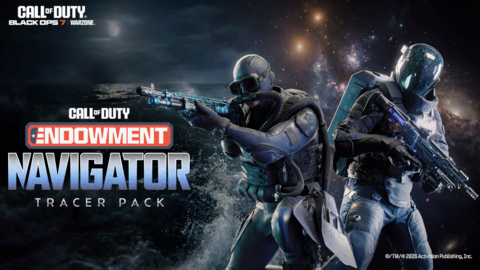
May is Military Appreciation Month, and as Activision does each year, it’s honoring soldiers with in-game content for Call of Duty to support the Call of Duty Endowment.
This year’s Call of Duty Endowment DLC is called the Navigator: Tracer Pack, and it’s inspired by the real retired service member Captain Chris Cassidy. Cassidy, who was also involved in creating the DLC, is a former US Navy SEAL and NASA astronaut. 100% of the net proceeds from the DLC bundle in Black Ops 7 and Warzone will go to the Call of Duty Endowment, just like previous Military Appreciation Month DLC. Pricing wasn’t announced, but previous bundles sold for $20-$25.
You can see the content in action in the video below, while a full rundown of its contents can be seen below the video. Cassidy earned the Bronze Star for leading a nine-day operation Zhawar Kili cave complex in search of Osama bin Laden in the weeks immediately after 9/11. He later became an astronaut and completed six spacewalks; he spent 182 days in space in total.
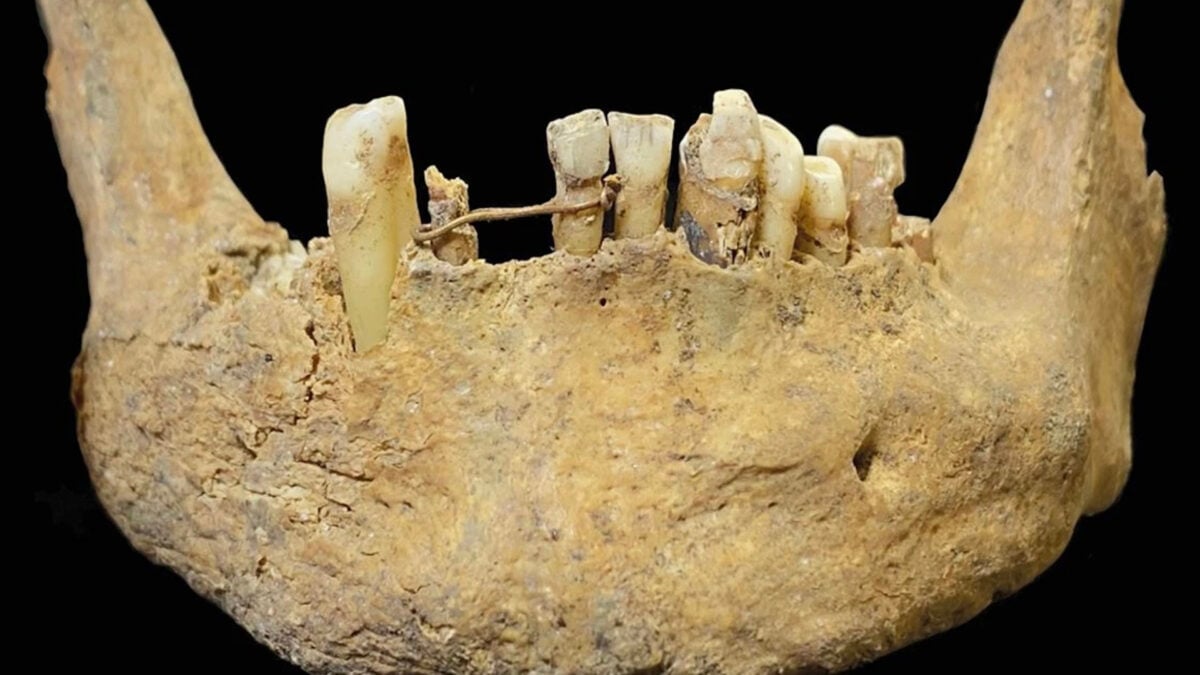
An archaeological dig at the site of a 12th-century church in Scotland has unearthed more evidence that “advanced dental treatments” existed for hundreds of years prior to the formal establishment of modern dentistry, a new study contends. But, unfortunately, the sheer cost of this nearly solid gold medieval procedure was very likely out of reach for most people.
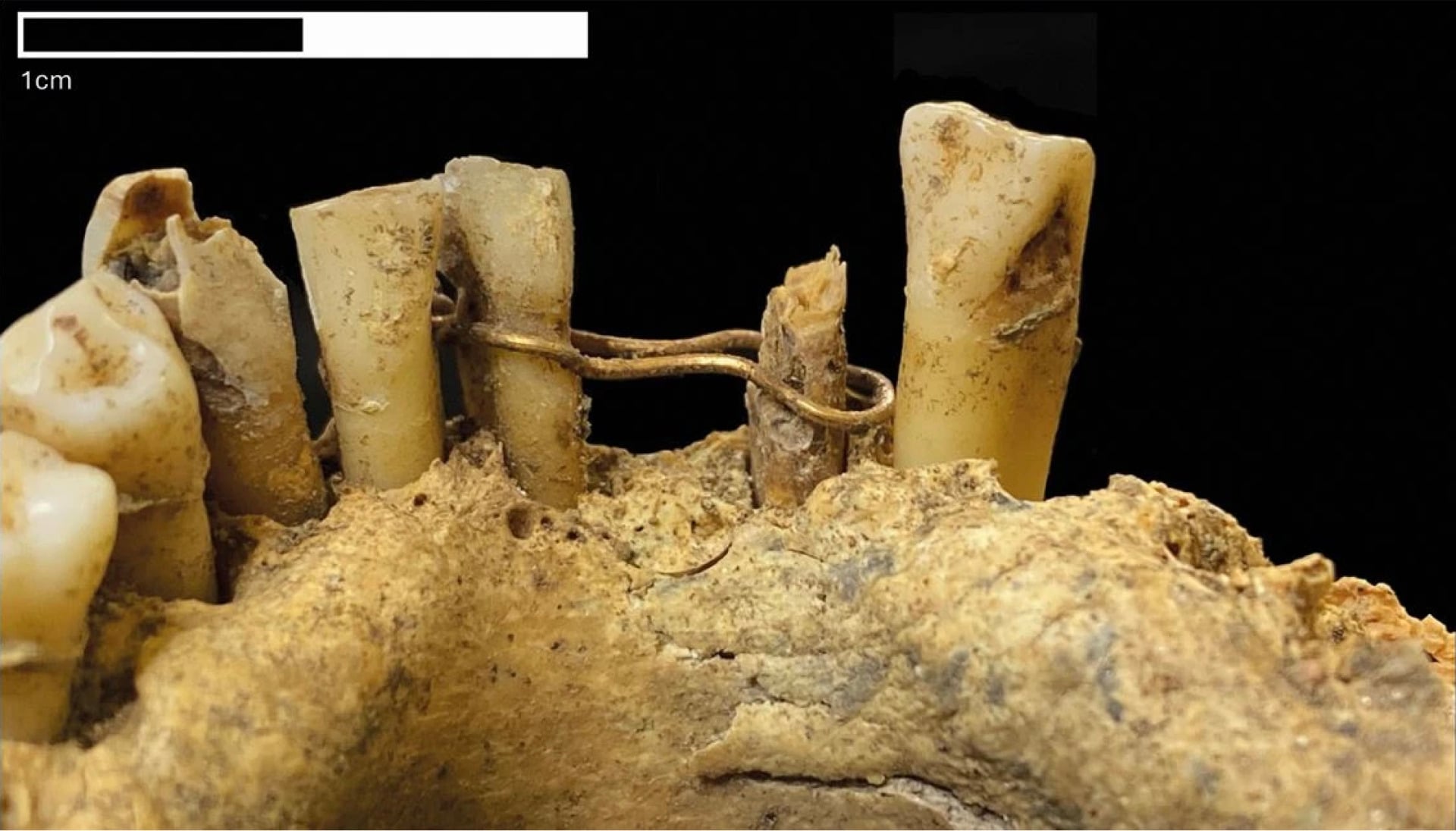
Researchers with universities in Australia, Scotland, and the United States pieced together details on the new find: a thin gold ligature wrapped deftly around two old teeth. The ligature, something like a modern dental bridge, stretched out over the healed socket of a tooth now very much lost to history. Its thin metal wire (82.4% gold, 9.8% silver, and 2.5% copper) would be considered 20-carat gold today. It was found carefully threaded around two incisors jutting out from the jawbone of a man once buried at the East Kirk of St. Nicholas Kirk in Aberdeen, Scotland.
“The most likely purpose for this ligature,” according to the team that investigated this old dental work, “was to attempt to either retain the right lateral incisor or to provide a bridging scaffold to sustain a prosthetic tooth.”
The researchers placed the time of this man’s life and oral care somewhere within the late Middle Ages, between the years 1460 and 1670, based on radiocarbon dating performed at the Scottish Universities Environmental Research Centre. This broad assessment, a range over two centuries long, was the best estimate currently available, they noted, given that the man’s jawbone had been found alone, “divorced from its original context.”
But the bone’s general location, interned within the grounds of an affluent parish church, was enough for them to conclude that he was once “a relatively wealthy member of the community.”
Above, a reverse view of this medieval gold dental work. Credit: Jenna Dittmar, courtesy of the British Dental Journal
Peerless medieval ‘dentatores’
In the centuries before dentistry became officially credentialed in the United Kingdom in 1860, the field was rife with enterprising barbers, barber-surgeons, local women with herbal medicine expertise, and even moonlighting traveling showmen. “Depending on availability, one could also seek relief from a ‘tooth-drawer,’” the researchers noted, “who were often carnival performers that travelled around the country peddling proprietary methods for ‘painlessly’ extracting teeth.”
Scotland at this time was also blessed with comparably better trained “dentatores,” dental specialists schooled in more advanced techniques passed down by Arabian doctors, like Abul Qasim al-Zahrawi who practiced on the Iberian Peninsula in the first century CE. (Medical historians credit Al-Zahrawi’s medical encyclopedia Kitab al-Tasrif with advocating for dental reconstruction methods that incorporated oxidation-resistant metals, like gold.)
Dentatores weren’t cheap, however, and the mere presence of this kind of specialized work “illustrates that wealthier individuals had access to advanced dental treatments,” as the researchers argued in their study, published this April in the British Dental Journal.
Non-elite Scots, they noted, were more likely to receive dental treatment in the form of simple herbal remedies for toothaches—including “green turf heated with embers” and “cow dung poultice,” an appetizing heated mixture that incorporates exactly what it sounds like. “The administration of such folk remedies was practiced in Scotland into the 20th century,” the researchers said.
Years of dental work
This latest round of excavation at St. Nicholas began in 2021, part of a preservation project to transform the kirk (a Scottish word for church) into a local heritage site.
The study’s lead authors, biological anthropologist Jenna Dittmar and osteoarchaeologist Marc Oxenham, had traveled from the Edward Via College of Osteopathic Medicine in Louisiana and Australian National University in Canberra, respectively, to collaborate on local excavations.
In a previous project with their hosts at the University of Aberdeen’s department of archaeology, Dittmar and Oxenham examined teeth and other skeletal remains that had been recovered from local victims of the ‘Black Death,’ which ravaged Aberdeen from 1644 to 1649. These plague years sit comfortably within the latter bound of their well-to-do dental patient’s possible lifetime, which may someday yield clues as to how he died.
As Oxenham put it in a statement accompanying that 2024 plague study, “This was a particularly desperate time to have been alive in Scottish history.”
This Reinstall feature was originally published in issue 421 of the PC Gamer magazine. To get the rest of our exclusive mag content, you can purchase or subscribe to PC Gamer via Magazines Direct.
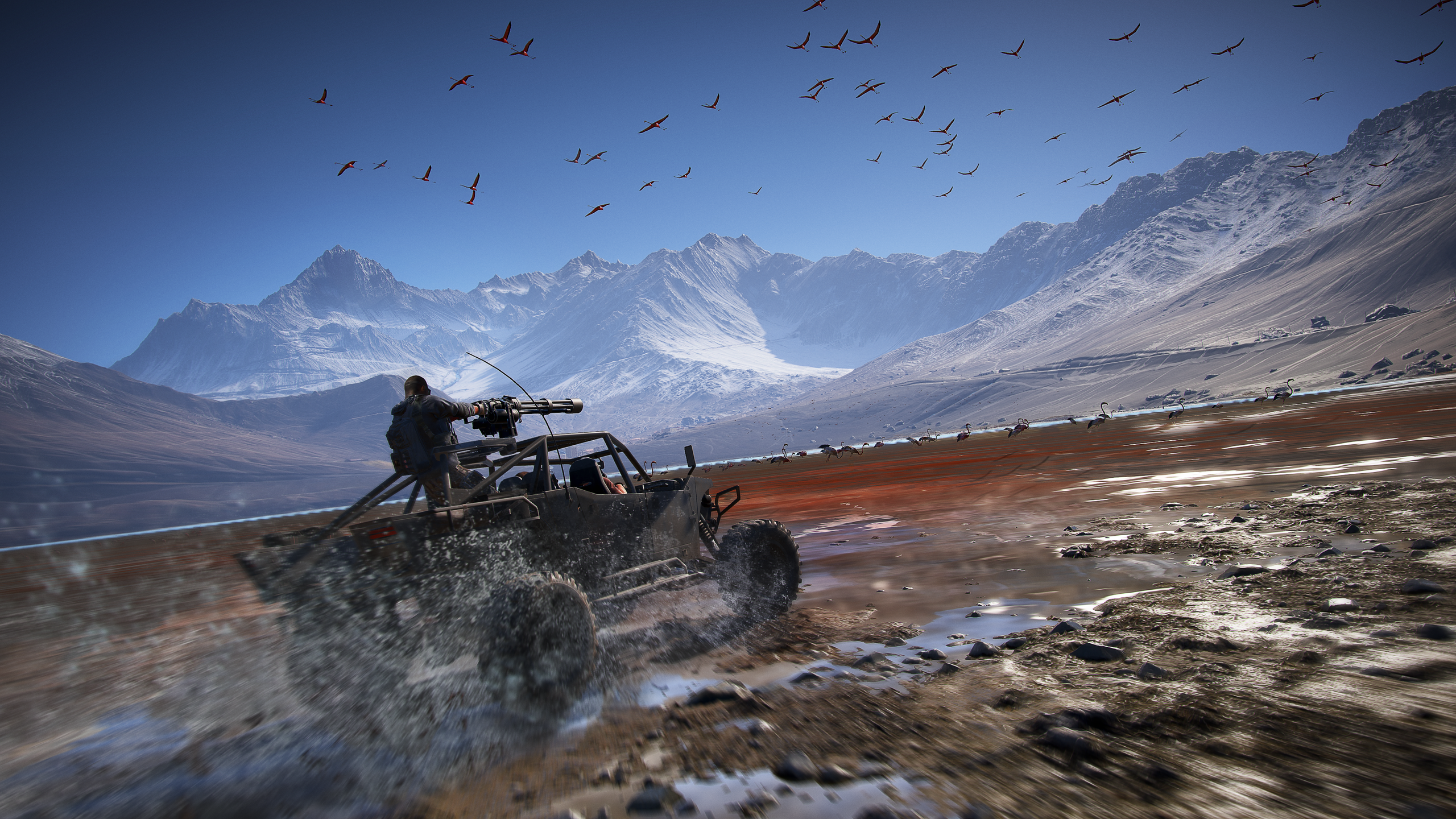
Though I have clocked up several dozen hours in Ghost Recon Wildlands, 2017’s open-world military shooter, it’s taken till now to notice that I hadn’t finished its first mission. Instead, I’ve fought the cartel sponging off Bolivia haphazardly, daisy-chaining disconnected missions together with the odd opportunity to kidnap a henchman and raid a hacienda, inviting mishap en route.
Chaos spirals quickly in the Wildlands. I only wanted to commandeer a convoy when my helicopter was shot down. Next, the minibus I hijacked was made undriveable by a road accident. The town I then entered to pump a random guy for secrets became a battleground when he pulled a gun on me, inspiring me to call in rebel reinforcements (and a mortar bombardment, why not?). Our helicopter escape crossed paths with another convoy, whose leader I kidnapped, drove away and interrogated. This unexpectedly fulfilled a task, leading to the location of a commander whose death marked the completion of a main mission I have no memory of ever instigating. A true deniable op.
Wildlands is a sequel in the tactical, squad-based Ghost Recon series which began in 2001. Typically, you issue movement and engagement commands to your team and use fancy gadgets. Wildlands is a bit different. Its creators identified the fun thing about the series—using your wits and gadgetry to navigate a hostile environment, to better attack the enemies therein—and built a sprawling world around it.
Article continues below
Bad company
(Image credit: Ubisoft)
The first missions Wildlands assigns you, which I originally absent-mindedly walked away from, don’t just offer a taste of the game. They are the game. They have us stealthily approaching targets, rescuing a man, stealing a car, hacking computers and finally bearing down on the local bigwigs at their hunting lodge. You’re equipped with a small armoury, night-vision, a drone and binoculars, and a Sync Shot ability to simultaneously shoot targets with your AI squadmates. In the course of these tasks, you’ll be reconnoitring, quietly dispatching, loudly raiding, and making helicopter getaways. Listen: my patience for wordy tutorials and massive skill trees are stretched thin. What joy, then, when the fruits of a game are offered to you in the first 15 minutes.
What makes Wildlands dazzle in regular diversions can, however, make it tough company over a longer duration.
What makes Wildlands dazzle in regular diversions can, however, make it tough company over a longer duration. Its missions and targets lack variety. Its stealth is not particularly involved. Wildlands’ novel structure, letting you take on region bosses in the order you see fit, has little bearing on the game’s progression. More fatally, as an inheritor of Far Cry 3’s obsession with clearing outposts and marking enemies, and of Assassin’s Creed’s fondness for surveillance birds and a minimap chockablock with icons, Wildlands’ playbook of tech and tactics quickly slot into familiar routines.
And yet the chimeric Wildlands proves better than the sum of its parts. Having seen its tricks, I haven’t moved on. One idea of Wildland’s worth keeping around is the idea of extracting ‘intel’ from lieutenants. These are miscellaneous NPCs who drive around innocuously until they are T-boned from a mountain hairpin, pulled from the wreckage and interrogated. In gratitude for the adventure, they mark a set of collectibles in the locality on your map.
Going out and acquiring these collectibles—side-missions, weapon cases, or skill points—generally improves your situation in the game, bringing forth new weapons and providing the resources to improve your abilities. Abilities like thermal vision (cool but inessential), enhanced damage to vehicles (handy), and a skill that makes your AI squad-mates less embarrassing (vital). The contents of weapon cases are not disguised on the map, making some (folded buttstocks, anyone?) easy to ignore. This refreshingly diminishes the sense of FOMO that other games intensify. Moreover, you are kitted out, more or less, from the get-go.
Keep up to date with the most important stories and the best deals, as picked by the PC Gamer team.
Tom Clancy’s HAWX
(Image credit: Ubisoft)
Hard to ignore is the hawkish Tom Clancy-ness of it all. You are Nomad, leader of an American special forces team fighting to effect regime change in a Latin American country. Have you heard this one before? In the helicopter ride in at the game’s outset, CIA spy Karen Bowman sets out the game’s unconvincing revenge arc. The Ghosts are in Bolivia for cartel boss El Sueño, and to help local rebels wedged between his Santa Blanca faction and the corrupt state forces La Unidad. You see, El Sueño killed an undercover American embroiled in foreign affairs, and that’s ruffled our feathers. This isn’t WWIII we’re trying to avert here. It’s a side-plot in the war on drugs.
I do wish you’d stop saying this out of my avatar’s mouth.
If this doesn’t push your buttons, they work for your uncomplicated protagonist, whose naff patriotic rejoinders are delivered with bland solemnity. “Sometimes I think about the bad things we do for the good of our country,” Nomad soliloquises, uninvited, at some point. “I’d do it all again. In a heartbeat.” Great! But I do wish you’d stop saying this out of my avatar’s mouth.
Wildlands’ version of Bolivia is a fabulously inviting depiction of a landscape, whose physical environments are enchanting enough to keep you exploring. Atmospheric effects shepherd changes in mood and the chirps of biome-specific creatures help plant your feet in the virtual soil. It is also a bombastic caricature of a country more at home in the Just Cause games, which have the grace to fictionalise their settings.
Ubisoft abstracts real places into games all the time, usually with the tactful application of historical distance. But there’s something odd about how Wildlands thugs outnumber its non-combatants. Where regular people appear, they are quaking or fleeing or otherwise lingering in a town, unbothered by the presence of American soldiers. The decorating of interchangeable settlements with gruesome corpse displays is also worryingly unremarked upon, not least by locals taking the air. Any residual sincerity is undercut by the armed helicopters all over the place, flashing notifications of “UNIDAD PATROL NEARBY” and the suspicion that your explosive conduct must surely be more a hindrance to local people than a help. The game Ubisoft made, between the caricature and the self-serious chauvinism, is confusingly cartoonish.
Mission fail
(Image credit: Ubisoft)
On a tactical level, there is enough to keep you busy. Just enough thinking around a problem is required to accomplish your goals. Can’t enter a gate? Parachute in. Anti-aircraft nearby? Blow it up first. Compound is alarmed? Shoot its power box. Your surveillance gadgets mean it’s normally easy to evade guards. But they’ll investigate a gunshot, and an alert will ring out on a discovered body. When you’re spotted, it’s time to embrace the mayhem.
When Wildlands forces stealth rules, it’s a mission fail.
When Wildlands forces stealth rules, it’s a mission fail. A mission released as an update links you up with Tom Clancy franchise stablemate Sam Fisher, alias Mr. Splinter Cell. You must rendezvous inside an enemy base between 9pm and 4am, without being spotted or killing anybody.
My first attempt is foiled while trying to crawl under a trailer. On my second attempt I’m casing the joint when my squadmate cries, “We got a man down!” He walked into a speeding train. The third attempt fails because I leave the mission area, which I dispute, and the fourth fails after I’m spotted by a guard before I can grab him. Finally on my fifth attempt I go through a gap in a fence, obviously a prescribed route, and find Sam as he triggers a massive armed response by hacking a laptop. I hold off the attack until an escape is possible through the jungle towards a hijacked car. Devastatingly, I turn to see a helicopter shooting rockets not at me, but at Sam, still plodding through the base to my getaway point.
This is no meticulous espionage simulation. It doesn’t have much resemblance to reality, nor a story worth sticking around for. I’m here for the moment plans slide into chaos, and I know Wildlands has that in abundance.
When it comes to movies about witches, there are several strong contenders for best entry in the subgenre. From classics like Hocus Pocusand Practical Magic to ironic entries in the canon like The Love Witch to downright terrifying films like The Witch to the hallucinatory horror of Suspiria. But one film arguably beats out all the rest with its portrayal of female adolescence through the filter of a witchy thrills.
As of May 3, director Andrew Fleming’s anthem for misfits, The Craft, has turned 30. Following four teen girls who become friends through witchcraft before a Lord of the Flies mentality ends their alliance forever, The Craft continues to rank near the top of just about everyone’s list of “best witch movies.” What’s not to love? Breakout performances from all four central characters, lots of life-or-death teen drama, and at least one game of “light as a feather, stiff as a board,” this movie was a cornerstone for a lot of teen weirdos on its release.
Despite being very rooted in its time (rotary phones in every household), The Craft continues to hold a sort of timeless quality that allows it to keep finding viewers decades down the line. Why is that? We have thoughts!
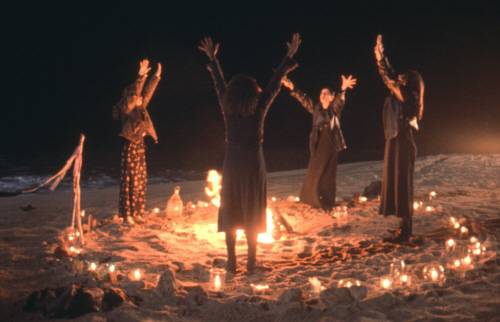
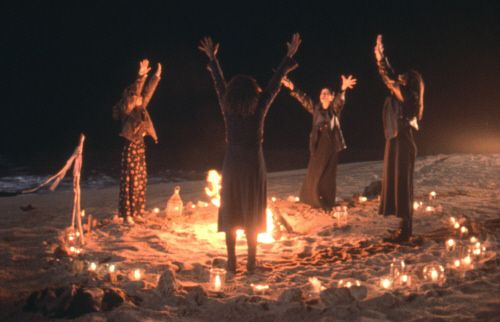
Our POV character Sarah (Robin Tunney) moves to Los Angeles after a suicide attempt. At first skeptical she’ll be able to make friends, Sarah is relieved to fall in with a group of three fellow outcasts. This includes Bonnie (Neve Campbell), who bears heavy burn scars; Rochelle (Rachel True), who was targeted by racist bullies; and Nancy (Fairuza Balk), who lives in poverty with an abusive stepfather and her long-suffering mom. Bonnie notices Sarah levitating a pencil one day, and the girls welcome her to into their coven.
As their magical powers grow, negative repercussions quickly follow. When a jock named Chris lies and says he had sex with Sarah, she retaliates with a love spell that goes horribly wrong. He attacks Sarah, and an increasingly unstable Nancy knocks him through a window, killing him. Meanwhile, Bonnie becomes vain and cruel, while Rochelle curses her bully so that her hair falls out. (Honestly, the jury’s still out on whether that makes Rochelle guilty of anything: her bully is a real nightmare.)
At any rate, Sarah is afraid of their misuse of power, and she’s especially worried about how badly things will escalate if they’re left unchecked. This causes severe retaliation from the others as they push her to the brink of suicide once more. Yet, Sarah’s power is more centered and controlled than that of the other girls, and she’s able to turn the tables at the last moment.
Perhaps the main reason The Craft continues to work is that it’s easy to be emotionally invested in all four of the girls at the heart of the narrative. Though Sarah is our focal character and hero, all the girls are likable. Each carries her own heartache, be it the brutal racism Rochelle experiences or Bonnie’s ostracism due to her scars. When Sarah befriends them, we’re happy for her. When they turn on her, the betrayal feels frightening and real.
Even Nancy’s terrifying rage isn’t quite enough to make her an unsympathetic villain. After all, we saw her home life at the beginning of the film, and it was incredibly bleak. It’s more tragic that the power that fixes her life ultimately leaves her broken beyond repair. That underlying sympathy for the girls, even when they do terrible things, is why The Craft still rings true all these years down the line.
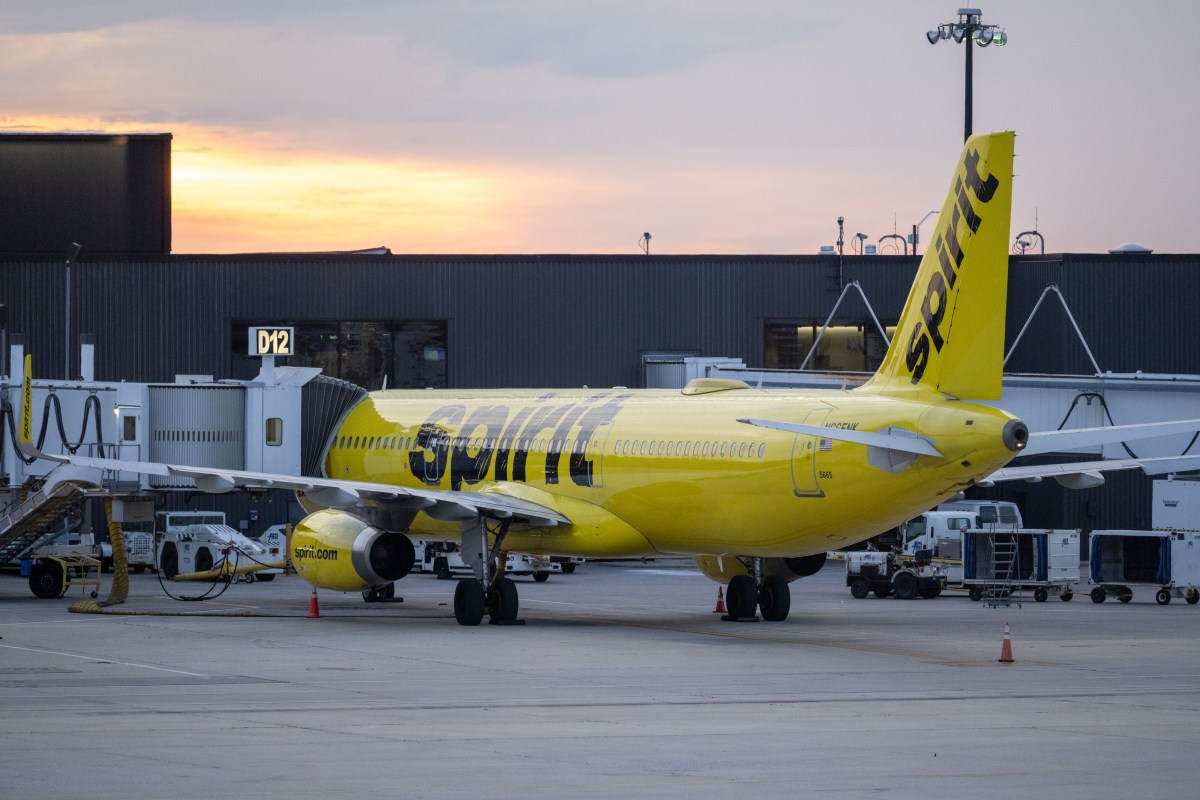
When Spirit Airlines shut down overnight Saturday — canceling all flights, letting go of 17,000 employees, and telling ticketholders to just not come to the airport — people were flabbergasted but also bereft. For all its indignities, Spirit was cheap. Then one of them had an idea.
Hunter Peterson, a voice actor with frequent flyer grievances, posted a TikTok asking: what if 20% of American adults chipped in the price of a Spirit fare and just . . . bought it? He called it “Spirit 2.0: Owned by the People.” Within hours he’d thrown up a website — a janky, one-hour job, by his own admission — and by Sunday, 36,000 “founding patrons” had pledged nearly $23 million, crashing his servers in the process.
None of it is real money. These are non-binding pledges. Also worth noting: the actual cost of acquiring and relaunching an airline runs into the billions. Peterson knows this. In a video posted earlier today, he winkingly tried recruiting aviation lawyers, PR people, and lawyers with a one-word ask: “Help?”
“I know what I don’t know,” he told his followers, but “you’re committing to this bit, so I’m committing to this bit.”
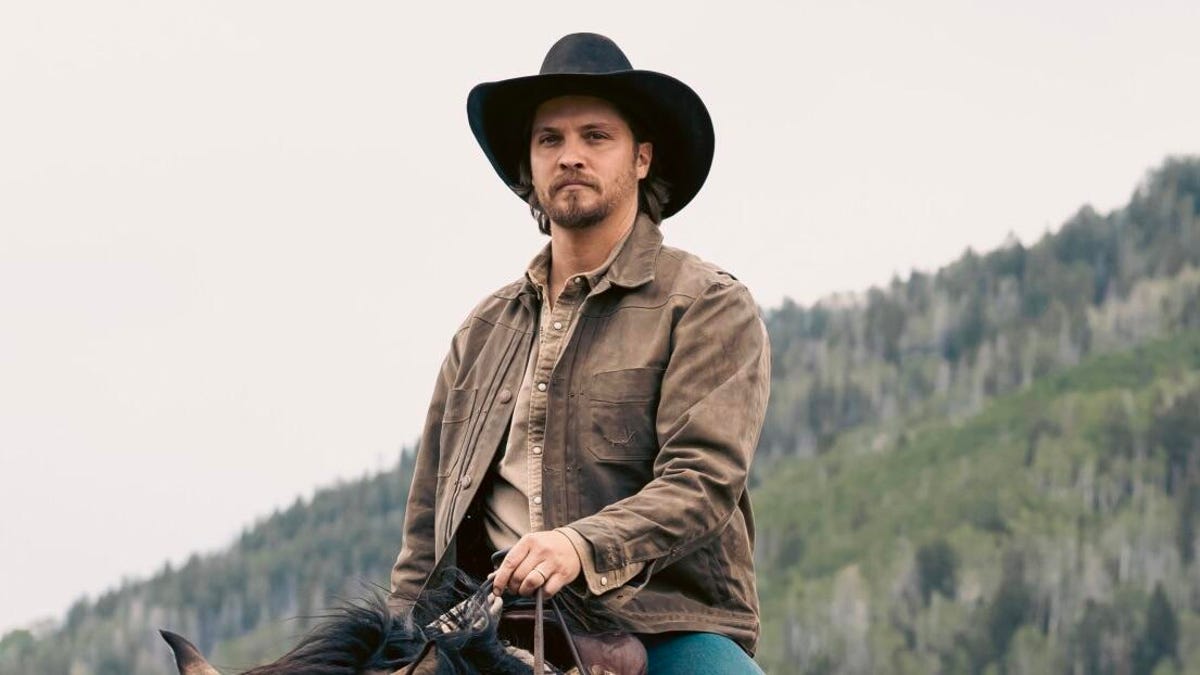
Marshals, a new Yellowstone spinoff starring Luke Grimes as Kayce Dutton, is airing on CBS right now. You can also tune in with Paramount Plus. The Yellowstone sequel series sees Grimes’ former Navy SEAL join an elite unit of US Marshals to bring range justice to Montana, according to a synopsis from CBS.
The show includes Yellowstone actors Gil Birmingham as Thomas Rainwater, Mo Brings Plenty as Mo and Brecken Merrill as Tate. Spencer Hudnut is the showrunner of Marshals — formerly known as Y: Marshals — and Taylor Sheridan is an executive producer.
When to watch new Marshals episodes on Paramount Plus
Episode 10 of Marshals airs on CBS on Sunday, May 3. Viewing options for Paramount Plus customers vary by subscription tier. You can watch the episode live if you have Paramount Plus Premium, which includes your local CBS station. If you subscribe to Paramount Plus Essential, you can watch the installment on demand the following Monday, but not live on Sunday.
Here’s a release schedule for the next four episodes of Marshals.
Episode 10, Playing with Fire: Premieres on CBS/Paramount Plus Premium on May 3 at 8 p.m. ET/8 p.m. PT/7 p.m. CT. Streams on Paramount Plus Essential on May 4.
Episode 11, On Thin Ice: Premieres on CBS/Paramount Plus Premium on May 10 at 8 p.m. ET/8 p.m. PT/7 p.m. CT. Streams on Paramount Plus Essential on May 11.
Episode 12, The Devil at Home: Premieres on CBS/Paramount Plus Premium on May 17 at 8 p.m. ET/8 p.m. PT/7 p.m. CT. Streams on Paramount Plus Essential on May 18.
Episode 13, Wolves at the Door: Premieres on CBS/Paramount Plus Premium on May 24 at 8 p.m. ET/8 p.m. PT/7 p.m. CT. Streams on Paramount Plus Essential on May 25.
You can also watch CBS and the tenth episode of Marshals without cable with a live TV streaming service such as YouTube TV, Hulu Plus Live TV or the DirecTV MyNews skinny bundle. In addition to offering a lower-cost option, Paramount Plus lets you watch the other two Yellowstone spinoffs: the prequels 1883 and 1923.
James Martin/CNET
After a price increase in early 2026, the ad-supported Essential version runs $9 per month or $90 per year. The ad-free Premium version runs $14 per month or $140 per year. Paying more for Premium gives you downloads, the ability to watch more Showtime programming than Essential and access to your live, local CBS station.
Wolfhound is a game that I’ve kept my eyes on for quite some time, listing it on both our 2025 and 2026 most anticipated lists. While an exact release date for this retro-inspired indie is still forthcoming, indications hint that it may arrive at the tail end of this year, and a build that I’ve recently played provided more reasons to be excited.
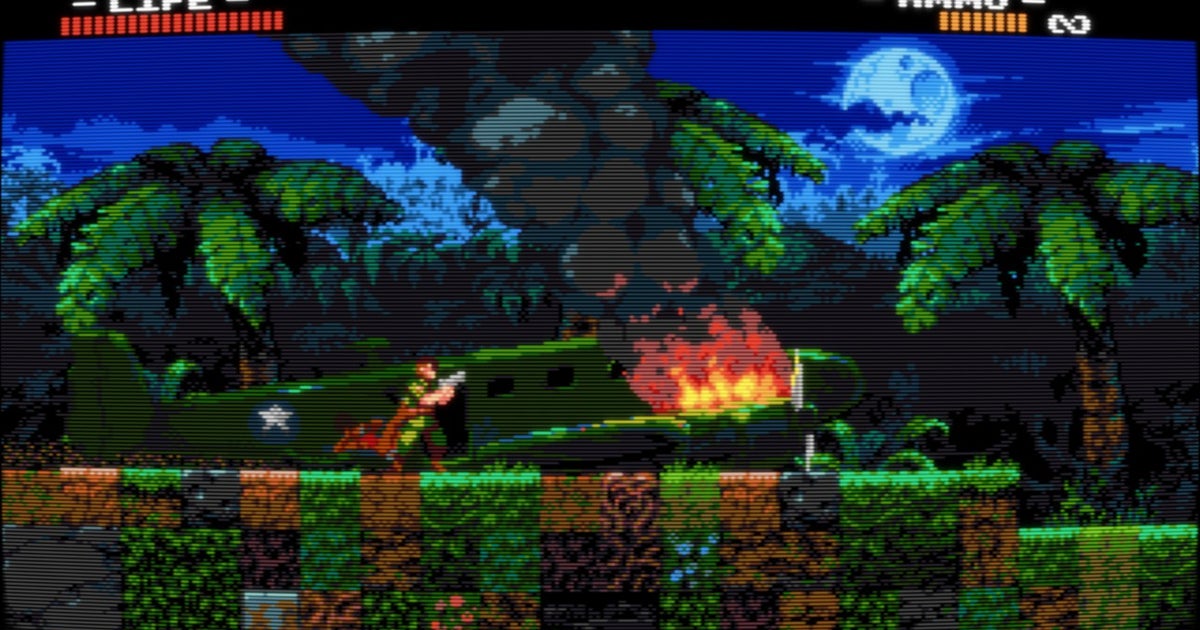
The sophomore effort from indie developer Bit Kit, Wolfhound is similar to Metroid, but with a solid helping of Wolfenstein thrown into the mix. You play a WWII all-American captain named Chuck Rosetti who’s sent to investigate a Bermuda island where the Nazis are doing their usual nasty experiments. Your plane gets shot down on the way over, and you end up in a lovingly-designed 8-bit jungle with all manner of foes hunting you down, including zombies, killer bees, sentient slimes, and retrofuturist mechs.
I say 8-bit as an easy descriptor, since Wolfhound’s colour palette, Emulogic-style font, and punchy chiptunes bring to mind memories of blowing on an old cartridge to get it to work. But Wolfhound actually feels more higher-grade than the NES, though it’s not quite Super NES level. The Sega Master System and NEC PC Engine/TurboGrafx-16 are better comparisons, since the colourful tilesets on display, the smooth movement of Chuck as he hops around, and often-huge enemy sprites are far beyond what Nintendo’s first home console could handle. As this is a PC-centric site, I’m also going to compare Wolfhound’s visuals favourably to the 1987 PC-88 and MS-DOS classic Zeliard. (An Allied powers salute to you if you’ve played that one.)
I came here to fight Nazis, not mutated spider crabs! | Image credit: Rock Paper Shotgun/Bit Kid
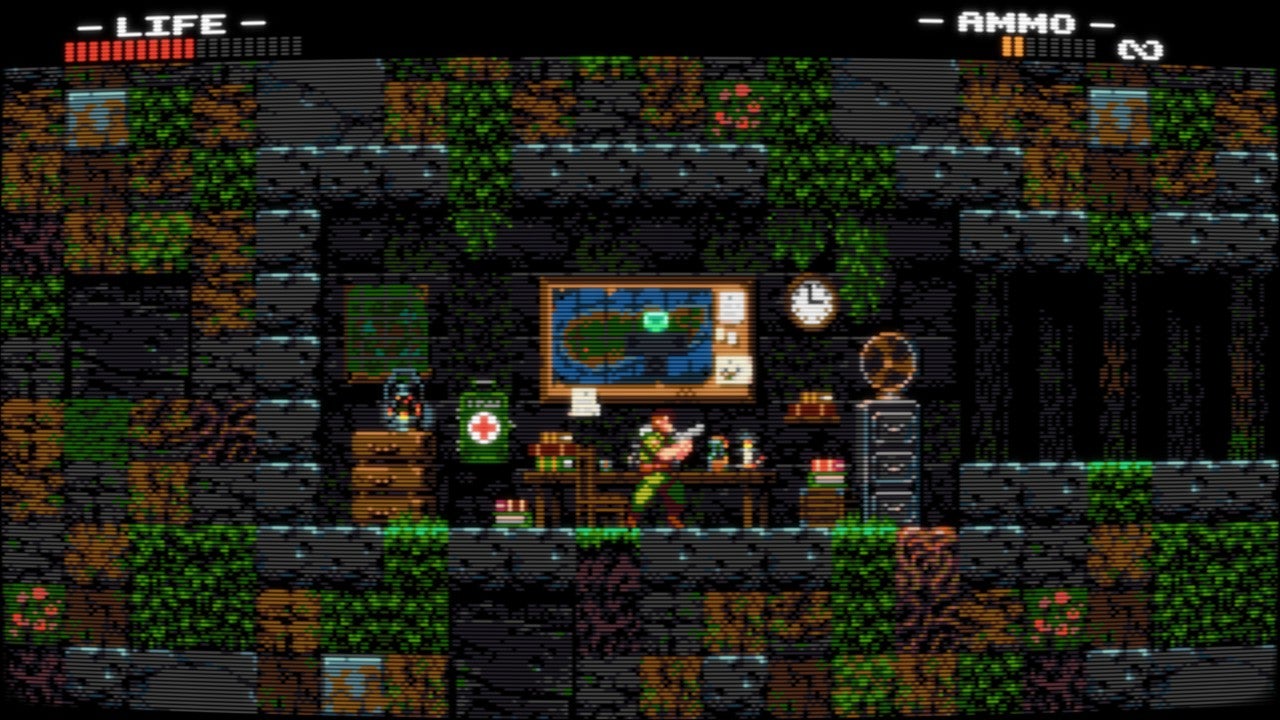
While it might look like yesteryear, Wolfhound possesses level design that radiates modern Metroidvania, with the build I played featuring three areas: the island’s jungle, a dank purple mine, and the beginning corridors of the Nazi castle sitting atop it all. The levels are interconnected with the usual intersecting paths, and while Chuck starts with an underpowered peashooter, he’ll pick up better weapons like a shotgun soon enough. As you unlock save rooms, you’ll also get upgrades like tactical kneepads and gloves, which respectively enable Chuck to perform rolls, cling onto ledges, and enter parts of the map previously inaccessible.
The save room’s a nice spot of respite in the midst of some very intense levels. | Image credit: Rock Paper Shotgun/Bit Kid
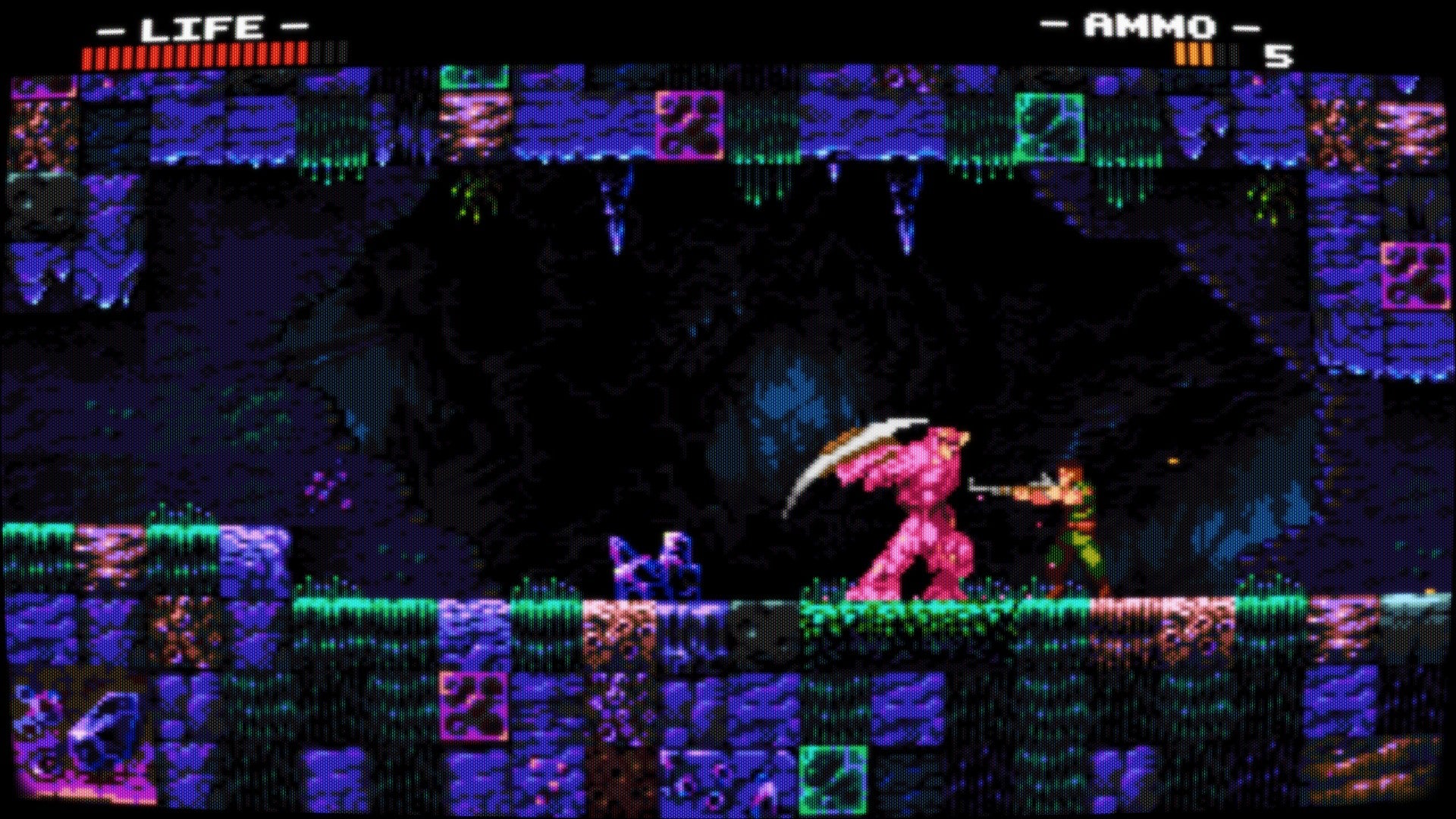
Speaking of modern games, Wolfhound’s difficulty level is more along the lines of Hollow Knight than say, Super Metroid. If you’re familiar with the wavy motion of the Medusa Heads in Castlevania or those annoying eagles that would swoop down and kill you in the original Ninja Gaiden, you’ll know what to expect from the killer bees and slimes that torment Chuck. And yes, these bastards will all saunter towards you when you’re navigating tricky platform sections, knocking you to your death more often than not.
Check out these screens to get a sense of the nefarious platforming in your way – as well as the death screen you’ll become well acquainted with. | Image credit: Rock Paper Shotgun/Bit Kid
I saw the GAME OVER screen much more than I expected over the course of my four hour demo playthrough, but I also never broke my desk in frustration, as Wolfhound feels fair despite its toughness. While Bit Kid’s previous effort Chasm was a randomly generated roguelite, every platform that Chuck traverses has been deliberately laid out, meaning that the levels feel more surmountable the more you play, as long as you keep pattern recognition and timing in mind.
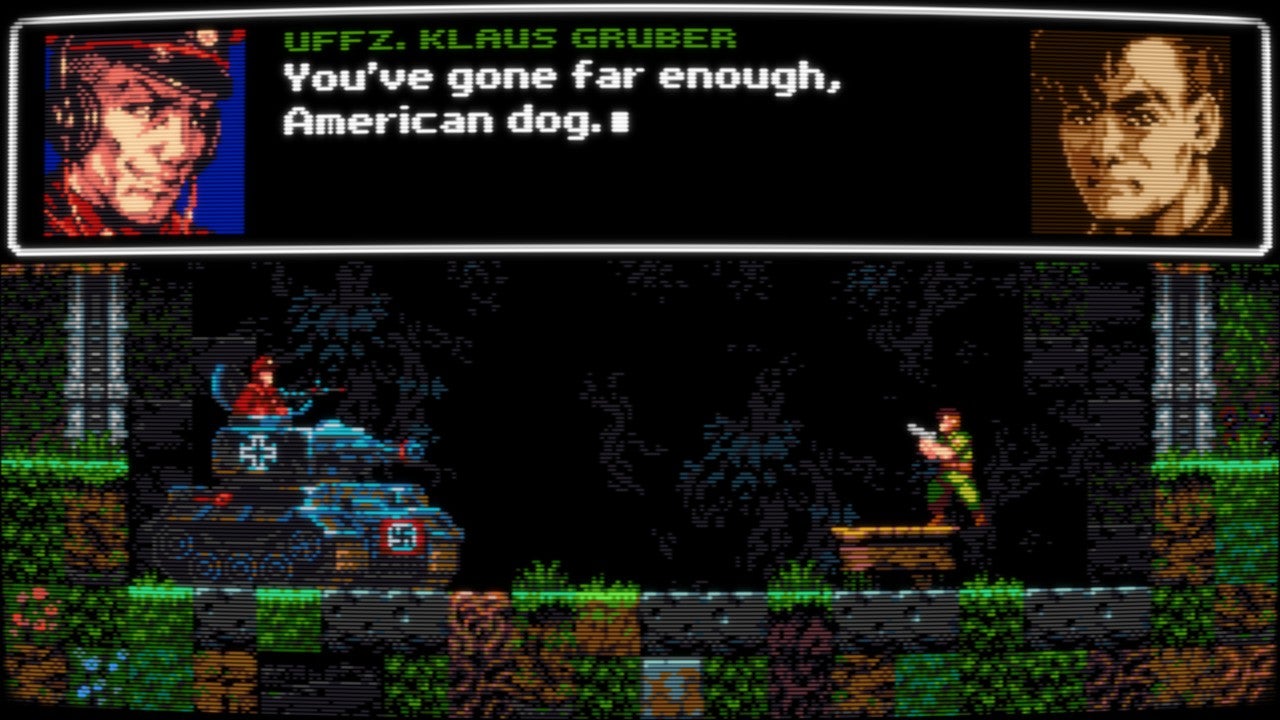
The same goes for sticking ammo into your firearms. In an interesting decision, Chuck has unlimited ammo for his base pistol, but can only fire a certain number of times before he has to reload a clip. Figuring out when to time that reload is key to surviving against the foes in your path and tackling the larger-than-life bosses, which are good fun and ranged from a giant spider to a drill tank piloted by an Indiana Jones-style Nazi Unteroffizier.
Always love a good Nazi baddie calling me an American dog. | Image credit: Rock Paper Shotgun/Bit Kid
As this was still a work-in-progress version of Wolfhound, there were minor areas for improvement that I noticed. While the reload mechanic was novel, I suspect that some might struggle with its rhythms, especially for the heavier weapons. Chuck’s ammo wasn’t unlimited for the bolt-action rifle and shotgun that I found in the demo, and the game forces you to load up a new magazine before you can pick up extra rounds you find on the ground. This was probably done to discourage ammo-hoarding, but felt slightly unintuitive.
Chuck also gets grenades that do a wonderful tonne of damage, but it would’ve been helpful to see some kind of arc trajectory for where he was going to throw them. I often chucked them in the wrong direction by accident and succeeded in blowing myself up more than once, much to the delight of the Axis asshats who were gunning me down.
Wolfhound features various screen filters, and all of my shots here were taken with the “PRO CRT” scanlines option. This one, however, was taken with the “OLD CRT” option, which really hits home the feeling of playing a gem from the late ’80s or early ’90s. | Image credit: Rock Paper Shotgun/Bit Kid
All in all, though, playing Wolfhound transported me back to the olden days of sitting in front of a CRT and a beige box monitor with my brother, with the two of us gripping our controllers tight as we tried to make a little more progress in an ultra hard game. If you’re nostalgic for that era and long to see what a 2D Wolfenstein might look like, put Wolfhound on your list as one to watch out for.
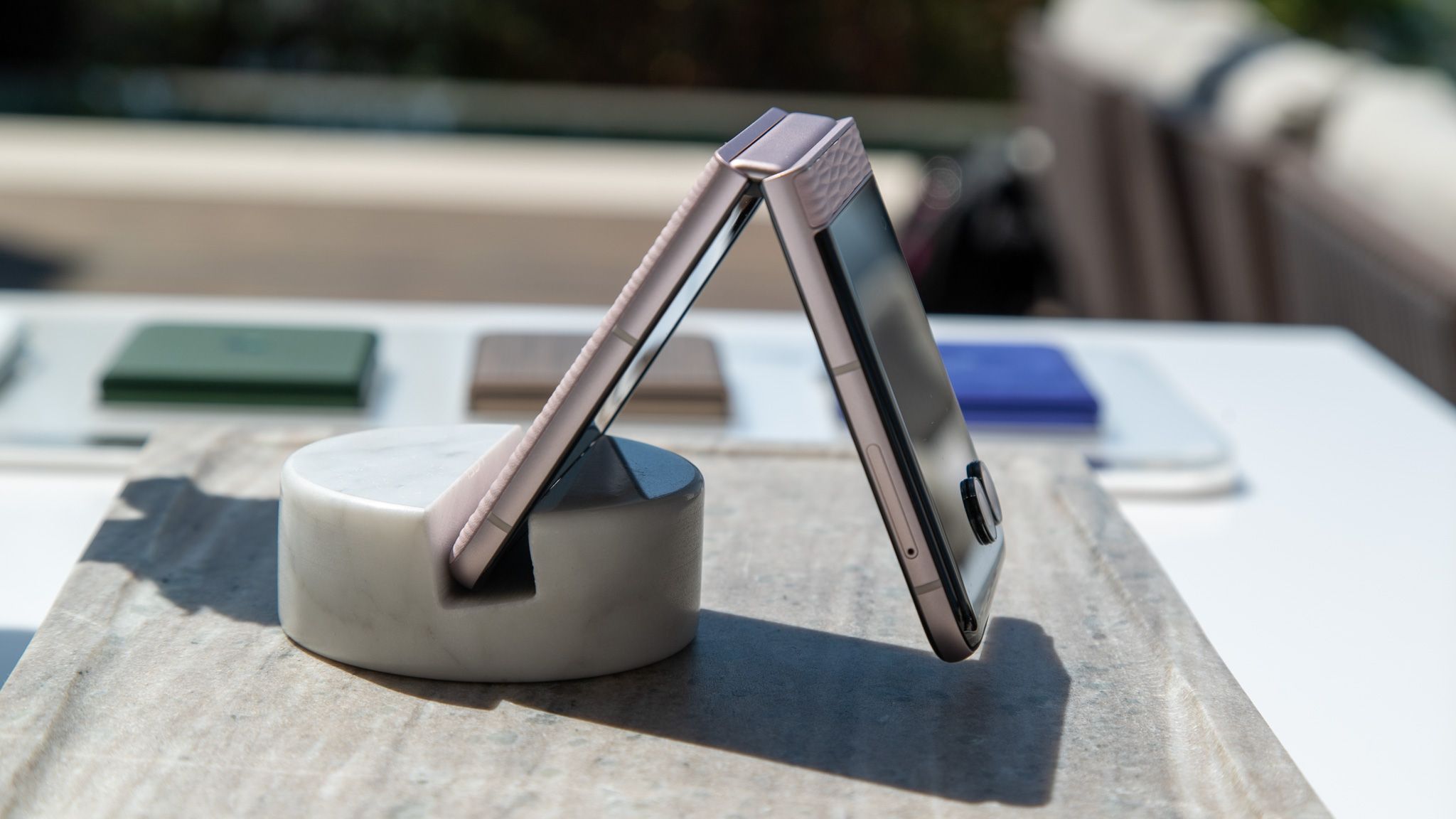
This week, Motorola launched its new Razr 2026 series. The lineup consists of three Razr flip phones: the base Razr 2026, the middle-of-the-road Razr Plus 2026, and the premium Razr Ultra 2026. Motorola also gave us a price and release date for the Razr Fold, which it’s been teasing since CES 2026. All four phones will be available for preorder on May 14, with sales and in-store availability beginning on May 21.
With four new Razr 2026 smartphones hitting stores soon, which model would you be most interested in purchasing, if any? Vote in our poll and drop a comment letting us know what you choose and why.
The same but different
(Image credit: Derrek Lee / Android Central)
The Razr 2026 flip phones aren’t huge upgrades when compared to their predecessors, which is obvious when you look at their chipsets. The Razr Ultra 2026 uses the same chip as last year’s Razr Ultra, while the Razr Plus 2026 uses the same chip as the Razr 2024. The base Razr 2026 is the only one that got a new chip, although it was a meager update from the Dimensity 7400X to the Dimensity 7450X.
Article continues below
On the other hand, there were some nice camera and battery upgrades. Each Razr 2026 flip phone features dual 50MP cameras, with the base upgrading from a 13MP ultrawide and the Plus swapping the telephoto camera for an ultrawide. The Razr and Razr Ultra had their battery capacities increased by 300mAh, while the Razr Plus got an impressive 500mAh boost, all thanks to new silicon-carbon batteries.
(Image credit: Derrek Lee / Android Central)
That said, prices of the three flip phones went up, likely a result of the ongoing RAM crisis. Prices increased by $100 for the base and Plus models, while the Razr Ultra received a $200 price increase over its predecessor. That may make you hesitate to buy the more expensive $1,499 Razr Ultra 2026, although the Razr 2026 still feels more reasonable.
The Razr Fold undercuts the Galaxy Z Fold 7
(Image credit: Brady Snyder / Android Central)
The Razr Fold has been teased for months, but it’s finally coming and joining the Razr 2026 flip phones. The foldable features three 50MP rear cameras, which have been rated by DXOMARK as the “#1 foldable camera system,” which is an impressive feat. It’s powered by the Snapdragon 8 Gen 5 (not the Elite), and features a large 6,000mAh battery and 80W fast charging.
In many ways, the Razr Fold beats the Galaxy Z Fold 7, even undercutting it by $100. If you’re interested in foldables, this might definitely be one to get.
Get the latest news from Android Central, your trusted companion in the world of Android
It doesn’t look like GameStop’s wild ride is stopping anytime soon, after the Wall Street Journal reported that the company is about to make an offer to acquire eBay. While an official offer hasn’t been submitted yet, WSJ said that GameStop could make a buyout offer for eBay “as soon as later this month.”
The WSJ noted that GameStop’s market value sat at around $11 billion, while eBay towered over it with a $45 billion market value, as of Friday’s market close. The report didn’t have details on the potential offer, but WSJ said that Cohen could also take the offer directly to eBay’s shareholders instead if eBay isn’t receptive.
It’s important to note that the company’s CEO, Ryan Cohen, could receive a $35 billion in stock if he meets certain criteria, including increasing GameStop’s market value to $100 billion. Acquiring eBay could also be a part of Cohen’s plans to evolve GameStop beyond its reputation as a video games and collectibles retailer.
However, the company has experienced plenty of ups and downs in recent history. In 2022, GameStop attempted to build a marketplace for non-fungible tokens that ultimately shuttered a couple of years later. More recently, GameStop announced its plans to pivot towards retro gaming at select locations. While the company is still throwing ideas at the wall and seeing what sticks, it also closed down more than 400 retail locations across the US earlier this year.