Most marketing teams have gotten comfortable using AI. They’ve integrated it into content workflows, sharpened their prompts, and found individual productivity gains. But the next phase is already here, and it relies heavily on the ability and dedication of humans, says Zapier’s Dan Slagen. Continue reading “The Next Phase of AI in Marketing [MAICON 2026]”
With a name like Beast of Reincarnation you might expect this to be a game full of aggressive enemies and intense combat. And it is. Yet it’s not long before you start to discover that there are layers to this world, and the people who live in it. Layers that make this a strong and deep experience rather than a fun but shallow action game.
Don’t get me wrong; there is a lot of fighting. That’s almost exclusively what you’ll be doing, and in fact, I found it greatly amusing that I came across a grand total of one puzzle in my playthrough. You take the role of Emma, a young woman who is tasked with killing the titular Beast, the source of post-apocalyptic Japan’s Blight that mutates animals, spreads pretty but corrupted foliage, and kills people. Before she can do so however, she’ll need to kill many of the giant creatures known as Nushi in order to absorb their power, and cleanse the surrounding areas as she buffs up. There’s no shortage of lesser enemies standing between her and each Nushi, either.
Emma let you finish
(Image credit: Fictions, Game Freak)
Fast facts
Release date: August 4, 2026 Platform(s): PC, PS5, Xbox Series X Developer: Game Freak Publisher: Fictions
Please don’t mistake Beast of Reincarnation, with its high-fidelity sci-fi, and sword-wielding, reserved heroine for being much like Stellar Blade. Unlike that game’s star Eve, who is uncomfortably thrust into danger in form-fitting bodysuits that leave nothing to the imagination, Emma is dressed like an actual fighter who takes her job seriously. She also behaves like an actual, real character – unlike many similar heroes, her aloofness has a specific reason behind it which is slowly revealed. She even experiences character growth.
Latest Videos FromGamesRadar+
It’s a good thing Emma’s well armored too. Beast of Reincarnation has combat that is challenging from a very early stage. I was tempted to knock the difficulty down within the first hour or so, in fact – and if that works best for you, it’s a perfectly good way to enjoy this or any other game – but, in my case, I’m glad that I didn’t. There’s a real sense of satisfaction to be had emerging from a tough fight battered, low on resources, close to death – but alive.
The combat system is deceptively simple. Emma carries a sword and (soon) two bows, and that’s it for weapons. There is only one attack button for the sword, the depth coming from the mechanics around it. I’ll make this clear now: parrying is an integral part of the game. I’m rather tired of the industry’s obsession with parry mechanics, and I’m glad that it finally seems to be petering out, but here it works really well. I’m far from perfect at it, though. Many is the time I’ve hit the button too soon or too late, and been punished with a large chunk of health disappearing as a result. But when it works, it produces a beautiful flow, particularly in boss fights. Like Sekiro (with a touch of Nier), it’s akin to a rhythm game, where you learn to parry to the tune of each enemy’s unique attack pattern. Tap-tap-taptaptap—tap—tap and then you can unleash vengeance.
(Image credit: Fictions, Game Freak)
It’s time to address the elephant – or, rather, the giant mutated dog – in the room. Koo (for that is his name) is another crucial slice of the combat pie. While you can order him to go on ahead to attack an enemy alone if you haven’t been spotted, he otherwise acts and attacks independently. You’re in charge of leveling up his attributes alongside your own though, and you decide which abilities and stat-altering charm to equip. It’s in this way that you direct his presence in battle – particularly when it comes to Bloom Arts.
Koo will use items and abilities independently, but the more powerful Bloom Arts are dependent on points earned during battle, activated only when you command. Much like in Final Fantasy 7 Remake, communicating with Koo slows time to a crawl (even if no Arts are ready yet – useful for getting a breather) and you can choose from your currently equipped list.
Weekly digests, tales from the communities you love, and more
A successfully executed Bloom Art will restore a little of Emma’s HP, and also deal damage – but rarely very much. They’re more useful for triggering effects, especially when you start unlocking modifications for them. While building up status, you can bloom a plant for Emma to close the distance, instantly triggering a sword’s special effect that usually requires a parry; all these benefits and more are on the menu with Koo.
Blooming heck
(Image credit: Fictions)
Attacking and parrying will build up a gauge Emma can draw on for her own abilities, including (something I didn’t upgrade and properly exploit until embarrassingly late in the game) the ability to briefly pause time so you can go absolutely wild with your attacks without interruption. As with the Bloom Art time-slow however, there’s no grace period when you come out of it. If you try to use this in the middle of an enemy’s attack, you’ll feel very silly and very bruised.
Emma and Koo have a base of operations in the form of a mech, a space they share with a few others. It’s a wonderful oasis of calm in the relentlessly hostile world, and I delight in soaking in the optional conversations. At the end of each chapter, I have a ritual. I chat with little Kagura, and then turn to Koo. I shower away the blood and grime we’ve accumulated (yes, he shakes himself off afterwards like a real doggy), I talk to him, and then I stroke him. Yes, you can indeed pet the dog.
(Image credit: Fictions)
The broad strokes of Beast of Reincarnation give the impression of something leaning all its weight on tired tropes. A post-apocalyptic world; a threat known as The Blight; a single hero (you of course) who is the only one that can put things right. Do not be fooled. The game surfs on waves of philosophy and existential questions that are thought-provoking but never, ever waved in your face.
The game surfs on waves of philosophy and existential questions.
I’ll also add that this has the best ending I’ve seen in a game for a long time. Obviously I can’t go into detail regarding why, but I think it’s a beautiful ending to Emma’s story that has just the right amount of trust in the audience with a generous sprinkle of ‘open to interpretation’.
I love Beast of Reincarnation. I think you should buy it, if you can afford to; but there are just a few little things that held me back from calling it perfect. For one thing, on rare occasions the way forward isn’t at all clear. Despite having the usual waypoint, it’s a little too far off, More than once I end up stumped as between point ‘A’ and point ‘B’ is a seemingly impassable platforming section – one of these I got through by hopping around the edge of a mountain and making liberal use of Emma’s ability to lift herself into the air, which I’m (pretty) sure isn’t how the developers intended me to progress.
Beast in show
(Image credit: Fictions)
Tree is the magic number
(Image credit: Fictions, Game Freak)
In keeping with the strong environmental angle of the game, Emma and Koo each have a literal skill tree. As you unlock new abilities and branch out (I’m so funny), the tree grows, and more options become available. You won’t unlock everything in one playthrough, and most skills can be upgraded, so choose wisely.
Also rare, but equally annoying, are combat situations that I’m happy to stick my neck out and say are just plain unfair. When a game has punishing combat that employs parry and dodge mechanics, if you find yourself surrounded by enemies at close quarters, this will be because you’ve done something wrong. I’m happy to accept that. But when that happens, you should be able to get out of the situation by relying more on skill than luck.
The issue is that the camera and the auto-targeting system (which I tried disabling in such situations to no avail) gang up on you like a pair of bullies whenever you have two or more enemies close by, so that it’s often impossible to keep them both in view. This was no fun during the fights where two bosses occasionally rush you at the same time, let me tell you. Even on my best parrying days, I find it a little tricky to parry an attack I literally can not see coming.
(Image credit: Game Freak)
Moments like those had me use some very interesting language that I’d get told off for trying to repeat here. Thankfully, such moments are rare and (usually) fairly brief, and so easy to forgive within the context of the wider game. On top of everything else, Emma’s traversal abilities make wonderful use of space, and offer multiple options for enemy engagement while unseen. She can use her hair (don’t ask, I don’t know) as a grapple, a portable water spout to let her rise into the air, and a temporary bridge to walk onto from pretty much anywhere.
Beast of Reincarnation is a very linear game (areas are large and open, but it’s not strictly open world), but the sense of agency afforded you by such traversal – as well as a wide range of Arts and swords with unique effects to unlock – help make the journey your own. New Game Plus offers one final sword and a couple of cool new, powerful abilities, which just might be enough to encourage me to do it all over again.
Beast of Reincarnation was reviewed on PS5, with a code provided by the publisher.
If you’re looking for more combat, check out our best ARPGs ranking for plenty of action with a bit of RPG’ing sprinkled on top.
Palantir CEO Alex Karp on Monday once again warned that AI frontier labs are too untrustworthy for enterprises.
The CEO, who famously studied philosophy and earned a PhD in social theory, implied in Palantir’s quarterly shareholder letter that these were the kinds of capitalists who gave rise to Marxist socialism.
“There are Marxist overtones and undertones to our business,” he wrote in a letter to shareholders about Palantir’s outstanding quarter. “Others, including many of those building large language models, intend, knowingly or otherwise, to capture the means of production of their purported partners.”
To be clear, AI labs have hardly cornered Palantir out of the market. Quite the opposite. The skyrocketing use of AI helped Palantir achieve record-breaking results. For its second quarter, the company reported $1.9 billion in revenue, up 93% over the year-ago quarter, and $1.1 billion in profit, “more profit in a single quarter than we did in total revenue in the same period the year before,” he wrote.
During the quarterly conference call with Wall Street analysts, he explained his analogy further, relying heavily on a sort of “tech bro patriot” jargon common among defense tech companies. (Palantir’s senior leadership is entirely male.)
He asked on the call if companies are going “to buy into a future” where your job helps your “adversaries win, and everybody who does win is a small, tiny group of people living in a tiny place that somehow believe because they eat vegetables and they don’t support war fighters that they deserve to have the total means of production of this country? And the rest of us should just sit back and absorb the cost of that revolution, which we’re paying for.”
Palantir, in contrast, serves model-agnostic AI and analysis software to governments and enterprises, and allows organizations to control their data as well as their AI “exhaust,” aka, their prompts, orchestration, and context.
“How are we paying for it? In the enterprise context, people sign up for token self-pleasurings… at real cost like other forms of self pleasure,” he said. “You are paying for the right for them to migrate your IP, your know-how, your expertise to their model, so that they can build a competitive business that doesn’t require your business or people. And why are they doing it? It’s actually being done for what they believe are moral reasons. They are superior to you. They deserve to colonize your enterprise.”
Jarring language aside, he is making an underlying point that is increasingly being repeated elsewhere, including from the likes of Microsoft CEO Satya Nadella.
This theory points to the significant list of companies that partnered or paid for Anthropic and OpenAI while the AI labs launched similar businesses ranging from design tools to healthcare operations, legal, even drug discovery.
The truth is, none of these companies are economic villains or heroes — anymore than other for-profit companies are. AI is growing so quickly, the market changing so rapidly, there is clearly room for all, Palantir’s results show.
When you purchase through links in our articles, we may earn a small commission. This doesn’t affect our editorial independence.
Maintaining strict hygiene standards is a top priority in every food processing facility. From handling raw ingredients to moving finished products, every stage of production depends on equipment that supports cleanliness, operational efficiency, and regulatory compliance. Choosing Food & Pharmaceutical Grade Hoists for these environments helps manufacturers reduce contamination risks while ensuring reliable material handling throughout the production process. A food grade chain hoist is specifically engineered to perform in hygienic environments where corrosion resistance, easy cleaning, and dependable lifting performance are essential.
Unlike conventional lifting equipment, hygienic hoists are built with corrosion-resistant materials and smooth finishes that withstand frequent washdowns and harsh cleaning chemicals. Their specialized design minimizes dirt accumulation and simplifies routine sanitation, making them ideal for facilities that operate under strict food safety protocols.
Why Hygienic Lifting Equipment Matters
Food manufacturers must maintain clean production environments to protect product quality and comply with industry standards. Equipment exposed to moisture, cleaning agents, and food particles should be easy to sanitize and resistant to corrosion.
A food grade hoist is designed specifically for these conditions. Its hygienic construction helps prevent contamination, supports frequent cleaning procedures, and delivers dependable lifting performance throughout demanding production schedules.
Using equipment that aligns with sanitation requirements also reduces maintenance challenges while improving overall operational efficiency.
What Is a Food Grade Chain Hoist?
A food grade chain hoist is a lifting device engineered for industries where cleanliness is just as important as lifting capacity. Whether manually operated or electrically powered, these hoists provide safe material handling while supporting hygiene requirements that standard industrial hoists are not designed to meet.
Typical applications include lifting:
Raw ingredients
Mixing vessels
Processing equipment
Packaging materials
Finished food products
Maintenance components
Their specialized construction makes them suitable for environments where regular cleaning is part of daily operations.
Key Design Features
Not every chain hoist is appropriate for food production. Hygienic lifting equipment incorporates features that improve sanitation while maintaining long-term durability.
Corrosion-Resistant Construction
Frequent exposure to water, humidity, and cleaning chemicals can quickly damage ordinary lifting equipment. Food-grade hoists utilize corrosion-resistant materials that help extend service life while maintaining hygienic conditions.
Smooth Exterior Surfaces
Smooth finishes reduce areas where food particles, moisture, and bacteria can accumulate, making washdowns faster and more effective.
Washdown Compatibility
Many food facilities perform scheduled cleaning several times each day. Equipment designed for washdown environments continues operating reliably even after repeated sanitation cycles.
Protected Mechanical Components
Enclosed moving parts reduce contamination while helping protect internal mechanisms from moisture and cleaning solutions.
Durable Load Chain
A high-quality stainless steel chain hoist configuration provides additional corrosion resistance in demanding processing environments where exposure to moisture is unavoidable.
Industries That Benefit from Hygienic Hoists
Although food manufacturing represents the largest application, hygienic lifting equipment is widely used wherever contamination control is essential.
Industries include:
Food processing plants
Beverage production
Dairy manufacturing
Meat and poultry facilities
Seafood processing
Bakeries
Nutraceutical manufacturing
Ingredient processing plants
Pharmaceutical manufacturing
Biotechnology facilities
Each of these industries requires lifting equipment capable of supporting both operational efficiency and strict sanitation procedures.
Factors to Consider Before Selecting a Food Grade Hoist
Selecting the right lifting solution involves much more than matching load capacity.
Operating Environment
Evaluate humidity, washdown frequency, chemical exposure, and ambient temperatures before choosing equipment.
Lifting Capacity
Choose a hoist capable of safely handling the maximum anticipated load while maintaining an appropriate safety margin.
Duty Cycle
Facilities with continuous production schedules often require equipment designed for repetitive lifting throughout the day.
Maintenance Requirements
Equipment that allows quick inspection and preventive maintenance helps reduce downtime while improving long-term reliability.
Material Construction
Stainless steel and corrosion-resistant finishes improve equipment longevity in sanitary production environments.
Considering these factors together helps ensure the selected lifting equipment supports both operational performance and food safety objectives.
Supporting Safe Material Handling
Efficient material movement is essential for maintaining production schedules while protecting product quality.
A sanitary hoist enables operators to safely lift ingredients, processing vessels, machinery components, and packaging materials without introducing unnecessary contamination risks. Reducing manual handling also helps improve workplace safety, minimize operator fatigue, and maintain consistent production workflows.
Facilities that invest in hygienic lifting equipment often experience easier maintenance, improved cleaning efficiency, and greater confidence in meeting sanitation requirements.
Integrating Hygienic Hoists into Material Handling Systems
A food grade chain hoist delivers the best performance when it is part of a complete hygienic lifting system. Manufacturers should evaluate the entire material handling process, including lifting frequency, workspace layout, load capacity, and cleaning requirements. Selecting equipment that works seamlessly with overhead cranes, monorail systems, or workstation cranes improves productivity while maintaining sanitation standards.
Many food manufacturers choose Food & Pharmaceutical Grade Hoists because they are specifically designed for clean manufacturing environments where corrosion resistance, easy maintenance, and reliable lifting are essential. For facilities that require maximum protection against moisture and aggressive washdown procedures, Stainless Steel Chain Hoists provide additional durability and long-term performance.
Cleaning and Sanitation Best Practices
Routine cleaning is one of the most important factors in extending the service life of hygienic lifting equipment. Since food processing facilities operate under strict sanitation programs, lifting equipment should be included in every scheduled cleaning procedure.
An effective maintenance routine should include removing food residue after production, using approved cleaning agents that are compatible with the hoist materials, inspecting exposed components for signs of corrosion, cleaning hooks and load chains thoroughly, drying equipment completely after washdowns, and documenting maintenance activities for future inspections.
Consistent sanitation practices not only help maintain equipment reliability but also support food safety programs and reduce unexpected downtime.
Food Grade Hoists vs. Standard Industrial Hoists
Although both types of hoists are designed to lift heavy loads, their construction and intended applications are significantly different.
A standard industrial hoist is built primarily for general manufacturing, warehouses, fabrication shops, and construction environments where durability is the primary concern. In contrast, a food grade chain hoist is engineered specifically for hygienic production areas where cleanliness, corrosion resistance, and washdown compatibility are equally important.
Food-grade models typically feature corrosion-resistant materials, smooth surfaces that simplify cleaning, enclosed mechanical components, and finishes that resist moisture and cleaning chemicals. These features help manufacturers maintain sanitary working conditions while ensuring dependable lifting performance throughout daily operations.
Understanding these differences allows businesses to select lifting equipment that matches both operational requirements and hygiene standards.
Choosing Between Manual and Electric Chain Hoists
The right lifting solution depends on production volume, lifting frequency, and operational efficiency goals.
Facilities with occasional maintenance work or lighter lifting tasks may find manually operated hoists sufficient. However, operations that handle heavy materials repeatedly throughout the day often benefit from Electric Chain Hoists, which reduce operator effort, improve lifting speed, and provide more precise load positioning.
Evaluating daily production demands, available workspace, and future expansion plans helps determine whether manual or powered lifting equipment is the better long-term investment.
Preventive maintenance plays a critical role in maximizing equipment lifespan while minimizing costly downtime.
Regular inspections should focus on the condition of lifting chains, hooks, safety latches, braking systems, controls, and moving components. Worn or damaged parts should be replaced before they affect lifting performance or workplace safety.
Routine maintenance also provides opportunities to identify corrosion, moisture damage, or excessive wear before these issues become major operational problems.
A proactive maintenance program helps facilities maintain reliable lifting performance while supporting compliance with internal safety procedures.
Common Mistakes When Purchasing a Food Grade Hoist
Many organizations make purchasing decisions based only on lifting capacity or initial price. While these factors are important, hygienic environments require additional considerations.
One common mistake is selecting equipment that cannot withstand frequent washdowns or exposure to cleaning chemicals. Another is overlooking environmental conditions such as humidity, temperature fluctuations, or continuous moisture exposure.
Some facilities also underestimate future production requirements, resulting in equipment that becomes inadequate as operations grow. Delaying preventive maintenance or ignoring material compatibility can further reduce equipment lifespan and increase operating costs.
Considering long-term performance instead of focusing solely on purchase price helps organizations make better investment decisions.
Supporting Regulatory Compliance
Food manufacturers operate under strict quality and sanitation programs that require documented maintenance, equipment inspections, and cleaning procedures.
Using hygienic lifting equipment helps organizations simplify sanitation activities, reduce contamination risks, improve equipment accessibility for inspections, and maintain dependable material handling throughout production.
Although specific regulatory requirements vary by facility and product type, selecting lifting equipment designed for hygienic applications makes compliance easier while supporting operational efficiency.
Looking Beyond the Initial Purchase Price
Purchasing lifting equipment should be viewed as a long-term investment rather than a one-time expense.
Businesses should evaluate expected service life, maintenance requirements, cleaning procedures, replacement part availability, productivity improvements, downtime reduction, workplace safety, and total operating costs before making a purchasing decision.
Equipment that requires less maintenance while supporting reliable daily operation often delivers greater value throughout its lifecycle.
Future Trends in Hygienic Lifting Equipment
Food processing technology continues to evolve as manufacturers seek higher productivity and stricter hygiene standards.
Modern hygienic lifting systems increasingly feature improved corrosion-resistant materials, enhanced washdown compatibility, compact equipment designs, ergonomic controls, simplified maintenance procedures, and greater integration with automated production systems.
These innovations help facilities improve operational efficiency while maintaining the cleanliness and reliability required in today’s food manufacturing industry.
Final Thoughts
A food grade chain hoist is more than a lifting device—it is an essential part of maintaining safe, efficient, and hygienic material handling operations in food processing environments. Choosing equipment specifically designed for sanitation-sensitive applications helps manufacturers improve productivity, reduce contamination risks, and support long-term operational reliability.
When selecting a lifting solution, organizations should evaluate environmental conditions, cleaning procedures, maintenance requirements, lifting frequency, and future production goals instead of focusing only on lifting capacity. Investing in the right equipment today can reduce operating costs and improve workplace safety for years to come.
To build a complete hygienic material handling solution, businesses can combine Food & Pharmaceutical Grade Hoists with Stainless Steel Chain Hoists and Electric Chain Hoists, while exploring additional Crane Depot industrial crane solutions that support demanding food processing applications.
Did you recently see a video of kids from the 1990s predicting how computers would be used in the future? It’s fake. The video was created using Flux 3 and if you didn’t inspect it too closely, it looks pretty authentic as an artifact from 30 years ago. But it serves as a great reminder that we really can’t trust our own eyes here in 2026.
Justine Moore, a partner at venture capital firm Andreessen Horowitz, tweeted the video last week, writing that Black Forest Labs’ Flux 3 is “exceptional at generating historical footage.” The venture capital firm announced it was investing in Black Forest Labs in 2024.
Moore noted that the last girl in the video was her favorite, perhaps because it has some awkward silences that make it appear much more realistic.
Turns out that Flux 3 is exceptional at generating historical footage…
like elementary school students in the ’90s predicting how we’ll use computers.
The video has an aesthetic quality that feels like 1990s video and the outfits are decade appropriate. The answers given by the AI kids are also very believable. “They’ll probably do our homework,” one AI-generated kid says. Another responds, “Maybe they’ll make movies for us,” an obvious nod to the agenda of tech boosters who think AI tools will soon replace Hollywood films.
“I think we’ll just tell them what to do,” another fake AI kid says in the video. That one feels like a wink to folks who are worried about AI going rogue. OpenAI and Anthropic have had some experience with that lately.
These kinds of predictions were extremely common in the 20th century. Kids frequently predicted that computers (or robots) would do their homework for them. A few years back I looked at some predictions for robots in the future from kids in the 1980s and they sounded identical.
“I want my robot to do things for my mom and me. I want my robot to do my homework,” one Kentucky first grader in 1988 wrote.
Kids were predicting the same kind of stuff as far back as the 1950s. So it’s clear where the creators of this video were pulling this idea from. But the video presents a unique challenge for the future of humanity.
What happens when people make realistic AI videos that change how we understand history? Obviously this one is fairly innocuous, even if the goal is to normalize AI use through subtle propaganda. But what about people who create new versions of events in history and treat them like newly uncovered video? Perhaps we get an AI-generated wide angle view of the airplane that crashed into the Pentagon on September 11, 2001. Or maybe we get a new angle on the assassination of John F. Kennedy that reveals the president was actually killed by Tiny Tim?
This is just the world we live in now. And we have to navigate it with proper skepticism. Unfortunately, people can be so skeptical that they discount very real photos and videos. Have you heard that some pro baseball players have started to insist Babe Ruth didn’t actually exist? The evidence for this claim is that apparently there isn’t enough video footage of the late baseball great. But it’s a ridiculous idea for so many reasons, not least of which is that we actually have a fair amount of motion picture film showing Babe Ruth in action.
President Donald Trump benefits from the same kind of skepticism in a perverse way. It’s known as the liar’s dividend, where someone can claim that real footage is fake because there’s enough doubt based on the available technology to create a plausible fake video.
I’m not saying that Tiny Tim actually killed Kennedy. I’m just saying that if he really did and there was video proving it, nobody would believe it’s real. And if someone made a fake AI video showing Tiny Tim killing Kennedy there would be people who absolutely think it’s real.
In short, we’re just cooked as a species at this point.
Buying a new Xbox just got a lot more expensive in the US, Europe, and UK. The previously announced Xbox Series X|S price hikes are now in effect as of August 1, and people should expect to pay significantly more.
In the US, all 512GB Xbox models went up by $100, while the 1 TB systems are now $150 more expensive. All 2 TB models are discontinued. You can see all the new US prices below, and prices for other regions further down (via VGC).
Xbox Series S 512GB – $500
Xbox Series S 1TB – $600
Xbox Series X 1TB digital edition – $750
Xbox Series X 1TB with disc drive – $800
In Europe, the cheapest new Xbox–the 512GB Xbox Series S–is going up from €350 to €500. The system originally launched in 2020 at €300, so it’s gone up by €200 since then. The 1TB Xbox Series S is now going for €600 (was €400).
Moving on to the Xbox Series X, the 1TB digital model is now €750 (was €550), while the 1TB disc version is a whopping €800 (was €600). That’s the most expensive edition, and it works out to about $920 USD.
Xbox consoles are now more expensive globally.
The UK is seeing Xbox price hikes, too, where the cheapest Xbox–the 512GB Xbox Series S–is now going for £430 (was £300). The highest-end version, the 1TB disc version of the Xbox Series X, is now selling for £670 (was £500).
Microsoft previously raised prices in October 2025. The company said it hoped another increase would not be necessary, but “console storage and memory prices have increased by more than 2.5x, and we expect another doubling by the fall of 2027.”
Microsoft, along with Sony and Nintendo, are set to receive tariff refunds, and none of the companies have announced any plans to return any money to consumers who paid more.
In response to the new, higher prices for Xbox consoles, Microsoft rolled out new Buy Now, Pay Later and 0% APR financing options. Microsoft also sells certified refurbished Xbox consoles for lower prices.
The Galaxy Z Fold 8 Ultra focuses on incremental upgrades rather than a full redesign. It comes with a similar overall design as the last year’s Z Fold 7, but incorporates a newer chipset, a larger 5,000mAh battery with faster charging, and a new 50MP ultra-wide camera.
Pros
More powerful Snapdragon 8 Elite Gen 5
Faster 45W charging
Less visible crease
Much sharper 50MP ultrawide sensor
Cons
Similar design to the Galaxy Z Fold 7
No IP68 dust and water resistance
No S Pen support
Best Pixel foldable
The Pixel 10 Pro Fold is Google’s most refined foldable yet, bringing an IP68 rating, a redesigned hinge, slimmer bezels, and a faster Tensor G5 chip. It also supports PixelSnap Qi2 for magnetic wireless charging and comes with Google’s AI features and Pixel-exclusive tools.
Pros
IP68 dust and water protection
Built-in Qi2 magnets
Upgraded Tensor G5 chipset
Clean software experience with day-one updates
Cons
Slower wired charging speeds
Thicker, heavier, and bulkier design
Pricey in many regions
After months of leaks and rumors, Samsung finally unveiled its Galaxy Z Fold 8 lineup, including the Galaxy Z Fold 8 Ultra, to last year’s Galaxy Z Fold 7. The Pixel Fold, meanwhile, was once close in form factor to the standard Z Fold 8, but the Pixel 10 Pro Fold has since shifted closer to the Z Fold 8 Ultra’s dimensions.
If you’re in the U.S. and looking to buy a top-tier Android foldable, your choice may come down to Samsung and Google: the Galaxy Z Fold 8 Ultra and the Pixel 10 Pro Fold. Now that the Galaxy Z Fold 8 Ultra is official, the real question is which foldable is actually right for you.
Samsung Galaxy Z Fold 8 Ultra vs. Google Pixel 10 Pro Fold: Pricing and availability
Samsung officially introduced the Galaxy Z Fold 8 Ultra on July 22, 2026. Unfortunately, what we expected is now true: Samsung has increased the Z Fold 8 Ultra’s price by $100 this year, so it starts at $2,100 in the U.S, with 256GB of storage and only 12GB of RAM.
Latest Videos FromAndroid Central
On the other hand, the Pixel 10 Pro Fold was announced alongside the Pixel 10 series on August 20, 2025. It starts at $1,799 for 256GB, undercutting the Fold 8 Ultra by $300. It’s also available in 512GB and 1TB variants at higher prices, but all variants offer 16GB of RAM.
Samsung Galaxy Z Fold 8 Ultra vs. Google Pixel 10 Pro Fold: Design and display
(Image credit: Shruti Shekar / Android Central)
Compared to the Galaxy Z Fold 7, the company has kept minimal upgrades for the Fold 8 Ultra. That means you get a triple-camera setup on the back, arranged vertically in a pill-shaped module, along with a clean back and squared edges.
What’s great is that Samsung has made the Z Fold 8 Ultra even slimmer than before, coming in at just 4.1mm when unfolded, while fitting in a larger battery, which we’ll get to later.
(Image credit: Derrek Lee / Android Central)
The Pixel 10 Pro Fold also sticks to the same design as the Pixel 9 Pro Fold. Compared to the Z Fold 8 Ultra, the Pixel 10 Pro Fold remains thicker and heavier. The former measures 8.9mm when folded and weighs just 215 grams, while the latter is about 10.8mm thick and weighs around 258 grams.
Get the latest news from Android Central, your trusted companion in the world of Android
The Pixel 10 Pro Fold leads in durability, offering IP68 dust and water resistance, which is rare for foldables. Samsung, on the other hand, despite the upgrade to the hinge mechanism, offers only IP48.
Compared to the Pixel 10 Pro Fold, the Galaxy Z Fold 8 Ultra has a much less visible crease on the inner foldable display, thanks to its new Flex Titanium technology.
The Pixel 10 Pro Fold features a slightly smaller 6.4-inch cover display, but the inner display is also around 8 inches. Both phones offer high-brightness displays, offering up to 3,000 nits of peak brightness.
Samsung Galaxy Z Fold 8 Ultra vs. Google Pixel 10 Pro Fold: Hardware and specs
(Image credit: Andrew Myrick / Android Central)
Samsung leads the pack, powering the Galaxy Z Fold 8 Ultra with the Snapdragon 8 Elite Gen 5 chipset. This is currently the best chipset for Android phones, so you can expect the best performance.
The Pixel 10 Pro Fold is powered by the Tensor G5, the same chip used across the Pixel 10 lineup. It’s Google’s first TSMC-made 3nm chipset, and while it’s a big step up over the Tensor G4 in terms of performance and efficiency, it falls behind the Snapdragon 8 Elite Gen 5 in raw power.
Unfolded: 158.4 x 143.2 x 4.1 mm; Folded: 158.4 x 72.8 x 8.9 mm
Unfolded: 155.2 x 150.4 x 5.2 mm; Folded: 155.2 x 76.3 x 10.8 mm
Colors
Graphite, Cream, Violet Shadow
Moonstone, Jade
Internally, Samsung has also upgraded the battery to silicon-carbon tech, which means the Galaxy Z Fold 8 Ultra now features a 5,000mAh cell. In terms of charging, Samsung has upgraded to 45W wired charging, which is much faster than what you get on the Pixel Fold.
The Pixel 10 Pro Fold already comes with a 5,000mAh battery, so it’s still too early to say which one offers a better battery life. But one area where the Pixel clearly has an advantage is charging convenience. It supports PixelSnap, Google’s take on Qi2, with built-in magnets, meaning you can use MagSafe accessories without needing a case.
This is something Samsung skipped on the Galaxy Z Fold 8 Ultra, which requires a case for Qi2 magnetic charging.
Samsung Galaxy Z Fold 8 Ultra vs. Google Pixel 10 Pro Fold: Cameras
Samsung upgraded the primary camera on the Galaxy Z Fold 7 to 200MP, and this time it upgraded the Fold 8 Ultra’s ultrawide sensor to a 50MP unit, alongside the same 200MP primary sensor as before and a 10MP 3x telephoto lens.
The Pixel 10 Pro Fold comes with a 48MP primary sensor, a 10.5MP ultra-wide, and a 10.8MP telephoto lens with 5x optical zoom. It’s still too early to say which one will perform better, but considering Samsung has been refreshing its camera setup over the past couple of generations, I do expect the Fold 8 Ultra to have an edge here.
That said, we’ll be doing a proper camera comparison soon, so do keep an eye out for the same.
Samsung Galaxy Z Fold 8 Ultra vs. Google Pixel 10 Pro Fold: Which foldable is better?
(Image credit: Derrek Lee / Android Central)
All things considered, the Galaxy Z Fold 8 Ultra brings some genuine upgrades this year, including a less creased inner display and, finally, a much more capable battery. But Samsung has also raised the price by $100, and the omission of Qi2 magnetic charging still stings on a phone at this price point.
The Pixel 10 Pro Fold, on the other hand, not only costs less to begin with, but it’s also often available at a discount for even less. Add in better durability and the promise of day-one Android updates, and it’s hard not to see the Pixel as the more lucrative pick on paper.
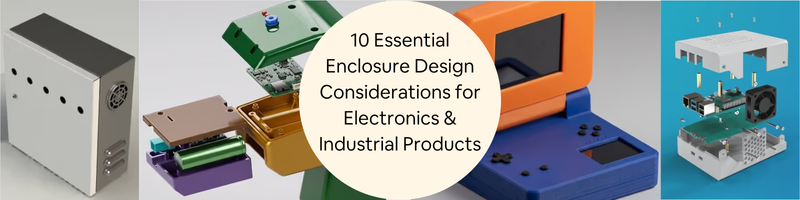
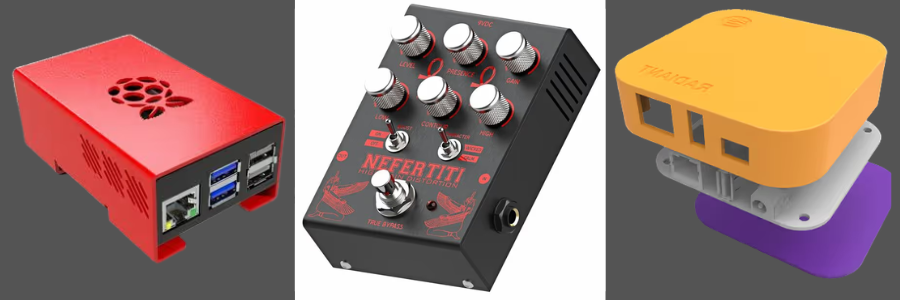
In the world of electronics and industrial systems, electronics enclosure design services are really vital as it plays a big role in more than just putting all the components inside a container or a box. Enclosure is more than just keeping it; it acts as a protection to prevent all the dirt and dust from getting into the tool. Keeping it safe from everything that can make it not work ensures that the tools and equipment are working properly. Think of the enclosed tool as something that is not designed well; it will be an easy access for all the dirt, such as dust and mites, to go in. It can affect the overall performance of the product, such as damaged components, overheating, and sometimes damage that is hard to repair or more costly. It is crucial that enclosed designs are not just built; they should be carefully planned and consider many factors.
Overlooking even just one factor could cause issues. In this blog, you can learn the 10 essential enclosure design considerations in a simple and more understandable way. It can help you have clear information and knowledge, even if you are still new in the field of electronics and industrial projects. Before diving into the 10 essential enclosure designs, let us first know what “enclose” means in the world of electronics or industrial. Enclosure is when we are putting or placing all the components inside a box that gives protection. The use of enclosing is that it guarantees safety and also organizes. It secures items that are valuable. Enclosures are needed and are functional in everyday life as well as in the context of electronics and industry.
The following are the 10 essential enclosure design considerations for electronics and industrial applications.
1. Environmental protection
As an enclosure design expert, knowing where your enclosure should be used is a must. You should be able to consider the different environments that can affect your electronics and may cause hazards and risks. In a certain environment, it can expose your tools to chemicals, dust, rain, or even temperatures that are not expected. It can really have a big impact on your product. Consider environments such as outdoor, industrial, or indoor. In an outdoor environment, it is more likely to be prone to rain, wind, extreme temperatures, and sunlight. When you are planning to have it in an industrial environment, it is more likely to have dust, dirt, and even oil spillage and chemical reactions that could be harmful.
When you pick the indoor environment, compared to the outdoor and industrial, indoor is more likely to be much cleaner, yet it can have moisture and dampness that could still be a cause of why your electronics would not be working. One example of choosing the right environment is when your box needs to be secure from all the oils and dirt. You should think about what would happen if exposure occurs. Internal parts and components might fail if the enclosure is unable to withstand the environment.
It is vital to be picky when choosing a material for electronics design services. You must know what to consider, such as whether it fades, or if it is absorbent to heat or water. A material that is well chosen can result in an overall performance that stays and lasts long. Good material should withstand any challenges that could occur, because it shows that it is durable. When choosing a material, think of how it will benefit and help your enclosure. For example, when plastic material is used, yes, it is lightweight, which is suitable for indoor use as it does not easily rust over time. When stainless steel is an option, think of the possibilities because it is good for a wet and corrosive environment.
Metal or steel is also a better choice of material because it is durable and can withstand harsh environments outdoors. An example of this is that a metal enclosure is more suitable in a factory because it prevents exposure to chemicals. But, if you are just at home, a plastic enclosure is already fine to use. A material plays a big role because it also prevents them from harm and risks that could have happened. When wrong materials are chosen, it will lead to something that is hard to fix over time. It can have cracks, rust, and it may fade over time, which we do not want to happen.
3. Thermal management
When it comes to electronic product design, heat control should be included in the plans that are being made. Electronics do produce heat over time. When heat is trapped inside and there are no passageways for it to go out, it can be a big problem. It can damage the parts and components, and the prolonged use of the product will shorten its lifespan. In order to manage the heat and to mitigate the errors that could happen, electronics and industrial design companies should know how it affects the product. If heat is felt, add a vent to allow the air to flow. Fans are also a good use because they make cooling active, which can lessen the heat. You can also opt to have heat sinks installed in order for heat to be absorbed and released. When too much heat occurs, it can cause the system to fail, where performance is affected and disturbs the progress.
4. Space and size planning
A flow where the enclosure can move freely within the space being involved, it can be a relief as it avoids harm from occurring. A good space is one where all components and parts are being safely stored without being overcrowded in one area. It is a must to allocate space for the wires and airflow, as they sometimes tend to consume space. As time passes by, technology advances, and resources grow, plan for any upgrades. An upgrade allows you to be in the competitive market, where it gives you the chance to improve your system and make the product perform well. When a cramped enclosure is being utilized, it makes maintenance hard to perform because there are a lot of things going on. This leads to more heat building up that can really harm and cause errors, which sometimes can be too difficult to solve.
Ingress Protection, also known as the IP rating, explains how an enclosure must ensure that no dust or water can enter it, which can be harmful to it. It must be followed as it is a standard that is being utilized to guarantee that your tool is being secured and safe from any dirt that enters. An IP rating should look like IP65 or IP67; founders or clients should know what codes must be used so that it guarantees that the protection is working. IP usually has two numbers, the first number is utilized to protect from any solid objects such as dust, and the second number tends to protect from any liquid such as water. If zero (0) is used, it means that no protection is used.
IP rating must be used correctly because it surely gives assurance that no harm or risks are being made. When one chooses the wrong rating, it can lead to something such as dust that can easily enter and cause damage to all the circuits, which will lead to equipment that is no longer functioning. When an IP rating is used in an enclosure that happens outdoors, the rain might cause damage because it will enter and then destroy the electronics inside the enclosure. A higher IP rating means that it is leaning towards higher cost, less airflow, which usually affects the cooling, and more sealing. That is why it is necessary that balance and stability are among the matters that should be seen because it allows prevention to be consistent throughout, which cannot affect the equipment. Lastly, you should be able to choose an IP rating based on your environment and not because the numbers are high.
6. Ease of access and maintenance
Although you wanted protection for all of the equipment, it is necessary that all of the enclosures you have should be easy to open. For consumer design services, when an enclosure is made with hard access, it will be more costly and can require a lot of time to repair, which clients do not want. Make sure that the enclosure is created with removable covers so that it will be easy to access. As well as parts that are considered important should be easily accessible because they might delay when they are needed quickly. Have a design that is inclined with only its function, it must be able to withstand alone when repairs are needed, and does not affect all the parts.
7. Cable management
When things are fixed properly, it will be much easier to find the things needed. It is preferred to have all the cables organized based on their function and use to keep everything safe. Use ducts or cable ties to organize and avoid the cables from being bent tightly because it might have an effect. A well-cleaned and organized cable would just mean that things can be clearly seen without having to make a mess. When cables are fixed, problems are also fixed. Messy wiring can be a problem in the long run because it might damage the cables and cause confusion.
Mounting and Installation tackles how to mount and where an enclosure should be properly placed. It is vital because it ensures that parts and components are placed together. Even if the design engineer produce the most lit and well-designed enclosure, if it is not installed properly, it would cause damage or harm. Mounting matters because all enclosures must be stable, consistent, and protected from all locations. If not installed properly, wires may be damaged, and then the components will loosen, which is unsafe. Poor installation can lead to accidents or equipment damage.
9. Safety and compliance
All of the protocols being upheld by the local or even the national government must be followed. It does protect people and all of the equipment to be able to work and function. Enclosure standards and protocols must be followed to avoid injuries and legal problems, which can be a costly matter when they happen. Utilize materials that are resistant to fire, and standards such as IEC or UL must be followed. Being able to follow will mean that hazards are mitigated.
10. Aesthetics and labeling
A well-lit and clean label will mean that usability is being created and is made without confusing anyone. It is necessary that all labels are correctly made so that it will avoid any harm that might happen, such as when you pick a switch that is not made for that function. Make packaging designs that are simple, easy to comprehend, and readable. In addition, have a layout that is organized because it will just make the work more efficient when all labels and wires are properly created for its usage. A good enclosure design would prioritize the safety and protection of all the equipment. It will keep it cool, and having an enclosure that is easy to maintain will mean that it is made for its intended purpose.
It is necessary to consider the environment because it will lead you to make the equipment safe, and proper installation must also be adhered to. Moreover, it will guarantee that the system will work for a long time and be reliable. Cad Crowd plays a vital role in solving problems that arise in the way of designing enclosures. It cannot be denied that problems are sometimes unavoidable, which leads to projects that are failures, yet with every failure being experienced, new things are learned, and it can be used in making a product that can be improved. A lot of projects tend to fail because of not knowing how to plan, the lack of expertise, as well as a lot of errors and product specifications that are not used to make the product better.
Cad Crowd has made a name for itself in the platform; not only does it allow partnerships, but it also offers a lot of specialised services, like new concept design & product development services that any client would not be disappointed with. They have a massive pool of global talents and experts who are assured that they make the best output with all of their knowledge and expertise. A challenge when making an enclosure design is that the environment’s understanding of where it will be utilized. It is crucial that proper knowledge and understanding be applied because it makes the enclosure withstand any challenge. Cad Crowd ensures that the specific enclosure is suitable for an environment, which can mitigate failures from happening.
One problem is that when choosing materials, some may choose those that are weak and cannot function properly, suited to the goal set by the founders or the owners. Sometimes, when choosing materials, it may be too expensive and not the right material for an environment that can harm the situation. Cad Crowd vetted professionals assist the clients in choosing the right materials that must instill usability, durability, and cost-efficiency, which guarantees practical solutions and balance. Through CAD modeling design and analysis, Cad Crowd professionals and talents can create a design that functions properly in terms of ventilation, which can solve any problem in terms of overheating.
Prevention is better than cure, as they say, the aid of Cad Crowd professionals and experts can help a lot in making sure that there is enough airflow or ventilation. Poor planning is also a problem that any Cad Crowd professional can fix. When spaces are not being utilized properly, enclosures are cramped, which leads to wires that are tangled, which is not good, as it may cause damage. Cad Crowd professionals who are experts in designing can make an in-depth, detailed 3D model that shows how the spaces should be used, which guarantees the wiring is in the best shape. Having 3D professionals who can design well can help any founder or client avoid redesigning.
On the other hand, there is the presence of Cad Crowd engineers who are knowledgeable and skilled at making enclosures that are rightly suited to all of the parts and components. With the right seals and closures to meet the IP ratings requirements, it guarantees that reliability happens and can withstand the challenging environmental conditions. Cad Crowd assists in creating enclosures that are accessible and usable and have points so that technicians can carry out maintenance and repairs quickly. A messy thing can make the person messy in terms of thinking. It will lead to confusion; sometimes, it can be so overwhelming that they tend to make mistakes because of it.
It can interfere with the safety hazards, and with that, risks might happen. The help that a Cad Crowd product design professional can give is that they can plan and clean, prioritizing the layouts for the organization of the cables, which can have a direct impact on the performance and safety. Incidents and risks may lead to legal problems, and they can arise from standard violations. Cad Crowd ensures that designs adhere to necessary safety requirements from the start by working with professionals who are knowledgeable about industry laws.
They make it possible that no other laws are being violated. In addition, Cad Crowd is really an aid in electronics and industrial contexts, especially in enclosure design. It can be a help, especially in those companies that have no internal team that specializes in CAD or design. The following are what Cad Crowd can offer:
1. Skilled and Specialized Designers
Cad Crowd lets you have a partnership that you can have depending on what field or service you need, whether it be in engineering or in designing. They can specialize in IoT devices or even in machinery covers. It is more than just basic CAD modeling, but it’s about the service that lets you protect what the product aims for.
2. Custom CAD & 3D modeling
The help that a Cad Crowd professional provides is really an answer to any preparation that is needed. With the use of SolidWorks engineering designers, you can have a 3D model for the enclosure. You can also have the exact and precise measurements and fits for the wires, connectors, and batteries, which enables you to have functional equipment. There are also designs that are already ready, so that when time is shortened, it will still be suited to the one that is required.
3. Integration with electronics
The experts found in Cad Crowd are not just based locally but also globally, which means they tend to have a lot of various experiences in making a plan a success. Cad Crowd PCB designers are able to design such PCB layouts, the mounting points, and standoffs that are sometimes needed in installation. In addition, they have a specialization in routing with cables. Having their knowledge can avoid problems like bent wires, ports that are misaligning, and internal layouts that are so full that they can lead to confusion because all are crammed into one storage.
4. Supports on prototyping
There are a lot of professionals, talents, experts, as well as freelancers who can really guide you in making the dream work. They can help in rapid prototyping such as 3D printing services, a prototype is usually created to be able to see the final design viewed in 3D to make sure that there are no flaws anymore, as well as if there are things that need improvement, they are taken into note. By having a prototype, it bridges the gap between ideas and real-life actions already. Right before mass production takes place, it is a must to ensure that nothing is forgotten. All are up to date, and so, by having to check all of it, it is already being processed for manufacturers to start and make progress.
Hiring an internal team and an in-house team is costly. Think of them as something that you only need for a project that does not usually happen. It can really be a waste of resources. With the use of Cad Crowd, you are able to have professionals, freelancers who are experts in their own field of specialization, based on the project you are working on. You can just post about your project or the service you need on the platform, and these freelancers and experts will be the ones to give you the quotes regarding the post. You can also choose depending on your own budget, whether you only have a few or you want to splurge and invest in a service that can really help you with the project. Over time, there are services that you won’t need anymore. With that, you can just scale the work when needed or down when it is not. By doing so, it will be a great aid in saving resources, which can be used for other plans or projects.
6.Thermal & structural considerations
A good enclosure is not just about the aesthetics or the appeal in the visuals. It can be a help, but it is not necessary when the functions are being forgotten and disregarded. Due to this, designers that can be found in Cad Crowd can add additional functions and use that are necessary. They can add ventilation to avoid overheating, and they can reinforce the weak points that are required for durability. This is a must and a crucial point, especially in industrial environments or electronics. Cad Crowd is really a great help, especially for those who are still starting up, as you won’t need a lot of staff or a team that might be costly. Cad Crowd has the expertise that can help the company if it consists of an engineering design team that lacks expertise.
Conclusion
Cad Crowd is a strong resource where one can get the help they need, especially in the field of electronics and industrial enclosure designs. It aids a lot in making sure that all of the products and equipment are stored properly and with safety precautions. By providing and having access to all of the vetted professionals who not only offer their services but also guidance and support, it keeps the passion in pursuing the goal and objectives alive.
Rather than having a problem and wasting time and resources on trial and error, Cad Crowd professionals save the day: you get a well-planned and efficient team that makes all of your dreams come true, while complying with technical and environmental requirements. Longevity and durability are the outcome when this platform is utilized. Cad Crowd is a crucial platform as it can move a project from ideas to a prototype. Contact us for a free quote.
MacKenzie Brown is the founder and CEO of Cad Crowd. With over 18 years of experience in launching and scaling platforms specializing in CAD services, product design, manufacturing, hardware, and software development, MacKenzie is a recognized authority in the engineering industry. Under his leadership, Cad Crowd serves esteemed clients like NASA, JPL, the U.S. Navy, and Fortune 500 companies, empowering innovators with access to high-quality design and engineering talent.
One of the best things about the TV adaptation of George R.R. Martin’s Fire & Blood is the level of intrigue, scheming, and politicking on display. In the latest House of the Dragon episode, we see how Rhaenyra’s (Emma D’Arcy) placement of Torrhen Manderly (Dan Fogler) as her Master of Coin makes him the target of the smallfolk’s wrath, and how Mysaria (Sonoya Mizuno) uses her body to appeal to Rhaenyra’s senses. Yet, the biggest schemer of House of the Dragon season 3, episode 7, is none other than Ormund Hightower (James Norton).
Ormund has played plenty of tricks this season, adapting some rather unsavory (and Dornish) methods to pick and tear at Rhaenyra’s rule now that she’s claimed King’s Landing. For one thing, there’s the butchering of the City Watch which led to seemingly all the remaining members resigning. With everyone in the city feeling unsafe, the love that Rhaenyra had earned is evaporating. And as proven by the ending of this week’s episode, not even those close to Rhaenyra can be counted on. There’s one major choice from last season that finally looks like it will come back to bite Rhaenyra in next week’s season finale.
House of the Dragon season 3, episode 7 doesn’t end on a major cliffhanger like last week, but it does put a few pivotal pieces into position as the show creeps toward another explosive season finale. So let’s unpack the most important moments from the episode and what they all mean.
What is Ormund Hightower’s plan in House of the Dragon?
Ormund at the end of season 3 episode 4 urging Daeron to kill a prisoner.Image: HBO
With the Blacks now ruling King’s Landing, the Greens have had to fight dirty. Their latest move, under Ormund’s guidance, was to capture Tumbleton, a market town not too far from King’s Landing. With the townspeople effectively his hostages, Ormund correctly surmises that Rhaenyra won’t attack with her dragons and risk killing innocent smallfolk. This gives him and his army plenty of time to plan.
We’ve seen that Ormund has already been whittling away at Rhaenyra’s rule, but the ending of episode 7 shows he isn’t content to turn only commoners against the queen; he wants her dragonriders too. This makes sense, as the Greens are in a poor position when it comes to dragons — Vhagar and Aemond are missing, Sunfyre and Aegon are presumed dead, and Tessarion (who belongs to Daeron Targaryen) is still too young and small to put up much of a fight.
If Ormund wants to do well against the Blacks when they eventually come to retake Tumbleton, he’ll need to persuade some of Rhaenyra’s newly minted dragonriders to join his side. It’s not the perfect plan by any means, but Rhaenyra losing any dragonrider to her cause is a major loss if Vhagar, the most powerful and largest of all the dragons, turns up to try to retake King’s Landing.
Ulf the White (Tom Bennett) was never well-respected by anyone outside his drinking mates in King’s Landing — making him the perfect target for Ormund to appeal to. Because Ulf is close enough to Rhaenyra to know her plans, Ormund now has a way to anticipate what she will do next and plan around it. When she tries to take Tumbleton, reassured by having dragonriders like Ulf and Hugh the Hammer (Kieran Bew) on her side, she’ll have a nasty surprise waiting for her in Ulf’s betrayal.
Why did Ulf the White betray the Blacks?
Despite being the rider of Silverwing and undoubtedly one of the reasons Rhaenyra felt secure enough to take King’s Landing, Ulf has never been well-liked by Rhaenyra and her Black council. He lacks the grace to properly address the highborn nobles he serves under, often questions orders, and laments to his fellow dragonriders that they deserve more than merely knighthoods.
This all comes to a head when Daemon Targaryen (Matt Smith) discovers Ulf out in the city — a place he was strictly forbidden to go. Daemon beats him down, making him look a fool in front of the commonfolk in King’s Landing. For a man well-loved by his fellow smallfolk, knowing they’ve seen him roughed up by people who are supposed to respect him is a step too far for Ulf. Furthermore, Ulf has always wanted power — or at the very least the wealth and prestige that comes with it, so it’s little wonder that he goes to Ormund, who promises to make him Lord of the Tides and Master of Driftmark.
Will Hugh the Hammer betray the Blacks?
In George R.R. Martin’s Fire & Blood, both Ulf and Hugh betray Rhaenyra and the Blacks in Tumbleton — thereby becoming known as the Two Betrayers. Their reason for doing so is never given, and though we now know why Ulf did so, Hugh’s reason — if he does indeed betray Rhaenyra — isn’t so certain.
In the show, Ulf is driven by ambition, whereas Hugh went to secure his and his wife’s future. That ends up not working too well for Hugh, since he learns his wife felt abandoned by his decision to become a dragonrider. Though Hugh does get violent, so far there’s not been a reason as to why Hugh would become a traitor and join Ormund.
Image: HBO
However, maybe it has nothing to do with Hugh’s loyalties at all, but with his dragon, Vermithor. Vermithor and Silverwing are bonded together and have been for many years. If Silverwing were to attack on Ulf’s orders, would Vermithor listen to Hugh and attack his mate? We’re not so certain Vermithor’s bond with Hugh is powerful enough to ensure that the dragon would turn on Silverwing, leaving Hugh no choice but to turn his cloak as well.
It would be a particularly sad state of affairs for Hugh, as he seems genuinely loyal to Rhaenyra, but if there’s one thing House of the Dragons excels at, it’s defying expectations. We can’t wait to see how the Battle of Tumbleton plays out for both the Blacks and the Greens.
I went for a run with the Galaxy Watch 9 while visiting London.
Samsung added several helpful features, such as hydration tracking.
Ultimately, it’s an intelligent workout companion that’s lighter (and classier) than the Galaxy Watch Ultra 2.
As a tourist, there’s one thing I try to do on each trip I go on — go for a run to see some sights (and get in a few hours of exercise). So, of course, while I was in London for Galaxy Unpacked, I decided to go on a run with the Galaxy Watch 9, Samsung’s newest smartwatch it unveiled on Wednesday.
I had been testing the Galaxy Watch Ultra 2 for around a week before I got my hands on the Galaxy Watch 9. While I enjoyed the rugged design of the Watch Ultra 2, I’ll be honest, it is a honker of a smartwatch, and its chunky build doesn’t necessarily work with my wardrobe or vibe. The Watch 9, though? Well, it’s a match.
For starters, it’s smaller and more comfortable to wear. The white band and silver case look great, and it’s just the type of exercise smartwatch I want, something that’s style-minded but still functional as a workout companion. Here are my thoughts as I wore it on my run around Buckingham Palace and Hyde Park.
Best smartwatch deals of the week
Deals are selected by the CNET Group commerce team, and may be unrelated to this article.
This thing is light
Samsung created this smartwatch to be more comfortable to exercise, sleep, and live in, and that was certainly accomplished with the Watch 9. It’s pleasant to run and work in for long periods of time.
Nina Raemont/ZDNET
I’ve worn two generations of both the Pixel Watch and the Galaxy Watch now, and one thing I prefer on the Galaxy Watches is the flattened watch display. Viewing information — whether a text message or my pace per mile — is easy to see on the watch, thanks to the 3,000 nits super AMOLED display. Also, in my opinion, the flatter display makes the watch look a tad classier than the Pixel Watch.
Hydration guidance is a nice touch
It’s July, so during my run through Hyde Park and Buckingham Palace, I naturally started to get hot. 40 minutes into the run, I got my first hydration alert through the nutrition function. It told me that I had lost 0.5% of water during my workout, and I should rehydrate with one cup of water.
Rehydrating after a sunny, outdoor workout is not rocket science, and drinking one cup of water after a 40-minute run is nearly intuitive. However, for marathon trainers who are running for hours on end, or cyclists biking 50 miles out in the sun, those hydration alerts could more accurately supplement watch users’ training — especially if you’re pushing yourself to the limit. You can configure this setting in the watch app, so be sure to enable it if you want these alerts.
I’m still waiting on a Samsung AI health coach
Don’t get me wrong, I enjoy the Galaxy Watch 9 so far. But if we’re comparing the Pixel Watches to the Samsung Galaxy Watches, I’d be remiss to not mention Google’s AI health coach. I can see all the puzzle pieces for a Samsung AI health assistant coming together on the Samsung Health app — and even an opportunity to beta test an AI health coach coming soon.
Nina Raemont/ZDNET
The watch monitors more biomarkers than ever, with new scores for heart health, cardio, blood pressure, and more. An AI health coach could fit into that equation of data with context and plain language explanations, alongside an opportunity for users to ask health questions and contextualize their wellness journey.
Samsung seems to be taking its time with this feature, but that’s not necessarily a bad thing. AI-powered health devices must be clinically tested and rigorously developed, so as to not provide uninformed users with wrong information — or abuse the health data users provide.
I’ll get more in depth with the Galaxy Watch 9 soon — particularly to test how it compares with the new flagship, the Galaxy Watch Ultra 2, and its previous-gen counterpart, the Galaxy Watch 8.