The Impact of AI in Education: Transforming Learning And Building a Brighter Future


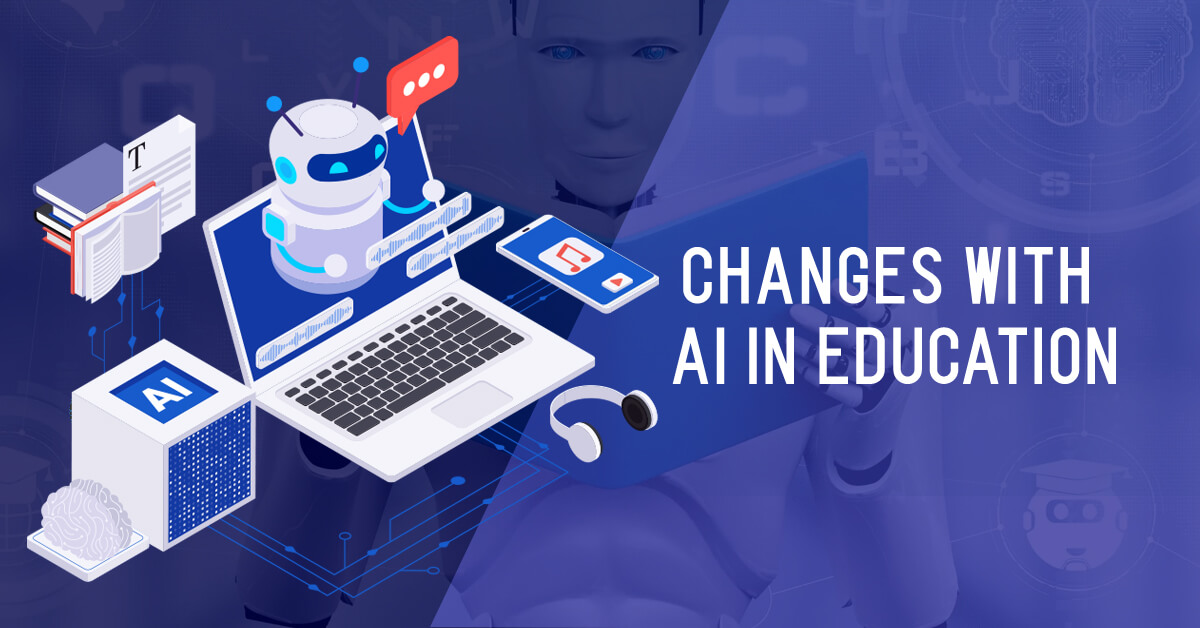
The impact of AI in education is presenting a transformative opportunity. Several schools across the globe have embraced AI technology. While technology has been integral to education, the impact of AI in education at present has been significantly boosted by the widespread accessibility of smart devices and web-based learning tools. The use of AI in education has brought about a significant transformation in the world of learning for students and teachers.


The present impact of AI in education is only at the niche stage. Keeping in mind the rapid advancements in AI, augmented reality (AR), and virtual reality (VR), the field of education is poised for further transformative shifts. The gradual evolution of AI has already made significant strides toward fostering personalized education, disrupting the age-old one-size-fits-all approach in learning. As a result, the upcoming generation of students is poised to have the opportunity to cultivate their unique talents in a manner that aligns most effectively with their individual learning styles, all thanks to the use of AI in education.


In a comprehensive study conducted by IDC, which included 509 higher education institutions across the United States, it was revealed that an overwhelming majority of respondents, accounting for 99.4 percent, firmly believe that AI will play a pivotal role in shaping the competitiveness of their respective institutions over the next three years. Remarkably, 15 percent of those surveyed described AI as a transformative “game-changer.” (Source: Microsoft)


Here is a look at the impact of AI in education.


Flexible learning environment

  • AI in schools has ushered in a new era of adaptability and versatility in education. 
  • The uniqueness of individuals is a fundamental aspect of human nature—some excel in comprehending visual information, while others thrive in auditory learning environments. 
  • AI in schools offers the ability to tailor the learning experience to suit the personal preferences of students, resulting in significantly enhanced educational outcomes. 
  • The impact of this adaptability and flexibility on education is profound. 
  • Conventional educational systems and curricula often fall short of adequately catering to the diverse needs of students and learners. 
  • An impact of AI in education is its potential to create a dynamic learning environment that seamlessly adjusts to an individual’s unique learning needs, thereby improving the overall effectiveness of their education.


Data-based customized feedback for improvement

  • Feedback plays a pivotal role in shaping the design of learning experiences, be it within a workplace or a classroom setting. 
  • The key difference between effective teaching and simply disseminating information lies in the provision of ongoing feedback. 
  • A critical aspect of this process is ensuring that the feedback originates from a reliable and trusted source. 
  • Consequently, with the use of AI in education, algorithms analyze and assess performance data gathered from day-to-day work reports.
  • Employing a data-driven feedback system not only enhances student satisfaction but also eliminates the influence of biases in the learning process. 
  • This personalized feedback mechanism is tailored to the specific performance of each individual student, allowing for a deeper understanding of the subjects where the students need more focus and attention.


Greater efficiency

  • Another major impact of AI in education is the potential to accelerate learning processes and alleviate the burden of manual educational tasks. 
  • Certain administrative responsibilities, often tagged as ‘other tasks,’ can consume a significant portion of a teacher’s or student’s time. 
  • The implementation of AI in schools has the capacity to automate these processes, resulting in greater efficiency and an improved educational experience. 
  • Looking ahead, both educators and learners stand to free themselves from the constraints of time-consuming and unproductive tasks. 
  • For instance, students and teachers can substantially reduce the time allocated to paperwork and other curricular administrative duties, thereby reclaiming valuable time for meaningful learning endeavors.


Game-based learning approach

  • Game-based learning employs interactive and immersive games to teach students. 
  • It blends elements from game design, like collaboration, competition, and problem-solving, with conventional teaching methods such as lectures and hands-on practice. 
  • An advantage of this approach is that learners can immerse themselves in a simulated environment, applying knowledge and experimenting with strategies before real-world application. 
  • Gaming serves as a delightful avenue to introduce concepts and ideas, fostering improved comprehension and retention compared to traditional teaching methods.
  • For students with learning challenges, tailored educational approaches are essential. 
  • AI in schools plays a pivotal role in this context, facilitating not just personalized but precisely targeted learning experiences. 
  • Its algorithms are specifically engineered to assist individuals with special needs in the most effective manner possible.


Breaking barriers

  • Education is boundless. A major impact of AI in education is its potential to break down barriers. 
  • AI impact on education is bringing about significant transformations by enabling access to learning materials from any corner of the world and at any time. 
  • AI-driven education not only imparts essential IT skills to students but also opens the door to a broader spectrum of online courses. 
  • As innovation continues, an even more extensive array of courses will become accessible, with the use of AI in education empowering students to learn from wherever they may be.


24/7/365 educational assistance

  • Students often seek additional assistance beyond regular class hours. However, teachers may have limited availability to address every student’s needs. 
  • This is where virtual learning assistants or chatbots can play a valuable role. 
  • While chatbots cannot replace human educators, AI tools can offer constructive feedback on student assignments, enhancing their skills during after-school sessions. 
  • This can create a personalized one-on-one learning experience, offering prompt answers to urgent or questions that need clarity at any time, thereby freeing educators to allocate their time to other important tasks.
  • AI-powered chatbots provide continuous support to students, responding to their inquiries around the clock. 
  • Furthermore, thanks to machine learning, these chatbots become increasingly effective over time. 
  • In addition to their availability, chatbots offer accessibility for all students, anytime and anywhere, enabling each learner to progress at their own pace. 
  • This approach fosters focused, outcome-driven, and personalized learning experiences.


The impact of AI in education enhances the teaching and learning experience. The use of AI in education revolutionizes educational processes by automating tasks like administration and grading. For teachers, AI streamlines their work, while students benefit from personalized learning experiences. This technology enables students to access education online anytime, from anywhere, providing prompt assistance with homework and questions. AI and education are indispensable for transforming the lives of students in the years ahead.
Artificial Intelligence In Medicine: Benefits And Applications


What should we know about AI in Medicine or AI in Healthcare?

Artificial Intelligence In Medicine: Benefits and Applications

Undoubtedly, Artificial Intelligence in Medicine has and will have unbelievable potential. The AI technology in medicine will modernize conventional approaches in the next couple of years.

AI technology is slowly transforming the medical field with robustness. That’s why USM is ready with advanced AI-based solutions and services to transform healthcare and medical fields into this digital world.

AI, along with drug development and automating admin tasks, technology also useful for screening public health programs. Manual management of such programs is a complex process.

Human resources have to approach the public and need to check their healthcare conditions. This kind of traditional health awareness program is conducted for patients who are in remote areas. Besides, such programs are helpful for people who cannot visit hospitals and know their illnesses.

However, limited resources to motivate the large-scale public will impacts these health programs.

The emerging Artificial Intelligence (AI), Machine Learning (ML), and deep learning technologies are useful to monitor and screen public health efficiently.

Get in touch!

The Impact Of AI In Healthcare/Medicine

The impact of AI in healthcare: AI and ML technologies are very much useful to meet the above challenge. They can reduce the need for human resources in performing public health programs. Due to the less aware and inadequate data, the growth of AI in healthcare is slowly progressing.

Now, the data is gathering from various sources like the internet, cloud, and sensors. Vast information is available from these sources. AI and ML technologies are in momentum to process such vast datasets.

Gathering patient’s data, storing it in the cloud, and processing it, everything is automated and digitized. Artificial Intelligence In Medicine and healthcare is doing every task that is performed by humans earlier.

AI in medicine learns from data, detects patterns, and assists doctors diagnose diseases in the early stages. Besides, artificial intelligence services and solutions for the healthcare sector also helps drug development companies to make the best clinical decisions faster.

Applications of AI in HealthcareWell.

We like to explain the most significant benefits of artificial intelligence benefits in healthcare or public health. Let’s get started!

Benefits of AI in Healthcare/Medicine

Artificial intelligence in the medical field has been successfully evolving day by day. It offers many benefits to healthcare service providers. The core applications of AI in healthcare include-

  • Medical diagnosis
  • Drug discovery
  • Medical record storage
  • Data retrieval and processing
  • Intelligent robotic surgery
  • Virtual healthcare assistants and
  • Fitness trackers

These are only a few use cases of AI in healthcare. The developments of AI in the healthcare sector are steadily growing with the increased demand for advanced healthcare services. In the years ahead, the impact of AI in healthcare is unmeasurable and will explore digital opportunities for healthcare service providers.

Top AI applications in the medical field

Here are a few significant benefits of AI in medicine that must know if you plan harmless integration of AI in healthcare operations.

#1 Improves Health Workforce Productivity

It is one of the benefits of AI in medicine. The future of AI in medicine for automating operations and improving productivity of staff has been signaling a profitable note. AI-powered apps, devices, systems will track, analyze, and records healthcare information of patients gathered by different sources automatically.

AI applications for healthcare have erased the burden of paperwork and saves lot of time of workforce. Hence, AI machines assist service provides to focus more on key activities.

#2 Diagnostics and Screening

The use of artificial intelligence in healthcare for disease diagnosis and symptom tracking has gained popularity in the world. Intelligent AI-powered software applications using Machine Learning (ML) and Deep Learning learn from images and analyze disease symptoms to accurately identify the disease type.

Hence, artificial intelligence in medicine (Healthcare) helps to perform faster and better clinical diagnoses and help physicians deliver required treatments.

#3 Improves Client Adherence

AI-based tools identify gaps in the behavior of people’s health-seeking and help health workers to suggest individuals who might quit from a health program or treatment.

#4 Virtual Health Assistants

AI-powered virtual health assistants reduce the workload on physicians and help patients get regular health checkups remotely. They act as a communication platform for physicians and patients.

Along with this, AI-based interactive Chatbots in healthcare offer 24*7 medical or healthcare services to patients.

USM has a digital healthcare solution that provides the best financial results and enhances your brand value in this competitive digital world.

#5 Digital Consultation

Never worry about taking your medical appointments. No need to wait in a queue for an appointment booking. But, AI technology in healthcare nailed it out.

USM’s AI mobility solutions can help you out. Our AI solution helps you book a time slot to get treatment without waiting in the cabin.

#6 Health Monitoring

Health Monitoring is one of the top AI applications in the medical field. AI machines or apps can monitor heart rate, pulse, temperature, and other vital health parameters.

The best AI mobile apps in healthcare help physicians in monitoring the health conditions of patients in ICU. Moreover, mobile applications in medicine also send notifications to doctors regarding the health improvements of patients.

We are one of the innovators in the design and development of top AI mobile apps for healthcare. Get your free quote today!

These are the top AI applications in the medical field. The roles of AI in healthcare are plentiful and the benefits of AI in medicine are incredible.

Now, we will discuss which companies are using AI to develop advanced medicines to treat hazardous diseases.

Health apps for medication managementHarmless integration of AI in healthcare
  1. Bioxel Therapeutics

 Location: New Haven, Connecticut, United

How is it using Artificial Intelligence in medicine?

To fight severe oncology and neuro disorders, the company is using AI in medicine. It is engaged in developing drugs that combat immune-oncology diseases.

  1. Berg Health

 Location: Massachusetts, United States

How is the company using AI in the medical field?

It is one of the best AI companies in healthcare or medicine. The company is hardly working to bring an AI biotech platform. This artificial intelligence platform, by mapping diseases, helps develop advanced drugs, especially for treating Parkinson’s disease.

USM delivers advanced mobile apps and AI solutions for healthcare service providers. We promise our AI services for healthcare automate end-to-end processes and reduce admin costs.

  1. XTALPI

 Location: The United States

How it is using artificial intelligence in medicine?

Artificial intelligence in healthcare will drastically alter medical processes. The company’s AI platform detects molecular structure and properties and makes the development process easy. It is one of the best examples of artificial intelligence in the healthcare industry.

  1. Atomwise

 Location: San Francisco, California, USA

How it is using artificial intelligence in medicine?

To kickoff sclerosis and Ebola, this company uses AI to identify millions of genetic compounds in a matter of minutes. This AI-based neural network helps pharmaceutical companies to screen over 20 million genetic compounds each day. It might take months to perform manually.

  1. Deep Genomics

 Location: Canada

How it is using artificial intelligence in medicine?

It is another best AI company with a primary goal of creating the best AI platforms for healthcare. The company’s AI platform is very much useful in developing drugs for neuromuscular disorders.

Here we listed only a few AI companies in a pool.

There are a plethora of tech companies that are involved in developing AI solutions for the healthcare industry.

USM is one of the best AI app development companies in the USA and India. We, using the potency of artificial intelligence, develop the best mobile apps and AI solutions for healthcare and pharmaceutical companies.

What Is The Future Of AI In Medicine?

Is artificial intelligence the future of medicine?

Yes. Artificial Intelligence technology will be the future of the healthcare industry. AI-based patient-oriented applications, physician-focused apps, admin-friendly applications, supply-chain management, and device monitoring apps will be anticipated to occupy the healthcare space in the years ahead.

From medical record maintenance, online doctor consultations, and disease identification to drug design and development, telemedicine, radiology, and remote surgeries, Ai applications impact the healthcare sector.

Hence, the future of healthcare using AI, ML, deep learning, natural language processing, speech recognition, and computer vision will be more collaborative and interactive. AI healthcare app development is the best way for service providers to grab the opportunities of AI in the industry.

Hire the best AI app development company and convert traditional approaches to digital!

Conclusion

Artificial intelligence services and solutions for the healthcare sector are necessary to provide better care service to the patients and improves automation level. Public health and medicine encourage the further development of Artificial Intelligence In Medicine. AI will not only be the center of attention and more prominently act as the source to develop innovative solutions for public health.

USM is rapidly expanding its Artificial Intelligence Services/ AI services across the industries.

To ensure a bagful of opportunities for the healthcare industry, our AI experts are developing intelligent AI solutions.

Gain from our Artificial Intelligence-powered Services & Solutions for the Healthcare sector. Contact Today!

Get in touch!

OpenAI Unveils Voice Engine That Can Copy Human Voices, But Won’t Share It Yet


April 2nd, 2024: OpenAI, the company behind the popular ChatGPT, has announced Voice Engine, a new text-to-speech AI model that can create synthetic voices based on a 15-second segment of recorded audio.

The technology, developed in late 2022, has the potential to provide numerous benefits, such as reading assistance, global reach for creators, and personalized speech options for non-verbal individuals.

However, despite the potential advantages, OpenAI has decided to preview the technology but not widely release it at this time due to concerns about potential misuse.

The company initially planned to launch a pilot program for developers to sign up for the Voice Engine API earlier this month but scaled back its ambitions after considering the ethical implications.

In a statement, OpenAI said, “We are choosing to preview but not widely release this technology at this time. We hope this preview of Voice Engine both underscores its potential and also motivates the need to bolster societal resilience against the challenges brought by ever more convincing generative models.”

The company has been testing the technology with select partner companies since last year, requiring them to agree to terms of use that prohibit impersonation without consent and mandate informed consent from individuals whose voices are being cloned.

OpenAI has also implemented a watermark in every voice sample to assist in tracing the origin of any voice generated by its Voice Engine model.

To address the potential risks associated with voice-cloning technology, OpenAI has provided three recommendations for society to adapt: phasing out voice-based authentication for bank accounts, educating the public about the possibility of deceptive AI content, and accelerating the development of techniques to track the origin of audio content.

The company emphasizes the need for a cautious and informed approach to the broader release of synthetic voice technology.

“We hope to start a dialogue on the responsible deployment of synthetic voices and how society can adapt to these new capabilities,” OpenAI stated. “Based on these conversations and the results of these small scale tests, we will make a more informed decision about whether and how to deploy this technology at scale.”

As the development of voice-cloning technology continues to advance, it is crucial for companies like OpenAI to consider the potential risks and ethical implications while working to harness the benefits for society.


Fakeyou Best AI Celeb Voice Changer text-to-speech tool 2024


fakeyou

Nvidia’s Breakthrough and Hybrid AI with Clarifai

Nvidia’s Breakthrough and Hybrid AI with Clarifai
In the ever-evolving landscape of technology, there are moments that redefine our expectations and propel us toward new horizons. This week at NVIDIA’s Keynote at their GTC conference we stand at another such moment as the trailblazing company unveiled its latest leap forward in artificial intelligence (AI).

Nvidia’s groundbreaking announcement sent ripples through the tech industry, promising to reshape the capabilities of AI-powered solutions. With a legacy of pushing boundaries, Nvidia’s new generation of GPUs holds the potential to revolutionize industries and drive unprecedented advancements in AI – imagine brand new GPUs that are basically AI rocket fuel.

Yet, the vision and reality of the future of AI goes beyond hardware innovation alone. Solutions and technology are oftentimes dependent on the requirements of the users and users ultimately need flexibility. Providing flexibility for users, while still meeting organizational needs around time-to-market, cost, and governance, is a fine balance. This is where Clarifai steps onto the stage. 

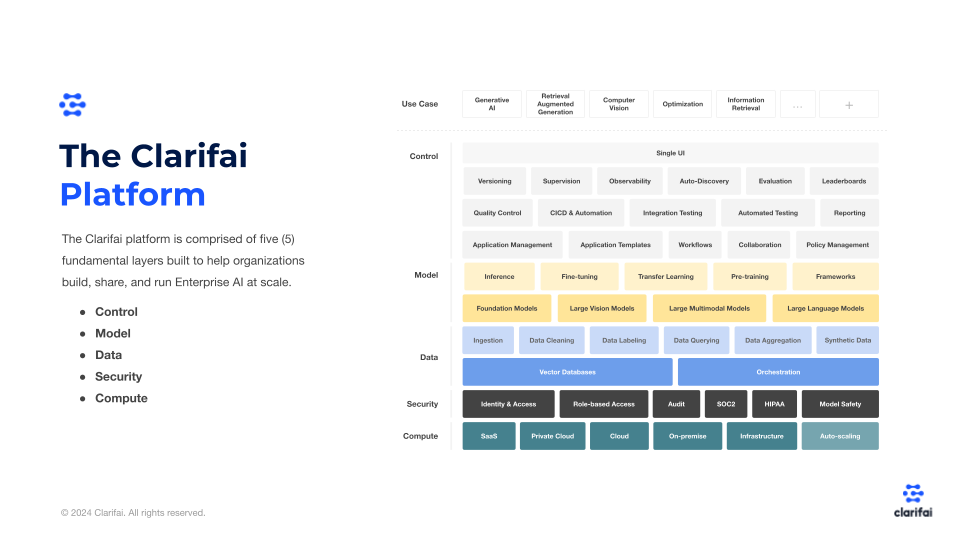
Clarifai was built around the idea of hybrid AI and providing organizations with flexibility and choice – what models to run, where to run AI, what data to integrate, and this choice is fueling new technologies and solutions coming to market everyday – and Clarifai makes it easy to run any AI, anywhere. The Clarifai platform builds on top of technology like Nvidia’s new GPU announcement, but also on other providers like AMD, Supermicro, and public clouds like AWS, Azure, and Google. Clarifai provides customers flexibility to run AI anywhere – any cloud, any datacenter, anywhere — whether on new Nvidia GPUs, customer’s own infrastructure, or more public environments—within minutes. 

Clarifai’s platform was designed to help organizations build enterprise AI faster, and with ease of use and scalability in mind, reducing AI sprawl and making it easier for teams and organizations to operationalize their AI initiatives. This is becoming ever more challenging due to the urgency on productionizing multiple AI initiatives combined with ever more complex hardware like Nvidia’s Blackwell announcement. With Clarifai, users can go from 0 to production AI in just five minutes, unlocking the power of AI without the complexities traditionally associated with implementing and managing underlying infrastructure and operations. 
Clarifai-Pitch-Deck

With the ability to standardize and share AI development workflows across teams, and centralize AI governance and access controls, Clarifai helps teams focus on making the most of AI resources, whether they’re deploying their first or tenth AI application to production. By democratizing AI and making it accessible to businesses of all sizes, Clarifai is making AI available for widespread adoption and transformative change across organizations while providing guardrails and risk reduction.

Moreover, Nvidia is an investor in Clarifai and Clarifai is part of Nvidia’s Inception Program, so our goal has always been to complement the Nvidia suite. Nvidia’s investment in Clarifai underscores a shared commitment to advancing AI and leveraging Nvidia’s cutting-edge hardware alongside Clarifai’s hybrid approach; organizations can unlock new levels of innovation and stay ahead in a rapidly evolving digital landscape.

Together, Nvidia and Clarifai represent a formidable force driving the future of AI for users, teams, and organizations everywhere. Our partnership exemplifies the collaborative spirit necessary to push the boundaries of what’s possible and shape a smarter, more connected world.

Here at Clarifai, we’ve been pioneering bleeding-edge AI for over 10 years and are excited to help organizations unlock the power of AI. Nvidia’s latest announcement marks a significant milestone toward AI-driven innovation. Join Clarifai as we embark on this transformative journey.


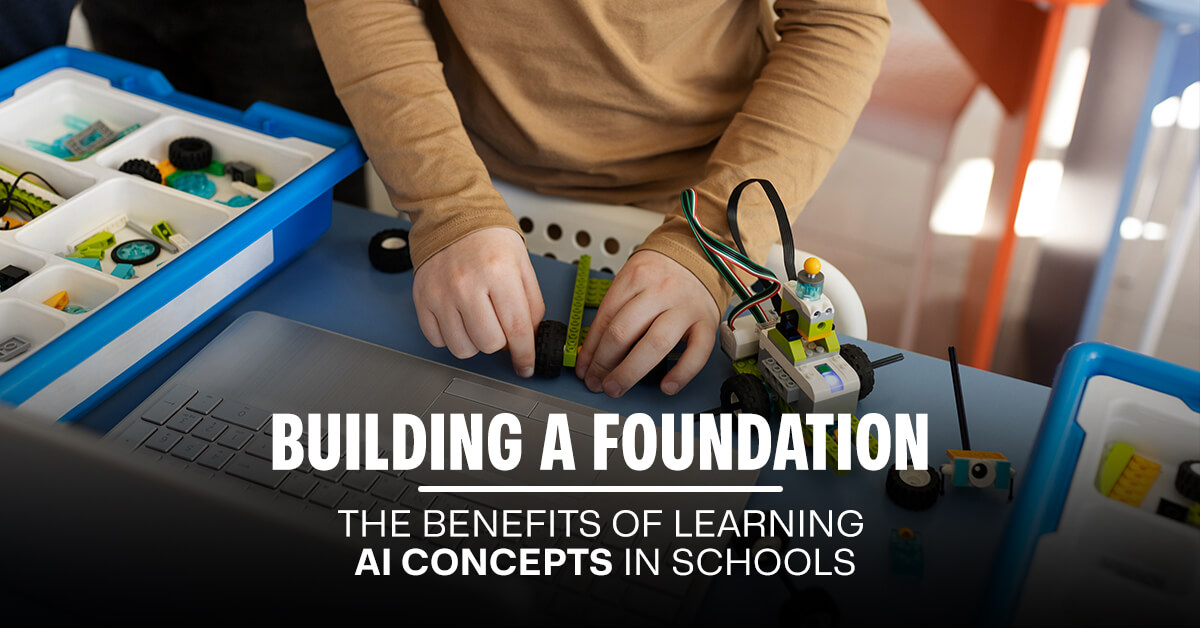
AI Concepts in The Classroom: Preparing Students For a Tech-Driven Future


In a quickly changing world powered by technology, it is critical to provide students with the information and skills they need to prosper. Teaching AI in schools has emerged as an essential aspect of preparing kids for the future. The AI concept in the classroom assists students in developing 21st-century abilities and preparing them to thrive in the digital age.


Teaching the concept of artificial intelligence in schools


The incorporation of AI education into school curricula is extremely important. This strategy not only provides students with necessary skills and information, but it also prepares them for a future in which artificial intelligence (AI) will be used in a variety of businesses and sectors.


Preparing for an AI-Driven World

  • Educators are educating kids to flourish in a future where AI will play a critical role by embracing AI education. 
  • This early exposure to AI concepts ensures that students understand the potential uses and significance of AI across several fields.


Critical thinking development

  • AI concepts go beyond technical knowledge and fosters critical thinking skills.
  • Students are urged to do data analysis, solve complicated problems, and make sound judgments. 
  • These abilities are priceless in a quickly changing technological context, allowing students to quickly adjust and flourish in AI-driven workplaces.


Addressing ethical concerns

  • Ethical issues are also emphasized while teaching AI in schools.
  • Students learn to assess the ethical implications of AI technology in order to promote sustainable and ethical use in their future efforts. 
  • This ethical awareness guarantees that artificial intelligence is used for the greater advantage of society.


Benefits of AI for students


Adopting the AI concept not only provides students with vital future skills, but it also offers up an infinite number of possibilities in respect to personalization, connectivity, and engagement. Teaching AI in schools is transforming the approach to education, making it more accessible and beneficial for all students.


Identifying learning gaps

AI-powered platforms possess the capability to analyze a student’s past performance, pinpointing learning gaps that might otherwise remain unnoticed.


Personalized learning

AI adapts content to each student’s unique needs, transforming education from a one-size-fits-all approach to a personalized learning experience.


Instant answers

With the AI concept, students can receive quick answers to their queries, eliminating the need to wait for human responses. This fosters an environment where even shy students feel comfortable asking questions without fear of judgment.


Timely feedback and on-time learning

AI class online facilitates more frequent and timely feedback, providing students with insights when the topic is fresh in their minds, making them more receptive to learning.


Improved engagement

  • AI in education sector incorporates gamification, virtual reality (VR), and augmented reality (AR) to create engaging learning environments. 
  • These technologies significantly boost student motivation and engagement.


Better utilization of time

Utilizing the concept of artificial intelligence for idea generation and content structuring frees up students’ time, enabling them to concentrate on higher-order skills such as analysis and creativity.


Improved accessibility

  • Through smart data collection, customized tasks, and personalized schedules, AI bridges the gap between students, educators, and administrators. 
  • This approach transcends physical barriers, language barriers, and financial constraints, granting access to education on a 24/7 basis.


Benefits of AI for educators


AI benefits educators by optimizing their workflow and decreasing the amount of time they spend on administrative activities. This technology allows instructors to concentrate on what they do best: providing excellent education, customizing instruction, and always improving their teaching techniques. Educators may improve their efficacy and create a more interesting and fruitful learning environment for their pupils by incorporating AI concepts into the educational landscape.


Enhancing Educators’ Efficiency with AI

Personalized programs


  • AI extends personalization beyond students to educators themselves.
  • By analyzing student performance data, AI empowers teachers to identify areas that require reevaluation, facilitating the creation of tailored learning programs. 
  • This data-driven approach helps address knowledge gaps and challenges before they become significant issues.


Answering questions


  • AI-driven chatbots equipped with access to a school’s knowledge base can efficiently handle common student queries without involving faculty members. 
  • This automation frees up educators to dedicate more time to essential tasks like lesson planning, curriculum development, and enhancing student engagement.


Task automation


  • AI in education sector can help automate repetitive and mundane tasks, such as administrative work, grading papers, analyzing learning patterns, and responding to routine inquiries.
  • AI-powered automation tools can alleviate the burden of administrative tasks, allowing educators to allocate more time to teaching core subjects.


Preparing the next generation for the future with AI concepts


To prepare the future generation for the changing environment of the job market, implementing AI in the education sector is crucial. The Fourth Industrial Revolution, defined by advances in robotics, machine learning, and artificial intelligence (AI), needs a proactive strategy to incorporate AI concepts into education. There is a need to familiarize both instructors and students with AI in educational institutions.

Bridging the knowledge gap

  • Our current educational system is struggling to keep up with the fast breakthroughs in AI. 
  • To overcome this, schools, colleges, and educational institutions must include AI concepts into their curricula. 
  • Raising students’ understanding of AI’s potential and practical uses is a critical first step. 
  • From mobile phones to shopping apps and gaming, AI is now a part and parcel of our daily lives.

The growing role of AI in education

  • Artificial intelligence is becoming increasingly important in education. 
  • Educators are using AI to generate adaptive learning materials and individualized online assignment aid suited to the requirements of individual students. 
  • This dynamic method enables teachers to immediately detect and fix student learning gaps.

Providing technical knowledge to students

  • For today’s learners, the AI concept is not an abstract idea; they deal with it on a daily basis. 
  • The objective is to provide a more in-depth grasp of its technical features.
  •  Educators should seek to make every student skilled in AI concepts, which will improve their capacity to navigate a future where AI is ubiquitous.


AI concept integration into education is critical for preparing the next generation for an AI-driven world. Students need to familiarize themselves with the concept of artificial intelligence. Furthermore, schools may conduct AI classes online to deliver more tailored learning experiences, bridge knowledge gaps, and ensure students are well-prepared for the future.

Top 10 Artificial Intelligence Applications


Top 10 Artificial Intelligence Applications

30-Sec Summary on AI

  • AI technology is becoming a revolutionary technology. The world of businesses has now realized the fact that Artificial Intelligence is exploring day by day, and it is crossing the sky.
  • According to the research report of Market And Markets, the worldwide AI market will grow enormously to $190.61 billion by 2025 at CAGR of 36.62%.
  • AI technology makes our daily lives more comfortable and faster. It is essential in today’s era as it has the capability to solve complex problems and tasks with an efficient way across several industries.

Get a free quote

In this blog on the application of Artificial Intelligence, we discuss how AI has been impacting the following major industries across the globe.

Before moving on, you should know what Artificial Intelligence is? And what are Examples of AI?

Now, let’s have a look at the

Top 10 Real World Artificial Intelligence Applications

#1 AI in Healthcare

Health is one of the most important things people needs. As we know, Health is wealth. From the past a few months, COVID-19 has been a buzzing word in everyone’s mouth and has undoubtedly become a global crisis.

In this crisis situation, AI being the front line of defense in utilizing it to keep tabs on the Carona virus. Artificial intelligence has been reducing the time and effort of medical attendants and doctors.

Artificial Intelligence is definitely going to provide more services in the health care field. The implementation of computing technologies in the health care sector is bliss for the world as it helps to mitigate all the complex challenges.

AI-based applications in healthcare are useful for interpreting medical data and coming to the right decision without direct human input. These applications are majorly applied in personalized medicine, patient monitoring, diagnostic procedure, drug development, treatment protocol development, and so on.

#2 AI in E-Commerce

The e-commerce field has been bustling with the retail industry late. Topmost e-commerce firms are using new and latest technologies such as Artificial Intelligence, Machine Learning, and Natural Language Processing. Ecommerce entrepreneurs are actively using AI in the form of virtual assistants, chatbots, smart logistics, etc., to forecast and analyze consumer experience.

ML-based applications are being used to enhance the marketing strategy. Automation has become a key element to efficient warehouse operations, and AI contributed many businesses in delivery products on time. The main objective is to cut shipping costs.

In addition, Machine learning aids eCommerce companies with product and contract recommendations, product search ranking, demand forecasting, fraud detection, merchandising placements, etc.

Also Read: AI In Retail: What Artificial Intelligence Can Do For Retail Industry?

#3 AI in Marketing

Marketing means attracting more customers to purchase the product or service. Marketing and Sales professionals should always be active with their prospects and leads. Social Media Executives have also been leveraging AI applications in their marketing funnel.

Trending technologies like Predictive Intelligence and machine learning help salespeople reach their goals and interact with the hottest leads. AI technology can also save the time and cost of businesses.

#4 AI in Banking

Nowadays, Banks and other fintech companies are showing much in AI software as it has a huge impact on the income of the banking field. Many large banks around the globe have implemented this powerful computer technology for automation purpose and use it as a tool for efficient service operations.

Latest technologies are successful in the market of equity capital and can help firms improve their company structure. AI implementation in banking has assisted payment efforts and simplified the process via AI chatbots, allowing the operations to run smoothly.

Some world’s leading banks have adopted AI technology in the area of Intelligent Virtual Assistant to enhance customer satisfaction. Some fin techs are using it to monitor potential threats and prevent frauds to consumers in eCommerce.

#5 AI in Education

Education is essential to everyone, regardless of age, and it is a vast field. AI-based software is helping teachers and students at various levels. It is great news that Artificial Intelligence makes our education system smarter. This technology is aiming to offer an amazing teaching experience for teachers and learning environment for students.

Artificial Intelligence and emerging technologies are creating the right mix of learning ecosystems. 21st-century classrooms have emerging technology solutions to provide the best learning environment for students.

In the 19th century, teachers used chalkboards to educate students, but now because of digital/ computer technology, they are using projectors and explaining through videos and real life examples, which can make things easier to understand. Nowadays, it is easy to learn and get any information through internet and AI.

Also Read: Top 20 Powerful AI Applications

#6 AI in Sports

AI implementation in the sports sector is really a game-changer. Yes, I can confidently say that AI-based apps have a huge demand in the sports industry as they have significant capabilities. This is definitely going to change the sports sector.

AI technology makes sports more exciting and facilitates athletes to get the best out of them beyond their ability to practice. This will bring real competition among the athletes and players.


#7 AI in Travel

The travel industry is set to reap significant advantages from artificial intelligence on the widespread use of AI Chatbots. It is true that Chatbots are proven tools to enhance customer engagement because of their 24*7 presents and quick resolution for the raised queries.

Advanced AI algorithms enable chatbots with increased capabilities, giving more accurate solutions to customer queries. Most of the multinational companies are planning to develop their own AI-based chatbots and mobile apps and to increase customer satisfaction.

In addition, predictive analytics and machine learning can help travel industries improve their conversion rates by finding buying patterns and customer behavior.

#8 AI in Entertainment and Gaming

By entering the entertainment field, AI can aid program broadcasters and producers determine which programs and TV shows are most recommended to each individual based on their past activity. For instance, Amazon Prime Video and Netflix are widely using AI technology to provide a more personalized experience to their customers.

AI is being adopted in the film industry to maximize digital impact in cinemas to fasten the pre and post-production process and reduce cost as well. It also helps in creating science fiction films.

Do you know? The gaming sector is earliest adopters of Artificial Intelligence technology, and the impact of AI in consumer engagement is profound. AI is used in many gaming applications in order to control the actions of non-player characters, which play an important role in moving the game’s storyline the right way.

#9 AI in Agriculture

Agriculture is one of the important industries across the globe, and AI in the agriculture sector can help improve farmers ’efficiency and reduce the impacts of a hostile environment. The agro-field has embraced AI strongly and openly in their practice to transform the overall outcome.

AI technology adoption will help control and manage the uninvited conditions of nature. Advanced technologies such as IoT and AI are very useful for timely planting, using fertilizer, harvesting, understanding the environment and obtaining predictions.

Today, many startups in agriculture follow an AI-enabled approach to increasing farm productivity. Implementing AI-enabled systems can quickly detect and respond to climate change or diseases.

Also Read: 5 Applications of AI In Food Processing Industry

#10 AI in Manufacturing

There is no doubt that the manufacturing industry has taken the lead in the adoption and application of AI technology. In the manufacturing sector, AI is used in many layers and lines of operations, from planning the workforce to product design, thereby developing product quality, employee safety, and efficiency.

Robotic machines are playing a significant role in the production process. Most of the industrial robots are often stationary, but there is a risk of slipping into nearby objects. The adoption of AI in robotics has led to the notion of cooperative robots or “Cobots” that takes guidelines from humans and work productively together.

Furthermore, artificial neural networks and machine learning are used in factories to help in complex industrial equipment management, which forecasts asset dysfunction accurately.

Wrapping Up

Artificial Intelligence implementation makes our life smarter and simpler. AI technology helps businesses increase productivity and offer the best service to their customers.

If you would like to adopt AI technology in your business, please reach us today.

USM is providing cutting-edge AI solutions to transform your business. We have immense experience in embedding high-tech AI capabilities in Robotic Process Automation (RPA), Virtualization, Predictive Analytics, Natural Language Processing (NLP), Text-to-Speech and Deep Learning-based projects.

Get a free quote