It took a while, but Google’s finally fixing a SiriusXM radio issue on its smart speakers


What you need to know

  • Google states a fix is rolling out late in June for a bug that impacted several of its smart speakers and SiriusXM radio.
  • Users given multiple errors a month ago, when reports surfaced, and were unable to get their content to stream via a speaker.
  • While this issue gets resolved, Google’s also debuted its new Home Speaker and expanded Gemini for Home to more partners.

Google has been busy with new launches and bug fixes since May. This week, it’s been reported that a major fix is on the way for a satellite radio problem.

About a month ago, users on the Google Home subreddit reported a sudden problem attempting to listen to SiriusXM radio on their smart speakers (via Android Authority). Getting down to brass tacks, Google responded to this month-old thread this week, stating “We’ve resolved an issue impacting the ability to stream SiriusXM on some Google Home devices.” These “issues” Google refers to were highlighted by the thread’s OP (original poster), who states their smart speakers were unable to stream any content.

Indian payments chief thinks AI will be heavily involved in next era of digital payment growth


India’s digital payment share has increased over the years, with the Unified Payment Interface (UPI) growing to over 750 million daily transactions. With an aim to reach over a billion daily transactions, Dilip Asbe, MD and CEO of the National Payments Corporation of India, which oversees UPI, thinks AI would be heavily involved in the next phase for user growth, fraud prevention, and credit distribution.

During an interview with TechCrunch at Mumbai Tech Week (MTW) 2026 last month, Asbe said AI could drive the next half a billion users with NPCI, India’s central bank, and the government working together.

“AI will be used very effectively when we look at the next wave of UPI, and that includes all aspects, including reaching new users. We must use AI effectively to protect our current citizens, to find fraud, and to find mules. AI must also be used to provide credit to all the users and merchants who have digital footprints,” he said. “We must use AI to look at the voice and multilingual solutions to make onboarding simpler.”

Many companies have talked about voice as an interface being important in India for chatting with companies or systems. Asbe believes that it is early days for that, as voice models will need to be more accurate. NPCI launched a voice assistant-based interactive system in 2023. Asbe noted that adoption for that yet to take off, and with the right use case, voice can become a critical component in the payment ecosystem.

AI in finance and regulations

In the U.S., startups and public companies are racing to add AI to finance. Coinbase and Robinhood now allow agents to trade on users’ behalf, and OpenAI lets you load personal account data into ChatGPT to get financial advice. NPCI has shown some demos around agentic commerce and payments with Razorpay last year. However, there hasn’t been a wider rollout of some of these capabilities.

NPCI’s CEO thinks that with robust regulations and a framework, India can also adopt AI-powered finance. He said that there should be enough protection for users and mitigation for risk — and in case something goes wrong, the system should be able to look at the instructions and consent given by the user to an agent.

Besides the usage of models, Asbe thinks that the Indian finance ecosystem has an opportunity to build small language models.

“We believe that the models will differentiate from each other based on the data sets that are made available to them,” he said. “We have a very rich data set in our ecosystem. I think there is a big opportunity for Indian companies — the banks, FinTechs, and the ecosystem — to create small language models which are sharp, specific, and as deterministic as possible.”

Last year, NPCI launched a model called FIMI to solve user disputes. Asbe noted that it is serving over a million users to cancel mandates and resolve issues, and is scaling fast.

UPI competition

NPCI has long sought healthy competition between UPI apps, but data suggests that Walmart-owned PhonePe and Google Pay have over 80% of the market share. The regulator’s plan to cap an app’s market share at 30% is set to take effect on December 31, 2026, unless it defers the deadline date again.

During the conversation, Asbe said that UPI apps have very low switching costs and most core features are shared. He noted that PhonePe and Google have poured millions into their apps to attain their market position. He said that if new apps find viable business models within the fintech ecosystem, their share will rise.

“I believe that there are multiple issues why we see this concentration risk exist, and one of the important reasons is the availability of a viable commercial model. The moment we see the commercial model being available to the ecosystem, I believe newer players will start investing very heavily,” Asbe said.

In 2024, the payment body spun off its BHIM UPI app to make it more competitive and grow its usage. While its transaction volume has grown, its overall market share is around 1%. Asbe said that with BHIM, there is no particular target market share NPCI is eyeing. But it wants to make it a sovereign and secure alternative to other apps, Asbe said.

India is one of the biggest digital economies, and investors around the world will be looking at the regulatory landscape to put money into newer fintech solutions and make the market more competitive.

When you purchase through links in our articles, we may earn a small commission. This doesn’t affect our editorial independence.

Ticketmaster’s ‘customizable pass’ collab with Google Wallet sounds great for gameday


What you need to know

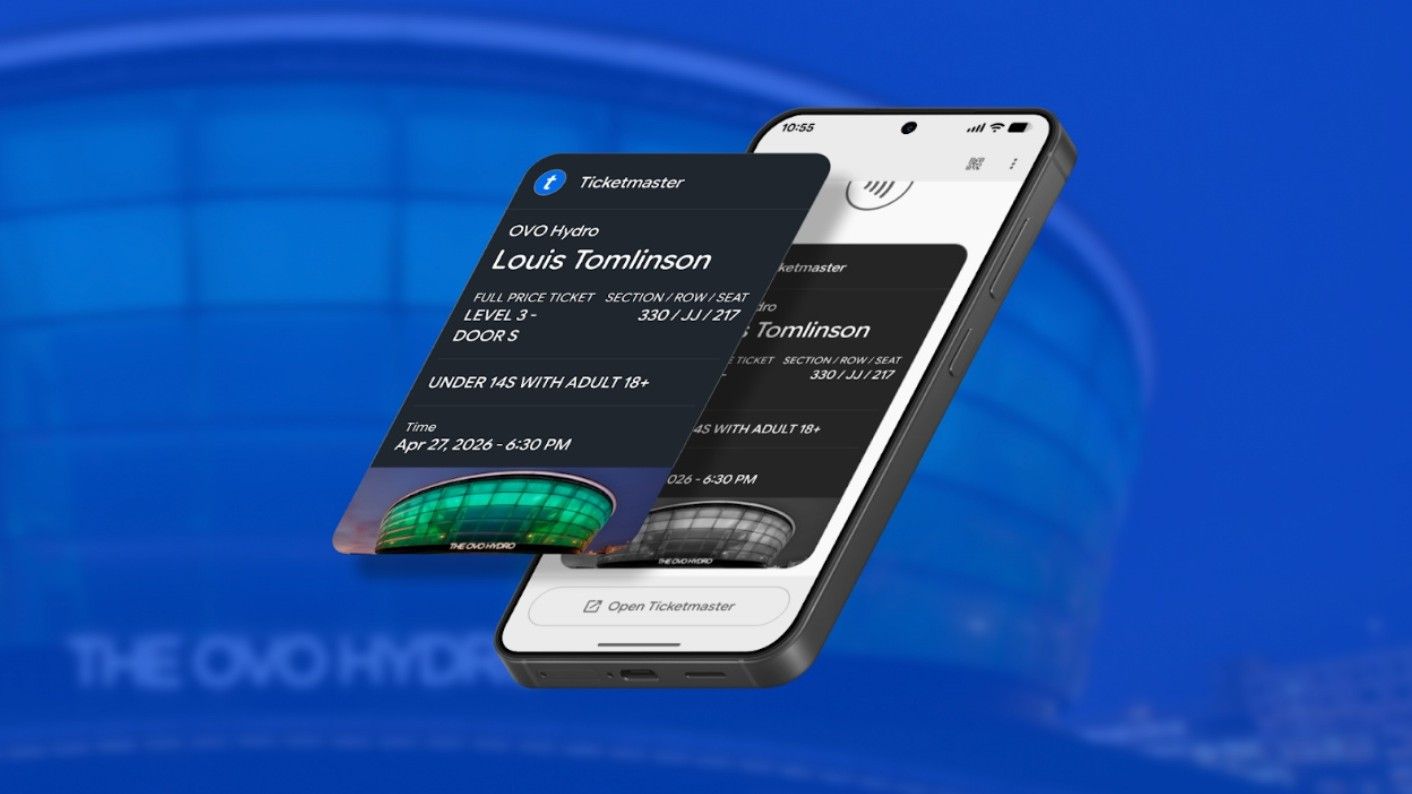
  • Ticketmaster announced its partnership with Google Wallet, which brings “customizable passes” to Android.
  • Clients of events can customize their digital passes with flashy designs and up to 12 links for important venue details.
  • Users benefit from this last note, as they can find info on parking, food, drinks, merch, and VIP access directly from their pass.

This summer is going to be packed with events of all kinds. To try and help, Ticketmaster announced a partnership with Google Wallet for more unique digital passes on Android.

Ticketmaster says that what it’s worked on with Google Wallet are “customizable passes” that are designed for “branded experiences” on Android. Passes are mobile tickets saved in Google Wallet, but Ticketmaster says this new direction offers a new sense of “brand presence.” Brands can offer customized hero images, tour artwork, and more.

The 2026 Customer Service Transformation Report


Customer expectations are changing fast, and the companies winning today aren’t just reacting, they’re transforming how they serve customers from the ground up. The Customer Service Transformation Report from Fin explores how modern teams are using AI, automation, and smarter workflows to deliver faster, more personal, and more scalable customer experiences, without burning out their teams.

In this report, you will learn how to:

  • Shift from reactive support to proactive, customer-first engagement
  • Use AI and automation to resolve more customer queries without losing the human touch
  • Scale customer support and success teams without scaling costs at the same pace
  • Break down data silos to get a clearer, real-time view of customer needs
  • Build customer experiences that drive long-term loyalty, not just quick resolutions

Early Bird pricing ends tonight for Founder Summit


Tonight is your last chance to save up to $190 on your pass to TechCrunch Founder Summit 2026. Early Bird pricing ends today, at 11:59 p.m. PT, after which rates increase.

Founders rarely scale alone. The fastest path to growth comes from learning from founders who’ve already done it, connecting with peers tackling similar challenges, and building relationships with investors who can help accelerate your next stage of growth.

On November 4 in Boston, more than 1,000 founders and investors will gather for a highly curated day of tactical learning, candid conversations, and meaningful networking designed to help founders make smarter decisions and grow faster.

Don’t wait until prices increase. Register before 11:59 p.m. PT tonight to save up to $190. Bringing your team? Groups of four or more can save up to 30%.

TechCrunch Founder Summit breakout audience
Image Credits:Halo Creative

A founder-first event built for growth

Every session, discussion, and networking opportunity is designed around the real challenges founders face as they build, fund, and scale their companies.

You’ll connect with:

  • Founders navigating similar growth stages
  • Experienced operators who have scaled teams, products, and revenue
  • Investors sharing what they’re funding and what they’re looking for

Whether you’re preparing to raise capital, refining your go-to-market strategy, or planning your next growth milestone, Founder Summit creates opportunities for conversations that can change the trajectory of your business.

Actionable insights for every stage

Founder Summit focuses on the decisions that define a startup’s future. Through breakout sessions and roundtable discussions, you’ll gain practical guidance on topics including:

  • Building pitch decks that resonate with investors
  • Knowing when to raise Series C and beyond
  • How and when to sell your startup
  • Preparing your company to go public

These founder-led conversations deliver practical takeaways you can apply immediately.

Learn from founders and investors who’ve done it

Past speakers have included:

TechCrunch All Stage 2025 roundtable
Image Credits:Halo Creative

Additional speakers have represented Sequoia Capital, NFX, Glasswing Ventures, Wing Venture Capital, Construct Capital, Greylock, Precursor Ventures, and more.

The 2026 agenda is coming soon, with additional founders, operators, and investors to be announced. Check the event page for agenda updates.

Interested in leading a discussion? Submit a roundtable or breakout session topic for a chance to be voted onto the agenda by the TechCrunch audience.

Save up to $190 before tonight, 11:59 p.m. PT

The deadline is in less than 24 hours. Early Bird pricing ends tonight at 11:59 p.m. PT. Join the founders, operators, and investors shaping the next generation of startups. Gain practical insights, build valuable relationships, and leave with strategies you can put into action immediately.

Register before 11:59 p.m. PT tonight to save up to $190 on your pass and up to 30% when registering as a group.

Interested in exhibiting at TechCrunch Founder Summit 2026? Reserve your exhibit table and connect directly with founders, investors, and startup decision-makers.

TechCrunch Founder Summit 2026 November 4, 2026

When you purchase through links in our articles, we may earn a small commission. This doesn’t affect our editorial independence.

My go-to Qi 2 travel power bank is finally under $30


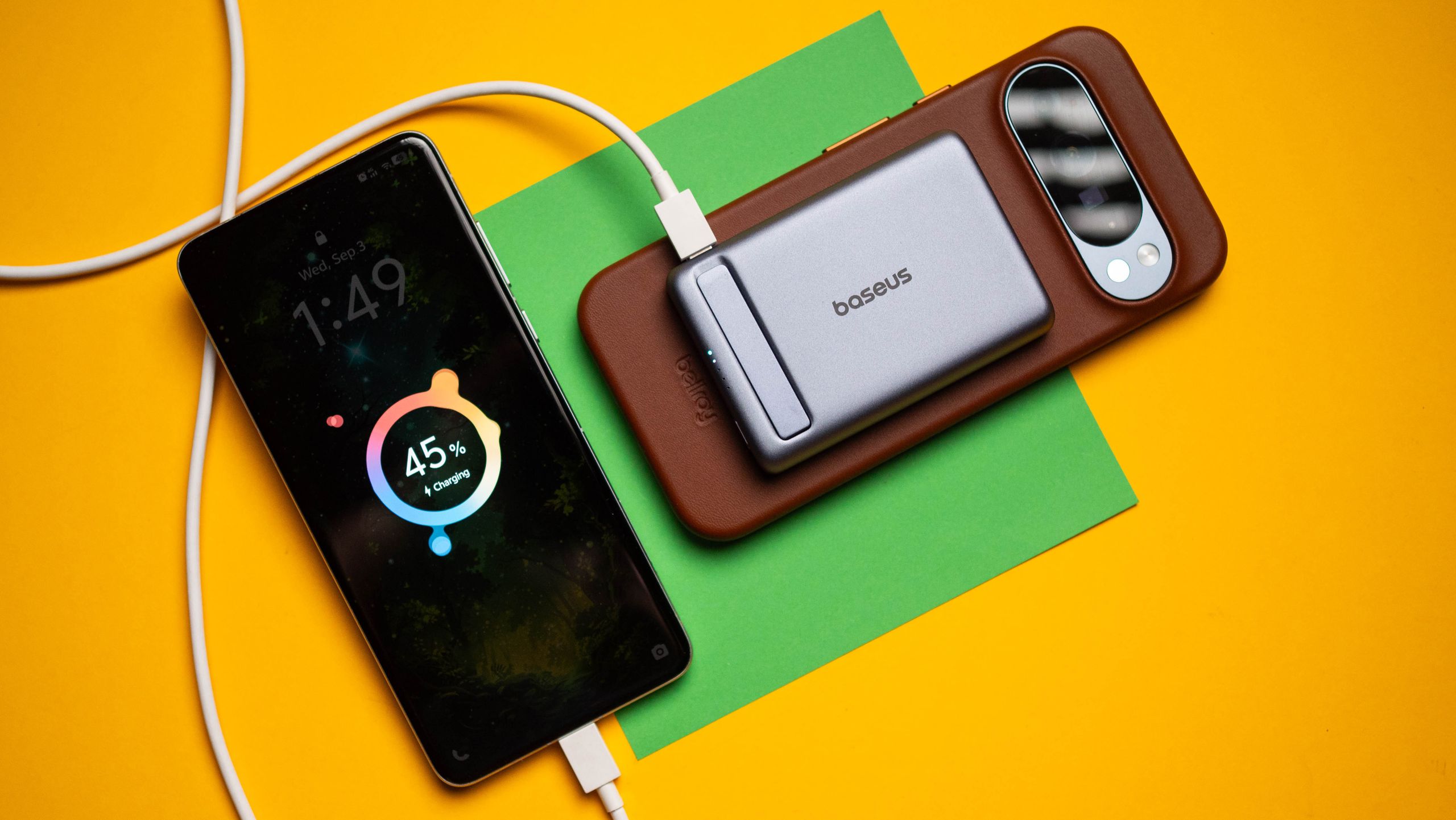
A lot of the recent innovations in power banks have been around Qi 2 charging tech. There’s a decent amount of choice if you need a good power bank, and I use the Baseus Picogo, which just got a discount and is down to $28 right now.

The Picogo is a 10,000mAh power bank, and it has a sleek design with powerful magnets that let you attach it to your iPhone and Pixel without any issues. I used this model with my Pixel 10 Pro XL and iPhone 17 Pro, and after a year of use, I didn’t see any issues whatsoever.

✅Recommended if: You want a Qi 2 MagSafe power bank that’s lightweight and reliable in daily use. The Picogo power bank has a 10,000mAh battery, Qi 2 with 15W charging, and a USB-C port that hits 22.5W when you need to plug in.

❌Skip this deal if: You need Qi 2.2 with 25W charging. In that case, get the Baseus Picogo AM52, which is now $52.

There’s a lot to like with the Picogo power bank. The 10,000mAh battery is enough to charge a phone fully, and I really like the design; the metal chassis makes it durable, and the Qi 2 magnets are strong — they attached to my iPhone and Pixel without any problems.

With Qi 2 connectivity, you get 15W charging, and while it’s on the slower side, it is adequate while traveling as the power bank stays connected to the phone. This is a big advantage over regular power banks, and the size and weight of the Picogo gives it an edge over its rivals.

There’s a dedicated USB-C port that goes up to 22.5W, and this is useful if you need to plug in a secondary device to the power bank. Note that while the power bank has a 10,000mAh battery, it doesn’t mean you’ll be able to charge your phone twice over. Because of charging efficiency and the inherent energy that’s lost while charging your phone, you’ll get close to 5,500mAh of actual usage power out of the Picogo, and that is in line with other power banks in the industry.

If you need Qi 2.2 with the full 25W charging, you’ll want to get the Picogo AM52. It has the same design and the same 10,000mAh battery, and the magnets are the same as well. The biggest difference is that it’s able to deliver a 25W charge consistently, and I found that to be a decent enough differentiator when I need to charge my phone. But because of the newer standard, the AM52 costs a lot more — you’ll be shelling out $52 to get your hands on the power bank.

Honestly, the regular Picogo should be more than adequate for most, and the best part is that it is now available for under $30, making it a good overall option.

Blueprint Workbook: Launching an AI Agent for Customer Support


If your support team is stuck answering the same questions while complex issues keep stacking up, it’s hard to improve anything because you’re always in reaction mode.

This workbook by Intercom is a practical field manual to help you build a clear business case, choose the right approach, and launch an AI Agent pilot with success metrics tied to customer experience, team efficiency, and operational impact.

In this workbook, you will learn how to:

  • Build an AI-first business case that goes beyond cost per ticket and reflects real outcomes and true human effort
  • Pinpoint the work worth automating
  • Run a focused evaluation: define success, test with real scenarios, and score performance
  • Track the metrics that matter
  • Roll out with a phased deployment plan, clear owners, and the right data + knowledge connections

AI was supposed to kill engineering jobs, but new data suggests they’re the most resilient


Whether AI is already replacing jobs is the subject of fierce debate.

Tech layoffs hit their highest single month total in years in May, and AI was the most-cited reason, according to outplacement firm Challenger, Gray & Christmas.

Software engineering, in theory, is the professional field most vulnerable to automation, given the rapid adoption of AI-powered coding tools. However, researchers at venture firm SignalFire say the hiring data tells a different story.

“The rationale given for lots of layoffs is consistently AI, and specifically they’ll say AI with respect to code; they’ll say one engineer could do the job of however many engineers in the past,” said Asher Bantock, SignalFire’s head of research. “What we’re seeing on the ground is a little inconsistent with that.”

SignalFire’s analysis, which tracked the careers of millions of employees across more than 80 million companies, suggests that engineering was the most resilient job function in 2025. Instead of focusing on layoffs, which are difficult to track because people often delay updating their employment status after job cuts, SignalFire examined hiring data as a more accurate indicator of real-time workforce trends.

While total hiring across large tech companies dropped 25% compared to 2019 levels, engineering roles saw a much smaller decline of just 11%, according to SignalFire’s latest “State of Talent Report.”

In fact, engineers comprised 55% of all new hires in 2025 across the 12 companies SignalFire classifies as “Tech Majors” — Alphabet, Meta, Apple, Amazon, Microsoft, Netflix, Nvidia, Tesla, Uber, Airbnb, Block, and Stripe. This is a significant jump from 2019, when engineers represented only 46% of new recruits, according to the report.

The continued need for engineers was even more evident at early-stage startups, which collectively brought on 7% more engineers in 2025 than they did in 2019, SignalFire’s data shows.

If AI were truly substituting for engineering talent, Bantock argued, engineering hiring would be the first to fall amid the current tech hiring contraction. Instead, SignalFire’s data shows that engineering headcount is growing faster than most other job functions in tech.

While Anthropic CEO Dario Amodei warned last year that AI could wipe out half of all entry-level white-collar jobs and push unemployment as high as 20% within five years, the company’s own head of economics, Peter McCrory, told TechCrunch in March that he had not yet seen any significant AI-driven effects on the workforce.

Said McCrory at the time: “There’s at least no larger material difference in unemployment rates” between workers who use Claude for the “most central task of their job in automated ways” — like technical writers, data entry clerks, and software engineers — and workers in jobs less exposed to AI that require “physical interaction and dexterity with the real world.” 

Nvidia CEO Jensen Huang went further still, outright rejecting the theory that AI will replace engineers. “Somebody said that AI is going to destroy all of the software engineering jobs,” Huang said in an interview at the Stanford Graduate School of Business in April. He then argued the opposite is true. Now that all engineers at Nvidia are using agentic AI, “software engineers are busier than ever,” he said.

Huang added that while agents are writing code near instantaneously, they are constantly pushing engineers to generate “the next idea.”

For now at least, it seems that armed with AI, engineering has become a classic example of the Jevons paradox — the idea that greater efficiency doesn’t reduce demand for a resource; it increases it, because the work expands to fill the new capacity. As Bantock said of engineering talent in this moment: “They’re suddenly a lot more productive, and there’s endless work for them to do.”

When you purchase through links in our articles, we may earn a small commission. This doesn’t affect our editorial independence.

The Truth About Android Permissions: Stop Apps From Harvesting Your Network Data


Over the years, considerable effort has gone into making the Android permission model more user-friendly, and most Android users today reflexively disregard requests for camera, microphone, contact, or location permissions. However, there is one category that users forget about — network activity.


​Apps don’t need to request your location or contact information to create a profile on you. By monitoring your network activity, apps can learn your online hours, which services you use, and how much data you consume. Android tries to limit access to this information, but there are some permissions that provide insights into your network usage.


​This article will examine some of the more concerning Android permissions and what data they allow applications to collect. It will also discuss how the use of a trusted Android VPN can limit this data collection.

Network Activity Permissions

The Android permission used most often in connection with network activity is ACCESS_NETWORK_STATE. This permission is used to determine if an Android device has an active Wi-Fi network connection, if data is being transmitted over a mobile connection, or if the Android device is not connected to the internet at all.


​At first, this might not appear to be a problematic permission to grant; many applications require the knowledge of a user being online in order to fetch content. This information can, however, be used for analytics, advertisements, and even behavioral tracking.


​Another commonly requested permission is INTERNET. Most Android apps request this permission because it allows apps to send and receive information from remote servers. While this permission doesn’t compromise your network statistics but combined with other permissions by itself, apps can send collected data to developers, advertisers, and analysts.


PACKAGE_USAGE_STATS is the most concerning permission. This privilege allows the app to collect detailed statistics about user behavior, including network statistics. This is made possible by the use of the Android NetworkStatsManager API. In certain cases, this could allow the app to analyze network data consumption along with device behavior.


​Unlike standard permissions, the Usage Access permission is granted through Android’s Special App Access settings, meaning that many users are likely unaware of actually granting this permission.

Why Apps Require Access to Network Information

Developers often argue that requesting access to network data is vital for the app to function. In certain cases, this may actually be true.


​For example, streaming apps may need to determine the quality of the connection. Cloud apps may need to know the availability of data. Messaging apps may need to check for a connection.


​Unfortunately, there are many other cases where this data is requested for less user-friendly purposes.


Advertising SDKs need network statistics to refine user targeting. Analytics services need this data to analyze user engagement and in-app behavior. Some apps even combine this data with device identifiers to enrich data collection.


​Studies show that the majority of Android users grant permissions without properly evaluating the consequences, which makes permission requests and privacy a persistent issue.

How to Check Your Android Permissions

If you are worried about privacy and data collection via networks, take a look at the permissions your apps are using from your device.


​Go to:

Settings → Apps → Special App Access → Usage Access


Focus on apps that seem to have no reason for needing access to Usage Stats. Battery monitors, launchers, parental controls, and some security apps may need access. Casual games and random tools should not need this permission.


You should check the permissions of each app and ask the following: “Do apps need permission to use the internet and network in order to perform their primary function?”


If the answer is no, uninstall and find a more privacy-conscious app.

How VPNs Fit In

A VPN cannot stop an app from seeing permissions you already granted. If you give an app Usage Access, it will have access to the information that Android allows.


What VPNs can do is limit what network information can be seen.


​When you use a VPN, your internet traffic is encrypted before it leaves your device. Because of this, internet service providers, Wi-Fi that you access in public, and a bunch of other third parties will not be able to see your browsing and what you are connected to.


​A VPN also hides your IP address. This will make your network data less location-specific. For Android users who have to use public Wi-Fi, this will reduce the risk of their online activities being exposed.

Protecting Privacy With Permission Control

With Android, privacy is in your control like never before, but those controls only work if they are used.


​Regularly check what permissions you’ve granted and remove access from applications that don’t need it. Be smart about special permissions. Each and every permission request should have a clear reason.


​While a VPN alone won’t protect your privacy, combined with careful permission management, it can prevent most of your online activities from being exposed.


The more data is collected, the more that can be harvested.


Forget the RAM crisis: this 8GB NAS just launched, and it’s somehow 20% off for Prime Day


If you’re looking to buy a new NAS, there’s a good chance that you came across UGREEN. The brand is a relative newcomer, but a combination of great hardware and aggressive discounts made it swiftly rise up the ranks in this category.

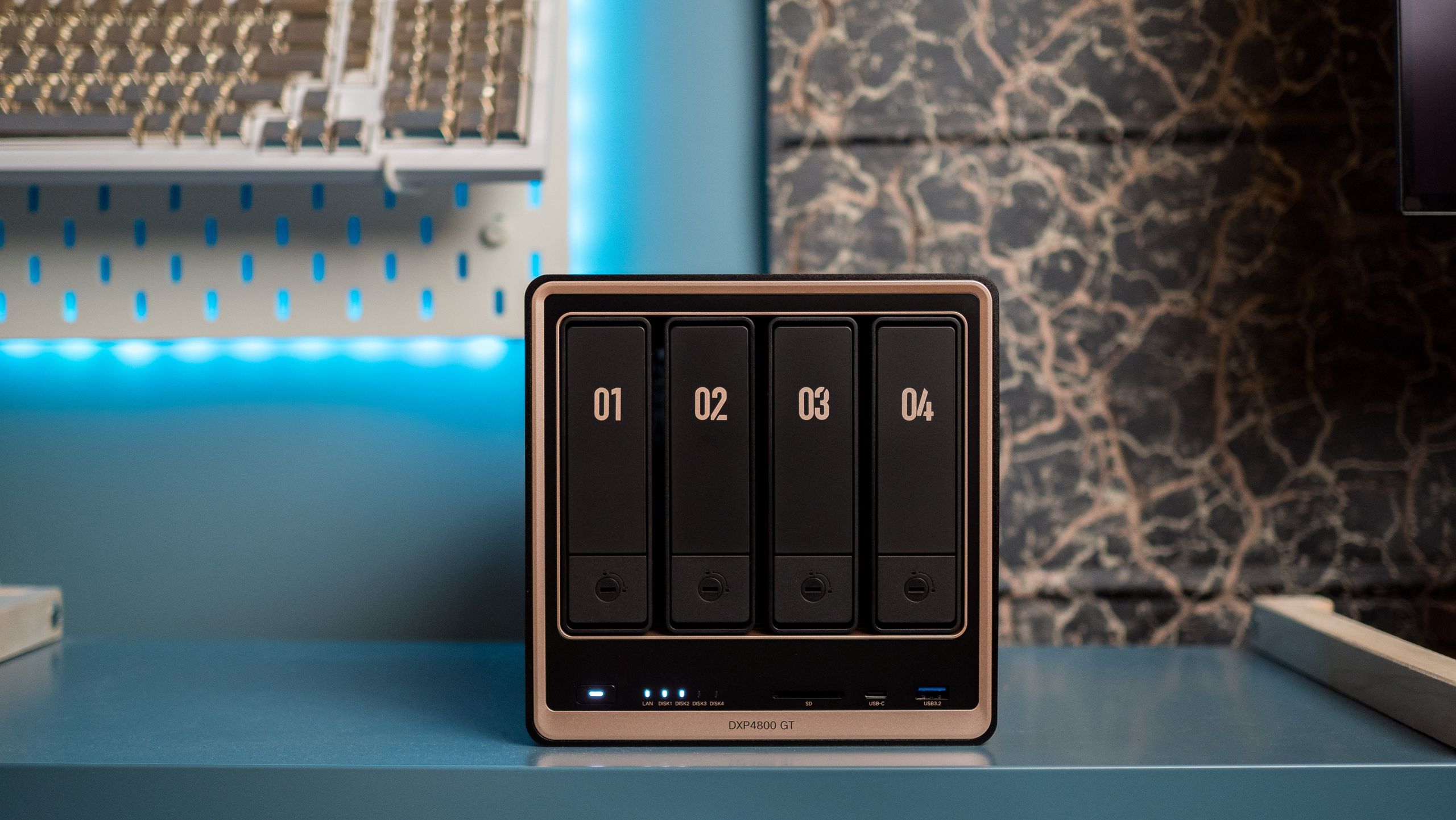
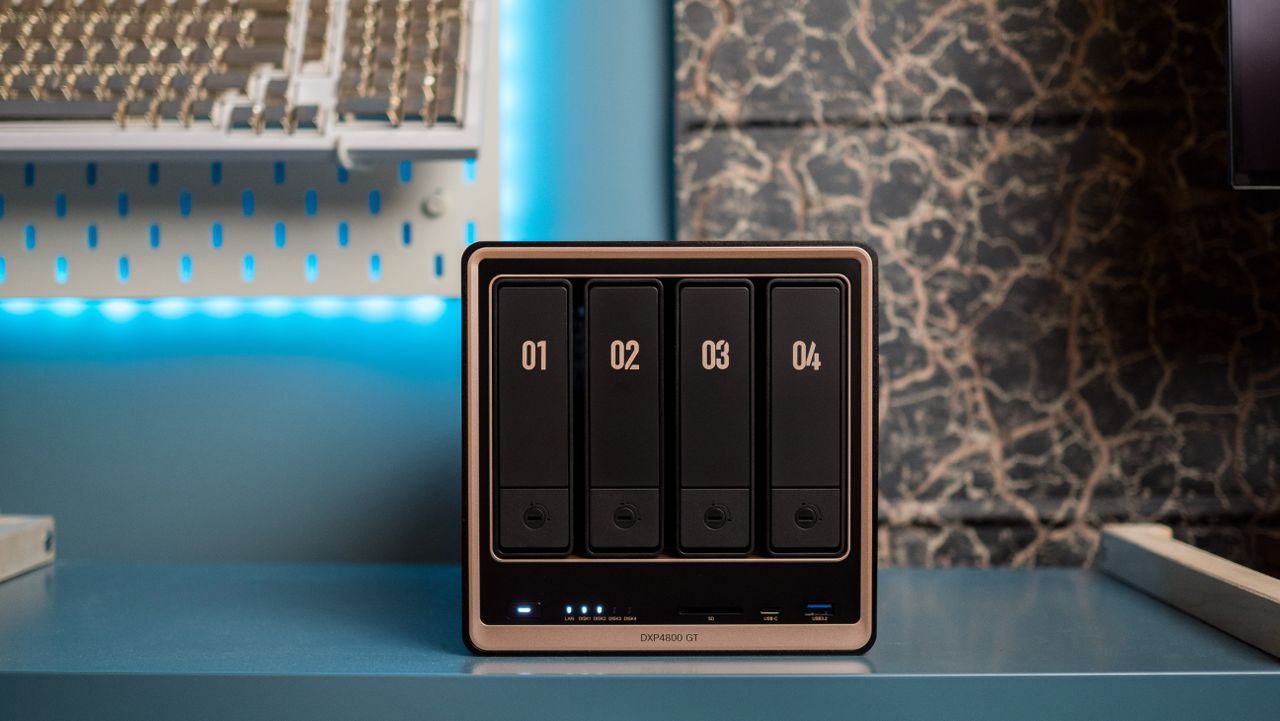
The DXP4800 GT is UGREEN’s latest NAS, and it just made its debut in June 2026. The NAS is aimed at enthusiast users and content creators, and it notably has two 10 Gigabit Ethernet ports. It launched at $659, but you can get it for $527 during Prime Day, which is a pretty good 20% discount on what is a brand-new model. While RAM and storage modules are still at an all-time high, UGREEN must not have gotten the memo, because this is a great price on an enthusiast-focused NAS.

✅Recommended if: You want ultra-fast connectivity. With powerful AMD internals, good software with container management, dual 10GbE connectivity, ECC memory, ability to slot in U.2 SSDs, and a high amount of extensibility, the DXP4800 GT is a true enthusiast NAS. The best part is that there’s hardware-assisted transcoding with the AMD Ryzen platform, and that’s just a welcome move.

❌Skip this deal if: You want Thunderbolt 4. Although the DXP4800 GT gets most right, it misses out on Thunderbolt 4 connectivity.

Now, the DXP4800 Pro is a solid NAS by itself, but the DXP4800 GT gets a few additional features. It gets ECC memory, 2.5-inch U.2 SSD integration, and two 10 Gigabit Ethernet connectors. It’s clear that the NAS is aimed at creators and enthusiasts, and even though there’s no Thunderbolt 4, it isn’t a big deal in and of itself.

Another difference is that the DXP4800 GT uses AMD hardware instead of Intel. While this has been an issue in the past, the Ryzen R2514 has hardware transcoding, so if you use Plex or Jellyfin, the DXP4800 GT is just as good as an Intel-based NAS. If anything, it’s faster; I got four 4K transcodes running in Plex at the same time without any issues, so the DXP4800 GT has power to spare.

The UGOS Pro software has plenty to like as well, and you can install just about anything you want using Docker; this is what I used to get Plex, Pi-hole, Jellyfin, Immich, and other utilities installed on the NAS.

The DXP4800 Pro is still a great NAS — particularly now that it is down to $639 — but if you need two 10GbE connectors or want to use U.2 SSDs, the DXP4800 GT is the obvious choice. And with the DXP4800 GT now selling for just $527, this may just be the best time to get it.