OpenAI’s existential questions | TechCrunch


OpenAI has been all over the news recently, whether that news is about acquisitions, competition with Anthropic, or bigger debates about AI’s impact on society.

On the latest episode of TechCrunch’s Equity podcast, Kirsten Korosec, Sean O’Kane, and I did our best to round up all the latest OpenAI news. While the company’s latest acquisitions seem to be classic acqui-hires, Sean suggested they also address “two big existential problems that OpenAI is trying to solve right now.”

First, with the team behind personal finance startup Hiro, the company may be hoping to  come up with a product that has “more hooks than just a chatbot, and maybe something worth paying more for.” And with new media startup TBPN, OpenAI could be looking to “better shape its image in the public eye, which lately has not been great.”

Read a preview of our conversation, edited for length and clarity below.

Anthony: [We have] two deals that are worth mentioning, one is that OpenAI acquired this personal finance startup called Hiro. And that comes after another deal that was literally announced when we were recording our last episode of Equity, so we didn’t get to talk about it: OpenAI had also acquired TBPN — a business talk show, like a new media company.

And I think both of these deals are pretty small compared to the scale of OpenAI. These are not things that people expect to really change the course of their business or anything like that, but they’re interesting because it suggests that there’s still this [attitude of,] “Let’s try out different things.”

Especially [with] the TBPN deal […] particularly at this time when it feels like OpenAI, from all the reporting we’re reading, is also trying to really refocus on making ChatGPT and its GPT models really competitive in an enterprise context with programmers.

Techcrunch event

San Francisco, CA
|
October 13-15, 2026

Is running a tech talk show, should that really be on the to-do list?

Kirsten: No, this should not be on the to-do list. That’s it. 

I do want to mention Hiro because to me, that’s an interesting one, because Julie Bort, our venture editor, super talented, she wrote about this and was I think the first to write about it. She dug in a little bit and basically this looks like an acqui-hire. The company is folding. They basically said, “By this date, you won’t be able to access this anymore.”

This is a personal finance startup. And they only launched two years ago. So this absolutely is about getting talent on board. So I’m very curious to see if OpenAI is going to be just absorbing them into the ether at OpenAI, or if they’re actually interested in some sort of personal finance product that they want to work on. To me, it’s not really clear.

Sean: I think you look at both of these as acqui-hires to a certain extent. I mean, the TBPN acquisition, allegedly they are going to retain their editorial independence on the show that they make every day. And all respect to those guys who’ve put that out there and gotten it off the ground so quickly and grown it into what it has become.

I think any person who follows the media should have a healthy dose of skepticism that when you acquire something like that and you put the people who make the show under the org of the public policy people and comms or marketing adjacent people higher up at the company making the acquisition, that you could have good questions about whether or not saying “editorial independence” is enough. It’s not an incantation that just works.

But you know, what’s interesting to me about these two, while they are similar in their acqui-hire-ness, I think they both represent two major problems that OpenAI is facing.

One is Hiro. OpenAI has a very successful product in ChatGPT. As far as whether or not that will actually ever make them enough money to become a sustainable business that’s not raising the largest private rounds in the world, ever, to keep things going, is a big question. And they also seem to be struggling to keep up on the enterprise side of things where the real money seems to be, so bringing in a team like this seems like taking a shot at, “What else can we do?” 

The guy who founded Hiro seems to have a serial entrepreneur streak of creating consumer apps, and so this seems to me like a bet on them being able to come up with something else that may have more hooks than just a chatbot, and maybe something worth paying more for.

And then TBPN is an acquisition made to help better represent what the company does and better shape its image in the public eye, which lately has not been great and certainly is under more questions now than just a few weeks ago, because Ronan Farrow just led a report at The New Yorker that dropped suspiciously right around the time that this and a couple other announcements from OpenAI came out last week. 

I think those are two big existential problems that OpenAI is trying to solve right now.

Kirsten: So the thing that you didn’t say is, there’s Anthropic kind of looming in — not in the shadows, I mean, they’re very much taking up a lot of space here — but they’re having a lot of success on the enterprise side of things.

It feels like these guys are competitors and they also feel like very different companies in a lot of ways. Anthony, I’m wondering if you see them as direct competition to OpenAI? Or [are they] just finding their stride in enterprise and in a way, these two companies are clearly going to coexist and they’re really not directly competing with each other — maybe on talent, but not necessarily as we initially thought of them?

Anthony: I think they’re directly competing with each other. There’s definitely a scenario where if AI as an industry, as a technology, is as successful as its proponents hope for, they could both be very successful companies, they could just be the one and two. And the success of one does not necessarily mean that the other will just fade into obscurity. 

And again, none of this is official, but there’s just been a lot of reporting around how it seems like OpenAI, more than anyone, is obsessed with and upset about Anthropic’s rise. 

Our reporter Lucas [Ropek], he did a great piece over the weekend about the HumanX conference, where he was talking to everyone there and they’re sort of like, “Yeah, ChatGPT is fine, too,” but like they were all about Claude Code. And I think that is exactly what OpenAI is worried about.

Because again, in theory, there could be many other opportunities for generative AI, but it feels like the big growth area, the area where the most money is and where they could at least see a path to having a sustainable business in the future, is in these enterprise and coding tools.
The Ray-Ban Meta (Gen 1) smart glasses just scored a rare 25% discount at Amazon


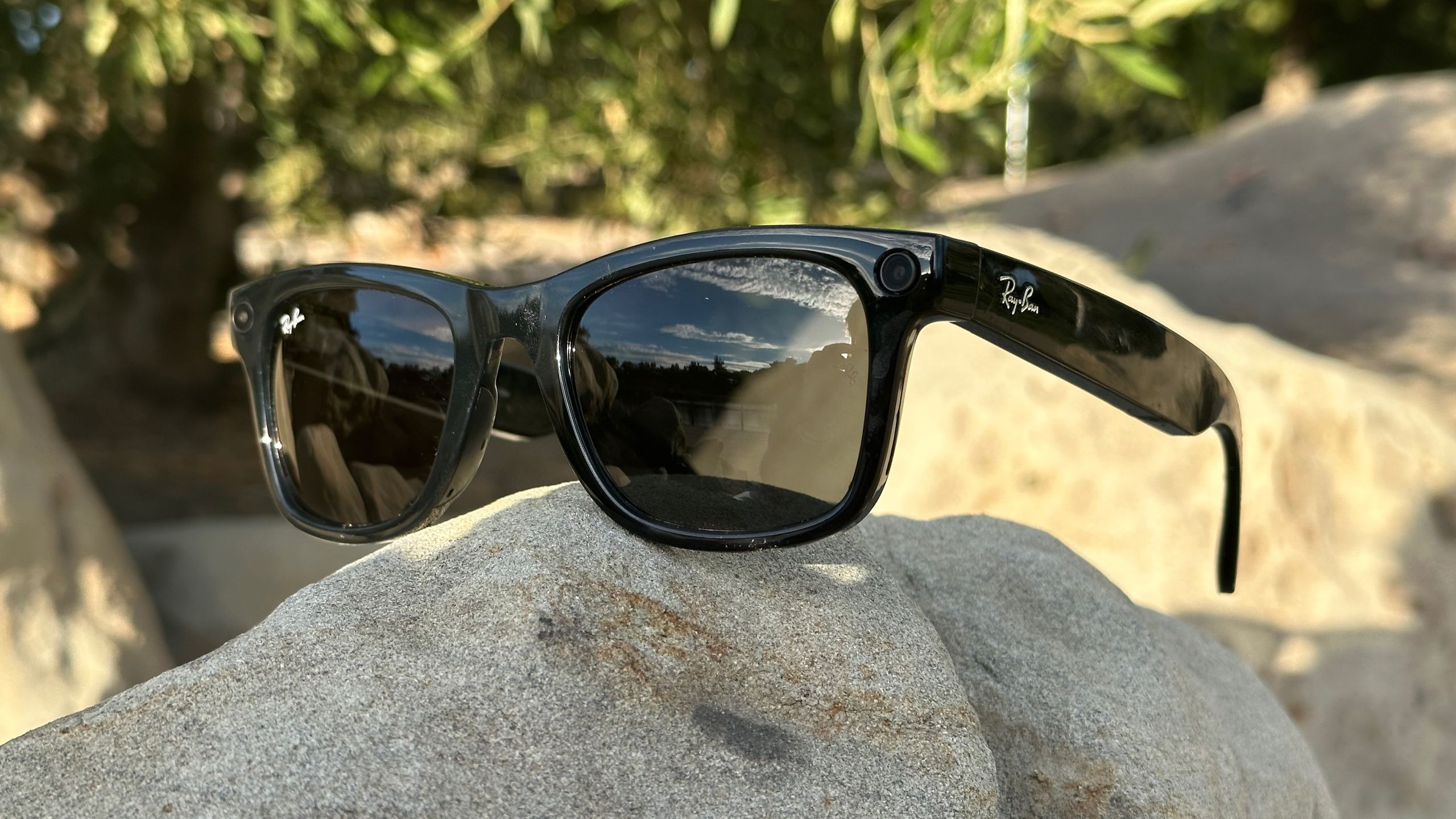
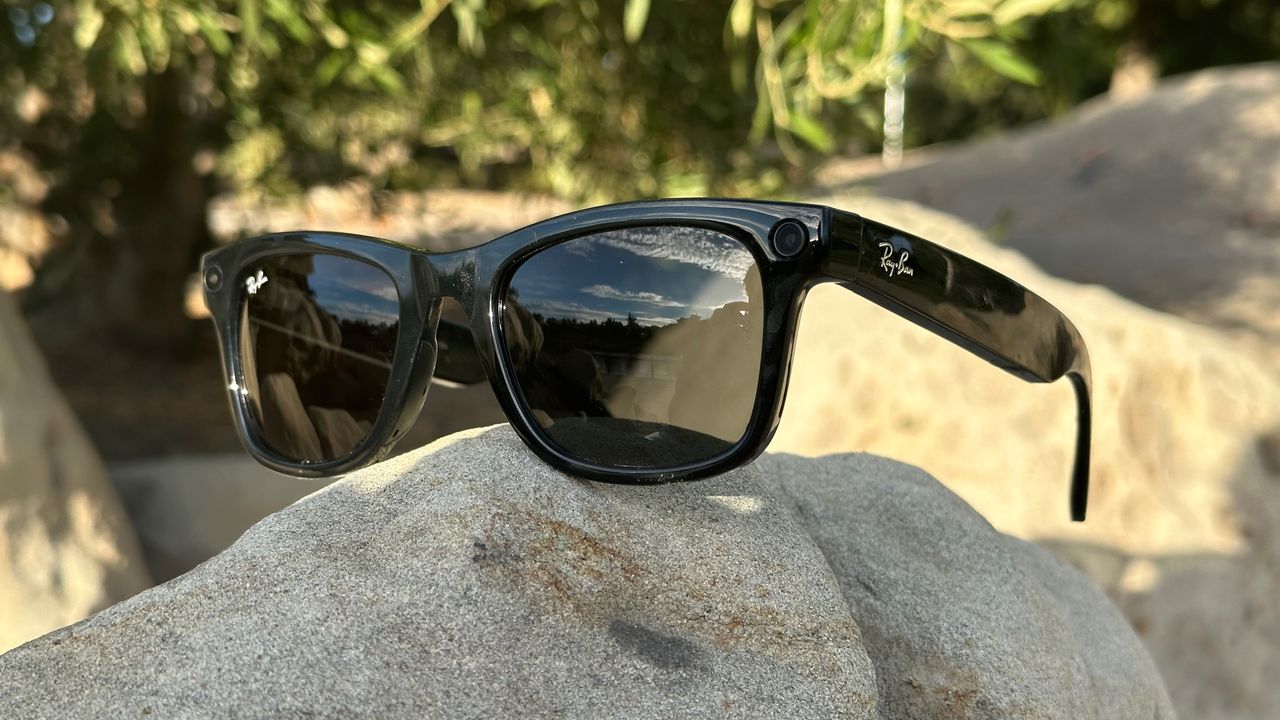
Those in search of cheap smart glasses won’t find much, unless you’re cool waiting for a discount to hit or going last-generation. Luckily, Amazon is offering both by chopping 25% off the price of these first-gen Ray-Ban Meta smart glasses. While the 25% discount is available across lens and Wayfarer colors, the lowest price points come with just a few of the model options.

To be clear, these aren’t AR or XR glasses, so they don’t feature the built-in HUD displays that can be found on some of those models. They do include tons of AI features and a lot of great hands-free functions, however, and the Meta Gen 1 glasses are fairly similar to the newer-generation versions, albeit with a cheaper price tag.

smart glasses but you want to save money; you want a pair of smart glasses with lots of storage for photos and videos; you’d rather save money going last-gen than purchase the new second-gen version of these glasses.

❌Skip this deal if: you’d prefer to go with the Gen 2 Meta smart glasses for slightly improved battery life, a lighter overall build, and higher-quality video; you’re looking for XR glasses more so than traditional AI smart glasses; you’d rather go with a modular competitor to Meta’s smart glasses such as the Solos AirGo V or XR-focused ones like the Xreal 1S or RayNeo Air 3S Pros.

The first-generation Ray-Ban Meta smart glasses still have a lot to offer, from crisp, on-the-go video- and photo-taking, and the option for most prescriptions in each clear, polarized, and transitional lenses. While their battery life is not quite as long lasting as the Gen 2s, they’ll still offer up to 4 hours of battery per charge, or 30 minutes of live streaming. They’ll also charge to 50% battery in just 20 minutes, which tends to offer plenty of capacity for most casual or new users.

Still, the second-gen pair boasts a lighter build and longer battery life, plus higher-quality video. With that comes a higher price tag and fewer discounts, however, so choose carefully.

JAECOO 7’s finance positioning success story in the UK C-SUV segment


JAECOO 7’s finance
positioning success
story in the UK C-SUV
segment

This insight deck looks at what is driving JAECOO’s early numbers
and what they suggest about where competition in the C-SUV
segment is heading. The analysis draws on both captive and non-
captive finance data giving a full picture across the market.

What you’ll learn

How JAECOO outperformed more established rivals in its opening months despite launching at a similar price point.

What the data shows about how monthly affordability has overtaken list price as the primary driver of perceived value.

How APR, discounting patterns and consistent monthly instalments enable strong price positioning.

Download the Insight Deck

Download the Insight Deck

Error: Contact form not found.

About JATO

JATO is the global leader in automotive data, analysis, and intelligence. With 40 years of experience tracking vehicle registrations, pricing, specifications, and market trends, JATO helps automotive manufacturers, suppliers, financial institutions, and industry stakeholders make informed strategic decisions. Their strategic intent is to help customers create significant competitive advantage by constantly leading in connected data, information, and knowledge provision, ultimately improving customers’ work processes, informed decision making and business results. 

The post JAECOO 7’s finance positioning success story in the UK C-SUV segment appeared first on Tech Research Online.

Anthropic’s relationship with the Trump administration seems to be thawing


Despite recently being designated a supply-chain risk by the Pentagon, Anthropic is still talking to high-level members of the Trump administration.

There were earlier signs of a thawing relationship — or a sense that not every part of the administration wanted to cut off Anthropic — with reports saying that Treasury Secretary Scott Bessent and Federal Reserve Chair Jerome Powell were encouraging the heads of major banks to test out Anthropic’s new Mythos model.

Anthropic co-founder Jack Clark seemed to confirm this, claiming that the ongoing fight over the supply-chain risk designation is a “narrow contracting dispute” that would not interfere with the company’s willingness to brief the government about its latest models.

Then on Friday, Axios reported that Bessent and White House Chief of Staff Susie Wiles had met with Anthropic CEO Dario Amodei. In a statement, the White House described this as an “introductory meeting” that was “productive and constructive.”

“We discussed opportunities for collaboration, as well as shared approaches and protocols to address the challenges associated with scaling this technology,” the White House said.

Similarly, Anthropic issued a statement confirming that Amodei had met with “senior administration officials for a productive discussion on how Anthropic and the U.S. government can work together on key shared priorities such as cybersecurity, America’s lead in the AI race, and AI safety.”

The company added that it’s “looking forward to continuing these discussions.”

Techcrunch event

San Francisco, CA
|
October 13-15, 2026

The dispute between Anthropic and the Pentagon seemingly began after failed negotiations over the military’s use of Anthropic’s models; the AI company sought to maintain safeguards around the use of its technology for fully autonomous weapons and mass domestic surveillance. (OpenAI quickly announced a military deal of its own, leading to some consumer backlash.)

The Pentagon subsequently declared Anthropic a supply-chain risk — a label that’s generally reserved for foreign adversaries and could severely limit the use of Anthropic’s models by the government. The company is challenging that designation in court

But it sounds like the rest of the Trump administration doesn’t share the Pentagon’s hostility, with an administration source telling Axios that “every agency” except the Department of Defense wants to use the company’s technology.

This ‘surprising’ Lenovo Chromebook has crashed back to a Black Friday price at Best Buy


Chromebook deals are hardly uncommon this time of year, but a discount of over 50% on a top-rated budget laptop? That’s always a cause for celebration. Head to Best Buy before the current sale wraps up and that’s exactly what you’ll get, as the retailer is carving $210 off the Lenovo IdeaPad Slim 3, a lightweight and affordable Chromebook that doesn’t skimp on premium features.

The deal comes as part of Best Buy’s Ultimate Upgrade sale, a sitewide event that’s slashing prices on a bunch of our favorite tech, from smartphones to wearables. The deals expire on Sunday, April 19th, however, so don’t wait too long to make your move.

Lenovo IdeaPad Slim 3 still impresses today with a lightweight build, powerful MediaTek processor, and 1080p Full HD display. The Chromebook even sports a touchscreen, which is unusual in this price range. You also get up to 13.5 hours of battery life on a single charge, which means the IdeaPad Slim 3 will easily last a full work day before it needs more juice.

Of course, going with a budget Chromebook means that you’ll have to make a few sacrifices. The laptop only comes with 4GB of RAM and 64GB of onboard storage, for example, so don’t expect lightning-fast speeds or impressive gaming performance. There’s also no fingerprint reader or backlit keyboard, and it’s a bit disappointing that Lenovo didn’t give the IdeaPad Slim 3 a convertible design given its ultra-lightweight build.

That being said, if you want an affordable, lightweight Chromebook that’s good for basic tasks, look no further than the IdeaPad Slim 3. At just $189 with the current discount, the laptop is an absolute steal, while premium specs like the FHD touchscreen display are simply the cherry on top. I wouldn’t buy the IdeaPad Slim 3 at full price any more, but if you need something simple for under 200 bucks, this is the deal for you.

Comprehensive analysis of the Japanese automotive market in 2025


JATO is the global leader in automotive data, analysis, and intelligence. With 40 years of experience tracking vehicle registrations, pricing, specifications, and market trends, JATO helps automotive manufacturers, suppliers, financial institutions, and industry stakeholders make informed strategic decisions. Their strategic intent is to help customers create significant competitive advantage by constantly leading in connected data, information, and knowledge provision, ultimately improving customers’ work processes, informed decision making and business results. 

Factory hits $1.5B valuation to build AI coding for enterprises


More than three years after the emergence of generative AI, AI-assisted coding remains by far the most popular and lucrative use case for the technology.

Although multiple companies — including Anthropic, maker of Claude Code, as well as Cursor and Cognition — are already vying for dominance, investors believe there is room for at least one more player.

On Wednesday, Factory, a startup developing AI agents for enterprise engineering teams, announced it had raised $150 million at a $1.5 billion valuation. The round was led by Khosla Ventures, with participation from Sequoia Capital, Insight Partners, and Blackstone. Keith Rabois, a managing director at Khosla Ventures, joined the startup’s board.

Factory founder Matan Grinberg told the Wall Street Journal that the company’s key differentiator is its ability to switch between different foundation models, such as Anthropic’s Claude or Chinese AI startup DeepSeek. However, startups like Cursor also don’t rely on a single model to generate code.

Factory’s customers include engineering teams at Morgan Stanley, Ernst & Young, and Palo Alto Networks.

The startup was founded in 2023 after Grinberg, then a PhD student at UC Berkeley, cold-emailed Sequoia partner Shaun Maguire. The two bonded over mutual academic interest. (Maguire’s PhD from Caltech is in the same area of physics Grinberg was studying.)

Maguire convinced Grinberg to drop out and launch Factory, with Sequoia backing the startup at the seed stage.

Techcrunch event

San Francisco, CA
|
October 13-15, 2026

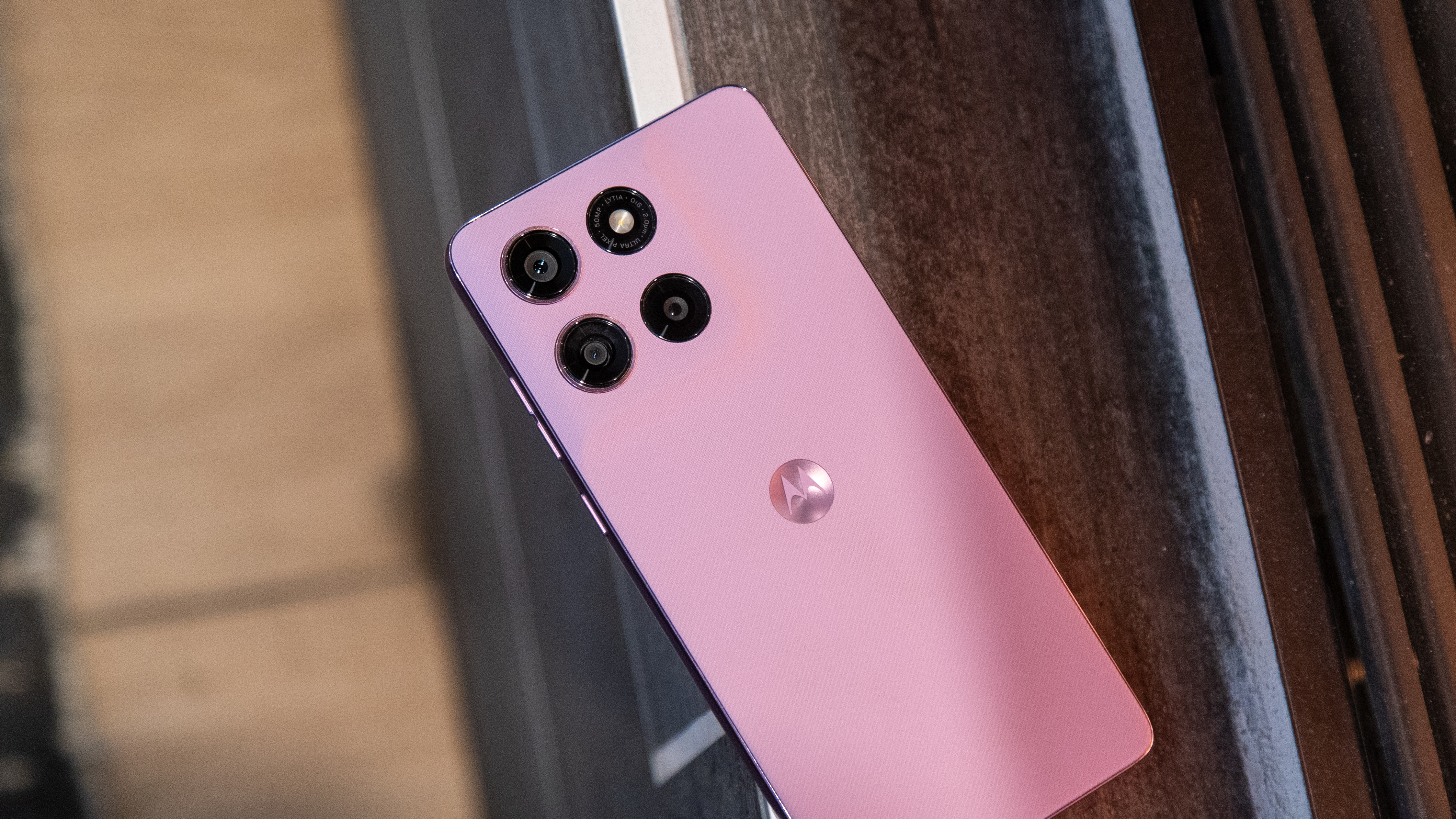
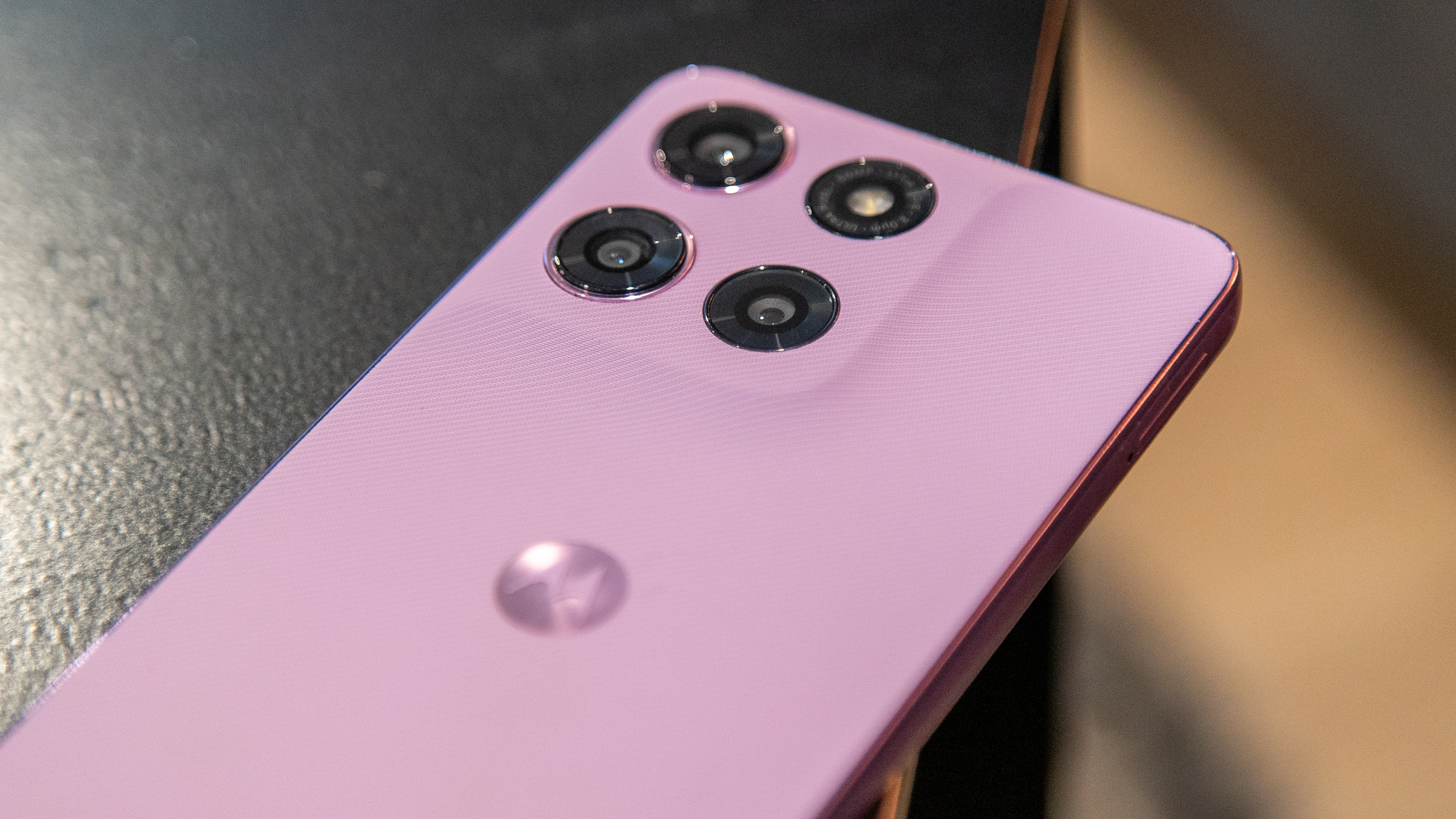
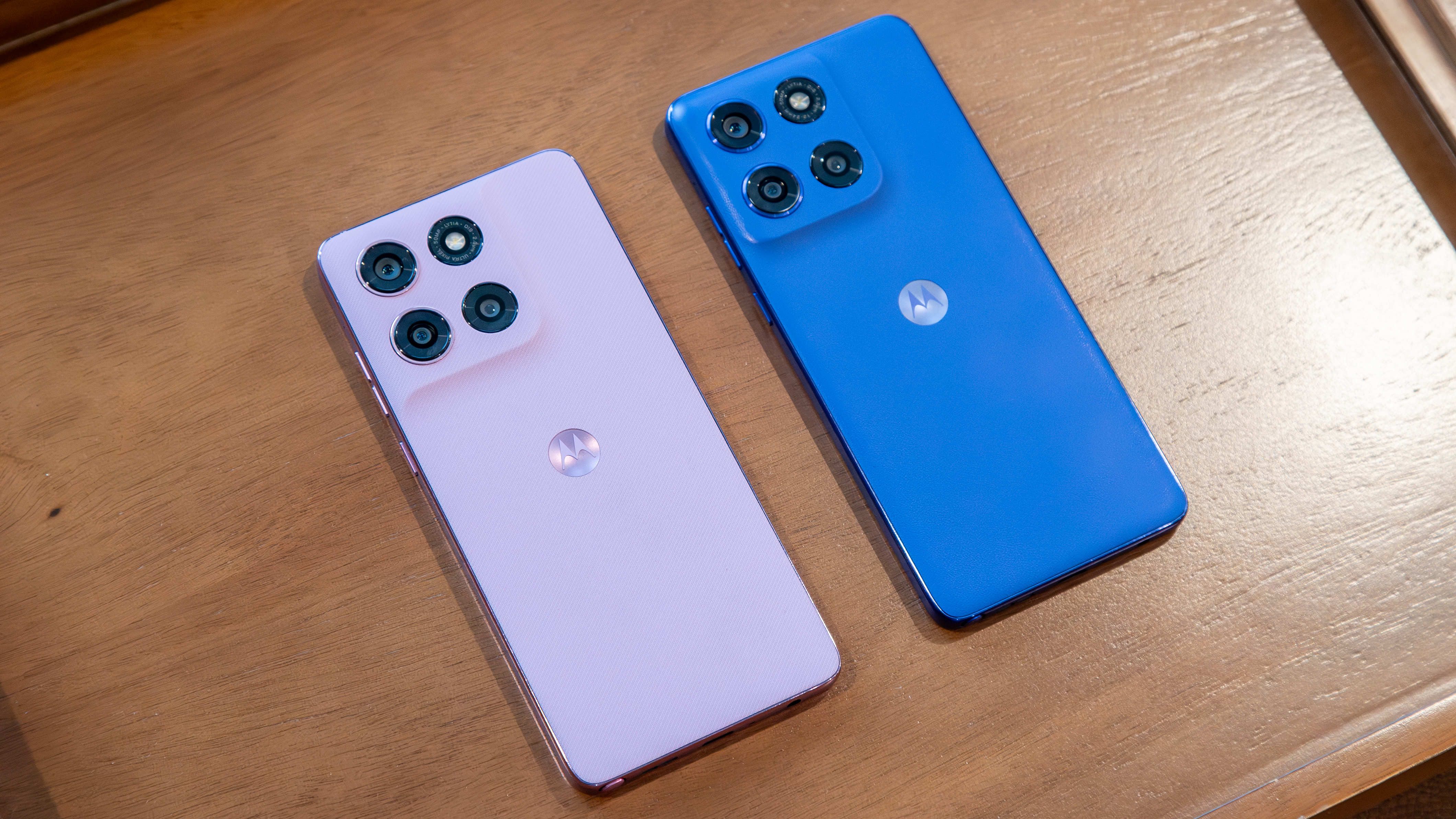
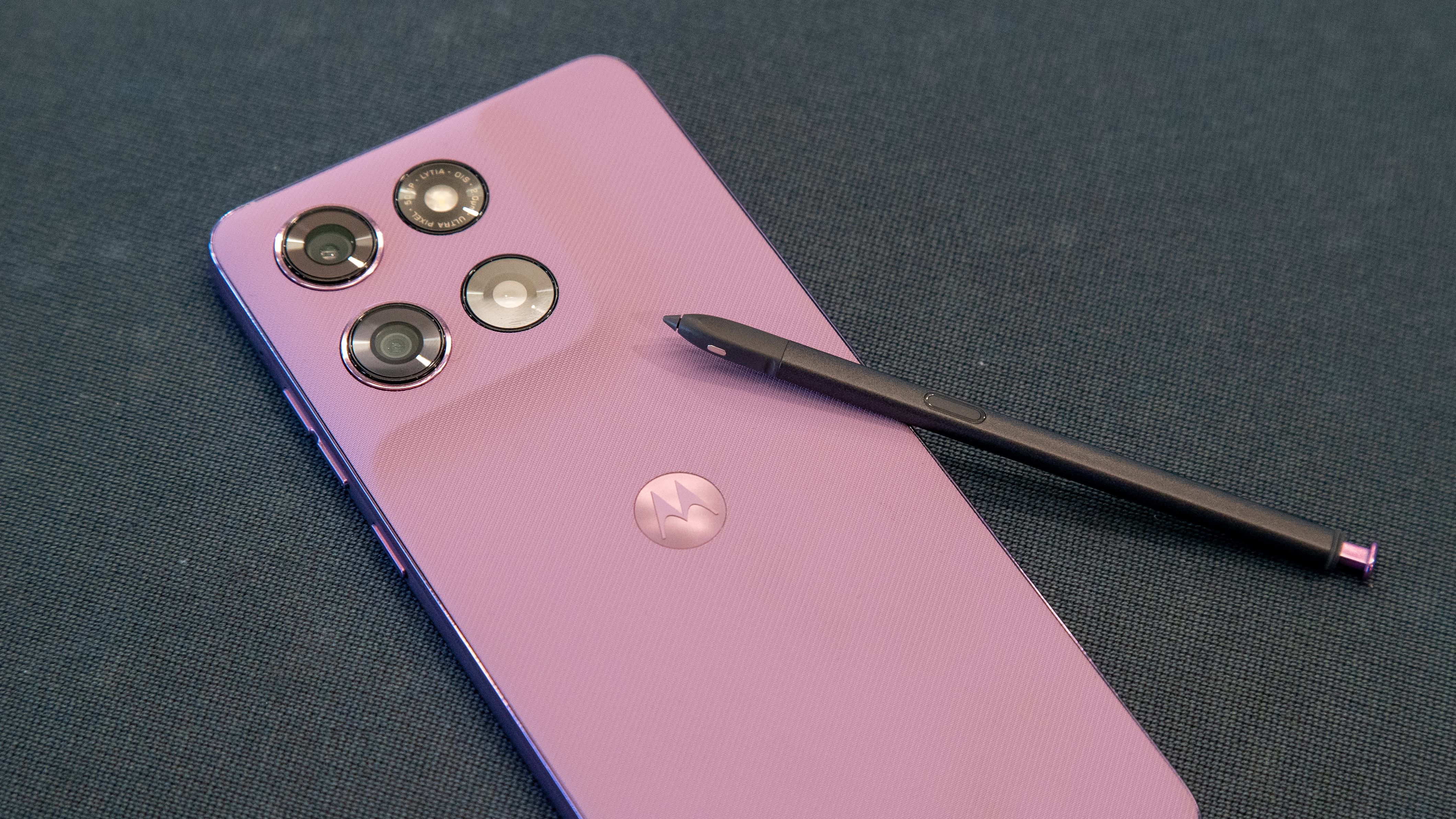
I tested the Moto G Stylus 2026, and it’s finally starting to feel like an affordable alternative to the Galaxy S26 Ultra, but the price tag makes it a tougher sell


Why you can trust Android Central


Our expert reviewers spend hours testing and comparing products and services so you can choose the best for you. Find out more about how we test.

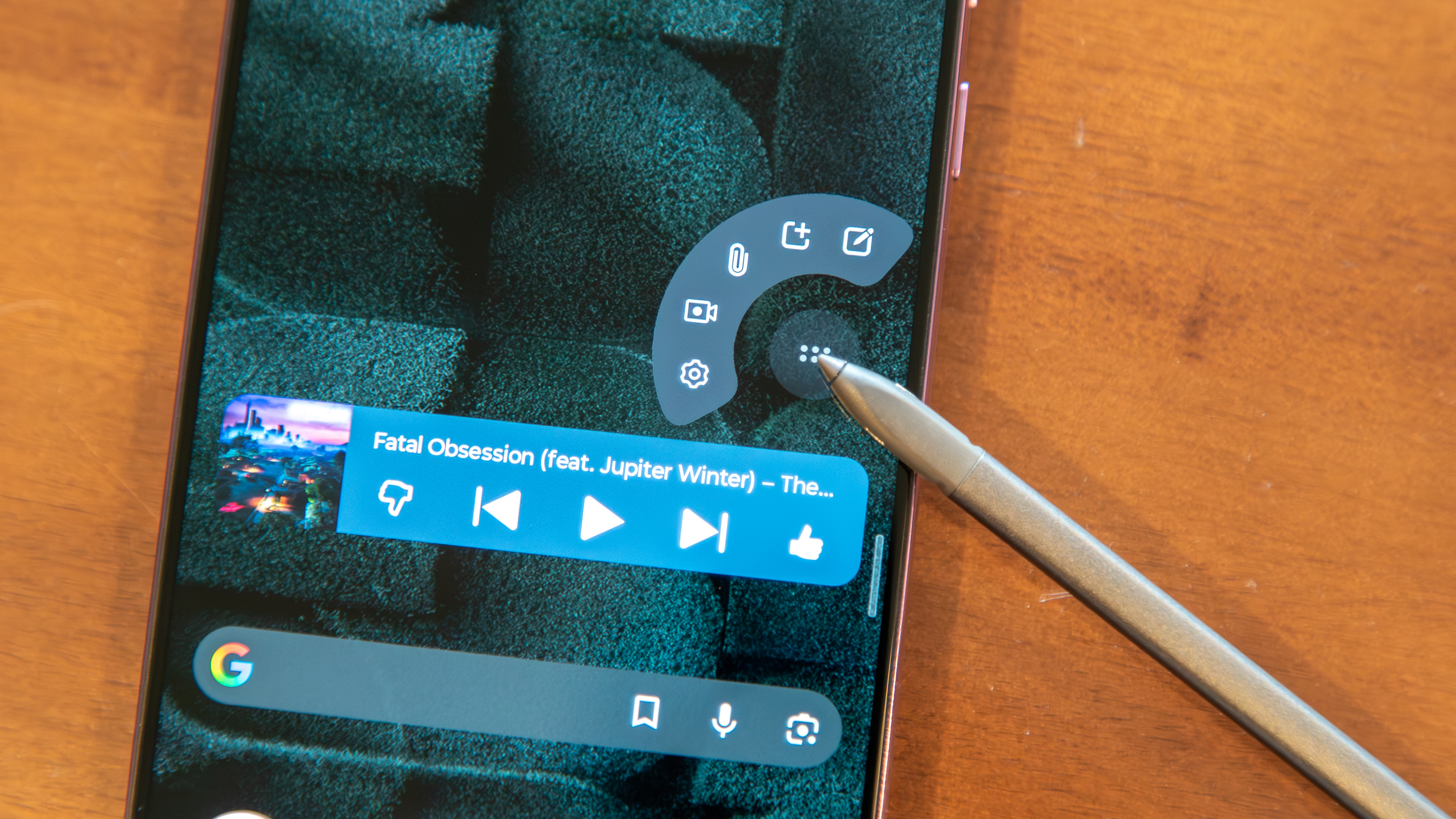
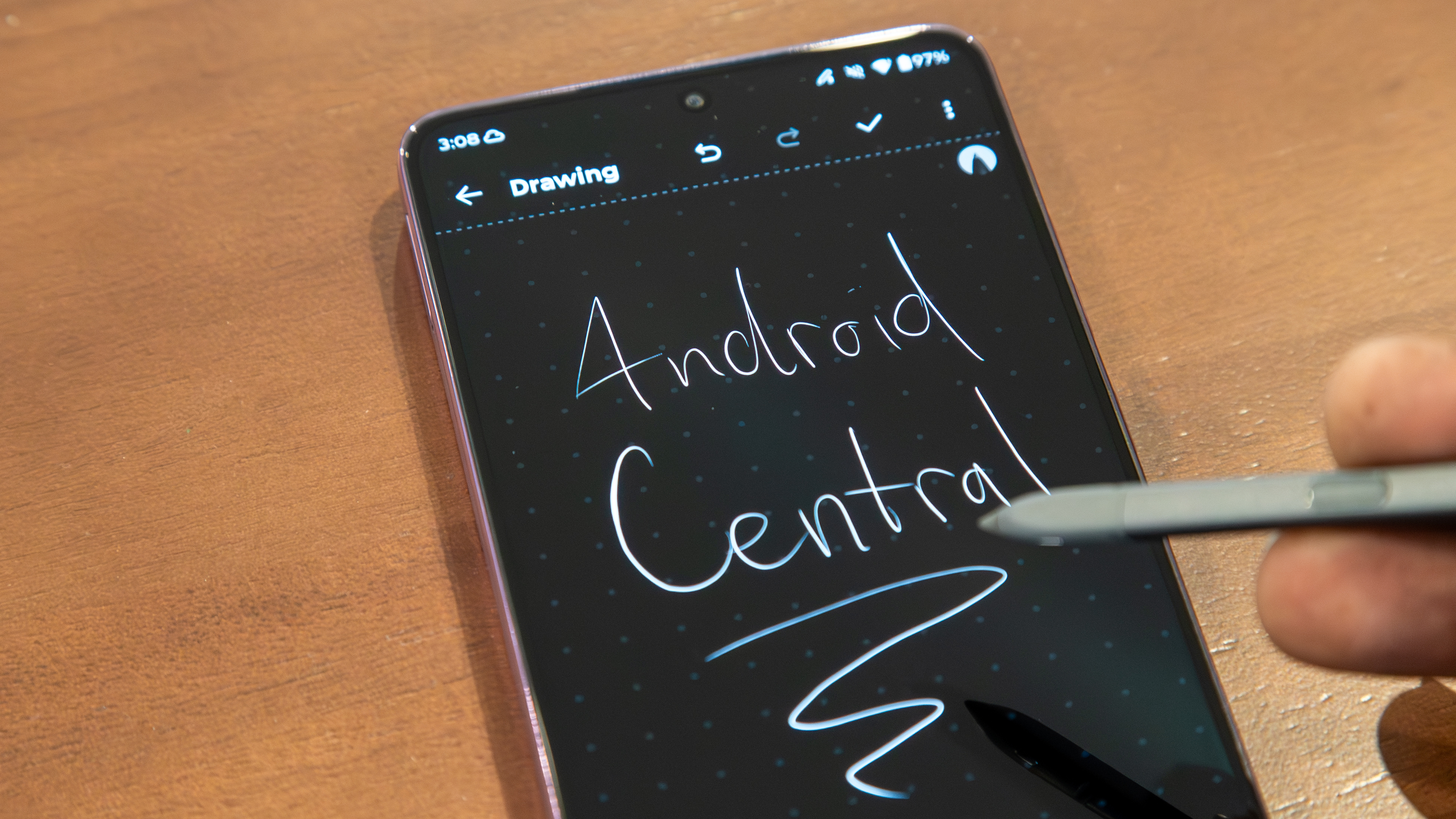
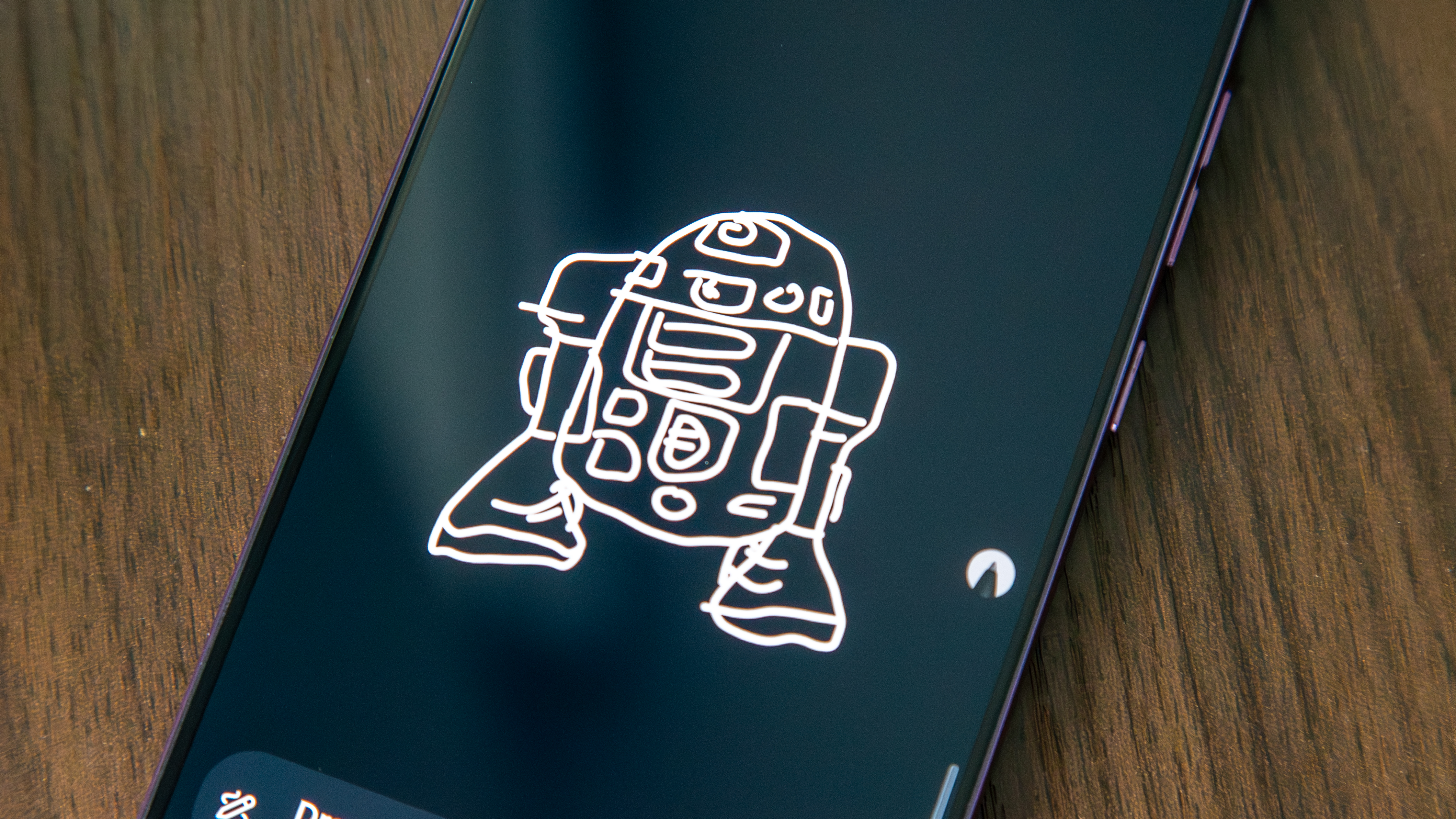
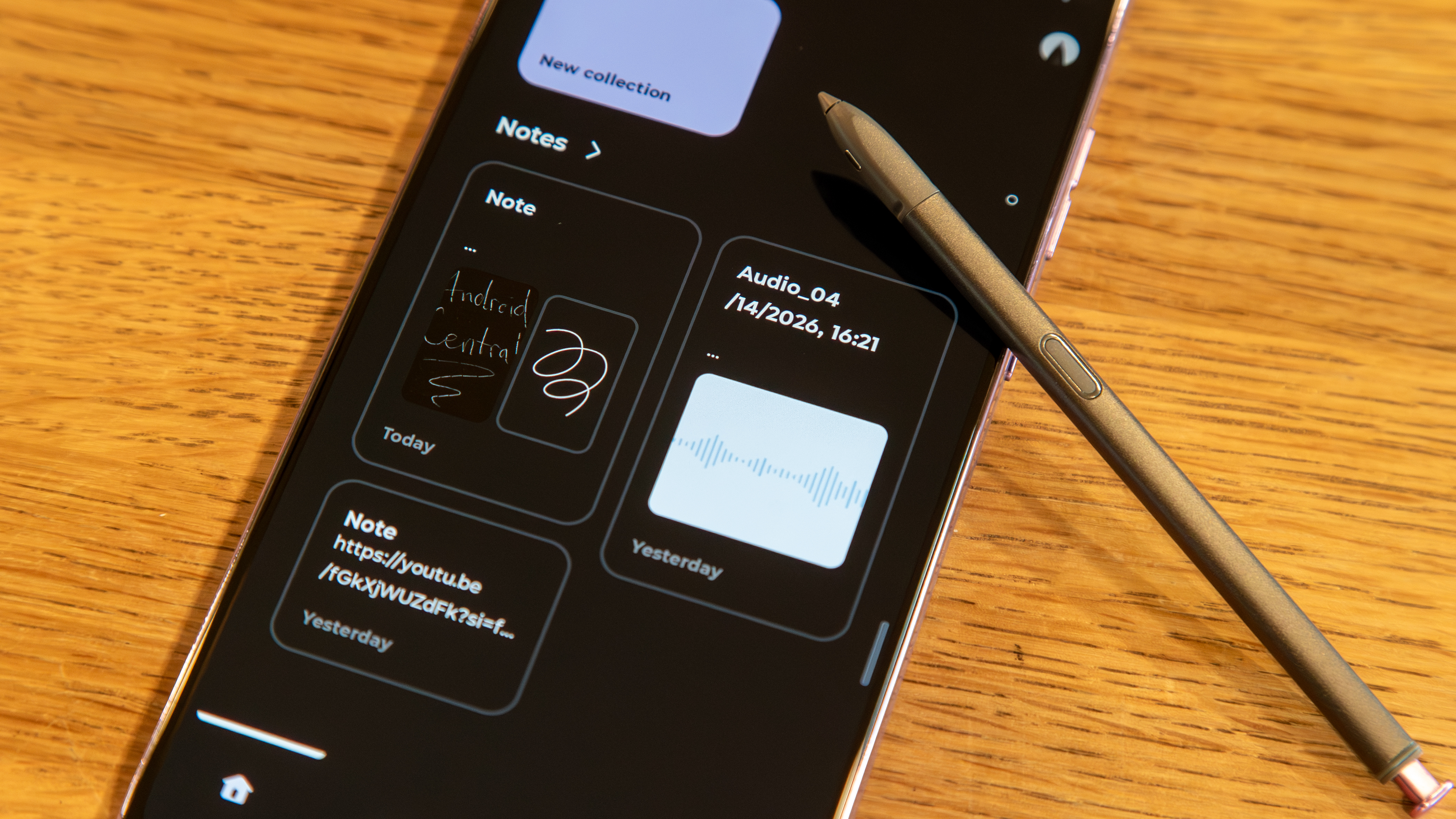
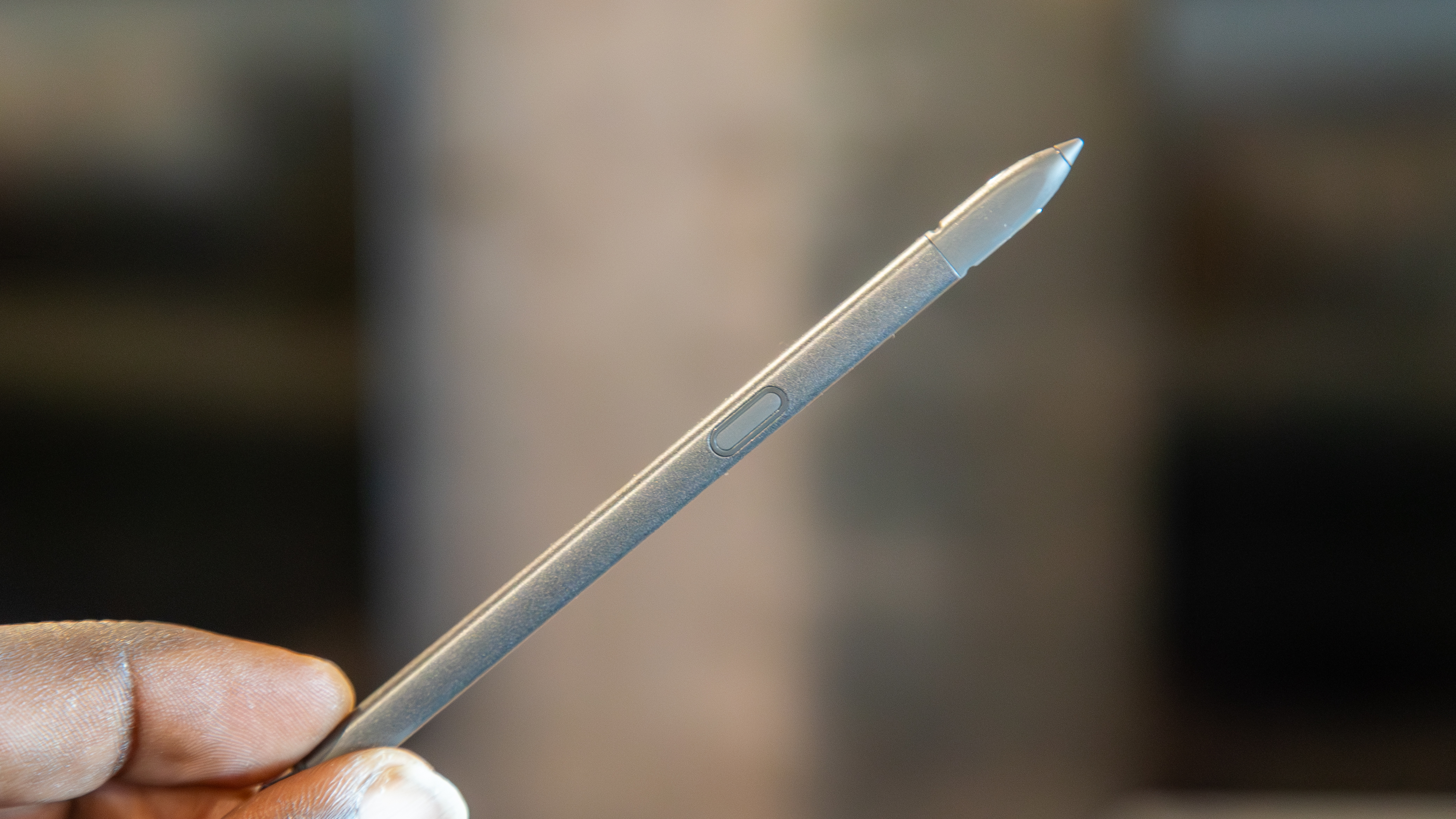
In recent years, Motorola’s Moto G Stylus has blurred the line between mid-range and high-end, offering the best of both worlds at a very attainable price. The Moto G Stylus 2026 attempts to continue this legacy by basically taking a popular Galaxy S26 Ultra feature and sticking it on a phone less than half the price.

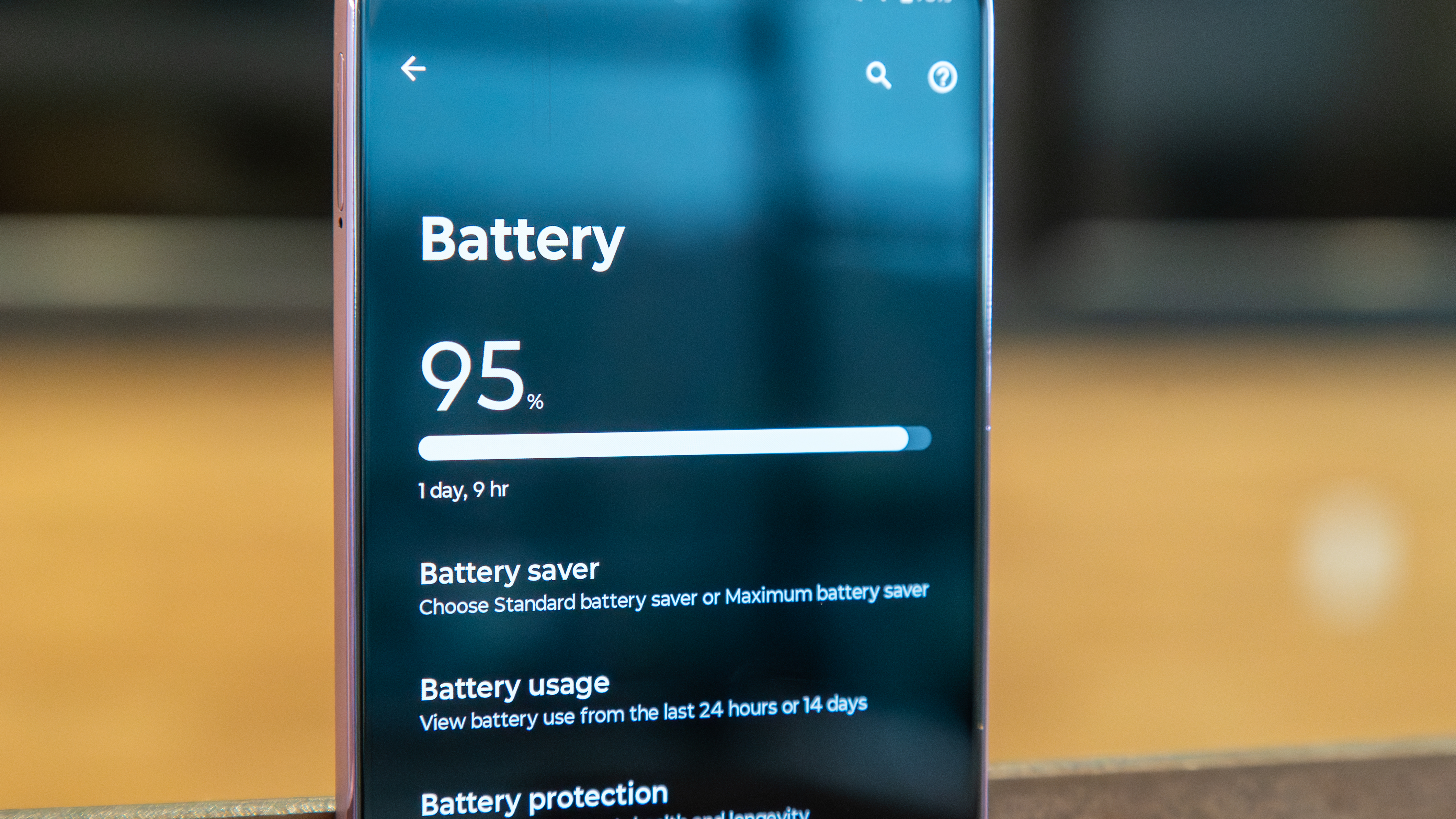
That said, times are tough right now for the consumer electronics industry, and the ongoing RAM shortage is forcing companies to make certain concessions with their smartphones. We knew that budget and mid-range smartphones might feel the most pressure, and the Moto G Stylus 2026 feels like a clear example of how no one is immune to the effects of rising RAM costs.

Guide pratique pour la surveillance des journaux de Stealer


Si vous faites partie d’une équipe SOC, CTI, IR, chargée de la gestion des identités ou de la lutte contre la fraude, cela devrait vous sembler familier.

Il y a beaucoup de données, trop d’alertes, et pas assez de temps pour déterminer ce qui compte vraiment. Les journaux de vol de données en sont un excellent exemple. Flare en a analysé plus de 18 millions et a constaté que près d’un sur cinq contenait des identifiants d’entreprise. Les identifiants d’entreprise comprennent les identifiants et les mots de passe qui permettent aux attaquants d’accéder à votre infrastructure. Le problème est non seulement réel, mais aussi difficile à détecter. Il devient alors difficile de déterminer où concentrer ses efforts et quelles mesures prendre avant de signaler un incident.

Ce guide, proposé par Flare, s’adresse aux équipes confrontées à ce genre de situation au quotidien. Il a pour but de vous aider à identifier les risques et à réagir rapidement afin de prendre les devants face aux menaces potentielles.

Dans ce guide, vous apprendrez à :

  • Identifiez rapidement les identifiants et les sessions à haut risque au lieu de vous perdre dans des volumes colossaux de données de journaux provenant d’infostealers
  • Donnez la priorité à ce qui compte vraiment afin que votre équipe se concentre sur ce qui a un réel impact, et non sur des détails sans importance
  • Identifiez plus rapidement les menaces et évitez de perdre du temps avec des signaux qui ne constituent pas réellement des menaces
  • Mettez en place un programme de surveillance adapté à votre profil de risque réel
  • Prenez immédiatement des mesures concrètes pour limiter l’accès des pirates avant que cela ne dégénère en incident

Anthropic’s rise is giving some OpenAI investors second thoughts


OpenAI’s $852 billion valuation is facing skepticism from some of its own investors as the company scrambles to reorient itself around enterprise customers and fend off Anthropic, according to the Financial Times.

Anthropic’s annualized revenue jumped from $9 billion at the end of 2025 to $30 billion by the end of March, driven largely by demand for its coding tools. One investor who has backed both companies told the FT that justifying OpenAI’s round required assuming an IPO valuation of $1.2 trillion or more — making Anthropic’s current $380 billion valuation look like the relative bargain.

The secondary market tells a similar story right now, where demand for Anthropic shares has grown nearly insatiable while OpenAI shares are trading at a discount.

Altman has been here before. During his tenure leading Y Combinator, aggressive valuation inflation left some portfolio companies financially stranded while others proved worth every penny and then some.

OpenAI CFO Sarah Friar pushed back, telling the FT that the company’s $122 billion raise — the largest private fundraising in history — was evidence of continued investor confidence. Not everyone is persuaded. Jai Das, president of investment firm Sapphire Ventures (who has no stake in either company) told the FT he saw OpenAI as “the Netscape of AI,” a reference to the once-dominant browser that was overtaken by Microsoft and eventually absorbed by AOL.

Update: This piece has been updated to remove an investor quote published and later removed by the Financial Times.