Google Workspace + JumpCloud: Unify IT, Slash Complexity


JumpCloud Webinar Series


Google Workspace + JumpCloud: Unify IT, Slash
Complexity

Overview

Tired of juggling a patchwork of siloed tools to manage your workforce’s identities, devices, and SaaS applications? It’s time to unify your IT stack.

Watch on demand to see how Google Workspace and JumpCloud combine to create a complete, modern solution stack for mid-market organizations. Swap expensive, difficult-to-integrate point solutions for one streamlined pane of glass.


In this webinar you will learn:

  • Achieve the unified platform advantage: Manage workforce identities, devices, and SaaS from one complete, integrated platform
  • Improve security with simplicity: Strengthen and consistently apply security policies across your environment—without adding operational complexity
  • Maximize your investment: Seamlessly extend the power of your Google Workspace environment with JumpCloud’s powerful directory and device management capabilities
  • Improve cost efficiency: Replace multiple siloed tools with one streamlined solution for better cost efficiency


Meet the Speakers:

  • Joel-Rennich

    Joel Rennich

    Senior Vice President Product Management

    JumpCloud

  • Cameron-Wallin

    Cameron Wallin

    Director of Product, Cloud Identity,Groups, and Infrastructure

    Google

  • Chase-Doelling

    Chase Doelling

    Director, Product Marketing

    JumpCloud

Watch Now

Watch Now

Error: Contact form not found.

About us Section - jumpcloud

About JumpCloud

JumpCloud is a cloud-based, unified IT management platform that centralizes identity, access, and device management, often serving as a modern, cloud-native alternative to Active Directory. It allows organizations to manage user identities, secure devices (Mac, Windows, Linux, mobile), and control access to resources from a single console, supporting hybrid and remote work.

The post Google Workspace + JumpCloud: Unify IT, Slash Complexity appeared first on Tech Research Online.

Lachy Groom to back India startup Pronto at a $200M valuation, sources say


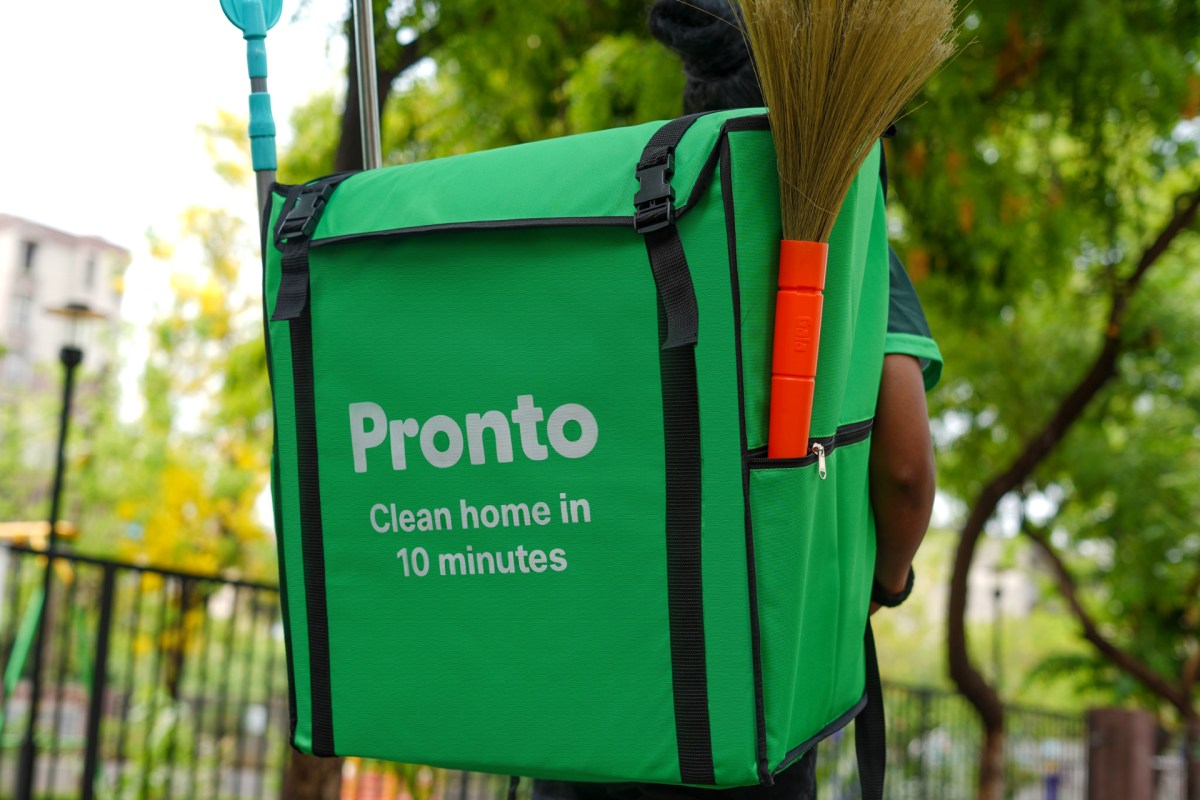
Pronto, an Indian instant house-help startup, is finalizing a funding round led by tech investor Lachy Groom that would value the fast-growing company at about $200 million after investment, TechCrunch has learned.

The deal is expected to bring in about $20 million in fresh capital and would mark a sharp jump from the $100 million valuation at which the company raised $25 million in a Series B round led by Epiq Capital in early March, doubling its valuation in a matter of weeks, two people familiar with the matter said.

Bengaluru-based Pronto completed about 500,000 orders last month and is currently handling around 24,000–25,000 orders daily, up from about 18,000 daily bookings in March and roughly 1,000 last year.

Founded in 2025, Pronto connects households with on-demand domestic help for services such as cleaning and chores, promising quick turnaround times through a managed network of workers.

In March, Pronto founder Anjali Sardana told TechCrunch the startup had expanded from one city to 10 — including Delhi NCR, Bengaluru, and Mumbai — and from five to more than 150 micromarkets. However, much of its activity remains concentrated in a handful of markets, with the National Capital Region accounting for about half of total bookings.

The startup has over 4,500 active professionals on its platform, around 99% of whom are women, Sardana said last month, adding that demand continued to outpace onboarding of new workers as bookings grew about 20% week over week.

Before this funding, Pronto had raised about $40 million in total. Its investors include Epiq Capital, Glade Brook Capital, General Catalyst and Bain Capital Ventures.

Techcrunch event

San Francisco, CA
|
October 13-15, 2026

Pronto and Groom did not respond to requests for comment.

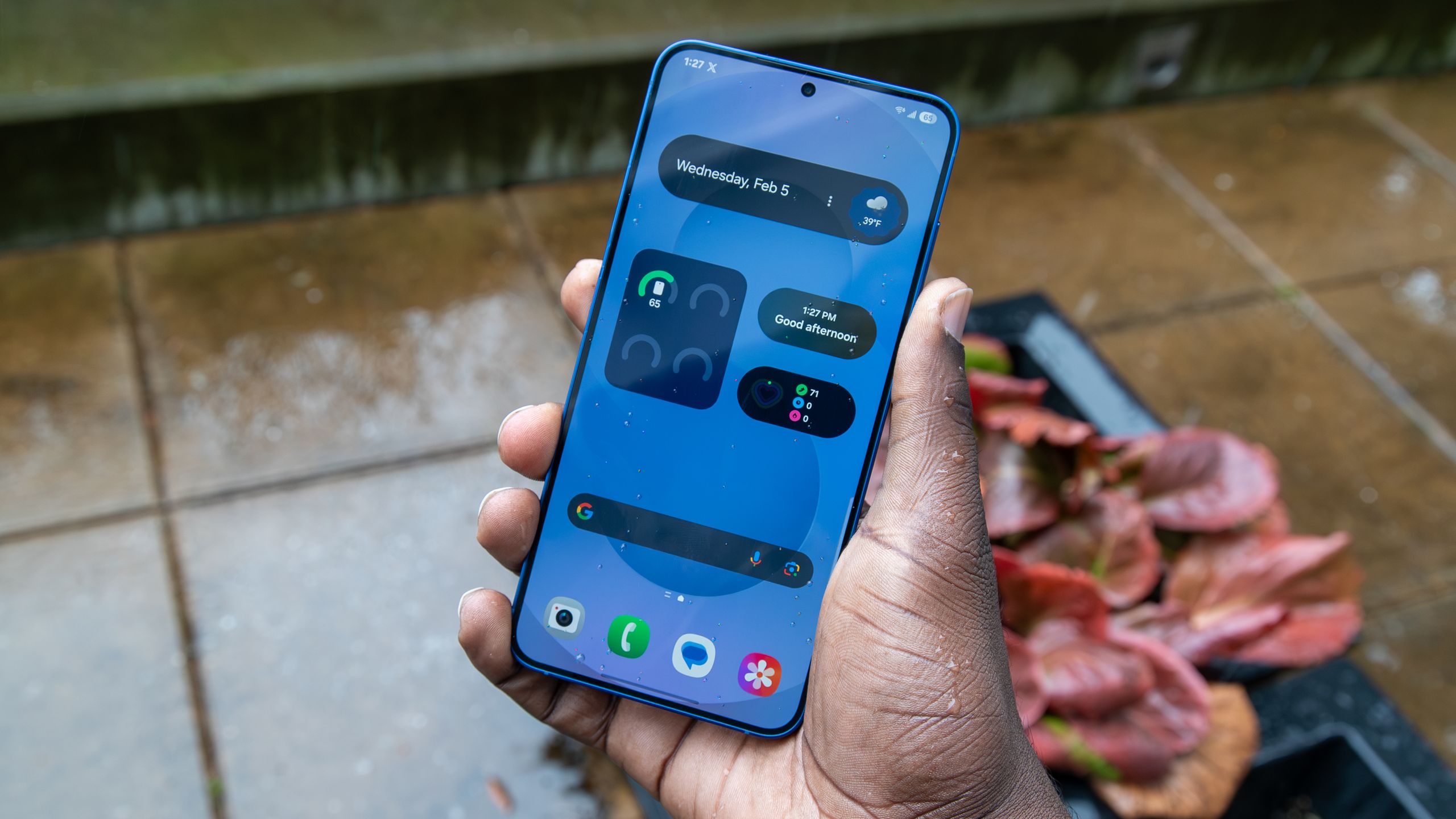
Honor Connect, photography updates carry the Magic 8 Pro’s huge April patch


What you need to know

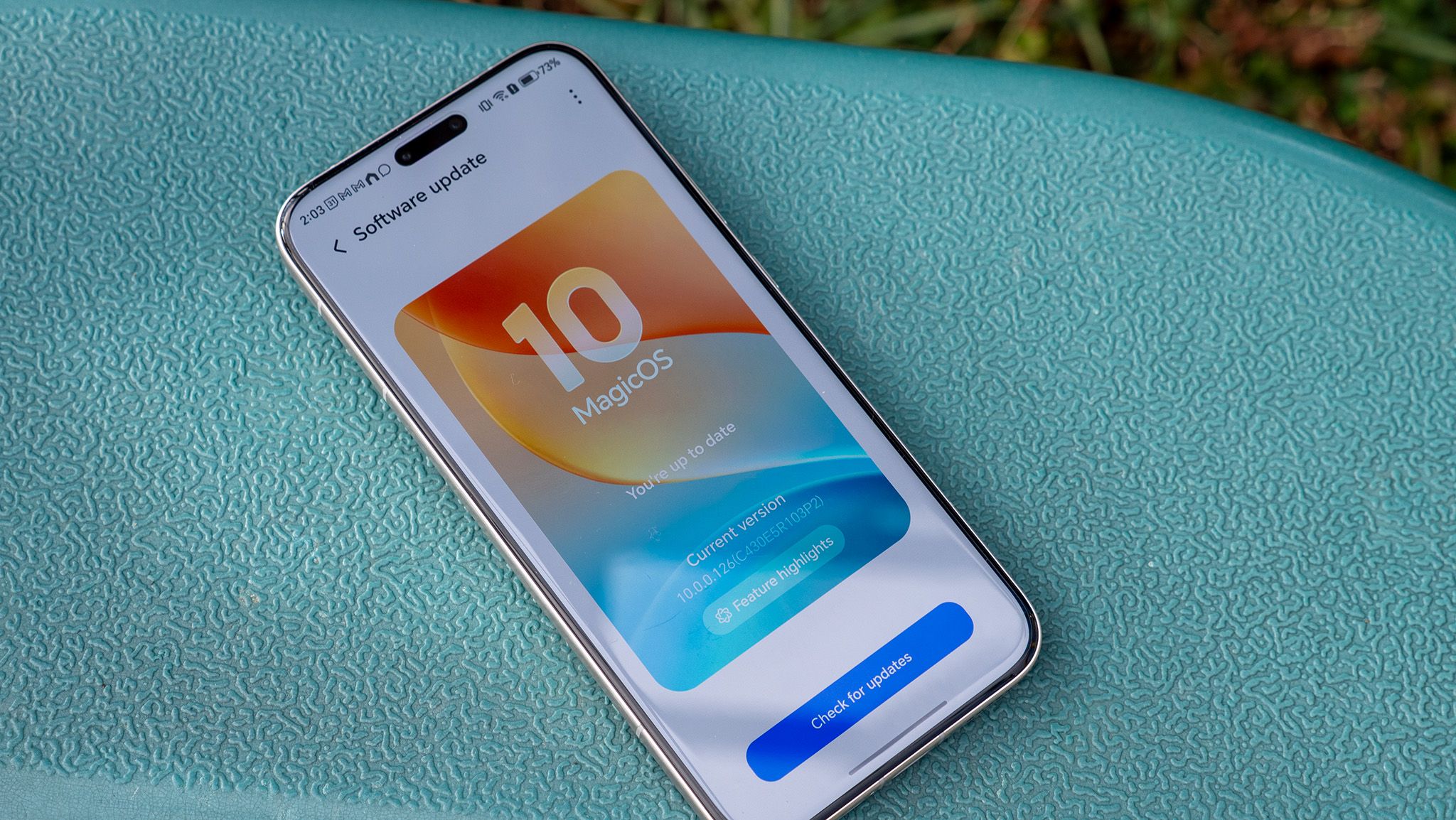
  • Honor is rolling out a massive April update for the Magic 8 Pro this week, bringing 200x focal length to its telephoto and Honor Connect.
  • Users can send files through Connected Files to their Mac from their phones; however, you will need Honor WorkStation on your Mac for this to work.
  • Several home and lock screen updates come through, making it easy to manage folders and one-tap actions for widgets.

Honor’s latest flagship phone, which boasts major features for mobile photography, is receiving a major MagicOS patch.

Late this week, Android Central’s Nicholas Sutrich spotted an April 2026 security update rolling out for the Honor Magic 8 Pro. Sutrich has provided a changelog of the incoming changes, and they are plentiful. Honor states the update is 1.2GB, and leads off with a few camera refinements. While in PHOTO mode, the Magic 8 Pro’s telephoto focal length has been extended to 200x. Additionally, the “shooting effect” for the camera has been optimized.

Bluesky now supports better quality photos


Bluesky is beefing up its social network as a better place to post photos. Late Wednesday, the company announced a new version of its app (version 1.121), which boosts the quality of images in posts both in terms of upload size and resolution.

Before, Bluesky only supported photo uploads of 1MB or less. Now, that limit has doubled to 2MB. In addition, photos will render at up to 4000px, instead of 2000x, as before.

In addition, the company replaced its old image grid with a swipeable carousel that can handle mixed aspect ratios without cropping. (Although early feedback from some Bluesky users indicates that they would prefer the choice between posting as a grid or carousel.)

The changes could make Bluesky’s app more competitive with other social networks, like X or Meta’s Threads.

The latter became well known after its launch as a showcase for photos, thanks to its support for a variety of aspect ratios and its carousel, which offered clever ways to split up larger photos for viewing in this way. In fact, it even inspired a developer to create a standalone app to help users post their panoramic photos to Threads. (Threads still supports a larger maximum image size, though it isn’t published in Threads’ documentation.)

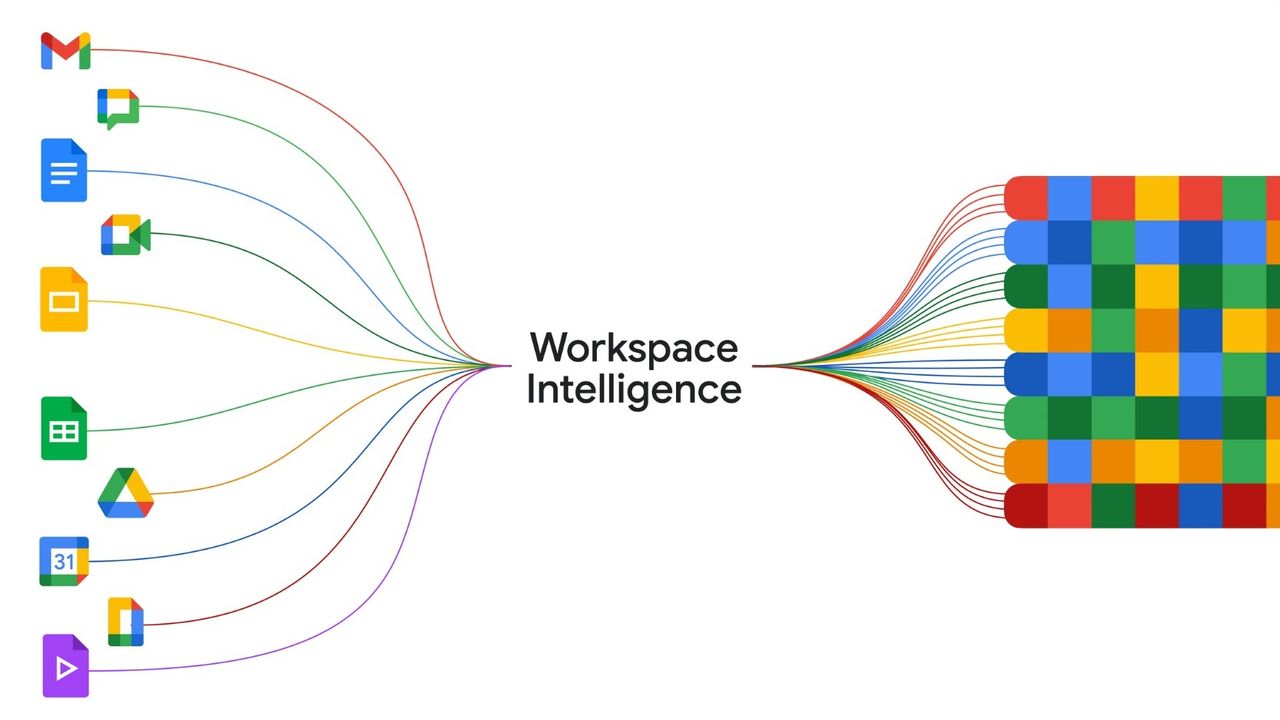
Workspace Intelligence is Google’s agentic AI era for true assistance with Gemini


What you need to know

  • Google’s giving some Workspace Intelligence this week, as it detailed the agentic AI future for users during Cloud Next 2026.
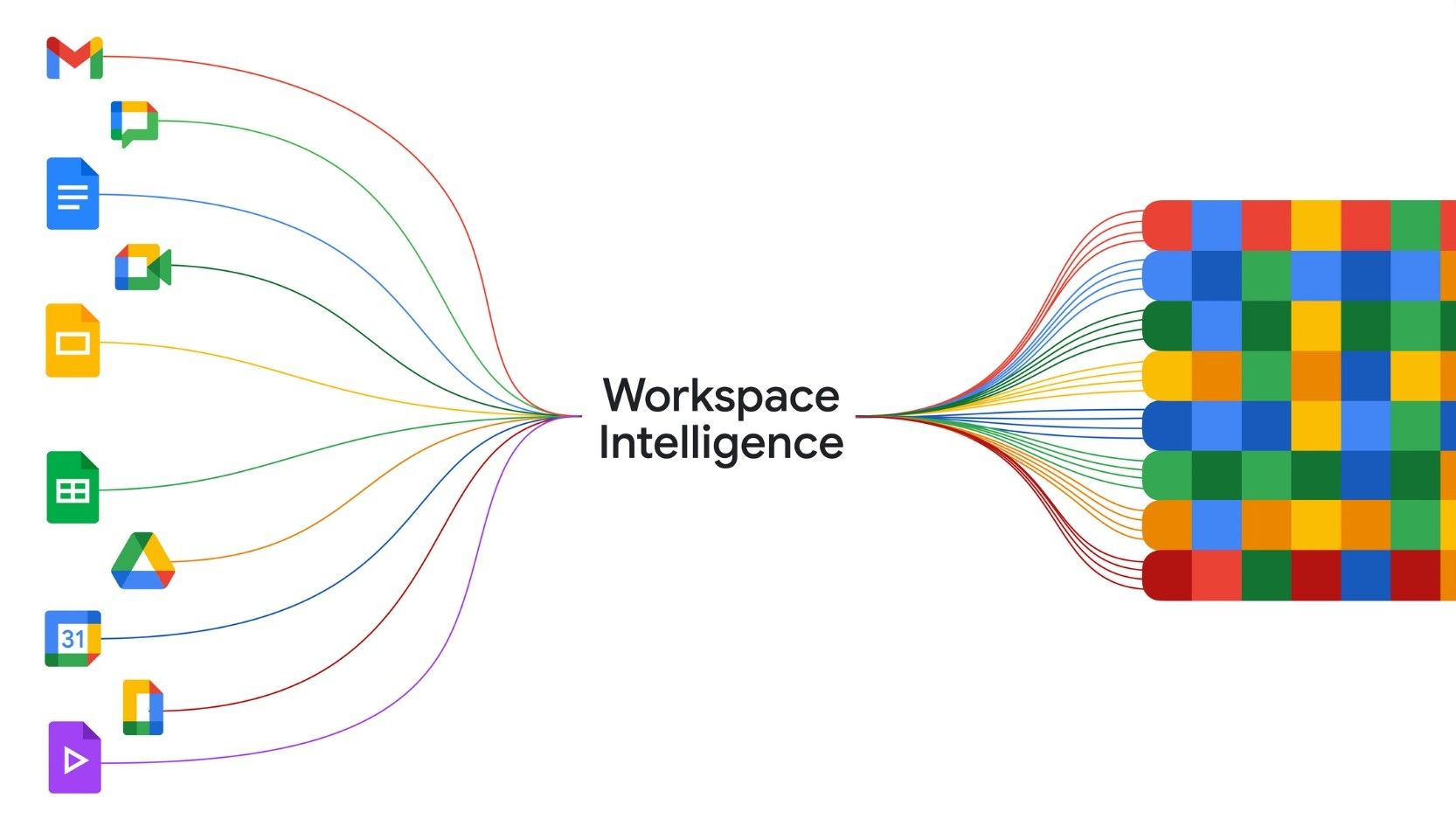
  • Workspace Intelligence is integrated into every app, understanding what matters to you, so it can produce it for you via automation.
  • Docs, Slides, Sheets, and Chat all receive Gemini, Workspace Intelligence-infused updates for file creation and AI assistance.

Workspace gets businesses (big and small) through their days, and now Google is detailing major AI-focused updates to make their time even easier.

Amid Google’s Cloud Next 2026 event, the company debuted Workspace Intelligence as part of its agentic push to help users work smarter. According to Google, this new approach aims to deliver “real-time understanding” to your apps by merging your projects into an automated process. It reports that Workspace Intelligence understands the relationships between your apps, projects, collaborators, and more.

Reinventa la Data Integration per ottenere informazioni basatesull’IA


Le priorità strategiche delle aziende stanno cambiando perché il94% dei leader ritiene che le funzioni relative ai dati e agli analyticssvolgano un ruolo essenziale per migliorare il processo decisionale,il vantaggio competitivo e il valore aziendale

Scopri le straordinarie opportunità offerte dall’intelligenzaartificiale (IA) in ambito di Data Integration e analytics e impara apredisporre i dati per l’IA.

Scarica la nostra infografica per scoprire:

  • Analytics moderni e IA in azione
  • Best practice per fornire dati pronti per l’IA
  • Dati reali del percorso diPaycor con Informatica eSnowflake

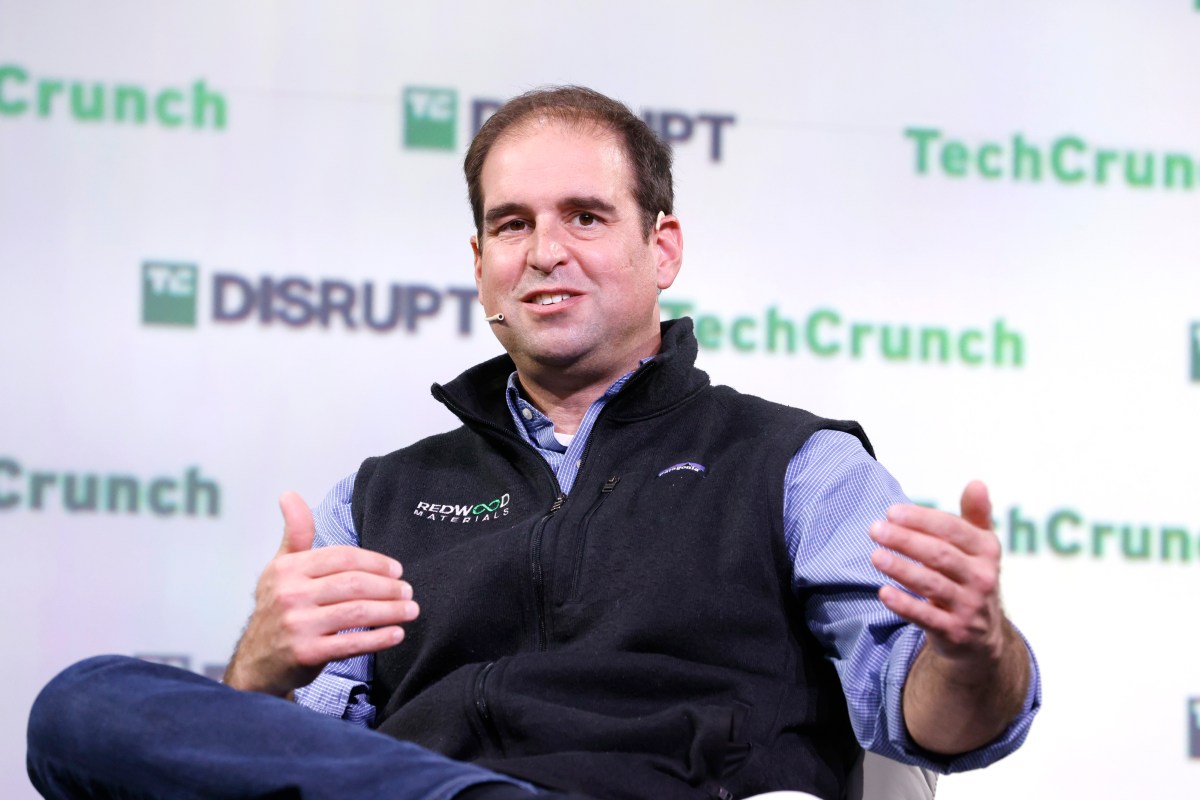
Redwood Materials lays off 10% in restructuring to chase energy storage business


Redwood Materials has laid off around 135 employees, or roughly 10% of its workforce, as it restructures to better accommodate its growing energy storage business, TechCrunch has learned.

The cuts come just five months after Redwood cut 5% of its workforce, and three months after it closed a $425 million funding round that boosted the battery recycling company’s valuation to north of $6 billion, as TechCrunch previously reported.

It’s been a difficult time in the battery industry lately. Earlier this month, battery recycler Ascend Elements filed for Chapter 11 bankruptcy protection, citing “insurmountable” financial challenges. Some battery-makers have also restructured or gone out of business as the automotive industry in the U.S. has backed away from its most optimistic and ambitious plans to transition to electric vehicles.

But Redwood Materials founder and CEO JB Straubel told employees that this new round of cuts is not a sign that the company is heading down the same path.

“Redwood today is the strongest it’s ever been,” Straubel wrote in an email to the workers who weren’t laid off, according to a copy viewed by TechCrunch. “The materials business is well on its way to profitability and has an exciting roadmap ahead.”

Straubel noted that Redwood “continue[s] to dominate the US battery recycling market” but also touted the company’s “great momentum” in its new energy storage business. Redwood has recently announced deals with Crusoe AI and, most recently, electric automaker Rivian to provide recycled batteries that can be used to power those companies’ facilities. The company declined to comment beyond the contents of Straubel’s email.

In his message, Straubel wrote that “parts of the company have expanded faster than needed to support the direction” of Redwood. As a result, he said Redwood is making cuts across multiple divisions, including the engineering and operations organizations, according to an employee who was granted anonymity to discuss the layoffs.

Techcrunch event

San Francisco, CA
|
October 13-15, 2026

“We are confident that we can deliver on our critical projects with a smaller team that is more focused,” he wrote. “We have successfully adapted to changes in the market that have bankrupted many of our competitors.”

Straubel went on to write that he is “more excited than ever with our path ahead as we build the most integrated and cost-effective critical materials and energy storage business in the world.”

“This is a self-sustaining business and will continue to make this company more valuable over time. We have the team and the technology to do what no other company can,” he wrote.

Workers who were laid off were told by Redwood’s chief HR officer that the layoffs were made “to sharpen our focus, our work and the size of our teams to support the direction Redwood is going in the future,” according to a copy of her email, which was viewed by TechCrunch.

Employees who were laid off are receiving severance and paid health benefits, according to Straubel’s email, as well as “career transition assistance.”

“I am grateful to the approximately 135 employees who we say goodbye to today — they’ve all contributed to building Redwood,” he wrote.

When you purchase through links in our articles, we may earn a small commission. This doesn’t affect our editorial independence.

A perfect ten: Galaxy S25 users get a One UI 8.5 Beta 10 that’s hopefully its last


What you need to know

  • Samsung was reportedly spotted rolling out One UI 8.5 Beta 10 to enrolled Galaxy S25 devices.
  • The patch, nearly 1GB in size, brings in Call Screening, Creative Studio, and several fixes.
  • An earlier rumor in April said Samsung might rollout two betas in April, and it seems that we might actually see the light (a stable launch) soon.

It might be unbelievable for enrolled testers, as the tenth One UI 8.5 beta for Galaxy users.

It’s been a long road, as SamMobile reports that Samsung is rolling out One UI 8.5 Beta 10 to all enrolled Galaxy S25 devices in South Korea. This is pretty usual, as Samsung typically launches a new beta on homesoil before it spreads out to other regions. While we wait, the publication states the build is arriving with a 900MB download size. The new software rolls out a few new additions this week, such as “AI features.”

Build gpu-boosted, auto-optimized, billion-scale VectorDBs in hours


aws-logo

Build gpu-boosted, auto-optimized, billion-scale VectorDBs in hours

Contact

Dylan Tong, Product Lead, AI and Vectors Amazon OpenSearch Service
Vamshi Nakkirtha, ​Senior Manager, Software Dev, Vector Search at Amazon OpenSearch Service

Amazon OpenSearch Service lets you search billions of vectors in milliseconds and with high accuracy to support semantic search and power generative AI. Learn how we’re democratizing vector search and accelerating AI development with vector index GPU-acceleration and auto-optimization on Amazon OpenSearch Service. The new features allow you to scale to billions of vectors in minutes – up to X faster at Y cost, while auto-optimizing complex parameter tuning and quantization decisions.

Speakers

​Jon Handler

Dylan Tong

Dylan is a Senior Product Manager at Amazon Web Services. He leads the product initiatives for AI and machine learning (ML) on OpenSearch including OpenSearch’s vector database capabilities. Dylan has decades of experience working directly with customers and creating products and solutions in the database, analytics and AI/ML domain. Dylan holds a BSc and MEng degree in Computer Science from Cornell University.

 width=

Vamshi Nakkirtha

Vamshi is a software engineering manager working on the OpenSearch Project and Amazon OpenSearch Service. His primary interests include distributed systems.

Download the webinar

Download the webinar

Error: Contact form not found.


About AWS

Launched in 2006, Amazon Web Services (AWS) provides leading cloud technologies that enable organizations and individuals to create transformative solutions. As part of Amazon, AWS is committed to being Earth’s most customer-centric company, focusing on solving customer problems with cloud infrastructure that fosters continuous innovation. AWS supports entrepreneurs, businesses, non-profits, governments, and cities by offering scalable tools to help them reinvent themselves, advance their missions, and serve their communities. Customers trust AWS to help them achieve their goals, handle data securely, and push the boundaries of what’s possible. 

The post Build gpu-boosted, auto-optimized, billion-scale VectorDBs in hours appeared first on Tech Research Online.

OpenAI’s existential questions | TechCrunch


OpenAI has been all over the news recently, whether that news is about acquisitions, competition with Anthropic, or bigger debates about AI’s impact on society.

On the latest episode of TechCrunch’s Equity podcast, Kirsten Korosec, Sean O’Kane, and I did our best to round up all the latest OpenAI news. While the company’s latest acquisitions seem to be classic acqui-hires, Sean suggested they also address “two big existential problems that OpenAI is trying to solve right now.”

First, with the team behind personal finance startup Hiro, the company may be hoping to  come up with a product that has “more hooks than just a chatbot, and maybe something worth paying more for.” And with new media startup TBPN, OpenAI could be looking to “better shape its image in the public eye, which lately has not been great.”

Read a preview of our conversation, edited for length and clarity below.

Anthony: [We have] two deals that are worth mentioning, one is that OpenAI acquired this personal finance startup called Hiro. And that comes after another deal that was literally announced when we were recording our last episode of Equity, so we didn’t get to talk about it: OpenAI had also acquired TBPN — a business talk show, like a new media company.

And I think both of these deals are pretty small compared to the scale of OpenAI. These are not things that people expect to really change the course of their business or anything like that, but they’re interesting because it suggests that there’s still this [attitude of,] “Let’s try out different things.”

Especially [with] the TBPN deal […] particularly at this time when it feels like OpenAI, from all the reporting we’re reading, is also trying to really refocus on making ChatGPT and its GPT models really competitive in an enterprise context with programmers.

Techcrunch event

San Francisco, CA
|
October 13-15, 2026

Is running a tech talk show, should that really be on the to-do list?

Kirsten: No, this should not be on the to-do list. That’s it. 

I do want to mention Hiro because to me, that’s an interesting one, because Julie Bort, our venture editor, super talented, she wrote about this and was I think the first to write about it. She dug in a little bit and basically this looks like an acqui-hire. The company is folding. They basically said, “By this date, you won’t be able to access this anymore.”

This is a personal finance startup. And they only launched two years ago. So this absolutely is about getting talent on board. So I’m very curious to see if OpenAI is going to be just absorbing them into the ether at OpenAI, or if they’re actually interested in some sort of personal finance product that they want to work on. To me, it’s not really clear.

Sean: I think you look at both of these as acqui-hires to a certain extent. I mean, the TBPN acquisition, allegedly they are going to retain their editorial independence on the show that they make every day. And all respect to those guys who’ve put that out there and gotten it off the ground so quickly and grown it into what it has become.

I think any person who follows the media should have a healthy dose of skepticism that when you acquire something like that and you put the people who make the show under the org of the public policy people and comms or marketing adjacent people higher up at the company making the acquisition, that you could have good questions about whether or not saying “editorial independence” is enough. It’s not an incantation that just works.

But you know, what’s interesting to me about these two, while they are similar in their acqui-hire-ness, I think they both represent two major problems that OpenAI is facing.

One is Hiro. OpenAI has a very successful product in ChatGPT. As far as whether or not that will actually ever make them enough money to become a sustainable business that’s not raising the largest private rounds in the world, ever, to keep things going, is a big question. And they also seem to be struggling to keep up on the enterprise side of things where the real money seems to be, so bringing in a team like this seems like taking a shot at, “What else can we do?” 

The guy who founded Hiro seems to have a serial entrepreneur streak of creating consumer apps, and so this seems to me like a bet on them being able to come up with something else that may have more hooks than just a chatbot, and maybe something worth paying more for.

And then TBPN is an acquisition made to help better represent what the company does and better shape its image in the public eye, which lately has not been great and certainly is under more questions now than just a few weeks ago, because Ronan Farrow just led a report at The New Yorker that dropped suspiciously right around the time that this and a couple other announcements from OpenAI came out last week. 

I think those are two big existential problems that OpenAI is trying to solve right now.

Kirsten: So the thing that you didn’t say is, there’s Anthropic kind of looming in — not in the shadows, I mean, they’re very much taking up a lot of space here — but they’re having a lot of success on the enterprise side of things.

It feels like these guys are competitors and they also feel like very different companies in a lot of ways. Anthony, I’m wondering if you see them as direct competition to OpenAI? Or [are they] just finding their stride in enterprise and in a way, these two companies are clearly going to coexist and they’re really not directly competing with each other — maybe on talent, but not necessarily as we initially thought of them?

Anthony: I think they’re directly competing with each other. There’s definitely a scenario where if AI as an industry, as a technology, is as successful as its proponents hope for, they could both be very successful companies, they could just be the one and two. And the success of one does not necessarily mean that the other will just fade into obscurity. 

And again, none of this is official, but there’s just been a lot of reporting around how it seems like OpenAI, more than anyone, is obsessed with and upset about Anthropic’s rise. 

Our reporter Lucas [Ropek], he did a great piece over the weekend about the HumanX conference, where he was talking to everyone there and they’re sort of like, “Yeah, ChatGPT is fine, too,” but like they were all about Claude Code. And I think that is exactly what OpenAI is worried about.

Because again, in theory, there could be many other opportunities for generative AI, but it feels like the big growth area, the area where the most money is and where they could at least see a path to having a sustainable business in the future, is in these enterprise and coding tools.