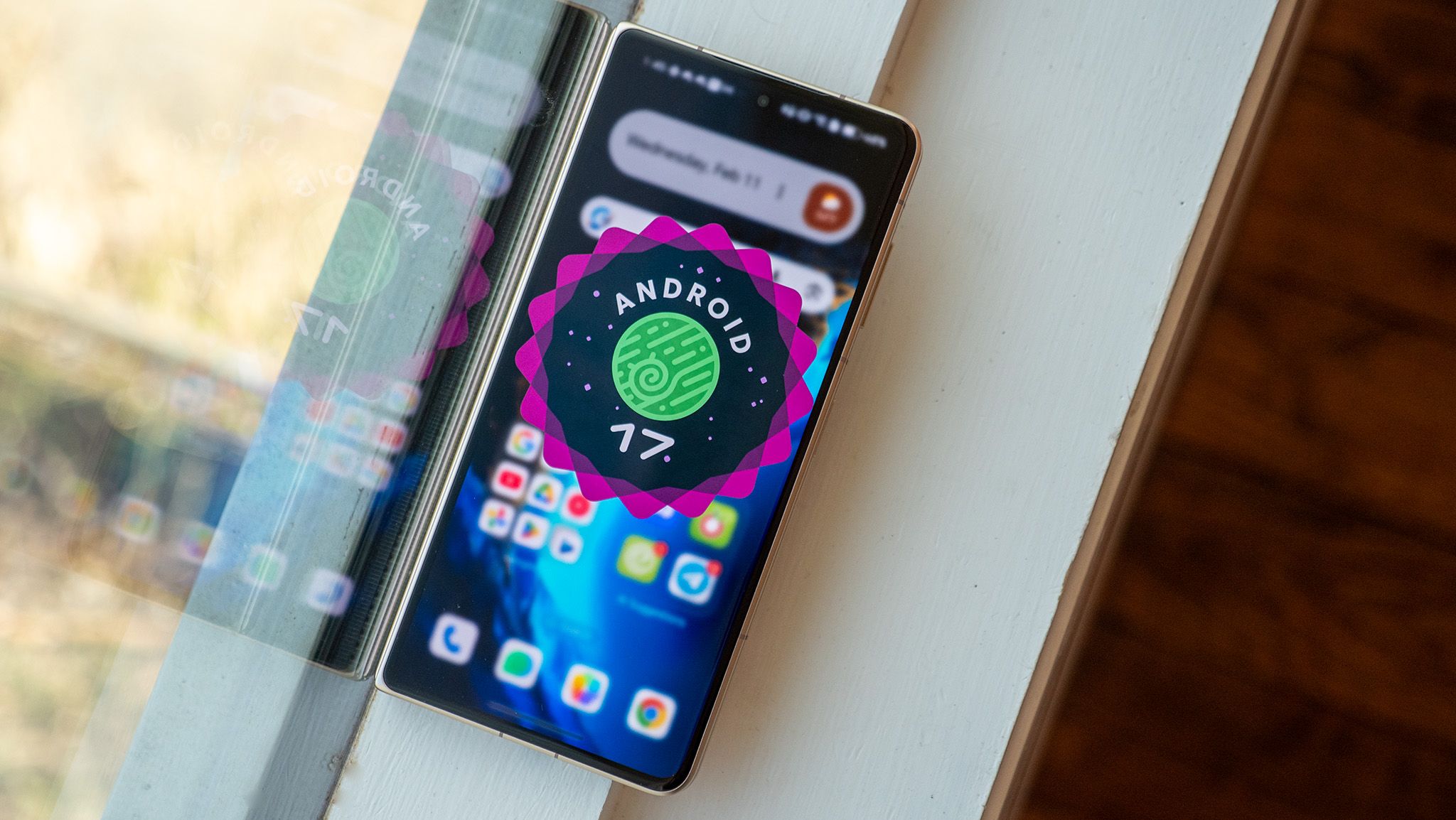
Google’s rolling out a Android 17 Beta 4.1, which focuses on solving issues regarding hearing aids and the status bar.
The patch notes drew attention to several other Android makers who have phones supported in the Android 17 beta, such as Honor, Xiaomi, and Vivo.
Google is moving fast, testing its software’s first major quarterly release alongside the main beta.
While the scheduled releases for Android 17’s beta have already rolled out, Google is bringing another iterative update to solve a few lingering issues.
Google posted the changelog for Android 17 Beta 4.1 on Reddit, which is rolling out for the Pixel 6 up to the Pixel 10 and the Pixel Tablet. Users should be aware that Beta 4.1 bears two firmware numbers. Enrolled testers with a Pixel 6, 6 Pro, 6a, Pixel 7, and 7 Pro will receive CP21.260330.011.A1. All other devices will find CP21.260330.011. Google is likely working on fixing up a few issues that have cropped up during its testing before Android 17 debuts officially.
Google is rolling out a fix for the status bar. It’s been identified that it would “incorrectly display zero signal bars despite active connectivity.” Another fix is rolling out for Android 17’s accessibility. The patch notes state an issue has been fixed that caused hearing aids “to be automatically forgotten from paired devices after inactivity or charging.”
Latest Videos From
The remainder of the patch notes is as follows:
A UI synchronization issue where the mobile data Quick Settings icon remained active during Airplane mode
An issue where external displays would go black when selecting high resolutions
A Bluetooth audio routing issue that caused playback silence after system interruptions like timers
A bit of house cleaning
(Image credit: Nicholas Sutrich / Android Central)
Google also highlights that users with other Android phones from different makers can get in on the Android 17 beta, too. It states phones from Honor, iQOO, Lenovo, OnePlus, OPPO, Realme, Sharp, Vivo, and Xiaomi are eligible. If you’re interested (and if you have a supported device), you can follow Google’s instructions for how to get started.
We’ve been experimenting with Google’s last scheduled beta for its Android 17 cycle since April. The company’s focus was stability, ahead of what should be a mid-2026 launch for Android 17. App memory limits to reduce excess RAM usage were introduced, alongside improved performance and battery life for phones. Developers were also encouraged to begin optimizing their apps for Android 17 in preparation for its stable release.
Google also isn’t wasting much time. Android 17’s first QPR is in testing, as Beta 3 rolled out for users late in May. Bug fixes were its focus, but Android moved closer to a frosted-glass design in this beta.
Get the latest news from Android Central, your trusted companion in the world of Android
Android Central’s Take
Google’s been on a tear with Android 17 this year, wasting no time rolling out betas and even testing its first quarterly patch. While we’re expecting it to drop in mid-2026, there’s s chance we might see things line up with the Pixel 10 series.
AI companies have grown into data-hungry entities as their models require ever-larger datasets to train on. To meet that need, many AI startups defy long-standing internet conventions — like respecting robots.txt files, which signal to automated crawlers which parts of a website are off-limits — and scrape data aggressively. This has forced websites to restrict access to their data and, in some cases, strike licensing deals with AI companies. Fitness and social running company Strava is making a move in this direction by restricting its website and introducing fees for developer access.
To stop scraping, the company is increasing security around its website and will now only allow authenticated users to view certain data. Earlier, users were able to see details like public profiles and fitness club listings without logging in. The company is putting all that data behind authentication to protect it from unauthorized AI scraping.
On the API front, developers could previously start building apps on Strava through a free, tiered access program — applying for basic access first, then requesting more as their app grew. Now the company is adding a flat $11.99 per month fee for all developers, though it noted the price may vary by geography.
Strava said its developer community has grown from 185,000 members last year to 241,000 this year, and the company plans to continue supporting them. As part of that, Strava also plans to add support for Model Context Protocol (MCP), an emerging standard that lets AI assistants and apps access external data in a structured way, giving Strava more control over exactly what gets shared and how.
The company is also planning to retire some API endpoints — discrete access points that let outside apps pull specific data, like club details — to protect user data. Strava had already tightened API rules in 2024, banning its use for AI training and limiting third-party apps from displaying other users’ data. Those changes drew backlash from developers who said their apps would be severely affected.
While some developers may accept paying a subscription fee, sunsetting certain API endpoints could still impact dependent apps. Strava is giving developers a 90-day grace period before making these changes.
In an interview with TechCrunch, Michael Martin, Strava’s CEO, said unchecked AI scraping could be the death knell of the public internet.
“AI companies are ruthlessly scraping public websites, given their endless need for training data, which is degrading site performance across the board,” Martin said. We’ve had multiple instances in the last several months where performance has been diminished and, in some cases, impaired. Beyond scraping the public sites, they’re also trying to use our API to get access to our data, ignoring API terms.”
He noted that Strava has refused overtures from leading AI labs seeking data licensing deals. He specifically singled out Perplexity, saying the AI search startup routed its scraping through aggregator services to obscure its origin despite being turned away. This is consistent with Perplexity having been accused of similar behavior elsewhere in the past.
Martin also flagged server overload caused by poorly built vibe-coded apps, whose API calls are often inefficiently structured and generate a disproportionate load on Strava’s systems. It’s a pattern: when Meta banned third-party chatbots from WhatsApp last year, it made a similar argument about system overhead.
The timing probably isn’t coincidental. Strava confidentially filed for an IPO earlier this year, and its move to protect its data may be intended to signal data discipline to prospective investors. The comparison to Reddit’s 2024 crackdown on API access is one Martin was quick to address. Unlike Reddit, which priced API access by the number of calls (making it unaffordable for many app developers), Strava is betting a flat fee keeps the developer ecosystem intact.
“We want the users to feel that they own their data and feel comfortable with how we are controlling and securing it. But we want the developers to continue to flourish and grow,” Martin said.
When you purchase through links in our articles, we may earn a small commission. This doesn’t affect our editorial independence.
The revamped Google Health app (formerly Fitbit) has landed alongside the new Fitbit Air, and while not everyone is happy with the changes, my experience has been pretty positive.
I’ve been using the new UI for six months, staring with the Health Coach preview launches toward the end of 2025, and while the upgrade to Google Health has brought in some useful changes and features, there are still some improvements I would like to see. These are my biggest highlights after spending some time with the new Google Health app.
A welcome redesign and AI overload
(Image credit: Derrek Lee / Android Central)
I should start by saying that, unlike some long-time Fitbit users, I was not married to the old Fitbit app design, which I found dull and uninteresting.
Latest Videos From
The new design is much more colorful and animated, making information easy to see and understand. Your focus metrics are easily accessible at the top of the Today tab, or you can scroll to dive deeper into today and yesterday’s activities.
The tabs are also clearer in their focus, now with four tabs in the navigation bar, including Fitness, Sleep, and Health. I find this much better than the old app’s three tabs, and I’m glad Sleep and Health have their own dedicated sections.
(Image credit: Derrek Lee / Android Central)
The app is very AI-focused, and if you’re subscribed to Google Health Premium, the Health Coach is everywhere. I don’t actually mind the Health Coach too much (more on this later), but it can be quite overwhelming in the app. Every section is inundated with information and large blocks of text to help you better understand your metrics.
Google says it’s working to make Health Coach messages “more concise without sacrificing helpful detail” while enhancing messages with “more visuals like charts, maps, and glanceable stats.”
Get the latest news from Android Central, your trusted companion in the world of Android
I think this is a step in the right direction, but Google should go further and simply hide the Coach messages. Just present the data on each tab visually, and add a small button to each card with the typical AI sparkle icon to expand it to view Health Coach messages.
That way, users aren’t bombarded with AI-generated text and can decide when they want the additional insights. Give us more control over the experience.
Keeping me on track
(Image credit: Derrek Lee / Android Central)
The Coach tab in the previous Fitbit app was pretty bare-bones, with daily run recommendations being the only feature I found remotely useful. Google took that and ran with it, expanding AI to underscore the entire app experience.
During the onboarding process, I told the Coach my goals, available equipment, and any ailments that might hinder my performance. It even provided some welcome pushback when I suggested how much I wanted to work out each week, warning that I might overexert myself. After settling on a schedule, the coach has been pretty great about keeping me on track week to week.
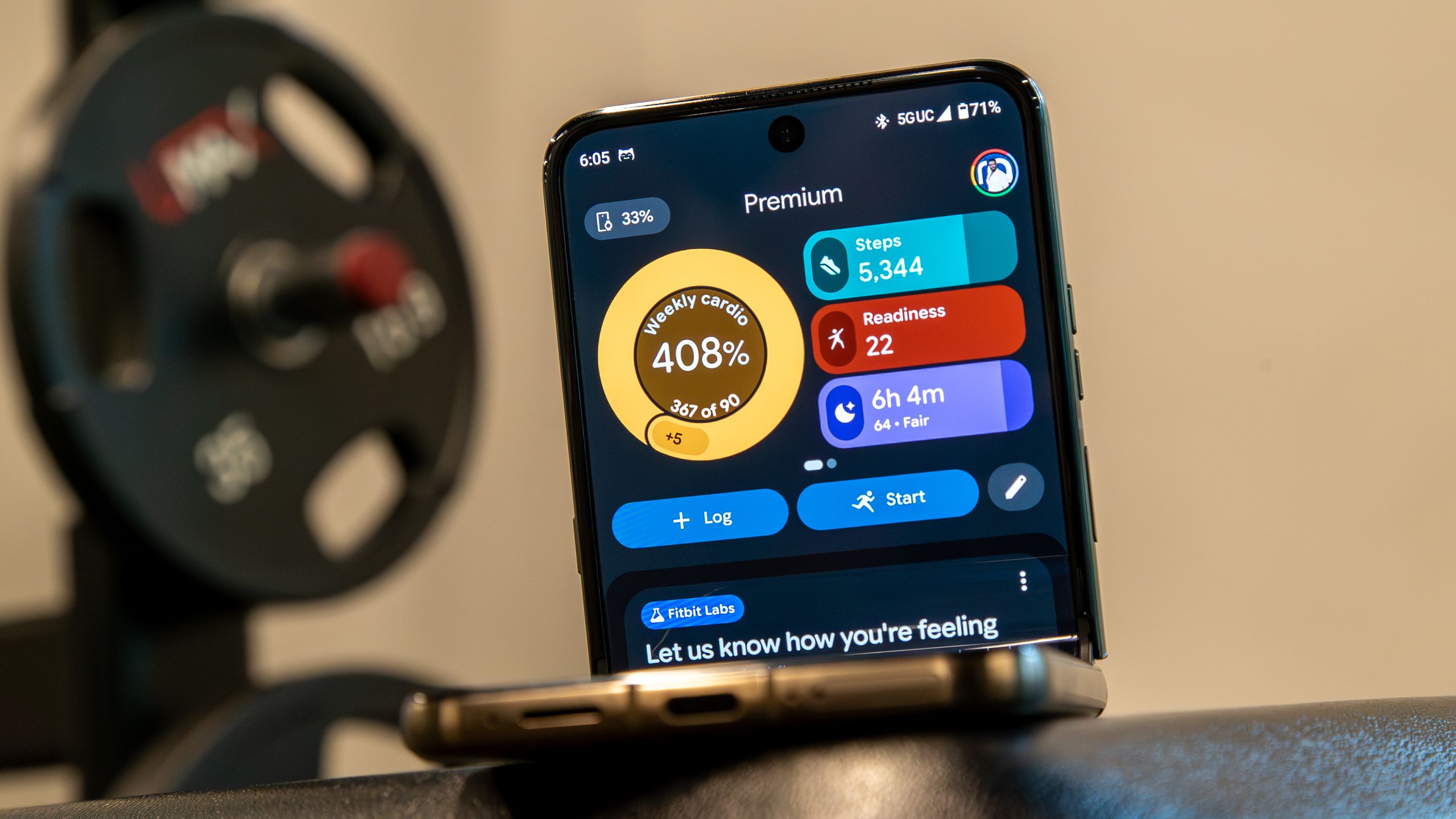
Part of this is thanks to the more flexible weekly Cardio Load, which basically measures how intense your activities are. This metric is available on the Today tab and is also easily visible in the Fitness tab for additional guidance.
(Image credit: Derrek Lee / Android Central)
I told the Coach that I want to gain muscle mass, lose body fat, and become more consistent at running so I can run my first 5K later this year. Since then, my weekly workouts have focused on these goals, with a variety of exercise types in each session and a weekly running goal that includes varied circuits at different target distances and paces.
You can either follow the workouts to the T or edit them to your liking. I tend to just follow what Fitbit tells me, making small adjustments here and there depending on how I feel.
You can also start a workout in-app or send custom runs to your Pixel Watch. Unfortunately, I’m still unable to send non-run workouts to the watch, which feels like either a bug or an oversight.
On the plus side, workouts can even automatically progress to the next exercise after a set timer ends, but it would be nice to see this implemented with auto rep counting.
I also don’t like that workouts are now listed in the Fitness tab as “suggestions,” which feels a little less committal. In the preview, each day of the week had a set workout or rest period, which provided a nice structure.
Fortunately, Google has already noted that users are demanding more structure, and it is “bringing back weekly structured schedules later this year in some way,” which I look forward to. Until then, this format isn’t horrible, especially for users who prefer the flexibility.
Encouragement goes a long way
(Image credit: Derrek Lee / Android Central)
Despite how overwhelming the AI can be on the Google Health app, I actually find it to be quite encouraging. Messages are usually pretty insightful, taking your activity, sleep, and metrics into account to properly prepare you for the day.
For example, I worked out a ton during the first few days of the week, more than I usually do. As a result, I was encouraged to rest on Wednesday, which I did. Later that evening, the app told me the rest was “exactly what your system needed” while keeping things “low-key” with a light walk.
It then started prepping me for my return to the gym the next day, suggesting I set an alarm, pack my gear, and drink more water since it noticed my resting heart rate was increasing.
(Image credit: Derrek Lee / Android Central)
The Coach usually provides insightful messages like that, often delivered as notifications on my phone throughout the day, after a workout, or when I wake up. And if need be, it will change its tune if it notices things are off, such as if I didn’t get enough restful sleep.
You can, of course, chat with the Health Coach if you want more insight into your sleep, workouts, or other metrics. A few times, I’ve had to tell it to adjust my workout schedule and cardio load because I was traveling for work that week and knew I wouldn’t be able to get to the gym. The Coach would then work with me to shift my goals based on when I could get back to the gym that week or just remove my workout plan for that week entirely. It’s pretty flexible.
You can also ask for advice on how to improve specific metrics, and it will respond with suggestions on what you can do, complete with links to the sources it draws from.
This is the kind of experience I would expect from a personal trainer, so it’s great that I can get it through a relatively inexpensive app subscription. That said, I still don’t think it can fully replace having a real person train you.
Almost a replacement for MyFitnessPal
(Image credit: Derrek Lee / Android Central)
Food logging is a Google Health feature that I want to love, but it doesn’t quite hit the mark. When logging food you can either tell Coach what you ate or you can take a photo of it. Surprisingly (or perhaps, unsurprisingly), object recognition is pretty good, and the app can fairly accurately discern what your meal is just by snapping a photo.
Another alternative is taking a photo of the barcode, if there is one, offering an alternative to MyFitnessPal’s own barcode-scanning feature, which you need to subscribe in order to have access to.
The downside of either of these methods is that while Google Health knows what you are eating, the information it logs is still inaccurate. For example, I took a photo of a meal I made, which just consists of four scrambled eggs and roughly 2oz of ground beef. The app knows its scrambled eggs and ground beef, but the nutritional value was quite off, with the app underestimating the amount of protein.
(Image credit: Derrek Lee / Android Central)
I tried to make it easier by scanning the barcode of a Barbell protein bar, which clearly lists the nutritional value on the wrapper. The app recognized the bar, but the calories were still off by 10, and that was only one of a few inaccuracies I noticed with food logging.
Fortunately, Google Health syncs with MyFitnessPal, so I can still log my meals in that app and the correct nutrition values will appear. Still, I’m hoping Google can step up its game here, because it would bring the Google Health app one major step closer to being my one app to rule them all.
My health in one place
(Image credit: Derrek Lee / Android Central)
Speaking of one app to rule them all, it’s clear that this is Google’s goal with the Health app, especially now that you can link your medical records. I linked my previous and current medical providers with the app, and now I’m able to see my conditions, medications, visit history, vaccines, and even lab results, all in one place.
I actually find it to be a convenient way to not only see everything in one place but also bring more context to Coach for your overall health.
You can also log new lab results in the app if they don’t sync automatically, although the app seems to do a good job syncing the information. I just wish the data was laid out better; seeing the historical data of 788 lab results, 95 medications and 71 conditions just looks overwhelming, especially since I currently only take a few medications and have a few conditions.
You can also ask Coach about certain details of your medical history, and Coach even warned me that a recent test showed results that are “outside normal limits” (don’t worry, I’m fine). And while some may find this access useful, others will undoubtedly find it intrusive.
You can choose what gets synced, and Google says the only time any of your information is shared is to verify your identity with CLEAR. Otherwise, it assures that your synced medical history is “securely stored” in the app. but again, it’s up to you if you want to give the Google Health that additional info.
More to come
(Image credit: Derrek Lee / Android Central)
Obviously, Google Health is not perfect and there are quite a number of things that either need fixing, tweaking, or that are just plain missing. Many users have complained about the AI Heath Coach hallucinating, although I haven’t knowingly experienced this. Sleep profiles is something I miss from the old Fitbit app, matching users with cute animals based on their sleep styles.
Fortunately, Google is already hard at work preparing updates to the app, and has provided a list of updates coming soon or later this year. Sleep profiles still isn’t among them, but I’m holding out hope.
Still, it’s a great sign that Google is listening to user feedback to create a comprehensive health app for everyone, and I, for one, am all for it. Just remember to give a thumbs up or down for any features or AI responses in the Google Health app if you really like something or things don’t look right.
The YouTube-to-prestige-horror pipeline is looking very strong this weekend.
Taking the number one spot at the box office is “Backrooms,” a feature film expansion of Kane Parsons’ series of YouTube videos featuring eerie found footage of a mysterious office space (drawn from a 4chan thread) that defies physics.
Directed by Parsons, “Backrooms” made $38 million on Friday, and is expected to bring in a total of $80 million to $90 million at the domestic box office over this weekend alone. For indie studio A24, that’s its biggest opening by far — the previous record was held by “Civil War,” which made $25.7 in its first weekend of release.
The number two film, “Obsession,” is pulling off something that’s arguably even more impressive. True, it made a mere $8 million on Friday, with an estimated weekend haul of $28.5 million — but the movie (about a romantic wish gone nightmarishly wrong) already made more money in its second weekend than its first, and now its third weekend is set to grow another 19 percent.
For context, most wide release films normally fall between 50 to 70 percent in their second weekend; last year’s “Sinners” was considered an extraordinary word-of-mouth success because it fell less than 5 percent. Outside of Christmas releases (which have more staying power, thanks to the holidays), growing from weekend to weekend is unheard of — according to the Hollywood Reporter, “Obsession” is the first film since 1982 to grow on both its second and third weekends.
And like “Backrooms,” “Obsession” is a horror movie directed by filmmaker who first made his name on YouTube — Curry Barker, who released the hourlong found footage horror film “Milk & Serial” on YouTube in 2024. Barker has already shot his next film and is set to direct a new remake of “The Texas Chainsaw Massacre.
The two releases follow the surprise success of “Iron Lung,” a video game adaptation released earlier this year. Directed by Mark Fischbach — better known under his YouTube account name Markiplier — “Iron Lung” grossed nearly $41 million domestically.
In a New York Times article about the recent “YouTube-to-filmmaker boomlet,” Rutgers CInema general manager Mark DelVecchio noted that “lots of YouTubers have tried to make the leap to mainstream movies and come up short.” What sets Parsons, Barker, and Fischbach apart? DelVecchio said that despite their youth (Parsons is 20, Barker is 26), they all have “longevity.”
“At this point, some of them have been making videos for a very long time, and that’s how you develop a loyal audience that will follow you,” he added.
By the way, while I haven’t seen “Backrooms” yet (fingers crossed for tomorrow), I have seen “Obsession.” So I can confirm that it absolutely does not disappoint — I watched most of the second half with my fingers over my eyes, and I may even have screamed a few times.
When you purchase through links in our articles, we may earn a small commission. This doesn’t affect our editorial independence.
Not much time has passed since the Motorola Razr Fold hit the shelves. While cases and screen protectors were not immediately available at launch, we’re starting to see dependable picks make their way to us now.
The best Motorola Razr Fold screen protectors come in various finishes and at different price points. Whether you prefer a glossy finish or a matte one, there’s something available to fit your needs, even with the very limited collection that’s on sale right now.
Internal and external screen protectors for the Razr Fold
Why you can trust Android Central
Our expert reviewers spend hours testing and comparing products and services so you can choose the best for you. Find out more about how we test.
Supershieldz is my go-to recommendation as the brand makes high-quality TPU films for phones. The brand’s 2 Pack Motorola Razr Fold Screen Protector TPU includes four pieces of glossy TPU films, two for the front and two more for the inner folding screen.
Puccy 4 Pack Screen Protector Motorola RAZR Fold TPU Film
Best value pack
Puccy branded screen protectors are more popular with smartwatch users, but that doesn’t mean their Motorola Razr Fold film won’t be just as good. This four-pack includes four TPU films, two per screen. It’s not the toughest option, but it is cheap.
The Anbzsign 2 Pack Moto Razr Fold 2026 Soft TPU Screen Protector kit includes two hydrophobic and oleophobic TPU screen protectors for the front screen. It repels fingerprints, water droplets, oil, dust, and other solid and liquid particles.
upscreen Screen Protector Film Motorola Razr Fold
Best hybrid
You won’t find tempered glass screen protectors for the Razr Fold, but this glass-plastic hybrid is the next best thing. The brand called upscreen promises extreme scratch resistance and 9H hardness. A mounting kit is provided in the box.
upscreen Anti-Glare Screen Protector Motorola Razr Fold Film Matte
Best matte
If you don’t want a shiny topcoat, upscreen also offers the Anti-Glare Screen Protector Motorola Razr Fold Film Matte. A comprehensive installation kit is included, and the screen protector has a fingerprint repellent layer as well.
brotect Motorola Razr Fold 2 Pack HD-Clear Protection Film
Best premium grade
The brotect Motorola Razr Fold 2 Pack HD-Clear Protection Film assures the highest grade extremely scratch-resistant, durable, and anti-fingerprint films with high clarity. These premium screen guards for the Razr Fold are made in Germany.
Choose your finish when picking the right Motorola Razr Fold screen protector
Unlike the best Motorola Razr Fold cases, first-party screen protectors for the foldable are nowhere to be found at the moment. Thankfully, brands like Supershieldz have existed for many years, and are catering to consumer needs. There are several other screen protector manufacturers offering various finishes as well, so all you have to do is pick your finish.
Latest Videos From
Anyone who doesn’t mind a glossy finish will be very happy with the affordable four-pack of TPU films from Supershieldz. The brand famously deploys a five-layer technique with its screen protectors, adding robust scratch resistance. Not to mention, you get two inner and two outer screen protectors for under $15, which is an amazing deal.
Supershieldz did not mention whether the four-pack repels dust and other things. If a neat and clean fingerprint-repelling screen protector is your priority, the Anbzsign 2 Pack Moto Razr Fold 2026 Soft TPU Screen Protector is great alternative. It’s affordable, but there’s no internal screen guard included in this kit.
If you want a matte finish, try the upscreen Anti-Glare Screen Protector Motorola Razr Fold Film Matte for size. Although there’s only one matte screen protector included in the box, the brand provides an exhaustive cleaning and installation kit. This set is pricey, though, so weigh out all your options before making up your mind.
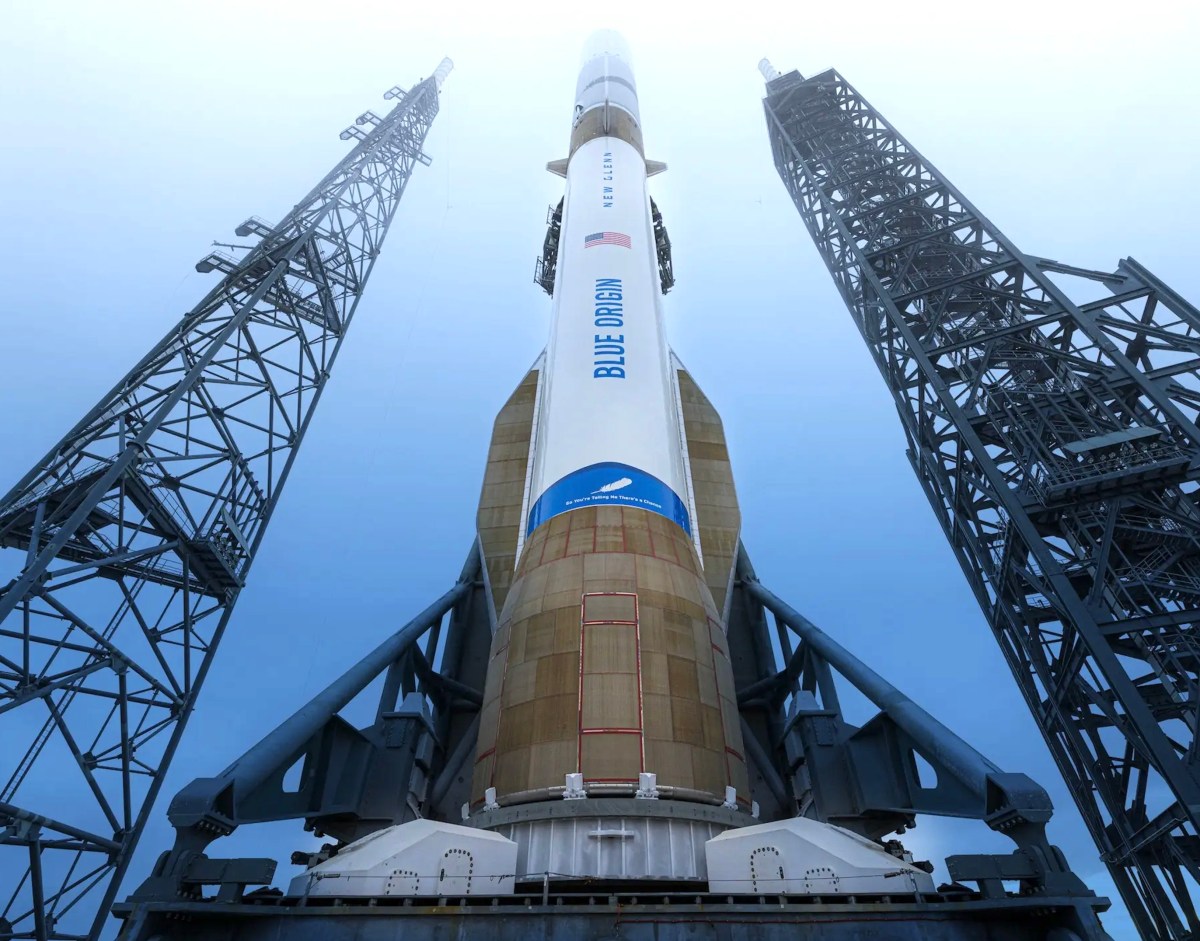
Blue Origin’s New Glenn mega-rocket just exploded during testing at a launch site in Cape Canaveral, Florida, according to live streams from NASASpaceFlight.com and SpaceFlight Now. Blue Origin later confirmed the explosion.
Jeff Bezos’ space company was performing a static fire test ahead of an anticipated fourth launch of the new rocket in the coming weeks, which was supposed to carry Amazon Leo internet satellites to space. That means the rocket was likely fully fueled, contributing to what is one of the largest rocket explosions in U.S. history and the worst failure in Blue Origin’s existence.
Blue Origin said in an X post Thursday evening that “[a]ll personnel have been accounted for,” and Bezos wrote that they were “safe.” The company didn’t say what went wrong, only that an “anomaly” occurred.
“It’s too early to know the root cause but we’re already working to find it. Very rough day, but we’ll rebuild whatever needs rebuilding and get back to flying. It’s worth it,” Bezos wrote.
NASA Administrator Jared Isaacman said in a post late Thursday that the agency will “work with our partners to support a thorough investigation of this anomaly, assess near-term mission impacts, and get back to launching rockets.”
In a statement, the Federal Aviation Administration (FAA) told TechCrunch it was aware of the explosion and said there was “no impact to air traffic.” NASA and the Space Force did not immediately respond to requests for comment.
The explosion likely means Blue Origin will have to pause the New Glenn rocket program for an extended period of time while it works through what went wrong. Blue Origin had been planning to attempt as many as 12 launches of New Glenn this year, after the company spent around a decade developing it in an attempt to compete with Elon Musk’s SpaceX.
The company is also supposed to help power NASA’s Artemis missions to the moon, with the agency highlighting Blue Origin’s expected role in that program earlier this week. Isaacman said Thursday that NASA will “provide any impacts to the Artemis and Moon Base programs as it becomes available.”
Blue Origin has been aiming to launch national security missions for the Pentagon as well.
“Most unfortunate. Rockets are hard,” Elon Musk wrote on X shortly after the explosion. “I hope you recover quickly.”
The explosion comes just a few weeks after Blue Origin’s New Glenn rocket flew for the third time ever. That mission suffered its own failure when the New Glenn upper stage failed to put an AST SpaceMobile satellite into orbit, causing a total loss of the mission. Just last week, the FAA cleared New Glenn to fly again after Blue Origin completed an investigation into the cause of the failure.
A very new, late rocket
Blue Origin has spent years developing New Glenn while it used its New Shepard program to test out smaller-scale sub-orbital rockets. While New Shepard has ferried a fairly regular cadence of wealthy people and celebrities (along with some science missions) to the edge of space, Blue Origin was constantly working in the background to develop a rocket that could put real commercial payloads like large satellites into orbit.
That work took a long time — longer than Blue Origin had anticipated — but finally came to a head in January 2025, when the company flew New Glenn for the first time.
New Glenn appeared to be a fairly successful rocket right off the bat. It reached orbit during that first flight, though the booster stage exploded before Blue Origin could attempt to land it on a drone ship in the ocean.
Blue Origin was even more successful with New Glenn’s second flight, though, in November 2025. During that mission the company launched twin spacecraft to Mars for NASA. Blue Origin also landed its first booster stage during New Glenn’s second mission.
That allowed the company to re-fly the booster on New Glenn’s third mission, showing not only the ability to recover the first stage, but refurbish it for re-use — a critical step in reducing the overall cost of operating a launch business.
The re-used rocket booster had no problems flying again, and even landed a second time on one of Blue Origin’s drone ships, during New Glenn’s third mission in April 2026. But the company experienced a cryogenic failure in the upper stage during mission three, which led to the loss of the satellite.
This upcoming fourth mission was supposed to be the first of 24 launches that Amazon has contracted Blue Origin for. Amazon is currently building out a competitor to SpaceX’s Starlink satellite internet network, which it calls Leo. On Wednesday, Amazon touted its ability to rely on Blue Origin to build the network, calling New Glenn a “reusable, heavy-lift rocket.”
Amazon confirmed to TechCrunch late Thursday that no Leo satellites were on board for this test.
Late Thursday, Congressman Mike Haridopolos (R-FL), who represents the district that is home to Cape Canaveral, wrote on X that he had spoken with NASA administrator Jared Isaacman about the explosion.
“I am grateful there were no reported injuries and thankful for the first responders, engineers, and launch crews who acted quickly. Praying for Florida’s Space Coast and everyone involved,” he said.
When you purchase through links in our articles, we may earn a small commission. This doesn’t affect our editorial independence.
Meta’s head of product, Naomi Gleit, announced the company’s array of “Plus” subscription plans for Instagram, WhatsApp, and Facebook.
These plans will give users more ways to “express and connect” for $3.99 per month (Facebook, Insta) and $2.99 per month for WhatsApp.
The company then teased “Meta One,” a subscription tests that includes four plans, two of which will arrive for testing for Meta AI users.
Meta is definitely making some moves this month, announcing a series of new subscription plans for its apps.
Naomi Gleit, Meta’s head of product, announced on Instagram that the company is rolling out subscription plans for Instagram, Facebook, and WhatsApp (via TechCrunch). Gleit teases these subscriptions by asking, “What if subscriptions could give you more from your apps?” What’s rolling out globally are the Instagram Plus, WhatsApp Plus, and Facebook Plus plans.
The publication notes that these plans cost $3.99 a month (Facebook, Instagram) and $2.99 a month for WhatsApp. Gleit adds that these plans give users “richer ways” to “express and connect” with others on those platforms. The early glimpses on Instagram showed vibrant, expressive animations for liking Stories, which TechCrunch says is called “Super Heart.” What’s more, their report says Instagram Plus subscribers can “spotlight a story once a week for additional views, extend a story beyond 24 hours, preview a story without showing up as a viewer,” and more.
Latest Videos From
Meta’s announcement continued with a teaser for what’s to come: a test for the “Meta One” subscription plan. It’s been reported that this plan and the plans for Meta’s apps will not affect “Meta Verified,” which is to help creators keep their identities on its services. Meta One is reportedly going to encompass “creators, businesses, and Meta AI power users.”
This is where we’re going?
(Image credit: Source: Instagram)
What’s more, it looks like the company has a whole smorgasbord of plans under Meta One. TechCrunch states Meta AI users will test “Meta One Plus” ($7.99/month) and “Meta One Premium” ($19.99/month). The latter would offer video/image generation for Meta AI, as well as “thinking mode,” which you could look at Gemini’s Deep Think for a close comparison. Reports add that Meta AI will not disappear from casual users.
There are two other Meta One tests planned, but it’s been stated that these will hit overseas markets. The publication states the company is preparing to introduce Meta One Essential for $14.99 a month and Meta One Advanced at $49.99 a month. This Advanced plan will mirror Essential’s offerings (which resemble Meta Verified), but also have more presence in Facebook/Instagram search, a bold “Follow” button on your profile, and more.
This is an interesting move from Meta, considering it just axed 8,000 employees last week. There were already murmurs that employees were unhappy at Meta following certain AI-based decisions. With 8,000 members gone, it looks like Meta will continue to focus strongly on AI and its advancements. The company’s CEO, Mark Zuckerberg, stated that he doesn’t “expect more layoffs this year,” but people aren’t holding their breath. Meta has had a brutal history of massive layoffs, impacting thousands upon thousands.
Get the latest news from Android Central, your trusted companion in the world of Android
Android Central’s Take
I took a gander through the comments on Instagram (I know, I know) and reactions seem split. Some people, such as content creators, like what Meta talked about. Others don’t feel the same way. It sounds a little strange to think about shoveling a subscription for certain features or whatever, but it’s not completely out of left field. I suppose that the lower cost for “Plus” across Meta’s apps is a highlight. As more surfaces, and users get their hands on it, we’ll see if it’s truly worth it. But it’ll still only attract people who’d use it.
Database provider ClickHouse has crossed $250 million in annualized revenue run rate, tripling its business from last year, Yury Izrailevsky, co-founder and president of product and technology, told TechCrunch. Israilevsky expects the revenue figure to reach the high nine figures by the end of the year.
ClickHouse was valued at $15 billion in January following a $400 million Series D funding round led by Dragoneer Investment Group. The latest valuation implies a steep multiple of over 60 times annualized revenue.
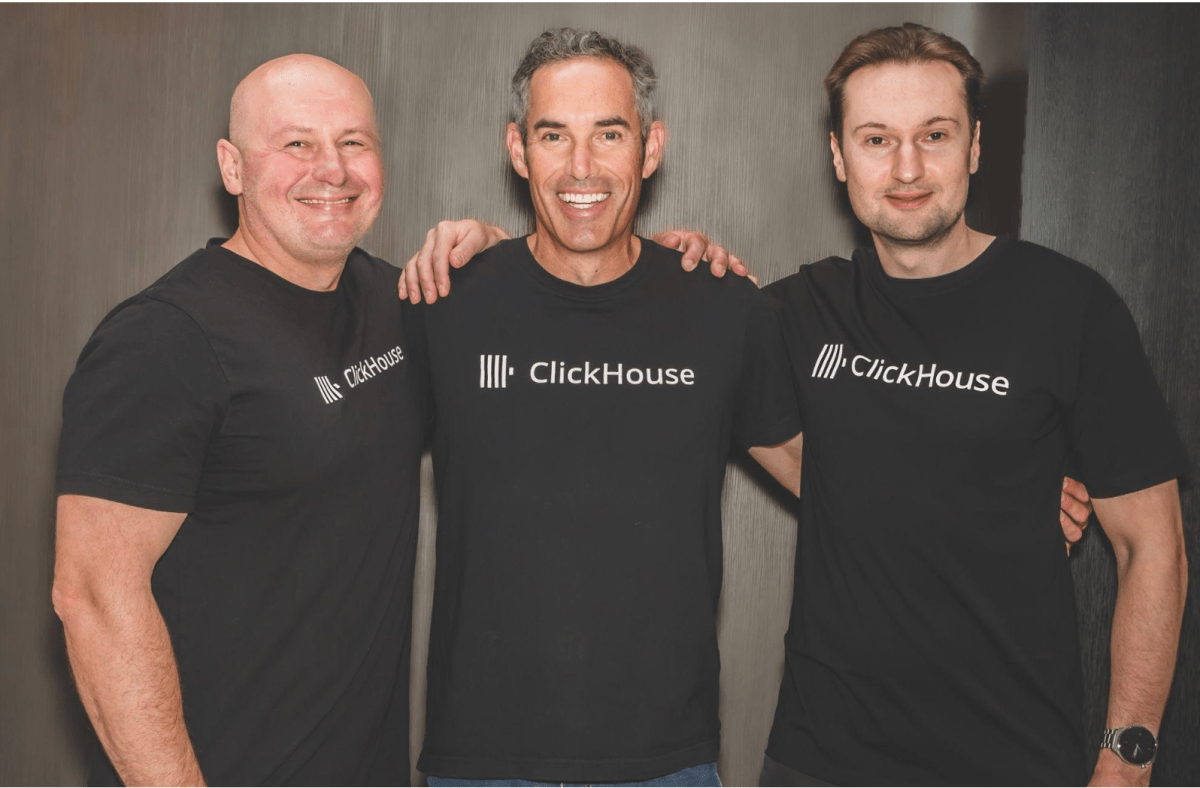
The fast revenue growth and premium valuation position the less-than-five-year-old company for an IPO within the next few years, according to Izrailevsky (pictured left). ClickHouse joins a small, but growing list of tech startups signaling plans to go public as the IPO window is expected to be flung wide open by SpaceX’s historic June debut, followed by highly anticipated listings from OpenAI and Anthropic later this year.
Last fall, the startup hired Jimmy Sexton, who previously ran investor relations at Snowflake, one of ClickHouse’s main competitors, as chief financial officer. Bringing on a CFO is often viewed as a signal that a company is preparing for public markets.
The company has already acquired six startups, including Langfuse, which helps developers track and evaluate AI agent performance. Izrailevsky indicated that ClickHouse plans to remain acquisitive, looking to scoop up “relatively young, but showing very promising technology” startups, typically open-source, that complement its core product suite.
The technology behind ClickHouse was originally developed inside Russian search giant Yandex 17 years ago, but spun out as an independent startup in 2021.
ClickHouse has over 4,000 customers, including Anthropic, Meta, Capital One, and Decagon.
The startup’s open-source database is designed to process the massive datasets required by AI agents. ClickHouse generates revenue by selling managed cloud services. Izrailevsky claimed that this commercial offering ultimately costs clients less than self-managing the open-source version. It “is something that’s a little counterintuitive, but it also has been a big tailwind for us,” he said.
When you purchase through links in our articles, we may earn a small commission. This doesn’t affect our editorial independence.
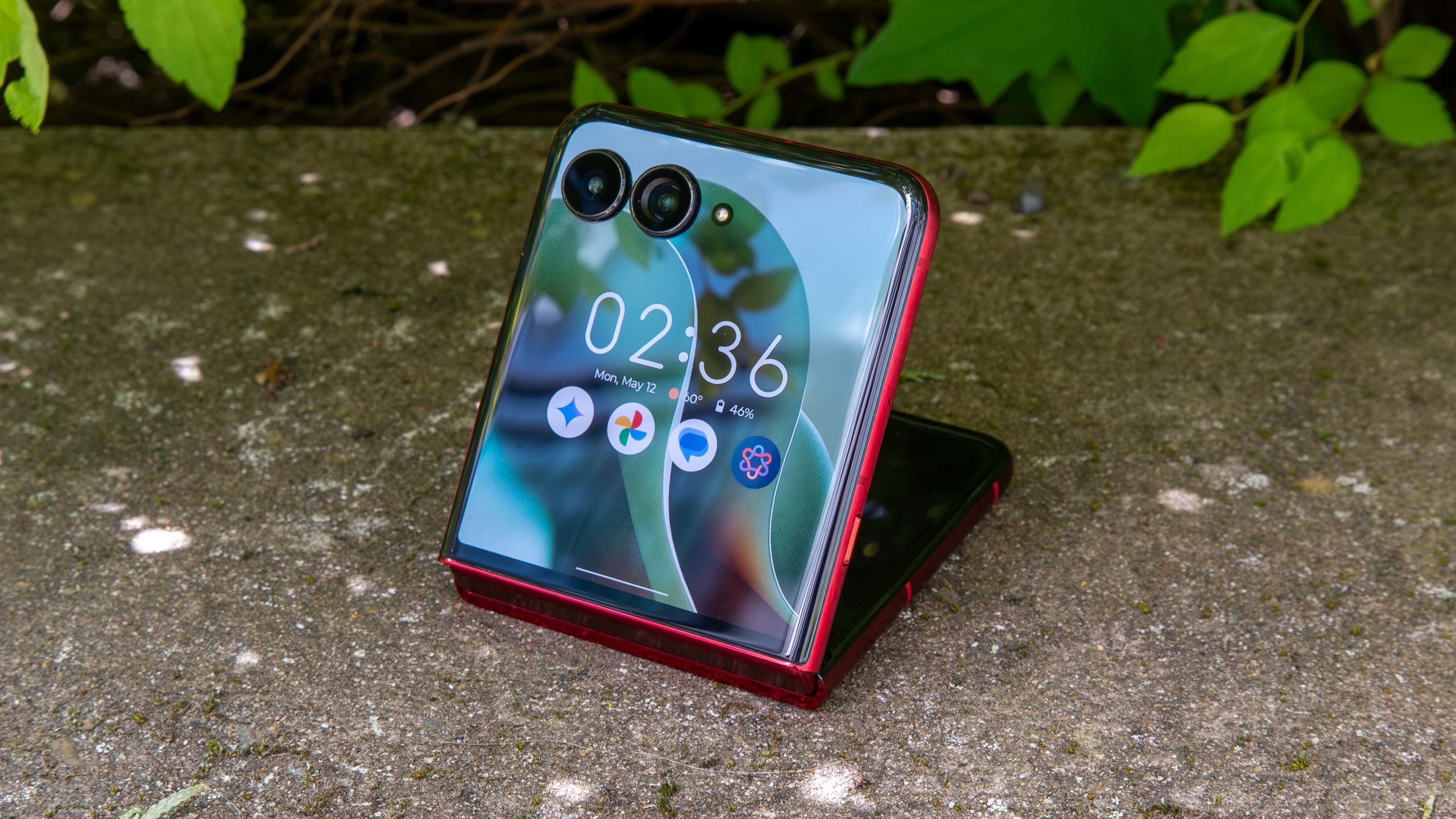
The new Motorola Razr Ultra 2026 is an excellent phone with one big problem: its price. With its retail tag of $1,499.99, the clamshell device is simply out of reach for many folks, which has led some to consider the last-gen Razr Ultra as a viable alternative.
Last year’s Ultra is just as good as the 2026 phone in many ways, after all, and thanks to a new deal from Amazon, you can get the unlocked Motorola Razr Ultra (2025) for as little as $699.99 today. That’s a full $800 cheaper than the 2026 Razr Ultra, which makes going last-gen seem like a no-brainer for as long as this deal is active. How do the two phones compare, and what are you sacrificing by going with the 2025 Razr Ultra? Let’s break it down.
Skip the 2026 Motorola Razr Ultra — last year’s model is $800 cheaper at Amazon today
✅Recommended if: you want a powerful clamshell smartphone and you don’t mind going last-gen; you prefer the simplicity of buying phones unlocked.
❌Skip this deal if: you want the latest in flip phone technology, and you don’t mind paying for it; you want to wait and see if the Motorola Razr Ultra (2026) gets discounted this summer.
Before I start comparing the two phones, it’s worth judging the Motorola Razr Ultra (2025) on its own merits. As far as overall bang for the buck is concerned, you can’t really do much better than last year’s Ultra. The clamshell device still impresses with a Qualcomm Snapdragon 8 Elite processor and 16GB of RAM, plus you get a titanium reinforced hinge, all-day battery life, and 512GB of battery life straight out of the box.
(Image credit: Derrek Lee / Android Central)
The 2026 version of the Razr Ultra upgrades the battery life and camera tech, but that’s pretty much it. There’s no new chip, the displays are largely identical, and you don’t get any added software support. They’re both great phones, to be sure, but unless you’re an avid Motorola enthusiast or money isn’t an object, there’s really no reason to go with the 2026 model over last year’s version.
That said, there is one more thing to consider. The fact that Motorola increased the price of the Ultra by $200 likely isn’t sitting well with consumers, so I wouldn’t be surprised if the company decided to discount the phone (and the rest of the 2026 Razr lineup, for that matter) during the upcoming summer sale season. Prime Day 2026 is just around the corner, after all, and you never know what Amazon discounts lay ahead.
AI’s biggest champions have argued for some time that the technology will usher in an era of unprecedented productivity gains, richly rewarding workers who harness it while displacing those who don’t.
Zeb Evans, CEO of the collaboration software startup ClickUp, claims that this shift is imminent. Last Thursday, Evans announced on X that the company, which was last valued in 2021 at $4 billion, had laid off 22% of its workforce yet characterized that reduction as not a cost-cutting measure, but rather a radical embrace of AI that will propel the company to the next level.
“Most savings from this change will flow directly back into the people who stay. We’ll be introducing million-dollar salary bands. If you create outsized impact using AI, you’ll be paid outside of traditional bands,” Evans wrote.
ClickUp recently introduced roughly 3,000 internal AI agents to handle a wide range of complex tasks on behalf of its employees, according to a Fortune article published several days ago. Instead of performing the work themselves, staff members are now expected to direct these agents and ultimately review the output to ensure it meets the company’s standards.
Evans’s goal, according to his X post, is for AI to turbocharge ClickUp into a “100x org.”
ClickUp is not alone in its hope that AI agents will provide massive productivity gains.
In fact, according to a recent Gartner survey, about 80% of companies using autonomous tech have cut jobs. However, the study found that workforce reductions aren’t necessarily translating into meaningful financial returns.
While Gartner’s findings suggest some companies use unproven AI as an excuse to downsize, ClickUp maintains it is not one of them.
Evans told TechCrunch via email that the startup is indeed seeing productivity gains from AI agents. Not only is ClickUp measuring those efficiencies internally, but it’s also apparently gearing up to include them in a forthcoming product for its customers.
“Instead of gamifying token cost, we gamify value created and time saved,” Evans wrote.
In recent months, a growing number of companies have started monitoring employee token consumption, using it as a metric to see who is actually adopting AI tools. But critics argue that “tokenmaxxing”—as this concept is known—is the wrong metric because it simply racks up AI expenses.
“The people that automate their jobs with AI will always have a job,” Evans claimed in his post. But if AI keeps taking over more tasks, ClickUp will eventually need fewer and fewer people, eliminating those who fail to automate their functions well.
Tech circles have long theorized about this scenario.
One extreme example of a high-profile startup using AI automation to the max already exists. Polsia, a one-year-old startup that claims to handle all software operations for solopreneurs, is run by just one person: its founder and CEO, Ben Broca. That efficiency is apparently paying off: Polsia just raised $30 million at a $250 million valuation.
When you purchase through links in our articles, we may earn a small commission. This doesn’t affect our editorial independence.