Five reasons the Huawei Watch Fit 5 Pro is my go-to smartwatch


I like what Huawei is doing with its wearable strategy; the brand’s Watch Ultimate 2 is the best high-end smartwatch, and I prefer it to the Galaxy Watch Ultra because of its weeks-long battery life. The Watch GT 6 Pro is a great all-round smartwatch, and Huawei’s latest Watch Fit 5 Pro is aimed towards fitness.

The Watch Fit 5 Pro is aimed at a younger audience, and that’s immediately evident when you look at the choice of colors and the styling of the bands. The smartwatch costs £249 ($335) on Amazon U.K., and it’s available in most countries where Huawei has a presence. I’ve been using it as my daily driver for just over a month now, and here’s why I think it is a better choice than the Apple Watch or Galaxy Watch 8.

The Watch Fit 5 Pro has a stylish design

Huawei Watch Fit 5 Pro review on Android Central

(Image credit: Apoorva Bhardwaj / Android Central)

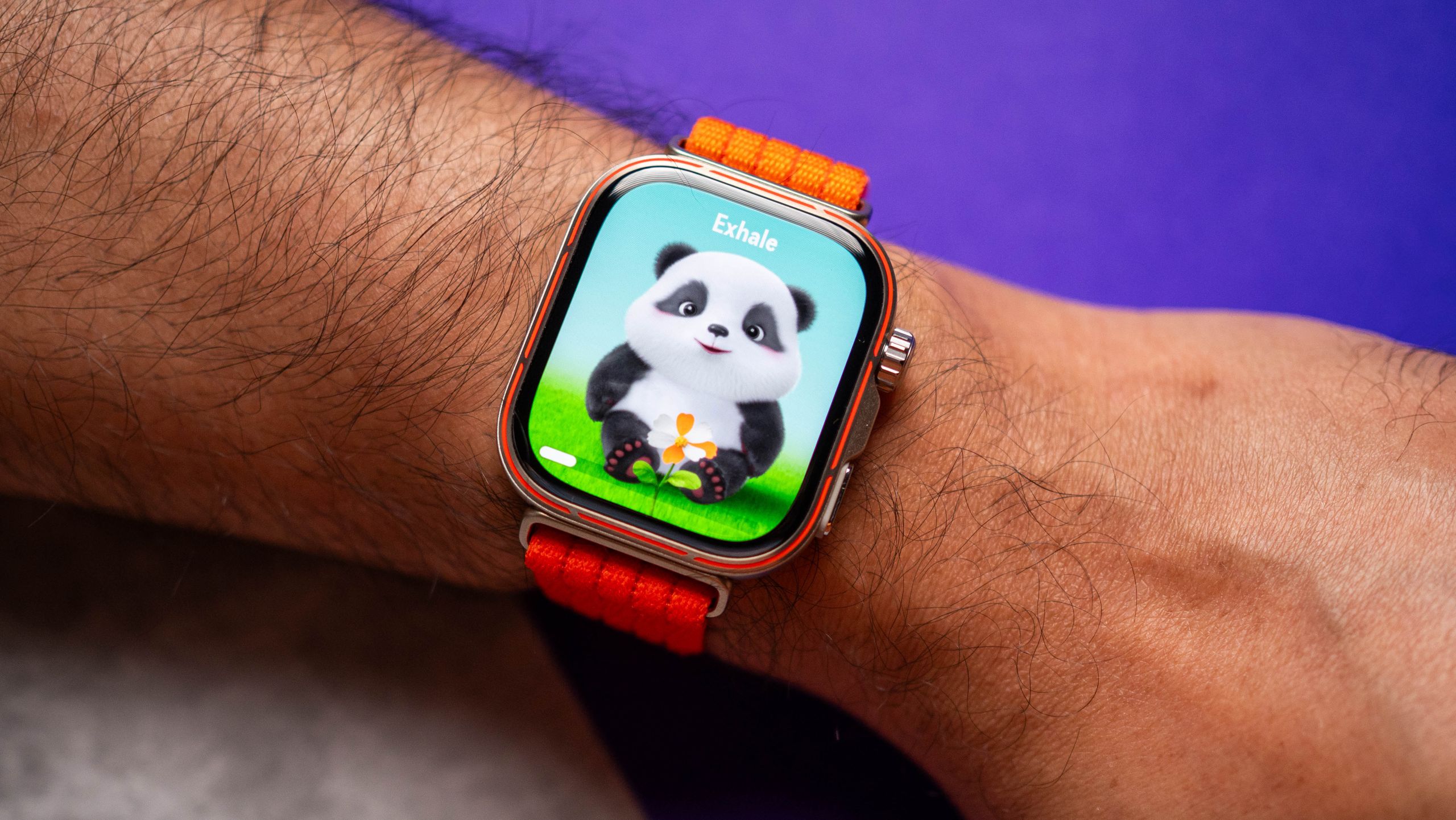
Huawei has an orange color of the Watch Fit 5 Pro that stands out considerably — as I found out while using it in Thailand ahead of the launch event. This is a smartwatch that’s designed to grab attention, but it isn’t ostentatious.

Latest Videos From

SolarSquare in talks to raise up to $60M as India’s rooftop solar market draws major VC interest


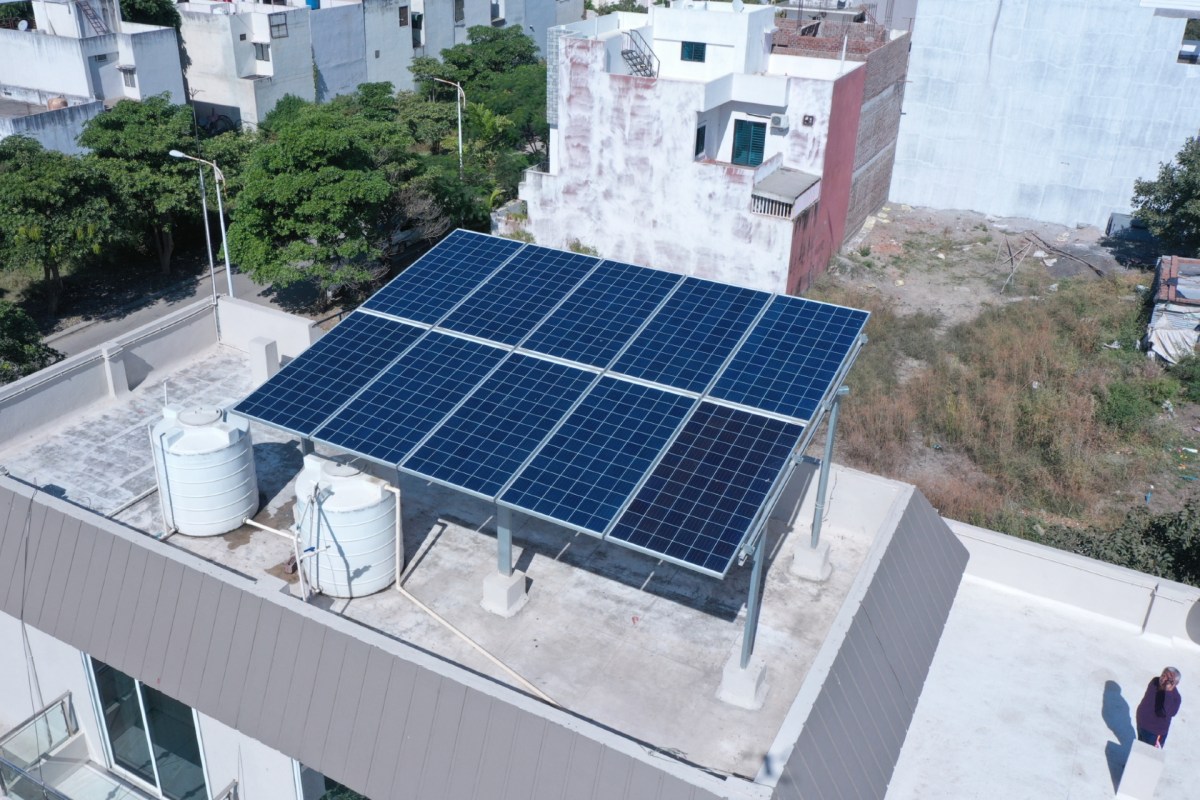
SolarSquare, an Indian rooftop solar startup that helps households and housing societies adopt solar power, is in advanced talks to raise fresh capital after securing India’s largest solar venture investment in December 2024, TechCrunch has learned.

B Capital and Lightspeed Venture Partners are set to co-lead the Series C round, which could value SolarSquare at between $450 million and $500 million and bring in $55 million to $60 million in new investment, according to multiple people familiar with the matter. That would represent more than a doubling of SolarSquare’s valuation in roughly 18 months — a sign of how rapidly investor conviction is building around India’s residential solar market.

Lightspeed Venture Partners previously led SolarSquare’s $40 million Series B round at around a $200 million post-money valuation in December 2024. This time, according to a source, it’s investing through its growth fund, which has backed names such as Razorpay — India’s leading digital payments platform — and Zepto, the fast-delivery startup.

Existing investor Elevation Capital is also expected to participate in the deal, which is currently in advanced stages and is expected to close next month. The terms could still change as the financing has not yet been finalized. SolarSquare has raised $61.1 million in equity financing to date, per the startup data platform Tracxn.

India has set a target of achieving 500 gigawatts of renewable energy capacity by 2030, with solar expected to contribute more than half of that total. The country became the world’s third-largest solar power producer in 2025, trailing only China and the U.S. Its cumulative installed solar capacity has surged from about 3 GW in 2014 to more than 150 GW in 2026, aided partly by government incentives and subsidy schemes aimed at accelerating rooftop solar adoption.

Mumbai-headquartered SolarSquare, founded in 2015, is positioning itself as a full-stack residential solar platform in a market that remains highly fragmented, dominated by small local installers and dealer networks tied to component manufacturers such as Tata Power, Waaree Energies, Luminous Power Technologies, and Exide Industries. The startup designs, installs, and maintains rooftop solar systems for homes, housing societies (the apartment complexes and gated communities common across urban India), and enterprises, and has installed more than 150 megawatts of solar capacity with a presence across 29 cities in nine states, per its website.

SolarSquare has powered nearly 50,000 homes and around 400 housing societies, according to a source. The startup has also deployed rooftop solar systems for large enterprises including Swiggy, Zepto, and iD Fresh Food.

Residential customers and housing societies now account for a majority of SolarSquare’s business, according to people familiar with the startup’s operations, as the startup has increasingly scaled back lower-margin industrial rooftop solar projects in recent years.

The startup has crossed an annualized revenue run rate of more than ₹10 billion (around $104 million) across homes and housing societies combined, according to a source familiar with the matter. It also aims to reach 200 megawatts in its residential solar portfolio this year, the source added.

SolarSquare declined to comment. B Capital, Lightspeed Venture Partners, and Elevation Capital did not respond to requests for comment.

When you purchase through links in our articles, we may earn a small commission. This doesn’t affect our editorial independence.

This 2024 Motorola phone with a stylus is now OVER HALF OFF with a $210 discount at Best Buy


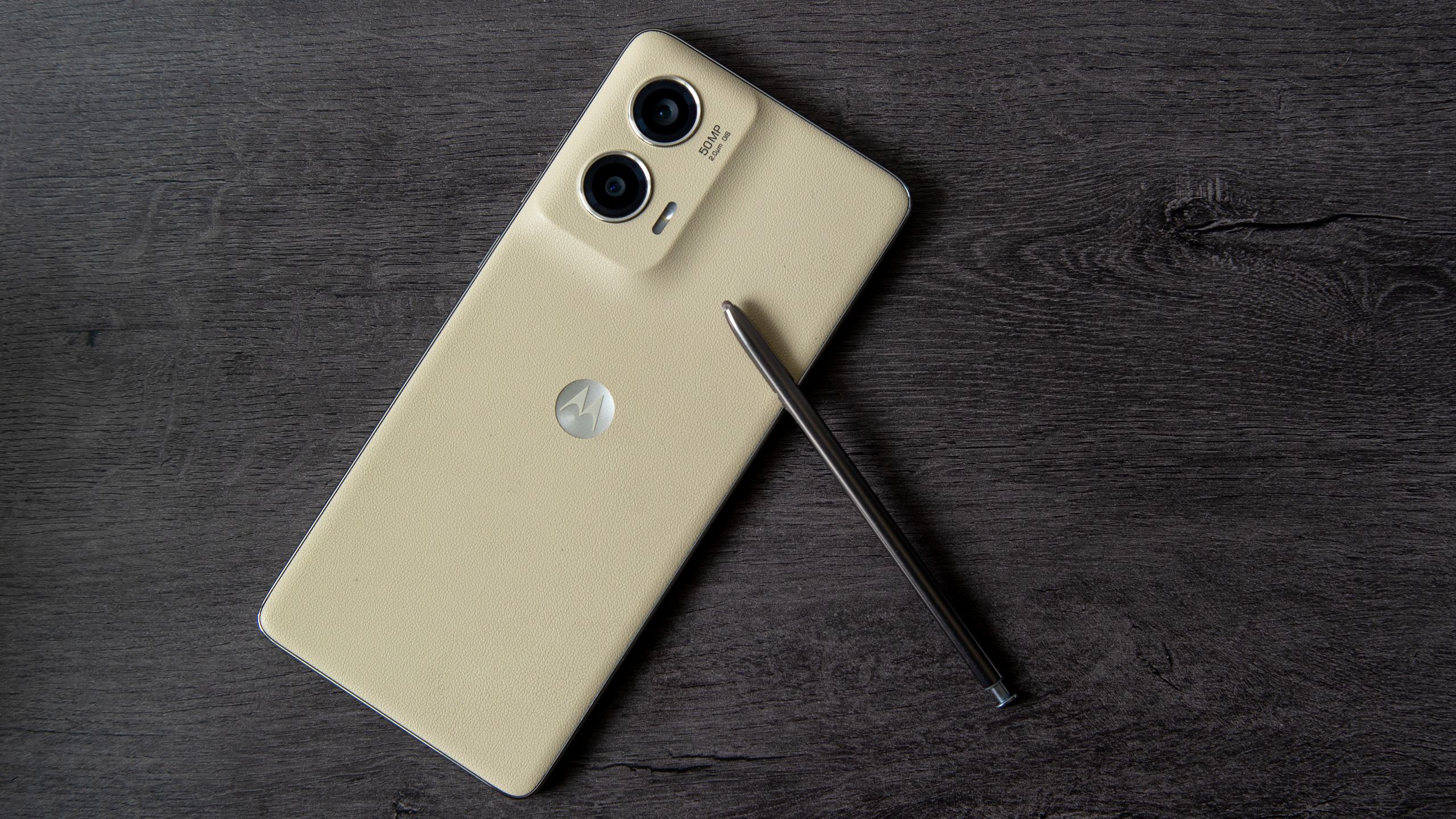
Motorola phone deals have landed just in time for the holiday weekend, and this one’s perfect for anyone who likes to have a cheap phone with a stylus. This year, Best Buy’s Memorial Day Sale has cut $210 off the price of the 2024 Motorola Moto G Stylus 5G, representing over half off and bringing it down to just $190.

Despite being a 2024 release, this Moto G Stylus features a really pretty display, a powerful suite of cameras, and impressive performance, especially given the price point.

Much like the 2025 model, the 2024 Moto G Stylus 5G has a beautiful vegan leather back panel and a long-lasting battery life. Upgrades to the newer model include a slightly brighter display, improved fast charging speeds, and a higher-resolution selfie camera that users like. If those aren’t a big deal to you, however, it’s definitely worth catching sales like this on the 2024 model, as it still has many of the Motorola lineup’s best features.

✅Recommended if: you’re looking for a phone with a beautiful display panel and an included stylus; you like Motorola’s vegan leather anti-slip backing and the overall design of the Moto G Stylus 2024; you like having a phone with powerful rear-facing cameras and a long-lasting battery.

❌Skip this deal if: you prefer a newer-generation phone and you’d rather upgrade to one of the best Motorola stylus phones on the market; you don’t need a phone with a stylus and you’d prefer to look at some other models around this discount price; having a guarantee of multiple OS upgrades is a major priority to you when buying phones.

The 2024 Moto G Stylus 5G is a cheaper phone with a stylus than many of the premium-level and current-gen Samsung devices. It comes with a 6.7-inch, 120Hz OLED display that’s a delight to use, a speedy Qualcomm Snapdragon 6 Gen 1 chipset, 8GB of RAM, and decent cameras despite being a generation old. It also sports wireless charging capabilities, up to 30 hours of battery life, and up to 30W fast charging.

Again, it’s a pretty good pick for just $190, especially for casual users who just want a good user experience and a stylus.

Finnish phone-maker HMD bundles Indian AI chatbot onto new smartphone in push to reach local market


Finnish phone maker HMD today launched its first smartphone, called the Vibe 2 5G, which comes preloaded with Indian AI company Sarvam’s chatbot Indus. Both companies had first announced the partnership during the India AI summit held in New Delhi in February.

The Indus app is powered by Sarvam’s locally trained 105-billion-parameter model — a measure of the AI’s scale and sophistication — and launched at the AI summit. The app supports 22 Indic languages and mid-sentence code-switching (the ability to fluidly mix languages mid-conversation, like switching between Hindi and English), which helps the assistant better understand the context of a query. Currently, the application doesn’t support offline usage, and it doesn’t have any integrated feature with the device to invoke the AI assistant through a shortcut.

The partnership is a potential testing ground for both companies to gauge the appetite for an India-focused chatbot.

“With this partnership, the first thing we want to do is get the Indus app to consumers,” said Ravi Kunwar, HMD’s CEO and Vice President for India and APAC, in an interview with TechCrunch. “Once they start using it, we will move to phase two to focus on driving more traction and stickiness. Right now, by pre-loading the app, we want to be more accessible to users,” he said.

The Vibe 2 5G is a mid-range Android phone with a 6,000mAh battery and a price tag of ₹10,999($114). Kunwar added the devices in the Vibe series of smartphones will also get the chatbot, and the company is also expected to launch a feature phone with Sarvam AI integration in the coming months.

That feature phone integration may ultimately prove more significant for both companies. HMD held a 4% share of India’s feature phone market in 2025, but its smartphone share was negligible — the company doesn’t even appear in the top 15, according to analyst firm IDC.

While it’s early days for Indus, the download numbers reflect that. Nearly three months after its launch, the app has been downloaded just over 293,000 times in India across platforms, according to Appfigures. By comparison, ChatGPT was downloaded 43.9 million times in the country.

It’s a big gap, but the strategy behind the HMD deal may matter more than the early numbers. Bundling a regional AI assistant with affordable hardware — particularly feature phones — is one of the more direct distribution plays available in a market as large and linguistically diverse as India, where English-language AI tools have limited reach. For investors and operators watching how AI adoption gets seeded in emerging markets, this partnership is worth tracking.

Sarvam has been one of India’s marquee AI startups. Beyond the Indus app launch, the company has focused on enterprise partnerships, especially for voice-based solutions. It is on track to become one of the most funded AI startups in the country, with reports suggesting a funding round of $300 million at a $1.5 billion valuation is in the works.

When you purchase through links in our articles, we may earn a small commission. This doesn’t affect our editorial independence.

Gemini for Home expands: Google opens access to carriers and hardware makers


What you need to know

  • Google announced that it’s opening Gemini for Home’s doors to service providers, hardware makers, and more.
  • A major highlight is its new Gemini built-in program, which targets partners who are creating hardware for consumers, so they can leverage Gemini’s capabilities for their speakers and cameras.
  • Google is also integrating its Home Premium subscription with carriers, ISPs, and security companies.

I/O has given us a lot to go over this week; however, Google’s smart home sector isn’t quite done, as it announces a major step for Gemini.

Google states in a press release that it has opened up Gemini for Home into a “full-stack AI offering.” This sounds technical, but all it means is that Google is “empowering service providers and hardware manufacturers to create monetizable, proactive services for customers and their homes.” A developers post shared more, announcing the start of the “Google Home Gemini built-in” program.

Android Central’s Take

The Gemini built-in program is a huge part of Google’s announcement today. This is basically opening its Gemini doors to other companies—think third-party device makers. Now, Gemini isn’t so restricted. These other companies can partner with Google and begin bringing that same, high-quality AI assistance to even more people through their products. This doesn’t sound like a bad thing to me.

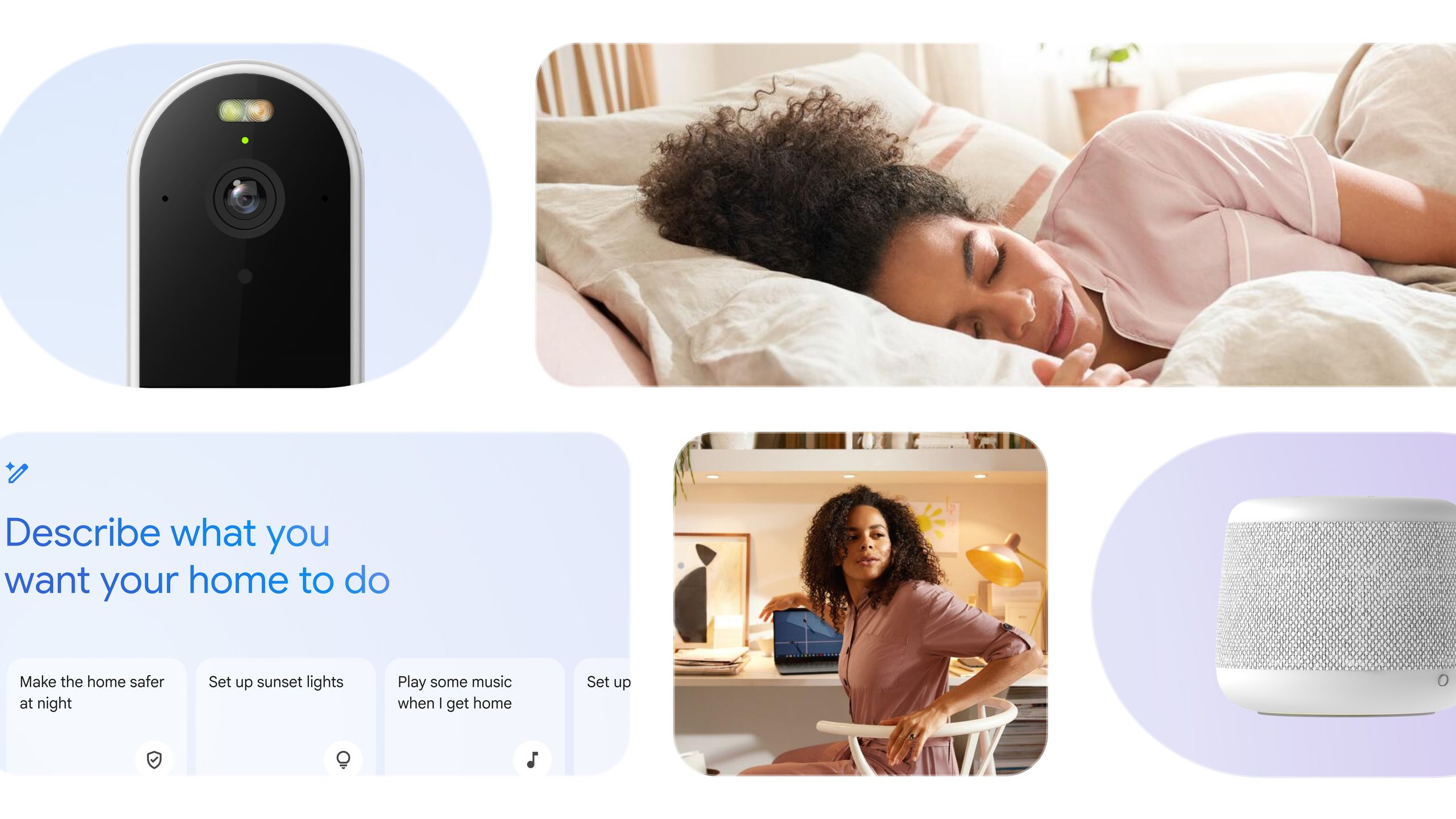
This is targeting Google’s partners who create smart home hardware for consumers. Google states hardware makers won’t have to stress about the research; they need only “focus on delivering an exceptional service experience.” Through the “Gemini built in” program, companies can create and launch Gemini-capable smart cameras, thanks to Google’s Camera Reference Design. Moreover, makers can now leverage the full force of Gemini’s voice capabilities for smart speakers in 2026.

Latest Videos From

Gemini for Home delivers features such as Home Brief, which gives the homeowner a roundup of what's taken place around their house, highlighting important events.

(Image credit: Google)

Similarly, we have what Google is doing with service providers, like AT&T. The company says it is integrating its Google Home Premium subscription plan with carriers, ISPs, and security companies. This brings in daily household features, such as Home Brief: a daily roundup of what’s gone on around your home. “Advanced deterrence” methods are also included, letting users make it appear as though they’re home for extra home protection.

The SpaceX IPO filing has arrived


SpaceX, the aerospace company founded by Elon Musk 24 years ago, has finally made its IPO filing public.

The hefty filing, posted after markets closed Wednesday, shows a company that has developed far beyond its initial pursuit of reusable rockets — although its long-term mission to create a multi-planetary species remains intact. SpaceX is now a technology conglomerate working on satellites and AI, and has become one of the world’s most valuable private companies.

When it goes public later this year on the Nasdaq exchange, it will become one of the most valuable publicly-traded companies. (Nvidia currently holds the crown with a market cap of $5.4 trillion.) SpaceX has chosen the ticker “SPCX” for the listing.

The regulatory filing, known as an S-1, offers the most vivid and financially illuminating public dissection of SpaceX’s business to date. And it comes just weeks ahead of what’s expected to be the largest IPO ever, both in terms of potential money raised (expected to be around $75 billion) and overall valuation (reportedly $1.75 trillion).

Many of the headline details have been reported in the weeks since SpaceX first submitted a confidential version of its S-1 filing to the Securities and Exchange Commission on April 1. The company lost about $4.9 billion in 2025 on revenue of more than $18 billion, as Reuters reported last month.

The filing details a business that is currently dominated by SpaceX’s Starlink satellite internet offering, which generated more than half of the company’s revenue last year. It also shows how much SpaceX has burned to get to this point: more than $37 billion lost since inception, according to the S-1.

XAI, the artificial intelligence company Elon Musk created and recently merged into SpaceX, is not helping on that front. The filing shows SpaceX directed around 60% of its capital spending in 2025 to its AI division, or around $20 billion. And yet that division — which houses the chatbot Grok — lost billions last year, and only grew revenue by about 22%. That’s far below the reported revenue growth rates at frontier AI labs.

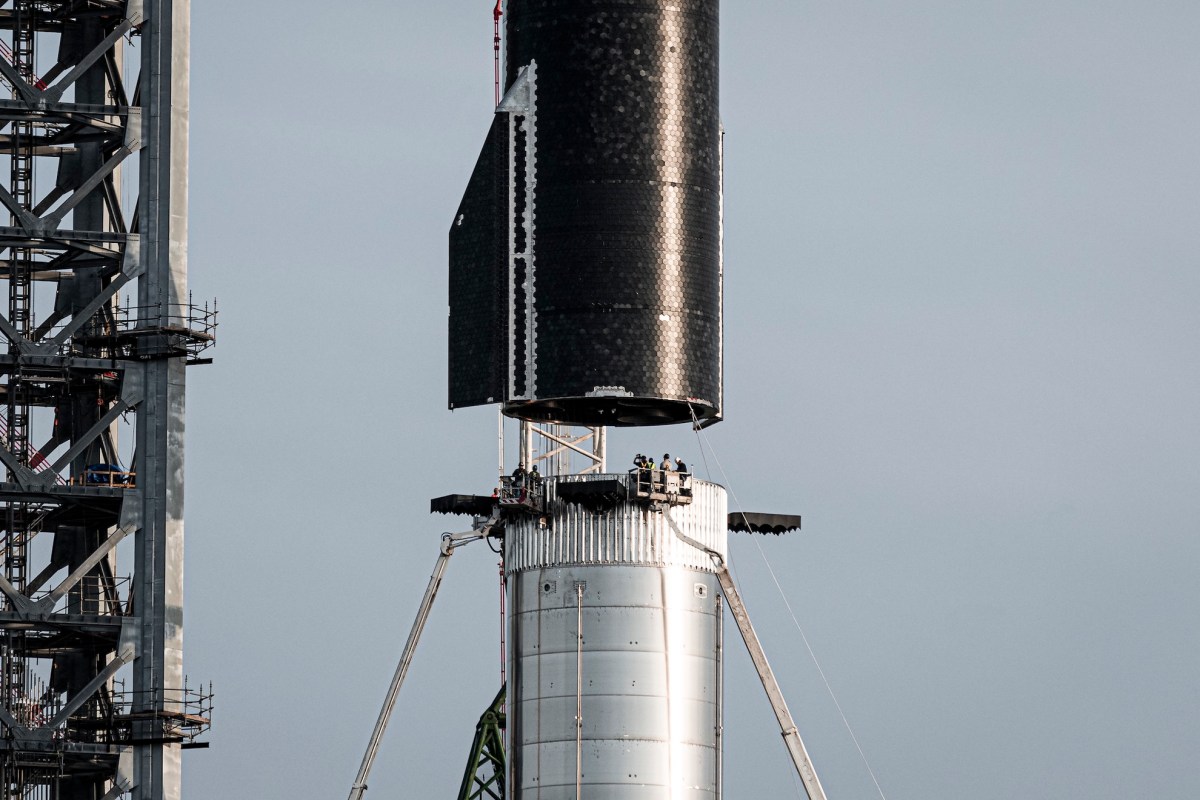
Despite SpaceX’s complex business, much of its future is pegged to the success of Starship, the fully-reusable heavy lift rocket that has had a series of explosions and technical revamps over the past several years. The company is expected to conduct the 12th launch of Starship as early as this week.

S-1 filings are hundreds of pages long, and this one in particular is likely to be stuffed with interesting numbers, risk factors to SpaceX’s business, and other previously private information. TechCrunch will be pulling out the most interesting details all day, so stay tuned.

This story is developing…

When you purchase through links in our articles, we may earn a small commission. This doesn’t affect our editorial independence.

I got to try Android XR glasses at Google I/O, and I’m more excited about smart display glasses than I’ve ever been


Google I/O is currently underway, and after sitting through a monotonous an exciting keynote address, I got the chance to demo some upcoming Android XR glasses and prototypes. Samsung and Xreal are seemingly two of the most dedicated players in the space, and I got to try both Xreal’s glasses and the latest Google prototype, which the Samsung glasses are no doubt based on, giving us a look at how Android XR will span different types of eyewear.

Samsung was set to launch Android XR hardware last year with the Galaxy XR, but it’s a large, bulky device you wouldn’t want to wear around. This time around, the focus is on more compact glasses for everyday wear. These are the ones I got to play with, and while I can’t wait for audio-only glasses to come around, I’m more excited about what Samsung and Xreal have in store when it comes to display glasses.

Gemini, and a dimming button to control the electrochromic dimming of the lenses.

Introducing Slack CRM for Growing Businesses


Salesforce - new logo

Introducing Slack CRM for
Growing Businesses

Powered by the all-new intelligent Slackbot.

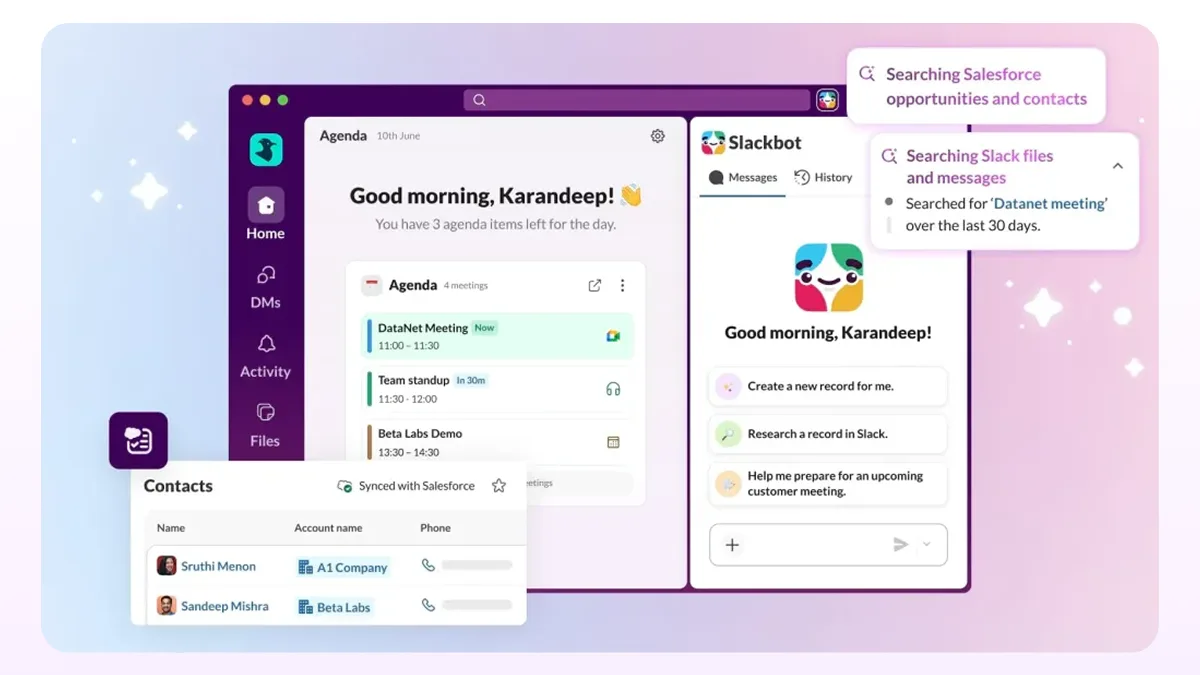
With Slack CRM, manage customers right where your team already works – no new tools, no switching between platforms. Your personal AI agent can capture contacts, track deal progress and prep what you need with a simple prompt – directly in Slack.

Here’s what Slack CRM can do for your business:

  • Capture leads instantly
  • Manage deals in conversations
  • Let AI do the busywork
  • Close deals faster

Introducing Slack CRM for Growing Businesses

Start with your first CRM – simple, fast, and cost-effective

Start with your first CRM – simple, fast, and cost-effective

Error: Contact form not found.

The post Introducing Slack CRM for Growing Businesses appeared first on Tech Research Online.

OSHA probing worker death at SpaceX’s Starbase site


A worker died at SpaceX’s Starbase launch site in South Texas on Friday, and the Occupational Safety and Health Administration (OSHA) has opened an investigation.

The San Antonio Express-News reported Monday that the unidentified victim died at around 4:17 a.m. local time on May 15, citing OSHA and local officials. The Wall Street Journal later reported that the county sheriff confirmed to the outlet that a worker died. OSHA confirmed to TechCrunch that it is investigating the apparent accident.

Representatives for the nearby Brownsville police and fire departments did not respond to requests for comment. SpaceX and the newly incorporated city of Starbase did not respond to requests for comment.

The circumstances of the worker’s death are not immediately clear. OSHA told TechCrunch that it won’t release more information until its investigation is complete, which could take months.

The death comes just a few days ahead of the first planned launch of SpaceX’s upgraded Starship rocket. Elon Musk’s spaceflight company is also reportedly releasing the detailed prospectus for its initial public offering this week, which is expected to be the biggest ever when that transaction takes place next month.

SpaceX has long dealt with worker safety problems at its Starbase site, which handles Starship prototype launches and is an active construction zone.

In 2025, TechCrunch analyzed OSHA data and determined the Texas launch site had an injury rate that far outpaced those of industry rivals and was the most dangerous of SpaceX’s worksites. A 2023 Reuters investigation uncovered dozens of previously unreported injuries and a worker death in 2014 at SpaceX’s McGregor, Texas, test site.

In January, OSHA hit SpaceX with seven “serious” safety violations for, among other things, not properly inspecting a crane before it collapsed at Starbase last June. The safety agency dealt SpaceX the maximum financial penalty on six of those seven violations, totaling $115,850. SpaceX is contesting those penalties, federal records show.

The company has been hit with multiple lawsuits related to injuries sustained at Starbase in recent years. In December, an employee of one of SpaceX’s subcontractors sued after he was crushed by a large metal support dropped from a crane. The worker, Eduardo Cavazos, suffered a broken hip, knee, and tibia, and OSHA opened a “rapid response investigation,” as TechCrunch first reported in December.

OSHA has since closed that rapid response investigation without taking any punitive action, according to a TechCrunch public records request. And the lawsuit was recently dropped because his employer, the subcontractor, provides workers compensation insurance that prevents the company from being sued, according to Cavazos’ attorney.

When you purchase through links in our articles, we may earn a small commission. This doesn’t affect our editorial independence.

Apple reveals WWDC 26 in the shadow of Google I/O


What you need to know

  • AS if to divert our attention, Apple announces WWDC 2026 is set to run from June 8-12.
  • The company plans to give viewers insights into its new technologies during the main keynote on June 8 at 10 am PT (1 pm ET).
  • However, our sights are firmly set on Google’s I/O 2026 event tomorrow, May 19 at 1 pm ET, where Android XR, Android 17, and Gemini Intelligence will likely shine.

As if it were written in the script, Apple has started sending out notifications for its next major event, and it’s all about what’s next for its tech.

Today (May 18), Apple officially announced what’s coming up next, and if you guessed WWDC 2026, you’d be right. The company’s reveal comes with a brief view schedule for the event, which runs from June 8-12. As usual, Apple states this conference will bring together “developers from around the world to explore the tools, frameworks, and technologies” across its platforms.