You desperately want to be like Christ. You hunger, you desire it, you beg God to be more Christ-like in your walk with Him.
You know you were made for more, to be more holy than the world says you have to be in order to be quote GOOD unquote.
So Bible study is very important to you. In fact, it’s vital. You can’t live without it. 🙏 Studying God, His precepts, His light, His love, His attributes…it’s all the air you breathe, the thing that makes you feel ALIVE when you finally get that one sin you been working on down.
It happened to me that as soon as I became a believer, I began reading the Bible front to back. But after reading it through 4x over the years…I got bored of that style of learning and wanted a different approach.
Yes, there’s always something new you learn, but I wanted to challenge myself, learn things in a new and interesting way and so I started learning about the Bible in a different way.
I started focusing on topics. Things that I desperately needed to learn in order to be more sanctified. Personal sins I needed to fix and I went on down the list. Learning one by one the Bible study subjects and that was so utterly monumental to my spiritual growth. Suddenly I was becoming more like my Lord and Savior and doing so well. 💖
Once I had the topics covered and doing well, I started learning about Bible characters. I started with Moses, of course. He’s my absolute favorite. Then, I studied David in depth, and now I’m working on Paul.
And so life would have it where some of those old sins I mortified in my flesh, rear their ugly heads back and I need to squash those topics again. It feels somewhat like playing whack-a-mole. 😆
Have you ever played that game? There’s 10 holes and the moles keep coming up and you’re trying desperately to hit back down as many as you can.
That’s sin. A whack-a-mole game.
So, I’m back to RE-learn some good Bible study topics that I need to refine again in myself and wash away and so I’m making this list for myself, so that I always have the topics and all my favorite resources at my fingertips of where to learn about it and how to get started.
This will make YOUR learning better too since you’ll start off with some great resources to really help you pave the path toward more godliness. 💖
The funnest part for me is PICKING a topic. So many great ones to choose from in this Bible study topics A-Z list!
The best thing to do is to bookmark this page and refer to these Christian Bible study topic ideas often. Write down the top 10 topics you want to brush up on and learn about in-depth and then choose one from there. Start witht the one that screams to your heart the most, “HEY, YOU REALLY, REALLY NEED TO LEARN ME!!!” ❤️
Then, one at a time, go through and study them out in depth. It can take years and that’s okay. The point is to be continually learning and striving toward being the best Christian you can be because God deserves it. He is SO good to us, we just want to be so pleasing to Him out of a grateful and thankful heart for all He’s done and does for us daily! 🙌
Check out these 210+ Bible study topics that starts with A-Z and get started today! 💖
Bible Study Topics A-Z: 210+ Topics to Study
This massive list of deep Bible study topics makes it easy to find a subject that speaks to your current season in life, answers a question you’ve been wrestling with, or helps you grow deeper in your relationship with Christ. 📖
From prayer, marriage, and spiritual growth to prophecy, Christian character, and difficult life circumstances, here are over 200 Bible topics to study!
If you love these topical Bible study ideas, be sure to check out my other A-Z lists for more fun! 🎉
AI video can help an independent creator produce scenes without a studio, but video generation is a costly place to make every creative decision. If character, location, wardrobe, and lighting remain unresolved, each attempt becomes an experiment.
A better workflow starts with still images. Character references and AI video storyboard frames are faster to compare than full clips, helping home-based filmmakers settle the visual direction before spending credits on motion.
Why Still Images Should Come Before Video
Every video model interprets many details at once. A prompt may describe the action without defining how a character looks from different angles, what belongs in the room, or how shots connect. The result can be attractive yet wrong for the story.
Still-image planning separates those decisions. A creator can establish a character sheet, approve the setting, and choose each major composition. Weak ideas are rejected as images, while selected frames become production references.
This does not remove generative variation, but it narrows the model’s room for interpretation and can reduce unnecessary reruns.
Build the Visual Foundation in Renoise
The practical starting point is an AI photo editor that generates and revises images in the same workspace. Renoise Canvas places references, results, and later video clips on one visual board.
Begin with a brief defining the tone, period, palette, and camera style. Then build three asset types:
Character references showing the face, clothing, proportions, and important accessories
Environment references defining the location, lighting, and recurring props
Story frames representing the opening, turning point, and ending of each scene
Different models serve different jobs. Midjourney can establish art direction, while GPT Image 2 supports instruction-based creation and editing with multiple references. Seedream, Nano Banana, and Grok provide other interpretations in the same workspace.
Turn a Script into Character and Story Frames
Renoise AI works here as a connected pre-production workspace rather than a single prompt box. Creators can save character references in the asset library and reuse them across tasks. Supported models also allow named asset references in prompts.
Produce a neutral character reference before dramatic poses. Generate front, side, and three-quarter views using the same clothing description. Select one version, then reuse it for close-ups and full-body frames.
Next, break the script into shots. Each frame should show who is visible, where they are, what happens, and what the camera emphasizes. For example: “Medium close-up, the same detective from the reference image, beneath a flickering hallway light, tense expression, shallow depth of field.”
Keep character descriptions and visual language consistent. Approve only the essential frames that determine continuity, performance, and pacing.
Edit Weak Frames Instead of Starting Over
When a frame is almost right, regeneration may create new problems. Renoise’s AI image editor can remove objects, replace backgrounds, expand compositions, repaint selected areas, or adjust mood while retaining useful elements.
A creator might expand a close-up into an establishing shot, remove a prop, or change daylight to night. Refining that frame gives the video prompt a clearer target than starting over.
Generative editing is not pixel-perfect retouching. Review faces, hands, and continuity details at full size before approval.
Enhance Only the Frames That Move Forward
Not every draft needs high-resolution processing. First choose the references that will guide video generation. Then use an AI image enhancer when a selected frame is soft, noisy, compressed, or too small.
Renoise enhances images to 1080p, 2K, or 4K. It reconstructs plausible detail rather than recovering missing pixels, so compare against the source. Regenerate or repaint severe blur and distorted features.
Explore at normal quality, refine the winners, and enhance only references entering production.
Once the plan is stable, chosen images can guide Renoise video models. Use a character image as a reference, an AI video storyboard frame as the starting image, or two planned frames as a shot’s beginning and ending when supported.
Canvas preserves relationships between assets. Creators can extract one clip’s final frame and use it to open the next. The clips still require assembly in editing software, but production begins with approved visual targets rather than blind generations.
Final Thoughts
For independent creators, the biggest advantage of AI image tools is not simply producing attractive pictures. It is making video decisions earlier and more cheaply. Renoise combines image generation, editing, enhancement, references, Canvas organization, and video models in one workflow. By approving characters and story frames before animation, creators can reduce trial and error while keeping more control over the final narrative.
FAQ
What Is an AI Photo Editor?
An AI photo editor uses generative models to create or modify images through prompts and references. It can support tasks such as object removal, background replacement, composition expansion, localized repainting, and visual restyling.
Why Create Storyboard Images Before AI Video?
Storyboards define the character, location, composition, and key action before motion is generated. They give the video model clearer visual targets and make it cheaper to reject weak ideas at the image stage.
Can Renoise Keep a Character Identical Across Every Shot?
No generative workflow can guarantee perfect identity across every result. Reusing character references, keeping descriptions consistent, and connecting shots with first and final frames can improve stability and reduce unwanted changes.
When Should an Image Be Enhanced?
Enhance a frame after it has been selected for production and only when softness, noise, compression, or resolution is the problem. Regenerate or repaint frames with major structural errors instead of trying to fix them through sharpening alone.
Maintaining strict hygiene standards is a top priority in every food processing facility. From handling raw ingredients to moving finished products, every stage of production depends on equipment that supports cleanliness, operational efficiency, and regulatory compliance. Choosing Food & Pharmaceutical Grade Hoists for these environments helps manufacturers reduce contamination risks while ensuring reliable material handling throughout the production process. A food grade chain hoist is specifically engineered to perform in hygienic environments where corrosion resistance, easy cleaning, and dependable lifting performance are essential.
Unlike conventional lifting equipment, hygienic hoists are built with corrosion-resistant materials and smooth finishes that withstand frequent washdowns and harsh cleaning chemicals. Their specialized design minimizes dirt accumulation and simplifies routine sanitation, making them ideal for facilities that operate under strict food safety protocols.
Why Hygienic Lifting Equipment Matters
Food manufacturers must maintain clean production environments to protect product quality and comply with industry standards. Equipment exposed to moisture, cleaning agents, and food particles should be easy to sanitize and resistant to corrosion.
A food grade hoist is designed specifically for these conditions. Its hygienic construction helps prevent contamination, supports frequent cleaning procedures, and delivers dependable lifting performance throughout demanding production schedules.
Using equipment that aligns with sanitation requirements also reduces maintenance challenges while improving overall operational efficiency.
What Is a Food Grade Chain Hoist?
A food grade chain hoist is a lifting device engineered for industries where cleanliness is just as important as lifting capacity. Whether manually operated or electrically powered, these hoists provide safe material handling while supporting hygiene requirements that standard industrial hoists are not designed to meet.
Typical applications include lifting:
Raw ingredients
Mixing vessels
Processing equipment
Packaging materials
Finished food products
Maintenance components
Their specialized construction makes them suitable for environments where regular cleaning is part of daily operations.
Key Design Features
Not every chain hoist is appropriate for food production. Hygienic lifting equipment incorporates features that improve sanitation while maintaining long-term durability.
Corrosion-Resistant Construction
Frequent exposure to water, humidity, and cleaning chemicals can quickly damage ordinary lifting equipment. Food-grade hoists utilize corrosion-resistant materials that help extend service life while maintaining hygienic conditions.
Smooth Exterior Surfaces
Smooth finishes reduce areas where food particles, moisture, and bacteria can accumulate, making washdowns faster and more effective.
Washdown Compatibility
Many food facilities perform scheduled cleaning several times each day. Equipment designed for washdown environments continues operating reliably even after repeated sanitation cycles.
Protected Mechanical Components
Enclosed moving parts reduce contamination while helping protect internal mechanisms from moisture and cleaning solutions.
Durable Load Chain
A high-quality stainless steel chain hoist configuration provides additional corrosion resistance in demanding processing environments where exposure to moisture is unavoidable.
Industries That Benefit from Hygienic Hoists
Although food manufacturing represents the largest application, hygienic lifting equipment is widely used wherever contamination control is essential.
Industries include:
Food processing plants
Beverage production
Dairy manufacturing
Meat and poultry facilities
Seafood processing
Bakeries
Nutraceutical manufacturing
Ingredient processing plants
Pharmaceutical manufacturing
Biotechnology facilities
Each of these industries requires lifting equipment capable of supporting both operational efficiency and strict sanitation procedures.
Factors to Consider Before Selecting a Food Grade Hoist
Selecting the right lifting solution involves much more than matching load capacity.
Operating Environment
Evaluate humidity, washdown frequency, chemical exposure, and ambient temperatures before choosing equipment.
Lifting Capacity
Choose a hoist capable of safely handling the maximum anticipated load while maintaining an appropriate safety margin.
Duty Cycle
Facilities with continuous production schedules often require equipment designed for repetitive lifting throughout the day.
Maintenance Requirements
Equipment that allows quick inspection and preventive maintenance helps reduce downtime while improving long-term reliability.
Material Construction
Stainless steel and corrosion-resistant finishes improve equipment longevity in sanitary production environments.
Considering these factors together helps ensure the selected lifting equipment supports both operational performance and food safety objectives.
Supporting Safe Material Handling
Efficient material movement is essential for maintaining production schedules while protecting product quality.
A sanitary hoist enables operators to safely lift ingredients, processing vessels, machinery components, and packaging materials without introducing unnecessary contamination risks. Reducing manual handling also helps improve workplace safety, minimize operator fatigue, and maintain consistent production workflows.
Facilities that invest in hygienic lifting equipment often experience easier maintenance, improved cleaning efficiency, and greater confidence in meeting sanitation requirements.
Integrating Hygienic Hoists into Material Handling Systems
A food grade chain hoist delivers the best performance when it is part of a complete hygienic lifting system. Manufacturers should evaluate the entire material handling process, including lifting frequency, workspace layout, load capacity, and cleaning requirements. Selecting equipment that works seamlessly with overhead cranes, monorail systems, or workstation cranes improves productivity while maintaining sanitation standards.
Many food manufacturers choose Food & Pharmaceutical Grade Hoists because they are specifically designed for clean manufacturing environments where corrosion resistance, easy maintenance, and reliable lifting are essential. For facilities that require maximum protection against moisture and aggressive washdown procedures, Stainless Steel Chain Hoists provide additional durability and long-term performance.
Cleaning and Sanitation Best Practices
Routine cleaning is one of the most important factors in extending the service life of hygienic lifting equipment. Since food processing facilities operate under strict sanitation programs, lifting equipment should be included in every scheduled cleaning procedure.
An effective maintenance routine should include removing food residue after production, using approved cleaning agents that are compatible with the hoist materials, inspecting exposed components for signs of corrosion, cleaning hooks and load chains thoroughly, drying equipment completely after washdowns, and documenting maintenance activities for future inspections.
Consistent sanitation practices not only help maintain equipment reliability but also support food safety programs and reduce unexpected downtime.
Food Grade Hoists vs. Standard Industrial Hoists
Although both types of hoists are designed to lift heavy loads, their construction and intended applications are significantly different.
A standard industrial hoist is built primarily for general manufacturing, warehouses, fabrication shops, and construction environments where durability is the primary concern. In contrast, a food grade chain hoist is engineered specifically for hygienic production areas where cleanliness, corrosion resistance, and washdown compatibility are equally important.
Food-grade models typically feature corrosion-resistant materials, smooth surfaces that simplify cleaning, enclosed mechanical components, and finishes that resist moisture and cleaning chemicals. These features help manufacturers maintain sanitary working conditions while ensuring dependable lifting performance throughout daily operations.
Understanding these differences allows businesses to select lifting equipment that matches both operational requirements and hygiene standards.
Choosing Between Manual and Electric Chain Hoists
The right lifting solution depends on production volume, lifting frequency, and operational efficiency goals.
Facilities with occasional maintenance work or lighter lifting tasks may find manually operated hoists sufficient. However, operations that handle heavy materials repeatedly throughout the day often benefit from Electric Chain Hoists, which reduce operator effort, improve lifting speed, and provide more precise load positioning.
Evaluating daily production demands, available workspace, and future expansion plans helps determine whether manual or powered lifting equipment is the better long-term investment.
Preventive maintenance plays a critical role in maximizing equipment lifespan while minimizing costly downtime.
Regular inspections should focus on the condition of lifting chains, hooks, safety latches, braking systems, controls, and moving components. Worn or damaged parts should be replaced before they affect lifting performance or workplace safety.
Routine maintenance also provides opportunities to identify corrosion, moisture damage, or excessive wear before these issues become major operational problems.
A proactive maintenance program helps facilities maintain reliable lifting performance while supporting compliance with internal safety procedures.
Common Mistakes When Purchasing a Food Grade Hoist
Many organizations make purchasing decisions based only on lifting capacity or initial price. While these factors are important, hygienic environments require additional considerations.
One common mistake is selecting equipment that cannot withstand frequent washdowns or exposure to cleaning chemicals. Another is overlooking environmental conditions such as humidity, temperature fluctuations, or continuous moisture exposure.
Some facilities also underestimate future production requirements, resulting in equipment that becomes inadequate as operations grow. Delaying preventive maintenance or ignoring material compatibility can further reduce equipment lifespan and increase operating costs.
Considering long-term performance instead of focusing solely on purchase price helps organizations make better investment decisions.
Supporting Regulatory Compliance
Food manufacturers operate under strict quality and sanitation programs that require documented maintenance, equipment inspections, and cleaning procedures.
Using hygienic lifting equipment helps organizations simplify sanitation activities, reduce contamination risks, improve equipment accessibility for inspections, and maintain dependable material handling throughout production.
Although specific regulatory requirements vary by facility and product type, selecting lifting equipment designed for hygienic applications makes compliance easier while supporting operational efficiency.
Looking Beyond the Initial Purchase Price
Purchasing lifting equipment should be viewed as a long-term investment rather than a one-time expense.
Businesses should evaluate expected service life, maintenance requirements, cleaning procedures, replacement part availability, productivity improvements, downtime reduction, workplace safety, and total operating costs before making a purchasing decision.
Equipment that requires less maintenance while supporting reliable daily operation often delivers greater value throughout its lifecycle.
Future Trends in Hygienic Lifting Equipment
Food processing technology continues to evolve as manufacturers seek higher productivity and stricter hygiene standards.
Modern hygienic lifting systems increasingly feature improved corrosion-resistant materials, enhanced washdown compatibility, compact equipment designs, ergonomic controls, simplified maintenance procedures, and greater integration with automated production systems.
These innovations help facilities improve operational efficiency while maintaining the cleanliness and reliability required in today’s food manufacturing industry.
Final Thoughts
A food grade chain hoist is more than a lifting device—it is an essential part of maintaining safe, efficient, and hygienic material handling operations in food processing environments. Choosing equipment specifically designed for sanitation-sensitive applications helps manufacturers improve productivity, reduce contamination risks, and support long-term operational reliability.
When selecting a lifting solution, organizations should evaluate environmental conditions, cleaning procedures, maintenance requirements, lifting frequency, and future production goals instead of focusing only on lifting capacity. Investing in the right equipment today can reduce operating costs and improve workplace safety for years to come.
To build a complete hygienic material handling solution, businesses can combine Food & Pharmaceutical Grade Hoists with Stainless Steel Chain Hoists and Electric Chain Hoists, while exploring additional Crane Depot industrial crane solutions that support demanding food processing applications.
Flooring is an important part of a home’s look and feel, yet it often goes unnoticed. Whether you’ve just moved in, are planning a renovation, or want to update your space, good flooring can make a big difference. It sets the tone for your decor and affects how the entire room feels. The right flooring adds warmth and style, making your home more welcoming to guests.
Choosing flooring can seem overwhelming. There are many materials, colours, and styles to consider, but it doesn’t have to be hard. With a few careful choices, you can enhance your floors without spending too much or doing major renovations. Let’s look at ways to make your flooring a highlight in your home.
Choose the Right Material
The material you choose affects how your Markham flooring looks and feels. Hardwood, laminate, tile, and carpet each have their own appeal. Hardwood looks elegant and warm but needs more care. Laminate is cost-effective and looks like wood, while being more resistant to scratches and moisture, which is great for families and pets.
Tile comes in many designs, colours, and finishes, allowing for creative choices. It’s especially useful in kitchens and bathrooms, where durability and cleanliness matter. Carpet adds comfort, making it a good option for bedrooms and family rooms, and comes in many patterns and textures. When choosing a material, find a balance between style and practicality that meets your needs.
Colour Matters
After choosing the material, colour is key to enhancing your flooring’s look. Light colours can make a space feel larger and brighter. Darker shades can provide a cozy, rich feel, depending on your decor. If you want a fresh, modern look, consider light oak or whitewashed laminate. These options fit well in contemporary settings and match a variety of colour schemes.
On the other hand, deeper colours like walnut or dark grey can create a sophisticated feel, especially with lighter walls or accents. Don’t be afraid to use bold colours or patterns if you’re adventurous. Bright tile patterns or a unique carpet can add personality to your space. The colour should reflect your style and fit with your overall decor.
Area Rugs
Area rugs can add texture and warmth to your floors. They help define areas, like a living room or dining space, and can bring the room together visually. Pick a rug that complements your flooring while adding new colours and patterns. For example, a soft neutral rug can balance hardwood floors, while a bold-patterned rug can stand out against subtler tiles.
Placement is important. Make sure your rug is large enough to fit under all furniture without leaving empty spaces. This creates a unified look and lets your flooring shine. Area rugs are also easy to change out for different seasons, making them a practical choice for refreshing your decor.
Add Finishing Touches
You can make your flooring and ceramic tiles look better and more attractive with some thoughtful finishing touches. Baseboards and mouldings are often ignored, but they can greatly enhance your space. Choose styles that match your flooring, whether it’s modern or traditional. Painted or stained, these features can help connect your flooring to your walls.
Furniture placement is also important for showing off your flooring. Avoid cluttering the room with too much furniture, as it can hide your flooring. Instead, arrange furniture to draw attention across the room. Light furniture on dark floors stands out, while dark furniture on light floors gives a solid look.
Consider Lighting
Lighting can change how your flooring looks. Natural light highlights the texture and colour beautifully. If you have large windows, use light, sheer curtains to let sunshine in while keeping the space open. If natural light is limited, use floor lamps and well-placed lighting to emphasize certain areas.
Accent lighting can showcase special features in your flooring, such as an attractive wood grain or an interesting tile design. Dimmer switches can help set the mood, creating a cozy space in the evening while showing off your flooring’s beauty during the day.
Accessorize Wisely
Finally, choose accessories that improve the look of your flooring. Pick furniture and decor that match your style while respecting your flooring’s character. Simple furniture works best with bold flooring, while decorative pieces can complement simpler flooring. Artwork and decor can help create a unified feel in the room.
The key is to find balance. Let your flooring stand out without overcrowding it with too many competing items. Thoughtful accessorizing can make your flooring look elegant, attractive, and fit well into your space. Your flooring can greatly affect your home’s overall feel. Smart choices in materials, colours, and decor can turn your floors from just functional to a display of style and warmth. With these tips, your flooring will look attractive and enhance your home’s beauty.
Statistics from FEMA show that 40%-60% of small businesses don’t re-open following a significant physical disaster. This isn’t an exercise in pessimism, it’s a statement of statistical odds. If your property disaster recovery plan consists of a generic compliance checklist, those odds reflect the probability of your business surviving the shock of a disaster. But if you plan around the triage principles of protecting the financial lifeblood of the business, protecting the capacity to operate, and focusing on the brutal reality of the first two days… those statistics turn on their heads.
Hazard Vulnerability Assessment
Before you can plan to protect something, you need to understand the risks to what you want to protect. A hazard vulnerability assessment (HVA) is an analysis that scores the potential failure modes to a property specific to the business function of the organization being assessed.
A law firm on the twelfth floor of a corporate high rise has entirely different risk factors than a distributed product based business operating out of a home garage. The high rise is concerned with elevator down time and HVAC smoke migration on the floors above and below them. The home garage business has to worry about lack of proper suppression coverage, residential load bearing characteristics, and the ability to support commercial electrical demands without upgrading the entire electrical service to the residence. Once the HVA is completed it should be mapped out, each of these potential system precursors assigned a probability score from zero to ten, and an impact score from zero to ten, then multiply the two numbers together for a risk factor. The items with the highest risk factor scores should dictate the planning investment priority. Distance to water sources, proximity to industrial facilities, and fire department accessibility will also inform the analysis. Completing an HVA should be the starting point of any property disaster recovery planning.
Emergency Chain of Command
Things can get worse, and somebody needs to take charge and bring the situation under control. More importantly somebody needs the authority to cut checks, call in your insurance adjuster, and interface with the fire department incident commander before the electricians have finished their work.
As part of your property disaster recovery plan, document your emergency chain of command, assigning at least three people primary responsibility with at least two others standing by to immediately replace them if they become unavailable. The chain of command document should state specifically what those taking on emergency management responsibility can do without asking for your permission. Your primary recovery coordinator should not have to ask you before approving the contract for the job site restoration company. Give them the authority and means to authorize the expenditures.
Create your chain of command to be able to operate with one third fewer people than you currently employ. Disasters don’t always strike on a Monday morning when the whole staff is on site.
Assign recovery response functions by discipline; communications, IT infrastructure, operational, and facilities support, and ensure that there is a backup for every person named on any task list, with actual people with the required skills, not just a name and title on a worksheet.
OSHA standard 1910.38 requires every business with more than ten employees to have a written Emergency Action Plan, that includes; a written evacuation procedure, alarm procedure, and a shutdown procedure for critical operations. The chain of command should be written to comply with the OSHA requirements. Put the two documents side by side on your emergency management desk when the time comes for everyone to actually use them.
Detailed Asset Inventory
Most claims fail either because a business cannot prove ownership of the lost equipment or cannot prove the value of the lost assets. Adjusters don’t need to be beaten over the head with proof, but they do need to see proof. As part of your property disaster recovery plan, you need to document everything and store that information somewhere safe, like the cloud. In the modern business age, that includes hard inventory, specialized tools, IT infrastructure, and software licensing. It also includes IP assets when those assets have been formally valued.
Update it quarterly. If you buy something new put it in the asset inventory database immediately. Make sure this information is not on a computer in the office that can be destroyed when the disaster strikes. Store this electronic inventory in a place that survives the disaster. A paper inventory stored in the office that is destroyed by the disaster serves no purpose.
This is particularly important if the business operates out of a private residence. Most standard homeowners insurance policies do not cover commercial equipment or cover the business liability. A commercial rider should be added to the policy or a separate business owners policy should be purchased. The asset inventory is what is needed to make either claim.
Evacuation Routes and Life Safety Protocols
Businesses are required by regulation to create, display, test, and update evacuation maps. OSHA standard 1910.38 requires that an exit route be established and sufficient employee training take place to ensure that, the exit route is properly marked and illuminated, and that other measures are taken for the safety of employees during an evacuation. The same standard also requires a sufficient number of employees to be trained to assist with an orderly evacuation.
Your muster point should be far enough away from the building that you are not in the path of any incoming emergency response units but still close enough not to tax the ability of any employees to make it back to the building once emergency responders have secured the area. And it should be specific. “Outside” is not a specific location. “Outside the parking lot” or “the light pole next to the main entrance to the building” are better examples of specific locations.
Practice evacuation procedures should always be unannounced. You learn a great deal from the people who are trying to get to safety without the benefit of time to prepare. You learn even more from them in the time that it takes to empty the building. If it takes longer than you think it should to empty the building you need to identify why the slow down is happening, blocked hallways, employees not knowing what to do, and then fix it before the disaster exposes the same shortcomings.
Data Redundancy and IT Continuity
The destruction of the building does not have to mean the end of the business, and the risk of that outcome can be reduced through the right planning actions. The data destruction that comes from the loss of the building is even more preventable. Automated cloud back-ups of client files, financial records, and other essential digital information should always be set to overwrite on a schedule short enough that a measurable data loss would be measured in hours, not in days or weeks. Client files should be replicated constantly or at least nightly to a cloud server. It’s one thing to have the data saved, but you also need documented recovery procedures that enable the rebuilding of the system from the replicated data, and those procedures need to be practiced.
The other side of IT continuity is the ability for employees to do their jobs for as long as the building remains unavailable. Remote access configuration is the term for that. Do employees have the capability to work from an alternate location on day one, or will it take weeks to configure their access? You need to have a property disaster recovery plan for your IT systems. This means defining business critical functions and ensuring that the people who staff those roles have remote access tested and functioning before the problem arises. It also means having a server redundancy and property disaster recovery plan strategy if system downtime is too much of a revenue and/or liability risk for the business.
Pre-Established Restoration Partnerships
The damage incurred within the first 24-48 hours following a fire is sometimes not apparent, but can be devastating to the long term financial recovery of the business owner. Soot, which is naturally acidic, can begin eating away at metal surfaces, circuit boards, and other materials within hours of the fire. Water used to extinguish the fire can, if the building is not dried appropriately, result in mold invading the walls and other wooden fixtures within 24 to 72 hours. Materials subject to extreme heat can become unstable and continue to degrade over time if left exposed.
Few if any small to medium sized business owners understand all of these subtleties and most are already busy trying to get a restoration company on site to make the business premises usable again to resume daily operations. By the time a business owner gets their first estimate, the window for making crucial decisions about mitigating further damage has already expired, and the owner is already spending precious recovery time trying to secure financing in order to make those critical expenditures at the eleventh hour, when most restoration contractors operate on a 48 to 72 hour turn around for major fires before they can even enter the building.
Make sure your property is already protected by contacting a restoration partner before disaster strikes. For business owners in the greater New York metro area, knowing and working with the best fire damage restoration company in NYC before a fire even occurs means emergency mitigation will begin as soon as the scene is safe and accessible to begin restoration. Few disaster restoration contractors have the same level of response capability, so it’s important to make sure that whatever restoration company you’re considering has the capacity to handle your specific needs before an emergency arises.
Not all restoration partners have the same response times or technical qualifications to handle certain types of damage, so it’s crucial to invest in the vetting process for your restoration company the same way you would any other business partner.
This extends to structural engineers and environmental specialists who can perform the building clearance assessment following a fire, before anyone enters the building.
Structural and Environmental Clearance Before Re-Entry
A building that appears intact following a fire can still have substantial damage that renders it unsafe for entry. The intense heat of the fire can compromise load bearing steel structures long before visual indications of weakness appear. Soot, which is acidic, contains heavy metals and carcinogens. Water used to extinguish the fire can create the perfect environment for mold to grow behind finishes and underneath the flooring within 24 to 72 hours of the incident.
A building clearance inspection by a structural engineer is a requirement before anyone can return to the building following a fire or other disaster.
An environmental evaluation is necessary to determine if hazardous substances are present that would make occupancy unsafe.
That inspection should be on file in the office to document that it is safe for employees to return. It serves as evidence should a question arise later with the insurance company, with employees, or with the eventual sale or lease of the property should the decision be made to vacate the premises permanently.
It is unwise to cut corners in the interest of time.
Phased Operational Ramp Up
Postponing any return to operations following a disaster will prove fatal to most businesses. Most return to operations strategies should be designed to ramp up business operations from a reduced capacity to full operations as the primary facility becomes more inhabitable following a disaster.
Operations should be divided into three tiers. Tier one operations consist of the bare minimum needed to sustain the business operations and meet any critical client obligations without falling afoul of any contracts. Tier two operations include the essential elements needed to maintain revenue, and tier three operations are full operations at the pre-disaster capacity. Each tier needs to have a corresponding location strategy, staffing strategy, and technology strategy.
Clients, vendors, and other stakeholders should receive regular communication throughout the disaster response. A crisis communication plan should be developed to explain what has happened, what is being done now, and what stakeholders can expect next. The first client update should come no later than 24 hours following the incident, using a pre-approved communication message, to let them know the situation, that the business intends to continue operations, and when to expect the next update.
The business interruption insurance policy should be reviewed with a trusted broker, and the coverage should match the three tier return to operations strategy. The policy coverage should include both revenue loss and expenses incurred to maintain operations. The broker’s contact information should be included on the chain of command document, and a claim should be filed as soon as possible following the incident once the property has been secured.
The Plan is the Asset
A plan that languishes in a desk drawer is little more than an expensive paperweight. The plan has to be tested, updated, and understood by the people it’s supposed to help before the disaster arrives.
The businesses that survive a major physical disaster are the ones that planned for it in a way that made the document an asset rather than a compliance checkbox.
Home-based businesses are one of the fastest-growing segments of the American economy. Freelance designers, consultants, e-commerce sellers, virtual assistants. Millions of Americans run profitable operations from kitchens, spare bedrooms, and home offices. Most handle their own marketing, accounting, and operations, and most significantly underestimate how much legal exposure comes with it.
The Legal Risks That Catch Home-Based Businesses Off Guard
Client contracts are the most common source of trouble. A verbal agreement or a one-paragraph email thread is not a contract that holds up in a dispute. When a client refuses to pay, claims the work was deficient, or demands a refund after receiving deliverables, the absence of a clear written agreement leaves the owner with almost no recourse. Intellectual property is a second persistent issue. Home-based designers, writers, and developers often create work that clients later claim ownership over, without ever addressing it in writing. Without a work-for-hire clause or IP assignment agreement, federal copyright law’s default position may not favor either side predictably.
Business Structure and Personal Liability
Many home-based operators keep running as sole proprietors long after it stops making sense. A sole proprietor carries unlimited personal liability for business debts and legal judgments. Forming an LLC or S-Corporation creates a legal separation between personal and business assets, limiting what creditors and plaintiffs can reach. The decision to restructure has tax implications too. Before making changes, guidance from ConsultantLM or a licensed business attorney can clarify which structure fits the business’s current size, growth trajectory, and state of incorporation.
Zoning, Insurance, and Local Compliance
Home-based businesses answer to local zoning ordinances that vary by municipality. Some permit client visits. Others prohibit any commercial activity in residential zones. Operating outside those restrictions can mean fines or mandatory relocation. A quick review of local codes before accepting clients onsite beats fixing it after a neighbor complains. Business liability insurance is another common gap. Homeowner’s or renter’s insurance typically excludes commercial activity. A client who trips during a meeting, or whose data is breached, may have grounds for a claim that standard residential coverage will not touch.
When to Bring in an Attorney
Not every legal question needs a full consultation. Many home-based owners just need thirty minutes of qualified guidance to review a contract template, understand a client demand letter, or clarify obligations on a specific project. Online legal platforms make that kind of focused, efficient access practical for businesses running on tight margins. Building a legal safety net before problems emerge is always cheaper than resolving them afterward. For most home-based businesses, the investment is modest. The protection it provides makes continued growth substantially less risky.
Business AI integration is becoming a global phenomenon. This advanced technology is no longer exclusively reserved for huge enterprises. Startups and SMEs can improve operations and reduce costs through AI integration services.
A successful launch will involve careful planning and a clear strategy. An experienced AI-focused IT firm like Atlantic BT is here to help businesses navigate this new era.
The 10-Point Checklist to Determine If Your Business Is Ready for AI Integration
Here is a 10-point checklist to determine if your business is ready for AI integration. It covers everything from planning to execution.
1. Do You Have Clear Business Goals for AI Implementation?
There is a purpose for every AI tool. It’s designed to address a specific challenge. Common struggles include customer support response times and the automation of repetitive tasks. Then, AI tools can look into the solutions.
Don’t introduce AI because it’s trending. Bring it on board because it facilitates production.
What are the existing challenges?
How do you want AI to solve the problems?
What can AI do to improve business performance?
Which KPIs will measure success?
2. Have You Identified the Right Business Processes for AI Automation?
Choose the high-impact process first for better early ROI.
3. Is Your Business Data Ready for AI Systems?
Mass, reliable data points help train AI. Incomplete or outdated data will limit AI’s ability. Data readiness is crucial for success. Work with your team to see if your data is:
Well-organized and stored appropriately
Accurate
Properly documented with the correct details and information
Accessible across relevant departments
4. Do You Have Proper Data Management and Governance Practices?
Aside from data quality, there are often legal compliance requirements on how information is stored, collected, and used. In the US, the government is generally supportive of the use of AI in business, as long as it is done responsibly.
Depending on the industry and state, some examples include:
Privacy compliance
Access controls
Data ownership
Regular quality audits
5. Does Your Current Technology Infrastructure Support AI Integration?
AI integration for businesses can hit a wall when the infrastructure is outdated. Legacy systems should be upgraded for a smooth implementation. You need modern, scalable architecture to meet your future growth.
Review your existing infrastructure, such as:
Cloud capabilities
System integrations
API availability
Computing resources
Cybersecurity measures
6. Do You Have the Right AI Tools or Technology Partners?
Building an in-house IT team is not feasible for many companies. That’s why you should partner with a local IT firm.
Atlantic BT works with businesses to identify practical solutions for long-term success. Each strategy is customized and scalable to meet your needs.
7. Does Your Team Have the Skills Needed to Work With AI?
Business leaders, operational teams, and analysts should receive appropriate training on:
AI capabilities
Data interpretation
Process improvement
Change management
It removes the skill gaps and maximizes the implementation effectiveness. Training programs should accompany deployment.
8. Are Your Employees Ready to Adopt AI-Based Workflows?
AI integration is a relatively new concept. Some employees may not be so familiar. Every member should understand the benefits and how to work with it. It boosts their productivity and morale.
Explain to the team about things like:
Why is AI being introduced
How it supports their work
What changes to expect
Where human expertise remains essential
9. Have You Created an AI Implementation Strategy and Roadmap?
Successful AI initiatives happen through meticulous planning. Create a roadmap that defines:
Project phases
Budget
Timelines
Stakeholder responsibilities
Success milestones
Risk management plans
A structured roadmap provides a defined scale-up path. You can minimize disruptions through systematic planning.
10. Can Your Business Measure AI Success and ROI?
Every AI initiative should include measurable outcomes. This is how you know whether it is successful.
Common success metrics include:
Cost savings
Productivity improvements
Customer satisfaction
Revenue growth
Reduced processing times
Error reduction
Regular performance reviews help refine AI models. You can continuously enhance efficiency while saving costs.
AI introduces tremendous opportunities for businesses. But it requires strategic implementation and preparation. Before you dive in, answer the 10 questions above to check your business’ readiness. Contact an IT firm to personalize solutions that fit your business objectives and goals.
Want to encourage your teens to grow closer to God?
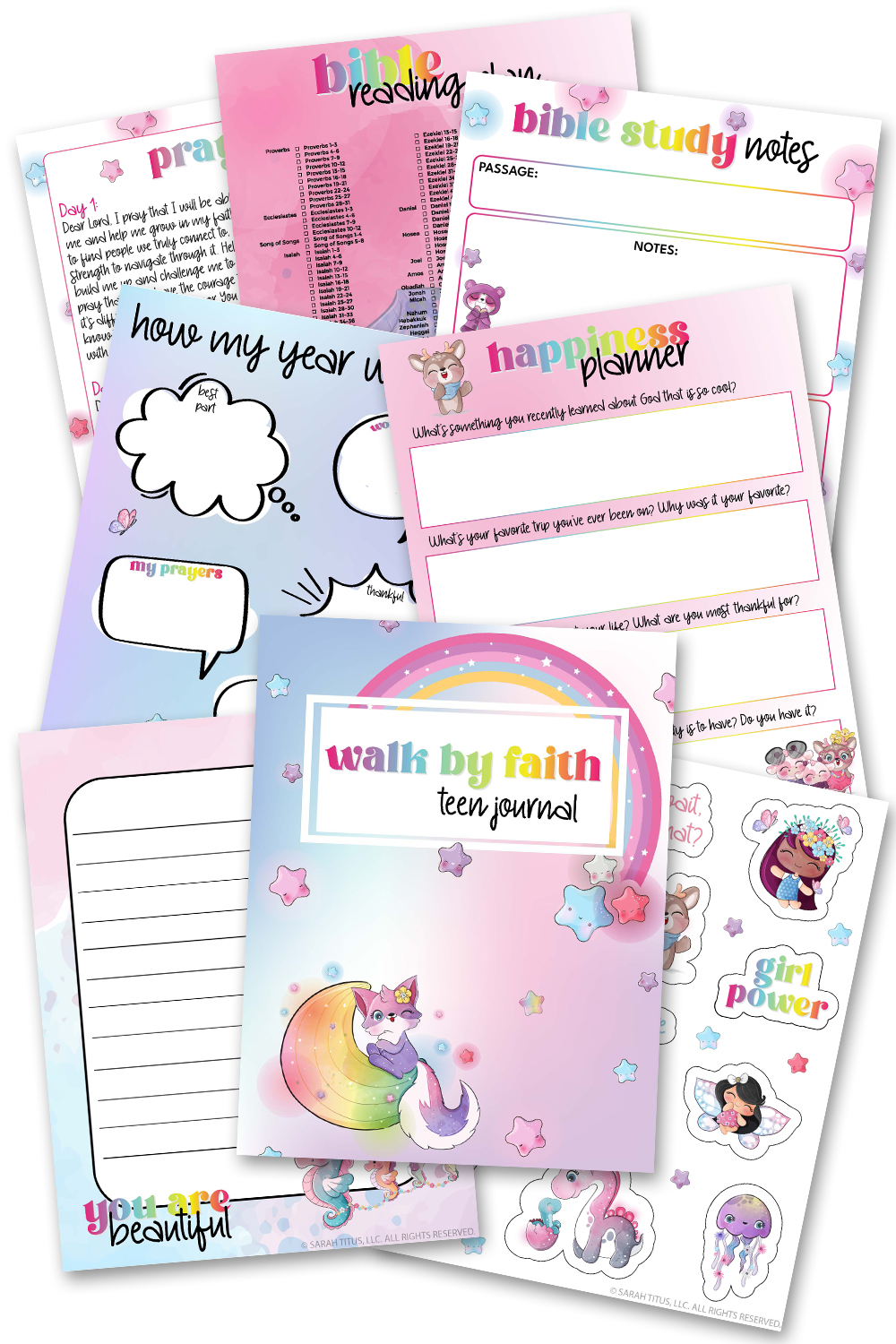
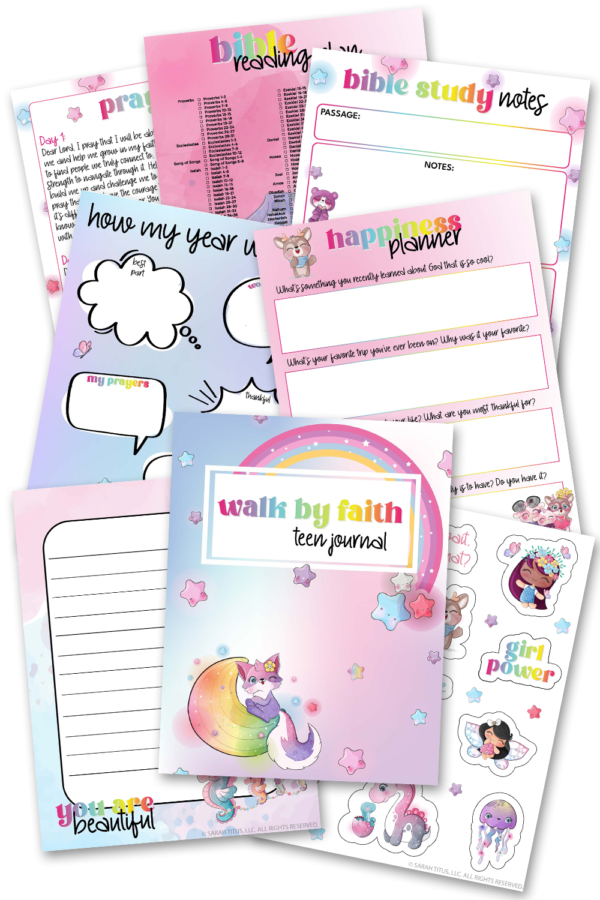
This free Walk by Faith Teen Journal is the perfect way to encourage older kids, tweens, and teens to pray and study the Bible. They’ll also have a safe place to jot down their thoughts and feelings to work through them.
The beautiful designs, colors, stickers, note cards, bookmarks, and thought-provoking questions will lift their spirits and promote a grateful and positive outlook on life.
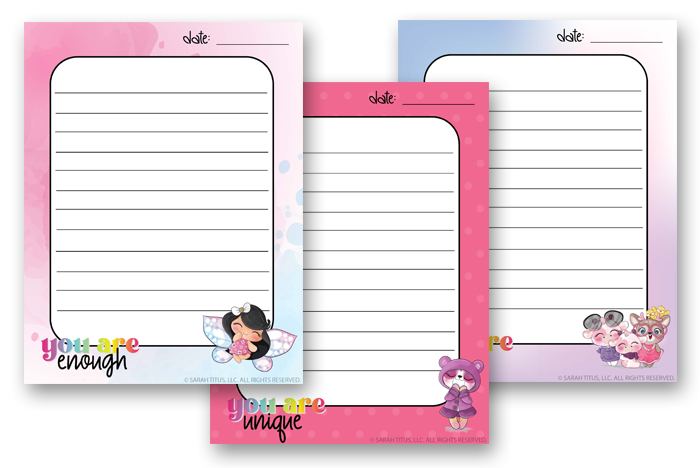
The journal pages could also be used as super cute stationary if they want to write a letter to someone!
It’s a fun and exciting journal and will keep them engaged and motivated about the Bible!
Want more? Around here, I LOVE to give lots of free!!! 🎁💖🥰
👉 Get it free when you use discount code: TEEN
I am so excited to offer you this SUUUPER CUTE Christian teen journal!!
Printables include:
Binder Cover
Spines (1″, 1.5″, 2″ & 3″)
Hello This Planner Belongs To
Stickers (2 Pages)
Bookmarks
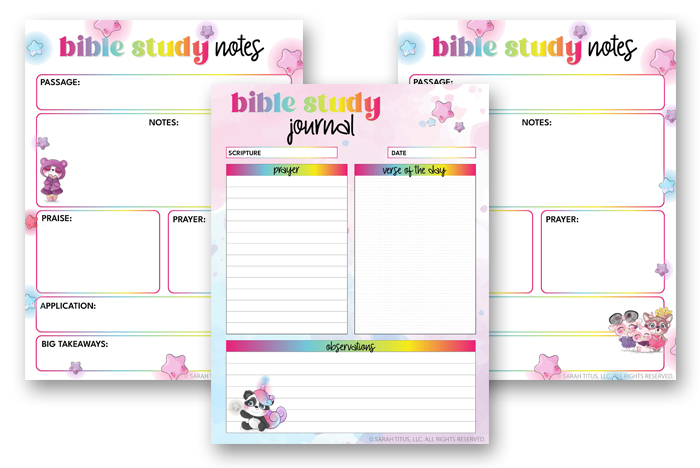
Bible Study Notes
Bible Study Journal
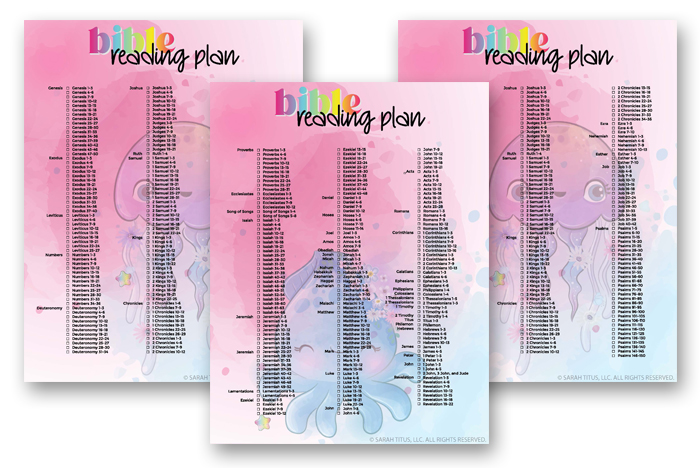
Bible Reading Plan (2 Pages)
Note Cards (2 Pages)
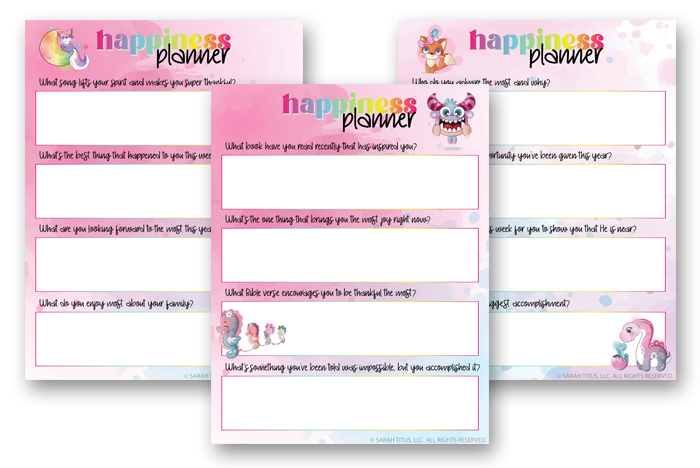
Happiness Planner (5 Pages)
Prayers (2 Pages)
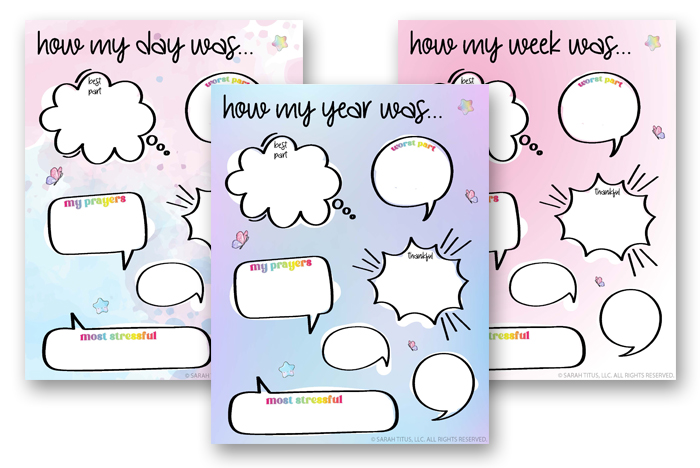
How My Day Was
How My Week Was
How My Month Was
How My Year Was
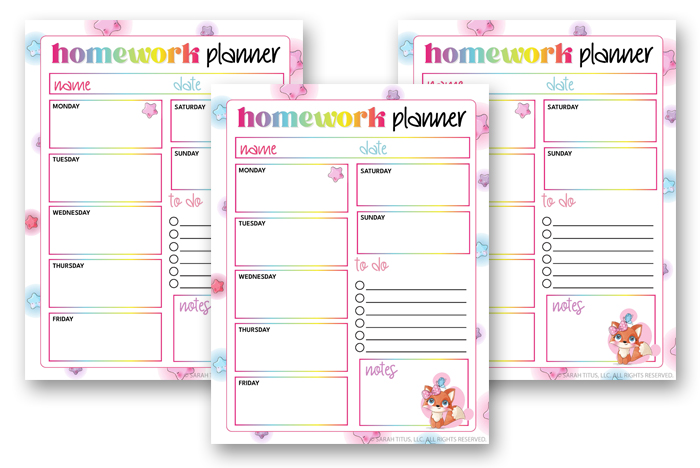
Homework Planner
Journal Pages {10 Pages)
Walk by Faith Teen Journal {30+ Pages}.
The teen years can be a confusing and difficult time for teenage girls. This Faith Teen Journal is an AMAZING way to help work through thoughts and feelings in a fun and appealing way, with a focus on growing a deeper relationship with God. ❤️
MY FAVORITE PAGES
It’s kind of hard to choose favorite pages because they are all helpful, but I do have a few…
Kids, teens, and young adults will have a safe place to write down and make sense of their stream of thoughts on these adorable dear diary type journal pages. They can also be used as super cute stationary if they want to write a letter to friends or family!
The fun designs of the Bible reading plan pages will provide encouragement to really dig into Scripture and read the Bible more consistently. These printables break down each book of the Bible with checkboxes for every 3-4 chapters you read. Super easy to check off and keep track!
The Happiness Planner Pages are a surefire way to keep engaged and motivated to find the GOOD in life! The thought-provoking questions will lift their spirit and promote a grateful and positive outlook on life.
The ‘How my day/week/month/year was’ printables are the perfect way to take time to reflect and learn from experiences. The cool designs and prompts will keep kids inspired to find lessons and meaning in their journey through life.
The Bible Study Journal and Bible Study Notes printables turned out so CUTE, making them an engaging way to take notes during the study of Scripture verses. Plus, having something fun like this will make sure kids enjoy keeping their notes neat and organized to refer back to, especially if you want to create a notes binder. 😁
These FUN stickers are the perfect way to inject personality and style to any planner, notebook, laptop, phone case, binder, and MORE! The designs are THEEE cutest!!
Keep track of school projects and assignments with the ADORABLE Homework Planner printable sheet. It’s the perfect solution to keep school work tasks organized on a daily basis, while staying motivated and encouraged by the cute, colorful pages!!!
• Other printables are either functional OR cute. I bridge the gap between the two. Since I’m a single mom and don’t have time to mess around and am a kid at heart, I love something that actually propels me forward and gets the job done quickly, while still having that super cute vibe I’m known for. • I’m a graphic designer FIRST. This means my printables, whether free or paid for, will always be of the highest quality and print crisp and clear on any printer. • I love what I do and I do the work myself. I’m not hiring these out. This is my life, my hobby, my passion, my heart. • My fans are obsessed with my work. To date, I’ve made over $23M on printables alone (organically) in the past 8 years.
Is this printable free to download?
Yes! Except for some large binders, all printables on the blog are 100% free for personal use. I make these because I genuinely want you to have something cute and helpful right now without having to spend a dime. You deserve a life that feels more peaceful, more organized, and more you, and if a simple printable can make your day feel lighter, I am so happy to give that to you.
All printables are for personal use only.
Printables, graphics, backgrounds, SVGs, fonts, and design elements on this site are for personal use only. You may not alter them or redistribute them for free or monetary gain without written consent from the author, Sarah Titus. If you want to share these resources with others, please share the link to the blog post. Teachers & Churches: You may share these with your classes, colleagues, and congregation as long as they are not edited in any way.
Can I use these printables for my classroom or church group?
Absolutely! You’re welcome to print as many copies as you need for your own students or church groups. I only ask that you do not edit them in any way (leaving the full copyright line in tact) or sell them or host the digital files on other websites. Please always link back to this post to share with others.
What’s the best way to print these high-quality printables?
• For best results, I recommend using standard 8.5″x11″ white paper. Since these are professionally designed as high-resolution PDFs, they’ll stay crisp and clear on any printer. To print, simply download the PDF to your device and open your printer settings. Select “Fit to Page” to ensure the printable looks perfect. • If you’re printing stickers, I have a tutorial here.
For many adult smokers, finding a smoke-free alternative can feel confusing at first. There are different devices, nicotine strengths, flavours, and styles to choose from, each offering a slightly different experience. One of the simplest options is the ecig, especially for adults who want something compact and familiar.
While vaping is not risk-free and is only intended for adults who already use nicotine, understanding how ecigs work with this guide can help adult smokers make more informed choices.
What Is an Ecig?
A Simple Introduction
An ecig is a small electronic device that heats vape liquid to create vapour. The user then inhales the vapour instead of tobacco smoke. Most vape liquids contain nicotine, although strengths can vary depending on the product.
Unlike traditional cigarettes, ecigs do not burn tobacco. This means there is no ash, no cigarette smoke, and no tobacco combustion involved.
Why Some Adult Smokers Choose Ecigs
Many adult smokers are drawn to ecigs because they are straightforward and portable. Some devices are designed to feel familiar in the hand, which can make the change from smoking feel less overwhelming.
A beginner-friendly Ecig can be especially appealing to adults who want a simple device without complicated buttons, tanks, or settings.
Common Types of Ecigs
Cigalike Devices
Cigalikes are designed to look and feel similar to traditional cigarettes. They are often slim, lightweight, and easy to carry. For beginners, this familiar format can make them a practical starting point.
Many cigalikes use replaceable cartridges, which helps keep maintenance simple.
Pod Systems
Pod systems are compact devices that use small pods instead of larger tanks. Some are refillable, while others use prefilled pods. They are popular because they are easy to use and usually require little setup.
Vape Pens
Vape pens are slightly larger and may offer longer battery life or more flexibility. They can be a good option for adults who want more choice in flavours and nicotine strengths.
What to Consider Before Choosing an Ecig
Nicotine Strength
Nicotine strength is one of the most important factors. Too little nicotine may not feel satisfying for someone switching from smoking, while too much may feel uncomfortable.
Adult users should read product labels carefully and choose a strength that reflects their current nicotine use.
Ease of Use
For beginners, simplicity matters. A device that is easy to charge, use, and maintain can make the experience smoother. Cigalikes and pod systems are often easier to manage than advanced vape kits.
Cost Over Time
The device itself is only part of the cost. Replacement cartridges, pods, coils, or liquids may need to be purchased regularly. Comparing ongoing costs can help users avoid surprises.
Portability
Some users want a small device they can carry easily throughout the day. Others may prefer a larger device with longer battery life. The best choice depends on daily routine and personal preference.
Responsible Use and Safety
Intended for Adults Only
Ecigs are intended for adult smokers and existing nicotine users. They are not suitable for children, teenagers, non-smokers, or anyone who does not already use nicotine.
Nicotine is addictive, so products should be used responsibly.
Store Devices and Liquids Safely
Vape liquids and devices should be stored away from children and pets. Nicotine-containing products can be harmful if swallowed or handled incorrectly.
Devices should also be charged using the correct charger and kept away from excessive heat.
Buy From Reputable Retailers
It is important to choose reputable retailers that provide clear product information, age checks, and proper labelling. Avoid unregulated products or sellers that make unrealistic claims.
Practical Tips for First-Time Users
Start Simple
A simple device can help new users focus on the basics. Once they understand what works for them, they can decide whether they want more advanced features later.
Pay Attention to Flavour and Feel
Flavour, vapour strength, and throat feel can all affect the experience. Some adult smokers prefer tobacco or menthol flavours at first because they feel familiar.
Follow Local Rules
Vaping is not allowed everywhere. Many workplaces, public spaces, transport services, and private venues have their own rules. Users should always check before vaping.
FAQ
Is an Ecig the Same as a Vape?
The terms are often used in similar ways. An ecig usually refers to a small electronic cigarette-style device, while vape can refer to a wider range of vaping devices.
Are Ecigs Risk-Free?
No. Ecigs are not risk-free and usually contain nicotine, which is addictive. They are intended for adult smokers or existing nicotine users only.
What Type of Ecig Is Best for Beginners?
Many beginners prefer cigalikes or pod systems because they are compact, simple, and easy to use.
Do Ecigs Contain Tobacco?
Most ecigs do not contain tobacco leaf, but many contain nicotine, which may be derived from tobacco. Always check the product details.
How Do I Choose the Right Nicotine Strength?
The right strength depends on your current smoking habits and personal comfort. Adult smokers who are unsure should ask a reputable retailer or healthcare professional for guidance.
Conclusion
Ecigs can offer adult smokers a simpler, smoke-free alternative to traditional cigarettes, but they should be chosen carefully with the help of a usage guide and used responsibly. Understanding device types, nicotine strengths, costs, and safety guidance can help users make better decisions.
For adult smokers considering the switch to ecigs, the best approach is to start with clear information mentioned in the guide, choose a reliable product, and use nicotine products responsibly.
Building a successful startup takes years of persistence, but preparing it for an acquisition often receives far less attention.
While you’re focused on developing products, winning customers, and expanding into new markets, legal documentation, governance, and financial records can quietly fall behind.
Unfortunately, buyers often identify these gaps immediately during due diligence. Lost contracts, missing company records, or ambiguous ownership of intellectual property can not only slow down negotiations, but also lower your valuation, or even kill a deal.
Luckily, acquisition readiness can be developed well before an offer arrives way before an offer comes by.
By strengthening your company’s legal and operational foundation early, you’ll be better positioned to capitalize on opportunities in competitive markets.
This article explains how startups can transition from early-stage legal entities into acquisition-ready businesses, particularly in high-growth Southeast markets like metro Atlanta.
1. Start With A Legal Structure That Supports Growth
Any acquisition starts with a careful analysis of the legal organization of a business. Although many startups begin with simple legal structures to reduce costs and paperwork, the structures may require adjustment as the company expands.
This is particularly so in the fast-developing Southeast markets where metro Atlanta has emerged as a major hub of technology startups, corporate growth, and venture-funded enterprises. When your company grows within this vibrant ecosystem, Buyers expect a legal structure that supports long-term growth and investment as opposed to short-term expediency.
Hence, form a framework that explains ownership, rights of shareholders, the role of governance, and decision-making power. Likewise, maintain updated operating agreements, shareholder agreements, corporate resolutions, and equity records. These documents show your business is professionally run and can accommodate complicated transactions.
Once your legal structure is solid, you can focus on another area buyers scrutinize just as closely—corporate governance.
2. Separate Founder Decisions From Business Operations
Founder intuition is the cornerstone of many early-stage startups. Decisions are made swiftly, meetings are unstructured, and records are usually a secondary consideration. Though such flexibility enables businesses to move more quickly, it poses unnecessary risk when acquiring a business.
Rather, put in place governance processes that record key decisions as your company expands. Maintain up-to-date board resolutions, document shareholder approvals, and written policies regarding leadership roles as well as operational processes. Also, maintain personal finances and company finances separately and make sure that business assets belong to the company.
Buyers consider much more than revenue when they review your company. They also review cap tables, board minutes, equity ownership, executive decision-making processes, and corporate governance records. Formalized records assure them that the business is no longer in its startup stage.
3. Build Financial Records That Withstand Due Diligence
Good revenue attracts buyers, whereas good financial reporting facilitates transactions. At the stage of due diligence, buyers want assurance that the reported growth is a true reflection of the business performance.
As a result, ensure regular bookkeeping, prepare financial statements with accepted accounting principles, regularly reconcile accounts, and ensure that tax filing is up to date. Reporting errors should also be minimized by the internal financial controls before they become bigger issues.
In addition to the financial statements, the buyers often consider revenue recognition, cash flow trends, recurring revenues, customer concentration, latent liabilities, and past tax compliance. When such records are incomplete or incongruent, the process of negotiations can stall as further verification occurs.
Credible financial reporting also establishes a seamless passage into the other important field of due diligence, the ownership of intellectual property.
Professional supervision is more significant as the process of acquisition is taken more seriously. At this stage, expertise in financial audits, asset valuations, contract review, regulatory assessment, and transaction planning is greater than that of normal business management.
At this stage, experienced merger and acquisition lawyers can help founders in preparing due diligence documents, assessing legal risks, negotiating dealings, and resolving problems before they arise as a hindrance. Their advice can usually minimize the time they spend and assist founders in overcoming the legal maze associated with selling a business.
In the meantime, founders are free to attend to customers, employees, and business performance rather than be bogged down in the details of transactions.
Once there are professional advisors on board to facilitate the process, the next thing that becomes the focus of attention is the contracts and records of compliance that buyers explore.
5. Protect Intellectual Property Before Buyers Ask
In the case of most startups, intellectual property is the most important competitive advantage of the firm. Buyers, however, are unable to give full value to assets which they are unable to verify clearly.
Based on this, verify that the company owns legal trademarks, patents, copyrights, proprietary software, product design, and branding. Intellectual property assignment clauses should also be incorporated in employment contracts and independent contractor agreements, assigning ownership to the business.
Software ownership, licensing agreements, proprietary technology, trademarks, confidential information, and trade secrets are routinely reviewed by buyers prior to making a final decision in an acquisition-ready business. Clear documentation minimizes legal uncertainty while increasing confidence in your company’s long-term value.
6. Strengthen Contracts and Compliance Before Buyers Review Them
Every acquisition includes an extensive review of commercial agreements. Buyers examine customer contracts, supplier relationships, employment agreements, vendor partnerships, leases, licensing arrangements, and service contracts to identify potential liabilities.
Therefore, review these documents well before entering negotiations. Replace outdated agreements, resolve conflicting terms, document verbal arrangements, and confirm every contract has appropriate signatures and renewal provisions.
At the same time, evaluate regulatory compliance across your organization. Buyers commonly assess employment practices, tax obligations, cybersecurity policies, privacy standards, environmental regulations, and industry-specific licensing requirements.
For example, startups operating throughout metro Atlanta’s expanding technology and corporate sectors; strong compliance practices that demonstrate that the business can scale responsibly across the Southeast without creating unnecessary legal exposure.
7. Organize Operational Systems and Define Your Exit Strategy
Acquisition-ready business companies operate with consistency rather than relying on individual founders. Therefore, document operational workflows, customer onboarding processes, vendor management procedures, technology infrastructure, cybersecurity protocols, and leadership responsibilities. These systems reassure buyers that the company can continue performing effectively after ownership changes.
At the same time, develop your exit strategy before receiving acquisition offers. Consider your desired valuation, preferred transaction structure, employee retention plans, tax objectives, and long-term business goals.
Knowing these priorities early allows you to negotiate from a position of confidence instead of reacting under pressure.
Rather than scrambling to prepare once interest arises, you’ll already have the foundation buyers expect.
Conclusion
Preparing for an acquisition is not a project you complete a few weeks before negotiations begin.
Instead, it is the result of thoughtful planning that strengthens your legal structure, corporate governance, financial reporting, operational systems, and long-term strategy over time.
As metro Atlanta continues to attract investors, technology companies, and strategic buyers, startups across the Southeast have greater opportunities to achieve successful exits.
By building an acquisition-ready business from the beginning, you not only simplify due diligence but also increase buyer confidence, protect your company’s value, and position yourself to negotiate the strongest possible outcome when the right opportunity arrives.