CoreWeave CEO defends AI circular deals as ‘working together’


It’s been quite the year for CoreWeave. In March, the AI cloud infrastructure provider went public in one of the biggest and most anticipated IPOs of the year that didn’t live up to its hype.

Another setback took place in October, when a planned acquisition of the cloud provider’s business partner, Core Scientific, faltered due to skepticism from the acquisition target’s shareholders. 

In the meantime, the firm has acquired a number of different companies, its stock has gone up and down, and it’s been both criticized and lauded for its role in the booming AI data center market. 

In an interview at the Fortune Brainstorm AI summit in San Francisco on Tuesday, CoreWeave’s co-founder and CEO, Michael Intrator, defended his company’s performance from critics, noting that it was in the midst of creating a “new business model” for how cloud computing can be built and run. Their collection of Nvidia GPUs is so valuable, they borrow against it to help finance their business. The executive seemed to imply: If you’re charting a new path, you’re destined to encounter some road bumps along the way.  

“I think people are myopic a lot of times,” Intrator said when questioned about his company’s occasionally unstable stock price. “Yes, it is seesawing,” he admitted, while noting that the CoreWeave IPO took place not long before President Trump’s tariffs went into effect — a notably uncertain moment for the overall economy. 

“We came out into one of the most challenging environments, right around Liberation Day and, in spite of the incredible headwinds, were able to launch a successful IPO,” the CEO told Brainstorm editorial director Andrew Nusca. “I couldn’t be prouder of what the company has accomplished,” he added. 

CoreWeave’s stock may have debuted amid the economic doldrums of March but its price has gone on quite the journey since then. It debuted at $40 and, over the past eight months, has climbed to well over $150, but currently rests at around $90. Its more wary critics have compared it to a meme stock due to its penchant for going up and down. 

Techcrunch event

San Francisco
|
October 13-15, 2026

Some of the uncertainty around CoreWeave’s stock has been credited to the company’s hefty level of debt. Not long after CoreWeave announced a deal on Monday to issue even more debt to finance its data center buildout, its stock dropped some 8%.

Intrator seems to see his company as a disruptor, one whose unconventional tactics may take some getting used to. “When you introduce a new model, when you introduce a new way of doing business, when you disrupt what has been a static environment, it’s going to take some people some time,” he said during his appearance Tuesday. 

CoreWeave actually started its corporate life as a crypto miner but in short order built itself into a pivotal provider of “AI infrastructure” to some of the tech industry’s most major players. In that role, it provides GPUs to AI developers and has made major partnerships with Microsoft, OpenAI, Nvidia, Meta, and other tech titans.  

Another topic broached Tuesday was the notion of “circularity” within the AI industry. “Circular” business deals, in which a small number of powerful AI companies invest in one another, have frequently been criticized and have raised questions about the industry’s long-term economic stability. Perhaps not surprisingly, since Nvidia is one of its investors and its supplier of GPUs, Intrator swatted away such concerns. “Companies are trying to address a violent change in supply and demand,” he said. “You do that by working together.”
 
Since the IPO, CoreWeave has continued to make efforts to expand its business. After it acquired Weights & Biases, an AI developer platform, in March, it went on to acquire OpenPipe, a startup that helps companies create and deploy AI agents through reinforcement learning. In October, it also made deals to acquire Marimo (the creator of an open source notebook) and Monolith, another AI company. It also recently announced an expansion of its cloud partnership with OpenAI and said it has plans to move into the federal market, where it wants to provide cloud infrastructure to U.S. government agencies and the defense industrial base. 

South of Midnight: 6 Tips to Help You Thrive in This Dark, Fantastical World


Summary

  • South of Midnight launches on April 8, or play now with the Premium Edition.
  • The game arrives for Xbox Series X|S, Xbox app for Windows PC, Steam, cloud, and will be available day one with Game Pass. And with Xbox Play Anywhere, play on Xbox consoles, Windows PC, and cloud with full cross-entitlements and cross-saves.
  • To celebrate release, we’ve put together 6 tips to help you in both exploration and combat.

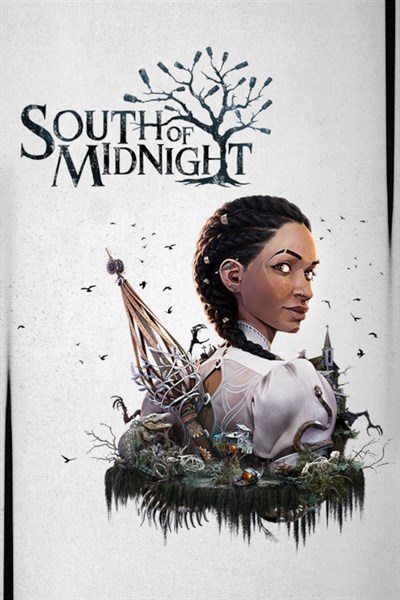
South of Midnight invites you into a dark, fantastical world drawn from tales of the American South – and while this might look like a fairytale, both the stories it tells and the challenges it poses are far from simplistic.

Telling the tale of Hazel, who gains the magical power of Weaving after her mother is swept away by a supernatural flood, you’ll need to cross a warped take on the South in your hunt to find her mother, and answers to what exactly is going on. Along the way, you’ll battle Haints – corrupted enemies borne from the sorrow of the world – and cure the wounds of Mythical Creatures, the subjects of real-life folktales brought to life by developer Compulsion Games.

Premium Edition owners can play from today (ahead of an April 8 release date for all players), and to celebrate we’ve put together some tips that cover both exploration and combat, which will help you prepare for this very unexpected journey:

Look Everywhere

South of Midnight Screenshot

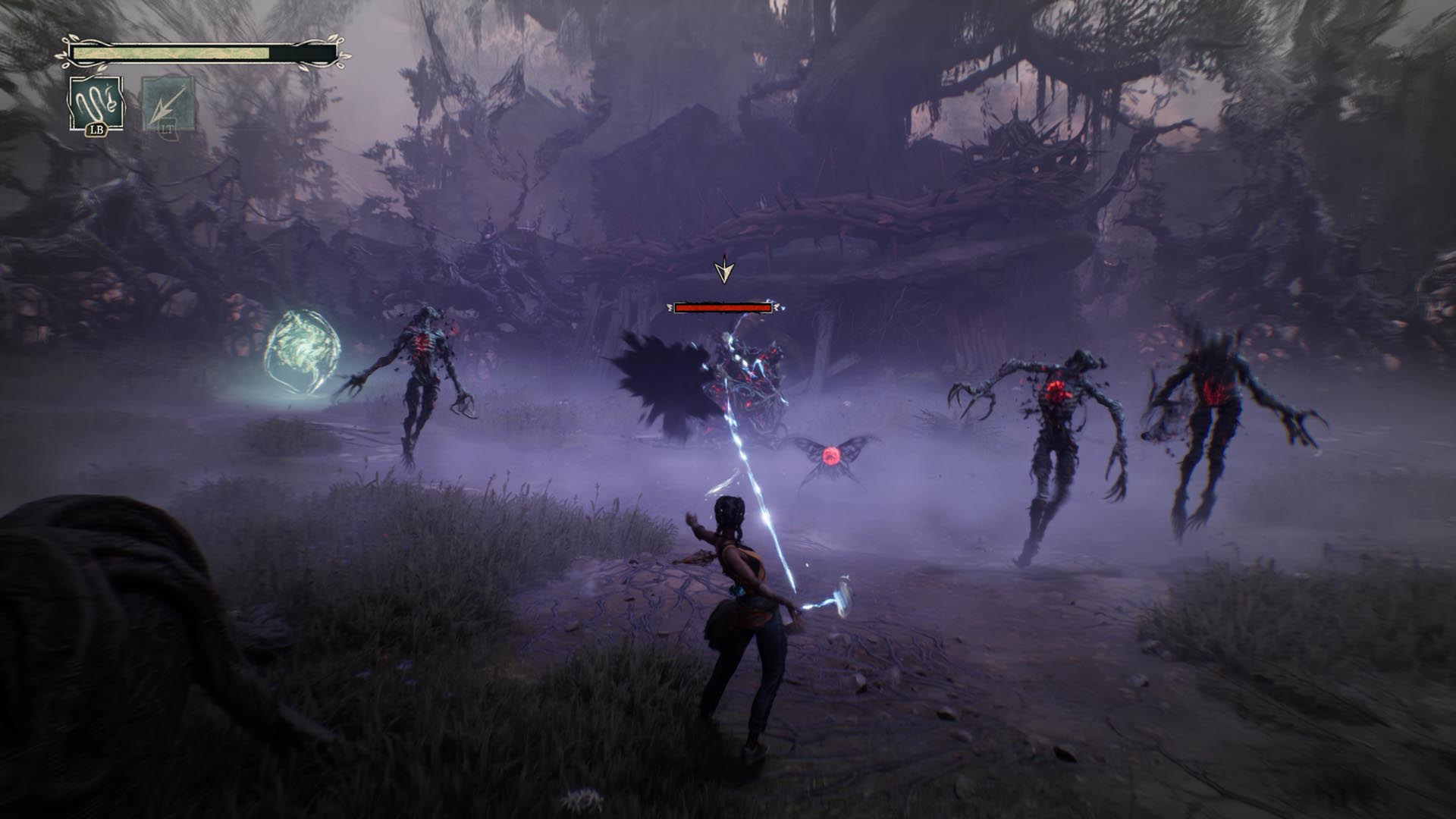
Navigating each of South of Midnight’s chapters could be as simple as following your Guiding Strand – a feature that sees magical threads guide you to your next goal. But that’s far from all there is to discover. Each location is stuffed with hidden areas – some require platforming to reach, others need you to use your spells, while others will lead you into battles you might never have otherwise had. All of them will require a keen eye to find.

Your rewards for doing this usually come in the form of Floofs – the game’s upgrade currency – and we hugely recommend you take the time to look for them. With just a bit of concerted exploration, you can add upgrades to your skill tree (more on those later) much faster than by simply running from one objective to the next.

Even better, you may also find Life Filaments as you go. Most chapters contain one of these – usually in its most hidden side area – and collecting three offers a permanent upgrade to your health bar.

Expand These Stories

South of Midnight Screenshot

South of Midnight is all about stories – from the tale of Hazel’s search to find her mother, to the tragic backstories of the Mythical Creatures you’ll find along the way. But if you want to dig really deep, make sure to search each chapter for items, notes, and more. You’ll see these marked by small circles as you approach, often in out-of-the-way locations.

Far from your regular world-building, each chapter’s hidden notes add even more detail to the characters and stories you’re learning about along the core questline. You may discover hidden motivations for why characters are the way they are, simply because you took the time to read about their lives. It’s an enriching way to add to the wider tale.

Upgrade Early and Often

South of Midnight Screenshot

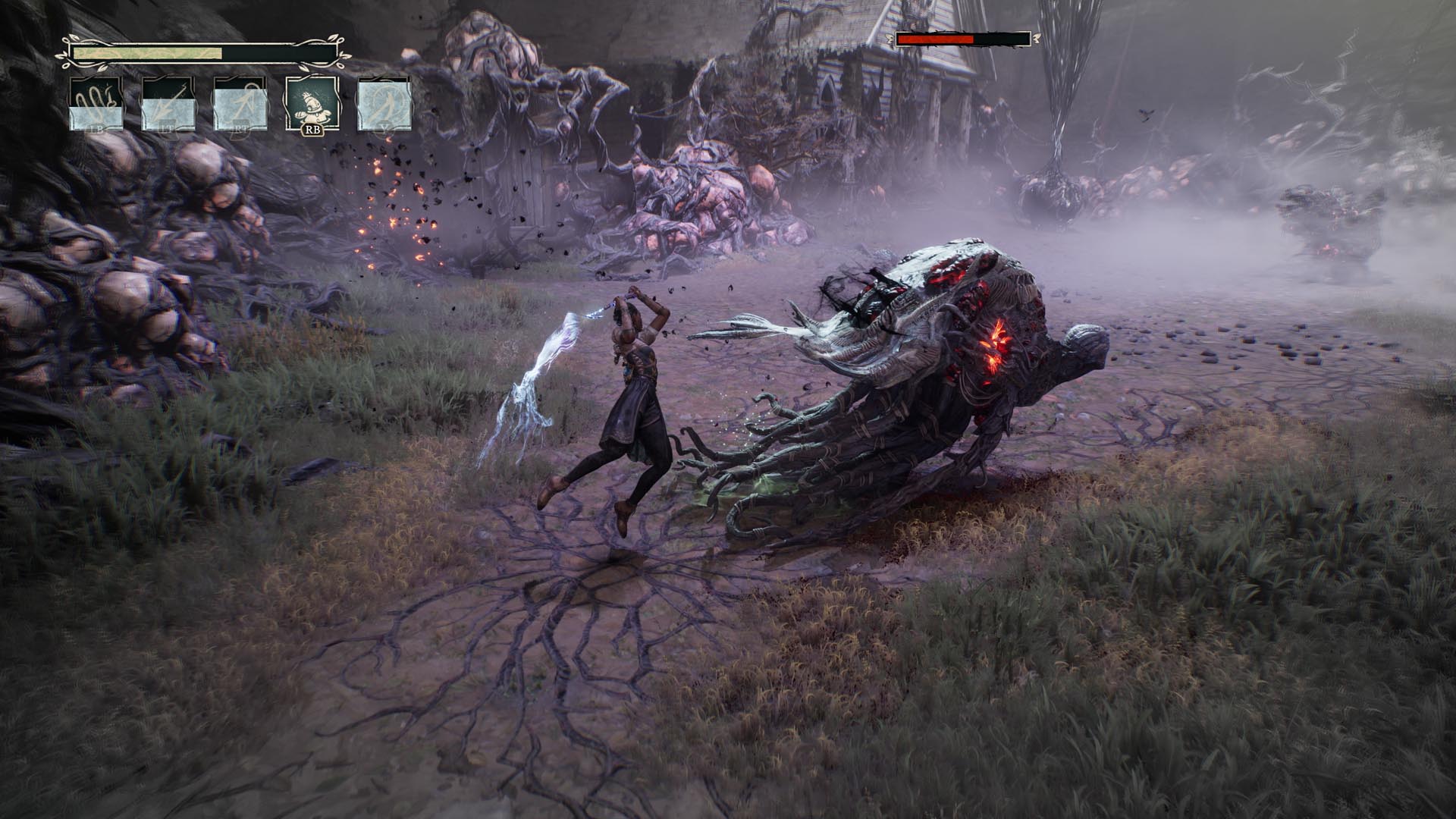
As mentioned above, you can speed through the upgrade tree with a bit of exploration – and when you start hitting harder combat sequences, you’ll thank yourself for doing it. Even on its regular difficulty level, South of Midnight’s combat packs a punch, with even the most basic Haint enemies removing whole chunks of your health bar after a single hit – never mind when you come up against a Mythical Creature. Upgrades are your means of turning the tables.

Upgrades tend to focus more on offering you added perks, rather than simply buffing an ability’s existing stats. When you Unravel a downed enemy to claw back some health, for example, you can add an area of-effect blast to stagger any nearby Haints before you get back into the fray. Adding a quick double-dodge to your repertoire, meanwhile, will come in very handy when you start meeting enemies that can quick-fire multiple projectiles. Take the time to explore the skill tree, and prioritize upgrades that look like they’ll solve problems.

Use Dodges as Attack and Defence

South of Midnight Screenshot

Hazel doesn’t have the ability to block attacks – but she more than makes up for that with a powerful bonus to her dodge. Hitting the dodge button will help you escape in any direction (with some invulnerability frames thrown in) – but hitting a perfectly timed dodge, just before you’re hit, comes with a nasty surprise for whoever was trying to hurt you.

Perfect Dodges send out a blast of energy, staggering any enemy around you and doing some nice damage, too. It’s worth paying attention to not just what attacks enemies can do, but the time it takes to pull them off – pretty soon, you can be doing almost as much damage by not attacking.

Use Spells as Interrupts

South of Midnight Screenshot

As we mentioned, getting hit in South of Midnight can get very nasty, very quickly – and while Hazel has that handy dodge, it can sometimes be easier simply to stop an attack in the first place. Against most enemies, throwing out a spell – whether that’s a Pull, a Push, or a Weave (which incapacitates most Haints) – will break them out of an attack completely.

While it’s tempting to spam your spells as soon as they’ve cooled down, we’d recommend keeping one in reserve as an emergency interrupt – if you see an enemy winding up during your combo, simply hit them with a spell and keep thwacking.

Chain Your Spells

South of Midnight Screenshot

If you really want to keep an enemy locked down, you can use your full spell repertoire to keep attacks going without interruption. This is particularly useful once you have a few upgrades under your belt.

For example, you could Pull an enemy towards you, with an added Weave effect (which you can also upgrade to have them take more damage while tied up). As soon as they break free, Weave them again with that core spell – and when they break free again, use Push to deal some damage and keep your distance, before charging up your ranged attack to deal the killer blow.

With a bit of practice, enemies that felt like they took an age of dodging and poking to beat in the early game can begin to go down in a single combo – it’s extremely satisfying.


South of Midnight will be available on April 8, 2025, on Xbox Series X|S, Xbox App for Windows PC, Steam and cloud, and arrives on day one with Game Pass. Play from today by purchasing the Premium Edition, and get access to digital extras.

Xbox Play Anywhere

South of Midnight Premium Edition

Xbox Game Studios


12


$49.99


Immerse yourself into the macabre and fantastical world of South of Midnight with the Premium Edition, which includes the full game, up to 5 days early access, and digital access (in English) to:
• South of Midnight Artbook
• Original Soundtrack composed by Olivier Deriviere
• The Boo-Hag Comic book by Rob Guillory
• Music Video: Songs & Tales of South of Midnight
• Documentary: Weaving Hazel’s Journey, Director’s Cut

UNRAVEL THE PAST
From the creators of Contrast and We Happy Few, South of Midnight is a spellbinding third person action-adventure game set in the American Deep South.

As Hazel, you will explore the mythos and encounter creatures of Southern folklore in a macabre and fantastical world. When disaster strikes her hometown, Hazel is called to become a Weaver: a magical mender of broken bonds and spirits. Imbued with these new abilities, Hazel will confront and subdue dangerous creatures, untangle the webs of her own family’s shared past and – if she’s lucky – find her way to a place that feels like home.

A DARK MODERN FOLKTALE
When a hurricane rips through Prospero, Hazel is pulled into a Southern Gothic world of memory made real and must embark on a journey to rescue her mother and safeguard her hometown. In this folktale for modern times, Hazel will need to reconcile the weight of family, history, and legacy against her own identity.

CONFRONT MYTHICAL CREATURES
Wield an ancient power to restore creatures and uncover the traumas that consume them. Cast weaving magic to fight destructive Haints, explore the diverse regions of the South, and reweave the tears in the Grand Tapestry.

HAUNTING BEAUTY OF THE GOTHIC SOUTH
Discover the lush, decayed county of Prospero and its locals. Experience a crafted visual style, touching storytelling, and immersive music inspired by the complex and rich history of the South.

Xbox Play Anywhere

South of Midnight

Xbox Game Studios


$39.99


From the creators of Contrast and We Happy Few, South of Midnight is a spellbinding third person action-adventure game set in the American Deep South.

As Hazel, you will explore the mythos and encounter creatures of Southern folklore in a macabre and fantastical world. When disaster strikes her hometown, Hazel is called to become a Weaver: a magical mender of broken bonds and spirits. Imbued with these new abilities, Hazel will confront and subdue dangerous creatures, untangle the webs of her own family’s shared past and – if she’s lucky – find her way to a place that feels like home.

A DARK MODERN FOLKTALE
When a hurricane rips through Prospero, Hazel is pulled into a Southern Gothic world of memory made real and must embark on a journey to rescue her mother and safeguard her hometown. In this folktale for modern times, Hazel will need to reconcile the weight of family, history, and legacy against her own identity.

CONFRONT MYTHICAL CREATURES
Wield an ancient power to restore creatures and uncover the traumas that consume them. Cast weaving magic to fight destructive Haints, explore the diverse regions of the South, and reweave the tears in the Grand Tapestry.

HAUNTING BEAUTY OF THE GOTHIC SOUTH
Discover the lush, decayed county of Prospero and its locals. Experience a crafted visual style, touching storytelling, and immersive music inspired by the complex and rich history of the South.

AWS opens physical outlets that let customers upload their data


At its re:Invent 2024 conference in Las Vegas, Amazon on Sunday announced a somewhat unusual new service for Amazon Web Services (AWS) customers: Data Transfer Terminal, a set of physical locations where customers can plug in their storage devices to upload data to the AWS cloud.

So how’s it work, exactly? From the AWS management console, customers can reserve a time slot, optionally assign process and data transfer specialists from their organization, and visit a Data Transfer Terminal location to upload their data.

“On your reserved date and time, [you’ll] visit the location and confirm access with the building reception,” Channy Yun, a principal developer advocate at AWS, explained in a blog post. “[You’ll then be] escorted by building staff to the floor and your reserved room of the Data Transfer Terminal location […] Don’t be surprised if there are no AWS signs in the building or room. This is for security reasons to keep your work location as secret as possible.”

The initial Data Transfer Terminal locations have been opened in New York City and Los Angeles, and more will be added in the future. Each location is equipped with a patch panel, fiber optic cable, and a PC for monitoring data transfer jobs.

AWS Data Transfer Terminal
A pilot AWS Data Transfer Terminal location. Image Credits:AWS

Now, why would someone want to lug all their hard drives to a building and sit around and wait for the upload to finish? Well, Amazon claims that Data Transfer Terminal delivers fast upload speeds (up to 400Gbps) via a secure, “high throughput” connection.

You’ll have to pay for the privilege, though. Amazon charges “per port hour” for usage of ports in Data Transfer Terminal locations during a reservation — even when no data is being transferred.

“At a minimum, you’ll be charged per port hour for the number of hours reserved,” reads an Amazon support page. “You’ll be charged for port hours for each port you use and/or request as part of your reservation.”

Per-port charges are $300 for “U.S. to U.S.” data transfers (i.e., uploads to a U.S.-based AWS data center) and $500 for “U.S. to EU” transfers (uploads to an EU region). Amazon doesn’t list the prices for transfers to the rest of the globe.

Hundreds of Snowflake customer passwords found online are linked to info-stealing malware


Cloud data analysis company Snowflake is at the center of a recent spate of alleged data thefts, as its corporate customers scramble to understand if their stores of cloud data have been compromised. 

Snowflake helps some of the largest global corporations — including banks, healthcare providers and tech companies — store and analyze their vast amounts of data, such as customer data, in the cloud.

Last week, Australian authorities sounded the alarm saying they had become aware of “successful compromises of several companies utilising Snowflake environments,” without naming the companies. Hackers had claimed on a known cybercrime forum that they had stolen hundreds of millions of customer records from Santander Bank and Ticketmaster, two of Snowflake’s biggest customers. Santander confirmed a breach of a database “hosted by a third-party provider,” but would not name the provider in question. On Friday, Live Nation confirmed that its Ticketmaster subsidiary was hacked and that the stolen database was hosted on Snowflake

Snowflake acknowledged in a brief statement that it was aware of “potentially unauthorized access” to a “limited number” of customer accounts, without specifying which ones, but that it has found no evidence there was a direct breach of its systems. Rather, Snowflake called it a “targeted campaign directed at users with single-factor authentication” and that the hackers used “previously purchased or obtained through infostealing malware,” which is designed to scrape a user’s saved passwords from their computer.

Despite the sensitive data that Snowflake holds for its customers, Snowflake lets each customer manage the security of their environments, and does not automatically enroll or require its customers to use multi-factor authentication, or MFA, according to Snowflake’s customer documentation. Not enforcing the use of MFA appears to be how cybercriminals allegedly obtained huge amounts of data from some of Snowflake’s customers, some of which set up their environments without the additional security measure. 

Snowflake conceded that one of its own “demo” accounts was compromised because it wasn’t protected beyond a username and password, but claimed the account “did not contain sensitive data.” It’s unclear if this stolen demo account has any role in the recent breaches. 

TechCrunch has this week seen hundreds of alleged Snowflake customer credentials that are available online for cybercriminals to use as part of hacking campaigns, suggesting that the risk of Snowflake customer account compromises may be far wider than first known. 

The credentials were stolen by infostealing malware that infected the computers of employees who have access to their employer’s Snowflake environment.

Some of the credentials seen by TechCrunch appear to belong to employees at companies known to be Snowflake customers, including Ticketmaster and Santander, among others. The employees with Snowflake access include database engineers and data analysts, some of whom reference their experience using Snowflake on their LinkedIn pages.

For its part, Snowflake has told customers to immediately switch on MFA for their accounts. Until then, Snowflake accounts that aren’t enforcing the use of MFA to log in are putting their stored data at risk of compromise from simple attacks like password theft and reuse. 

How we checked the data

A source with knowledge of cybercriminal operations pointed TechCrunch to a website where would-be attackers can search through lists of credentials that have been stolen from various sources, such as infostealing malware on someone’s computer or collated from previous data breaches. (TechCrunch is not linking to the site where stolen credentials are available so as not to aid bad actors.)

In all, TechCrunch has seen more than 500 credentials containing employee usernames and passwords, along with the web addresses of the login pages for the corresponding Snowflake environments. 

The exposed credentials appear to pertain to Snowflake environments belonging to Santander, Ticketmaster, at least two pharmaceutical giants, a food delivery service, a public-run freshwater supplier, and others. We have also seen exposed usernames and passwords allegedly belonging to a former Snowflake employee. 

TechCrunch is not naming the former employee because there’s no evidence they did anything wrong. (It’s ultimately both the responsibility of Snowflake and its customers to implement and enforce security policies that prevent intrusions that result from the theft of employee credentials.) 

We did not test the stolen usernames and passwords as doing so would break the law. As such, it’s unknown if the credentials are currently in active use or if they directly led to account compromises or data thefts. Instead, we worked to verify the authenticity of the exposed credentials in other ways. This includes checking the individual login pages of the Snowflake environments that were exposed by the infostealing malware, which were still active and online at the time of writing.

The credentials we’ve seen include the employee’s email address (or username), their password, and the unique web address for logging in to their company’s Snowflake environment. When we checked the web addresses of the Snowflake environments — often made up of random letters and numbers — we found the listed Snowflake customer login pages are publicly accessible, even if not searchable online.

TechCrunch confirmed that the Snowflake environments correspond to the companies whose employees’ logins were compromised. We were able to do this because each login page we checked had two separate options to sign in.

One way to login relies on Okta, a single sign-on provider that allows Snowflake users to sign in with their own company’s corporate credentials using MFA. In our checks, we found that these Snowflake login pages redirected to Live Nation (for Ticketmaster) and Santander sign-in pages. We also found a set of credentials belonging to a Snowflake employee, whose Okta login page still redirects to an internal Snowflake login page that no longer exists.

Snowflake’s other login option allows the user to use only their Snowflake username and password, depending on whether the corporate customer enforces MFA on the account, as detailed by Snowflake’s own support documentation. It’s these credentials that appear to have been stolen by the infostealing malware from the employees’ computers.

It’s not clear exactly when the employees’ credentials were stolen or for how long they have been online. 

There is some evidence to suggest that several employees with access to their company’s Snowflake environments had their computers previously compromised by infostealing malware. According to a check on breach notification service Have I Been Pwned, several of the corporate email addresses used as usernames for accessing Snowflake environments were found in a recent data dump containing millions of stolen passwords scraped from various Telegram channels used for sharing stolen passwords.

Snowflake spokesperson Danica Stanczak declined to answer specific questions from TechCrunch, including whether any of its customers’ data was found in the Snowflake employee’s demo account. In a statement, Snowflake said it is “suspending certain user accounts where there are strong indicators of malicious activity.”

Snowflake added: “Under Snowflake’s shared responsibility model, customers are responsible for enforcing MFA with their users.” The spokesperson said Snowflake was “considering all options for MFA enablement, but we have not finalized any plans at this time.”

When reached by email, Live Nation spokesperson Kaitlyn Henrich did not comment by press time.

Santander did not respond to a request for comment.

Missing MFA resulted in huge breaches

Snowflake’s response so far leaves a lot of questions unanswered, and lays bare a raft of companies that are not reaping the benefits that MFA security provides. 

What is clear is that Snowflake bears at least some responsibility for not requiring its users to switch on the security feature, and is now bearing the brunt of that — along with its customers.

The data breach at Ticketmaster allegedly involves upwards of 560 million customer records, according to the cybercriminals advertising the data online. (Live Nation would not comment on how many customers are affected by the breach.) If proven, Ticketmaster would be the largest U.S. data breach of the year so far, and one of the biggest in recent history.

Snowflake is the latest company in a string of high-profile security incidents and sizable data breaches caused by the lack of MFA. 

Last year, cybercriminals scraped around 6.9 million customer records from 23andMe accounts that weren’t protected without MFA, prompting the genetic testing company — and its competitors — to require users enable MFA by default to prevent a repeat attack.

And earlier this year, the UnitedHealth-owned health tech giant Change Healthcare admitted hackers broke into its systems and stole huge amounts of sensitive health data from a system not protected with MFA. The healthcare giant hasn’t yet said how many individuals had their information compromised but said it is likely to affect a “substantial proportion of people in America.”


Do you know more about the Snowflake account intrusions? Get in touch. To contact this reporter, get in touch on Signal and WhatsApp at +1 646-755-8849, or by email. You can also send files and documents via SecureDrop.