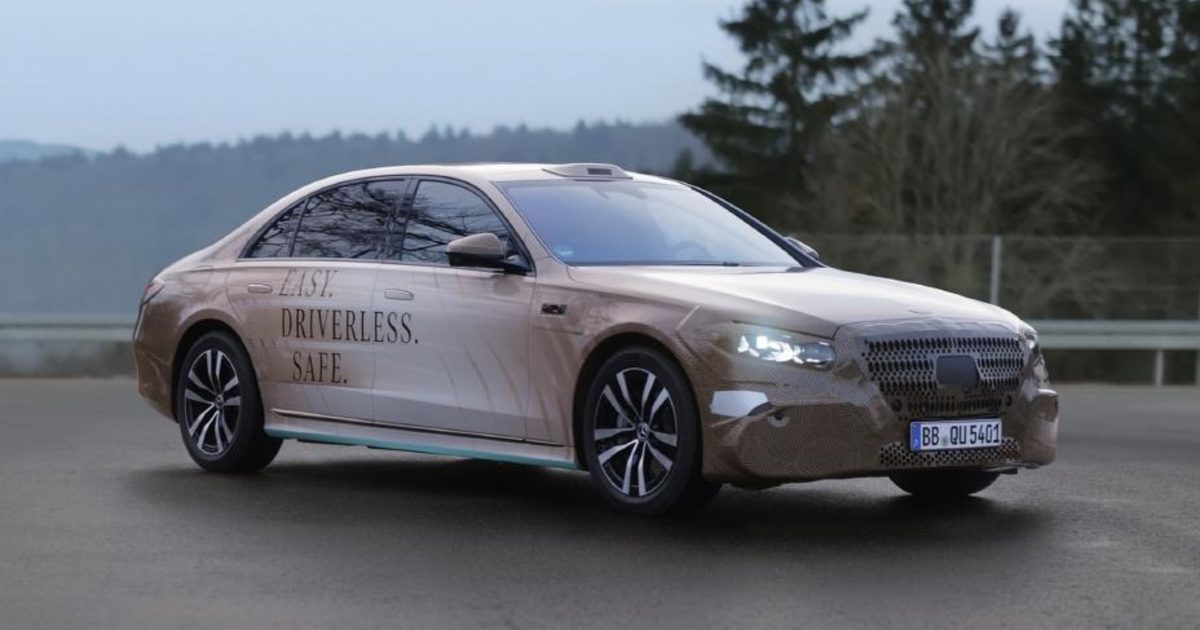

Uber, Nvidia and Mercedes-Benz have joined hands to develop a fleet of luxurious robotaxis based on the German carmaker’s S-Class platform. The companies recently confirmed the collaboration as part of a broader effort to build a global robotaxi ecosystem that combines Mercedes’ luxury sedan with Nvidia’s autonomous driving technology and Uber’s ride-hailing network.
The partnership builds on Uber’s ongoing work with Nvidia announced in October last year, in which Nvidia’s DRIVE AV software and DRIVE Hyperion architecture are being used to make vehicles “level 4 ready.” This means the vehicles will be capable of operating without human intervention in predefined conditions.
Mercedes-Benz says it has selected the new S-Class as the core vehicle for its robotaxi plans, citing the sedan’s advanced engineering and software architecture. The luxury model will be integrated with Mercedes’ proprietary MB.OS operating system, which provides a foundation for partners to build autonomous applications on the vehicle’s computing platform.
There’s no clear launch timeline yet
Uber’s role in this partnership is to integrate these autonomous vehicles into its ride-hailing service, enabling users to summon robotaxi through the Uber app. While no firm launch timeline has been announced, the partnership is aimed at deploying autonomous robotaxi services in several major cities worldwide.
The collaboration comes as competition in the robotaxi space continues to intensify. Companies like Waymo and Tesla have already tested robotaxis on public roads, but the sector faces growing regulatory and safety scrutiny. Waymo, for example, is currently under investigation after multiple incidents of its robotaxis violating traffic laws were reported last year.