I’ll admit, Tesla topping an efficiency ranking felt like a foregone conclusion until I actually saw the numbers. Turns out two Indian automakers just embarrassed both Tesla and the world’s biggest EV maker at their own game.
The first time I read the report, I couldn’t believe it, and I’ve been following the Indian automobile industry for a couple of years now.
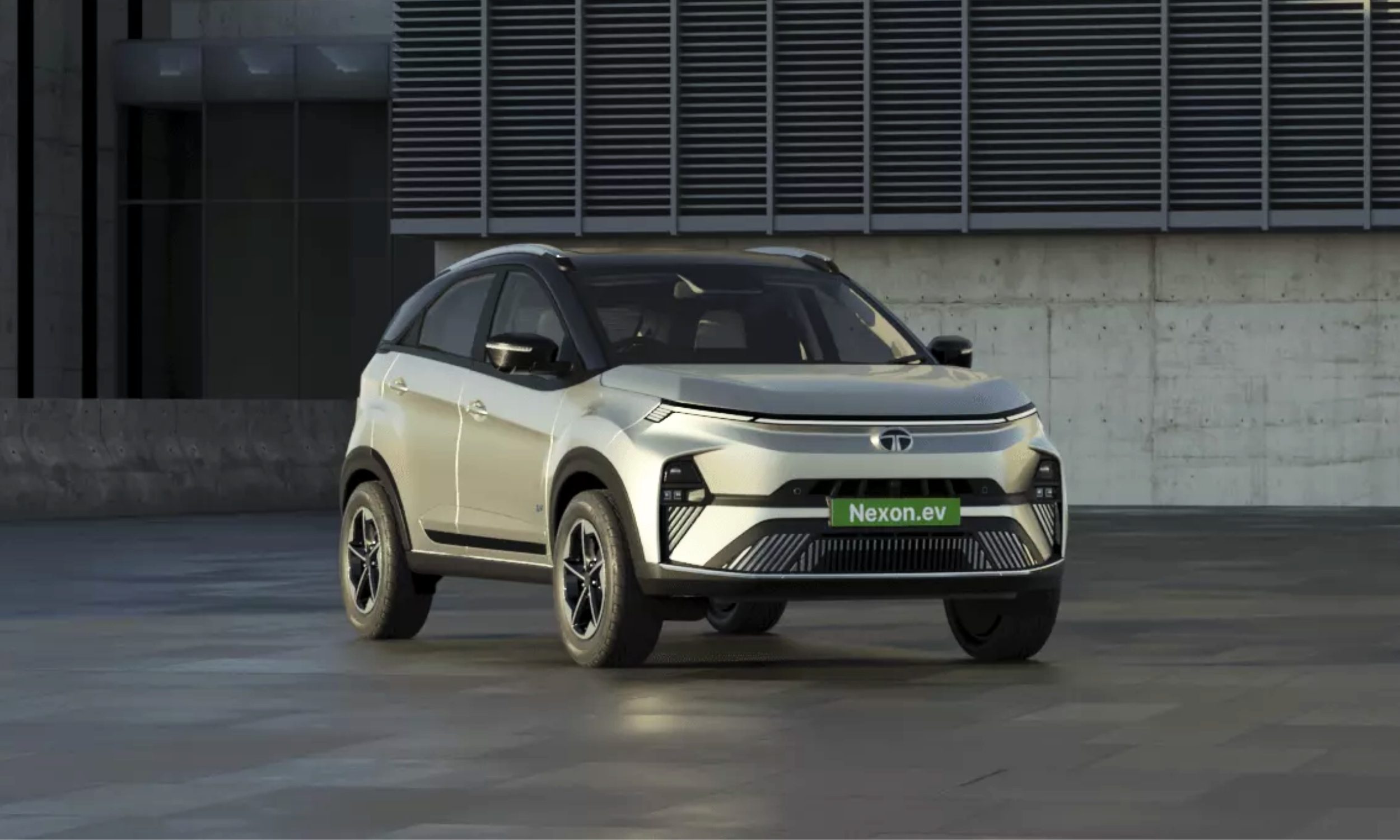
The owner of Jaguar Land Rover, Tata Motors, topped the International Council on Clean Transportation’s 2025 global ranking of the most energy-efficient battery EVs, with its fleet averaging just 106 watt-hours per kilometer (via Rest of World). To give you some context, Tata Motors has the country’s broadest EV lineup with a total of seven models.
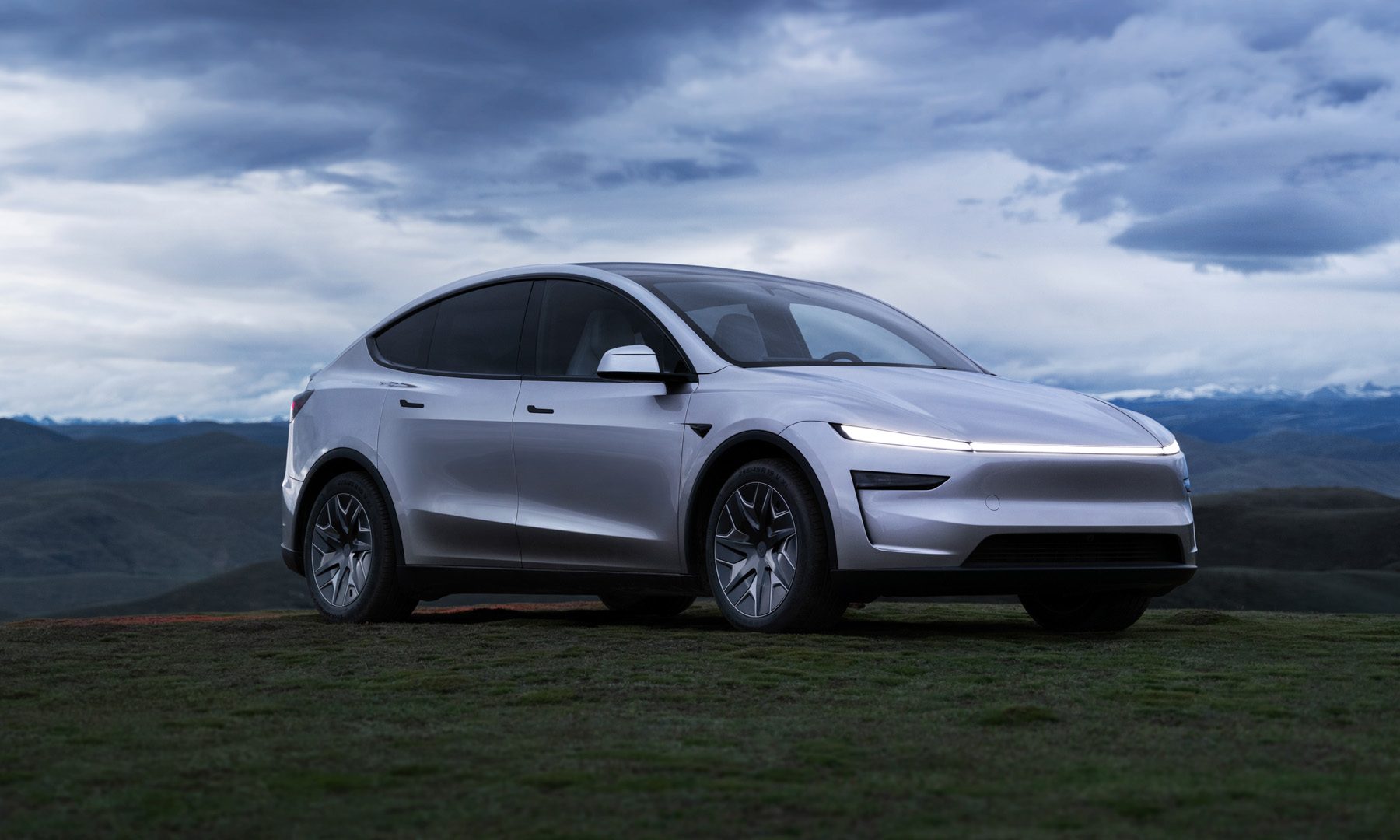
Another leading auto manufacturer in the country, Mahindra, came in second at 113 Wh/km. Meanwhile, Tesla and BYD, the world’s largest EV makers, trailed in third and fourth place among 22 of the biggest automakers evaluated worldwide.
Industry-wide, though, progress has basically stalled. Average energy consumption barely moved year-over-year, sitting at 131 Wh/km in 2025. Only eight manufacturers actually improved their efficiency, while 12 saw declines, mostly minor.
While the efficiency figure still amazes me, the harsh reality is that EVs still make up less than 5% of new car sales in India, compared to 25% globally. And that is after the Indian government is chasing an ambitious 30% EV adoption target by 2030 to cut emissions, reduce oil imports, and boost domestic manufacturing.
India is already the world’s fourth-largest petroleum consumer, and ICCT’s India managing director, Amit Bhatt, called the country’s emission caps “progressive and ambitious,” with a tighter third phase of rules being shaped for 2027 through 2032.
Efficiency wins don’t tell the whole story, though. Tata Motors actually ranked dead last for charging speed and sixth from the bottom for driving range in this same report. This is proof that building an efficient battery and building a genuinely competitive EV are two very different engineering problems.
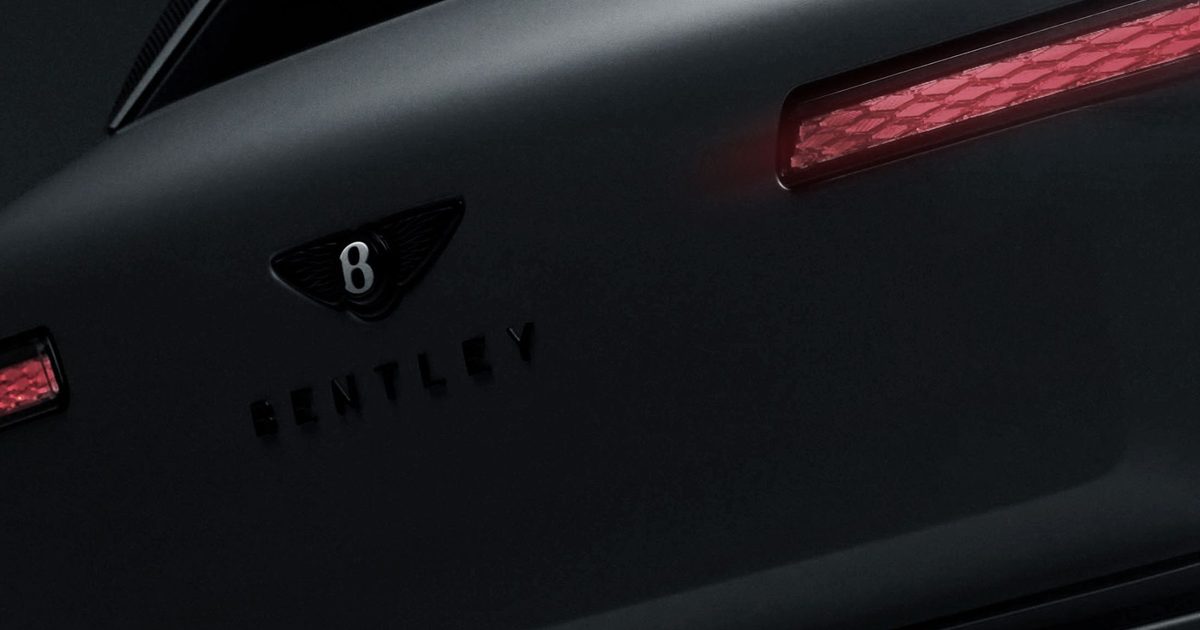
Bentley has officially named its first-ever fully electric vehicle Torcal, marking one of the biggest milestones in the British marque’s 107-year history. The luxury SUV will make its global debut on September 23, becoming Bentley’s fourth model line alongside the Continental GT, Flying Spur, and Bentayga.
The announcement comes at a challenging time for premium electric vehicles. Luxury automakers that once rushed into electrification – including Porsche, Audi, Mercedes-Benz, and even Ferrari and Lamborghini – have slowed EV plans or doubled down on hybrids as demand has softened in key markets. Bentley itself postponed its goal of becoming an all-electric brand from 2030 to 2035, choosing a more gradual transition.
The Torcal could define Bentley’s electric future
The Torcal takes its name from El Torcal de Antequera, a limestone landscape in southern Spain. Bentley says the name also derives from the Latin word torquere (“to twist”), referencing torque and the effortless performance that has defined the brand for more than a century.
Bentley
Bentley Chairman and CEO Frank-Steffen Walliser described the Torcal as “the most considered car in our history,” saying it raises the bar for craftsmanship, comfort, and performance. While Bentley has yet to reveal full specifications, the company has confirmed the Torcal will be a Luxury Urban SUV measuring less than five metres long. According to reports from Car and Driver and Road & Track, it will ride on Volkswagen Group’s Premium Platform Electric (PPE) architecture, shared with the upcoming Porsche Cayenne Electric and Audi A6 e-tron.
Bentley has previously revealed that the SUV will support ultra-fast charging, adding approximately 160km of range in seven minutes, and is expected to offer more than 300 miles (around 480km) of driving range. Spy images also point to an enclosed illuminated grille, crystal-inspired LED lighting, and a redesigned digital cabin featuring a curved portrait-oriented touchscreen.
Bentley’s first EV arrives during a difficult moment for luxury electric cars
Bentley is entering the EV market at one of the toughest moments the luxury segment has faced. Over the past two years, demand for premium electric cars has weakened, forcing several high-end brands to rethink their strategies. Lamborghini delayed its Lanzador EV after saying customer demand had “gone almost to zero,” while Ferrari pushed back its second EV. Audi discontinued the Q8 e-tron after citing falling demand in the luxury EV segment, and Porsche has taken a multibillion-euro writedown as it scaled back its electrification plans. Bentley itself postponed its all-electric target from 2030 to 2035, highlighting how even established luxury brands are taking a more cautious approach.
Andrew Martonik / Digital Trends
That challenge won’t be easy. Luxury EV demand has cooled across Europe, the US, and China as affluent buyers increasingly favour plug-in hybrids over fully electric models. Several premium manufacturers have revised their electrification timelines, highlighting that the transition may take longer than originally anticipated.
Bentley appears to be responding with a measured strategy. Instead of chasing volume, the company is positioning the Torcal as a luxury-first product that happens to be electric. The shared PPE platform provides proven technology, while Bentley’s focus remains on bespoke craftsmanship, performance, and exclusivity.
More details about the Torcal will be revealed over the coming weeks ahead of its September 23 global debut. Whether it can revive enthusiasm for high-end electric SUVs remains uncertain, but the model will serve as Bentley’s clearest indication yet of how it plans to navigate the industry’s shift toward electrification.
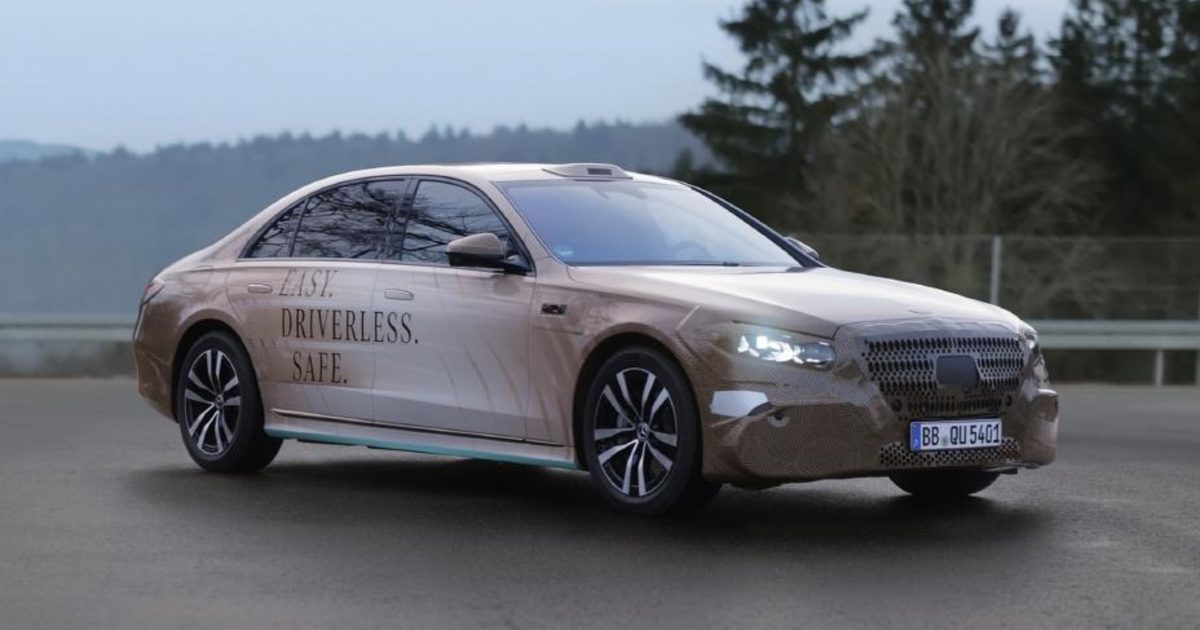
Uber, Nvidia and Mercedes-Benz have joined hands to develop a fleet of luxurious robotaxis based on the German carmaker’s S-Class platform. The companies recently confirmed the collaboration as part of a broader effort to build a global robotaxi ecosystem that combines Mercedes’ luxury sedan with Nvidia’s autonomous driving technology and Uber’s ride-hailing network.
The partnership builds on Uber’s ongoing work with Nvidia announced in October last year, in which Nvidia’s DRIVE AV software and DRIVE Hyperion architecture are being used to make vehicles “level 4 ready.” This means the vehicles will be capable of operating without human intervention in predefined conditions.
Mercedes-Benz says it has selected the new S-Class as the core vehicle for its robotaxi plans, citing the sedan’s advanced engineering and software architecture. The luxury model will be integrated with Mercedes’ proprietary MB.OS operating system, which provides a foundation for partners to build autonomous applications on the vehicle’s computing platform.
There’s no clear launch timeline yet
Uber’s role in this partnership is to integrate these autonomous vehicles into its ride-hailing service, enabling users to summon robotaxi through the Uber app. While no firm launch timeline has been announced, the partnership is aimed at deploying autonomous robotaxi services in several major cities worldwide.
The collaboration comes as competition in the robotaxi space continues to intensify. Companies like Waymo and Tesla have already tested robotaxis on public roads, but the sector faces growing regulatory and safety scrutiny. Waymo, for example, is currently under investigation after multiple incidents of its robotaxis violating traffic laws were reported last year.
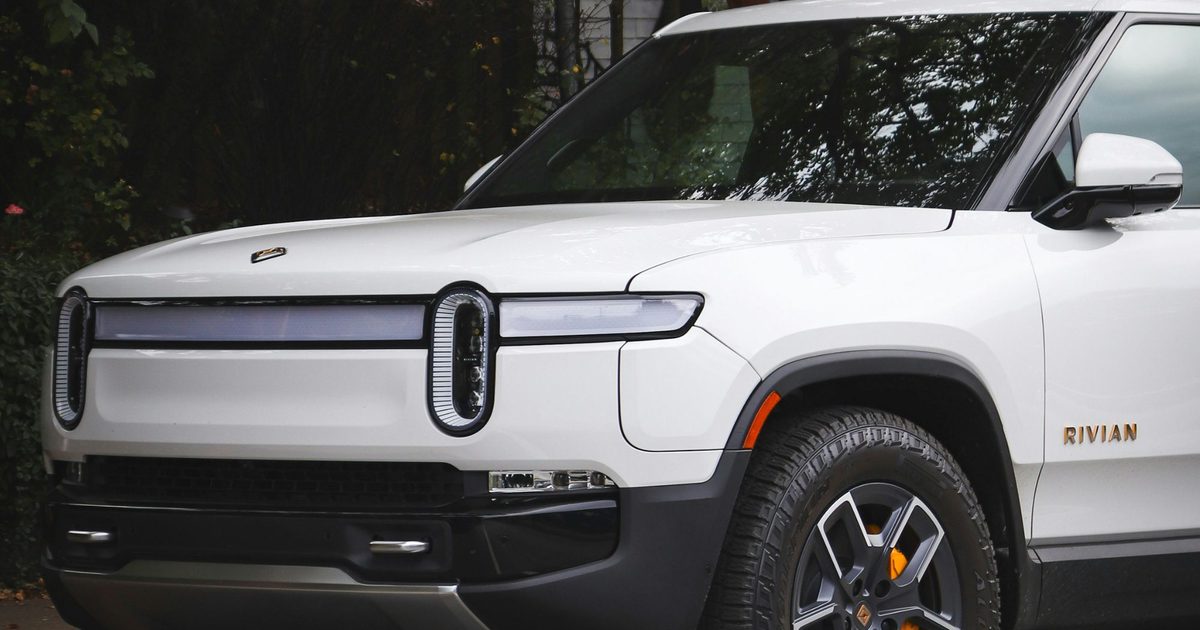
Rivian owners, your phone is finally becoming a proper key. The company’s software chief, Wassym Bensaid, has confirmed that the upcoming .46 update will officially turn on Digital Key support for second-generation R1S and R1T vehicles. This isn’t just an app update; it introduces native keys that live right inside your Apple Wallet on your iPhone and Apple Watch.
The best part? It uses both Ultra Wideband (UWB) for precise, hands-free unlocking and NFC. That NFC bit is huge because it supports Apple’s Power Reserve feature – meaning you can still tap your phone to unlock your truck for up to five hours after your battery dies.
Rivian is also bumping the limit from four to eight digital keys per vehicle, so the whole family can have access. And it’s not just for Apple users; full compatibility is coming for Google Wallet and Samsung Wallet, too.
Unsplash
Why This Matters
This is a massive maturity moment for Rivian. If you drove a Gen 1 vehicle, you know the struggle of relying on the Rivian app’s Bluetooth unlocking. It worked, but it wasn’t on the same level as the seamless experience offered by BMW or Tesla. It lacked that native wallet feel, the precision, and definitely didn’t work if your phone died.
This move to true Digital Key support bridges that gap. It finally aligns Rivian with the industry gold standards – specifically leveraging Apple’s CarKey framework – and actually utilizes the upgraded hardware built into the Gen 2 platform.
Why You Should Care
Ideally, this just makes life easier and less stressful. You can genuinely leave the bulky key fob at home without worrying about being stranded if your phone battery hits 0%.
It adds a layer of safety and redundancy that wasn’t there before. Plus, being able to share access instantly via text message is a game-changer. If a friend needs to borrow the truck or grab something from the trunk, you can send them a key in seconds without needing a physical handoff.
Unplash
What’s Next
Look for the .46 OTA update to hit vehicles later this month. While Gen 2 owners get the full package immediately, Gen 1 owners might be out of luck for the full experience since they lack the newer UWB hardware.
Rivian says this is just the start for the Gen 2 platform, signaling a broader push to make the car feel more like a piece of high-tech software and less like a traditional vehicle.
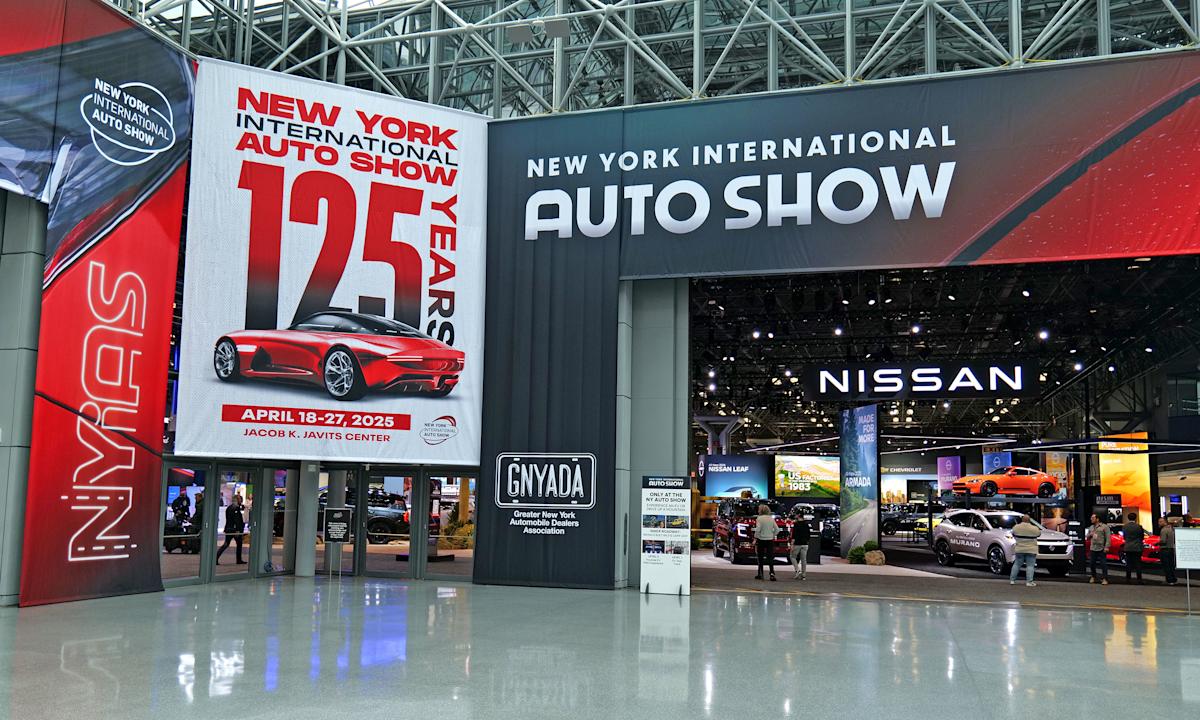
This year marks the 125th anniversary of the New York International Auto Show (NYIAS), and despite concerns over tariffs, there are still a lot of manufacturers here showing off new models including a handful of US and global debuts. So without further ado, here are some of the coolest cars on display at the 2025 NYIAS.
The 2026 Subaru Trailseeker
First up on the docket is Subaru, which is here today with an early look at its second-ever EV: the Trailseeker. Now I admit that the followup to the Solterra might not be the most exciting announcement, as this model will once again be based the e-TNGA platform, which is shared with Toyota’s bZ4x. That said, while the Trailseeker doesn’t have the most impressive range (around 260 miles), its updated styling, larger body and improved off-roading capabilities feel more suited to an outdoor lifestyle.
Sam Rutherford for Engadget
Sam Rutherford for Engadget
Sam Rutherford for Engadget
The 2026 Kia EV4
Kia has been on a roll when it comes to EVs thanks to existing cars like the EV6 and EV9. At the 2025 NYIAS, the company is looking to keep that momentum rolling with the US debut of the EV4, which incorporates many of the headline features from its previous battery-powered offerings, but with an even more affordable expected starting price of between $35,000 and $40,000. It also features Kia’s improved i-PEDAL 3.0 regenerative braking tech which now works even in reverse.
Sam Rutherford for Engadget
Sam Rutherford for Engadget
Sam Rutherford for Engadget
Kia EV9 Nightfall edition
Speaking of the EV9, while there aren’t a ton of updates for 2025, Kia did roll out a new Nightfall edition for its flagship electric SUV. It features blacked-out accents throughout the vehicle including dark wheels, trim and badging. That color scheme even continues inside the vehicle with exclusive all-black upholstery. And when you consider that this remains one of the most affordable three-row electric cars, I think this is a pretty nice way to freshen up the look of the EV9.
Sam Rutherford for Engadget
Sam Rutherford for Engadget
Sam Rutherford for Engadget
Genesis X Gran Equator concept
Billed as a luxury overlander, the Genesis X Gran Equator concept is easily one of the most striking cars at the 2025 New York Auto Show. It features an extremely long hood and LED light strips that wrap all the way around to the side of the vehicle along with matching tail lights in back. Inside, while it has fancy diamond-stitched upholstery, there are also dedicated holders for resuable waterbottles, which hint at its role as a potential camping vehicle. And while Genesis has not said what kind of powertrain it will have if the X Gran Equator reaches official production, the lack of a distinct grille up front means there’s hope it will be an EV.
Sam Rutherford for Engadget
Sam Rutherford for Engadget
Sam Rutherford for Engadget
Lucid Gravity
While the Gravity was officially announced late last year, it’s largely only been available for purchase by friends and family of the company up until now, which has made it a relatively rare site both at trade shows and on the road. But the at NYIAS, it was on display in all of its three-row electric glory. Not only is the Gravity the fastest charging EV outside of China capable of sucking down up to 400 kW, it also boasts a top range of up to 450 miles. Plus, thanks its ability to add 200 miles of range in less than 11 minutes, it pretty much upends the belief that EVs aren’t good for longer road trips. And while it’s a niche feature, Lucid even created a special cushion that goes in its frunk that instantly converts it into a cozy little love seat. It’s the kind of thing that makes me wish drive-in movie theaters weren’t so hard to find nowadays.
Sam Rutherford for Engadget
Sam Rutherford for Engadget
Sam Rutherford for Engadget
Hyundai Ioniq 5 N TA spec
The TA in the Hyundai Ioniq 5 N TA spec’s name stands for time attack. And last year, it did just that when it set the record at Pike’s Peak for the electric modified SUV/crossover class with a time of 9 minutes and 32 seconds. But what might be the most impressive thing about the car is that despite some obvious changes to its body (just look at the size of that rear wing), Hyundai says the TA was also built to showcase the strength of the regualar Ioniq 5 N’s power electric system. So instead of swapping in some one-off motors, this car has the same basic setup as the standard model (601 hp) with a small boost in output of just 37 horsepower.
Sam Rutherford for Engadget
Sam Rutherford for Engadget
Sam Rutherford for Engadget
Maserati GT2 Stradale
Even though we here at Engadget prefer EVs, we’d be remiss not to mention at least one gas-powered car at the New York Auto Show. Announced back in February, the Maserati GT2 Stradale is basically a road-legal version of the GT2 race car, which itself is based on the truly outrageous MC20 supercar. And as you’d expect, it has some pretty impressive specs with a blistering 0-60 time of 2.8 seconds despite it only having rear-wheel drive. It also features a carbon monocoque design just like its track-focused sibling and if you want, you can order one with semi-slick racing tires. So if you’ve ever had dreams of driving a race car on the street, this might be your ride. That said, Maserati hasn’t announced official pricing for the GT2 Stradale. But as the saying goes, if you have to ask, you probably can’t afford it.
Sam Rutherford for Engadget
Sam Rutherford for Engadget
1924 Chrysler 6 prototype
Finally, capping off this list is the Chrysler 6 prototype which made its debut way back at the 1924 New York Auto Show. Granted, this thing is ancient, but at the time it was state-of-the-art boasting the industry’s first four-wheel hydraulic brakes along with a six-cylinder engine that produced a whopping 68 horsepower. When it eventually hit the market later that year, the Chrysler 6 cost $1,565. After factoring for inflation, that translates to a sticker price around $29,000, which actually doesn’t seem too bad.
Extreme E, the premium off-road EV racing series, is pivoting to hydrogen. The series announced this week that it’s rebranding to , and unveiled a hydrogen-powered race car it’s calling the Pioneer 25 to usher in the transition. The first season is slated to begin in April 2025 in Saudi Arabia, before heading to the UK, Germany, Italy and wrapping up in the US.
Extreme E , putting electric off-road vehicles to the test of (as you might expect) extreme environments, like the desert. It got some major teams on board, . This year marks Extreme E’s fourth season. In a about the shift to hydrogen, founder and CEO Alejandro Agag said the move is “not just about e-mobility; it’s about creating green power solutions that can be applied anywhere, from remote locations to bustling cities.”
“By launching Extreme H, we’re not only showcasing the viability of hydrogen as a fuel source but also testing the wider hydrogen ecosystem including recharging and hydrogen transportation — as well as helping to create a market for it,” Agag wrote. Pioneer 25, Extreme H’s flagship race car, is powered by a 75kW hydrogen fuel cell.
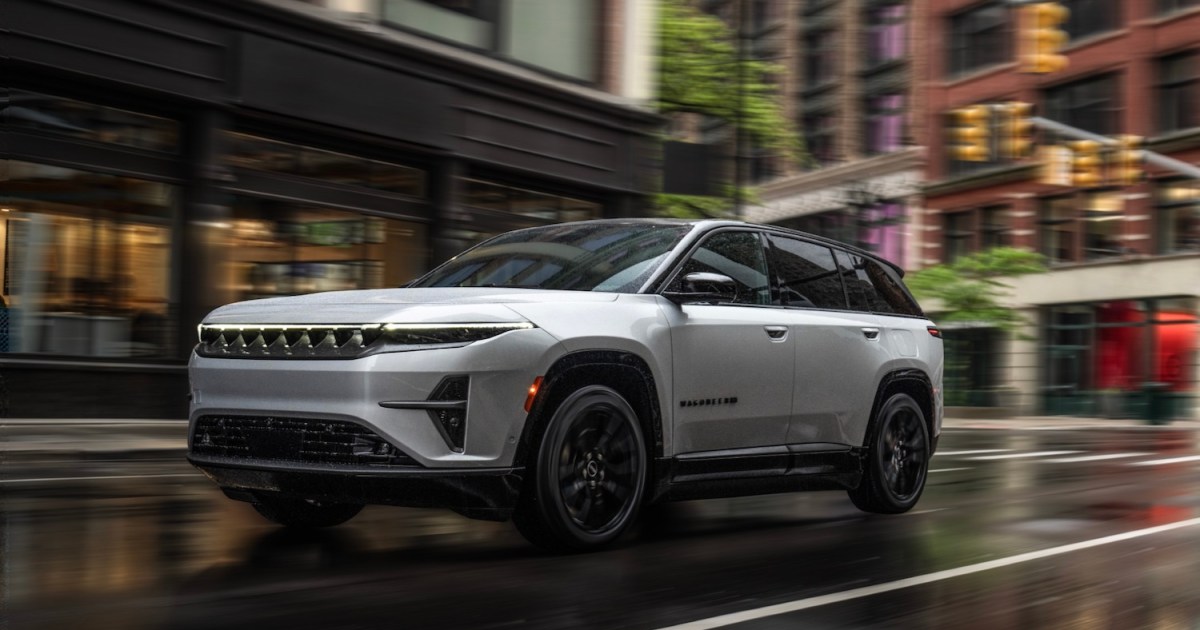
After getting things rolling with plug-in hybrids, Jeeps’ electrification plans are picking up speed. Scheduled to reach dealerships this fall, the 2024 Jeep Wagoneer S is the brand’s first EV for North America.
The Wagoneer name is right up there with Wrangler and Grand Cherokee in Jeep lore. The original Jeep Wagoneer was one of the first truly civilized SUVs and became the namesake for a modern sub-brand encompassing the Wagoneer and Grand Wagoneer, two leviathan gas guzzlers that went on sale as 2022 models. The Wagoneer S shares little with these SUVs besides a name.
Jeep announced the Wagoneer S alongside the more traditional-looking Recon, but opted to launch the Wagoneer S first because it makes better business sense, Jeep CEO Antonio Filosa told Digital Trends. It’s the right size vehicle for a lot of markets outside the U.S., will be the first Wagoneer sold abroad, and requires fewer new arrangements with suppliers, Filosa said, adding that this is an unexpected move for Jeep. This sleeker, more luxurious model is more of a departure from the brand’s norms.
Jeep
In contrast to the relentlessly square design of gasoline Wagoneer models, the Wagoneer S has a streamlined shape much like the controversial Jeep Cherokee that was recently discontinued. The goal was to make the Wagoneer S as aerodynamic as possible to help maximize range, without making it look like a “lozenge,” Ralph Gilles, design boss of Jeep parent Stellantis, said at the vehicle’s reveal. Designers also included a large rear wing straight out of a “Fast and Furious” movie to help with that. The trademark seven-slot grille also lights up, emphasizing that, regardless of what the rest of the styling might say, this is a Jeep.
The Wagoneer S shares the STLA Large platform with the Dodge Charger Daytona from Jeep’s fellow Stellantis brand. Jeep claims its engineers tailored the platform’s dimensions to the Wagoneer S, though. The result is an SUV that’s as wide and tall as a Tesla Model Y, but substantially longer. That doesn’t translate to an advantage in headroom, legroom, or cargo space, however. The Model Y also has a larger frunk.
The first batch of vehicles to reach dealerships will be Launch Edition models with a standard dual-motor powertrain producing 600 horsepower and 617 pound-feet of torque. Jeep claims this will propel the Wagoneer S from zero to 60 mph in 3.4 seconds, making it the brand’s quickest production model to date. It’s also 0.1 second quicker than a Model Y Performance but, with a base price of $71,995, the Wagoneer S Launch Edition is pricier.
Jeep
Because this is a Jeep, the Wagoneer S also offers some degree of off-road capability A version of the Selec-Terrain system from gasoline and plug-in hybrid Jeep models includes Auto, Sport, Eco, Snow, and Sand drive modes, but the 6.4 inches of ground clearance listed on the spec sheet is less than you get with a Subaru Crosstrek. Jeep showed a concept version dubbed the Trailhawk with lifted suspension and more off-road-worthy tires at the Wagoneer S reveal, but it’s not confirmed for production.
A 100.5-kilowatt-hour battery pack will provide more than 300 miles of range per charge, Jeep estimates. The Wagoneer S uses a 400-volt electrical system, rather than 800V, but Jeep still expects a 20% to 80% DC fast charge to take just 23 minutes. Launch Edition models also come with a 48-amp Level 2 AC home charger that can complete a 5% to 80% charge in an estimated 6.8 hours.
The standard infotainment interface includes a 12.3-inch central touchscreen and 12.3-inch digital instrument cluster, plus a 10.25-inch touchscreen for the front passenger and a 10-inch head-up display. Stellantis’ Uconnect 5 infotainment system is compatible with wireless Apple CarPlay and Android Auto, as well as over-the-air (OTA) updates. A 19-speaker McIntosh audio system is standard on Launch Edition models as well.
The high level of standard equipment is indicative of this EV’s positioning as a Wagoneer rather than an ordinary Jeep, which implies a higher level of luxury. That’s also reflected in a cabin that features high-end materials like ceramic-coated aluminum trim. However, Jeep chose synthetic leather upholstery as a more sustainable option, along with a headliner and carpets made from recycled material. Designers also avoided use of wood trim to give the cabin a more modern feel.
The Wagoneer name is Jeep-speak for “upscale,” but in its launch configuration, the Wagoneer S may have difficulty competing with the Model Y and other similar-sized electric SUVs priced below it. Jeep has a more distinctive EV coming in the form of the Recon, which takes its inspiration from the brand’s signature Wrangler and perhaps would have been a better model to lead with.