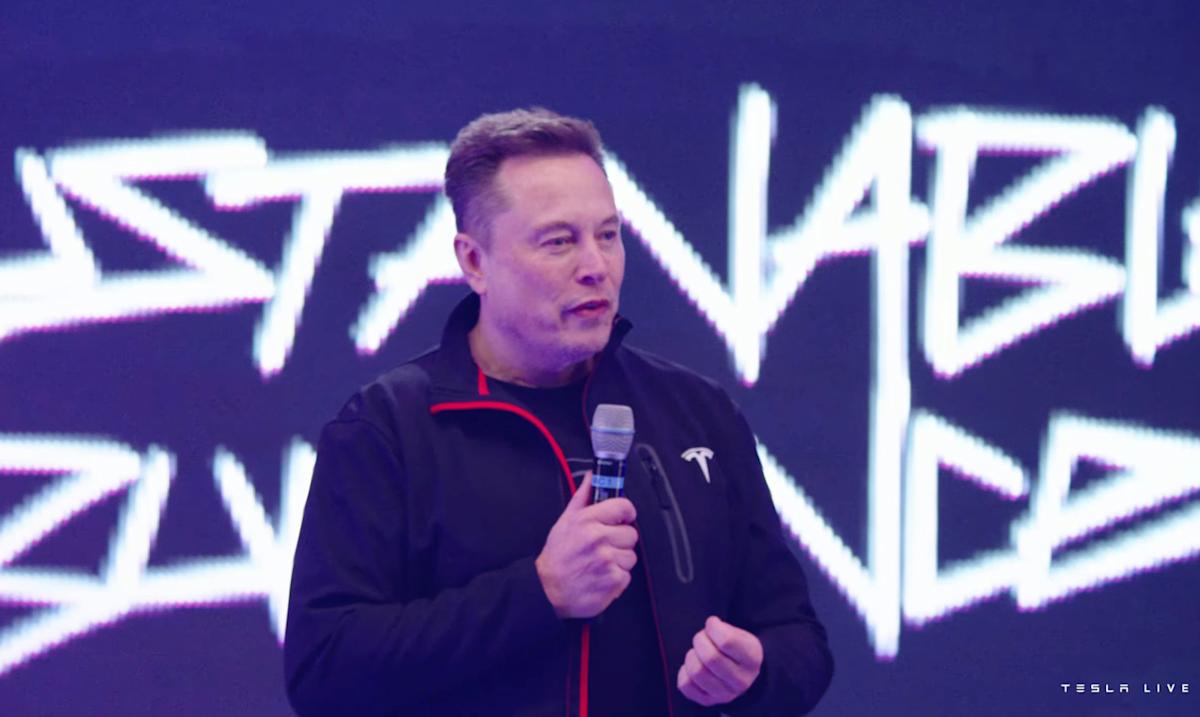
The hype around humanoid robots isn’t particularly new. Thank Tesla CEO Elon Musk and his Optimus robot, as well as the myriad videos of Boston Dynamics’ Atlas robot, for that.
Behind that hype, though, there is real progress. The physical capabilities of robots continue to improve, and researchers now believe that the AI techniques behind large language models can make complex robots capable of learning nearly any task.
Those tailwinds have encouraged a new batch of companies to jump in on the promise of profits from humanoid robots. And many of the latest entrants are Chinese automakers.
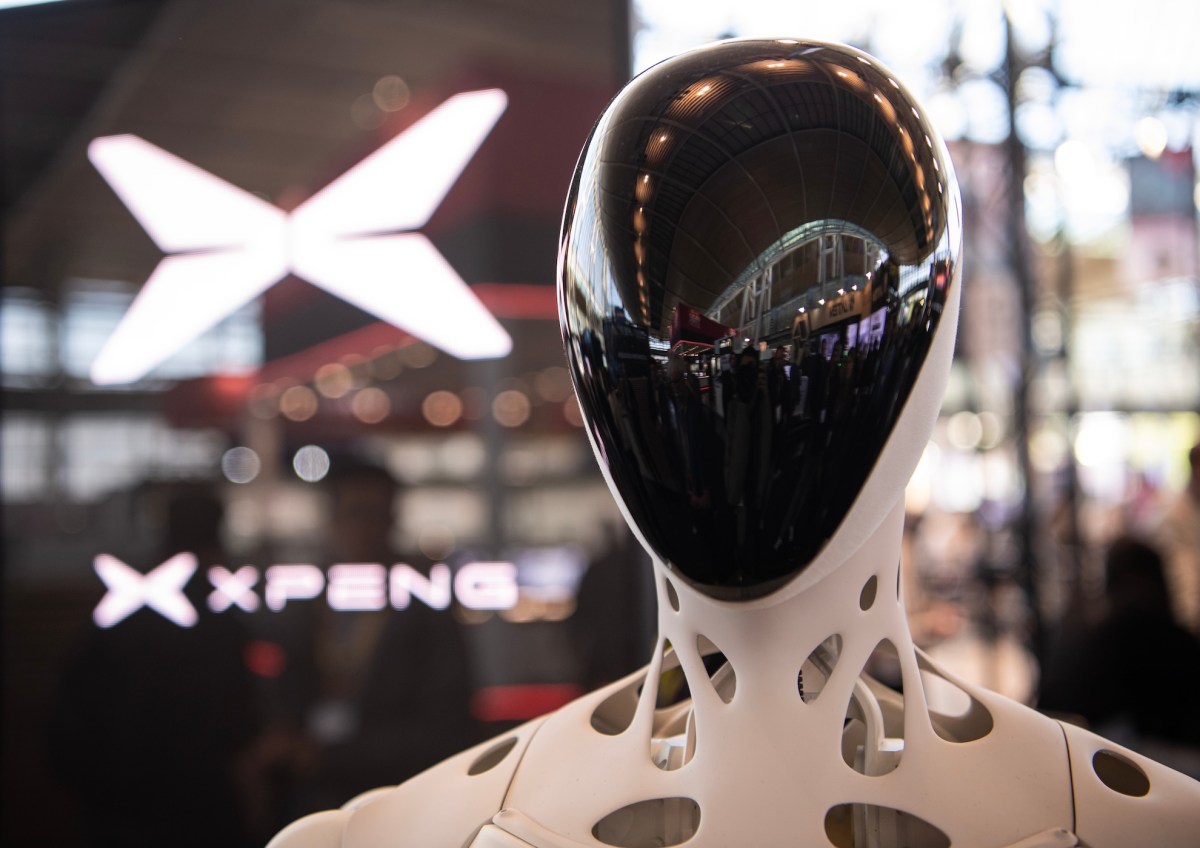
Earlier this week, Xpeng’s robotics unit raised more than $900 million at a post-money valuation of more than $6.3 billion. The round, led by IDG Capital with participation from Gaorong Ventures, Tencent, and Alibaba, was described by the company as the largest single-round private financing ever recorded in China’s “embodied AI” industry (AI systems built directly into physical machines).
This month, AiMOGA, the robotics unit of China’s Chery Automobile, reportedly began preparing for an IPO, while BYD unveiled a humanoid robot called Xiao Di. Other Chinese automakers, including Changan, GAC, Li Auto, SAIC, and Seres, are also developing humanoid robots.
Among all of them, Xpeng is the Chinese automaker that most closely watches and follows Tesla’s initiatives, according to Michael Dunne, CEO of San Diego- and Singapore-based advisory firm Dunne Insights.
“It’s the most focused on autonomy, it’s the first to commit in a big way to humanoid robots,” Dunne told TechCrunch, adding that Xpeng founder He Xiaopeng is a tech billionaire known for his agility and quick adjustments. “He sees razor-thin profit in cars on the near horizon. Robots look much more promising.”
Xiaopeng and Xpeng co-president Brian Gu are bullish enough that they’ve put their own funds behind the robotics unit. According to the Wall Street Journal, the pair invested about $100 million into the recent fundraising round.
Xpeng’s bet is on Iron, a humanoid robot with a realistic human shape that is built for commercial deployment.
Chinese automakers like Xpeng do bring a manufacturing edge.
“They have all the hardware to get the job done,” Dunne said. “Question is if they can catch Tesla on the AI side of the equation.”
There are, of course, many other companies developing humanoid robots, including Agility Robotics, Apptronik, and Figure, all chasing the same goal: commercial deployment at scale.
Hyundai-owned Boston Dynamics is getting closer to that goal. Hyundai plans to bring Boston Dynamics’ Atlas humanoid robot to its Georgia factory this year and eventually deploy the robots for tasks like parts sequencing by 2028. The Korean automaker, which partnered with Google’s AI research lab DeepMind to speed up the development of Atlas, is opening a U.S. facility this year called a Robot Metaplant Application Center, which will teach robots how to map movements like lifts and turns.
Other automotive companies are also jumping, including supplier Mobileye, which acquired humanoid robot startup Mentee Robotics earlier this year for $900 million. Even Rivian is dabbling in robots with its Mind Robotics spinout — although its robots are not expected to look quite like the humanoids in development elsewhere.
When you purchase through links in our articles, we may earn a small commission. This doesn’t affect our editorial independence.
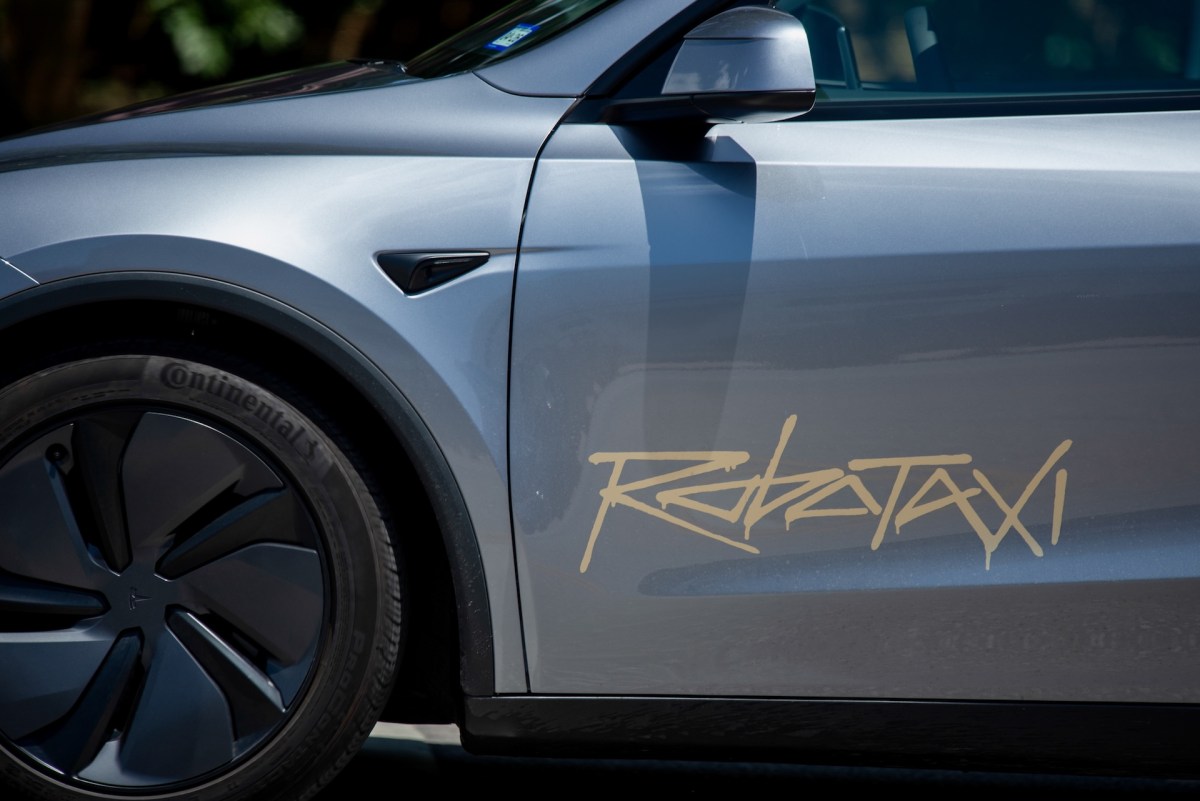
The Nevada Transportation Authority unanimously approved three permits Thursday that will allow Tesla, Uber, and Waymo to operate commercial robotaxi services in Clark County, home to Las Vegas. Together, these permits would deploy up to 8,000 robotaxis across the county over the next 12 months.
Tesla’s permit allows it to deploy up to 5,000 robotaxis, while Waymo is allowed operate up to 1,000 autonomous vehicles over the next year. Uber was also approved for 1,000 robotaxis, which it will operate through partnerships with Hyundai subsidiary Motional and Zoox. Zoox already holds an autonomous vehicle network company permit that allows it to operate 100 robotaxis.
Whether these companies will be able to launch that many robotaxis is an unanswered question. Testimony from Tesla representatives and the other companies suggests the answer is no.
“The 5,000 has always been a ceiling for us,” said Eric Early, Tesla’s Cybercab chief engineer, during the meeting. “I don’t think we’ll be in a position by this time next year to deploy 5,000 vehicles, and it’s not [because of] the technology. … I think we would be extremely happy and satisfied if we could get ourselves up to 2,500, maybe a bit higher than that in the next year.”
Even if these three companies roll out only half of those totals, Clark County — and Las Vegas specifically — is shaping up to be a major robotaxi battleground, with Tesla, Uber (via its autonomous vehicle partners Motional and Zoox), and Waymo all competing for the same riders.
That kind of fast, large-scale robotaxi deployment is poised to change the city — and specifically its workforce. Depending on who you ask, these companies will either deliver a whole new category of jobs designed to maintain, charge, and clean these vehicles or will wipe out an entire category of workers: human taxi and gig drivers.
Representatives from the Livery Operators Association and local taxi companies opposed the permits, arguing the approvals move too far, too fast.
“These applications raise two grave concerns,” said Kimberly Maxson-Rushton, a lawyer representing the Livery Operators Association, at the hearing. “One deals with the oversaturation of the commercial transportation industry as a whole in Nevada,” she said. “And the second one deals with the overcrowding of the roadways, and specifically the Golden Triangle.”
The Golden Triangle, an area between the airport and Las Vegas Boulevard and the surrounding area, is where most of the AV testing has occurred to date. Motional is also testing in the downtown area and in a shopping district known as Town Square.
Uber has tried to position itself as the Goldilocks option in this fight, advocating for a hybrid approach in which ride-hailing networks are made up of humans and robotaxis. The company has even lobbied for a system that would require robotaxis to operate on a ride-hailing network that also uses human drivers, a stance that puts it at odds with Waymo and doubles as a hedge against its own autonomous ambitions falling short of Tesla’s or Waymo’s.
Uber made a similar pitch during the NTA meeting, noting that a hybrid approach would allow cities to gradually integrate vehicles to meet peak demand rather than flooding the market all at once.
When you purchase through links in our articles, we may earn a small commission. This doesn’t affect our editorial independence.
I’ll admit, Tesla topping an efficiency ranking felt like a foregone conclusion until I actually saw the numbers. Turns out two Indian automakers just embarrassed both Tesla and the world’s biggest EV maker at their own game.
The first time I read the report, I couldn’t believe it, and I’ve been following the Indian automobile industry for a couple of years now.
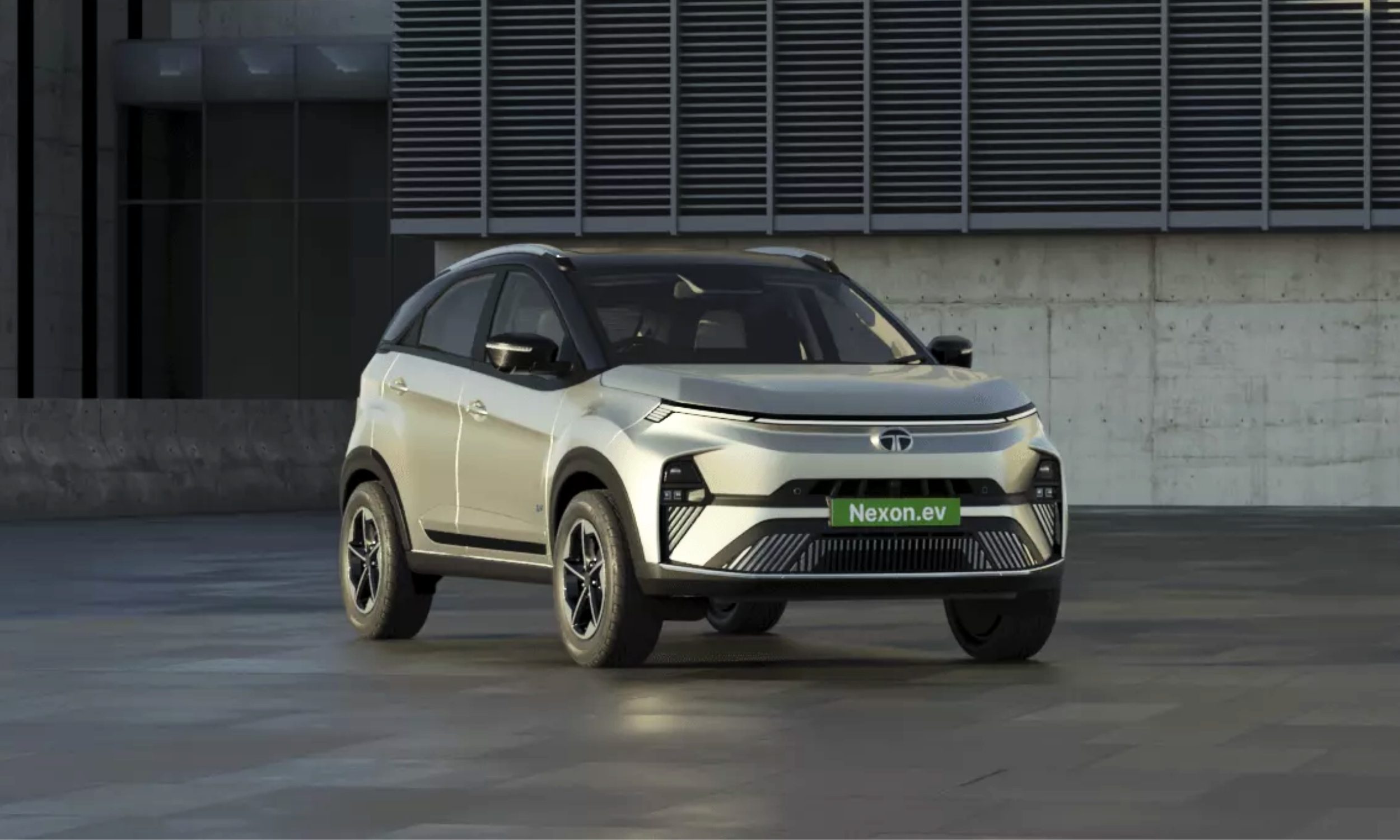
The owner of Jaguar Land Rover, Tata Motors, topped the International Council on Clean Transportation’s 2025 global ranking of the most energy-efficient battery EVs, with its fleet averaging just 106 watt-hours per kilometer (via Rest of World). To give you some context, Tata Motors has the country’s broadest EV lineup with a total of seven models.
Another leading auto manufacturer in the country, Mahindra, came in second at 113 Wh/km. Meanwhile, Tesla and BYD, the world’s largest EV makers, trailed in third and fourth place among 22 of the biggest automakers evaluated worldwide.
Industry-wide, though, progress has basically stalled. Average energy consumption barely moved year-over-year, sitting at 131 Wh/km in 2025. Only eight manufacturers actually improved their efficiency, while 12 saw declines, mostly minor.
While the efficiency figure still amazes me, the harsh reality is that EVs still make up less than 5% of new car sales in India, compared to 25% globally. And that is after the Indian government is chasing an ambitious 30% EV adoption target by 2030 to cut emissions, reduce oil imports, and boost domestic manufacturing.
India is already the world’s fourth-largest petroleum consumer, and ICCT’s India managing director, Amit Bhatt, called the country’s emission caps “progressive and ambitious,” with a tighter third phase of rules being shaped for 2027 through 2032.
Efficiency wins don’t tell the whole story, though. Tata Motors actually ranked dead last for charging speed and sixth from the bottom for driving range in this same report. This is proof that building an efficient battery and building a genuinely competitive EV are two very different engineering problems.
It’s been looming for weeks, but now the end is near: Just a few hundred Tesla Model S and Model X vehicles remain unsold. Tesla CEO Elon Musk confirmed this week in a post on X that custom orders of the Model S sedan and Model X SUV are over. “All that’s left are some in inventory,” he wrote.
Musk first announced Tesla’s plan to end Model S and Model X production back in January. And the data helps explain why.
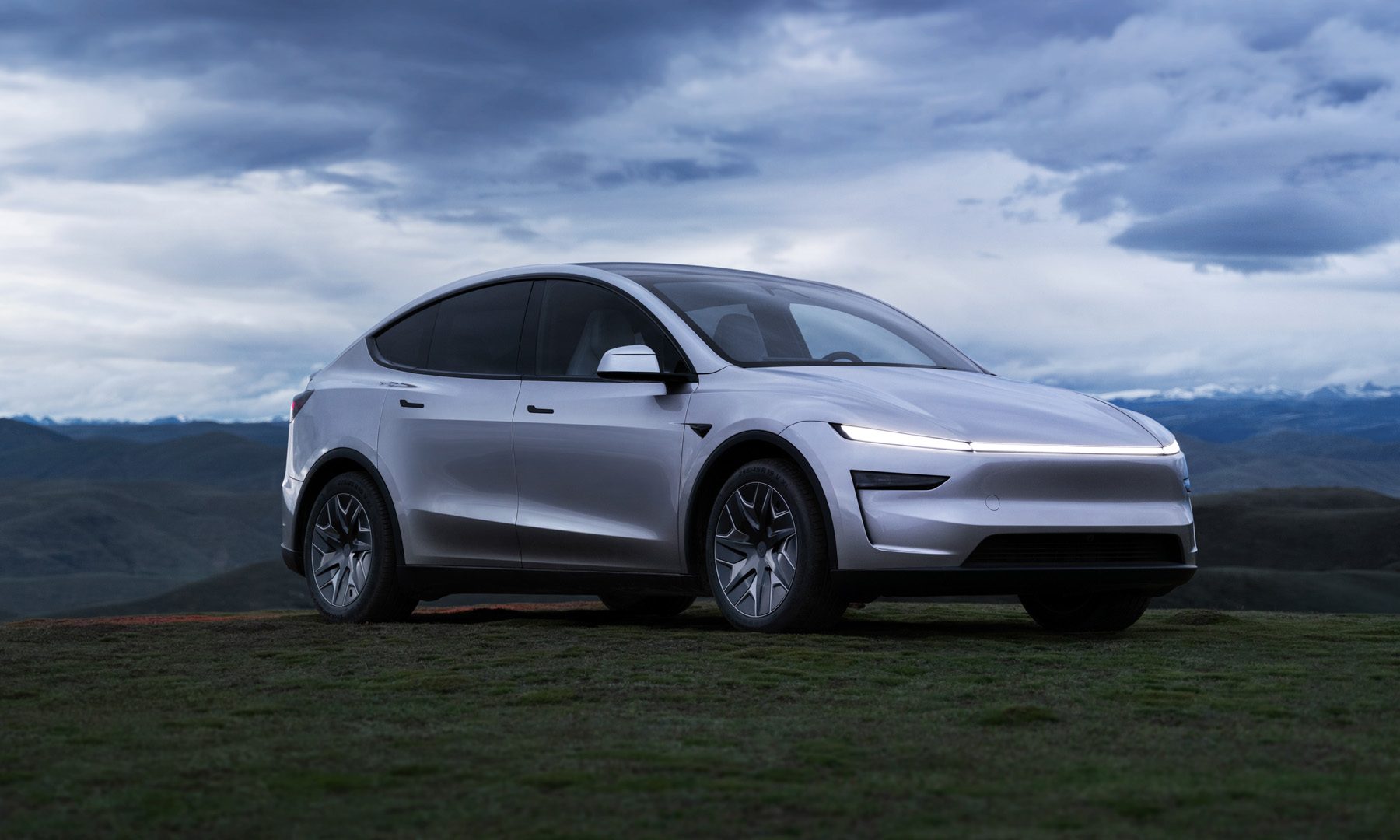
Sales of the Tesla Model X and Model S have fallen steadily over the years as the company’s high volume and cheaper entries — the Model 3 and Model Y — took over. Tesla doesn’t separate S and X sales, instead combining them under “other models,” a category that now includes the Cybertruck. And those combined figures show S and X sales peaking in 2017 at 101,312 vehicles before declining to 50,850 vehicles (including Cybertruck) in 2025 — a fraction of the 1.63 million vehicles it delivered globally last year.
In other words, their deaths were inevitable. What comes next is a bit more complicated.
Musk isn’t filling the void left by the Model X and Model S with a traditional EV; he ditched plans to produce a lower-cost EV that was expected to be priced around $25,000. Instead, Musk is placing his bets on the Optimus robot, which has yet to go into production, and the Cybercab, an all-electric two-seater autonomous vehicle that was first shown as a concept in 2024.
Tesla plans to build Optimus robots at its Fremont, California, factory once production of the Model S and Model X end, which could be any day now that final orders have been taken. Musk has said Tesla will begin producing the Cybercab this month at its factory in Austin, Texas.
A look back
The Model S and X EVs have taken a backseat to the more affordable Model 3 and Model Y vehicles. But their debuts, and initial sales, marked two critical moments in Tesla’s colorful and often volatile history. The Model S launched in 2012 as its first volume EV. Its popularity not only changed how consumers viewed EVs, it prompted legacy automakers — long dismissive of the value of electric vehicles — to take notice.
Techcrunch event
San Francisco, CA | October 13-15, 2026
The Model X followed in fall 2015 and was famously described by Musk as the faberge egg of EVs.
“I think we got more carried away with the X,” Musk said in a September 2015 press interview attended by this reporter just an hour before Tesla’s Model X delivery event began. “I’m not sure anyone should make this car.”
The Model X was often delayed, and initially criticized for its complexity. But it ultimately introduced the company to a new market: women.
The Model X raised Tesla’s profile, and it set the company up for its next big move: an affordable mass produced EV. The Model 3 had a difficult start, but it ended up catapulting Tesla into the mainstream. The Model Y clinched its status, helping Tesla widen the gap as the top-selling EV producer globally until China’s BYD took over that top global EV sales spot in 2025 when it delivered 2.26 million EVs.
Tesla continues to sell thousands of Model 3 and Model Y, but its growth has stalled, and even reversed. The company reported in January that it sold 1.69 million vehicles in 2025, a decrease for the second year in a row. Its efforts to boost sales with cheaper, stripped-down versions of the Model 3 and Model Y that were introduced in October have had a modicum of success, according to first-quarter 2026 figures that were reported April 2.
Tesla delivered 358,023 EVs globally in the first three months of the year, about 6% more than the same period in 2025, which also happened to be the company’s worst quarter in years. The figure was below analysts’ expectations of around 368,000.
But never mind that. In Musk’s view — one which he is well compensated for — Tesla isn’t an automaker or a sustainable energy company, as he has described it before. Tesla is an AI company and his new gambit goes all in on that mission.
Cybercab risks
The Optimus robot is one part of the Tesla AI effort. But its perhaps the Cybercab that best embodies, and exposes the risks of, the company’s AI-first campaign.
The Cybercab was designed to be used as an autonomous vehicle without traditional controls like a steering wheel or pedals — meaning once it launches it will be without the initial backup of human safety operator.
The first Cybercab rolled off the Tesla factory assembly line in February and is supposed to go into mass production this month. Although that date could slip, as so many have in Tesla’s history.
Unlike Tesla’s previous vehicles, the challenges aren’t in its production (who can forget the production hell of the Model 3). Instead, it faces a major regulatory hurdle before it can ever hit the road. Federal motor vehicle safety standards place requirements on vehicles such as having a steering wheel and pedals. There is no evidence that Tesla has applied for an exemption, according to publicly available files with the Federal Register and the National Highway Traffic Safety Administration.
The vehicles will also rely on Tesla’s Full Self-Driving software to navigate public streets and safely shuttle passengers to their destination. Despite improvements to FSD and limited driverless robotaxi tests in Austin, Tesla has not yet demonstrated that its software can operate reliably at scale.
And that piece requires more than technical mastery. Robotaxi operations are also tricky. And in states like California, they also require permit to deploy and charge for rides in driverless vehicles.
Zoox, the autonomous vehicle company owned by Jeff Bezos’ Amazon, may end up clearing a path for Tesla and its Cybercab. Zoox received an exemption from the National Highway Traffic Safety Administration that allows the company to demonstrate its custom-built robotaxis, which lack pedals or a steering wheel, on public roads. Zoox is now going through a public process to have that exemption extended to commercial operations.
Musk tried to sell shareholders on why the risk was worth it during the company’s earnings call in January.
“The vast majority of miles traveled will be autonomous in the future,” Musk said at the time, later noting that the CyberCab is super optimized for minimum cost per mile and also for a much higher duty cycle. “I would say probably less than I’m just guessing, but probably less than 5% of miles driven will be where somebody’s actually driving the car themselves in the future, maybe as low as 1%.”
Tesla’s long-awaited adoption of Apple CarPlay is still happening – just not as quickly as some drivers had hoped. After signaling last year that support could arrive by the end of 2025, the electric carmaker has hit a few unexpected hurdles that are slowing the rollout, according to the latest edition of Bloomberg’s Power On newsletter.
A delayed but ongoing integration
Tesla began working to bring Apple’s CarPlay system to its vehicles amid a period of soft sales and mounting pressure to boost demand. At the time, adding CarPlay was viewed internally as more than a minor software update. For many car buyers, CarPlay has become a must-have feature – a familiar, iPhone-like interface that seamlessly integrates navigation, messaging and music into the dashboard.
Despite Tesla’s reputation for having one of the best in-house infotainment systems in the auto industry, customer demand for CarPlay has remained strong. Tesla’s software already supports Apple Music, Spotify, video playback, web browsing and deep integration with its Full Self-Driving (FSD) system. But for many users, that’s not enough. CarPlay’s simplicity and ecosystem integration remain a powerful draw.
Tesla / Tesla
Tesla confirmed plans to support CarPlay in a windowed mode within its existing interface. However, technical challenges have pushed the timeline back.
During testing, Tesla discovered compatibility issues between Apple Maps and its own mapping software used for self-driving features. Specifically, turn-by-turn guidance from Tesla’s navigation system did not properly synchronize with Apple Maps when autonomous driving was active. In scenarios where both systems were visible side by side, this mismatch could confuse drivers.
Tesla requested engineering changes from Apple to address the issue. Apple implemented the fix in a later update to iOS 26 and the latest version of CarPlay. But another obstacle emerged: not enough users had installed the updated software.
CarPlay isn’t just another dashboard app – it’s become a central part of how many drivers interact with their vehicles. For iPhone users especially, the ability to mirror apps, access messages, use Apple Maps or Google Maps, and rely on Siri through a familiar interface can significantly improve the driving experience.
Tesla has long resisted adding CarPlay, arguing that its own system offers superior integration
But as competitors increasingly include CarPlay as standard, the absence has been a sticking point for some potential buyers. Adoption rates of iOS 26 have been slower than previous releases. Apple recently revealed that 74% of iPhones released in the past four years are running iOS 26 – slightly behind the pace of earlier updates. Crucially, the necessary Apple Maps fix did not arrive in the initial iOS 26.0 release but in subsequent updates. Apple has not disclosed how many users are on those later builds.
TeslaUnsplash
For Tesla, rolling out CarPlay before a critical mass of drivers has the compatible software could create inconsistencies and support issues. That has prompted a more cautious approach.
The good news is that CarPlay remains firmly on Tesla’s roadmap. As iOS 26 adoption continues to rise, the technical barriers should gradually ease. Apple is also expanding CarPlay functionality, adding support for third-party voice chatbot apps and enhancing its premium Ultra version – moves that could make the eventual Tesla integration even more compelling.
For now, Tesla drivers eager for CarPlay will need to wait a little longer. But the direction is clear: the feature is coming – just on a timeline dictated as much by software adoption as by engineering.
Support for Apple Car Keys may now be more likely to come to Tesla vehicles, amid new evidence that the automaker is embracing native, system-level digital car keys.
According to Not a Tesla App, 4.52.0 of Tesla’s mobile app contains multiple code references to Harmony Wallet Key Cards. The discovery is notable because it represents a shift in how Tesla appears to be approaching mobile device integration.
Tesla’s current Phone Key relies on Bluetooth communication between the vehicle and the Tesla app running in the background on a smartphone. By contrast, a native wallet key is stored at the operating system level and uses secure hardware elements, often making it more reliable and accessible.
The code strings identified in Tesla app version 4.52.0 specifically reference integration with Huawei’s HarmonyOS, suggesting that the initial implementation is designed for Huawei Wallet on HarmonyOS devices. HarmonyOS is widely used in China, where Huawei is a dominant presence in the smartphone market. Tesla has historically used the Chinese market as a testing ground for new software capabilities before expanding them globally.
Although the references do not mention Apple Wallet or Google Wallet, the underlying functionality closely mirrors how Apple implements native digital car keys on the iPhone. Apple introduced Car Key support in Apple Wallet in 2020, allowing compatible vehicles to be unlocked, locked, and started using NFC, Bluetooth, or ultra wideband. Car Keys are stored in the Secure Enclave on the iPhone and Apple Watch, enabling features such as Express Mode, which allows a vehicle to be unlocked without Face ID, Touch ID, or a passcode, and even functionality even when the device battery is almost totally depleted.
Earlier this month, Rivian announced native support for Apple Wallet and Google Wallet digital car keys as part of its 2025.46 software update. In recent weeks, Porsche, Toyota, and General Motors all appear to be following suit.
An ongoing controversy about an alleged Tesla door design flaw got two new wrinkles this week, as troubling, who-knew-what-and-when questions about vehicle door handles began to swirl, along with a fresh federal investigation triggered by a harrowing complaint letter.
As part of a months-long investigation byBloomberg, a project timed to coincide with high profile inquiries from the National Highway Traffic Safety Administration, the news outlet reported on Monday that Tesla founder and CEO Elon Musk not only knew about the design flaw of the electronic door releases on the company’s vehicles, but advocated that they continued to be used.
According to Bloomberg‘s sources, engineers warned Musk against the electronic releases for the interior door handles during Tesla Model 3 development. The setup demands power from a 12-volt battery to operate the door with an electronic button. However, to address engineer concerns and meet federal motor vehicle safety standards, a manual release was also installed for passengers to use in an emergency or if the 12-volt battery was depleted.
The problem that’s supposedly resulted in 15 deaths and many other incidents in popular models like the Model 3 and Model Y is that the 12-volt battery, separate from the propulsion battery pack, can fail in a crash. And many occupants were unaware of the unmarked manual release far away from the normal button.
Tuesday’s investigation was prompted by a November letter to NHTSA by a 2022 Model 3 owner from Georgia who claimed he was, “forced to crawl into the rear seat and repeatedly kick the rear passenger window until it shattered,” when he was involved in a head-on collision that resulted in the vehicle catching fire and losing power to electrical accessories.
Kevin Clouse said he sustained injuries that required three surgeries including a full hip replacement. Clouse cites a federal vehicle law requiring exit latches be marked and readily accessible.
Tesla wasn’t the first automaker to pursue electric door handles, but not long after the Model S further popularized them, companies like Audi started using them. It’s also not the first company to face a person allegedly being trapped in one of their vehicles with electronic door handles. A man and his dog died in 2015, apparently after the electronic door release failed on a 2007 Chevy Corvette, resulting in a 2016 lawsuit by the victim’s family. The man, it appears, was unaware of a manual override to open the door when the battery fails.
These mechanisms have been the source of reliability complaints and frustrations from owners and reviewers. Outlets such as Consumer Reports noted issues and even began ranking vehicles lower for usability problems—so much so that the magazine started a petition to automakers asking for safer doors.
Tesla’s problems will persist next year as the NHTSA continues to investigate the millions of models on U.S. roads. The company has made some changes on new models and, in September, Tesla’s designer proposed a redesign of the releases on future cars.
Elon Musk went on stage on Thursday night during Tesla’s annual shareholders meeting and made some big claims and promises. The company is “almost comfortable” letting owners with Full Self-Driving (FSD) “text and drive,” he said. At the moment, its vehicles are still strictly monitoring drivers to make sure their eyes are on the road, but Musk said that Tesla will enable unsupervised FSD that will allow texting and driving within “a month or two.”
To note, Tesla’s FSD is currently capable of level 2 autonomous driving. Musk is promising at least a level 4 capability, in which the driver can be disengaged as the car performs all driving tasks for them, within a short span of time. While he said that Tesla will look at its safety data first, he didn’t discuss the steps it’s taking to enable texting while driving and whether it’s already discussing the legalities of it with regulators.
Talking about the Cybercab, Musk said production of the robotaxis will begin by April next year. Since it will be specifically built with autonomy in mind, it will not have pedals, a steering wheel and even side mirrors. The Cybercab’s manufacturing process, he explained, is vastly different from typical car production and is more comparable to phone manufacturing. That’s why he thinks the company will be able to produce one unit every 10 seconds.
Musk also talked about the flying car he teased on Joe Rogan’s show. When asked at the event, he said the demo will now take place on April 1, 2026, instead of this month or the next like he told Rogan. It remains to be seen whether we’re going to get April Fooled, but Musk claimed that production of Tesla’s flying vehicle will happen a year or so after its unveiling. As always, take Musk’s claims with a grain of salt, as he’s pretty infamous for being overly ambitious with his timelines.
While Musk was on stage talking about Tesla’s plans, an Optimus humanoid robot was standing by the side. The CEO said Optimus is bound to become the “biggest product of all time,” bigger than cellphones, “bigger than anything.” Tesla will start with a 1-million production line and then a 10-million production line, but he said the company expects to eventually produce 100 million to a billion Optimus robots a year. He envisions a world wherein the humanoid machines will provide people with medical care… as well as a world wherein instead of being jailed, Optimus follows criminals around to stop them from committing more crimes.
Before Musk went on stage, Tesla’s shareholders had voted to approve his pay package worth up to $1 trillion over the next 10 years. Tesla has to hit several goals for Musk to become the first trillionaire, though, including reaching a market value of $8.5 trillion from its current worth of $1.4 billion and selling a million Optimus robots.
Welcome back to TechCrunch Mobility — your central hub for news and insights on the future of transportation. To get this in your inbox, sign up here for free — just click TechCrunch Mobility!
The autonomous vehicle industry is years — maybe decades — from maturing. And so there’s still a Wild West quality to the sector, in spite of the steady stream of announcements that do show marked progress. Two such news items from this week illustrate my point of progress, possibility, and even a bit of peril (at least to the ups and downs a public market can provide).
First up is Gatik, an AV and logistics startup that is applying its tech to middle-mile trucks. The startup, which I first wrote about in 2019, announced a multi-year and expanded commercial partnership with Canada’s largest retailer, Loblaw. Under the deal, Gatik will deploy 20 autonomous trucks by the end of 2025 to provide driverless delivery to Loblaw’s network of stores in the greater Toronto area. Co-founder and CEO Gautam Narang told me the company will add another 30 autonomous trucks to the fleet by the end of 2026.
The deal is notable, and not just because of the fleet size. As Narang explained to me, the trucks will be handling the full regional network for Loblaw. This means these third-generation AV trucks will operate autonomously to pick up products from two distribution centers and make deliveries to over 300 retail stores. “These are multiple brands within the Loblaw umbrella,” he said.
In other words, this is not some fixed-route pilot program. It’s commercial, and it’s complex.
Next up is Kodiak Robotics, another startup I have reported on since its founding. The company, which is developing self-driving trucks for highway, industrial, and defense uses, began trading on Nasdaq this week under the tickers KDK and KDKRW.
The company, which is now called Kodiak AI, went public via a merger with special-purpose acquisition company Ares Acquisition Corporation II, an affiliate of Ares Management. The deal valued the startup at about $2.5 billion.
Techcrunch event
San Francisco | October 27-29, 2025
Kodiak raised $275 million in financing. More than $212.5 million came from certain institutional investors, including $145 million in PIPE funding and about $62.9 million in trust cash from Ares. It should be noted that the trust cash is smaller (it was $562 million), as some SPAC investors redeemed their shares.
I spoke to founder and CEO Don Burnette the day before Kodiak’s big debut about why he took the company public — let alone via a SPAC. It was a big moment for Burnette, whose family was on hand to watch him ring the bell and mark the milestone. The stock was trading at about $7.70 Friday, down about 10% from its market open.
“As you can imagine, building and scaling a transformative autonomous driving company is very capital intensive, and we were looking to access the public markets as a path forward for the company. And when choosing between, you know, traditional IPO or a SPAC, we considered all the options,” he said. “We felt like, from a timing perspective, it was the right decision for the company (to take the SPAC route).”
It should be noted that Burnette is also quite bullish on defense. Here’s why:
“I think autonomy is the future of ground transportation broadly,” he said, before noting the benefits within defense for logistics and reconnaissance operations for ground vehicles. “One of the key things is defense requires unstructured autonomy, and this is one of the areas where we become specialists.”
A little bird
Image Credits:Bryce Durbin
A few weeks ago, we wrote about some trouble at Hyundai‘s electric air taxi startup Supernal, including that the company had stopped work on its air taxi program and that its CEO and CTO were out.
This week, a little bird told us that a wider reorg of Supernal’s C-suite was afoot — something Hyundai Motor Group has now confirmed to us.
Chief strategy officer Jaeyong Song and chief safety officer Tracy Lamb are part of a “transition to new leadership,” according to the Korean conglomerate. Song’s departure is particularly notable, as he was once the VP of Hyundai’s Advanced Air Mobility division, which Supernal was spun out of in 2021. Also gone is Lina Yang, who most recently served as chief of staff to the startup’s now-former CEO, but who also served as Supernal’s “Head of Intelligent Systems” before that.
RememberMoxion Power, the portable battery startup that raised $110 million before going bankrupt? The founders are back with a new startup called Anode Technology Company, which has designed a mobile battery and inverter that can be used for EV charging and supplying remote power to construction sites and live events. The startup just raised $9 million in seed funding in a round led by Eclipse Ventures; its partner, Jiten Behl, who spearheaded the deal, was previously Rivian’s chief growth officer. Apparently, Behl’s interest was sparked by his experience at Rivian.
Side note: Palo Alto-based venture capital firm Eclipse sure has been busy this year. The VC firm led the $105 million round of Also, the micromobility startup that spun out of Rivian, and recently hired longtime T. Rowe Price Group investor Joe Fath as partner and head of growth.
The firm doesn’t explicitly focus on transportation, but some of its portfolio companies in this sector include Arc, Bedrock Robotics,Reliable Robotics, Skyryse,and Wayve.
Other deals that got my attention …
Rapido, a popular ride-hailing platform in India that competes with Uber, doubled its valuation to $2.3 billion following a secondary share sale by food delivery giant Swiggy. The share sale comes just weeks after Rapido began piloting food deliveries, edging into Swiggy’s core territory.
Telo, the tiny electric truck developer, raised $20 million in a Series A funding round co-led by designer and Telo co-founder Yves Béhar and Tesla co-founder Marc Tarpenning, who is on Telo’s board. Additional investment came from Salesforce CEO Marc Benioff and early-stage funds like TO VC, E12 Ventures, and Neo.
TheTrump administration is seeking up to a 10% stake in Lithium Americas in exchange for renegotiating the repayment period of a $2.26 billion Department of Energy loan. GM is a major investor in the Canadian company, which is developing a lithium mine in Nevada that is expected to be the largest in the Western Hemisphere.
Notable reads and other tidbits
Image Credits:Bryce Durbin
Hackers have had quite an active week in the transportation sector. Stellantisconfirmed a data breach involving customers’ personal information. The breach is linked to a hack of its Salesforce database. Meanwhile, a hack that began last Friday and targeted check-in systems provided by Collins Aerospacecaused delays at Brussels, Berlin, and Dublin airports, as well as London’s Heathrow. The U.K.’s National Crime Agency has arrested a man in connection to the ransomware attack. And finally, Jaguar Land Roversaid it will not resume production at its factories for yet another week as it continues to grapple with fallout from a cyberattack.
Battery materials startup Silastarted operations at its facility in Moses Lake, Washington, a milestone that could pave the way for longer-range, faster-charging EVs. The factory is the first large-scale silicon anode factory in the West and will initially be capable of making enough battery materials for 20,000 to 50,000 EVs. Future expansion could fulfill demand for as many as 2.5 million vehicles.
Automakers continue to pull back on EVs and electrified vehicles. Honda is ending U.S. production of its Acura ZDX electric vehicle that was being built by General Motors in Tennessee, CNBC reported. And Stellantis has canceled plans to produce a 4xe plug-in hybrid Jeep Gladiator in North America by the end of 2025. Which EV is next on the chopping block?
The National Highway Traffic Safety Administrationopened an investigation into Rivian over issues with the seat belts in its electric delivery vans that could introduce additional risk in the event of a crash, Bloomberg reported.
Tesla asked the Environmental Protection Agency not to roll back current vehicle emissions standards, breaking from other major automakers that want to see the rules eased.
TuneIn, an audio streaming service, is collaborating with the Federal Emergency Management Agency to deliver emergency alerts directly to drivers.
Volvo Cars is pledging a commitment to U.S. production. The company said it will continue to invest in its U.S. car plant near Charleston, South Carolina, and announced plans to expand the factory to produce a hybrid vehicle by the end of the decade.
Waymo launched “Waymo for Business,” a new service designed for companies to set up accounts so their employees can access robotaxis in cities like Los Angeles, Phoenix, and San Francisco.
Zoox has asked federal regulators for an exemption that would allow the Amazon-owned autonomous vehicle company to commercially deploy its custom-built robotaxis, which lack traditional controls like pedals and a steering wheel.
One more thing
Finally, proof of life from Luminar founder Austin Russell.
You may remember that Russell was mysteriously and suddenly replaced in May as CEO of the lidar company he created. The company has never truly explained his departure, only that it was the result of a “code of business conduct and ethics inquiry” initiated by the board.
Russell has been silent; while he remains on Luminar’s board, he hasn’t signed any of the filings the company has submitted with the U.S. Securities and Exchange Commission since he was replaced. This week, he reappeared as the co-founder of a new company called Russell AI Labs. It’s billed as a “platform that backs and builds transformative AI and frontier technology companies.”
It doesn’t seem like his troubles at Luminar have affected his ability to attract high-profile support or make eyebrow-raising deals. Russell’s co-founders are Markus Schäfer, CTO and board member at Mercedes-Benz Group AG, and Murtaza Ahmed, who served as a managing director at Goldman Sachs before joining SoftBank and was a partner in the $100 billion Vision Fund and managing partner of its $5 billion Latin America Fund.
As part of Russell AI Lab’s debut, the startup announced it has taken a $300 million stake in agentic AI company Emergence AI.
Denholm, who was also on the special committee that put the compensation proposal together, argued that Musk needs to be motivated by extraordinary challenges tied to extraordinary compensation. At the same time, she suggested he’s less interested in the additional wealth that the promised Tesla shares would represent, and more in the voting power.
“I think it’s a little bit weird talking about the dollars when it’s actually the voting influence,” said Denholm, whom The Times described as “occasionally appearing ill at ease” during the interview.
It might also seem counterintuitive to offer such a massive pay package when Tesla’s profits and vehicle sales are falling, but Denholm insisted that the plan is about “future performance.”
“It’s not about past performance,” she said. “He gets nothing if he doesn’t perform against the goals.”