Elon Musk’s New Political Party Sparks MAGA Backlash Online


The suspense is finally over. Elon Musk, the visionary behind Tesla and SpaceX, officially declared the formation of a new political party on Saturday, July 5, 2025. His stated aim: to challenge the long-standing dominance of both the Republican and Democratic parties.

“Today, the America Party is formed to give you back your freedom,” the controversial tech entrepreneur announced on X (formerly Twitter) at 3:46 PM ET.

The creation of the “America Party” is nothing short of a bombshell, particularly given Musk’s significant financial contributions and political alignment with Donald Trump in the lead-up to the 2024 presidential election. Last year alone, Musk spent nearly $290 billion to support Trump’s return to the White House. This timely alliance granted the self-described “Techno King” an unprecedented level of influence for a tech entrepreneur in American politics. Trump, in turn, entrusted Musk with a custom-created federal department: the now infamous Department of Government Efficiency, or DOGE.

DOGE, however, quickly became a lightning rod for criticism, seen by many as emblematic of the very dysfunctions it was meant to fix within the federal government. Its methods and decisions, including the closure of federal agencies and drastic cost cutting at essential institutions, provoked widespread rejection of the billionaire.

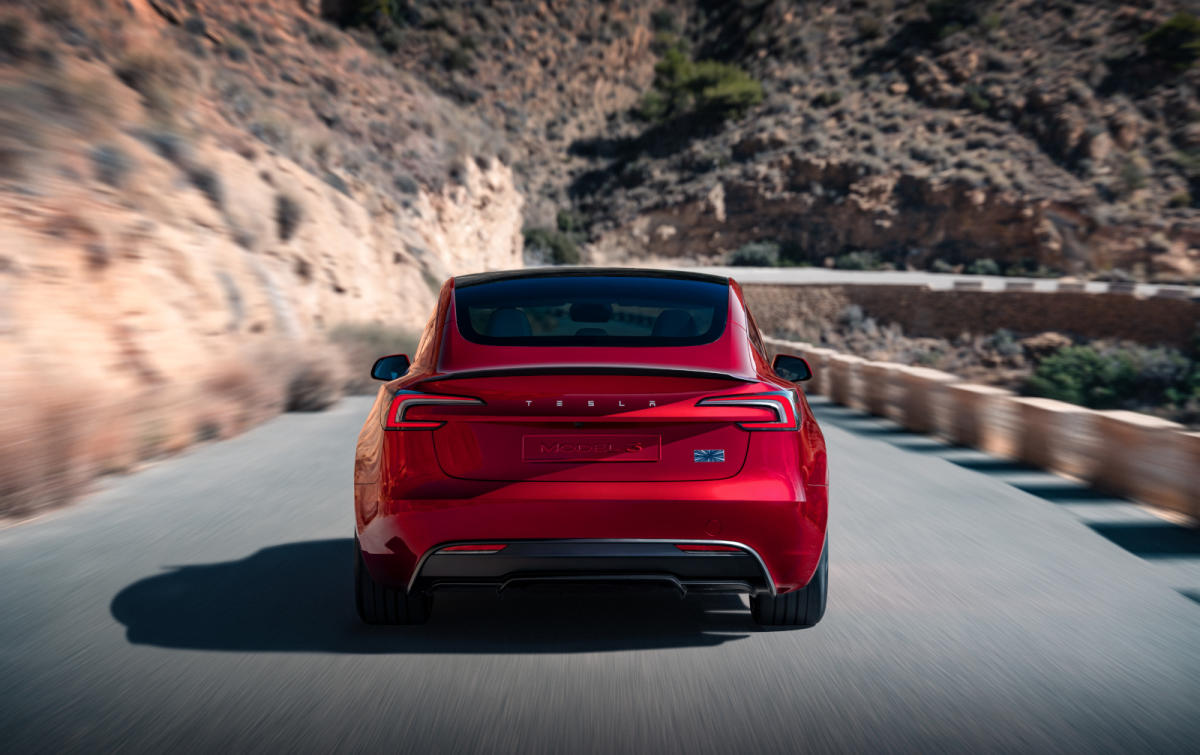
This backlash manifested in protests outside Tesla showrooms, a drop in the electric vehicle maker’s stock price, and a noticeable plunge in profits and sales. Tesla’s sales erosion continued into the second quarter of 2025, during which the carmaker’s global deliveries fell by 13.5%. Tesla’s reputation, and that of Musk, suffered significantly, especially as the carmaker’s customer base heavily includes progressives and liberals who viewed his political alignment as a sharp departure from their values. Under increasing pressure from the markets, Musk formally withdrew from his government role at the end of May.

His public fallout with Trump began almost immediately after his departure, marked by a public spat between the two powerful figures on June 5. After a few weeks of relative calm, Musk reignited the feud by sharply criticizing the “One Big Beautiful Bill,” President Trump’s signature piece of legislation. He then publicly vowed to launch a political party and do everything he could to defeat Republican elected officials who voted for it.

As promised, on June 30, Musk formalized the political party he had previously hinted at, following the bill’s signing into law. The initial post announcing the party’s formation generated more than 3 million views in less than an hour, signaling the immediate and widespread attention it commanded.

Reactions on X, Musk’s social network, were acutely mixed. Users who visibly supported the MAGA movement and the Grand Old Party (GOP) expressed palpable disappointment and anger. Many lamented that the billionaire’s decision would, at best, fracture the conservative vote and, at worst, pave the way for Democratic victories in upcoming elections, particularly the crucial 2026 midterms.

“Why not just try and take over the GOP with more America First candidates?” asked one user, clearly disheartened by the billionaire’s move.

Roger Stone, a long time ally of President Trump, weighed in, commenting, “I have huge respect for @elonmusk and everything he has done for free speech and to ferret out waste fraud and corruption in federal spending. But I would rather see him pursue his efforts at electoral reform within the Republican Party primaries rather than having a new party splitting the vote of sane people and letting the Marxist Democrats gain control again.”

Another disappointed user questioned the legitimacy of the decision: “So a little over a million people across the entire world take your poll and you’re convinced this is what Americans want? And you do understand Democrats (who now despise you) would vote yes, knowing that you’ll end up splitting the Republican party. Don’t do this.”

“@elonmusk you need to rethink this one,” one user pleaded. “All you can hope to accomplish is to hand power over to democrats for decades with a successful 3rd party.”

An angry user directly challenged Musk’s character: “Has anyone thought about the fact that Elon Musk turned his back on someone he called a friend because things weren’t going his way? This is the kind of person you want to get behind?”

“This will fracture the right and split the vote. I’m against this, and so should you,” another user declared.

“I hope you know what you’re doing, Elon, because if you don’t, you’re about to hand over the Democrats to Congress, and then we’ll be completely out of options,” another user cautioned.

Conversely, other users, many of them avid fans of the billionaire, seemed amused by the announcement, which did not appear to surprise them. “You do throw a decent party 🎉😂,” joked Jason Calacanis, a well known tech investor and friend of Musk.

“Good split the GOP vote,” rejoiced another user, while another enthusiastically proclaimed, “Rest in Peace to the Republican Party!”

Prominent political scientist Ian Bremmer commented simply, “The people have spoken.” Another user expressed confidence in Musk’s judgment: “Your instincts have a good track record. I hope they are correct once again.”

Musk remains convinced that neither the Republicans, who currently control the government, nor the Democratic opposition adequately represent a significant portion of Americans. He appears confident that the political environment is favorable for a new movement. Data from a 2024 Gallup study suggests broad dissatisfaction with the two major parties: 43% of Americans identified as independents, while only 28% identified as Republican and 28% as Democrat.

With a net worth estimated at $361 billion by the Bloomberg Billionaire Index as of July 4, Musk certainly possesses the financial capacity to pursue his ambitious political endeavor.

Elon Musk reportedly fired a key Tesla executive following another month of flagging sales


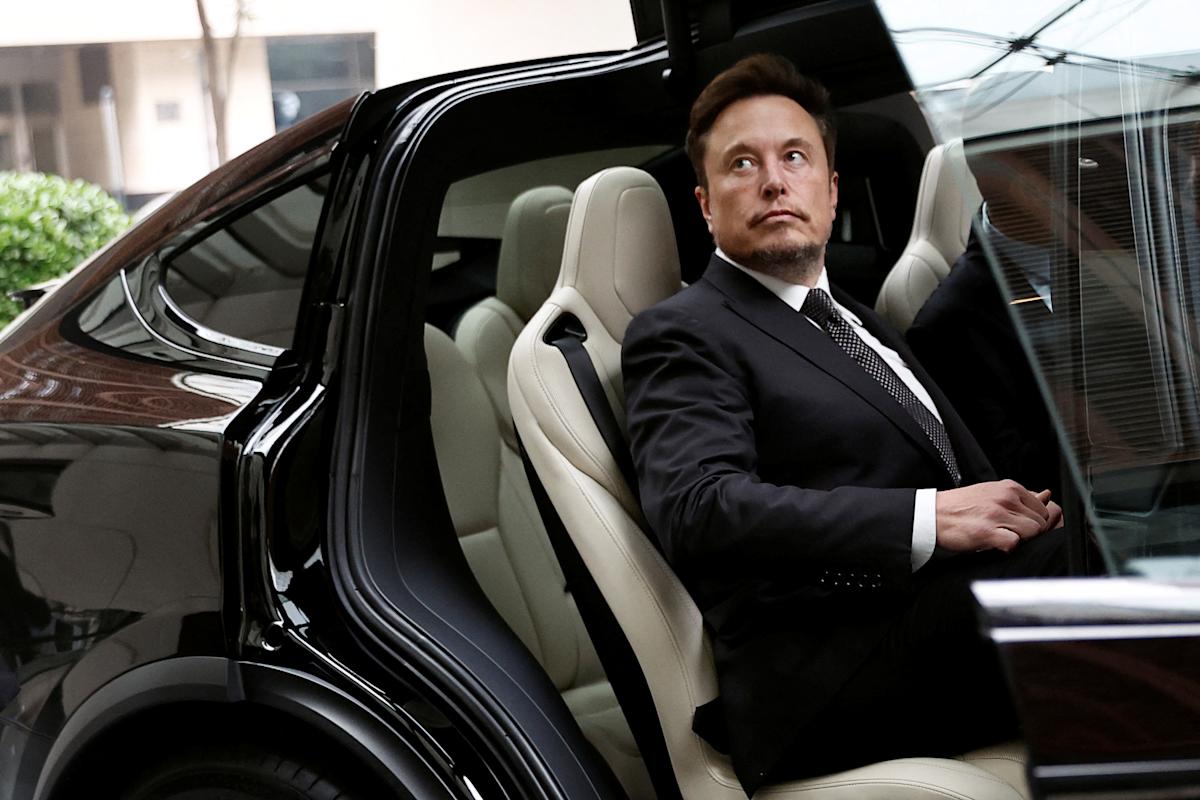
Elon Musk has reportedly fired Omead Afshar, Tesla’s head of manufacturing and operations in North America and Europe, according to Forbes. Both CNBC and Bloomberg corroborated the report. Afshar’s exit follows Milan Kovac, the head of engineering on Tesla’s Optimus robot, who left the company in early June.

Afshar was promoted to the role last year, Bloomberg reports, after working for multiple different Musk-owned companies since 2017. The timing of his exit isn’t particularly surprising given the trouble Tesla has faced selling cars. Sales in Europe have shrunk for a fifth consecutive month and the European Automobile Manufacturers’ Association reports that registrations of new Teslas dropped by nearly 41 percent in May. The company is also struggling in China, where sales fell 15 percent in the same month.

While Musk appears to be holding Afshar responsible, the blame clearly lies at Musk’s feet. Helping to fund President Donald Trump’s re-election in the US, running the destructive DOGE cost-cutting efforts after his election and just generally maintaining a noxious public presence have permanently tainted Musk and his companies. While SpaceX still benefits from government contracts, Tesla’s sales are vulnerable to public opinion, something the Tesla Takedown movement has been leveraging to its advantage with protests outside of the company’s dealerships.

Firing Afshar, leaving his position in the US government and launching Tesla’s robotaxi service in Austin are all different attempts from Musk to change the narrative around Tesla. It’s not clear yet whether they’ll actually help.

The coolest cars at the 2025 New York International Auto Show


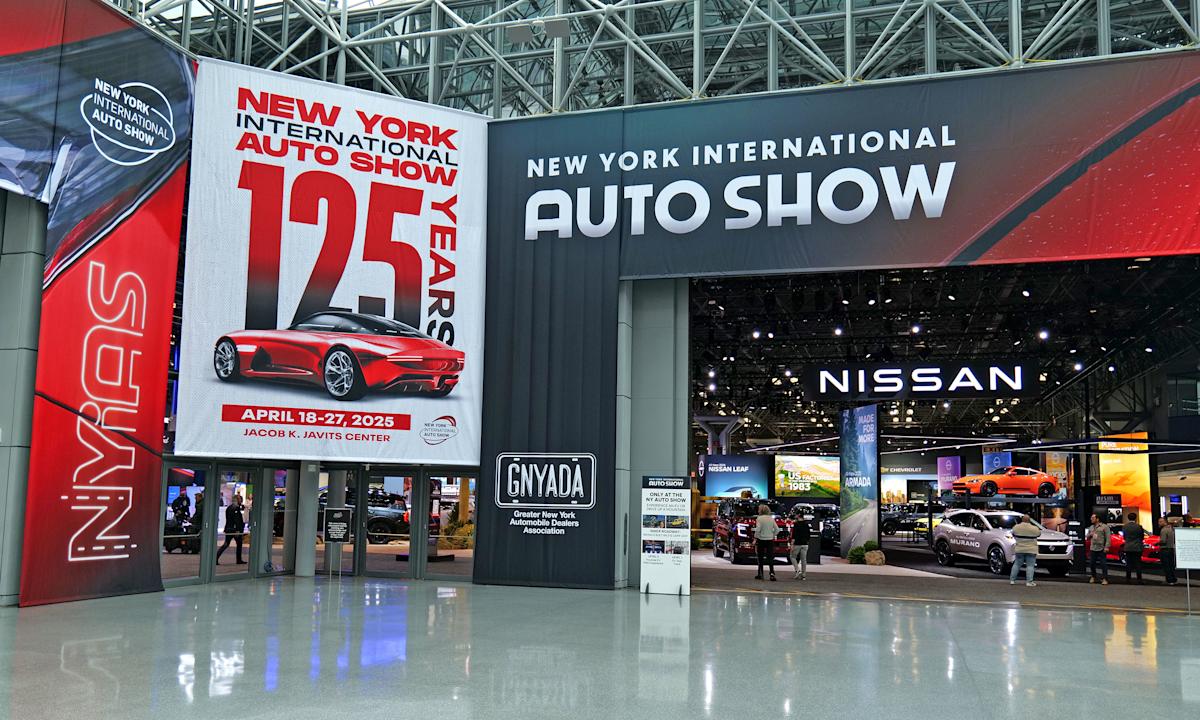
This year marks the 125th anniversary of the New York International Auto Show (NYIAS), and despite concerns over tariffs, there are still a lot of manufacturers here showing off new models including a handful of US and global debuts. So without further ado, here are some of the coolest cars on display at the 2025 NYIAS.

First up on the docket is Subaru, which is here today with an early look at its second-ever EV: the Trailseeker. Now I admit that the followup to the Solterra might not be the most exciting announcement, as this model will once again be based the e-TNGA platform, which is shared with Toyota’s bZ4x. That said, while the Trailseeker doesn’t have the most impressive range (around 260 miles), its updated styling, larger body and improved off-roading capabilities feel more suited to an outdoor lifestyle.

The 2026 Trailseeker is Subaru's second-ever EV. The 2026 Trailseeker is Subaru's second-ever EV.
Sam Rutherford for Engadget
The 2026 Subaru TrailseekerThe 2026 Subaru Trailseeker
Sam Rutherford for Engadget
The 2026 Subaru TrailseekerThe 2026 Subaru Trailseeker
Sam Rutherford for Engadget

Kia has been on a roll when it comes to EVs thanks to existing cars like the EV6 and EV9. At the 2025 NYIAS, the company is looking to keep that momentum rolling with the US debut of the EV4, which incorporates many of the headline features from its previous battery-powered offerings, but with an even more affordable expected starting price of between $35,000 and $40,000. It also features Kia’s improved i-PEDAL 3.0 regenerative braking tech which now works even in reverse.

The 2026 Kia EV4 at its US debut at the 2025 New York International Auto Show.The 2026 Kia EV4 at its US debut at the 2025 New York International Auto Show.
Sam Rutherford for Engadget
The front of the EV4 has a very funky design while having some family resemblance with Kia's other EVs. The front of the EV4 has a very funky design while having some family resemblance with Kia's other EVs.
Sam Rutherford for Engadget
With an expected starting price of between $35,000 and $40,000, the EV4 should be one of the most affordable new EVs for 2026. With an expected starting price of between $35,000 and $40,000, the EV4 should be one of the most affordable new EVs for 2026.
Sam Rutherford for Engadget

Speaking of the EV9, while there aren’t a ton of updates for 2025, Kia did roll out a new Nightfall edition for its flagship electric SUV. It features blacked-out accents throughout the vehicle including dark wheels, trim and badging. That color scheme even continues inside the vehicle with exclusive all-black upholstery. And when you consider that this remains one of the most affordable three-row electric cars, I think this is a pretty nice way to freshen up the look of the EV9.

The new EV9 Nightfall edition features blacked out accents across the entire car, including the interior. The new EV9 Nightfall edition features blacked out accents across the entire car, including the interior.
Sam Rutherford for Engadget
With its darker trim, the EV9 Nightfall edition looks even better than the standard model. With its darker trim, the EV9 Nightfall edition looks even better than the standard model.
Sam Rutherford for Engadget
The all-black interior is exclusive to the EV9 Nightfall edition.The all-black interior is exclusive to the EV9 Nightfall edition.
Sam Rutherford for Engadget

Billed as a luxury overlander, the Genesis X Gran Equator concept is easily one of the most striking cars at the 2025 New York Auto Show. It features an extremely long hood and LED light strips that wrap all the way around to the side of the vehicle along with matching tail lights in back. Inside, while it has fancy diamond-stitched upholstery, there are also dedicated holders for resuable waterbottles, which hint at its role as a potential camping vehicle. And while Genesis has not said what kind of powertrain it will have if the X Gran Equator reaches official production, the lack of a distinct grille up front means there’s hope it will be an EV.

The Genesis X Gran Equator concept is billed as a luxury overland. The Genesis X Gran Equator concept is billed as a luxury overland.
Sam Rutherford for Engadget
The X Gran Equator has some of the most complex wheels we've seen in recent memory. Here's hoping they make it to production. The X Gran Equator has some of the most complex wheels we've seen in recent memory. Here's hoping they make it to production.
Sam Rutherford for Engadget
The dedicated storage for resuable water bottles looks like a nod towards the X Gran Equator's role as a luxury overlander/camping vehicle. The dedicated storage for resuable water bottles looks like a nod towards the X Gran Equator's role as a luxury overlander/camping vehicle.
Sam Rutherford for Engadget

While the Gravity was officially announced late last year, it’s largely only been available for purchase by friends and family of the company up until now, which has made it a relatively rare site both at trade shows and on the road. But the at NYIAS, it was on display in all of its three-row electric glory. Not only is the Gravity the fastest charging EV outside of China capable of sucking down up to 400 kW, it also boasts a top range of up to 450 miles. Plus, thanks its ability to add 200 miles of range in less than 11 minutes, it pretty much upends the belief that EVs aren’t good for longer road trips. And while it’s a niche feature, Lucid even created a special cushion that goes in its frunk that instantly converts it into a cozy little love seat. It’s the kind of thing that makes me wish drive-in movie theaters weren’t so hard to find nowadays.

The Lucid Gravity at the NYIAS.The Lucid Gravity at the NYIAS.
Sam Rutherford for Engadget
The three-row Lucid Gravity at the NYIAS. The three-row Lucid Gravity at the NYIAS.
Sam Rutherford for Engadget
The three-row Lucid Gravity at the NYIAS. The three-row Lucid Gravity at the NYIAS.
Sam Rutherford for Engadget

The TA in the Hyundai Ioniq 5 N TA spec’s name stands for time attack. And last year, it did just that when it set the record at Pike’s Peak for the electric modified SUV/crossover class with a time of 9 minutes and 32 seconds. But what might be the most impressive thing about the car is that despite some obvious changes to its body (just look at the size of that rear wing), Hyundai says the TA was also built to showcase the strength of the regualar Ioniq 5 N’s power electric system. So instead of swapping in some one-off motors, this car has the same basic setup as the standard model (601 hp) with a small boost in output of just 37 horsepower.

The Pike's Peak recording breaking Hyundai Ioniq 5 N TA Spec at the 2025 NYIAS. The Pike's Peak recording breaking Hyundai Ioniq 5 N TA Spec at the 2025 NYIAS.
Sam Rutherford for Engadget
The Pike's Peak recording breaking Hyundai Ioniq 5 N TA Spec at the 2025 NYIAS. The Pike's Peak recording breaking Hyundai Ioniq 5 N TA Spec at the 2025 NYIAS.
Sam Rutherford for Engadget
The Pike's Peak recording breaking Hyundai Ioniq 5 N TA Spec at the 2025 NYIAS. The Pike's Peak recording breaking Hyundai Ioniq 5 N TA Spec at the 2025 NYIAS.
Sam Rutherford for Engadget

Even though we here at Engadget prefer EVs, we’d be remiss not to mention at least one gas-powered car at the New York Auto Show. Announced back in February, the Maserati GT2 Stradale is basically a road-legal version of the GT2 race car, which itself is based on the truly outrageous MC20 supercar. And as you’d expect, it has some pretty impressive specs with a blistering 0-60 time of 2.8 seconds despite it only having rear-wheel drive. It also features a carbon monocoque design just like its track-focused sibling and if you want, you can order one with semi-slick racing tires. So if you’ve ever had dreams of driving a race car on the street, this might be your ride. That said, Maserati hasn’t announced official pricing for the GT2 Stradale. But as the saying goes, if you have to ask, you probably can’t afford it.

Maserati GT2 Stradale from the 2025 New York International Auto Show. Maserati GT2 Stradale from the 2025 New York International Auto Show.
Sam Rutherford for Engadget
Maserati GT2 Stradale from the 2025 New York International Auto Show. Maserati GT2 Stradale from the 2025 New York International Auto Show.
Sam Rutherford for Engadget

Finally, capping off this list is the Chrysler 6 prototype which made its debut way back at the 1924 New York Auto Show. Granted, this thing is ancient, but at the time it was state-of-the-art boasting the industry’s first four-wheel hydraulic brakes along with a six-cylinder engine that produced a whopping 68 horsepower. When it eventually hit the market later that year, the Chrysler 6 cost $1,565. After factoring for inflation, that translates to a sticker price around $29,000, which actually doesn’t seem too bad.

1924 Chrysler 6 prototype at the 2025 New York International Auto Show. 1924 Chrysler 6 prototype at the 2025 New York International Auto Show.
Sam Rutherford for Engadget
1924 Chrysler 6 prototype at the 2025 New York International Auto Show. 1924 Chrysler 6 prototype at the 2025 New York International Auto Show.
Sam Rutherford for Engadget
1924 Chrysler 6 prototype at the 2025 New York International Auto Show. 1924 Chrysler 6 prototype at the 2025 New York International Auto Show.
Sam Rutherford for Engadget

Waymo aims to offer paid robotaxi rides in Washington DC next year


Waymo is continuing to expand its foothold across the US, having recently started in more parts of the San Francisco Bay Area. Next up are and , and now the company has to offer its driverless Waymo One service in the nation’s capital in 2026.

Before that can happen, though, Waymo will need to get approval from regulators. The company says it will “continue to work closely with policymakers to formalize the regulations needed to operate without a human behind the wheel in the District.” DC currently requires autonomous vehicles to have a human at the wheel, ready to take control if necessary.

“Our priority remains ensuring that any company operating in the District — such as Waymo — does so in a manner that prioritizes safety, aligns with our regulatory framework, and integrates seamlessly into DC’s unique transportation ecosystem,” German Vigil, a spokesman for the District Department of Transportation, told . He noted that the agency is refining its approach to regulation “based on public input, emerging best practices and lessons learned” from other jurisdictions.

Waymo has tested its vehicles in DC for several years and it plans to “continue introducing ourselves to DC’s communities and emergency responders over the coming months.” Per the Post, if and when Waymo One does become available in the District, the robotaxis would not take riders to any of the region’s airports, as they wouldn’t (at least at the outset) have a permit to cross into Maryland or Virginia.

Want an electric bike? The HiBoy EX6 is $805 off!


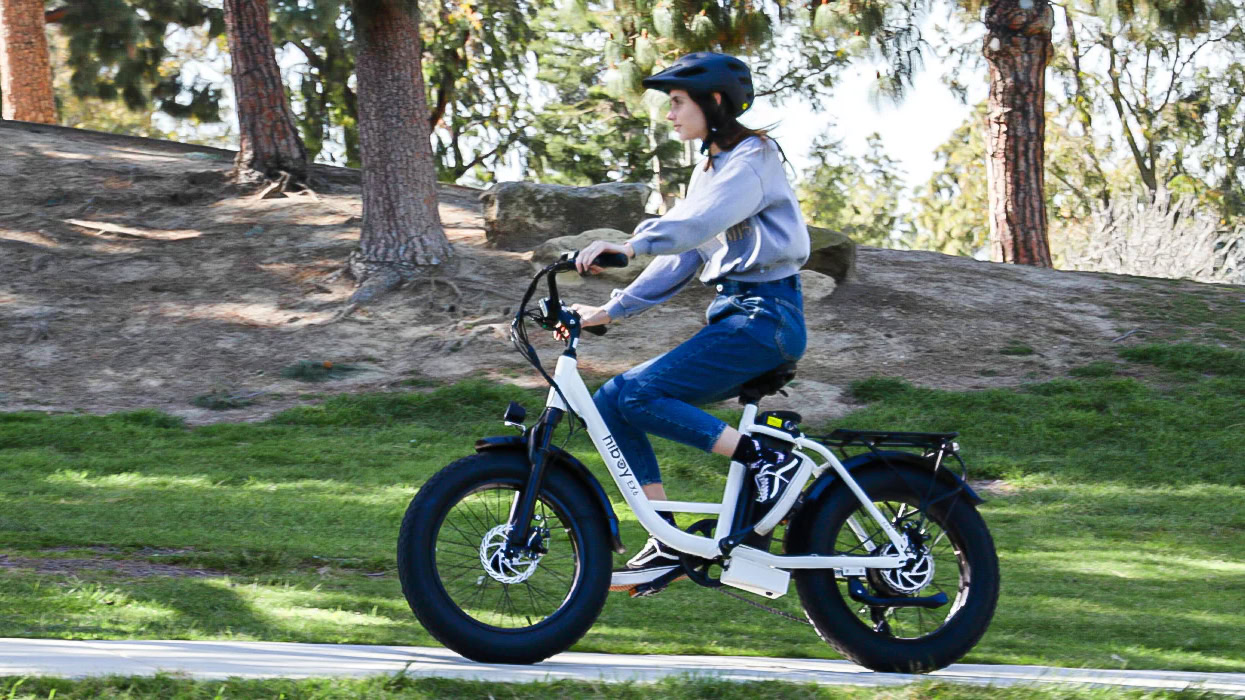
HiBoy EX6 Electric Bike

This is not the type of stuff we usually cover, but I couldn’t ignore this offer when it came across my desk. Electric bikes offer commuters a new form of easy, clean, and fun transportation, but they tend to be a bit pricier than I would hope. How about getting an $805 discount on the HiBoy EX6 Electric Bike? This brings the price down to a much more reasonable $774.99.

Get the HiBoy EX6 Electric Bike for just $774.99 ($805 off)

This offer is available from Best Buy. The discount is applied automatically. Simply add the product to your cart and check out! You can pick between Black and White models.

The HiBoy EX6 Electric Bike is quite impressive. It has a range of up to 75 miles in pedal assist mode, which is quite remarkable for an electric bike. Going full electric reduces that to about 41 miles, which is arguably still quite a bit. If you’re curious, the battery has a 720Wh capacity.

The max speed is 25mph, so this means you can run it for about three hours per charge. And 25mph isn’t exactly slow, either. It has a pretty powerful 500W motor, so this is no surprise.

It’s hard to find good electric bikes for adults. This is why I was happy to see this electric bike has a max weight capacity of 300 pounds.

HiBoy EX6 Electric Bike couple

It takes about 7-9 hours to recharge fully, which isn’t really that fast, but leaving it plugged in overnight should be enough for most people’s daily commutes or quick trips around town.

Electric motor and battery aside, it’s actually a pretty nice bike, too. It has wide 4-inch tires, which make for a smoother ride in rougher terrain. The bike is quite comfy, featuring a cruiser style that is a favorite for those who value comfort. Other features include a 7-speed gear system, a smooth hydraulic suspension, dual-disc brakes, a headlight, and a rack for carrying things.

This is a pretty hefty discount, so you might want to act quickly if you want to take advantage of this deal. I am actually considering getting one. This might beat using my car or motorcycle for quick trips around town.

Faraday Future pitches a ‘fresh start’ with a minivan prototype at CES 2025


At CES 2017, Faraday Future introduced its futuristic luxury EV, the FF 91. Seven years later, following repeated delays, bankruptcy, lawsuits and other controversies, the company has sold “15 or 16” FF 91s. Now the company is detailing its latest strategy shift, with a plan to sell cheap EVs under its new low-cost “FX” brand. FX CEO Max Ma came to CES, along with two prototype vehicles, to pitch the plan that he described as a “fresh start” for the embattled company.

As you might expect with Faraday, the exact details are somewhat hazy, but it involves sourcing parts from Chinese car-makers and bringing them to the US to produce “mass volume mainstream vehicles” with some of the premium touches Faraday is known for. “We want to take that $300,000-car expertise from a technology and features and performance [standpoint] into a $30,000, $40,000 car to try to upgrade the overall user experience,” Ma said during a briefing with Engadget. The first FX vehicle, the flagship product of the brand’s lineup, will be a minivan (or, as Ma referred to it, “an AI MPV”) called the “Super One.”

Faraday showed off two prototype minivans to demonstrate the concept. We were not permitted to take photos but the vehicles in the photo at the top of this post are the ones I saw.

One was meant to show the kind of premium in-cabin experience Faraday is envisioning for the low-cost car. It had two rows of white leather captain seats. The second-row seats had reclining footrests, heated seats and built-in massagers. There was also a small fridge underneath the center console for keeping drinks cold. The vehicle was missing its door handles and several other pieces. “Obviously, we’ll have door handles,” a Faraday rep assured us.

The second minivan was even less finished. The entire interior, including the dashboard and instrument cluster, was covered in black fabric held together with binder clips. But a Faraday rep took me and other reporters for a ride in it, driving in small, slow circles around a Las Vegas parking lot. Later, Faraday offered to let me take the minivan for a spin and I — apparently the “first lady” to pilot the vehicle — also drove it in slow circles around the parking lot. I’m not sure what I was supposed to get out of it, though, it felt like driving a minivan.

There are two other vehicles planned for the initial FX lineup, the FX 5 and FX 6, which were previously announced by the company. Faraday is aiming for a $20,000 – $30,000 price for the FX 5 and $30,000 – $50,000 for the FX 6. There aren’t many other details yet about either, though Faraday shared a teaser image of an FX 6 prototype, which it described as an “extra-large luxury AIEV.”

A teaser image of the FX 6. A teaser image of the FX 6.

Faraday Future

Faraday claims it will start producing one of its planned vehicles later this year, with the first “pre-production” model rolling off the production line by the end of 2025, according to a timeline shared by Ma. That’s a lofty promise considering the company’s past history of mismanagement and delays. Faraday Future CEO Matthias Aydt also acknowledged that the company has yet to finalize its partnerships with the companies that will supply its parts. He also didn’t address how tariffs may affect those plans.

Ma said he understood the skepticism. “Basically, this is a kind of fresh start. We really want to demonstrate that through our dedication of hard work, we can achieve what we promised.”

Tesla says ‘Full Self-Driving’ will be ready for Europe and China in early 2025


Tesla has tweeted its roadmap for the remaining months of 2024 and early 2025, revealing that Full Self-Driving could be available in Europe and China in the first quarter of next year, if it gets the proper approval from each region’s respective regulators. Company chief Elon Musk previously said that he expects to receive regulator clearance from the regions by the end of the year. The Wall Street Journal reported in April that authorities in China had already tentatively approved the launch of Tesla’s Full Self-Driving software in their country. It’s not quite clear where the company stands with European Union regulators at the moment.

In a response to the original post, Musk added that he’s hoping for FSD to be approved in Right-Hand Drive markets by the end of the first quarter or by early second quarter next year. Since he’s presumably talking about RHD markets in Europe and China, then he’s pertaining to the UK, Hong Kong and Macau.

The automaker has also revealed that Full Self-Driving will be available for Cybertrucks sometime this month, along with the Autopark capability. In October, Tesla is adding unpark, park and reverse functions to FSD, as well. The FSD software isn’t free, and buyers will have to pay to be able to unlock its semi-autonomous driver assistance capabilities. In the US, Tesla owners can buy the software outright for $8,000, though they can also pay a $99-per-month subscription fee for the supervised version of the feature.

This article contains affiliate links; if you click such a link and make a purchase, we may earn a commission.


The US lays out a road safety plan that will see cars ‘talk’ to each other


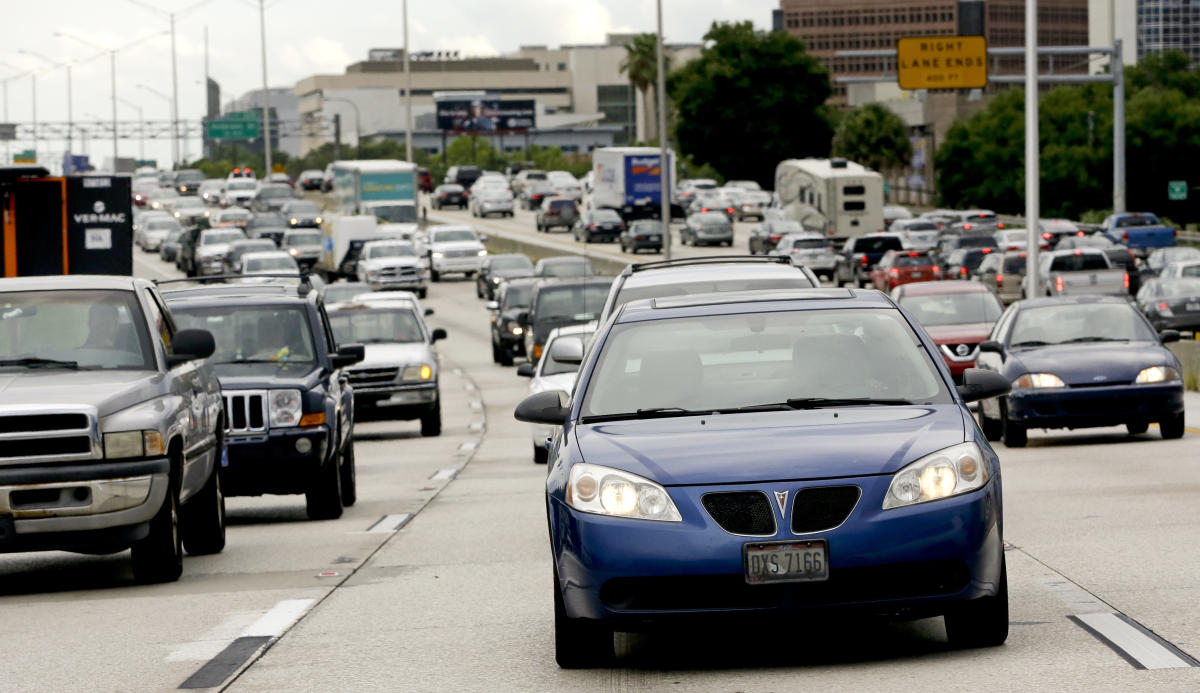
The US Department of Transportation has laid out a nationwide road safety plan [PDF] that will lead to cars communicating with each other. The agency is hoping that broadly deploying vehicle-to-everything (V2X) tech will boost its “commitment to pursue a comprehensive approach to reduce the number of roadway fatalities to zero.” The National Highway Traffic Safety Administration estimates that 40,990 people died in motor vehicle crashes last year.

V2X enables vehicles to stay in touch with each other as well as pedestrians, cyclists, other road users and roadside infrastructure. It lets them share information such as their position and speed, as well as road conditions. They’d be able to do so in situations with poor visibility, such as around corners and in dense fog, NPR notes.

A US-wide rollout will require an array of mobile, in-vehicle and roadside tech that can communicate efficiently and securely while protecting people’s personal information, the DoT said in its National V2X Deployment Plan. The agency said smaller-scale deployments of V2X across the country have demonstrated safety benefits. Safety advocates claim the tech could prevent hundreds of thousands of crashes and mitigate the impact of collisions that do occur by reducing the speed of impact.

The timeline for the DoT’s plan extends to 2036, by which time it hopes to have fully deployed V2X across the National Highway System, for the top 75 metro areas to have the tech enabled at 85 percent of signalized intersections and to have 20 vehicle models that are V2X capable. In the shorter term, the agency aims to have V2X tech installed across 20 percent of the National Highway System and 25 percent of signalized intersections in major metro areas by 2028.

It won’t be an easy task, as a wide range of stakeholders have to play a part, including the Federal Communications Commission, which the DoT says will have to determine rules about spectrum allocation. Automaker suppliers (which will build V2X-enabled components), freight operators and app developers are also players in the DoT’s vision.

There are some concerns, particularly in terms of cybersecurity and how to cover the costs of rolling out the tech (though the Federal Highway Administration recently announced nearly $60 million in grants related to V2X). But V2X has the potential to prevent thousands of deaths and serious injuries.

“The Department has reached a key milestone today in laying out a national plan for the transportation industry that has the power to save lives and transform the way we travel,” Secretary of Transportation Pete Buttigieg said in a statement. “The Department recognizes the potential safety benefits of V2X, and this plan will move us closer to nationwide adoption of this technology.”

“This plan is a vital first step towards realizing the full lifesaving potential of this technology — technology that could prevent up to 615,000 crashes,” National Transportation Safety Board Chair Jennifer Homendy said. The NTSB has determined that V2X deployments could have prevented many fatal crashes over the last few decades, Homendy noted. The agency has been advocating for the tech since 1995.

As you might imagine, then, V2X is hardly a new concept. Several automakers — including Audi, Toyota and Volkswagen — have long been working on ways for their cars to communicate with each other and city infrastructure, in part because that plays a factor in autonomous driving.

There were efforts under the Obama administration to make vehicle-to-vehicle (V2V) communication a mandatory feature of new cars. However, the National Highway Traffic Safety Administration scuttled that plan during the Trump administration.

The rollout of V2X has been slowed by “regulatory uncertainty,” said John Bozzella, president and CEO of the Alliance for Automotive Innovation, an automaker trade group. “This is the reset button,” Bozzella added, according to NPR. “This deployment plan is a big deal. It is a crucial piece of this V2X puzzle.”