Why this month’s Starship flight is SpaceX’s most important yet


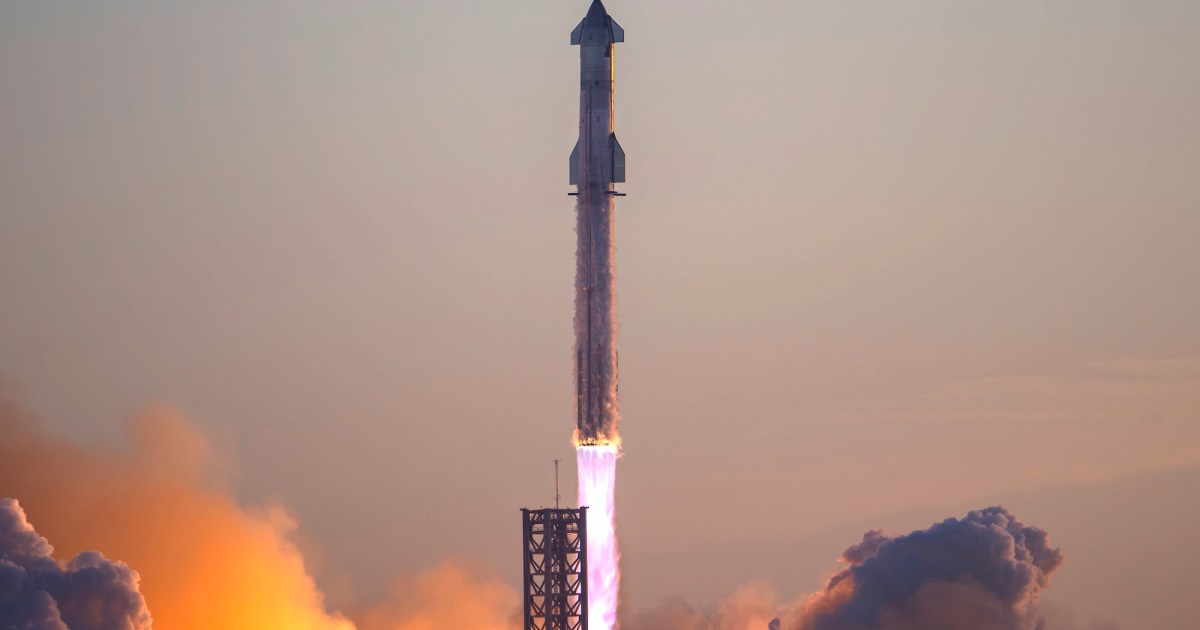
SpaceX is targeting this month for the 12th launch of its gargantuan Starship rocket, which comprises the first-stage Super Heavy booster and upper-stage Ship.

While much has rested on each and every one of its previous 11 test flights, the first of which took place in April 2023, the next launch is a big deal for the Elon Musk-led spaceflight company.

That’s because the mission involves a new version of the rocket, with its design based closely on the one that’s destined for future flights to the moon and possibly even Mars.

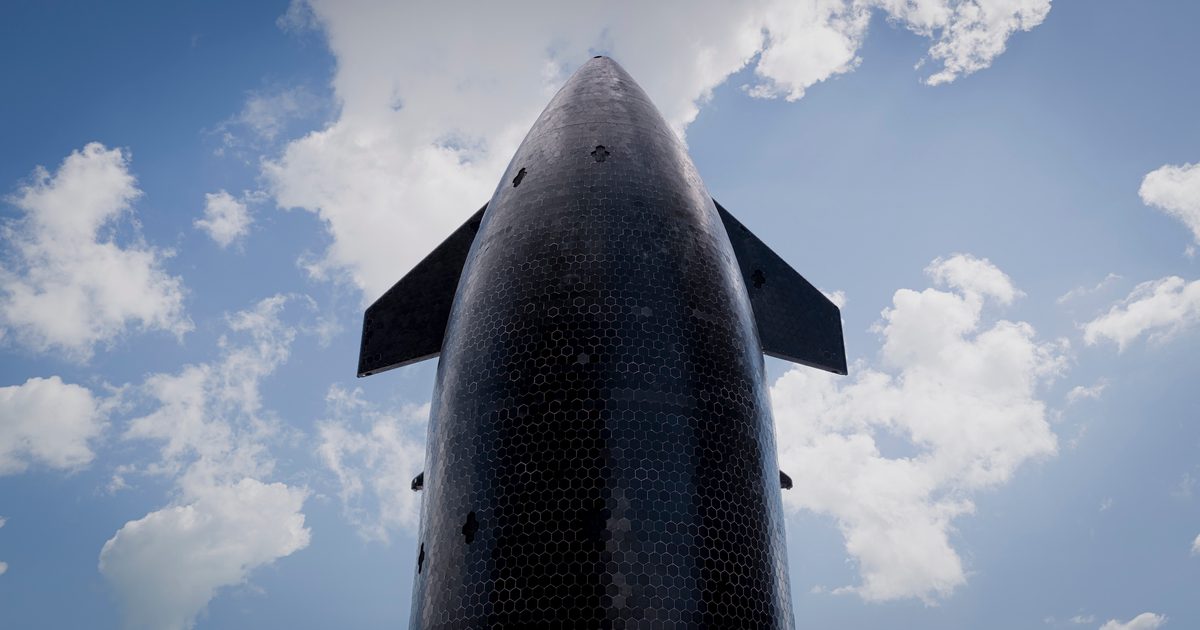
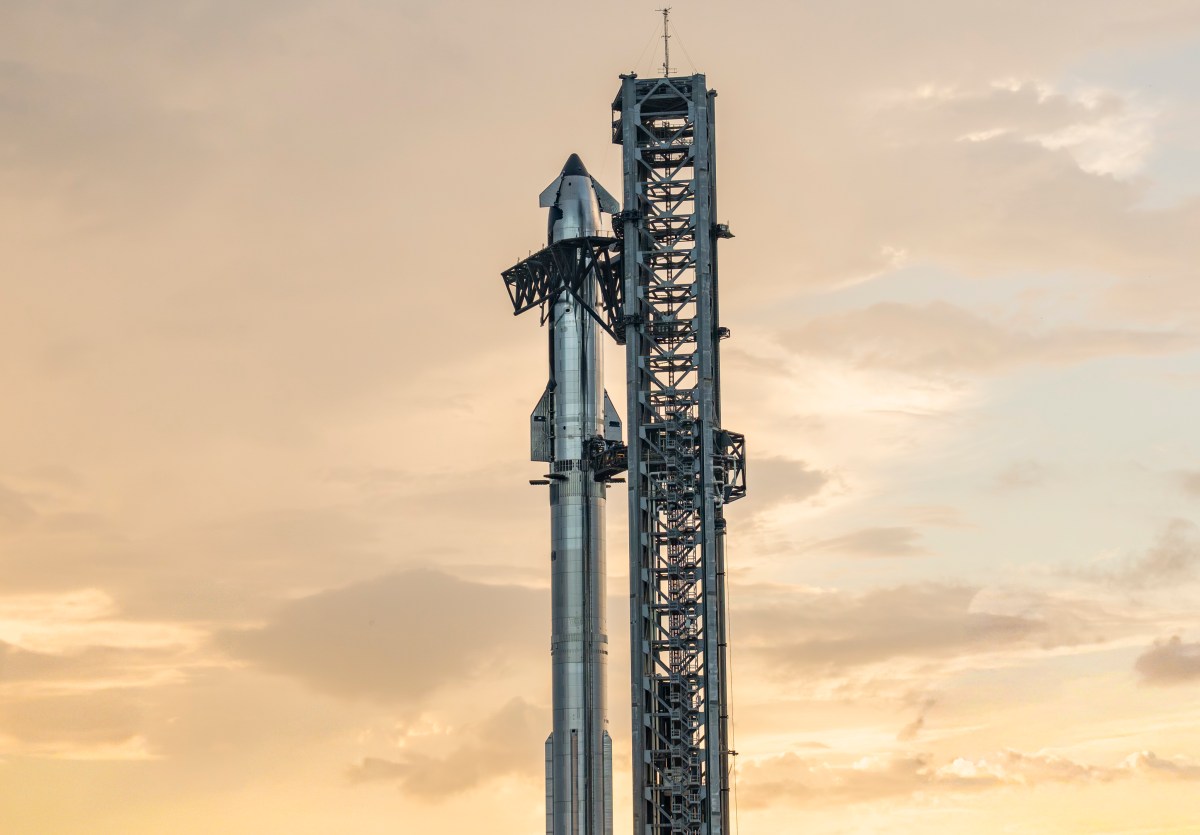
Version 3 of Starship incorporates structural refinements, more powerful engines, and a raft of lessons learned from earlier mishaps and failures. The entire vehicle is a little taller, too, at 124.4 meters compared to 123.3 meters, and features considerably larger grid fins for improved flight control.

The new design represents a shift from experimental prototype toward something closer to an operational system, with the redesigned rocket the first Starship capable of orbital flights.

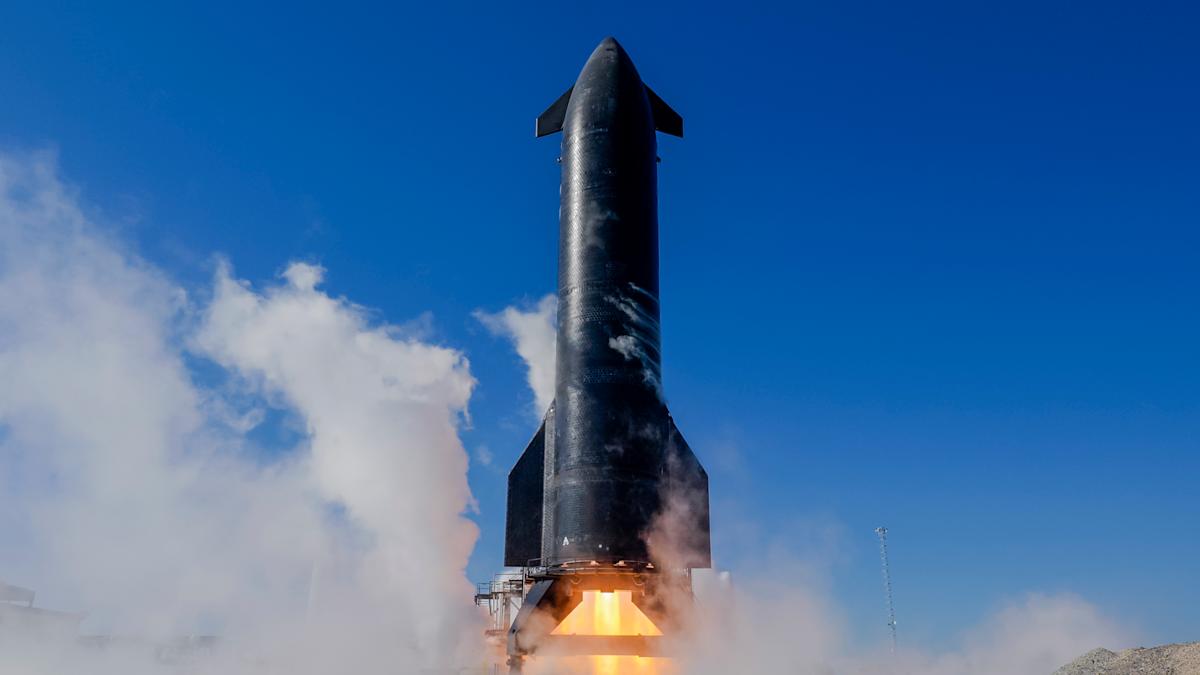
The upcoming 12th flight will aim to demonstrate structural and systems upgrades across the vehicle, validate the performance of its latest Raptor engines, execute a clean stage separation and controlled ascent profile, and gather critical data on booster recovery systems that move the rocket closer to routine reuse, among other goals.

The Starship won’t need to perform a perfect flight, but it will need to convince NASA and its partners that progress is accelerating.

That’s because rival spaceflight company Blue Origin, led by Amazon founder Jeff Bezos, is knocking at the door.

Blue Origin is also competing for NASA contracts and could even provide the spaceflight hardware for the recently revamped Artemis III mission in low‑Earth orbit in 2027, putting extra pressure on SpaceX to demonstrate measurable progress with the Starship.

SpaceX currently has the contract for the Artemis III and Artemis IV missions (the latter of which will put astronauts back on the moon, possibly in 2028), but should Starship development falter, Blue Origin could step in.

Clearly there’s a lot to play for, though it’s worth noting that Blue Origin has far less flight experience with its New Glenn rocket and its untested Blue Moon lander, leaving SpaceX well-positioned to prove Starship’s reliability first.

SpaceX has yet to announce a specific target date for the Starship’s 12th flight. We’ll share news of it just as soon as we know.

SpaceX will attempt Starship’s 11th flight test on Monday


SpaceX is gearing up for the 11th flight test of its Starship megarocket, which will launch from its Starbase in Texas as early as Monday. The launch window opens on October 13 at 7:15PM ET. You’ll be able to watch live starting 30 minutes before liftoff on the SpaceX website and on X. 

Starship’s latest flight follows a successful test at the end of August, during which it deployed a payload — eight dummy Starlink satellites — in space for the first time following a failed attempt earlier in the year. The company is aiming to carry out another payload demonstration for flight 11, again using eight Starlink simulators. For this flight, SpaceX is using a previously flown Super Heavy booster, with 24 of its 33 Raptor engines being flight-proven. The goals this time around include “flight experiments gathering data for the next generation Super Heavy booster, stress-testing Starship’s heatshield, and demonstrating maneuvers that will mimic the upper stage’s final approach for a future return to launch site.”

SpaceX won’t attempt to catch Super Heavy in its “chopsticks” back at the launch site this time. The booster is instead expected to end up in the Gulf of Mexico, while Starship will splash down in the Indian Ocean.

SpaceX notches major wins during 10th Starship test


SpaceX’s massive Starship rocket lifted off on its 10th test flight Tuesday evening, hitting two long-sought milestones and putting an end to a string of failures.

The 403-foot vehicle lifted off from Starbase, SpaceX’s launch facility and recently incorporated city, at 7:30 p.m. ET after two scrubs earlier this week. The rocket ascended on 33 methane-fueled Raptor engines before separating around three minutes after liftoff.

On descent, the Super Heavy booster tested out a new maneuver: intentionally shutting down the engines used for landing and transitioning to backup engines. The test will help engineers understand how the booster might perform in the case of failure. The test appeared to go as planned, with the 232-foot-tall booster successfully making a targeted splashdown in the Gulf of Mexico.  

Meanwhile, the upper stage, also called Starship, reached space. There, for the first time on a Starship flight, it opened its Pez-style payload door and released eight Starlink mass-simular satellites. This is a capability that SpaceX had planned but failed to demonstrate on earlier missions. The company also successfully relit one of the Raptor engines in space before guiding the vehicle toward the Indian Ocean, where it splashed down, tipped over, and promptly exploded.

On the way down, the exterior of the ship was exposed to incredible heat during atmospheric reentry, providing an excellent test environment for the upgraded thermal-protection system. SpaceX also used this test to try out a series of experiments, like removing tiles from sections of the ship to see how its “skin” operates on reentry, plus a new metallic tile and an actively cooled tile.

Most importantly, however, is the upper stage completed the entire test and splashed down in the Indian Ocean without losing comms with SpaceX engineers. During the last flight, the ship reached space and then lost attitude control during the coast phase, preventing the payload doors from opening. Engineers appear to have overcome those issues.

It’s a big win for SpaceX, which has repeatedly lost the Starship upper stage due to a series of technical failures during flight. The persistent issues have raised questions as to whether the rocket will be ready to land humans on the moon by mid-2027 for NASA, or when it will be capable of deploying next-gen Starlink satellites for the company.

Techcrunch event

San Francisco
|
October 27-29, 2025

This test marks a material advancement for the Starship program, which the company wants to eventually use to send humans and cargo to Mars. While SpaceX still has to complete a series of tough technical milestones before it can get there, it got one step closer tonight.

How to watch SpaceX’s ninth Starship flight test on Tuesday


The FAA last week cleared SpaceX’s Starship to fly again after concluding its review of the previous flight, which ended in an explosion, and the next test could now take off as soon as Tuesday. SpaceX is eyeing May 27 for Starship’s ninth flight test, with a launch window opening at 7:30PM ET (6:30PM local time for the Texas Starbase). This launch will mark the first time SpaceX reuses a Super Heavy booster; the booster for flight nine previously flew with Starship’s seventh flight test earlier this year. While single-use parts have been replaced, SpaceX says it’s reusing 29 of the booster’s 33 Raptor engines.

As always, viewers at home will be able to watch along by tuning into the livestream, starting about 30 minutes before Starship launches. That will be available on SpaceX’s website and in a broadcast on its X profile.

To view this content, you’ll need to update your privacy settings. Please click here and view the “Content and social-media partners” setting to do so.

SpaceX conducted Starship’s eighth flight test back in March, but the vehicle ran into some issues a few minutes after launch. The Super Heavy booster was able to return to the launch site after separation from the upper stage and be successfully caught by the tower’s “chopstick” arms, but as for the ship itself, several Raptor engines shut off, causing it to tumble and ultimately blow itself up.

SpaceX says the issue was likely due to “a hardware failure in one of the upper stage’s center Raptor engines that resulted in inadvertent propellant mixing and ignition.” It’s since made some changes to prevent that from happening again. SpaceX said in an update on May 22 that “engines on the Starship’s upper stage will receive additional preload on key joints, a new nitrogen purge system, and improvements to the propellant drain system.”

For flight nine, the Super Heavy booster won’t return to the launch site, but will instead splash down in the ocean. The Starship upper stage will attempt to deploy eight Starlink dummy satellites, and SpaceX is otherwise looking to this flight to test “several experiments focused on enabling Starship’s upper stage to return to the launch site.”

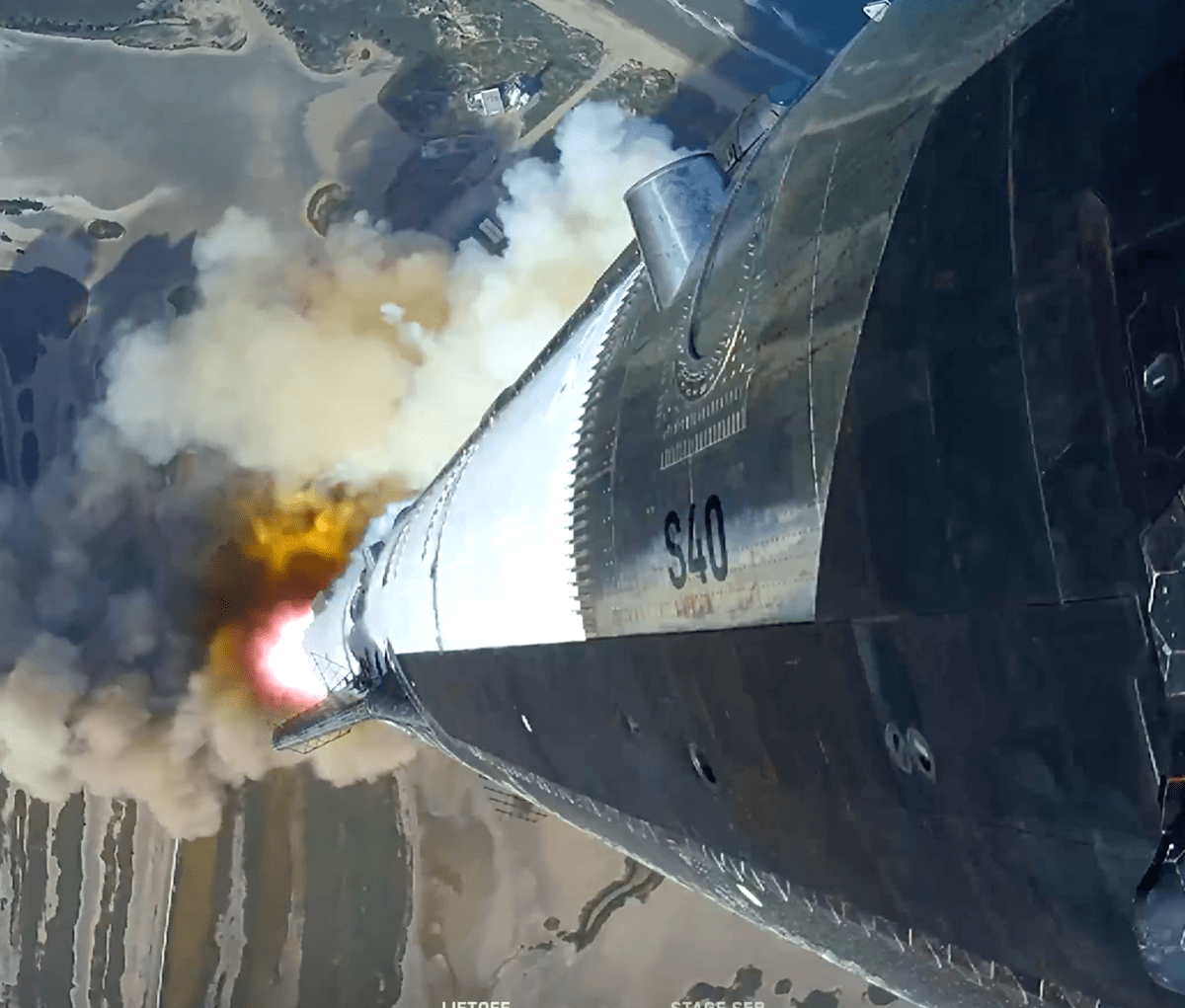
SpaceX shares stunning close-up footage of Starship engines firing up on 8th flight test


SpaceX launched its mighty Starship rocket for the eighth time last week. The mission was a bit of mixed bag, with the team successfully catching the first-stage Super Heavy booster on its return to the launchpad, but losing the Starship spacecraft in a midair explosion minutes after stage separation. The Elon Musk-led spaceflight company is now looking into what went wrong.

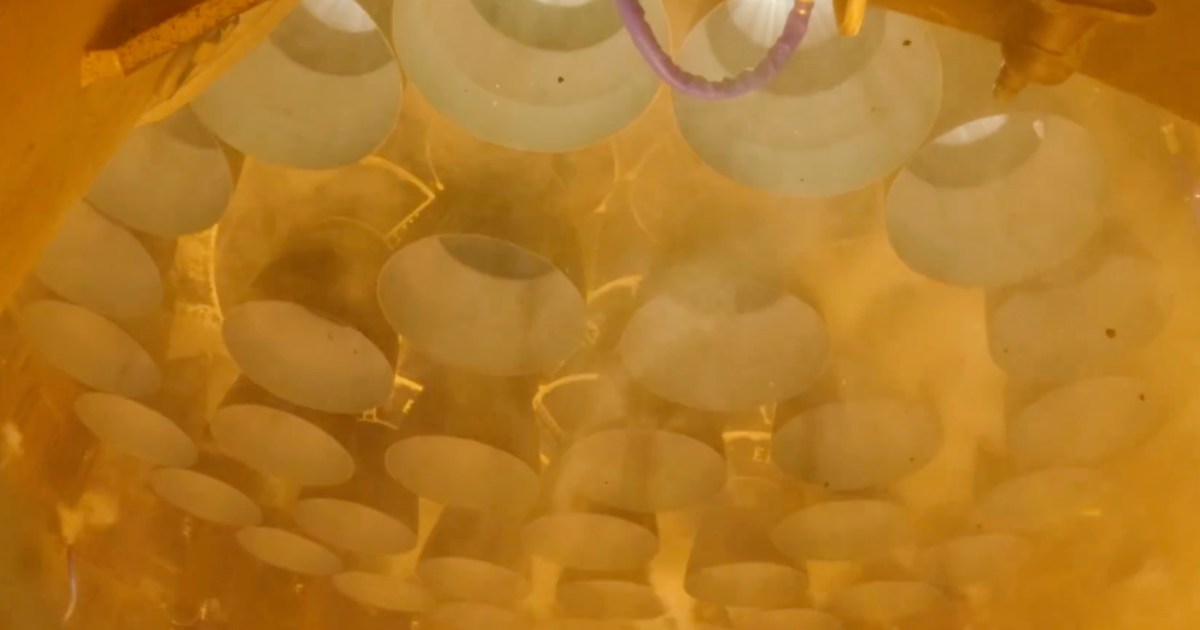
After each Starship test, SpaceX usually releases video clips showing the mission’s key moments. On Sunday, it shared some extraordinary footage (below) captured from below the booster as it launched from SpaceX’s Starbase facility in Boca Chica, Texas. The slowed-down video shows the rocket’s 33 Raptor engines firing up as the enormous 120-meter-tall vehicle leaves the launchpad.

View under the launch mount as Super Heavy's 33 Raptor engines ignite on Starship's eighth flight test pic.twitter.com/WRCazkhyXs

— SpaceX (@SpaceX) March 9, 2025


Please enable Javascript to view this content

With the rocket pumping out a colossal 17 million pounds of thrust, it’s hard to fathom how the camera that captured the footage managed to stay intact. But stay intact it did.

SpaceX hasn’t revealed how it achieved the feat, but in the comments below the footage, someone asked X’s AI assistant, Grok, how the the footage was captured from such a seemingly vulnerable spot. The chatbot responded: “High-speed cameras under the launch mount capture the ignition of Super Heavy’s 33 Raptor engines. They’re mounted on reinforced structures, shielded from heat and debris, and use advanced telemetry to transmit footage in real-time. SpaceX has perfected this tech for jaw-dropping views like Starship’s eighth flight test.”

Capturing a close-up of the world’s most powerful rocket from this angle is all the more remarkable when you consider how the launchpad disintegrated when it was blasted by the Starship’s rocket engines on its maiden launch in April 2023.

For the second flight test, SpaceX engineers designed a more robust and secure launchpad able to handle the incredible force generated by the Raptor engines as the Starship lifted off.

Once testing of the rocket is complete, NASA and SpaceX will use the Starship rocket to carry crew and cargo to the lunar surface, and possibly to Mars, too.


SpaceX facing FAA review for Starship launches from Kennedy


SpaceX's Starship rocket lifting off in November 2023.
SpaceX

SpaceX currently launches the Starship — the most powerful rocket ever built — from its Starbase facility in Boca Chica, Texas, but it also wants to launch it from the Kennedy Space Center in Florida.

For that to happen, its plans will first have to be cleared by the Federal Aviation Administration (FAA) by way of an environmental review, the agency announced on Friday.

NASA carried out a similar review five years ago and saw no issue with SpaceX launching the Starship from Kennedy, but since then the Elon Musk-led spaceflight company has adjusted its plans for the Starship and its associated infrastructure, prompting the FAA to announce its own review to assess the impact of the launches on the local environment.

Changes to SpaceX’s plan at Kennedy include a greater frequency of launches from 24 per year to as many as 44, and a slightly more powerful rocket design. SpaceX also wants to land the first-stage booster at Launch Complex 39A instead of at Landing Zone 1.

Pumping out a colossal 17 million pounds of thrust at launch — more than double that of the Saturn V rocket that powered the Apollo astronauts toward the moon from the same launch facility five decades ago, and almost twice that of NASA’s next-gen Space Launch System (SLS) rocket, which launched fro the first time in November 2022 — the Starship has a greater chance of disrupting the local environment than any other vehicle that’s launched from Florida’s Space Coast.

The maiden launch of the Starship, which has only flown three times to date, completely destroyed the Starbase launch pad when the force of the engines proved too great as the rocket lifted off. Debris was spread far and wide and into protected wildlife areas, causing consternation among environmentalists. SpaceX responded by building a more robust pad capable of handling subsequent launches.

These days, residents along the Space Coast are used to seeing launches involving SpaceX’s workhorse Falcon 9 rocket, which spits out a mere 1.7 million pounds of thrust at launch, as well as the occasional mission by SpaceX’s Falcon Heavy, which is three times more powerful. Starship launches, however, will be something else altogether.

Editors’ Recommendations