According to a letter from the U.S. Treasury Department to lawmakers revealed on Monday, Dec. 30, Chinese-backed hackers successfully infiltrated the department’s systems and stole government documents this month.
The breach, first reported by Reuters, highlights yet another instance of state-sponsored cyber espionage targeting U.S. government employees — just moments after AT&T and Verizon finally dealt with Salt Typhoon. In a statement to Senator Sherrod Brown, chair of the Committee on Banking, Housing, and Urban Affairs, the Treasury confirmed that the attack occurred in December.
In the letter, the department states that the breach was flagged by a third-party cybersecurity vendor, BeyondTrust, which discovered that the attackers had compromised a key used to secure a cloud-based service. That service was integral to providing remote technical support to end users within the department’s offices.
Mashable Light Speed
“With access to the stolen key, the threat actor was able [to] override the service’s security, remotely access certain Treasury DO user workstations, and access certain unclassified documents maintained by those users,” the letter reads.
The Treasury revealed it was alerted to the breach on Dec. 8 and is collaborating with the FBI and the U.S. Cybersecurity and Infrastructure Security Agency (CISA) to evaluate the scope of the incident. Reuters reports that the FBI has yet to respond to requests for comment, while CISA redirected inquiries back to the Treasury.
The pace of technology innovation has accelerated in the past year, most dramatically in AI. And in 2024, there was no better place to be a part of creating those breakthroughs than NVIDIA Research.
NVIDIA Research is comprised of hundreds of extremely bright people pushing the frontiers of knowledge, not just in AI, but across many areas of technology.
In the past year, NVIDIA Research laid the groundwork for future improvements in GPU performance with major research discoveries in circuits, memory architecture and sparse arithmetic. The team’s invention of novel graphics techniques continues to raise the bar for real-time rendering. And we developed new methods for improving the efficiency of AI — requiring less energy, taking fewer GPU cycles and delivering even better results.
But the most exciting developments of the year have been in generative AI.
We’re now able to generate, not just images and text, but 3D models, music and sounds. We’re also developing better control over what is generated: to generate realistic humanoid motion and to generate sequences of images with consistent subjects.
The application of generative AI to science has resulted in high-resolution weather forecasts that are more accurate than conventional numerical weather models. AI models have given us the ability to accurately predict how blood glucose levels respond to different foods. Embodied generative AI is being used to develop autonomous vehicles and robots.
And that was just this year. What follows is a deeper dive into some of NVIDIA Research’s greatest generative AI work in 2024. Of course, we continue to develop new models and methods for AI, and expect even more exciting results next year.
ConsiStory: AI-Generated Images With Main Character Energy
ConsiStory, a collaboration between researchers at NVIDIA and Tel Aviv University, makes it easier to generate multiple images with a consistent main character — an essential capability for storytelling use cases such as illustrating a comic strip or developing a storyboard.
The researchers’ approach introduced a technique called subject-driven shared attention, which reduces the time it takes to generate consistent imagery from 13 minutes to around 30 seconds.
ConsiStory is capable of generating a series of images featuring the same character.
Edify 3D: Generative AI Enters a New Dimension
NVIDIA Edify 3D is a foundation model that enables developers and content creators to quickly generate 3D objects that can be used to prototype ideas and populate virtual worlds.
Edify 3D helps creators quickly ideate, lay out and conceptualize immersive environments with AI-generated assets. Novice and experienced content creators can use text and image prompts to harness the model, which is now part of the NVIDIA Edify multimodal architecture for developing visual generative AI.
Fugatto: Flexible AI Sound Machine for Music, Voices and More
A team of NVIDIA researchers recently unveiled Fugatto, a foundational generative AI model that can create or transform any mix of music, voices and sounds based on text or audio prompts.
The model can, for example, create music snippets based on text prompts, add or remove instruments from existing songs, modify the accent or emotion in a voice recording, or generate completely novel sounds. It could be used by music producers, ad agencies, video game developers or creators of language learning tools.
GluFormer: AI Predicts Blood Sugar Levels Four Years Out
Researchers from the Weizmann Institute of Science, Tel Aviv-based startup Pheno.AI and NVIDIA led the development of GluFormer, an AI model that can predict an individual’s future glucose levels and other health metrics based on past glucose monitoring data.
The researchers showed that, after adding dietary intake data into the model, GluFormer can also predict how a person’s glucose levels will respond to specific foods and dietary changes, enabling precision nutrition. The research team validated GluFormer across 15 other datasets and found it generalizes well to predict health outcomes for other groups, including those with prediabetes, type 1 and type 2 diabetes, gestational diabetes and obesity.
LATTE3D: Enabling Near-Instant Generation, From Text to 3D Shape
Another 3D generator released by NVIDIA Research this year is LATTE3D, which converts text prompts into 3D representations within a second — like a speedy, virtual 3D printer. Crafted in a popular format used for standard rendering applications, the generated shapes can be easily served up in virtual environments for developing video games, ad campaigns, design projects or virtual training grounds for robotics.
MaskedMimic: Reconstructing Realistic Movement for Humanoid Robots
To advance the development of humanoid robots, NVIDIA researchers introduced MaskedMimic, an AI framework that applies inpainting — the process of reconstructing complete data from an incomplete, or masked, view — to descriptions of motion.
Given partial information, such as a text description of movement, or head and hand position data from a virtual reality headset, MaskedMimic can fill in the blanks to infer full-body motion. It’s become part of NVIDIA Project GR00T, a research initiative to accelerate humanoid robot development.
In the field of climate science, NVIDIA Research announced StormCast, a generative AI model for emulating atmospheric dynamics. While other machine learning models trained on global data have a spatial resolution of about 30 kilometers and a temporal resolution of six hours, StormCast achieves a 3-kilometer, hourly scale.
The researchers trained StormCast on approximately three-and-a-half years of NOAA climate data from the central U.S. When applied with precipitation radars, StormCast offers forecasts with lead times of up to six hours that are up to 10% more accurate than the U.S. National Oceanic and Atmospheric Administration’s state-of-the-art 3-kilometer regional weather prediction model.
Read the StormCast paper, written in collaboration with researchers from Lawrence Berkeley National Laboratory and the University of Washington.
NVIDIA Research Sets Records in AI, Autonomous Vehicles, Robotics
Through 2024, models that originated in NVIDIA Research set records across benchmarks for AI training and inference, route optimization, autonomous driving and more.
In the field of autonomous vehicles, Hydra-MDP, an end-to-end autonomous driving framework by NVIDIA Research, achieved first place on the End-To-End Driving at Scale track of the Autonomous Grand Challenge at CVPR 2024.
In robotics, FoundationPose, a unified foundation model for 6D object pose estimation and tracking, obtained first place on the BOP leaderboard for model-based pose estimation of unseen objects.
Learn more about NVIDIA Research, which has hundreds of scientists and engineers worldwide. NVIDIA Research teams are focused on topics including AI, computer graphics, computer vision, self-driving cars and robotics.
Cloud-hosted (Saas) technology is known for being a cost-effective solution with quicker implementations, minimal use of hardware, and low maintenance costs.
For your indirect tax function, regardless of whether you use native ERP functionality or an integrated on-premise tax engine to calculate tax, there are both external and internal costs to consider. Total cost of ownership (TCO) is one of the most important factors to evaluate when considering a move to a cloud-based tax solution.
Download this white paper to learn about:
What TCO is comprised of and how to reduce it.
Costs when migrating from a native ERP to the cloud.
Costs when migrating from an on-premise tax engine to the cloud.
How to help future-proof your tax function to pivot easily as your business expands.
Download the white paper
Download the white paper
Error: Contact form not found.
About Vertex
Vertex Inc. stands at the confluence of tax expertise and technological innovation. Our mission extends beyond providing tax solutions; we empower businesses to harness the full potential of their tax operations as a strategic advantage. With decades of industry leadership and a commitment to excellence, Vertex Inc. offers not just tools, but transformation.
Finding the right temperature in bed can be tricky. Feeling too hot or cold makes it tough to drop off and can wake you prematurely. Since our mental and physical health depends on sleep, that’s a problem. Eight Sleep has the answer. The Eight Sleep Pod 4 is a temperature-regulating mattress cover that tracks your body as you snooze, with a hub that pumps cooled or warmed water into the cover to help you stay in the land of nod for longer.
When I tested its predecessor, the Eight Sleep Pod 3 (7/10, WIRED Recommends), I was wary of the billionaire biohacking buzz, but it won me over. Aside from the increased comfort, the best sleep trackers all told the same story: My wife and I slept longer and got more deep sleep and REM with the Eight Sleep Pod than without. The Eight Sleep Pod 4 brings some welcome improvements, including greater comfort, quieter operation, and handy tap controls, so you don’t have to reach for your phone at night.
Photograph: Simon Hill
Sadly, better sleep does not come cheap. A Pod 4 Cover and Hub for a queen-size bed costs $2,599, but you must also take a year’s subscription to Autopilot for an extra $199. If you already have a subscription, you can transfer it to a new Pod, but you can no longer buy an Eight Sleep Pod without taking the Autopilot subscription. The UK Super King I tested costs £2,699, with a year of Autopilot at £199. It’s a real investment, but sleeping soundly can be transformative.
Hitting the Hay
The Eight Sleep Pod 4 Cover and Hub come in two large boxes. The mattress cover has rubber tubing inside and a soft, plush, dark material on top. It is elasticized for a snug fit on your mattress, and tubing must be routed from the top to plug into the hub. The hub is about the size of a desktop PC, with a fabric front and a big 8 logo. The hub is the brain of the operation, and it cools or heats water and pumps it around the cover.
Setup with the Pod 4 was similar but much quicker than the Pod 3. You pull the cylinder out the top of the hub and pour water up to the fill line. The priming process has dropped to around 10 minutes from a couple of hours for the previous version. You connect the hub to your Wi-Fi using the mobile app. The Pod 4 cover is much comfier than the Pod 3, and the hub is far quieter. It never broke 30 decibels when measured. It makes a subtle hum, like a white noise sleep sound.
3D printing has completely changed the landscape of architecture. This is not a fad; its influence has transformed architects, designers, and engineers’ thoughts and approach toward designing a project. It is very good for companies and freelancers operating in the architecture sector to give unprecedented creativity, efficiency, and involvement with the client.
Table of contents
Know about 3D printing in architecture
It refers to printing a three-dimensional object on a layer by layer fashion from a digital file. Currently, this is the area of additive manufacturing in architectures that has helped produce and model complex structures and full-scale prototypes. Today, building models come out in detailed dimensions, whole structures, or simply anything based on the architect’s creativity. This normally begins with a CAD file, or a blueprint for the printed model. This advanced software enables architects to draw precisely and in details to the extent that each unit within the building is improved.
Upon design, there will be a 3D printing that uses plastics, metals, and even concretes to print models. This way, aside from the fact that this is going to make everything much easier, it helps eliminate waste and cut materials for any business size-an exciting reason.
One of the effects 3D printing will impact on architectural design is seeing designs more concretely into realisation. Sometimes a set of sketches and the respective two dimensional drawings may not tell very much about a design in an almost authentic sense. That notwithstanding, through 3D printing, architects can visually project what they intend or are coming up with via making of physical models offering an authentic way of projection of a design.
These models can be used in client presentations, which allows the stakeholders to experience the design in ways that drawings cannot. It is possible for the client to get a close-up view of scale, proportions, and details about a project, thus providing better decision-making and increased satisfaction with the final product.
Rapid prototyping
Another important advantage of 3D printing, however is the speed at which one can produce models. It allows architects and designers to quickly come up with prototypes so that they may easily iterate much faster. The speed of production is pretty beneficial in the preliminary stages of a project. Indeed, the number of possible designs can be quite vast at this stage.
With several designs being released pretty fast, architects will try several concepts and use the data to determine material and aesthetic choices versus functional ability. This encourages more creativity but speeds up the total project timeline, the critical motivator in current high-speed construction environment.
Cost efficiency
Cost always goes to the front when an architectural project is to be undertaken. And also 3D printing really cuts expenses. In comparison with conventional prototyping, expensive materials and processes that consume labor usually find an application for prototyping. On the other hand, 3D printing is low waste because only the required quantities of materials are needed thus lowering cost production from waste.
Further, with the 3D printing technology, the models can be printed at a highly accurate level and, thus, less potential for costly errors in the on-site construction. This saving can work as a critical difference for freelancers and small firms that can enable them to be in a better position when competing with the bigger firms.
Customization and personalization
The ability to generate items with 3D printing makes customization easy as well as inexpensive, thereby making impossible things a matter of reality. In evidence is the case with architects who can design any style of facade, intricate detailing even customized interiors that cannot have been achieved with any known method.
This is very useful to freelancing architects because they spend much time developing their own solutions to clients. This capacity will ensure that freelancers develop unique designs, which will be the best way for them to stand out from other freelancers in a competitive market, thereby having stronger ties with the clients and establishing excellent reputations.
Applications of 3D printing in architectural design
Scale models
Architects have used scale models in the presentation of architecture for a long period of time. With 3D printing now available, models are so easy to make and also quite fast. The detailed accurate representation of the architect makes it possible for the clients to know the proportion and scale involved in a project.
These models can be printed with different materials such as PLA, ABS, and resin. Each has a different aesthetic and tactile quality. High-quality scale models can now be produced quickly, enabling the presentation of designs to be made more effectively and a real-time response to client feedback.
Facade elements
It also enables architects to design and produce intricate façade elements that can add an aesthetic value to a building. Additive manufacturing techniques allow one to get custom patterns, textures, and forms quite easily. This is helpful in modern architecture, where one demands extraordinary façade designs for a statement or functional objectives, such as energy efficiency and climate responsiveness.
Building elements
Some companies are studying the possibility of printing entire building elements like walls, columns, and structural elements with 3D printing. It does not have the intricacies associated with construction but gives free rein to innovative designs, which will not be tamed by existing architecture conventions. An example would be projects that actually created complex geometries via 3D-printed concrete, impossible to manufacture if produced conventionally. Thus, such a method can even diminish the construction time and human costs in labor without compromising structure.
Urban models for planning
Besides creating standalone structures, 3D printing can actually play an important role in urban design. The designers can build large neighborhood and district models showing how those developments are going to work in the place.
These models can even facilitate discussions with the city planners, stakeholders, and the community generally. They offer a physical reference to proposed changes. 3D printing makes ways to make developments relevant in the eyes of community need while increasing public involvement with planning activities.
Despite its potential positives, introduction of 3D printing for architectural design still contains disadvantages.
Lack of materials
In addition, despite so many advancement opportunities, 3D printable materials available in the field of construction are really low if compared with building material kinds. The architects need to ensure that there is enough property in the strength, durability, and sustainability of materials in the process of designing for 3D printing.
Regulatory compliance
Regulatory compliance remains a great challenge with any new building construction method. Building codes and standards may not be updated to cover structures printed with 3D printing; hence the architect has to navigate a complex legal framework. This would push the acceptance of the project, and therefore the construction back.
Technical expertise
With regards to technical know-how, for 3D printing to be successfully put into action, architects must have technical know-how. This is through being well conversant with CAD software and having knowledge of how 3D printing is performed, in addition to the material properties. This would present a challenge to entry for freelancers or small firms that do not have dedicated technical teams.
Initial investment
A fairly significant initial investment in technology, a 3D printer requires of the firms desirous of getting a high quality one, and all the material that goes with it. To a small firm, the money may not easily run its course without seeing returns pretty soon.
As technology advances, the future of 3D printing in architecture seems to be doing all right. Probably, next-generation materials will be biobased and recycled resources, which could further expand the potential for sustainable building practices and even more ambitious architectural projects through advancements in printing speeds and precision.
The integration of 3D printing with other technologies, like BIM and AR, would make design more effective, but the project workflow becomes more smooth. For example, through AR, architects can already see a 3D-printed model in place to be constructed so that some adjustments can be made even before the construction phase.
Wrapping it up
This means that it has fundamentally affected the way architectural designs and visualization are approached and will be concluded. It is a new step forward for companies and freelancers with rapid prototyping, designing down to a high degree of customization, and generation of detail models. In its further development, it will begin to shape innovative and efficient ways of leading the architecture to a sustainable future.
3D printing is not only giving life to plans for architects, but it is also making the architectural practice of the 21st century different and better. It will also bring architects to the game, helping them to be leaders in innovation and satisfying ever-evolving needs of the clients and communities around the world.
Nobody would disagree with the huge impact of 3D printing on architectural design and visualization. For this reason, companies and freelancers must join the bandwagon of utilizing the new technology and harness it to gain an upper edge over their competitors. At Cad Crowd, we’ll ensure that you are working with experts in 3D printing who will turn your concepts into realities. Request for a quote today.
MacKenzie Brown is the founder and CEO of Cad Crowd. With over 18 years of experience in launching and scaling platforms specializing in CAD services, product design, manufacturing, hardware, and software development, MacKenzie is a recognized authority in the engineering industry. Under his leadership, Cad Crowd serves esteemed clients like NASA, JPL, the U.S. Navy, and Fortune 500 companies, empowering innovators with access to high-quality design and engineering talent.
Let’s get today’s Wordle won. Rush straight to the best bit if you like by skipping down to the December 30 (1290) answer, and bask in the perfect green letter glow that comes with it. Or just use today’s hint to give you a hand if you find yourself stuck further down the board. However you enjoy playing, we can help.
A strong start followed up by the perfect second row meant today’s Wordle felt like the easiest, breeziest, most casual win in three. Less a puzzle, more of a cheeky little thing trying very badly to hide the answer from me, and giving up almost immediately. I am, without a doubt, a word-finding genius. So why do I feel so worried tomorrow’s game is going to try and “balance” this fantastic start out?
Wordle today: A hint
(Image credit: Josh Wardle)
Wordle today: A hint for Monday, December 30
If you looked at something—really, really, looked at something—for a long time, until the subject felt uncomfortable and maybe you needed a reminder to blink, you’d be doing this.
Is there a double letter in Wordle today?
No, there is not a double letter in today’s puzzle
Wordle help: 3 tips for beating Wordle every day
If you’ve decided to play Wordle but you’re not sure where to start, I’ll help set you on the path to your first winning streak. Make all your guesses count and become a Wordle winner with these quick tips:
A good opener has a mix of common vowels and consonants.
The answer could contain the same letter, repeated.
Avoid words that include letters you’ve already eliminated.
You’re not racing against the clock so there’s no reason to rush. In fact, it’s not a bad idea to treat the game like a casual newspaper crossword and come back to it later if you’re coming up blank. Sometimes stepping away for a while means you can come back with a fresh perspective.
Today’s Wordle answer
(Image credit: Future)
What is today’s Wordle answer?
Here you go. The answer to the December 30 (1290) Wordle is STARE.
Keep up to date with the most important stories and the best deals, as picked by the PC Gamer team.
Previous Wordle answers
The last 10 Wordle answers
Previous Wordle solutions can help to eliminate guesses for today’s Wordle, as the answer isn’t likely to be repeated. They can also give you some solid ideas for starting words that keep your daily puzzle-solving fresh.
Here are some recent Wordle answers:
December 29: MAMBO
December 28: DECRY
December 27: GRAIN
December 26: AFFIX
December 25: SHARE
December 24: EAGLE
December 23: SAUNA
December 22: BRAWN
December 21: BLADE
December 20: FLASH
Learn more about Wordle
(Image credit: Nurphoto via Getty)
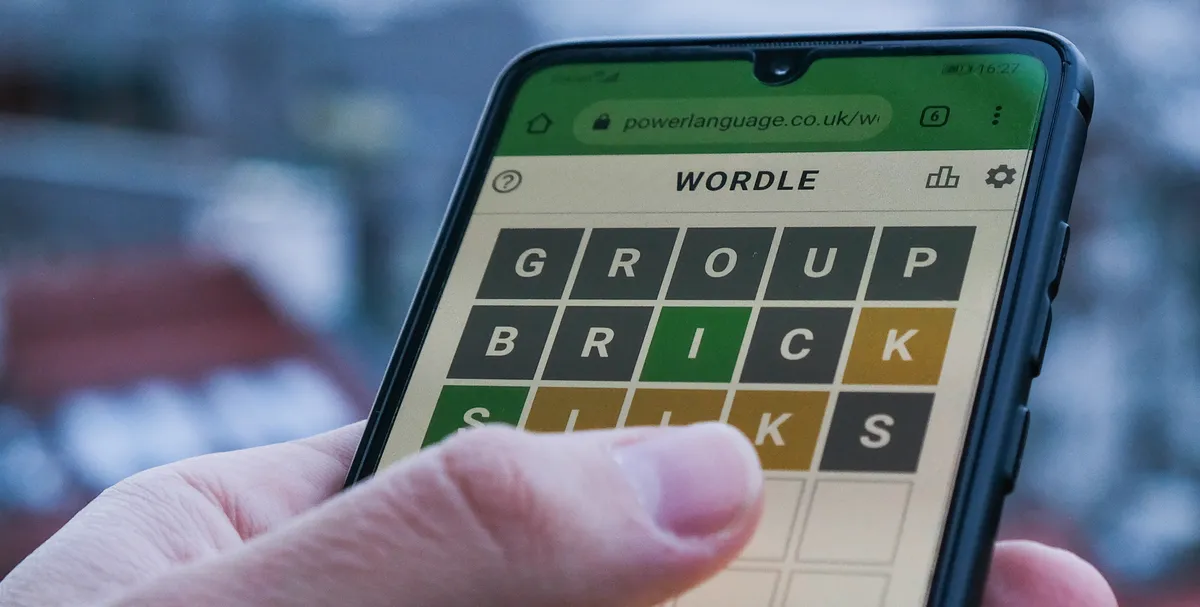
There are six rows of five boxes presented to you by Wordle each day, and you’ll need to work out which five-letter word is hiding among them to win the daily puzzle.
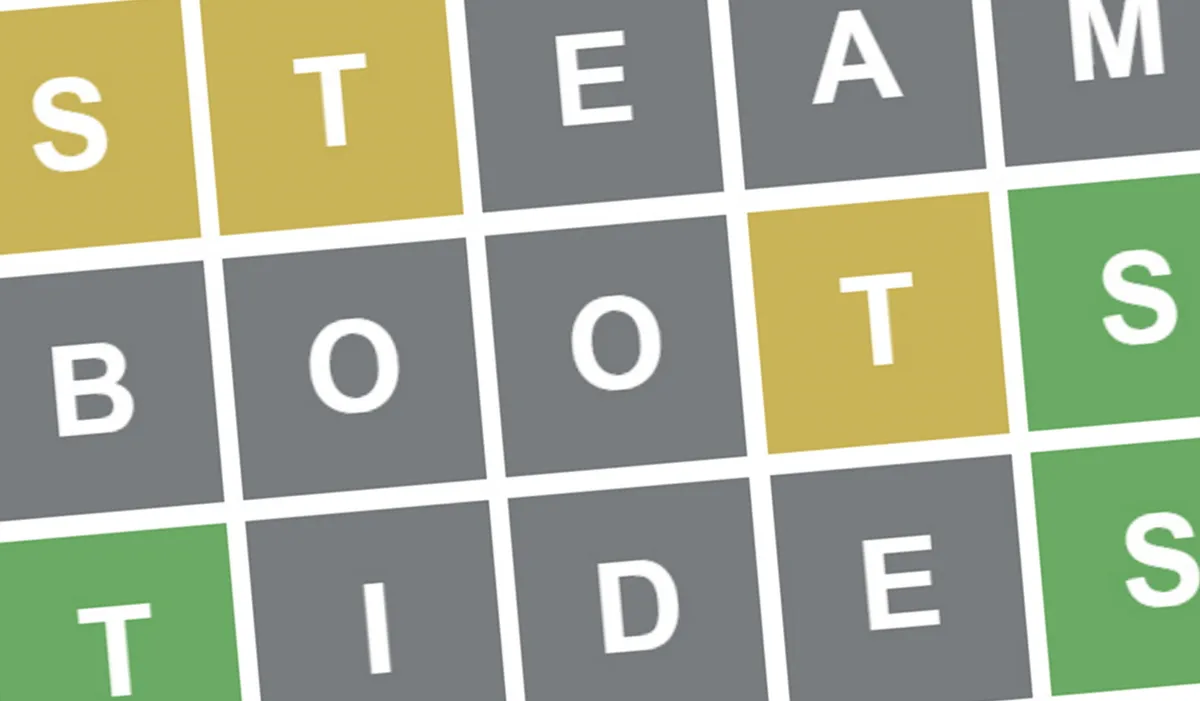
Start with a strong word like ALIVE—or any other word with a good mix of common consonants and multiple vowels. You should also avoid starting words with repeating letters, so you don’t waste the chance to confirm or eliminate an extra letter. Once you’ve typed your guess and hit Enter, you’ll see which letters you’ve got right or wrong. If a box turns ⬛️, it means that letter isn’t in the secret word at all. 🟨 means the letter is in the word, but not in that position. 🟩 means you’ve got the right letter in the right spot.
Your second guess should compliment the first, using another “good” word to cover any common letters you might have missed on the first row—just don’t forget to avoid any letter you now know for a fact isn’t present in today’s answer. After that, it’s just a case of using what you’ve learned to narrow your guesses down to the correct word. You have six tries in total and can only use real words and don’t forget letters can repeat too (eg: BOOKS).
If you need any further advice feel free to check out our Wordle tips, and if you’d like to find out which words have already been used you can scroll to the relevant section above.
Originally, Wordle was dreamed up by software engineer Josh Wardle, as a surprise for his partner who loves word games. From there it spread to his family, and finally got released to the public. The word puzzle game has since inspired tons of games like Wordle, refocusing the daily gimmick around music or math or geography. It wasn’t long before Wordle became so popular it was sold to the New York Times for seven figures. Surely it’s only a matter of time before we all solely communicate in tricolor boxes.
This December’s ended up being a pretty big month for movies. After a somewhat limp start, the month really got into gear with Sonic 3and Mufasa, both of which have managed to pick up steam during the Christmas period. And as the year comes to a close, those two movies are still duking it out for the top spot, even as the newer Nosferatu has entered the fray.
Per Variety, Robert Eggers’ gothic horror pic came in behind the two kids flicks and has made $40.3 million since its Christmas Day release. That’s almost double its initial $25 million projections, and is now an all-time best open for Focus Features. Its word of mouth has been pretty good, its trailers have looked very good, and folks like Eggers’ previous work. Probably also helps that the trailers don’t let you see what Bill Skarsgård’s Count Orlok looks like, but the buildup of how freaky he may appear invites curiosity. At the moment, Nosferatu is only out domestically, and it’s not clear when Universal will put it out for international audiences.
Meanwhile, Mufasa and Sonic have grown domestically and overseas. The former earned $111 million in the US, bringing its global total to $328 million. Things have been looking up for the Lion King prequel since Christmas, and the same’s true for the Blue Blur: Sonic’s US take jumped up to $137.5 million, bringing its worldwide total to $211 million. As analyst Luiz Fernando pointed out, the threequel’s having a rough time in Japan, but it’ll likely end up making the films a billion dollar franchise when all is said and done, so there’s probably at least three more movies on the way.
Speaking of billions: it’s looking more and more sure Moana 2’s going to join the billion dollar club. Fernando further noted the film’s box office has grown to $882.5 million worldwide. It’s clearly got a long tail, and the same may be true for the last salvo of 2024 releases as we roll right into 2025. Starting off the New Year, we’ve got The Damned on January 3 and Den of Thieves 2: Pantera on January 10, followed by Universal’s Wolf Man on January 17.
Twas The Night is a light-hearted city builder and management simulation where you take on the role of Santa Claus, from the humble beginnings of building wood toys to delivering future tech to children worldwide. Days of the year fly by in seconds. Race the clock and win bonus Christmas Spirit by fulfilling all Christmas wishes before Christmas Eve. Use Christmas Spirit to build additional workshops, unlock upgrades, and create new Traditions that last for generations. With 265 days until Christmas and polar darkness setting in, believers’ letters pour into the mailroom. Now is the perfect opportunity to fine-tune workshop output to magically grant all wishes. The Incredible Adventures of Van Helsing II
On Christmas day, you will get your final report. Will you have enough Christmas Spirit to keep the magic flowing? If you make it through Christmas, rejoice! The sun is shining, the elves are on vacation, production stops and letters do not come in for the first 100 days of the next year making this a perfect time to do some much-needed upgrades and maintenance in preparation for the coming holiday season.
Features and System Requirements:
Players can use Christmas Spirit to build additional workshops, unlock upgrades, and create new traditions that last for generations, enhancing the gameplay experience
The game features polar darkness as believers’ letters pour into the mailroom, providing opportunities to fine-tune workshop output.
Players assume the role of Santa Claus, building and managing a mega-workshop at the North Pole to produce toys for children worldwide.
Screenshots
System Requirements
Requires a 64-bit processor and operating system
OS: Windows 10 64-bit
Processor: Intel Core i5 4690 @ 3.5 GHz | AMD Ryzen 5 1600x @ 3.6 GHz
Memory: 16 GB RAM
Graphics: GTX 1070 / RX VEGA-56
Storage: 1 GB available space
Support the game developers by purchasing the game on Steam
Installation Guide
Turn Off Your Antivirus Before Installing Any Game
1 :: Download Game 2 :: Extract Game 3 :: Launch The Game 4 :: Have Fun 🙂
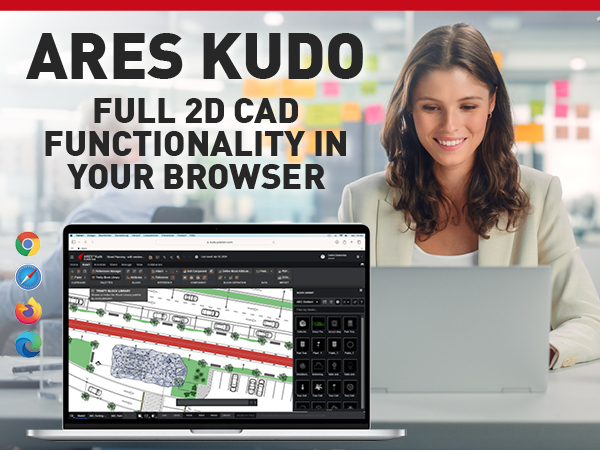
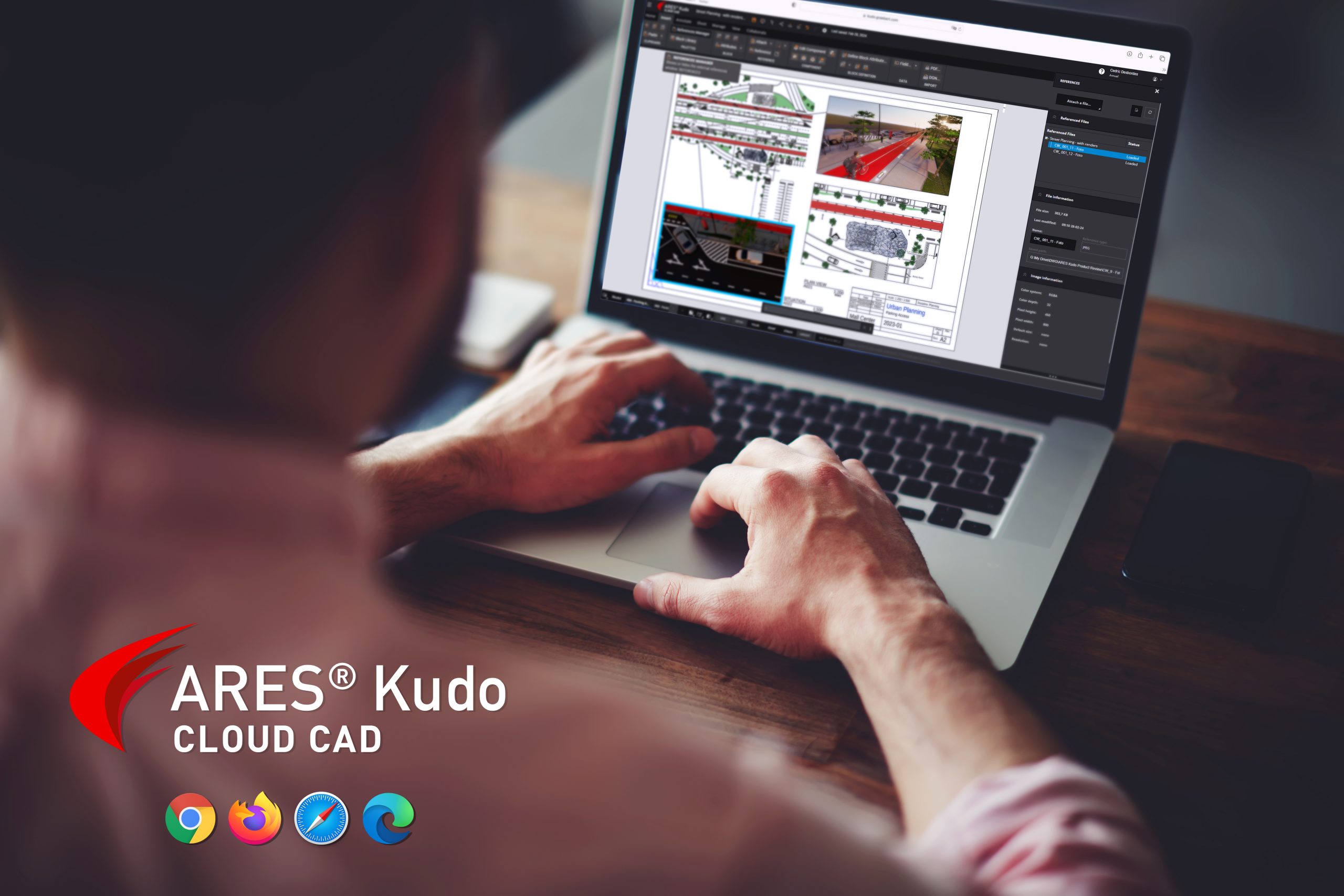
ARES Kudo brings full-featured 2D drafting and editing to your web browser, so you can access and work on your DWG files without installing any software. As part of the ARES Trinity of CAD software, ARES Kudo seamlessly integrates with ARES Commander (for desktop computers) and ARES Touch (for mobile devices), enabling professionals to work anywhere, on any type of device. Watch the video below to see how ARES Kudo can transform your workflows.
What Makes ARES Kudo Unique?
Browser-based convenience. ARES Kudo is a cloud-based CAD application that simplifies workflows by eliminating software installation and updates. You will automatically stay up-to-date with the latest tools and features.
Flexible accessibility. Because everything takes place directly in your browser, you can access your designs at any time, anywhere that you have Internet access.
Seamless collaboration. ARES Kudo makes it simple to share, manage, and comment on files in real time. By creating a view-only link, you can give your collaborators the ability to view and comment on your file for free — even if they’re not experienced CAD users.
A Robust Feature Set Comparable to AutoCAD LT
ARES Kudo isn’t just for viewing — it’s a full-featured CAD solution. Create and modify DWG files with hundreds of features, including:
Intuitive Ribbon Interface. ARES Kudo’s ribbon interface is familiar to users of ARES Commander or AutoCAD, making it easy to switch from a desktop solution to the online version. Commands are logically grouped in tabs, and the interface can be scrolled on smaller screens, keeping it accessible on any device. The ribbon can also be hidden if desired.
Time-Saving UI Elements. ARES Kudo has many tools to help you work more efficiently, including:
Command aliases enable those transitioning from AutoCAD to keep using familiar command names.
Palettes including Properties, References, and Hatch allow for quick management of drawing entities and external references.
Easy-to-use Options dialog box helps you to quickly make adjustments such as switching between light and dark mode.
Advanced Layer and Block Tools. ARES Kudo offers powerful block and layer management features, including:
The Layers Manager simplifies organization, and makes the creation of new layers more convenient.
Create, edit, and manage blocks, including nested blocks, blocks with attributes.
Access more than 450 ready-to-use dynamic blocks in the Trinity Block Library. These blocks can be quickly reconfigured via grips, for faster project creation.
The Edit Component feature displays the structure of a selected block, as well as providing editing capabilities.
Collaboration Tools. ARES Kudo shines in collaborative environments. Key tools that simplify working with others include:
View-only links: Share drawings for review without requiring additional software. Your collaborators can view and comment on your projects for free.
Version History: See who made changes over the life of a drawing and, if needed, revert to earlier versions.
Drawing Compare: Spot differences between two DWG drawings in seconds.
Import and Conversion Options. Users have several options for importing and converting files, including
PDF to DWG conversion. ARES Kudo also supports importing DGN files. Alternatively, PDF and DGN files can be attached as underlays.
Dimensioning and Layout Tools. Add and edit dimensions, insert and modify tables, and manage layouts effortlessly. With ARES Kudo, you can duplicate sheets, scale viewports, and fine-tune your CAD drawings.
How ARES Kudo Fits into the ARES Trinity
ARES Kudo can be used as a standalone 2D CAD solution, but it also works seamlessly with ARES Commander and ARES Touch, forming a complete CAD ecosystem encompassing cloud, desktop, and mobile platforms. You can start a project on your desktop computer at work, make edits in the cloud while using your laptop at home, and review it on your tablet at the client’s office, for example.
Get Started with ARES Kudo
ARES Kudo is CAD without boundaries. Whether you need to collaborate with a team, access your designs from anywhere, or just simplify your workflows, it’s the perfect answer. Experience the power of cloud-based CAD with ARES Kudo. Sign up now and get instant access to a free trial!

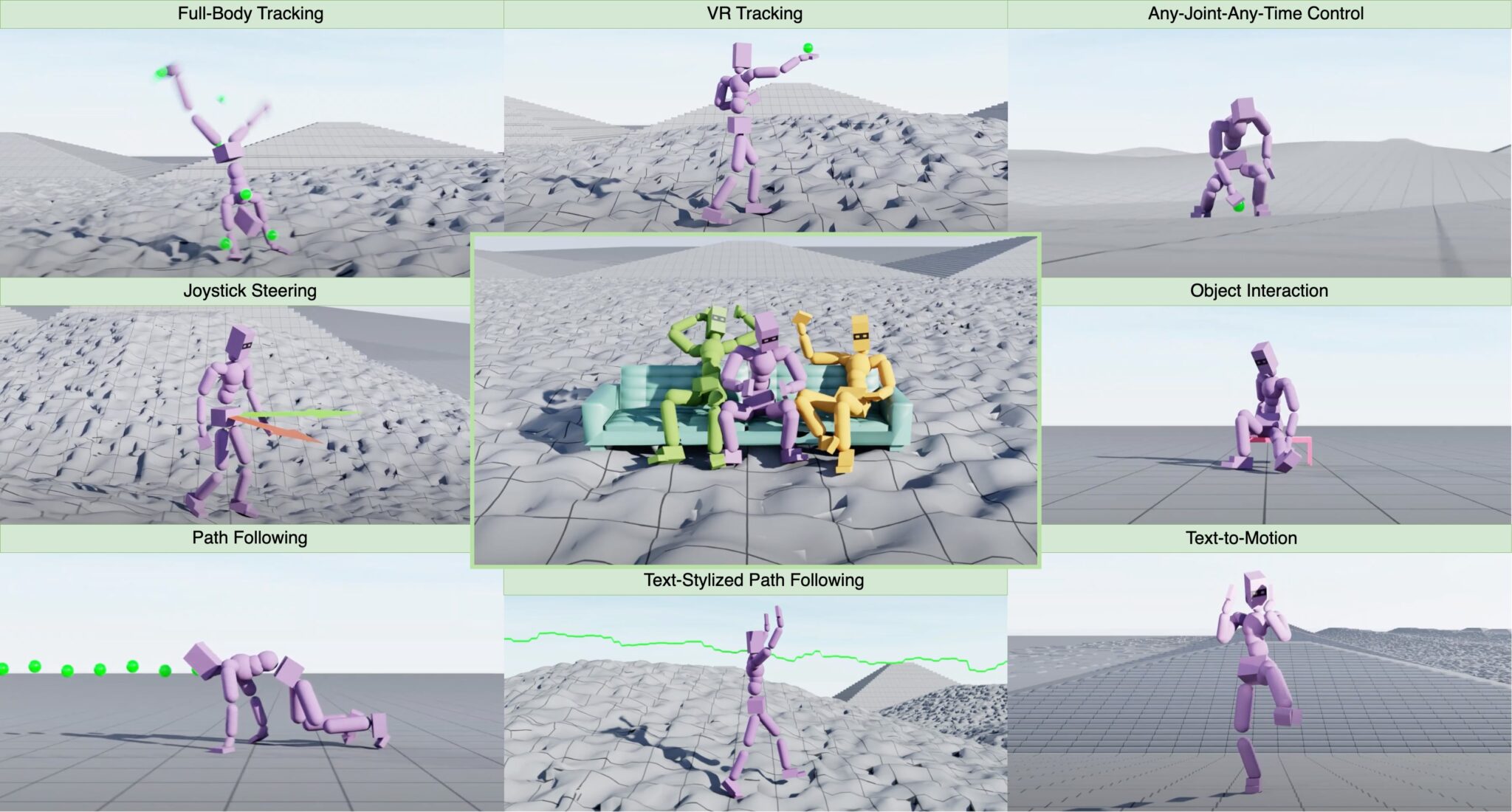
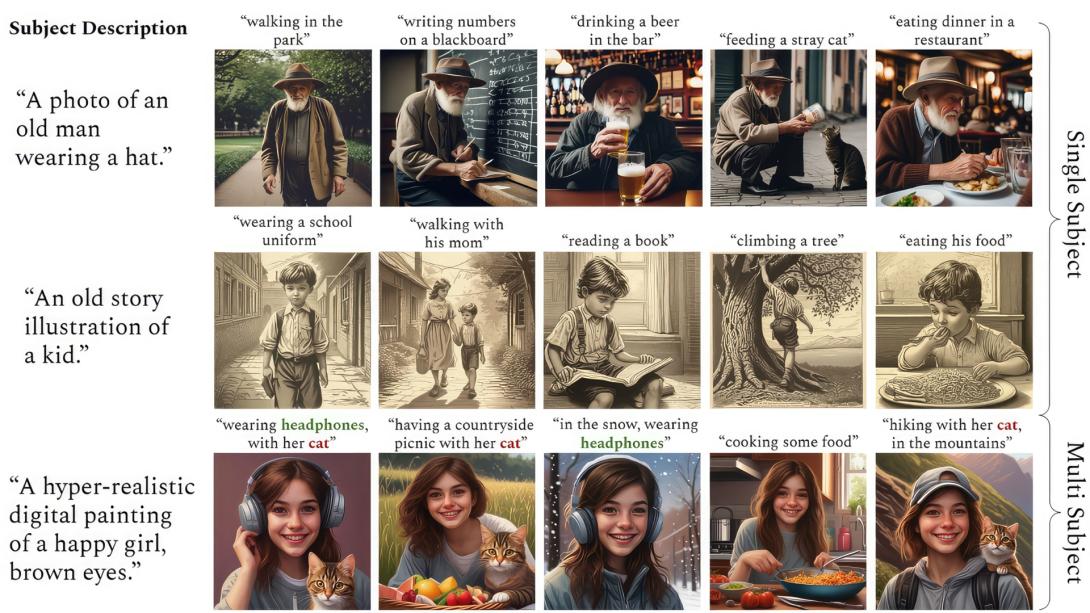







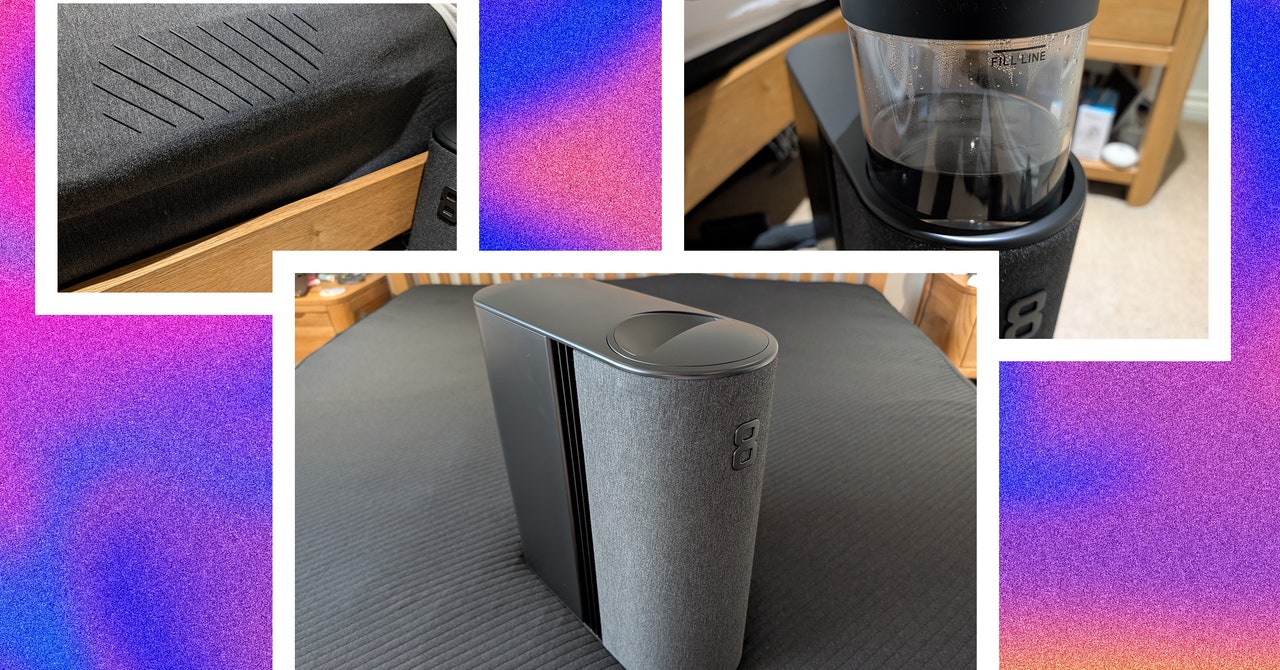

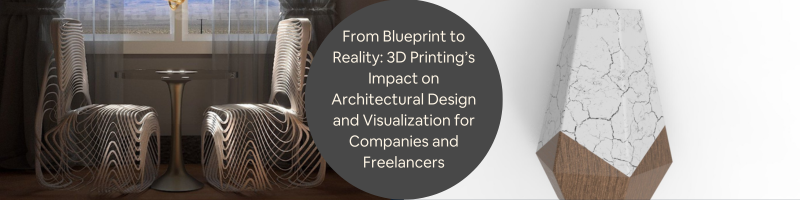
 Table of contents