Hello reader who is also a reader, and welcome back to Booked For The Week – our regular Sunday chat with a selection of cool industry folks about books! I’m currently reading Dorothy Parker, who did more for the language than I’d previously though. I’m having quite regular moments of “oh, she said that”. More proof, if any were needed, that the soul of wit is as much depression and alcoholism as it is brevity.
This week it’s game city design expert and author of Virtual Cities, Konstantinos Dimopoulos! Cheers Konstantinos! Mind if we have a nose at your bookshelf?
When I try and build my ASP.NET Core project, I continue to get this error message in Visual Studio 2019.
When I build it the second time, the error disappears.
Does anyone know what this error means and how to get rid of it?
“Donald Trump’s termination of Register of Copyrights, Shira Perlmutter, is a brazen, unprecedented power grab with no legal basis,” Morelle said. “It is surely no coincidence he acted less than a day after she refused to rubber-stamp Elon Musk’s efforts to mine troves of copyrighted works to train AI models.”
Perlmutter took over the Copyright Office in 2020, during the first Trump administration. She was appointed by Librarian of Congress Carla Hayden, who Trump also fired this week.
Trump alluded to the news on his social network Truth Social, when he “ReTruthed” a post from attorney Mike Davis linking to the CBS News article. (Confusingly, Davis seemed to criticize the firing, writing, “Now tech bros are going to attempt to steal creators’ copyrights for AI profits.”)
As for how this ties into Musk (a Trump ally) and AI, Morelle linked to a pre-publication version of a U.S. Copyright Office report released this week that focuses on copyright and artificial intelligence. (In fact, it’s actually part three of a longer report.)
In it, the Copyright Office says that while it’s “not possible to prejudge” the outcome of individual cases, there are limitations on how much AI companies can count on “fair use” as a defense when they train their models on copyrighted content. For example, the report says research and analysis would probably be allowed.
“But making commercial use of vast troves of copyrighted works to produce expressive content that competes with them in existing markets, especially where this is accomplished through illegal access, goes beyond established fair use boundaries,” it continues.
The Copyright Office goes on to suggest that government intervention “would be premature at this time,” but it expresses hope that “licensing markets” where AI companies pay copyright holders for access to their content “should continue to develop,” adding that “alternative approaches such as extended collective licensing should be considered to address any market failure.”
AI companies including OpenAI currently face a number of lawsuits accusing them of copyright infringement, and OpenAI has also called for the U.S. government to codify a copyright strategy that gives AI companies leeway through fair use.
This easy recipe for a Gluten Free Apple Cake makes a delicious dessert that’s full of warm, cozy flavors. It stays soft and moist without using any regular wheat flour—perfect for everyone to enjoy!
This post may contain affiliate links. Please refer to the terms page for more information.
Made with a gluten-free flour blend, the cake has a tender texture that pairs wonderfully with crunchy add-ins like walnuts.
This cake is crowd-pleaser for gatherings where guests may have dietary restrictions – and you don’t have to sacrifice flavor or texture.
Jump to:
Ingredients
Gather the following ingredients to make this gluten free apple cake recipe:
Gluten-free flour mix – there are many excellent brands of 1:1 gluten-free flour mixes available – two of my favorites are Bob’s Red Mill and King Arthur
Baking powder, ground cinnamon and salt
Vanilla extract – use pure vanilla extract and not imitation vanilla
Unsalted butter and large eggs – bring both of these ingredients to room temperature before starting this recipe
Granulated sugar – used both in the cake batter and sprinkled on top before baking, adding a nice crunch to the top of the cake.
Apples – use a good baking apple like Granny Smith, Honeycrisp, or Fuji. You’ll mix chopped apples into the cake batter for flavor and moisture. Then, before baking, slice a bright red apple and arrange the slices in a spiral pattern on top of the cake for visual appeal.
Toasted walnuts – optional
See recipe card for quantities.
Instructions
Just follow the simple steps below, and you’ll have a delicious gluten free apple cake ready in no time!
1 – Prepare an 8″ round cake pan by lining the bottom with parchment paper or greasing the pan.
2 – Whisk flour, baking powder, salt and cinnamon in a small bowl.
3 – Place butter and granulated sugar into a bowl. Mix together until light and fluffy (2 – 4 minutes), scraping bowl occasionally.
4 – Add room temperature eggs, one at a time, scraping bowl between each addition. Mix on medium-low speed until eggs are well incorporated. Add vanilla and mix for another 30 seconds.
5 – Add gluten-free flour mixture and mix on low speed until just combined. Scrape bottom and sides of bowl as needed.
6 – Core, peel, and chop two baking apples into ⅓-inch cubes. Stir into cake batter. Additionally, stir in any optional ingredients such as walnuts, pecans, raisins, etc…
7 – Pour cake batter into a greased 8″ round. Smooth the top lightly with spatula. Core a red apple and slice it thinly, keeping the skin on. Arrange the slices in a spiral pattern on top of the cake batter.
8 – Bake at 350℉ (180℃) for 40 – 50 minutes. The cake top will be a golden color and a toothpick inserted in the center of the cake will come out clean when done. Place cake on a rack and allow to cool before serving (approximately 40 minutes).
Equipment
You need the following equipment when making this recipe for a gluten free apple cake:
Storage
For best results, store your gluten free apple cake at room temperature and enjoy within a few days of baking. Keep it in an airtight container or cover it tightly with aluminum foil to maintain freshness. The cake can also be frozen for up to three months.
FAQ
What ingredients are in a gluten free flour?
Most gluten-free flour blends combine several types of flours—like rice flour, sorghum flour, tapioca starch, potato starch, and sometimes nut flours—to mimic the structure and texture of wheat flour. Many blends include binders such as xanthan gum or guar gum to help replicate gluten’s structure and improve texture in baked goods.
More gluten-free dessert recipes
Looking for more gluten free recipes like this apple cake? Try these:
I hope you enjoy this recipe for a gluten free apple cake as much as my family and friends have over the years!
📋 Recipe
Gluten Free Apple Cake
This easy recipe for a Gluten Free Apple Cake makes a delicious dessert that’s full of warm, cozy flavors. It stays soft and moist without using any regular wheat flour—perfect for everyone to enjoy!
2MediumApplesuse baking apples such as Granny Smith, Honeycrisp, Fuji, etc…
⅔CupToasted and chopped nutsoptional – walnuts, pecans, etc….
1TablespoonGranulated SugarFor sprinkling top of cake prior to baking
1MediumRed Apple, sliced thinly – do not peelFor layering on top of cake
2TablespoonsPowdered sugaroptional for sprinkling over cake after baking
Instructions
Preheat oven to 350℉ (180℃)
Prepare a 8″ round cake pan by lining the bottom with parchment paper or greasing the pan.
Core, peel, and chop two baking apples into ⅓-inch cubes. Set them aside to use in the cake batter. Reserve the red apple so you can slice it and place the slices on top of the cake before baking.
2 Medium Apples
Whisk flour, baking powder, salt and cinnamon in a small bowl. Set bowl aside for later.
1 ½ Cups Gluten-free flour, 1 ½ teaspoons Baking Powder, 1 teaspoon Salt, 1½ teaspoons Ground cinnamon
Place butter and granulated sugar in bowl of a stand mixer. Using the paddle attachment, begin mixing butter and sugar until light and fluffy (2 – 4 minutes), scraping bowl occasionally. Note: a hand mixer may also be used.
⅔ Cup Granulated Sugar, ¾ Cup Butter
Add room temperature eggs, one at a time, scraping bowl between each addition. Mix on medium-low speed until eggs are well incorporated.
3 Large Eggs
Add vanilla extract and mix for approximately 30 seconds,
1 teaspoon Vanilla extract
Add gluten-free flour mixture and mix on low speed until just combined. Scrape bottom and sides of bowl as needed.
Stir chopped apples into cake batter by hand. Stir in any additional optional ingredients such as walnuts, pecans, raisins, etc…
Pour cake batter into prepared pan and smooth the top lightly with spatula.
Core a red apple and slice it thinly, keeping the skin on. Arrange the slices in a spiral pattern on top of the cake batter.
1 Medium Red Apple, sliced thinly – do not peel
Sprinkle 1 tablespoon of granulated sugar evenly over top of cake.
1 Tablespoon Granulated Sugar
Bake for 40 – 50 minutes The cake top will be a golden color and a toothpick inserted in the center of the cake will come out clean when the cake is done.
Place cake on a rack and allow to cool completely before unmolding (approximately 40 minutes).
If desired, sprinkle confectioners’ sugar over top of cake after unmolding.
2 Tablespoons Powdered sugar
Notes
Storage – For best results, store your cake at room temperature and enjoy within a few days of baking. Keep it in an airtight container or cover it tightly with aluminum foil to maintain freshness. The cake can also be frozen for up to three months.
Whoop has backed down, somewhat, from the controversial upgrade plans around its Whoop 5.0 fitness tracker.
When the company first announced Whoop 5.0 this week, it said members who wanted the new device could either extend their subscriptions by 12 months or pay a one-time upgrade fee of $49 ($79 for the model with EKG sensors).
This seemed inconsistent with Whoop’s overall value proposition, where it charges higher subscription prices (ranging $199 to $359 a year) while allowing customers to upgrade their hardware for free. More specifically, it seemed to contradict a statement on the company’s website promising users free hardware upgrades if they’ve been members for at least six months.
After customers began complaining, the company responded with a Reddit post both announcing a more expansive upgrade policy and claiming to clarify its overall approach.
Now, anyone with more than 12 months remaining on their subscription is eligible for a free upgrade to Whoop 5.0 (or a refund if they’ve already paid the fee). And customers with less than 12 months can extend their subscription to get the upgrade at no additional cost.
While the company said it’s making these changes because it “heard your feedback,” it also suggested that its apparent stinginess was tied to its transition from a model focused on monthly or six-month subscription plans to one where it only offers 12- and 24-month subscriptions.
“We also want to acknowledge that a previous blog article incorrectly stated that anyone who had been a member for just 6 months would receive a free upgrade,” the company said. “This was never our policy and should never have been posted.”
There’s been a mixed response to these changes on the Whoop subreddit, with one moderator describing it as a “win for the community.” Other posters were more skeptical, with one writing, “You don’t publish a policy by accident and keep it up for years. Removing it after backlash doesn’t erase the fact [that] it is real.”
There were also a number of complaints from users who said they had 11 months left on their subscriptions, so they just missed the free upgrade cutoff.
Black Mirror: Bandersnatch, the anthology’s interactive, choose-your-own (miserable) TV adventure, is being removed from Netflix on Monday, meaning you’ve got just a few more days to sample the series’ most experimental episode.
Set in 1984, Bandersnatch tells the story of Stefan, who makes a demo for a game called Bandersnatch based on a book once owned by his dead mother. The demo is picked up for a full release by game publisher Tuckersoft, bringing Stefan into the orbit of his personal hero, game designer Colin Ritman. Unlike most episodes of Black Mirror, how the story proceeds from there is up to you. At various interludes, you’re able to make choices about how the narrative proceeds, leading to one of five endings with variations in between. True to both the series and the era of games the episode is inspired by, most of those decisions lead to horrible consequences.
Bandersnatch was released in 2018, as part of a broader initiative within Netflix to create interactive, game-like experiences, with other branching narrative titles including Unbreakable Kimmy Schmidt: Kimmy vs. the Reverend, and Minecraft: Story Mode, a Telltale game that was adapted to use Netflix’s interactive streaming tech. Lately though, Netflix has pivoted toward folding in a more traditional gaming service into its subscription, offering an array of downloadable mobile games on the service such as the Monument Valley series and the The Golden Idol games.
BLACK MIRROR: Bandersnatch Trailer (2018) Netflix – YouTube
Last year, Netflix removed all but four of its interactive specials from the service, and Bandersnatch was one of those titles spared from the cull. Ahead of those specials being pulled, Netflix spokesperson Chrissy Kelleher told The Verge that “The technology served its purpose, but is now limiting as we focus on technological efforts in other areas.”
Keller didn’t explain why the technology is “limiting”, which is a shame as without that explanation, the removal is rather befuddling. Not only is Bandersnatch a unique entry in Black Mirror’s anthology, it is as accomplished a Black Mirror episode as any of the others, well shot and directed, and just as darkly savage in its satire as the more conventional stories.
Fortunately, Bandersnatch isn’t the only Black Mirror episode to venture into the world of videogames. Prior to Bandersnatch, episodes like Playtest and USS Callister told gaming-adjacent stories. More recently, Plaything explored the world of games journalism, revisiting creator Charlie Brooker’s old writing haunt (and the first magazine I ever wrote for) PC Zone. That episode was also accompanied by a playable version of the game that features in the episode, a creature-rearing game called Thonglets.
Black Mirror: Bandersnatch leaves Netflix on May 12.
Keep up to date with the most important stories and the best deals, as picked by the PC Gamer team.
Fresh off a wave of “AI‑first” CEO manifestos, Paul Roetzer and Mike Kaput dive into the top news in AI this week:
Duolingo and Box join Shopify’s AI-first pledge, more signals of AI job disruption emerge, and OpenAI rolls back 4o due to an overly agreeable personality. Also, Johnson & Johnson bins 90 % of its 900 generative AI pilots, Big Tech earnings put real numbers on the AI boom, Nvidia spars with Anthropic over chip exports, Claude upgrades, Alibaba’s Qwen‑3, Descript’s AI avatars, and more.
From Sketch to Soul: How We Created Zoe in Steel Seed.
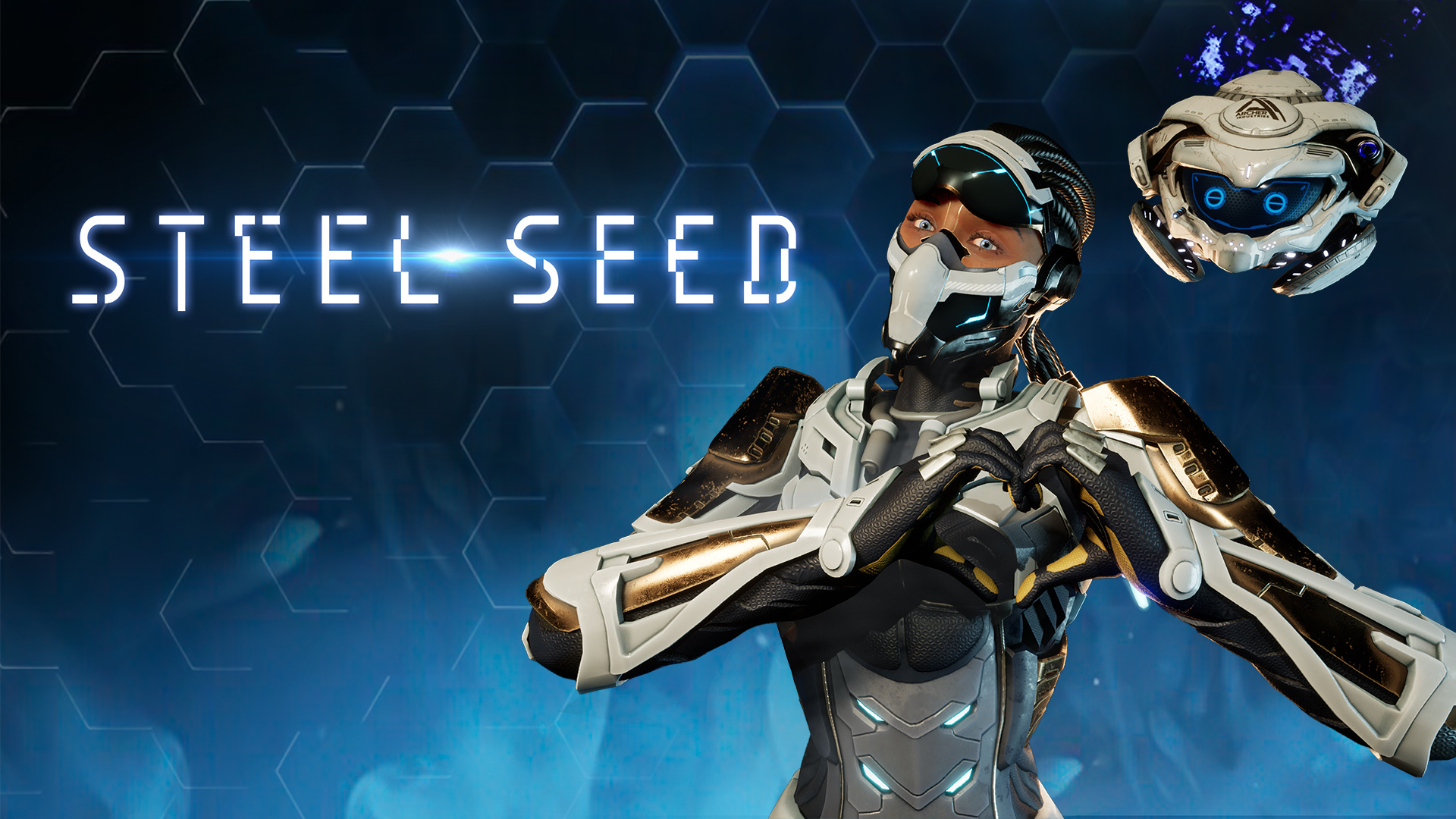
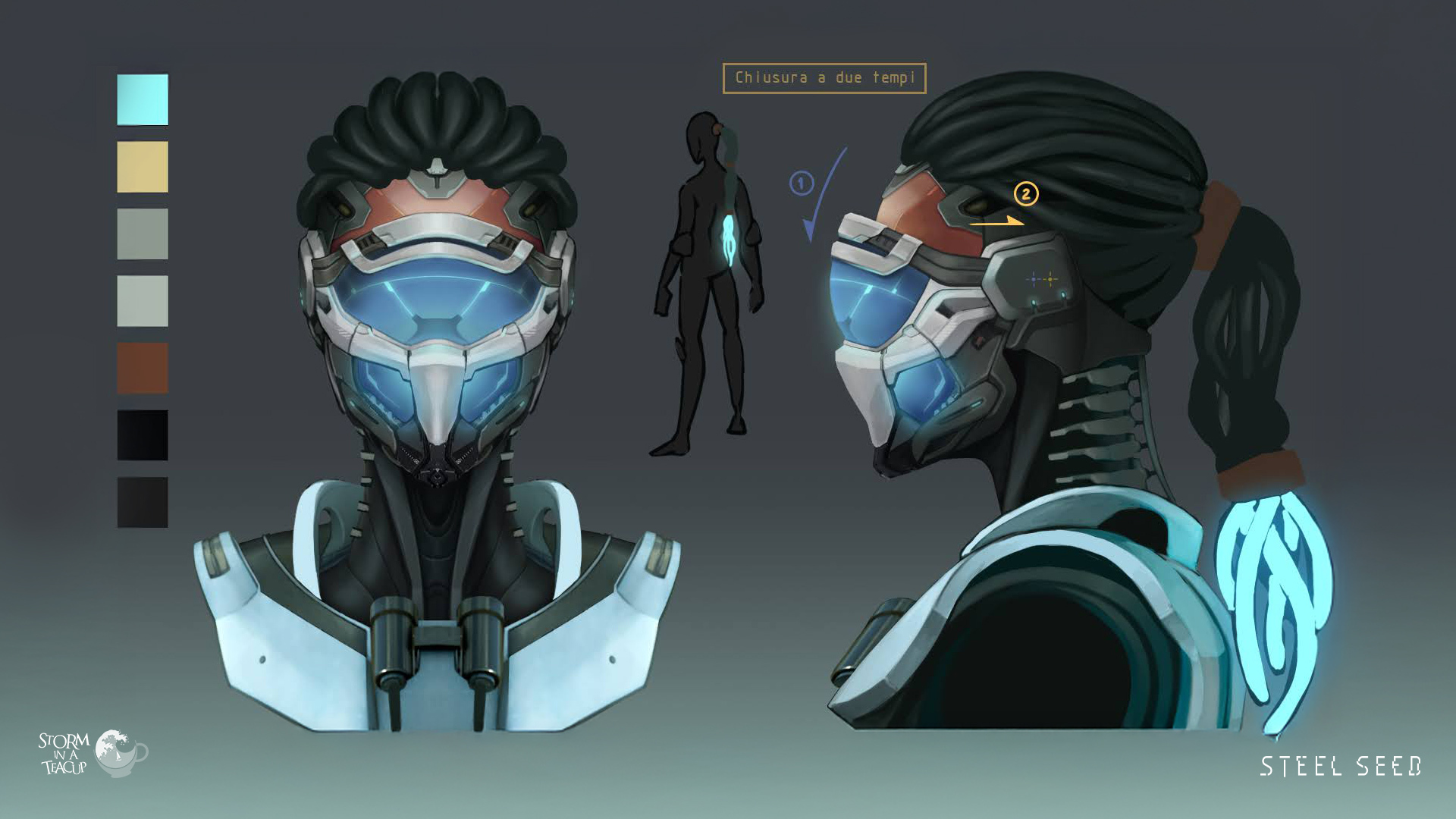
The face of Steel Seed: Crafting Zoe’s story, style, and spirit.
Behind the scenes of Steel Seed.
After five years in development, Steel Seed has officially launched on Xbox Series X|S — and whether you’re just starting your journey or well into the story, there’s more beneath the surface worth exploring. In this behind-the-scenes breakdown, we’re diving into the creative and technical process behind Zoe, the game’s central character. You’ll learn how Storm in a Teacup — a small team of around 20 developers based in Italy — approached the challenge of building a protagonist who is both machine and deeply human.
From early concept art to animation and narrative design, this article unpacks how Zoe’s robotic form was carefully balanced with emotional depth. These design choices don’t just affect how she looks or moves — they directly shape how players engage with the world, make decisions, and connect with the game’s story. Steel Seed isn’t just a sci-fi action title; it’s a layered experience about identity, resilience, and the personal cost of survival.
Character Core: From Concept to Conflict
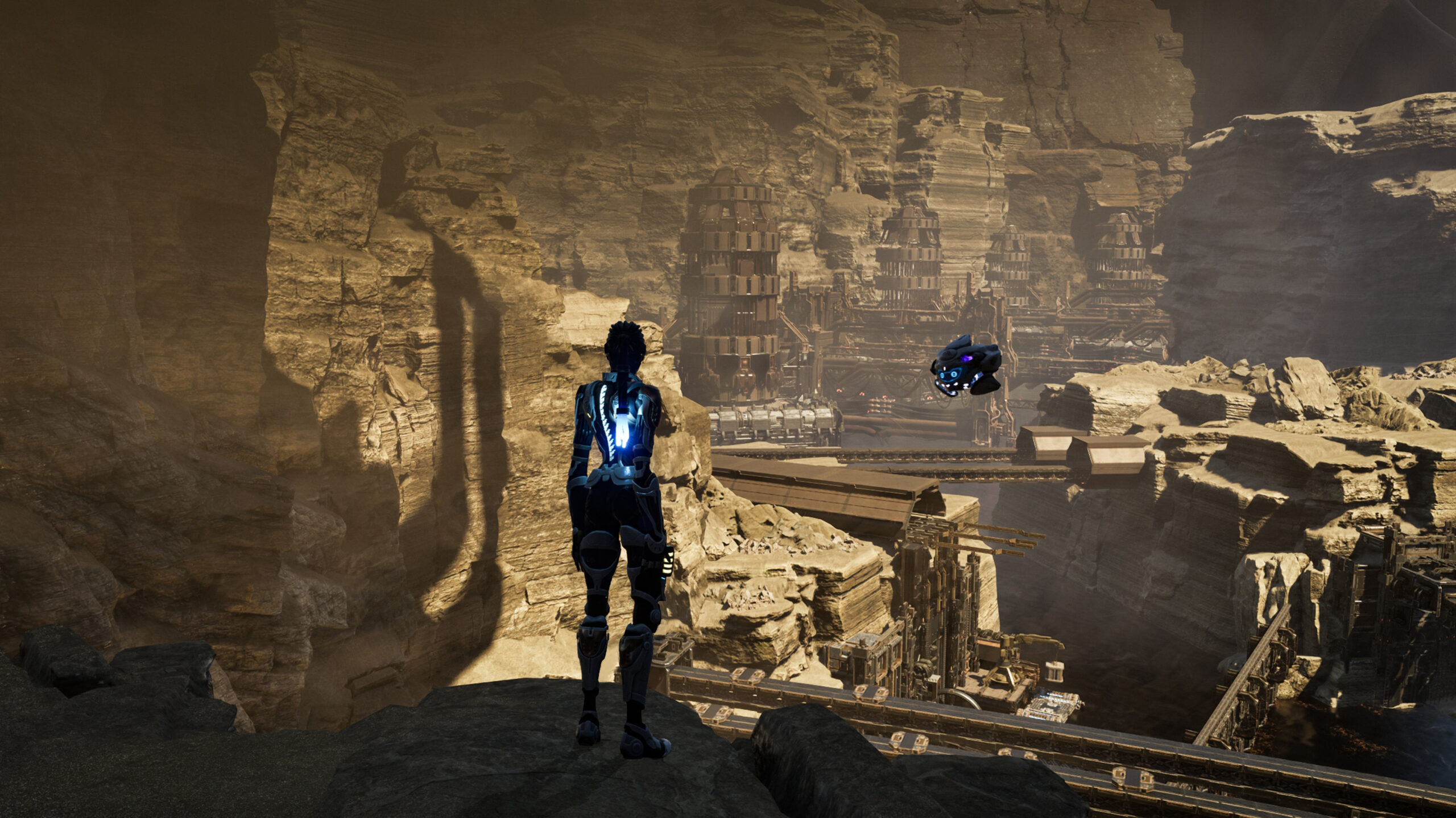
Zoe’s story begins in mystery: she awakens alone in a robotic body deep within an AI-dominated facility, with no memory of how she got there. This setup posed an immediate creative challenge — how do you design a character that players can emotionally relate to while she herself is unsure of what she is?
Our solution was to emphasize vulnerability in her animations and body language. We intentionally contrasted mechanical precision with subtle, human-like motion — shaky breaths, cautious glances, hesitant footsteps — so players would instinctively connect with Zoe before even hearing her motivations.
Design Influences & Visual Language
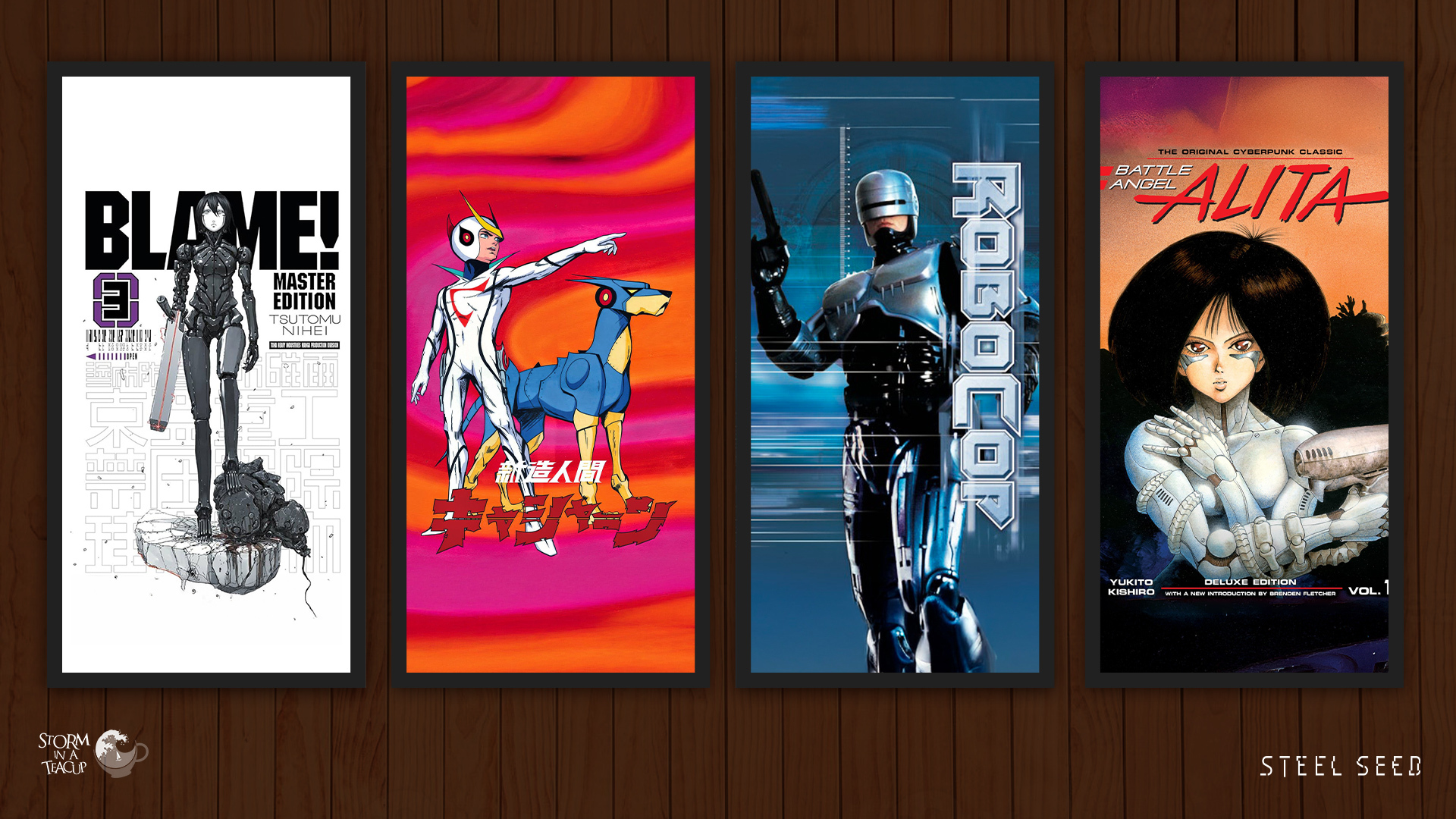
Zoe’s look was heavily inspired by a blend of cyberpunk and anime sources: “Alita”, “Casshern”, and “Blame!” formed the visual backbone. But more importantly, her design needed to serve gameplay readability. Her glowing joints, for example, are not only stylistic but also provide feedback in low-light environments. Her expressive eyes — built with an advanced eye-tracking rig — became a key storytelling tool for in-game cinematics.
Emotional Anchors: Koby’s Narrative Purpose
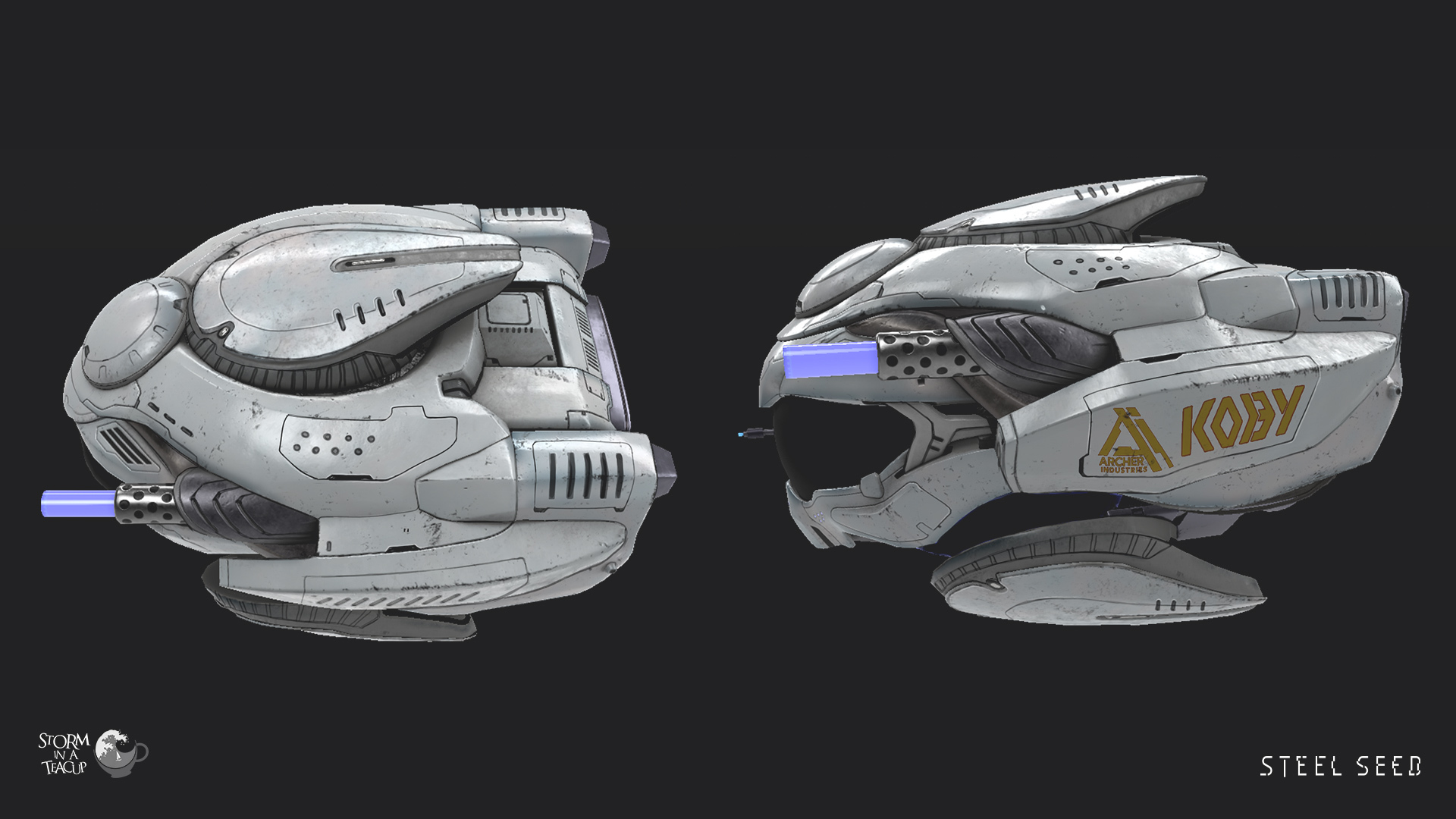
No character like Zoe could exist in isolation. Enter Koby — a small, expressive drone initially designed as a gameplay mechanic. Very quickly, however, Koby became much more: an emotional anchor. His design language evolved to reflect that. His “face,” for example, is an LED screen that shows simple emoticons in real time, allowing him to “talk” in tones and visuals, which helps Zoe (and players) feel less alone.
Creating Koby meant fusing function and emotion. He helps solve puzzles, unlocks doors, and scouts ahead — but he also beeps in concern when Zoe is hurt and celebrates small victories. It’s AI companionship by way of empathy. He’s based on a robot originally designed and modeled by the Storm in a Teacup head when he was just 19 years old.
Bringing the Bay: Designing Cinematic Action
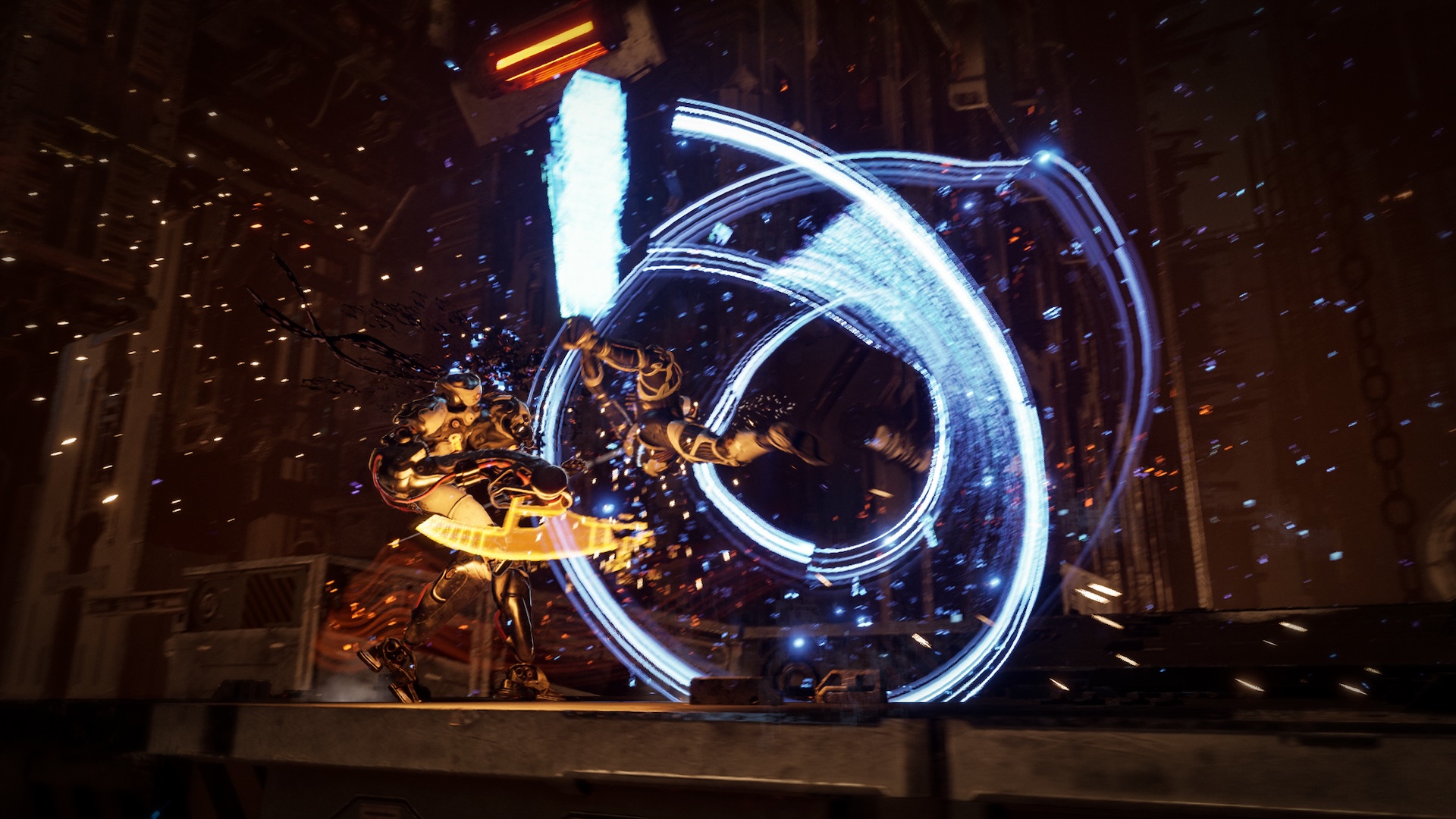
Steel Seed features cinematic action moments we internally dubbed “Michael Bay Sequences.” These were built to break tension and change pacing through high-octane gameplay: collapsing bridges, high-speed chases, massive explosions. But even here, storytelling was key.
Each of these sequences was crafted not just to look great, but to show how Zoe reacts under pressure. We used dynamic camera systems and occasional 2D perspective shifts to amplify spectacle without sacrificing player control. These scenes are also crucial moments for Koby to shine — rescuing Zoe, alerting her to hazards, or navigating tight quarters at speed.
Tips & Tricks for Players: Reading Zoe’s World
While Zoe’s enhanced mobility (wall runs, air dashes, silent takedowns) gives her an edge, surviving the Facility is all about environmental awareness.
Look for Koby’s cues: He often highlights hidden routes or dangers you might miss.
Use sound: Footsteps, enemy drones, and power surges all emit unique audio—you can use them to time movement and stealth.
Read the lighting: We use subtle visual language—flickering bulbs, red vs blue tones—to help players intuit enemy activity and puzzle mechanics.
These soft cues are all part of what we call passive storytelling—immersing players without pausing the action.
Legacy of Zoe
At its core, Steel Seed is not just about survival — it’s about what defines us as human beings. What makes Zoe work isn’t just that she’s cool or capable — it’s that she’s scared, conflicted, and trying anyway. Her journey isn’t just about defeating enemies—it’s about reclaiming agency. Players may see a machine, but what we hope they feel is a very human soul.
Steel Seed is more than an action game — it’s an emotional blueprint of identity told through pixels, motion, and sound. And Zoe, more than anyone, carries that blueprint.
On behalf of the developer, Storm in a Teacup and all of ESDigital Games, thanks for all of the support during all these years! Steel Seed is finally here and it’s time to save humanity.
Steel Seed
ESDigital Games
☆☆☆☆☆ 14
★★★★★
$39.99
$33.99
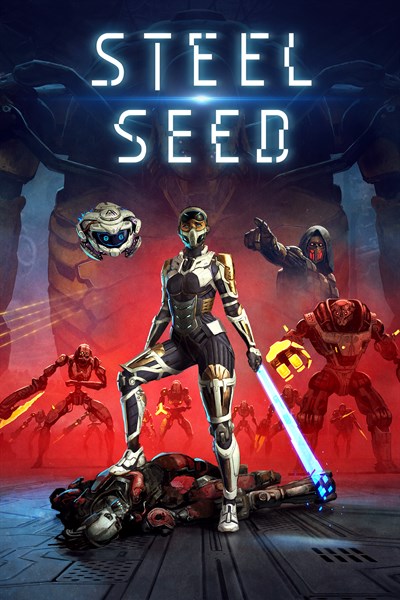
Steel Seed is a single player stealth-action adventure game set in a dark sci-fi world. In her epic journey inside a hostile underground facility run by AIs, Zoe is alone with Koby, a flying drone, as her only companion.
The Moto Watch Fit is a fascinating case study. Motorola left smartwatches behind for years, licensing out its watches to another company. Now Motorola seems to be stepping back into the fray with the Moto Watch Fit. But it needs more than the Moto Watch name to make its budget squircle watch stand out in a crowded field.
Long-time Android fans still think fondly about the Moto 360, which was ahead of its time with its cool gesture controls and seamless design in 2014. I wrote in March that Motorola should return to Wear OS with a spiritual successor to the 360.
Instead, a month later, we got the budget Moto Watch Fit, with its 1.9-inch squircle display, 16-day battery life, 100 sports modes, and “real-time fitness stats and intelligent sleep tracking.”
It’s the fifth Moto Watch tracker after the Watch 40, 70, 100, and 120, a mix of circular and squircle watches with the same basic fitness software and Google Fit integration.
Two weeks ago, I sent Motorola a series of questions. I wanted to know how the Watch Fit’s “advanced fitness and wellness assistance features,” how the companion app would work, and other basic questions. I’m still waiting on answers, and the more I research the Moto Watch brand, the more confused I get.
It’s unclear how involved Motorola is in its own watches
(Image credit: Derrek Lee / Android Central)
The Moto Watch Fit isn’t on sale yet, but the Motorola UK site says this new model is “designed and manufactured by/for Motorola Mobility LLC.”
Given the Moto branding, that should be obvious, right? But the official Moto Watch site lists Calgary-based CE Brands, Inc. as an “official brand licensee of Motorola” that “ensures global sales and support for the products found on this site,” like the Moto Watch 120, 70, and 40.
Get the latest news from Android Central, your trusted companion in the world of Android
CE Brands, or Vitalist, says on its site that it “designs, manufactures, and sells” wearables, and lists Moto Watch as “our brand.” And this 2024 Vitalist press release explicitly says the Moto Watch 120 is “the latest addition to [CE Brands’] line of Motorola smartwatches” as Motorola’s “strategic brand partner.”
If you look at the Moto Watch 100 app and Moto Watch 70 app on the Play Store, both are managed by CE Brands, Inc. These apps have some pretty brutal ratings too, with many users calling them “barely functional” because they stopped syncing with Google Fit or allowing phone notifications on the watch without constant resets.
A CE Brands-made Moto Watch app (rated 2.2/5 on the Play Store) (Image credit: CE Brands)
After a little digging, I realized that CE Brands owned eBuyNow, the subsidiary that made the Moto 360 (3rd Gen) in 2020. CE Brands went bankrupt in 2023 before rebranding eBuyNow as Vitalist in 2023, promising to “deliver biometric and biomarker insights to consumers.”
The Moto Watch Fit isn’t listed on the Moto Watch site, and Vitalist didn’t write a press release about this model, either. That suggests Motorola may have taken over the brand, while ditching the numbered names for a Moto Watch revamp.
But it’s also possible that Motorola Mobility designed the old Moto Watches, while CE Brands handled the health and software tools. It’s hard to say, as the licensing deal makes it nebulous. Maybe Vitalist will make the Watch Fit health software, too?
Regardless, that’s really all besides the point. My main point is that Motorola is best known for making flagship phones from everyone else look overpriced by offering similar perks in cheaper packages. However, the Moto Watch lineup has never really stood out against Android watchesorfitness watches, and Motorola has a lot to prove with the Watch Fit when it launches.
How will the Moto Watch live up to the Moto name?
(Image credit: Motorola)
Look at the budget fitness trackers out there: companies like Amazfit and Xiaomi have put intense effort into full-fledged health suites, AI coaching, and dedicated fitness tools in an affordable package. And you have bigger names like the Galaxy Fit 3 and Fitbit Charge 6 that sync directly with the biggest health apps, with their own AI insights and (for Fitbit) Google apps.
Motorola phone fans will see the Moto Watch branding and look for something affordable, long-lasting, and straightforward. However, the Watch Fit needs some kind of signature feature to stand out and keep these users happy.
CE Brands had an interesting Effort Points system that, like Fitbit Cardio Load, scored your all-day effort based on your time in HR zones. But the Moto Watch Fit might use an entirely different system, and it’ll have to compete with watch brands that invest huge amounts of money in health & fitness R&D.
(Image credit: Motorola)
One sign of Motorola taking more direct ownership is how the Watch Fit can use Moto AI text prompts to generate watch faces. That’s a unique trick, one I’m hoping Google emulates on Wear OS 6 this year. We’ll see if people see it as a highlight or a five-minute gimmick; however, it’ll depend on how good these AI-made faces are.
Otherwise, the press release mentions “seamless smartphone integration,” but only mentions notifications, music controls, and camera controls. An RTOS watch can rarely do much more than that, even though many people will buy a Moto Watch hoping for actionable notifications and replies. The Amazfit Balance pulls this off with text-to-speech and a keyboard, but I don’t expect it from the Moto Watch Fit.
Ultimately, aside from the Moto AI gimmick, the Moto Watch Fit sounds pretty generic. The built-in GPS on a cheap tracker is a nice perk, but it’s not uncommon these days — see the $99 Amazfit Active 2 — and most fitness trackers have 100+ sports modes and IP68 water resistance.
That said, we’ve reached out to Motorola for more information about the Watch Fit, and we will update this article when we hear back.
Making a watch isn’t as simple as it used to be
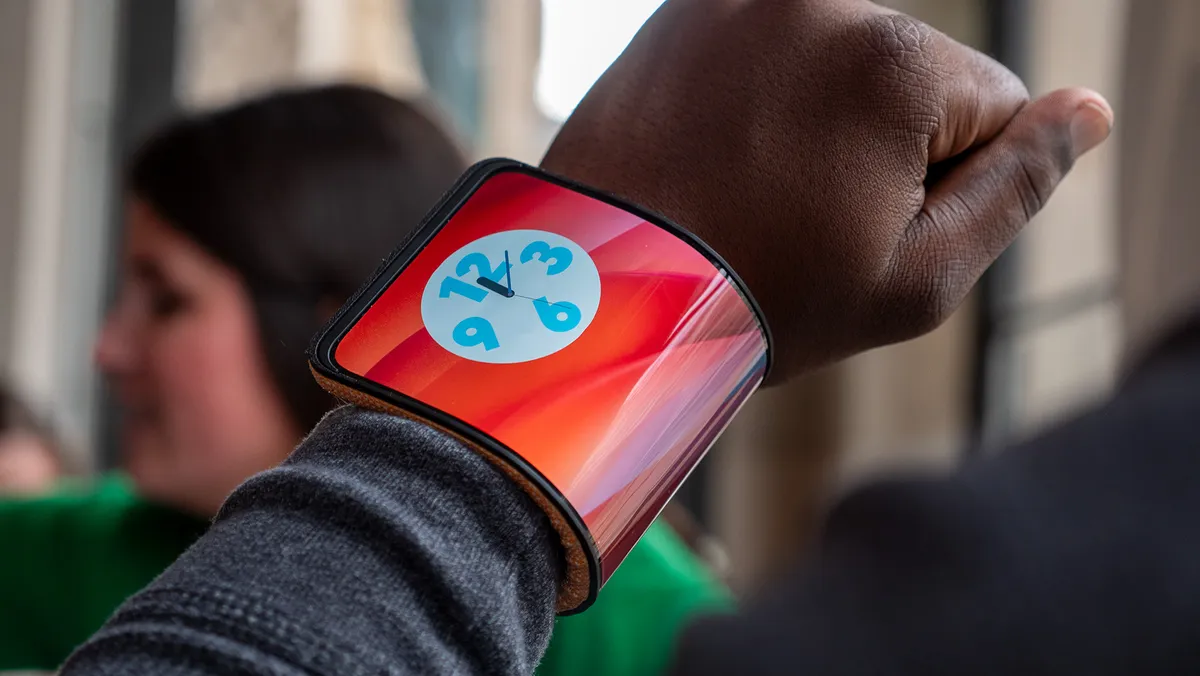
A Motorola concept device for a wearable, bendable smartphone at MWC (Image credit: Nicholas Sutrich / Android Central)
The Moto Watch brand is like a time capsule to an early smartwatch era when they didn’t try to squeeze dozens of features and a full AI-backed health suite into a device. Some people will appreciate its simplicity, affordability, and longevity; others will be frustrated by the lack of Motorola flair they’ve come to expect from its foldable phones like the Razr 2025.
It will ultimately come down to whether this Motorola-made wearable delivers a higher standard of quality than past Moto Watches.
I’m not sure why Motorola has been so hands-off with wearables up until this point, selling budget trackers through its licensee for years while spending R&D on wearable phone concepts like the one above.
Maybe Motorola was truly so burned by its Android Wear experience that it never wanted to go back; clearly, Lenovo phone sales are strong enough despite not having a full “ecosystem” of devices. Or maybe it isn’t willing to spend the money on health & fitness necessary to compete with Samsung Health and Fitbit.
Whatever the reason, the Moto Watch Fit needs to be a stepping stone to bigger and better things if Motorola wants to make an impact in the wearable space.
If you like playing daily word games like Wordle, then Hurdle is a great game to add to your routine.
There are five rounds to the game. The first round sees you trying to guess the word, with correct, misplaced, and incorrect letters shown in each guess. If you guess the correct answer, it’ll take you to the next hurdle, providing the answer to the last hurdle as your first guess. This can give you several clues or none, depending on the words. For the final hurdle, every correct answer from previous hurdles is shown, with correct and misplaced letters clearly shown.
An important note is that the number of times a letter is highlighted from previous guesses does necessarily indicate the number of times that letter appears in the final hurdle.
If you find yourself stuck at any step of today’s Hurdle, don’t worry! We have you covered.