Peacock has revealed that its upcoming follow-up to The Office is called The Paper. The upcoming mockumentary takes place in Toledo, Ohio, and is slated to premiere in September. If you’re looking forward to The Paper and like Lego sets, you may want to snag the brick-built display model based on The Office while you can. Officially retired by Lego at the end of 2024, this charming kit lets fans build Dunder Mifflin’s Scranton branch and comes with 15 minifigures. Walmart is the only retailer that still has Lego Ideas: The Office for normal price ($120); all other major retailers and the Lego Store are sold out and aren’t expected to receive additional units.
It’s normal for there to be increased interest in official merch when a TV show or movie receives a sequel. And as mentioned, Lego’s 1,164-piece The Office building set is already in short supply due to its discontinuation. As of May 12, Walmart’s store page defaults to a third-party seller. To ensure your order is shipped and sold by Walmart, click “Compare all sellers” under “More seller options” and choose the one that reads “Sold and shipped by Walmart.com.”
Part of the Lego Ideas line, The Office is a recreation of the Dunder Mifflin office in Scranton, Pennsylvania. The 1,164-piece set builds a segmented model, complete with all of the departments and workstations seen in the show. Lego created minifigures for 15 Dunder Mifflin Scranton employees and a bunch of accessories. The accessories can be used to recreate memorable moments from the iconic workplace comedy series, including Kevin’s chili pot fiasco, Michael’s screenplay for Threat Level Midnight, Dwight’s stash of weapons, and a stapler suspended in gelatin–one of Jim’s many superb pranks on Dwight.
Michael Scott’s office can be removed from the rest of the build to display separately, which could come in handy if you need a breather from his antics after a meeting. Speaking of meetings, the Scranton branch’s conference room includes a recreation of the dry erase board and enough space for all the minifigures to watch as minifigure Michael makes a fool of himself again.
Here’s the list of all 15 minifigures included with Lego Ideas: The Office. You also get a Lego figure of Garbage the Cat.
I got above error after copying and pasting some code from here, github.
Will you guys help me to fix it? my code:
Imports Emgu.CV                 'usual Emgu Cv imports
Imports Emgu.CV.CvEnum          '
Imports Emgu.CV.Structure       '
Imports Emgu.CV.UI
Public Class frmMain
    Private Sub btnOpenFile_Click(sender As Object, e As EventArgs) Handles btnOpenFile.Click
The LoadImageType gives me some suggestions, I tried but didn’t get helpful.
            imgOriginal = New Mat(ofdOpenFile.FileName, LoadImageType.Color)
        Catch ex As Exception
        CvInvoke.GaussianBlur(imgGrayscale, imgBlurred, New Size(5, 5), 1.5)
        CvInvoke.Canny(imgBlurred, imgCanny, 100, 200)
        ibOriginal.Image = imgOriginal              'update image boxes
        ibCanny.Image = imgCanny                    '
    End Sub
End Class
While AI can unlock operational scale in any corner of your enterprise, it can only accomplish that if people use it at scale. As the GitHub team will attest, this requires leadership committed to realizing enterprise wide value from AI investments and an intentional culture of innovation.
From launching an open source initiative to reimagining internal product strategy, you’ll learn how GitHub drove adoption, alignment, and measurable success by treating internal AI tools with the same rigor as customer-facing products. Join their IT leaders as they share the frameworks, mindset shifts, and lessons learned from empowering every GitHubber to unlock the power of AI.
Many companies need writers for content marketing on topics like tech or health. This has made freelance writing one of the most in-demand skills today.
As a result, freelance writing is growing fast, especially with the rise of remote work and the booming demand for digital content. But how do you find entry-level freelance writing jobs for beginners?
In short, start by building a simple portfolio, signing up on platforms like Upwork or ProBlogger and focusing on writing samples in your chosen niche.
This article will teach you how to find freelance writing jobs and make money writing. Keep in mind that the process won’t be quick and easy because nothing worth it ever is. Let’s get started!
What qualifications do I need to be a writer?
You don’t need special qualifications to become a writer. Many people think they need a degree to start writing professionally, but that’s not true. To be a good writer, what matters most is your creativity, consistent practice and improving over time. Experience helps more than any certificate.
That said, continuously learning is important. You don’t need to be a pro to get started, but studying the craft of writing will give you a better understanding of style, grammar and tone.
You don’t need a degree in writing or journalism, but there are other ways to increase your education:
How to build a simple writing portfolio
You need samples to show your writing skills to prospects. These samples don’t need to be published per se, but you should have a way of collecting them to display in a writing portfolio.
Here are some ways you can collect your samples to share with potential clients:
A blog using WordPress, Medium or Substack
A collection of PDFs or Google Docs in a Google Drive or Dropbox folder
Links on your website going to articles you’ve written
Here are a few things to include in your writing portfolio:
A few pieces in different styles (informal, formal, informative, persuasive)
Topics you enjoy or want to get hired for
A short intro about who you help and what you write
A word of warning: Avoid content mills
Have you heard of content mills? They’re sites that offer super low pay for lots of writing.
Here’s why we urge you to avoid content mills :
Pay very little
Expect too much
Don’t care about quality
Burn writers out
Instead of working with content mills, focus on:
Freelance job boards when you’re just getting started
Pro tip: Our four-week course on LinkedIn marketing for freelance writers offers in-depth insight for anyone wondering how to find new clients on social media. We highly recommend checking that out, and it’s an affordable way to try out our freelance writing community called the Freelance Writers Den.
Once you commit to pitching independently for work, many doors will be open to you to find decent-paying writing jobs, even if you’re a beginner. And usually, you’ll be the only writer they’re considering. Your success odds just soared.
However, you should decide what sort of work to pitch. Some freelance jobs pay well, while others help you grow your skills fast.
Now, let’s learn how to find freelance writing jobs for beginners.
How to find freelance writing jobs for beginners?
If you’re just getting started with freelance writing, don’t wait for someone to hand you work—go out and pitch ideas. And here’s a tip: Pitching a specific project gets way more responses than a generic one.
“Hi, I’m a writer. Do you need a writer?”
So, what should you say you can write? Here’s a list of beginner-friendly writing jobs you can offer right now. Each example includes a simple way to pitch it and tips to get you started.
1. Rewrite local small-business websites
Think about small businesses near you (hair salons, repair shops, yoga studios).
Visit their websites and check the “About Us,” “Home” and “Press” pages.
View missing, outdated or poorly written pages as a writing opportunity.
Pitch idea:
“Hi [Name], I saw your site and noticed you don’t have a team bio or press page. Would you like help building one? I’d love to support a local business like yours.”
Many business owners excel at their jobs, but can’t write. That’s where you come in.
Why it works: You already know what a good About page or Press page looks like. You can even study ones from bigger companies and create a similar style for a small business.
2. Find abandoned business blogs
Many businesses start a blog and then stop. It’s easy to spot:
No updates for months
Posts that don’t connect to current services
Short, rushed posts with little value
What to do:
Choose a topic or industry you know a bit about.
Search for local companies online.
Look at their blog section.
If there’s nothing new for a long time, pitch something like this:
Pitch idea:
“Would you like help getting that blog going again?”
“You’ve read blogs. You’re reading one now. You could write a blog post on day one that’ll likely be better than that solopreneur could create.”
3. Write business emails
Small businesses often don’t have proper email marketing. Many:
Don’t send welcome emails
Forget to email cart abandoners
Never follow up after a sale
What you can do:
Sign up for emails on business websites.
Take notes on what they send—or don’t send.
Pitch better follow-up emails or simple sequences.
Pitch idea:
“I noticed you don’t follow up with visitors who sign up or buy. I’d love to help write those emails. More emails = more sales.”
4. Create a newsletter or brochure
Newsletters aren’t as outdated as many think. Many businesses still use:
Monthly e-newsletters
Digital brochures
Local print mailers
Get started:
Grab some brochures from your local Chamber of Commerce.
Look at the writing—most need big improvements.
Offer to rewrite or start a new one from scratch.
Pitch idea:
“I help local businesses improve their brochures and newsletters. I’d love to help you attract more customers with clearer messaging.”
5. Report articles for local news media
Local papers still need stories, and many welcome freelance help.
“I was shocked when the features editor called and asked me to write 1,000 words for the Sunday paper with a 250-word sidebar. No lie, my hands shook while holding the phone….” — Alastair Barnett
Even if they pay very little, writing for newspapers helps you build trust. These clips show clients you can follow guidelines and meet deadlines.
Pitch idea:
“Would you like a short piece on [local topic]? I can cover it this week and provide a photo if needed.”
6. Write for local magazines
Your grocery store or convenience shop may stock free community or regional magazines, and they’re all perfect for beginners.
“I tell newbies to start with what they have already read. If I had no experience, I’d start with a local, small business, family, or friends.” — Carol J. Alexander
Steps:
Pick up a few free magazines around town.
Read them and get a feel for their content.
Pitch a story that fits their vibe.
7. Turn your former employer into a client
Do you know how your past employer runs? That gives you a head start.
“If your former employer needs content, hiring you is a no-brainer because you already know the business.” — Evan Jensen
Pitch idea:
“Since I already understand your brand, I’d love to help with your blog or marketing content. Let me know if you’re open to freelance support.”
8. Write for local marketing agencies
Search Google for: “[Your town] marketing agencies.” This simple step gives you a list of local companies and potential clients that create content for other businesses. They often need new writers.
“My first freelance client was a marketing agency. It gave me the opportunity to get used to a high volume of work and different types of work.” — Amy Hardison White
Why it helps: You get writing experience and learn to work with deadlines and editors.
9. Cover the news for a niche local paper or newsletter
While often small, free papers or community newsletters that need:
Book reviews
Library news
Local volunteer stories
Condo or neighborhood updates
You can often find them at libraries, community centers, or online.
Easy win: Find out what’s happening at your local library, theater, or community group—and pitch a short story.
10. Write reviews for things around town
Love food, movies, or music? Local papers and blogs often need:
Restaurant reviews
Concert recaps
Local business spotlights
Not a foodie? What about reviewing local plays or concerts? You could also pitch your local paper on book or movie reviews.
How to start: Pitch a specific review idea for a new business or upcoming show.
Which writing platform is best for beginners?
Whether you want to blog, tell stories, or earn money writing for clients, there’s a platform for you. This list shares beginner-friendly writing platforms—each offering a unique way to build skills, gain experience, and maybe even make a little cash. Let’s take a look at where you can start writing today.
1. Medium
Medium is a welcoming space for writers to share stories, ideas, and expertise. You can write about any topic and reach a built-in audience. The Medium Partner Program allows you to earn money based on how long paying members read your work.
It’s a great place to practice creative writing, receive feedback, and build a portfolio. The platform’s clean design highlights your words, making it ideal for beginners looking to grow their confidence and readership.
2. Vocal Media
Vocal Media offers a platform for writers to publish content across various categories like health, technology, and travel. You earn money based on the number of reads your stories receive. Vocal also hosts challenges with cash prizes, providing additional opportunities to earn.
It’s beginner-friendly, requiring no prior experience, and helps you find your niche while building a portfolio. The platform’s structured format guides you in creating engaging content that resonates with readers.
3. Upwork
Upwork is a vast freelancing marketplace connecting writers with clients seeking various content types, from blog posts to technical writing. You create a profile showcasing your writing skills and apply to remote writing jobs that match your interests.
Upwork offers real-world experience, client feedback, and the potential for long-term work relationships. Upwork can be a good platform for beginners to gain exposure, build a diverse portfolio and develop professional writing skills in a supportive environment.
4. Textbroker
At Make a Living Writing, we consider Textbroker a type of content mill, although some freelance writers report finding good clients here so we’ll mention it with that caveat. After a simple sign-up and writing sample submission, you’re rated and assigned tasks accordingly. It’s a practical way to gain experience, improve writing skills, and earn money.
Textbroker’s structured system helps beginners understand client expectations and deadlines, making it a solid starting point for those new to freelance writing.
5. Scripted
Scripted connects freelance writers with businesses needing high-quality content. After applying and getting approved, you can choose assignments that align with your interests. Scripted offers higher pay rates than some entry-level platforms, providing a more professional experience.
It’s suitable for beginners ready to take on more responsibility and build a portfolio with reputable clients, enhancing credibility in the freelance writing market.
6. Wattpad
Wattpad is a vibrant community for fiction writers to share stories and connect with readers. You can publish serialized novels, short stories, or fan fiction, receive feedback and build a fan base. Successful writers have even landed publishing deals and adaptations.
Wattpad’s interactive platform encourages creativity and growth, making it an interesting choice for new freelance writers to explore storytelling and develop their unique voices.
Substack’s user-friendly interface handles hosting, design, and payment processing, letting you focus on content creation. It has been a good space for writers who want to establish authority in a niche, engage directly with readers and develop a sustainable writing practice.
8. Fiverr
A Make a Living Writing, we consider Fiverr a “gig site,” rather than a content mill—although there are mixed reviews to the quality of client you can find here. This is a platform where freelancers offer services, known as “gigs,” starting at $5. Writers can list various offerings, such as blog posts, product descriptions, or editing services. You set your prices and packages, allowing control over your workload and income.
Fiverr’s review system helps build credibility, while the platform’s global reach provides exposure to a diverse client base. It’s a practical choice for beginners to gain experience and showcase their skills.
9. ProBlogger Job Board
ProBlogger Job Board is a dedicated platform for blogging and content writing opportunities. It features a range of job listings from companies seeking skilled writers. You can apply directly to postings that match your expertise, making it easier to find suitable work.
While this hasn’t always been the case, more recently, ProBlogger’s focus on quality content is helping to ensure relevant and valuable listings are available to provide beginners access to legitimate writing gigs and the chance to build a strong portfolio.
10. Contena
Contena is a premium platform offering freelance writing jobs and training resources. It curates high-paying opportunities and provides coaching to help writers succeed. While it requires a membership fee, the investment includes access to a supportive community and tools to enhance your writing career.
Contena could be an ideal platform for beginners serious about writing professionally, offering guidance and opportunities to grow and thrive in the freelance market.
Final tips on how to find entry-level freelance writing jobs for beginners
Now that you know where to find entry-level writing jobs, let’s learn how to land your first freelance writing job. Here’s a list of helpful tips to start freelance writing with no experience:
Google is your friend. Search for startups or fastest-growing businesses in your target industry or city. The list you want already exists!
Businesses and nonprofits you know. Where do you shop and volunteer? They often make excellent starting points for getting first writing samples
Chamber of Commerce directory. Every city has one, and big cities often have multiple chambers. Look through the directory for local business names, then check their websites for what you want to pitch. You’ll be amazed at how many companies operate in your town that you’ve never heard of
Walk your local industrial park. These businesses rarely get pitched, and their websites aren’t the best. Write down the names of all the companies you see. Go home and look at their websites
Connect with marketing pros in your niche. Maybe you’re new to freelance writing, but not marketing, advertising, sales, and public relations from your day job experience. That’s another great network of people you can ask if they know anyone who needs a freelance writer
Get new business registrations. If your city has a business journal, they pull this data for you in a section of the paper weekly. The Daily Journal of Commerce, if your town has one, would have these listings, too. If not, call your city, county or other local government’s business development department and ask how you can access new-business registrations (they should be a public record you can view). Anybody starting a business needs marketing help, and often, doesn’t have the budget to hire a seasoned pro. This could be your chance to shine and land your first entry-level writing job
These tips should get you started with plenty of leads to companies that could use a fresh writer. Hope this helps you get launched and rolling!
FAQs on how to find freelance writing jobs for beginners
How do I start freelance writing with no experience?
Start by writing small pieces every day. Pick topics you know or enjoy. Make a free blog or portfolio online. Show your work to friends or on social media. Offer to write for free at first for practice (but please read this advice about the rules of writing for free first!). Focus on learning how to write clear, helpful content. Look for small jobs on freelance websites. Stay patient and keep improving.
Clients will care more about good writing than long experience. Keep learning from free writing guides and videos. Step by step, you will build skills and trust. Every small job helps you get to bigger ones later.
Can I make $1,000 a month freelance writing?
Yes, it is possible! Many new writers hit $1,000 after some hard work. Start with small jobs and charge fair prices for the level you’re at. Build good habits by writing every day. Pick one or two topics you like and get better at them. Clients pay more when you show skill in one area.
Send many pitches—success in this area really is a numbers game. Stay polite and clear when talking to clients. Work might feel slow at first, but keep going. With good work and steady clients, an extra $1,000 monthly can happen faster than you think.
What are freelance writing jobs for beginners?
Beginners often start with simple jobs. Blog posts, product descriptions, social media captions, and website copy are great choices. Some clients want writers to create short articles, newsletters, or emails. Jobs that need clear, simple writing work best when you are starting.
Clients may also need help with rewriting or editing old content. You do not need fancy words or long experience to do these tasks well. Focus on offering good, easy-to-read writing. Every small job will teach you more and help you find better projects in time.
Which work is best for a beginner freelancer?
Simple writing jobs work best for a beginner. Blog writing, product descriptions, social media posts, and basic website content help you build skills fast. Small editing tasks also help you learn without too much pressure. Pick short projects with clear rules. It is easier to grow when jobs feel clear and not too long.
Try to find topics you enjoy. It will show in your writing and make you faster. Good habits like meeting deadlines and clear communication matter more than fancy words. Good work brings more work, one small step at a time.
How do I start freelance content writing with no experience?
Pick a topic you love and start writing samples. Post them on a free blog or a LinkedIn page. Show you can write clear, simple content. Practice often to get better. Offer free writing to local groups or small businesses for practice. Start looking for small, paid jobs online.
Focus on being clear, polite and deadline-driven. Clients like easy-to-work-with writers even more than experts. Keep learning by reading free guides and watching videos. If you offer your best work in your first few jobs, more doors will open for you.
What is the best platform for freelance writers?
Many early writers report finding their first clients on Upwork. LinkedIn works well for finding private clients with larger budgets (plus you avoid the big fees and bidding systems that are on gig sites). People Per Hour and Freelancer also have many writing gigs. Each site needs patience because finding good jobs takes time.
Learn one or two platforms well. Set up a strong profile with good samples. Keep pitching often and stay polite. With good work and a little time, you will find better jobs and steady clients.
This is an updated version of a story that was previously published. We update our posts as often as possible to ensure they’re useful for our readers.
Evidence is mounting for “a vast reservoir of liquid water” on Mars, according to a new article by Australian National University professor Hrvoje TkalÄiÄ and geophysics associate professor Weijia Sun from the Chinese Academy of Geological Sciences, announcing their recently published paper.
“Using seismic data from NASA’s InSight mission, we uncovered evidence that the seismic waves slow down in a layer between 5.4 and 8 kilometres below the surface, which could be because of the presence of liquid water at these depths.”
Mars is covered in traces of ancient bodies of water. But the puzzle of exactly where it all went when the planet turned cold and dry has long intrigued scientists… Billions of years ago, during the Noachian and Hesperian periods (4.1 billion to 3 billion years ago), rivers carved valleys and lakes shimmered. As Mars’ magnetic field faded and its atmosphere thinned, most surface water vanished. Some escaped to space, some froze in polar caps, and some was trapped in minerals, where it remains today. But evaporation, freezing and rocks can’t quite account for all the water that must have covered Mars in the distant past.
Calculations suggest the “missing” water is enough to cover the planet in an ocean at least 700 metres deep, and perhaps up to 900 metres deep. One hypothesis has been that the missing water seeped into the crust. Mars was heavily bombarded by meteorites during the Noachian period, which may have formed fractures that channelled water underground. Deep beneath the surface, warmer temperatures would keep the water in a liquid state — unlike the frozen layers nearer the surface.
In 2018, NASA’s InSight lander touched down on Mars to listen to the planet’s interior with a super-sensitive seismometer. By studying a particular kind of vibration called “shear waves”, we found a significant underground anomaly: a layer between 5.4 and 8 kilometres down where these vibrations move more slowly. This “low-velocity layer” is most likely highly porous rock filled with liquid water, like a saturated sponge. Something like Earth’s aquifers, where groundwater seeps into rock pores. We calculated the “aquifer layer” on Mars could hold enough water to cover the planet in a global ocean 520-780m deep. InSight’s seismometer captured vibrations between the crust of Mars and its lower layers from two meteorite impacts in 2021 and a Marsquake in 2022. “These signatures let us pinpoint boundaries where rock changes, revealing the water-soaked layer 5.4 to 8 kilometres deep.”
It’s an exciting possibility. “Purified, it could provide drinking water, oxygen, or fuel for rockets.” And since microbes thrives on earth in deep rocks filled with water, “Could similar life, perhaps relics of ancient Martian ecosystems, persist in these reservoirs?”
Due to the fast-paced progress in the world of product development, creating a prototype is one of the most crucial steps in turning an idea into a product. Understanding the purpose and function of your prototype is vital, as it not only impacts the development process but also determines the success of the final product. For today’s blog post, you will learn about prototype design engineering and how well your company’s prototype should function.
Cad Crowd is a leading agency that can help you connect with experts in prototype design engineering with a reputation for delivering exceptional results. Consisting of over 94,000 experts, we pride ourselves on our ability to meet and exceed your highest standards. Whether you’re looking for innovative solutions, strategic insights, or top-tier execution, Cad Crowd has the expertise and the talent to bring your vision to life. Together with our unmatched experience and commitment to excellence, we are the trusted partner you can rely on for success.
🚀 Table of contents
Why prototyping matters?
Prototyping allows you to visualize your concept, test its capabilities, and identify potential issues before full-scale production. The level of functionality required from a prototype depends on its purpose. Understanding the purpose of your prototype will guide you in determining how well it should function at each stage of development.
Conceptualizing the prototype or the early-stage prototypes helps you visualize the design as it provides a clear representation of the product’s basic features and form. As the project progresses, the design also progresses as it is functional enough to test core functions of the design in terms of mechanical and electrical systems. It can also be used to validate specific features or components.
For prototypes that are intended for user testing, the test product should accurately resemble the final product in any form, as these models are used to gather feedback from customers, allowing designers to make iterations in the design. Lastly, before mass production, prototypes are tested to function as close to the final product as possible. They are used to test manufacturing processes, quality control, and regulatory compliance.
One of the biggest challenges in prototype design services is balancing cost with functionality. Prototypes can be expensive, especially when advanced features or materials are required. Companies must decide how much they are willing to invest in a prototype based on its intended purpose.
Low-fidelity prototypes – For early-stage conceptualization, low-fidelity prototypes can be cost-effective. These may include simple 3D prints, cardboard models, or digital renderings. While they may not be functional, they provide a visual representation of the product at a lower cost.
High-fidelity prototypes – When testing functionality or preparing for user testing, high-fidelity prototypes are necessary. These prototypes are often more expensive, as they require more advanced materials and manufacturing techniques. However, the investment can be justified by the valuable insights gained during testing.
Iterative prototyping – An iterative approach, where prototypes are developed in stages, can help manage costs. Start with a low-fidelity prototype to test the concept, and gradually increase functionality in subsequent iterations. This allows for early detection of issues and reduces the need for costly redesigns later in the process.
You may also consider using rapid prototyping services to ensure speed in iterations while retaining quality.
Key considerations for prototype functionality
When determining how well your prototype should function, consider the following key factors:
End-user experience – The prototype should mimic the final product’s user experience as closely as possible, especially during user testing. This includes the look, feel, and usability of the product. A well-functioning prototype can provide valuable feedback on how users interact with the product, leading to improvements in the final design.
Material selection– The materials used in your prototype should reflect those intended for the final product, especially if the prototype is being used for testing durability or performance. However, in early stages, it may be more cost-effective to use alternative materials that still provide an accurate representation.
Manufacturing feasibility– A prototype should demonstrate the feasibility of manufacturing the final product. This includes testing assembly processes, tolerances, and production techniques. A prototype that closely matches the final product can help identify potential manufacturing issues early on, saving time and money in the long run for manufacturing design firms.
Regulatory compliance– Depending on the industry, your prototype may need to meet specific regulatory standards. Ensure that your prototype is functional enough to undergo necessary testing for safety, performance, and compliance with industry regulations.
Scalability – Consider how easily the prototype can be scaled up to full production. A prototype that functions well on a small scale may reveal challenges when mass-produced. Testing scalability during the prototyping phase can prevent costly delays during production.
Real-world examples of prototyping success
To illustrate the importance of prototype functionality, let’s examine a few real-world examples where prototyping played a critical role in the success of a product.
Dyson Vacuum Cleaners – Dyson is renowned for its innovative vacuum cleaners, and prototyping is at the heart of its development process. The company is known to create thousands of prototypes before finalizing a design. Each prototype is tested for functionality, user experience, and durability, ensuring that the final product meets the highest standards.
Apple iPhone– Apple’s iPhone is another example of the importance of prototyping. Before the first iPhone was launched, Apple created numerous prototypes to test various features, including the touchscreen interface and the overall user experience. The functionality of these prototypes was critical in identifying and resolving potential issues, leading to the creation of a revolutionary product for one of the most recognizable product design companies.
Tesla Electric Vehicles– Tesla’s electric vehicles undergo extensive prototyping to ensure functionality, safety, and performance. From battery technology to autonomous driving features, each aspect of the vehicle is prototyped and tested to the highest standards. This rigorous prototyping process has enabled Tesla to produce some of the most advanced electric vehicles on the market.
Ensuring your prototype functions well involves a combination of planning, testing, and iteration.
Here are some steps to help you achieve the desired level of functionality in your prototype:
Define clear objectives– Before starting the prototyping process, define clear objectives for what you want to achieve with your prototype. Understanding the purpose of the prototype will guide decisions about its functionality.
Collaborate with experts– Working with experienced engineering services, designers, and prototype manufacturers can help ensure your prototype meets its functional requirements. Collaborating with experts can also provide insights into potential challenges and solutions.
Test and iterate– Testing is a critical part of the prototyping process. Conduct thorough testing to evaluate the prototype’s functionality and identify any issues. Use feedback from testing to make necessary improvements and iterate on the design until the desired functionality is achieved.
Consider end-user feedback– Involving end-users in the testing process can provide valuable insights into how the product will perform in the real world. Gather feedback from users and incorporate it into the prototype design to enhance functionality.
Plan for scale– Consider how the prototype will scale to full production. Ensure that the materials, processes, and design elements used in the prototype can be easily replicated in mass production. Testing for scalability during the prototyping phase can help prevent issues later in the process.
Technology’s role in prototype design engineering
Advancements in technology have significantly impacted prototype design engineering, making it easier and more cost-effective to create functional prototypes. Some of the key technologies driving innovation in prototyping include:
3D printing design services: This has revolutionized prototyping by allowing designers to quickly and affordably create physical models of their designs. This technology enables rapid iteration and testing, making it easier to achieve the desired level of functionality in a prototype.
CAD: This software allows engineers and designers to create detailed digital models of their prototypes. These models can be used to simulate functionality, test different design options, and identify potential issues before creating a physical prototype.
Virtual reality (VR) and augmented reality (AR): VR and AR technologies are increasingly being used in prototyping to create immersive simulations of products. These technologies allow designers to test functionality in a virtual environment, reducing the need for physical prototypes and speeding up the development process.
Advanced materials: The development of new materials has expanded the possibilities for prototyping. From lightweight composites to flexible electronics, advanced materials enable the creation of prototypes that closely mimic the final product’s functionality.
Conclusion
The level of functionality required for your prototype depends on its purpose within the product development cycle. While early-stage prototypes may not need to function fully, later-stage prototypes should closely resemble the final product in terms of form and function. Balancing cost with functionality, considering end-user experience, and planning for scalability are all critical factors in ensuring your prototype meets its objectives.
As you embark on the prototyping process, remember that each prototype is a stepping stone towards the final product. By investing in well-functioning prototypes, you can identify and resolve issues early, gather valuable user feedback, and ensure that your product is ready for successful market entry.
How Cad Crowd can help
Ready to take the next step in your product development journey? At Cad Crowd, we specialize in helping companies bring their ideas to life through expert prototype design engineering.
Whether you’re in the conceptualization phase or preparing for pre-production, we will assist you in finding a team of experienced engineers and designers who can come up with functional prototypes that meet your specific needs.
Contact us today to request a quote and learn more about how we can support your product development process. Let us help you turn your vision into reality!
MacKenzie Brown is the founder and CEO of Cad Crowd. With over 18 years of experience in launching and scaling platforms specializing in CAD services, product design, manufacturing, hardware, and software development, MacKenzie is a recognized authority in the engineering industry. Under his leadership, Cad Crowd serves esteemed clients like NASA, JPL, the U.S. Navy, and Fortune 500 companies, empowering innovators with access to high-quality design and engineering talent.
When Rockstar Games delayedGrand Theft Auto 6 into 2026, it likely came as a big relief to publishers who had anything on their slate for the back half of 2025. But 2026 is already shaping up to be an exciting, crowded year of big game releases, even without GTA 6.
Beyond sequels, there are plenty of promising original games on the horizon, like role-playing game SacriFire, Warren Spector’s stealth-action PvPvE game Thick As Thieves, and Animal Crossing-but-make-it-vampires indie Moonlight Peaks.
Game release dates are always in flux, though, so Polygon’s guide to the new video games coming out in 2026 will be regularly updated with new titles, release dates, and (inevitable) delays.
Entrepreneurs face countless financial decisions. Well, the right tools can make all the difference.
From tracking expenses to calculating taxes, financial tools can help you streamline processes, save time, and reduce costly errors.
Whether you’re scaling operations or keeping day-to-day finances in check, having a toolkit designed for your needs is essential.
So, here are five financial tools that every entrepreneur should know about in 2025.
1. Expense Tracking Tools
Keeping track of every dollar spent is crucial for entrepreneurs juggling multiple expenses. Expense tracking tools specialize in monitoring spending habits, thus ensuring no transaction goes unnoticed.
These apps categorize purchases automatically and provide clear insights into where your money is going.
Real-time notifications help flag unusual or excessive expenditures immediately, giving you better control over your finances.
For a growing business, staying on top of cash flow through detailed tracking can prevent financial leaks and keep operations running smoothly.
2. Budget Management Platforms
Successful businesses thrive on careful financial planning. Budget management platforms go beyond tracking expenses by helping you allocate funds strategically across your operations.
These tools allow entrepreneurs to set clear financial goals, monitor progress, and adjust allocations as needed.
With these platforms, you can ensure every dollar is working toward growth while avoiding overspending in critical areas of your business plan.
3. Tax Calculation Software
Managing taxes can become a complex task, especially as business finances grow. Tax calculation software takes the stress out of this process by automating deductions, tracking liabilities, and ensuring compliance with up-to-date regulations.
These tools integrate directly with your accounting systems to pull accurate financial data for tax preparation. For entrepreneurs, they save time and reduce the risk of costly mistakes during filing.
With tax calculation software, staying on top of your tax obligations becomes more manageable while ensuring you meet deadlines without added hassle.
4. Loan Application Apps
Entrepreneurs often rely on loans to fund business growth, manage operations, or invest in new projects.
You could access a fixed-rate HELOC, for example.
This option combines the flexibility of a traditional home equity line of credit with predictable fixed payments. It’s ideal for entrepreneurs balancing personal assets with business needs. (Take the time to learn more about it to decide if it’s the right option for you.)
Specialist apps for specific loan types, like HELOCs, simplify the loan process by letting you oversee your application and track its progress from start to finish.
5. Investment Analysis Tools
Smart investments fuel business growth, but making informed decisions requires the right data. Investment analysis tools provide entrepreneurs with insights into market trends, potential risks, and projected returns.
These solutions often include features like portfolio tracking, performance benchmarking, and scenario modeling to test strategies.
With clear visuals and detailed analytics, you can identify opportunities that align with your goals while avoiding costly mistakes.
Using these tools, entrepreneurs will gain a clearer understanding of how their investments impact overall financial health and long-term success.
Over the years, the YouTube suggestion algorithm has become pretty complex. I’ve noticed that it can extrapolate my tastes very well based on my watch history, continuously tempting me to consume more videos. For example, I recently watched a live clip of The Prodigy at Coachella. My home screen feed then filled up with not only concert clips from other shows by The Prodigy, but also other artists that I enjoy, such as Nine Inch Nails, St. Vincent, Air, and more. Notably, these artists sound nothing like The Prodigy, but the algorithm is smart enough to assume that my tastes will align with them based on my watch history. I’m not going to lie: I had to stop myself from spending all day watching live concert clips.
This is impressive and something Google has probably spent millions of dollars refining, as it keeps people glued to YouTube and fueling the money-printing machine that it’s become. Curiously, while the algorithm is intelligent enough to do that, it is still completely inept at something else: understanding when I search for a video not because I’m deeply interested in the topic, but because I need help doing a specific task. Even now, in 2025, this still seems to throw the algorithm for a loop.
The YouTube algorithm and one-time tasks
C. Scott Brown / Android Authority
Let me give you a real-world example of the algorithm’s deficiency. I have a pair of expensive German leather boots that I wear nearly every day and love with all my heart. Since I wear them so much, they undergo quite a bit of wear and tear. In the past, I’ve taken them to a cobbler for a refresh every few years, but here in California, that is expensive — and not getting any cheaper. I figured it can’t be that difficult to do annual maintenance on my boots by myself, and doing so would certainly save me money.
I went straight to YouTube with this thought. I searched for “leather boot refresh” and found dozens of high-quality videos going over the tools, polishes, conditioners, and other materials needed for this task, as well as step-by-step instructions. I watched one video — just one! — and knew I could do this myself. I bought the products the video suggested, and when they had all arrived, I re-watched the same video several times as I followed its instructions. My boots look great now — they’re like new!
Watching one ‘How To’ video about a particular topic should not be enough for the algorithm to flood your feed with other ‘How To’ videos on that topic.
One would think that the YouTube algorithm would understand that this process I went through is not at all similar to watching a live concert clip. I am not interested in buying leather boots. I am not looking for other tips on fixing my boots. I am not going to open a cobbler shop. I had a one-time problem — refreshing my boots — and used one YouTube video to solve that problem. If I ever need help again, I’ll search for it (or just watch the same video once more).
Despite how obvious this would seem, this didn’t stop the algorithm from filling my home page with other videos about refreshing leather boots. Seriously, for a few days after I did the refresh, roughly half of my home page was videos related to leather, boots, or cobbler things. Shouldn’t we be beyond this by now? Shouldn’t the algorithm be able to tell the difference between video hours spent watching stuff I enjoy and hours spent using YouTube as a tool?
This makes me want to use YouTube less, not more
Edgar Cervantes / Android Authority
Remember how I had to hold myself back from bingeing entire concerts after watching just one Coachella clip? That’s what has made YouTube so successful. Unfortunately, this problem — its inability to prevent itself from suggesting irrelevant content based on one-time needs — actively makes the home page worse, working against its success. In other words, my feed being covered with boot videos makes me want to navigate away from YouTube. It’s the exact opposite of Google’s intentions!
Has the YouTube algorithm filled your feed with ‘How To’ content before?
96 votes
Based on this, one would think that Google would prioritize preventing this issue. However, given that YouTube has been around for 20 years (man, I’m old) and this problem still exists, it clearly isn’t as much of a priority for Google as I would think.
You’d think Google would want to fix this, considering it makes my home feed less addicting.
To Google’s credit, a little more than a week after this happened, my feed cleared all references to boots and leather. It seems the algorithm is smart enough now to understand that I didn’t click on any of its suggestions, so I’m not really interested in more boot videos. But what if this wasn’t something related to boot repair, and instead something more sensitive? What if I went to YouTube for a solution to a health-related issue, and suddenly my feed was a beacon to anyone who wants to know about my medical condition? What if I watched a video about how to solve a marital problem, and my feed became filled with other videos about marital problems I am not having? YouTube should be working for us, not against us.
Have you faced a similar problem? What did you search for that the algorithm then pummelled you with other related videos? Let me know in the comments, and be sure to pick something in the poll above, too!
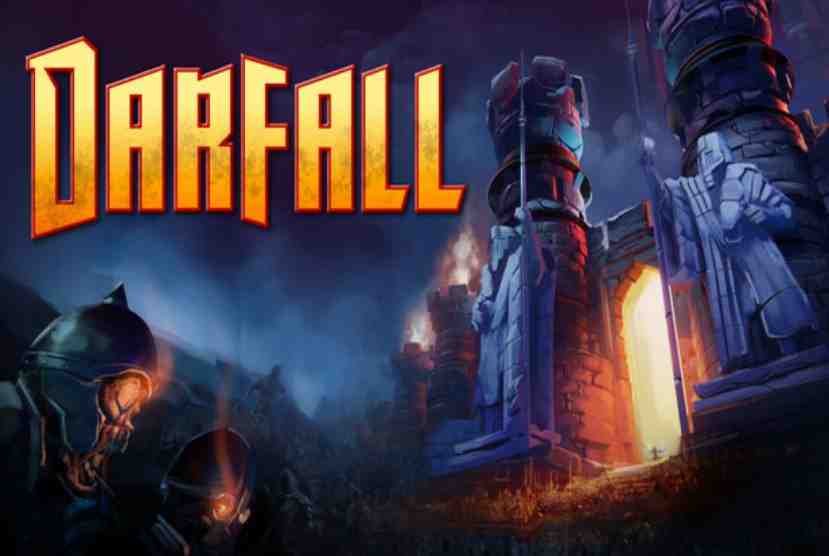
Stand against the undead hordes in a campaign inspired by fantasy classics. Discover the continent of Aganor across many challenging missions, push back the darkness, and protect your people. Use the day to gather resources, fortify your town, and explore the surrounding lands. When the night falls, defend your people and their homes against the waves of enemies, until the break of dawn. Face the challenges with the help of legendary heroes – wizards, warriors, and more. Utilize their varied skills, level them up, and arm them with powerful artifacts won throughout your adventure. Build your own scenarios, maps, quests, and even whole, scripted campaigns with an extensive in-game editor. Share your creations with other players and set your imagination free. Yes Your Grace: Snowfall
Test yourself in a challenging survival mode, where every night brings new, growing terrors. Survive the onslaught, and rebuild every morning to face the undead hordes again. Fight until you win glory… or reprieve in death. I’ve played the first 6 levels, all on medium difficulty. I LOVE that I don’t feel rushed, I’m sure the intensity will pick up. But it is nice to have some time to plan, and build your city and then defend it. I love that there is a scenario creator. Played for almost 2 hours so far, likely to put in more hours. Last time I played a similar game was back in the warcraft 3 days.
Features and System Requirements:
Unlock new buildings, weapons, and upgrades through a deep and rewarding research system that enhances your city and military strength.
Each playthrough offers new challenges with procedurally generated maps and dynamic events that keep your strategy fresh.
Combine classic city-building mechanics with real-time survival strategy. Gather resources, build infrastructure, and defend your settlement from relentless nightly invasions.
Screenshots
System Requirements
Recommended
OS: Windows 11 64 bit
Processor: Intel Core i5-12600K / AMD Ryzen 5 5600X
Memory: 16 GB RAM
Graphics: GeForce RTX 3060 / AMD Radeon RX 6700
DirectX: Version 11
Storage: 4 GB available space
Sound Card: DirectX 11 compatible
Support the game developers by purchasing the game on Steam
Installation Guide
Turn Off Your Antivirus Before Installing Any Game
1 :: Download Game 2 :: Extract Game 3 :: Launch The Game 4 :: Have Fun 🙂