How Much Does It Cost To Develop ML-based Healthcare App?


How Much Does It Cost To Develop ML-based Healthcare App?

Machine Learning in Healthcare: The Future Of Healthcare Will Be Around ML 

ML In Healthcare: Application, Benefits, and App Development Cost

Machine Learning (ML) is one of the trending concepts in the field of Artificial Intelligence (AI). Driven by its automation and predictive analytics, ML technology is being used for creating intelligent software solutions that offer more accurate analysis of data.

Banking and finance for Fraud detention, Marketing & sales business for predicting market scope and user interests, Healthcare organizations for improving patient care services, and Fintech organizations for estimating stock trends, ML is widely used across diversified industries.

Be it the purpose of forecasting the market dynamics, analyzing & optimizing equipment performance, determining customer behaviors, or making deep analyses of sales data, ML-powered and AI-based mobile apps have the highest scope in the years ahead. The industries will increasingly gain a lot of operational and financial benefits from using ML’s automation and predictive potentialities.

Among all other industries, the healthcare industry is one of the top sectors that is an early adopter of AI and ML-like advanced technological innovations. Whether you are a startup or a fully developed brand in the healthcare industry, ML app development ensures streamlined business operations. Let’s start our session with the top applications of ML in the healthcare sector.

Today, in this article, we would like to discuss the top use cases of ML in healthcare, the significant benefits of ML in the healthcare industry, and how much will it cost to develop ML-based healthcare apps.

Cost-To-Develop-ML-based-Healthcare-App

Top Use Cases Of AI/ML In Healthcare Industry

The significance of machine learning in healthcare is extending with the continuous developments in the field of AI. Speed and accuracy as the core features, and ML technology is making a buzz in the digital world. Let’s take a look at the significant applications of ML in the Healthcare industry.

Here are the best answers for How AI is used in healthcare.

  1. Disease Prediction

Disease prediction is one of the top ML use cases in the healthcare industry. The use of AI and ML-based applications in the healthcare service sector is increasing for predicting life-threatening diseases and improving patient care services.

The predictive modeling feature of ML algorithms derives patterns into the patients’ health reports efficiently and predicts the disease seniority. It helps physicians make immediate and better decisions to improve the patients’ outcomes.

  1. Streamlines The Process

One of the major roles of ML technology in healthcare sector is process automation. Intelligent ML applications in healthcare sector, automatically processes data (patient data analysis), minimizes manual interaction, and maintain quality and accurate information. Hence, it will improve the operational efficiencies, optimize the resources productivity, and reduce the costs.

  1. Research and Drug Development

It is the best use case of ML in the healthcare sector. Incredible predictive capabilities of Artificial Intelligence and Machine Learning are making drug discovery & development, candidate scope analysis, and patient data analysis for clinical trials faster and easier.

Further, ML technology is also being used for making faster decisions in drug design and development.

Moreover, besides research works, drug manufacturing companies are also increasingly investing in ML application development for forecasting the side effects of a drug candidate. It means ML apps in drug development are used for detecting the toxicity of a medicine before the clinical trial stage and improving its quality.

  1. Efficient EHR Management

The need for ML in healthcare, especially for streamlining the cloud management and accessibility of patients’ data is going to drive more opportunities for ML healthcare applications in the future.

Features-rich ML-based applications in healthcare will help healthcare service providers and physicians access the Electronic health records of patients anytime from anywhere.

While ensuring the privacy of the patient’s health records, ML applications allow physicians to access previous medical treatments and the current status of their health condition. It was proved that AI and ML applications can help doctors predict the diseases that going to affect them in the next coming 5-10 years.

Hence, ML software solutions in healthcare play a key role in saving a lot of manual time in recording patient’s manual data and improving health outcomes.

  1. Improve Diagnostic Accuracy

AI and ML-based medical image processing applications offer 99% accurate analysis on blood samples, DNA sequences, and radio images. Faster but accurate data analysis and patterns recognition will helps doctors to provide the best care and diagnosis services for reducing the health risks.

  1. Treatment Suggestions

The use of machine learning applications or tools in healthcare makes the diagnosis process efficient and helps doctors to find multiple treatment or medicine suggestions to improve the patients’ health conditions. Based on the previous medication history and health conditions, AI and ML applications offer personalized treatment ways that ensure potential health outcomes.

  1. Medical Device Performance Analysis

Intelligent ML applications make an impact in healthcare in many ways and medical device performance monitoring and analysis is one of them. AI/ML-enabled medical devices advance the accuracy of findings and improve therapeutic efficiency, thus patient care level will be boosted.

  1. Virtual Nursing Assistants

ML-based virtual nursing assistants help hospital staff monitor the conditions of multiple patients at once. It is not possible to manage or view the vital health signs of many patients at once manually, but AI and ML-based software solutions do it efficiently. Hence, it will assist the staff to send immediate alerts to the physicians and make them aware of patients’ health conditions and improve care level.

  1. Robotic Surgical Procedures

With unimaginable precision and adaptiveness, ML and AI-powered surgical robots have been making a buzz in the digital healthcare industry. Well-trained AI and ML-based surgical robots infused with the capabilities of professional surgeons are involved in minimally invasive surgeries. These AI and ML-based robot-assisted surgical robots will offer surgeons and ensure better visualization to perform surgeries with very small incisions.

These are a few significant applications of ML technology in the healthcare industry. Machine Learning like advanced analytical technology will benefit in terms of saving time, reducing operational costs, streamlining medical records management operations, and overall transforming the traditional healthcare operations from front-desk record keeping to complex surgeries.


How Much Does It Cost to Develop ML-based Healthcare App?

The cost of healthcare app development depends on various factors. There are so many types of healthcare apps available in the app stores. Virtual trackers, Diet planners, fitness & wellbeing apps, telemedicine apps, database management apps, medical networking apps, ePrescription apps, insurance claiming, and billing/invoice preparing apps, etc.

Based on the type the healthcare application, the features and design complexity will vary and this impacts the final cost of a healthcare mobile app.

Further, the application development platform, UX/UI design, technology stack used for mobile application development, and team size of the app developers will impact the final cost of the healthcare application. Moreover, the region and hourly rates of top app developers (Android app developers or iPhone app developers) will decide the actual cost of healthcare app development.

On a rough estimate, the cost of a healthcare application with a minimum level of design complexity and a set of the most required features will cost somewhere around $45,000 to $88,000. However, based on all the above factors, the cost of a healthcare application development might fall in the estimated range or exceed the limit as per your app specifications.

Are you looking for Top Healthcare app developers?

Let’s discuss your project requirements and get a free app quote!


Final Words!

The benefits of Artificial intelligence in healthcare or Machine Learning in the healthcare industry are numerous. AI and ML applications reshape the way healthcare service providers deliver services.

As we discussed in this article, AI-powered administrative and ML-based patient care solutions will be the future of the healthcare industry. AI and ML applications automate the front-office tasks and helps doctors improve care level.

Get In Touch!


Introducing Block Generate with AI: An AI Tech Preview for AutoCAD on the web | AutoCAD Blog


What if creating a CAD block was as simple as describing it, letting you spend less of your time drafting and more time designing?

My team at Autodesk is exploring how AI can simplify some of your core CAD workflows. Starting today, you can get an inside look into the future of the AutoCAD portfolio through our new Tech Previews on AutoCAD on the web. We have lots more ideas in the works, and we can’t wait for you to try them!

Our first Tech Preview is Block Generate with AI. You can use natural language to generate a 2D block. In the description, you can specify the shape. Some examples:

  • 3-seater sofa with 3 cushions
  • Double vanity with round bowls and rounded corners
  • Round table with four chairs
  • Double door with equal leaves and 90-degree swing arcs

Designed to help you get to design faster

Blocks are a fundamental part of many AutoCAD workflows, but creating a new one can interrupt your momentum. Block Generate with AI is designed to help you quickly generate a starting point so you can spend less time creating common objects and more time designing.

Because the generated block is editable, you remain in control. You can modify the geometry to meet your project’s needs before incorporating it into your drawings.

As a Tech Preview, generated geometry may need some editing, particularly dimensions, as we continue developing the experience. Your feedback will help us improve future iterations.

Try it and tell us what you think

Block Generate with AI is available as a Tech Preview in AutoCAD on the web.

If you’d like to learn how to enable the Tech Preview, write effective prompts, and start generating blocks, check out our Block Generate with AI Help article.

Which block will you generate first? We’d love to hear your ideas in the Autodesk Community.

Jimothy, The Viral Raccoon, Is Becoming An Earnable WoW Pet


Jimothy, the short-spined raccoon who has captured the hearts of the internet, is coming to World of Warcraft.

Over the past few weeks, Jimothy the raccoon has gone absolutely viral, as Seattle locals share images and videos of the animal celebrity going about his daily life. He’s hard to miss, as his unique spinal condition gives him a noticeably shortened torso and neck that makes him look like a goblin in raccoon form. 

Naturally, as Jimothy’s popularity skyrocketed, so too did the brands begin to take notice, World of Warcraft included. Blizzard was quick to post a mock-up showing what Jimothy might look like in WoW, and the response was “overwhelming,” according to Blizzard. Players desperately wanted Jimothy to be a real in-game companion. Now, that’s becoming a reality.

Blizzard has now announced it managed  to “squeeze in” a functional version of the real-life cryptid as part of the MMO’s upcoming 12.1 Curse of Ula’tek update. Jimothy will be an earnable pet companion players can acquire in-game, though Blizzard hasn’t yet detailed what players will need to do to call Jimothy their own.

“Currently, Jimothy is being tested for visual and functional effects and is targeted to go live when Curse of Ula’tek launches,” Blizzard said. “As always with in-development content, that may shift, but the team is excited to share their own version with the intention of making him an earnable companion pet for the community.”

You asked, Jimothy answered.🦝 Coming soon to Azeroth.

World of Warcraft (@worldofwarcraft.blizzard.com) 2026-07-24T01:54:06.128Z

That’s great timing, because patch 12.1 is the same patch that will see Blizzard add the ability for players to place pets from their collection in their virtual homes. By placing down a pet bed decor item, players can then assign a pet to that pet, with the system allowing for up to 10 pets inside and five pets outside. Indoor pets can be set to remain stationary or allowed to roam, while outdoor pets can only be set to stationary. 

While most pets will work with this new system, there are a few that can’t. It seems safe to assume Jimothy will work with housing, though Blizzard has not explicitly confirmed it.

WoW’s Curse of Ula’tek update still doesn’t have an exact release date, but it’s expected to be in the next few weeks. In addition to Jimothy, the update will introduce a whole host of new content, including a new zone, raid, dungeon, and delves. It will also add new housing features like blueprints as well as Discord and guild chat integration, and improvements to the game’s ping system and cooldown manager. If a recent datamine is to be believed, the epilogue for the update may even reveal villain Xal’atath’s true plans.


SpaceX launches new V3 Starlink satellites but suffers another booster failure


SpaceX successfully deployed the first third-generation Starlink satellites on Friday using an upgraded version of its prototype Starship — the 13th test flight of its mega-rocket to date. But the company suffered another failure with its Super Heavy booster during a planned simulated landing in the Gulf of Mexico.

It’s the second time the company has had an issue with the Super Heavy booster on this V3 version of Starship. In May, on the first Starship V3 flight, SpaceX encountered a failure of the Starship’s Super Heavy booster as it separated from the upper stage of the rocket.

The launch came a little more than a week after SpaceX tried to conduct the 13th Starship launch. That attempt had to abort immediately after ignition due to a number of rocket engine failures. SpaceX said it replaced six engines ahead of Friday’s flight to fix the problem.

During Friday’s launch, the booster made it further into its planned flight, but wasn’t able to properly fire up all of the engines required for its simulated landing burn. The booster exploded after a faster-than-expected impact with the water.

This was the first launch of Starship since SpaceX went public in June in the largest IPO in history. In a test of SpaceX’s “fly, fail, fix” approach to Starship development, the company saw its stock decline last week in the day following the launch abort. The dip is part of a larger downward trend since the IPO that has seen the company’s stock drop from a peak of more than $200 per share to $115 at the close of trading on Friday. In after-hours trading, SpaceX shares fell another 2% following the booster failure, before paring some of those losses.

SpaceX appears to have had better luck with the Starship V3 upper stage during Friday’s launch. The upper stage lost a rocket engine during the first V3 launch in May. That didn’t happen this time around, as Starship encountered no issues on its way to deploying the new Starlinks.

The new Starlink satellites are expected to burn up in the atmosphere roughly 20 minutes after deployment, as Starship still isn’t capable of reaching Earth orbit.

This story is developing…

When you purchase through links in our articles, we may earn a small commission. This doesn’t affect our editorial independence.

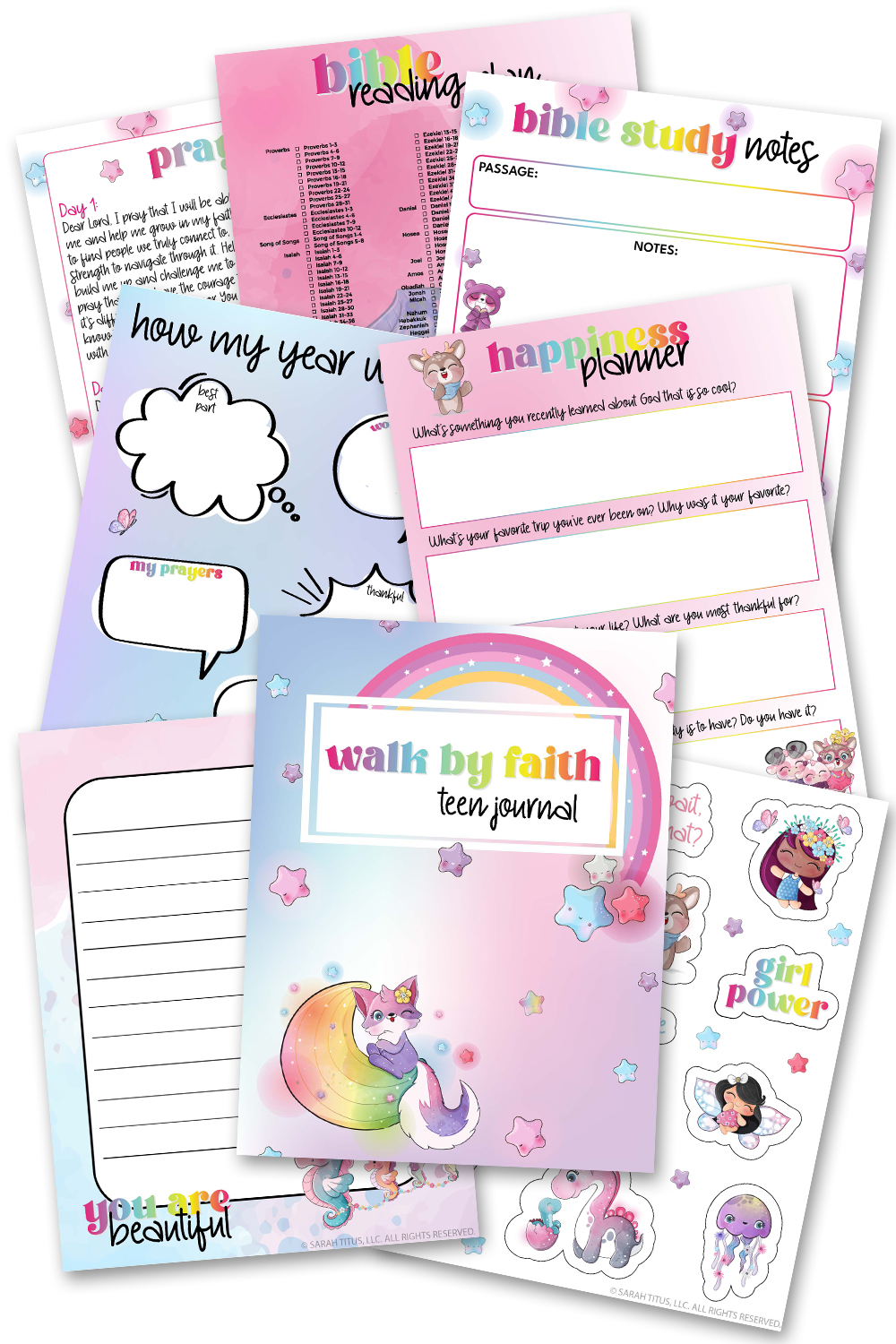
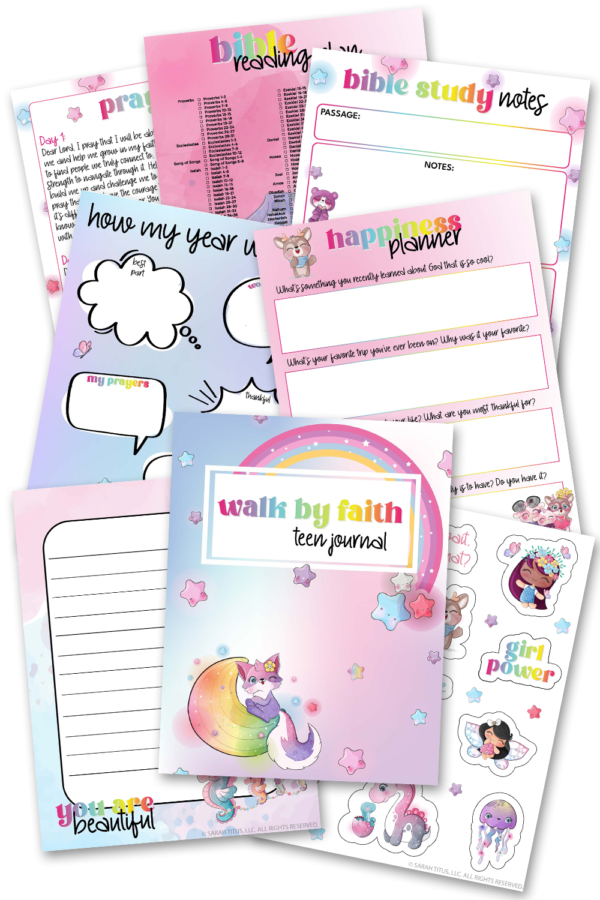
Free Walk by Faith Teen Journal {30+ Pages}


Want to encourage your teens to grow closer to God?

This free Walk by Faith Teen Journal is the perfect way to encourage older kids, tweens, and teens to pray and study the Bible. They’ll also have a safe place to jot down their thoughts and feelings to work through them.

The beautiful designs, colors, stickers, note cards, bookmarks, and thought-provoking questions will lift their spirits and promote a grateful and positive outlook on life.

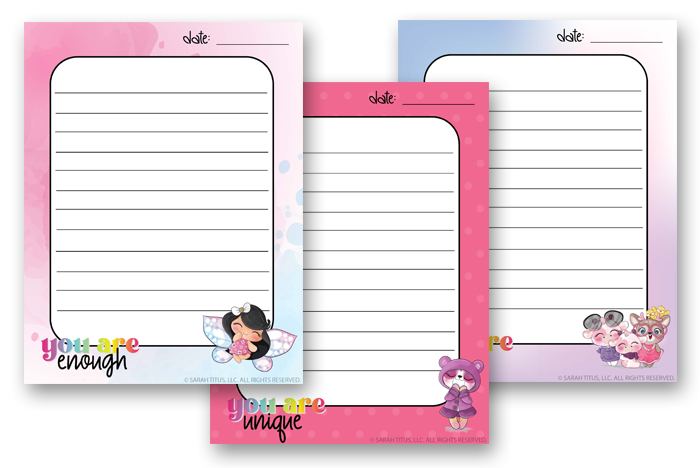
The journal pages could also be used as super cute stationary if they want to write a letter to someone!

It’s a fun and exciting journal and will keep them engaged and motivated about the Bible!

Want more? Around here, I LOVE to give lots of free!!! 🎁💖🥰

👉 Get it free when you use discount code: TEEN

I am so excited to offer you this SUUUPER CUTE Christian teen journal!!

 Printables include:

  • Binder Cover
  • Spines (1″, 1.5″, 2″ & 3″)
  • Hello This Planner Belongs To
  • Stickers (2 Pages)
  • Bookmarks
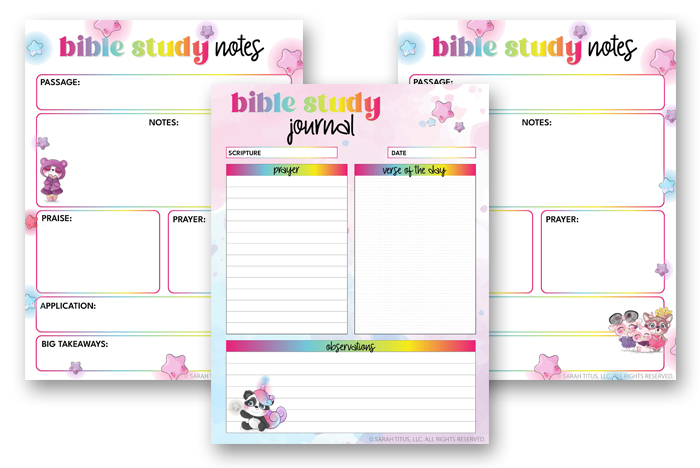
  • Bible Study Notes
  • Bible Study Journal
  • Bible Reading Plan (2 Pages)
  • Note Cards (2 Pages)
  • Happiness Planner (5 Pages)
  • Prayers (2 Pages)
  • How My Day Was
  • How My Week Was
  • How My Month Was
  • How My Year Was
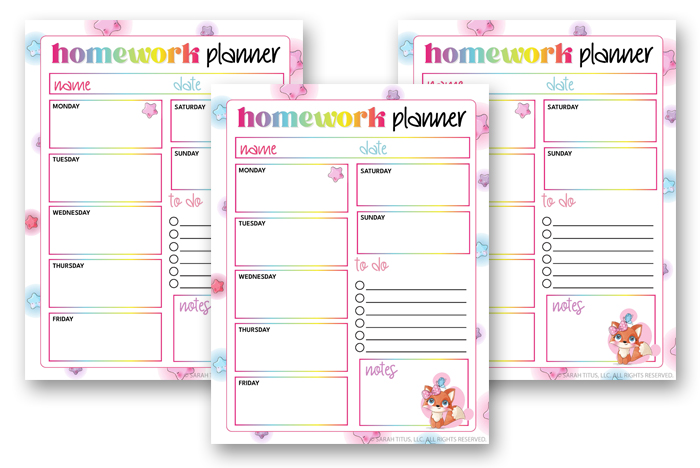
  • Homework Planner
  • Journal Pages {10 Pages)

Walk by Faith Teen Journal {30+ Pages}.

The teen years can be a confusing and difficult time for teenage girls. This Faith Teen Journal is an AMAZING way to help work through thoughts and feelings in a fun and appealing way, with a focus on growing a deeper relationship with God. ❤️

MY FAVORITE PAGES

It’s kind of hard to choose favorite pages because they are all helpful, but I do have a few…

Kids, teens, and young adults will have a safe place to write down and make sense of their stream of thoughts on these adorable dear diary type journal pages. They can also be used as super cute stationary if they want to write a letter to friends or family!Walk by Faith Teen Journal - Jounral PagesWalk by Faith Teen Journal - Jounral Pages

The fun designs of the Bible reading plan pages will provide encouragement to really dig into Scripture and read the Bible more consistently. These printables break down each book of the Bible with checkboxes for every 3-4 chapters you read. Super easy to check off and keep track!

Walk by Faith Teen Journal - Bible Reading PlanWalk by Faith Teen Journal - Bible Reading Plan

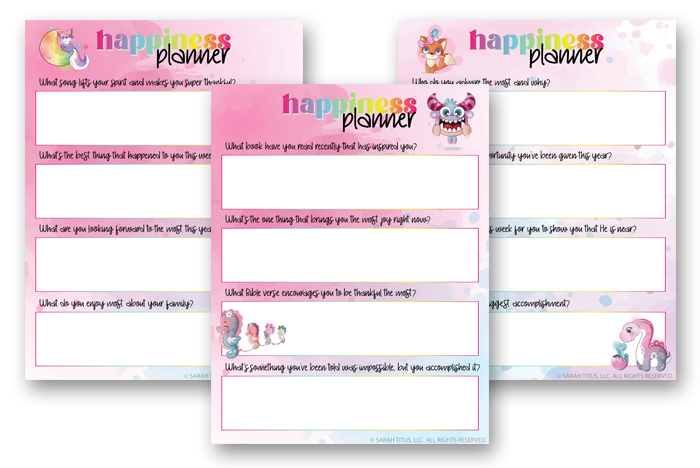
The Happiness Planner Pages are a surefire way to keep engaged and motivated to find the GOOD in life! The thought-provoking questions will lift their spirit and promote a grateful and positive outlook on life.

Walk by Faith Teen Journal - Happiness Planner PagesWalk by Faith Teen Journal - Happiness Planner Pages

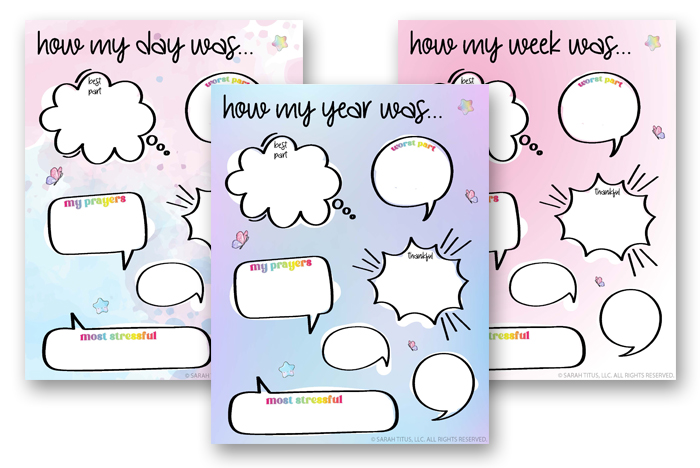
The ‘How my day/week/month/year was’ printables are the perfect way to take time to reflect and learn from experiences. The cool designs and prompts will keep kids inspired to find lessons and meaning in their journey through life.

Walk by Faith Teen Journal - How My Day Week Month Year WasWalk by Faith Teen Journal - How My Day Week Month Year Was

The Bible Study Journal and Bible Study Notes printables turned out so CUTE, making them an engaging way to take notes during the study of Scripture verses. Plus, having something fun like this will make sure kids enjoy keeping their notes neat and organized to refer back to, especially if you want to create a notes binder. 😁

Walk by Faith Teen Journal - Bible Study Journal and NotesWalk by Faith Teen Journal - Bible Study Journal and Notes

These FUN stickers are the perfect way to inject personality and style to any planner, notebook, laptop, phone case, binder, and MORE! The designs are THEEE cutest!!

Walk by Faith Teen Journal - StickersWalk by Faith Teen Journal - Stickers

Keep track of school projects and assignments with the ADORABLE Homework Planner printable sheet. It’s the perfect solution to keep school work tasks organized on a daily basis, while staying motivated and encouraged by the cute, colorful pages!!!

Walk by Faith Teen Journal - Homework PlannerWalk by Faith Teen Journal - Homework Planner


Grab the Walk by Faith Teen Journal here free when you use discount code: TEEN


Walk by Faith Teen JournalWalk by Faith Teen Journal

What sets your printables apart?

• Other printables are either functional OR cute. I bridge the gap between the two. Since I’m a single mom and don’t have time to mess around and am a kid at heart, I love something that actually propels me forward and gets the job done quickly, while still having that super cute vibe I’m known for.
• I’m a graphic designer FIRST. This means my printables, whether free or paid for, will always be of the highest quality and print crisp and clear on any printer.
• I love what I do and I do the work myself. I’m not hiring these out. This is my life, my hobby, my passion, my heart.
• My fans are obsessed with my work. To date, I’ve made over $23M on printables alone (organically) in the past 8 years.

Is this printable free to download?

Yes! Except for some large binders, all printables on the blog are 100% free for personal use. I make these because I genuinely want you to have something cute and helpful right now without having to spend a dime. You deserve a life that feels more peaceful, more organized, and more you, and if a simple printable can make your day feel lighter, I am so happy to give that to you.

All printables are for personal use only.

Printables, graphics, backgrounds, SVGs, fonts, and design elements on this site are for personal use only. You may not alter them or redistribute them for free or monetary gain without written consent from the author, Sarah Titus. If you want to share these resources with others, please share the link to the blog post. Teachers & Churches: You may share these with your classes, colleagues, and congregation as long as they are not edited in any way.

Can I use these printables for my classroom or church group?

Absolutely! You’re welcome to print as many copies as you need for your own students or church groups. I only ask that you do not edit them in any way (leaving the full copyright line in tact) or sell them or host the digital files on other websites. Please always link back to this post to share with others.

What’s the best way to print these high-quality printables?

• For best results, I recommend using standard 8.5″x11″ white paper. Since these are professionally designed as high-resolution PDFs, they’ll stay crisp and clear on any printer. To print, simply download the PDF to your device and open your printer settings. Select “Fit to Page” to ensure the printable looks perfect.
• If you’re printing stickers, I have a tutorial here.

‘Interview With the Vampire’ Bites Back for Season 4


Goodbye, The Vampire Lestat. Hello, Queen of the Damned. Interview With the Vampire has been renewed for a fourth season, based on the third book in Anne Rice‘s Vampire Chronicles series. Queen of the Damned revolves around Akasha (Sheila Atim), the mother of all vampires, and follows her from her time as a pre-Egyptian queen through to the modern day. No spoilers, but she’s less than pleased with pretty much everything, and she’s wildly powerful to boot. Check out a teaser trailer below.

AMC announced the news during its San Diego Comic-Con 2026 panel for The Vampire Lestat. In a press release, Chief Content Officer of AMC Global Media and President of AMC Studios Dan McDermott said, “In The Vampire Lestat, Mark [Johnson, executive producer], Rolin [Jones, executive producer], Hannah [Moscovitch, executive producer] and this extraordinary cast delivered an unforgettable season filled with propulsive storytelling that captivated the passionate and engaged fans of this franchise. We can’t wait to continue the journey with Queen of the Damned, one of the most iconic stories in Anne Rice’s mythology, and watch our established and beloved characters confront Akasha with their world, and ours, very much hanging in the balance.”

Moscovitch will serve as showrunner on Queen of the Damned, taking over from Jones, who created the series and was showrunner for the first three seasons. The Vampire Lestat just wrapped up its run last week, ending on a major cliffhanger that will lead right into Queen of the Damned. The Vampire Lestat stars Sam Reid, Jacob Anderson, Assad Zaman, Eric Bogosian, Atim, Delainey Hayles and Jennifer Ehle.

There is currently no release date for Queen of the Damned.

Want more io9 news? Check out when to expect the latest Marvel, Star Wars, and Star Trek releases, what’s next for the DC Universe on film and TV, and everything you need to know about the future of Doctor Who.

Marvel just announced the roster for it’s new X-Men team


One of the biggest questions during San Diego Comic-Con this weekend is whether Disney and Marvel will announce the cast for the Marvel Cinematic Universe’s X-Men reboot. In the meantime, Marvel Comics has announced a new cast of its own for its merry mutants. Meet the roster of Maximum X-Men.

During the Marvel Comics: Avengers — Armageddon panel on July 23, Marvel announced the new series will debut this December. With the grand Armageddon event coming to a close soon, it appears Earth-616 will be left without its mightiest heroes to protect it. Storm, herself fresh off a stint with the Avengers, will fill that void by assembling a new X-team comprised of fan-favorite characters. Ororo will be joined by Wolverine, Colossus, Bishop, Iceman, Psylocke, Firestar, and Justice.

maximum x-men #1 cover Image: Tony S. Daniel for Marvel Comics

Christopher Yost will handle writing duties, with Tony S. Daniel on art. Both Yost and Daniel are X-Men veterans. Yost had this to say about the new series:

I’ve worked on my fair share of X-Books over the years, but MAXIMUM X-MEN is everything I love about comics rolled into one— it’s underdog heroes saving the world from the biggest Avengers-level threats imaginable, it’s mind-breaking action and drama and everything people expect from X-Men, all with a classic Claremont vibe.

The team’s first challenge will be to face an invasion from the Negative Zone. The official announcement teases readers by asking if this is Annihilus again — or something far, far worse? Annihilus is one of Marvel’s most dangerous villains and was prominently featured as the antagonist of the 2006 event Annihilation.

One interesting reveal from the cover of Maximum X-Men #1 is just exactly who Psylocke is in the series. Longtime X-Men fans will know Psylocke has a complex history that’s not without controversy. To make a long story short, the codename refers to two characters — Betsy Braddock and Kwannon. For years, the former (a white woman) inhabited the latter’s body (an Asian woman) using the codename Psylocke after Kwannon died of the Legacy Virus while in Braddock’s body. It was a mess.

This was rectified in recent years, with both characters restored to their original bodies and Braddock taking the name Captain Britain. As recently as 2024, Kwannon has used the Pyslocke title in the main X-Men book as well as her own solo series. Yet Maximum X-Men‘s Psylocke is clearly Betsy Braddock. She’s in her own body but is again using the title reclaimed by Kwannon. Marvel didn’t directly address this during the panel, so readers will have to wait until December to find out what the deal is.

Maximum X-Men #1 will be released on Dec. 2.

EU hits Google with another $1B fine as Search and Play Store face fresh antitrust crackdown


What you need to know

  • The European Commission issued its first-ever Digital Markets Act fines against Google, totaling €890 million ($1 billion) for anticompetitive practices.
  • Search took the biggest hit, with Google fined €460 million for allegedly giving its own services preferential placement over rival platforms.
  • Google Play wasn’t spared either, as the EU fined the company €430 million for restricting developers from steering users to cheaper payment options outside the Play Store.

Google’s battles with European regulators are far from over. After recently losing its fight against the EU’s record €4.1 billion antitrust fine over Android’s market dominance, the European Commission has now issued its first fines against the company under the Digital Markets Act (DMA).

The EU announced that it has fined the company €890 million (around $1 billion), saying that Google broke the Digital Markets Act (DMA) by giving its own services an unfair advantage in Search, and limiting how Android developers can reach customers outside the Play Store.

Know Before Making the Switch


Ecig Guide for Adult Smokers
Envato.com

For many adult smokers, finding a smoke-free alternative can feel confusing at first. There are different devices, nicotine strengths, flavours, and styles to choose from, each offering a slightly different experience. One of the simplest options is the ecig, especially for adults who want something compact and familiar.

While vaping is not risk-free and is only intended for adults who already use nicotine, understanding how ecigs work with this guide can help adult smokers make more informed choices.

What Is an Ecig?

A Simple Introduction

An ecig is a small electronic device that heats vape liquid to create vapour. The user then inhales the vapour instead of tobacco smoke. Most vape liquids contain nicotine, although strengths can vary depending on the product.

Unlike traditional cigarettes, ecigs do not burn tobacco. This means there is no ash, no cigarette smoke, and no tobacco combustion involved.

Why Some Adult Smokers Choose Ecigs

Many adult smokers are drawn to ecigs because they are straightforward and portable. Some devices are designed to feel familiar in the hand, which can make the change from smoking feel less overwhelming.

A beginner-friendly Ecig can be especially appealing to adults who want a simple device without complicated buttons, tanks, or settings.

Common Types of Ecigs

Cigalike Devices

Cigalikes are designed to look and feel similar to traditional cigarettes. They are often slim, lightweight, and easy to carry. For beginners, this familiar format can make them a practical starting point.

Many cigalikes use replaceable cartridges, which helps keep maintenance simple.

Pod Systems

Pod systems are compact devices that use small pods instead of larger tanks. Some are refillable, while others use prefilled pods. They are popular because they are easy to use and usually require little setup.

Vape Pens

Vape pens are slightly larger and may offer longer battery life or more flexibility. They can be a good option for adults who want more choice in flavours and nicotine strengths.

What to Consider Before Choosing an Ecig

Nicotine Strength

Nicotine strength is one of the most important factors. Too little nicotine may not feel satisfying for someone switching from smoking, while too much may feel uncomfortable.

Adult users should read product labels carefully and choose a strength that reflects their current nicotine use.

Ease of Use

For beginners, simplicity matters. A device that is easy to charge, use, and maintain can make the experience smoother. Cigalikes and pod systems are often easier to manage than advanced vape kits.

Cost Over Time

The device itself is only part of the cost. Replacement cartridges, pods, coils, or liquids may need to be purchased regularly. Comparing ongoing costs can help users avoid surprises.

Portability

Some users want a small device they can carry easily throughout the day. Others may prefer a larger device with longer battery life. The best choice depends on daily routine and personal preference.

Responsible Use and Safety

Intended for Adults Only

Ecigs are intended for adult smokers and existing nicotine users. They are not suitable for children, teenagers, non-smokers, or anyone who does not already use nicotine.

Nicotine is addictive, so products should be used responsibly.

Store Devices and Liquids Safely

Vape liquids and devices should be stored away from children and pets. Nicotine-containing products can be harmful if swallowed or handled incorrectly.

Devices should also be charged using the correct charger and kept away from excessive heat.

Buy From Reputable Retailers

It is important to choose reputable retailers that provide clear product information, age checks, and proper labelling. Avoid unregulated products or sellers that make unrealistic claims.

Practical Tips for First-Time Users

Start Simple

A simple device can help new users focus on the basics. Once they understand what works for them, they can decide whether they want more advanced features later.

Pay Attention to Flavour and Feel

Flavour, vapour strength, and throat feel can all affect the experience. Some adult smokers prefer tobacco or menthol flavours at first because they feel familiar.

Follow Local Rules

Vaping is not allowed everywhere. Many workplaces, public spaces, transport services, and private venues have their own rules. Users should always check before vaping.

FAQ

Is an Ecig the Same as a Vape?

The terms are often used in similar ways. An ecig usually refers to a small electronic cigarette-style device, while vape can refer to a wider range of vaping devices.

Are Ecigs Risk-Free?

No. Ecigs are not risk-free and usually contain nicotine, which is addictive. They are intended for adult smokers or existing nicotine users only.

What Type of Ecig Is Best for Beginners?

Many beginners prefer cigalikes or pod systems because they are compact, simple, and easy to use.

Do Ecigs Contain Tobacco?

Most ecigs do not contain tobacco leaf, but many contain nicotine, which may be derived from tobacco. Always check the product details.

How Do I Choose the Right Nicotine Strength?

The right strength depends on your current smoking habits and personal comfort. Adult smokers who are unsure should ask a reputable retailer or healthcare professional for guidance.

Conclusion

Ecigs can offer adult smokers a simpler, smoke-free alternative to traditional cigarettes, but they should be chosen carefully with the help of a usage guide and used responsibly. Understanding device types, nicotine strengths, costs, and safety guidance can help users make better decisions.

For adult smokers considering the switch to ecigs, the best approach is to start with clear information mentioned in the guide, choose a reliable product, and use nicotine products responsibly.

Find a Home-Based Business to Start-Up >>> Hundreds of Business Listings.

My Life With Looki Is a Harbinger of Always-On Recording Glasses to Come


A new memory cartoon is waiting for me. When I open the app, I see a multipanel strip called Big Little Moments. It appears as soon as I plug the Looki AI device back in to recharge, after almost a month not wearing it. It shows moments of me at a bar with my friend in LA, watching a stage presentation, eating a meal, seeing a demo, two women sitting across from me and then just me, walking with a phone in my hand.

These moments are from two days in June, when I wore the Looki to the Augmented World Expo in Long Beach, California. I’d been wearing it almost nonstop since April. I wore it to Apple’s WWDC, to Google I/O. I wore it to my Princeton college reunion. I wore it at home and commuting. And then I stopped.

The Looki L1 is a little black pendant, sort of watch-sized, with a camera on the front and microphones hidden somewhere. It has a clip and a lanyard. It can be worn around the neck or left propped on a desk. It’s an AI wearable but, unlike smart glasses, it has a battery that can run a whole day while intermittently recording audio and video clips. My colleague Katie Collins tried it last year, but I never got to test one out until this spring and summer.

The Looki is a round-with-spiky-bits pendant with a magnetic back clasp. Buttons to trigger recordings are studded around the sides. There’s also a touchpad. (Scott Stein/CNET)

AI wearables of all shapes and forms are everywhere now. OpenAI may be next to offer one. Some of these devices come in glasses form. Some are pendants. Some are pins. Some are earbuds. As AI keeps spreading everywhere and trying to absorb more of our personal information that it can craft into patterns and narratives, wearables are the physical form of trying to give AI eyes, ears and, increasingly, memories of your own life.

Everyone feels wary of smart glasses lately, because of the outer-facing cameras, tech’s pushy AI relentlessness and Meta’s poor reputation for privacy. When I tell people I’m wearing Meta Ray-Bans, they tend to ask me, “Is it recording me now?” I say no, then point to the Looki around my neck. “But this probably is.”

The Looki device follows in a long line of lifelogging wearables that go back over a decade. In 2014, I reviewed an occasionally recording lifelogging camera called the Narrative Clip, which promised to capture our memories. I found its memory, in practice, to be full of holes. In 2026, that’s pretty much still the case.

The Looki L1 promises a fun way to remember and record life’s moments, to have a companion to travel with you and save moments without having to record them. To be an all-day wearable camera.

But when I wore one, it made me feel awkward, like I was being a jerk or a spy. At best, it’s odd; at worst, it feels like I’m a guy with, well, an always-on camera. Which, in 2026, isn’t nearly as “fun” as it was in 2014, it turns out. I tested the Looki because I was curious, and because I’m legitimately interested in the future of assisted memory tech. 

What the Looki L1 is, and isn’t

Looki L1 is an odd duck product, as many AI wearables are. The $250 lifelogging camera has no subscription, although the product team I chatted with suggested that some services could be subscription-based down the road. It uses its own proprietary AI service, and can’t hook into any other platforms such as Google Gemini, ChatGPT or Anthropic’s Claude, although it borrows models from several sources.

I do like the snap-on magnetic pendant strap that doubles as a charging dongle and can serve as a desktop stand if you want to perch it somewhere to take photos or video. The magnetic clasp works through clothing, too, so the pendant could look like a clip-on pin. But I don’t like that the Looki’s active recording LEDs are small. They’re less noticeable than those on Meta’s glasses by far.

There’s a phone app that the Looki pairs with, just as a smartwatch or pair of smart glasses would. That’s how the pendant gets its firmware updates and uploads its recorded clips to your phone and the cloud.

Looki’s highlight video compilations feel pretty random at the events I wore them at, and of course, no one really knew I was recording. (Scott Stein/CNET)

Looki has an “AI Mode” that stays on and intermittently records short video clips (no more than about 5 seconds each), apparently picking moments of interest. In my three months of use, it didn’t seem to have any pattern. There are dedicated buttons to trigger manual audio recordings, still photos or video recordings. There’s also a front touchpad, which I could hold down to summon a voice AI to chat with for feedback on what I’d recorded, or anything else. I rarely used it.

The Qualcomm chip on the Looki is an older watch-oriented model, but it still lasts a day on a charge. The future for pendants like these is likely even longer battery life, based on the specs of Qualcomm’s newest AI-optimized chips, released this year. These types of pendants are probably going to do even more on-device without relying on the cloud at all.

But, for the most part, the Looki is a repository. It sucks up images and videos, and then syncs them over to its companion phone app (which takes several minutes) and cloud-analyzes them later (which can take up to several hours). It’s like burying a time capsule and then digging it up later that day to see what you’ve got.

And what did I get? Mostly a hot, sometimes fascinating, often awkward mess. 

As a memory maker, full of holes

The best thing the Looki does is generate comic book-like generative AI images based on things it automatically captures. The results vary in style and structure, with absolutely no discrete controls to make anything turn into a comic if you’d like it to. You just have to get lucky, I guess.

A few images of people I met, comic-transformed, are fun. A few story panel-type comics tried to distill a day, or several days, into a narrative. Sometimes they were clever (one, a map of New York and New Jersey showing me commuting, seeing tech demos and going to a Princeton reunion) felt sharable. One, of my trip to WWDC, was weirdly focused on my pre-event breakfast with my colleague Bridget Carey rather than all the hours I wore it during Apple’s keynote, which was the whole point of the day.

Sometimes the Looki auto-inserted me into images, inventing a narrative. (Since I’m wearing the pendant, I was clearly not in the picture.) My comic portrait ranged from oddly accurate to something more like Marc Maron. One comic picture of me buying a coffee at a Hyatt was inexplicably done in Minecraft-style blocks.

As for the rest of the recorded memories? There are AI-made supercuts of videos, set to odd preselected music. The tone often felt generic, and the captured videos are frequently at bad angles. When I had coffee with friends, several of the clips were accidental crotch shots. Other times, faces were cut out of the picture. (Did I need to wear the pendant higher up?)

The Looki seems to take video clips but not photos automatically, which were harder to download and share with friends. Also, a lot of the captured clips were either too brief or the people in them were discussing things that nobody approved sharing in the first place. If you’re wearing a Looki, prepare to do a lot of warning, explaining and apologizing.

Do I like having them to look over? Sort of, but so few are actually good. You can just take photos and videos when you want, rather than having the intermittently recording AI mode on. But then, if you do that, the device doesn’t feel like a true lifelog.

Sadly, a lot of the captured supercuts just showed me on my phone. Which, of course, just illustrated a sad state of my own life. I am on my phone a hell of a lot. Too much. And the comics, the autocaptures, they all tended to have at least one shot capturing me looking at my phone, since the pendant was around my neck, over and over and over.

Besides keeping these lifelog videos and autocaptures and creating comic strips, it weirdly tries to analyze meals I’ve eaten (not to any true success), and also pops occasional random notifications based on location, I think, and what the camera sees. These notifications are meant to be smart and context-aware. Sometimes they’re oddly on point (telling me I’m at AWE and reminding me of the start of the opening keynote, even though I never told it I was at AWE). Other times it just noted a store or maybe someone standing nearby. Again, like everything else the Looki does, these notifications can’t be customized at all.

As a public device, it’s embarrassing

My son has told me to take off the Looki pendant more times than I can count. My wife shamed me about my decision to wear it in a Japanese supermarket (I didn’t). People who saw it at public events, like WWDC or Google I/O, were either mildly curious or mildly offput. I awkwardly took it off a lot and stuck it in my pocket on trains, in bathrooms and, increasingly, many other places.

At a Whole Foods, someone next to me noticed it as I was shopping for chocolate bars and asked if it was recording. I explained it might be and that I test tech products for my job. They said they weren’t that upset, they knew that people are wearing cameras more and more. I didn’t believe they weren’t upset. And that reaction, too, has stuck with me. I wear smart glasses at least half the time now. Where does that put me on the socially acceptable spectrum? Don’t tell me.

I still find smart glasses less personally embarrassing, because they look and function like actual glasses. And, in reality, Meta’s glasses very infrequently record anything. While Meta has an autocapture mode for the glasses now, running it would wear out the battery fast.

The Looki, meanwhile, does nothing at all except be a AI-enabled camera pendant on your neck. To remember to charge that up and wear it, like an odd necklace that nobody asked for… I just can’t justify it. I made myself wear it for more weeks than I thought I would. Now, it’s out of batteries and sitting in a bag somewhere. I gave up.

The Looki was really just my Memory Cartoon Generator, for the most part, as you can see from all the images I shared. They’re interesting, but I can’t choose when they happen, or how they happen. And they’re not enough to keep me wearing the Looki. As you can see above, sometimes it even captured when I went to my home bathroom. (I never kept it on in an actual public bathroom, but this is exactly the nightmare stuff that the Looki embodies.)

If devices like the Looki could be actual memory assistants, deeply aware and able to help see and guide you — Or, if they were better cameras, taking photos I’d actually use — Or, if it could hook into AI services I actually semi-trusted and recognized — well, maybe. Right now, the Looki is more like a harbinger. Of glasses that really and truly will have longer battery life, someday soon, and be able to record all day long, if intermittently. And more AI pendants.

When that day happens, then yes, maybe my glasses will truly be recording all the time. And yes, that’s concerning. But even more concerning is the lack of any tech company efforts to manage privacy and deeper control over these random AI wearables. Or to elevate them beyond just gimmicks.

What I learned is I hit my limit. The Looki is not on me anymore. But the spirit of the Looki is everywhere else, coming fast.