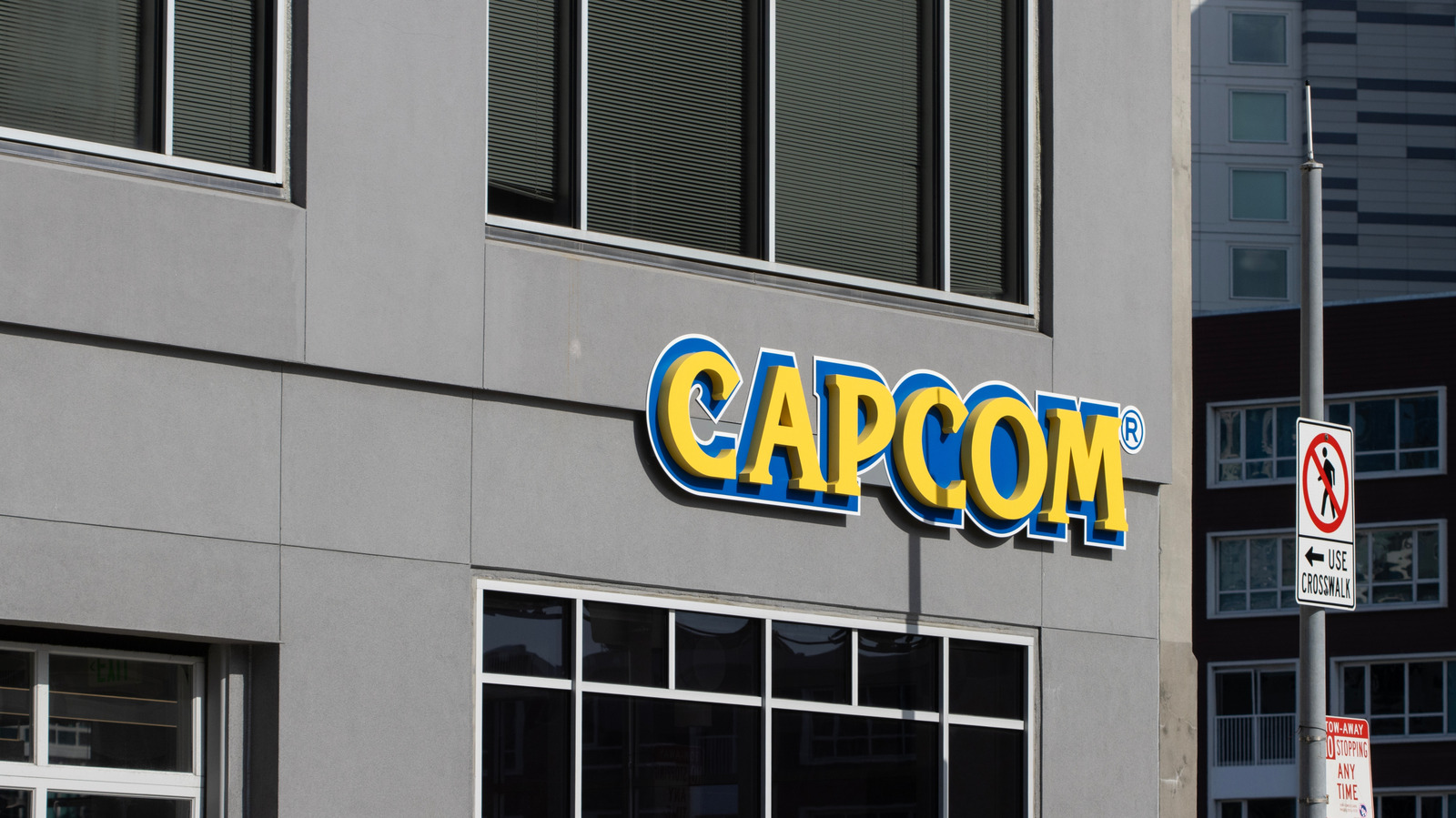
The company previously said it won’t use AI-generated content in its games.
Tada Images/Shutterstock
Video game companies are increasingly leaning on AI to help develop new titles and Capcom will be the latest to embrace this approach. During a company conference, Capcom detailed the next steps for the RE Engine, its proprietary video game engine, that includes using AI to improve efficiency during the game development process. As first reported by GameBiz and IGN, Capcom’s game engine would undergo a major improvement project called REX, to eventually become a “game engine of the AI generation.”
Capcom’s programmer Satoshi Ishida explained during the conference that the AI usage would mostly help with streamlining development workflows. Ishida explained that games and their assets have become much larger these days, leading to longer development times. From Capcom’s latest remarks, it doesn’t seem like the company will be using AI-generated assets in its video games, but instead employing AI to speed up the game development process.
Previously, Capcom said during a Q&A portion of a shareholders’ meeting that it would explore ways to use AI to assist with things like graphics, sound and programming but clearly stated that it would not use AI-generated content in its games. This approach would line up with Capcom’s desire to breathe new life into some of its older franchises, especially since the company saw success with the release of Onimusha: Way of the Sword. Other major game companies have also welcomed the use of AI for game development, like Epic Games who detailed that it would incorporate Claude and Gemini into Unreal Engine earlier this year.
The modern sports venue is more than a place to watch the game. Fans expect an engaging, visually dynamic experience from the moment they enter the facility until the final whistle. LED displays for sports venues play an increasingly important role in creating that experience, delivering game information, entertainment, branding, sponsorship content, and live video throughout the facility.
At SportStream 2026, Absen explores how LED display technology can help sports organizations of different sizes create more engaging in-venue experiences. From large-format video walls and scoreboards to ribbon displays and perimeter screens, LED technology gives venues flexible ways to communicate with fans and make better use of their physical spaces.
How LED Displays Improve the Sports Fan Experience
A strong in-venue experience depends on more than what happens on the field or court. Fans need to see important information, feel connected to the action, and have reasons to stay engaged throughout the event.
LED displays can support all of these goals by providing highly visible digital content across the venue.
Depending on the application, sports LED displays can deliver:
Live game video and replays
Scores, statistics, and game information
Player and team graphics
Advertisements and sponsorship content
Promotional messages
Fan engagement content
Social media feeds
Event announcements
Entertainment and motion graphics
Wayfinding and venue information
Instead of relying on one central screen, venues can use multiple LED display types to create a connected visual experience throughout the facility.
Main LED Video Walls for Sports Venues
The main video wall is often the centerpiece of a sports venue’s visual system.
Large-format LED video walls can provide fans with a clear view of live action, replays, graphics, statistics, entertainment content, and sponsorship messages. Because LED displays are built from modular panels, display configurations can be designed around the available space and viewing requirements.
A main LED video wall can be used in arenas, stadiums, fieldhouses, gymnasiums, and other sports facilities.
The right display depends on factors such as:
Venue size
Viewing distance
Screen dimensions
Resolution requirements
Brightness requirements
Indoor or outdoor installation
Content type
Camera and video sources
For venues with large audiences, the main display needs to provide a consistent viewing experience across a wide range of seating positions.
LED Ribbon Displays Keep Fans Connected to the Action
Ribbon displays add another layer of visual communication to the venue.
These long, narrow LED displays can be positioned around the upper levels of an arena or stadium, along balconies, or in other architectural locations. Their shape makes them useful for displaying continuous graphics, scores, advertisements, team branding, and other content.
Because ribbon displays can extend across significant portions of a venue, they can help create a more immersive visual environment.
They can also provide additional inventory for sponsors without taking attention away from the main video board.
Perimeter LED Displays Add More Opportunities for Engagement
Perimeter LED displays are commonly positioned around the playing surface or field of play.
These displays can turn otherwise static areas into dynamic digital content surfaces. During a game, perimeter displays can show team branding, sponsor messages, promotional content, and other graphics.
For sports organizations, this creates another opportunity to keep fans engaged while providing valuable digital real estate for sponsorships.
Perimeter displays can be especially effective because they are positioned close to the action and are visible to both spectators in the venue and cameras covering the event.
LED Scoreboards Deliver More Than the Score
Traditional scoreboards communicate essential game information, but modern LED scoreboards can do considerably more.
An LED scoreboard can combine scores and statistics with live video, graphics, animations, player information, sponsor content, and entertainment.
This flexibility allows the display to change based on what is happening during the event.
For example, a venue might use the display for:
Pre-game introductions
Live scores and statistics
Player announcements
Instant replays
Sponsor messages
Crowd prompts
Halftime entertainment
Post-game information
This turns the scoreboard into an active part of the production rather than simply a source of game information.
Sponsorship Content Becomes Part of the Venue Experience
LED technology also changes how sports organizations can approach sponsorship content.
Instead of dedicating permanent physical space to a single advertisement, digital LED displays can rotate multiple sponsors and campaigns throughout an event.
This can include:
Sponsor logos
Full-screen advertisements
Animated graphics
Promotional offers
Event-specific campaigns
Sponsored replays
In-game promotions
Partner announcements
Digital displays provide the flexibility to change content based on the event, sponsor, audience, or time of day.
For organizations managing multiple teams, leagues, tournaments, or events in the same venue, this flexibility can be particularly useful.
Choosing the Right LED Display for a Sports Facility
Not every sports venue needs the same type of LED system.
A professional stadium may require large outdoor displays capable of handling long viewing distances and changing environmental conditions. A high school gym may have very different requirements, with a smaller indoor display and shorter viewing distances.
When planning an LED display system, organizations should consider several factors.
Viewing Distance
The distance between the display and the audience affects the appropriate pixel pitch and resolution.
Fans sitting close to a display need a different visual solution than spectators viewing a screen from the opposite side of a large stadium.
Indoor vs. Outdoor Installation
Indoor and outdoor environments create different technical requirements.
Outdoor displays may need to account for sunlight, weather, temperature changes, and greater viewing distances. Indoor displays have different brightness and environmental considerations.
Screen Size and Location
The physical location of the display is just as important as the display itself.
A main video wall, ribbon display, scoreboard, and perimeter display each serve different purposes. Mapping out where fans will see each screen can help determine the right combination of technologies.
Content Requirements
Consider what the display will actually show.
A screen primarily displaying scores and text may have different requirements than one showing live 4K video, detailed graphics, or high-motion content.
Venue Infrastructure
LED displays also need to fit into the broader production and AV infrastructure.
Video sources, processors, control systems, networking, power, content management, and production equipment all play a role in delivering content to displays around the venue.
LED Displays Can Scale from Schools to Professional Venues
One of the advantages of LED technology is that it can be deployed across a wide range of sports facilities.
A school or community venue might start with a single LED scoreboard or video display. A larger facility could deploy multiple displays across the building, including a main video wall, ribbon displays, perimeter displays, and additional screens throughout concourses and spectator areas.
The goal is not simply to install as many displays as possible. The goal is to determine where digital displays will provide the most value for fans, operators, teams, and sponsors.
A well-planned system can also provide a foundation for future expansion as the venue’s production and content requirements grow.
Connecting LED Displays to the Sports Production Workflow
LED displays are only one part of a modern sports production system.
To create a dynamic in-venue experience, displays need to receive the right content from the production workflow.
That workflow may include:
Cameras → Production System → Graphics & Replay → Video Processing → LED Displays
A more advanced venue may also incorporate additional sources such as statistics systems, scorekeeping, sponsorship management, streaming platforms, and other content sources.
This is why LED planning should happen alongside the broader sports production plan.
The display technology, video infrastructure, networking, production equipment, and content workflow all need to work together to deliver reliable content when fans need it.
Creating a More Immersive Sports Venue
The biggest opportunity with LED displays is not simply showing a larger picture. It is creating a more connected experience throughout the venue.
Imagine entering an arena and seeing team branding throughout the concourse. As fans approach their seats, ribbon displays provide game information and sponsor content. The main video wall delivers live action and replays. Perimeter displays surround the playing surface with dynamic graphics, while additional displays provide information and entertainment during breaks.
Each display has a specific role, but together they create a unified environment.
That approach can help venues make the most of their physical spaces while giving production teams more options for delivering content.
What Should Sports Organizations Consider Before Installing LED Displays?
Before investing in an LED display system, sports organizations should define what they want the technology to accomplish.
Start with the fan experience. Determine what information, entertainment, and content fans need to see and where they will see it.
Then consider:
Venue size and layout
Audience viewing distances
Indoor or outdoor requirements
Display locations
Desired screen sizes
Content types
Camera and production sources
Networking and signal distribution
Sponsorship requirements
Future expansion
A clear plan can help organizations select displays that fit the facility rather than simply selecting a screen based on size or resolution.
Frequently Asked Questions About LED Displays for Sports Venues
What are LED displays used for in sports venues?
LED displays are used for live video, instant replays, scores, statistics, team graphics, advertisements, sponsorship content, fan engagement, announcements, and entertainment.
What types of LED displays are used in sports facilities?
Common applications include main LED video walls, LED scoreboards, ribbon displays, perimeter LED displays, concourse screens, and other digital signage applications.
Why use LED displays instead of traditional signs?
LED displays can provide dynamic, programmable content that can change throughout an event. This allows venues to display live video, graphics, sponsorships, scores, and other content on the same display.
What is an LED ribbon display?
An LED ribbon display is a long, narrow LED screen typically installed around the upper levels or perimeter of a sports venue. It can display scores, graphics, branding, advertisements, and other content.
Can LED displays be used in smaller sports venues?
Yes. LED technology can be scaled for facilities ranging from schools and community sports venues to large arenas and stadiums. The appropriate display depends on viewing distance, screen size, environment, and content requirements.
How do LED displays connect to a sports production system?
LED displays receive video and graphics from the venue’s production and AV infrastructure. Depending on the system, this can involve cameras, switchers, replay systems, graphics systems, video processors, signal distribution, and networking.
How can LED displays support sports sponsorships?
Digital LED displays can rotate multiple sponsor messages, advertisements, logos, and promotional graphics. This gives venues more flexibility than permanent printed signage and allows content to change between events or during different parts of a game.
Transforming the Sports Venue Experience with Absen
LED technology gives sports organizations new ways to bring the energy of the game into every part of the venue. From large-format video walls and scoreboards to ribbon and perimeter displays, the right combination of LED solutions can improve visibility, create more engaging experiences, and provide flexible opportunities for content and sponsorships.
At SportStream 2026, Absen explores how sports organizations can use LED display technology to transform the in-venue fan experience and build display systems around the needs of their facilities.
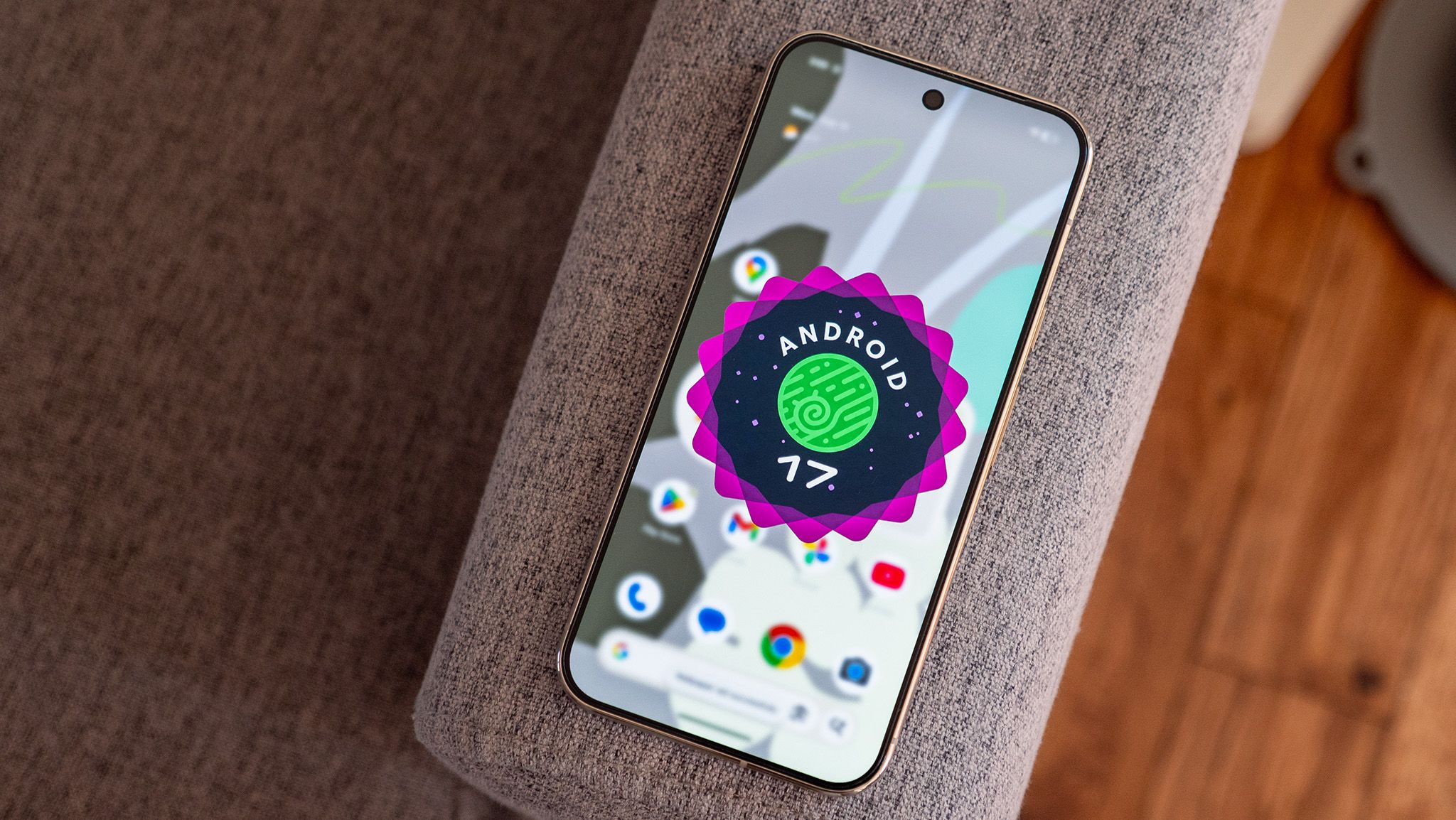
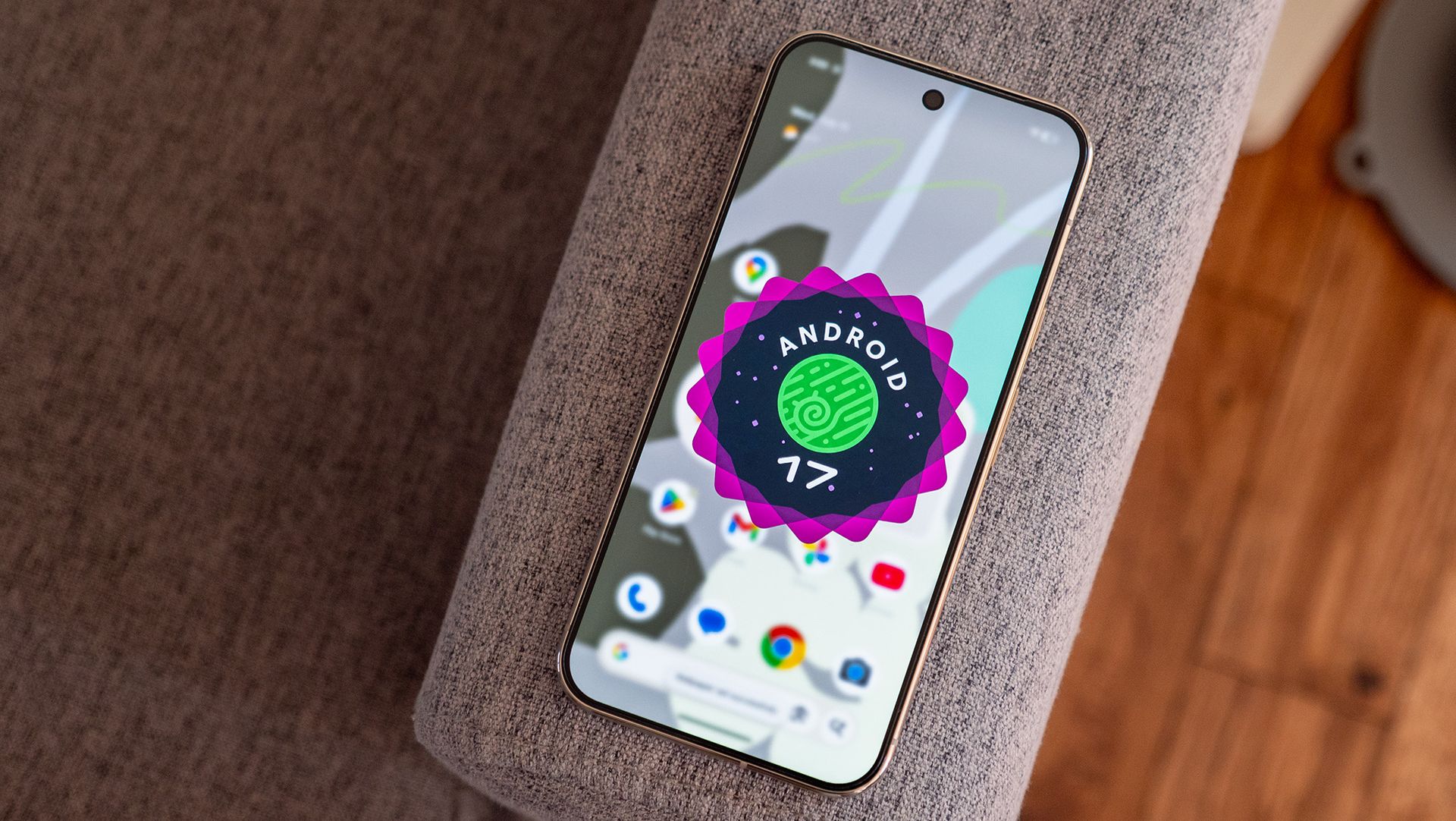
Android 17 QPR3 Beta 1 is rolling out to Pixel phones ahead of its expected stable release next year.
Google is fixing a long list of issues, including crashes, fingerprint freezes, eSIM problems, Wi-Fi failures, battery drain, and Bluetooth audio glitches.
A stable release is targeted for March 2027.
Google just released Android 17 QPR3 Beta 1, and if you have a Pixel, you will want to check this out. The update was rolled out to Pixel testers today with builds for everything from the Pixel 6a to the Pixel 11 family. Most devices are getting DP11.260918.006, while Pixel 11 owners are getting DP11.260918.005.
For the uninitiated, these QPR updates ride on top of Android 17‘s initial launch and deliver fixes and performance tweaks every three months. They avoid breaking changes to the API, so developers are able to test with confidence.
So what’s been fixed? Quite a bit. Google killed 20 bugs this round, including a nasty fingerprint unlock freeze, an eSIM profile that quietly flipped back to off, and a camera bug that spun your video feed 90 degrees during desktop-mode calls. Here is the complete list of fixes Google is pushing out.
Latest Videos FromAndroid Central
Audio output device cannot be switched while playing audio from apps without active media controls. (Issue #259180936)
Apps crash when attempting to start a foreground service from a Quick Settings tile. (Issue #299506164)
Camera feed is rotated 90 degrees when using video calling apps on an external display in desktop mode. (Issue #432390710)
User interface issues when navigating back to the home screen from an app. (Issue #566639975)
Unexpected dot displayed on the Mobile Data icon in Quick Settings. (Issue #551150806)
Front camera fails to function while screen recording is active. (Issue #523313834)
Calling apps crash with ForegroundServiceStartNotAllowedException when handling calls immediately after device reboot. (Issue #409069722)
eSIM profile cannot be enabled and silently reverts to off in Settings. (Issue #541436675)
Excessive battery drain during idle when Flip to Shh is enabled. (Issue #560036427)
Settings app crashes when opening battery settings. (Issue #554603197)
Audio playback stops on active LHDC v5 Bluetooth devices when a second connected device disconnects. (Issue #554992287)
com.android.phone crash loop and complete loss of cellular service when the modem reports unexpected SIM slot indices. (Issue #554049220)
Wi-Fi fails to automatically reconnect during background wakes when hardware PNO scans fail or are unsupported. (Issue #551970385)
QPR3 should see the final, stable release by early next year. Want to jump back to the stable channel without completely wiping your phone? Don’t install this update yet and wait for the public QPR2 launch by unenrolling from the Android Beta Program.
Get the latest news from Android Central, your trusted companion in the world of Android
If you don’t have Disney+ but want to legally watch Percy Jackson & the Olympians, good news: now you can via Netflix.
Thanks to a recent agreement struck between the two companies, Percy and other Disney media is on everyone’s favorite streamer. Starting Monday, October 4, Percy’s first two seasons will join the latter platform ahead of season three launching in November, joined by the five Ice Age movies. (The sixth movie comes out in February.) In 2027, this’ll expand to include Disney Animation and Pixar flicks like Soul, Raya and the Last Dragon, and Elio.
None of the licensed media will be Disney+, for those concerned about losing some faves. The aim just appears to be widening the scope of specific titles to those who can’t or won’t keep spreading their budget on multiple streamers. In the case of Percy Jackson and Ice Age, the benefits are clear. As for the movies, they get another chance to find an audience that might not’ve been there the first time. (Raya came out mid-pandemic, and Elio had a troubled production and bad marketing.)
Sadly, this deal appears to be one-sided, so nothing from Netflix is swinging over to Disney+. Tis a shame, but that’s licensing for you.
A lot of businesses think that sustainability is an additional cost to their budget and finances. When people hear the words eco-friendly, recyclable, or even the word carbon footprint, one thing comes to their mind: it is expensive and more complex in manufacturing. Business owners are afraid that being sustainable in their products will reduce the profit margins they get.
In reality, experienced product development teams, like the freelance engineering professionals at Cad Crowd, understand that sustainable design is often about improving efficiency rather than increasing costs. By considering sustainability from the earliest stages of product development, businesses can reduce waste, optimize manufacturing, and protect profitability while creating better products.
A sustainable product does not mean that it is costly; it triggers companies to reduce the cost while having the best product quality they can have. When there are fewer materials, most of the time it results in cheaper production costs and shipping expenses. Simple changes can make a great difference, such as reducing the product’s packaging material or using sustainable materials while saving money that can make the products last longer.
Various companies see sustainability as something they can just add after they have accomplished their product design. When a product design experts finish their product design project, someone would ask how they could make the product be environmentally friendly. Sustainability becomes expensive at this point as there is a need to redesign everything from the components to replacing the materials to finding new supplies, modifying the production tools, and repeating the product testing all over again. In this case, the changes made increase the development costs and cause production delays.
On the other hand, a successful company has a different approach. At the very start of the production process, they make sure that being sustainable is already part of the design’s requirement. When developing a product, think of it as solving a complex engineering puzzle where every decision made can affect all of the parts of the design in a quick span of time. Thus, engineers must be able to balance a lot of requirements at the same time, and this includes keeping the manufacturing costs within the budget limit, making the product strong enough for its intended use, ensuring the products are safe and reliable, simplifying the manufacturing and assembly, meeting the expectations of the customers, and reducing the environmental impact.
Rather than making sustainability one of the extra features, engineers should treat it as something like every other design requirement. Seeking solutions that improve overall efficiency, reduce waste, and lower costs without the need to sacrifice product performance. This way of thinking can lead to companies building a better product while protecting their profit margins.
1. Material reduction is the highest-ROI sustainability strategy
Reducing the amount of materials you use for any project can improve your sustainability action plans. The engineers call this strategy lightweighting; it typically yields the highest financial return.
Light weighting, from the word itself, means reducing the weight by removing unnecessary materials. But keep in mind that even if the weight is reduced, the product’s performance, strength, and durability should not be compromised. One example is redesigning internal structures to maximize wall thickness, but the structural integrity is still there in order for the plastic housing to utilize its space while still having the same strength. Even if the products may look the same and identical, the impacts in finance can also be significant.
The Bill of Materials (BOM) services is reduced for each gram of steel, aluminum, or plastic that engineers eliminate. Even the minor cuts can result in significant savings for goods produced in large quantities.
Think of a company that produces one million products yearly. When you remove 20 grams of plastic from each unit, you can eliminate 20 metric tons of raw materials. This means that the reduction can directly lower the purchasing costs and can directly improve the profit margins.
Lower shipping costs
When there is a lightweight product, it automatically reduces the transportation costs. Manufacturers spend less on trucking, ocean freight, and air freight because the shipment weighs less. The company can save money while reducing transportation use and carbon emissions.
Utilizing less material in a product can speed up the production process. An example of this is products that use injection-molded parts design services because they cool faster, remove less material, smaller parts have less processing time, and the manufacturers can consume less energy during the phase of production. Having this improvement can speed up manufacturing efficiency without the need to purchase additional equipment.
Why is light weighting a worthwhile investment?
Lightweighting as a single engineering choice can lower the business’s material costs, freight costs, manufacturing efficiency, and environmental impact. Lightweighting is the most profitable sustainability investment for the majority of products.
2. Design products that customers can repair and upgrade
There are a lot of modern products that fail due to a break in a small component. Manufacturers often make repairs impossible by sealing the products with the use of adhesives or integrating the components together. But engineers should work on a design that allows for repair and disassembly. Through this move, it makes it possible for the technicians or even the customers to replace the broken or used components rather than replacing the entire product, which can be costly.
Using adhesives can create a permanent joint. The use of screws, clips, and other mechanical fasteners makes it possible for users to open the products without damaging the entire product. Fasteners may take a little longer to assemble, but they have a number of long-term benefits such as easier repairs, lower warranty costs, better recycling, simpler refurbishment, and a longer product life.
Use modular components
The use of modular design servicescan take repairability one step ahead. Rather than entirely replacing the products, customers and users can replace only the failed module. An example of this is replaceable batteries, swappable cameras, upgradeable storage, and replaceable displays.
Having this strategy complements the modular product design principles. Businesses cut waste a nd prolong the life of their products by replacing only the essential parts.
The material selection can affect the manufacturing process and end-of-life recycling. Instead of asking whether the material is green, the engineers should be asking the top three practical questions.
The questions are the following:
Can manufacturers source it reliably?
Can they manufacture it efficiently?
Can recyclers recover it easily?
Recycled materials
There are a lot of manufacturers that use recycled aluminum, recycled steel, recycled plastics, and recycled paper without the need to sacrifice product performance. These materials can be slightly more expensive than virgin materials, depending on local supply chains and availability.
Recyclable materials
The products should be able to allow recyclers to recover valuable materials after the user finishes using them. For example, a housing made of one of the recyclable plastics, such as PET, PC, or PP, usually recycles more easily than one made from several permanently bonded plastics.
Products are also seen that combine and integrate several plastics, metals, rubbers, and adhesives into a single assembly. The diversity of materials makes the process of recycling harder and more challenging, as the recyclers must separate every material before processing it. Engineers should minimize the variety of materials used in a product whenever possible. Purchasing, inventory control, manufacturing process design, and quality assurance are all made easier by doing this.
4. Reduce packaging without sacrificing protection
One of the opportunities to reduce costs is to simplify the packaging. There are a lot of companies that use oversized boxes, excessive foam inserts, and unnecessary plastic wrapping, or multiple internal trays. Being smart about the packaging design concentrates on having the materials that need to protect the product.
Companies can reduce costs by right-sizing the shipping cartons, replacing the plastic inserts with molded pulp, eliminating unnecessary packaging layers, and increasing packaging efficiency for shipping. As the product ships inside the packaging, even the small improvements can offer a big change that can save thousands or millions of shipments.
5. Measure environmental impact with life cycle assessment (LCA)
Relying on data is what makes good engineering decisions, not on guesswork and assumptions. This is where the LCA, or the Life Cycle Assessment, aids service. An LCA can measure a product’s environmental impact from the beginning to the end, which includes raw material extraction, manufacturing, transportation, product use, repair and maintenance, and recycling or disposal.
This LCA can offer help to the engineers to make it easier in identifying the stages that create the greatest environmental impact in order to concentrate on the needed improvements to deliver an impactful and significant result. Every product design services choice is an important part of the planning because it provides about 80% of the product’s overall sustainable impact. Before production starts, engineers have the best chance to increase sustainability.
6. Regulations are changing product design
It does not depend on the customer’s wants and preferences, but sustainability can stand alone. Due to the worsening environmental situation, government policies are pressuring manufacturers and business owners to develop and create products that will promote sustainability, such as products with longer lifespans and reduced waste.
EU ecodesign for sustainable products regulation (ESPR)
The European Union’s Eco design for Sustainable Products Regulation (ESPR) encourages manufacturers to improve their products’ durability, repairability, recyclability, and material efficiency through product transparency. Companies that have international products should understand these requirements prior to the design process.
Right-to-repair movement
There are regions and governments in North America and Europe that are expanding the legislation of the right-to-repair. Manufacturers are encouraged by the regulations to publish repair information, offer replacement parts, and create products that consumers can fix rather than replace. The businesses that embrace repairability will find it easier to comply with various regulations in the future.
7. Companies already prove this approach works
Fair phone
Most smartphones are difficult to repair. With the Fair phone plan, a smartphone has replaceable batteries, modular cameras, removable displays, and standard crews. Users and customers can easily find a replacement when the parts are broken instead of totally buying a new phone. Its goal is to extend the lifespan of the product rather than it being a burden to the user. It builds long-term trust by simply making it easy and affordable to repair.
A framework makes the laptop with a memory that is replaceable, storage, keyboards, and expansion ports, as well as upgradeable motherboards. Instead of replacing the computer every few years, the customer can just upgrade the needed components individually; as a result, it can be less expensive to have a new component.
Which sustainability decisions help or hurt margins?
Sustainability Strategy
Typical Cost Impact
Effect on Margins
Lightweighting
Saves money
Usually increases margins
Reduce packaging
Saves money
Usually increases margins
Minimize material diversity
Saves money
Usually increases margins
Design for repair
Mostly cost-neutral
Lowers service and warranty costs over time
Modular product design
Cost-neutral to slight premium
Creates long-term customer value
Recycled materials
Varies by supply chain
May increase or decrease costs
Advanced sustainable materials
Higher upfront cost
Premium investment with long-term benefits
Full LCA studies
Engineering investment
Helps avoid expensive redesigns later
A common misconception regarding sustainable product design services is that it raises the expenses. But in reality, profit margins are being impacted differently by the various sustainability strategies. While some plans definitely need a larger initial investment, they also yield long-term advantages through increased product longevity, regulatory compliance, enhanced brand recognition, and reduced lifecycle expenses.
One thing to note is that a company that prioritizes high-return investment can achieve a meaningful environmental gain without the need to spend a lot of money that can sacrifice profitability. Once they have mastered the idea of quick wins, based on the product objectives, target market, financial constraints, and legal requirements, they can assess further sustainability initiatives.
The main goal is not to pour a sustainability strategy at once, but to prioritize the improvements that can have a significant result, especially in the environmental and financial benefits of a certain product. By letting the engineers know the information about the design processes, it would be easier to have a product that is both successful, sustainable, and most importantly, profitable.
Design sustainability into the product – do not retrofit it
It is not just about buying the greenest material or adding an environmental feature after development, and it is not the most profitable sustainable strategy. It is about making a smarter engineering decision from the beginning.
Reducing the amount of materials used, streamlining assemblies, designing products for repair, choosing recyclable materials, minimizing packaging design services, and assessing environmental effects early on all assist businesses in producing better-performing products at lower costs. The biggest expenses come after product development. Retrofitting sustainability comes into the existing design that needs new tooling, engineering changes, supplier updates, and additional testing. Profit margins are rapidly eroded by the late-stage adjustments.
Incorporate sustainability requirements into the client’s design brief from the outset when creating the next product. But before the design process begins, emphasize to the engineering team the significance of repairability, light weighting, recyclable materials, packaging efficiency, and regulatory compliance to have a smooth-sailing process of making.
Cad Crowd aims to connect with businesses that have experienced product designers and freelance mechanical engineers who can integrate sustainability goals at the beginning of every company’s product development. Having the requirements from the initial design protects the environment as well as the margins, as the retrofit is where the margin dies.
Early planning can help the teams find solutions to a problem that can help and benefit both the environment and the customer. Businesses that incorporate sustainability into their initial designs produce goods that are more profitable over the course of their lifecycle, easier to manufacture, easier to maintain, and better suited for upcoming regulations.
Whether developing a new consumer product, medical device, or an electronic product, Cad Crowd can match you with professionals who have the expertise in sustainable product development, regulatory compliance, design for manufacturing (DFM) services, design for assembly (DFA), and lifecycle assessment (LCA) that follows every regulatory compliance. It is simpler to create a product that satisfies the needs of the customers, adheres to environmental standards, and safeguards your profits. Sustainability becomes a competitive advantage rather than an expensive redesign with the correct design expertise from the start.
It is all about making a smart decision that can deliver in the long run for both businesses and the environment. When a company treats sustainability as one of its investments, alongside its performance, safety, and ease of manufacturing. It reduces material use, simplifies production, and extends the product’s life. Every decision from material selection to structural optimization can make a big difference, especially in the performance of the product and profitability.
How Cad Crowd can help
Sustainable product design starts with the right expertise. Cad Crowd connects businesses with experienced product designers, mechanical engineers, and DFM specialists who can integrate sustainability into every stage of product development. From light weighting and material selection to repairability, lifecycle assessment, and regulatory compliance, our experts help you create products that reduce environmental impact while protecting your profit margins. Contact Cad Crowd today for a free quote.
MacKenzie Brown is the founder and CEO of Cad Crowd. With over 18 years of experience in launching and scaling platforms specializing in CAD services, product design, manufacturing, hardware, and software development, MacKenzie is a recognized authority in the engineering industry. Under his leadership, Cad Crowd serves esteemed clients like NASA, JPL, the U.S. Navy, and Fortune 500 companies, empowering innovators with access to high-quality design and engineering talent.
Despite some shortcomings, I have Stellar Blade to thank for reigniting my love of action games. I’m getting older with each passing year, and I need a good action fix every now and then to turn my brain off and enjoy slaying a variety of enemies. Stellar Blade delivers exactly that. If you’re like me, well, you won’t want to miss out on this great deal, with Stellar Blade cheaper than ever on PC.
You play as Eve, who is sent alongside a group of super-soldier siblings down to a post-apocalyptic Earth to defeat the Naytibas. With humanity taking to space for safety, Eve’s goal is to defeat the powerful Alpha Naytibas and their leader, known as the Elder Naytiba, in the hope of saving what remains of humanity. Unsurprisingly, things go wrong fairly quickly.
Stellar Blade manages to capture the same intensity of a hack-and-slash game while blending it with action-RPG elements that help it sit somewhere between the two genres. Narratively, it isn’t the strongest game out there, but its excellent combat helps it stand out as one of PlayStation’s most distinctive action games. And I’m thankful it managed to come to PC, too.
I’m, unsurprisingly, not the only one who likes it. In our Stellar Blade review, Imran Khan gave the game an 8/10, saying, “I came away from Stellar Blade having enjoyed the game quite a bit despite its foibles on the back of its incredibly strong systems.” If you’ve been looking for something to fill that Nier-sized hole in your heart, Stellar Blade may not be perfect, but it’s pretty damn good.
Thankfully, there’s also a sequel coming, with Blood Rain being self-published by the developer this time around. Hopefully, that means we won’t have to wait for a PlayStation timed-exclusivity window to lapse and can instead enjoy it on PC at the same time as everyone else.
You don’t have to go too far into the atmosphere to get a banging deal on Stellar Blade, as I’ve got it right here. For a limited time, you can grab a Steam key for the game for just $36.59 / £30.49 at Fanatical. That’s the perfect time to finally give it a try, and you’ll have plenty of time to enjoy it while waiting for the sequel.
So, if you want to make your Eve-ning a great time, make sure to grab this discount while you can.
Disclosure: GameSpot and Fanatical are both owned by Fandom. This story was created in collaboration with Fanatical’s deals team.
With Paramount CEO David Ellison overcoming the final hurdle blocking his expansion of the Paramount media empire, the billionaire media executive announced on X (formerly Twitter) that the newly merged entity combining Paramount and Warner Bros. Discovery will be named Skydance.
The announcement comes after the company entered into a consent decree to settle antitrust claims brought by a group of 12 state attorneys general, who had sued in July over concerns that the merger would concentrate too much control over news networks, cable TV and the film industry. With the last legal opposition cleared, the path was open to finalize the massive the $111 billion merger on Sept. 21.
“Together, we are Skydance: a creative-first home for bold, quality storytelling,” Ellison posted on Friday. “We wanted a name that would give the combined company an identity of its own while allowing Paramount and Warner Bros. — and all our extraordinary brands — to remain in the spotlight.”
There was a year-long bidding battle for Warner Bros. Discovery, leaving Ellison as the top bidder after Netflix dropped out. The name Skydance comes from Ellison’s love of aviation and aerobatic “skydancing.” David’s father is Larry Ellison, co-founder and CTO of Oracle, and one of the richest people in the world.
What once was the peak, is now just the beginning.
Paramount and Warner Bros. shaped over a century of culture. By combining them, we aren’t rewriting history — we’re equipping these iconic studios with a more powerful engine. Together, we are Skydance: a creative-first home for… pic.twitter.com/uInLRY3IrE
A Hollywood empire of studios, news, networks and streamers
As viewers, it’s unclear how streaming content from Warner Bros., HBO and Paramount via apps like HBO Max and Paramount Plus will change. But the merger will undeniably affect employees at the mega media company, now one of the largest in history. Much of the legal opposition concerned their fate, and the consent decree attempted to safeguard employment, film production and distribution and consumer pricing.
In practice, employees usually lose out in corporate consolidation, regardless of protections. Harvard Business Review estimated that up to 30% of workers get laid off in mergers like these, where there’s a significant overlap in the business, though that oft-cited figure is from 2017.
The bigger worry, though, is media monopoly. Critics worry that adding CNN to the company’s portfolio could lead to widespread restructuring and corporate upheaval, similar to recent struggles at the CBS News division. Corporate convergence also risks homogenizing news content by potentially suppressing divergent viewpoints — all for minimal reward, given that CBS’s own ratings are reportedly way down.
“If this trend of consolidation continues, we will be left searching dominant media outlets in vain for news and information that challenges the powerful and stands up for people who are struggling to pay monthly bills, put food on the table and engage in local civic life,” nonprofit watchdog Free Press co-CEO Jessica J. González said in a prepared statement earlier this week.
The Block the Merger coalition also posted a follow-up statement: “Allowing the Paramount Skydance-Warner Bros. Discovery merger to move forward with no meaningful structural remedies will cost jobs, mute creativity, weaken independent journalism, and damage our First Amendment rights. The ripples of this merger will be far-reaching, long-lasting, and impossible to contain.”
The Writers Guild of America East and Writers Guild of America West had filed a separate lawsuit to halt the merger, alleging that it was illegal and would harm writers. Once the state attorneys general backed out of the battle, WGA cited an inability to sustain legal costs on its own and dropped its companion lawsuit.
As part of the consent decree, Paramount agreed to establish an oversight board of journalists to protect the editorial independence of CNN and CBS News. Critics have called the oversight board “toothless,” noting that its members are appointed and paid by the company, that its authority is unclear and unbinding, and that final control rests with Ellison.
We reached out to Skydance for comment and didn’t immediately hear back.
Disclosure: Lori Grunin has stock in Paramount from when CNET was owned by CBS.
Lori Grunin
Senior Editor / Computers and Gaming Hardware
I’ve been reviewing hardware and software, devising testing methodology and handing out buying advice for more than 25 years.
See full bio
Play Your Way – Sneak, hack, create diversions, lure enemies into traps, discover hidden routes, or fight your way through Aurora 5. Every obstacle has multiple solutions.
A True Immersive Sim – Manipulate interconnected systems, exploit environmental hazards, turn security against your enemies, and solve problems creatively.
Mutamods™ – Unlock powerful mutations that enhance stealth, combat, exploration, and mobility. Beware – every upgrade may come with unexpected side effects.
Explore Aurora 5 – Navigate a massive interconnected space station filled with secrets, shortcuts, alternate paths, and hidden areas.
Death, Cloning & Consequences – Death is not the end. Clone yourself, recover your lost gear, and deal with the consequences of repeated resurrection.
IMMERSIVE DISCO-PUNK SPACE-HORROR! You were but a simple janitor, now you are the last hope of all humanity! A space station has been swallowed by a sentient black hole, weird animal and plant hybrids roam the corridors, and even time itself has gone completely mad around you. Navigate with stealth or unleash a blast-tastic odyssey through the cursed station. Will you be the hero Earth needs, or are you groovin’ to save your own soul? The choice is yours!
SURVIVING AURORA 5 The enemies on the station of Aurora 5 are completely different from each other, so you’ve gotta channel your inner mad scientist to outsmart ’em. Survival ain’t just luck; it’s about cracking the code on their behavior, special abilities, and weaknesses. You will also have to deal with a variety of environmental factors. Security systems – for example – can be extremely deadly unless you find a way and turn them into traps or even unlikely allies…
Screenshots
SystemRequirements
Minimum Requires a 64-bit processor and operating system
OS: Windows 10 64-bit
Processor: Intel Core i5-8400 or AMD Ryzen 5 2600
Memory: 16 GB RAM
Graphics: NVIDIA GeForce GTX 1050 Ti (4 GB) or AMD Radeon RX 570
DirectX: Version 12
Support the game developers by purchasing the game on Steam
InstallationGuide
TurnOff Your Antivirus Before Installing Any Game
1 :: Download Game 2 :: Extract Game 3 :: Launch The Game 4 :: Have Fun 🙂
Spooky season is here, and all the major streaming services are boosting their horror offerings to appeal to viewers who want to start getting into the Halloween spirit early. As the temperatures drop and the nights get longer, October is the perfect time to make some popcorn, curl up on the couch, and watch some movies designed to give you nightmares.
New streaming offerings this month include true classics and brand-new films, spanning every subgenre including zombies, slashers, body horror, and even some creepy romance. Cue up something on this list, and you can always press pause if it gets so scary you need a break.
Bones and All (2022)
Available on Pluto
Run time: 2h 10m
Director: Luca Guadagnino
Cast: Taylor Russell, Timothée Chalamet, Michael Stuhlbarg
Bones and All puts an especially gory spin on young love by focusing on the budding romance between a pair of cannibals. Maren (Taylor Russell) has a history of biting people, and she sets out on a cross-country road trip in hopes of finding her mother and getting answers about her gruesome cravings. She meets and falls for Lee (Timothée Chalamet), another “eater,” and the two try to build a new life together.
Like Call Me by Your Name, Bones and All is a sensual movie, particularly visually — Guadagnino luxuriates in the kind of big-sky-country vistas that made Andrea Arnold’s similarly summer-break-themed American Honey so memorable, and he lights his leads warmly in the day and with skulking fervor at night. But it’s more remarkable for the way he and Kajganich navigate the push and pull between the story’s romantic elements and horror themes. There’s a big metaphor at play here about how parents, families, and friends enable aberrant behavior until it feels normal, and how being protected from the world can make it hard to properly enter it. And it plays in radically different ways at the same time: both through the lens of two young kids on a romantic road trip, and as two growing monsters seducing and killing other people for food.
Set 31 years after The Shining, Doctor Sleep follows Danny Torrance (Ewan McGregor) as he struggles to cope with memories of his father’s murderous rampage. The adaptation of Stephen King’s book leans further into Danny’s psychic powers as he forges a connection with a girl with “the Shining” and tries to protect her from a brutal vampire
From Dusk Till Dawn (1996)
Image: Paramount Home Media Distribution
Available on Paramount Plus
Run time: 1h 48
Director: Robert Rodriguez
Cast: Harvey Keitel, George Clooney, Quentin Tarantino
Quentin Tarantino wrote the script for this cult classic, which begins as a crime drama before turning into grindhouse horror. Bank robbers Seth (George Clooney) and Richie Gecko (Tarantino) flee across the Mexican border where they plan to meet a contact at an all-night strip club. When the strippers turn out to be vampires, they have to fight to survive until dawn.
It Follows (2014)
Available on Paramount Plus
Run time: 1h 40m
Director: David Robert Mitchell
Cast: Maika Monroe, Keir Gilchrist, Daniel Zovatto, Jake Weary
Another cult hit, It Follows made the most out of a tiny budget. After college student Jay Height (Maika Monroe) has sex with her boyfriend Hugh (Jake Weary) for the first time, he reveals she’ll be pursued by a strange entity until she can infect someone else through intercourse. Chased by a force only she can see, Jay seeks answers while trying to buy herself time.
Hokum (2026)
Available on Hulu
Run time:1h 47m
Director:Damian McCarthy
Cast:Adam Scott, Florence Ordesh, Peter Coonan
American author Ohm Bauman (Adam Scott) travels to the Irish hotel where his parents honeymooned to scatter their ashes. He discovers the honeymoon suite is locked and supposedly haunted by a witch as he confronts the strange locals and staff and has to face his own past and the place’s secrets.
A Nightmare on Elm Street (1984)
Image: New Line Cinema
Available on HBO
Run time: 1h 31m
Director: Wes Craven
Cast: John Saxon, Robert Englund, Heather Langenkamp
Designed to make you afraid of going to sleep, A Nightmare on Elm Street follows a group of teenagers pursued by the undead killer Freddy Krueger (Robert Englund) who can kill by entering their dreams. Considered one of the best horror films ever made, it inspired numerous sequels.
Psycho (1960)
Image: Paramount Pictures
Available on Netflix
Run time: 1h 49m
Director: Alfred Hitchcock
Cast: Anthony Perkins, Vera Miles, John Gavin, Janet Leigh
Even if you haven’t seen Psycho, you probably know the shower scene, which is one of the most famous moments in cinematic history. Master of suspense Alfred Hitchcock helped establish the slasher genre with a tale of embezzling secretary Marion Crane (Janet Leigh) who hides out in the remote Bates Motel. But she finds something sinister lurking in the hotel.
Scream (1996)
Available on Pluto
Run time: 1h 51m
Director: Wes Craven
Cast: David Arquette, Neve Campbell, Courteney Cox
A Nightmare on Elm Street director Wes Craven and writer Kevin Williamson mock slasher genre tropes with Scream, where knowing horror trivia can be a matter of life or death. A group of high school students pursued by a costumed killer try to survive using movie logic. Pluto is also streaming the four Scream sequels so you can put on a series marathon.
Freaks (2019)
Photo: Well Go USA
Available on HBO
Run time: 1h 45m
Directors: Adam Stein and Zach Lipovsky
Cast: Emile Hirsch, Bruce Dern, Grace Park, Lexy Kolker
The genre-bending film follows Chloe (Lexy Kolker), a 7-year-old who’s never left her possibly haunted dilapidated suburban home because her father Henry (Emile Hirsch) says there are bad people lurking outside. The mystery of what’s really going on unfurls slowly as Chloe and Henry grapple for control of their fraught lives.
The Sixth Sense (1999)
Available on Netflix
Run time: 1h 47m
Director: M. Night Shyamalan
Cast: Bruce Willis, Toni Collette, Haley Joel Osment
After one of his patients kills himself, child psychiatrist Malcolm Crowe (Bruce Willis) sees potential for redemption by helping Cole Sear (Haley Joel Osment), a boy with the ability to see ghosts. They work together to help the dead haunting Cole find peace. The Sixth Sense established M. Night Shyamalan’s penchant for twist endings, and it’s still one of his best.
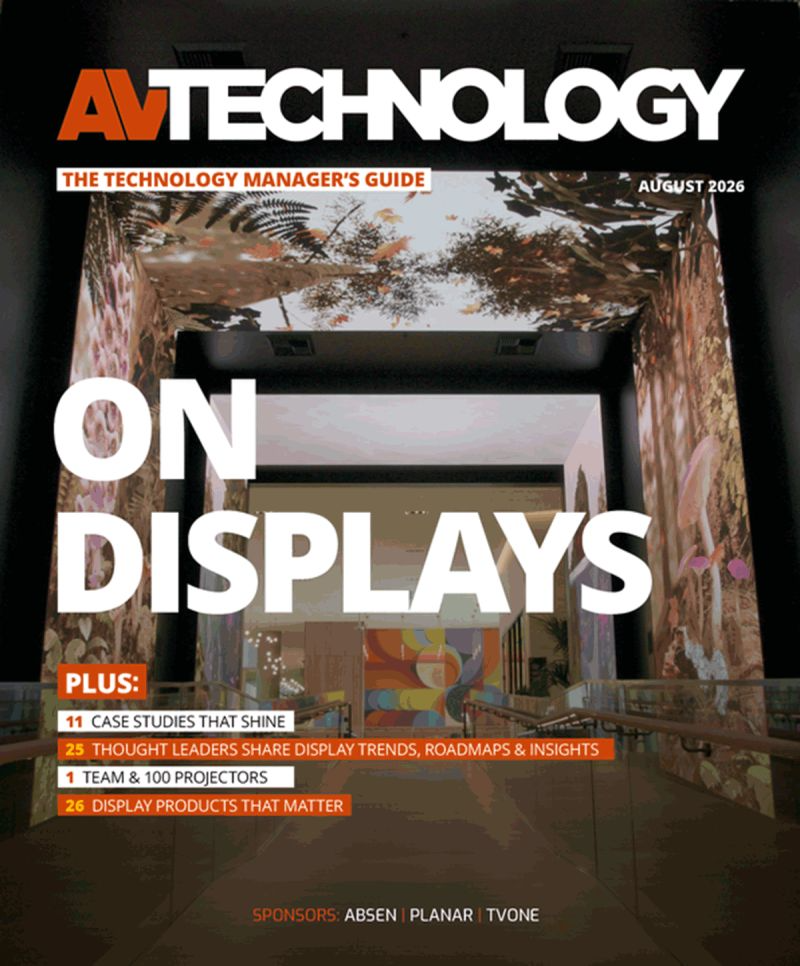
Modern displays are evolving from passive screens into connected parts of the AV workflow. As explored in AV Technology Manager’s Guide to Display Technologies, today’s systems can receive media, react to metadata, connect with cloud platforms, and adapt content based on real-time information.
Technologies such as AI, IoT, AV-over-IP, integrated SoC displays, LED video walls, and cloud-based tools are creating new possibilities for digital signage, immersive experiences, collaboration, and audience engagement.
The guide highlights everything from a museum using more than 100 laser projectors across nearly 37,000 square feet to LED installations, interactive displays, video walls, and digital storytelling environments. The larger trend is clear: the display is increasingly becoming an intelligent part of the production and content ecosystem rather than simply the place where video appears.