What’s on your bookshelf: Nyamakop and Relooted’s Marcia Shange


Hello reader who is also a reader! It’s finally time for another edition of our thrillingly erratic column on game developers and their bestest books. This week, we’re having our ears bent by Marcia Shange, chief operating officer of South Africa, Johannesburg-based developers Nyamakop, creators of puzzle platformer Semblance and the forthcoming postcolonial heist ’em up Relooted. Cheers, Marcia! Mind if we have a nose at your bookshelf?

What are you currently reading?

I had hit a bit of a reading slump and fantasy has brought me back into the world of books.

I am currently reading The Dragon Republic, the second book in the The Poppy War trilogy by R.F. Kuang. This is my first time experiencing R.F. Kuang’s writing and I have to say she has my brain in a chokehold.

What did you last read?

I have been reading back to back series and most of them are unfinished. Quite masochistic of me but once I’m in the world, I need to be immersed until I’m done. I have just finished the third book of The Legendborn Cycle by Tracy Deon. It’s a four book series – as far as we know. This series is so wonderful, it has elements of King Arthur lore with a sprinkle of Black girl magic.

I also finished The Knight and the Moth by Rachel Gillig for my bookclub. What a fun ride this book was! It is a whimsical dark gothic fantasy. It was such a delight to read with one of my favorite characters (Bartholomew! IYKYK!).

What are you eyeing up next?

Apart from The Burning God which is the last book in The Poppy War Series, I’m planning to read the Mistborn series by Brandon Sanderson. I don’t know if you can tell but it seems I’m stuck in fantasy series, to be honest I am not complaining. The world is in shambles and a fantastical escape is needed.

I am planning to revisit Dracula by Bram Stoker and Dr. Jekyll and Mr Hyde by Robert Louis Stevenson. They are always so fun to read and so immersive! What do you mean Jonathan Harker was stuck in the castle with Dracula, a prisoner?! He just wanted some contracts signed! Let’s not even talk about Dr. Jekyll! Dr. Jekyll and Mr Hyde is beautifully written, it’s a horror but reads like poetry. I found myself drowning in the exquisite prose.

What quote or scene from a book sticks with you the most?

Tricky!!!

In The Poppy War by R.F. Kuang:

“Nothing is written” said the Phoenix “You humans always think you’re destined for things, for tragedy or for greatness. Destiny is a myth. Destiny is only a myth. The gods choose nothing.”

Dr. Jekyll and Mr Hyde by Robert Louis Stevenson:

“He is not easy to describe. There is something wrong with his appearance; something displeasing, something downright detestable. I never saw a man I so disliked, and yet I scarce know why. He must be deformed somewhere; he gives a strong feeling of deformity, although I couldn’t specify the point. He’s an extraordinary-looking man, and yet I really can name nothing out of the way. No, sir; I can make no hand of it; I can’t describe him. And it’s not want of memory; for I declare I can see him this moment.”

“Or is it the mere radiance of a foul soul that thus transpires through, and transfigures, its clay continent? The last, I think; for, O my poor old Harry Jerkyll, if ever I read Satan’s signature upon a face, it is on that of your new friend”

What book do you find yourself bothering friends to read?

The Dream House by Carmen Maria Machado: Dare I say this book is almost perfect! I ate it up. It is a memoir about Carmen’s toxic romantic relationship.

James by Percival Everett: This masterpiece is a reimagining of Adventures of Huckleberry Finn but through Jim who is a fugitive slave.

What book would you like to see someone adapt to a game?

The Midnight Library by Matt Haig, it’s a book about a depressed woman Nora who tries to commit suicide and she finds herself not the in the afterlife per say but in a magical library where she is shown different versions of her life. She tries to resolve the different choices she has made but nothing is ever perfect. I wonder how that would translate in an open world type of game.

I’ve never read any Robert Louis Stevenson beyond Treasure Island – the “clay continent” line above is nicely chewy. I think I got halfway through Dracula in school but found it too dusty and Victorian to finish (my first experience of Dracula fiction was the Gary Oldman film, which is a bit… pacier and spicier than Stoker’s book, at least by the standards of a 90s teenager). Any suggestions for developers we should bother about books? I’ve got one more set of answers in the offing.

c# – Visual Studio Error CS0433: The type exists in both… (Unity-Accord.net)


It’s possible this is related to: Where does error CS0433 “Type ‘X’ already exists in both A.dll and B.dll ” come from?

In summary:
This can sometimes happen when Visual Studio fails to correctly clear out cached state as part of rebuilding. I have noticed it occurring more frequently with recent updates of VS2019.

Try the following steps and see if it helps:

  1. Delete all bin/obj directories for your solution using File Explorer
  2. Close VisualStudio and restart PC (this seems odd and unnecessary, but have found it can help)
  3. Reopen VisualStudio and do a full rebuild

It is also possible, although much more unlikely, that you genuinely have two references to the same package / dll with different hint paths. One retrieving a signed version, and one not (although if this is an external package it seems unlikely you’d have an unsigned version available). If the above steps don’t work, check your project file for duplicate references.

Crypto.com places $70M bet on AI.com domain ahead of Super Bowl


Just in time to create a new Super Bowl ad, Crypto.com founder Kris Marszalek has made the priciest domain purchase in history, buying AI.com for $70 million, according to the Financial Times. The deal, paid entirely in cryptocurrency to an unknown seller, shatters previous records. (Broker Larry Fischer, who facilitated the sale, is presumably celebrating his good fortune.)

Marszalek plans to debut the site during Sunday’s big game, offering consumers a personal AI agent for messaging, app usage, and stock trading. “If you take a long-term view — 10 to 20 years – [AI] is going to be one of the greatest technological waves of our lifetime,” he told the FT.

The purchase rewrites the domain record books — not that crypto industry itself is known for its restraint when it comes to spending. Previously, CarInsurance.com held the crown at $49.7 million (2010), followed by VacationRentals.com ($35 million in 2007) and Voice.com ($30 million in 2019). Other eye-popping sales include PrivateJet.com ($30 million), 360.com ($17 million), and Sex.com, which has sold twice for over $13 million each time, though its second owner went bankrupt trying to monetize it.

“With assets like AI.com, there are no substitutes,” Fischer told the FT. “When one becomes available, the opportunity may never present itself again.”

Whether these mega-dollar domains actually deliver returns remains an open question. But for Marszalek, who already owns Crypto.com and dropped $700 million on stadium naming rights, owning two category-defining domains is apparently worth the outlay.

After Six Years, Two Pentesters Arrested in Iowa Receive $600,000 Settlement


“They were crouched down like turkeys peeking over the balcony,” the county sheriff told Ars Technica. A half hour past midnight, they were skulking through a courthouse in Iowa’s Dallas County on September 11 “carrying backpacks that remind me and several other deputies of maybe the pressure cooker bombs.” More deputies arrived…

Justin Wynn, 29 of Naples, Florida, and Gary De Mercurio, 43 of Seattle, slowly proceeded down the stairs with hands raised. They then presented the deputies with a letter that explained the intruders weren’t criminals but rather penetration testers who had been hired by Iowa’s State Court Administration to test the security of its court information system. After calling one or more of the state court officials listed in the letter, the deputies were satisfied the men were authorized to be in the building.

But Sheriff Chad Leonard had the men arrested on felony third-degree burglary charges (later reduced to misdemeanor trespassing charges). He told them that while the state government may have wanted to test security, “The State of Iowa has no authority to allow you to break into a county building. You’re going to jail.”

More than six years later, the Des Moines Register reports:

Dallas County is paying $600,000 to two men who sued after they were arrested in 2019 while testing courthouse security for Iowa’s Judicial Branch, their lawyer says.

Gary DeMercurio and Justin Wynn were arrested Sept. 11, 2019, after breaking into the Dallas County Courthouse. They spent about 20 hours in jail and were charged with burglary and possession of burglary tools, though the charges were later dropped. The men were employees of Colorado-based cybersecurity firm Coalfire Labs, with whom state judicial officials had contracted to perform an analysis of the state court system’s security. Judicial officials apologized and faced legislative scrutiny for how they had conducted the security test.

But even though the burglary charges against DeMercurio and Wynn were dropped, their attorney previously said having a felony arrest on their records made seeking employment difficult. Now the two men are to receive a total of $600,000 as a settlement for their lawsuit, which has been transferred between state and federal courts since they first filed it in July 2021 in Dallas County. The case had been scheduled to go to trial Monday, Jan. 26 until the parties notified the court Jan. 23 of the impending deal…

“The settlement confirms what we have said from the beginning: our work was authorized, professional, and done in the public interest,” DeMercurio said in a statement. “What happened to us never should have happened. Being arrested for doing the job we were hired to do turned our lives upside down and damaged reputations we spent years building….”

“This incident didn’t make anyone safer,” Wynn said. “It sent a chilling message to security professionals nationwide that helping government identify real vulnerabilities can lead to arrest, prosecution, and public disgrace. That undermines public safety, not enhances it.”

County Attorney Matt Schultz said dismissing the charges was the decision of his predecessor, according to the newspaper, and that he believed the sheriff did nothing wrong.

“I am putting the public on notice that if this situation arises again in the future, I will prosecute to the fullest extent of the law.”

What Is Managed Cloud? Benefits, Use Cases, and How It Works


Introduction

In today’s digital economy, organizations of every size depend on cloud platforms to deliver scalable applications, crunch data and support remote teams. Yet running your own cloud infrastructure is complex and resource‑intensive. You need to architect resilient networks, patch servers at odd hours and maintain compliance across multiple jurisdictions. Managed cloud has emerged as a way to offload this burden to specialists. Market analysts estimate that the global cloud‑managed services market was worth USD 134.44 billion in 2024 and could reach USD 305.16 billion by 2030, expanding at a 14.7 % compound annual growth rate. Growing complexity, skill shortages and the need for cost optimization are fueling this shift.

This guide explains what managed cloud means, how it differs from other cloud models and why it’s becoming the default for many AI‑enabled projects. You’ll find practical insights on choosing a provider, mitigating risks and taking advantage of emerging trends such as AI‑driven operations and multi‑cloud strategies. Wherever relevant, the article illustrates how Clarifai’s compute orchestration, model inference and local runner features fit into the picture. The goal is to give you an EEAT‑optimized, editorial‑style overview that delivers both depth and clarity.

Quick Digest

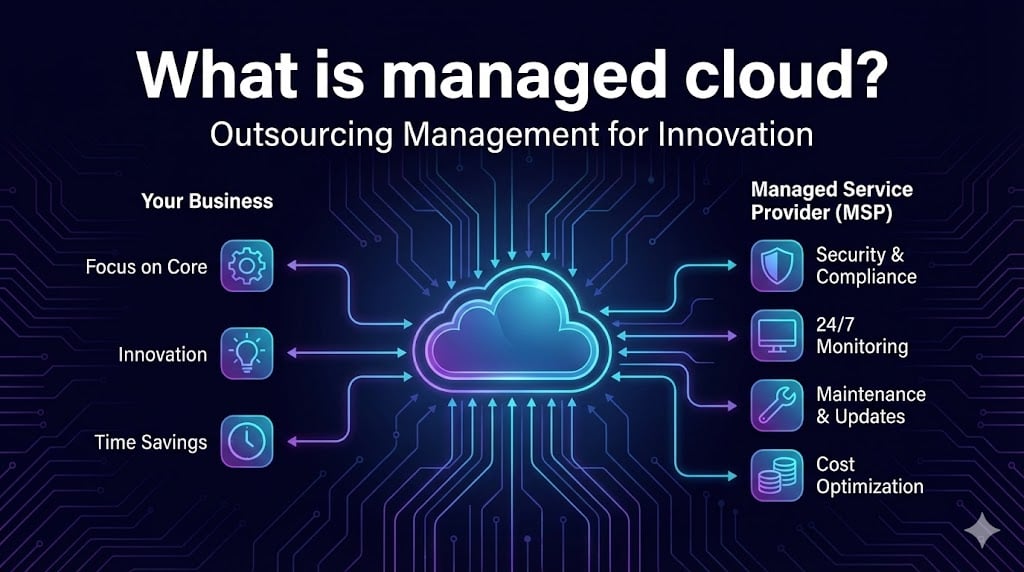
  • Managed cloud defined: It’s a model where a third‑party service provider manages and operates your cloud infrastructure, applications and services. Providers handle provisioning, security, monitoring and optimization so your team can focus on innovation.
  • Service models: Managed cloud spans infrastructure (IaaS), platforms (PaaS), applications (SaaS), bare‑metal‑as‑a‑service and storage‑as‑a‑service. Understanding these models helps align your workloads with the right level of abstraction.
  • Benefits & drawbacks: Organizations choose managed cloud for customization, scalability, cost control, security and improved availability. The trade‑offs include dependence on providers, multi‑tenant security concerns and reduced control.
  • Comparisons: Managed cloud sits between self‑managed infrastructure and simple hosted environments. It offers greater customization than hosted cloud but shifts more responsibility to the provider than unmanaged public cloud.
  • AI & emerging trends: AI workloads drive new demands for GPUs, data pipelines and orchestration. Analysts predict AI infrastructure spending will exceed USD 2 trillion by 2026, and cloud platforms are embedding agentic AI for autonomous operations. Multi‑cloud strategies, FinOps and stringent governance are also reshaping managed cloud.
  • Choosing a provider: Evaluate expertise, service‑level agreements (SLAs), availability, support and pricing transparency. Consider industry experience, disaster recovery capabilities and ability to scale with AI workloads.

What Is Managed Cloud?

What does “managed cloud” really mean?

A managed cloud service is a form of cloud computing in which a specialized provider is fully or partially responsible for the management, maintenance and operation of your cloud environment. Instead of buying and maintaining servers, software and networking hardware yourself, you subscribe to a managed service and access resources via a web interface or API. The provider ensures your infrastructure runs efficiently, handles configuration and patching, optimizes performance and implements security measures.

In unmanaged public cloud models, customers provision virtual machines or container clusters and must configure operating systems, networking, monitoring and backups. Managed cloud providers add an operational layer on top of cloud resources. They handle tasks like:

  • Provisioning and configuration – setting up servers, storage and networks according to best practices.
  • Continuous monitoring and optimization – using advanced tools to watch performance and automatically adjust capacity or fix issues.
  • Security and compliance – implementing access controls, encryption and vulnerability management.
  • Backup and disaster recovery – automatically backing up data and restoring it after an outage.
  • Patching and updates – applying software updates behind the scenes without downtime.

By outsourcing these responsibilities, organizations free technical teams from routine maintenance and can focus on building products and delivering value. Managed cloud isn’t limited to public cloud; providers can operate private clouds or manage hybrid deployments across multiple platforms.

Expert Insights

  • Operational agility: Giving operational control to specialists accelerates time to market and allows teams to experiment without worrying about infrastructure maintenance.
  • Cost predictability: Subscription or pay‑as‑you‑go models help align spending with usage and avoid unexpected capital expenditures.
  • Industry experience matters: Seek providers with experience in your sector; regulated industries require nuanced compliance knowledge.
  • Clarifai’s role: Clarifai’s compute orchestration simplifies deploying AI models on managed cloud or on‑prem environments, ensuring that workloads are placed on the right resources without manual intervention.

Example

Suppose a startup building a computer‑vision app wants to avoid hiring a DevOps team. By choosing a managed cloud provider, the founders can upload their container images, select desired regions and rely on automated scaling and security. Clarifai’s inference API and local runner can then run models either in the managed cloud or on edge devices, giving flexibility without added operational complexity.


Managed Cloud Service Models

What types of services fall under managed cloud?

Managed cloud encompasses various service models, each abstracting different layers of the technology stack. The main categories are infrastructure‑as‑a‑service (IaaS), platform‑as‑a‑service (PaaS), software‑as‑a‑service (SaaS), bare‑metal‑as‑a‑service (BMaaS) and storage‑as‑a‑service (STaaS).

  • IaaS (Managed Infrastructure): Providers rent virtual computing resources—compute, storage and networking—on demand. Customers retain control over operating systems and application environments but delegate hardware maintenance, virtualization and scaling. Managed IaaS often includes automated provisioning, patch management and resource optimization.
  • PaaS: This model offers a complete development environment including operating systems, middleware and databases. Developers can build, test and deploy applications without managing underlying servers. Managed PaaS services typically integrate continuous integration/continuous deployment (CI/CD), monitoring and security policies.
  • SaaS: Entire applications are delivered over the internet on a subscription basis. Managed SaaS relieves customers from managing anything beyond user access and configuration; the provider handles upgrades, uptime and data protection.
  • Bare‑Metal‑as‑a‑Service (BMaaS): Providers deploy dedicated physical servers for customers. Unlike virtualized IaaS, BMaaS gives almost total control over hardware configuration while still outsourcing facility management, power and cooling.
  • Storage‑as‑a‑Service (STaaS): Organizations subscribe to raw storage capacity and access it via APIs or network protocols. Managed STaaS includes replication, snapshot management and capacity scaling.

The right model depends on your application’s complexity and compliance requirements. For instance, AI training workloads often require BMaaS or GPU‑enabled IaaS to achieve deterministic performance, while deploying web applications might be easier with PaaS.

Expert Insights

  • Hybrid models: Many providers combine these services into bespoke bundles that match workload requirements. For example, a PaaS solution may run on a managed IaaS foundation with STaaS for persistent data.
  • Edge and local deployments: Managed services increasingly extend to on‑prem or edge devices; Clarifai’s local runner lets users run inference locally while central orchestration remains in the cloud.
  • Avoiding vendor lock‑in: Choosing open standards and containerization (e.g., Kubernetes) helps maintain portability across service models.
  • Continuous optimization: Regardless of the model, managed services should include monitoring tools to right‑size resources and control costs.

Example

A fintech company might use managed IaaS for its core banking platform, PaaS for customer‑facing web apps, SaaS for CRM and BMaaS for high‑frequency trading algorithms that require predictable latency. This layered approach allows each workload to use an optimal level of abstraction while centralizing operations through a single managed cloud provider.


How Managed Cloud Works

How do providers manage cloud infrastructure on your behalf?

Managed cloud services work by transferring day‑to‑day operational responsibilities to a provider. Customers access resources through dashboards or APIs while the provider runs and optimizes the underlying infrastructure.

The typical lifecycle of a managed cloud engagement involves several stages:

  1. Assessment: The provider assesses your existing workloads, compliance requirements and business goals to design a tailored solution.
  2. Design & deployment: Engineers deploy virtual machines, containers or bare‑metal servers according to agreed architectures, configure networks and set up monitoring and security controls.
  3. Continuous monitoring: Automated tools track performance, resource usage and security events 24/7, generating alerts and recommendations.
  4. Support and maintenance: Providers offer technical support, apply patches and perform upgrades without disrupting workloads.
  5. Optimization: Ongoing tuning ensures right‑sizing of compute and storage resources, cost optimization and improved performance.

Managed services may be delivered from public clouds, private data centers or a hybrid of both. Customers typically pay via monthly subscription or consumption‑based billing. Transparent pricing and detailed dashboards help track resource usage and budgets.

Expert Insights

  • Automation is key: Providers rely on automation and Infrastructure‑as‑Code to provision resources, enforce policies and prevent configuration drift. This also enables rapid scaling and reproducibility.
  • Role of SLAs: Service Level Agreements define uptime guarantees, response times and performance metrics. Evaluate SLA terms closely to ensure they align with your business needs.
  • Data sovereignty: For regulated industries, ensure the provider can deploy workloads in specific regions and maintain required data residency.
  • Clarifai orchestration: Clarifai’s compute orchestration manages AI pipelines across GPU clusters and CPUs, abstracting infrastructure details so developers can focus on model logic.

Example

Consider a retail company launching a holiday promotion. A managed cloud provider can automatically scale web servers and databases to handle traffic spikes, implement WAF protections against bots and patch vulnerabilities on the fly. The retailer’s engineers monitor dashboards and adjust business logic while the provider ensures the underlying infrastructure remains resilient.


Benefits of Managed Cloud

Why do organizations embrace managed cloud services?

Companies adopt managed cloud to improve agility, control costs, enhance security and access expertise. The model tailors resources to workloads and frees internal teams from maintenance.

Customization and expertise. Managed services are tailored to your specific workloads rather than offering a one‑size‑fits‑all environment. Providers bring specialized expertise in cloud architecture, DevOps and security, which small teams may lack.

Scalability and flexibility. Managed cloud enables on‑demand scaling of compute, storage and network capacity. This elasticity supports seasonal spikes or AI training runs without upfront investment.

Cost‑effectiveness. With pay‑as‑you‑use billing, you only pay for resources consumed. Outsourcing reduces capital expenditures and mitigates the need to hire specialized staff.

Security and compliance. Providers implement robust security measures, including encryption, access control and continuous threat monitoring. This helps meet industry regulations and reduces the risk of misconfiguration. According to market research, security services accounted for over 26 % of the cloud‑managed services market in 2024.

Reliability and resilience. Managed services employ redundancy and failover mechanisms to ensure high availability. Disaster recovery capabilities speed up restoration after outages or data loss.

Focus on innovation. By outsourcing infrastructure management, organizations can concentrate on building products, experimenting with new features and leveraging AI. Managed cloud often includes access to cutting‑edge technologies such as GPUs, serverless functions and AI services.

Expert Insights

  • Business alignment: Managed cloud aligns IT spending with business value; funds shift from capital expenditures to operational expenses, making budgeting more predictable.
  • Competitive advantage: Organizations that harness managed cloud can iterate faster, respond to customer demands quickly and incorporate AI features ahead of slower competitors.
  • Compliance peace of mind: Providers often have certifications (SOC 2, ISO 27001, HIPAA) that simplify compliance audits.
  • Clarifai synergy: For AI projects, managed cloud with GPU accelerators paired with Clarifai’s model inference allows teams to deploy and scale AI solutions without mastering low‑level hardware provisioning.

Example

A healthcare startup building a medical imaging platform chooses a managed cloud to meet HIPAA requirements. The provider supplies encrypted storage, audit trails and automated patching. Meanwhile, the startup’s engineers focus on training computer‑vision models using Clarifai’s platform and scaling inference through managed GPU instances during peak diagnostic workloads.


Drawbacks and Challenges

What are the potential downsides of managed cloud?

Despite its advantages, managed cloud introduces new risks and trade‑offs. Dependence on third‑party providers can affect control, costs and security.

Provider dependence. When a provider controls your infrastructure, any service outage or strategic shift on their end can disrupt your operations. Organizations must assess the provider’s financial stability and support responsiveness.

Multi‑tenant security concerns. Managed services often use multi‑tenant architectures; inadequate isolation can expose sensitive data. Strict access controls and encryption are non‑negotiable.

Limited control and customization. Providers may restrict how resources are configured or which tools you can use. This can be problematic for niche workloads requiring unconventional configurations.

Vendor lock‑in. Relying heavily on proprietary tooling can make migration difficult. To mitigate this, choose providers that support open standards and portable artifacts such as containers and Terraform scripts.

Cost unpredictability. While pay‑as‑you‑go models offer flexibility, unexpected spikes can occur if workloads aren’t optimized or monitored. Implement FinOps practices to forecast and control cloud spend.

Compliance and sovereignty. Some industries require data to reside within specific jurisdictions. Not all providers offer granular control over data location, which can complicate compliance strategies.

Expert Insights

  • Due diligence: Evaluate a provider’s track record for uptime, transparency and security. Perform audits and request compliance certifications.
  • Shared responsibility: Even in managed cloud, customers share responsibility for application‑level security, data governance and identity management.
  • Exit strategy: Plan for migration or multi‑cloud scenarios early to avoid vendor lock‑in. Infrastructure‑as‑Code and containerization are valuable tools for portability.
  • Clarifai perspective: Clarifai’s platform allows deployment on managed cloud or on‑prem using the same APIs, offering flexibility if your infrastructure strategy evolves.

Example

A media company migrates to a managed cloud to accelerate content delivery. Months later, the provider changes its pricing model, increasing egress charges. Because the company did not optimize bandwidth usage or implement budget alerts, costs rise unexpectedly. By adopting FinOps tools and negotiating new SLAs, the company regains control.


Managed Cloud vs. Other Cloud Approaches

How does managed cloud compare to hosted and self‑managed clouds?

Managed cloud sits between simple hosting and do‑it‑yourself cloud computing. It provides more customization than hosted services and shifts more responsibility to the provider than unmanaged public cloud.

Hosted cloud. In a hosted or “furnished apartment” model, the provider owns the infrastructure and gives you access to pre‑configured environments with limited customization. You handle configuration, scaling and monitoring yourself. This option is quick to set up and suits standardized workloads.

Managed cloud. Think of managed cloud as having an architect design and maintain your custom home. You choose the platforms and configure high‑level settings; the provider actively manages patching, scaling, performance tuning, backups and compliance. It’s ideal for complex workloads requiring customization and expert guidance.

Self‑managed cloud (public cloud). Public cloud providers deliver raw infrastructure on a pay‑per‑use basis. You have complete control over how you configure, secure and operate resources but must maintain them yourself.

Bare metal. On bare metal servers, you control hardware entirely. This suits latency‑sensitive or regulated workloads but demands significant in‑house expertise and capital investment.

Approach

Control & Responsibility

Ideal For

Hosted

Minimal customization; customer handles application configuration and scaling

Standardized workloads with predictable requirements

Managed

Shared control; provider manages infrastructure, security and scaling; customer configures applications

Dynamic workloads needing expert operations and compliance

Self‑Managed

Full control; customer configures, patches and monitors infrastructure

Organizations with strong DevOps capabilities and niche requirements

Bare Metal

Complete control of hardware; customer maintains servers

High‑performance, regulated or latency‑sensitive workloads

Expert Insights

  • Hybrid strategies: Many enterprises blend managed and self‑managed clouds. For example, they run baseline workloads on a managed platform and burst into public cloud during peak demand.
  • Cost vs. control: Managed clouds tend to be more expensive than raw infrastructure, but the operational savings often outweigh the premium.
  • Cultural fit: Teams with strong DevOps and SRE skills may prefer self‑managed solutions; teams focused on product development benefit from managed services.
  • Clarifai insight: Clarifai supports deployment across managed and self‑managed environments, making it easier to migrate models as your strategy evolves.

Example

A SaaS vendor chooses managed cloud for its core application because uptime, security and compliance are paramount. For its development environment, however, engineers use self‑managed resources to experiment freely. This hybrid approach balances control and operational efficiency.


Managed Cloud for AI and Machine Learning

How does managed cloud support AI and ML workloads?

AI and machine‑learning workloads demand large computational resources, specialized hardware and streamlined data pipelines. Managed cloud provides GPU‑enabled infrastructure, automated scaling and operational expertise to meet these demands. Analysts predict that global AI infrastructure spending will surpass USD 2 trillion by 2026, highlighting the importance of efficient orchestration.

High‑performance hardware. AI training and inference often require GPUs, tensor processing units (TPUs) or specialized accelerators. Managed cloud providers offer ready‑to‑use GPU instances and bare‑metal servers, eliminating procurement delays. They also handle driver updates and maintenance.

Scalable data pipelines. Machine‑learning workflows involve ingesting, processing and storing large volumes of data. Managed platforms integrate managed data services—like object storage, databases and streaming—to build robust pipelines. Automated scaling ensures consistent throughput during peak loads.

Model orchestration and deployment. Deploying models into production involves packaging, routing and monitoring. Clarifai’s compute orchestration helps developers select the right runtimes and hardware for each model, whether hosted in the cloud or run locally on the Clarifai local runner. Managed environments support Kubernetes or serverless frameworks to auto‑scale inference workloads.

AIOps and autonomous cloud. Emerging managed services embed AI agents that optimize resource usage, detect anomalies and self‑heal infrastructure. Governance frameworks and guardrails are essential to ensure these autonomous systems align with business policies.

Cost management. AI workloads can drive unpredictable costs due to variable GPU usage. Managed providers incorporate FinOps tools to track spend and recommend optimizations.

Expert Insights

  • Data locality: For privacy or latency reasons, running models on edge devices using Clarifai’s local runner can reduce cloud dependencies while still benefiting from centralized orchestration.
  • Experimentation vs. production: Use self‑managed environments for R&D and managed cloud for production AI services requiring high availability and compliance.
  • Emerging hardware: As AI models evolve, keep an eye on new accelerators (e.g., Graphcore, Cerebras). Managed providers often adopt these early.
  • Governance: Implement responsible AI practices (fairness, explainability) on top of managed platforms and ensure the provider’s policies align with ethical standards.

Example

A logistics company wants to deploy real‑time route optimization using reinforcement learning. Managed cloud provides GPU clusters for training and inference along with streaming data services. Clarifai’s orchestration automatically provisions GPU nodes for model retraining overnight, while the local runner allows the inference component to run on edge devices in delivery trucks, reducing latency and bandwidth use.


Industry Use Cases & Applications

Where does managed cloud make the biggest impact?

Managed cloud services are versatile and support a wide range of industries and applications. They are particularly valuable in contexts requiring scalability, high availability and regulatory compliance.

Disaster recovery and resilience. Organizations use managed cloud for backup and disaster recovery solutions; failover can be automatic, and there’s no need to maintain secondary data centers.

Big data analytics. Large datasets from IoT sensors, transactions or research require scalable compute and storage. Managed platforms provide the capacity for processing frameworks like Spark or Hadoop.

Internet of Things (IoT). IoT devices generate continuous streams of data. Managed services supply the infrastructure, speed and support to collect, store and analyze this data.

Regulated industries. Sectors such as banking, insurance and healthcare demand strict compliance and data protection. Managed providers offer dedicated or private cloud options with audit logging, encryption and region‑specific deployments. In 2024 the BFSI sector held the largest share of the cloud‑managed services market.

Media and entertainment. Media workflows involve transcoding, rendering and streaming at scale. Managed GPU services accelerate these tasks and ensure smooth delivery.

Research and high‑performance computing. Scientific simulations and AI research benefit from bare‑metal GPU clusters and high‑bandwidth storage available through managed cloud.

Edge‑AI applications. Combining managed cloud for orchestration with edge deployment via local runners enables real‑time AI in retail stores, manufacturing facilities and autonomous vehicles.

Expert Insights

  • Sector‑specific compliance: Healthcare workloads require HIPAA compliance; finance requires PCI DSS and GDPR; providers should have relevant certifications.
  • Latency considerations: For real‑time processing (e.g., autonomous driving), edge deployments reduce round‑trip delay; managed cloud orchestrates updates and model versioning.
  • Data gravity: Large datasets are expensive to move. Evaluate managed providers’ network egress policies and availability of regional data centers.
  • Clarifai applicability: Clarifai’s AI platform is used across industries such as retail (visual search), manufacturing (defect detection) and utilities (predictive maintenance). Managed cloud ensures the underlying compute is always available, while Clarifai handles model lifecycle management.

Example

A bank launches a fraud detection system powered by machine learning. Managed cloud ensures that transaction streams are processed on secure, compliant infrastructure with encryption and audit controls. The system scales automatically during high transaction periods and integrates Clarifai’s anomaly detection models to spot suspicious patterns.


Security, Compliance & Governance

How do managed cloud services address security and regulatory requirements?

Security and compliance are paramount in managed cloud. Providers implement layered protection and governance frameworks to safeguard data and maintain trust. Security services now represent more than 26 % of the cloud‑managed services market.

Access control and identity management. Strong authentication and role‑based access control (RBAC) prevent unauthorized access to cloud resources. Identity becomes the foundation of cloud security. Providers integrate single sign‑on (SSO), multi‑factor authentication and secrets management.

Data encryption and privacy. Data is encrypted at rest and in transit. Managed platforms offer key management services, disk encryption and secure object storage. Customers should ensure that encryption keys can be stored and rotated according to compliance policies.

Threat detection and response. Continuous monitoring detects anomalies and potential intrusions. AI‑driven security tools automate detection, enforce policies and generate remediation actions.

Compliance frameworks. Providers certify their services against regulations such as GDPR, HIPAA, SOC 2 and PCI DSS, giving customers a head start on compliance. Audits and evidence reporting simplify regulatory reviews.

Governance and guardrails. As cloud platforms become more autonomous, governance moves to the forefront. Policies codify acceptable configurations, cost controls and data residency. Infrastructure‑as‑Code and policy‑as‑code tools enforce guardrails across multi‑cloud environments.

Expert Insights

  • Shared responsibility model: Even with managed services, customers must ensure secure application code, appropriate identity policies and data classification.
  • Zero‑trust architecture: Assume no implicit trust; verify every request. Managed providers should support micro‑segmentation and identity‑centric networks.
  • Incident response: Review how quickly the provider detects and responds to security incidents. Ask about their incident management processes and communication protocols.
  • Clarifai considerations: Clarifai encrypts data in transit and at rest. When deploying models via managed cloud, ensure that API keys and tokens are stored securely and rotated regularly.

Example

A pharmaceutical company must comply with GDPR and HIPAA. Its managed cloud provider offers regional data centers in Europe, robust encryption and continuous compliance monitoring. Policy‑as‑code enforces that only authorized researchers can access sensitive datasets. When the company deploys an AI model using Clarifai’s API, API keys are stored in a managed secrets vault, and access logs are streamed to a security information and event management (SIEM) system for real‑time analysis.


Choosing a Managed Cloud Provider

What factors should you consider when selecting a provider?

Selecting the right partner determines how well managed cloud works for your organization. Assess vendors across expertise, SLAs, reliability, support and pricing.

Expertise and experience. Look for providers with proven experience in the technologies and industries relevant to your workloads. Evaluate certifications, customer testimonials and case studies.

Service Level Agreements (SLAs). SLAs define uptime guarantees, response times and performance metrics. Ensure the provider’s commitments align with your business requirements.

Availability and reliability. High availability requires redundant systems, multiple data centers and robust disaster recovery plans. Investigate how providers handle failovers and data replication.

Support and maintenance. Choose vendors that offer comprehensive support, including 24/7 monitoring, patching and upgrades. Evaluate communication channels (chat, phone, email) and escalation procedures.

Cost and scalability. Transparency in pricing is critical. Seek providers with flexible billing models and the ability to scale services up or down without hidden fees. FinOps tools help forecast and control spending.

Security posture. Ask for certifications (ISO 27001, SOC 2 Type II), encryption practices and incident response protocols. Evaluate whether they support compliance frameworks relevant to your sector.

Cultural fit. A provider’s communication style, documentation quality and willingness to collaborate influence day‑to‑day operations. Consider trial projects or proof‑of‑concept engagements.

Expert Insights

  • Vendor diversification: Avoid concentration risk by adopting multi‑cloud strategies or backup providers for critical workloads.
  • Integration with existing tools: Check compatibility with your CI/CD pipelines, monitoring tools and infrastructure‑as‑code frameworks.
  • Exit considerations: Understand how to retrieve data and infrastructure definitions if you need to switch providers.
  • Clarifai integration: Choose providers that support GPU instances and container orchestration frameworks compatible with Clarifai’s runtime. This ensures smooth deployment of AI models across environments.

Example

A SaaS company evaluating managed providers compares three candidates. Provider A offers competitive pricing but limited SLA guarantees; Provider B specializes in financial services and has strong compliance credentials; Provider C integrates seamlessly with Terraform and Kubernetes, aligning with the company’s DevOps practices. After scoring each against criteria—expertise, SLAs, reliability, support, cost and integration—the company selects Provider C and runs a pilot before migrating fully.


Emerging Trends & Future Outlook

What will shape managed cloud in the coming years?

The managed cloud landscape is evolving rapidly. AI‑driven automation, sophisticated governance and multi‑cloud strategies are redefining how cloud services are consumed. Here are the key trends to watch.

Agentic AI and autonomous clouds. Cloud platforms are embedding AI agents that perform tasks, optimize workflows and orchestrate services with minimal human intervention. These agents adjust resources, detect anomalies and remediate issues. Clear guardrails and ethical guidelines are essential to ensure they align with business intent.

Governance and guardrails. As automation increases, organizations are prioritizing governance frameworks to maintain visibility and control. Policy‑as‑code tools enforce security, cost and compliance rules across environments.

Data management and trust. Data quality, lineage and access controls become strategic differentiators. Managed platforms will provide built‑in data governance and monitoring tools to ensure reliable insights.

Identity‑centric security. Identity will become the foundation of cloud security. Fine‑grained authorization and authentication are critical as AI and API ecosystems proliferate.

FinOps for AI workloads. Cloud cost management is extending beyond compute and storage to include AI workloads. Organizations will adopt discipline around budgeting, forecasting and optimizing resource usage.

Multi‑cloud and hybrid strategies. To avoid vendor lock‑in and improve resilience, enterprises will continue embracing multi‑cloud strategies. Unified visibility and orchestration tools will be essential for managing complexity.

Sustainability and green computing. Providers are investing in energy‑efficient data centers and carbon‑aware workloads. Customers may prioritize providers with renewable energy commitments and carbon reporting.

Edge computing and local runners. Managed services will extend to edge locations, enabling low‑latency processing close to data sources. Clarifai’s local runner exemplifies how inference can run on‑device while orchestration remains centralized.

Platform engineering and internal developer platforms (IDPs). Organizations are building IDPs to provide self‑service interfaces for developers while ensuring compliance and security. Managed cloud will underpin these platforms, providing elastic infrastructure and policy enforcement.

Expert Insights

  • Holistic AI operations: AIOps will evolve into broader AI‑driven operations that combine observability, predictive analytics and automated remediation.
  • Regulatory pressures: Governments are drafting regulations around AI safety, data sovereignty and cloud concentration risk. Managed providers must adapt quickly to remain compliant.
  • Custom silicon: Hyperscalers are developing custom chips for AI and general computing. Managed services will make these accelerators accessible to customers without capital investment.
  • Clarifai’s vision: As models grow in complexity, Clarifai is investing in orchestration tools that automatically allocate the right mix of cloud, edge and on‑prem resources for training and inference, balancing performance with cost and compliance.

Example

Imagine a logistics network where thousands of delivery drones communicate with a central control system. In the near future, autonomous cloud agents will monitor each drone’s telemetry, predict maintenance needs and reroute packages based on weather and traffic. Governance policies will ensure privacy, safety and cost constraints. FinOps tools will allocate GPU resources for real‑time computer‑vision models only when necessary, and edge runners will process data on drones to minimize latency.


Frequently Asked Questions

Q1: Can I use managed cloud for sensitive data?
Yes. Many managed cloud providers offer private or dedicated environments with encryption and compliance certifications (HIPAA, GDPR). You must still implement application‑level security and access controls.

Q2: Is managed cloud more expensive than running my own infrastructure?
It can be more expensive on a per‑resource basis, but operational savings, reduced staffing needs and faster time to market often offset the premium. FinOps practices help manage costs.

Q3: How does Clarifai fit into a managed cloud strategy?
Clarifai provides AI models and tools for computer vision and language processing. Its compute orchestration and local runner allow you to run inference on managed cloud or on‑prem devices without managing underlying hardware. It’s compatible with container orchestration systems used by managed cloud providers.

Q4: Can I migrate away from a managed cloud provider later?
Yes, but planning is critical. Use Infrastructure‑as‑Code (e.g., Terraform) and portable artifacts (containers, APIs) to maintain flexibility. Some providers assist with migration or multi‑cloud strategies.

Q5: Do managed cloud services support Kubernetes and containers?
Most providers offer managed Kubernetes or serverless container services. These simplify deployment and scaling of containerized applications while the provider handles cluster management.


Next Week on Xbox: New Games for February 9 to 13


Welcome to Next Week on Xbox! In this weekly feature we cover all the games coming soon to Xbox Series X|S, Xbox One, Xbox on PC, and Game Pass! Get more details on these upcoming games below and click their profiles for further info (release dates subject to change). Let’s jump in!


Xbox Play Anywhere

Relooted

Nyamakop

☆☆☆☆☆

★★★★★

Relooted – February 10
Game Pass / Optimized for Xbox Series X|S / Xbox Play Anywhere

A crew. A job. A plan. Toss those ingredients together, and you’ve got yourself a classic heist — but with a few twists. Your crew members are everyday citizens (from different countries in Africa) with pretty normal careers. The job is to liberate African artifacts from Western museums. And the plan? Well, that’s up to you to create.


Yakuza Kiwami 3 & Dark Ties Deluxe Edition

SEGA

☆☆☆☆☆

★★★★★

$74.99

Yakuza Kiwami 3 & Dark Ties

SEGA

☆☆☆☆☆

★★★★★

$59.99

Yakuza Kiwami 3 & Dark Ties – February 11
Optimized for Xbox Series X|S

Continue the story of Kazuma Kiryu as he fights to protect those he cares about most in an extreme remake of Yakuza 3 that evolves every aspect of the beloved game. The bustling streets of Okinawa and Tokyo come to life in stunning detail with reimagined combat taking brutal brawling action to the next level. Added scenes deliver more depth and emotion to the beloved story with new and enhanced side experiences that immerse you in the world like never before, and more. In Dark Ties, experience the brand-new tale of Yoshitaka Mine from Yakuza 3 in an included separate game. Having once led a successful startup company, he plunged himself into the dark world of the yakuza by choice after losing everything. Left with an empty heart, the pursuit to find true bonds drives him forward once again in a dramatic journey colored by exhilarating boxing-based combat, and a variety of engaging side experiences.


Xbox Play Anywhere

BlazBlue Entropy Effect X

91Act

☆☆☆☆☆

★★★★★

BlazBlue Entropy Effect X – February 12
Game Pass / Optimized for Xbox Series X|S / Xbox Play Anywhere

A roguelite action game set in the BlazBlue universe, featuring striking 2D visuals, stylish, fast-paced combat, and precise, responsive controls. Command a lineup of unique characters from the renowned BlazBlue franchise and dive into an unparalleled action experience.


RIDE 6 – Ultimate Edition

Milestone S.r.l.

☆☆☆☆☆

★★★★★

$99.99

RIDE 6 – Deluxe Edition

Milestone S.r.l.

☆☆☆☆☆

★★★★★

$79.99

RIDE 6

Milestone S.r.l.

☆☆☆☆☆

★★★★★

$59.99

Ride 6 – February 12
Optimized for Xbox Series X|S

Ride 6 isn’t just about riding – it’s about who you become on your bike. It’s where passion turns into identity, and every race becomes a statement. It’s time to prove what it really means to be a rider – to yourself and to the world. Collect and ride 250+ bikes from various categories, including Baggers and Enduro. Leave the asphalt behind and feel the thrill of the dirt on new off-road tracks for an even more complete riding experience. Race online in full cross-play, claim your spot at the top of the leaderboard, and show off your custom bikes, suits, and helmets.


Xbox Play Anywhere

Roadside Research (Game Preview)

Oro Interactive

☆☆☆☆☆

★★★★★

Roadside Research (Game Preview) – February 12
Game Pass / Optimized for Xbox Series X|S / Xbox Play Anywhere

Aliens have landed on Earth… to run a gas station. Play solo or up to 4 players and do human tasks to blend in. People depend on you, it’s your job to make sure that the shelves have the correct items, refuel customers passing by, and provide food for travelers. But most importantly, you must conduct your research.


High On Life 2 Pre-order Bundle

Squanch Games, Inc.

☆☆☆☆☆

★★★★★

$59.99

High on Life 2 – February 13
Game Pass / Optimized for Xbox Series X|S

You’ve done it. You’ve taken down an intergalactic cartel, brought humanity back from the brink of extinction, and hunted dangerous bounties to the far corners of the galaxy. Bounty hunting has brought you fortune, fame and love; but when a mysterious figure from your past reappears and puts a price on your sister’s head, your cushy life gets thrown into chaos. Do you have what it takes to risk it all and bring down an intergalactic conspiracy that once again threatens your favorite species (humans)? High On Life returns as you and your beloved rag-tag team of alien misfits shoot, stab, and skate your way through gorgeous, dangerous worlds all across the galaxy to blow up the evil pharmaceutical conglomerate hell-bent on putting price tags on human life!


Xbox Play Anywhere

REANIMAL

THQ Nordic

☆☆☆☆☆

★★★★★

$39.99

Reanimal – February 13
Optimized for Xbox Series X|S / Xbox Play Anywhere

The original creators of Little Nightmares & Little Nightmares II have returned to take you on a more terrifying journey than ever before. In this co-op horror adventure game, you play as a brother & sister who go through hell to rescue their missing friends. Exploring by boat and on land, you must use your wits to survive, work together to escape the hellish island, and the dark secret that haunts you.


Rune Factory: Guardians of Azuma

XSEED Games / Marvelous USA, Inc.

☆☆☆☆☆

★★★★★

Rune Factory: Guardians of Azuma – February 13
Optimized for Xbox Series X|S

Choose from one of two protagonists whose destinies are intertwined by mysterious forces. Use sacred treasures to fight against the Blight’s many forms to restore the people, and even gods, to their natural glory. Take farming further, as you’ll manage more than a plot, rebuilding entire villages and cultivating new allies and resources along the way. Explore seasonal-themed villages heavily inspired by traditional Japanese culture, each with brand-new festivals and revamped fan favorites, as well as charming romance candidates.


Monterey Jack

DangerousBob Studio LLC

☆☆☆☆☆

★★★★★

Monterey Jack – February 9
Optimized for Xbox Series X|S

You’re trapped in a cheese factory with a seven-foot-tall monster made of cheese. Good luck. Meet Monterey Jack: a wisecracking, seven-foot-tall cheese monster with a big grin and bigger appetite. He’ll joke while he hunts you. And if he catches you? You’re on the menu. You are Gordi, a high school kid hunting for your friend Mikey, last spotted sneaking into the abandoned Cheese Factory. Run. Hide. Outsmart the Cheese Man.


Crisol: Theater of Idols

Blumhouse Games

☆☆☆☆☆

★★★★★

Crisol: Theater of Idols – February 10
Optimized for Xbox Series X|S

Crisol: Theater of Idols is a gripping first-person horror/action adventure set in the haunting world of Hispania, a nightmarish reimagining of Spain. Playing as Gabriel, a soldier who can use his own blood as a deadly weapon, you endeavor on a journey to fulfill a divine mission from the Sun God.


Xbox Play Anywhere

Sleeping Beauty: Hidden Object Game

Crisp App Studio

☆☆☆☆☆

★★★★★


$6.99

$5.59

Sleeping Beauty: Hidden Object Game – February 10
Optimized for Xbox Series X|S / Smart Delivery / Xbox Play Anywhere

We all know that Princess Aurora slept for years until true love’s kiss woke her — but have you ever wondered what she was dreaming about all that time? Now you can step into her dreams and explore a magical world full of colour, mystery, and surprises. Travel through beautiful, hand-painted locations, find hidden objects, and piece together the memories tucked away in her mind. As you explore, you’ll uncover secrets, solve puzzles, and slowly reveal the story behind her long sleep.


Xbox Play Anywhere

Cash Cleaner Simulator

Forklift Interactive Inc.

☆☆☆☆☆

★★★★★

Cash Cleaner Simulator – February 12
Optimized for Xbox Series X|S / Xbox Play Anywhere

Cash Cleaner Simulator welcomes you into the life of a low-level criminal with a particular specialty. When your underworld contacts need dirty money to come back squeaky clean, they call you. Each delivery is different. Arriving in bags, boxes, or stuffed into mattresses, it’s your job to retrieve it all, identify any problems like dirt, blood, or counterfeit bills, and get to work. Your clients expect results! Do your job well, or do whatever it takes, and reap the rewards.


Centipede Gun

QUByte Interactive

☆☆☆☆☆

★★★★★

Centipede Gun – February 12
Optimized for Xbox Series X|S / Smart Delivery

Centipede Gun is a creature-building roguelite inspired by games like SNKRX and FLERP, where you create unusual beings by combining different shapes, modules, and… weapons!? Try out insane combinations and try to break the game with the craziest creations! Each combination offers new possibilities to defeat enemies in increasingly challenging battles. After each round, use the money you earn to buy different units in the store and further strengthen your centipede of destruction. But be careful — as you evolve, enemies also become stronger, testing the limits of your creativity and strategy.


Disciples: Domination

Kalypso Media

☆☆☆☆☆

★★★★★


$49.99

$44.99

Disciples: Domination – February 12

Rule through the chaos! Fifteen years after Avyanna freed Nevendaar from the tyrannical grip of the gods, Disciples: Domination returns you to a realm hanging in the balance. In this dark fantasy strategy RPG with turn-based combat, take your place on Queen Avyanna’s throne – and attempt to hold together a crumbling kingdom.


Down Among the Dead Men

Infinite Zone

☆☆☆☆☆

★★★★★

$4.99

Down Among the Dead Men – February 12

Set sail on your very own epic pirate adventure. Choose your class, forge your legend, and navigate a sea of perilous choices in this immersive gamebook adventure. Every decision writes your unique tale. Become the hero of your own high-seas saga. In a world where the rival kingdoms of Sidonia and Glorianna teeter on the brink of war, you are caught in a deadly race for survival. Hunted by the sadistic Captain Skarvench and drifting across the sea, you hold a secret that could rewrite the fate of the world. The power to become a legend of the seas is in your hands, but the deck is stacked against you.


Xbox Play Anywhere

Heart of the Forest

Wales Interactive

☆☆☆☆☆

★★★★★

Heart of the Forest – February 12
Optimized for Xbox Series X|S / Smart Delivery / Xbox Play Anywhere

On an ill-fated hiking trip through the Black Forest, a mismatched group of students fall under the spell of a vengeful spirit trapped deep inside the woods. Now they must fight for their survival while trying to escape its corrupting influence. Haunted by fear, trauma, and secrets of the past, each character is pushed to their breaking point, and their survival depends on your choices in this interactive psychological horror story by Trapped Predator.


PopSlinger Vol. 2 – Loveless

Ocean Media

☆☆☆☆☆

★★★★★

PopSlinger Vol. 2 – Loveless – February 12

Brew up some action in this coffee-powered musical shooter! PopSlinger Vol. 2 – Loveless takes you on a thrilling new adventure where Agent Cooper McLaren of the Juncture Against Various Anomalies (JAVA) teams up with Akane 2.0, a reformed digital idol, to rescue Ria, the heroine of the first game, who has mysteriously vanished. As they navigate the bizarre Purple District, Cooper’s coffee-fueled weapons and Akane’s digital powers will be put to the test against the formidable Loveless Sisters and a variety of new enemies.


Sokobear Cave

Bad Minions, Little Giant

☆☆☆☆☆

★★★★★

Sokobear Cave – February 12
Optimized for Xbox Series X|S

The Bear’s job takes him deep into a huge cave, featuring 40 different environments. Inside the mine, he will find precious gems alongside cheap crystals and fragile rocks that break easily. To complete the Bear’s task, solve the puzzles and deliver the rare gems to their proper place!


Backrooms: Poolrooms

Ratalaika Games S.L.

☆☆☆☆☆

★★★★★

Backrooms: Poolrooms – February 13
Optimized for Xbox Series X|S / Smart Delivery

Strange deaths are plaguing the Poolrooms, and now it’s your turn to investigate the horrifying mystery. Bodies have been found floating in the endless, dimly lit pools, their faces twisted in terror. The Poolrooms are no ordinary place – something dark and deadly has taken root, and it’s not alone. 


Xbox Play Anywhere

Cinemoji Collection

Gray Boss Game Studio

☆☆☆☆☆

★★★★★

Cinemoji Collection – February 13
Optimized for Xbox Series X|S / Smart Delivery / Xbox Play Anywhere

Welcome to Cinemoji Collection, the ultimate trivia game for movie buffs, pop culture fans, and puzzle lovers! This isn’t just a game; it’s a massive anthology. We’ve packed 4 complete editions into a single bundle, offering hundreds of levels that range from timeless classics to the latest blockbusters.


Xbox Play Anywhere

Clue: Murder By Death

Dolores Entertainment

☆☆☆☆☆

★★★★★

Clue: Murder By Death – February 13
Optimized for Xbox Series X|S / Smart Delivery / Xbox Play Anywhere

Clue: Murder by Death is a narrative-driven detective adventure inspired by classic British crime fiction and modern investigative games. Explore an imposing manor, examine evidence, interrogate suspects, and connect clues across multiple branching narrative paths. Every conversation, every alliance, and every accusation shapes the investigation and determines how the story ends.


Xbox Play Anywhere

Guess the Flag! – World Flags Quiz

Source Byte

☆☆☆☆☆

★★★★★

$5.99

Guess the Flag! – World Flags Quiz – February 13
Optimized for Xbox Series X|S / Smart Delivery / Xbox Play Anywhere

Test your knowledge of 255 countries, islands and international organizations in 6 addictive modes. Test your memory by matching the flag to the name of a country or play the reverse mode. If you are already an expert in flag knowledge, you can try the mode in which you have to write the name of the country yourself. Feel the thrill of matching locations to a country and, for a change, immerse yourself in the unpredictable random mode that combines all the challenges.


Xbox Play Anywhere

Revenge On Gold Diggers

NiuGamer

☆☆☆☆☆

★★★★★

$14.99

Revenge on Gold Diggers – February 13
Optimized for Xbox Series X|S / Smart Delivery / Xbox Play Anywhere

Brought to life by director Hu Yaohui and a team of film industry veterans. In this entirely fictional story, step into the role of a hunter of hearts and infiltrate a shadowy organization deep in emotional deceit. The game features 472 minutes of cinematic footage. Comes with both Standard and Master modes. One purchase gives you the full experience. You play as Wu Yulun, a man once shattered by betrayal, who deliberately turns himself into bait to strike back at a ruthless gold-digger ring. Step into the murky depths of love and deceit, navigating a perilous game against dazzling women, each one a force to be reckoned with.


Xbox Play Anywhere

Puzzle Book

QubicGames S.A.

☆☆☆☆☆

★★★★★

Puzzle Book – February 13
Xbox Play Anywhere

Puzzle book offers 35 different puzzles to solve, divided into themes – from fantasy to dinosaurs. Art for this game was made by artists specialized in various styles. They are beautiful paintings of creatures and landscapes or simpler drawings for kids. There is something for everyone! Speaking of everyone, you can adjust the difficulty by selecting the number of fragments per puzzle – from 6 to as many as 150! It’s a great title for both children and adults. Add peaceful music that plays in the background and you’ve got a great, relaxing afternoon.


Xbox Play Anywhere

Real Cake Maker

QubicGames S.A.

☆☆☆☆☆

★★★★★

Real Cake Maker – February 13
Xbox Play Anywhere

Become the best cake baker in town and create the yummiest cakes in this delicious cooking adventure! What kind of cake do you love? Whatever it is, you can bake it! From dreamy frosting to delightful decorations, design cakes that look as good as they taste. Show off your creations to friends, throw a fabulous cake party, or compete in exciting baking contests for the chance to be crowned the cake champ!


Zumba World – The Crazy Marble Dimension

EpiXR Games

☆☆☆☆☆

★★★★★

$6.99

Zumba World – The Crazy Marble Dimension – February 13
Optimized for Xbox Series X|S

Zumba World – The Crazy Marble Dimension marries classic marble-shooter thrills with an explorable hub world! Dash your marble-loaded avatar across a vibrant central plaza dotted with portals to four zany realms. Discover hidden shortcuts, unlock bonus challenges, and collect special tokens that reveal the Crazy Marble Dimension’s secrets. With each realm offering unique marble colors, path shapes, moving obstacles, and escalating speeds, no two expeditions are the same!


Fast Client-Side Search with Rust and WebAssembly


January 15, 2026 by João Moreno

If you’ve visited the VS Code website recently, you might have noticed something new: a fast, responsive search experience that feels almost instant.

Behind that experience is docfind, a search engine we built that runs entirely in your browser using WebAssembly. In this post, I want to share the story of how docfind came to be: a journey that took me from a decade-old blog post about automata theory to patching WebAssembly binaries.

The problem

I’m currently a Software Engineering Manager on the VS Code team, so these days I don’t get much time to write code. When I do, it’s rarely in unfamiliar territory. But some problems just nag at you until you do something about them.

Until recently, our website still had that basic search experience: you’d type a query, and it would redirect you to search results powered by a traditional search engine. Not quite what developers are used to today. I wanted those search results to appear instantly as you type, similar to many other websites out there. It should be something as snappy as VS Code’s Quick Open (Ctrl+P).

Together with my colleague Nick Trogh, we researched the alternatives. The landscape looked something like this:

  • Algolia: State of the art search-as-a-service. But I wanted a pure client-side solution.
  • TypeSense: Powerful open-source search, but requires server-side code, just like Algolia. Plus, it’d be another service to maintain and monitor.
  • Lunr.js: Client-side search in JavaScript, which sounded promising. We tried it with our docs (~3 MB of markdown), but it produced index files around 10 MB. Too large.
  • Stork Search: WebAssembly-powered client-side search with a nice demo. But when we tested it, the indexes were still quite large, and the project appeared to be unmaintained.

None of these options hit the sweet spot: fast, client-side, compact, and easy to host and operate. I started to wonder if we could build something ourselves.

The inspiration

Thinking about client-side search reminded me of a blog post I’d read years ago. It was written by Andrew Gallant (burntsushi), the creator of ripgrep, and it’s titled Index 1,600,000,000 Keys with Automata and Rust. Published nearly a decade ago, it explains how to use Finite State Transducers (FSTs) to index massive amounts of string data in a compact binary format that supports fast lookups, including regex and fuzzy matching.

The key insight is that FSTs can store sorted string keys in a state machine that’s both memory-efficient and fast to query. Better yet, Andrew had published a Rust library called fst that implements exactly this.

What if we could use FSTs to index keywords extracted from our documentation? The user types a query, we match it against keywords using the FST, and we get back a list of relevant documents, all in the browser, with no server round-trip.

But how could we get these document keywords? And wouldn’t this just create a very large index file, given all the strings would need to be in memory? Could we use compression to create the smallest possible index? This led me to two more pieces of the puzzle:

  • RAKE (Rapid Automatic Keyword Extraction): An algorithm for extracting meaningful keywords and phrases from text. Feed it a document, and it returns keywords ranked by importance.
  • FSST (Fast Static Symbol Table): A compression algorithm optimized for short strings. Since we’d need to store document titles, categories, and snippets in memory, compression would help keep the index small.

With FST for fast keyword lookup, RAKE for keyword extraction, and FSST for string compression, I had the technical foundations. Now I just needed to build it in Rust, a language I’m not particularly experienced with, during the limited time I could carve out from my day job.

The solution

I ended up creating a single CLI tool, docfind, meant to create an index file from our website documents whenever we build the website itself. Users of this CLI tool shouldn’t need any external dependencies other than docfind itself in order to create index files. That index file ended up being a single WebAssembly module, easily served to visitors via HTTP. When visitors come to our website, their browser downloads the WebAssembly module in the background and is used to empower the search functionality.

Building the index

Here’s a diagram of how docfind transforms a collection of documents (documents.json) into the respective index file (docfind_bg.wasm):

A diagram showing the flow of data in docfind

Docfind first reads a JSON file containing information about your documents (title, category, URL, body text). For each document, it extracts keywords using RAKE, assigns relevance scores, and builds an FST that maps keywords to document indices. All the document strings are compressed using FSST. Both the FST and the compressed strings are then packed into a binary blob, representing the actual index.

A visual explanation of what is a document, what are keywords and how are they represented in the index

The data structure representing the index is surprisingly simple:

pub struct Index {
    /// FST mapping keywords to document indices
    fst: Vec<u8>,

    /// FSST-compressed document strings (title, category, href, body)
    document_strings: FsstStrVec,

    /// For each keyword index, a list of (document_index, score) pairs
    keyword_to_documents: Vec<Vec<(usize, u8)>>,
}

The index stores keywords and maps them to indices into keyword_to_documents. Each entry there points to the relevant documents with their relevance scores. Document strings are stored compressed and decompressed only when needed for display.

Now, we could dump that index data structure to a binary file, serve it up to our website visitors and have some WebAssembly module on the site which would parse it and use the FST library to perform the search operations. But here’s where things get interesting. Rather than shipping the index as a separate binary file, docfind embeds it directly into the search library WebAssembly module, allowing visitors to fetch a single HTTP resource whenever they intend to search on the website.

Searching the index

So what happens client-side? When the user types a query, the WebAssembly module is loaded in memory (code and document index) to execute that query as a search operation by going through the FST data structure. We’ve found it useful to use a Levenshtein automaton (for typo tolerance) and prefix matching, to get more relevant matches. Finally, search results are produced by combining scores from multiple matching keywords, decompressing the relevant document strings on demand, and returning ranked results as JavaScript objects.

The challenge

The trickiest part of this project wasn’t the search algorithm or the keyword extraction, it was embedding the index into the WebAssembly binary.

The naive approach would be to use Rust’s include_bytes! macro to bake the index into the WebAssembly module at compile-time. But that would mean recompiling the WebAssembly module every time the documentation changes. Instead, I wanted a pre-compiled WASM “template” that the CLI tool could patch with an updated index.

This meant I needed to statically create a WebAssembly module template, with an empty index, and embed that in docfind. Then, docfind could:

  1. Parse the embedded WebAssembly module to understand its structure
  2. Find the memory section and calculate how much additional space the index needs
  3. Add the index as a new data segment, updating the data count section accordingly
  4. Locate placeholder global variables and patch them with the actual index location
  5. Write out a valid WebAssembly module

The WebAssembly module template declares two placeholder globals with a distinctive marker value:

#[unsafe(no_mangle)]
pub static mut INDEX_BASE: u32 = 0xdead_beef;

#[unsafe(no_mangle)]
pub static mut INDEX_LEN: u32 = 0xdead_beef;

At run-time, the search function uses these to locate the embedded index and parse it from the raw bytes:

static INDEX: OnceLock<Index> = OnceLock::new();

pub fn search(query: &str, max_results: Option<usize>) -> Result<JsValue, JsValue> {
    let index = INDEX.get_or_init(|| {
        let raw_index = unsafe {
            std::slice::from_raw_parts(INDEX_BASE as *const u8, INDEX_LEN as usize)
        };
        Index::from_bytes(raw_index).expect("Failed to deserialize index")
    });
    // ... perform search
}

The CLI tool scans the WASM template’s export section to find these globals, reads the global section to get their memory addresses, then patches the data segment that contains those 0xdead_beef values with the actual index base address and length:

// Patch the data if it contains the INDEX_BASE or INDEX_LEN addresses
if index_base_global_address >= &start && index_base_global_address < &end {
    data[base_relative_offset..base_relative_offset + 4]
        .copy_from_slice(&(index_base as i32).to_le_bytes());
    data[length_relative_offset..length_relative_offset + 4]
        .copy_from_slice(&(raw_index.len() as i32).to_le_bytes());
}

// Add index as new data segment
data_section.active(
    0,
    &ConstExpr::i32_const(index_base as i32),
    raw_index.iter().copied(),
);

This was, to put it mildly, not straightforward. Understanding the WASM binary format, figuring out how globals are stored and referenced, calculating memory offsets. These are the kinds of problems that can easily derail a side project.

The breakthrough

I have to be honest, it’s unlikely that I would have finished this project without using GitHub Copilot agents. As a manager who doesn’t code daily anymore, tackling a project in Rust, a language known for its steep learning curve, was ambitious. I’m not a Rust expert. I don’t have the muscle memory for the borrow checker. And I certainly didn’t have deep knowledge of the WebAssembly binary format. But I did have a general sense of direction of where I wanted to go with all of this. Copilot helped me fill in the blanks and tackle the hard problems.

Research and exploration. When I was evaluating FST, RAKE, and FSST, I used Copilot to understand how these libraries worked, ask clarifying questions, and bounce ideas around. It was like having a knowledgeable colleague available at any hour.

Efficient Rust development. This was perhaps the biggest win. Copilot’s Next Edit Suggestions turned me into a productive Rust programmer. I no longer spent mental energy fighting the borrow checker or looking up syntax. Copilot handled the mechanical parts, letting me focus on the logic.

Scaffolding the WASM target. When I asked Copilot to add a WebAssembly output target to the project, it didn’t just add the configuration, it inferred that I wanted a search function exported and scaffolded the entire lib.rs with the right wasm-bindgen annotations. It even told me which command to run to build it.

The docfind library. Copilot helped me scaffold the repository for docfind, including creating a working demo page, with performance vanity numbers.

Getting past the hard parts. The WASM binary manipulation was the technical crux of this project. Understanding how to locate globals, patch data segments, and update memory sections required diving into details I’d never encountered before. Copilot helped me understand the WASM binary format, suggested the right wasmparser and wasm-encoder APIs, and helped debug issues when my patched binaries weren’t valid.

I’m confident this project would have taken me considerably longer without Copilot, and that’s assuming I wouldn’t have given up somewhere along the way. When you’re time-constrained and working outside your expertise, I’ve found that having an AI assistant that can fill knowledge gaps and handle boilerplate isn’t just convenient, it’s the difference between shipping and abandoning.

The results

Today, docfind powers the search experience on the VS Code documentation website. You can see the current performance metrics in the docfind README, which includes an interactive demo searching through 50,000 news articles entirely in your browser.

For the VS Code website (~3 MB of markdown, ~3,700 documents partitioned by heading):

  • Index size: ~5.9 MB uncompressed, ~2.7 MB with Brotli compression
  • Search speed: ~0.4ms per query, on my M2 MacBook Air
  • Network: Single WebAssembly module, downloaded only when the user shows intention to search

No servers to maintain. No API keys to manage. No ongoing costs. Just a self-contained WebAssembly module that runs entirely in the browser, created at build time.

Try it yourself

We’ve open-sourced docfind, and you can use it for your own static sites today. Installation is straightforward:

curl -fsSL https://microsoft.github.io/docfind/install.sh | sh

Or, if you’re on Windows:

irm https://microsoft.github.io/docfind/install.ps1 | iex

Prepare a JSON file with your documents, run docfind documents.json output, and you’ll get a docfind.js and docfind_bg.wasm ready to use in your site. You need to bring your own client-side UI to show the search results (you can always create one using GitHub Copilot 😉).

Building docfind was a reminder of why I became an engineer in the first place: the joy of solving a real problem with elegant technology. And it was a testament to how AI tools like Copilot are changing what’s possible, letting us tackle projects that would have been out of reach given our constraints of time and expertise. Finally, a quick shout-out to the rust-analyzer VS Code extension, a must-have if you’re working with Rust in VS Code.

If you have questions or feedback, feel free to open an issue on the docfind repository. We’d love to hear how you’re using it.

Happy coding! 💙

I finally ditched LTE on my smartwatch, and I feel so much freer despite being tethered


A few years ago, I bought a Galaxy Watch 5 and got it essentially for free from T-Mobile, with the kicker being that I had to get it on a two-year contract. That means I was stuck with an LTE-enabled smartwatch, solely because I didn’t wanna lay down $279 on the spot for a Bluetooth/Wi-Fi model. Now, however many years later it’s been since then, and with the contract up, I have finally canceled that line, essentially reverting my smartwatch to a Bluetooth/Wi-Fi model.

It’s only been a few days since I made the change, but it doesn’t feel any different, except that now, I’m saving money while still being able to take advantage of most of my smartwatch’s features. Frankly, it made me realize that I don’t need a smartwatch with data, and I feel like most people probably don’t, either.

YouTube Music and Spotify (or transferred from my phone), and even use offline maps in Google Maps, if, for some reason, I don’t have my phone. And I only need to do these things on my watch if I don’t wanna pull my phone out of my pocket, which is where it almost always is.

Spotify app open on Samsung Galaxy Watch 5 Pro

(Image credit: Andrew Myrick / Android Central)

Granted, I did actually try to take advantage of the LTE connectivity when I first got the Galaxy Watch, going on runs in my neighborhood while leaving my phone at home. But, to be honest, I hate running outside, and I still felt uncomfortable not having my phone with me for even 30 minutes (which probably says a lot about me). And to be honest, going on runs without my phone was really the only use case I’ve been able to come up with for keeping the smartwatch data line.

Samsung’s One UI 8.5 makes Home Up better than ever


Samsung Home Up menu

Hadlee Simons / Android Authority

When Samsung releases new versions of One UI, it usually breaks some of the Good Lock modules I use every day. The One UI 8.5 beta is no exception — several Good Lock modules have been incompatible since the beta started, including Home Up. Home Up is a module that lets you tweak everything from your home screen icons to the overview menu. Samsung recently updated Home Up, and it does more than make it compatible with the latest version of One UI — it adds new features that have made my favorite Good Lock module better than ever.

Do you use Home Up?

5 votes

Widget resize

Home Up has been able to resize app icons for a long time now, and this update extends the same functionality to widgets. On all of my Samsung devices, I set the screen zoom to the smallest size because I find a lot of the UI elements in One UI to be too big. An unfortunate side-effect of this is that a lot of widgets, Google’s search bar included, don’t scale correctly and look tiny, as you can see in the second image above.

The new version of Home Up has a “Widget setting” menu that lets you increase the scaling of widgets in the home screen, which has resolved the issue I have with the search bar, as seen in the third photo. You can also remove the blur effect from Samsung’s first-party widgets from this menu, which is a nice touch if you don’t like how that looks.

Direct Share exclusions

Direct Share is a part of the share menu in One UI. It suggests contacts from across your apps that you frequently share things with, and it intelligently remembers what types of files are often shared with which contact. That’s the idea, anyway. In practice, I find that it seldom suggests the right person, and I totally ignore it. For a long time, Home Up has let you pick favorite Direct Share targets, letting you pin the chats you use most for quick access. The Home Up update takes this further by adding an exclusion list. As the name suggests, this means you can block individual chats and share targets from ever appearing.

Edge Panel tweaks

I love the Edge Panel. It’s been my multitasking secret weapon for years now, and Home Up has offered some neat options for Edge Panel ever since One UI 7. The latest update adds some quality-of-life options that rectify some of the annoyances I’ve always had with the feature. Apps, shortcuts, and contacts have always been separate panels, making it a bit of a faff to set up and navigate. In fact, I’ve always left the shortcuts and contacts panels switched off because of the extra effort involved. Home Up has added an “Integrated Panel” toggle, which combines the three categories into one Edge Panel. When you turn it on, it’ll start as a blank slate, but there’s a button that syncs over your existing apps panel. I’m already finding this useful, adding direct shortcuts to add a new task in Tick Tick and the Telegram chat I have with my wife.

One Ui 8 5 edge panel width

Zac Kew-Denniss / Android Authority

Edge Panel touch width

Finally, there’s a new option to adjust the width of the touch area for the Edge Panel. You’ve always been able to do this in the Edge Panel settings, but changing the width would make the handle itself wider, which would often cover content on the screen. This option in Home Up alters how big the touch area is without changing the handle you see. This way, you can have the handle on the smallest setting to make reading content on screen easier, while having the touch area big enough that it’s easier to reach. This is especially useful if you’re using a case that adds a lip around the screen. Bezels are so small these days that cases like that can make swiping from the very edge of the display.

Don’t want to miss the best from Android Authority?

google preferred source badge light@2xgoogle preferred source badge dark@2x

One UI 8.5 is already one of my favorite versions of Samsung’s Android skin, and the updated Good Lock modules are only making me love it even more. What about you? Are you looking forward to trying out the new features from One UI 8.5 and Good Lock? Let us know in the comments.

Thank you for being part of our community. Read our Comment Policy before posting.

Top 36 Platforms to Hire Maya 3D Modeling Professionals for Architectural Design and Engineering Firms


Today’s post features the top platforms to hire Maya 3D modeling expert designers. Where talent is in demand, a wrong hire inflates budgets and ties up timelines. Thankfully, there are platforms that make it easy and intuitive to connect with skilled freelancers. Be it highly detailed architectural visualizations, intricate mechanical models, or photorealistic renderings for client presentations, your ideas get converted into accurate, visually stunning 3D models with the right professional. Cad Crowd is one of those places to look. Cad Crowd gives access to a pre-vetted group of Maya 3D modeling experts who have experience in architecture and engineering; hence, finding the perfect match has never been easier.

cadcrowd-logo

1. Cad Crowd

Cad Crowd is the leading freelance hiring platform for Maya 3D modeling services, concerning both architectural design and engineering projects. First, the network at CadCrowd.com pre-qualifies freelance professionals on the site both for technical capability and experience in the production of accurate, high-quality 3D models. This allows firms to review their portfolios and discuss directly with the designers, then hire them based on their needs, making the process quite smooth and fast. Unlike other freelance hiring platforms, Cad Crowd places much greater emphasis on architectural and engineering applications, with a focus on reliability and consistent results that help firms save time while accessing top-tier Maya 3D modeling talent.

Website: Cadcrowd.com

Paperub

2. Paperub

Another platform for reaching freelance 3D modeling talent, including Maya talent, is Paperub. Besides that, firms can post their projects on Paperub, review portfolios, and get proposals from qualified freelancers. Of course, its system supports features in project management and communication for clarity in collaboration. While Paperub provides highly talented freelancing 3D modeling professionals, Cad Crowd is more niche for architecture and engineering firms because it carefully selects Maya 3D modeling talent whose experience is verified by the firm. Paperub will help firms find a wide range of freelance talent. For firms that need more precision and industry-specific knowledge, they can rely more on Cad Crowd.
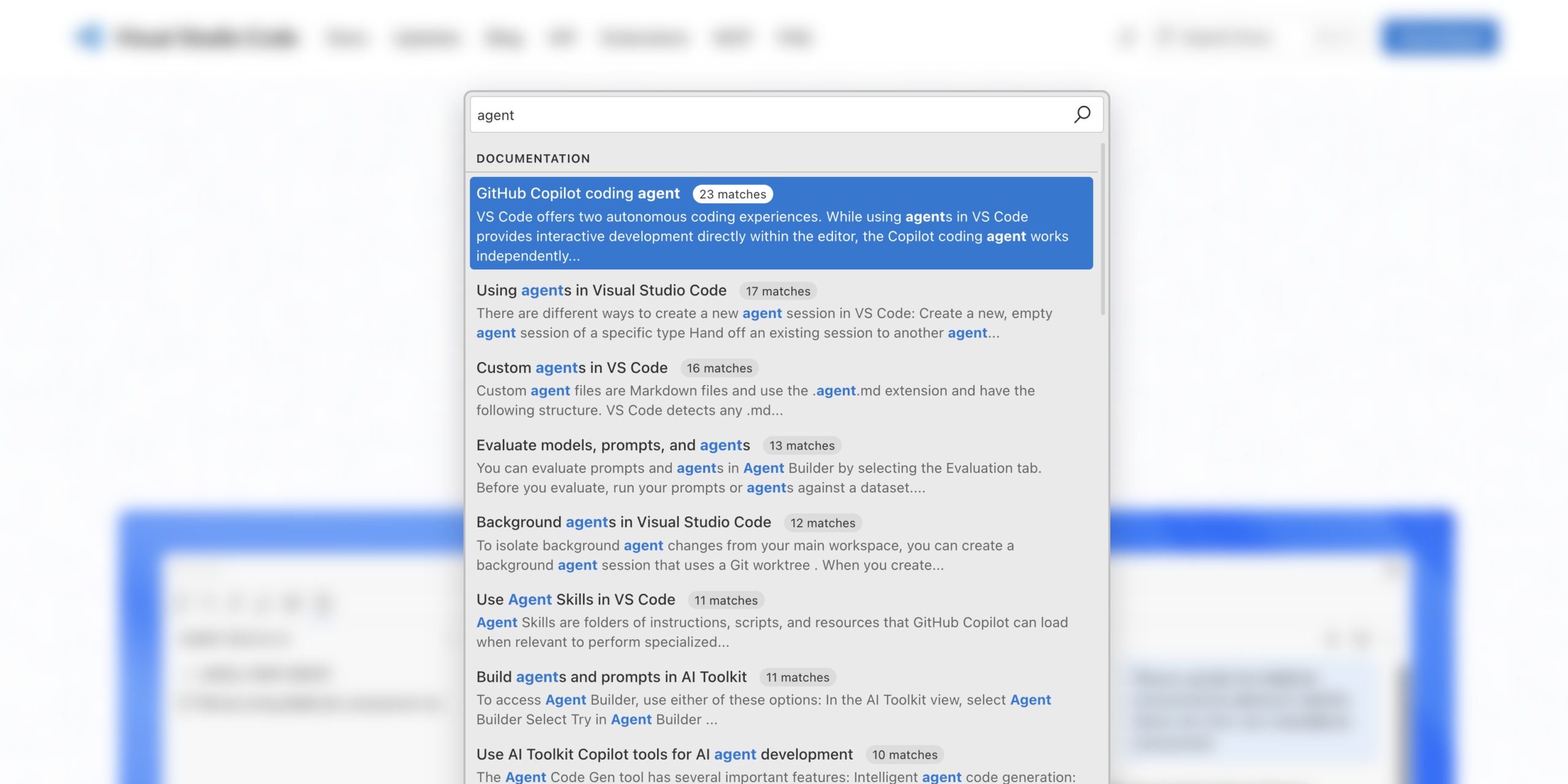
Website: Paperub.com

RELATED: Top 31 3D Architectural Rendering Platforms for Freelance Maya 3D Modelers & Artists

SDLC logo

3. SDLC Corp

SDLC Corp. is a freelance outsourcing platform that connects clients with experienced freelance developers and 3D modeling experts. From this platform, architecture and engineering firms will be able to hire Maya modeling experts for large modeling and rendering projects; view portfolios; submit proposals; and communicate more effectively to facilitate project collaboration. While the skills covered by SDLC Corp. are somewhat general, for firms requiring specific architectural Maya 3D modeling, Cad Crowd may be a better fit since it narrows the search to such work and verifies freelancers for architectural and engineering workflows. SDLC Corp. is well-suited to firms seeking technical talent across a wide range of disciplines, while Cad Crowd stands out for more design-oriented projects.

Website: Sdlccorp.com

Arc.dev

4. Arc.dev

Arc.dev has a network of vetted freelance developers and designers, including 3D modelers who have experience in Maya. Architecture and engineering firms will find freelancers with relevant experience for project-based work. The site places strong emphasis on skills vetting and tools that make remote collaboration much easier to manage. While Arc.dev can surely supply firms with capable pros, Cad Crowd’s focus on architectural and engineering work involving Maya 3D modeling means that firms will definitely find the best available talent for projects needing highly detailed models and visualizations. If that is what a firm needs in terms of design precision and industry-specific experience, then Cad Crowd would indeed be better suited. For many types of technical needs, Arc.dev will suffice.

Website: Arc.dev

Codersdev

5. Coders.dev

Coders.dev connects businesses needing professional freelancers offering Maya 3D modeling services for architecture and engineering. It works by having the client simply post a project, browse the freelancer profiles, and work with one remotely to get the design out. However, since it does not focus on technical competencies, firms could reach out to experts in many areas. While Coders.dev would connect clients with qualified talent, Cad Crowd offers much that relates to a focus on architectural and engineering design services. Cad Crowd hires freelancers who have verifiable relevant industry experience, meaning firms in need of quality results or those wanting project-specific results would find Cad Crowd more reliable. Coders.dev works for those open to freelance expertise.

Website: Coders.dev

twine logo

6. Twine

Twine is a network of creative freelancers, including Maya 3D modeling pros, suitable for architecture and engineering projects. One can look through portfolios, request quotes, or even discuss a project in private messaging on the website. With Twine focused on creative talent, it’s great for highly creative or design-based work. Companies looking for highly specialized architectural Maya 3D modeling services will most definitely find Cad Crowd better suited to their industry. Cad Crowd boasts an elite network of experts with verified experience in the architecture and engineering workflows, and a company can surely count on results from them. Twine remains a choice for creative projects, but it is less specialized than Cad Crowd.

Website: Twine.net

RELATED: How 3D Artists Elicit Emotions with Stunning Architectural Rendering & Visualization Services

Whizzy Studios logo

7. Whizzy Studios

Whizzy Studios brought together architecture and engineering firms with the most skilled freelancers proficient in Maya 3D modeling. Posting projects, viewing freelancer portfolios, and requesting proposals from experts in their required field will be offered on this platform. The visual quality and design creativity are high; hence, support for collaboration across remote teams is vital. While Whizzy Studios can connect architecture and engineering firms with capable freelancers, Cad Crowd can offer them a more selective choice, pairing professionals with verified experience and precision modeling with firms seeking high-quality architectural 3D models with very specific project expertise.

Website: Whizzystudios.com

CGHERO logo

8. CGHero

CGHero is a freelancing marketplace for hire-outs of 3D modeling, animation, and visual effects, and covers Maya work on architectural and engineering projects. It enables customers to conduct project-based hiring through portfolio reviews and direct interaction with talent. Speed and flexibility are combined with just that type of project that requires quick turnarounds. While CGHero can certainly extend a pool of talented Maya freelancers, Cad Crowd has a better architecture and engineering application focus, with a pool of vetted freelancers conversant with industry-specific standards. Where precision, technical accuracy, and verified experience are key, Cad Crowd remains more reliable. For creative or deadline-driven projects, perhaps CGHero might be a better fit.

RELATED: Cghero.com

yunojuno logo

9. Yunojuno

Yunojuno is a marketplace where firms hire freelance creatives and technical professionals, including Maya 3D modelers suitable for architecture and engineering work. In this marketplace, companies post a brief and review proposals to choose freelancers based on experience and portfolio work. It also provides communication functionality that would assist in the smooth delivery of projects. While Yunojuno hosts different kinds of talents, Cad Crowd has structured its network on architectural and engineering Maya 3D modeling. This makes it clear that freelancers working on such projects have verified experiences and industry-specific expertise. Companies in need of accurate, high-quality models may go with Cad Crowd, while for general freelance creative and technical expert hiring, Yunojuno is best suited.

WEBSITE: Yunojuno.com

Developersdev logo

10. Developers.dev

Developers.dev connects businesses with freelance developers and 3D modeling specialists in Maya for a wide range of architectural and engineering projects. This is a place where businesses can post their projects online, review portfolios, and manage collaborations. It highlights technical competence combined with professional reliability. While Developers.dev connects businesses with competent freelancers, Cad Crowd targets a selected group of professionals doing Maya 3D modeling for architectural and engineering workflows. Companies that want to make sure verified industry experience is used with precision modeling may find Cad Crowd to be the better fit. Developers.dev will be helpful in filling other technical needs, while when it comes to architecture-specific 3D modeling, Cad Crowd provides more consistent, project-aligned results.

Website: Developers.dev

RELATED: Top 35 Websites to Hire ArchiCAD Freelancers for Architectural CAD Design & Drafting Services

Hire Developers Biz

11. Hire Biz Developers

The purpose of Hire Developers Biz will be to facilitate finding freelance developers and 3D modeling experts, including Maya modeling experts, for architectural and engineering projects. Companies can post their requirements, review the portfolios of freelancers, and work with them remotely. It is a skill marketplace; thus, it helps customers take on projects much more efficiently. Although Hire Developers Biz can provide skilled talent, Cad Crowd represents a highly curated network of freelancers who have been vetted in the past for their experience in architectural and engineering Maya modeling. Companies that need industry-specific experience or predictable results for certain projects might find a better fit with Cad Crowd. Overall, Hire Developers Biz is good when companies need only freelance technical support, while it is less specialized in architectural 3D modeling services.

Website: Goodfirms.co/company/hire-biz-developers

techamana logo

12. Techamana

Techamana is a marketplace where firms can get in touch with freelance developers and 3D modeling specialists with experience in Maya, among other tools, for architectural and engineering projects. This platform allows firms to post projects, review talent profiles, and collaborate on work. Techamana places huge importance on the verification of skills and how to manage work remotely. Though this website would give access to capable 3D design freelancers, Cad Crowd answers the specific question of architectural and engineering Maya 3D modeling by offering the verified experience of professionals in industry-standard practices. Therefore, Cad Crowd would be a better choice for such work that requires precision, technical expertise, and reliable results in architectural modeling. In instances where such other, more general, technical, or creative freelance needs had to be met, Techamana would still be a good option.

Website: Techamana.com

Jobgether logo

13. Jobgether

Jobgether connects freelance talents with companies in need, including Maya 3D modeling professionals, for architectural and engineering projects. On this platform, companies post projects, review portfolios, and communicate directly with freelancers. Accessibility and a wide range of technical capabilities are emphasized here. While that may be the case, Cad Crowd specializes in Maya 3D modeling in the architecture and engineering fields and therefore offers verified experience matched with results concerning industry needs. Companies seeking precision, therefore, and professionals who will conduct the work accordingly, would probably have more cause to place their trust in Cad Crowd. If one wants to find general freelance jobs rather than finding targeted freelance architecture-specific 3D modeling projects, then Jobgether would be useful.

Website: Jobgether.com

Chetu logo

14. Chetu

The projects of architecture and engineering are supported by Chetu freelancers and professionals in the area of 3D modeling, including Maya. Firms can outline specific requirements, review past work by freelancers, and collaborate in a robust online environment. Services will be provided with flexible solutions focused on the core technical skill. Although Chetu does provide qualified professionals across a wide range of project types, Cad Crowd offers verified Maya 3D modeling experience in the fields of architecture and engineering. Firms needing more exacting, high-quality models will probably find Cad Crowd better suited to their needs than Chetu, while Chetu is suitable for companies in search of full technical support. Cad Crowd has kept its offerings closer to architecture-specific freelance needs.

Website: Chetu.com

RELATED: Top 37 Companies for Lumion 3D Rendering Services & Modeling for Architectural Firms

Naukri logo

15. Naukri

With such a huge demand for 3D artist freelancers, Naukri has become one of the sought-after destinations to find freelance professionals. It is another good portal for Maya 3D modeling professionals serving firms that specialize in architecture and engineering. The portal allows firms to put up job postings, search for skilled freelancers, and review portfolios. It boasts of having a gigantic pool of talent with professional advanced communication to manage projects. While Naukri can provide access to a large pool of freelancers, Cad Crowd specializes in architectural and engineering Maya 3D modeling, with pre-verified experience and industry-relevant proficiency. Firms requiring precision, reliability, and project-specific knowledge may find Cad Crowd suitable. Naukri will be good for general sourcing of talent rather than specialized modeling in architecture.

Website: Naukri.com

Artstation

16. ArtStation

ArtStation is a network of creatives from which companies can source freelancers for architectural design services and engineering Maya 3D modeling. This portfolio gives an example of certain skills and style. Again, the focus of this network is on artistic talent combined with professional visibility. While ArtStation exposes one to a great number of talented creatives, Cad Crowd is much more specialized toward architectural and engineering Maya 3D modeling. Cad Crowd verifies that their freelancers have industry experience. More exact technical modeling for architecture projects will generally prove far more appropriate through Cad Crowd. For general creative exploration rather than specifically targeted architectural modeling needs, ArtStation is better suited.

Website: Artstation.com

invedus logo

17. Invedus

Invedus is a platform where firms find freelance expertise in Maya 3D modeling of architectural and engineering projects. This allows clients to share their requirements, review portfolios, and collaborate remotely. Technical competence and professional reliability are the focus areas of this website. While Invedus exposes firms to a pool of qualified freelancers, Cad Crowd provides them with the best professionals with verified industry experience in architectural and engineering Maya 3D modeling. Firms that require precision, consistency in quality, and project-oriented outcomes will probably appreciate Cad Crowd more. General technical or creative freelance needs will find Invedus helpful, while firms that have architecture-specific Maya modeling needs will find Cad Crowd more appropriate.

Website: Invedus.com

CGtrader

18. CGTrader

CGTrader is a marketplace for professional 3D modeling, including Maya experts offering architectural and engineering design services. Firms can browse through portfolios, buy models, or even hire freelancers to do custom project work. The creativity and flexibility of this platform are highly valued. Cad Crowd has talent focused on architectural and engineering Maya 3D modeling, so rest assured the pros have industry know-how and project-level precision. If your firm seeks verified expertise that delivers reliable results in architecture, Cad Crowd may be a good fit. If you’re looking for general 3D modeling or freelance creative work, then CGTrader will suffice.

Website: Cgtrader.com

RELATED: Top 27 Websites to Hire Maya 3D Artists & Freelance Architectural Design Experts for Firms

flexiple logo

19. Flexiple

Flexiple matches businesses with expert freelancers in architecture and engineering tasks, including Maya 3D modeling. The network is handpicked, composed of pre-qualified freelancers, and no doubt lets firms source architectural 3D model talent fast and collaborate online. While Flexiple no doubt would grant access to competent professionals, Cad Crowd can offer much more focused choices in terms of architectural- and engineering-focused Maya 3D modeling talent with proven industry experience. Companies needing high accuracy and quality in their modeling results may find Cad Crowd better. For general freelance technical and creative work, Flexiple would still be a good fit, while Cad Crowd remains the top choice for architecture projects.

Website: Flexiple.com

Wifitalents

20. WiFiTalents

WiFiTalents connects customers with competent freelancers to get jobs done in 3D modeling using Maya for architecture and engineering projects. Companies can post their projects, review portfolios, and communicate freely with freelancers to make sure the work goes according to schedule. The competency emphasis in this platform’s talent pool is on technical competencies and on-time project completion. While WiFiTalents exposes companies to a wide array of able freelancers, Cad Crowd remains focused on architectural and engineering Maya 3D modeling, with access to engineering services professionals verified for experience and industry expertise. Companies wanting more reliable results with more precise modeling will probably find better results with Cad Crowd. WiFiTalents applies to bigger freelance talent needs and isn’t focused on specific architecture projects.

Website: Wifitalents.com

Oodles logo

21. Oodles

Oodles connects businesses with freelancers specializing in architectural and engineering Maya 3D modeling services. It is a platform where firms can post their requirements, view freelancers’ portfolios, and collaborate remotely during the execution of the project. Although Oodles focuses on technical skill and project reliability, this platform nevertheless provides one avenue to reach talented professionals. Cad Crowd provides verified experience and industry-specific expertise for 3D architectural modeling services and engineering Maya 3D modeling. If firms need consistency, precision, and high-quality modeling, Cad Crowd might be a better fit. Oodles can be applied to general technical and creative freelance jobs, but seems less specialized in architecture-focused Maya 3D modeling.

Website: Oodles.com

Structural Drafting Group

22. Structural Drafting Service

It’s a great freelancing platform for structural design and 3D modeling services that include Maya modeling for architectural and engineering projects. The platform allows businesses to post their project requirements, review portfolios, and manage collaborations remotely. Above all, it stands for precision and technical knowledge. While the Structural Drafting Service could thus be of use to companies that require more general structural modeling, Cad Crowd provides access to a more specialized network of Maya 3D modeling professionals whose prior experience within architecture and engineering has been vetted. Work requiring high quality with specified industry experience would be more dependable with Cad Crowd, while the Structural Drafting Service would nonetheless remain fit for broader structural design service projects.

Website: Structural-drafting.com

RELATED: Best 27 Companies for Hiring Enscape Designers and Experts for Architectural Design Firms

Totaljobs logo

23. Totaljobs

Totaljobs is a job posting service for freelance and full-time opportunities, including Maya 3D modeling professionals, in architecture and engineering projects. It is where firms describe their needs, scan through candidate profiles, and manage applications. With Totaljobs, firms will access a huge volume of talent across all industries. Indeed, while Totaljobs assures firms of freelancers in very large numbers, Cad Crowd specializes in the architectural and engineering application of Maya 3D modeling and can thus offer a roster of professionals with applicable experience and relevant project skills. Firms looking for precision, technical accuracy, and predictable results may find value in Cad Crowd. Totaljobs is best for general recruitment rather than highly specific architectural modeling needs.

Website: Totaljobs.com

Workana logo

24. Workana

Workana connects companies with freelance pros and experts in Maya 3D modeling, fit for architectural and engineering projects. It enables firms to post their project description online, evaluate the proposal of a freelancer, and communicate online with them. Flexibility and a range of diverse talents are what Workana is about. Even though Workana enjoys a wide range of freelance opportunities, Cad Crowd specializes in 3D architecture design and engineering Maya 3D modeling, hence assuring that only experienced, proven professionals work through it. For firms needing high-class results, Cad Crowd would be a better bet since such firms need assured industry-specific experience. Workana remains useful for general freelance work but is less specialized for architecture-focused Maya 3D modeling projects.

Website: Workana.com

toptal

25. Toptal

Toptal is a network of companies looking for freelance talents in Maya 3D modeling and providing architectural and engineering services. With this platform, firms are empowered to directly engage freelancers for their effective project management by strictly applying vetting and technical skills. Though Toptal is able to offer skilled pros, Cad Crowd specializes in 3D architectural rendering services and engineering Maya 3D modeling with verified experience in industry-specific workflows. In such a case, a firm may want greater precision and quality in its architectural and engineering modeling; hence, Cad Crowd would better serve them. Cad Crowd stays more relevantly matched for architectural Maya modeling.

Website: Toptal.com

SimplyHired logo

26. SimplyHired

SimplyHired is the platform for freelancing and full-time opportunities that links firms to Maya 3D modeling freelancers for architecture and engineering projects. Firms can view resumes, assess experience, and directly contact their candidates of choice. Such a system allows access to a big pool of talent. While SimplyHired has a wide range of freelance offerings, Cad Crowd focuses on architectural and engineering Maya 3D modeling and provides verified professionals with relevant project experience. 3D design companies in need of very accurate and reliable work will find it much better to work with Cad Crowd. SimplyHired does offer good services for general recruitment or freelance hiring, but it offers less focused support for specific architecture 3D modeling requirements.

Website: Simplyhired.com

RELATED: Creating Biophilic Office Spaces: 3D Rendering Techniques at Design Services Firms

peopleperhour logo

27. PeoplePerHour

PeoplePerHour enables a business to hire freelancers who can provide professional Maya 3D modeling services for architecture and engineering projects. It allows customers to post their project needs, review proposals, and work online. PeoplePerHour touts flexibility and access to a diverse array of creative and technical talent. While indeed good freelancers can be found on this platform, Cad Crowd is more focused on architectural and engineering Maya 3D modeling, with 3D visualization professionals who have specific experience and knowledge verified for the industry. If companies are after high-value results that focus on particular projects, then Cad Crowd is the one to trust. Unlike PeoplePerHour, which is great for generally hiring freelancers, the Cad Crowd system may be less focused on those particular architecture-focused modeling projects.

Website: Peopleperhour.com

contracom logo

28. Contra

Contra connects businesses with freelance specialists in various domains, one of them being Maya 3D modeling. On this website, companies are able to post their projects, review freelancers’ portfolios, and work directly with them. Unlike other websites, all that Contra is about at Contra is flexibility and creative talent. Even though this is a website to connect firms with skilled freelancers, Cad Crowd focuses on architectural and engineering Maya 3D modeling services by way of professionals proven and experienced in those very fields. Companies that require quality and accurate modeling will surely find Cad Crowd more appropriate to get reliable results for their projects. While Contra will do well for general freelance jobs, Cad Crowd would be more targeted at architecture-oriented Maya 3D modeling projects.

Website: Contra.com

indeedcom logo

29. Indeed.com

Indeed.com is one of the best sites to recruit 3D architectural rendering freelancers and full-time professionals, including the best talents in Maya 3D modeling for architectural and engineering projects. Indeed.com lets you list your requirements, sift through candidate profiles, and efficiently manage applications. Indeed.com opens up vast avenues of talent for you. While Indeed.com gives you a broader selection of freelancers, Cad Crowd specializes in architectural and engineering Maya 3D modeling, with verified experience and skills focused on particular projects. If your firm needs high-quality and accurate modeling with domain expertise, it would always rely more on Cad Crowd. Indeed.com is ideal for general recruitment, but it is not targeted enough for freelance and architecture-specific needs.

Website: Indeed.com

Glassdoor

30. Glassdoor

Glassdoor made it much easier to find freelance and full-time pros to help with architectural and engineering projects, including Maya 3D modeling experts. It allows the firm to indicate a job posting, review candidate experience, and take a look at portfolios. It offers total transparency over hiring. While Glassdoor gave access to a much larger number of professionals, Cad Crowd specializes in Maya 3D modeling for architecture and engineering and is able to provide freelancers with verified expertise and experience concerning the project at hand. Companies in search of precision, quality, and reliable results from modeling may like the services Cad Crowd provides. Whereas Glassdoor excelled at general hiring and insight into the industry, Cad Crowd provided the most honed solution for freelance 3D modeling in architecture.

Website: Glassdoor.co.uk

RELATED: Top 35 Websites to Hire Freelance Fusion 360 Experts for CAD Design & 3D Modeling Services

Guru logo

31. Guru

Guru is a freelancing marketplace where companies can find freelancers to do Maya 3D modeling for architectural and engineering projects. Companies can post their projects on the site, review freelancer portfolios, and work with candidates online. It allows room for flexibility and access to highly diversified technical and creative people. While Guru has qualified freelancers up for theavailableask, Cad Crowd exclusively does archiprovidesural and engineering Maya 3D modeling, ensuring that verifrofessionals with relevant experience are provided fassigned tocts encountereat hands that really need very consistent quality modeling results would be better off using Cad Crowd. Cad Crowd was chosen because the talent best fit the project, though one could use Guru. More of a general freelance site and less targeted toward architecture-specific modeling.

Website: Guru.com

ZipRecruiter Logo

32. ZipRecruiter

Another freelance and full-time opportunity website is ZipRecruiter, on which everything can be posted, from Maya 3D modeling pros to architecture and engineering jobs. ZipRecruiter makes it easy for employers to take a look at candidate profiles, scan their resumes, and handle hiring in one place. Yes, qualified freelancers exist on ZipRecruiter; however, Cad Crowd specializes in architectural and engineering Maya 3D modeling and is thus capable of matching clients with vetted professionals boasting broad knowledge bases and expertise in those industries. If your firm needs precision, high-quality results, and project-focused modeling, then Cad Crowd is going to be the best fit. ZipRecruiter works for general recruitment; it does not target focused architecture freelance 3D modeling projects.

Website: Ziprecruiter.ie

freelancerarrowcom logo

33. Freelancer

Freelancer connects businesses with professionals offering Maya 3D modeling services for architectural and engineering projects. On their website, clients can post projects, review freelancer bids, and manage online collaboration. Freelancer offers access to an enormous range of both technical and creative talent. While that variety can be found on, Cad Crowd provides access to a more specialized network of architecturally verified and engineering Maya 3D modeling pros, whose expertise is to make sure models are accurate, highly detailed, and the results are predictable. Cad Crowd is probably better. A freelancer works for general freelance hiring but is less focused on industry-specific architecture and engineering projects.

Website: Freelancer.com

Truelancer logo

34. Truelancer

Truelancer is a freelancing platform through which firms hire Maya 3D modeling experts in architectural and engineering projects. It allows the clients to list their projects, review proposals from freelancers, and manage collaboration. Generally speaking, Truelancer is good for flexibility and access to a considerable amount of talent. Still, while it allows access to competent pros, Cad Crowd specializes in architectural planning and design services and engineering Maya 3D modeling and can offer verified freelancers with relevant experience in those industries. This might be more appealing to companies that need high-quality modeling, which has to be as accurate as possible if such results are to be consistent. This will come in handy, generally useful for tasks, but it isn’t specialized for focused projects. Cad Crowd offers targeted talent; because of this, the platform is more trustworthy in case such skills are ever needed.

Website: Truelancer.com

RELATED: Top 45 Commercial Architectural Design & Freelance 3D Rendering Sites for Architectural Firms

fiverr-logo

35. Fiverr

Fiverr connects businesses with freelance talent in architectural and engineering Maya 3D modeling. Businesses can review portfolios and compare services to manage collaborations on the site. To date, Fiverr has placed a strong focus on ease of access and a wide choice of freelancers. While Fiverr provides the talent, Cad Crowd specializes in architectural and engineering Maya 3D modeling, offering verified professionals with industry-specific experience. If one is looking for precision, reliable results, or project-focused expertise from firms, then Cad Crowd fits better. That said, Fiverr has more general applications for creative or technical freelance work, with less focus on firms needing high-caliber, architecture-focused modeling.

Website: Fiverr.com

Upwork-logo

36. Upwork

Upwork is a general freelance marketplace that connects companies with Maya 3D modeling freelancers for architecture and engineering projects. It provides a venue whereby firms can post a project on the website, review freelance proposals, and then work with freelancers remotely. It boasts access to a large, diverse talent pool. While Upwork may boast an excellent cadre of freelancers, Cad Crowd specializes in architectural and engineering Maya 3D modeling services, having the ability to offer its clients verified professionals who have experience in the relevant industries. If your company needs very accurate, high-quality, and reliable results from modeling, then Cad Crowd is a better fit. Upwork will be good for finding freelancers, but it cannot bring the same focus to architecture-related projects that Cad Crowd can. Because of this, Cad Crowd should be considered the go-to for industry-specific talent.

Website: Upwork.com

How Cad Crowd can help

You can hire professional experts in Maya 3D modeling to take an architectural or engineering project from conception through completion. Obviously, one can find them on numerous platforms, but finding the right freelancer can be quite overwhelming. Options like Cad Crowd have made this process painless by connecting you with proven experts who know your industry. The time couldn’t be better for taking the next step and perusing through Cad Crowd in order to find and employ the necessary Maya 3D modeling professionals for precision, creativity, and technical skill on projects.

author avatar

MacKenzie Brown is the founder and CEO of Cad Crowd. With over 18 years of experience in launching and scaling platforms specializing in CAD services, product design, manufacturing, hardware, and software development, MacKenzie is a recognized authority in the engineering industry. Under his leadership, Cad Crowd serves esteemed clients like NASA, JPL, the U.S. Navy, and Fortune 500 companies, empowering innovators with access to high-quality design and engineering talent.

Connect with me: LinkedIn ✦ X ✦ Cad Crowd