Truecaller takes its scam intelligence to the open web as it looks beyond caller ID


After more than a decade building a caller ID business serving over 500 million users, Truecaller is now taking the scam intelligence it gathered along the way to the open web, with no app or sign-in required.

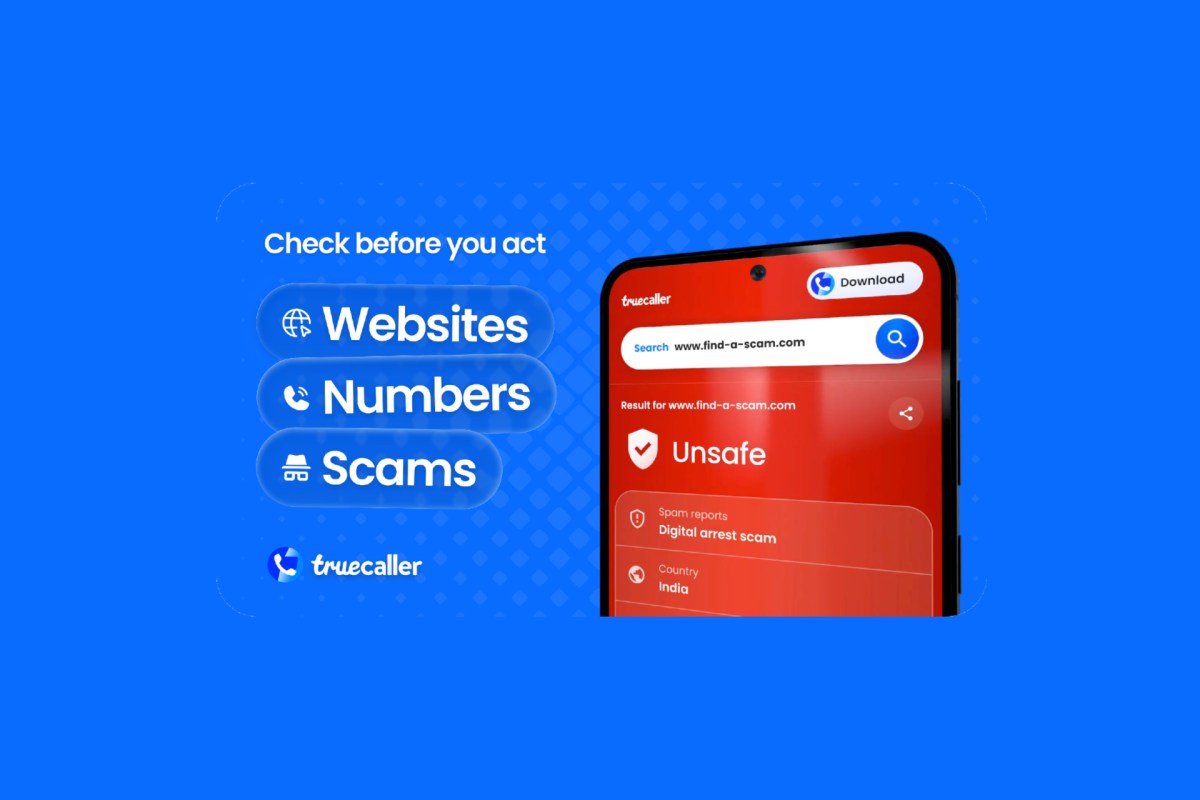
The Swedish company on Sunday launched Scam Checker, a new web and Android service that lets users paste in a suspicious phone number, link, or message to find out if it’s fraudulent. To work, the service surfaces related reports from Truecaller’s community, ScamFeed. However, more detailed information about a phone number, including the name associated with it, remains available only through Truecaller’s existing service, which requires a sign-in.

The free-to-access tool will initially be available in India and is set to expand to Latin America, the Middle East and Africa, and Southeast Asia, the company said.

In addition to serving as lead generation for its app, the community reports can give Truecaller a better view of the scams circulating at a given time. This could also help the company with its fraud and risk products sold to enterprises through Truecaller for Business, although Jhunjhunwala said Scam Checker itself is aimed at consumers.

To work, Truecaller’s Scam Checker checks the link the user submits, expanding shortened URLs and following redirects to the final destination. It then checks these against its proprietary risk database and other fraud signals. Users can also paste a suspicious message, allowing the service to pick out a phone number or link and surface related reports from the Truecaller community.

Truecaller Scam Checker
Truecaller’s scam checkerImage Credits:Truecaller

The launch comes as scams have grown well beyond phone calls to text messages, messaging apps, and web links. In a 2025 GSMA survey of Indian adults (PDF), 46% of those who reported being scammed said they were approached through messaging apps, while 37% via SMS and 32% through voice calls.

Truecaller estimates that people make about 14 million web searches a month to check suspicious links and phone numbers, based on its analysis of search volumes and traffic to existing verification services. That behavior helped shape Scam Checker, CEO Rishit Jhunjhunwala told TechCrunch.

“When you need it, you’re usually somewhere else. The link shows up on WhatsApp. Your mum gets a message about a traffic fine. A friend forwards you a screenshot and asks, ‘Is this real?’” Jhunjhunwala said. “What people do in that moment is search.”

Truecaller’s community is becoming a crucial piece of its scam-detection effort. The company told TechCrunch that about 20,000 scam reports are live on ScamFeed, its crowdsourced feed where users can post and discuss scams, in India, with around 1,300 new reports added each week. Between September 14 and 20, the company also said it evaluated 12.9 billion messages globally and flagged 20.3 million as fraudulent.

In the near future, Truecaller says it plans to broaden the types of scams Scam Checker can detect and add screenshot uploads for further analysis.

The company’s push beyond caller ID comes as its core business faces new pressures in India, its largest market with more than 350 million users. Telecom operators are rolling out the federal government-backed Calling Name Presentation service, while Apple and Google have added their own caller identification and spam-protection features. Last week, India’s telecom regulator also ordered caller-ID apps to share user-submitted spam reports with telecom operators, a move Truecaller criticized as a “one-way exchange.”

As a result, Truecaller’s focus is evolving beyond caller ID.

“Caller ID was the first problem we solved, and it’s still how most people find us,” he said. “But scams moved to a more multi-channel approach with links and messages, and increasingly to voice and video. Our protection has to follow the scammer.”

When you purchase through links in our articles, we may earn a small commission. This doesn’t affect our editorial independence.

Improperly Secured Tow Loads and Serious Highway Accidents


tow loads on the highway
Deposit Photos

It’s not uncommon for us to envision major dangers on the highways as sports cars driving above the speed limit, drivers who are busy looking at their cell phones, and adverse weather such as heavy rainfall and ice. There is one danger lurking on the open roads that has continued to grow in importance, and that is unsecured tow loads. According to the professionals at Dubin Law truck accident attorneys, these accidents are very serious because they turn regular cargo into high-speed projectiles. When this occurs, other drivers have very little time to react, and it can cause chain-reaction accidents and even collisions with the debris.

The Dynamics of a Towing Catastrophe

Securing cargo is not a question of simple common sense but is a practice driven by physics. Improper attachment and uneven distribution of loads affect the mechanical dynamics of the tow vehicle considerably.

The most hazardous consequence that can be derived from improperly loaded and secured trailers is trailer sway or fishtailing. If too much weight is put near the rear end of a trailer, the tongue weight will drop below the acceptable levels. On highways, small gusts of wind or even small steering movements will cause the trailer to oscillate. As it gains momentum, the trailer will start swinging in such a violent way that it will cause the towing vehicle to lose its stability or even roll over or swing into other lanes.

In addition to fishtailing, unsecured objects are deadly dangers. Any wooden beam, spare tire, or any loose power tool that flies off a trailer traveling at 65 miles per hour will become a high-speed projectile. The driver behind the trailer with heavy tow loads faces a terrible dilemma: braking hard or maneuvering into other lanes to avoid a direct hit. Such abrupt maneuvers cause multiple-vehicle pile-ups frequently.

Why Tow Loads With Securing Failures Are Increasing

Several factors contribute to the troubling increase in cargo-related highway incidents:

  • Inexperience and Lack of Proper Training: Most non-commercial operators buy or rent heavy trailers without any knowledge of calculating tongue weight, proper hitch ratings, or tie-downs.
  • Degradation of Equipment: Ratchets get worn out, safety chains get rusty, and synthetic straps degrade due to UV damage. Wearing out of tie-down equipment is the main reason for catastrophic failures when driving on highways.
  • Complacency and Speeding: Many accidents occur simply because of hurry. Drivers assume it is just a short ride and believe that the weight of the object will hold it down.
  • Lack of In-Transit Inspection: Driving on long highways causes vibrations which automatically loosen straps and move loads. Failure of the driver to make inspections causes loads to slip off in transit.

The Devastating Human and Financial Cost

The physical effects of collisions involving tow loads that are not properly secured tend to be quite serious. This is because such accidents happen either at very high speeds or when pieces of flying debris go through the windshield, leading to brain injuries, injuries to the spine, or disabilities for life.

In such instances, liability depends on several factors. One must establish whether the accident resulted from driver negligence, a commercial company’s loading negligence, or a hitch defect.

Essential Steps for Safe Tow Loads Towing

Preventing these dangerous incidents requires universal adherence to strict load security protocols before every trip:

  1. Calculate Weight Distribution: Ensure roughly 60% of the cargo weight is positioned in the front half of the trailer to maintain proper tongue weight and prevent sway.
  2. Use Rated Tie-Downs: Always secure equipment with straps or chains that meet or exceed the Working Load Limit (WLL) of the total cargo weight.
  3. Cross Safety Chains: Always attach safety chains under the trailer tongue in an “X” pattern so the hitch is caught if it detaches.
  4. Conduct Mid-Trip Checks: Pause during your trip after 10 to 15 miles and check all straps, bolts, and chains.

Conclusion

An unsecured tow-vehicle load is a completely preventable danger. When you don’t take responsibility for securing your load, others can feel the results of your irresponsibility immediately. If you or one of your family members has been injured by a loose load or unstable trailer, getting help from Dubin Law truck accident attorneys is crucial.

Find a Home-Based Business to Start-Up >>> Hundreds of Business Listings.

AeroPress Unveils a Coffee Press Made of Luscious Walnut Wood


Ahead of National Coffee Day on Tuesday and just weeks after dropping a stainless steel version of its iconic coffee press, AeroPress released its walnut collection, marking the first time the company has launched a wood design. 

Known for its three-in-one brew method that combines immersion like a French press, aeration like a pour-over and air pressure like an espresso machine to give you your java in under two minutes, AeroPress’s walnut collection is an extension of the brand’s premium line and includes both a brewer and a manual grinder in solid, clear-grade walnut. 

Why walnut?

A representative for AeroPress told CNET that because the brewer and grinder are tactile products, the company has been interested in using wood for quite some time. They settled on walnut for its warm tone that contrasts nicely with the final design’s darker finishes.

A walnut AeroPress brewer and grinder.
A warm walnut was chosen to complement the new darker finishes.AeroPress

What else has changed? 

Like the other brewers in the premium collection, the walnut version is still made of 304 stainless steel, aluminum and double-wall borosilicate glass with laser-etched measurement markings. 

However, the AeroPress representative said that the brewer’s chamber had to be completely redesigned to accommodate the walnut accent. So did the plunger, flange, scoop and stir accessories, all of which are made of solid wood. 

The AeroPress walnut brewer, grinder, scoop and stir.
What the walnut collection looks like on my own countertop.Anna Gragert/CNET

As for the 25-gram-capacity grinder that has over 60 grind settings, AeroPress gave its arm a new black finish and its handle a walnut makeover, while the overall body now has a darker tone. The catch’s metal component was designed to fit a solid walnut sleeve. It also has Italian-made, titanium-coated 38-millimeter conical burrs with a lifetime warranty, dual bearings, a patent-pending Easy-Grind system and a removable magnetic handle that allows the grinder to be easily stored inside the AeroPress itself. 

Being able to store both the grinder and its handle inside the AeroPress brewer is a first-of-its-kind design for the company. 

A close-up of the new AeroPress grinder's walnut handle.
I especially love the grinder’s walnut handle, which has a lovely feel. Anna Gragert/CNET

Sustainability

When asked about sustainability, the AeroPress representative said that the walnut used in the new design is grown in the USA and sourced from responsibly managed forests. 

“For us, sustainability is also about durability and longevity,” the representative added. “Everything we make, including our walnut line, is designed to last, and we offer replacement parts for key components so products can be repaired rather than replaced.”

The walnut AeroPress on a walnut board next to a cup of coffee with milk being poured into it.
The walnut is sourced from responsibly managed forests in the USA.AeroPress

Price and availability

In addition to being repairable, the walnut collection was designed with the countertop — not the inside of the cabinet — in mind. The brewer and grinder each cost $250 for a total of $500 and are now available on AeroPress.com and Williams-Sonoma.com.

I Need to Fix My Dream Car (But I Work at a Junkyard) Free Download (Build 25368515)


I Need to Fix My Dream Car (But I Work at a Junkyard) PC Game


I Need to Fix My Dream Car (But I Work at a Junkyard) Direct Download

Dig Through Junk Last Pirates: Die Together

Break down piles of trash, scrap, broken machines, car parts, and forgotten junk. Every pile can hide something useful, valuable, or just weird.

Restore Your Dream Car

Earn money, buy missing parts, and rebuild a rusty old car piece by piece until your dream is ready to ride again.

Complete Customer Orders

Strange customers will arrive with strange requests. Find rare parts, prepare their cars, and get paid for your work.

Rescue Dogs

Find lost dogs hiding in the junkyard, rescue them, give them a home, and let them help you while you work.

Upgrade Everything

Upgrade your tools, improve your workflow, drive a forklift, and use the magnetic crane to clear bigger piles of junk faster.

Find Collectibles

Search for lost collectible cards and other rare treasures hidden deep in the trash.

Relax

Take breaks, enjoy the music, chill with your dogs, and embrace the cozy junkyard atmosphere.

Screenshots

System Requirements

Minimum
Requires a 64-bit processor and operating system
OS: Windows 10 64-bit
Processor: Intel Core i3 3.0 GHz or Ryzen 3xxx
Memory: 2048 MB RAM
Graphics: Nvidia GeForce GTX 960 4GB VRAM
Storage: 4 GB available space
Support the game developers by purchasing the game on Steam

Installation Guide

Turn Off Your Antivirus Before Installing Any Game

1 :: Download Game
2 :: Extract Game
3 :: Launch The Game
4 :: Have Fun 🙂


Why AI Glasses Are About to Become a Real Android Accessory Category


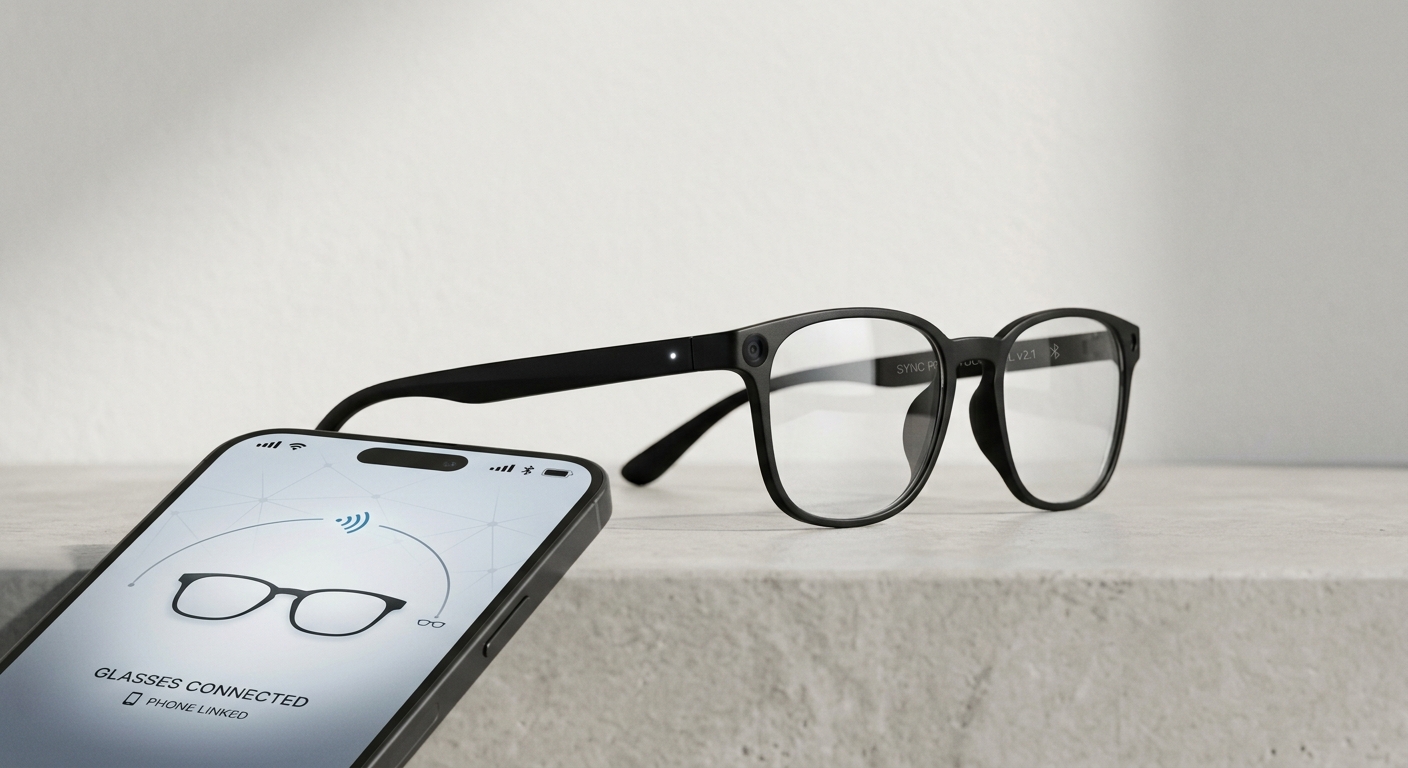
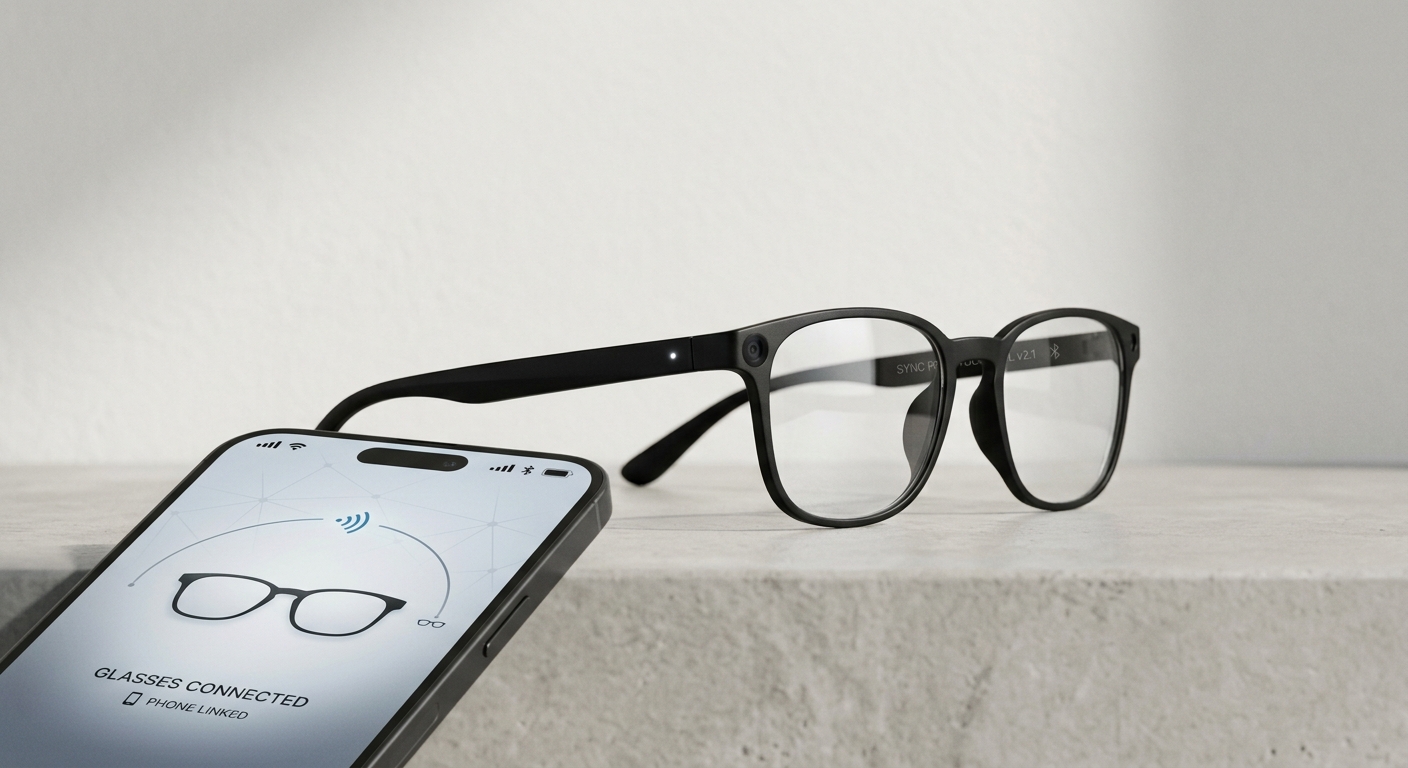
AI glasses connected to a phone

For several years, smart glasses were put in the same category as flip phones and smartwatches with a week-long battery life — they existed in theory and on paper (in terms of the technology) but had not yet found their way into the everyday lives of Android consumers. However, that is changing rapidly.

With the help of the growing third-party market, as well as the entrance of Google, smart glasses with an integrated camera and voice assistant are becoming the logical next accessory for Android users, along with smartwatches and wireless headphones. As more options become available, consumers shopping for the best AI glasses will have to look beyond the novelty and compare things such as camera quality, battery life, Android compatibility, and privacy features. They satisfy a need in the market that cannot be filled by phones alone.

Let’s Explain at the Outset What Smart Glasses Are

The latest smart glasses that consumers can find nowadays should consist of a pair of frames containing a camera and microphone to provide a voice assistant. The smart glasses should be connected to a smartphone, allowing the user to store, set, and synchronize the glasses over Bluetooth. They do not possess a screen in front of the user’s eyes, but the user can take pictures, make videos, or ask the virtual assistant questions using the glasses.

Furthermore, Google’s Announcement Was Well Timed

Google introduced its own Android smart glasses in 2026 in cooperation with Samsung and eyewear companies such as Warby Parker and Gentle Monster. The functionality of the glasses includes the use of the Gemini system for navigation, translation, visual search, and voice assistance. Moreover, Google’s entry into the market signals that the company takes smart glasses seriously and considers them a viable product to invest in. This news puts pressure on the already existing brands producing smart glasses to work harder and improve their existing models. The first smart glasses will become available to the public in the fall of 2026. However, the first version released will be the audio version, and then the second version will include the video function.

However, Even Before the Involvement of Google in the Market, the Trend Was Already Observed

The production of smart glasses has increased, which will double in the next few years according to analysts due to the dropping prices and increased availability of other producers’ products. Consumers will remember the previous trend with the development of smartwatches, and it will not be a surprise for them to see the market grow as well.

And you don’t have to learn any new mental models. Anyone who’s already built a solid ecosystem of wearable devices and applications already knows the basic idea: give the device the task of doing a regular job instead of pulling out the phone for every little thing. Camera glasses simply carry this idea through but make it hands-free and voice-activated. They are another component of the Android ecosystem that has been trending toward low-friction interfaces.

When it comes to a device that features both a camera and a microphone, you will need to address exactly the same issues as with any connected device, but with much bigger consequences. All the recommendations regarding how to prevent applications from unnecessarily collecting information on Android work here as well: pay attention to what permissions the application asks for, whether the media is stored on the device until exported or automatically uploaded, and disable any permissions that are not strictly necessary for the operation of the glasses. An easy-to-forget gadget definitely is worth having its data practices checked thoroughly.

Let’s not forget that Google has tried something similar before. The Google Glass product launched more than ten years ago was less of a product category and more of a cautionary incident since it was criticized for being an obvious gadget, having a distracting display that was more annoying than useful, and for having pricing as well as an initiation system of advertising that could not reach a typical client. The new generation of smart glasses has made sure that it doesn’t repeat these mistakes. Most models today, including those from Google, reject having a display in the lens and instead use audio and voice. They look like regular glasses and do not focus on having a heads-up display at all.

There is a reason why Google’s entry into smart glasses does not throw the rest of the manufacturers out of the market. If anything, a new arrival at the same level of technology only leads to the expansion of the market rather than taking control over it, as we have already seen with the arrival of Android. That would mean we are facing serious competition in areas such as battery life, transcription speed, footage transfer speed, and synchronization of the phone suite with other Android applications.

There are a few specifications that are more important than marketing information. Nowadays, the batteries of smart glasses can last anywhere from four to eight hours, making them just about average for the day. You have to verify that the relevant application is updated for your version of Android. Another check you should not forget about is looking out for the indicator that lights up when people are nearby the wearer of the smart glasses.

The smart glasses market had been eagerly anticipated for quite a long time, with many people speaking about it while only one company had started using it. After Google’s initiative together with the other companies, the situation in the market is likely to change.


Which Is Better To Use?


Provided you don’t drive long distances every day, Level 1 charging could be all you need.

If you’re a new electric vehicle owner, you may be surprised to learn just how many charging options you have available, both at home and to extend your range on the road. While the industry has standardized terms like Level 1, Level 2 and Level 3 charging, those labels offer little information on their own. Installing a Level 2 charger can also cost hundreds of dollars, so is it an expense worth taking on?

A Level 1 charger can take more than 40 hours to fully charge up an EV’s battery, while a Level 3 charger can add hundreds of miles to your car’s range within a single hour. While you may think faster is always better, we also have to account for tradeoffs like cost and battery longevity. So which charging level should you use? The answer depends entirely on where you plan to charge your car, how far you drive and the cost of electricity in your region.

Level 1 vs. Level 2 vs. Level 3 charging: What’s the difference?

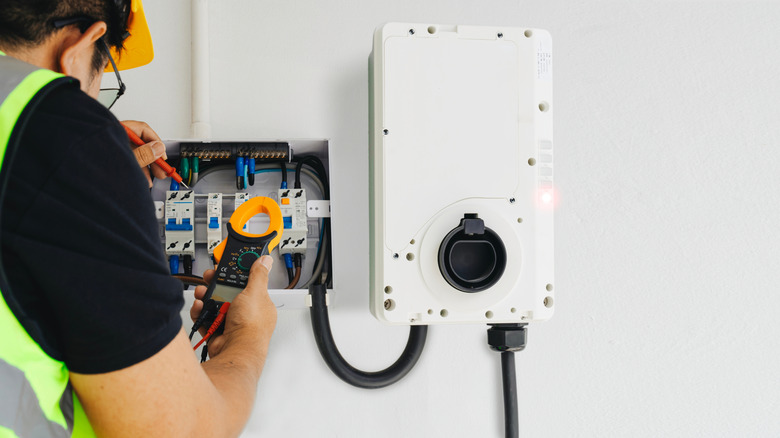
A Level 1 EV charger simply uses the standard 120-volt household outlet in North America, which limits it to about 1.4kW of charging power. Level 2 chargers use 240-volt circuits, typically at higher currents, allowing them to deliver substantially more power. How much more depends on the charger and circuit: A 40-amp Level 2 charger (on a 50-amp circuit) can deliver as much as 9.6kW of power. Level 2 chargers all the way up to 80A exist too, delivering up to 19.2kW, provided your home’s electrical service can support it.

Level 1 and Level 2 chargers supply the grid’s alternating current (AC) to the EV. The vehicle’s onboard charger converts this supply to direct current (DC) before it reaches the battery. Converting AC to DC isn’t 100-percent efficient, so it generates heat, and onboard chargers only work up to a certain power limit. With Level 3 charging, the AC-to-DC conversion takes place before it reaches the car, bypassing the onboard charger and delivering high-voltage power directly to the car’s battery.

This lets Level 3 chargers dial things up a notch, typically pushing anywhere from 50kW to 500kW of power. It’s important to note that charging speeds drop as the battery gets more full, so no EV will be charging at their absolute peak rate for very long. Regardless, Level 3 chargers can be enough to fully recharge a depleted EV battery in an hour or two. That’s especially true for newer vehicle models that support the highest power levels. The Lucid Gravity, for instance, can charge at up 400kW if you can find a Level 3 charger that supports that rate. Meanwhile, the Tesla Model Y’s maximum charging power ranges from 175kW to 250kW, depending on the model.

Level 1 vs. Level 2: Which EV charger do you need at home?

If you only drive a few miles a day, a Level 1 charger is all you need. There’s little reason to shell out hundreds of dollars for a Level 2 charger and an electrical upgrade when your EV’s battery can simply charge overnight. If you’re on a time-of-use plan with your energy provider, you can schedule charging during off-peak hours and still gain plenty of range through Level 1 charging for your commute the next day.

While the exact figure depends on your vehicle’s efficiency, the US Environmental Protection Agency (EPA) estimates Level 1 charging adds about 5 miles of range per hour. So even with a conservative 8 hours of charging time, you stand to gain roughly 40 miles of range.

Level 2 chargers make a lot more sense when you frequently drive longer distances during the week. You can still take advantage of off-peak electricity rates, but with a 40A charger can add over 30 miles of range per hour. This all but eliminates range anxiety since you can easily add hundreds of miles in a single overnight charge session.

If you’re on the fence about installing a Level 2 charger, consider that you may also be able to charge all day on the weekends. Some time-of-use plans offer lower or off-peak rates over the weekends, allowing even a Level 1 charger to add significant mileage if plugged in for a full day. This can make Level 1 chargers a perfectly viable option if your car sits parked for most of  the weekend. And if you’re ever in a pinch, you can simply use a public Level 2 or Level 3 charger.

On the flip side, some EV batteries require warming up in the winter, so a Level 1 charger may struggle to both heat up and deliver power to the battery simultaneously. Cold weather also reduces an EV’s effective range, so an unheated garage can make Level 2 chargers the more sensible option.

When should you use Level 3 chargers?

Level 3 chargers are the fastest option to charge your EV’s battery, but they’re uncommon in residential settings. This is because they require a much more substantial electrical connection, and installing one in your home would almost certainly entail a significant electrical service upgrade. You’ll typically find Level 3 chargers in commercial settings like parking lots or highway rest stops.

Level 3 chargers can add over a hundred miles of range within a single hour, making them ideal for road trips and quick top-ups. Having said that, the maximum power varies considerably between DC fast chargers so one Level 3 charger might be significantly faster than another.

The downsides to Level 3 chargers are cost and, potentially, battery longevity. While the jury is still out on the impact of faster charging on long-term battery health, sticking to Level 2 charging will alleviate that concern. The upside is obvious: Public Level 3 chargers offer the closest analog to the fill-up-and-go experience of a gas-powered car.

When looking at public chargers, you’ll need to pay attention to the physical connector. North America is currently transitioning from older J1772 and CCS connectors toward NACS, which you may recognize as the plug historically used by Tesla vehicles. NACS has now become the standard for EV charging in North America and will ship on most new electric cars in the coming years.

If your car requires NACS and a public charger only offers the CCS connector, you won’t be able to plug in at that location without an adapter. Some charging stations offer multiple connectors to choose from, but this isn’t always the case.

The CCS/NACS issue should solve itself over time, but for now I’d recommend using an app like PlugShare or ChargePoint to find out which connectors are available at a particular location. These apps also report whether a location offers Level 2 or Level 3 charging, allowing you to find the fastest station when in a hurry.

Former Dragon Age executive producer Mark Darrah explains what he’d change about each game: ‘It’s kind of filler’


Over on Tiktok, Mark Darrah was asked, “If you could go back in time what would you remove from each of the Dragon Age games and what would you add?”

Like everyone who ever installed the Skip the Fade mod for Dragon Age: Origins, Darrah thinks the Lost in Dreams quest needs a snip. “I would be tempted to cut or dramatically reduce the dream sequence part from the Mage Tower,” he said. “It’s not very good content. It’s kind of filler. It was definitely done pretty fast in the end.”


How Open Science Can Help Researchers Prepare for the Next Pandemic


When COVID-19 emerged, scientists had a crucial advantage: Decades of prior research on coronaviruses meant they understood the virus’ key proteins well enough to design vaccines in record time. The next pandemic may not offer the same head start. 

To help improve the odds, NVIDIA has joined a coalition of global research organizations, including Google DeepMind and the European Molecular Biology Laboratory’s European Bioinformatics Institute (EMBL-EBI), to release predicted 3D structures for the protein complexes of more than 2,800 viruses — openly available to any scientist, anywhere, through the AlphaFold Database.

The structures in the newly released dataset were inferred using AlphaFold2 — Google DeepMind’s AI model for predicting how proteins fold into 3D shapes — with optimization from NVIDIA BioNeMo Inference Runtime. This allowed the team to scale inference to thousands of viral proteomes, predicting the complexes, or groups of interacting proteins, encoded within each virus. 

“Our ambition with the AlphaFold Database has always been to democratize access to foundational biology at scale,” said Risha Patel, life sciences partnerships manager at Google DeepMind. “This collaboration to bring thousands of viral complexes into the database will equip scientists around the world with insights they need to help prepare for future outbreaks.”

NVIDIA is also openly releasing the BioNeMo Structure Prediction Pipeline, the GPU-accelerated workflow used to generate the dataset, so researchers can go from protein sequence to predicted 3D structure for their own targets.

Preparation for the next pandemic must begin now. An analysis by the Center for Global Development estimates a roughly 50% chance of the world facing a pandemic as severe as COVID-19 by 2050.

“When the next pandemic happens, there may be something that comes out of the blue, and we’ll be lacking the knowledge we had for COVID,” said Joe Grove, professor of molecular virology at the Medical Research Council-University of Glasgow Centre for Virus Research and a collaborator on the project. “What we’re trying to do is stockpile some of that knowledge ahead of time.”

About 30% of the protein interactions being added to the database are completely new to science, showing interaction shapes that have never been documented in the Protein Data Bank, the main repository of experimentally determined protein structures. This translates to new insights for the biological community to explore and harness to generate new knowledge.

“This database is an engine for hypothesis generation,” said Chris Dallago, applied research science team lead in digital biology at NVIDIA. “We’re enabling biologists and the AI community to investigate protein interactions, not just as single molecules but as complexes, so the whole field can move forward.”

Predicting Complex Protein Structures

Most proteins don’t work alone — they come together in complexes of multiple molecules to perform sophisticated functions. Those structures are often what a vaccine or drug must target to disrupt viral function. 

Understanding the 3D structure of the COVID-19 virus’ spike protein, for example, proved foundational to vaccine design. For thousands of other viruses, no such structural knowledge exists today. This dataset begins to fill that gap.

Traditional methods for determining protein structures — crystallizing proteins and shooting X-rays at them — can take years and cost thousands of dollars per structure. AlphaFold2, which was optimized with NVIDIA BioNeMo to efficiently run on NVIDIA GPUs, predicts a structure in minutes and can be run in bulk. Scientists can then verify high-confidence predictions through experimental methods. 

For this project, the team systematically worked through the protein structures of viral families known to infect humans, from common-cold viruses to emerging threats like Mpox. 

A Global Collaboration With Global Access

The collaboration spans the Coalition for Epidemic Preparedness Innovations, EMBL-EBI, Google DeepMind, NVIDIA, Seoul National University, Sungkyunkwan University, the Swiss Institute of Bioinformatics and the University of Glasgow. 

The dataset release — coinciding with a United Nations General Assembly meeting convened by the World Economic Forum on pandemic prevention, preparedness and response taking place this week in New York City — contributes to the AlphaFold Database, which now holds more than 260 million protein and protein complex predictions covering nearly every cataloged protein known to science.

“Making this data open is critical for understanding viral diagnostics and developing treatments and vaccines,” said Jo McEntyre, interim director of EMBL-EBI. “The dataset also covers lesser-studied viruses and lowers the barriers for scientists in low-resource settings who are confronting outbreaks firsthand.”

Predictions in the open dataset are labeled by confidence. The structures show what viral complexes may look like and how individual proteins might interact within a viral proteome. 

Overall, the new data represents a major contribution to the information available for scientists across digital biology and disease research.

“When I did my Ph.D., there were no structures for any of the proteins we were investigating. It was like working in the dark — we had to guess what was going on,” said Grove. “This dataset is a powerful tool for all the researchers doing their Ph.D.s now, giving them high-quality structural data that’s going to accelerate fundamental science.”

Explore the viral protein complex dataset on the AlphaFold Database Pandemic Preparedness Portal, predict structures for protein targets with the BioNeMo Structure Prediction Pipeline, and learn more about NVIDIA BioNeMo.

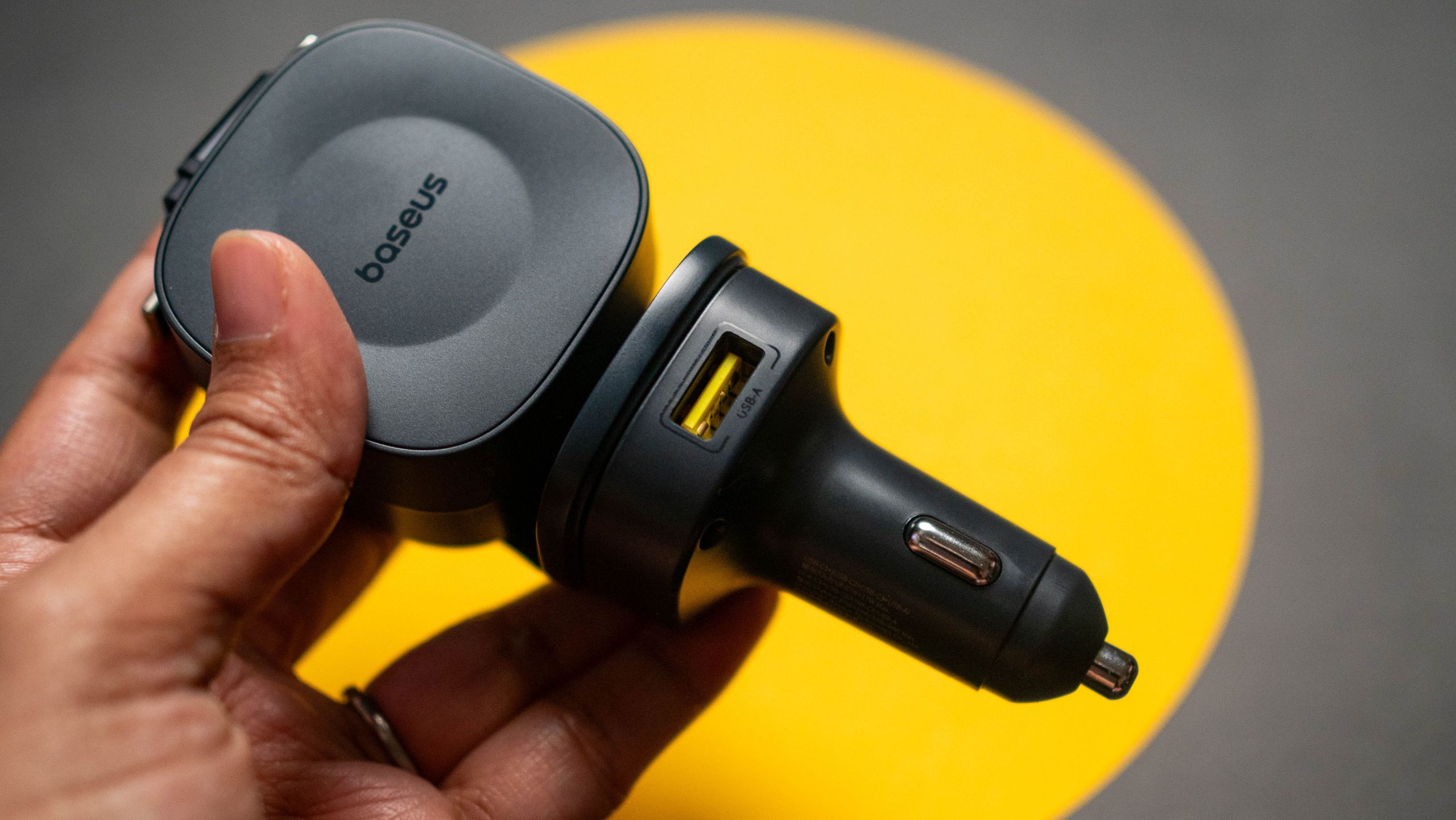
The top 3 reliable 100W car chargers that can actually power your laptop on the road


Plenty of excellent wireless car chargers can charge your phone on the go while also serving as a mount. I usually recommend these for everyday use, especially since the latest generation of wireless car chargers is Qi2 magnetic, so you don’t even need a clamp to mount your phone.

For long-haul journeys, I recommend wired car chargers instead because they support much faster charging speeds and let you recharge several devices at once. If you’re traveling with a laptop or a Chromebook, your car charger needs to support at least 60W to 65W minimum to be compatible.

This one WatchOS 27 feature just solved my biggest issue with Apple Watch


ZDNET’s key takeaways

  • This small WatchOS 27 update makes a big difference.
  • Apple rolled out the dynamic app grid on the Apple Watch.
  • You see fewer apps now, but that’s not a bad thing.

Think about all the apps on the Apple Watch that you use on a regular basis. You could probably count them on one hand or two. Me? I use the Fitness app most, followed by the Timer function, Messages, Activity, Heart Rate, and Sleep. That means that, out of the 40 or so apps displayed on my Apple Watch home screen, I use one-eighth of them each day.

Also: My favorite 5 Watch OS 27 upgrades – and how to try them yourself

The greatest software updates, in my opinion, don’t fundamentally reinvent a product. They simplify it. The dynamic app view on WatchOS 27 does exactly that.

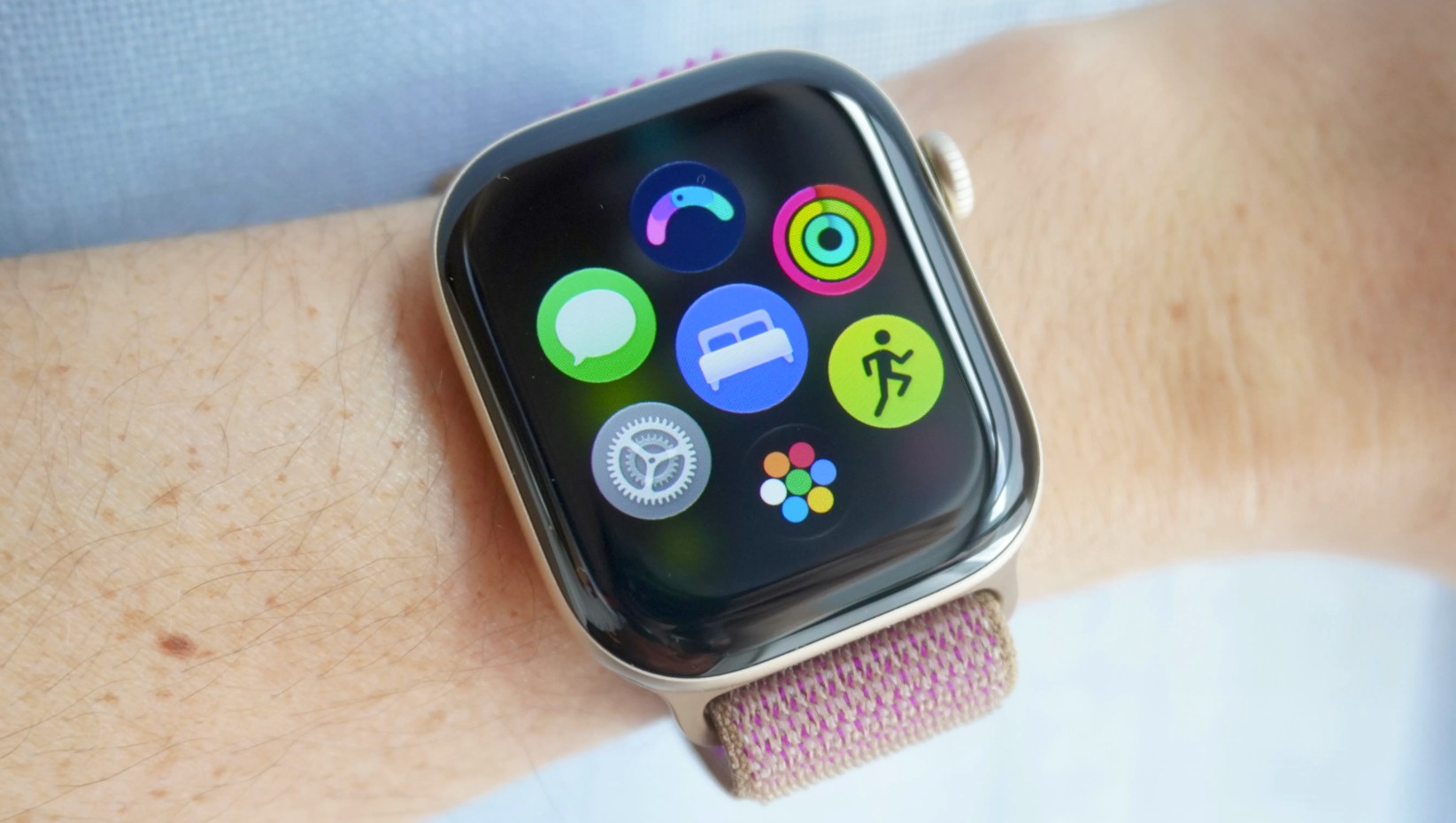
CNET

Previous software generations displayed every app available on the home screen, and the app size on the home screen was as small as a nail’s head. For those with larger fingers, selecting the right apps or smoothly interfacing with the device required extra precision and intention.

Also: Apple Watch Series 12 review: Finally, the health tracker I’ve been waiting for

The dynamic app view keeps your most-used and recent apps front and center, and puts the other dozens of untouched apps on the Apple Watch one more touch away. You’ll see this when you click the Apple Watch’s digital crown. Six of your top apps appear on the screen, and at the bottom is an app bubble that opens to your full home screen.

I found myself using the home screen less and less through this new configuration. Most of what I needed was already one digital crown press and one app tap away. It reminds me that user interface design philosophies don’t refine through addition but through subtraction.

Also: My 5 favorite Siri AI ‘on-screen awareness’ tricks – and why

I hope other smartwatches include this app view in their next software updates, specifically Samsung’s Galaxy Watch and Google’s Pixel Watch lineup.

You can still toggle between the list view and the grid view on the Apple Watch by swiping to the bottom of your screen’s display. I personally prefer the grid view to the list view, even though it reduces the touch surface area, because it lets me see every app I have — no scrolling necessary.

Can your Apple Watch get this update?

WatchOS 27 is available on the Apple Watch Series 9, 10, 11, and 12, Apple Watch SE 3, and Apple Watch Ultra 2, 3, and 4. You’ll have to update your iPhone first to iOS 27 to get the WatchOS 27 software update.

What else is new on WatchOS 27?

Siri AI is the biggest update. The new assistant is more agentic, quicker, and conversational. It’s got its own app, too. A new widget opens the Smart Stack with a gesture — this comes in handy for viewing the new step-tracking configuration on the Series 12 or identifying a song playing through Apple’s improved Shazam.