When playing a game on a computer, we have the luxury of being able to see exactly what actions we are making. But that can become a problem when we scale the game down to something we have to play on our phone. If the game we are playing is a card game, we will have the issue of us accidentally covering the screen when trying to press certain buttons. And worse still, if the on-screen instructions are too small, it becomes easy to hit a button by accident and move to another part of the game that we did not intend to go to. Therefore, before jumping to the conclusion that we need another application to play a certain game, let us see if we cannot find a control scheme that suits us better by using our phone. A simple suggestion of putting a red seven on a black eight will not change the way we play the game.
If we want to play a game of Klondike solitaire, all we have to do is open up PlaySolitaire in our browser and begin playing. We do not have to download anything, and the game offers some very helpful functions such as Draw 1 and Draw 3 and the Hint and Undo buttons. With this being the case, if we decide to play a different kind of solitaire that we have installed, we will want to make sure that we are comparing apples to apples, not apples to oranges.
Start with the same game
Solitaire is a family of games, not a single one. To make this comparison, choose Klondike – it’s got seven columns, a stock of unseen cards, and four foundations being built by suit from Ace to King. Spider or FreeCell would be a different comparison, telling you more about style preferences than browsers and apps.
Make sure their stock settings match too. Draw 1 exposes one card at a time versus Draw 3 which flips three cards and lets you play the top. The second setting allows you to access different cards. If a new application feels significantly harder, check to see if this is the case before blaming control schemes or feeling like the deals are stacked against you (pun intended). Score and timer settings should be compared where they exist.
Give the small screen a proper test
Do not judge a
by the initial deal when you only have a few cards in each column. Play until you get a longer sequence and see if you can still read the exposed ranks and choose the card you want. Try moving an entire valid sequence as well as a single card. A pretty layout in a screenshot goes away when several columns grow.
Try holding your phone in the way you normally do. Can you reach the stock without changing how you’re holding it? Are undo and new game far enough apart that you won’t mix them up? If rotating the phone changes the layout, see which orientation makes the cards easier to read. These are all personal usability things, not an argument that every app is better than any website, or the other way around.
Separate a bad move from a bad touch
Suppose that you intend to lay a red seven on a black eight, but grab the adjacent card instead. That is an input mistake, not a strategic one. Return to the browser example’s Undo control, reverse the move if one occurred, and try again deliberately. Repetition of selection errors is a valid reason to compare another layout.
A legal move that turns out to be unhelpful is a different case. Undo can get you through to checking alternative moves, while Hint can spot an available move when you have failed to spot a move. Neither is a guarantee of a winning deal. You should double-check what similarly-named controls in an app you are trying do, and whether their use has any restrictions.
Check what an installation would add
An app may be worth it if there is a key feature you want, such as a preferred layout or a clearly stated availability of an offline mode. You should read about the listing and payment terms rather than expect everything you have seen on a browser to install without ads or grant extra permissions on top. A free download and a universally free experience do not state the same conditions.
Reviewing requested permissions in the same practical manner is a matter of your choosing. On Android, open Settings and discover the game under Apps, examining Permissions; the exact path can vary per device. Ordinary card moves do not explain permissions for your contacts or microphone. If a permission request does not seem related, look up what the developer stated before letting the app do that. Using a browser does not let privacy concerns vanish, either.
Choose for the situation where you will play
For regular online play, having a bookmark is as simple as choosing a way back to the game. Chrome on Android also has the ability to create home screen shortcuts from a menu. Wording of items in a menu can change per versions, and a shortcut that opens a website is not a certainty that the game will work offline.
If you want solitaire but a flight or poor reception is expected, verify offline support ahead of time. Opening the game and new deal with WiFi and mobile data off is preferable than trusting something that happened to open. Instead, you should choose the version that lets cards be most readable, and the move most easy to make. The useful comparison is the next round you have actually played, not the number of features listed on a download page.
Understanding the DestinoDate official website on paper is one thing. Understanding what it actually feels like to use it day to day is another. This DestinoDate review focuses on the latter: how members access the platform, what the features do in practice, where the costs appear, and what the complaints reveal about the experience over time — not just at first login.
Getting Started: Registration and Access
DestinoDate is an online dating site accessible at DestinoDate.com through any browser. There is no native application; the platform runs on a mobile-optimized website, which is worth knowing before registering if a dedicated app is a priority.
DestinoDate login requires an email address and password, set during the initial sign up process. Email confirmation is required before a profile becomes active and visible to other members — a step that ensures every browseable profile has at least confirmed an email address. That is not a deep verification, but it does reduce the volume of accounts created and immediately abandoned.
DestinoDate operates on a free-and-premium model. Creating a profile and browsing members costs nothing. Sustained use of messaging features and access to premium items like stickers involve payment. DestinoDate cost is not structured as a flat monthly subscription — users pay for the features they actually use, which means active communicators spend more than occasional ones. That distinction is practical and worth knowing before engaging in multiple simultaneous conversations.
What DestinoDate Offers Day to Day
The day-to-day experience on DestinoDate centers on four activities: browsing profiles, initiating contact, managing ongoing conversations, and adjusting account settings.
Browsing works through a member gallery with preference settings that let members filter by age and location. Filtering by shared interests, personality traits, or values is not available. The activity feed shows recent content from the platform community, which gives members a passive way to stay engaged without actively messaging.
Initiating contact involves either icebreakers — multi-send opening prompts that reach multiple people at once — or a direct message. Icebreakers are member-initiated, not automated outreach. DestinoDate also offers a private chat template function within one-on-one conversations: pre-written options that members can select or adapt when they want structure in early exchanges. Neither tool is described by the platform as bot-assisted, and both are intended to reduce the friction of opening a conversation rather than replace it.
Ongoing conversations can take the form of short exchanges or in-depth correspondence — longer-form letters distinct from quick replies — which is one of the platform’s more distinctive day-to-day features for users who prefer depth in written exchange. In-chat photo sharing is available alongside text.
Account management includes profile deactivation — reversible, hides the profile and pauses notifications — and full deletion, which is permanent. Both options are accessible from account settings. The difference between the two is meaningful: deactivation is designed for users taking a break, while deletion removes the account entirely and cannot be undone.
Costs and Features: What’s Free and What Isn’t
The free layer covers registration, profile creation, email confirmation, and basic browsing. Premium features — stickers, sustained messaging tools — involve payment. DestinoDate does not operate on a subscription model in the traditional sense; the pay structure is tied to usage rather than a fixed monthly commitment.
A quick summary of what is and is not available on the DestinoDate site:
Premium (paid): Stickers, sustained use of messaging features
Not available: Mobile app, video calls, voice calls, interest-based search filtering
DestinoDate support is available around the clock. Complex account or billing questions are typically resolved within five business days. Users with concerns about specific behavior or content can reach the support team through the platform’s built-in reporting system, which covers profiles, messages, photos, and posts.
Is DestinoDate Legit and Safe?
DestinoDate is an operational platform with a functional sign up and login flow, a browseable member base, and structured safety tools. The safety question — whether it is safe to use — requires the same process framing that applies to any platform of this kind.
Os DestinoDate safe? DestinoDate takes measures to minimize unwanted content and works to detect and act on suspicious profiles. Users can report profiles, specific messages, photos, and posts at any point. The Trust and Safety team reviews reports and acts in accordance with the terms of service. Blocking is available from any profile or conversation and does not require a prior report to activate.
Many users can be verified through an identity confirmation process conducted by a recognized third-party vendor. Verification is voluntary — not a condition of access — and verified profiles carry a visible badge. According to a 2024 survey cited by the International Council on Active Aging, 90% of online daters believe platforms should verify user information. DestinoDate’s voluntary verification framework is the platform’s response to that expectation; whether it goes far enough depends on how much weight a particular user places on that badge.
DestinoDate Reviews and Complaints: The Recurring Themes
DestinoDate reviews and complaints across external platforms cluster around three issues. The cost model is the most common: users who message frequently find the pay-as-you-use structure more expensive than anticipated. The absence of a native app is a consistent note among mobile-first users. Preference setting depth — age and location only — frustrates users who want interest-based filtering.
On the positive side, users who engage with the extended messaging features tend to report the experience favorably. The icebreaker system and private chat templates are cited as useful friction-reducers for early contact. DestinoDate customer support responsiveness draws neutral-to-positive mentions in reviews that address it specifically, with few serious complaints about resolution times.
DestinoDate is legit. Whether it is the right platform depends on whether its design — correspondence-first, pay-as-you-use, browser-only — fits what a user is actually trying to do.
This article is published in partnership with DestinoDate. The views and information contained herein are for general reading purposes only. This content is not professional advice and should not be treated as such.
While watching lions and hyenas out in the field, wildlife biologist Nancy Barker noticed that lions were actively tracking the hyenas. When she shared her observations with her colleagues, they insisted she had it backwards; the hyenas were tracking lions for scavenging, not the other way around. Maybe what she saw were chance encounters, others said.
Turns out, Barker didn’t have it backwards—she was right. To test her hypothesis, Barker and her colleagues fitted GPS collars to 17 lions and 14 spotted hyenas from two different locations at the Etosha National Park in Namibia and the Chobe-Linyanti system in Botswana. Across thousands of observations, the team confirmed what Barker called a “hidden choreography” of interactions between the two predators. Namely, lions tended to approach hyenas, whose ideal distance from lions appeared to be on the scale of several kilometers—that is, hyenas didn’t seem interested in following the lions to scavenge, as was previously believed. If anything, they really wanted to stay away. The findings were published today in Frontiers in Ethology.
“It shows that their coexistence is managed continuously through movement, not just settled in dramatic clashes at carcasses,” Barker, who conducted the study as a PhD student at the University of KwaZulu-Natal in South Africa, told Gizmodo. “What we see isn’t fear; rather, it’s a subtle, persistent lean away from danger.”
The trick is in the details
For obvious reasons, tracking wildlife consistently enough to establish patterns is no easy task. As Barker told Gizmodo, “moment-to-moment interactions are nearly impossible to prove by observation alone,” and the latest study was designed to overcome these logistical challenges. The collars sent back positions of the animals to the researchers every five minutes. When the dots showed hyenas and lions at close proximity, the team carefully documented patterns in how the two interacted, organizing the data according to three independent statistical approaches.
Barker with an immobilized adult male lion from a pride in the Chobe-Linyanti floodplains. Credit: Nancy Barker
“If the patterns I’d seen in the field were real, they would show up as a consistent directional bias,” Barker said, “and they did.”
All three tests were clear in their conclusions. Hyenas didn’t fancy being anywhere near lions, never less to stick around for leftovers. Fascinatingly, it was usually the male lions reacting to the presence of hyenas, whereas female lions appeared comparatively indifferent. For Barker, the most surprising thing was the lengths (literally) the hyenas seemed to go to avoid lions; the evasive behavior was detectable out to several kilometers, she said.
Following the signs
These observations were “mostly beyond the view of any observer,” Barker explained, and the GPS collar approach proved surprisingly efficient. For instance, the team realized one pair of collared lions was actually mating, and its movement data was very consistent with known patterns of lion courtship. Later, the team confirmed directly that the two were, indeed, an item.
“If collars can reveal courtship, competition, and coexistence without an observer present, we have a new window into the lives of animals we can rarely watch,” she added. Although this isn’t the first time that scientists have pointed out that hyenas don’t steal or scavenge from lions as often as we might think, the misconception still appears to be present. The latest findings further add to evidence that carnivore interactions are a lot more complex than what might seem “obvious” to us, according to the paper.
A hidden life
That said, the researchers noted in the paper that the study had some limitations, such as a small sample size, and some observations regarding the sex bias of this behavior need further validation. Still, the study opens new avenues for research, as well as discussions on the complicated ways in which carnivores share space across different ecosystems—inquiries that might be more urgent than we’d like to believe, Barker said.
Barker standing near a spotted hyena at Etosha National Park. Credit: Nancy Barker
“There is far more going on in these systems than we can see [that] are at risk of destroying them before we’ve even documented them,” she said. “If a pattern this fundamental went undetected between Africa’s two most-studied large carnivores, imagine what we still don’t know about the predators being persecuted and driven out of landscapes around the world.”
September is here with 28 more games streaming on GeForce NOW this month, led by a slam dunk: NBA 2K27 with the NVIDIA DLSS 5 3D-Guided Neural Rendering feature.
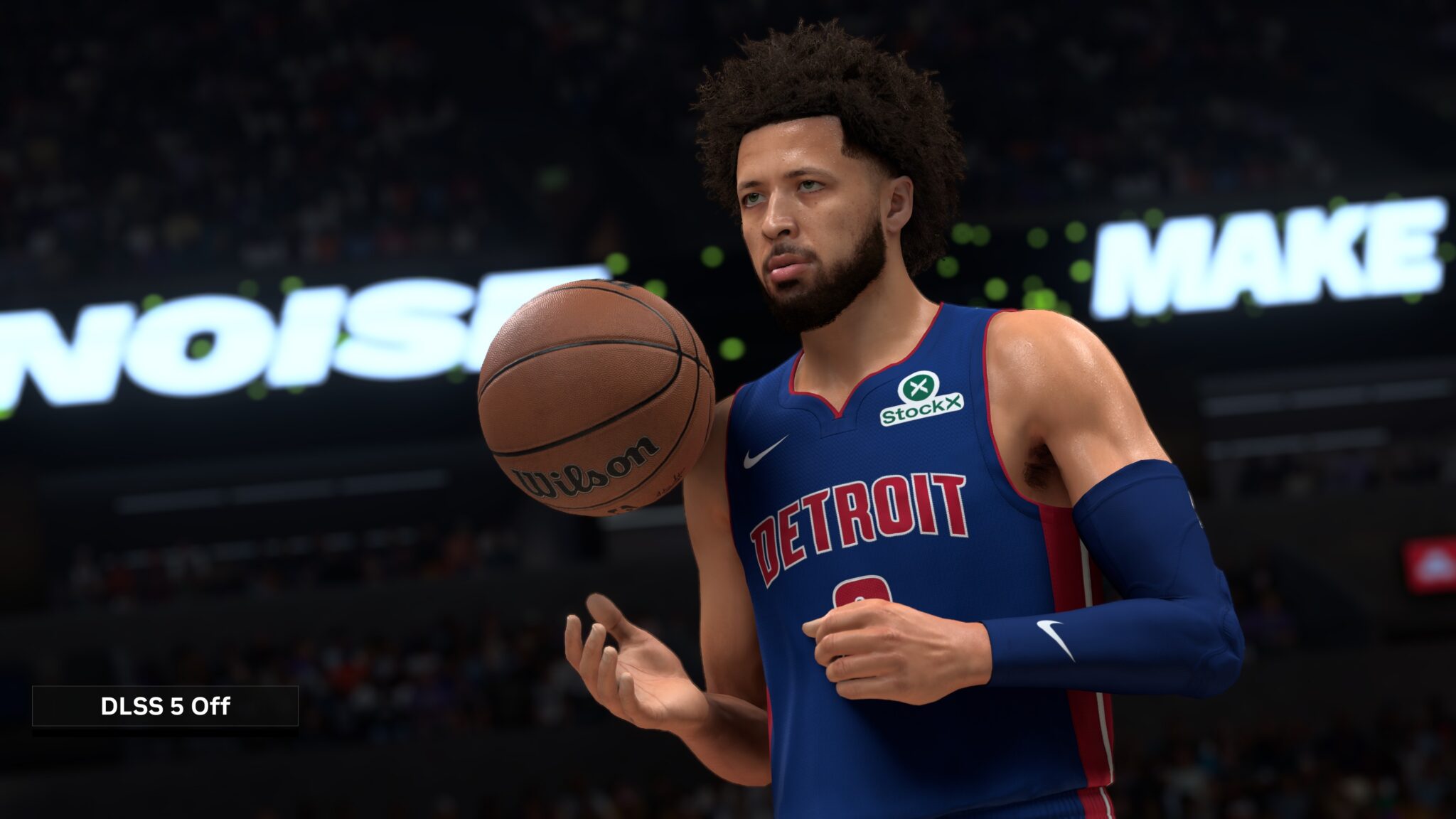
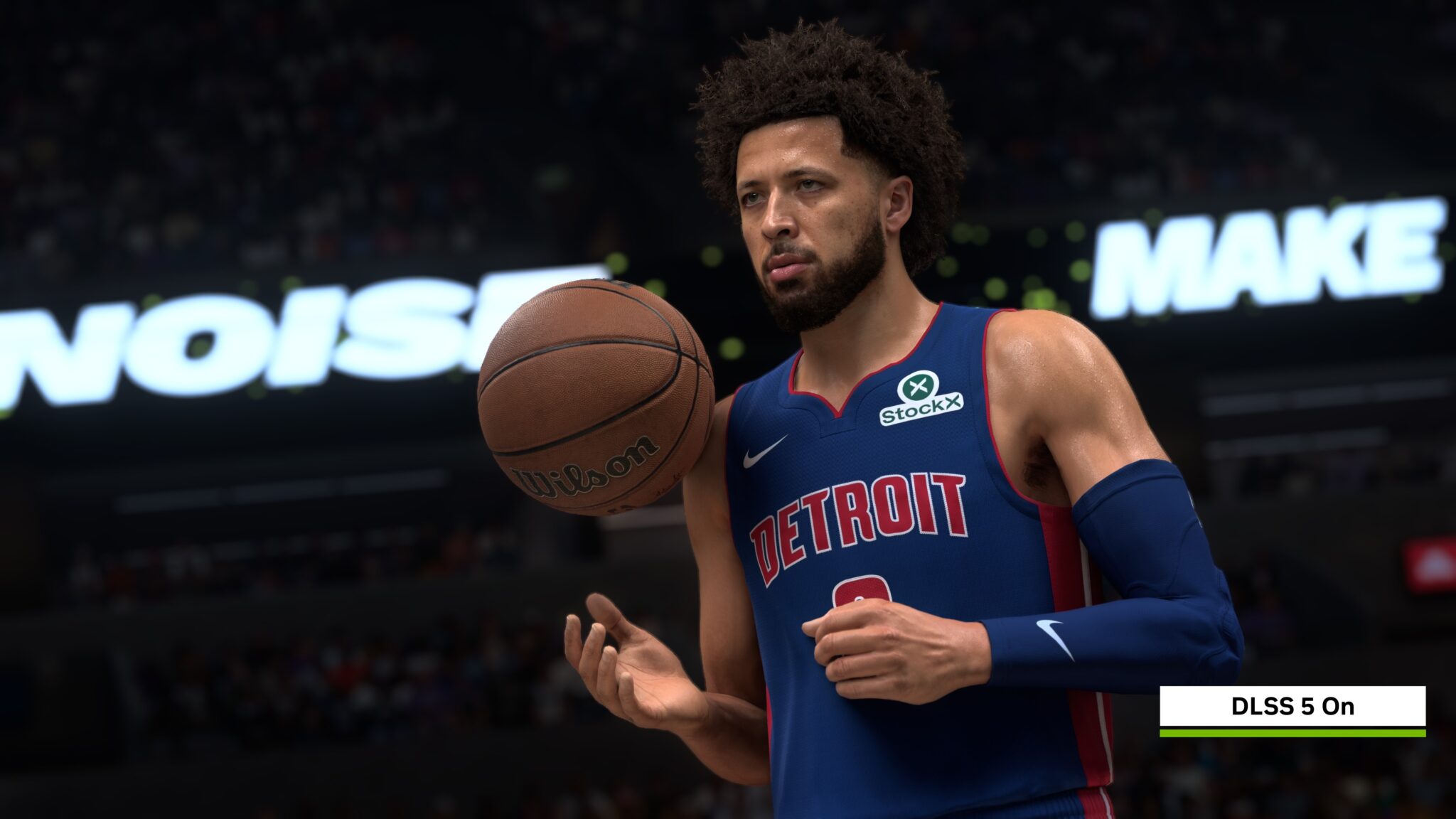
Through NVIDIA’s close collaboration with Visual Concepts and 2K, DLSS 5 brings a new level of lifelike lighting and material detail to the court — tuned by developers to support the game’s authentic broadcast-style presentation.
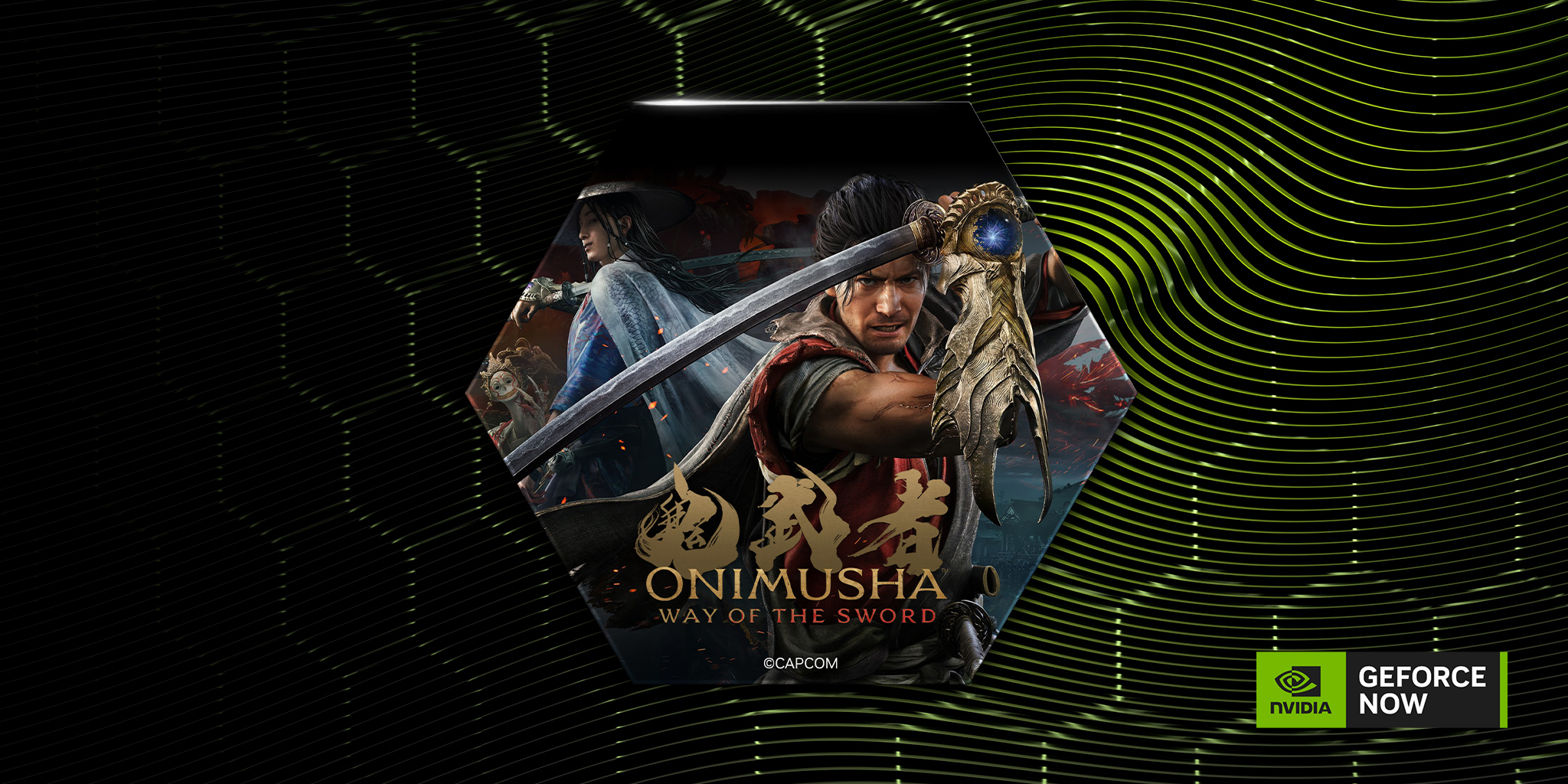
Members can also walk the line between human and vampire in Rebel Wolves’ The Blood of Dawnwalker and step into genma-haunted Kyoto in Capcom’s Onimusha: Way of the Sword — part of the 10 games joining the GeForce NOW library this week.
Take the Court With DLSS 5
Showcase your moves.
NVIDIA,Visual Concepts and 2K have brought DLSS 5 3D-Guided Neural Rendering to NBA 2K27, delivering a new level of sports realism for players streaming from the cloud at launch.
DLSS 5 enhances and tunes lighting and materials to make the action feel even more lifelike — from how light catches hair and skin to the detail preserved in the facial geometry of real-world athletes — achieving new levels of authenticity.
GeForce NOW Ultimate members in NVIDIA-operated regions can stream NBA 2K27 across PCs, Macs, handhelds, mobile devices, TVs and more. DLSS 5 is available when streaming from a GeForce RTX 5080-powered rig in the cloud.
Tip off without waiting for downloads or managing storage, and experience NBA 2K27 from the cloud with the visual fidelity of DLSS 5.
Walk the Line Between Day and Night
Human by day. Vampire by night.
Rebel Wolves’ newly launched The Blood of Dawnwalker is streaming from GeForce NOW. The open-world, dark-fantasy action role-playing game transports players to 14th-century Europe, where war, plague and rising vampire powers have reshaped history.
Play as Coen, a young Dawnwalker fighting to save his family while caught between his humanity and cursed vampiric strength. His abilities — and the choices available to him — change between day and night, shaping how players explore, fight and uncover the secrets of the world around them.
Sink teeth into the fresh adventure from nearly any supported device, with Ultimate members tapping into GeForce RTX 5080-class performance in the cloud. Skip the installs and let GeForce NOW handle the heavy lifting, leaving more time to take a bite out of everything Coen’s new world has to offer.
Skip the Downloads and Sharpen the Sword
Pick up the Oni Gauntlet.
Capcom’s Onimusha: Way of the Swordarrives on GeForce NOW at launch, giving members a way to jump straight into the series’ return instantly from the cloud.
Fight across a twisted vision of Edo-period Kyoto as a lone samurai wielding the mystical Oni Gauntlet. Master precise swordplay, unleash powerful abilities and absorb the souls of fallen enemies while battling relentless Genma beneath mysterious clouds of Malice.
Ultimate members can stream every clash with GeForce RTX 5080-class performance in the cloud across PCs, Macs, handhelds, mobile devices, TVs, the newly supported Firefox browser and more. Cut to the chase by skipping any downloads and storage management and step into battle.
In addition, members can look for the following titles streaming this week:
Dates listed above reflect when games are released on their respective stores. GeForce NOW availability may vary, as games are onboarded after release and added throughout the week. Keep an eye on GeForce NOW channels and GFN Thursdays for availability updates on announced titles.
New to GeForce NOW? Start with a day pass to try premium cloud gaming before committing to a membership. Better yet, the cost of the day pass can be applied toward a first monthly membership — making it easy to try GeForce RTX-powered cloud gaming with the latest releases, then level up for more.
What are you planning to play this weekend? Let us know on X or in the comments below.
Becoming a content creator starts with one simple idea: create content around something you care about. Whether your passion is music, fitness, travel, collectibles, podcasts, fashion, fishing, or something completely different, there is an audience looking for content they can enjoy, learn from, or connect with.
The challenge is building a content creation workflow that helps you produce better videos while giving you the flexibility to share them across multiple platforms.
Start With Content You Care About
Your interests are your starting point. Great content can come from almost anything, including:
Makeup and fashion
Sports cards, Pokémon, and collectibles
Fishing, hiking, and outdoor adventures
Travel
Music
Health and fitness
Podcasts
Gaming
Tutorials and educational content
If you are passionate about a topic, there is likely an audience that shares that interest.
The goal is to teach, entertain, inspire, or connect with your audience while building your personal or business brand.
Grab Your Audience Early
Once you have an idea, give viewers a reason to keep watching. Start with something interesting, get to the point quickly, and make the value of your video clear.
Strong visuals also help. Instead of relying on one static shot, consider using:
Wide shots
Medium shots
Close-ups
Detail shots
Alternate camera angles
Movement
Visual variety can make your production more engaging and help tell your story.
Get More From a 4K Camera
A 4K camera can give content creators more flexibility during production and editing. By capturing a larger 4K image, you can crop into the footage to create multiple HD views.
For example, one camera can provide:
A wide shot
A medium shot
A close-up
This approach can help create the look of a multi-camera production while giving you more options from a single source.
Build a Multi-Camera Production
As your content grows, adding additional cameras can give your audience new perspectives. Use cameras to capture close-up details, overhead views, demonstrations, reactions, and other angles.
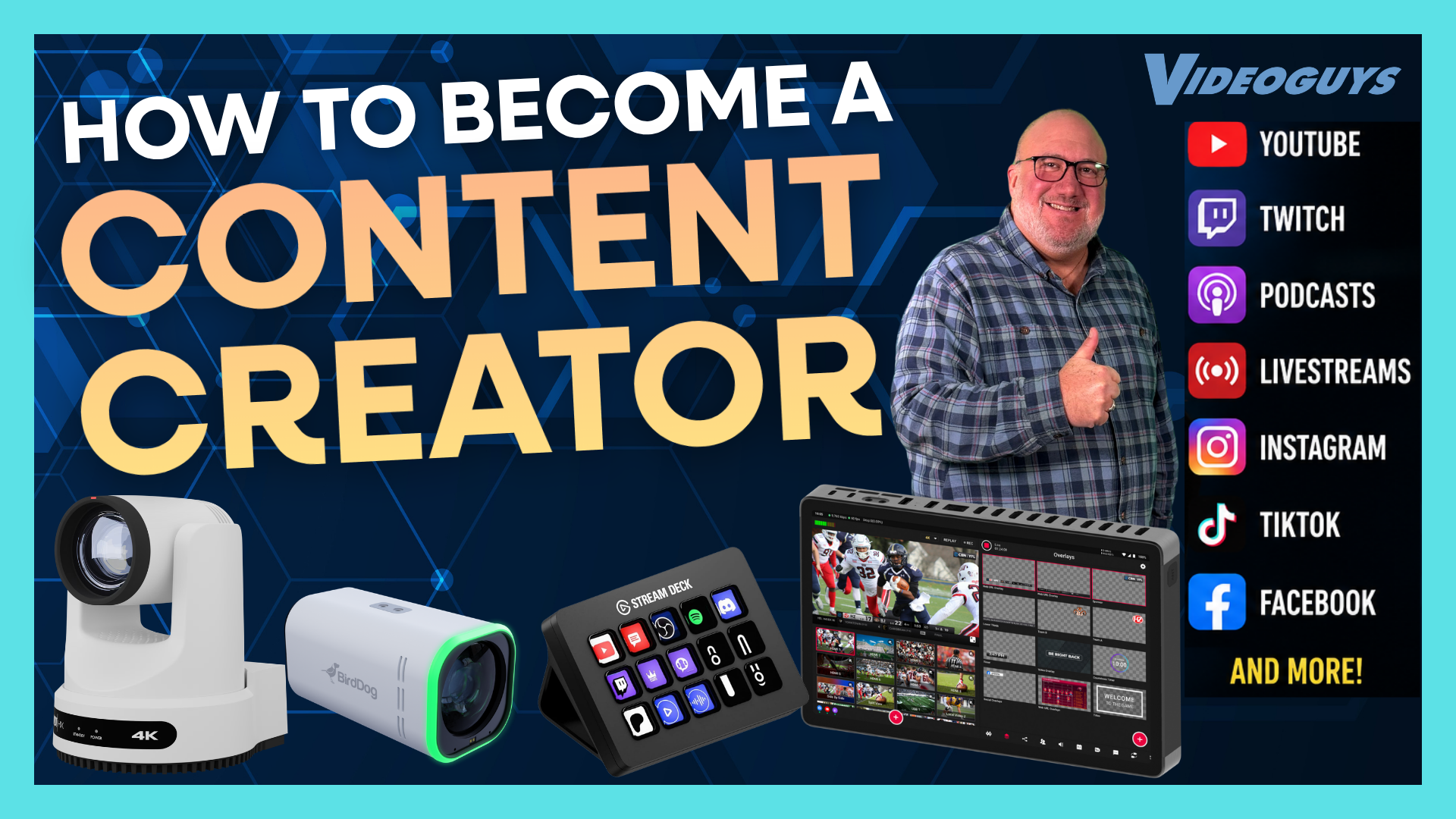
PTZ cameras are especially useful for content creators because they can provide smooth camera movement, remote control, and presets while making it easier to manage multiple camera positions.
Every camera should have a purpose. The right combination of angles can make your content feel more dynamic without making the production unnecessarily complicated.
Create Once. Distribute Everywhere.
One of the biggest advantages of a strong video workflow is the ability to repurpose your content.
Start with a quality 16:9 video, but consider other formats while you’re shooting. A single production can become content for:
You can also turn longer videos into YouTube Shorts, Instagram Reels, TikToks, clips, and social media posts.
The goal is simple: create great content once, then find every place it can live.
Simplify Your Content Creation Workflow
Production tools can make it easier to manage your workflow as you grow. A Stream Deck, for example, can give creators quick access to frequently used actions, production controls, software functions, and other workflow shortcuts.
The right equipment depends on what you create. A basic setup might start with a camera, microphone, lighting, and computer. As your audience and production needs grow, you can add additional cameras, PTZ cameras, switching equipment, streaming tools, and other production gear.
Start Creating
You don’t need to have the perfect setup on day one.
Pick something you care about. Give people a reason to watch. Create great content. Distribute it everywhere. Then improve your production as you grow.
The best way to become a content creator is to start creating.
Need Help Building Your Content Creation Setup?
📞 Call Videoguys at 800-323-2325 to talk with our team about cameras, PTZ cameras, streaming equipment, multi-camera production gear, and other solutions for your content creation workflow.
Samsung highlights achievements by its Galaxy Z8 series in 2026, stating the Fold 8 and Fold 8 Ultra sales are topping the Fold 7 by 30% with “high demand.”
While the Flip 8’s sales are far lower, Samsung states the clamshell is succeeding as an entry into foldables, and it’s also successfully getting users to switch to the Korean OEM.
The company also highlights hardware changes in the series, such as the Fold 8’s light 201g weight, the bigger 5,600mAh battery in the Fold 8 Ultra, and more.
Samsung is highlighting the achievements of the Galaxy Z8 series, as it notes higher sales and the “highest share of buyers” for one phone.
Today (Sept 8), Samsung published its official insights into the Galaxy Z8 series following the trio’s launch this summer. Among its shopper analytics, Samsung states consumers have enjoyed the Galaxy Z Fold 8’s “thin and light design for greater portability.” Alternatively, consumers preferred the Fold 8 Ultra for its larger display. It seems the most common feedback Samsung received was that the Fold 8 Ultra’s display reduced the need to carry a tablet.
As a result, Samsung observed “high demand” during the strong pre-order period for these foldables.
Latest Videos FromAndroid Central
Together, the post states the Fold 8 and Fold 8 Ultra are outpacing the Fold 7’s sales by 30%. Additionally, these book-style foldables account for 80% of all (current) foldable sales this year.
(Image credit: Derrek Lee / Android Central)
The Galaxy Z Flip 8 has seemed to fall by the wayside this year, but Samsung has excelled in other areas. According to its data, the Flip 8 has reportedly succeeded in getting consumers to switch from other brands. Samsung states 30% of Flip 8 buyers come from competing brands. What’s more, “most of those buyers are first-time foldable owners.”
Samsung goes down an interesting route. It states that the Flip 8 (or the Flip series in general) serves as a springboard for consumers new to foldables. With that in mind, there are reportedly “more than three times” the number of Z Flip users trading in for a Fold 8 or Fold 8 Ultra in 2026. These numbers are up compared to the Flip 7.
Samsung has observed positivity and growth for its foldables this year. Alongside its sales overview, it also detailed key engineering facts about the devices. The Galaxy Z Fold 8, for example, is just as thin as the Fold 7 (8.9mm); however, it’s lighter at 201g. Flex Titanium is a technology Samsung uses for the Fold 8 and Fold 8 Ultra. The post states this tech utilizes Titanium Alloy Film, which is “one-third the width of a human hair.”
Get the latest news from Android Central, your trusted companion in the world of Android
The materials and structure used reportedly maintain foldable performance despite its thinness. What’s more, the Fold 8 Ultra features a 5,000mAh battery (up from 4,400mAh last year) with greater heat-dissipation capabilities. Samsung says it increased this by 7% over the Fold 7.
Samsung’s 2026 foldables
(Image credit: Derrek Lee / Android Central)
Android Central’s Take
I’m glad to finally see something about the Flip 8. Don’t get me wrong, I almost traded in my phone for the Fold 8. But the Flip series was previously its most popular. Now, the script’s flipped. Newer users are opting for the Flip to get into foldables before switching to the others. What’s more, Samsung says the Flip is succeeding in getting users to switch to its brand of foldables. It makes me wonder just how satisfied Samsung is with its performance and trends.
This isn’t the first time we’ve heard about Samsung’s foldable sales performance. Rumors started late in July, after Unpacked, that the Galaxy Z Fold 8 sales had skyrocketed. We were only in the pre-order phase, but that reportedly didn’t stop websites overseas from crashing in the rush of consumers. Sites were crashing within 30 minutes after the product became available for pre-order. Additionally, reports said that shipping dates were delayed, as companies needed more inventory to meet demand.
We’re now seeing the whole picture from Samsung. Sales have clearly turned positive for the company. While the Flip 8 has totalled far less than the Fold 8/Fold 8 Ultra, it’s found success in another area that Samsung might feel satisfied with.
Girl Scout cookie season doesn’t start until January, but when it arrives, two new cookies will appeal to groups who likely haven’t been able to indulge in Girl Scout cookies before: people with dietary restrictions, and dogs.
Sparkables, a crunchy, allergy-friendly oatmeal cookie with chocolate chips and rainbow sprinkles, is formulated for those who are nut-free, gluten-free and vegan. They were developed with Partake Foods, and include whole-grain oats, organic brown sugar, semisweet chocolate chips, cassava flour, oat flour, white rice flour and more. See the full ingredient list online.
Sparkables are meant to include people with food allergies in Girl Scout cookie season.Girl Scouts of the USA
Patch Pals, a soft-baked, blueberry muffin-flavored treat specifically for pups, was developed with the pet-product company Bark. The treats, which feature four designs representing iconic Girl Scout patches, are for dogs who weigh more than 5 pounds and are older than 6 months. Nutritional info and other details available online.
Sparkables and Patch Pals will only be sold online, so you can’t order them from Girl Scouts outside your local store. The new varieties will be available for shipping when Girl Scout cookie season launches on Jan. 12. You can sign up now to receive a reminder when that date comes.
CNET editor Gael Fashingbauer Cooper, a journalist and pop-culture junkie, is co-author of “Whatever Happened to Pudding Pops? The Lost Toys, Tastes and Trends of the ’70s and ’80s,” as well as “The Totally Sweet ’90s.” She’s been a journalist since 1989, working at Mpls.St.Paul Magazine, Twin Cities Sidewalk, the Minneapolis Star Tribune, and NBC News Digital. She’s Gen X in birthdate, word and deed. If Marathon candy bars ever come back, she’ll be first in line.
See full bio
With today’s advancements, businesses use product innovation experts and strategies that can enhance their projects. Businesses and companies use co-creation and design crowdsourcing platforms to gather ideas for engineering solutions and feedback from a pool of 3D artists who are experts, not just locally but globally. These platforms make it possible to collaborate easily and are more affordable than traditional ones.
The following list contains a lot of helpful information on choosing the best crowdsourcing platforms that could meet the needs of every client. Make sure you refer to this list the next time you need to hire an expert.
1. Cad Crowd
Cad Crowd is one of the platforms that are known globally when it comes to design services, including engineering design, CAD drafting services, product development, and other manufacturing services. It is a platform that consists of a massive pool of talent that has various specializations in different areas. One way to achieve project success is to take advantage of modern tools and methods. It is important to adapt to the growing trend and gain access to experts. One leading platform is the Cad Crowd, which has a massive pool of experts, such as CAD designers and engineers, who could help a lot in achieving every goal of the company.
Having to employ those who can offer benefits to the companies and businesses is a great decision, as it will help the company thrive in the field. Unlike the freelancing websites that are found to be general, Cad Crowd focuses more on the technical and engineering expertise. To mention, clients who make use of Cad Crowd can launch a design contest, including a prize, to gain a lot of diverse talents, or through that, they can hire vetted freelancers. Cad Crowd has more than 10,000 engineers, industrial designers, and 3D artists, and they have also worked with clients such as Tiffany & Co. and KPMG.
This platform is well suited for companies that need 3D modeling, reverse engineering, prototyping, mechanical design, or support for manufacturing. By being able to use this platform, clients can match with the professionals and freelancers who support the product innovation projects ranging from the invention to the manufacturing. There are also pros and cons in utilizing every platform and such; it is important to be aware of how it can meet the client’s needs and goals:
Pros:
The pros of using this platform are the following:
Clients can have access to the highly skilled talents and freelancers, such as engineers and those who specialize in CAD.
They have deep expertise in new product design, BIM, CAD, and 3D modeling, which are not covered well in general platforms.
It also has the NDA and IP protection support to be able to be secured throughout the making of it, which is also suited for industrial and hardware clients.
This platform is suited for any startups, investors, and enterprise projects, which can be helpful in developing physical products.
It offers a contest-based and direct hiring option to see and work with the vetted freelancers.
Cad Crowd has the specialization in being able to handle complex industrial projects.
Cons:
The cons of using Cad Crowd are the following:
Cad Crowd centers on having more of a technical focus rather than a creative-focused platform. Due to the technical complexities it has, it can overwhelm beginners who use it.
It is not an ideal platform when it comes to the needs of simple graphic design.
The complex engineering projects may be costly, which requires a large budget.
The pricing found in this platform is quote-based for the managed projects, which means that it does not offer fixed packages for the services they have.
Overall, Cad Crowd is best for engineering firms, startups, industrial designers, and product developers. This platform is fitted for technical product innovation and engineering-focused collaboration.
99designs is globally recognized as a design crowdsourcing platform. It makes it possible for businesses to launch design contests where various product designers can submit their concepts based on the given criteria. It has a specialization when it comes to logos, branding, packaging, web design, and some creative identity projects. This platform is known to have millions of designers found globally and is being used by a lot of companies. 99designs allows clients to have freedom when it comes to hiring freelancers. They can evaluate and apply a hiring process that best suits the candidates to ensure that they match the project requirements.
Through having a contest that has a brief description of what they are looking for, they can receive multiple inputs coming from various designers that can be a basis for them to hire the specific freelancers. In addition, portfolios are also a great example of how clients can have a perspective on the work of freelancers.
Pros:
The pros of using this platform are the following:
99designs has the largest pool of graphic designers when it comes to the contest model.
Categories also vary when it comes to design, which is a great start for the clients to easily spot what they are looking for.
It has the best and excellent contest-based workflow.
This platform is great for branding and logo design that a client would like to see. It also provides quality control and designer screening to ensure that all of the objectives are possible to be attained.
Cons:
The cons of using 99designs are the following:
It can be costly and expensive when premium contests take place. Freelancers and designers can work on different projects without the assurance that they will receive payment.
Some of the submissions might be repetitive.
99designs is an excellent choice for branding and creative design projects. It is ideal for businesses that seek to have multiple creative concepts in just a quick span of time.
DesignCrowd was founded in Australia. It makes it possible for businesses to crowdsource the things they need, such as 3D logo design services, illustrations, and web designs, which can be sought from different freelancers across the world. It receives multiple entries coming from the various freelancers, designers, and creative needs of the businesses. Just like 99designs, DesignCrowd also has a contest-style form.
This platform has a focus on graphic design. DesignCrowd is helpful in the brainstorming phase as it can be cost-effective, especially in the early phase of the product.
The pros of using this platform are the following:
This platform does have a massive global community consisting of 3D designers.
It is affordable to use as it has a lower starting price. When compared to 99designs, it is a more affordable option.
Wide variety of design categories
Fast turnaround when it comes to creative submissions
A platform that is a strong fit when it comes to logos, T-shirts, brochures, business cards, and websites.
Cons:
The cons of using DesignCrowd are the following:
DesignCrowd may have hidden fees, such as posting, transaction, and project management fees.
The quality of the designs can be inconsistent over time.
It does require active feedback management throughout the process, making DesignCrowd’s site interface is less polished in comparison to 99designs.
DesignCrowd is a flexible and affordable platform that you can use for any business that wants to have access to the global design community while having diverse creative ideas.
Crowdspring is a platform that is best known in the field of branding, logo creation, product packaging services, and naming services. It makes the crowdsourcing process easier with the use of guided project briefs. Being able to use this platform encourages designers to showcase their creativity in their work, as well as receive collaborative feedback. Crowdspring has a wide array of visual and brand identity services from which clients can choose. One example is that clients can name their own prices, which allows them to have custom work that fits their budget. This pricing flexibility is appealing to the clients, making them want to partner with Crowdspring.
Pros:
The pros of using this platform are the following:
It does have a strong branding expertise, which brings out the best in the visuals of the product, thus gaining trust from the potential clients or buyers.
It does have strong customer support to offer.
It is best for startups and small businesses as it has pricing options that are affordable.
By utilizing this platform, it has a limited engineering-related service.
Some of the freelancers and designers found on this platform do complain when it comes to the payment issues, and the top designers might cost more to employ.
It might be slower to use for large projects.
The platform, Crowdspring, is seen to be reliable, especially for startups and businesses that seek to have an affordable and professional branding solution while having customer support.
Designhill leans more on the logo, packaging, and product design services. Contests can take place on this platform, and the clients can post the details of the contest, and they can hire freelancers directly. This platform has a focus on conceptual visualization, such as 3D visuals and interior designs. Rather than hiring a single designer who will do the tasks needed, clients can have the choice to just write brief details about the requirements they need and launch the contests. After that, multiple designers can post and submit their concepts, and the client can choose one that’s best aligned with their project needs.
Pros:
The pros of using this platform are the following:
This platform does have 24/7 customer support.
Easy-to-use platform and is affordable for startups.
It offers AI-powered design tools.
It has the built-in logo maker tool for DIY needs and a print-on-demand marketplace
Cons:
The cons of using DesignHill are the following:
It could be time-consuming to review and do quality control of concept submissions
Some of the contests being posted may attract unnecessary generic designs.
It has limited technical product innovation services.
Designhill is a platform that is practical and best suited for startups and entrepreneurs who seek accessible and budget-friendly design and branding services.
Jovoto is a platform that focuses on having a collaborative innovation campaign, which includes the creatives, strategists, and innovators. It has a community with over 120,000 professional 3D designers and creative minds that can help achieve the clients’ goals. Unlike the traditional freelance marketplaces where clients can just hire one freelancer directly, this platform allows for a collaborative challenge model.
Pros:
The pros of using this platform are the following:
This platform, Jovoto, is best known for its collaborative idea development.
It is helpful when it comes to corporate innovation campaigns.
It has a strong focus when it comes to the innovation strategy.
Jovoto is being used by the major global brands for research and development and marketing challenges.
Cons:
The cons of using Jovoto are the following:
It is not built for startups and small businesses that have a limited budget because of its premium pricing.
OpenIDEO is a global open innovation platform that is created to be able to resolve social, environmental, and community challenges with the use of co-creation. It empowers the worldwide community to address the challenges through the use of the principles of human-centered design.
The pros of using this platform are the following:
It is a mission-driven innovation project.
It has the aim to be a collaborative community; it has over 100,000 social innovators.
OpenIDEO encourages social impact solutions.
This platform is a strong fit when it comes to foundations, NGOs, governments, and CSR initiatives.
It does have a high brand value for the sponsors that are aligned with the mission-driven work.
Cons:
The cons of using OpenIDEO are the following:
This platform is not designed for commercial product launches or for branded deliverables.
It is not ideal when it comes to direct freelance hiring.
OpenIDEO has limited monetization opportunities.
Limited ideas coming from the challenges are being funded or implemented over time.
An excellent platform when it comes to collaborative social innovation projects is OpenIDEO, which aims to make a positive community and global impact.
HeroX enables organizations to launch crowdsourced innovation competitions for solving scientific, engineering, and social problems. This platform talks about two popular concepts, such as open innovation and crowdsourcing. HeroX is a challenge-based innovation platform. Some of the major organizations have already used it, such as NASA.
Pros:
The pros of using this platform are the following:
It is best suited for 3D gaming design, especially innovation challenges.
It has a global expert participation.
HeroX can support large-scale problem solving.
This platform encourages breakthrough ideas.
This is well suited for the complex and high-prize challenges, as it has a strong infrastructure for IP handling and prize distribution.
Wazoku Crowd is known as InnoCentive. This platform has a specialization in enterprise innovation and idea-solving communities. It is a global open community consisting of hundreds of thousands of expert problem solvers. Being able to use this platform allows for collaboration to happen since it brings the startups together and individuals to brainstorm, design, and find solutions.
Pros:
The pros of using this platform are the following:
It is an enterprise-grade innovation tool.
This platform focuses on a strong scientific and R&D focus.
It is a global solver community.
It has a strong IP management workflow and proven results with NASA, P&G, and global pharma.
Cons:
The cons of using Wazoku Crowd are the following:
This might be expensive for the small business to use.
It required structured innovation processes.
A platform that is more suitable for corporations, it is the best fit for technical R&D and not for visual and design work.
Wazoku Crowd is best for enterprises that require advanced innovation management and scientific problem-solving capabilities.
Topcoder is a crowdsourcing platform and a global community that allows for a connection with corporate clients and expert developers, data scientists, and designers through competitive programming and task-based challenges.
Pros:
The pros of using this platform are the following:
Clients can have access to the elite software developers.
The presence of excellent experts for coding competitions can be found in Topcoder.
It has a strong AI and data science community. It has established a marketplace with a proven enterprise track record.
This platform offers both the contest-based and managed delivery models.
Cons:
The cons of using Topcoder are the following:
It is very technical and has a steep learning curve for first-time clients and customers.
This platform does not center on graphic design.
It is less appealing to use for the non-technical creative briefs.
A leading platform, Topcoder, is best for technical innovation, software development, and competitive programming challenges.
Tongal is one of the platforms that specializes in crowd-sourced video production, advertising, and branded content. Some of the brands have utilized this platform for campaigns and content production; these companies and brands include Lego, Mattel, and other major film studios. Creators all over the world can have the chance to submit their ideas and pitches. If a brand approves the pitch, it means that the project is being funded.
Might be costly due to the premium creative campaigns.
Tongal is one of the outstanding platforms that can be found. This platform is for businesses that seek to make engaging video content or have creative storytelling campaigns.
Threadless was founded in 2000. It acts as a crowdsourced model where the creators, designers, and freelancers have the chance to submit their designs. The products are being printed and fulfilled only when they are selected or purchased. This platform operates as both the co-creation engine and print-on-demand storefront.
Pros:
The pros of using this platform are the following:
This platform gives you the chance to work with the passionate and established product modeling artists in the community.
This is best when it comes to the apparel, accessories, and pop culture-aligned merch.
Threadless is more focused on the apparel side or the wearable categories.
It can be highly competitive here.
Earnings may vary significantly.
It cannot be a fit for the B2B or industrial design needs.
Since it has a community voting system, less control for the buyer could happen, which means that the outcomes are being depicted and shaped by the community’s taste,
Threadless is a platform for artists and designers who have an interest in merchandise creation and apparel innovation.
GrabCAD Community is known to be widely used by engineers and CAD design professionals for sharing models and collaborating on technical projects. This platform is owned by Stratasys and is often sponsored by NASA, GE, and other industrial clients. GrabCAD acts as an open platform to impart knowledge and experience in the said design challenges and industry.
Pros:
The pros of using this platform are the following:
It has a large engineering community.
It has strong CAD collaboration tools and a free model file library.
The GrabCAD community does have a valuable learning resource.
High credibility within the engineering community.
Cons:
The cons of using GrabCAD Community are the following:
Challenges on this platform are frequent, and they are not always open to private clients.
It has limited support when it comes to non-engineering creative work.
Less suited for the branding projects.
Some of the advanced tools require subscriptions.
GrabCAD Community is a valuable platform, especially for engineering design services collaboration, technical learning, and CAD resource sharing within the design industry.
IdeaScale acts as an innovation management and crowdsourcing platform. It makes it possible for the organizations to collect, evaluate, and implement ideas coming from the employees and customers. It focuses on providing a centralized hub where large groups can submit, refine, and vote on the concepts.
Pros:
The pros of using this platform are the following:
It has an excellent idea when it comes to the management features.
IdeaScale has strong analytics and collaboration tools.
This is the best idea for the enterprise innovation programs.
The government and enterprise trust this platform.
IdeaScale has robust workflow tools such as voting, scoring, evaluation, routing, and implementation tracking.
Cons:
The cons of using IdeaScale are the following:
This platform may be quite expensive because of its pricing structure
It requires active community participation.
This platform is less suitable for freelancers.
It is designed for the ongoing programs and not for one-off design contests.
It has SaaS subscription pricing.
IdeaScale is known to be one of the most effective platforms for an organization that looks for structured idea management and collaborative innovation processes.
Chaordix is a platform that functions as an all-in-one community operating system that centers mainly on co-creation, user engagement, and continuous market research. It also focuses on customer-driven innovation and community engagement. LEGO, IBM, and some other companies typically utilize this platform.
Pros:
The pros of using this platform are the following:
It has a strong customer feedback integration.
This platform is best for brand communities.
It supports the long-term innovation strategies.
It is a strong fit for the brand co-creation and customer insight programs.
This platform integrates crowdsourcing, surveys, and ongoing engagement in one platform.
Cons:
The cons of using Chaordix are the following:
This platform has enterprise-oriented pricing – SaaS pricing.
It requires dedicated management.
It may have limited freelance marketplace functionality.
This platform is less useful for the needs of transactional designs.
The tech and onboarding can be heavier when compared to the simpler contest platforms.
A platform that is ideal for companies that want to strengthen their customer-driven innovation is Chaordix. It builds a long-term collaborative community.
HYVE Crowd is known to be a global crowdsourcing and innovation platform, wherein its focus is to address specific design engineering, design, and business challenges. It supports collaborative product and service innovation. It is not just limited to the 3D assets, but it can also include submissions such as text, ideas, opinions, or visual concepts.
Pros:
The pros of using this platform are the following:
It has flexible submission formats such as ideas, sketches, opinions, and models.
It is a curated, multi-stage challenge rather than an open free-for-all.
This platform facilitates a co-creation workshop.
It has a strong innovation consulting expertise.
Cons:
The cons of using HYVE Crowd are the following:
This platform is best for large organizations.
It has higher implementation costs.
HYVE Crowd also has a complex onboarding process.
It is less recognized outside Europe.
It is a smaller community than the major graphic design or scientific platforms found.
HYVE Crowd is a platform that is focused on innovation; it is best for organizations that have the goal of strategic product and service innovation initiatives.
Crowdsite is a platform that is based in the Netherlands. It offers logo, packaging designers, naming, and book cover contests. It allows clients to run competitions where various crowdworkers can submit work, and the client can pay for the winning design only.
Pros:
The pros of using this platform are the following:
It is a simple contest-based system.
It is a platform that is affordable for design sourcing.
You can have access to various international designers.
It is a clear NDA by default policy.
It does have a built-in voting tool to involve the colleagues in the selection process.
Cons:
The cons of using CrowdSite are the following:
It has limited enterprise tools.
It does have a smaller designer pool.
Compared to the larger competitors, this platform is less known.
It has a longer required deadline which is one week from the request.
Crowdsite is considered to be a simple and affordable option for the businesses that look for a creative branding and logo design with the help of crowdsourcing contests.
Talenthouse specializes in connecting product development artists and brands through the use of creative campaigns and collaborations. This platform is now a part of the Talenthouse AG, which operates in Jovoto, EyeEm, Ello, and Zooppa.
Pros:
The pros of using this platform are the following:
The Talenthouse is a large global creative community across multiple disciplines.
It has flexible challenge formats.
This platform has a notable brand customer roster such as Netflix, Nike, and others.
It has strong brand-led campaigns and influencer-style creative content.
This platform has an excellent exposure for the creative.
It is less structured for the deliverable driven work rather than the focused platforms.
Past creator trust issues may suppress the quality.
The project availability may fluctuate.
Talenthouse is one of the excellent platforms found that is best for creative collaborations, artistic campaigns, and media-focused brand partnerships.
MindSumo is a platform that aims to help companies engage students and young innovators to solve the challenges that can be seen in businesses. The organization makes use of it to gather fresh ideas, consumer insights, and market data while the product design and development users and clients participate to earn cash rewards and build their own portfolios.
Pros:
The pros of using this platform are the following:
You can have access to fresh student perspectives.
It is affordable innovation sourcing.
It is good for market research and ideation.
It doubles as a recruiting or employer branding channel.
This platform is useful when it comes to the projects that are fresh and from a student’s perspective.
Cons:
The cons of using MindSumo are the following:
It has less experienced contributors.
This platform is not ideal when it comes to highly technical projects.
It may require a filtering of submissions.
It narrows the audience compared to the fully open platforms.
MindSumo is seen to be a valuable platform for businesses that seek to have innovative concepts and ideas with a youthful perspective for the early phase of problem-solving and creativity.
Agorize is a platform that is a global open innovation platform that runs hackathons, startup challenges, innovation programs, and innovation contests for enterprise clients. This platform connects the corporate sponsors with the massive global community of over 10+ million innovators, which also includes students, developers, and startups.
Pros:
The pros of using this platform are the following:
It is a strong innovation challenge framework.
This platform is useful for talent discovery.
It is an international innovation community.
Agorize has a good integration when it comes to innovation, crowdsourcing, and talent acquisition.
Cons:
The cons of using Agorize are the following:
This platform is an enterprise-focused platform.
It does require a structured campaign management.
This platform can be expensive for small businesses and startups.
Agorize is best in ROI that requires committing to multi-stage challenges.
Agorize is an effective and valuable platform for innovation challenges, collaborative problem solving, and discovering talents worldwide.
Advantages of co-creation & design crowdsourcing platforms
The platforms listed above have their pros and cons when a user is utilizing them. These platforms also serve major benefits such as:
By being able to use any of the platforms, you can have access to the global pool of 2D and 3D design talent. These talents have their own specialization and are experts in their field, which can really help you in achieving the goals you want to see in a project.
You can also have multiple design concepts that can happen simultaneously, and thus you can generate ideas faster.
It is flexible and scalable when it comes to project management
These platforms make it possible for the businesses to have creative directions before committing to the final concept of the project.
Choosing the right co-creation and design crowdsourcing platform will depend on the needs of the projects, the goals, and the budget. Every platform has its own expertise and specialization, and they differ from one another; that is why it is crucial to see whether that specific platform aligns with what you are looking for and what you have.
Identify the project needs – Begin with the type of project you are having and what you want to complete. Identify if you need branding, a logo, or marketing materials, or if you want to have technical product development and CAD engineering. Or if your project needs software development or coding challenges, certain platforms are the best option.
Consider your budget – While striving to have the best access to the global pool of talents, make sure that you have the budget or consider the budget you have. As different platforms have different pricing structures, some might be costly for startups or small businesses. Small businesses may tend to look for a platform that is within their budget, such as Designhill or the Crowdsite, while the other large enterprises would want to have an innovation-focused platform.
Evaluate the talent quality – Research the expertise or the focus of the platform. It is important to have a platform that centers mainly on having a skilled professional and vetted expert. A platform that has a thorough process or screening system often has high-quality work, yet it may be costly and expensive to have.
Review collaboration features– A good platform must provide communication tools, have feedback systems, file sharing, and project management features. This is to ensure that the collaboration will flow into an effective and efficient project outcome.
Check the intellectual property protection – It is crucial that a platform provides NDAs and secure contracts as well as intellectual property protection. This is important because confidential things are being processed.
Read reviews and stories – It is vital to review the customer feedback, success stories, and case studies before choosing the platform you would want. This enables them to determine the best state or the reliability that a platform offers.
Conclusion
The realm of co-creation and design crowdsourcing platforms has turned businesses into innovative ones. Rather than sticking to a single employee or a one-man team, companies and businesses have now opened their options to collaborating with various product rendering designers, engineers, innovators, and creators who are found globally.
Cad Crowd remains the best and the strongest choice as it has its own specialization and expertise when it comes to product development and manufacturing. It is important to choose and pick the right platform as it will be the one that reflects your goals, vision, and collaboration style. When you choose the best one, it will be a smooth sailing process for the project to be attained. Contact us for a free quote.
MacKenzie Brown is the founder and CEO of Cad Crowd. With over 18 years of experience in launching and scaling platforms specializing in CAD services, product design, manufacturing, hardware, and software development, MacKenzie is a recognized authority in the engineering industry. Under his leadership, Cad Crowd serves esteemed clients like NASA, JPL, the U.S. Navy, and Fortune 500 companies, empowering innovators with access to high-quality design and engineering talent.
What is it? A Viking-themed survival game set in a procedurally generated open world. Release date: September 09, 2026 (1.0) Expect to pay: $30/£23.49 [Remember: if the price is 49.99, round it up to 50.] Developer: Iron Gate AB Publisher: Coffee Stain Publishing Reviewed on: Intel i7 9700K, RTX 4070 Ti, 16GB RAM Steam Deck: Verified Link: Official site
After a day-long battle with one of Valheim‘s big bosses, I return to my modest cabin in the woods to recover. I’m exhausted, my weapons and armor are mostly broken, and I’ve burned through my meager supply of food and arrows. I don’t even have a spare torch left to light my way home. Even though I was victorious, the cold and rainy night doesn’t put me in the mood for a celebration.
Then I spot a shadowy figure in the gloom, leaning on a walking stick, one blue eye gleaming from beneath its hood. Odin. It’s frickin’ Odin himself, y’know, Thor’s dad? He’s visiting the exiled tenth world of Valheim to peep me in person. Suddenly my mood lifts and I feel like a complete badass. Odin knows who I am.
This isn’t my first visitation from the ancient god: I’ve been playing Valheim since its early access release in 2021, and I’ve seen Odin a few times before. But darn it, it’s still a thrill whenever he appears to silently approve of my valor. And after a long wait, I can finally prove myself worthy: Valheim 1.0 is here, and even though I’ve been playing this game for five years, it’s still got plenty of magic.
Latest Videos FromPC Gamer
Ragna rocks
(Image credit: Coffee Stain Publishing)
I’m a fallen norse warrior, delivered via Valkyrie into a cursed world to vanquish Odin’s enemies. But this is no RPG, it’s a survival game, and those always start with a lot of backbreaking work: chopping down trees, shattering boulders, hunting deer, and constructing a base where I can sleep and do some crafting. There’s no rest for the dead.
The procedurally generated world of Valheim is a massive disc, separated into biomes and split by oceans, and the deeper you explore from your starting point at the disc’s center, the more dangerous the world becomes. Originally with six biomes (including the ocean), more were added over the past several years, culminating in the deep north: the frozen final realm where you finish your work for Odin. And yes, rare as this is for a survival game, there is an actual ending, though you can continue playing in your world once you’ve seen it.
(Image credit: Coffee Stain Publishing)
For such a massive world, there are no quests in Valheim, not really: early on you’ll stumble across an altar that will summon the first of several boss monsters, each which drop an item you’ll need to survive and thrive in the next biome. But other than an occasional marker on your map, Valheim is a self-guided tour that leaves progression to your discretion and motivation.
In that, it succeeds wonderfully: I’ve spent nearly 150 hours in the game and I’ve never felt a need for NPCs to fill my ears with exposition nor wanted a quest log to give me direction. Valheim 1.0 does add animated dream sequences after each vanquished boss, and while they’re pretty cool, the game was perfectly fine without them. The world is beautiful and mysterious and the urge to explore it comes simply from wanting to discover what’s across the sea or on the other side of a mountain range.
Keep up to date with the most important stories and the best deals, as picked by the PC Gamer team.
Hearth and home
(Image credit: Coffee Stain Publishing)
Most survival games have a cozy element to them, but I find Valheim the coziest of all. I’ve never been much of a builder, but I still love my creaky, crude little bases: one in the meadow, one in the forest, and even a small stone hut I built in one of the more dangerous biomes just so I could grow a particular crop. The horrors of the world, from the icky monsters of the swamps to the almost comically hellish swarms of furious skeletons in the ashlands makes for a nice contrast with how relaxing it is to be at home after a long, brutal adventure.
There’s a real joy to puttering around my base, tweaking and decorating the structures I’ve built, doing some farming and animal breeding and putting off the next dangerous expedition until I’m good and ready for it. I especially love cooking: searing enormous lox drumsticks over the roaring hearth, baking bread in my huge stone oven, and brewing mead in my distillery—which takes multiple in-game days. Hey, fine. I’m in no rush to leave my comfy little homestead.
(Image credit: Coffee Stain Publishing)
The food system of Valheim is still one of my favorites in any game (and has inspired similar systems in other survival games that have launched since 2021), where your stomach functions like a three-slot inventory: stuff a mushroom, a blueberry, and some cooked meat down there and your health and stamina bars will be fuelled until you digest them. Simple, at first.
I still remember the first time I ate a proper meal in Valheim. I’d left my starter island on a tiny raft, sailing across the sea to unknown lands in the middle of the night, to eventually find a rotting town full of undead Vikings. After barely escaping with my life and a handful of entrails dropped from the few draugr I’d managed to kill, I sailed cautiously back home. In my kitchen I stuffed the entrails with boar meat and thistle and cooked my first sausages in my cauldron, then chowed down—watching wide-eyed as my heath bar abruptly grew twice as tall as it had ever been. I had no idea I could be that strong. From then on, downing draugr was a snap and I never left home without a pocketful of sausages.
(Image credit: Coffee Stain Publishing)
In Valheim, eating meals made from your enemies gives you the freedom to boldly tread in extremely dangerous places, and every new recipe unlocked is a chance to take on tougher challenges. Food is as important, if not more, than your armor, making your kitchen the mightiest crafting station in the game. In any forum post where a player complains that they keep getting their asses kicked, the first question Valheim veterans ask is always the same: “What are you eating?”
Where Valheim gives you a break in some aspects of survival—as important as food is, for example, you can never starve to death—it restricts you in other ways. Even when you build fast-travel portals around the world, letting you teleport to different biomes in an instant, you can’t pass through them carrying precious metals like silver or iron (at least not until much later in the game).
(Image credit: Coffee Stain Publishing)
I’m grateful for that restriction because it’s led to so many great adventures. In co-op, we spent hours sailing our longboat across the ocean while battling sea serpents (their meat makes for a fantastic stew, btw), enduring blizzards as we fended off werewolves and ice-spitting drakes on a mountainside, all to mine silver from one of the biome’s frozen peaks.
Then we loaded up as much ore as we could into a cart, had a chaotic time trying to safely steer it down the nearly-sheer side of the mountain while still intermittently battling monsters, transferred it all to our ship’s hold and had a tense trip back across the stormy sea to our little island base. It’s so much damn work, so much time and effort, just to gather a bit of silver, yet so incredibly satisfying to succeed. Enduring hardships is what survival games are all about, and even on a little resupply mission, Valheim always makes you feel like you’ve been through a major trial.
Norse north
(Image credit: Coffee Stain Publishing)
And so five years after my journey in the Norse afterlife began, I finally sailed to Valheim’s final biome, the deep north. My ship slowly smashed its way through ice floes as I noted the wreckage of dozens of similar Viking vessels, until I stepped onto the new continent, crossing slippery ice to stand waist deep in blinding white snow.
Truthfully, I found the deep north a bit disappointing at first, especially because there’s a quite a bit there that feels like recycled material: more greydwarfs, those squat little dummies we’ve been mindlessly massacring since our starter biome, more narrow underground tunnel networks to fight through, and yet another iteration of the blob-type monsters that always felt like a placeholder for something better.
(Image credit: Coffee Stain Publishing)
But there’s also a rather surprising overland enemy that’s genuinely exciting to see every time you fight it, some new underground structures that are shocking in their size and scope, and a new type of crafting bench that operates differently than the ones we’re used to.
And I love (but won’t spoil) the method of gaining access to Valheim’s final boss. Talk about hardships to overcome: if I can cross mythologies for a moment, it’s a Herculean task, as if Odin wants to be sure you’ve really mastered the world of Valheim before you do your final round of ass-kicking. I didn’t particularly care for the final boss battle itself, but the journey to reach it was a real adventure.
Odinson
(Image credit: Coffee Stain Publishing)
There are things I don’t love about Valheim, like the swamp biome, where mining its precious iron requires spending ages in dank and cramped underground corridors smashing a pickaxe into a bland heap of metal, a task with zero enjoyment. I don’t like the mistlands, either, one of the biomes added in early access, which combines the ickiness of the swamp with fog so thick that just walking around is a frustrating endeavor.
I’d also hoped certain elements of Valheim would have evolved alongside the survival genre it’s been so inspiring to. Somehow, there’s still no way to craft directly from storage chests, despite it being a pretty common feature in most survival games these days. And despite fans begging for years for armor to have dedicated equipment slots so it doesn’t take up precious inventory space, that’s still not a feature—though in 1.0 there is finally a way to increase the size of your inventory by a couple of rows, at least.
I love this game, and it’s going to be one I return to again and again.
But my few complaints don’t stack up to much. I love this game, and it’s going to be one I return to again and again. Whether it’s looking up during a terrible thunderstorm and spotting Thor speeding across the sky in his chariot, or seeing my health bar double because I’ve eaten a powerful new meal for the first time, or catching a glimpse of Odin’s glowing eye watching me on a cold and gloomy night, these are moments that never lose their thrill. As familiar as the world of Valheim has gotten over the past five years, it’s still filled with the same magic that enchanted me the first time I played it.