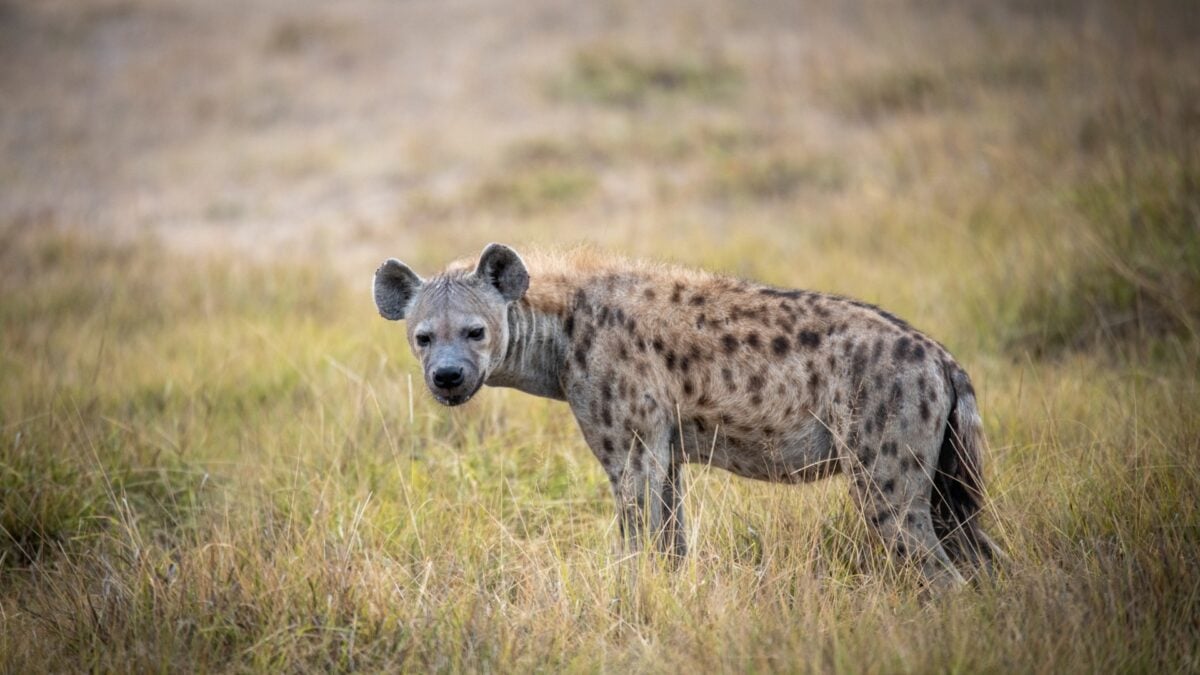
While watching lions and hyenas out in the field, wildlife biologist Nancy Barker noticed that lions were actively tracking the hyenas. When she shared her observations with her colleagues, they insisted she had it backwards; the hyenas were tracking lions for scavenging, not the other way around. Maybe what she saw were chance encounters, others said.
Turns out, Barker didn’t have it backwards—she was right. To test her hypothesis, Barker and her colleagues fitted GPS collars to 17 lions and 14 spotted hyenas from two different locations at the Etosha National Park in Namibia and the Chobe-Linyanti system in Botswana. Across thousands of observations, the team confirmed what Barker called a “hidden choreography” of interactions between the two predators. Namely, lions tended to approach hyenas, whose ideal distance from lions appeared to be on the scale of several kilometers—that is, hyenas didn’t seem interested in following the lions to scavenge, as was previously believed. If anything, they really wanted to stay away. The findings were published today in Frontiers in Ethology.
“It shows that their coexistence is managed continuously through movement, not just settled in dramatic clashes at carcasses,” Barker, who conducted the study as a PhD student at the University of KwaZulu-Natal in South Africa, told Gizmodo. “What we see isn’t fear; rather, it’s a subtle, persistent lean away from danger.”
The trick is in the details
For obvious reasons, tracking wildlife consistently enough to establish patterns is no easy task. As Barker told Gizmodo, “moment-to-moment interactions are nearly impossible to prove by observation alone,” and the latest study was designed to overcome these logistical challenges. The collars sent back positions of the animals to the researchers every five minutes. When the dots showed hyenas and lions at close proximity, the team carefully documented patterns in how the two interacted, organizing the data according to three independent statistical approaches.
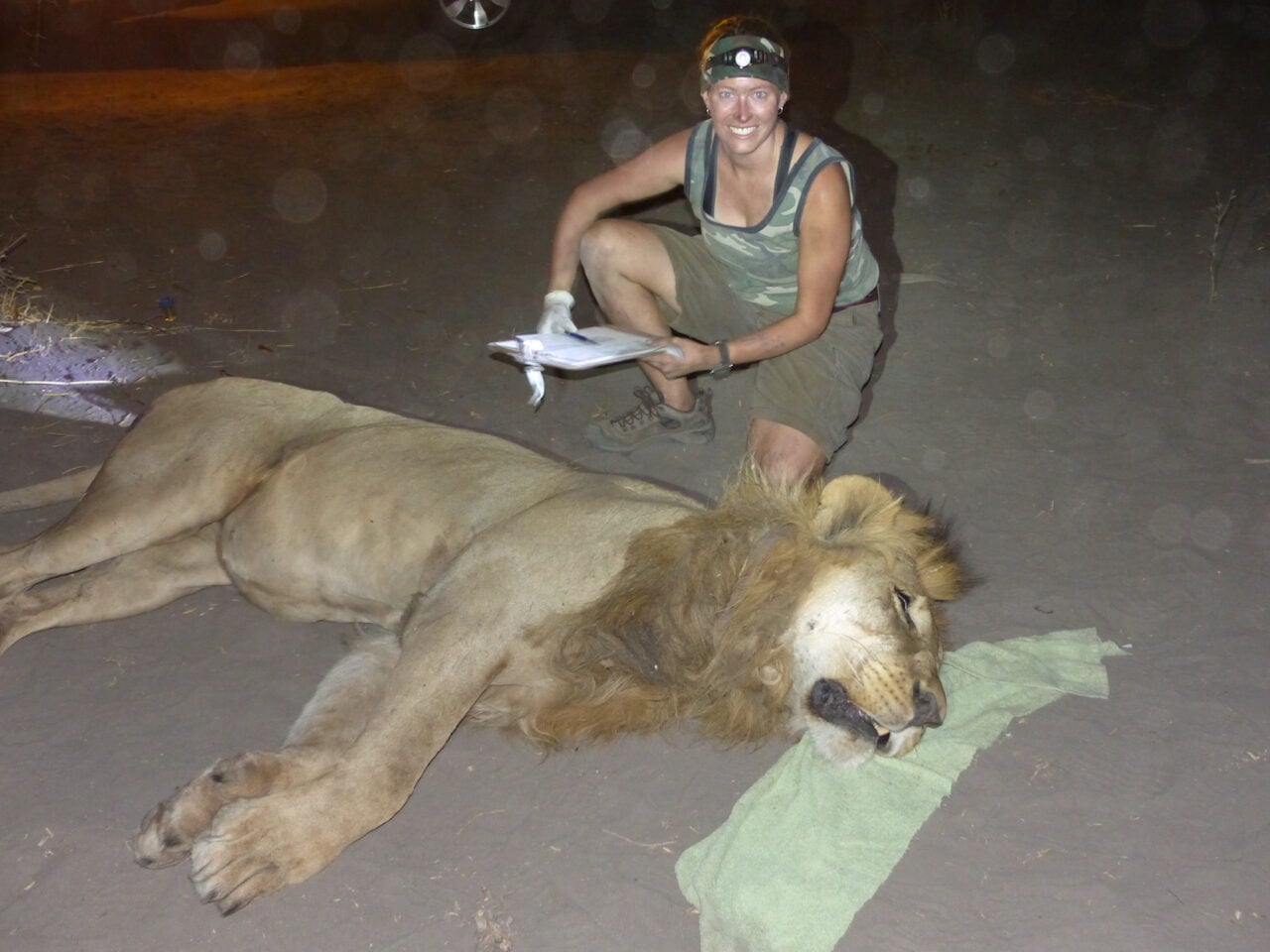
“If the patterns I’d seen in the field were real, they would show up as a consistent directional bias,” Barker said, “and they did.”
All three tests were clear in their conclusions. Hyenas didn’t fancy being anywhere near lions, never less to stick around for leftovers. Fascinatingly, it was usually the male lions reacting to the presence of hyenas, whereas female lions appeared comparatively indifferent. For Barker, the most surprising thing was the lengths (literally) the hyenas seemed to go to avoid lions; the evasive behavior was detectable out to several kilometers, she said.
Following the signs
These observations were “mostly beyond the view of any observer,” Barker explained, and the GPS collar approach proved surprisingly efficient. For instance, the team realized one pair of collared lions was actually mating, and its movement data was very consistent with known patterns of lion courtship. Later, the team confirmed directly that the two were, indeed, an item.
“If collars can reveal courtship, competition, and coexistence without an observer present, we have a new window into the lives of animals we can rarely watch,” she added. Although this isn’t the first time that scientists have pointed out that hyenas don’t steal or scavenge from lions as often as we might think, the misconception still appears to be present. The latest findings further add to evidence that carnivore interactions are a lot more complex than what might seem “obvious” to us, according to the paper.
A hidden life
That said, the researchers noted in the paper that the study had some limitations, such as a small sample size, and some observations regarding the sex bias of this behavior need further validation. Still, the study opens new avenues for research, as well as discussions on the complicated ways in which carnivores share space across different ecosystems—inquiries that might be more urgent than we’d like to believe, Barker said.
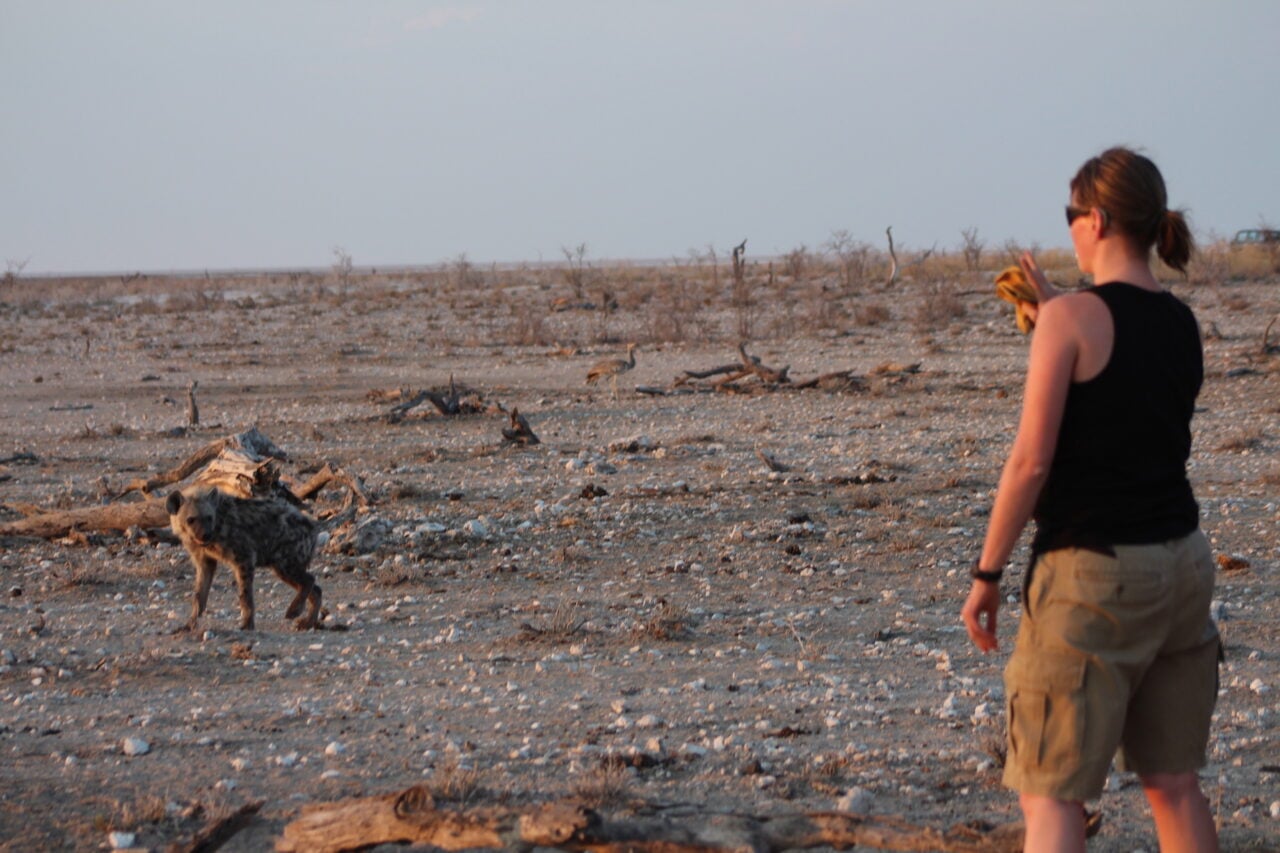
“There is far more going on in these systems than we can see [that] are at risk of destroying them before we’ve even documented them,” she said. “If a pattern this fundamental went undetected between Africa’s two most-studied large carnivores, imagine what we still don’t know about the predators being persecuted and driven out of landscapes around the world.”
