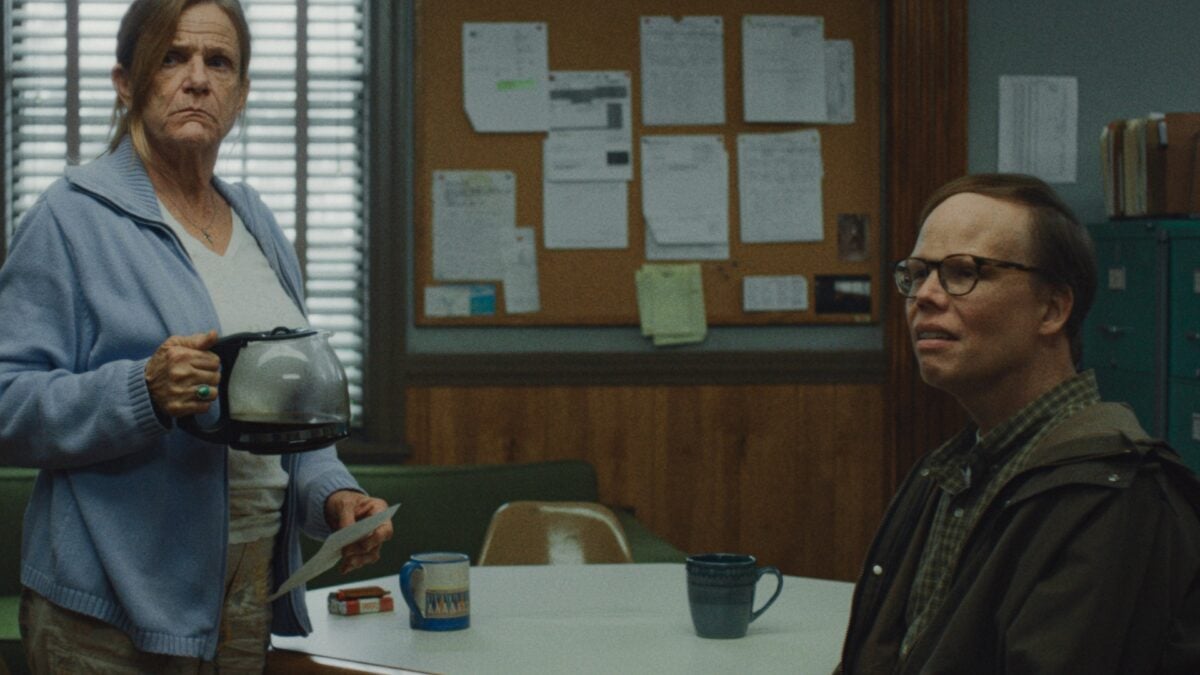
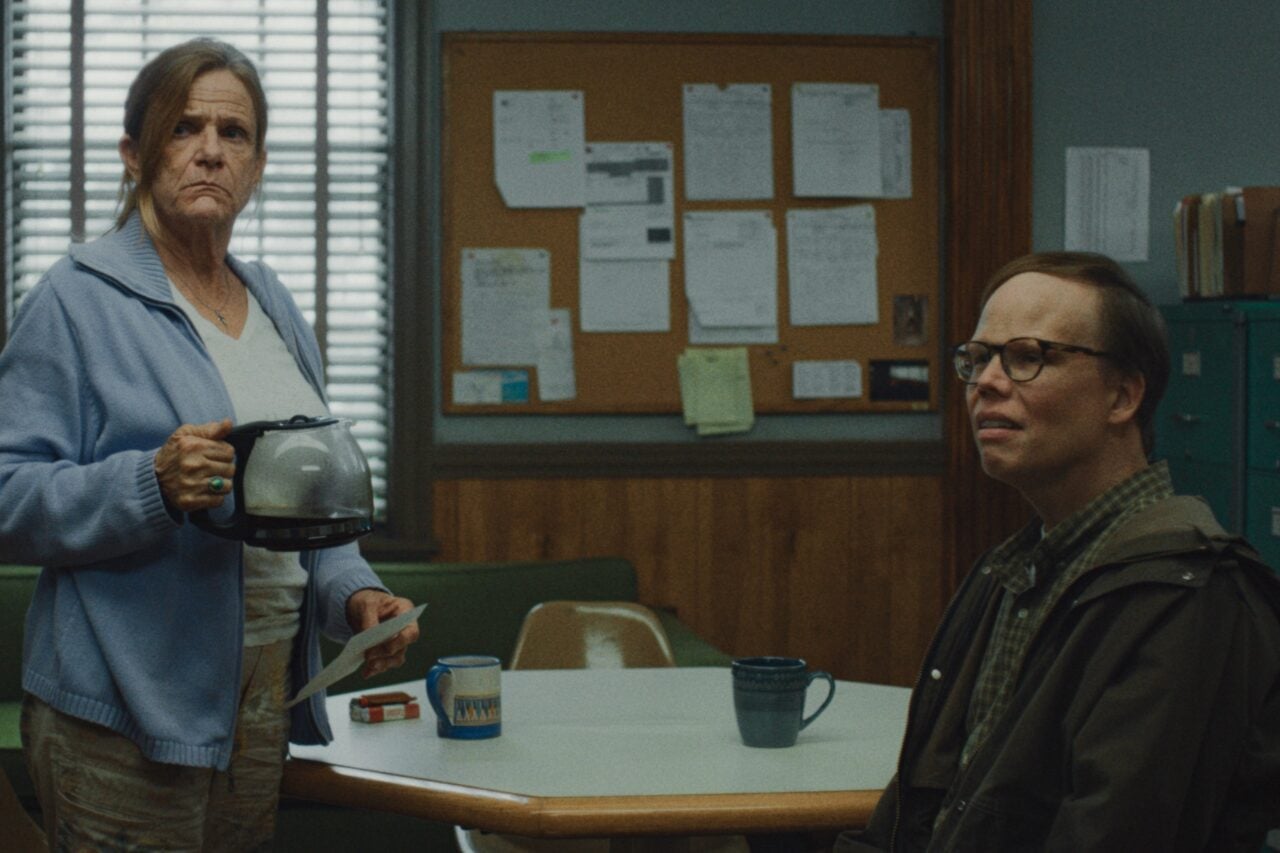
There’s so much to love about Widow’s Bay, including but not limited to its excellently unique characters. Everyone living on the cursed island is a little bit weird, and the people who work with Mayor Tom Loftis at the Widow’s Bay town hall are outstanding examples. We all love Patricia, and season one anticipated this, giving her two standout episodesof her own. But what about cult-favorite side characters Dale and Rosemary? We need more!
Widow’s Bay creator, showrunner, and executive producer Katie Dippold is right there with us. If she didn’t know ahead of time that odd-couple besties Dale (played by Jeff Hiller) and Rosemary (played by Dale Dickey) would click with audiences, she surely knows now.
Speaking to the Hollywood Reporter ahead of the Widow’s Bay season one finale, Dippold outlined some of her hopes for the show’s recently announced second season.
“A big part of the fun in the writers room was that we thought a lot about the history of the island and what’s been going on since the founder up until today,” she said. “There was a lot of stuff that we couldn’t do or just decided to not do yet. Between that and characters that we have, there’s a lot. I would love to do a Rosemary episode for Dale Dickey, a Dale episode with Jeff Hiller.”
And she’s not going to stop there. “There’s so many characters to get to know more. I always wanted it to feel like there’s a lot to explore in the island. Little nooks and crannies full of terror that you haven’t seen yet,” Dippold said. “And I really want to get more into [Bechir], Kevin Carroll’s character. There would be a lot more to do.”
We’ve loved Carroll ever since The Leftovers, so we say a big yes to that idea too. The Widow’s Bay season one finale officially arrives tomorrow (technically tonight, thanks to the whims of streaming scheduling) on Apple TV.
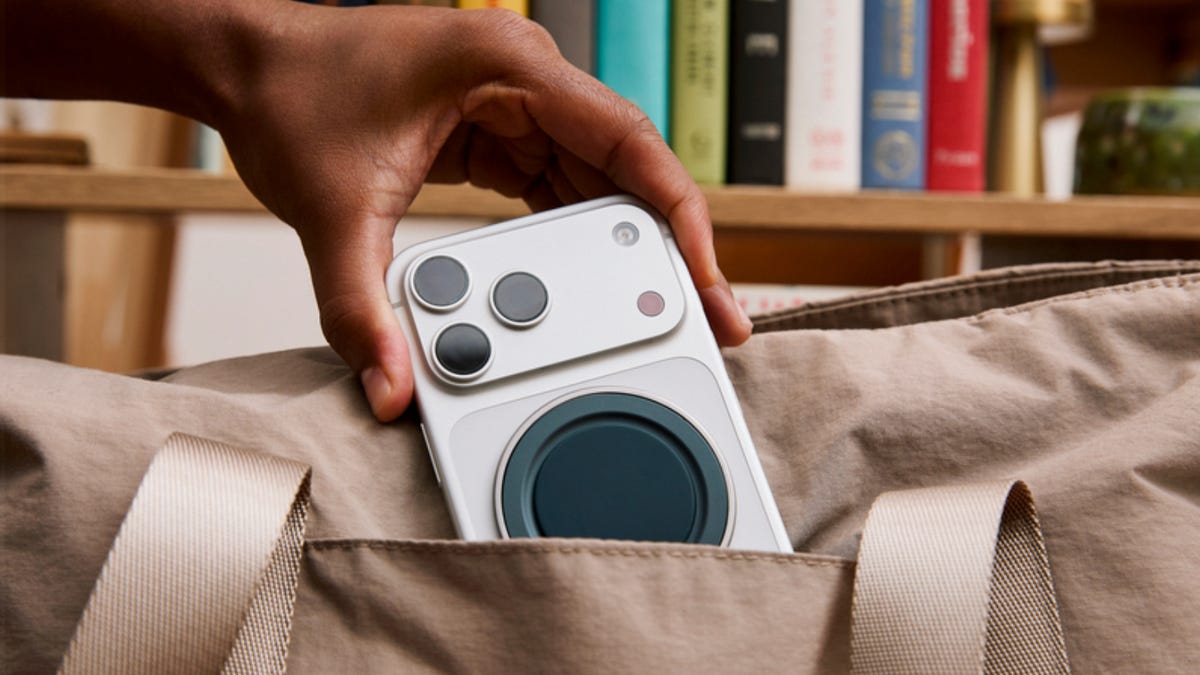
Since launching in 2014, PopSockets have always been a quirky (and slightly bulky) grip for phones. They’re adored by those who love to accessorize their phones with their swappable designs and people who love to fidget with their accordion-style pop-out piece. But the company is now hoping to attract a new clientele with the Low-Pro, a new grip design that’s so thin that when collapsed, it sits lower than the camera bump on my iPhone 17 Pro Max.
The Low-Pro goes on sale Tuesday for $40, launching first at Apple Stores and at PopSockets.com, with additional retailers at the end of July. You can see more of how it works in the latest episode of One More Thing, embedded below:
Watch this: Flat PopSockets Might Lure More Men: Hands-On With Low-Pro Grips
I’ve been using the MagSafe Low-Pro for the past week, and I can see the appeal this will have for those folks who just want something that slips effortlessly into their pants pockets. Like other PopSockets, it still attaches with the MagSafe magnetic backing. The front has a soft matte finish, and although it doesn’t make a “pop,” a finger nudge in any direction will raise the disk to reveal a slitted, flexible single piece of polymer. A metal ring around the edge becomes an adjustable swing-out stand to prop up your phone in portrait and landscape mode.
When opened, the Low-Pro grip is designed to handle fidgeters who want to twist, poke and pull at it (well, up to about 30 lbs of pulling).
PopSockets
When the Low-Pro is expanded, it reminds me of a kid’s paper lantern craft project. Thinner materials give the impression that it will be weaker, but no matter how I twist, tug or try to poke at the holes, the material holds up. Good news for fidget-lovers: This seems to be able to handle all my stretching — and the PopSockets team tells me it was designed to withstand more than 30 pounds of pulling pressure in testing.
Apple Stores will carry the Low-Pro in four exclusive colors to start: Blue Aura, Electric Fuchsia, Black and Navy.
PopSocket is not the first to come up with a flush magnetic phone grip. The company OhSnap gained popularity for its Snap Grip, priced at $30, which uses a metal hinge to fold flat. But since using both, I prefer the PopSocket design because it’s easier to open with one finger from any angle, and it has the extra kickstand.
I sat down with PopSocket inventor and founder David Barnett to learn more about the pivot to the Low-Pro. Although the PopSockets company will continue making the existing design (the one that actually pops), Barnett said the big motivator here for a new model was to lure in men who told him over the years they never gave PopSockets a chance because of their size.
PopSocket inventor David Barnett didn’t start off with a goal making phone grips. Here, he holds the creation that inspired the PopSocket: giant buttons on the back of an iPhone 3GS to help wrap long headset cords.
Carly Marsh/CNET
“They’d say, ‘Oh, it would get caught on my pocket,’ and I’d think to myself, It’s never gotten caught on my pocket ever,” Barnett said. “Ultimately, I wanted a solution that would meet this challenge of not being perceived as thick and bulky.”
There is an extra benefit to this thinner design — you don’t have to take off your Low-Pro if you want to connect it to a MagSafe stand to charge. Just don’t count on it getting a fast charge: the more stuff between your phone and the charger (like a case and a grip), the slower the trickle of energy will be to your device.
But often I use MagSafe stands to prop up my phone at work. And for once, it meant I didn’t have to pop off my PopSocket to have it snap magnetically.
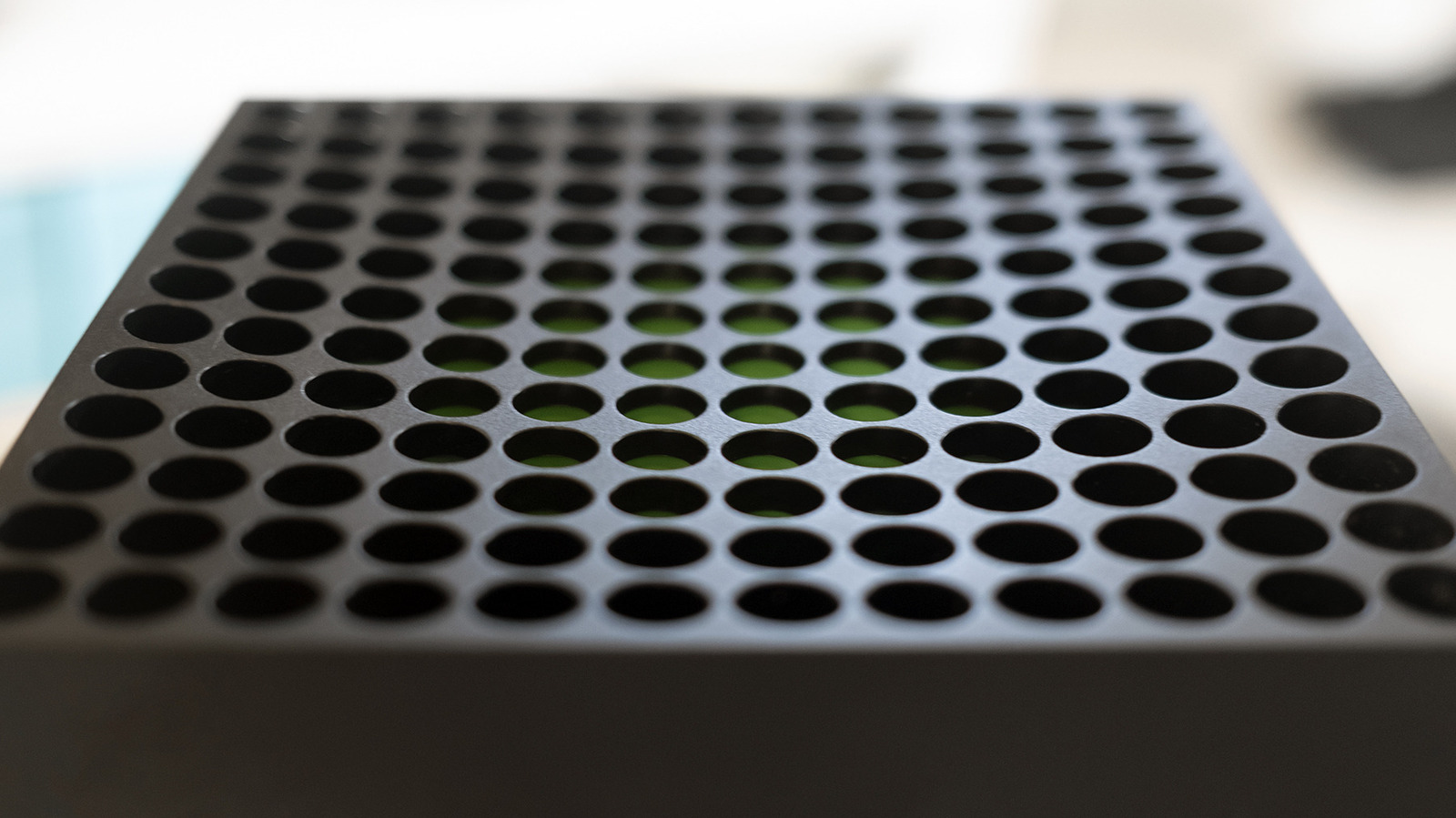
Xbox is preparing to shut down or sell at least three of its studios — Double Fine, Ninja Theory and Compulsion Games — according to reports from The Verge and Bloomberg on Monday.
Ninja Theory employees were informed on Monday that the studio would be closing, according to The Verge, but the team is attempting to find a buyer that can keep them operational. Ninja Theory is the studio behind the Hellblade series and it was featured in the recent Xbox Summer Game Fest showcase, revealing a new entry due in 2027.
Double Fine is the legendary studio behind the Psychonauts games, Brütal Legend, Broken Age, Keeper and all manner of LucasArts adventures, founded by Tim Schafer and friends in 2000. Double Fine leaders are in active negotiations to buy themselves back from Xbox rather than be closed altogether, Bloomberg said.
Compulsion Games is in a similar position, according to the report. Compulsion is the Montreal studio behind the uber-stylish games Contrast, We Happy Few and South of Midnight, the latter of which came out in April 2025.
Bloomberg reported that several other studios under the Xbox Game Studios banner are also negotiating for their futures and are at risk of being shut down. As it officially stands, the Xbox Game Studios umbrella covers dozens of studios, including Arkane, Bethesda, Halo Studios, id Software, Obsidian, Playground Games, ZeniMax and Activision Blizzard King. We have contacted Xbox for clarification on the reported closures and buyout talks.
Microsoft’s modern game-studio acquiring spree kicked off in 2018 with the purchase of Undead Labs, Playground Games, Ninja Theory and Compulsion Games, plus the formation of The Initiative. This momentum continued building at a concerning pace in 2020 and 2021, when Xbox acquired eight more studios under ZeniMax Media, including Arkane, Bethesda and id. Everything came to a head in 2022 with the announcement that Xbox planned to purchase Activision Blizzard for $69 billion, the largest acquisition in video game history. That deal finally went through at the end of 2023, after a lengthy battle with regulators.
Longtime Xbox division head Phil Spencer stepped down this year and was replaced by new CEO Asha Sharma, alongside other executive-level changes. Also on Monday, Xbox Game Studios head Craig Duncan left the company; he first took the role in October 2024. Employees across Xbox are bracing for more layoffs in 2026 after an ominous public memo from Sharma dropped in mid-June, just as the glow of Summer Game Fest fully faded.
Heavy users may need more RAM. Know when to upgrade.
I used to struggle when shopping for a new computer — there’s a lot to consider. Over time, I learned to narrow it down to what I call the “performance trifecta” — three main components you should be mindful of: processor, storage drive, and RAM. A good processor is the brain of the computer, and a lot of local storage means you’ll have plenty of room for all your files.
Then there’s memory — a component widely discussed but often misunderstood. Think of RAM (Random Access Memory) as your computer’s short-term memory. Instead of pulling everything from your permanent storage (like an SSD), your system parks active files in the RAM for instant access, which keeps everything running fast. Naturally, more gigabytes (GB) means more room to multitask.
But how much do you actually need? The internet is full of conflicting advice, leaving many people torn between upgrading to 32GB of snappy LPDDR5X RAM or sticking with a standard 16GB. Let’s cut through the noise and figure out exactly how much memory is right for you.
How much RAM do you need in 2026?
Kerry Wan/ZDNET
The short answer: it depends on the operating system. For Windows machines, 16GB of RAM has become the operational minimum on new consumer laptops. Modern workloads have ramped up to such a degree that less RAM on a Windows device is fine, but it will limit you to everyday tasks like writing emails, internet browsing or watching YouTube videos.
But let’s be real here: the average worker is probably running dozens of tabs in their browser, a handful of apps in the background, and (possibly) generative AI, all of which demand memory power. In that sense, most people using their Windows laptops for work will want at least 16GB (for a value-driven, future-proof option) for a smooth user experience.
If you’re upgrading to Windows 11, Microsoft says the minimum requirements are 4GB of RAM, but I’d still recommend 16GB as the baseline standard. If you have more than that, even better, but for most PCs, Windows 11 should run about the same as older operating systems.
Kyle Kucharski/ZDNET
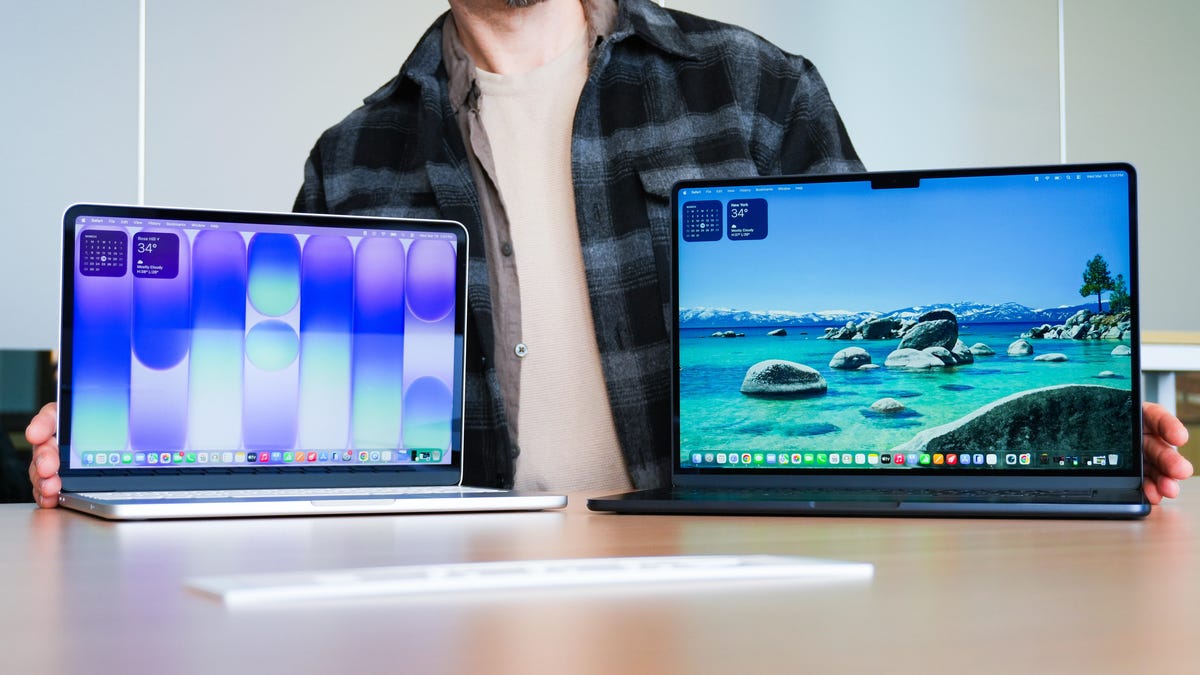
When it comes to MacBooks, things are a little bit different. Because Apple’s machines are so optimized to handle daily workflows, 8GB of RAM goes a bit further than a stock laptop running Windows. In fact, it wasn’t until last year — that Apple made 16GB the starting point with the MacBook Air M4. The MacBook Air M5 just launched with a similar configuration.
MacBooks, such as the new Neo model with 8GB, are still solid machines for daily use, while more powerful models like the MacBook Pro and MacBook Pro Max offer substantial power with 24GB, 36GB, or more, making them some of the most powerful laptops on the market (and some of the priciest).
Besides Windows and Macs, Chromebooks are a third category of consumer laptops that have seen a spike in popularity over the last few years due to their lower average price and lightweight operating system, ChromeOS.
Because ChromeOS is so streamlined, Chromebooks can get along just fine with 8GB or even less, making them great machines for handling the basics like working out of the browser and having your Google Suite at your fingertips with snappy performance and a low price. The trade-off, however, is that you’ll have less access to apps you’d otherwise find on Windows.
All in all, it’s true to say that the more memory you have, the better your computer should perform. But having too much RAM can also be a poor return on investment, because you end up spending money on a resource you hardly ever use to its full potential. It’s like owning a big house but only using a few of the rooms.
When buying a new laptop, I just recommend having a clear understanding of what you want to use it for — that way, you can set realistic expectations about how much RAM you need.
What does DDR5 mean?
Kyle Kucharski/ZDNET
Sometimes, when shopping for a computer, you’ll see the letters “DDR” followed by a number. This is an acronym that stands for “double data rate.” Without getting too deep into the weeds, DDR is a type of technology that improves the data transfer speed from RAM to other components, such as the processor. There have been five main DDR generations so far, with the latest and fastest standard being DDR5.
Similar to 16GB of memory, DDR technology has effectively become the new standard for RAM as users demand faster speeds. There are also variations of the technology. A notable version is LPDDR5X, which stands for low-power double data rate 5X, a more energy-efficient version of DDR5 designed specifically for mobile devices.
Don’t expect DDR6 RAM to be released for a computer near you anytime soon. We saw the JEDEC (Joint Electron Device Engineering Council) announce the release of LPDDR6 back in early July. The JEDEC is the organization that established DDR as a computer standard. The technology is available for manufacturers to implement in their devices, but whether or not it’ll happen — or how soon — is yet to be seen.
When should you upgrade?
Jason Hiner/ZDNET
16GB is fine for most cases, but if you’re a gamer or creative professional, you should consider 32GB of RAM. More RAM will ensure that the games you play and the video editing apps you use for work run more smoothly. I have that amount for my personal computer, and I’m very happy with that setup because I don’t just write.
I also play games on my desktop, edit photographs and videos, and run virtual machines, among other things. It’s a heavy workload that requires the correct amount of resources to operate; even then, I am considering upgrading my PC to have more. It’s not uncommon for me to see my workload take up over 70% of my computer’s total RAM.
I consider anything above 32GB of memory excessive unless you’re a specific type of user. If you’re editing 8K videos or running heavy apps simultaneously, then you’ll probably need 48GB or 64GB of RAM. A good laptop that can deliver would be something like the M5 MacBook Pro or the Dell Premium 16. These are solid, top-of-the-line machines capable of tackling tough workloads.
I’m not the only one who recommends 32GB for gaming. Back in November 2025, Microsoft published a handy guide on how to optimize your gaming PC setup, and the post includes a recommendation for how much memory you should have. And wouldn’t you know it — Microsoft recommends 32GB of RAM for users who play resource-demanding titles or mod-heavy games.
I’ve been writing about both software and consumer electronics for almost 10 years now, and in that time, I’ve worked in many different settings, from the traditional office to the home office, and even someone’s backyard. The remote experience has made me extremely selective about what I choose to make my main computer, as I want to ensure the devices I use can handle my day-to-day tasks. I’m on my computer all day, practically every day of the week.
I’m also at a point where I’ve tried just about every type of laptop on the market. I know which features and specs you should look out for when purchasing a new computer — and which ones are not worth your time.
The advice I have given is not a set of hard and fast rules. I just aim to provide a foundation of what you should look for in a laptop. What is best for you depends on your unique needs.
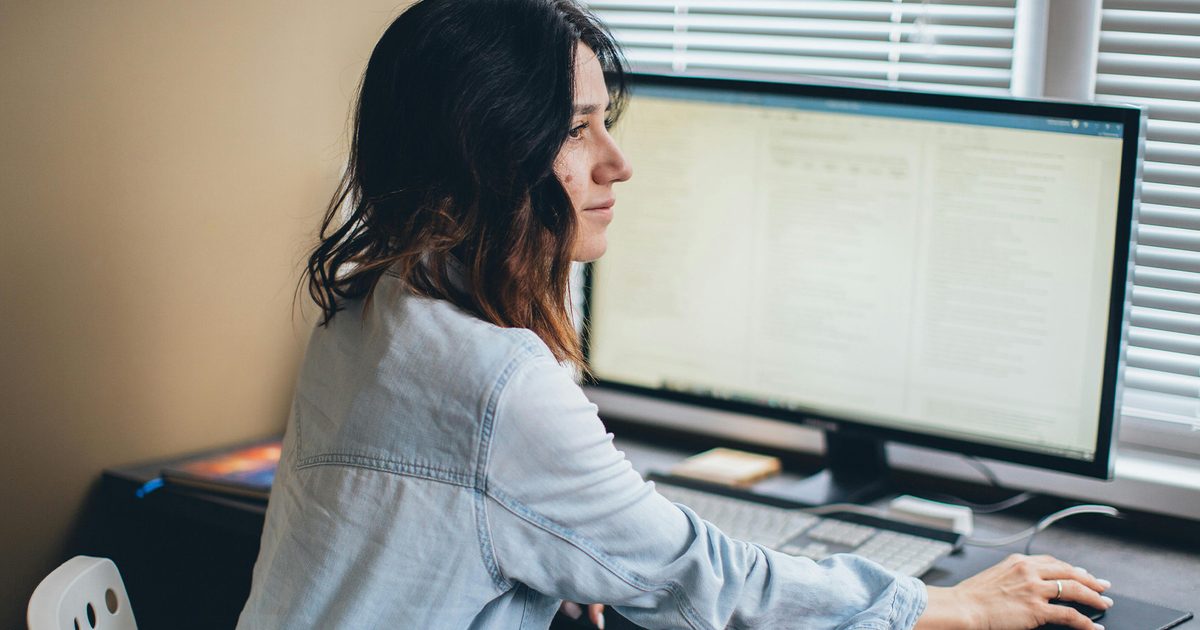
Working from home has become a normal part of life for many employees since the pandemic, as it offers greater flexibility and control over where work gets done. However, new research suggests that this shift may also be playing a role in rising mental health challenges.
Researchers writing in the journal Science analyzed data from five large surveys covering more than 580,000 U.S. workers between 2011 and 2024. Their findings suggest that the rise of remote work has significantly increased social isolation and may account for roughly one-third of the increase in mental distress observed since the pandemic.
The study focused on occupations that can be performed remotely, such as software development and office work, and compared them with jobs that require workers to be physically present.
Remote workers are spending more time alone
According to the researchers, workers in remote-friendly occupations spent 58% more hours working alone than those in jobs that cannot be done remotely. The likelihood of spending an entire day without any in-person human contact also increased by 72%.
Nadeem Sarwar / Digital Trends
The impact was even greater among people living alone. These workers were significantly more likely to go through a full day without interacting with another person, and they experienced a much larger increase in mental distress than workers living with family members.
The findings suggest that many conversations about remote work have focused on flexibility, convenience, and productivity while overlooking a more basic question of what happens when millions of people spend much less time around other people every day?
The hidden downside of workplace flexibility
For many adults, work is one of the few places where they regularly interact with people outside their households. Casual conversations, team meetings, lunch breaks, and other everyday interactions may seem unimportant, but they can play a meaningful role in maintaining social connections.
The researchers are not arguing that companies should bring everyone back to the office full time. Instead, the findings suggest that social connection could become a bigger challenge as remote and hybrid work arrangements become more common.
As more companies embrace flexible work policies, the study raises an important question about how workers can maintain meaningful social connections when their workplace is no longer a place they regularly visit.
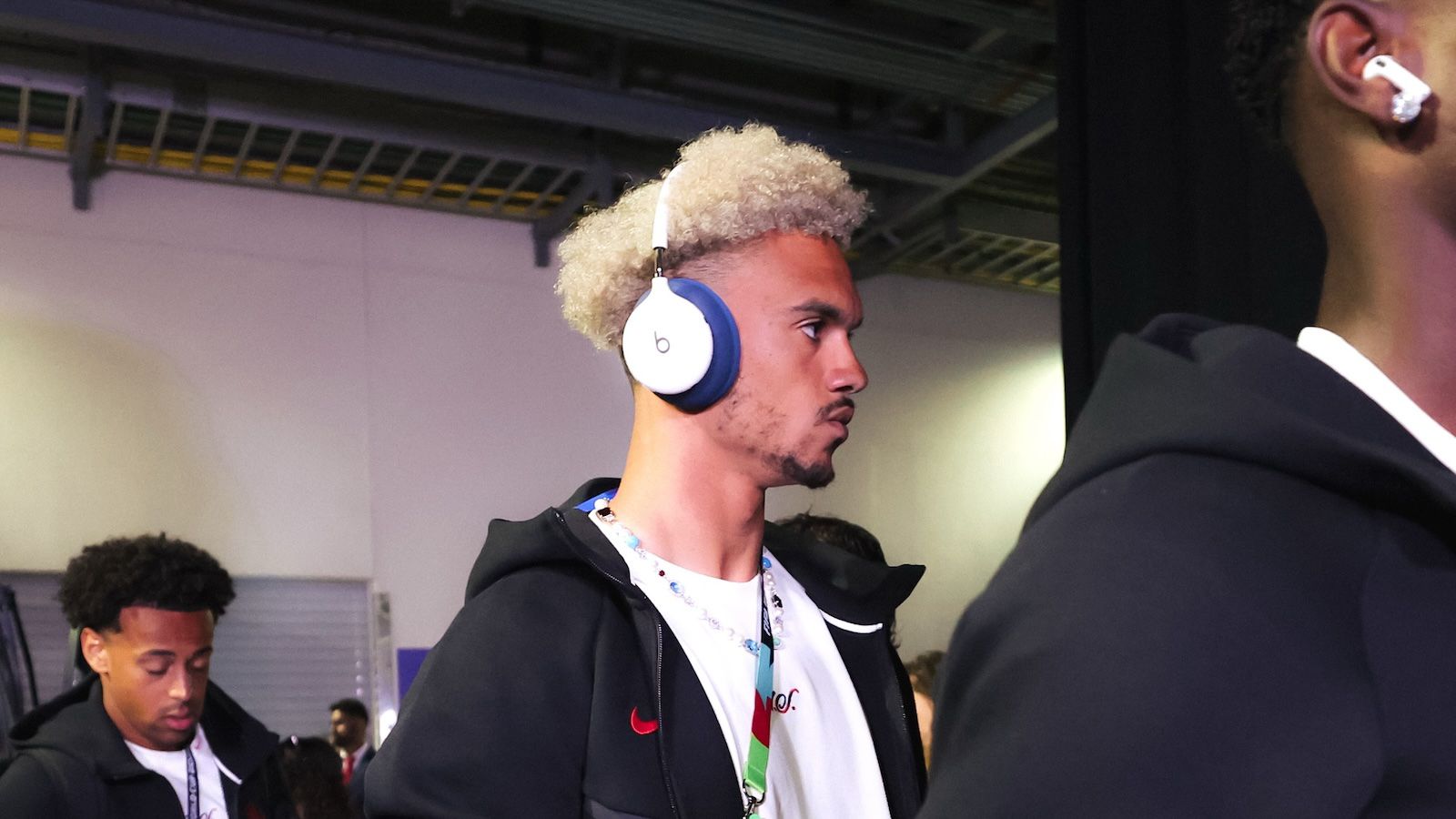
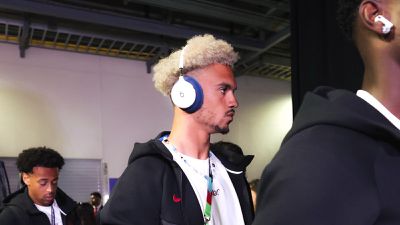
Several players involved in the World Cup have been spotted wearing unreleased Beats over-ear headphones over the past couple of weeks, and U.S. men’s national soccer team star Antonee Robinson is the latest to be spotted with them. Robinson was captured in a photo on his Instagram account wearing a two-tone version that appears to feature a white headband and housings but with royal blue ear cups.
Previous versions of the headphones seen in photos of Yamine Lamal have featured only a single color, and it’s unclear which color options are going to be available to the public, whether ear cups will be swappable to customize your own set, or if Robinson’s set is a custom version produced only for him or a limited number of influencers.
The unreleased headphones first appeared in a U.S. Federal Communications Commission database last month, and it’s clear Beats is undertaking a influencer seeding campaign throughout the World Cup to generate anticipation ahead of a public release, but the timing of availability remains unknown. It’s also unclear whether these will be a new version of the existing Beats Studio Pro over-ear headphones or if they will be positioned as a new product.
Ahead of the upcoming World Cup, football superstar Lamine Yamal has arrived at training camp for the Spanish national team sporting what seems to be the unreleased over-ear headphones that appeared in a U.S. Federal Communications Commission database last week. As suspected, the new headphones are a Beats product rather than an Apple product.
In a post on his Instagram account, Yamal shared …
Apple today shared a new Beats Pill ad that pays tribute to the reality TV show Love Island USA, which returned for an eighth season this week.
The ad does not mention Love Island USA, but the “Pill People” are said to have “entered the villa,” which is a clear reference to the show.
”If you’re binging a full summer of island drama, you’ll need battery life that can keep up,” says Apple. …
A few days after teasing upcoming Beats over-ear headphones in pink, football superstar Lamine Yamal today shared a Story on his Instagram account revealing a second color for the unreleased headphones: an ivory or stone color.
The Instagram Story is a still photo showing Yamal greeting a fan, and he is carrying a bag with both the pink and ivory color versions of the headphones hanging…
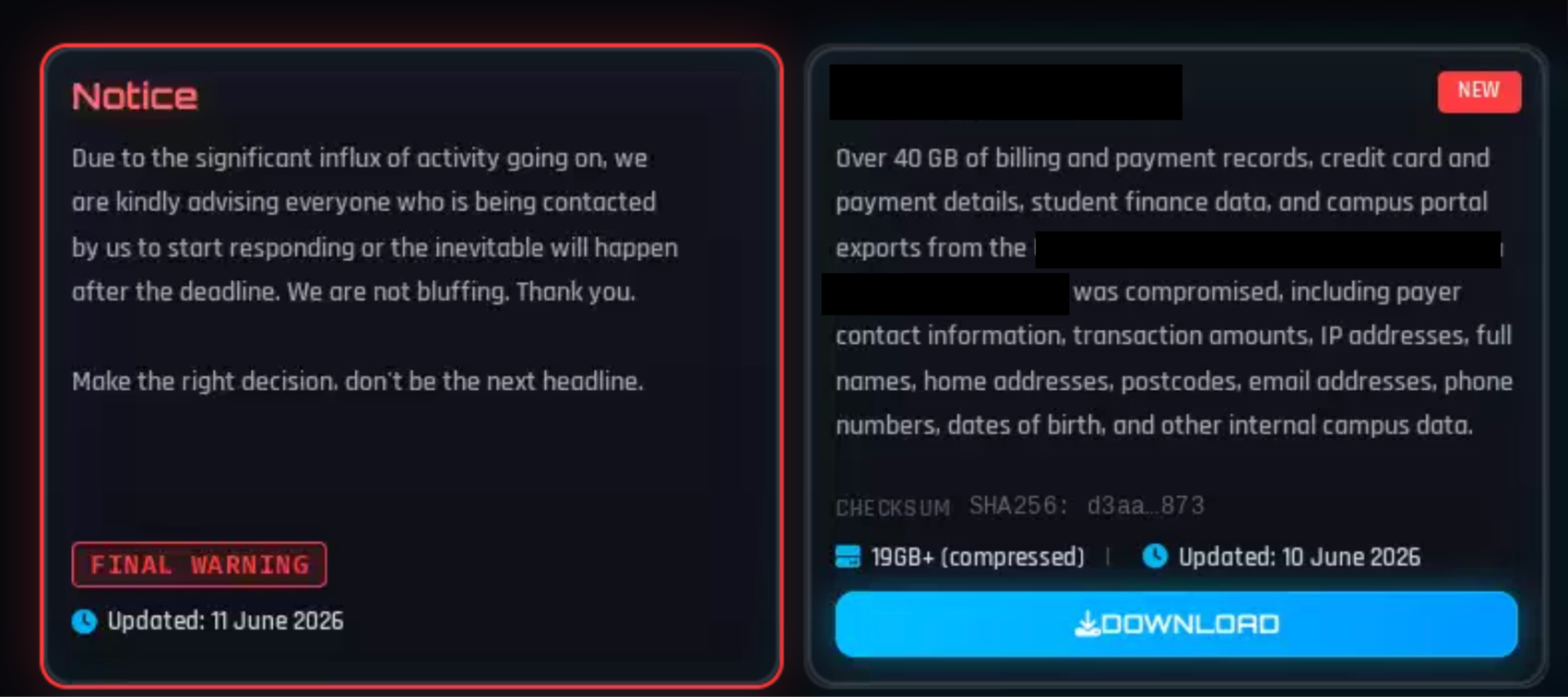
“While several organizations successfully blocked the activity or remediated the vulnerabilities, others experienced compromise, resulting in stolen data being published on the ShinyHunters DLS,” Mandiant said. (DLS is short for data leak site.)
An analysis of a bash script left in the staging environment shows the attackers performed reconnaissance on compromised organizations, including mapping the PeopleSoft configurations, viewing process scheduler, and WebLogic server XML configurations. Eventually, the threat actors established an outbound SSH connection to 176.120.22.24, the IP address hosting ShinyHunters’ DLS. The stolen data was first compressed using the zstd tool. The DLS claimed to have recovered 48GB of data from a single victim.
A partially redacted section of the ShinyHunters’ DLS.
Credit:
Mandiant
A partially redacted section of the ShinyHunters’ DLS.
Credit:
Mandiant
ShinyHunters has been active since at least 2019. Over the past several years, it has executed scores of hacks against some of the world’s largest companies, affecting millions of people downstream. A small sample of victims includes Ticketmaster (through the breach of Snowflake, which hosted the data), Spain’s biggest bank, Santander, and Salesforce (and, through it, Google and, reportedly, many other companies). ShinyHunters uses various techniques to gain initial access, including exploiting cloud misconfigurations and software vulnerabilities, stealing OAuth tokens, supply chain attacks, voice phishing, and other forms of social engineering.
Mandiant and Rapid7 are providing detailed indicators of compromise. They are also advising PeopleSoft customers on the steps they should take immediately. Given ShinyHunters’ success rate, all PeopleSoft users would do well to heed the calls.
It’s the U.S. law that allows wiretaps without a warrant for surveilling foreign targets. And the U.S. Congress just let it lapse. Sort of. NPR reports:
Each year, the provision is used by American intelligence agencies to collect the electronic communications of hundreds of thousands of foreigners located outside of the United States. The government says that more than 60% of the president’s daily intelligence briefing relies on information collected under the authority. The tool officially lapsed at the end of the day on Friday. What happens now?
Intelligence collection under FISA’s Section 702 is authorized annually by a federal court — and the law allows for that collection to continue for the duration of the court’s authorization, even if the law lapses before the court’s next approval. That means companies — electronic communications service providers, in this context — will still be legally required to turn over material to intelligence agencies.
Still, some lawmakers worry that the companies compelled to turn over communications may attempt to challenge the law in court, possibly leading to an indeterminately long window during which they stop providing intel. Advocates on all sides of the surveillance fight believe those challenges are ultimately likely to fail, but those closely linked to the intelligence community emphasize that even a small pause comes with risks ahead of major events like America’s 250th celebration and the World Cup.
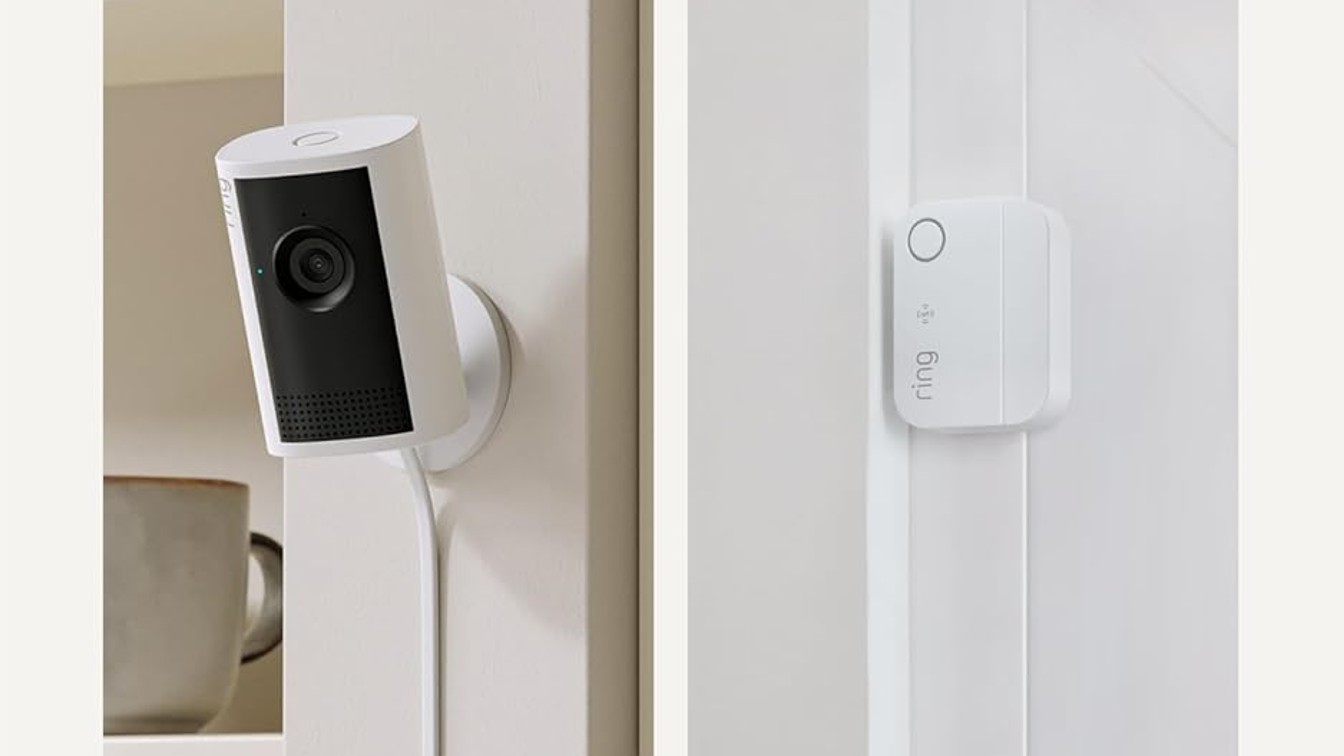
What you get is a plug-in indoor 2K camera and a window or door contact sensor in one package. The camera records in Retinal 2K video and supports up to 6x Enhanced Zoom, so you can get a closer look at what is happening in a room. It also features advanced motion detection and customizable motion zones, helping you focus alerts on the areas that matter most.
For talking to people at home, there is a two-way talk with noise cancelation. You also get a remote-activated siren and improved color viewing in low light. The included sensor sends real-time alerts when a door or window opens and does not require a base station when using Amazon Sidewalk.
Setup is also pretty quick. The camera requires a standard outlet and 2.4 GHz Wi-Fi, and the estimated installation time is 5 to 10 minutes. The sensor runs on two included CR2032 batteries, with up to three years of battery life. For Prime Day, getting both pieces together at this price looks like a strong value.
Thank you for being part of our community. Read our Comment Policy before posting.
All eyes might be on the SpaceX IPO — the world’s largest in history — and its CEO Elon Musk. But lest you forget there is another publicly traded company in the Musk universe that many believe will someday merge with SpaceX.
We’re talking about Tesla, a company that has a current market cap of about $1.26 trillion. Musk, who also leads the company, has pitched Tesla as an AI and robotics company, even if the bulk of its revenue comes from selling EVs. Some see a merger with SpaceX as a critical step to achieve that mission.
And SpaceX president and COO Gwynne Shotwell appears to see some benefits to one. During an interview with CNBC, Shotwell said a merger “might make Elon’s life a little easier.”
There is evidence that SpaceX is already preparing for a merger. The company amended its S-1 registration document ahead of its public debut to include new language in its risk factors section about mergers and acquisitions. The sentence, which reads “We may issue a significant amount of equity in connection with future transactions,” is a warning to investors of future dilution. A warning like that wouldn’t be necessary for a small-scale deal; it likely means Tesla.
As a reminder, Musk is quite comfortable bringing the disparate pieces of his portfolio together. SpaceX acquired Musk’s AI company xAI earlier this year. And xAI acquired Musk’s social media company X in an all-stock transaction.