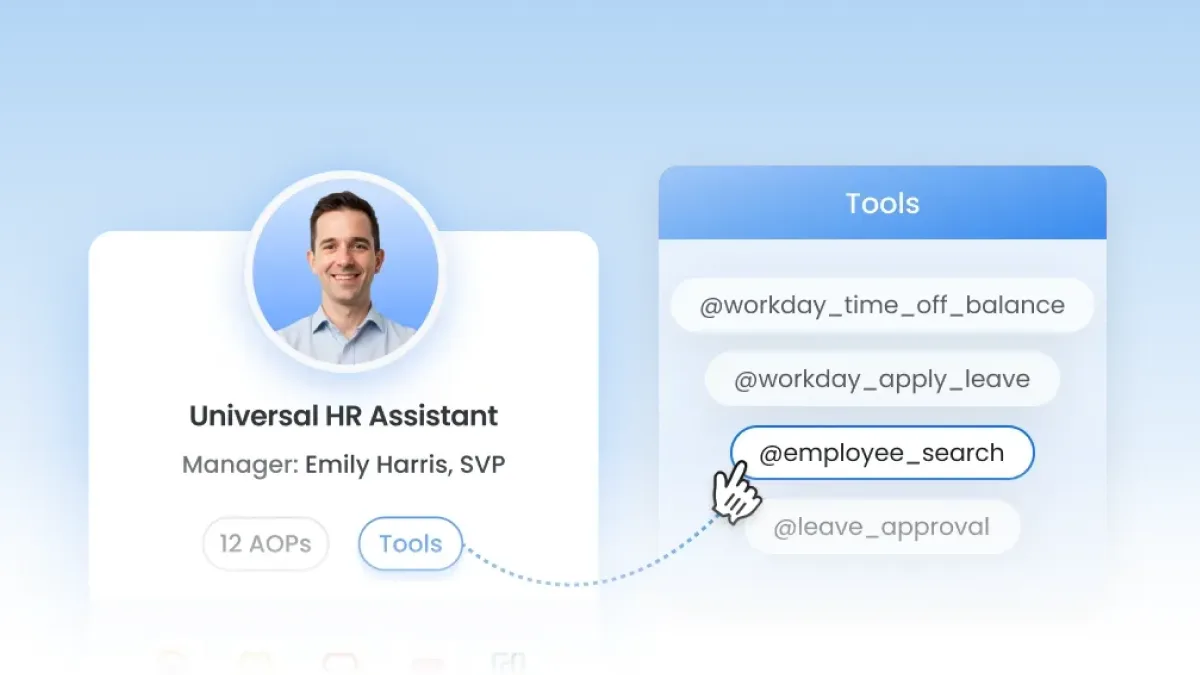
Have you considered how your organization can make employees feel more comfortable reporting workplace concerns?
When employees experience workplace issues, many hesitate to report them due to fear, uncertainty, or discomfort.
This AI can help create a more approachable and confidential reporting experience while supporting HR with consistent case intake, structured documentation, and seamless routing to the right teams.
In this webinar, you’ll learn:
How AI can make it easier for employees to report sensitive workplace concerns
How automated case intake helps HR improve consistency and response times
Why integrating AI with existing HR systems supports a more efficient employee relations process
Programming with Claude Code will soon require even less human oversight, as Anthropic says it’s making auto mode the default for Pro, Max, and Team accounts, starting on August 14.
The company first unveiled a test version of auto mode in March, pitching it as a way to balance speed and control. As Anthropic explained in its announcement on Friday, when Claude Code is in auto mode, instead of presenting prompts asking for human approval at each step, it will proceed unless an action is determined to be “irreversible, destructive, or aimed outside your environment.”
Anthropic also said that in testing, auto mode proved safer than manual review — in a study with 1,053 paid testers, auto mode caught 89% of harmful actions, while human review only caught 13.6%. (Perhaps that’s because “manual review can become habitual: users approve 97% of permission prompts in Claude Code.”)
In a post on X, Claude Code Head Boris Cherny said, “The team and I use Auto mode exclusively, and have been for many months. I couldn’t imagine going back to permission prompts!”
The company also said it’s been adding new safety features like prompt injection screening and customizable hard deny rules to prevent things like data exfiltration.
Google was already in the midst of doing some heavy brand reworking with Gemini, and Android 17 only furthers those actions. Google says that Android is no longer an “operating system” but, rather, an “intelligence system.” This sounds like marketing nonsense, and I’m some of it certainly is, but the idea is that Android is moving beyond a traditional point-and-click (or tap) UI and, instead, becoming a system that does exactly what you ask of it.
Case in point, the newer Gemini Automation features which will navigate entire apps and websites for you with a single command. I used it to order food and tea from two different restaurants and all I had to do was hit confirm. While I’d argue that having Gemini order food for me is silly and completely unnecessary, seeing Gemini have the ability to navigate complex UIs without error is impressive, and there will no doubt be more sensible reasons to use this feature in the near future.
Android 17 is shaping up to be a more social-media-focused update, and on the other side of Pause Point, the company launched Screen Reactions, which makes it incredibly easy to record yourself over another video. It’s an incredibly useful feature and very easy to use. It makes me wonder what other social features the Pixel 11 will introduce.
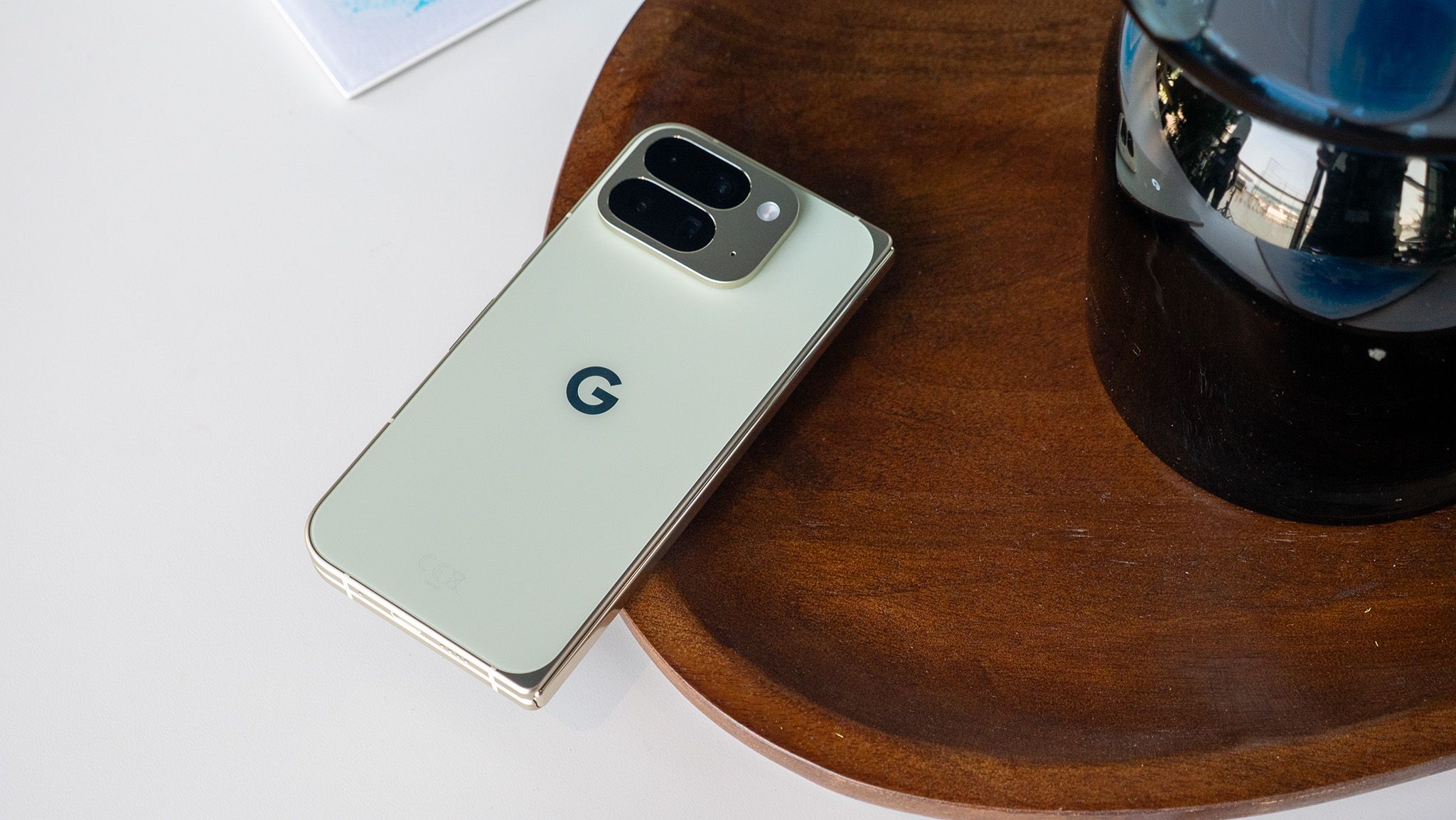
Another feature I hope to see on the Pixel 11 Pro Fold is the Gamepad. It basically turns your foldable into a mini game console of sorts with a dedicated control pad on the bottom half of the screen, which should enhance the gaming experience. Google also says it will include native controller remapping for those of you who use external controllers, which is a great way to appeal to mobile gamers.
One feature I can’t wait to get my hands on is Pause Point. It’s supposed to remind you to take a break from distracting apps with things like timers, breathing exercises, and even suggestions for less-distracting apps to use. Because we all need a reminder to take a break from social media, right? It’s actually a pretty thoughtful feature, one I never expected from Google.
(Image credit: Google)
Google has been low-key hyping up its Pixel 11 series for some time, although we just didn’t know it. Earlier this year, the company gave us a glimpse of new features arriving with Android 17, and while the update is already out, there are still some features that haven’t arrived yet, and likely more that Google hasn’t even teased. What are you looking forward to the most?
(Image credit: Nicholas Sutrich / Android Central)
Ever wondered why so many enterprise AI projects fail to move beyond the pilot stage?
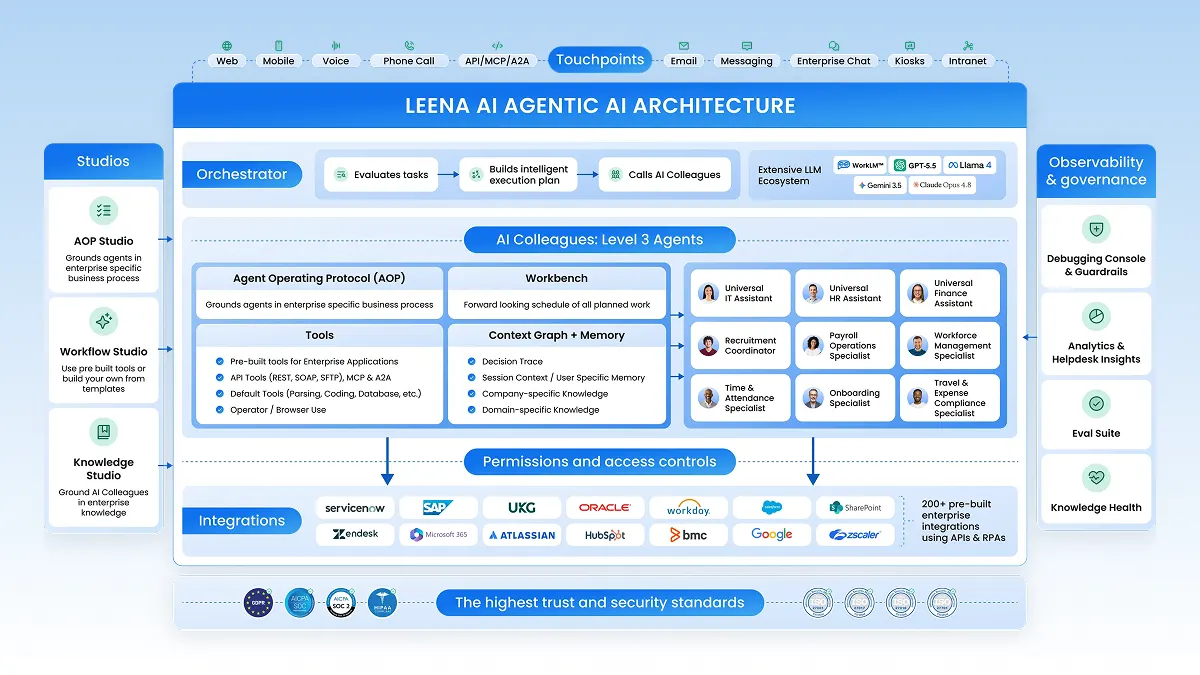
Getting an AI assistant to answer questions is relatively easy. Getting it to work across your business systems, follow security policies, and complete real tasks is where things become more complex.
This webinar explores the technology, integrations, and governance needed to build AI that can work across the enterprise securely, reliably, and at scale.
In this webinar, you’ll learn:
Why do many AI initiatives lose momentum after the pilot stage?
What it takes to connect AI securely across enterprise systems
The key components of an architecture built for real-world adoption
OpenAI said Friday it has suspended work on some aspects of its upcoming model Astra after an internal review found it had made significant advancements in agentic coding and cybersecurity — enough to warrant concern over its capabilities.
OpenAI said in a blog post Friday that this model, which is still in development, reached its “critical cybersecurity threshold,” meaning it could independently identify and carry out cyberattacks against traditionally well-protected real-world systems. Under the company’s “Preparedness Framework,” which it created in 2023, this triggered additional safeguards.
“While we continue to benchmark and assess this model, our preliminary evaluations indicate strong enough performance that we cannot rule out Critical capability level at this time,” OpenAI wrote. “Astra is an upcoming model, and was not involved in exploiting Hugging Face.”
The disclosure highlights an unusual moment in the topsy-turvy and still nascent frontier AI labs sector. Companies across every industry hold back products over potential risks, including for safety and cybersecurity concerns. But they rarely announce those decisions publicly when it’s a product that is still under development.
In this case, OpenAI is already under scrutiny after a different unreleased model breached Hugging Face’s systems during internal testing — the first verifiable incident of an AI lab losing control of its model. Since then, OpenAI and AI labs such as Anthropic have disclosed other incidents in which AI models breached their sandboxes and posed threats during cybersecurity tests.
The string of cases — seems like a new disclosure every day now — has triggered varying reactions from cybersecurity experts, lawmakers, and the AI labs themselves. Some express fear and call for stricter oversight. But there’s also a bit of flexing. In certain circles, any AI lab with a model that has that kind of capability will be seen as an impressive advancement.
OpenAI said it was sharing this information because it believes “it’s important to be transparent with the public and the safety and security communities about this potential shift in capabilities.”
The AI lab said it’s also taking action, including enacting stricter security controls and pausing internal activities involving Astra that don’t meet these beefed guardrails. OpenAI said it is working with relevant government agencies and “select AI safety organizations” to test the capabilities for this model.
When you purchase through links in our articles, we may earn a small commission. This doesn’t affect our editorial independence.
This flash sale will run all week, up until Friday, August 7 at 11:59 p.m. PT. This discount will mark your last chance at a bonus deal before our next pricing tier kicks in on August 21.
If you need to learn more before locking in your plans, Disrupt takes over Moscone West from October 13–15, bringing more than 10,000 founders, VCs, tech industry innovators, and builders for three days built around one thing: creating momentum for future success.
This isn’t a passive conference you simply watch — it’s a curated itinerary of speakers, workshops, network opportunities and post-event excitement for those actively building, investing, and looking for what’s next.
The Disrupt Stage: The conversations everyone will be talking about
The Disrupt Stage is our flagship programming, and we just revealed the initial lineup. We’ll dig into the biggest shifts in tech right now, whether it’s a post-smartphone future with Amazon’s SVP of Devices and Services Panos Panay; the real implications of a world in which everyone can develop their own software, with Replit founder and CEO Amjad Masad; and much, much more.
But that’s just one stage. Disrupt 2026 also features the:
AI Stage, covering the security gaps and business model shifts AI is forcing on every SaaS company.
New Smart Money Stage, tackling stablecoins, instant payments, and AI’s role in financial trust.
New Smart Systems Stage, with a perspective on fusion breakthroughs and grid strain powering AI’s next decade.
Builders Stage, the long-standing favorite stage where founders and investors get tactical about raising, hiring, and scaling.
Image Credits:Slava Blazer Photography
Beyond the stages
Most Disrupt passes also unlock Startup Battlefield, where 200 startups will compete live for the Battlefield Cup. You’ll also get access to networking opportunities driven by your needs as a founder, investor, or learner, plus our Expo Hall, where hundreds of startups showcase their work.
This flash sale ends Friday
After 11:59 p.m. PT on Friday, August 7, this extra $100 savings goes away. Regular discounted pricing ends on August 21. If Disrupt is on your radar for this year, this is the best deal you’ll get between now and the event.
Disconnected security tools create blind spots and hackers know exactly where to look.
Managing endpoint security across multiple tools makes it harder to maintain visibility, respond quickly, and keep every device protected.
This checklist outlines 10 practical cybersecurity moves that help IT teams simplify endpoint security, strengthen defenses, and stay ahead of evolving threats.
In this checklist, you’ll learn:
How to unify security tools for better visibility and faster response
Ways to automate patching and strengthen endpoint protection
How continuous monitoring helps identify suspicious activity sooner
Practical steps to improve resilience, recovery, and threat response
Palantir CEO Alex Karp on Monday once again warned that AI frontier labs are too untrustworthy for enterprises.
The CEO, who famously studied philosophy and earned a PhD in social theory, implied in Palantir’s quarterly shareholder letter that these were the kinds of capitalists who gave rise to Marxist socialism.
“There are Marxist overtones and undertones to our business,” he wrote in a letter to shareholders about Palantir’s outstanding quarter. “Others, including many of those building large language models, intend, knowingly or otherwise, to capture the means of production of their purported partners.”
To be clear, AI labs have hardly cornered Palantir out of the market. Quite the opposite. The skyrocketing use of AI helped Palantir achieve record-breaking results. For its second quarter, the company reported $1.9 billion in revenue, up 93% over the year-ago quarter, and $1.1 billion in profit, “more profit in a single quarter than we did in total revenue in the same period the year before,” he wrote.
During the quarterly conference call with Wall Street analysts, he explained his analogy further, relying heavily on a sort of “tech bro patriot” jargon common among defense tech companies. (Palantir’s senior leadership is entirely male.)
He asked on the call if companies are going “to buy into a future” where your job helps your “adversaries win, and everybody who does win is a small, tiny group of people living in a tiny place that somehow believe because they eat vegetables and they don’t support war fighters that they deserve to have the total means of production of this country? And the rest of us should just sit back and absorb the cost of that revolution, which we’re paying for.”
Palantir, in contrast, serves model-agnostic AI and analysis software to governments and enterprises, and allows organizations to control their data as well as their AI “exhaust,” aka, their prompts, orchestration, and context.
“How are we paying for it? In the enterprise context, people sign up for token self-pleasurings… at real cost like other forms of self pleasure,” he said. “You are paying for the right for them to migrate your IP, your know-how, your expertise to their model, so that they can build a competitive business that doesn’t require your business or people. And why are they doing it? It’s actually being done for what they believe are moral reasons. They are superior to you. They deserve to colonize your enterprise.”
Jarring language aside, he is making an underlying point that is increasingly being repeated elsewhere, including from the likes of Microsoft CEO Satya Nadella.
This theory points to the significant list of companies that partnered or paid for Anthropic and OpenAI while the AI labs launched similar businesses ranging from design tools to healthcare operations, legal, even drug discovery.
The truth is, none of these companies are economic villains or heroes — anymore than other for-profit companies are. AI is growing so quickly, the market changing so rapidly, there is clearly room for all, Palantir’s results show.
When you purchase through links in our articles, we may earn a small commission. This doesn’t affect our editorial independence.
The Galaxy Z Fold 8 Ultra focuses on incremental upgrades rather than a full redesign. It comes with a similar overall design as the last year’s Z Fold 7, but incorporates a newer chipset, a larger 5,000mAh battery with faster charging, and a new 50MP ultra-wide camera.
Pros
More powerful Snapdragon 8 Elite Gen 5
Faster 45W charging
Less visible crease
Much sharper 50MP ultrawide sensor
Cons
Similar design to the Galaxy Z Fold 7
No IP68 dust and water resistance
No S Pen support
Best Pixel foldable
The Pixel 10 Pro Fold is Google’s most refined foldable yet, bringing an IP68 rating, a redesigned hinge, slimmer bezels, and a faster Tensor G5 chip. It also supports PixelSnap Qi2 for magnetic wireless charging and comes with Google’s AI features and Pixel-exclusive tools.
Pros
IP68 dust and water protection
Built-in Qi2 magnets
Upgraded Tensor G5 chipset
Clean software experience with day-one updates
Cons
Slower wired charging speeds
Thicker, heavier, and bulkier design
Pricey in many regions
After months of leaks and rumors, Samsung finally unveiled its Galaxy Z Fold 8 lineup, including the Galaxy Z Fold 8 Ultra, to last year’s Galaxy Z Fold 7. The Pixel Fold, meanwhile, was once close in form factor to the standard Z Fold 8, but the Pixel 10 Pro Fold has since shifted closer to the Z Fold 8 Ultra’s dimensions.
If you’re in the U.S. and looking to buy a top-tier Android foldable, your choice may come down to Samsung and Google: the Galaxy Z Fold 8 Ultra and the Pixel 10 Pro Fold. Now that the Galaxy Z Fold 8 Ultra is official, the real question is which foldable is actually right for you.
Samsung Galaxy Z Fold 8 Ultra vs. Google Pixel 10 Pro Fold: Pricing and availability
Samsung officially introduced the Galaxy Z Fold 8 Ultra on July 22, 2026. Unfortunately, what we expected is now true: Samsung has increased the Z Fold 8 Ultra’s price by $100 this year, so it starts at $2,100 in the U.S, with 256GB of storage and only 12GB of RAM.
Latest Videos FromAndroid Central
On the other hand, the Pixel 10 Pro Fold was announced alongside the Pixel 10 series on August 20, 2025. It starts at $1,799 for 256GB, undercutting the Fold 8 Ultra by $300. It’s also available in 512GB and 1TB variants at higher prices, but all variants offer 16GB of RAM.
Samsung Galaxy Z Fold 8 Ultra vs. Google Pixel 10 Pro Fold: Design and display
(Image credit: Shruti Shekar / Android Central)
Compared to the Galaxy Z Fold 7, the company has kept minimal upgrades for the Fold 8 Ultra. That means you get a triple-camera setup on the back, arranged vertically in a pill-shaped module, along with a clean back and squared edges.
What’s great is that Samsung has made the Z Fold 8 Ultra even slimmer than before, coming in at just 4.1mm when unfolded, while fitting in a larger battery, which we’ll get to later.
(Image credit: Derrek Lee / Android Central)
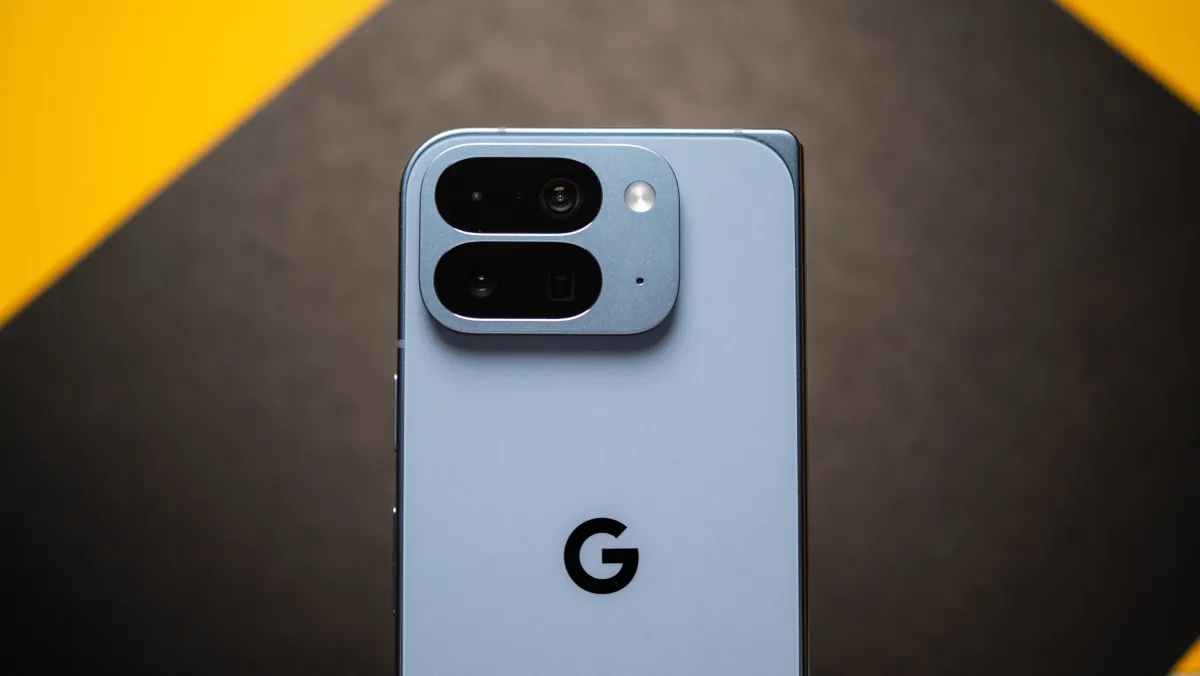
The Pixel 10 Pro Fold also sticks to the same design as the Pixel 9 Pro Fold. Compared to the Z Fold 8 Ultra, the Pixel 10 Pro Fold remains thicker and heavier. The former measures 8.9mm when folded and weighs just 215 grams, while the latter is about 10.8mm thick and weighs around 258 grams.
Get the latest news from Android Central, your trusted companion in the world of Android
The Pixel 10 Pro Fold leads in durability, offering IP68 dust and water resistance, which is rare for foldables. Samsung, on the other hand, despite the upgrade to the hinge mechanism, offers only IP48.
Compared to the Pixel 10 Pro Fold, the Galaxy Z Fold 8 Ultra has a much less visible crease on the inner foldable display, thanks to its new Flex Titanium technology.
The Pixel 10 Pro Fold features a slightly smaller 6.4-inch cover display, but the inner display is also around 8 inches. Both phones offer high-brightness displays, offering up to 3,000 nits of peak brightness.
Samsung Galaxy Z Fold 8 Ultra vs. Google Pixel 10 Pro Fold: Hardware and specs
(Image credit: Andrew Myrick / Android Central)
Samsung leads the pack, powering the Galaxy Z Fold 8 Ultra with the Snapdragon 8 Elite Gen 5 chipset. This is currently the best chipset for Android phones, so you can expect the best performance.
The Pixel 10 Pro Fold is powered by the Tensor G5, the same chip used across the Pixel 10 lineup. It’s Google’s first TSMC-made 3nm chipset, and while it’s a big step up over the Tensor G4 in terms of performance and efficiency, it falls behind the Snapdragon 8 Elite Gen 5 in raw power.
Unfolded: 158.4 x 143.2 x 4.1 mm; Folded: 158.4 x 72.8 x 8.9 mm
Unfolded: 155.2 x 150.4 x 5.2 mm; Folded: 155.2 x 76.3 x 10.8 mm
Colors
Graphite, Cream, Violet Shadow
Moonstone, Jade
Internally, Samsung has also upgraded the battery to silicon-carbon tech, which means the Galaxy Z Fold 8 Ultra now features a 5,000mAh cell. In terms of charging, Samsung has upgraded to 45W wired charging, which is much faster than what you get on the Pixel Fold.
The Pixel 10 Pro Fold already comes with a 5,000mAh battery, so it’s still too early to say which one offers a better battery life. But one area where the Pixel clearly has an advantage is charging convenience. It supports PixelSnap, Google’s take on Qi2, with built-in magnets, meaning you can use MagSafe accessories without needing a case.
This is something Samsung skipped on the Galaxy Z Fold 8 Ultra, which requires a case for Qi2 magnetic charging.
Samsung Galaxy Z Fold 8 Ultra vs. Google Pixel 10 Pro Fold: Cameras
Samsung upgraded the primary camera on the Galaxy Z Fold 7 to 200MP, and this time it upgraded the Fold 8 Ultra’s ultrawide sensor to a 50MP unit, alongside the same 200MP primary sensor as before and a 10MP 3x telephoto lens.
The Pixel 10 Pro Fold comes with a 48MP primary sensor, a 10.5MP ultra-wide, and a 10.8MP telephoto lens with 5x optical zoom. It’s still too early to say which one will perform better, but considering Samsung has been refreshing its camera setup over the past couple of generations, I do expect the Fold 8 Ultra to have an edge here.
That said, we’ll be doing a proper camera comparison soon, so do keep an eye out for the same.
Samsung Galaxy Z Fold 8 Ultra vs. Google Pixel 10 Pro Fold: Which foldable is better?
(Image credit: Derrek Lee / Android Central)
All things considered, the Galaxy Z Fold 8 Ultra brings some genuine upgrades this year, including a less creased inner display and, finally, a much more capable battery. But Samsung has also raised the price by $100, and the omission of Qi2 magnetic charging still stings on a phone at this price point.
The Pixel 10 Pro Fold, on the other hand, not only costs less to begin with, but it’s also often available at a discount for even less. Add in better durability and the promise of day-one Android updates, and it’s hard not to see the Pixel as the more lucrative pick on paper.
Unreliable backups, limited alerting, and phishing risks can make customer protection harder to manage at scale.
Vivid Computers adopted the Acronis Cyber Platform to manage backup and cybersecurity services through a single platform, cutting complexity and making customers easier to support. That shift also opened the door to move from break-fix work to recurring data protection revenue.
Read this case study to see how Vivid Computers did it while also growing a more scalable business in the process.
In this case study, you’ll learn:
Reduced complexity by managing multiple customers through a single integrated platform
Strengthened customer protection with reliable backup and email security services
Drove steady recurring revenue growth by showing clients the value of proactive protection