Keeping it fun: Nothing debuts its phones, audio lineup at Best Buy in the US


What you need to know

  • Nothing announced a product expansion to Best Buy across the U.S., bringing its phones and audio devices to even more people.
  • The company states its Phone 4a Pro, Phone 3, Headphones a, and Ear 3 are now available with its full portfolio on the website.
  • Nothing states it recorded a 120% increase in sales in 2025 in the U.S., and it seems it’s looking to keep that streak going.

Nothing believes that there’s no better way to say “Happy Friday” than to announce an expansion of its products in the U.S.

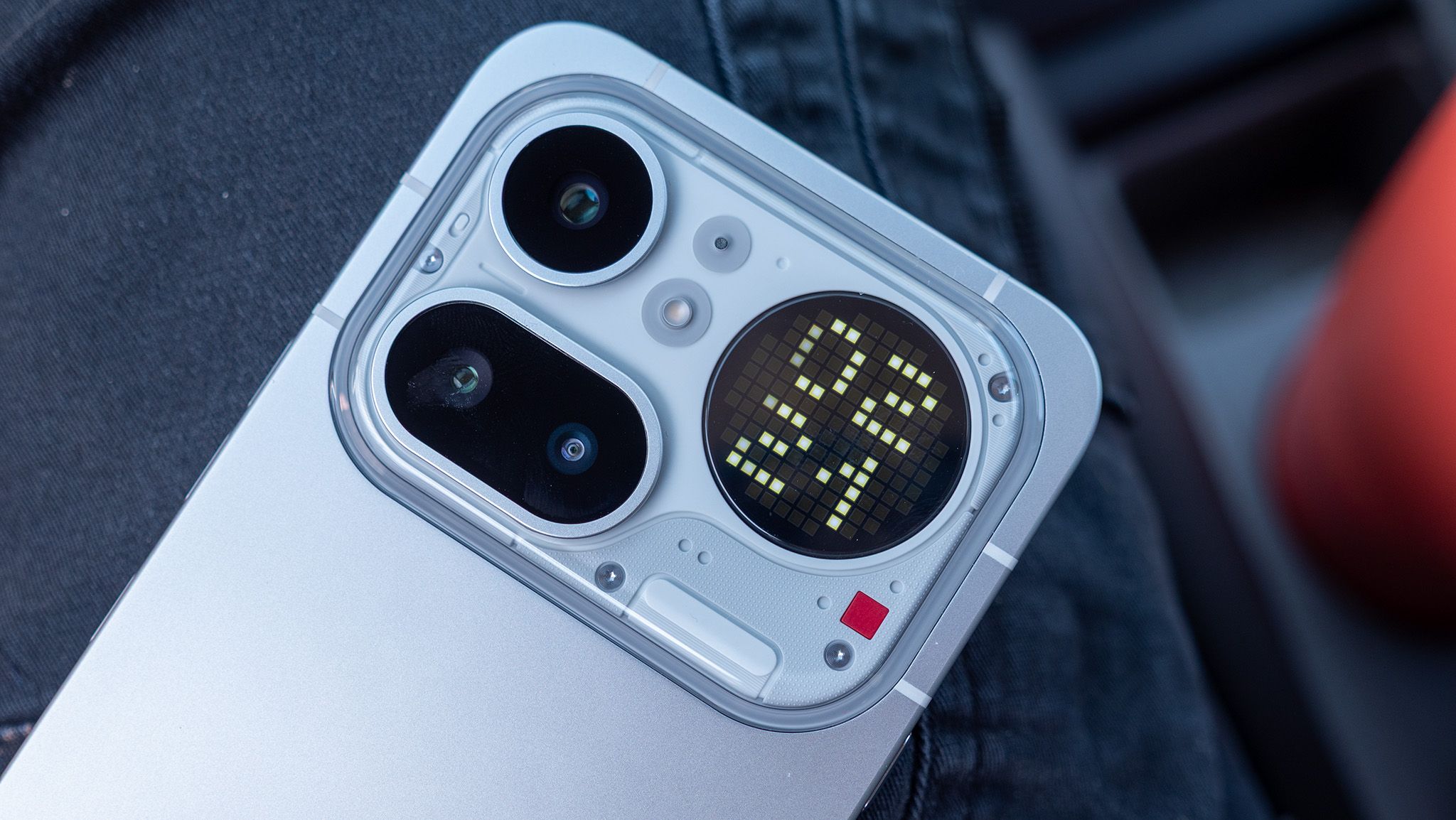
Marking another milestone for Nothing, the company shared a press release today (June 12), detailing its product expansion to Best Buy in the U.S. It states that its phone and audio portfolio “will be available at Best Buy stores nationwide.” Nothing says it’s bringing its products to the store in the U.S. off the back of its success at Best Buy Canada. For phones, Nothing states consumers across the country can find the Phone 4a Pro and the Phone 3 in stores.

2026 Dresner Data Engineering Market Study


In 2026, 48% of organizations rate data engineering as critical — nearly double the 28% who said the same in 2019. That shift reflects a fundamental change in how organizations are building for AI and analytics performance.

The question is whether your organization is keeping pace.

The 2026 Dresner Data Engineering Market Study documents what is driving that change across hundreds of organizations globally. Among organizations where AI is a cornerstone of business strategy, 88% rate data engineering as critical or very important.

For IT and data leaders ready to evaluate their next move, download this study to understand:

  • Why the highest-ROI business intelligence organizations invest in data engineering differently than their peers
  • Which capabilities and sourcing models define leaders in 2026
  • Where your adoption stands relative to industry and geography benchmarks

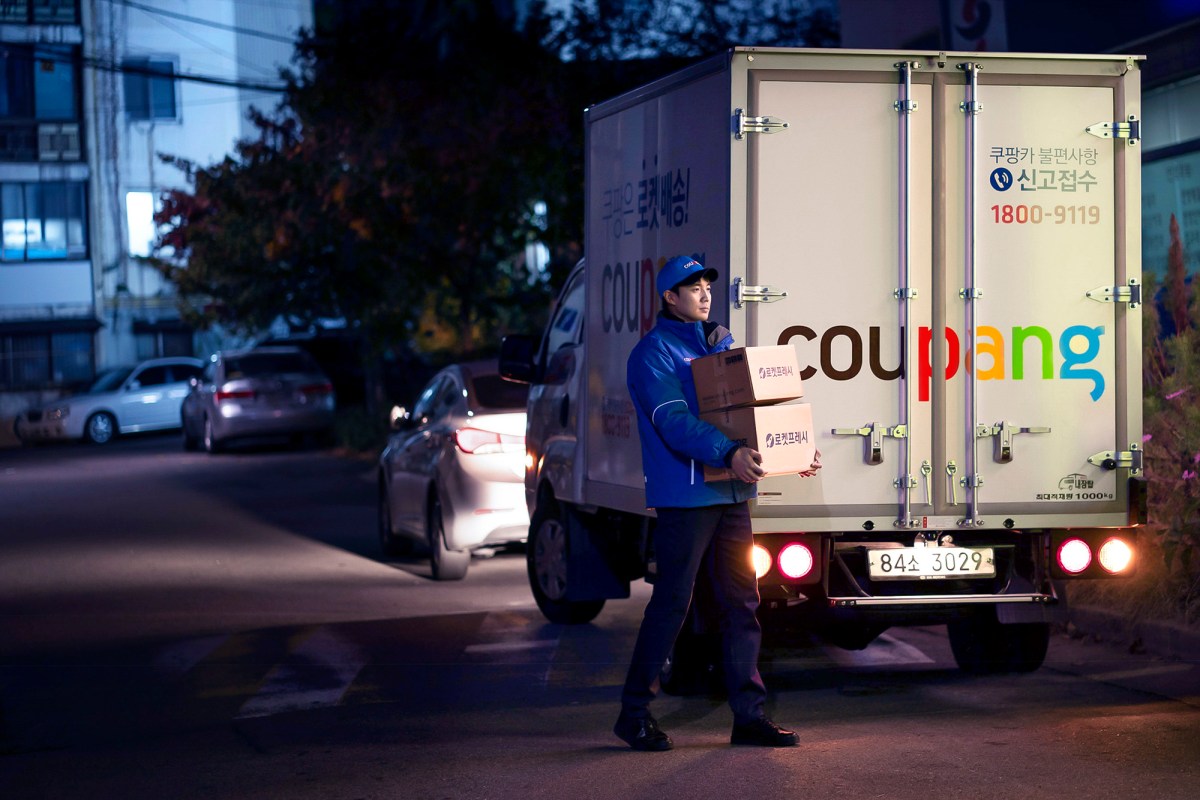
South Korea hits Coupang with $400M+ fine for data breach that affected millions


South Korean authorities have imposed a record-breaking fine of $624 billion won (over $400 million) on retail giant Coupang after a data breach last year compromised the personal data of more than 34 million customers.

Seoul’s Personal Information Protection Commission issued the maximum penalty on Thursday following discovery of the breach in December 2025. The retail giant, which is headquartered in the U.S. but popular in South Korea and likened to the “Amazon of Asia,” had said the months-long data breach allowed a former employee to obtain names, email and shipping addresses, phone numbers and order histories of about two-thirds of South Korea’s population.

Coupang told BBC News that it plans to challenge the regulator’s decision. The fine represents a rare case of a financial penalty issued against a U.S.-based firm. Korean lawmakers have accused some of their American counterparts of imposing political pressure after reports that U.S. representatives were linking the data breach with U.S.-South Korean bilateral ties in response to the case against Coupang’s executives.

U.S. companies rarely face financial sanctions or criminal prosecution for data breaches as a result of lacking laws and enforcement powers.

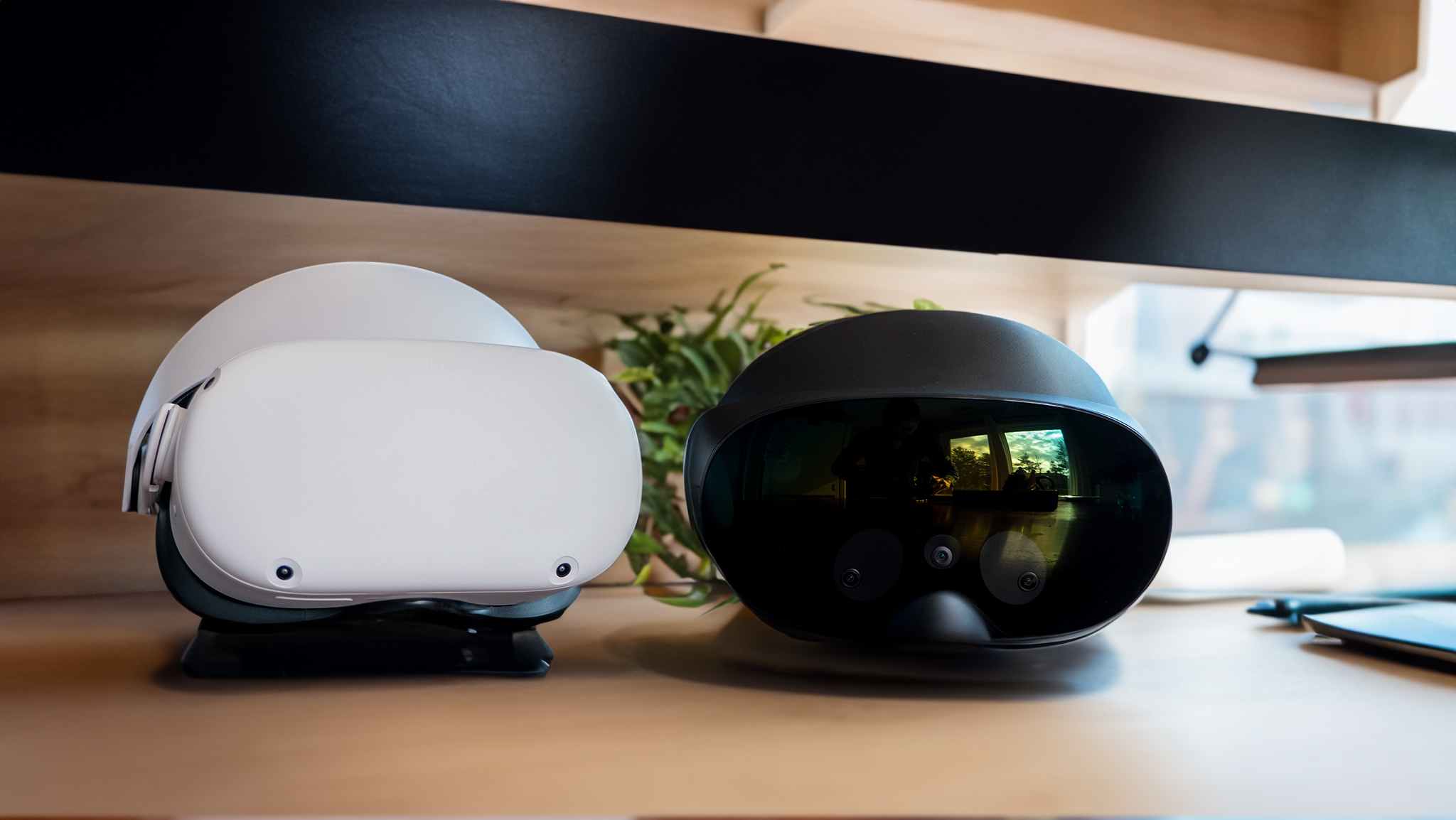
Qualcomm teases ‘something new,’ and we might see it at Meta Connect


What you need to know

  • Qualcomm is drawing our attention toward its XR work, stating “something new” is coming to that environment.
  • The company teases a “smarter and more immersive” XR system, which is likely based on its upcoming Snapdragon chip.
  • It leads us to wonder if something big is being prepared for Meta Connect in September, or the new Pico XR headset.

Qualcomm is teasing what’s next in the world of XR, and our minds are wondering: is Meta involved?

Qualcomm started teasing that a “new reality is coming soon” on a short X post this week. Of course, it looks like we should expect its Snapdragon chip to be a part of this major reveal—whenever that’s set to be. The company has been working to create a new chip that it’s positioning as a game-changer for XR.


Handling peak season without scaling headcount


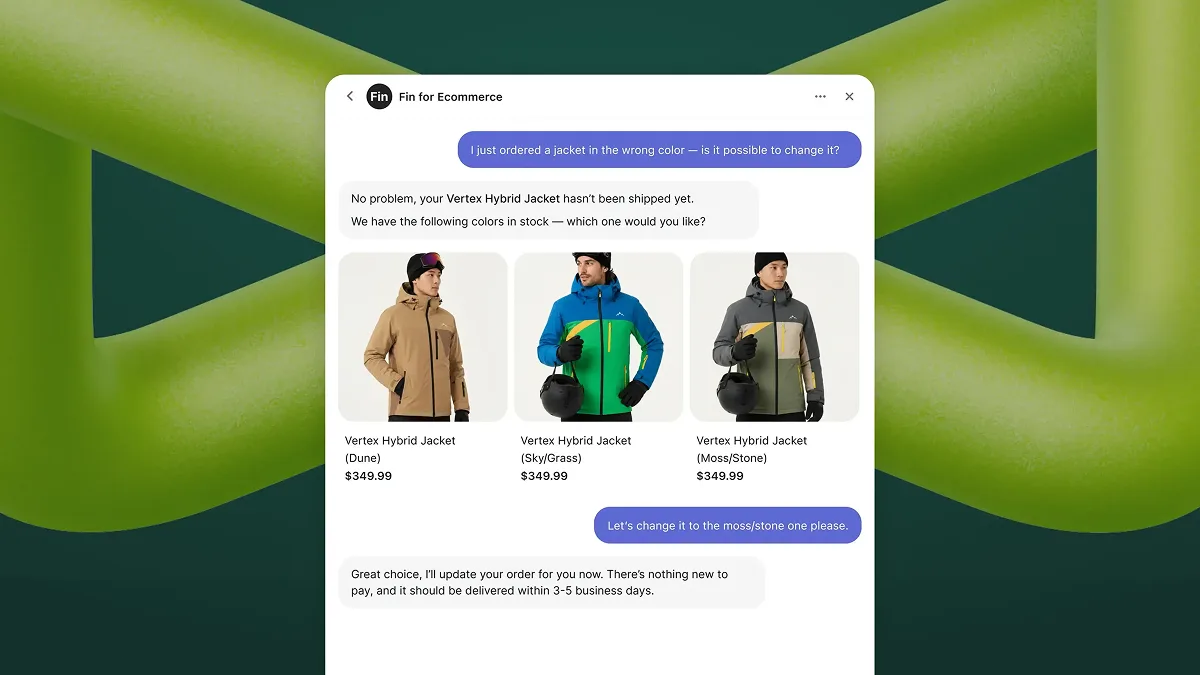
Scaling support to meet rising customer expectations without increasing headcount is where ecommerce teams stall.

The conversation quickly shifts from “Can we handle the volume?” to “How 
do we maintain service quality, protect revenue, and deliver great customer experiences at scale?”

Learn how ecommerce teams use Fin to automate support without sacrificing customer experience.

In this guide, you’ll learn how to:

  • Automate returns, refunds, and order changes that once required agents to switch between multiple systems
  • Guide shoppers to the right products with AI that acts like a knowledgeable sales associate
  • Deliver seamless support and sales experiences in a single conversation
  • Free agents to focus on coaching, QA, and higher-value customer interactions

GM joins race to build batteries for AI data centers and the grid


The race to secure power for AI data centers has spilled over into some unusual places, including the automotive world. 

Battery recycler Redwood Materials kicked off the trend last year with a new energy storage division and a project that attached old EV packs to a Crusoe data center in Nevada. Then, Ford said it was repurposing some of its battery manufacturing capacity to make grid-scale batteries. And now GM is announcing its own — arguably more ambitious — plans for an energy storage system (ESS). 

GM unveiled on Tuesday two new phases in its attack on the energy storage market. The biggest swing by far is GM’s new partnership with energy storage startup Peak Energy. For that partnership, GM is developing an entirely new sodium-ion battery chemistry tailored for grid-scale deployments.

Outside of China, no automaker has announced plans to build sodium-ion cells. 

“The way we’re getting into the market is the easy way, through ESS,” Kurt Kelty, vice president of battery and sustainability at GM, told TechCrunch. “The performance characteristics are just what is needed in that market.”

GM wouldn’t share with TechCrunch how much money it is investing in this energy storage effort. But we do know the company has committed $900 million to commercialize new battery chemistries, an investment that includes a new battery development center.

Sodium-ion batteries work similarly to lithium-ion, but they swap out key materials to make the cells cheaper, longer lasting, and less prone to overheating. The tradeoff is that sodium-ion batteries need to be larger and heavier to store the same amount of electricity. 

Peak Energy has already been working on energy storage systems that use sodium-ion batteries. Because sodium-ion batteries behave differently from lithium-ion, Peak has developed an energy storage system with that in mind. Its grid-scale batteries don’t have cooling systems or fire suppression systems because there’s less risk of overheating. The setup reduces upfront costs, and it should also eliminate costly maintenance, Paul Menson, director of energy storage commercialization at GM, told TechCrunch. 

“This is the manifestation of the hardest part to engineer is no part at all,” he said. “Eliminate the part, eliminate the problem.”

GM plans to sell sodium-ions cells to the startup, which will then integrate them into its products. But that won’t happen right away.

The first GM cells are expected to enter trial production at the company’s Battery Cell Development Center in 2028. TechCrunch was recently given an exclusive look at the new facility, which GM expects will cut about a year from the commercialization process for sodium-ion batteries, reducing costs in the process. 

GM’s sodium-ion cells are still years away from commercial production, however. In the meantime, the automaker will sell lithium iron phosphate (LFP) cells to LG Energy Solution for use in its energy storage systems. LG Energy Solution already works with GM through its Ultium joint venture, which makes batteries for the automaker’s EVs.

Alongside the partnerships with LG and Peak, GM announced that it was expanding its work with Redwood Materials, the battery recycling and energy storage startup founded by former Tesla executive J.B. Straubel. 

Redwood already buys scrap from GM’s battery factories and used battery packs from its EVs. GM has a pipeline of around 10,000 packs it’s sending to Redwood, and the startup has been operating a 12 megawatt/63-megawatt-hour migrogrid using second-life packs at a Crusoe data center in Sparks, Nevada. GM said it is buying a 7.2 megawatt-hour Redwood system for use at one of its plants in Michigan, which it estimates will save it around $3 million over its lifetime.

The GM installation is “a step one” for Redwood, Cal Lankton, chief commercial officer for Redwood, told TechCrunch.

Data centers, where Redwood already operates, and industrial sites like GM’s are “vastly different things,” he said. Where data centers might use batteries nearly continuously to absorb some of the power fluctuations from GPUs, industrial sites are more likely to use them to shave off peaks in power demand, which can lower monthly power bills, and use them to provide backup power in case of an outage.

“The factory is really excited because now we’ve got a more reliable factory,” Kelty said. “Ultimately, we’ll be having similar installations like this at all of our factories. It just makes good economic sense.”

When you purchase through links in our articles, we may earn a small commission. This doesn’t affect our editorial independence.

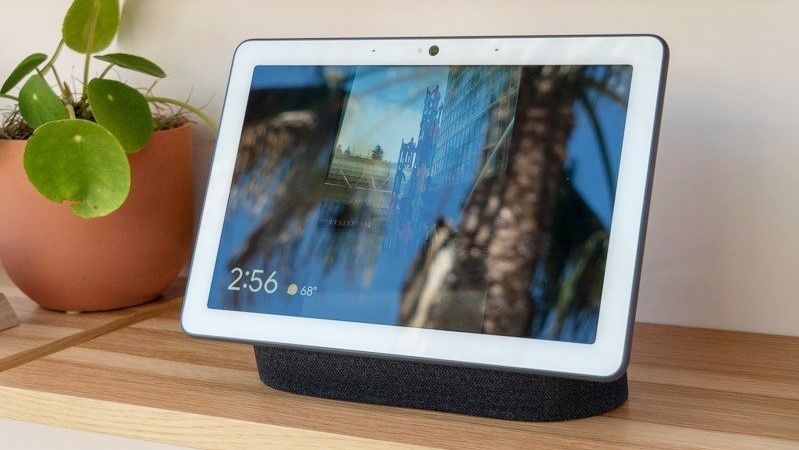
Your Google smart display is finally learning how to hold a real conversation


What you need to know

  • Gemini for Home is becoming more conversational, replacing rigid voice commands and static responses with a more natural AI experience.
  • Weather forecasts, media controls, news summaries, and overall responsiveness are all getting upgrades through Google Home app version 4.18.
  • Gemini now respects preferred temperature units, answers hour-specific questions, and keeps spoken forecasts aligned with on-screen information.

Talking to a smart speaker may have, at some point, felt like giving commands to a stiff, literal-minded robot. If you didn’t use the exact phrasing, everything went awry. Gemini for Home’s latest Early Access update transforms the experience by replacing static broadcasts with a fully interactive, conversational AI experience.

Gemini for Home Early Access gets a new update with improvements to weather forecasts, media playback, news summaries, and general responsiveness. The changes are being rolled out via Google Home app version 4.18 and may not be available to everyone immediately.

New AI Approach for Public Schools: Improving Student Outcomes


Most conversations about AI in public education stop at teacher tools lesson planners, rubric generators, email helpers. The bigger question is what AI can do for students: differentiating instruction, personalizing pathways, and measurably improving outcomes.

Join TrekAi leadership for a 45-minute thought leadership session built for public school and district leaders. We’ll explore what becomes possible when AI moves from helping teachers work faster to helping every student learn deeper and we’ll demo the AI doing it.

You’ll see a new class of education AI in action: Predictive, Dynamic, and Self-Guided. Going far beyond the large language models most of us have grown accustomed to.
We’re also looking forward to seeing many of you at ISTE the following week (June 28–July 1, Orlando). Reach out to connect before then, or stop by the TrekAi booth to keep the conversation going in person.

KEY VALUE PROPS:

  • Designed to work alongside the systems your district already has in place
  • AI engineered to measurably improve student outcomes — not just teacher productivity
  • Predictive, Dynamic, and Self-Guided technology that goes far beyond LLMs
  • Live demo from TrekAi leadership of the most current platform capabilities

Notion restores access to Anthropic after service disruption


Notion’s integration with Anthropic apparently had a hiccup this weekend.

Early Sunday morning, the company posted, “Anthropic’s Opus 4.7 and 4.8 models are experiencing degraded performance, which is causing a higher rate of failures for users selecting these models in Notion AI.”

As a result, Notion said it was disabling use of “all Anthropic models” in its automated productivity tool.

Twelve hours later, Notion’s head of product Max Schoening wrote that he was “astonished” at “the amount of people RT-ing this because they want a story around model quality to be the reason.” (According to the public stats on X, Notion’s post has been reposted around 1,200 times.)

“The degraded performance was a temporary service disruption,” Schoening said. “This happens. It happens to Notion, GitHub, AWS, your OpenClaw, and everything in between.”

He added that Notion has restored access to Anthropic’s models.

Meanwhile, an Anthropic spokesperson said in a statement, “A brief infrastructure issue caused elevated errors on multiple Claude models for a short period of time. The issue has since been resolved. We’re grateful to our users for their patience while we worked to restore service.”

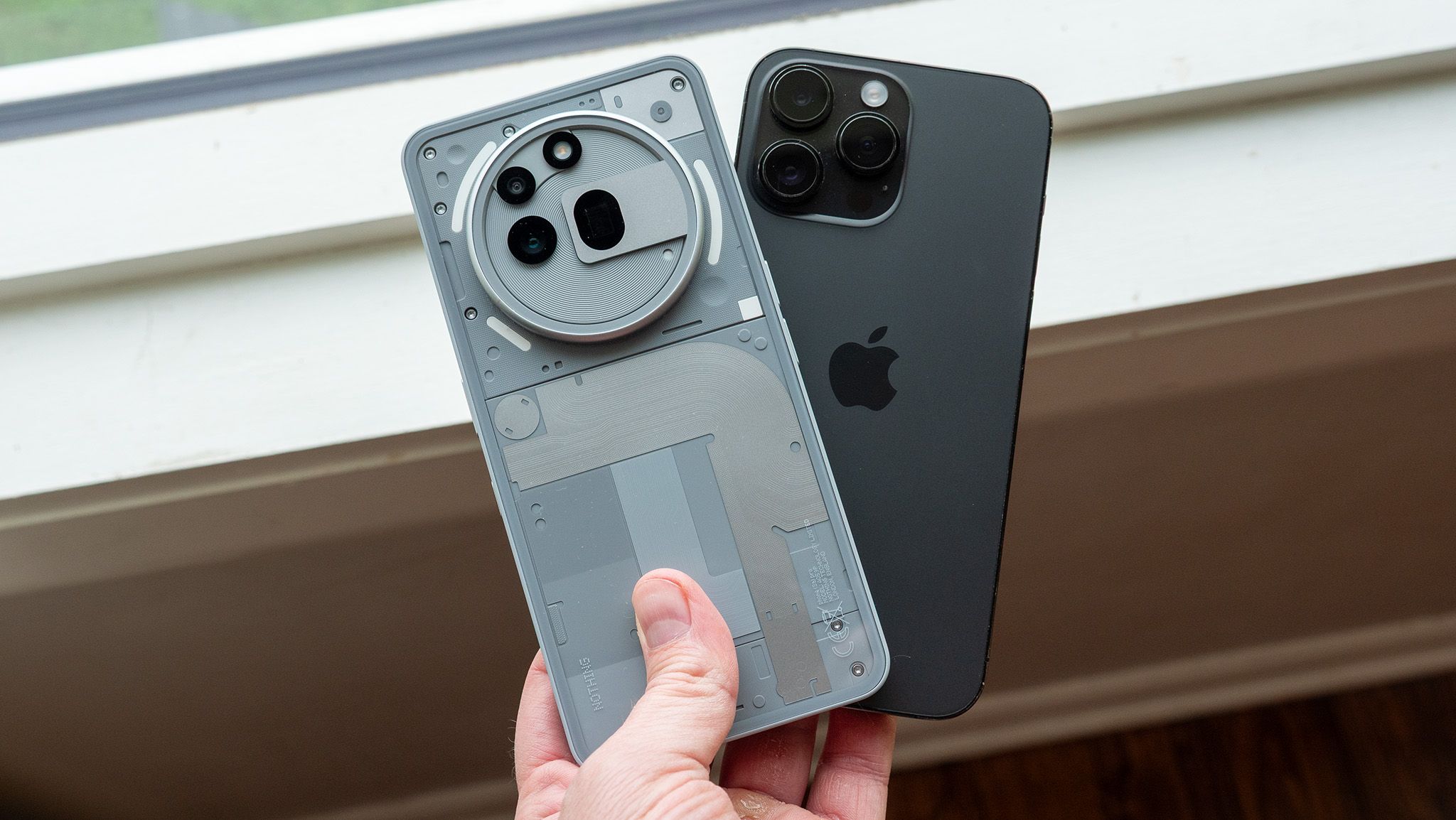
TikTokers are swapping their iPhones for Nothing Phones, and I think I understand why


I’m admittedly not much of a TikToker, but I’ve got lots of coworkers and friends who spend every waking hour perusing the platform’s bevy of short-form videos. So when one of them notices a trend happening, I tend to drop what I’m doing and start digging. What I found was something I never expected: People are ditching their iPhones for Nothing Phones.

After sifting through thousands of comments in videos like this one, I’ve been genuinely surprised by some of the responses, especially the top comments. “I’m getting a Nothing Phone when my iPhone dies,” notes the top comment, followed by “Charlie XCX is a model for Nothing Phone soooo.”