The AI conversation in Christian education has largely stopped at teacher tools lesson planners, email helpers, rubric generators. The bigger question is whether AI can actually differentiate instruction, personalize learning pathways, and measurably improve student outcomes while honoring a Biblical worldview every step of the way.
Join TrekAi leadership for a 45-minute thought leadership session designed for Christian school leaders. We’ll explore how AI moves from a productivity layer for adults to a genuine differentiation engine for students and what that means for the mission and outcomes of your school.
TrekAi was built with a Biblical worldview woven throughout the student experience not bolted on. You’ll see cutting-edge education AI in action: Predictive, Dynamic, and Self-Guided. Far beyond the large language models you’ve already explored.
KEY VALUE PROPS:
Biblical worldview woven throughout the student experience not added on
AI engineered to measurably improve student outcomes not just teacher productivity
Predictive, Dynamic, and Self-Guided technology that goes far beyond LLMs
Live demo from TrekAi leadership of the most current platform capabilities
Hoffman was on Microsoft’s board when it invested its first $1 billion into OpenAI in 2019. Hoffman was one of OpenAI’s original investors and served on the model maker’s board until he stepped down in 2023, citing too many potential conflicts of interest to continue. He was also on Microsoft’s board when the tech giant entered into one of those non-acquisition, acqui-hire deals for $650 million with his AI startup Inflection AI. Microsoft hired Inflection co-founder Mustafa Suleyman through that deal.
Hoffman said on a recent episode of his “Possible” podcast, while talking with Microsoft CEO Satya Nadella, that he’s ready to go “founder mode” with his latest AI startup, Manus. Manus is a drug discovery company that raised over $50 million through a couple of seed rounds last year. Hoffman is an investor, as is General Catalyst.
Hoffman is cited as a co-founder of Manus and chairman of the board, not the CEO, though. That job belongs to Dr. Siddhartha Mukherjee, a physician, biologist, and Pulitzer Prize-winning author of the 2011 book “The Emperor of All Maladies: A Biography of Cancer.”
Still, Hoffman said he’s excited to give Manus more attention.
“One of the things I realized over the last month was that, we’re seeing such progress with Manus. I need to get back to founder mode,” he said. He believes the startup is making progress on “Move 37” AI, meaning AI that supersedes human creativity in chemistry, especially to combat various cancers, he added.
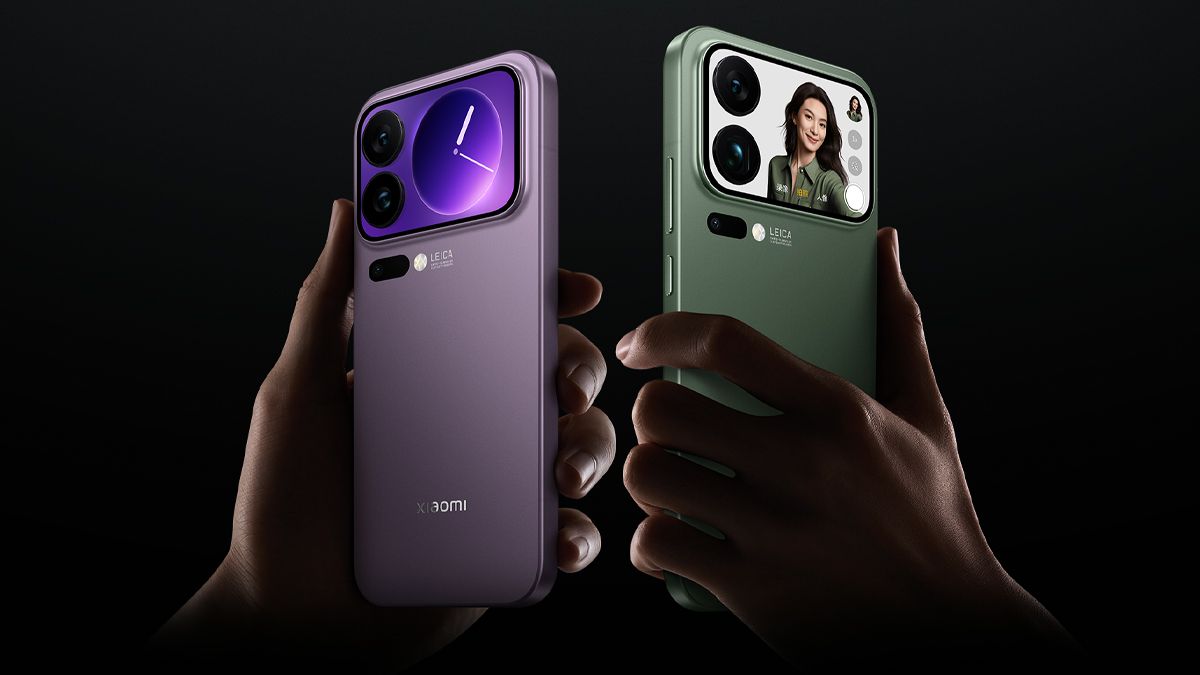
Rumors claim Xiaomi is looking to upgrade the Dynamic Back Display for its upcoming 18 Pro.
This screen could arrive at 4 inches, instead of 2.6 inches like the 17 Pro and Pro Max.
It was mentioned that this screen could sport “higher brightness,” and there’s a chance “privacy protection” could enhance this rear display as well.
Xiaomi’s president, Lu Weibing, was on a livestream shortly after the 17 series debuted, stating it shattered pre-order records and that the brand would look to replicate this rear screen design on future devices.
Xiaomi is coming off the back of a rather eye-catching flagship phone, and now rumors say its next iteration could keep the train moving.
This week, a tipster on the Chinese social media platform Weibo posted alleged details about Xiaomi’s upcoming 18 Pro (via GSMArena). Tipster Smart Pikachu claims the OEM is working on a successor to the 17 Pro with a 4-inch display on its rear panel. It seems the aesthetic of this screen could remain the same, as the post states Xiaomi will integrate “large round corners” (machine translated).
What’s more, the tipster speculates the Xiaomi 18 Pro could feature an RGB Dynamic Back Display with “high brightness” and “high PPI.” This last bit is resolution-based. A higher PPI could help a screen with a higher, more defined, and detailed resolution. Perhaps Xiaomi is trying to make its back display similar to the phone’s front screen in looks alone.
Latest Videos From
The tipster’s post mentioned one more interesting possibility: “privacy protection.” It’s unclear what this could mean. There’s a chance the tipster means this in a similar vein as Samsung’s Privacy Display, but for the rear screen. Some users in the comments wonder if this could be the case, too, but nothing is confirmed.
It’s a “magical” external display
(Image credit: Xiaomi)
Xiaomi’s 17 series was significant since it was the first set of phones to feature Qualcomm’s Snapdragon 8 Elite Gen 5. The company didn’t hold back with the 17 Pro and Pro Max. The base Xiaomi 17 was pretty standard, with a compact 6.3-inch screen and a square camera housing. It was the other two—the Pro models—that featured its new 2.6-inch Dynamic Back Display. This screen offered dynamic alerts, AI wallpapers, custom clock faces, virtual pets, and more.
Most phones aren’t doing this anymore. You can put foldables into the equation here, but those are foldables. Xiaomi’s 17 Pro and Pro Max were so attractive that they shattered sales records. Xiaomi’s president, Lu Weibing, held a livestream after the series launched, stating the phones shattered records minutes after going live for pre-orders.
While both the 17 Pro and 17 Pro Max feature the Dynamic Back Display, the latter shone the brightest. It was stated during this report that Xiaomi plans to replicate this design on future flagships after such a positive reception. With this, the rumors about the 18 Pro featuring an upgraded Dynamic Back Display aren’t so surprising.
Get the latest news from Android Central, your trusted companion in the world of Android
Android Central’s Take
The Dynamic Back Display on Xiaomi’s phones is very cool. It’s like merging that foldable cover display experience with a slab phone. It also feels like there are two ways of doing an external display: either you go all in like the Xiaomi 17 Pro/Pro Max or you’re more minimal like Nothing’s Glyph Matrix. Each have their charm, and each get the job done in different ways. These rumors only talk about the Xiaomi 17 Pro, but I’m almost certain the next Pro Max would feature the same, considering the company is looking to replicate success.
AI is now a boardroom priority, putting intense pressure on data science teams to operationalize reliable models. But with 60% of companies struggling to scale or achieve material value, success ultimately depends on something more fundamental: the quality of the data powering your models.
For data engineers, architects and data science leaders tasked with delivering rapid, high-accuracy predictive intelligence, this eBook explores:
Why operationalizing data science remains difficult and strategies to navigate common challenges
How trusted context moves data science and machine learning from isolated experimentation to enterprise-wide impact
Practical steps to build a unified data foundation for AI
With just two weeks to go, StrictlyVC Los Angeles is quickly approaching. On Thursday, June 18, at The Aerospace Corporation Campus in El Segundo. Investors, founders, and tech leaders will gather for an evening of conversations exploring some of the most consequential shifts taking place across venture capital, defense technology, artificial intelligence, and advanced industry. Secure your spot here.
For executives navigating a rapidly changing technology landscape, StrictlyVC offers something increasingly difficult to find: direct access to the people building, funding, and shaping the next generation of companies. The conversations are candid, the audience is highly curated, and the insights extend far beyond what can be found in headlines, podcasts, or social media feeds.
The evening begins with Ethan Thornton, founder of Mach Industries. In his session, “Built for a New Era of Defense Technology,” Thornton will share his perspective on building a hard tech company at speed and how advances in autonomy, manufacturing, and national security are transforming the defense sector. His story reflects a broader movement of founders tackling ambitious challenges in industries undergoing rapid change.
The conversation continues with Delian Asparouhov of Founders Fund and Saif Khawaja of Shinkei Systems. Together, they will discuss the rise of physical AI and how developments in robotics, automation, and artificial intelligence are creating new opportunities to transform the physical world. Their discussion will offer insight into what it takes to build and scale breakthrough technologies beyond software alone.
Also joining the lineup is Carter Reum, co-founder and partner at M13. In his session, “Finding the Next Big Thing,” Reum will explore how AI is reshaping industries and how investors are moving beyond short-term hype to identify companies built for long-term durability. He will share his perspective on where innovation is creating the most meaningful opportunities and how venture investing is evolving as new categories emerge.
Beyond the conversations on stage, StrictlyVC Los Angeles is designed to bring together the people driving innovation across technology and venture capital. Throughout the evening, attendees will have opportunities to connect with founders, investors, and operators in an environment that encourages meaningful discussion and the exchange of ideas. Whether you are looking to expand your network, gain new perspectives, or discover emerging opportunities, the value of the event extends well beyond the scheduled sessions. Secure your spot here.
Image Credits:TechCrunch
When you purchase through links in our articles, we may earn a small commission. This doesn’t affect our editorial independence.
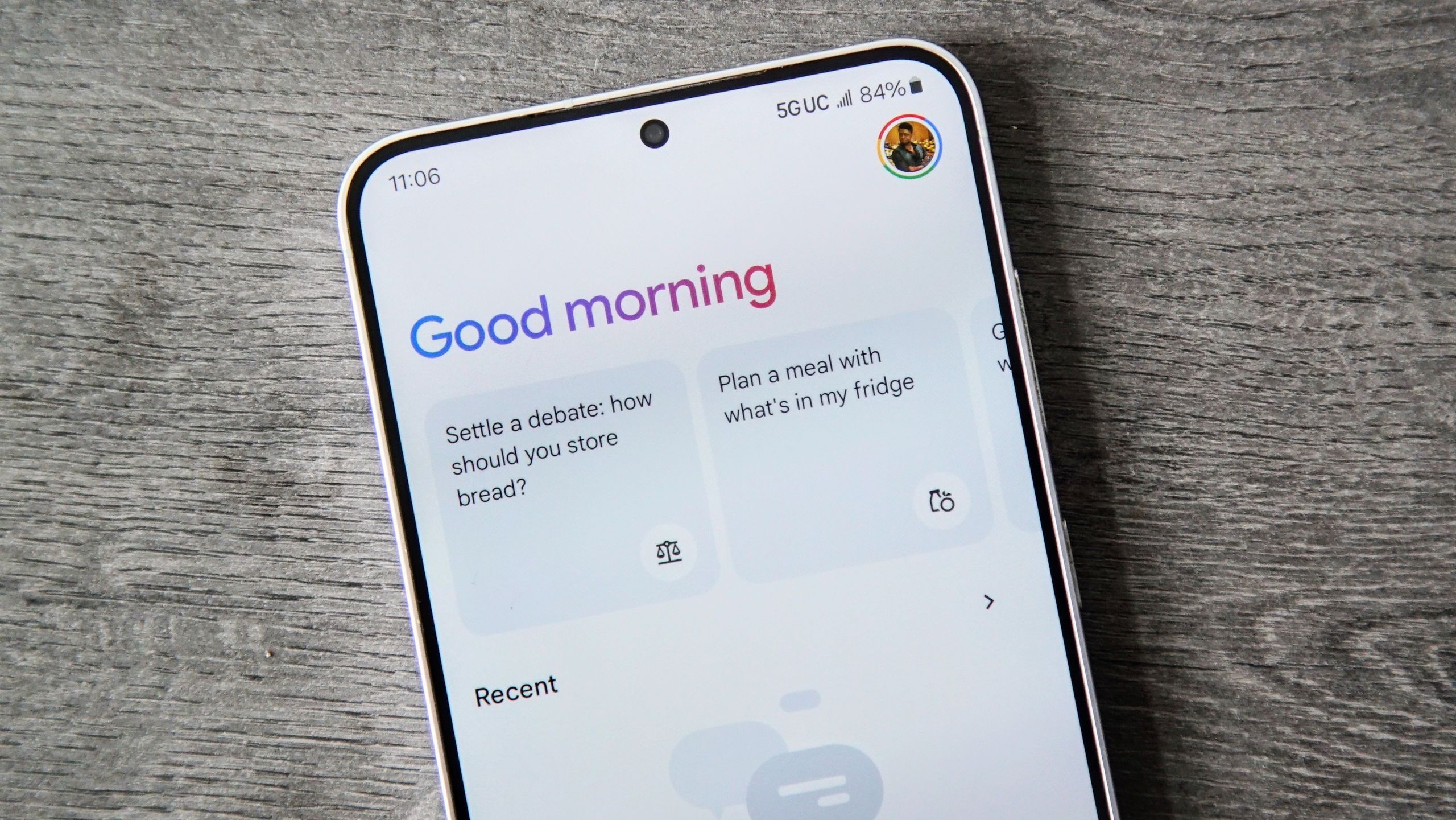
Gemini is officially replacing Assistant Go on Android Go devices, bringing Google’s modern AI experience to entry-level smartphones.
Android Go phone users can now access Gemini natively through the Google app, eliminating the need for clunky browser-based workarounds.
A long press of the Home or Power button launches Gemini.
Google’s aggressive push to get its newest AI on every screen imaginable just reached a massive new demographic. If you have a budget Android smartphone running Android Go in your hands, then it’s time to say your goodbyes to Assistant Go. The Gemini Go era is officially here, replacing the old voice assistant and bringing deeply conversational AI directly to the entry-level market.
Android Go phones — devices designed only with stripped-down software to perform well on severely limited hardware — relied on Assistant Go prior to this change. It worked pretty well, but it had its limitations.
As Google shifts its entire software ecosystem away from legacy voice tools, there’s just no sense in keeping an older assistant on life support. Gemini Go fills that need, designed from the ground up to run on handsets with as little as 2GB of RAM and to do so efficiently.
Latest Videos From
No more janky web workarounds
You get a fully native AI experience right on your device. For a while, owners can’t even interact with Google’s modern generative models without resorting to unwieldy mobile web browser workarounds. With this rollout, that friction is gone. A simple long press of the Home button or the Power key now summons the new AI overlay.
To try it out, just head over to the Play Store and update the Google app, because Gemini Go is baked right into that core application, not a standalone download.
So what can it really do on entry-level hardware? This no-frills AI offers standard utility with deep conversational intelligence. You can still do the day-to-day basics easily — call contacts, send texts, set alarms, and create calendar events. But the real upgrade is in handling complex multi-layered queries. Rather than asking for a restaurant nearby, you can ask, “Help me find a ramen restaurant open for lunch on Tuesday with an EV charger nearby,” and it’ll parse all of those specific conditions all at once, per Google’s announcement.
The functionality goes far beyond basic text prompts. You can upload photos, documents, and other files directly into your chat to give the AI precise context for your questions. It also interfaces directly with media playback. You can say, “Play pop party jams!” or “Play quiet acoustic songs for a dinner party,” and it does all the hard work of curation.
Get the latest news from Android Central, your trusted companion in the world of Android
Google is rolling the feature out gradually, so you may not see the prompt to switch interfaces right away.
Android Central’s Take
This update finally brings the same AI tools to budget phone owners that flagship owners have been enjoying, and that’s a win for accessibility and everyday usability. That said, you can’t help but wonder why it took Google so long to get here. The company talked about Gemini as the future of Android for months but left millions of Android Go users with an increasingly outdated Assistant Go experience. Better late than never, sure, but if this is Google’s vision for “everyone,” then “everyone” probably shouldn’t have had to wait this long.
For the past 10 years, Uber’s annual Lost & Found Index has provided a rather quirky anthropological snapshot of its riders — and even a few insights into society. The annual catalogue of millions of forgotten items ranges from mundane modern-day tools such as smartphones and laptops, to more eyebrow-raising objects like live fish, an ankle monitor, a toboggan, a package of live butterflies, and a single Louboutin shoe.
This year, Uber is using the report to highlight the same old problem of lost items with a new twist: robotaxis. Thousands of items (it’s a bit too new for millions) were left behind in robotaxis on Uber’s ride-hailing network in the past year, the company said Tuesday. There were the usual suspects of phones, keys, wallets, passports, and headphones, along with a few items that strayed into the who-is-this-rider category: a set of dentures, an “I Heart Hot Dads” bag, and a blue hat that reads “Emotional Support Human.”
Beyond this entertaining list lies a business opportunity, if a minor one. Even in a future of robot taxis, someone still has to return the things passengers leave behind.
Uber has spent the past several years locking up dozens of partnerships with autonomous vehicle (AV) technology companies. But it really wasn’t until March 2025, when the “Waymo on Uber” robotaxi service launched in Austin, that the commercial wheels on its AV business started turning. Since then, Uber and Waymo have also started a robotaxi service in Atlanta. Uber has added other AV companies to its app in the past year, including Motional in Las Vegas and Avride in Dallas, although these still have human safety operators behind the wheel.
That Uber has already logged thousands of lost items in just 12 months gives some sense of just how many robotaxi rides have been completed on its app. The underlying message here is that Uber’s existing network is already set up to reunite riders with their lost items, including a 15-pound yo-yo, one large black marble duck, a Squishmallow, and a Charli XCX poster.
When an Uber rider forgets belongings in a robotaxi, the process for recovering them is similar to any other Uber ride: open the app, click the activity tab, select the trip during which the item was lost, and contact customer support. Riders are then able to message, chat, or call a support agent. If the item is located, they have two options: pay $15 for an Uber Courier driver to provide same-day local delivery, or pick up the belonging in person from an AV depot, where the vehicles are stored and serviced.
Uber Courier is a rebrand of Uber Connect, which launched in 2020 and allowed users to send packages and personal items between local addresses. But Uber says there is more to its robotaxi support network than repurposing existing services.
“With tens of millions of lost items reported on Uber each year, we’ve spent the last decade building systems that help riders quickly and seamlessly reunite with their belongings,” Amy Satrom, global head of autonomous support at Uber, said in a statement. “As autonomous rides continue to scale on Uber, we’re bringing that same expertise to AVs — combining our fleet operations, support teams, and hybrid network to make getting a lost item back simple, even when there’s no driver behind the wheel.”
In February, the company announced Uber Autonomous Solutions, a new business division that conveys its bigger ambitions around driverless tech. The division provides companies with a suite of services that handle all the tasks associated with operating a robotaxi, self-driving truck, or sidewalk delivery robot business, including software and support services.
And Uber clearly means to make AVs a major revenue driver. The company plans to offer robotaxi rides through its app in as many as 15 cities globally by the end of the year and has said it intends to be the largest facilitator of AV trips in the world by 2029.
When you purchase through links in our articles, we may earn a small commission. This doesn’t affect our editorial independence.
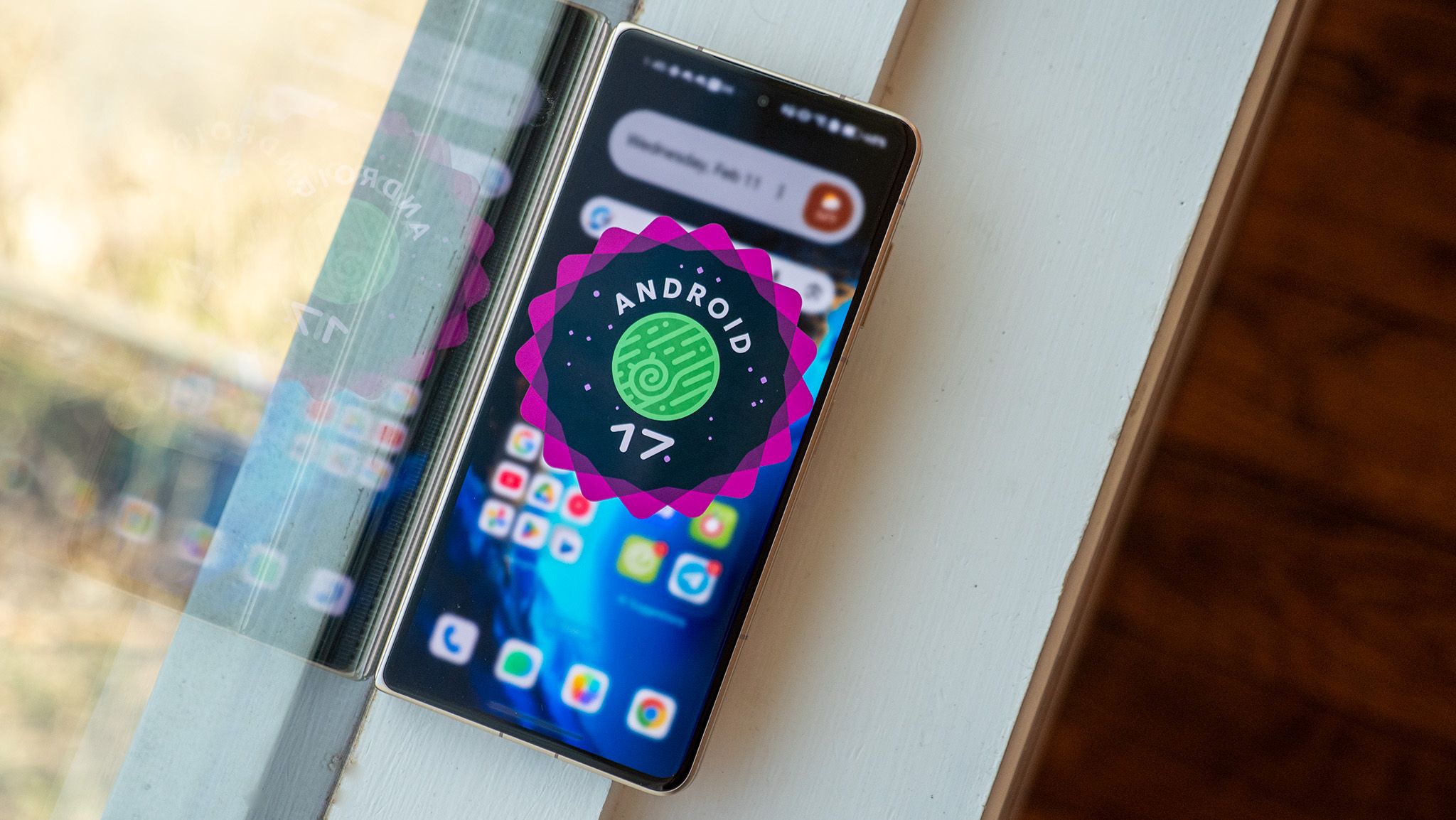
Google’s rolling out a Android 17 Beta 4.1, which focuses on solving issues regarding hearing aids and the status bar.
The patch notes drew attention to several other Android makers who have phones supported in the Android 17 beta, such as Honor, Xiaomi, and Vivo.
Google is moving fast, testing its software’s first major quarterly release alongside the main beta.
While the scheduled releases for Android 17’s beta have already rolled out, Google is bringing another iterative update to solve a few lingering issues.
Google posted the changelog for Android 17 Beta 4.1 on Reddit, which is rolling out for the Pixel 6 up to the Pixel 10 and the Pixel Tablet. Users should be aware that Beta 4.1 bears two firmware numbers. Enrolled testers with a Pixel 6, 6 Pro, 6a, Pixel 7, and 7 Pro will receive CP21.260330.011.A1. All other devices will find CP21.260330.011. Google is likely working on fixing up a few issues that have cropped up during its testing before Android 17 debuts officially.
Google is rolling out a fix for the status bar. It’s been identified that it would “incorrectly display zero signal bars despite active connectivity.” Another fix is rolling out for Android 17’s accessibility. The patch notes state an issue has been fixed that caused hearing aids “to be automatically forgotten from paired devices after inactivity or charging.”
Latest Videos From
The remainder of the patch notes is as follows:
A UI synchronization issue where the mobile data Quick Settings icon remained active during Airplane mode
An issue where external displays would go black when selecting high resolutions
A Bluetooth audio routing issue that caused playback silence after system interruptions like timers
A bit of house cleaning
(Image credit: Nicholas Sutrich / Android Central)
Google also highlights that users with other Android phones from different makers can get in on the Android 17 beta, too. It states phones from Honor, iQOO, Lenovo, OnePlus, OPPO, Realme, Sharp, Vivo, and Xiaomi are eligible. If you’re interested (and if you have a supported device), you can follow Google’s instructions for how to get started.
We’ve been experimenting with Google’s last scheduled beta for its Android 17 cycle since April. The company’s focus was stability, ahead of what should be a mid-2026 launch for Android 17. App memory limits to reduce excess RAM usage were introduced, alongside improved performance and battery life for phones. Developers were also encouraged to begin optimizing their apps for Android 17 in preparation for its stable release.
Google also isn’t wasting much time. Android 17’s first QPR is in testing, as Beta 3 rolled out for users late in May. Bug fixes were its focus, but Android moved closer to a frosted-glass design in this beta.
Get the latest news from Android Central, your trusted companion in the world of Android
Android Central’s Take
Google’s been on a tear with Android 17 this year, wasting no time rolling out betas and even testing its first quarterly patch. While we’re expecting it to drop in mid-2026, there’s s chance we might see things line up with the Pixel 10 series.
AI companies have grown into data-hungry entities as their models require ever-larger datasets to train on. To meet that need, many AI startups defy long-standing internet conventions — like respecting robots.txt files, which signal to automated crawlers which parts of a website are off-limits — and scrape data aggressively. This has forced websites to restrict access to their data and, in some cases, strike licensing deals with AI companies. Fitness and social running company Strava is making a move in this direction by restricting its website and introducing fees for developer access.
To stop scraping, the company is increasing security around its website and will now only allow authenticated users to view certain data. Earlier, users were able to see details like public profiles and fitness club listings without logging in. The company is putting all that data behind authentication to protect it from unauthorized AI scraping.
On the API front, developers could previously start building apps on Strava through a free, tiered access program — applying for basic access first, then requesting more as their app grew. Now the company is adding a flat $11.99 per month fee for all developers, though it noted the price may vary by geography.
Strava said its developer community has grown from 185,000 members last year to 241,000 this year, and the company plans to continue supporting them. As part of that, Strava also plans to add support for Model Context Protocol (MCP), an emerging standard that lets AI assistants and apps access external data in a structured way, giving Strava more control over exactly what gets shared and how.
The company is also planning to retire some API endpoints — discrete access points that let outside apps pull specific data, like club details — to protect user data. Strava had already tightened API rules in 2024, banning its use for AI training and limiting third-party apps from displaying other users’ data. Those changes drew backlash from developers who said their apps would be severely affected.
While some developers may accept paying a subscription fee, sunsetting certain API endpoints could still impact dependent apps. Strava is giving developers a 90-day grace period before making these changes.
In an interview with TechCrunch, Michael Martin, Strava’s CEO, said unchecked AI scraping could be the death knell of the public internet.
“AI companies are ruthlessly scraping public websites, given their endless need for training data, which is degrading site performance across the board,” Martin said. We’ve had multiple instances in the last several months where performance has been diminished and, in some cases, impaired. Beyond scraping the public sites, they’re also trying to use our API to get access to our data, ignoring API terms.”
He noted that Strava has refused overtures from leading AI labs seeking data licensing deals. He specifically singled out Perplexity, saying the AI search startup routed its scraping through aggregator services to obscure its origin despite being turned away. This is consistent with Perplexity having been accused of similar behavior elsewhere in the past.
Martin also flagged server overload caused by poorly built vibe-coded apps, whose API calls are often inefficiently structured and generate a disproportionate load on Strava’s systems. It’s a pattern: when Meta banned third-party chatbots from WhatsApp last year, it made a similar argument about system overhead.
The timing probably isn’t coincidental. Strava confidentially filed for an IPO earlier this year, and its move to protect its data may be intended to signal data discipline to prospective investors. The comparison to Reddit’s 2024 crackdown on API access is one Martin was quick to address. Unlike Reddit, which priced API access by the number of calls (making it unaffordable for many app developers), Strava is betting a flat fee keeps the developer ecosystem intact.
“We want the users to feel that they own their data and feel comfortable with how we are controlling and securing it. But we want the developers to continue to flourish and grow,” Martin said.
When you purchase through links in our articles, we may earn a small commission. This doesn’t affect our editorial independence.
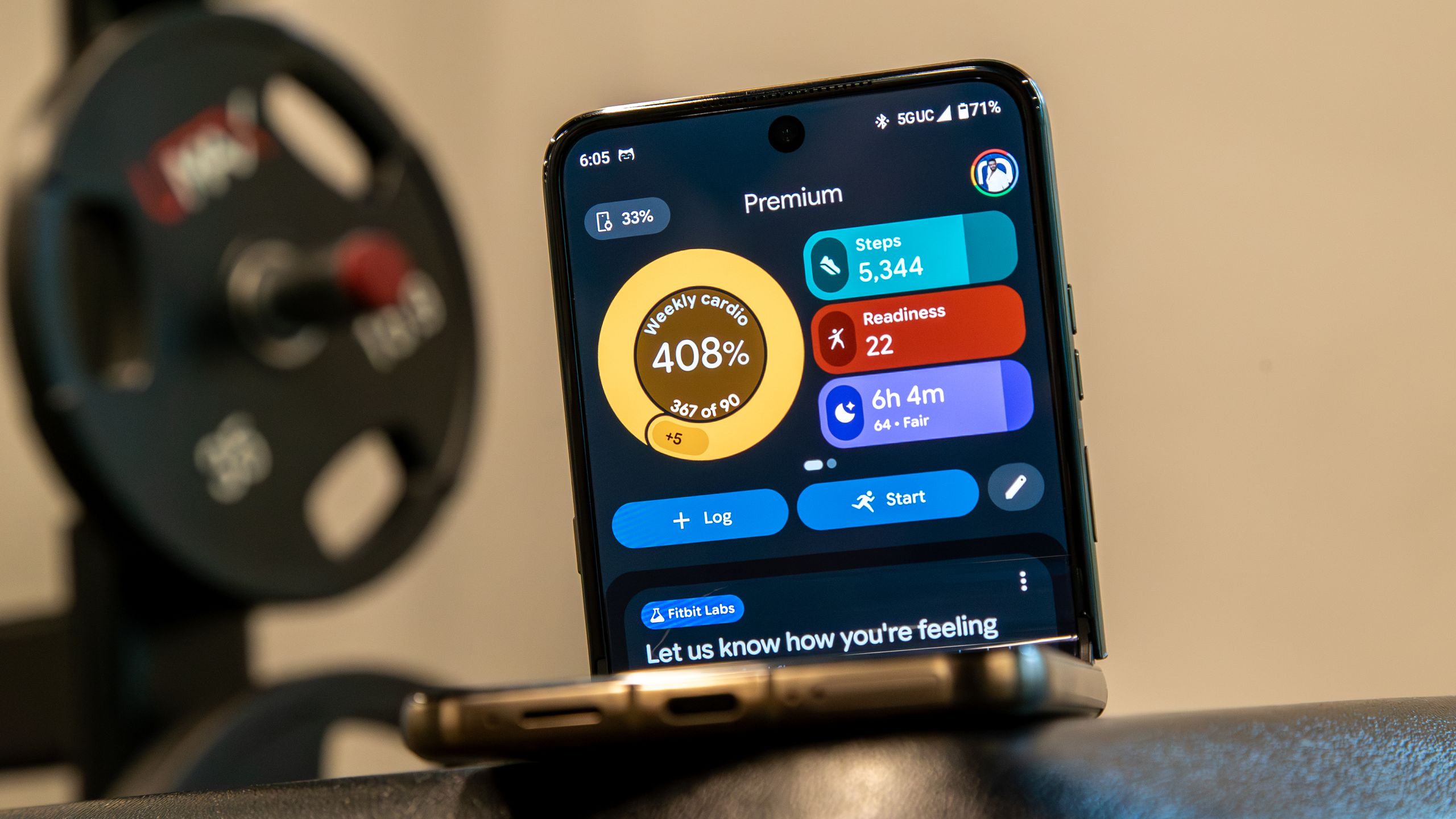
The revamped Google Health app (formerly Fitbit) has landed alongside the new Fitbit Air, and while not everyone is happy with the changes, my experience has been pretty positive.
I’ve been using the new UI for six months, staring with the Health Coach preview launches toward the end of 2025, and while the upgrade to Google Health has brought in some useful changes and features, there are still some improvements I would like to see. These are my biggest highlights after spending some time with the new Google Health app.
A welcome redesign and AI overload
(Image credit: Derrek Lee / Android Central)
I should start by saying that, unlike some long-time Fitbit users, I was not married to the old Fitbit app design, which I found dull and uninteresting.
Latest Videos From
The new design is much more colorful and animated, making information easy to see and understand. Your focus metrics are easily accessible at the top of the Today tab, or you can scroll to dive deeper into today and yesterday’s activities.
The tabs are also clearer in their focus, now with four tabs in the navigation bar, including Fitness, Sleep, and Health. I find this much better than the old app’s three tabs, and I’m glad Sleep and Health have their own dedicated sections.
(Image credit: Derrek Lee / Android Central)
The app is very AI-focused, and if you’re subscribed to Google Health Premium, the Health Coach is everywhere. I don’t actually mind the Health Coach too much (more on this later), but it can be quite overwhelming in the app. Every section is inundated with information and large blocks of text to help you better understand your metrics.
Google says it’s working to make Health Coach messages “more concise without sacrificing helpful detail” while enhancing messages with “more visuals like charts, maps, and glanceable stats.”
Get the latest news from Android Central, your trusted companion in the world of Android
I think this is a step in the right direction, but Google should go further and simply hide the Coach messages. Just present the data on each tab visually, and add a small button to each card with the typical AI sparkle icon to expand it to view Health Coach messages.
That way, users aren’t bombarded with AI-generated text and can decide when they want the additional insights. Give us more control over the experience.
Keeping me on track
(Image credit: Derrek Lee / Android Central)
The Coach tab in the previous Fitbit app was pretty bare-bones, with daily run recommendations being the only feature I found remotely useful. Google took that and ran with it, expanding AI to underscore the entire app experience.
During the onboarding process, I told the Coach my goals, available equipment, and any ailments that might hinder my performance. It even provided some welcome pushback when I suggested how much I wanted to work out each week, warning that I might overexert myself. After settling on a schedule, the coach has been pretty great about keeping me on track week to week.
Part of this is thanks to the more flexible weekly Cardio Load, which basically measures how intense your activities are. This metric is available on the Today tab and is also easily visible in the Fitness tab for additional guidance.
(Image credit: Derrek Lee / Android Central)
I told the Coach that I want to gain muscle mass, lose body fat, and become more consistent at running so I can run my first 5K later this year. Since then, my weekly workouts have focused on these goals, with a variety of exercise types in each session and a weekly running goal that includes varied circuits at different target distances and paces.
You can either follow the workouts to the T or edit them to your liking. I tend to just follow what Fitbit tells me, making small adjustments here and there depending on how I feel.
You can also start a workout in-app or send custom runs to your Pixel Watch. Unfortunately, I’m still unable to send non-run workouts to the watch, which feels like either a bug or an oversight.
On the plus side, workouts can even automatically progress to the next exercise after a set timer ends, but it would be nice to see this implemented with auto rep counting.
I also don’t like that workouts are now listed in the Fitness tab as “suggestions,” which feels a little less committal. In the preview, each day of the week had a set workout or rest period, which provided a nice structure.
Fortunately, Google has already noted that users are demanding more structure, and it is “bringing back weekly structured schedules later this year in some way,” which I look forward to. Until then, this format isn’t horrible, especially for users who prefer the flexibility.
Encouragement goes a long way
(Image credit: Derrek Lee / Android Central)
Despite how overwhelming the AI can be on the Google Health app, I actually find it to be quite encouraging. Messages are usually pretty insightful, taking your activity, sleep, and metrics into account to properly prepare you for the day.
For example, I worked out a ton during the first few days of the week, more than I usually do. As a result, I was encouraged to rest on Wednesday, which I did. Later that evening, the app told me the rest was “exactly what your system needed” while keeping things “low-key” with a light walk.
It then started prepping me for my return to the gym the next day, suggesting I set an alarm, pack my gear, and drink more water since it noticed my resting heart rate was increasing.
(Image credit: Derrek Lee / Android Central)
The Coach usually provides insightful messages like that, often delivered as notifications on my phone throughout the day, after a workout, or when I wake up. And if need be, it will change its tune if it notices things are off, such as if I didn’t get enough restful sleep.
You can, of course, chat with the Health Coach if you want more insight into your sleep, workouts, or other metrics. A few times, I’ve had to tell it to adjust my workout schedule and cardio load because I was traveling for work that week and knew I wouldn’t be able to get to the gym. The Coach would then work with me to shift my goals based on when I could get back to the gym that week or just remove my workout plan for that week entirely. It’s pretty flexible.
You can also ask for advice on how to improve specific metrics, and it will respond with suggestions on what you can do, complete with links to the sources it draws from.
This is the kind of experience I would expect from a personal trainer, so it’s great that I can get it through a relatively inexpensive app subscription. That said, I still don’t think it can fully replace having a real person train you.
Almost a replacement for MyFitnessPal
(Image credit: Derrek Lee / Android Central)
Food logging is a Google Health feature that I want to love, but it doesn’t quite hit the mark. When logging food you can either tell Coach what you ate or you can take a photo of it. Surprisingly (or perhaps, unsurprisingly), object recognition is pretty good, and the app can fairly accurately discern what your meal is just by snapping a photo.
Another alternative is taking a photo of the barcode, if there is one, offering an alternative to MyFitnessPal’s own barcode-scanning feature, which you need to subscribe in order to have access to.
The downside of either of these methods is that while Google Health knows what you are eating, the information it logs is still inaccurate. For example, I took a photo of a meal I made, which just consists of four scrambled eggs and roughly 2oz of ground beef. The app knows its scrambled eggs and ground beef, but the nutritional value was quite off, with the app underestimating the amount of protein.
(Image credit: Derrek Lee / Android Central)
I tried to make it easier by scanning the barcode of a Barbell protein bar, which clearly lists the nutritional value on the wrapper. The app recognized the bar, but the calories were still off by 10, and that was only one of a few inaccuracies I noticed with food logging.
Fortunately, Google Health syncs with MyFitnessPal, so I can still log my meals in that app and the correct nutrition values will appear. Still, I’m hoping Google can step up its game here, because it would bring the Google Health app one major step closer to being my one app to rule them all.
My health in one place
(Image credit: Derrek Lee / Android Central)
Speaking of one app to rule them all, it’s clear that this is Google’s goal with the Health app, especially now that you can link your medical records. I linked my previous and current medical providers with the app, and now I’m able to see my conditions, medications, visit history, vaccines, and even lab results, all in one place.
I actually find it to be a convenient way to not only see everything in one place but also bring more context to Coach for your overall health.
You can also log new lab results in the app if they don’t sync automatically, although the app seems to do a good job syncing the information. I just wish the data was laid out better; seeing the historical data of 788 lab results, 95 medications and 71 conditions just looks overwhelming, especially since I currently only take a few medications and have a few conditions.
You can also ask Coach about certain details of your medical history, and Coach even warned me that a recent test showed results that are “outside normal limits” (don’t worry, I’m fine). And while some may find this access useful, others will undoubtedly find it intrusive.
You can choose what gets synced, and Google says the only time any of your information is shared is to verify your identity with CLEAR. Otherwise, it assures that your synced medical history is “securely stored” in the app. but again, it’s up to you if you want to give the Google Health that additional info.
More to come
(Image credit: Derrek Lee / Android Central)
Obviously, Google Health is not perfect and there are quite a number of things that either need fixing, tweaking, or that are just plain missing. Many users have complained about the AI Heath Coach hallucinating, although I haven’t knowingly experienced this. Sleep profiles is something I miss from the old Fitbit app, matching users with cute animals based on their sleep styles.
Fortunately, Google is already hard at work preparing updates to the app, and has provided a list of updates coming soon or later this year. Sleep profiles still isn’t among them, but I’m holding out hope.
Still, it’s a great sign that Google is listening to user feedback to create a comprehensive health app for everyone, and I, for one, am all for it. Just remember to give a thumbs up or down for any features or AI responses in the Google Health app if you really like something or things don’t look right.