This weekend’s two biggest movies were both directed by YouTubers


The YouTube-to-prestige-horror pipeline is looking very strong this weekend.

Taking the number one spot at the box office is “Backrooms,” a feature film expansion of Kane Parsons’ series of YouTube videos featuring eerie found footage of a mysterious office space (drawn from a 4chan thread) that defies physics.

Directed by Parsons, “Backrooms” made $38 million on Friday, and is expected to bring in a total of $80 million to $90 million at the domestic box office over this weekend alone. For indie studio A24, that’s its biggest opening by far — the previous record was held by “Civil War,” which made $25.7 in its first weekend of release.

The number two film, “Obsession,” is pulling off something that’s arguably even more impressive. True, it made a mere $8 million on Friday, with an estimated weekend haul of $28.5 million — but the movie (about a romantic wish gone nightmarishly wrong) already made more money in its second weekend than its first, and now its third weekend is set to grow another 19 percent.

For context, most wide release films normally fall between 50 to 70 percent in their second weekend; last year’s “Sinners” was considered an extraordinary word-of-mouth success because it fell less than 5 percent. Outside of Christmas releases (which have more staying power, thanks to the holidays), growing from weekend to weekend is unheard of — according to the Hollywood Reporter, “Obsession” is the first film since 1982 to grow on both its second and third weekends.

And like “Backrooms,” “Obsession” is a horror movie directed by filmmaker who first made his name on YouTube — Curry Barker, who released the hourlong found footage horror film “Milk & Serial” on YouTube in 2024. Barker has already shot his next film and is set to direct a new remake of “The Texas Chainsaw Massacre.

The two releases follow the surprise success of “Iron Lung,” a video game adaptation released earlier this year. Directed by Mark Fischbach — better known under his YouTube account name Markiplier — “Iron Lung” grossed nearly $41 million domestically.

In a New York Times article about the recent “YouTube-to-filmmaker boomlet,” Rutgers CInema general manager Mark DelVecchio noted that “lots of YouTubers have tried to make the leap to mainstream movies and come up short.” What sets Parsons, Barker, and Fischbach apart? DelVecchio said that despite their youth (Parsons is 20, Barker is 26), they all have “longevity.”

“At this point, some of them have been making videos for a very long time, and that’s how you develop a loyal audience that will follow you,” he added.

By the way, while I haven’t seen “Backrooms” yet (fingers crossed for tomorrow), I have seen “Obsession.” So I can confirm that it absolutely does not disappoint — I watched most of the second half with my fingers over my eyes, and I may even have screamed a few times.

When you purchase through links in our articles, we may earn a small commission. This doesn’t affect our editorial independence.
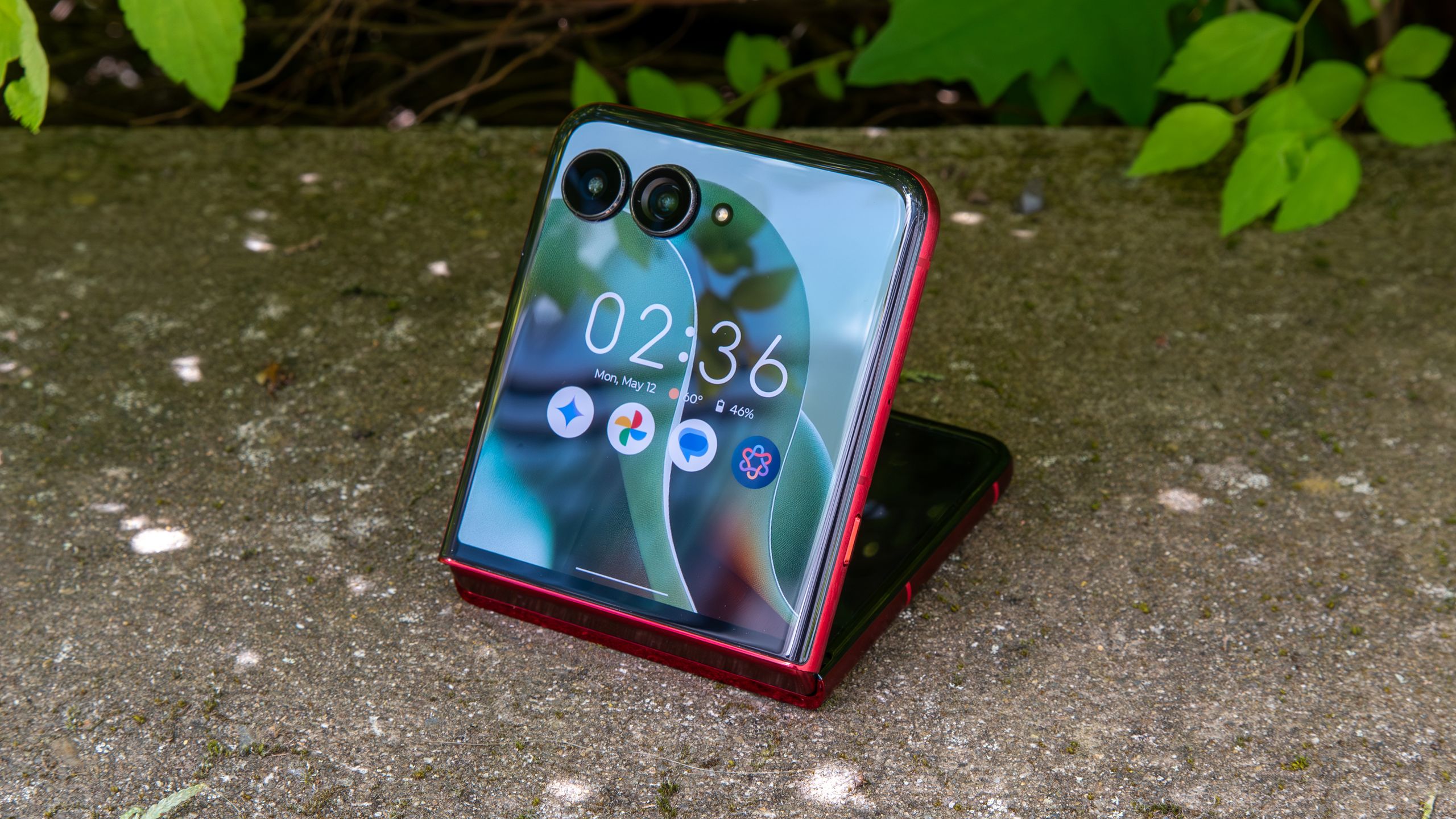
These are the best Motorola Razr Fold screen protectors right now


Not much time has passed since the Motorola Razr Fold hit the shelves. While cases and screen protectors were not immediately available at launch, we’re starting to see dependable picks make their way to us now.

The best Motorola Razr Fold screen protectors come in various finishes and at different price points. Whether you prefer a glossy finish or a matte one, there’s something available to fit your needs, even with the very limited collection that’s on sale right now.

Internal and external screen protectors for the Razr Fold

Why you can trust Android Central


Our expert reviewers spend hours testing and comparing products and services so you can choose the best for you.
Find out more about how we test.

Choose your finish when picking the right Motorola Razr Fold screen protector

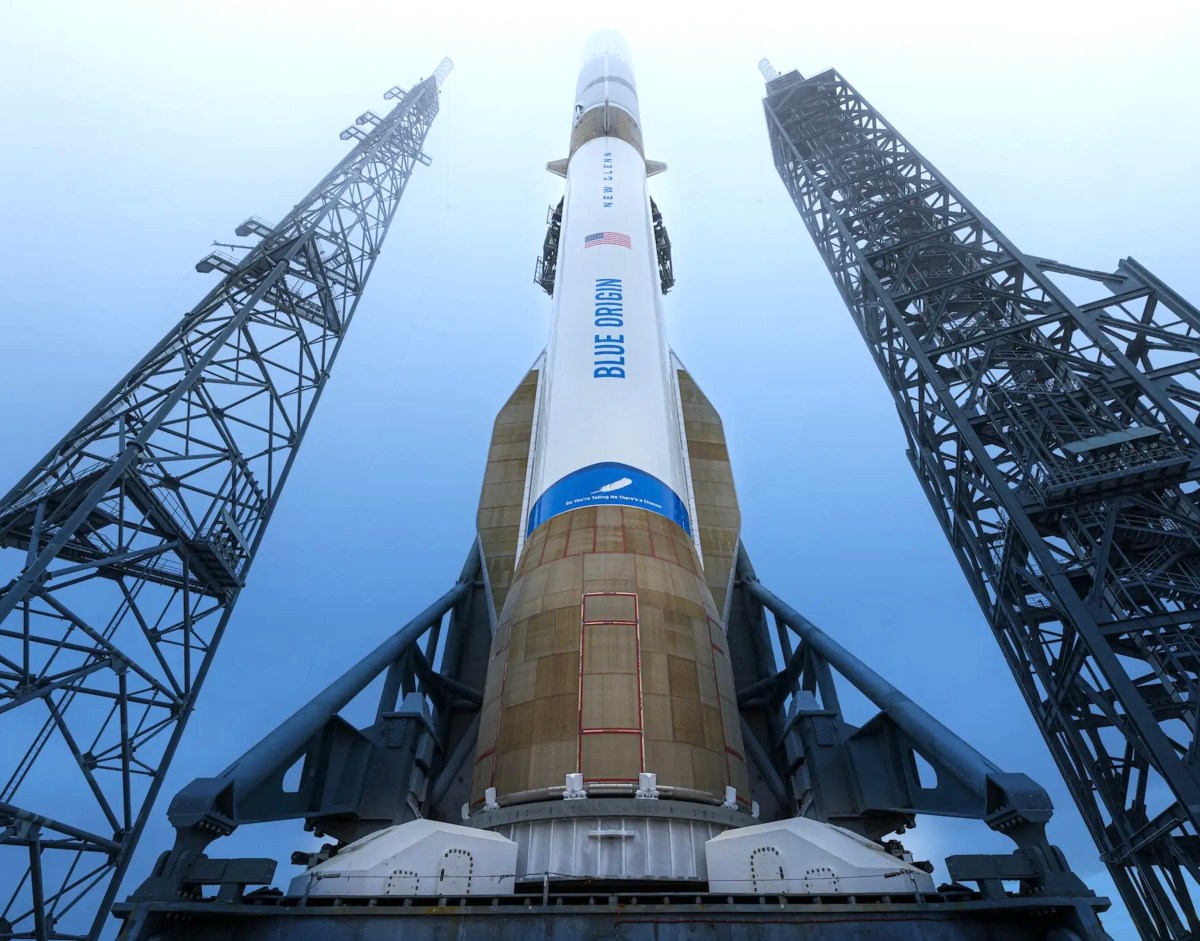
Blue Origin’s New Glenn rocket explodes during testing in Florida


Blue Origin’s New Glenn mega-rocket just exploded during testing at a launch site in Cape Canaveral, Florida, according to live streams from NASASpaceFlight.com and SpaceFlight Now. Blue Origin later confirmed the explosion.

Jeff Bezos’ space company was performing a static fire test ahead of an anticipated fourth launch of the new rocket in the coming weeks, which was supposed to carry Amazon Leo internet satellites to space. That means the rocket was likely fully fueled, contributing to what is one of the largest rocket explosions in U.S. history and the worst failure in Blue Origin’s existence.

Blue Origin said in an X post Thursday evening that “[a]ll personnel have been accounted for,” and Bezos wrote that they were “safe.” The company didn’t say what went wrong, only that an “anomaly” occurred.

“It’s too early to know the root cause but we’re already working to find it. Very rough day, but we’ll rebuild whatever needs rebuilding and get back to flying. It’s worth it,” Bezos wrote.

NASA Administrator Jared Isaacman said in a post late Thursday that the agency will “work with our partners to support a thorough investigation of this anomaly, assess near-term mission impacts, and get back to launching rockets.”

In a statement, the Federal Aviation Administration (FAA) told TechCrunch it was aware of the explosion and said there was “no impact to air traffic.” NASA and the Space Force did not immediately respond to requests for comment.

The explosion likely means Blue Origin will have to pause the New Glenn rocket program for an extended period of time while it works through what went wrong. Blue Origin had been planning to attempt as many as 12 launches of New Glenn this year, after the company spent around a decade developing it in an attempt to compete with Elon Musk’s SpaceX.

The company is also supposed to help power NASA’s Artemis missions to the moon, with the agency highlighting Blue Origin’s expected role in that program earlier this week. Isaacman said Thursday that NASA will “provide any impacts to the Artemis and Moon Base programs as it becomes available.”

Blue Origin has been aiming to launch national security missions for the Pentagon as well.

“Most unfortunate. Rockets are hard,” Elon Musk wrote on X shortly after the explosion. “I hope you recover quickly.”

The explosion comes just a few weeks after Blue Origin’s New Glenn rocket flew for the third time ever. That mission suffered its own failure when the New Glenn upper stage failed to put an AST SpaceMobile satellite into orbit, causing a total loss of the mission. Just last week, the FAA cleared New Glenn to fly again after Blue Origin completed an investigation into the cause of the failure.

A very new, late rocket

Blue Origin has spent years developing New Glenn while it used its New Shepard program to test out smaller-scale sub-orbital rockets. While New Shepard has ferried a fairly regular cadence of wealthy people and celebrities (along with some science missions) to the edge of space, Blue Origin was constantly working in the background to develop a rocket that could put real commercial payloads like large satellites into orbit.

That work took a long time — longer than Blue Origin had anticipated — but finally came to a head in January 2025, when the company flew New Glenn for the first time.

New Glenn appeared to be a fairly successful rocket right off the bat. It reached orbit during that first flight, though the booster stage exploded before Blue Origin could attempt to land it on a drone ship in the ocean.

Blue Origin was even more successful with New Glenn’s second flight, though, in November 2025. During that mission the company launched twin spacecraft to Mars for NASA. Blue Origin also landed its first booster stage during New Glenn’s second mission.

That allowed the company to re-fly the booster on New Glenn’s third mission, showing not only the ability to recover the first stage, but refurbish it for re-use — a critical step in reducing the overall cost of operating a launch business.

The re-used rocket booster had no problems flying again, and even landed a second time on one of Blue Origin’s drone ships, during New Glenn’s third mission in April 2026. But the company experienced a cryogenic failure in the upper stage during mission three, which led to the loss of the satellite.

This upcoming fourth mission was supposed to be the first of 24 launches that Amazon has contracted Blue Origin for. Amazon is currently building out a competitor to SpaceX’s Starlink satellite internet network, which it calls Leo. On Wednesday, Amazon touted its ability to rely on Blue Origin to build the network, calling New Glenn a “reusable, heavy-lift rocket.”

Amazon confirmed to TechCrunch late Thursday that no Leo satellites were on board for this test.

Late Thursday, Congressman Mike Haridopolos (R-FL), who represents the district that is home to Cape Canaveral, wrote on X that he had spoken with NASA administrator Jared Isaacman about the explosion.

“I am grateful there were no reported injuries and thankful for the first responders, engineers, and launch crews who acted quickly. Praying for Florida’s Space Coast and everyone involved,” he said.

When you purchase through links in our articles, we may earn a small commission. This doesn’t affect our editorial independence.

Meta unveils app subscriptions: ‘Plus’ plans precede ‘Meta One’ tests for AI and creators


What you need to know

  • Meta’s head of product, Naomi Gleit, announced the company’s array of “Plus” subscription plans for Instagram, WhatsApp, and Facebook.
  • These plans will give users more ways to “express and connect” for $3.99 per month (Facebook, Insta) and $2.99 per month for WhatsApp.
  • The company then teased “Meta One,” a subscription tests that includes four plans, two of which will arrive for testing for Meta AI users.

Meta is definitely making some moves this month, announcing a series of new subscription plans for its apps.

Naomi Gleit, Meta’s head of product, announced on Instagram that the company is rolling out subscription plans for Instagram, Facebook, and WhatsApp (via TechCrunch). Gleit teases these subscriptions by asking, “What if subscriptions could give you more from your apps?” What’s rolling out globally are the Instagram Plus, WhatsApp Plus, and Facebook Plus plans.


ClickHouse triples anualized revenue to $250M, charting a path toward an IPO


Database provider ClickHouse has crossed $250 million in annualized revenue run rate, tripling its business from last year, Yury Izrailevsky, co-founder and president of product and technology, told TechCrunch. Israilevsky expects the revenue figure to reach the high nine figures by the end of the year.

ClickHouse was valued at $15 billion in January following a $400 million Series D funding round led by Dragoneer Investment Group. The latest valuation implies a steep multiple of over 60 times annualized revenue.

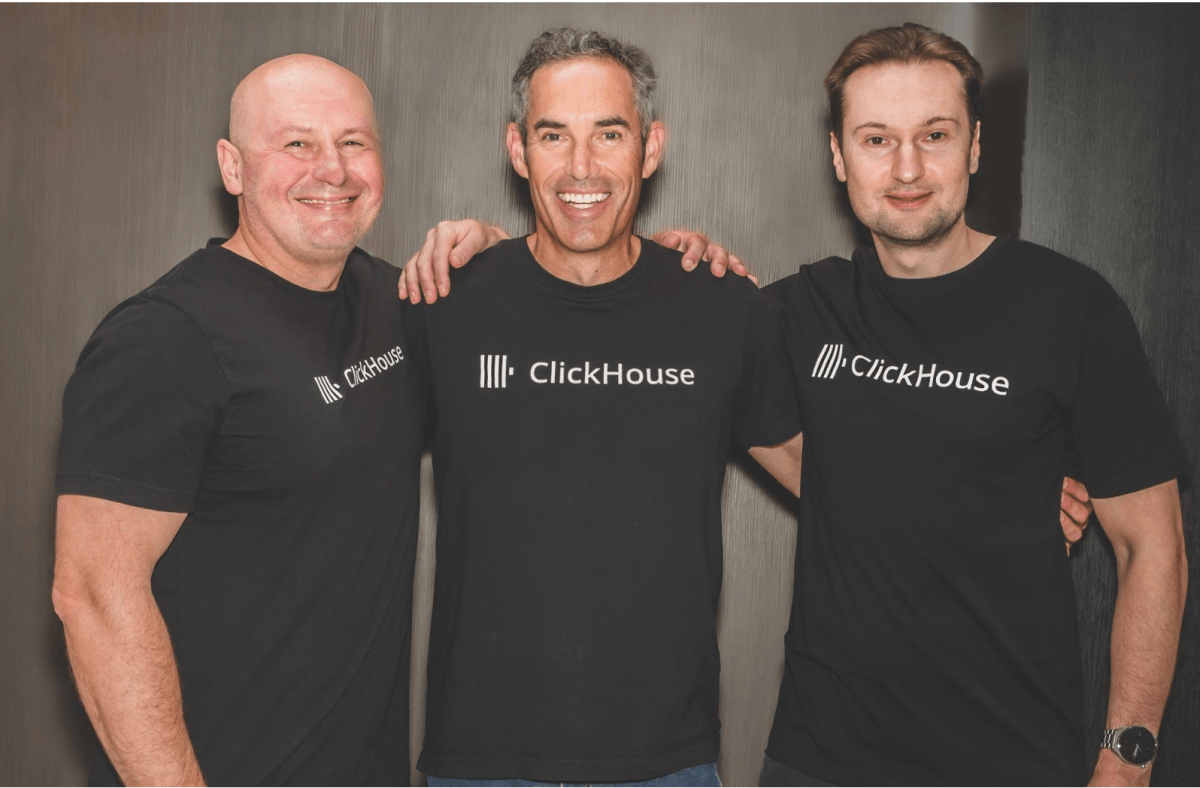
The fast revenue growth and premium valuation position the less-than-five-year-old company for an IPO within the next few years, according to Izrailevsky (pictured left). ClickHouse joins a small, but growing list of tech startups signaling plans to go public as the IPO window is expected to be flung wide open by SpaceX’s historic June debut, followed by highly anticipated listings from OpenAI and Anthropic later this year.

Last fall, the startup hired Jimmy Sexton, who previously ran investor relations at Snowflake, one of ClickHouse’s main competitors, as chief financial officer. Bringing on a CFO is often viewed as a signal that a company is preparing for public markets.

The company has already acquired six startups, including Langfuse, which helps developers track and evaluate AI agent performance. Izrailevsky indicated that ClickHouse plans to remain acquisitive, looking to scoop up “relatively young, but showing very promising technology” startups, typically open-source, that complement its core product suite.

The technology behind ClickHouse was originally developed inside Russian search giant Yandex 17 years ago, but spun out as an independent startup in 2021.

ClickHouse has over 4,000 customers, including Anthropic, Meta, Capital One, and Decagon.

The startup’s open-source database is designed to process the massive datasets required by AI agents. ClickHouse generates revenue by selling managed cloud services. Izrailevsky claimed that this commercial offering ultimately costs clients less than self-managing the open-source version. It “is something that’s a little counterintuitive, but it also has been a big tailwind for us,” he said.

When you purchase through links in our articles, we may earn a small commission. This doesn’t affect our editorial independence.

It was already hard to recommend the Motorola Razr Ultra (2026), but this $600 discount on last year’s version makes it even harder


The new Motorola Razr Ultra 2026 is an excellent phone with one big problem: its price. With its retail tag of $1,499.99, the clamshell device is simply out of reach for many folks, which has led some to consider the last-gen Razr Ultra as a viable alternative.

Last year’s Ultra is just as good as the 2026 phone in many ways, after all, and thanks to a new deal from Amazon, you can get the unlocked Motorola Razr Ultra (2025) for as little as $699.99 today. That’s a full $800 cheaper than the 2026 Razr Ultra, which makes going last-gen seem like a no-brainer for as long as this deal is active. How do the two phones compare, and what are you sacrificing by going with the 2025 Razr Ultra? Let’s break it down.

Skip the 2026 Motorola Razr Ultra — last year’s model is $800 cheaper at Amazon today 

✅Recommended if: you want a powerful clamshell smartphone and you don’t mind going last-gen; you prefer the simplicity of buying phones unlocked.

❌Skip this deal if: you want the latest in flip phone technology, and you don’t mind paying for it; you want to wait and see if the Motorola Razr Ultra (2026) gets discounted this summer.

Before I start comparing the two phones, it’s worth judging the Motorola Razr Ultra (2025) on its own merits. As far as overall bang for the buck is concerned, you can’t really do much better than last year’s Ultra. The clamshell device still impresses with a Qualcomm Snapdragon 8 Elite processor and 16GB of RAM, plus you get a titanium reinforced hinge, all-day battery life, and 512GB of battery life straight out of the box.

Widgets on the Razr Ultra 2025 cover screen

(Image credit: Derrek Lee / Android Central)

The 2026 version of the Razr Ultra upgrades the battery life and camera tech, but that’s pretty much it. There’s no new chip, the displays are largely identical, and you don’t get any added software support. They’re both great phones, to be sure, but unless you’re an avid Motorola enthusiast or money isn’t an object, there’s really no reason to go with the 2026 model over last year’s version.

That said, there is one more thing to consider. The fact that Motorola increased the price of the Ultra by $200 likely isn’t sitting well with consumers, so I wouldn’t be surprised if the company decided to discount the phone (and the rest of the 2026 Razr lineup, for that matter) during the upcoming summer sale season. Prime Day 2026 is just around the corner, after all, and you never know what Amazon discounts lay ahead.

What ClickUp’s mass layoff tells us about the future of work


AI’s biggest champions have argued for some time that the technology will usher in an era of unprecedented productivity gains, richly rewarding workers who harness it while displacing those who don’t.

Zeb Evans, CEO of the collaboration software startup ClickUp, claims that this shift is imminent. Last Thursday, Evans announced on X that the company, which was last valued in 2021 at $4 billion, had laid off 22% of its workforce yet characterized that reduction as not a cost-cutting measure, but rather a radical embrace of AI that will propel the company to the next level.

“Most savings from this change will flow directly back into the people who stay. We’ll be introducing million-dollar salary bands. If you create outsized impact using AI, you’ll be paid outside of traditional bands,” Evans wrote.

ClickUp recently introduced roughly 3,000 internal AI agents to handle a wide range of complex tasks on behalf of its employees, according to a Fortune article published several days ago. Instead of performing the work themselves, staff members are now expected to direct these agents and ultimately review the output to ensure it meets the company’s standards.

Evans’s goal, according to his X post, is for AI to turbocharge ClickUp into a “100x org.”  

ClickUp is not alone in its hope that AI agents will provide massive productivity gains.

In fact, according to a recent Gartner survey, about 80% of companies using autonomous tech have cut jobs. However, the study found that workforce reductions aren’t necessarily translating into meaningful financial returns.

While Gartner’s findings suggest some companies use unproven AI as an excuse to downsize, ClickUp maintains it is not one of them.

Evans told TechCrunch via email that the startup is indeed seeing productivity gains from AI agents. Not only is ClickUp measuring those efficiencies internally, but it’s also apparently gearing up to include them in a forthcoming product for its customers.   

“Instead of gamifying token cost, we gamify value created and time saved,” Evans wrote.

In recent months, a growing number of companies have started monitoring employee token consumption, using it as a metric to see who is actually adopting AI tools. But critics argue that “tokenmaxxing”—as this concept is known—is the wrong metric because it simply racks up AI expenses.

“The people that automate their jobs with AI will always have a job,” Evans claimed in his post. But if AI keeps taking over more tasks, ClickUp will eventually need fewer and fewer people, eliminating those who fail to automate their functions well.

Tech circles have long theorized about this scenario.

One extreme example of a high-profile startup using AI automation to the max already exists. Polsia, a one-year-old startup that claims to handle all software operations for solopreneurs, is run by just one person: its founder and CEO, Ben Broca. That efficiency is apparently paying off: Polsia just raised $30 million at a $250 million valuation.

When you purchase through links in our articles, we may earn a small commission. This doesn’t affect our editorial independence.

Five reasons the Huawei Watch Fit 5 Pro is my go-to smartwatch


I like what Huawei is doing with its wearable strategy; the brand’s Watch Ultimate 2 is the best high-end smartwatch, and I prefer it to the Galaxy Watch Ultra because of its weeks-long battery life. The Watch GT 6 Pro is a great all-round smartwatch, and Huawei’s latest Watch Fit 5 Pro is aimed towards fitness.

The Watch Fit 5 Pro is aimed at a younger audience, and that’s immediately evident when you look at the choice of colors and the styling of the bands. The smartwatch costs £249 ($335) on Amazon U.K., and it’s available in most countries where Huawei has a presence. I’ve been using it as my daily driver for just over a month now, and here’s why I think it is a better choice than the Apple Watch or Galaxy Watch 8.

The Watch Fit 5 Pro has a stylish design

Huawei Watch Fit 5 Pro review on Android Central

(Image credit: Apoorva Bhardwaj / Android Central)

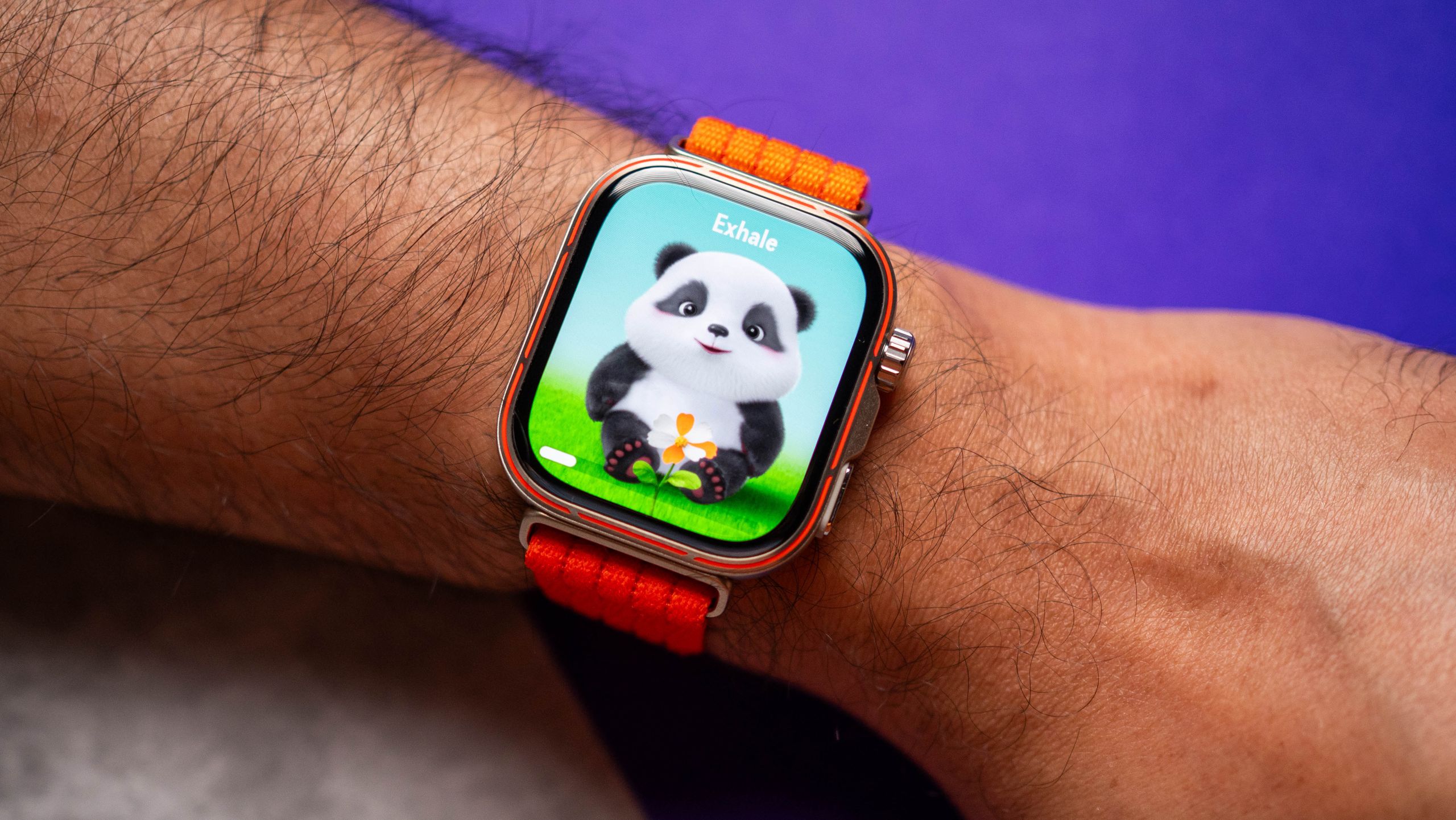
Huawei has an orange color of the Watch Fit 5 Pro that stands out considerably — as I found out while using it in Thailand ahead of the launch event. This is a smartwatch that’s designed to grab attention, but it isn’t ostentatious.

Latest Videos From

SolarSquare in talks to raise up to $60M as India’s rooftop solar market draws major VC interest


SolarSquare, an Indian rooftop solar startup that helps households and housing societies adopt solar power, is in advanced talks to raise fresh capital after securing India’s largest solar venture investment in December 2024, TechCrunch has learned.

B Capital and Lightspeed Venture Partners are set to co-lead the Series C round, which could value SolarSquare at between $450 million and $500 million and bring in $55 million to $60 million in new investment, according to multiple people familiar with the matter. That would represent more than a doubling of SolarSquare’s valuation in roughly 18 months — a sign of how rapidly investor conviction is building around India’s residential solar market.

Lightspeed Venture Partners previously led SolarSquare’s $40 million Series B round at around a $200 million post-money valuation in December 2024. This time, according to a source, it’s investing through its growth fund, which has backed names such as Razorpay — India’s leading digital payments platform — and Zepto, the fast-delivery startup.

Existing investor Elevation Capital is also expected to participate in the deal, which is currently in advanced stages and is expected to close next month. The terms could still change as the financing has not yet been finalized. SolarSquare has raised $61.1 million in equity financing to date, per the startup data platform Tracxn.

India has set a target of achieving 500 gigawatts of renewable energy capacity by 2030, with solar expected to contribute more than half of that total. The country became the world’s third-largest solar power producer in 2025, trailing only China and the U.S. Its cumulative installed solar capacity has surged from about 3 GW in 2014 to more than 150 GW in 2026, aided partly by government incentives and subsidy schemes aimed at accelerating rooftop solar adoption.

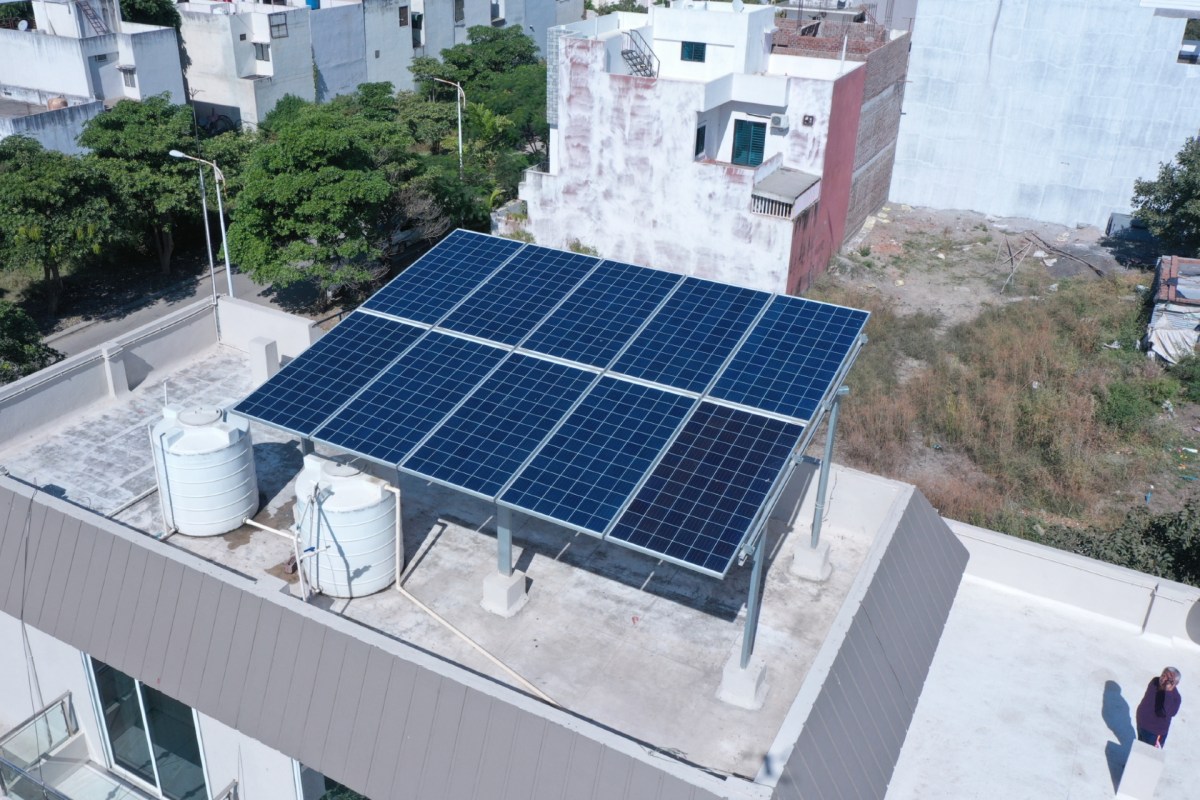
Mumbai-headquartered SolarSquare, founded in 2015, is positioning itself as a full-stack residential solar platform in a market that remains highly fragmented, dominated by small local installers and dealer networks tied to component manufacturers such as Tata Power, Waaree Energies, Luminous Power Technologies, and Exide Industries. The startup designs, installs, and maintains rooftop solar systems for homes, housing societies (the apartment complexes and gated communities common across urban India), and enterprises, and has installed more than 150 megawatts of solar capacity with a presence across 29 cities in nine states, per its website.

SolarSquare has powered nearly 50,000 homes and around 400 housing societies, according to a source. The startup has also deployed rooftop solar systems for large enterprises including Swiggy, Zepto, and iD Fresh Food.

Residential customers and housing societies now account for a majority of SolarSquare’s business, according to people familiar with the startup’s operations, as the startup has increasingly scaled back lower-margin industrial rooftop solar projects in recent years.

The startup has crossed an annualized revenue run rate of more than ₹10 billion (around $104 million) across homes and housing societies combined, according to a source familiar with the matter. It also aims to reach 200 megawatts in its residential solar portfolio this year, the source added.

SolarSquare declined to comment. B Capital, Lightspeed Venture Partners, and Elevation Capital did not respond to requests for comment.

When you purchase through links in our articles, we may earn a small commission. This doesn’t affect our editorial independence.

This 2024 Motorola phone with a stylus is now OVER HALF OFF with a $210 discount at Best Buy


Motorola phone deals have landed just in time for the holiday weekend, and this one’s perfect for anyone who likes to have a cheap phone with a stylus. This year, Best Buy’s Memorial Day Sale has cut $210 off the price of the 2024 Motorola Moto G Stylus 5G, representing over half off and bringing it down to just $190.

Despite being a 2024 release, this Moto G Stylus features a really pretty display, a powerful suite of cameras, and impressive performance, especially given the price point.

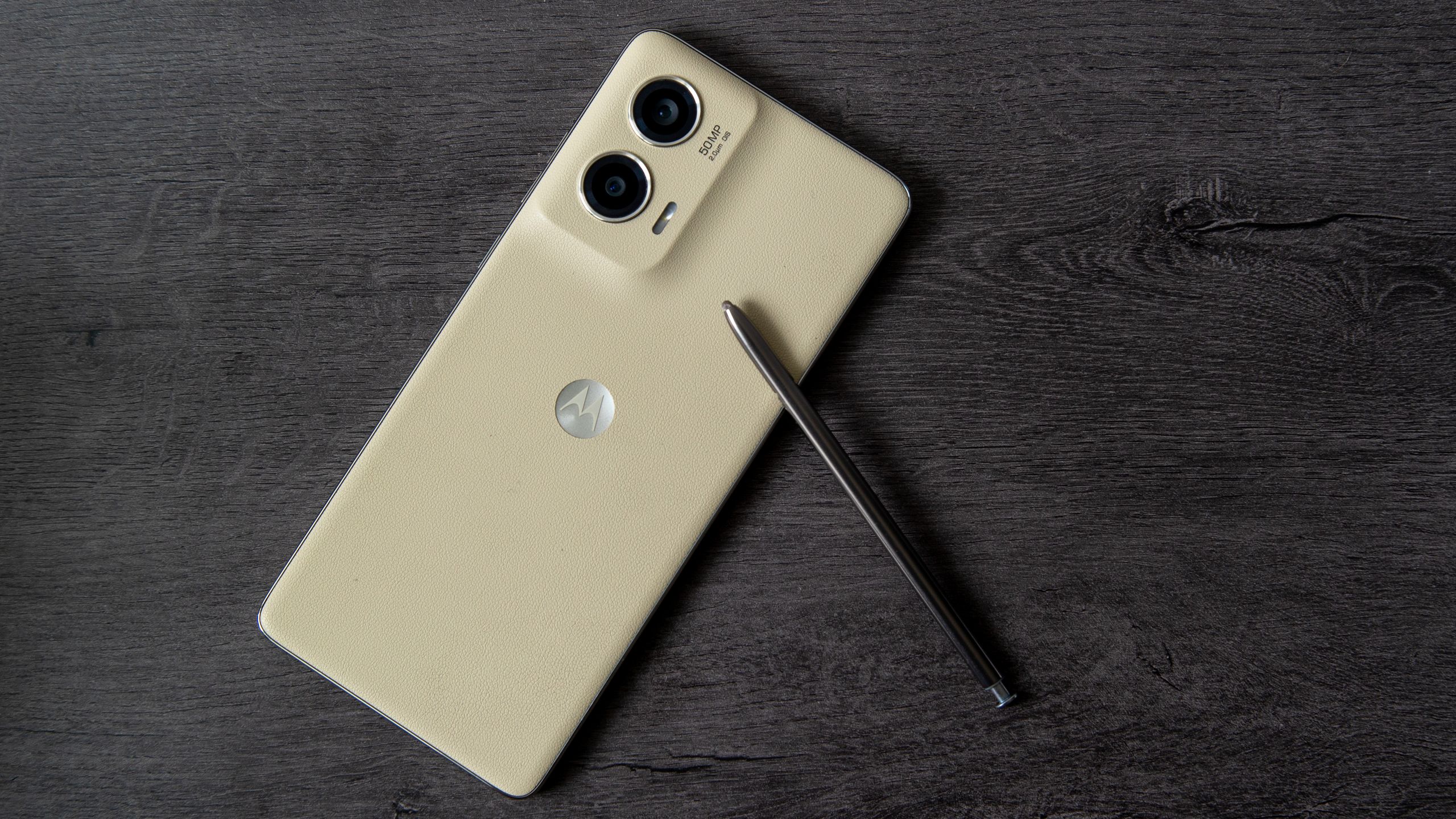
Much like the 2025 model, the 2024 Moto G Stylus 5G has a beautiful vegan leather back panel and a long-lasting battery life. Upgrades to the newer model include a slightly brighter display, improved fast charging speeds, and a higher-resolution selfie camera that users like. If those aren’t a big deal to you, however, it’s definitely worth catching sales like this on the 2024 model, as it still has many of the Motorola lineup’s best features.

✅Recommended if: you’re looking for a phone with a beautiful display panel and an included stylus; you like Motorola’s vegan leather anti-slip backing and the overall design of the Moto G Stylus 2024; you like having a phone with powerful rear-facing cameras and a long-lasting battery.

❌Skip this deal if: you prefer a newer-generation phone and you’d rather upgrade to one of the best Motorola stylus phones on the market; you don’t need a phone with a stylus and you’d prefer to look at some other models around this discount price; having a guarantee of multiple OS upgrades is a major priority to you when buying phones.

The 2024 Moto G Stylus 5G is a cheaper phone with a stylus than many of the premium-level and current-gen Samsung devices. It comes with a 6.7-inch, 120Hz OLED display that’s a delight to use, a speedy Qualcomm Snapdragon 6 Gen 1 chipset, 8GB of RAM, and decent cameras despite being a generation old. It also sports wireless charging capabilities, up to 30 hours of battery life, and up to 30W fast charging.

Again, it’s a pretty good pick for just $190, especially for casual users who just want a good user experience and a stylus.