The Indus app is powered by Sarvam’s locally trained 105-billion-parameter model — a measure of the AI’s scale and sophistication — andlaunched at the AI summit. The app supports 22 Indic languages and mid-sentence code-switching (the ability to fluidly mix languages mid-conversation, like switching between Hindi and English), which helps the assistant better understand the context of a query. Currently, the application doesn’t support offline usage, and it doesn’t have any integrated feature with the device to invoke the AI assistant through a shortcut.
The partnership is a potential testing ground for both companies to gauge the appetite for an India-focused chatbot.
“With this partnership, the first thing we want to do is get the Indus app to consumers,” said Ravi Kunwar, HMD’s CEO and Vice President for India and APAC, in an interview with TechCrunch. “Once they start using it, we will move to phase two to focus on driving more traction and stickiness. Right now, by pre-loading the app, we want to be more accessible to users,” he said.
The Vibe 2 5G is a mid-range Android phone with a 6,000mAh battery and a price tag of ₹10,999($114). Kunwar added the devices in the Vibe series of smartphones will also get the chatbot, and the company is also expected to launch a feature phone with Sarvam AI integration in the coming months.
That feature phone integration may ultimately prove more significant for both companies. HMD held a 4% share of India’s feature phone market in 2025, but its smartphone share was negligible — the company doesn’t even appear in the top 15, according to analyst firm IDC.
While it’s early days for Indus, the download numbers reflect that. Nearly three months after its launch, the app has been downloaded just over 293,000 times in India across platforms, according to Appfigures. By comparison, ChatGPT was downloaded 43.9 million times in the country.
It’s a big gap, but the strategy behind the HMD deal may matter more than the early numbers. Bundling a regional AI assistant with affordable hardware — particularly feature phones — is one of the more direct distribution plays available in a market as large and linguistically diverse as India, where English-language AI tools have limited reach. For investors and operators watching how AI adoption gets seeded in emerging markets, this partnership is worth tracking.
Sarvam has been one of India’s marquee AI startups. Beyond the Indus app launch, the company has focused on enterprise partnerships, especially for voice-based solutions. It is on track to become one of the most funded AI startups in the country, with reportssuggesting a funding round of $300 million at a $1.5 billion valuation is in the works.
When you purchase through links in our articles, we may earn a small commission. This doesn’t affect our editorial independence.
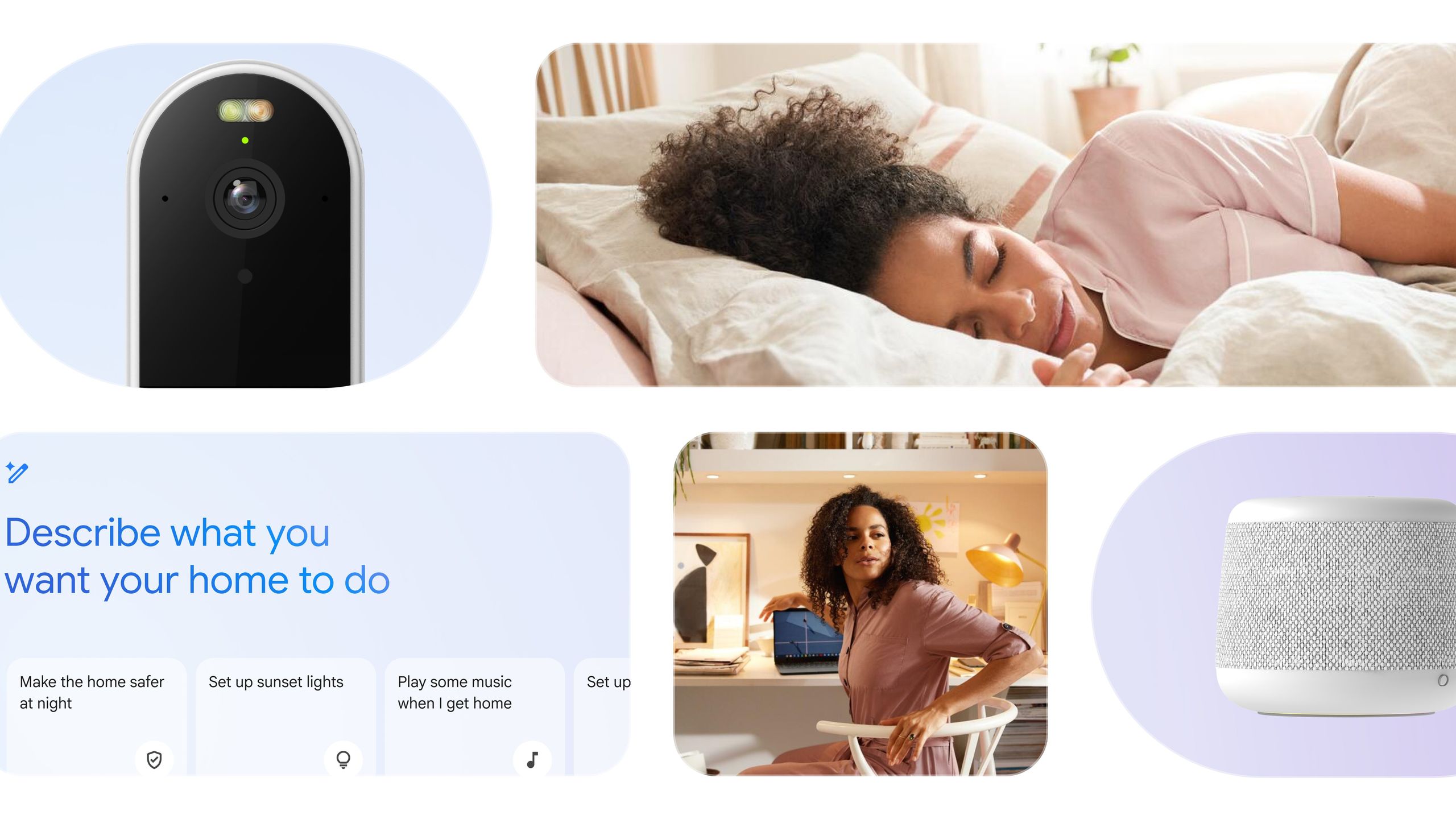
Google announced that it’s opening Gemini for Home’s doors to service providers, hardware makers, and more.
A major highlight is its new Gemini built-in program, which targets partners who are creating hardware for consumers, so they can leverage Gemini’s capabilities for their speakers and cameras.
Google is also integrating its Home Premium subscription with carriers, ISPs, and security companies.
I/O has given us a lot to go over this week; however, Google’s smart home sector isn’t quite done, as it announces a major step for Gemini.
Google states in a press release that it has opened up Gemini for Home into a “full-stack AI offering.” This sounds technical, but all it means is that Google is “empowering service providers and hardware manufacturers to create monetizable, proactive services for customers and their homes.” A developers post shared more, announcing the start of the “Google Home Gemini built-in” program.
Android Central’s Take
The Gemini built-in program is a huge part of Google’s announcement today. This is basically opening its Gemini doors to other companies—think third-party device makers. Now, Gemini isn’t so restricted. These other companies can partner with Google and begin bringing that same, high-quality AI assistance to even more people through their products. This doesn’t sound like a bad thing to me.
This is targeting Google’s partners who create smart home hardware for consumers. Google states hardware makers won’t have to stress about the research; they need only “focus on delivering an exceptional service experience.” Through the “Gemini built in” program, companies can create and launch Gemini-capable smart cameras, thanks to Google’s Camera Reference Design. Moreover, makers can now leverage the full force of Gemini’s voice capabilities for smart speakers in 2026.
Latest Videos From
(Image credit: Google)
Similarly, we have what Google is doing with service providers, like AT&T. The company says it is integrating its Google Home Premium subscription plan with carriers, ISPs, and security companies. This brings in daily household features, such as Home Brief: a daily roundup of what’s gone on around your home. “Advanced deterrence” methods are also included, letting users make it appear as though they’re home for extra home protection.
Companies will also benefit from better protection for smart cameras. This technology makes cameras smarter, so they only alert you to the important things: deliveries, someone at the door, etc. Google says AT&T is spearheading this movement, using Home’s APIs and Gemini in its Connect Life app and security services.
Gemini arrives for more people & devices
(Image credit: Google)
This announcement for a better, smarter home for consumers that companies can leverage includes Gemini for Home’s availability for developers. These are a set of tools that developers can utilize to begin creating for their ecosystems and consumers. Many of these features we’re already privy to. Google highlights Home Brief and Ask Home as “core capabilities.”
Smart cameras have been upgraded for Google Home. These keen eyes around the home can “see” what’s happening. This lets them “describe” what’s going on, so the homeowner is well-informed, instead of delivering generic responses like before.
Get the latest news from Android Central, your trusted companion in the world of Android
Google’s update for smarter cameras arrived earlier this month. A major part of that update was what the company highlighted today: AI. Combined with its software, cameras could “see” and describe to the homeowner what was going on for the full story. Google also rolled out skip buttons to jump through clips and a new option to help swipe between views. Users should also know that the Event feeds got a visual boost, too.
Clearer, zoomed previews help you focus on the action for a particular clip (event). Additionally, users can filter out these events based on “person seen” or “glass break.”
SpaceX, the aerospace company founded by Elon Musk 24 years ago, has finally made its IPO filing public.
The hefty filing, posted after markets closed Wednesday, shows a company that has developed far beyond its initial pursuit of reusable rockets — although its long-term mission to create a multi-planetary species remains intact. SpaceX is now a technology conglomerate working on satellites and AI, and has become one of the world’s most valuable private companies.
When it goes public later this year on the Nasdaq exchange, it will become one of the most valuable publicly-traded companies. (Nvidia currently holds the crown with a market cap of $5.4 trillion.) SpaceX has chosen the ticker “SPCX” for the listing.
The regulatory filing, known as an S-1, offers the most vivid and financially illuminating public dissection of SpaceX’s business to date. And it comes just weeks ahead of what’s expected to be the largest IPO ever, both in terms of potential money raised (expected to be around $75 billion) and overall valuation (reportedly $1.75 trillion).
Many of the headline details have been reported in the weeks since SpaceX first submitted a confidential version of its S-1 filing to the Securities and Exchange Commission on April 1. The company lost about $4.9 billion in 2025on revenue of more than $18 billion, as Reuters reported last month.
The filing details a business that is currently dominated by SpaceX’s Starlink satellite internet offering, which generated more than half of the company’s revenue last year. It also shows how much SpaceX has burned to get to this point: more than $37 billion lost since inception, according to the S-1.
XAI, the artificial intelligence company Elon Musk created and recently merged into SpaceX, is not helping on that front. The filing shows SpaceX directed around 60% of its capital spending in 2025 to its AI division, or around $20 billion. And yet that division — which houses the chatbot Grok — lost billions last year, and only grew revenue by about 22%. That’s far below the reported revenue growth rates at frontier AI labs.
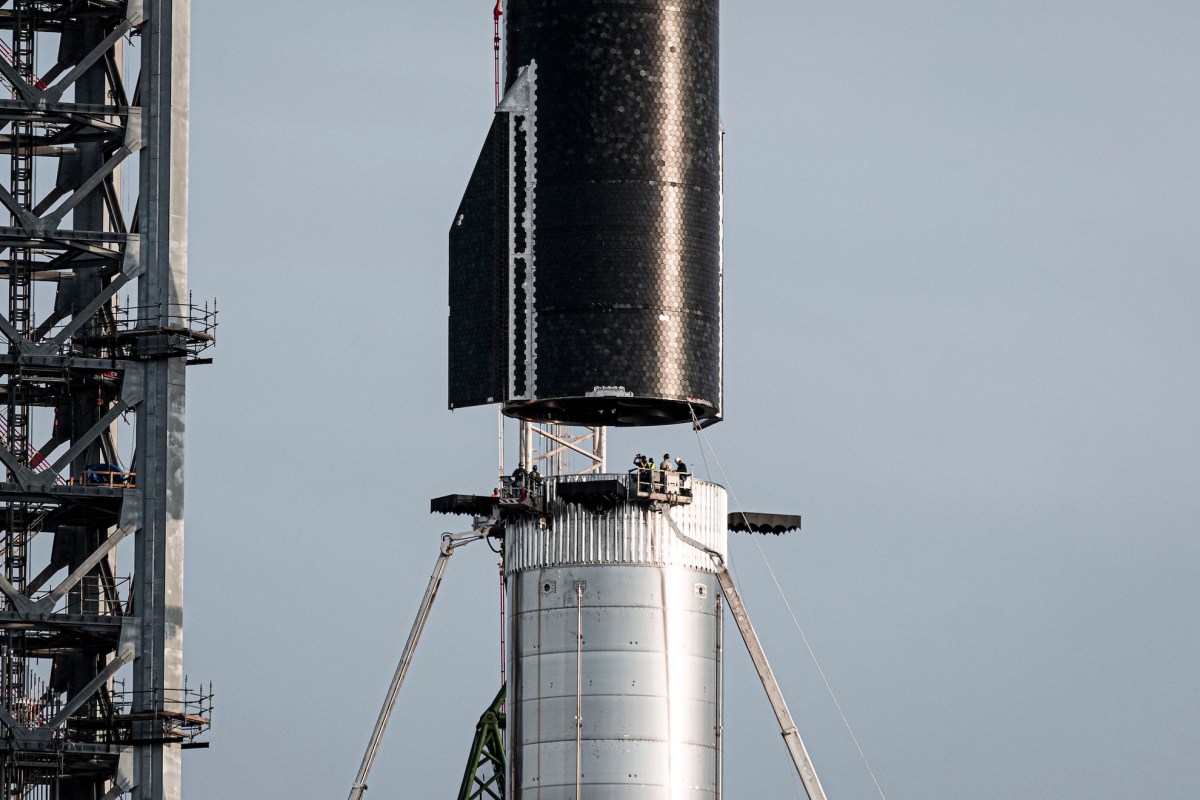
Despite SpaceX’s complex business, much of its future is pegged to the success of Starship, the fully-reusable heavy lift rocket that has had a series of explosions and technical revamps over the past several years. The company is expected to conduct the 12th launch of Starship as early as this week.
S-1 filings are hundreds of pages long, and this one in particular is likely to be stuffed with interesting numbers, risk factors to SpaceX’s business, and other previously private information. TechCrunch will be pulling out the most interesting details all day, so stay tuned.
This story is developing…
When you purchase through links in our articles, we may earn a small commission. This doesn’t affect our editorial independence.
Google I/O is currently underway, and after sitting through a monotonous an exciting keynote address, I got the chance to demo some upcoming Android XR glasses and prototypes. Samsung and Xreal are seemingly two of the most dedicated players in the space, and I got to try both Xreal’s glasses and the latest Google prototype, which the Samsung glasses are no doubt based on, giving us a look at how Android XR will span different types of eyewear.
Samsung was set to launch Android XR hardware last year with the Galaxy XR, but it’s a large, bulky device you wouldn’t want to wear around. This time around, the focus is on more compact glasses for everyday wear. These are the ones I got to play with, and while I can’t wait for audio-only glasses to come around, I’m more excited about what Samsung and Xreal have in store when it comes to display glasses.
Xreal is unreal
(Image credit: Derrek Lee / Android Central)
The first demo I got to try was arguably the more interesting one. Xreal teased its Project Aura glasses last year, and I was able to give them a spin ahead of the launch later this year. These are display glasses sporting two OLED displays behind the lenses, one for each eye.
Latest Videos From
If you’re familiar with Xreal products, the design here shouldn’t surprise you. They’re thick glasses that sit a little further from your face than usual, in order to give you room for the displays. It’s a design I’m not a fan of from the outside looking in, but when they’re on your face, you don’t notice the difference.
(Image credit: Derrek Lee / Android Central)
The Project Aura glasses have two cameras on either side of the lenses for perception and tracking, while the middle is for taking photos and videos. One stem holds all the buttons: volume rocker, Home/Gemini, and a dimming button to control the electrochromic dimming of the lenses.
There’s also a separate puck that connects to the glasses, which houses the battery and compute (it’s powered by Snapdragon). I wasn’t able to get solid figures on battery life, but you can probably get through a full movie while wearing them.
The puck also has a touch panel to control the glasses, which I thought was pretty clever. And in true Xreal form, you can plug in other devices like laptops and phones to display your windows and apps.
Get the latest news from Android Central, your trusted companion in the world of Android
Image 1 of 4
(Image credit: Derrek Lee / Android Central)
(Image credit: Derrek Lee / Android Central)
(Image credit: Derrek Lee / Android Central)
(Image credit: Derrek Lee / Android Central)
So, what was it like to use the glasses? Pretty cool actually! The visuals are better than I expected; text is legible, colors feel plenty vibrant, and everything is super responsive. Aside from the puck, you can use gestures to control the glasses, similar to Galaxy XR. You pinch and drag to select, move, and resize objects.
Interacting with the Android XR UI feels intuitive and reminds me of the Quest 3, so I was able to pick it up quickly, swiping through and resizing apps.
Image 1 of 2
(Image credit: Derrek Lee / Android Central)
(Image credit: Derrek Lee / Android Central)
I first opened a trailer for the Spider-Man 2 video game, and at first, the video looked a bit washed out, which worried me. Then, I adjusted the electrochromic dimming, which supports five levels. Eventually, the video looked super crisp and vibrant, as if I was watching it on my laptop’s OLED display. I was thoroughly surprised at how good it was, and it even stayed in place against a wall as I moved around.
Second, I was able to play with an app created for the glasses using Antigravity. I basically used my hands to paint shapes in a 3D space by pinching my fingers together. I could change the colors of the “paint” and even alter the thickness by twisting my wrist. And again, it stayed in place as I moved around the space. I admit, this left me very impressed.
(Image credit: Derrek Lee / Android Central)
According to Xreal, Project Aura is a sort of in-between device, aiming to give us the power and utility of the Galaxy XR (hence, the external power puck), but in a more compact form factor like the Meta Ray-Ban Display Glasses. I never got to use Galaxy XR, but I was left more excited about display glasses than I ever was before.
Making a case for monocular display glasses
(Image credit: Derrek Lee / Android Central)
I also got to try Google’s prototype monocular display glasses, which are used as a reference model for Samsung’s upcoming glasses. This isn’t my first time using them, but there were some new tricks I was able to try this time around. For instance, there are new widgets you can access and scroll through by swiping on the touch panel.
One widget is the Translate widget, which I opened with a tap and used to translate what someone was saying to me in Korean. And even as the person paused before continuing to speak, the glasses kept translating, which felt like a small but really useful component.
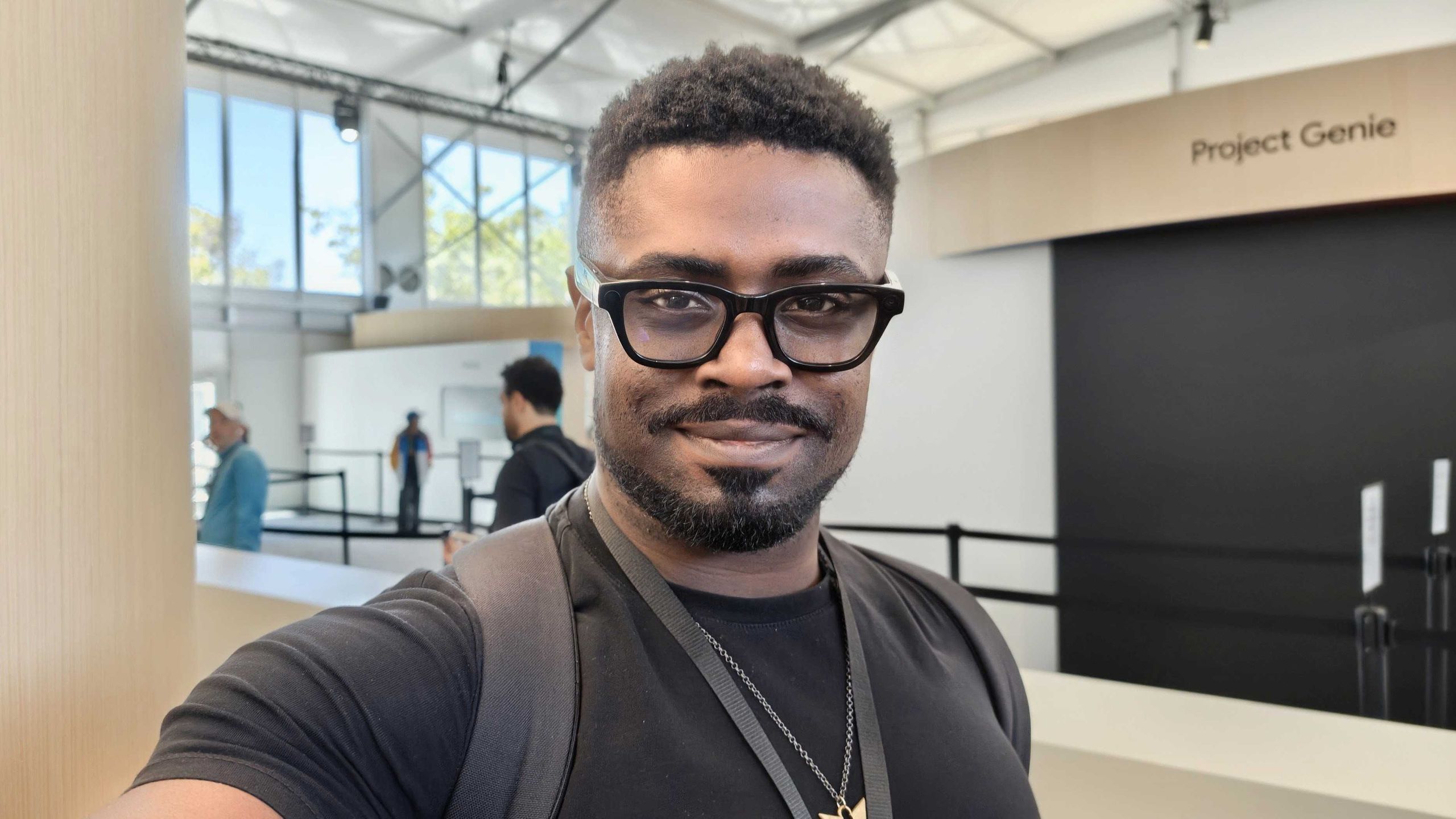
Additionally, I was able to take advantage of Nano Banana on the glasses—which feels a little crazy to do on glasses—but given their visual nature, I guess it makes sense. I was able to take a photo of myself with the glasses, then tell Gemini to put me in space with Neptune in the background. It took some time to generate (everyone was on the Wi-Fi), but a preview appeared on the glasses and on the paired Pixel.
Image 1 of 4
(Image credit: Derrek Lee / Android Central)
(Image credit: Derrek Lee / Android Central)
(Image credit: Derrek Lee / Android Central)
(Image credit: Derrek Lee / Android Central)
But even previously announced features like Google Maps integration is still impressive on monocular displays like this. It’s cool to see a simple directions in your line of sight as you’re walking, but tilt your head downwards, and the glasses will display a section of map so you can actually visualize where you’re going as you go. I can see this being much more useful than glasses just barking directions at you.
Image 1 of 3
(Image credit: Derrek Lee / Android Central)
(Image credit: Derrek Lee / Android Central)
(Image credit: Derrek Lee / Android Central)
It may take some time to get used to the single display, which sits on the right lens, but your eyes adjust fairly quickly. And unlike dual-display glasses like Project Aura, information is displayed in a much simpler way so as not to overwhelm you.
The singular display option feels like a nice medium between audio glasses and full-on XR glasses, and I’m really excited to see how Samsung and others incorporate them into various designs. I still feel like audio glasses are more my speed, but my experience at Google I/O left me much more open to display glasses.
Both Xreal and Samsung are expected to launch their glasses later this year. Let’s just hope they’re not priced out of reach.
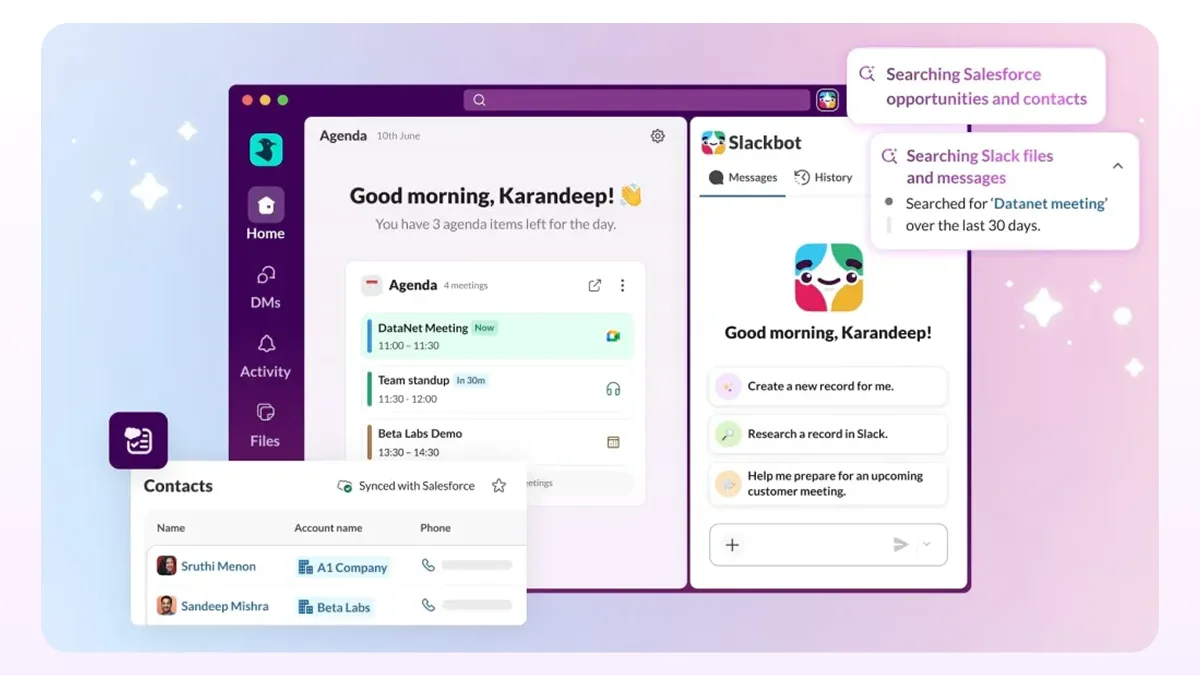
With Slack CRM, manage customers right where your team already works – no new tools, no switching between platforms. Your personal AI agent can capture contacts, track deal progress and prep what you need with a simple prompt – directly in Slack.
Here’s what Slack CRM can do for your business:
Capture leads instantly
Manage deals in conversations
Let AI do the busywork
Close deals faster
Start with your first CRM – simple, fast, and cost-effective
Start with your first CRM – simple, fast, and cost-effective
A worker died at SpaceX’s Starbase launch site in South Texas on Friday, and the Occupational Safety and Health Administration (OSHA) has opened an investigation.
The San Antonio Express-News reported Monday that the unidentified victim died at around 4:17 a.m. local time on May 15, citing OSHA and local officials. The Wall Street Journal later reported that the county sheriff confirmed to the outlet that a worker died. OSHA confirmed to TechCrunch that it is investigating the apparent accident.
Representatives for the nearby Brownsville police and fire departments did not respond to requests for comment. SpaceX and the newly incorporated city of Starbase did not respond to requests for comment.
The circumstances of the worker’s death are not immediately clear. OSHA told TechCrunch that it won’t release more information until its investigation is complete, which could take months.
The death comes just a few days ahead of the first planned launch of SpaceX’s upgraded Starship rocket. Elon Musk’s spaceflight company is also reportedly releasing the detailed prospectus for its initial public offering this week, which is expected to be the biggest ever when that transaction takes place next month.
SpaceX has long dealt with worker safety problems at its Starbase site, which handles Starship prototype launches and is an active construction zone.
In 2025, TechCrunch analyzed OSHA data and determined the Texas launch site had an injury rate that far outpaced those of industry rivals and was the most dangerous of SpaceX’s worksites. A 2023 Reuters investigation uncovered dozens of previously unreported injuries and a worker death in 2014 at SpaceX’s McGregor, Texas, test site.
In January, OSHA hit SpaceX with seven “serious” safety violations for, among other things, not properly inspecting a crane before it collapsed at Starbase last June. The safety agency dealt SpaceX the maximum financial penalty on six of those seven violations, totaling $115,850. SpaceX is contesting those penalties, federal records show.
The company has been hit with multiple lawsuits related to injuries sustained at Starbase in recent years. In December, an employee of one of SpaceX’s subcontractors sued after he was crushed by a large metal support dropped from a crane. The worker, Eduardo Cavazos, suffered a broken hip, knee, and tibia, and OSHA opened a “rapid response investigation,” as TechCrunch first reported in December.
OSHA has since closed that rapid response investigation without taking any punitive action, according to a TechCrunch public records request. And the lawsuit was recently dropped because his employer, the subcontractor, provides workers compensation insurance that prevents the company from being sued, according to Cavazos’ attorney.
When you purchase through links in our articles, we may earn a small commission. This doesn’t affect our editorial independence.
AS if to divert our attention, Apple announces WWDC 2026 is set to run from June 8-12.
The company plans to give viewers insights into its new technologies during the main keynote on June 8 at 10 am PT (1 pm ET).
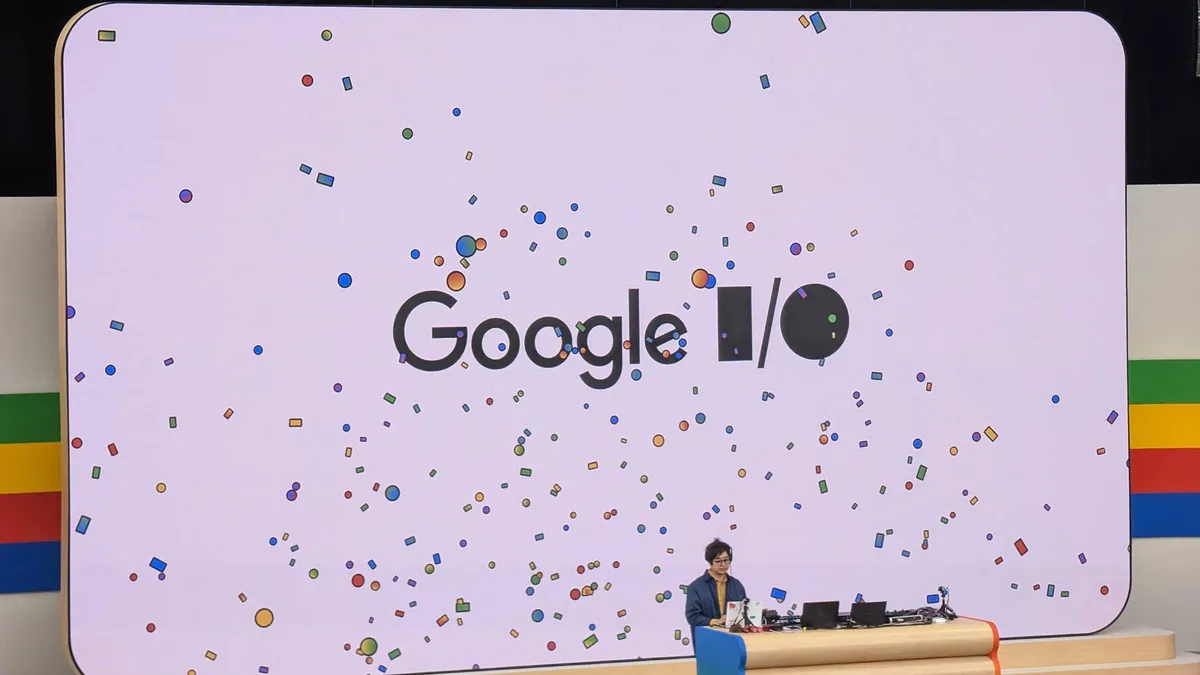
However, our sights are firmly set on Google’s I/O 2026 event tomorrow, May 19 at 1 pm ET, where Android XR, Android 17, and Gemini Intelligence will likely shine.
As if it were written in the script, Apple has started sending out notifications for its next major event, and it’s all about what’s next for its tech.
Today (May 18), Apple officially announced what’s coming up next, and if you guessed WWDC 2026, you’d be right. The company’s reveal comes with a brief view schedule for the event, which runs from June 8-12. As usual, Apple states this conference will bring together “developers from around the world to explore the tools, frameworks, and technologies” across its platforms.
The “main event” is set for June 8 at 10 am PT (1 pm ET), involving Apple’s keynote and a “first look at the latest updates coming to Apple platforms.” Of course, users can tune in via Apple’s YouTube or its main website (even the Apple TV app). Following this, users can continue to stay on board for the Platforms State of the Union. If you’re looking to get your nose into Apple’s tech, it says users will find a deeper dive into its new features, APIs, and more.
Latest Videos From
The Apple Developer YouTube channel will take the lead here, as well as the associated app and developer website. Video Sessions and Guides, Group Labs, the Apple Design Awards, and the Swift Student Challenge are all lined up from June 8-12.
Let’s not get ahead of ourselves
(Image credit: Derrek Lee / Android Central)
Apple will get its time to shine early on in June; however, facing our immediate future is Google’s I/O 2026 event. The meat and potatoes of this event are set for May 19 at 1 p.m. ET. It’s during this time that we’re expecting to see what Google’s been cooking for Gemini (Gemini Intelligence, too, maybe), Android XR, smart home updates, and much more. We’ve been speculating what could go down tomorrow for a while now, and all that’s left is to see the event.
Samsung’s Galaxy glasses are another aspect. While Android XR is likely to be a major feature during I/O 2026, perhaps Samsung’s first pair of smart glasses will make an appearance. Either way, we’re less than 24 hours away from the main event. To keep you involved and “in the know” about I/O, you can check our I/O 2026 Live Blog up until the event, and even after.
Android Central’s Take
Apple had quite a bit to talk about last year, and some of it looked like it was directly inspired by Google. I’m expecting quite a bit from Apple this year, too. It’s always interesting just seeing what they’re coming up with, even if I don’t own an iPhone. My main focus right now is on I/O (and that Live Blog, which you should check out). Gemini Intelligence, Android XR, and Android 17 are my big expectations for tomorrow.
Get the latest news from Android Central, your trusted companion in the world of Android
Unified infrastructure intelligence is the foundation every AI initiative needs.
Automation without intelligence fails
IT leaders are being asked to move faster with less margin for error. Fragmented data makes that impossible – and the risk invisible.
Unknown dependencies create dangerous blind spots
Stale CMDB data undermines every AI initiative
Reactive firefighting replaces strategic work
Download the Whitepaper
Download the Whitepaper
Error: Contact form not found.
Give your AI the foundation it actually needs
See everything. Miss nothing.
Automated discovery and dependency mapping eliminate blind spots, giving every process a single, trusted source of truth.
Respond faster. Escalate smarter.
Infrastructure intelligence embedded in incident workflows means teams understand service impact immediately and act with precision.
Make every AI initiative deliver on its promise
Validated infrastructure data separates AI that reduces risk from AI that amplifies it. Build the foundation that makes the difference.
Ready to build AI-ready IT operations?
Learn how to unify infrastructure intelligence and make every AI initiative deliver.
About Freshworks Inc.
Freshworks Inc. (NASDAQ: FRSH) creates AI-boosted business software anyone can use. Purpose-built for IT, customer support, and sales and marketing teams, our products are designed to let everyone work more efficiently and deliver more value for immediate business impact. Headquartered in San Mateo, California, Freshworks operates around the world to serve more than 67,000 customers, including American Express, Blue Nile, Bridgestone, Databricks, Fila, Klarna, and OfficeMax. For the freshest company news, visit www.freshworks.com and follow us on Facebook, LinkedIn, and X
The vibes around the current AI boom aren’t great, even in the tech industry, according to a lengthy social media post from Menlo Ventures partner Deedy Das.
Das described San Francisco as “pretty frenetic right now,” as “the divide in outcomes is the worst I’ve ever seen.”
Using a “back of the envelope AI calculation,” he projected that there are around 10,000 people — founders and employees at companies like OpenAI, Anthropic, and Nvidia — that have “hit retirement wealth of well above $20M,” while everyone else worries “they can work their well-paying (but <$500k) job for their whole life and never get there.”
Plus, “layoffs are in full swing,” and “many software engineers feel that their life’s skill is no longer useful,” leading to confusion about the best career paths and “a deep malaise about work (and its future),” Das said.
This prompted some eye-rolling on X, with entrepreneur Deva Hazarika arguing that “most of the people in this post” are “incredibly fortunate and can simply make a choice to be happy.”
Another user suggested it’s “pretty damn novel & also kinda nasty” that in the current cycle, “the same technology is both the lottery ticket & the thing eating your fallback.”
The vibes in SF feel pretty frenetic right now. The divide in outcomes is the worst I’ve ever seen.
Over the last 5yrs, a group of ~10k people – employees at Anthropic, OpenAI, xAI, Nvidia, Meta TBD, founders – have hit retirement wealth of well above $20M (back of the envelope…
Book-style folding phones are built for creativity and productivity. You get the best of a tablet and a traditional smartphone, all in one package, and the Razr Fold has some of the best multitasking features I’ve used on any foldable phone to date.
Surprisingly, though, several of the best multitasking features aren’t enabled by default on the Motorola Razr Fold, but I’ve been using it for a few weeks now and have unearthed several phenomenal features that are letting me get tons of things done without having to use multiple devices.
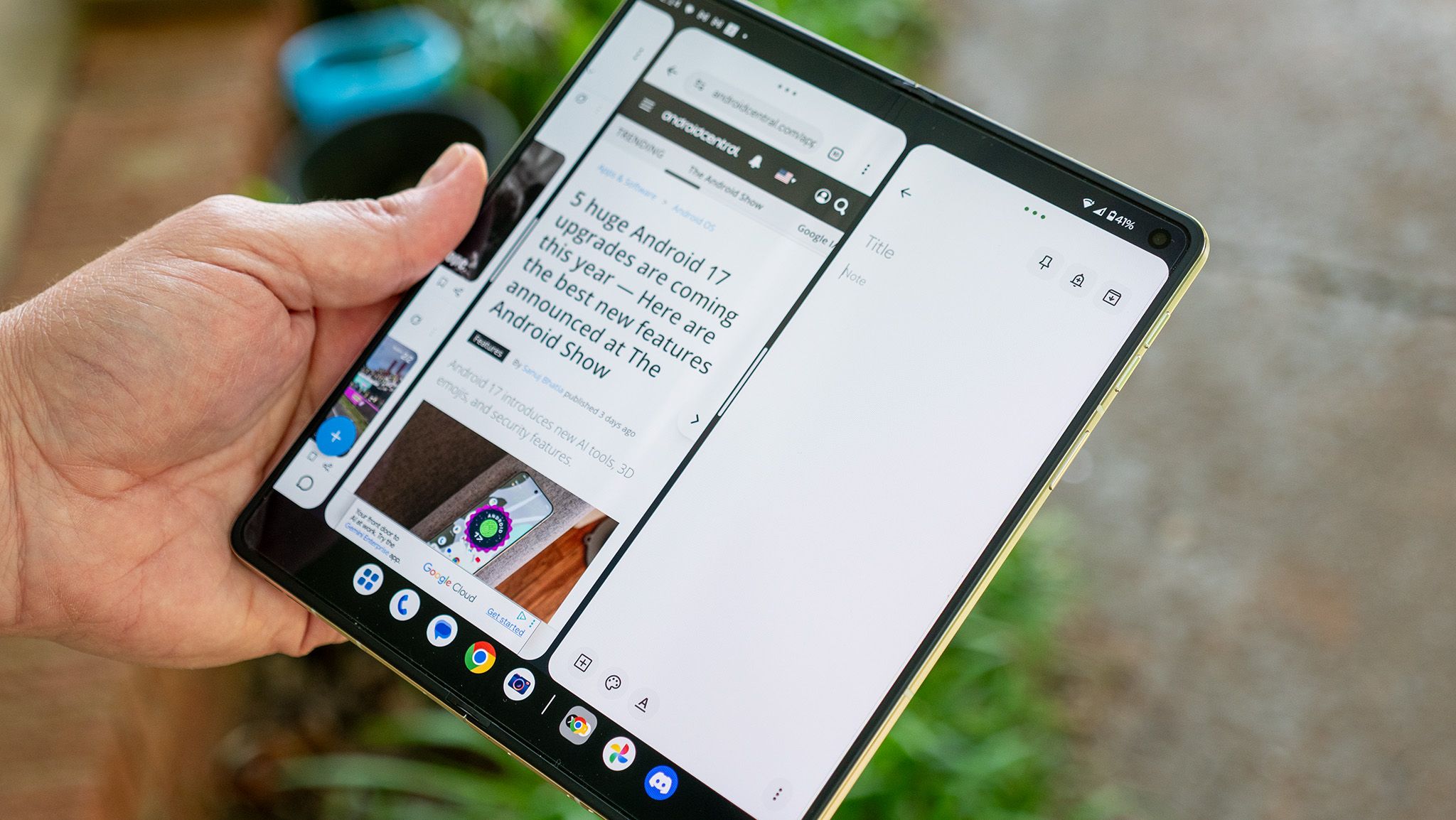
From three-way split screen apps to the grid-based multitasking UI, floating windows, and even a desktop OS-like taskbar, there are tons of ways to do everything everywhere all at once on your Razr Fold.
Split it to win it
(Image credit: Nicholas Sutrich / Android Central)
Book-style foldables like the Razr Fold are my favorite kind of smartphone. You get a normal screen on the outside for everyday tasks, and then you can open it up to reveal a massive tablet-sized screen that’ll really let you get things done. I’ve worked from my Razr Fold on the go more than a few times, and that’s all thanks to a handful of fantastic multitasking features that Motorola built into the phone.
The good news is that while many of my favorite foldable power features aren’t enabled by default, many of them are located in a single section within the settings menu. Let’s begin with the taskbar, which is the easiest way to treat this tablet like it’s a proper tablet, letting you instantly launch apps and run them in split-screen without having to navigate back home or perform some annoyingly finicky gesture.
1. Open the settings menu by tapping Settings in the app drawer on your home screen, or swiping down on the status bar and tapping the gear icon.
2. Select Foldable display from the list.
Get the latest news from Android Central, your trusted companion in the world of Android
3. Tap Task Bar.
4. Select Always show.
(Image credit: Android Central)
Now, when you unfold your Razr Fold, you’ll see a dedicated taskbar at the bottom of the screen. This taskbar stays put while you have apps open and makes it easy to multitask. You can tap an icon to launch an app in full-screen mode, or press on an icon and drag it to a part of the screen to launch an action.
Try opening one app full-screen first, then tap and drag another app’s icon to one of the following locations:
(Image credit: Android Central)
The left or right half of the screen will split apps vertically, making them the same size as if you were running them on the outer display. This is perfect for apps that don’t scale to tablet size very well.
The top or bottom half of the screen will split apps horizontally. I’ve never found a good use for this one, but I’m sure someone will find an app combination where splitting them like this makes sense. Both apps will be short and extra wide, so this is definitely a specialized need.
The middle of the screen will put the new app on a floating window, which can be moved around, resized, minimized, etc., just like windows on a Windows or Mac computer.
So far, all of this is pretty standard for any book-style foldable you can buy today, but Motorola has built in some truly special multitasking features for when you want to run three apps side by side or two full-screen apps at the same time.
1. Start by opening an app in full-screen.
2. Drag another app’s icon to the left or right side of the screen to split the apps vertically.
3. Find a third app icon, then press and drag it to the Add button that appears in the middle of the screen toward the top.
Now, you should see two apps running in a two-way vertical split, with a third hanging just off the side of the screen. Any time you want to swap over to this third app, just tap the window to slide the carousel. The key here is to tap the window, don’t swipe over.
Swap full-screen apps
You can also run two full-screen apps back-to-back, giving you access to two tablet-sized apps that you can switch between with a single tap. Here’s how to do that:
1. Unfold your Razr Fold and use the large screen.
2. Open any app you want.
3. On the taskbar, press and drag an app’s icon to the left or right side of the screen to run two apps side-by-side.
4. Press and hold the white bar in the middle of your screen that splits the apps, then drag it to the left or right until you see the window shape change, then let go.
5. The second app should now be stacked “behind” the foreground app. To switch to it, tap the app window on the side of the screen.
6. To go back to single-app fullscreen, press and hold the white bar on the side of the app, then drag it all the way to the side to make it fullscreen.
This 90:10 split, as it became known when the OnePlus Open debuted it in 2023, is the best and fastest way to multitask between two or three apps at a time, especially when using the Razr Fold’s larger inner display. If you find yourself commonly using the same apps, you can tap on the white bar that splits each app’s window, then tap Save app pair to create a custom pair on your taskbar.
You can use the same tactics to split apps horizontally on the outer screen, but it’s less effective since that screen is smaller. Still, give it a try next time you need to run two apps at once, and you might be pleasantly surprised with how well it works!
Lastly, you’ll want to swap out the massive tiles in the Overview menu for something that makes a lot more sense on a huge display. This feature only works on the large inner display, unfortunately, but it’s still worth taking the time to do it.
1. If you use gesture navigation, open Overview by swiping up and holding on the home bar until the multitasking screen appears
Or, if you use navigation buttons, tap the multitasking square key to open Overview.
2. At the top of the screen, tap the grid icon to switch to grid view.
(Image credit: Android Central)
Now, you can quickly switch between several apps at once instead of just one or two. It’s a lot more efficient and makes a lot more sense for a screen of this size. And that’s everything you need to know about multitasking on the Motorola Razr Fold!
Unlock the full power of your smartphone experience with a Motorola Razr Fold. Two screens and powerful multitasking features make it easy to get everything done at once, no matter where you might find yourself.