Meta inks deal for solar power at night, beamed from space


The race to secure electricity for AI models has reached new heights: Meta has signed an agreement with the startup Overview Energy that could see a thousand satellites beam infrared light to solar farms that power data centers at night.

In 2024, Meta’s data centers used more than 18,000 gigawatt-hours of electricity—roughly enough to power more than 1.7 million American homes for a year—and its need for compute power is only increasing. The company has committed to building 30 gigawatts of renewable power sources, with a focus on industrial-scale solar power plants.

Typically, data centers turning to solar power must either invest in battery storage or rely on other generation sources to operate at night.

Overview, a four-year-old, Ashburn, Virginia, outfit that emerged from stealth in December, has a different solution: The company is developing spacecraft that collect plentiful solar power in space. It then plans to convert that energy to near-infrared light and beam it at sufficiently large solar farms—on the order of hundreds of megawatts—which can convert that light to electricity.

By using a wide, infrared beam to power existing terrestrial solar infrastructure, Overview thinks it can sidestep the technological challenges and safety and regulatory issues that bedevil plans to transmit power to Earth through high-power lasers or microwave beams. CEO Marc Berte says you’ll be able to stare right into his satellite’s beam with no ill effects.

The technology would increase the return on investment from building solar farms and reduce reliance on fossil fuels — if it can be deployed at scale.

Overview says it has already demonstrated power transmission to the ground from an aircraft, and is planning to launch a satellite to low Earth orbit in January 2028 to perform its first power transmission from space.

Techcrunch event

San Francisco, CA
|
October 13-15, 2026

In today’s announcement, Meta said it signed the first capacity reservation agreement with Overview to receive up to 1 gigawatt of power from the company’s spacecraft, although it’s not clear if any money changed hands. Overview developed a new metric for this contract, megawatt photons, which is the amount of light required to generate a megawatt of electricity.

Berte expects to begin launching the satellites that would fulfill that commitment in 2030, with a goal of flying 1,000 spacecraft in geosynchronous orbit, a high orbit in which each satellite remains fixed above the same point on Earth. He expects each of the company’s spacecraft to provide power from space for more than 10 years.

Once in space, Berte says the fleet of spacecraft will be able to cover about a third of the planet, with an initial deployment that will reach from the West Coast of the United States across to Western Europe. As the Earth rotates below and customer solar farms enter evening and night, Overview’s spacecraft should boost their electrical generation with additional light from space.

Berte sees opportunity in combining both generation and transmission, with the flexibility to deliver power to solar farms wherever and whenever it is most valuable.

“There’s a big difference between being in any one energy market, and being in all of the energy markets,” Berte told TechCrunch.

When you purchase through links in our articles, we may earn a small commission. This doesn’t affect our editorial independence.

Best eSIM for Android: How to Choose, Set Up and Get the Most Out of It


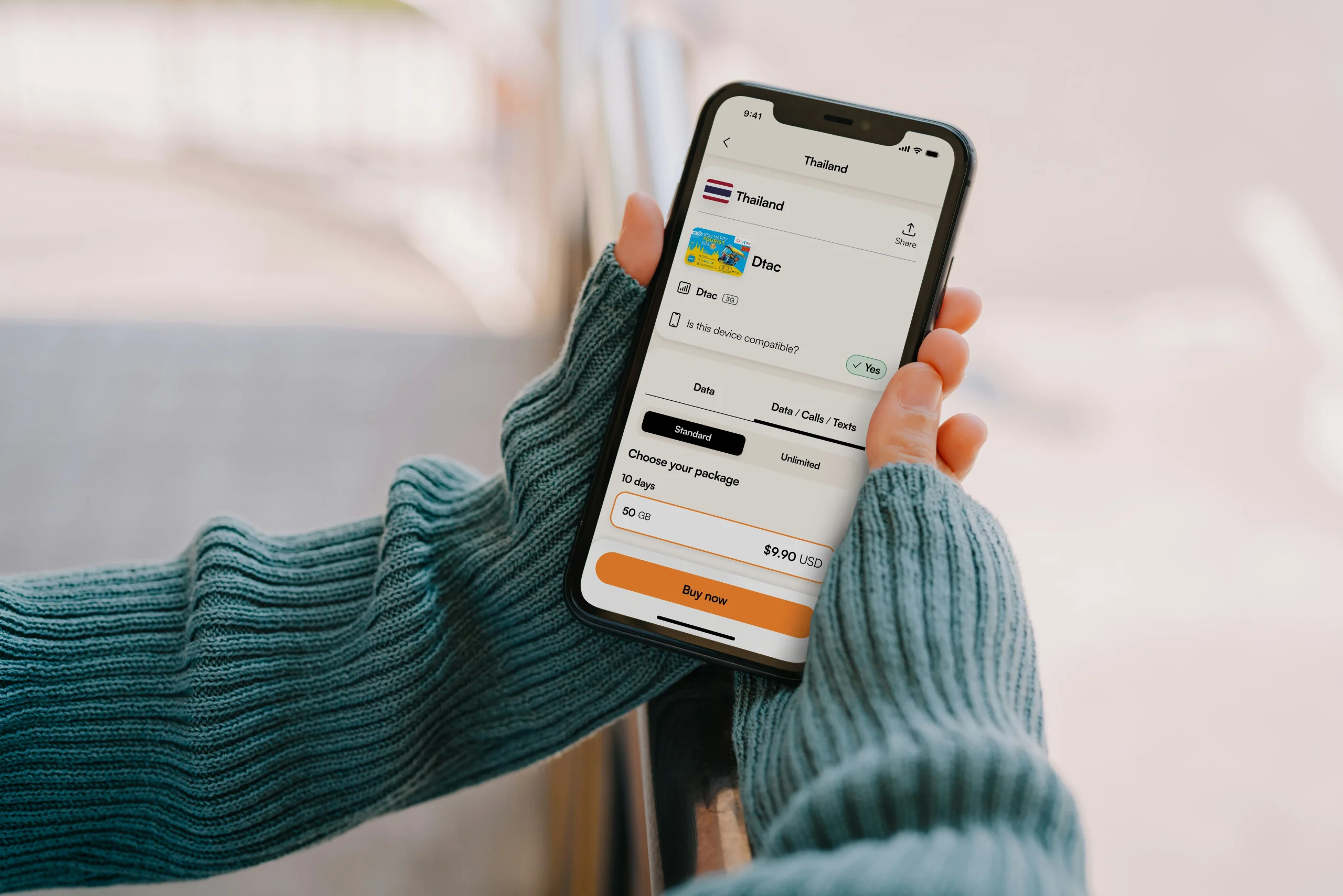
Woman's hands holding an android phone.

For almost a decade, Android devices of varying functionality have supported the use of eSIM. Surprisingly, many Android users do not have an active eSIM. The ease of set-up for eSIM, cost savings compared to international roaming, and ability to operate two active lines from one physical phone is extremely helpful for both business and leisure travelers. This article provides information on what Android users in the USA need to know about eSIM in 2025.

What Is an eSIM and Why Does It Matter for Android Users

A digital SIM card known as an eSIM can be found saved onto the hardware of your phone instead of a physical card that you would insert and take out of the actual phone. With an eSIM, the profile (activation) is downloaded wirelessly to your phone after you scan a QR code or enter an activation code to get started. Once the profile has been downloaded successfully, the eSIM will work just like a physical SIM card by enabling you to place a call on the carrier network as well as have a phone number assigned to your device and also for you to manage your data plan.

For example, if you have a US phone number that you use with your physical SIM card, and also want to have a data plan while travelling internationally, using your eSIM will give you the ability to run both SIMs along with their associated line (both physical and eSIM) at the same time on your Android phone. Using dual SIMs eliminates the need to carry 2 phones or switch out SIMs, which can be frustrating for frequent international travellers. Holafly’s eSIM with unlimited data is one of the more popular options among Android users heading abroad, covering over 200 destinations and activating in minutes before departure.

Which Android Devices Support eSIM

The Android ecosystem has widely adopted eSIM technology. The following is a list of Android devices confirmed as eSIM-compatible as of 2025:

Google Pixels have supported eSIM since the Pixel 3, and all devices in the Pixel 7, 8, and 9 series support dual eSIM, allowing the use of two eSIM profiles simultaneously without a physical SIM. Samsung S-series, Z-series, and other flagship models (including the Galaxy S20 and all subsequent versions) support eSIM, while the Galaxy S23 and S24 offer dual eSIM support on select devices. Motorola Razr and Edge series devices from recent generations include eSIM capability. OnePlus 11 and newer models support eSIM in the US.

One important point: eSIM functionality in the US may depend on the mobile carrier to which a device is locked. Devices purchased directly from Google, Samsung, or other manufacturers are typically unlocked and will support eSIM with most mobile providers. Devices purchased through a US carrier may have limitations related to eSIM until they are unlocked. To confirm whether your device is unlocked, you should contact your carrier.

How to Set Up an eSIM on an Android Device

The eSIM setup process may vary slightly by manufacturer; however, the overall process is similar across Android devices.

To set up an eSIM on a Google Pixel, go to Settings, then navigate to Network & Internet, then SIMs, and select the “+” icon to add a new SIM. Select Download a SIM Instead, then scan a QR code or manually enter an activation code.

To set up an eSIM on a Samsung Galaxy device, go to Settings, then Connections, and then SIM Manager. Select Add eSIM, scan the QR code provided by your carrier, and follow the prompts to complete the setup process.

For other Android devices, check the Network, Connections, or Mobile Networks section within your settings menu. While the pathways vary by manufacturer and Android version, the QR code scanning process is generally similar across compatible devices.

Once you have activated your device with two SIM cards (eSIM and physical SIM), you can manage both through the SIM Manager or equivalent settings. You will be able to assign different functions to each SIM (e.g., one for calls/texts and one for data). You may also designate a preferred SIM for specific contacts or use both without losing service.

eSIM vs Physical SIM on Android: When to Use Each

For most Android users currently residing within Domestic US, switching from a physical SIM card to an eSIM doesn’t seem very advantageous. In general, the main reasons to utilize an eSIM rather than a physical SIM card will be while traveling outside the US and having 2 cellular lines on the same device.

The calculations of international roaming charges are pretty easy to determine as it’s commonly understood that US providers generally charge anywhere from $10-$25 a day for US customer base to roam to almost all international destinations. For example, for 14 days of travel at $15/day generates $210 that’s added to your bill before any calls are made or text messages sent. However, if you were to book a prepaid eSIM data plan for the very same amount of time (14 days), it will only cost you $20-$40 dollars for unlimited data. Therefore there are significant savings and also your eSIM experience has the ability to provide you with more seamless connectivity to the local network instead of your US providers ‘roaming network.’

In terms of having 2 phone numbers on 1 device, Google’s support of an eSIM for Android makes this possible. Allowing you to create 2 separate lines for work and personal use from 1 device, or to have a separate phone number in a different location where you frequent travels, is highly utilized by all working professionals who are often on the go.

Troubleshooting Common eSIM Issues on Android

The most common issue with eSIMs is that they download but do not connect to the network. When this happens on an Android device, it can usually be resolved by toggling airplane mode on and off, which forces the device to search for available networks. If the issue persists, go into the SIM Manager and select manual network selection instead of automatic.

There are typically two reasons why a QR code will not scan: glare on the screen or being too far away. Most carriers offer a manual activation code as an alternative, which consists of an SM-DP+ address and an activation code that can be entered manually on the same setup screen.

If you receive an error related to carrier locks, your device may still be locked to your US carrier. This is most common with Samsung devices purchased from Verizon, AT&T, or T-Mobile. You can request an unlock through your carrier’s website or customer service. In most cases, the unlock is completed within 24 hours of the request, provided the device is eligible.

Managing Multiple eSIM Profiles on Android

In terms of eSIM functionality, an edge Android has over Apple devices is that both the Google Pixel and Samsung devices have more flexible and convenient profile management capabilities. For example, Google Pixel 7 and newer devices allow multiple eSIM profiles to be stored at the same time, making it easier to switch between country-specific plans while traveling rather than deleting and re-downloading eSIM profiles each time.

Samsung does similar by allowing users to manage profiles in SIM Manager (to activate/deactivate and label profiles) allowing for easy switching between multiple destinations by clearly labeling profiles with destination names and dates of travel.

Best eSIM for Android FAQs

eSIMs and Android – Everything You Need to Know about eSIMs on Android

eSIM Capability on Android Devices – Can I use two eSIMs at once? Yes, provided your phone supports eSIM.The best Android devices to use two eSIMs simultaneously are as follows: Google Pixel 7 and later models support a dual sim eSIM with no physical sim. Many models of Samsung Galaxy S23 and S24 support dual eSIM functionality.To verify whether or not your Android device supports eSIMs, you can look up your Android model specifications.

eSIM or Physical SIM Activation – If I activate my eSIM, will I lose my physical SIM? No, your physical SIM is still active and works with your eSIM as an additional line.You can manage both eSIM and physical SIM from the SIM settings on your device with no issues.

Transferring eSIM Profiles – Can I transfer my eSIM profile to my new Android phone? Many mobile carriers allow the transfer of eSIM profiles to other devices; however, there are some restrictions regarding this process based on the carrier’s policy.Typically you will have to contact your mobile carrier to initiate the transfer of your eSIM profile. Some carriers do not allow the transfer of single use; therefore, before purchasing an eSIM profile, be sure to review the policy with your carrier.

eSIM vs. Physical SIM – which drains more battery? There has been no measurable difference noted regarding whether or not an eSIM or physical SIM drains more battery. Power consumption will be similar while using eSIM or physical SIM on your mobile device during normal usage.

eSIM Capability on Budget Devices – Are there any budget Android devices that include eSIMs? Generally the number of mid range Android phones supporting eSIMs is becoming larger; however the quantity is still significantly smaller than the flagships.

Prior to making a purchase, check your budget Android device specifications on the manufacturers supporting eSIM.

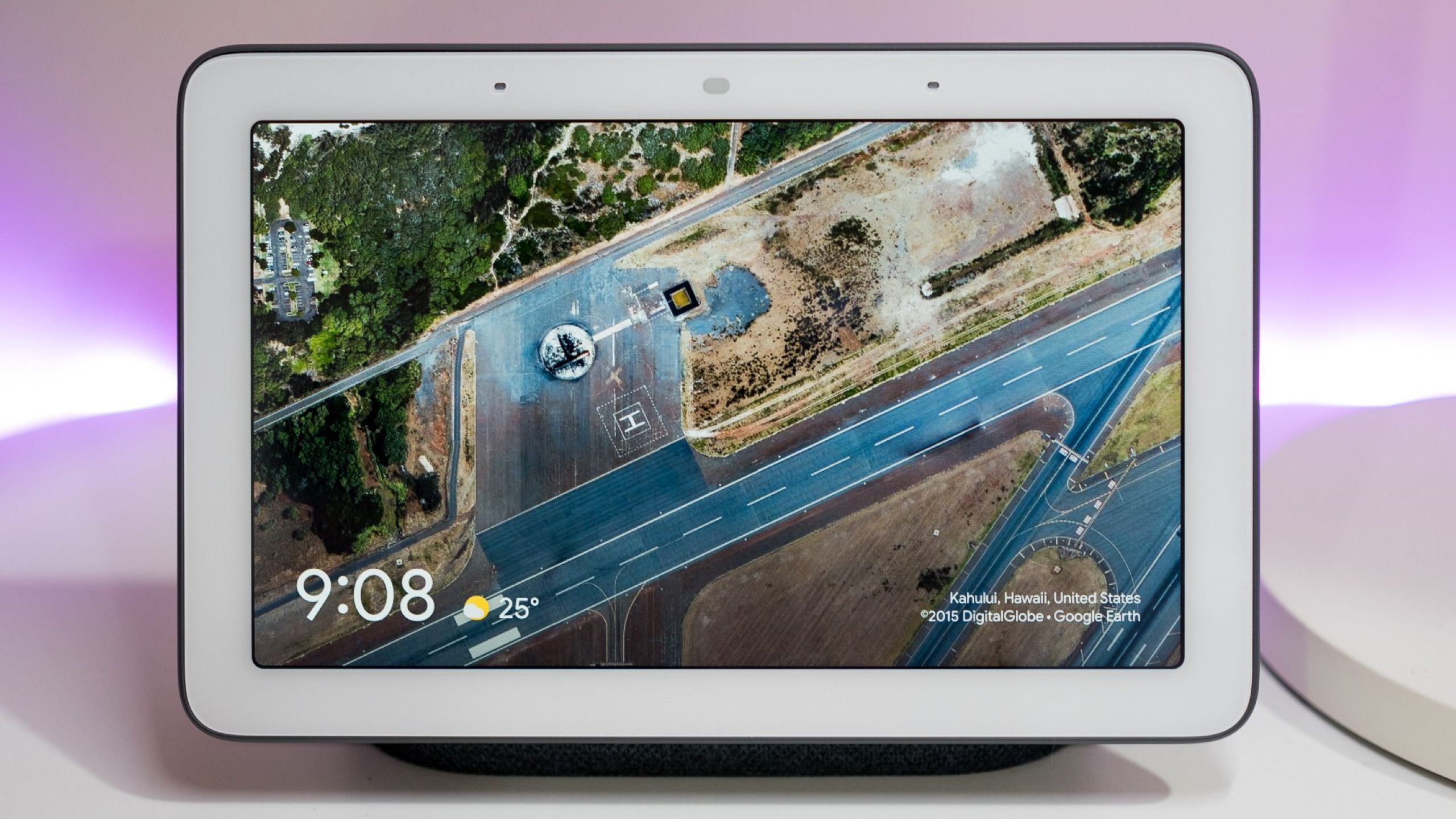
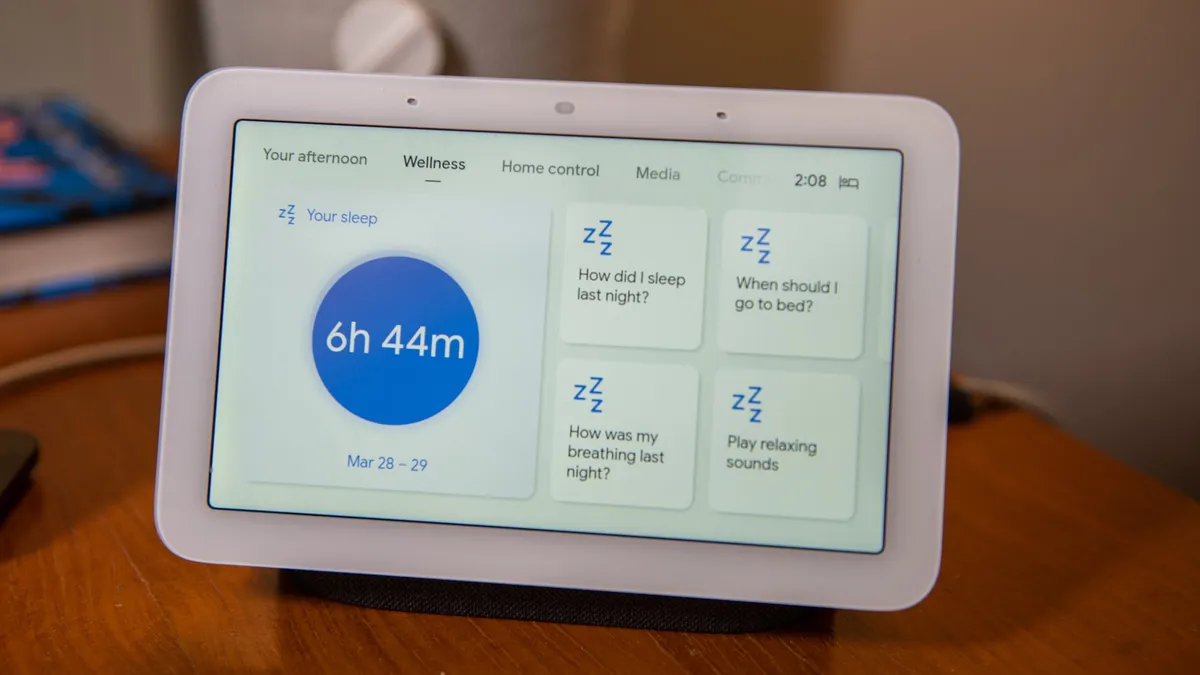
Google’s Nest Hub has no clue what time it is, and it’s messing with our heads


What you need to know

  • A user on the Google Home subreddit reports that their Nest Hub Gen 2 is struggling with the time.
  • The post says their device will set an alarm properly (on its display), but the AI speech will say “it’s set for 3 am,” when in reality it’s set for “3 pm.”
  • Google recently rolled out Continued Conversations for Gemini on its smart home devices.

Issues surface with Google’s Nest Hub, as user reports on social media highlight a strange problem with its sense of time.

It’s unclear just how widespread this issue is, but a user on the Google Home subreddit reports that their Nest Hub Gen 2 is struggling with time (via Android Authority). The user states that while their device can set the correct time (say, three o’clock, for instance), it will mess up the AM/PM ending. They state that if they’re looking to set an alarm for 3 pm, their Nest Hub Gen 2 will say it’s set for 3 am.

Android Central’s Take

This just sounds like a joke. It makes it seem as if the Nest Hub Gen 2 is stuck in opposite day. You tell it one thing, but it says the same with a dash of the opposite. It’s good that the device actually sets the time right, and it’s the speech part that’s messed up. But, still, even that’s enough to make people look again, saying, “huh? I didn’t say that…”

Google Workspace + JumpCloud: Unify IT, Slash Complexity


JumpCloud Webinar Series


Google Workspace + JumpCloud: Unify IT, Slash
Complexity

Overview

Tired of juggling a patchwork of siloed tools to manage your workforce’s identities, devices, and SaaS applications? It’s time to unify your IT stack.

Watch on demand to see how Google Workspace and JumpCloud combine to create a complete, modern solution stack for mid-market organizations. Swap expensive, difficult-to-integrate point solutions for one streamlined pane of glass.


In this webinar you will learn:

  • Achieve the unified platform advantage: Manage workforce identities, devices, and SaaS from one complete, integrated platform
  • Improve security with simplicity: Strengthen and consistently apply security policies across your environment—without adding operational complexity
  • Maximize your investment: Seamlessly extend the power of your Google Workspace environment with JumpCloud’s powerful directory and device management capabilities
  • Improve cost efficiency: Replace multiple siloed tools with one streamlined solution for better cost efficiency


Meet the Speakers:

  • Joel-Rennich

    Joel Rennich

    Senior Vice President Product Management

    JumpCloud

  • Cameron-Wallin

    Cameron Wallin

    Director of Product, Cloud Identity,Groups, and Infrastructure

    Google

  • Chase-Doelling

    Chase Doelling

    Director, Product Marketing

    JumpCloud

Watch Now

Watch Now

Error: Contact form not found.

About us Section - jumpcloud

About JumpCloud

JumpCloud is a cloud-based, unified IT management platform that centralizes identity, access, and device management, often serving as a modern, cloud-native alternative to Active Directory. It allows organizations to manage user identities, secure devices (Mac, Windows, Linux, mobile), and control access to resources from a single console, supporting hybrid and remote work.

The post Google Workspace + JumpCloud: Unify IT, Slash Complexity appeared first on Tech Research Online.

Lachy Groom to back India startup Pronto at a $200M valuation, sources say


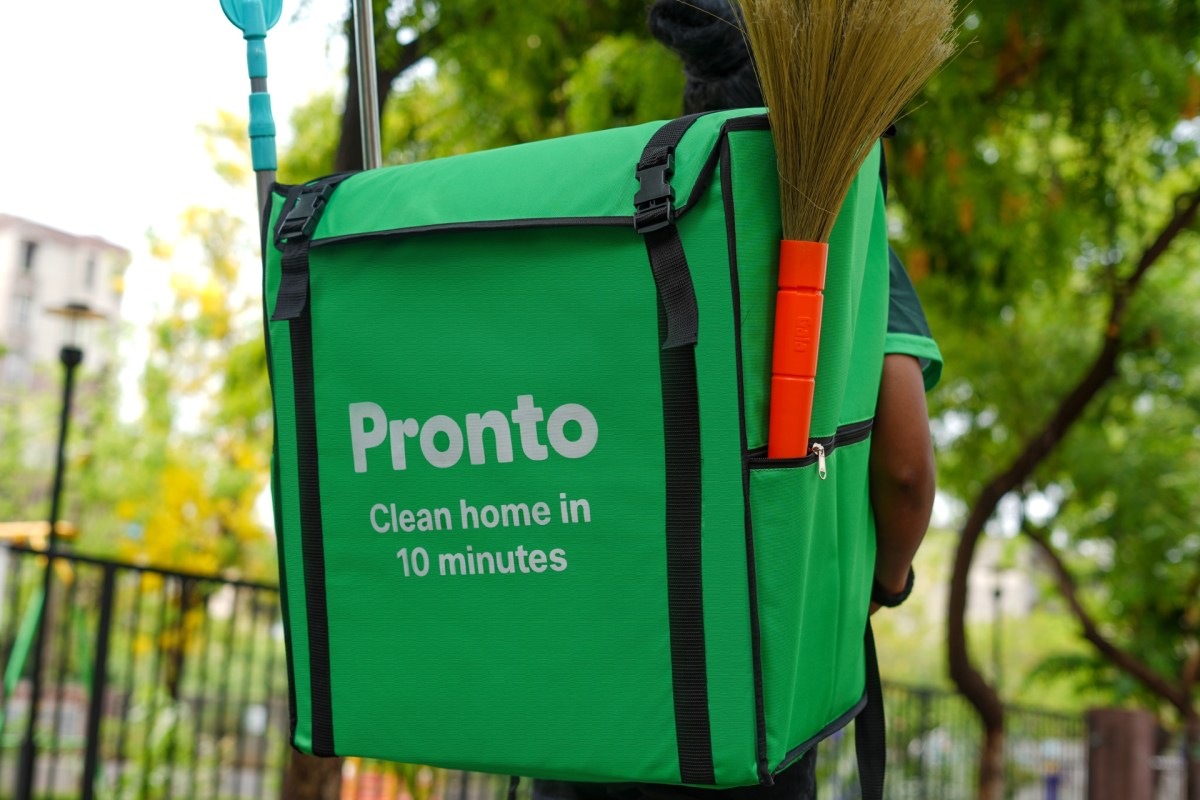
Pronto, an Indian instant house-help startup, is finalizing a funding round led by tech investor Lachy Groom that would value the fast-growing company at about $200 million after investment, TechCrunch has learned.

The deal is expected to bring in about $20 million in fresh capital and would mark a sharp jump from the $100 million valuation at which the company raised $25 million in a Series B round led by Epiq Capital in early March, doubling its valuation in a matter of weeks, two people familiar with the matter said.

Bengaluru-based Pronto completed about 500,000 orders last month and is currently handling around 24,000–25,000 orders daily, up from about 18,000 daily bookings in March and roughly 1,000 last year.

Founded in 2025, Pronto connects households with on-demand domestic help for services such as cleaning and chores, promising quick turnaround times through a managed network of workers.

In March, Pronto founder Anjali Sardana told TechCrunch the startup had expanded from one city to 10 — including Delhi NCR, Bengaluru, and Mumbai — and from five to more than 150 micromarkets. However, much of its activity remains concentrated in a handful of markets, with the National Capital Region accounting for about half of total bookings.

The startup has over 4,500 active professionals on its platform, around 99% of whom are women, Sardana said last month, adding that demand continued to outpace onboarding of new workers as bookings grew about 20% week over week.

Before this funding, Pronto had raised about $40 million in total. Its investors include Epiq Capital, Glade Brook Capital, General Catalyst and Bain Capital Ventures.

Techcrunch event

San Francisco, CA
|
October 13-15, 2026

Pronto and Groom did not respond to requests for comment.

Honor Connect, photography updates carry the Magic 8 Pro’s huge April patch


What you need to know

  • Honor is rolling out a massive April update for the Magic 8 Pro this week, bringing 200x focal length to its telephoto and Honor Connect.
  • Users can send files through Connected Files to their Mac from their phones; however, you will need Honor WorkStation on your Mac for this to work.
  • Several home and lock screen updates come through, making it easy to manage folders and one-tap actions for widgets.

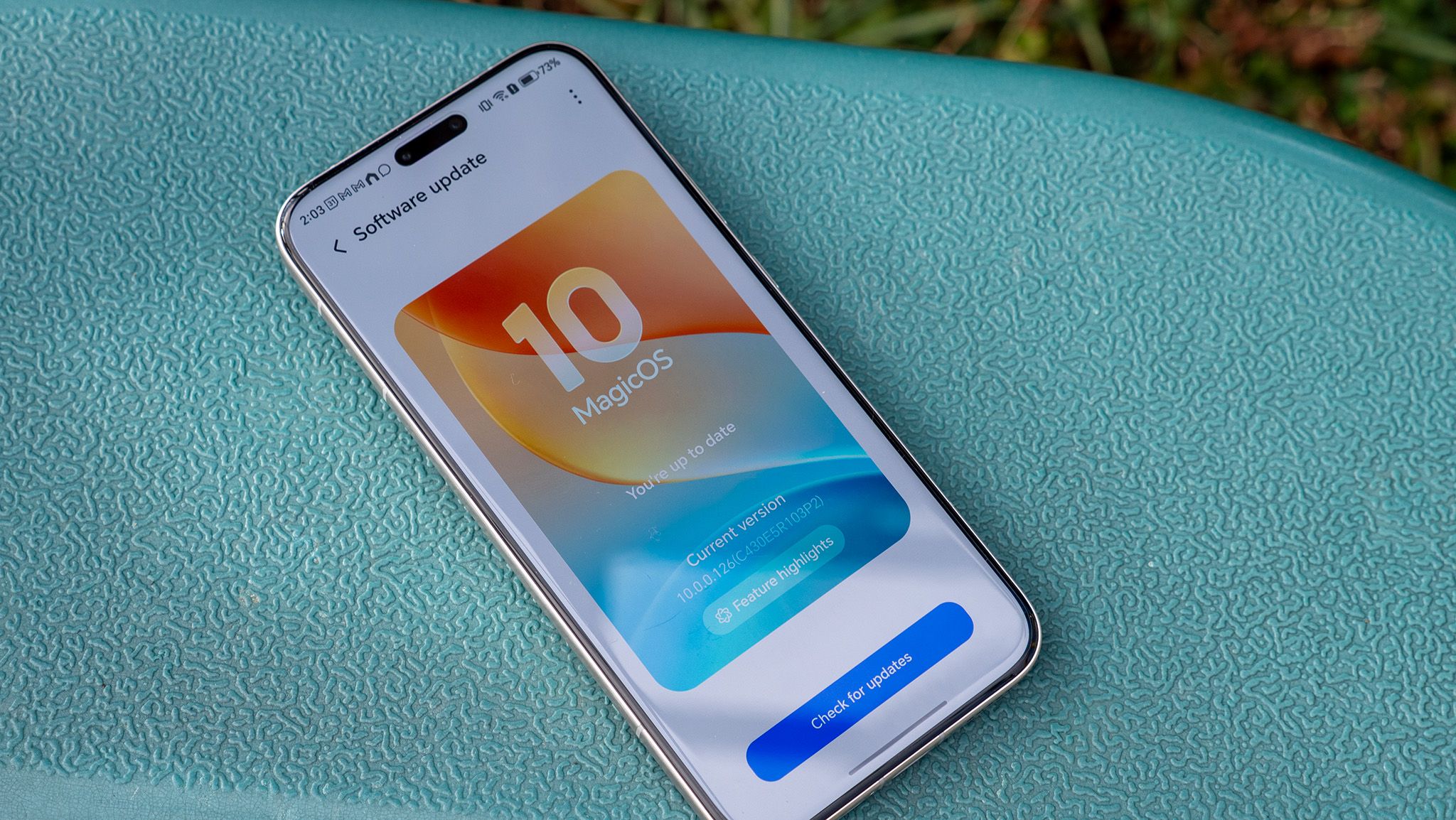
Honor’s latest flagship phone, which boasts major features for mobile photography, is receiving a major MagicOS patch.

Late this week, Android Central’s Nicholas Sutrich spotted an April 2026 security update rolling out for the Honor Magic 8 Pro. Sutrich has provided a changelog of the incoming changes, and they are plentiful. Honor states the update is 1.2GB, and leads off with a few camera refinements. While in PHOTO mode, the Magic 8 Pro’s telephoto focal length has been extended to 200x. Additionally, the “shooting effect” for the camera has been optimized.

Bluesky now supports better quality photos


Bluesky is beefing up its social network as a better place to post photos. Late Wednesday, the company announced a new version of its app (version 1.121), which boosts the quality of images in posts both in terms of upload size and resolution.

Before, Bluesky only supported photo uploads of 1MB or less. Now, that limit has doubled to 2MB. In addition, photos will render at up to 4000px, instead of 2000x, as before.

In addition, the company replaced its old image grid with a swipeable carousel that can handle mixed aspect ratios without cropping. (Although early feedback from some Bluesky users indicates that they would prefer the choice between posting as a grid or carousel.)

The changes could make Bluesky’s app more competitive with other social networks, like X or Meta’s Threads.

The latter became well known after its launch as a showcase for photos, thanks to its support for a variety of aspect ratios and its carousel, which offered clever ways to split up larger photos for viewing in this way. In fact, it even inspired a developer to create a standalone app to help users post their panoramic photos to Threads. (Threads still supports a larger maximum image size, though it isn’t published in Threads’ documentation.)

Workspace Intelligence is Google’s agentic AI era for true assistance with Gemini


What you need to know

  • Google’s giving some Workspace Intelligence this week, as it detailed the agentic AI future for users during Cloud Next 2026.
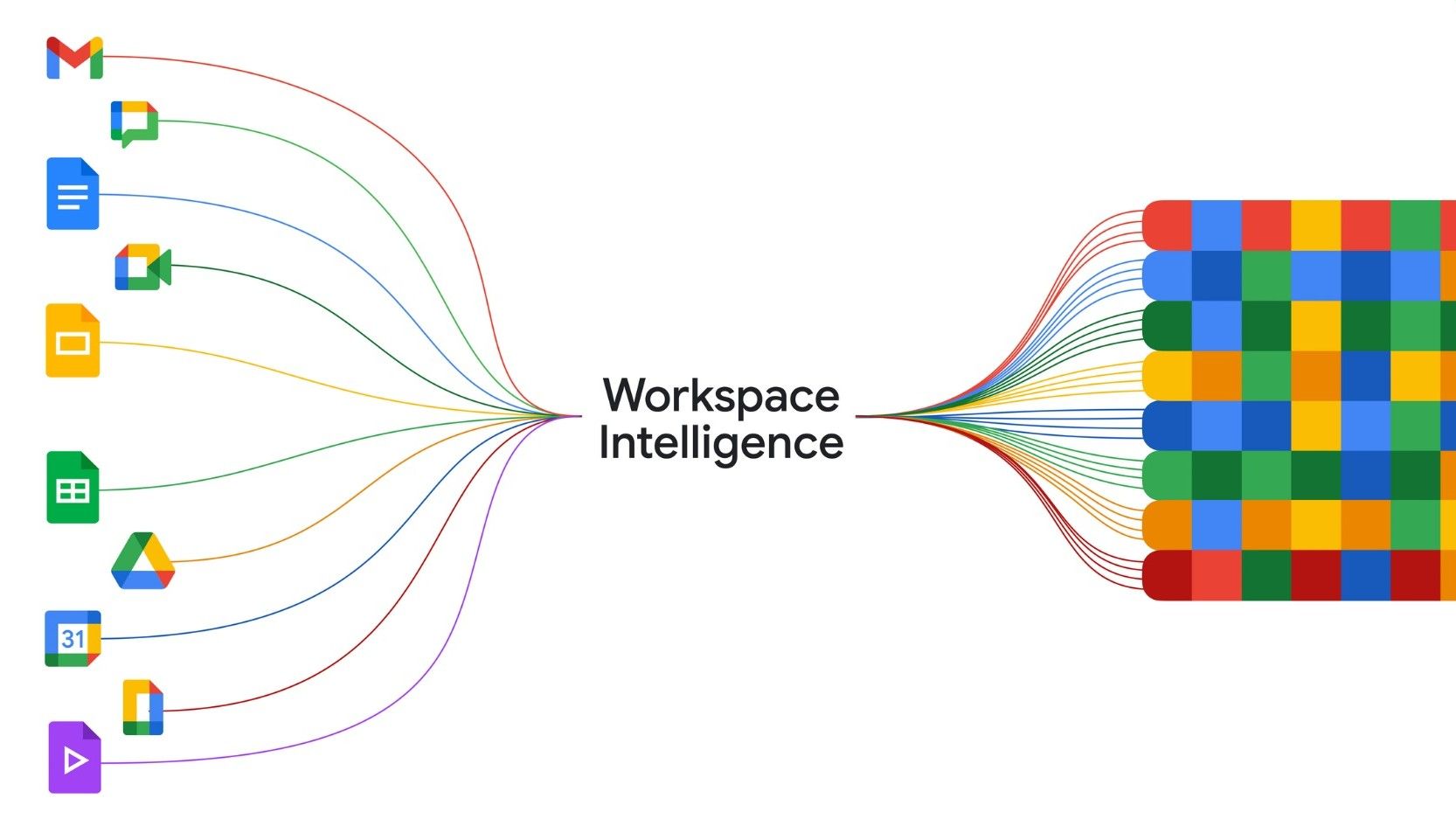
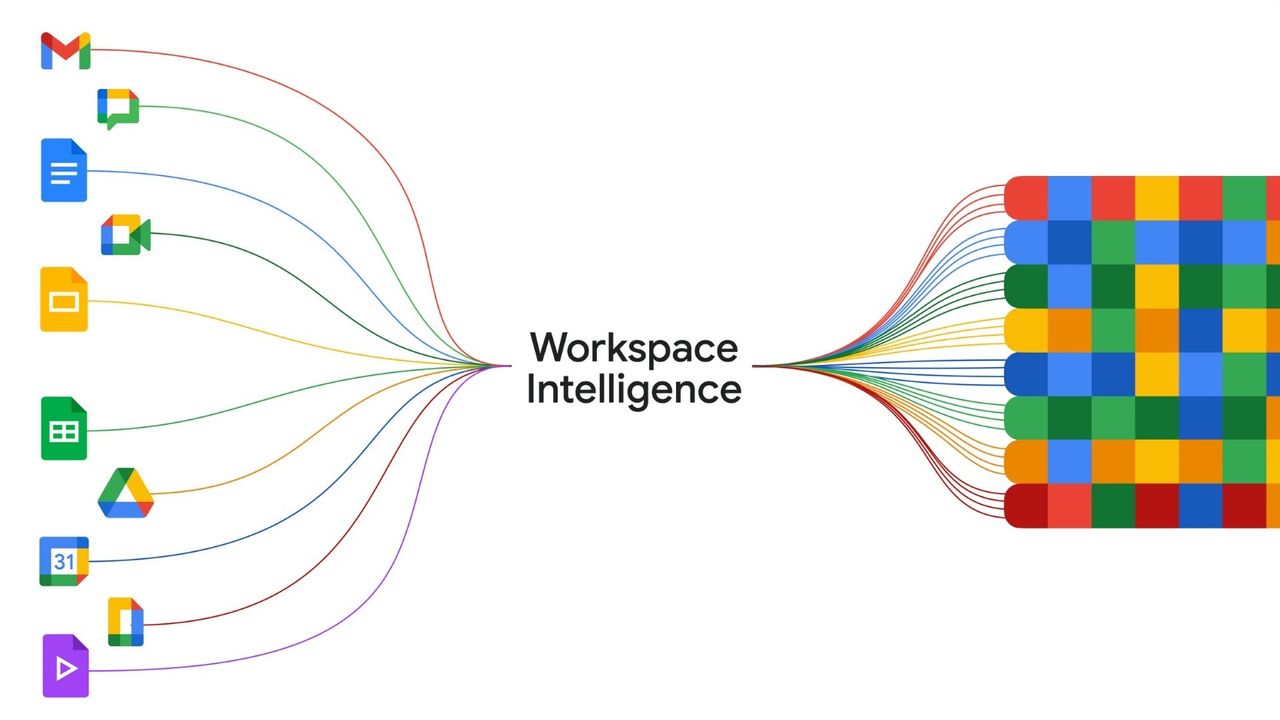
  • Workspace Intelligence is integrated into every app, understanding what matters to you, so it can produce it for you via automation.
  • Docs, Slides, Sheets, and Chat all receive Gemini, Workspace Intelligence-infused updates for file creation and AI assistance.

Workspace gets businesses (big and small) through their days, and now Google is detailing major AI-focused updates to make their time even easier.

Amid Google’s Cloud Next 2026 event, the company debuted Workspace Intelligence as part of its agentic push to help users work smarter. According to Google, this new approach aims to deliver “real-time understanding” to your apps by merging your projects into an automated process. It reports that Workspace Intelligence understands the relationships between your apps, projects, collaborators, and more.

Reinventa la Data Integration per ottenere informazioni basatesull’IA


Le priorità strategiche delle aziende stanno cambiando perché il94% dei leader ritiene che le funzioni relative ai dati e agli analyticssvolgano un ruolo essenziale per migliorare il processo decisionale,il vantaggio competitivo e il valore aziendale

Scopri le straordinarie opportunità offerte dall’intelligenzaartificiale (IA) in ambito di Data Integration e analytics e impara apredisporre i dati per l’IA.

Scarica la nostra infografica per scoprire:

  • Analytics moderni e IA in azione
  • Best practice per fornire dati pronti per l’IA
  • Dati reali del percorso diPaycor con Informatica eSnowflake

Redwood Materials lays off 10% in restructuring to chase energy storage business


Redwood Materials has laid off around 135 employees, or roughly 10% of its workforce, as it restructures to better accommodate its growing energy storage business, TechCrunch has learned.

The cuts come just five months after Redwood cut 5% of its workforce, and three months after it closed a $425 million funding round that boosted the battery recycling company’s valuation to north of $6 billion, as TechCrunch previously reported.

It’s been a difficult time in the battery industry lately. Earlier this month, battery recycler Ascend Elements filed for Chapter 11 bankruptcy protection, citing “insurmountable” financial challenges. Some battery-makers have also restructured or gone out of business as the automotive industry in the U.S. has backed away from its most optimistic and ambitious plans to transition to electric vehicles.

But Redwood Materials founder and CEO JB Straubel told employees that this new round of cuts is not a sign that the company is heading down the same path.

“Redwood today is the strongest it’s ever been,” Straubel wrote in an email to the workers who weren’t laid off, according to a copy viewed by TechCrunch. “The materials business is well on its way to profitability and has an exciting roadmap ahead.”

Straubel noted that Redwood “continue[s] to dominate the US battery recycling market” but also touted the company’s “great momentum” in its new energy storage business. Redwood has recently announced deals with Crusoe AI and, most recently, electric automaker Rivian to provide recycled batteries that can be used to power those companies’ facilities. The company declined to comment beyond the contents of Straubel’s email.

In his message, Straubel wrote that “parts of the company have expanded faster than needed to support the direction” of Redwood. As a result, he said Redwood is making cuts across multiple divisions, including the engineering and operations organizations, according to an employee who was granted anonymity to discuss the layoffs.

Techcrunch event

San Francisco, CA
|
October 13-15, 2026

“We are confident that we can deliver on our critical projects with a smaller team that is more focused,” he wrote. “We have successfully adapted to changes in the market that have bankrupted many of our competitors.”

Straubel went on to write that he is “more excited than ever with our path ahead as we build the most integrated and cost-effective critical materials and energy storage business in the world.”

“This is a self-sustaining business and will continue to make this company more valuable over time. We have the team and the technology to do what no other company can,” he wrote.

Workers who were laid off were told by Redwood’s chief HR officer that the layoffs were made “to sharpen our focus, our work and the size of our teams to support the direction Redwood is going in the future,” according to a copy of her email, which was viewed by TechCrunch.

Employees who were laid off are receiving severance and paid health benefits, according to Straubel’s email, as well as “career transition assistance.”

“I am grateful to the approximately 135 employees who we say goodbye to today — they’ve all contributed to building Redwood,” he wrote.

When you purchase through links in our articles, we may earn a small commission. This doesn’t affect our editorial independence.