Light made a flip phone. It’s colorful and it’s cheap.


Kaiwei Tang helped create the iconic Motorola Razr over 20 years ago. Now, 10 years into building Light, the startup behind the minimalist smartphone alternative Light Phone, he’s as surprised as anyone that his customers are begging for a flip phone.

“We’ve been interviewing young people that use flip phones for a few years,” Tang told TechCrunch, describing a pattern his team kept running into: Gen Z users love their flip phones but say the build quality is bad. “They’re describing the flip phones in negative language, but they stick with it, and they feel proud.”

So Tang and co-founder Joe Hollier had an idea. What if Light took the fast, custom software from its last three touch screen phones and put it into a flip phone? That’s how they decided to build the Light Flip, the most affordable device that Light has ever released.

“What we’re doing is offering the same Light Phone experience, the same Light Phone OS with our SDK developer program, all of the tools we already have today: alarm, calculator, calendar…” Hollier told TechCrunch. “It’s kind of the exact same experience, just one is fully tactile, no touch screen, and [the other] one is a complete touch screen experience.”

Image Credits:Light Phone

Pricing has always been Light’s hardest problem as a small hardware startup. How do you sell a “less” phone for a price people will actually pay, when the whole pitch is fewer features? Its previous release, the unlocked Light Phone III, retails at $799. But the Light Flip brings the cost down to $299 by dropping a touch screen, NFC reader, and selfie camera. The Light Flip is also made of plastic, rather than sturdier aluminum, but that means that for the first time, Light can offer one of its phones in a range of colors: black, red, yellow, pink, navy blue, and light grey.

“I thought I was fully QWERTY, but I was having fun with the T9 predictive texting [the old-school method of typing multiple letters per number], so I can see myself going flip phone also for the colors,” Hollier said. “Just having a yellow phone gets me so jazzed.”

Beyond the sticker price, Light is also testing a financing play. It recently piloted phone contracts with Andrew Yang’s anti-doomscrolling carrier Noble Mobile. With Light’s own service plan, customers can get the Light Flip for a two-year contract at $39 per month; the Light Phone III will be available for $59 per month over the same time frame.

The Light Flip only has a 2.8″ OLED screen on the inside and no screen on the outside, as requested by users. There will be a small light on the front of the phone, however, so that you can see if you have notifications without flipping open the device. With 5G and 4GLTE connectivity, the Light Flip can download podcasts online and play music that you upload to your phone, which you can listen to via either a 3.5mm headphone jack or Bluetooth headphones. It charges via USB-C, works with both eSIM and physical Nano SIM cards, and includes a 12-megapixel camera on the back.

Image Credits:Light Phone

The Light Flip is expected to ship in April 2027, which Light acknowledges is a long lead time. To keep preorder customers engaged (and, practically, to keep them from canceling before it ships), the company is launching a new “Flip Your Life” program, including bi-weekly newsletters to help people prepare for the lifestyle adjustment of ditching a smartphone. It’s a community-building move as much as a marketing one. By building a support network around the phone, Light hopes that the transition to using its products will be less jarring and that it sticks.

While Light believes that its phones can help people reclaim the time they may regret spending on mindless scrolling, the founders acknowledge that it’s not easy to quit smartphones cold turkey. It’s hard to sacrifice the convenience of instant internet access, Apple Pay, music streaming, and convenient communication tools like WhatsApp and iMessage, and it’s easier for the flip phone-curious to make this transition when they’re not going through it alone.

“I think something that’s so inspiring about this movement is it’s not coming from a place of just anger and hatred… It’s a movement of optimism, as well as skepticism,” Hollier said. “I think that’s what we’ve always tried to do with Light. We’re anti big tech in all these ways, but we’re always trying to show that the other side of life can be really simple and beautiful.”

When you purchase through links in our articles, we may earn a small commission. This doesn’t affect our editorial independence.

Google’s latest Android 17 beta fixes Bluetooth headaches and Gemini crashes


What you need to know

  • Android 17 QPR2 Beta 1 is officially here, kicking off testing for Google’s next Pixel Feature Drop arriving in December 2026.
  • This beta includes fixes for Bluetooth reconnection failures, lock screen media glitches, Gemini-related reboot crashes, and touch input bugs.
  • The update supports Pixel 6a through the Pixel 10 lineup, plus the Pixel Fold and Pixel Tablet, and is available via the Android Beta Program and Android Emulator.

Google’s not wasting any time after wrapping up Android 17 QPR1. The company has officially kicked off testing of Android 17 QPR2 Beta 1, offering Pixel users and developers a first look at the next quarterly update expected to arrive as the December 2026 Feature Drop.

This release doesn’t come with any new user-facing features, but it does fix some annoying bugs that have plagued Pixel owners. In its official release notes, Google says it has fixed an issue where Bluetooth devices could fail to reconnect after losing pairing, with no indication there was a problem. There’s also a fix that stops media controls from flashing briefly on the lock screen when waking a phone, even if notifications for that app had been turned off.

Netflix paid $587M for Ben Affleck’s AI filmmaking startup


In a new regulatory filing, Netflix revealed that it paid $587 million in cash for InterPositive, a startup co-founded by actor and director Ben Affleck.

The streaming company announced the acquisition in March, with a statement from Affleck saying he wanted to “protect the power of human creativity.” According to Affleck, InterPublic’s AI tools help filmmakers improve their footage in post-production, particularly when it comes to making up for “real-world production challenges such as missing shots, background replacements or incorrect lighting.”

At the time, Netflix announced that the entire InterPositive team would be joining the company, with Affleck joining as a senior advisor, but it didn’t disclose the financial terms of the deal. A subsequent report in Bloomberg suggested that the deal could be worth up to $600 million.

In its most recent earnings report, Netflix said that around 300 of its titles have already used generative AI.

Google Pixel 11 Pro XL vs. Pixel 10 Pro XL


The Google Pixel 11 family is right around the corner, and that means now is a great time to start considering whether you’re going to upgrade to this year’s phone, or save money and grab last year’s best with a solid deal (or a second-hand offer).

In a year with rapidly rising technology prices, 2026 might be the best year ever to consider buying last year’s phone, especially with the rumor that Google isn’t giving the Pixel 11 Pro XL a massive overhaul. If you’re choosing between the Pixel 11 Pro XL and Pixel 10 Pro XL, or are considering upgrading year-over-year, here’s everything you need to know!

Google Pixel 11 Pro XL vs. Pixel 10 Pro XL: Design and display

A screenshot of a Pixel 11 Pro teaser from the Google Store, showcasing Pixel Glow's multi-colored LED experience.

(Image credit: Google Store)

The Pixel 10 Pro XL and Pixel 11 Pro XL will likely look identical at a glance, but at least one key change will catch your eye and make you at least a tiny bit jealous. I’m talking about Pixel Glow, a new type of LED that appears on the Pixel 11’s camera bar, seemingly as part of the camera flash unit.

Latest Videos From

Neil Rimer thinks the AI money is coming back out


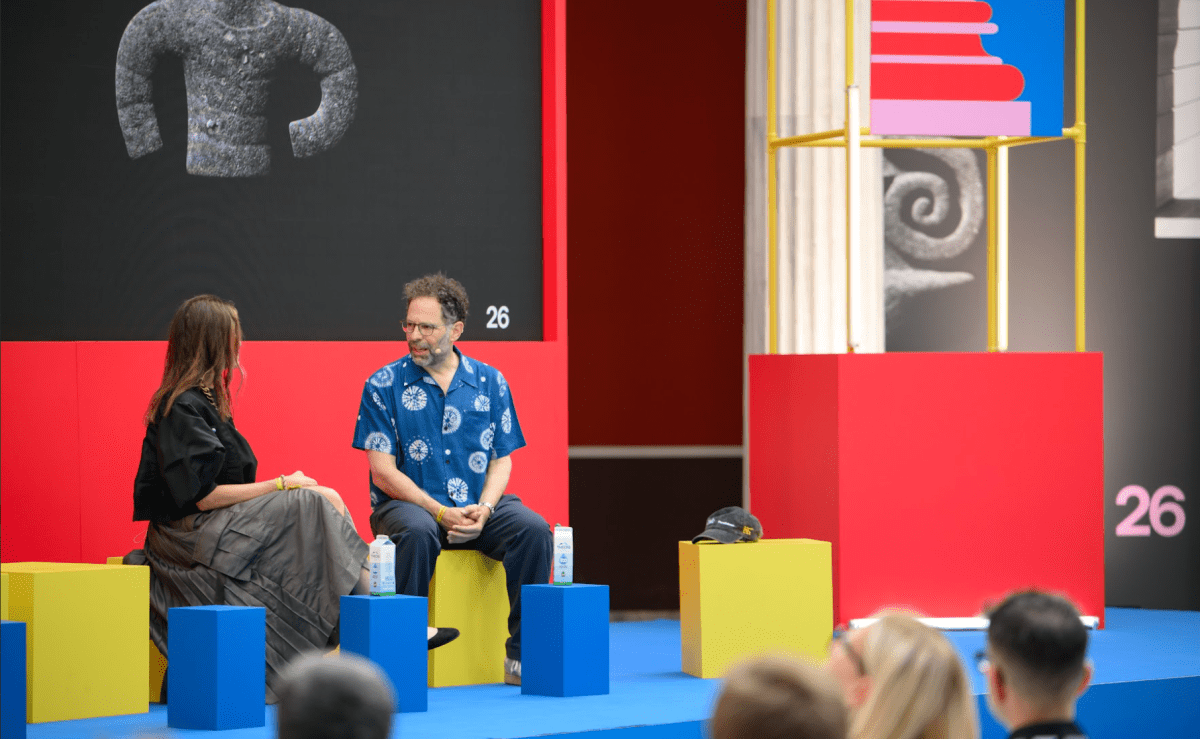
In late May, Neil Rimer said something during a sit-down I had with him in Athens that I haven’t been able to shake. At a vibrant new tech festival in the city, talking about the wealth piling up around AI, he said he has “a strong sense that there will be some sort of a redistribution.” He continued on. “It’ll either be voluntary or it’ll be involuntary, but it’ll happen, and I hope it’s voluntary,” he told me, adding that he thinks tech leaders “can play a leading role in seeing that through.”

Coming from most people, that would sound like standard-issue populism. Coming from Rimer, a co-founder of Index Ventures, one of the most successful venture firms of the last three decades, it seemed a striking thing to say in public.

Rimer stepped back from day-to-day investing in 2021, and these days spends much of his time in Athens, where his wife is from and where his children treasure their Greek passports. He turned up to our interview in a rumpled button-down and jeans, not the quarter-zips and fine knitwear that mark so many of his peers. Yet Index’s returns in recent years have been exceptional: the firm has raised roughly $15 billion from outside investors since its founding, and last year’s exits including Figma’s IPO and Google’s purchase of the cybersecurity firm Wiz reportedly netted Index roughly $9 billion.

Rimer has found ways to give back. He sits on the board of Endeavor Greece, which mentors entrepreneurs in emerging markets, and chaired the board of Human Rights Watch from 2019 to 2025. In late 2021, he and his father and two brothers gave $13 million to McGill University to renovate a campus building, now the Rimer Building, and found a new Institute for Indigenous Research and Knowledges.

In the meantime, his comment about redistribution comes at an odd moment, to be charitable, for giving. The Giving Pledge, the promise Warren Buffett and Bill Gates launched in 2010 to get billionaires to commit half their fortunes to charity, is becoming increasingly irrelevant. One hundred and thirteen families signed in its first five years, then 72, then 43, then just four in all of 2024, per a New York Times report in March that underscored how out-of-fashion philanthropy has become among some of the richest people in tech. (Noted that piece: “Elon Musk, the world’s wealthiest person, has said that his businesses ‘are philanthropy.’”)

The pattern appears to hold beyond the Pledge. Total American charitable giving hit a record $592.5 billion in 2024, but the number of Americans actually giving has fallen for five straight years, down 4.5% in 2024 alone, according to the Stanford Social Innovation Review. Two-thirds of households donated in 2000; roughly half do now, and Bank of America and Lilly Family School data shows even affluent-household giving has slipped, from 90% in 2017 to 81% last year.

The pattern shows up in Index’s own portfolio, too, which includes Anthropic. Business Insider recently asked a financial planner, Alex Caswell, whether his newly wealthy clients, many of them Anthropic employees tied to effective altruism, were pledging to give away the bulk of their fortunes. Anthropic matches employee donations of up to 25% of their equity to charity, and some of Caswell’s clients have used it, he told BI, but most weren’t building philanthropy into their plans at all; they were focused on angel investing or starting their own companies. “That’s what I’m seeing more than the desire to become philanthropic,” he told the outlet.

Unsurprisingly, the absence of voluntary giving is now running up against attempts to legislate the outcome instead. California voters will decide this year on a 5% one-time wealth tax that targets the state’s billionaires. Some, including Google founders Sergey Brin and Larry Page, have already moved their primary residences to South Florida to be on the safe side.

OpenAI is reportedly considering going public in 2027, and cynically, one reason among others may be that the tax, if passed, will calculate net worth based on an individual’s worldwide assets as of the end of this calendar year.

As unsurprisingly, there is plenty of opposition to any kind of wealth-redistribution measure of this scale, including by Governor Gavin Newsom, and including by economists who point out that many industrialized countries have repealed similar wealth taxes since 1990 after watching their wealthy residents skedaddle.

Other options on the table are as controversial. OpenAI has reportedly discussed handing the federal government a 5% equity stake, an idea CEO Sam Altman has framed as sharing AI’s upside with the public, but critics see it instead as a way to buy political cover in Washington. In either case, Silicon Valley has never been eager to put Uncle Sam on the cap table. Joked veteran investor Roelof Botha during a separate sit-down with this editor last year: “[Some] of the most dangerous words in the world are: ‘I’m from the government, and I’m here to help.’”

It’s worth thinking through how much wealth sits outside these mechanisms. Musk is worth just over $1 trillion, after SpaceX’s IPO last month made him the first person to reach that mark. Forbes counted 45 new AI billionaires in its 2026 rankings alone, worth a combined $2.9 trillion, and that’s before either Anthropic or OpenAI has gone public. In that same BI story about Anthropic employees, BI notes that once Anthropic and OpenAI complete their IPOs, their combined employees will hold enough wealth to buy nearly a third of all homes in the San Francisco metro area.

It feels unprecedented, but whether it represents an historic extreme is a matter of some debate. The share of wealth held by the top 1% of U.S. households hit 31.7% in the third quarter of last year, a record since the Federal Reserve began tracking the data in 1989, and roughly equal to what the other 90% of households outside the top decile held combined.

That’s still below the 45% the top 1% commanded at the Gilded Age peak in 1916. But narrow the lens to the tippy top, and the picture flips. Renowned economist Gabriel Zucman calculates that at the height of the Gilded Age, around 1910, America’s four largest fortunes were worth a combined 4% of U.S. GDP. Today, that same sliver of the population — now 19 households instead of four — is worth 14%.

Rimer’s two paths, voluntary or forced, have precedent from the last time American wealth concentration reached this level. In 1889, at the peak of the first Gilded Age, Andrew Carnegie published an essay arguing that a rich man should treat his fortune as a trust to be distributed for the public good within his own lifetime, calling it a disgrace to die wealthy. That essay, “The Gospel of Wealth,” became the founding document of modern philanthropy and the intellectual ancestor of the Giving Pledge.

It didn’t hold off the other path for long, though. By the mid-1930s, Louisiana Senator Huey Long had built a national following behind a program called Share Our Wealth, demanding steep taxes on the rich to fund a guaranteed income for every American. Worried about losing working-class support to Long, Franklin Roosevelt pushed through what the press called the “soak-the-rich tax,” raising the top marginal income tax rate as high as 79%. It redistributed less than Long wanted, but it remains the clearest example in American history of politically forced redistribution arriving once voluntary giving failed to adequately address the pressure building underneath it.

None of this is news to Rimer, who has spent his career in tech. What’s more curious to him is “the moral center of tech companies,” a fascination he traced to being a Stanford undergrad in 1984, when Apple discounted the first Macintosh for students and Steve Jobs and Apple’s other founders were, in his words, “heroes” for building something he felt was genuinely good for the world.

What troubles him now, he said, is hearing his own children talk about certain tech companies the way an earlier generation talked about defense contractors or cigarette makers.

Critics may note that Rimer — as an investor in Anthropic and other tech companies — is a direct beneficiary of the windfall he says will eventually need to be shared. But he’d rather see his fellow beneficiaries choose to give some of the money back than have it taken from them. There’s an easy way to do this and a hard way, and Rimer is betting on people picking the easy one before history picks it for them.

When you purchase through links in our articles, we may earn a small commission. This doesn’t affect our editorial independence.
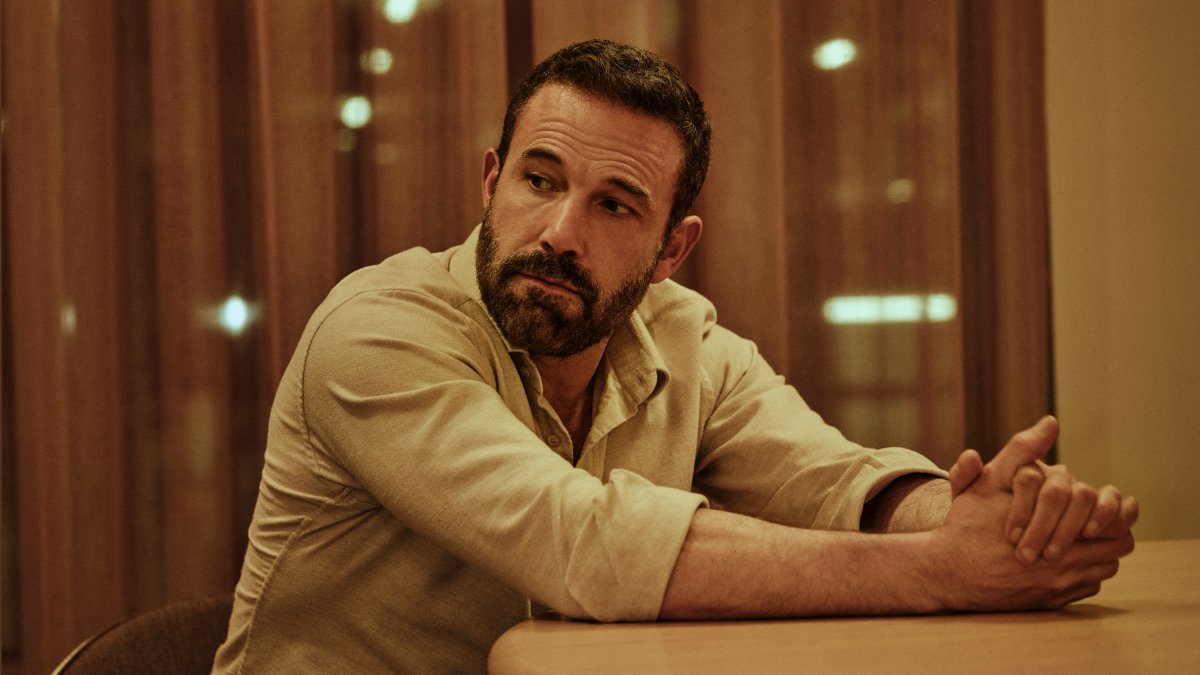
With OnePlus out of the picture, the US faces a huge smartphone dilemma for people like me


Android Central Labs

Android Central's Lloyd mascot wearing a lab coat for the Android Central Labs column

(Image credit: Nicholas Sutrich / Android Central)

Android Central Labs is a weekly column devoted to deep dives, experiments, and a focused look into the tech you use. It covers phones, tablets, and everything in between.

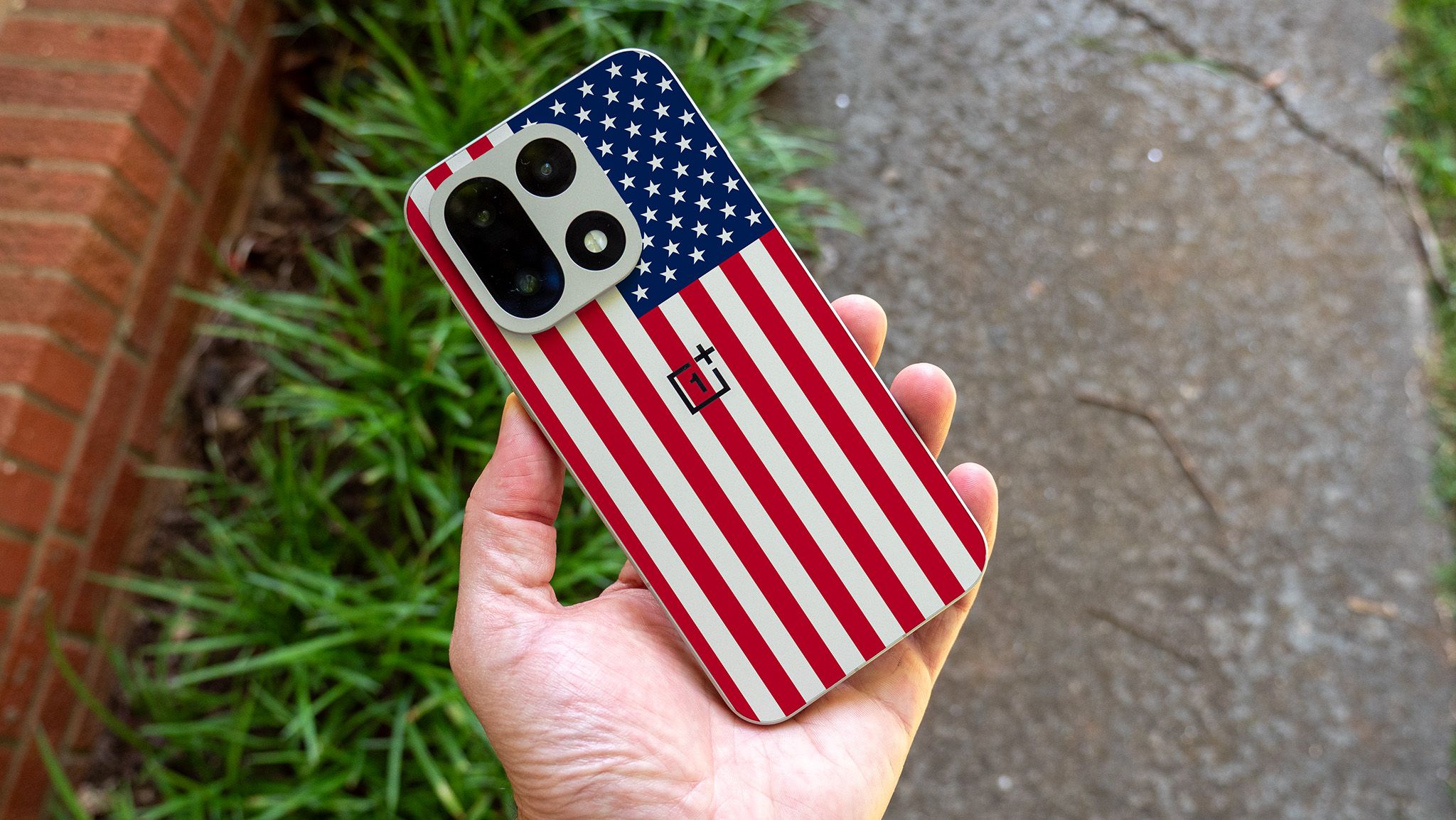
OnePlus announced earlier this week that it’s no longer launching new phones in the U.S. and Europe. Current devices will remain supported, but the company is effectively exiting these markets, and for people like me, that’s a problem.

The OnePlus 13 remains the only smartphone I’ve ever given a 5-out-of-5 score to. Looking back at the early 2025 launch, it’s clear this was the company’s last-ditch effort to impress would-be buyers, and I know it would have worked if OnePlus had a better presence with U.S. carriers. The fact of the matter is that smartphones — especially flagships — live or die based on carrier availability, and OnePlus could be found in exactly zero U.S. carrier stores.

ICS / OT Downtime cost calculator


Every minute your OT systems are down, the meter is running and most teams can’t say exactly how fast.

Many OT teams know downtime hurts. Almost none know how much. That’s the gap standing between “we should fix this” and an approved budget.

The Acronis OT Downtime Calculator closes that gap, using your own production, labor, and recovery data to show what downtime is actually costing you and what faster recovery could put back on the table.

In this calculator, you can:

  • Turn vague downtime risk into a specific monthly and annual dollar figure
  • Break down exactly where the cost comes from — production loss, labor, and overhead
  • See how much faster recovery could save, backed by a number that holds up in any budget or board conversation

How a former DeepMind researcher raised at a $300M pre-seed valuation before launching a product


Andrew Dai left Google DeepMind knowing visual AI was the frontier he wanted to stake his claim in. He pulled off a whirlwind fundraise that resulted in a more aggressive valuation-to-capital ratio than Thinking Machines, which raised one of the largest rounds in U.S. history.

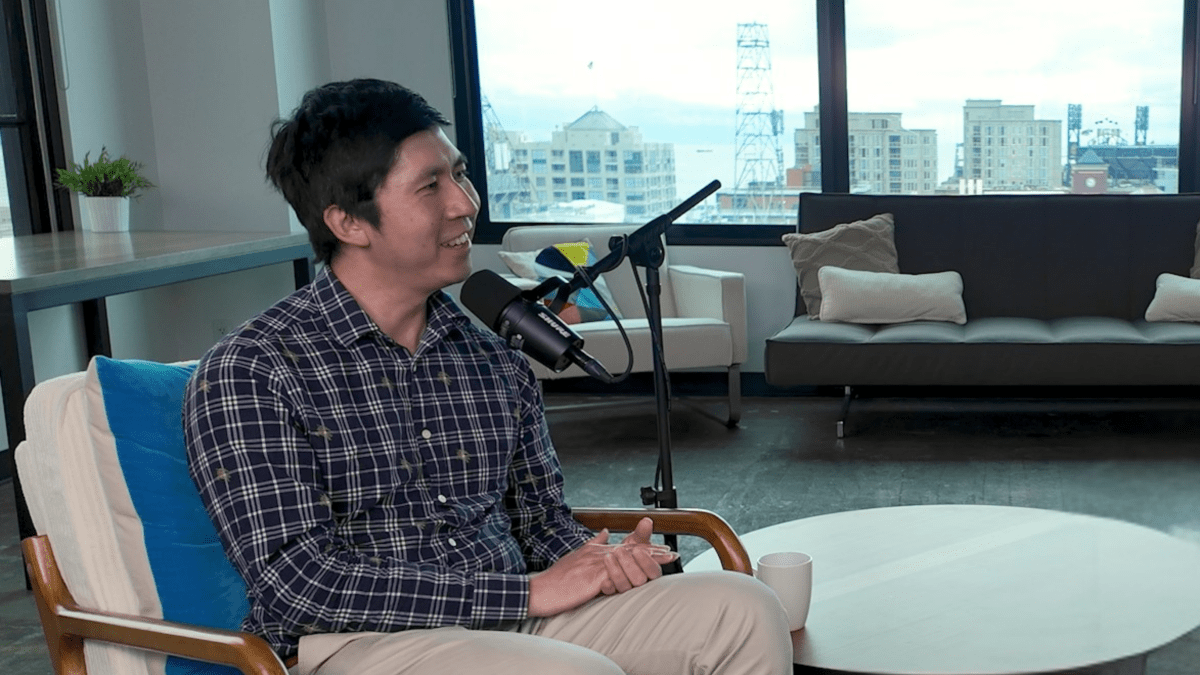
In this episode of Build Mode, host and Startup Battlefield lead Isabelle Johannessen sits down with Andrew Dai, founder and CEO of Elorian and former Google DeepMind researcher, to discuss how his company raised a $55 million seed round at a $300 million valuation just months after leaving Google.

Drawing on more than a decade spent helping build some of the world’s most influential AI systems, including research that later informed the development of ChatGPT, Andrew explains why he believes visual AI is one of the next major frontiers in artificial intelligence. “You have models that are doing really great at math, really great at new physics ideas, and of course coding is very popular now … But one area where progress has been extremely uneven is visual understanding and visual reasoning,” said Dai. “At Elorian, we want to build models that will advance us toward visual AGI.”

Andrew walks through the fundraising process from the founder’s perspective, including how he refined a highly technical vision into a compelling story investors could understand. He explains why he prioritized strategic partners like Nvidia and Menlo Ventures over even higher valuation offers, and how choosing investors who understood the realities of building frontier AI proved more valuable than simply maximizing his company’s price tag.

The conversation also offers practical lessons for founders navigating today’s rapidly evolving AI landscape. Andrew shares how startups can communicate complex technical ideas without relying on jargon, why speed has become one of the biggest competitive advantages in AI, and what it takes to recruit world-class researchers away from Big Tech.

In this episode, you’ll learn:

  • What top venture capital firms look for when investing in frontier AI startups.
  • Why the highest valuation isn’t always the best fundraising outcome.
  • How to pitch highly technical products to nontechnical investors.
  • What founders should look for when choosing venture capital partners.
  • How startups can recruit top AI talent away from Big Tech.
  • Why speed has become one of the biggest competitive advantages in AI.
  • How founders can build durable moats as AI technology evolves.

This season on Build Mode, we’re diving into all aspects of fundraising with experts who have firsthand experience raising massive pre-seed rounds, writing the big checks, bootstrapping, going public, and navigating the unexpected market circumstances that can change everything.

Subscribe to Build Mode on Apple Podcasts⁠, ⁠Spotify⁠, or wherever you like to listen⁠. And watch the full videos on YouTube⁠. New episodes of ⁠Build Mode⁠ drop every Thursday.

When you purchase through links in our articles, we may earn a small commission. This doesn’t affect our editorial independence.
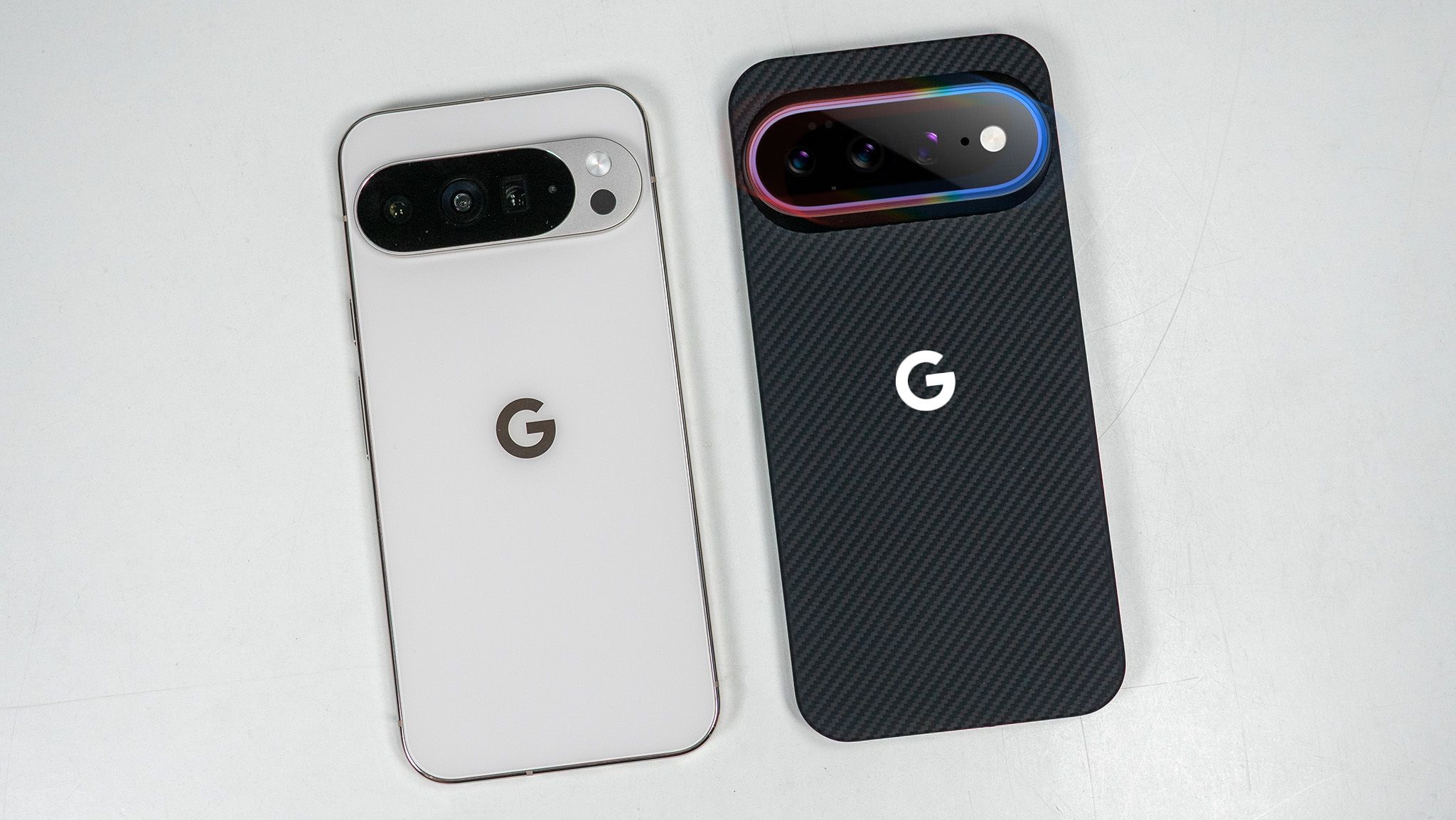
Google Pixel 11 vs. Pixel 10: Should you upgrade? Here’s what I think after a year with the Pixel 10


The Pixel 10 is one of our favorite smartphones of 2025, but now that we approach the Pixel 11 launch, I’m taking a speculative look at both phones to determine whether it’s worth upgrading from the Pixel 10. Or at least which phone you should consider buying.

For now, we don’t have any official information on the Pixel 11, aside from rumors and leaks. Fortunately, there have been plenty of both, allowing us to paint a pretty good picture of what to expect. And having reviewed the Pixel 10 myself, I’m more than interested to see what upgrades Google is bringing to its successor.

Google Pixel 11 vs. Pixel 10: More of the same design with one illuminating mystery

Pixel 10 next to the Pixel 9

(Image credit: Derrek Lee / Android Central)

From the leaks we’ve seen, the Pixel 11 won’t look much different from the Pixel 10. The dimensions are supposedly very similar, although the Pixel 11 may be a hair thinner. The Pixel 10 is already pretty thick, so we welcome any way Google can reduce that, especially given the battery bump.

Latest Videos From

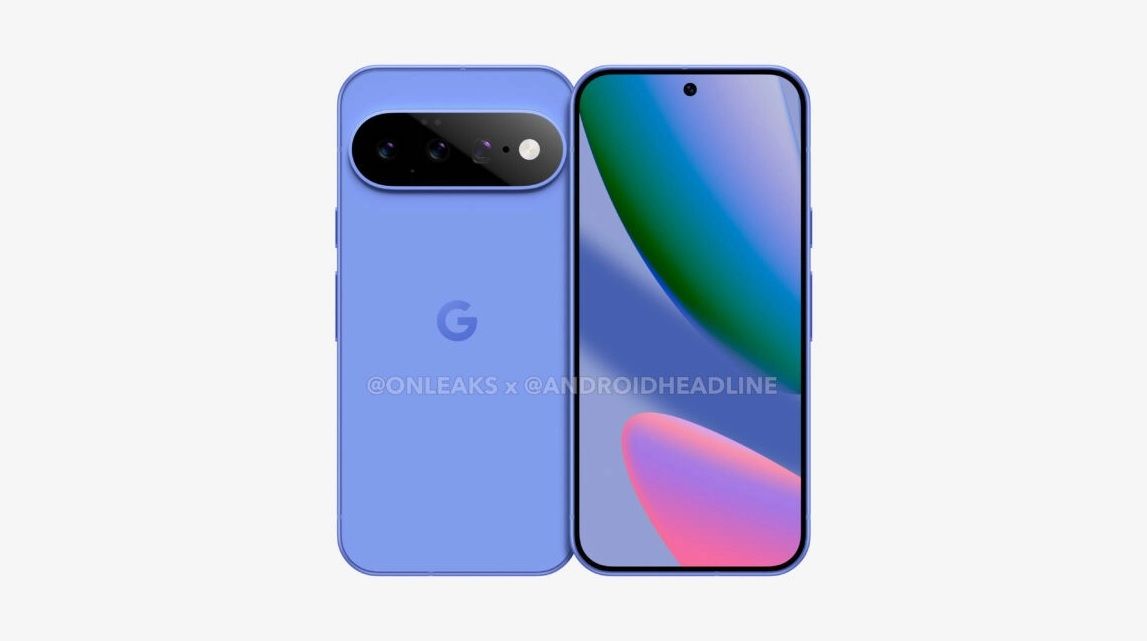
More noticeable design changes may appear on the rear. The camera visor appears to have removed the aluminum bit housing the camera flash on the Pixel 10. Instead, the entire housing appears to be covered in glass for a more uniform look.

An alleged render of the Google Pixel 11 in a blue colorway, showing off almost no change from the Pixel 10, with a 6.3-inch display, rounded corners, and a raised pill-shaped camera bar.

(Image credit: Android Headlines)

There’s also the matter of this mysterious Pixel Glow. We’re not entirely sure what this is, but based on Google’s Pixel 11 teaser on the Google Store, it appears to be part of the LED flash unit within the camera bar, serving as a colorful indicator light (not a light bar as previous rumors suggested). This could be an indicator for notifications or AI interactions, similar to what we expect with the upcoming Googlebooks.

Lorde says AI glasses are “not sexy”


While Kylie Jenner serves as a human billboard for Meta’s AI glasses, pop star Lorde isn’t buying it.

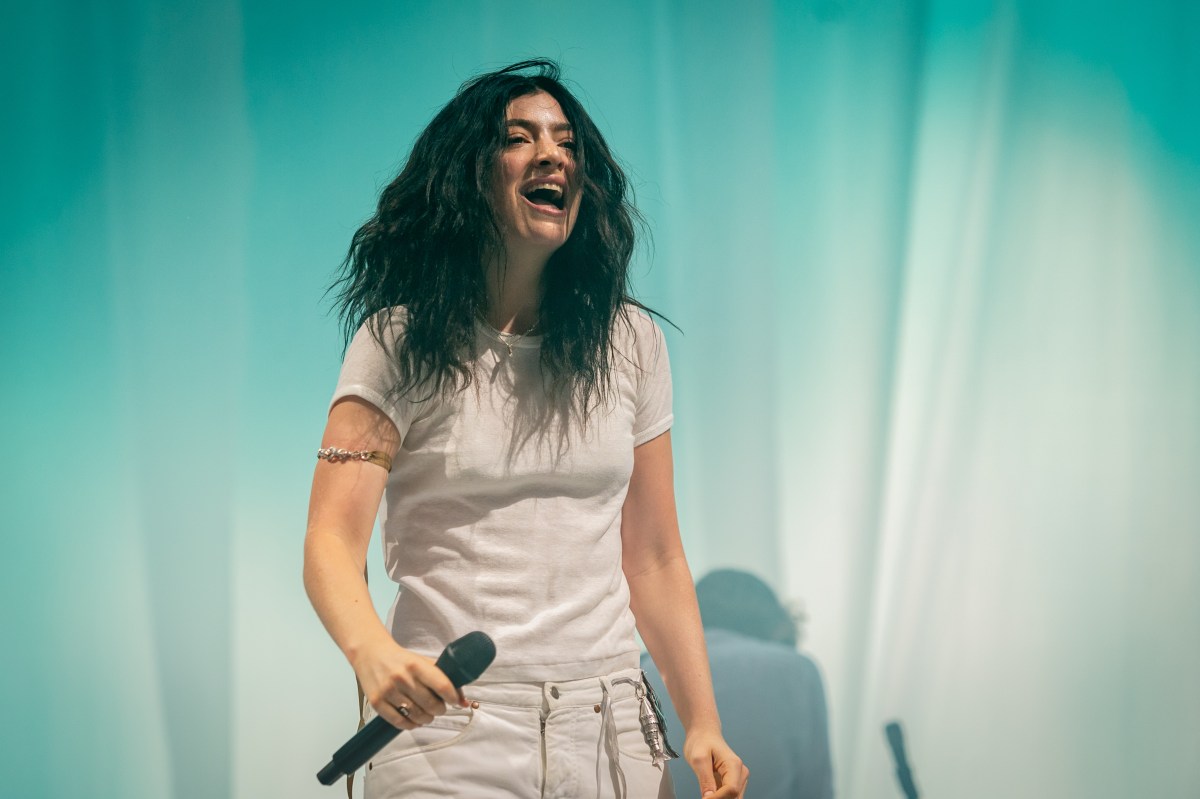
During a set at the Mad Cool Festival in Madrid last week, Lorde had some choice words about the new technology, which many security experts have deemed a privacy nightmare.

“Increasingly in our world, it gets harder and harder to know what is real,” Lorde told the audience. “You don’t know if someone is wearing sunglasses, or if they’re wearing those f–ed up, f–ing [AI glasses]. Can I just say, for the record, f— the glasses. Don’t get the glasses. Not sexy.”

Lorde has written before about throwing her phone into the ocean, but this was next level.

Lorde was possibly moved to comment on the latest trends in tech because Ray-Ban, a sponsor of the festival, partners with Meta to make AI glasses. Lorde also performed immediately before the singer Jennie, who is an ambassador for Ray-Ban x Meta’s smart glasses line.

Lorde isn’t alone in raising concerns. Smart glasses, which come with cameras and AI features, have been used as tools for harassment and extortion. Meta, the most popular smart glasses maker, has said it takes privacy seriously and builds in safeguards like a visible recording light, but the company is facing many investigations and lawsuits alleging privacy violations. One lawsuit alleges that Kenyan contract workers were made to watch graphic videos obtained with the glasses to help train Meta’s AI. (Meta hasn’t publicly detailed its response to that specific claim.)
None of this has stopped the product from strong sales. Ray-Ban Meta glasses have been a rare hit in the smart-glasses category, and Meta keeps expanding the lineup.

But hey, if privacy doesn’t make people think twice about the glasses, maybe vanity will. Lorde nails it pretty concisely with her declaration that they’re simply “not sexy.” The here and now, she added, now that “is sexy.”

When you purchase through links in our articles, we may earn a small commission. This doesn’t affect our editorial independence.