BIM vs. CAD: Which is Better for Modern Architectural Design Services Companies


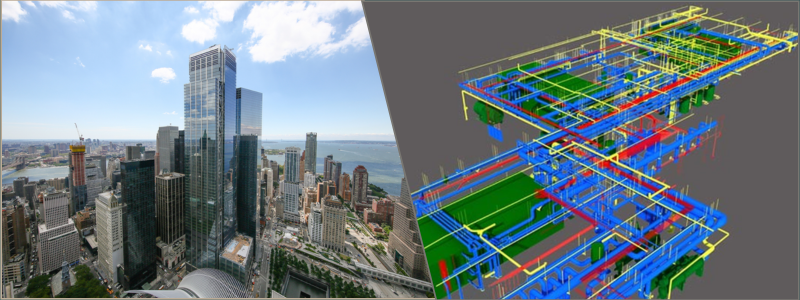
A sleek, glass-wrapped skyscraper begins to take shape not in the real world, but on a screen. There are layers, dimensions, data, and details down to the last duct. Is that Computer-Aided Design (CAD)? Not quite. You’re in Building Information Modeling (BIM) territory now. For architecture design firms struggling to maintain their edge in an industry where accuracy, speed, and teamwork are paramount, it’s not just “What do we use?” BIM or CAD?

This argument isn’t a detached technical contrast anymore. It’s at the heart of the way firms sell on projects, collaborate with subcontractors, and produce for clients who demand photorealistic visualizations services and no design conflicts. If you’re a seasoned firm established in AutoCAD or a nimble startup diving headfirst into BIM day one, the choice comes back to your fundamental way of working.

So let’s get into this. Not with a checklist but with a full-throated investigation. No jargon for jargon’s sake. Just an honest discussion about what BIM and CAD are, how they define architectural services these days, and which one may be better for your team, not just short-term, but for projects you haven’t even imagined yet.


🚀 Table of contents


The origin stories: Drafting tables to data-driven models

Let’s take a step back to establish the context.

Picture a world where every building plan began with a pencil, ruler, and enormous piece of paper. That was the norm until Computer-Aided Design (CAD) came along like a digital knight. With AutoCAD, MicroStation, and early ArchiCAD, architects ceased to have to redraw whole schematics to make changes. They clicked, copied, and stacked their way to faster, more accurate technical drawings instead. It revolutionized.

But here’s the catch: CAD, as revolutionary as it was, remained about drawing. Even when 3D modeling design services became standard, the models were basically digital manifestations of real-world shapes. A column appeared as a column, yes, but the program didn’t have a clue it was a column. It was all form and visual accuracy, but not smarts.

Then BIM, Building Information Modeling, took over, and the game shifted once more.

BIM software such as Revit, the new ArchiCAD, and Bentley AECOsim not only models buildings, but they imbue them with intelligence. A wall was no longer a surface. Now it was a wall with attributes. Materials, thermal value, fire rating, and expense are all built in. Doors recognized themselves as doors. Beams knew their load-carrying functions.

The payoff? A design environment in which updates cascade throughout the entire model. Alter a door’s width, and schedules, elevations, and clash detections all update in real time. It’s not only smarter drafting, it’s a smarter building process.

From the drafting table to data models, architectural design services have come from hand-drawn lines to smart, responsive systems. And we’re just beginning.

RELATED: Tips to optimize new invention development and product development for companies

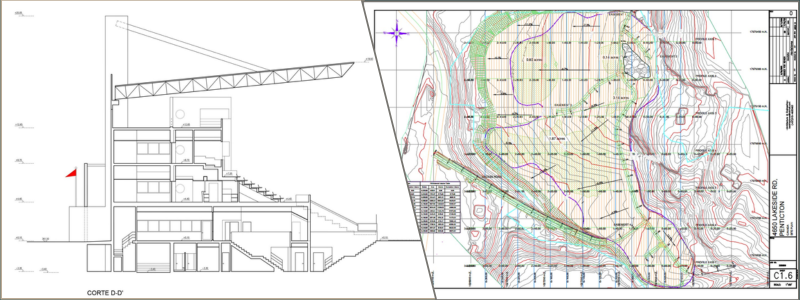
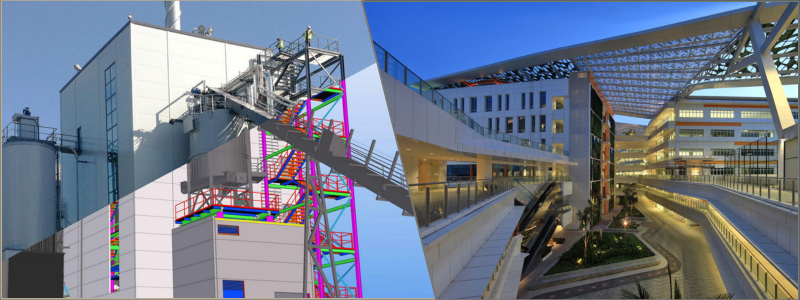
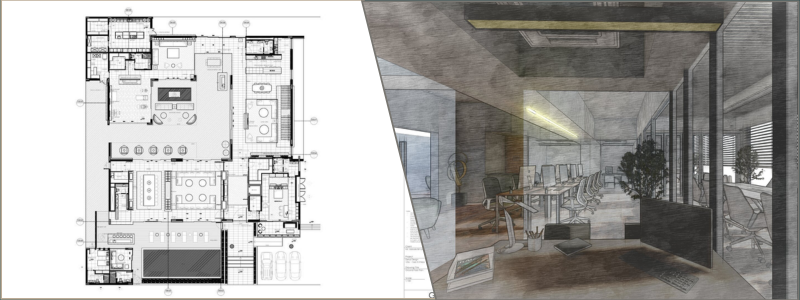
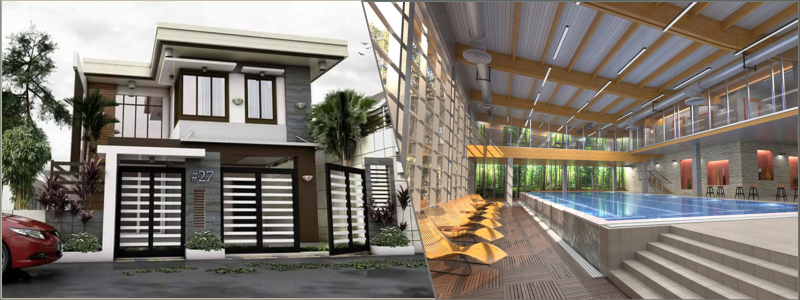
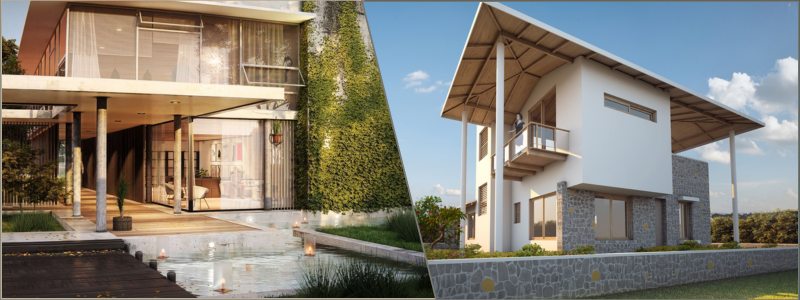
BIM modeling examples for architectural design

Drawing vs. modeling: The philosophical divide

This is where the sparks begin to fly.

When you’re using CAD (Computer-Aided Design), you’re essentially composing a symphony, note by note, line by line. Every wall, hatch, or text label is manually placed with precision. It’s detailed, controlled, and yes, a bit obsessive (but in the best way). CAD files are like digital sheets of paper. You’re telling the software exactly what to draw, and it does just that, no more, no less.

Then there is BIM (Building Information Modeling), and before you know it, you’re not sketching anymore, you’re modeling. Rather than simply sketching a door, you add a “door family” to your project. That door has built-in smarts: size, materials, fire rating, thermal properties, and even manufacturer data. Want to swap out all the wooden doors in a project for steel? One click. Boom. Done. It’s like playing an orchestra of clever instruments that harmonize of their own accord.

So it’s actually more than just tools. It’s a change in mindset.

CAD design services are for sketching. BIM is a computer-based tool for construction. CAD provides you with 2D plans and perhaps some rudimentary 3D. BIM provides you with a working digital model of your building. That model can be utilized not only for design but also for energy analysis, clash detection, scheduling, cost estimation, and even long-term facility management.

It’s not a question of who’s better, it’s a question of what your project requires and how you prefer to think. Are you a pencil craftsman or a smart baton conductor?

Either way, the future is being simulated, not merely sketched.

Collaboration wars: Who’s easier to work with?

This is where tensions begin to rise for architecture design companies. The software you use isn’t merely going to change how you sketch. It will dictate how you work together. And believe us, that can either make your workflow slick or send it flying off into a tailspin.

Consider a company that’s employing CAD. It’s the ideal arrangement: speedy, steady, and everybody on staff is familiar with it. You’re producing accurate 2D drawings and floor plans, and adding the occasional 3D rendering from Rhino or SketchUp for added spice. All is going swimmingly until the mechanical engineer adjusts the ductwork, and now it slices through your lighting plan.

Suddenly, its version controls mayhem. You’re sifting through endless email chains, comparing overlapping PDFs, and pointing fingers over whose file is the “real” one. It’s a high-stakes game of architectural telephone.

Now, imagine that same situation, but everyone’s using BIM modeling services . Instead of separate files, you’re all inside the same digital ecosystem. Updates to ductwork? Your lighting layout adjusts in real time. BIM flags the clash before it becomes a construction nightmare.

That’s the type of coordination project managers will fantasize about. Customers are kept in the know. Subcontractors are not surprised. And your staff? They’re addressing problems during the design phase rather than fighting them on the site.

So, who is more pleasant to deal with? The team that employs collaboration tools. And when deadlines and budgets are at stake, that is what matters.

RELATED: Top design & drafting tasks to outsource for architects and architectural services firms

CAD’s defense: It’s not dead, it’s just different

Yes, Building Information Modeling (BIM) is the new, shiny spotlight getter, but CAD? It remains very much at work behind the scenes, and doing so effectively.

Firstly, CAD is light. You don’t require a powerhouse computer or cloud-based environment to roughly sketch out an idea. If you’re doing a rough mockup of a concept, redoing a small remodel, or requiring fast iteration, CAD’s ease of use is a real asset. It’s nimble, in-your-face, and speedy. And when the going gets fine linework, and that means custom cabinetry, joinery details, or shop drawings, CAD excels. It provides the accuracy that BIM can’t always guarantee.

Most architectural design experts and engineers’ offices are actually combining both tools. They’ll design the big stuff in BIMwalls, roofs, systemsbut when they get to the nitty-gritty, such as how a drawer goes into a custom-built unit, they move to CAD. It’s an intelligent, hybrid approach, especially when contractors still hold dearly to old DWG files.

And let’s get real: not all projects require a complete BIM workflow. Some cities are still using paper plan sets or static PDFs for permitting. Those don’t require the BIM bloat if CAD will suffice.

So no, CAD isn’t dying out. It’s just playing a new role of the headliner, more of a specialist. But ask anyone buried deep in the trenches of drafting and design, and they’ll tell you: CAD is by no means obsolete.

BIM’s edge: Beyond architecture

BIM is like that one architecture student who didn’t stop at studio projects but also picked up structural engineering services, HVAC systems, sustainability metrics, and a business minor just for fun.

Architectural firms embracing BIM are essentially expanding their value proposition. You’re no longer just delivering pretty renderings and floor plans. You’re offering energy performance analysis, daylighting simulations, cost estimates, and lifecycle insights, all from the same model.

Think about that.

With BIM, you can:

  • Execute clash detection between architectural, structural, and MEP models.
  • Trace materials for embodied carbon.
  • Extract quantities directly for procurement.
  • Simulate timelines with 4D scheduling.

That’s not design. That’s architecture as a data-driven consultancy.

It’s no surprise that public infrastructure projects across Europe, Asia, and even the U.S. increasingly require BIM deliverables. It’s not a trend, it’s a transition.

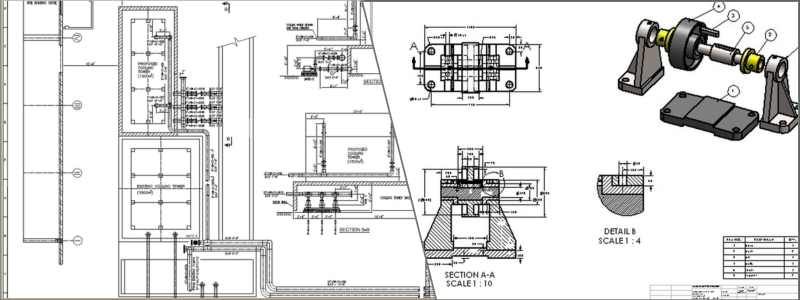
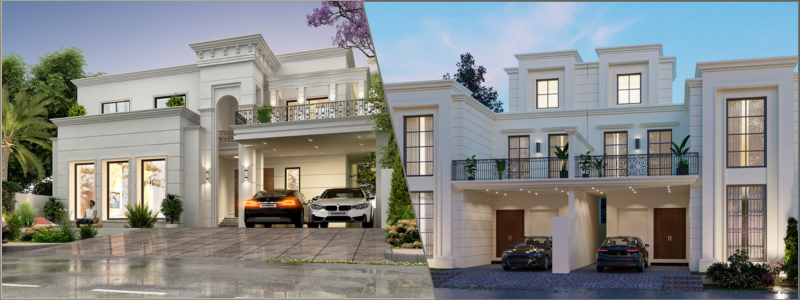
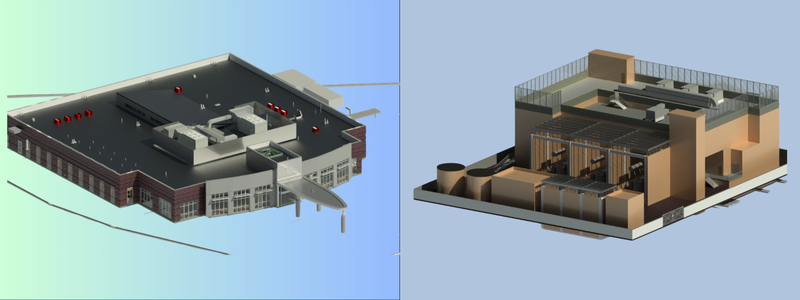
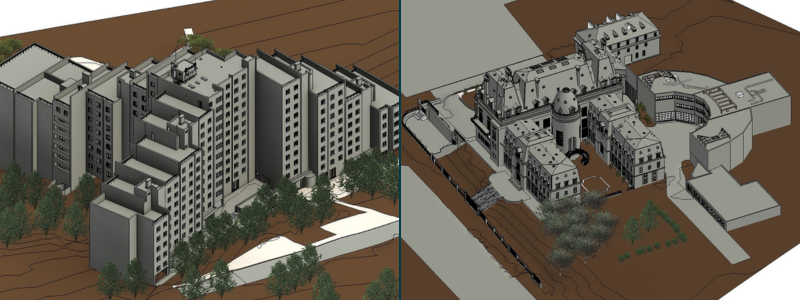
BIM examples modeling

RELATED: Keys to successful structural design & construction projects with architectural services firms

The talent factor: Who’s driving the software?

Let’s discuss people for a moment.

The best software in the world is still only as good as the folks using it. And here’s where many firms stumble.

CAD has been around forever, and you’ll find seasoned professionals who can navigate it blindfolded. BIM, on the other hand, has a steeper learning curve. It requires teams to think differently, plan ahead, and understand not just how to model but why you’re modeling.

That involves investing in training, upskilling, and maybe even reorganizing your team structure. Now you’re recruiting BIM modeling experts, not drafters. You’re bringing IT more into project workflows. You may even have to tell clients why “LOD 350” is important.

But when does your team understand? Projects run smoother. Deadlines seem less daunting. Clients are more satisfied. And your firm? It begins to grow.

The cost question: Is BIM worth the price tag?

Let’s be real, prices count. And BIM is not cheap.

Revit or ArchiCAD licenses are much more expensive than AutoCAD. The equipment to host full 3D models is not cheap either. And to top it all off, the learning curve is time-consuming (and time equals money).

So why do companies continue to switch?

Because BIM’s ROI appears elsewhere in the company: fewer RFIs on the job site, quicker approvals, reduced rework, and greater integration with contractors. That is, while CAD may be less expensive in the short term, BIM tends to save more in the long run.

Some companies even see 20–30% increases in efficiency over time once BIM becomes standard. It’s a long-term game. But if you intend to expand, diversify architectural planning and design services, or take on large, complex jobs, it’s an investment, not a cost.

Client expectations are changing, are you?

You know who else is considering BIM? Your clients.

Developers, cities, and even homeowners who have a smart home obsession all want more than flat drawings. They want walk-throughs, material samples, daylight studies, and dashboards they can access on a tablet.

That is to say, they want interactive design.

With BIM, you can illustrate for them how the sun will strike their penthouse kitchen at 9 am on a summer morning. You can model emergency egress in a hotel. You can demo the mechanical systems behind the ceiling tiles. You can even feed your model into VR and take them through their building before breaking ground.

That kind of immersive storytelling?

Choosing the right tool: A strategic decision

So, which is better, BIM or CAD? The answer depends entirely on your project scope and business goals. Each tool serves distinct purposes in the modern architectural workflow, and even for engineering services.

CAD remains your best friend when you need speed and precision for smaller-scale work:

  • Quick turnaround interior fit-outs and renovations
  • Schematic studies and concept development for local clients

BIM becomes essential when complexity and collaboration drive your projects:

  • Multi-disciplinary team coordination across architecture, engineering, and construction
  • Large-scale or technically demanding buildings requiring data integration
  • Comprehensive service offerings that include energy analysis, clash detection, and lifecycle management

The smartest architectural design firms aren’t picking sides. They’re strategically combining tools. They use BIM for comprehensive modeling and collaboration, then switch to CAD for precise detailing and custom elements.

The key to success? Understanding when to deploy each tool and staying flexible enough to adapt based on your project’s specific requirements.

RELATED: How architects embrace innovation for modern home design services with companies

The future is integration, not competition

The BIM versus CAD debate isn’t about choosing a side; it’s about strategic evolution. Modern architectural firms thrive by leveraging both technologies strategically: BIM for complex, collaborative projects requiring data-rich modeling and intelligent coordination, and CAD for precision detailing and quick iterations.

While CAD design experts and professionals remain valuable for specific applications, BIM has become essential for firms pursuing larger projects, enhanced collaboration, and comprehensive design services. The most successful practices adopt a hybrid approach, using each tool where it excels. As client expectations shift toward interactive, data-driven design experiences, embracing BIM isn’t just advantageous, it’s becoming the industry standard for competitive architectural services.

Cad Crowd is here to help!

Partner with expert BIM and CAD professionals with Cad Crowd today, the leading platform to find the best freelance design and engineering professionals. Transform complex projects into competitive advantages. Get faster project delivery, seamless collaboration, and superior results. Contact us now and get your free quote!

author avatar

MacKenzie Brown is the founder and CEO of Cad Crowd. With over 18 years of experience in launching and scaling platforms specializing in CAD services, product design, manufacturing, hardware, and software development, MacKenzie is a recognized authority in the engineering industry. Under his leadership, Cad Crowd serves esteemed clients like NASA, JPL, the U.S. Navy, and Fortune 500 companies, empowering innovators with access to high-quality design and engineering talent.

Connect with me: LinkedInXCad Crowd

Best 40 Sites to Hire Freelance 3D Modelers for Architectural & Product Rendering Services


There has been an upsurge recently when it comes to the demand for high-quality 3D rendering services within the ever-advancing and dynamic worlds of architecture, product design, and visualization. Whether it is an architect requiring detailed exterior renders, a designer visualizing a new product, or a company looking to have photorealistic marketing visuals, the best option is a freelance 3D modeler. Flexibility, affordability, and wide-ranging expertise make freelancers a compelling alternative to traditional design firms.

To assist you in making your way through these stages, we have put together a list of the 40 best platforms where freelance 3D modelers specializing in architectural and product rendering will be available for hire. We would also outline the top services at CadCrowd, one of the leading platforms specializing specifically in rendering and 3D modeling.

Why hire freelance 3D modelers?

Let’s now dive into the platforms before jumping into why freelancers can change the game for your rendering projects:

  • Cost-effectiveness: Freelancers bring no overheads of employees or large firms.
  • Diverse expertise: Freelancers are specialized in varied styles and industries ranging from architectural visualization to product design.
  • Flexibility: A freelancer can be hired by the project, which ensures you can scale your work force as and when is required.
  • Speed: Freelancers generally have a much tighter schedule than large companies, which tend to have hundreds of projects on their boards.

Let’s continue and see the top 40 resources for professional freelance 3D modelers.

Cad Crowd

cadcrowd-logo

Cad Crowd is one of the leading platforms for freelance CAD designers, 3D modelers, and rendering professionals. Its specialty is to connect the client with top-rated talent for architectural, product, and industrial design projects. This is among the reasons CadCrowd stands out: because of the strict vetting that assures you’re getting access to highly skilled professionals. It is a network of freelance CAD designers and 3D modelers for architectural and product rendering. There is NDA protection and pre-vetted talent.

From a point of view of an architect who wants to visualize the building, a product developer to show the prototype, or perhaps an estate agent looking to market houses, high-quality rendering will be the key. There is Cad Crowd. Cad Crowd is one of the leading platforms providing specialty rendering services that connects businesses, entrepreneurs, and individuals with the world’s leading freelance CAD designers and rendering professionals.

Let’s dive into some of the multiple types of rendering services offered by Cad Crowd and how these can raise your project a level above others.

Cadcrowd.com

Architectural rendering services

Some of the architectural renderings from CadCrowd are ideal for architects, interior designers, real estate developers, or construction firms needing high-realism photographs to visualize design plans that need building in the real world. Architectural rendering could be:

  • Exterior rendering: Highly detailed 3D images that provide stakeholders with building facade images, landscaping, and the environment in which to visualize a project.
  • Interior rendering: A picture of an interior space that involves furniture, materials, lighting, and textures for a very realistic presentation.
  • 3D floor plans: Complete 3D floor plans provide spatial understanding and comprehension of layouts by possible buyers and investors.

Cad Crowd freelancers use the latest software, such as 3ds Max, V-Ray, Revit, SketchUp, and Lumion to create beautiful, photorealistic renders, bringing concepts to life.

Product rendering services

Cad Crowd will be beneficial for all product developers, manufacturers, and marketers with its broad range of product rendering services. It breathes prototypes and products into life even before hitting the market. From consumer electronics to furniture and industrial components, Cad Crowd freelance experts can produce everything on this list:

  • 3D product visualizations: Bring the realism of your product and still change its design even before any prototyping.
  • Exploded views: Detailed breakdown of the product components. This usually serves instructional material purposes, as well as for marketing and even manufacturing purposes.
  • Animation and motion renders: Dynamic renders that show how something works or how parts in a design move and come together.

These services can drastically reduce development time and costs while enhancing presentations for investors, clients, and marketing campaigns.

Real estate visualization services

3D real estate visualizations have been one of the important aspects of attracting prospects as well as investors in this highly competitive real estate market. CadCrowd has gifted the industry with some amazingly talented freelancers, who can offer services like:

  • Virtual staging: It shows digitized staged interiors to show prospects what empty properties look like.
  • Virtual tours: They can create interactive 3D tours and walkthroughs of the properties for an immersive experience.

Bird’s eye view and detailed site plans for new constructions or under-construction properties

These services enable real estate agents and developers to market properties more effectively by giving a clearer compelling vision of their future investments to the potential buyers.

Industrial design rendering

CadCrowd offers high-quality rendering services to engineers, manufacturers, and industrial designers to graphically illustrate complex machinery and equipment and industrial products. The following are the company’s industrial rendering services:

  • Technical visualizations: High-level technical diagrams and renders for pitches and manuals.
  • Prototype visualization: High-fidelity renders of prototypes for pitches or validation before production.
  • Simulation renders: Computer generated imaging of machinery operations and manufacturing assembly processes.

Such offers are very valuable for the ones who rely on such and such precise, working view visualizations to optimize production lines and minimize errors in its production.

Animations and motion graphics

Moving beyond static renders, the CadCrowd freelance network also excels at 3D animation and motion graphics. Such services would really be useful for projects demanding:

  • Product demonstrations: Animated sequences that explain how products work or are assembled.
  • Architectural flythroughs: Dynamic tours of buildings and spaces.
  • Explainer videos: Clear, engaging animations explaining complex processes or products for an audience.

Animations and motion graphics can make the messages more effectively delivered and involve the viewers by offering dynamic and interactive content.

Why Cad Crowd for rendering services?

Cad Crowd is unique in many ways:

  • Global talent pool: The highly skilled freelancers who come from all over the world and work specifically in different aspects of rendering
  • Customized solutions: Services that are tailored according to the specific needs of your project and deadlines.
  • Quality assurance: Strictly vetted processes ensure top-tier talent on your projects.
  • Cost-effective: Competitive pricing without losing the quality and available to small, medium and large business houses.
  • Collaborative platform: Allowing effortless communication and coordination between the clients and freelancers that will ensure transparency and align the project in all its stages.

Now that you know more about Cad Crowd, here are other websites where you can hire freelance 3D modelers.

Reedsy

reedsy logo 2

Reedsy is a multifunctional platform that combines creative professionals with clients searching for special services. Skilled 3D modelers are here, offering high-quality rendering on different projects. The users get the chance to interact with vetted experts directly for guaranteed, reliable, and efficient results. Reedsy streamlines the process and makes it easy to find trusted professionals to meet creative needs.

Reedsy.com

The Dots

the dots logo

The Dots is a creative platform to hire freelance 3D modelers. View detailed profiles and portfolios for rendering projects.

The Dots is a professional networking platform where you can hone your skills by joining virtual events, finding the right job or client, or getting advice and finding collaborators.

The-dots.com

Contra

contracom logo

Commission freelance 3D modelers at no commission fees. Suitable for architectural and product rendering services. Contra is a platform for individuals, companies, or partner networks where you can let your creativity flow and work with the best independent freelancers or creatives worldwide.

Contra boasts over 50 000k companies and more than 1 million independent individuals.

Contra.com

Creativepool

Creativepoolcom logo

Find creative 3D modelers for the rendering service. View portfolios, get connected, and hire freelancers. Creativepool connects you with the best creatives around the world, from companies to individuals and employees.

No matter your niche or industry, at Creativepool you’ll find the best talents looking for the next opportunity.

Creativepool.com

Outsourcely

Outsourcely logo

Hire remote 3D modelers for architectural as well as product rendering work. Provides direct communication and secure payments. Outsercely makes it straightforward to dip into a pool of talented remote freelancers from all over the world.

You can hire individuals to work for you remotely at a fraction of the price you would pay for hiring permanent office staff.

Outsourcely.com

Remote OK

RemoteOK logo

Find remote 3D modelers to work on rendering projects. Ideal to hire freelance workers worldwide with flexibility in work options.

If you’re looking to hire remotely, Remote OK allows you to post your job online and find the perfect candidates amongst over 2 million remote talents.

Remoteok.com

Archinect

Archinect

Network of architecture professionals. Source to hire 3D modelers for rendering projects and check portfolios.

Archinect has been connecting clients with architects since 1997. Over the years this company has established itself as one of the top companies for progressive design and has become a platform for students, fans, and architects alike.

Archinect.com

Craigslist

Craigslist

Publish job offers to hire freelance 3D modelers in architectural and product rendering. Connect with local or remote talent.

Craigslist has become renowned worldwide, connecting clients with talents across multiple platforms.

Craigslist.org

Catalant

Catalant logo

Connect with seasoned 3D modelers via Catalant’s network. Great for strategic, high-end rendering projects.

Catalant provides flexible consulting solutions, connecting firms with vetted independent consultants as needed.

Catalant.com

Thumbtack

thumbtack logo

Rendering services among local freelance 3D modelers; the comparison is made and customer reviews together with an overall judgment are looked at when searching for this service

Whatever your needs for home improvement, from interior design services to handyman and landscaping services, the platform has it all.

Thumbtack.com

ArtStation

Artstation

ArtStation is an online-based platform which represents various portfolios on digital art, 3D modeling, etc.

Among its user-friendly features there is the exploration of a considerable amount of art, introduction to fresh names, or connection with leaders in terms of specific industries, namely 3D rendering, concepts, etc.

Artstation.com

Kolabtree

kolabtree logo

Kolabtree is a business-to-expert networking site that connects businesses with freelance experts in any field to locate 3D modelers to work on product rendering. It’s the place for getting access to professional specialists for niche projects for industry use, like product design, engineering, and visualization, with customized solutions. It’s perfect for sourcing specialty talent.

Kolabtree.com

Bark

bark logo

Bark is one website where clients can connect directly with a freelance 3D modeler from either of the networks, local, or global. From Architectural rendering to product visualizations, Bark connects clients with a team that can make their imaginations turn into reality; it is the easiest way by which an individual can draw from world-class 3D modeling services.

Bark.com

Flexiple

flexiple logo

Flexiple is a high-end freelancing service to connect with expert 3D modelers for hire. Known for quality check and transparent pricing, it allows connecting top professionals with customers for delivering the rendering service. This allows higher output quality and cost predictability, making this a favored service for requirements of 3D modeling.

Flexiple.com

Lemon.io

lemonio logo 2

Lemon.io connects the startups with a highly curated list of the best 3D modelers, strictly selected for their expertise and skills. Whether it is high-end architectural rendering or detailed product visualizations, Lemon.io will be your seamless platform to hire talented professionals who can make your creative vision come to life with precision and efficiency.

Lemon.io

Malt

Malt logo

Malt is a European platform connecting businesses with freelance 3D modelers. It provides the full cycle of hiring, including the detailed profile of freelancers, in order to define the level of experience and expertise. Malt assures safe contracts and clear terms for a reliable space in businesses seeking professional services of 3D rendering.

Malt.com

We Work Remotely

We Work Remotely logo

We Work Remotely is the channel to reach premium remote 3D modelers interested in architectural and product rendering.

Hiring at this website enables recruiters to reach a global pool of talent in order to locate the top professionals worldwide to fulfill the 3D modeling and visualization requirements.

Weworkremotely.com

YunoJuno

yunojuno logo

Hire vetted 3D modelers in the UK for architectural and product rendering. The site offers project management and transparent pricing.

If you’re looking for an end-to-end management platform for boosting your workforce, YunoJuno offers the perfect solution.

Yunojuno.com

Arcbazar

Arcbazar

ArcBazar: This is the crowdsourcing platform to share architectural projects. This enables uploading design ideas along with 3D rendering for getting multiple submissions from freelancers in the global network. This gives an efficient method for collaborating with creative designs and delivers multiple solutions based on specific needs of the project.

Arcbazar.com

Crowdspring

crowdspring logo

Crowdspring is a crowd-sourcing website connecting clients with proficient freelance 3D modelers. Thus, businesses will get competitive submissions for architectural and product rendering projects, as well as alternative creative solutions. This gives the client an opportunity to collaborate with the skilled professionals so that they can obtain high-quality customized visual designs at very affordable rates.

Crowdspring.com

Twine

twine logo

Twine links you with skilled 3D modelers who can deliver quality rendering services, including product design and architectural projects.

It has an array of talented freelancers, offering transparent pricing, which allows clients to easily find the right professional for their needs, be it a small or large-scale project.

Twine.net

Workana

Workana logo

Workana connects a client with freelancer 3D modelers from mainly Latin America in an extremely easy-to-access interface: find the portfolio, browse reviews by past clients and process a safe payment.

Working on the platform means simplicity and an easier hiring and trusting your future freelancing associates.

Workana.com

SimplyHired

SimplyHired logo

SimplyHired is a job site where users can search for freelance 3D modelers with expertise in architectural and product rendering. Whether you are looking for people to work on exterior visualization, interior designs, or detailed product prototypes, SimplyHired offers the easiest and most effective means of finding qualified professionals to do different 3D modeling projects.

Simplyhired.com

ArchiCGI

Archicgi

Being one of the well-known architectural rendering providers, ArchiCGI provides the client with a network of skilled 3D artists.

Specialized in photorealistic visualization and very accurate modeling, ArchiCGI can ensure the successful realization of all its projects, from conception to completion.

Archicgi.com

RenderHub

RenderHub logo

RenderHub is an all-in-one download for 3D model files and customized 3D rendering services, making it suitable for quick turnaround projects. Some of the major advantages of using RenderHub include: access to assets from the marketplace in an integrated way, specialty rendering services suited to your needs, and cheap pricing makes RenderHub a solution that designers and developers find efficient.

Renderhub.com

Dribbble

dribbble.com-logo

Dribbble is a designers’ community, and they also have 3D artists. You can post jobs or connect directly with freelancers. Ideal for finding creative 3D modelers who specialize in product visualization.

Browse portfolios and connect for freelance rendering services.

Dribble.com

Behance

Behance logo

Behance is a platform owned by Adobe on which 3D artists and renderers show off their portfolios. It is quite effective for finding extremely creative talent. Find portfolios of good 3D modelers that specialize in architectural and product rendering.

Contact freelancers directly from their work.

Behance.net

LinkedIn

LinkedIn logo

LinkedIn professional network allows you to find and connect with 3D modelers and rendering experts.

Most freelancers share their portfolios on their profiles—source 3D modelers from LinkedIn’s professional network. Look through profiles, recommendations, and samples for architectural and product rendering services.

Linkedin.com

99designs

99Designs

Although 99designs is mostly graphics design, they also host 3D design and visualization projects and competitions.

A design-orientated freelancing site to hire those who will model in 3D to work on your rendering project. Host a contest or hire from the freelancers pre-screened.

99Designs.com

CGTrader

CGtrader

CGTrader is an all-purpose marketplace for 3D models and custom services. This means that clients will be able to reach out to specific 3D talent in modeling and rendering. Users will directly communicate with designers for smooth collaboration.

The integration of the platform into its marketplace allows users to buy, sell, or commission 3D assets for their projects efficiently.

Cgtrader.com

3D Hubs

3d Hubs logo

3D Hubs deals in manufacturing services, connects the client to the skills of 3D designers for rendering and visualization requirements, and caters to specific industry-related solutions to guarantee customized solution support.

With fast turnaround and comprehensive design-to-production, it becomes a reliable and valuable resource for complex projects.

Hubs.com

DesignCrowd

DesignCrowd logo

DesignCrowd is a design contest and freelance project site, ideal for architectural renders, concept visuals, and product designs. Host design contests to find experienced 3D modelers for rendering projects.

Choose from multiple submissions and hire your preferred freelancer.

Designcrowd.com

PeoplePerHour

peopleperhour logo

PeoplePerHour is a platform that directly links businesses with freelance 3D designers. They offer to their clients hourly and fixed price plans. It is well suitable for clients based on the UK and European geographies.

Experienced 3D modelers are provided for architectural and product rendering. Clients can hire freelance experts on an hour-by-hour basis, project basis, and also allow a system of ratings and reviews to their freelancers.

Peopleperhour.com

Guru

Guru logo

Guru is one of the most simple freelance websites for finding freelancers that have expertise in 3D modeling and rendering. Its feature called “WorkRooms” has made management easy.

Hire professional modelers for architectural and product rendering. Safe payments, detailed freelancer profiles, and all project management tools.

Guru.com

Toptal

Toptal-logo

It’s really having the best and elite freelancing network. It promises that the verified professionals you’ll be working with would definitely be the best ones from among the pool available at a given time. For Top-class 3D modeling talent, one must seek it through a rigorous vetting process at Toptal. Best suited for premium architectural and product rendering projects.

Toptal.com

Freelancer

Freelancer

Freelancer is a global marketplace for freelancers for 3D modeling and rendering services. Post project and get bids from a freelancer from all around the world. Connect with freelance 3D modelers around the world.

Post projects, get competitive bids and choose from verified freelancers who specialize in rendering services.

Freelancer.com

Fiverr

Fiverr

Fiverr provides gig-based services wherein 3D rendering and modeling are some of the many services you can avail on the platform. It best fits for small to medium-sized projects with defined output. Order architectural and product rendering from 3D modeling freelancers who do it very fast. Clear pricing with client ratings mark Fiverr’s gig-based system.

Fiverr.com

Upwork

LOGOS 1

Upwork is one of the largest freelance marketplaces, which provides access to hundreds of thousands of 3D modelers and rendering specialists. Here you can filter candidates according to skills, ratings, and experience.

Upwork is a global marketplace, which offers thousands of freelancers specializing in architectural and product rendering. In addition to the above features, you have advanced search tools and the option of reviews from clients and working history of selected professionals for easy hiring.

Upwork.com

Wrap up

Finding the best freelance 3D modeler for your rendering work might be the best move for your project to take a dramatic shift towards success. Architectural and product rendering services by top freelance 3D modelers in high demand can be accessed through CadCrowd. With such sources at hand, your designs shall come alive in terms of accuracy and beauty. Therefore, through the exploitation of these sites, you would open yourself to the pool of talents all around the globe and get to smoothen your workflow for timely wrapping up of projects.

Explore these platforms and discover the freelance talent that can elevate your rendering projects to the next level.

How Cad Crowd can help

For someone requiring very good quality visualizations, architecture product development, real estate and industrial designs, there are specialized services offered at CadCrowd. Request a quote today.

author avatar

MacKenzie Brown is the founder and CEO of Cad Crowd. With over 18 years of experience in launching and scaling platforms specializing in CAD services, product design, manufacturing, hardware, and software development, MacKenzie is a recognized authority in the engineering industry. Under his leadership, Cad Crowd serves esteemed clients like NASA, JPL, the U.S. Navy, and Fortune 500 companies, empowering innovators with access to high-quality design and engineering talent.

Connect with me: LinkedInXCad Crowd

6 Types of Residential Design & CAD Services for Companies


Residential design is about dressing up a space to look good and the status of how people will live, cook, sleep, watch hours of reality television, grow a family, host parties in backyards, and sometimes work remotely in their pajamas. For someone who didn’t have the expertise needed, these can be a lot of responsibility for a building. So when businesses employ residential design experts, they’re not simply adding someone to sketch walls and windows, but they’re seeking an expert and professionals with innovative minds, layout masters, and CAD-proficient people who can transform a general client brief into an architectural work of art.

But not every new residential design service is equal. Some specialize in structural accuracy. Others plunge into ethereal aesthetics. Some wrestle zoning regulations like legal ninjas. And many of them use CAD (Computer-Aided Design) to introduce accuracy, speed, and clarity to the entire process.

Let’s take a stroll through six primary residential design and CAD services from the leading agency Cad Crowd, where you can choose from its pool of 94,000 experts, ready to level up and elevate your project, whether it’s a product or a 3D rendering project. You can guarantee that you’ll get the best results at a very reasonable price.

Architectural design services: The big picture thinkers

Architectural design is the mothership. This is where artistic vision and technical discipline intersect. Architectural designers don’t simply think about walls—they think about how a house sits in its surroundings, how it relates to sunlight, how to get space to flow organically, and whether or not a spiral staircase is a good idea.

What do they provide?

  • Concept and floor plans
  • Schematic drawings and 3D modeling
  • Code compliance and site planning
  • Incorporating sustainable design elements

RELATED: 3 steps to hiring a reliable architecture firm & freelance services architects

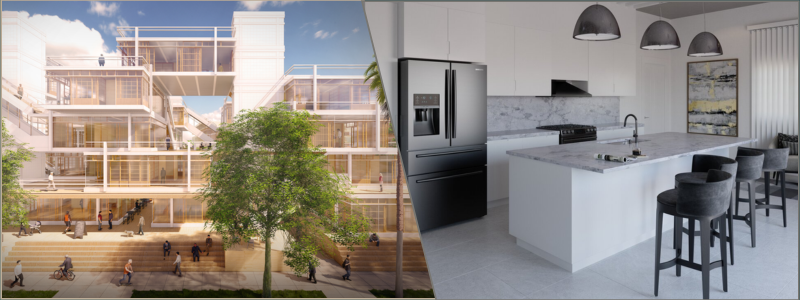
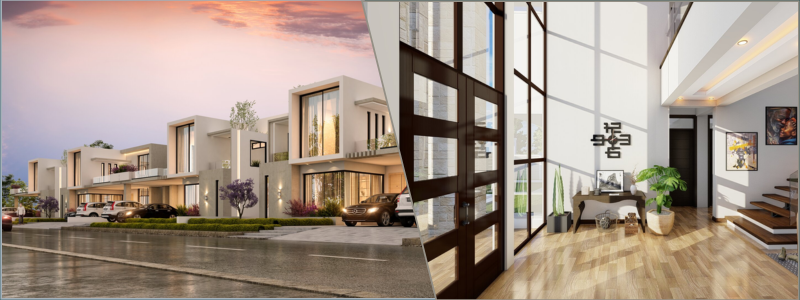
3d rendering of an apartment complex and interior design of an entrance hallway

Where CAD enters the picture:

CAD software is used by architectural design companies to produce detailed blueprints, cross-sections, and elevation drawings. They model structural integrity, lighting levels, and even energy consumption. This provides clients with a clear advance glimpse of the finished structure—and allows builders and contractors to work off accurate, approved plans.

Perfect for: New home building, high-end residential developments, and bespoke mansions with walk-in closets the size of small apartments.

Interior design & space planning: The detail-oriented magicians

This is where strategy meets style. Interior designers are not just about selecting colors or what rug actually ties the room together. They’re all about how individuals use spaces day-to-day. Think ergonomics, lighting, furniture placement, and mood-setting atmosphere.

What do they provide?

  • Space planning and room design optimization
  • Material selection and fixture procurement
  • 3D visualization and renderings
  • Interior architectural detailing

Where CAD enters:

Interior design experts use CAD software that enables teams to create photo-realistic renderings, elaborate floor plans, and furniture plans that can be changed in real time. Customers can have virtual tours, modify cabinet finishes, or experiment with five various colors for the walls before settling on one (and deciding again a little later on).

Best for: Upgrades, kitchen and bathroom remodels, home staging to sell a home, and high-end penthouse redesign with mood lighting.

Structural design services: The quiet heroes of stability

These are the people who ensure your home doesn’t crumble when it rains, snows, or has a relatively mild wind. Structural design services concentrate on designing the skeleton of a residential home, including beams, load-bearing walls, foundations, and roof systems.

What do they do?

  • Load analysis and structural calculations
  • Foundation and framing plans
  • Seismic and wind resistance checks
  • Retrofitting of older structures

Where CAD comes in:

CAD for structural design includes tools for finite element analysis (FEA), stress testing, and reinforced concrete detailing. It’s not glamorous, but it is essential. Without structural CAD drawing services, you’re building on guesswork—and that’s not something homeowners like to hear.

Perfect for: New construction, earthquake areas, historic restorations, or anyone who desires to construct a rooftop garden jacuzzi with ease.

Landscape design services: The outside-the-walls artists

A gorgeous house without a similarly gorgeous outside? That would be like it. Landscape designers work on anything from the sidewalk to the fence in the backyard. They design outdoor spaces that not only look wonderful but are also functional, environmentally friendly, and welcoming.

What do they do?

  • Planting designs and irrigation schematics
  • Hardscapes such as patios, pools, and decks
  • Outdoor lighting design
  • Grading and drainage schemes

Where CAD is used:

CAD software for landscape design services enables the accurate placement of outdoor features. Designers can model sun paths, rainwater drainage, and seasonal plant growth. They can even generate time-lapse images displaying how the garden will look in years to come, just in case the client wishes that bougainvillea hedge to bloom in year three.

Perfect for: Suburban residences, luxury villas, eco-homes with permaculture gardens, or anyone with a pool party fantasy and an expansive budget.

RELATED: Top design & drafting tasks to outsource for architects and architectural services firms

Mechanical, electrical & plumbing (MEP) design services: The system ninjas

You might not see them, but you’ll definitely notice when they’re missing. MEP design is all about the systems that make a house livable. Water flows, electricity powers up your espresso machine, and HVAC systems make the bedroom feel just right in July—and it’s all thanks to these behind-the-scenes pros.

What do they offer?

  • Electrical layouts and lighting design
  • Plumbing systems and fixture placement
  • HVAC system integration
  • Energy efficiency analysis

Where CAD comes in:

MEP-centric CAD software comes with routing features, system clash detection, and coordination models. This prevents pipes, ducts, and wires from sharing space (which never turns out well). With integration with BIM (Building Information Modeling), CAD tools enable MEP drafting services to integrate with architects and structural designers easily.

Best for: Smart homes, retrofits, off-grid installations, and solar panel-equipped buildings, greywater systems, or radiant heating.

Custom home design services: The dream builders

Sometimes, clients don’t need a “model home” or anything close to pre-packaged. They need something bespoke from scratch: a seashell-shaped lakefront cabin, a kids’ treehouse compound, or a multi-generational villa with hidden passages. That’s where custom home design services come in.

What do they do?

  • Client interviews and lifestyle-driven design briefs
  • Concept sketches and mood boards
  • Full 3D CAD models and walkthroughs
  • Permit-ready construction documents

Where CAD fits in:

With custom homes, CAD is as much a collaboration device as it is a design device. Clients may view interactive models, modify elements on the spot, and envision finishes, rooflines, and flow prior to driving a nail. Designers frequently employ parametric modeling in order to tweak features in real time according to client desires or site limitations.

Best for: The “go big or go home” crowd, celebrities, retirees’ “forever” dream home builder, or a family with very specific ideas—and Pinterest boards to back it up.

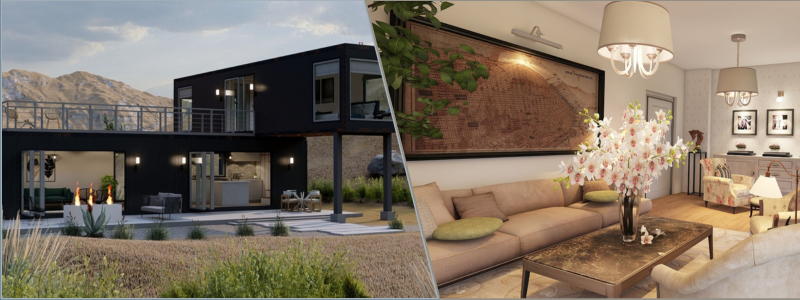
3d rendering of a townhouse resort and a living room example rendering

RELATED: How architects embrace innovation for modern home design services with companies

Bonus: How these services work together in residential projects

Let’s be real—constructing a home is a team effort. Behind every gorgeous home design, there’s a whole crew of experts playing in harmony. And most times, these specialists don’t only work in silos—rather, they work together across disciplines to deliver a project seamlessly and effectively.

Here’s what a typical residential project could look like:

  1. It begins with the expert architectural designer, who draws up the preliminary layout of the house, defining how the rooms flow and function.
  2. Then, a structural engineer comes in to ensure the home’s framework can actually bear the weight of the design, checking loads, supports, and structural soundness.
  3. Then, a MEP consultant comes on board, ensuring HVAC systems, plumbing, and electrical floor plans are designed and integrated into the building.
  4. An interior designer assumes control over the interior, efficiently utilizing space as he/she makes choices regarding finishes, color, and fixtures that are consistent with the homeowner’s vision.
  5. Last but not least, a landscape designer brings it all together, creating outdoor spaces that enhance curb appeal and complement the architecture.

Sounds like a whole lot of moving parts, huh? That’s where CAD and Building Information Modeling (BIM) platforms are essential. All of these professionals utilize CAD software to design, collaborate, and revise documents, ensuring everyone is on the same page. This type of digital collaboration relies on cloud-based applications, version control, and software interoperability.

So why do businesses even depend so much on CAD for this?

Because it’s not all about pretty pictures. CAD is the behind-the-scenes hero of home design services. It provides:

  • Accuracy – to fractions of an inch.
  • Speed – with edits and revisions completed in minutes.
  • Visualization – allowing clients to “see” their new home before a shovel ever touches the ground.
  • Cost savings – because design mistakes caught early save big money later.
  • Real-time collaboration – with everyone working off the same live files.

From sketches of ideas to final building drawings, CAD bridges it all, taking complicated multi-specialty jobs and turning them into stunningly crafted homes.

Wrapping it up: Residential design is a team sport

Creating home spaces is more than just throwing together a floor plan and calling it a day. It’s a complex, multi-dimensional process that alludes to structure, comfort, systems, style, and flow. From the sprawling country estate to the spare city loft, each and every residential project is made better by the collaborative work of specialized designers and the digital superhero powers of CAD.

RELATED: 6 industries revolutionized by 3D rendering freelancers & design services companies

Experience the Cad Crowd difference

Next time you enter an exquisitely designed residence and everything from the natural kitchen light to that ideal placement of the AC return above your favorite reading spot comes together just so, remember this: behind such harmony is an army of residential design experts at Cad Crowd typing away in CAD, making the magic real. Call us now for your free quote.

author avatar

MacKenzie Brown is the founder and CEO of Cad Crowd. With over 18 years of experience in launching and scaling platforms specializing in CAD services, product design, manufacturing, hardware, and software development, MacKenzie is a recognized authority in the engineering industry. Under his leadership, Cad Crowd serves esteemed clients like NASA, JPL, the U.S. Navy, and Fortune 500 companies, empowering innovators with access to high-quality design and engineering talent.

Connect with me: LinkedInXCad Crowd

3 Steps to Hiring a Reliable Architecture Firm & Freelance Services Architects


Selecting the appropriate architecture company or independent architect to design your project can be a daunting process, but it needn’t be. When you’re creating your dream house, a business building, or a remodeling project, professional help plays a significant role in guaranteeing success for your project.

Being one of the top names in the business right now, Cad Crowd has some of the most trustworthy architecture firms and freelance architects who are qualified to turn your projects into a reality, regardless of their scope and magnitude.

Architects are the professionals who can make your imagination come to life, creating functional and stunning spaces. That is why choosing the right one needs to be accomplished with extra vigilance.

In this article, we will discuss the three easy steps that will help you know how to hire a trustworthy architecture firm or freelance architect. This way, you can be certain that you’re making the correct decision for your project’s specifications, timeline, and budget.


🚀 Table of contents


Step 1: Define your project’s specific needs and scope

Even before you begin searching for architects, you must determine what you want them to do. Step one is discovering how big and complex your project will be. Are you constructing a new building from scratch, or are you renovating a building? Is your project of moderate size, or are you undertaking a huge, complex design?

Determine the type of architect you need

Depending on the project’s size and complexity, you might need an architectural design firm or a contract architect. Both have pros and cons, but having knowledge of what kind of experience your project will need can help you make the most informed choice.

Architecture firms Freelance architects
An architecture firm would generally consist of a group of designers and architects with various experience areas such as commercial, residential, sustainable design, or urban planning. Firms are better for large projects needing multi-disciplinary staff. Firms also provide help with permits, codes, and general planning. If your project is very complex or needs a lot of coordination, an architecture firm can offer a level of expertise and service that independent contractors cannot offer. Or, freelance architects are ideal for small jobs, homes, or if you have a small budget. Freelancers provide flexibility, affordability, and a better personal experience. A talented freelance architect can provide you with the same level of high-quality design experience as a big firm, but with more immediate access and control of the process.

Know your budget and timeline

The second thing to keep in mind is familiarizing yourself with your timeline and budget. A larger company will cost more, but they can deliver more detailed work with faster timelines due to the resources they have available. Freelancers, being cheaper, will probably have less ability to produce on tight timelines, depending on the amount of work.

Consider the overall cost profile of your project. Do you require much project management, or are you primarily looking for architectural design? Be realistic with yourself regarding what you can pay, and be willing to articulate this to potential architects.

Project design and style

You also need to set your style and design goals. Do you want a clean-lined contemporary look, or something that is more sympathetic to the heritage aesthetic? Will sustainability be a primary goal, employing passive house theory, or environmentally friendly building products? The clearer you are about these matters, the simpler it will be to find an architectural design and planning service that practices your preferred style.

RELATED: Top design & drafting tasks to outsource for architects and architectural services firms

3d rendering of a residential building and school

Step 2: Research and shortlist potential candidates

Once you know what you require and what you can manage to pay, the subsequent task is to look for potential architects to shortlist from. Given that there are numerous architectural firms out there, your task is to screen for potential candidates who qualify to fit your requirements, your preferred style, and your project budget.

Where to look for architects

Begin searching for architects through the appropriate channels. Start with online searches of websites specializing in the field of architecture, including the American Institute of Architects (AIA), the Royal Institute of British Architects (RIBA), or regional listing websites within your area for architects. Such websites normally screen professionals by standards of good practice.

You can also seek referrals from relatives, friends, or colleagues who have previously worked with architects. If your own friend had a positive experience, there is a chance that you will have the same.

Don’t forget to also scour the internet for architect portfolios or websites. Cad Crowd, Archinect, Houzz, or Behance are excellent resources where you can browse through architect profiles, read examples of past work, and see reviews from customers. Most architects should have professional blogs or case studies on a project, which may better inform you regarding their specialization and process.

Evaluating portfolio and competence

Once you’ve compiled a list of potential candidates, take the time to review their portfolios carefully. Look at the types of projects they’ve worked on and whether their design style aligns with your vision. Be sure to assess the quality of their work and pay attention to the details that matter most to you. Does the architect have a history of completing the kind of project you are planning, e.g., a home project or a commercial project? Have they completed projects of similar size or complexity?

For independent workers, you will notice more of an individual style to the portfolio. The independent worker might not necessarily have as high a number of projects in his or her portfolio as a big agency, but you can still make a qualitative assessment based on style, technique, and feedback from previous clients.

Checking references

Regardless of how wonderful an architect’s portfolio is, never skip the vital step of calling up references. Inquire with previous clients about what went on, the communication type, and the project outcome eventually. Pose specific queries as to the kind of problem-solving approach employed by the architect, within the budget and timeline, and the responsiveness rate in the process.

You may also look up the reputation of architectural design and drafting services on review websites, social media, or professional websites. Look at how long they have been around and what kind of clients they are usually dealing with. This will determine whether you go for their professionalism and reliability.

RELATED: Using 3D visualization services to communicate design intent to clients and firms

Step 3: Interview and select your architect

You’ve whittled down your list; now it’s time to interview your potential architects and make the final decision. Regardless of whether you’re hiring a firm or one individual freelancer, interviews are part of the process of deciding who is best for your project.

The interview process

Develop an agenda of interview questions to pose in order to discover the architect’s style, process, and personality. A few of the most important issues to discuss in your interview include:

  • Experience and expertise: Question the architect about the extent to which they’ve had experience with projects similar to yours. Request that they explain their design process, what they do if the client makes a change, and how they stay on track with the project.
  • Project timeline and communication: What are you seeing with timelines and communications? How frequently is your project discussion meeting conducted? How much time do you see that you will leave it with at the point of implementation? What are they going to do if delays or unexpected setbacks occur?
  • Budget control: Can they control expenses and remain within budget limits? How do they respond to cost estimating, and how will they prevent themselves from costing themselves more than they wish to spend?
  • Cooperation: How does the architect work with other specialists like contractors, engineers, and freelance interior designers? Will you work directly with these groups, or will you have to deal with the relations?
  • Sustainability and design principles: If sustainability is a high priority for your project, ask to work with sustainable design, energy-efficient materials, or passive house standards. How does the firm incorporate sustainability into its design process?

Assessing compatibility

When you’re interviewing, you’re not just trying to find the best architect, but one you’d like to work with. Communication is everything throughout the project, so it’s essential that you make sure the architect’s working style will mesh with yours. Are they good listeners? Are they proactive about providing suggestions and feedback? Do you feel comfortable that you can be sure they’ll be able to cope with any issues that arise?

3d rendering of a living room and hospital reception

RELATED: Commercial 3D rendering rates for buildings, services costs, and pricing for architectural firms

Making your decision

After finishing the interviews, take a little time to weigh your choices. Look at all the elements of the project, such as experience, communication, compatibility, and cost. Don’t be in a hurry with this choice, as choosing the right architect is one of the most crucial phases in ensuring success in your project.

Once you’ve selected your architect, make sure you have a good written agreement detailing the work to be done, time, cost, and other conditions. This will prevent future misunderstandings.

Conclusion

Selecting the appropriate architecture firm or single architect to hire may be a challenging task initially, but by following these three crucial steps, which are determining what you require, researching and narrowing down your choices, and interviewing, you can make it convenient and easy for yourself to come to an informed decision that you would never regret in the future. Cad Crowd makes this easy for companies and individuals alike with our vetting and hiring process as one of the top freelancing platforms for architects, designers, and engineers.

With the best architect at your side, you can turn your dream into reality and build a place that is functional and inspiring. Call Cad Crowd today and see the list of the best in the nation. Request a quote now! Happy building!

author avatar

MacKenzie Brown is the founder and CEO of Cad Crowd. With over 18 years of experience in launching and scaling platforms specializing in CAD services, product design, manufacturing, hardware, and software development, MacKenzie is a recognized authority in the engineering industry. Under his leadership, Cad Crowd serves esteemed clients like NASA, JPL, the U.S. Navy, and Fortune 500 companies, empowering innovators with access to high-quality design and engineering talent.

Connect with me: LinkedInXCad Crowd

Architects vs. Designers: What’s the Difference and Which Should You Hire for Design Services?


So you’re finally ready to build your dream space, be it a home remodel, a shiny new office, or that snug backyard ADU that’s been floating rent-free on your Pinterest board. But then you suddenly think: Do I need to hire an architect or an industry leader designer from Cad Crowd? Who actually makes my dream a reality in walls, windows, and wonder?

It’s a typical question, and actually, a fair one. Architect and designer are often interchanged, but within the field of architectural design services, they’re two different animals. Both contribute creativity, but how they work, what they’re legally permitted to do, and the type of projects they’re best qualified to handle? That’s where things get really different.

Grab a cup of coffee and settle in—we’re about to unpack this like a new set of blueprints.


🚀 Table of contents


Let’s start with architects: The licensed structural strategists

When someone utters “Architect,” your mind may jump to a character in hipshades, scribbling crazy designs on a napkin over a shot of espresso—maybe a Frank Lloyd Wright quote and an all-black ensemble for good measure. And, okay, those are stereotypes based on a kernel of truth. But beneath that hip veneer is a highly trained, licensed professional whose work is considerably more than mere pretty pictures.

Architects are strategists of structure. They’re the brains behind the plan, the organizers of opportunities, and oftentimes, the adhesive that keeps a building project in one piece. To achieve the title, an architect doesn’t simply pick up a pencil and begin sketching. They undergo years of intense schooling, most often a five-year degree in architecture, followed by an obligatory internship and a series of challenging state tests. They also continually learn as codes and technology advance.

So what do architectural design experts do, exactly? A more accurate question may be: What don’t they do?

Here’s what you can look forward to from a licensed architect:

  • Create buildings from the ground up – From that dream house, boutique hotel, or commercial office building, architects are equipped to design spaces that are functional, safe, and aesthetically pleasing.
  • Rework existing buildings – Extensive overhauls, like converting a single-story house into two or stripping a building to the studs, take more than an eye for what could be. Architects understand how to address those complicated renovations without jeopardizing (or compromising) structural integrity.
  • Ensure compliance – They’re zoning regulations, building codes, and permitting specialists. That lovely loft architecture? It doesn’t matter if it’s illegal—architects ensure all is well before a hammer so much as a flick.
  • Offer stamped blueprints – If you want official plans to be stamped and approved by the local government (and most larger projects do), an architect’s stamp is necessary.
  • Coordinate the entire circus – Architects are frequently the project ringmaster, coordinating with engineers, contractors, city planners, and in some cases even neighborhood boards.

So, when do you need to call an architect?

  • If you’re constructing a custom home from scratch.
  • If your remodel includes tearing down walls, installing floors, or drastically altering your home’s configuration.
  • If your project resides in a historically restrictive or overly zealous neighborhood regarding zoning laws.
  • If you prefer to have someone manage your project and ensure your vision comes to life without becoming a construction nightmare.

Bottom line? If your project is ambitious, structural, or plain complicated, keeping an architect and interior design expert around is one of the brightest moves you can ever make.

RELATED: How design drawings help avoid interior design mistakes for 3D design companies

3d rendering of a store and modern home

Enter the designer: The creative space whisperers

When considering building a house, your first thought may be architects and builders. But another group is quietly shaping the feel of your space behind the scenes: designers. These imaginative space whisperers merge form with function, transforming ordinary rooms into extraordinary experiences. While the definition of “designer” varies by context, their influence on your home is undeniable.

Understanding home design professionals

In residential design, you’ll encounter various titles:

  • Home designers – Focus on overall residential planning and layout
  • Building designers – Specialize in structural and architectural elements
  • Interior designers – Experts in interior spaces, finishes, and furnishings

While licensing requirements vary by state, don’t underestimate these architectural planning and design professionals. Many are highly trained, certified, and incredibly skilled. Rather than changing your home’s structural “bones,” they transform its “soul” – perfecting layouts, balancing materials, and ensuring seamless flow throughout your space.

What designers bring to your project

Planning and visualization

Designers excel at creating home plans, particularly for non-structural projects. Whether you’re remodeling a kitchen, renovating a bathroom, or adding a stylish home extension, they serve as your creative strategists. Most now provide 3D modeling design services and virtual tours, allowing you to experience your refreshed space before any construction begins.

Material and design expertise

Ever stood overwhelmed in a tile shop staring at countless shades of white? Designers eliminate this decision fatigue. They’re masters at:

  • Selecting materials that complement your existing elements
  • Choosing furniture that fits your lifestyle and space
  • Designing lighting schemes that enhance your home’s ambiance
  • Creating cohesive mood boards that bring Pinterest dreams to reality

Professional collaboration

Designers work seamlessly with contractors, drafters, and architects to translate your vision from concept to completion. They bridge the gap between your ideas and practical implementation.

When to hire a designer

Consider bringing in a designer when you’re:

  • Renovating key spaces like kitchens or bathrooms is essential, and it’s important to strive for a cohesive, polished result that enhances the overall aesthetic and functionality of your home.
  • If you are expanding your home and are in need of assistance, consider how to effectively integrate new areas with your existing spaces to create a cohesive and functional environment.
  • Working within budget constraints but refusing to compromise on style and quality
  • Feeling overwhelmed by choices and needing expert guidance through the decision-making process

Whether you’re dreaming of a cozy reading nook, planning a complete kitchen transformation, or simply trying to make your living room more functional, consider partnering with an interior design service.

The licensing lowdown: Who can design what—and why it matters

Let’s get a little geeky because when it comes to construction projects, licensing actually does matter more than you’d guess. In the U.S., if someone wants to legally call themselves an architect, there’s a rigorous process involved. We’re talking accredited education, years of internship experience, and passing the notoriously tough Architect Registration Examination (ARE). Only after all that can an architect sign off on plans—and in many places, that signature is what makes the whole project legal.

On the other hand, designers have a different system of rules to follow. Depending on the state and the nature of the project, designers do not always require a license. However, numerous designers seek out professional certifications from organizations such as the American Institute of Building Design (AIBD) or the National Council for Interior Design Qualification (NCIDQ) to enhance credibility.

So what does that mean to you? If your project is one that needs official, stamped plans in order to pull permits, such as new construction or extensive renovations, you will need a licensed architect. But if you’re looking at something more cosmetic or conceptual, a designer could be a better (and less expensive) bet. It all comes down to matching the pro to the job.

RELATED: All things to consider when hiring a design-build firm & services company

3d rendering of a home and office example

Design overlap: The great gray area

Let’s discuss that nebulous area where titles overlap and roles merge, the “gray area” of design. On residential jobs, there is usually enormous overlap between what building designers and architects actually do. And this is where things get interesting.

A talented architectural design and drafting service provider is not merely a person who makes blueprints. They can conjure beautiful floor plans, assist in defining the way a room functions, and even guide you through the construction process. Conversely, architects, though historically concerned with structure, safety, and compliance, tend to have a designer’s sensibility. Most are more than qualified to suggest finishes, pick materials, and determine color schemes that make your space even better.

Actually, the distinctions between the two can become so blurred that some design companies employ both architects and interior designers under the same roof. With this collaborative method, you don’t have to bounce between experts or deal with multiple visions. Rather, you receive a cohesive, streamlined process—where creative vision and technical expertise work hand-in-hand.

Cad Crowd is here to help!

If you’re wondering what’s best for your project, the answer might just be: both. Because in the world of design, collaboration often leads to the most beautiful results.

Are you more inclined to hire an architect or a designer for your task? But no matter what your preference would be, don’t hesitate to contact Cad Crowd and ask us for a quote for free to get your ideal partner for your next projects!

author avatar

MacKenzie Brown is the founder and CEO of Cad Crowd. With over 18 years of experience in launching and scaling platforms specializing in CAD services, product design, manufacturing, hardware, and software development, MacKenzie is a recognized authority in the engineering industry. Under his leadership, Cad Crowd serves esteemed clients like NASA, JPL, the U.S. Navy, and Fortune 500 companies, empowering innovators with access to high-quality design and engineering talent.

Connect with me: LinkedInXCad Crowd

Cost Breakdown for 3D Rendering Services: Pricing & Rate Highlights for 3D Design Services in 2025 & 2026


There’s no universal pricing guide to tell you how much a 3D rendering should cost in the United States or anywhere else. Whether it’s architectural and product design visualization, the price varies as it’s dictated by various factors, especially quality. To make the discussion simpler this time, we’ll focus on architectural rendering experts and some of the major factors that affect its pricing.

Cost of visualizations

Renders and visualizations refer to the same thing here: photorealistic imagery of architectural designs. In some cases, they’re intended to be proof-of-concept as part of project planning, while in other cases, the visualizations are used merely as digital archives for hypothetical architectures to showcase ideas in portfolios, virtual exhibitions, and advertising content. So, if the purpose is to have a picture of architectural objects, why not just use photography instead?

Unlike photography where you need an existing building to be captured on camera, 3D architectural visualization services involve CGI objects created on screen from 3D models. To give you a general idea of how much it costs, the average price for high-quality rendering is between US$1,000 and US$2,000 for small and medium projects. You can expect to pay at least $3,000 if you’re talking about a large project like an entire residential area, complex interior designs, shopping centers, public parks, etc.

RELATED: How Architects Embrace Innovation for Modern Home Design Services with Companies

As the specification gets more intricate, the render artists deal with greater challenges and risks of mistakes, pushing the price higher accordingly. And those are only for static rendering. An animated architectural rendering is much more expensive, simply because the 3D animators have to build everything frame by frame. A resolution of 1920 x 1080p in 30fps is standard nowadays; the cost starts from $5,000 to $10,000 per minute.

Such a resolution is comfortable for online viewing or virtual tours, but you might need at least QHD (2560 x 1440p), or perhaps UHD/4K (3840 x 2160p) for business presentation purposes. Higher resolution and frame rate produce smoother motions overall. Every type of service has its own price range as well:

Architectural Rendering Services Estimated Cost Note
3D Floor Plans $600 – $1500 Prices are per image basis.
Interiors $900 – $1800
Exteriors $1400 – $2800
Animation $6000 – $12000 Every single object/element in the frame can be animated, such as door opening/closing, flowing water in the faucet, spinning fan, flicking switches, a walking person, etc.
Exteriors (Panorama/360° View) $1500 – $2500 Panorama is like an animated rendering, but the only thing that moves is the viewing angle, not the objects in the scene.

When used in an actual project planning, an architectural rendering from architectural planning and design professionals serves as a powerful tool to visualize a concept in a realistic fashion. Instead of a sketch drawn with a pencil on a piece of paper, it’s a true-to-life depiction of an architectural design, conveying not only the physical shape and colors, but also materials, textures, spatial arrangements, and accurate lighting.

RELATED: How CAD Technology is Transforming the Future of Architectural Design Services Companies

interior rendering design experts

Think of it as a cinematic view of sketches – or the expressive version of a blueprint if you like – to visually describe a proposed structure in a way that everyone can understand. While creating an architectural render is pretty much a technical undertaking, the resulting product is meant to be as accessible as it possibly can. The imagery must be clear, unobstructed, and straightforward; there’s no busy annotation about the material properties, dimension, component fabrication, and so forth. An architectural rendering only has to do one job: make the otherwise conceptual idea look like a tangible final product.

Most, if not all, 3D rendering services won’t give you a cost breakdown that details how much they charge for each process in the workflow, and for good reason. Rendering process involves multiple steps indeed, but all of them are meant to be part of a single package. As such, you can’t order a rendering and then decide to stop halfway through the process. Let’s take the typical workflow of an interior rendering as an example; it starts with a project brief, followed by communication to define the specifics before getting into the actual modeling and adjustment, after which you get preliminary renders, and in the end final results.

RELATED: The Role of 3D Visualization in Winning Real Estate Clients for Your Firm

Now, the modeling alone consists of the following steps:

  1. Create 3D models of interior elements
  2. Apply colors and textures
  3. Select background scenes if needed, for example when the view offers a glance at the exterior through glass windows
  4. Configure the lighting scheme
  5. Adjust the cameras (or viewing angles)
  6. Start the rendering process
  7. Post-processing the image
  8. Deliver the final image

All those steps form a continuous workflow. In other words, the work has to include each and every step to actually produce a render. Using an exterior background for interior rendering projects is optional, but other than that, everything is mandatory. Just because the cost of configuring the cameras is more expensive than applying texture, it doesn’t mean you’re allowed to choose the latter and omit the former. Even if the 3D rendering professionals you hire are willing to provide a detailed cost breakdown, you still have to pay for the entirety of the service. That said, it’s not that difficult to pinpoint the factors that affect the pricing.

RELATED: The Impact of AI on 3D Architectural Rendering Services for Companies and Firms

Levels of complexity

If we rank static architectural rendering from the least expensive to the highest cost, the order will be as follows: a single empty room, a complete interior, and an aerial view of an exterior. Much of the difference in pricing typically is dictated by size, environment detail, and the number of visible objects in the frame. You basically have three complexity levels:

  • Low: perfectly suitable for small premises or compact rooms with minimum number of objects involved in the scene. In an interior setting, low complexity rendering should be more than good enough for (individual) areas like roof, corridor, balcony, or utility room. In the case of an exterior, it’s ideal for a garage, facades (close-up view), gazebos, pergolas, and so on.
  • Medium: an apartment building and a small business center already look pretty impressive with medium complexity rendering. Those spaces may include a number of small objects, but not too many, as they potentially create the impression of a clutter rather than enhancing the aesthetics.
  • High: the scale of things has everything to do with architectural renderings. For example, an aerial view of a manufacturing facility, skyscraper, an entire neighborhood, or educational intuition added with detailed surroundings is undoubtedly much more complex than an imagery of a stand-alone cottage. 

The camera position – or viewing angle – also affects complexity of interior visualization services a great deal. For instance, the rendering of a lobby in a business center will include objects typically found in such a space, such as lounge chairs, elaborate ceilings, luxurious reception desk, massive chandeliers, and decorated walls, to name a few. But things change depending on the position of the camera. Every object aforementioned is visible if the camera is positioned at the door facing toward the inside; if the camera is positioned as if someone is looking outside from one of those chairs, the view must now include the door itself, and sometimes, one or two buildings across the street.

RELATED: From Concept to Client: The Power of Architectural Visualization Software for 3D Services

3d exterior rendering designers

Level of details

Seemingly identical renderings of the same room don’t always cost the same. Resolution aside, the two images quite possibly have different levels of detail. Suppose one rendering comes with extensive texturing on the walls, sets of furniture, and flooring; the other appears to have similar-looking colors at a glance, but everything is flat and without additional treatment to apply texture.

When you zoom-in on a chair, for instance, the first image shows fabric upholstery with wrinkles and creases in all the right spots. In the second image, however, the 3D rendering artist included upholstery that is nothing but a plain color. There is also the issue with lighting. Just because the image is bright and everything looks clear, it doesn’t mean the visualization as a whole is realistic. There needs to be a good balance between natural and artificial lighting, shadow intensities, overlapping views of objects, and so forth.

Number of views

If the building or the room is complex enough, it’s very difficult to capture the entirety of the architectural style with only one rendering. Even when you’re working on a small room, you need at least two images with different camera positions: one at the door/entrance, and another on the inside/center of the room. A large-scale project, such as a shopping center or a high-ceiling apartment, requires more images. Many exterior renderings of houses only showcase the front side of the buildings, but this is barely enough to highlight the details. 

RELATED: 5 Key Factors Influencing 3D Exterior Rendering Costs, Rates & Pricing for CAD Companies and Firms

Data and revisions

Providing enough information and 3D assets at the beginning of a project might save you a good amount of money in the end. Rendering is impossible without 3D modeling designers; the amount of time and labor spent on creating the 3D assets accounts for a sizable portion of the total cost. If you give the render artists just enough premade 3D assets to start the project, they don’t have to create everything from scratch. Also, thanks to the 3D assets you provide, the project is less likely to require too many revisions, which will also increase the cost. 

Where Cad Crowd comes in

Architectural renderings are, first and foremost, communication tools to visualize design concepts and ideas before construction begins. They help encourage clients and stakeholders to provide feedback, and ultimately improve decision-making processes. Cad Crowd connects you with hundreds of 3D rendering services and independent render artists alike to help you visualize even the most complex architectural ideas with professional-grade CGI. Contact Cad Crowd today to get your free quote.

author avatar

MacKenzie Brown is the founder and CEO of Cad Crowd. With over 18 years of experience in launching and scaling platforms specializing in CAD services, product design, manufacturing, hardware, and software development, MacKenzie is a recognized authority in the engineering industry. Under his leadership, Cad Crowd serves esteemed clients like NASA, JPL, the U.S. Navy, and Fortune 500 companies, empowering innovators with access to high-quality design and engineering talent.

Connect with me: LinkedInXCad Crowd

12 Important Hiring Tips for 3D Rendering Freelancers & 3D Modeling Service Companies


Employing freelancers to undertake 3D rendering or working with 3D modeling service companies is usually achieved, but the process seems daunting at first. Finding the best choice in Cad Crowd, a business leader in the industry, can be an endeavor to new heights, providing designs visible to the eye, but expressed so precisely that it satisfies even the most discerning expert.

Conversely, the incorrect person may result in delays, additional expenses, and even disappointing outcomes. The secret to effective partnership is familiarization with the sector, knowing what to seek, and questioning properly.

Here’s an exhaustive guide with 12 significant tips to hire that will enable you to make effective decisions when you are considering hiring a 3D rendering freelancer or dealing with a 3D modeling service organization.


🚀 Table of contents


Set project scope and objectives

You need to determine first what exactly you want to achieve with your 3D renderings, even before you start looking for a 3D rendering freelancer or business. Are you creating architectural visualizations, product models, or environmental designs? Setting your project objectives initially keeps everyone in sync and avoids confusion later on.

When you recruit 3D rendering specialists, detailed project scopes should include the number of renderings or views needed, level of detail (e.g., conceptual vs. photorealistic), as well as special requirements (e.g., animations, 360-degree views). The clearer your project scope is, the easier it will be to assess potential applicants.

RELATED: How 3D product design, rendering, and animation services can benefit companies and increase sales

ITX mini case and train ram 3d rendering examples

Look for relevant experience

The best 3D rendering professionals are individuals with prior experience in the specific domain of your project. For example, if you need architectural renderings, you should be seeking individuals or businesses that specialize in architectural visualization. If you are creating product prototypes, you’ll be seeking an individual with expertise in product modeling and 3D rendering.

Freelance workers and corporations usually display their portfolios on websites, which is a good idea to use when evaluating their prior work. Insist on evaluating these portfolios accurately to confirm their style, level of quality, and methodology to fit your requirements.

Review technical skills

When choosing between a 3D rendering services firm, it is necessary to evaluate them thoroughly in regard to technical ability, since this immediately affects the degree of quality and efficiency of your project. 3D modeling and rendering are advanced, specialized technologies that are built upon one’s expertise in using high-level software tools.

Potential recruits should demonstrate firsthand experience in using high-end industry-standard rendering tools like V-Ray, Corona Renderer, or Octane Render, which produce high-quality output with high flexibility. Likewise, they should also be familiar with employing software packages to model, such as AutoCAD, SketchUp, Blender, or 3ds Max, depending on the particular needs of your project.

Interview them extensively during consultations or interviews regarding the software they operate on a day-to-day basis, the types of projects they have undertaken, and their pipelines for rendering. That way, they are not only armed with the tools but also know how to use them effectively.

Verifying software knowledge saves you from run-of-the-mill issues such as poor quality render, issues arising from file-compatibility issues, or prolonged renders due to poorly managed files. Additionally, a veteran operator is likely going to have optimizable processes in place that eliminate redundant rendering times while improving workflows. Finally, evaluating technical skills is vital to making your visualizations of professional quality, and being completed on time and on budget.

Evaluate communication skills

Effective communication is key to any project, but especially so for 3D modeling experts and rendering, where communicating the design intent is of the highest importance. Ensure that your potential employee listens attentively, asks questions where appropriate, and can clarify what they are saying.

A freelance professional or business should be able to listen to and act on your feedback and change their work accordingly. Miscommunication leads to revisions that stretch timelines and increase costs, so prioritize professionals who are communicative, timely, and collaborative.

RELATED: How 3D commercial rendering services help present commercial architectural projects

Verify client testimonials and references

A good method of verifying the credentials of a freelancer or 3D rendering company is to review client feedback or ask for references. Testimonials provide insight into the quality of the work, the professionalism of staff, and the capability to meet deadlines and manage projects.

Don’t hesitate to reach out to previous clients if you want to know precisely how the freelancer or company works. This can give a clearer idea of what you’ll get and allow you to better gauge the potential fit for your project.

Consider their portfolio diversity

A varied portfolio demonstrates that a business or CAD design freelancer is able to work on a wide variety of projects. Even though you might have a clear idea of what you require, the candidate’s ability to work in multiple industries and utilize a variety of techniques and styles is invaluable. Look for variation in their portfolio, particularly with projects like yours.

Portfolios that show the evolution of a project from conceptualization to final execution can also be a good indication of their workflow and collaboration skills. This can be useful in understanding their creative problem-solving process and client communication.

Know their workflow and schedules

Ask them about their process and timelines early on during the conversation. Different freelancers and agencies will have different processes, and it is smart to know how they work towards meeting deadlines, revisions, and comments. How many days do they take to turn in first drafts? How many rounds of revision are included in the service?

Being on the same page as far as timelines are concerned will assist you in getting aligned on expectations. Professionals are given very brief deadlines for others, and they require longer times to deliver quality in their sketches. Knowing this in advance allows you to make preparations and avoid disappointments in the future.

3d rendering of a high level office and a sports motorcycle

RELATED: How 3D rendering helps collaboration between clients and design services companies

Negotiate fees and budget appropriately

Pricing will vary broadly depending on the amount of experience, work complexity, and local market rates in your region. Photorealistic rendering services may be billed by the hour or per project, but service firms offer fixed prices or custom quotes on a project-by-project basis.

It’s a good idea to determine your budget in advance and negotiate with the company or freelancer based on that. Keep in mind, the cheapest might not always be the best, but at the same time, you shouldn’t pay more for something that doesn’t meet your needs.

Some of these experts may offer you a division of their fees (e.g., based on the complexity of rendering or modeling), which may provide you with an idea of the cost split. Make sure you also negotiate any fees for revisions or rush orders as well.

Search for technical support and post-project services

Although the primary issue may be the specific project, it’s also a good idea to consider what happens after the work is completed. Will the freelancer or company provide assistance if you experience issues with the files later on? Will they assist with debugging or file format translation?

Some 3D modeling and rendering professionals offer after-project assistance at a cost or as a service package. You should ask before hiring to ensure you will not be left hanging once the job is done.

Ensure they can handle feedback and revisions

Even the most seasoned 3D rendering professionals might need to alter their work several times based on your feedback. Therefore, it’s important to hire someone who is open to feedback and willing to make alterations.

Ask about the freelancer’s or company’s revision policy. How do they cope with feedback? Are revisions included in the original price, or are they added on top? Make sure to obtain definitive guidelines in place for the revision procedure to steer clear of misunderstanding or delay in the future.

Verify their revision turnaround time

Every now and then, revisions and feedback will come more slowly than expected. You should ask them how long they take to complete revisions after they have received feedback. If you need the job completed within a specified time limit, make sure you ask if they can complete it within that timeframe without any decrease in quality, and this is important whether you are an architectural design or product design firm.

If the company or freelancer is able to do rapid turnarounds on revisions, then it is a sign of how responsive and efficient they are. If they are too slow, then it may be a sign that they have a bottleneck in their process that will delay the project as a whole.

Establish clear contracts and agreements

Having a solid contract in place is essential when hiring 3D rendering freelancers or service companies. The contract should outline the scope of the project, deliverables, timelines, payment schedules, and revision policies.

A solid contract serves to shield both parties and establish expectations upfront. It’s also a good idea to cover any intellectual property (IP) issues, so you retain ownership of the rights to the finished renderings and models when the work is finished.

RELATED: Pros and cons of outsourcing 3D rendering services and visualization for your company

Wrapping it up

Having the right 3D rendering freelancer or modeling service firm in your corner can make all the difference in the success of your project. By carefully reviewing your experience, your technical skill set, your people skills, and pricing models, you can ensure that you join forces with someone professional enough to satisfy your needs and deliver results. Don’t hesitate to invest your time in portfolios, considering project details and clear expectations.

Cad Crowd to the Rescue

With 3D modeling and rendering, the more you prepare and communicate, the smoother it will be and the higher the quality of the final product will be. Make it part of your plan to venture into Cad Crowd and find the most trusted 3D freelancers and 3D modeling service providers today. Call us now for your free quote!

author avatar

MacKenzie Brown is the founder and CEO of Cad Crowd. With over 18 years of experience in launching and scaling platforms specializing in CAD services, product design, manufacturing, hardware, and software development, MacKenzie is a recognized authority in the engineering industry. Under his leadership, Cad Crowd serves esteemed clients like NASA, JPL, the U.S. Navy, and Fortune 500 companies, empowering innovators with access to high-quality design and engineering talent.

Connect with me: LinkedInXCad Crowd

8 Commercial Construction Drawings Types Used by Architects and CAD Services Companies


As one undertakes a commercial building project, the secret to making a vision a reality is always in the details. To make it precise, it is in the building plans. Such technical drawings are vital for bringing design concepts to real structures, acting as the guide for contractors, engineers, and builders to adhere to during the duration of the project.

Industry leaders such as Cad Crowd are the top places where you can hire professionals in commercial construction drawings. Although commercial construction drawings usually take place in collaboration between architects and CAD services firms, it is important to know the different kinds of commercial construction drawings that are being undertaken.

Today’s blog post seeks to examine eight various categories of drawings that are the foundation of commercial building, describing their function and how they help in the construction process.

building 3d rendering examples

RELATED: 5 reasons freelancing studios are the future of 3D visualization services

Site plans

Site plans are essential documents for commercial construction projects, being comprehensive maps that show how a planned building is located within its piece of land.

They give a bird’s eye perspective of the project site, indicating the location and orientation of the building in relation to property lines, neighboring lots, roads, and natural or constructed features like trees, sidewalks, and car parks.

These plans usually contain essential information like the building footprint, entrances, driveways, and layout of utility connections for water, sewerage, gas, and electricity. Topography contours and suggested landscaping are also typically included, providing information regarding elevation differences and the design of green areas by architectural design firms.

Major features:

  • Boundaries and lines of property
  • Orientation and building footprint
  • Parking lots, driveways, and entry points
  • Utility services (electricity, water, sewage, etc.)
  • Landscaping and topography details

Why they’re needed: Site plans are needed not only to envision the project but also to win regulatory approval. They are typically mandated by municipalities to ensure that the design is compliant with zoning regulations, setbacks, environmental controls, and municipal building codes prior to the initiation of construction.

Floor plans

Floor plans are probably the most widely known form of construction drawing. These 2D drawings represent the internal organization of a building, with walls, doors, windows, rooms, and their precise measurements. In commercial development, floor plans play a two-fold role: they instruct construction crews how the space is physically constructed, and they convey the design intent to stakeholders such as property owners or tenants.

Important features:

  • Room arrangement and measurements
  • Door and window locations
  • Circulation routes, such as corridors and stairs
  • Furniture, fixtures, and equipment (occasionally to detail)
  • Emergency exits and accessibility paths

Why they’re important: 3D floor plan design services guarantee the internal layout of the building to be not just functional and productive but also meeting safety code compliance. They make it easy to give contractors an exact blueprint during construction, keeping errors to a minimum and to the right configuration with the architects’ vision.

RELATED: Top design & drafting tasks to outsource for architects and architectural services firms

Elevation drawings

Elevation drawings offer a precise visual image of a building’s exterior, including the way that it looks from every side—front, back, and both sides. Elevation drawings are essential in portraying the architectural look, material finishes, window and door positions, and general proportions of the building.

By presenting a clear image of the façade, elevation drawings assist architects, clients, and builders in comprehending the visual attractiveness and functional design. They are necessary for obtaining permits, having the design meet building codes and zoning laws, and being able to present the vision to stakeholders, construction groups, and planning commissions throughout the life of the project.

Key elements:

  • Exterior views of all four sides of the building
  • Each facade material specification (brick, glass, metal, etc.)
  • Different sections’ height measurements and levels
  • Details such as balconies, roofing, and landscaping

Why they’re important: Elevation drawings convey the general appearance and style of a building, enabling architects and clients to make final aesthetic decisions. They also give the architectural design experts essential information regarding construction details such as window locations and wall materials, enabling structural elements to be constructed to specifications.

Cross-section drawings

Cross-section diagrams illustrate the building in a “cut-away” format as if sliced down the middle, revealing the interior structure, floors, walls, and other components. These diagrams assist in defining the vertical relationships between the floors and the depth of multiple architectural components. Section diagrams are particularly important for comprehending the construction process, materials, and structural components like columns and beams.

Key elements:

  • Vertical relationships among levels (e.g., floor-to-ceiling heights)
  • Interior structural elements such as columns, joists, and beams
  • Position of doors, windows, and walls in the building’s structure
  • Materials employed in each portion (e.g., concrete, steel, wood)

Why they’re important: Section drawings offer insight into the building’s internal organization, including how various materials and structures will come together to support the overall design. They help contractors visualize the depth and scale of spaces, aiding in accurate execution and preventing errors during construction.

Detail drawings

Whereas floor plans and elevations offer general outlines, detail drawings focus on the particulars of the building construction project, with highly detailed information presented. They may vary from details on doors and windows to intricate structural intersections. Architects and interior design experts utilize detailed drawings to convey material specifics, construction methods, and connections that are essential to the building’s integrity.

Key elements:

  • Enlarged window, door, or staircase details
  • Structural connections between elements (e.g., beams to columns)
  • Finishes and materials for certain components
  • Certain joinery, fasteners, or fixtures needed

Why they’re important: Detail drawings avoid confusion or errors in the more complex parts of construction. They serve as a blueprint for the contractors to work with, and each component is constructed with the utmost precision and according to the architect’s plan.

RELATED: Pick the right construction drawings for project that your firm needs for engineering and architectural projects

MEP plans and design examples

Mechanical, electrical, and plumbing (MEP) drawings

MEP drawings are vital documents that concentrate on the fundamental systems of the building—mechanical, electrical, and plumbing. MEP drawing services prioritize ensuring that the systems operate harmoniously and meet safety requirements. MEP drawings are generally drawn by professionals in those respective fields and need to be carefully coordinated with architectural drawings.

Important features:

  • Organization of HVAC systems (heating, ventilation, and air conditioning)
  • Electricity wiring, outlets, and circuit layouts
  • Plumbing layouts, such as water supply and waste systems
  • Lighting, power outlet, switch, and equipment locations

Why they’re important: MEP drawings are important for coordinating the intricate web of systems that bring a building to life. Mistakes in MEP planning can result in expensive revisions and delays, so it is important that these drawings be accurate and detailed.

Structural drawings

Key elements:

  • Foundation design (slab, footing, or pile system)
  • Structural framing (beams, columns, and trusses)
  • Load-bearing walls and floor systems
  • Reinforcement details, including steel and concrete specifications

Why they’re important: Structural drawings are critical for guaranteeing the building’s stability and safety. They supply contractors with the details required to build solid and durable foundations, framing, and load-carrying elements, while also assisting in achieving engineering codes and safety standards compliance.

As-built drawings

As-built drawings are created after the construction is finished, recording exactly how the building was constructed, including any adjustments or variations made from the original plans. As-built drawings services are crucial for future maintenance, repairs, and renovations since they contain an accurate record of the completed building.

Key elements:

  • Final layouts and dimensions, showing any adjustments made during construction
  • Position of systems, like plumbing and electrical, as they were actually installed
  • Notes on material choices and methods that may differ from the original plans

Why they’re important: As-built drawings serve as the definitive guide to a building’s construction and can be critical for future work. They help maintenance teams understand the original design and any modifications made, making renovations or repairs smoother and more efficient.

RELATED: What are as-built drawings costs & drafting rates at architecture companies?

Wrapping it up

Every form of commercial construction drawing is a crucial piece in the successful completion of a building. Floor plans and elevation drawings give the overall picture, but site plans and structural details make the project fit within its surroundings and remain stable. MEP, cross-sections, and as-built drawings concentrate on the inner functionality and final fitments of the structure, so teams can work in harmony toward a common goal.

With this knowledge of the function of these different types of drawings, both architects and CAD design service firms can work together more harmoniously, ensuring that each aspect is included and each phase of the building process is carried out perfectly. After all, these drawings aren’t just a dream—they bring it to life.

Cad Crowd is here to help

Are you ready to get your hands on professionally-created commercial construction drawings? Cad Crowd is a site that brings clients together with the best architects and CAD services firms that can develop these drawings to make your ideas come true. Reach out to us now and ask for a quote for free!

author avatar

MacKenzie Brown is the founder and CEO of Cad Crowd. With over 18 years of experience in launching and scaling platforms specializing in CAD services, product design, manufacturing, hardware, and software development, MacKenzie is a recognized authority in the engineering industry. Under his leadership, Cad Crowd serves esteemed clients like NASA, JPL, the U.S. Navy, and Fortune 500 companies, empowering innovators with access to high-quality design and engineering talent.

Connect with me: LinkedInXCad Crowd

All Things to Consider When Hiring a Design-Build Firm & Services Company


When starting a building project, whether it’s a new build, a large renovation, or a one-of-a-kind custom design, selecting the right design-build company is essential to making your dream a reality while doing so efficiently, creatively, and on budget. Design-build companies and service firms at industry leaders such as Cad Crowd offer a complete set of services, from architectural design services to construction management, all in one convenient package.

This can ease the process and lessen the intricacy of dealing with various contractors and designers. But to get the most out of employing such a company, it is crucial to take some things into consideration carefully before deciding. Here is an in-depth guide on everything you need to consider when employing a design-build firm and services firm.


🚀 Table of contents


Understanding the design-build approach

A design-build company works differently from the conventional process in which the client contracts a designer (most likely an architect) and another contractor. With the design-build method, one company undertakes both the design and construction stages of the project. This hybrid model has a number of benefits:

  • Efficient communication: Because the design and construction staff belong to the same company, communication becomes more streamlined and integrated.
  • Project completion at a quicker rate: Because both design and construction are executed simultaneously, projects complete faster than through conventional means.
  • Cost reduction: The combined process of design-build can save costs because the company can refine designs with regard to real-world construction experience, and problems are confronted early in the design stage.
  • Single point of accountability: You don’t have to worry about dealing with multiple contracts, which makes it easier to handle issues and hold someone responsible if something goes wrong.

Although the design-build approach can be effective, it’s crucial to make sure the firm you select can address your particular needs and expectations. Here’s a closer examination of what to look for.

RELATED: The role of 3D visualization in winning real estate clients for your firm

examples of design-build renderings including a bohemian styled home

Define your project’s scope and needs

Even before you start looking for a design-build company, take the time to clarify the scope of the project. What are your particular needs and aspirations? This will shape your decision-making process and enable you to locate a company that can adapt to your vision.

  • Project type: Is the project residential or commercial? Each firm has a specialization. Some will be more used to residential work, some to commercial drawings services, and some to specific types of buildings (e.g., green or passive house constructions).
  • Budget: Establish a clear budget, as this will impact which firms you should contact. A good design-build company should give you cost quotes upfront and be honest about what is included in their charge.
  • Timeline: Do you have a time frame you must work within? Some companies may be able to turn around your work more quickly because of their integrated process, while others might have longer lead times, depending on how available they are and the complexity of the project.

Understanding precisely what you require will assist in guaranteeing that you hire the proper firm that will be able to satisfy your project’s unique demands.

Research and limit your choices

Begin by conducting research on potential design-build firms that work with your type of project. Identify firms with a good reputation and a list of finished projects like yours. The following are some techniques to assist you in limiting your choices:

  • Portfolio review: Look at the firm’s portfolio to make sure that their style is what you want. A firm that has worked on your exact type of project will have a track record you can review.
  • Client testimonials and reviews: Past clients’ feedback can give you an idea of the firm’s communication, dependability, and capability of meeting deadlines and budget expectations. Look for patterns in their reviews.
  • Referrals: Word of mouth is usually one of the most accurate means to identify reliable service providers. Obtain referrals from colleagues, friends, or professionals within the industry.
  • Certifications and credentials: Verify that the company possesses required certifications and licenses. For instance, architects and contractors in the United States are required to be licensed by the state. Professional association membership, like that of the American Institute of Architects (AIA) or the National Association of Home Builders (NAHB), can also serve as a marker of credibility.

Evaluate their design and construction expertise

A design-build company must possess the balance of design and construction abilities. An architectural planning and design company that is high in one aspect but not specialized in the other can pose project problems. The following is the way to review their abilities on both sides:

  • Design experience: Look at the firm’s design portfolio to see their creative vision and capabilities. Are their designs innovative and consistent with your project objectives? Do they consider functionality, aesthetics, and sustainability?
  • Construction knowledge: Enquire from the firm about their experience in construction and how they combine it with the design. Are they able to anticipate during construction any possible problems that will arise from the design? An effective design-build company should be able to understand how to implement design changes for buildability reasons.
  • Collaboration: Ask how their construction and design teams interact with each other. A collaboration-based approach allows the project to be executed with minimal hitches and early conflicts, if any.

RELATED: Top design & drafting tasks to outsource for architects and architectural services firms

Communication and project management

Any project thrives on proper communication. Your construction firm of choice should present high levels of communication skills, starting from the consultation to the ultimate handover.

  • Initial interaction: Pay attention to how the firm communicates during your first meeting. Are they attentive to your needs? Do they ask insightful questions to understand your vision? Are they responsive to emails and phone calls?
  • Project management tools: Ask how the company will manage the project. Do they utilize project management software to monitor timelines, budgets, and progress? Will you have access to such tools to monitor your project’s progress?
  • Regular updates: A design-build company should give regular updates during the process, informing you of progress, any delays that may arise, and budget revisions.

Cost and payment structure

Talking about the expenses before anything is underway can avoid later confusion. A dependable design-build company should give an accurate cost estimate that itemizes both design and construction expenses.

  • Fixed or hourly rates: A few companies offer fixed rates, while others charge an hourly rate. Figure out what model suits you best and ensure you know how changes to the scope could impact costs.
  • Payment milestones: Negotiate a payment schedule that aligns with the project milestones. For instance, a down payment may be requested before work can start, with additional payments due at certain points of the completion of the project.
  • Transparency: A reliable firm will offer upfront, transparent pricing. Be cautious of firms providing ambiguous or changing estimates. Always ask for a clear breakdown of what is included in the costs.
design-build example of a luxury hillside resort

Check for sustainability and innovation

In the current world, most clients are searching for sustainable solutions and creative design. Whether energy-efficient building or the utilization of sustainable materials, make sure the firm is aware of sustainable practices.

  • Sustainable design: Does the firm utilize eco-friendly design aspects, including energy-efficient systems, water-conserving technologies, and sustainable materials?
  • Innovative techniques: Are they familiar with modern construction techniques, such as modular construction, 3D printing, or passive house design? Firms with a forward-thinking approach can offer creative and efficient solutions that go beyond the conventional.

Evaluate the team’s professionalism

You will be working hand-in-hand with the design-build company for quite some time, so the team’s professionalism is important. Observe how the architectural design experts conduct themselves at meetings and whether they meet your expectations.

  • Work ethic and attitude: Are they organized and on time? Do they appear to be enthusiastic about your project, or are they simply going through the motions?
  • Team composition: Ask about the key members of the team who will be working on your project, including the designers, project managers, and contractors. Do they have experience in your specific type of project?

RELATED: How architects embrace innovation for modern home design services with companies

Get a clear contract

Once you’ve selected a firm, ensure that all terms, expectations, and costs are laid out in a detailed contract. This document should outline every aspect of the project, including:

  • The scope of work
  • Project timeline and milestones
  • Payment schedule
  • Responsibilities of each party
  • Clauses for resolving disputes or delays

A well-drafted contract safeguards both you and the firm and ensures a more enjoyable project experience.

Trust your instincts

Lastly, trust your instincts. If you don’t feel right about something during your interaction with a firm, it’s worth exploring other possibilities. A design-build project is an investment, and you want an expert design and drafting team that makes you feel confident and at ease during the process.

Conclusion

Getting the right design-build firm can make a huge difference in the success of your project. By weighing the points presented above — from establishing your requirements to evaluating the firm’s experience and communication — you will be in a more informed position. With a professional, experienced, and talented team from Cad Crowd, you are able to take your concepts to life with productivity, innovation, and reassurance. Reach out to us right now and get your quote for free.

author avatar

MacKenzie Brown is the founder and CEO of Cad Crowd. With over 18 years of experience in launching and scaling platforms specializing in CAD services, product design, manufacturing, hardware, and software development, MacKenzie is a recognized authority in the engineering industry. Under his leadership, Cad Crowd serves esteemed clients like NASA, JPL, the U.S. Navy, and Fortune 500 companies, empowering innovators with access to high-quality design and engineering talent.

Connect with me: LinkedInXCad Crowd

The 30 Best 3D Rendering Services Studios & Companies in Los Angeles in 2025


If you want to turn your architectural visions, product ideas, or movie concepts into lifelike images, Los Angeles is the place where digital wizardry happens. This sunny city isn’t just the center of show business—it’s also where you’ll find a booming community of top-notch 3D rendering studios.

Whether it’s leading an innovative real estate initiative, introducing a new product, or marketing a feature animation-filled movie, there is an LA creative agency to make your vision a reality to breathtaking photorealism.

And who are LA’s true MVPs in 2025’s 3D rendering scene? With Cad Crowd leading the way as the premier freelance 3D rendering services platform, we braved deep, crawled pixel-fect portfolios, and found 30 of the crème de la crème 3D rendering studios and agencies that rule the roost in the city. Join us and explore this online wonderland.


🚀 Table of contents


Cad Crowd – 3D brilliance and freelance magic rolled into one

Cadcrowd

Need 3D rendering skills with versatility, cost, and global flair? Cad Crowd is the Airbnb of the crème de la crème of 3D rendering magic—except instead of forking over money to rent a hip apartment, you’re being asked for skilled freelancers who gorge on polygons.

LA-based yet globally active, Cad Crowd provides companies, programmers, architects, and start-ups with access to a huge pool of freelance 3D designers and CAD experts that range from photorealistic interior views to extremely high-gloss product renders.

No matter if you need a one-off render or full animated walkthrough, Cad Crowd’s project-matching technology introduces you to the ideal professional without agency commission.

RELATED: How 3D rendering helps collaboration between clients and design services companies

Theia Interactive – Hollywood standard, rendered for business

theia interactive logo

Under the creative spirit of Los Angeles, Theia Interactive has built its name on its breathtaking renders that appear nearly indistinguishable from being created for next year’s Marvel superhero blockbuster. Don’t be fooled by the A-grade movie magic, however—no less skilled at product rendering and architecture visualization than they are at building compelling VR experiences.

Theia’s magic sauce? A closet where vision is mixed with technical wizardry, placing their work beyond the realm of service and onto the planes of partnership. When you’re pitching a luxury apartment building skyscraper or a design car model, Theia brings your render to the scroll-strewn edges of social media and high-dollar investor pitches.

Voxelight – Concepts enlightened in every pixel

voxelight logo

Voxelight doesn’t create 3D images—instead, they give them life. Based out of the downtown Los Angeles area, this boutique company has cultivated a devoted client base of interior designers and real estate developers who have an appetite for style that has substance, like a taste bud has for salt. Voxelight’s magic is in the way it takes even the most functional room and turns it into an atmosphere-filled, emotion-filled space.

Their photorealistic lighting and realistically modeled textures are just short of high-gloss coffee table magazine quality. And now, in 2025, they’ve taken it one step further with AR-compatible rendering and interactive tours so that customers can “step inside” their home long before a hammer ever swings into action. High-end coder or modern furniture designer, Voxelight brings your vision as bright as your dreams.

Neoscape LA – When high design meets high-tech

neoscape logo

If love between digital artistry and design had a child, it would be named Neoscape. What distinguishes this agency is its outrageously stylized, incredibly detailed visuals that walk the line between surreal and realistic. With its East Coast base of operations, Neoscape’s LA office has been generating exceedingly serious ripples in architectural rendering since opening its doors on the West Coast.

They are mad about collaborating with idea-bricks and breaking them down to storytelling presentations of motion, sound, and rendering for selling stories. By 2025, they’ve gone big on virtual reality worlds and animated images where clients move from static photography and into an experience that remains in their heads long after departure.

Studio 216 – Immersion storytelling at its best

Studio 216 logo

To Studio 216, 3D rendering isn’t about looks, but vision. This LA giant produces heavy-on-story, using 3D commercial rendering as a storytelling technique that transfers emotion, scale, and intent to each project. Their area of expertise? Luxury real estate and commercial property development that demands more-than-nice imagery—more-than-nice imagery fuels desire.

Studio 216 stays at the forefront in 2025 with the convergence of cinematic camera movement, real-time rendering, and breathtaking VR environments. You’re not just seeing the building—you’re walking through it, watching the sun set through the windows, and feeling the hardwood beneath your digital feet. They sell clients’ ideas before a brick is laid, and they do it with panache.

blog-post-images-new 18

Beauty and The Bit – The art house of Archviz

beauty the bit logo

Is the title itself enough to raise an eyebrow, and what about the project? Full-on digital poetry. Though Spanish in origin, Beauty and the Beast also boasts a strong LA presence, working with creative shops and property companies in SoCal. They’re best known for their painterly, cinematic style of architectural visualization, balancing on the fine line between reality and concept art.

Their 2025 portfolio would be more like a reel of stills from the world’s finest directed film—a film in which architecture is the star. Beauty and the Bit doesn’t play it safe; each project is treated as a painting, and each renders a piece of beautiful visual storytelling.

Zwart Render Studio – LA Cool, Dutch Aesthetics

Zwart Render Studio logo

Zwart Render Studio’s name sounds as if it had been plucked from the depths of Amsterdam, but this continental flavor of LA brings moody, dark, attention-grabbing rendering to sun-kissed California. Renowned for a clean, cinematographic style, Zwart is the classic architectural render monarch of movie-quality shots in a film noir indie.

In 2025, they’re luxury developers and high-concept freelance architects‘ go-to if they desire to create a statement that’s bold and evocative. If your style is swag, Zwart puts a digital moral compass to it. Their renderings don’t merely reveal what something looks like—they show how it’d look on a drizzly Tuesday morning or in the golden hour leading up to a roof party.

DBOX – Making buildings sexy look like they’ve always been doing it

LOGOS 44

A visualization veteran, DBOX sits at the top of its stack in 2025 with an LA branch that wed architectural visualization with ad-level gloss. Not. Just stunning. buildings—.DBOX designs complete visual identities for residential developments. Their 3D rendering is paired with complete campaigns, cinematic animation, and mind-blowing graphics that make. Your condo complex, the new Apple product announcement.

If you’ve ever gazed at a skyscraper billboard and exclaimed, “Whoa, I wish I lived there,” chances are pretty good that DBOX is responsible. They have an aggressive, bold, minute-detailed aesthetic, with lighting and texture more art direction than construction visualization.

RELATED: How 3D commercial rendering services help present commercial architectural projects

3D-Ace – Kiev to the City of Angels

3d Ace logo

Local and global easily merge with 3D-Ace, the Kiev native 3D visualization company that has adopted the City of Angels as its second home. From a broad selection of gaming assets, product models, AR/VR universes, and building visualizations, 3D-Ace is the go-to option now for LA entertainment companies and startups looking for quick, high-quality work.

How does it dominate the year 2025? It’s speed and agility. Whatever you’re designing—a pitch deck for a next-generation smart home product or an immersive venue for a virtual music show—3D-Ace can spit out high-gloss, high-technology, industry-grade renders in minutes. They’re the behind-the-scenes workhorses who labor on most high-glitz launches, and their no-BS philosophy is a sanity-saver in a city that runs on hair-on-fire deadlines.

Vivid Vision – See it before it’s real

vivid vision logo

Vivid Vision creates architecture ideas with a big-picture, custom, and spot-on dose of drama. Based in the creative hub of LA, they assemble artists and architects to make 3D visualizations that blow minds and speak. Every image communicates mood, light, and space so you can feel the design.

All anyone can talk about is Vivid Vision in 2025 due to their wonderfully realistic depictions of house schemes and just jaw-dropping city scheme animation. Their photos are almost-humanely soft and stunning, and clients demand to fall in love with their plans all over again when it finally does in the capable hands of the Vivid team.

Luxigon – The free spirit of 3D rendering

luxigon logo

Luxigon never plays by the rules—and precisely because of that, architects and designers adore them. Their LA office serves up dramatic, surreal, and even over-the-top architectural illustrations with no concern for traditional style. Hold on tight for hyper-saturated clouds, neon blue silhouettes, and angles yelling confidence.

In 2025, their “concept art meets reality” visual brand pervades all—whether on design competitions or museum displays. The philosophy of Luxigon is part attitude and part concern for precision. They’re not here to provide you with the most realistic representation of your building. They’re here to make your building iconic. Unabashed, unbridled, and renegade, Luxigon is a result of creative freedom colliding with architectural accuracy for architectural design firms.

RenderRanch – Yeehaw for good design

Cowboys and CAD, anybody? RenderRanch is injecting a bit of country into the high-shine design world of LA. Don’t be fooled by their nickname: this studio is as professional as it gets when it comes to premium architectural and product rendering. For five years, since 2025, they’ve established a solid reputation among boutique interior designers and architects who appreciate the old-fashioned service and high-quality results.

Pure Render – Clean, crisp, consistently wow

purerender logo

Pure Render is minimalism incarnate. This LA-based design studio has a laser-like editorial vision that cuts through the noise and creates forceful, clean visuals and imagery that is visually right on cue.

They have wellness space renderings, modernist homes, and Scandinavian-style developments in 2025 down pat. Their color scheme is low-key but deliberate—softwood, muted shadowing, and purposeful dabbling in terra cotta.

They’re not relaxed, though: they’re by no means unsophisticated. These photos are packed with minuscule details and laser-cut modeling that brings life to every pixel. They’re appealing to developers and architects because they’re fast, and because they possess an elegant, always somewhat refined and peaceful look.

Ctrl+Art+3D – Rendering with a touch of fun

Ctrl+Art+3D logo

Ctrl+Art+3D is what their name delivers: a friendly, keyboard-pun-obsessed studio that brings 3D visualization to artwork. LA’s Koreatown is where they’re based, and they’re a client favorite among clients with an eye for style in need of an injection of personality into their renders.

From high-end boutique shops to custom jewelry design service, Ctrl+Art+3D isn’t concerned with the little things—but they are concerned with not taking themselves too seriously.

Their body of work in 2025 includes collaborations with small fashion labels, food tech firms, and small-run architects who need a dose of personality injected into their images.

See the different viewpoints, innovative lighting, and mood that yells, “you can look pro and have fun.”

3d rendering of small homes

Method Studios – Gigantic renders for giant clients

method studios logo

With a resume that looks more like the title roll of a hit Hollywood movie, Method Studios isn’t just doing 3D—partway, but making 3D spectacle. Renowned for their VFX-heavy work on film and games their LA base also churns out mind-bending product and architectural visualizations.

It’s going to a whole new level in 2025 with real-time rendering, cinematic lighting, and animation sequences that melt fantasy and possibility.

Witness skyscrapers rising above the clouds or phones revolving with MCU swagger. From the industry’s leading real estate companies, consumer electronics giants, and even fashion brands, who do not mind pre-visualizing engaging campaigns with consumers. Budget and aspirations – Method Studios will match it pixel for pixel.

Studio rendering – Where elegance meets character

Studio Rendering has found that ideal balance of chic architectural visualization services and cozy, lived-in character. Their Arts District offices are where their team of designers and render artists work with interior design firms and developers to create imagery that looks as though it was pulled straight from the pages of an upscale lifestyle magazine.

Their 2025 imagery is highly prized for its photorealism, but with an even higher regard for its emotional effect. You can sniff the aroma of coffee drips in a kitchen render or sniff ocean air off a Malibu deck. From high-rise condos to boutique hotels, Studio Rendering gives life to 3D images.

ArchVFX – Cinematic City icon renders

ArchVFX logo

ArchVFX, where film magic collides with architectural art. They are a production house in Hollywood where every render is a frame of a blockbuster movie.

Being experienced in high-rise apartment and downtown business district scenes, they have the artist’s eye for cinema lighting, misty fog, and dawn, which makes your photo a showstopper. Large developers are some of those clients who desire to impress city councils, investors, or potential tenants.

ArchVFX has been on fire in 2025—utilizing VR walkthroughs and drone photogrammetry as a pair of tools in their arsenal. If your next project is something greater than a chill CAD export—if it’s red carpet material—these are the folks to hire.

RELATED: Benefits of outsourcing architectural CGI services for real estate marketing agencies

Modsy Studio LA – Where design feels like home

Modsy Studio LA logo

Modsy is no longer simply an online interior solution. Their Los Angeles studio is now a full-service residential architects’ and expert interior designers‘ 3D rendering storefront. What distinguishes Modsy Studio LA in 2025 is data-driven taste.

They’re applying AI to anticipate furnishing design most likely to be adored and then taking those results and turning them into photorealistic images. The outcome? Rooms that are not just stunning—psycho-designed. They have a casual, light, and modern aesthetic with textured neutrals and Cali cool.

Perfect for staging, client presentations, or home redesign, Modsy is all about livability without one compromise in design integrity.

Abstract Render – LA design’s indie darling

Abstract Render is the A24 of the rendering houses—small, sleek, and hungry for innovation. They’re never going to deliver anything boilerplate. Each build is more of a painting of a poem, from a small Echo Park bungalow to a Culver City prototype restaurant.

By 2025, unconventional developers and small boutique architects had swallowed them whole. How did they accomplish this? A unified design vision that balances minimalism and narrative. These aren’t photographs—these are atmospheres. Their renders include the surprise factor: the sheen of a neon sign reflected off a puddle, or the yellow of sunset falling on a grimy wall. Abstract Render breaks all the rules, and they won’t apologize for it.

Luxigon LA – Art school meets architecture

luxigon LA logo

Luxigon is world-famous, and their LA office never fails to impress. Their drawings are not real—hyper-real with a touch of abstraction. If you desire something greater than a comic book but less than fine art, Luxigon does the trick. Their illustrators, architects, and 3D artists create watercolor colors, sharp digital lines, and a touch of motion blur for that screen look.

Luxigon’s LA clients span from cutting-edge architectural planning and design firms to cultural institutions that require wow-stopping photography for museums. They’ve added animation and AR as an option for museum displays and public spaces in 2025. This is the studio for anyone who wants to place their own touch on their design. Luxigon does not simply render your design—They raise the bar.

Studio Aiko

aiko logo

Studio Aiko has found its niche within the rendering business of Los Angeles by combining storytelling with technical know-how. Experts in architectural visualizations and animated walkthroughs, this group of people produces movie-quality experiences that not only reveal a space but also move you.

The outcome is as if within a movie, with atmospheric light, realistic texture, and nuance of atmosphere. Whatever it is that they’re shooting, penthouse luxury suite or boutique shopping ambiance, Studio Aiko has a designer’s sensibility and sense of cinematic sophistication for every shot.

The outcome is as if within a movie, with atmospheric light, realistic texture, and nuance of atmosphere. Whatever it is that they’re shooting, penthouse luxury suite or boutique shopping ambiance, Studio Aiko has a designer’s sensibility and sense of cinematic sophistication for every shot.

They know how to bring seemingly otherworldly ideas into being and how to assemble even the most technologically elaborate projects together in an effortless, sublime way.

M8 Studios – Hollywood-sheen boutique renders

m8 studios logo

M8 Studios has one foot on real estate and one foot on cinematic land—and the result is awe-inspiring. Based in West Hollywood, they specialize in high-end property visualization and work daily with leading architects and designers. They also do set design rendering, however, which adds a touch of Hollywood glamour that no one else can offer.

Their 2025 concepts are full of cinematic lighting design services, mood-setting angles, and lifestyle staging that’s exciting without being soulless. If you’d like your home to resemble the set of an Oscar-nominated movie, M8 is your crew. Even the constructors get to offer an augmented reality overlay for tour representatives on iPads.

Pixelhaus – The clean render revolution

pixelhaus logo

Pixelhaus is a minimalist paradise. They have a crisp, clean look, all about light and shape. Perfect for architects who like to design in “less is more,” this studio creates 3D visualizations with an emphasis on geometry, contrast, and shadow drama. In 2025, they’ve doubled their bet on AI rendering engines that churn out work in no time without a compromise on artistry.

Pixelhaus is also a prefab and modular construction company’s go-to partner, as they’re so excellent at showing how great design can be repeated. Their animation is particularly priceless—stunning but unobtrusive, to ambient soundtracks and introspective mood.

To market space and serenity, Pixelhaus reconciles with pixels.

Forma LA – 3D with a design heritage

forma LA logo

A team of former architects and graphic designers runs Forma LA, which is known for blending architectural thinking with creative spark.

Their sketches look like diagrams from start to finish, but they help clients explain the “why” behind each design. Don’t let that fool you—the final 3D images have texture, detail, and a hint of environmental storytelling. They focus on public buildings, high-end homes & new residential design services, and schools.

Forma LA will lead the pack in AI-powered mass analysis and parameter testing in 2025, which will be a big plus for offices needing quick feedback on initial designs. If you believe in brains behind beauty, Forma LA is worth checking out.

ZEO Renders – From napkin sketch to selling point

forma LA logo

ZEO Renders has been the perfect intermediary for everything from napkin drawings to pitch-perfect presentations. With their location being Downtown LA, they are experts at taking raw CAD files and transforming them into fully executed marketing images.

They’re your worst-kept secret when you need to impress a client, investor, or city planning commission. In 2025, they’ve added real-time rendering feedback sessions in which the clients can see the updates and changes in real time. This process-based method has made them a go-to favorite of time-crunched architecture firms and design-build teams.

Their visual language is spare and modern, with subtle references to nature-inspired motifs within it, rather than ultra-close editing passes through post-production. ZEO doesn’t make buildings—they sell buildings.

RenderWise Studio – Innovation meets intuition

RenderWise Studio logo

RenderWise works best when technology and intuition meet.

Their designers rely on an internal program that scans the mood of a design brief and suggests some lighting options, texture, and ambient state before modeling.

The result?

Comps that speak to the emotional purpose of the project. Building a spa, co-working facility, or green home? RenderWise is in sync. Their 2025 vision is 8K ultra-high-definition facades for landscape design experts and hospitality venues fueled by VR. Not nice views—experiences. For developers who must be heard amidst today’s frenetic visual economy, RenderWise provides them with an advantage that borders on psychic.

RELATED: Pros and cons of outsourcing 3D rendering services and visualization for your company

3D rendering example of apartment buildings

RealSpace LA – Quick, high-impact photographs

RealSpace LA logo

RealSpace gets it done right—on time and for less. No wasted time, no surprise invoices, just excellent renders your way.

By 2025, they’re standard with commercial real estate brokers and speed-hungry architecture practices.

Their procedure is laser-efficient: send in your plans, receive a same-day cost estimate, and see your vision in days.

Speed doesn’t have to equal sloppiness. Their visuals are sharp, with perfect lighting, gorgeous landscaping, and photoreal materials that make glass actually resemble glass. If you’re on a deadline and still want polished results, RealSpace LA is your MVP.

Vizual Method – The artists behind the architecture

visual method logo

Vizual Method is of the opinion that 3D architectural rendering services should not be a technical ordeal—it can be a work of art. Housed in Silver Lake, they’re darlings of independent developers, architects, and artists. They’ve been featured in design mags and gallery exhibitions, and it’s easy to see why.

All of their shots are taken with an editorial eye—natural lighting, soft shadows, lifestyle nuance, even tiny imperfections that give the entire thing gravitas.

Their 2025 portfolio is comprised of stylized stills, narrative voiceover animation, and even artwork designed to spur marketing campaigns that yield print quality.

You require renders to be “greater than pretty” but less than “profound” – that is your team.

Metric Works – Accuracy that sells

metrics works logo

Metric Works combines engineering accuracy with marketing expertise. Structural engineers design them and bring technical expertise to each drawing—office building in commercial steel frame, perhaps, or megascheme mixed-use. But just the beginning. Their ad-world vision for 2025 is dominated by aerial overlays, phasing animations, and tailored staging for digital marketing campaigns.

Need drone-aligned site positioning for investor presentations?

No issue.

Need 3D assets to release on your CRM platform? They have them at your fingertips. Metric Works is boldly and unequivocally selling you fine ideas even for engineering firms. They contextualize your project as a smart investment—because it is.

Render gurus LA – That final touch you need

Rounding out our roster is Render Gurus LA, the multi-tool of 3D rendering. Whatever they can throw your way—interiors, exteriors, products, retail displays—they have a look and workflow to meet your needs. They’re a multiracial, multilingual, infinitely flexible team. In 2025, they’ve introduced a “render & revise” package whereby clients can review design variations in real-time over Zoom, providing immediate feedback.

Their work is neat, but the thing that distinguishes them is the way they speak.

You never know what’s going on, when it will be done, or what changes will be like.

They’re dependable and cleverly flexible in their head, so they’re perfect for individual endeavors, as well as continuous collaborations. Make them your go-to collaborative creators whenever pixels require significance.

Conclusion: Bringing ideas to life in Los Angeles

Los Angeles boasts a wealth of 3D rendering talent. Whether you design skyscrapers, stage interiors, or launch new products, the right visuals can transform your project. From small studios to large agencies, these 30 companies create lifelike images with creativity and accuracy.

Do you want to make your project a reality but don’t know where to start? Cad Crowd can connect you with rated freelance 3D rendering specialists who fit your project needs. Get top-quality quick, and cost-effective results on your schedule. Request a quote from Cad Crowd today and see how easy it is to turn concepts into eye-catching visuals.

author avatar

MacKenzie Brown is the founder and CEO of Cad Crowd. With over 18 years of experience in launching and scaling platforms specializing in CAD services, product design, manufacturing, hardware, and software development, MacKenzie is a recognized authority in the engineering industry. Under his leadership, Cad Crowd serves esteemed clients like NASA, JPL, the U.S. Navy, and Fortune 500 companies, empowering innovators with access to high-quality design and engineering talent.

Connect with me: LinkedInXCad Crowd