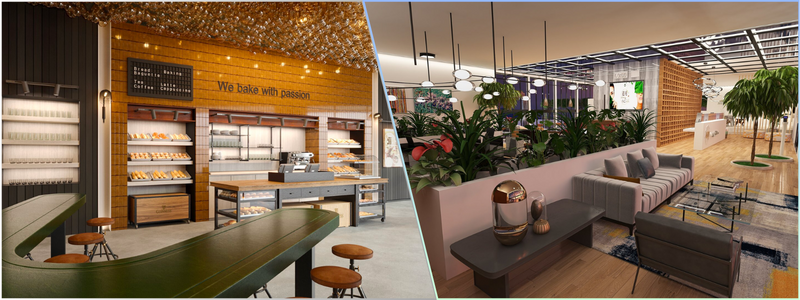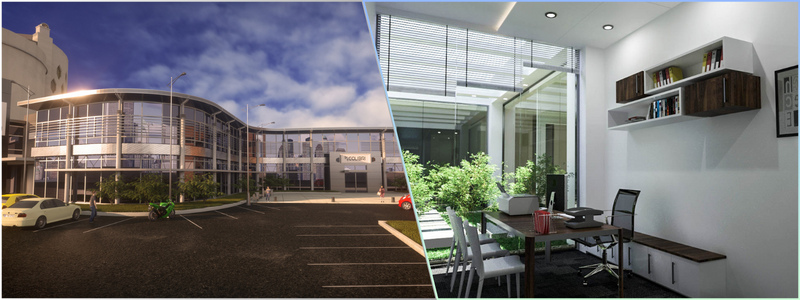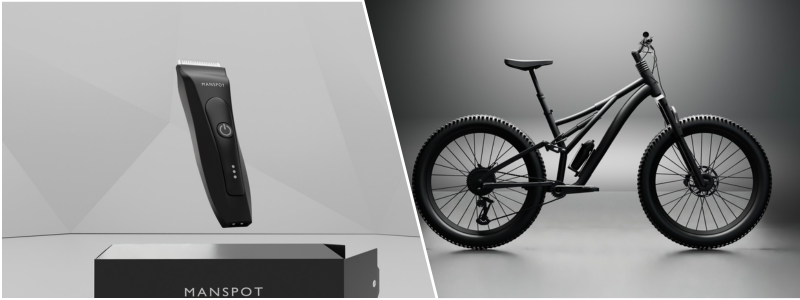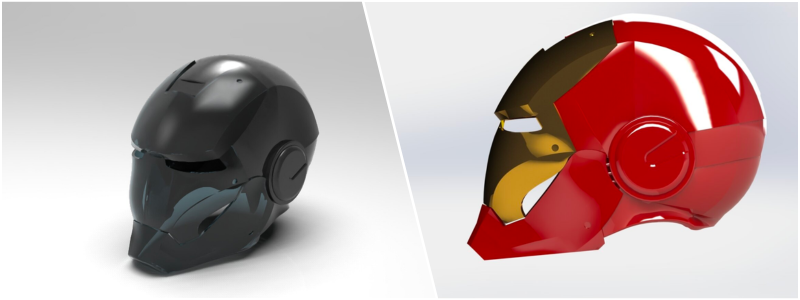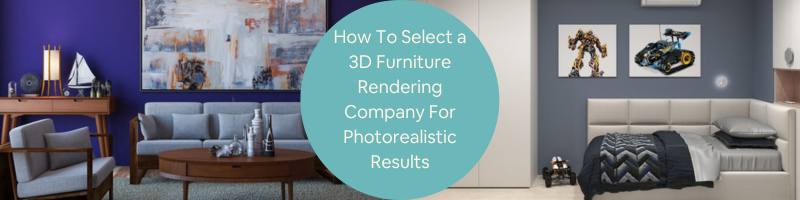
How to Select a 3D Furniture Rendering Services Company for Photorealistic Results


You can consider yourself lucky to live in an era of constantly changing and improving techniques and tools. Thanks to innovations, manufacturers and designers can optimize all their processes and improve their work quality. One example of an innovative tool is 3D furniture rendering technology. 3D furniture rendering services play a crucial role in design and prototype creation for furniture companies and are also perfect for production and marketing.

3D furniture rendering allows furniture designers to make real-time changes and offer a selection of designs to their clients. This article explores tips for selecting a 3D furniture rendering services company for photorealistic results.

RELATED: How to get the best 3D rendering services for furniture design

3D furniture rendering at a glance

3D furniture rendering involves using CGI technology to produce different kinds and styles of furniture models. It is the most powerful method to present products such as furniture since it is customizable and hyper-realistic. 

Who uses 3D furniture renders?

3D renders designed by experienced 3D product modeling experts, specifically 3D furniture renders, come in handy for different applications, making them helpful for all involved parties. The following stakeholders are the ones who often use this particular type of breakthrough technology:

Furniture designers

Furniture designers and architects use 3D furniture renderings to present their ideas in a way that resembles real life. Rather than using traditional 2D drawings that come with some limitations, they can now draft furniture designs in 3D. Furniture designers often outsource their furniture design requirements to furniture 3D rendering designers

RELATED: How 3D prototyping helps furniture businesses with new product lines

Furniture makers

Furniture makers hire 3D furniture rendering companies to develop unique furniture designs and envision their products before they reach the production stage. These images are also used for marketing campaigns for social media channels & traditional media outlets. 3D furniture renders also simplify production and pre-orders, allowing furniture manufacturers to test several iterations of their products. These can also be presented to customers who want to receive and use the products as soon as possible. 

How 3D furniture renders help businesses 

As expected, adding 3D furniture renders to production and marketing strategy can work wonders in growing your business, attracting more customers, and creating a better experience for all involved parties. The following are just some of the many benefits you’d get to enjoy if you add 3D rendering services to your business process:

  • Get better furniture designs. 
  • Improve your visual communication. 
  • Tell your story better. 

RELATED: 3D furniture visualization and rendering process: how to create high-end 3D content 

Common types of 3D furniture renderings 

The best 3D furniture rendering services company can provide several types of renderings to meet the demands and needs of various audiences. These types include the following:

Detailed renders

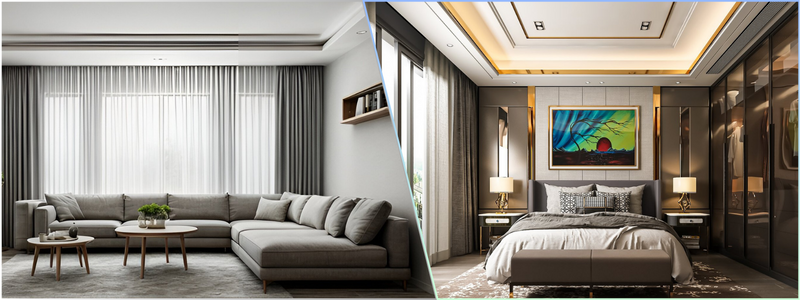
One of the key advantages of 3D furniture rendering design is that even the most minor details can be highlighted easily. The main problem with traditional drawings and prototypes is this lack of detail. You cannot zoom in and out of the physical drawing or add small details to the prototype. Alternatively, with the help of 3D visualization professionals, you can showcase even the smallest details with extremely high image resolution. A higher level of detail allows customers to see the furniture design’s embellishments, texture, and other peculiarities. 

RELATED: Custom furniture design – how firms use 3D models and 3D rendering services
3d-furniture-rendering-company-1

Lifestyle images

3D furniture renderings can also offer your customers a unique experience. Lifestyle images are a powerful and effective selling tool. In marketing, selling a lifestyle rather than a product is a method that has been proven and tested to produce results. When you produce a realistic lifestyle setting to match your furniture designs, it will make your customers feel more drawn to or connected with your product. 

Customers love seeing themselves using the product and want to know how and if it will even fit their everyday lives. They want to know if the furniture will make their home look better before they buy it. This is why lifestyle images designed by 3D visualizer services attract customers and lure them to buy your product. 

Simple studio renders

Simple studio renders are often on a plain white background where the furniture itself is the primary focal point without other distractions whatsoever. Although it is typical for 3D furniture rendering services companies to use a white background, this is not required. You can still add color to the background without overcrowding it with details. Again, the best way to go is to go simple. 

RELATED: 3D furniture modeling services, costs, rates, and pricing for companies

The simple studio furniture rendering is ideal for showcasing your products in online marketplaces like Amazon, eBay, Etsy, or IKEA. Isolating an image using this technique can be an excellent selling tool that will spotlight your furniture product and allow customers to see it more clearly. 

Teaser renders

If you plan to release a new furniture model soon, 3D furniture renderings can also be effective marketing teasers. It will ignite curiosity among the key drivers for more sales. Highlight the entire product, just a part of it, or produce a teaser video. You have endless options to explore here.

Tips for choosing the best 3D furniture rendering services company

While finding the best 3D furniture rendering services company can be challenging, you can easily overcome it with systematic analysis and meticulous planning. When looking for a long-term 3D design firm, marketers, and furniture manufacturers need to know the right questions to ask and what they should look for in the first place. 

RELATED: 17 Ways how 3D rendering helps when marketing your furniture company

To simplify the whole process for you, here are some tips you might want to keep in mind:

1. Always look for more options

Search for companies or freelance furniture rendering services that specialize in 3D furniture rendering services. Try to pick the highest-ranked companies and narrow down your choices to the top six most reliable ones. Use this shortlist of potential candidates in the succeeding steps. 

2. Review work samples 

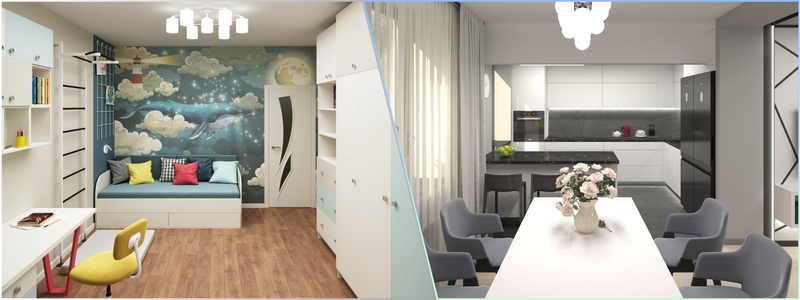
Check the 3D furniture modeling company’s portfolio to get a good idea of the quality of their work, their experience in the industry, and the specific types of services they offer. Review case studies and understand the scale of the company’s projects, workflow, how they address challenges, and how they communicate with their clients. 
3d-interior-rendering-services

3. Check feedback from clients

Reviews and testimonials are precious sources of information when searching for a reputable 3D furniture rendering service. Examine who wrote the review, what they have to say, and their contact details. Also, cross-reference reviews that are on other online platforms. 

RELATED: 3D furniture visualization process: how to create premium content for your company 

4. Ask about guarantees

While searching for expert 3D furniture modeling designers, it’s also critical to ensure that all data and information about your project and business will be kept safe, protected, and secure. The best 3D furniture rendering services company will provide a guarantee. They also have developed strategies to guarantee other aspects, such as quality and speed of completing the 3D furniture rendering. You can usually find guarantees on the website’s FAQ page. However, don’t hesitate to contact the company for their guarantees. Below are a few questions you should ask about:

  • Can the company sign an NDA? 
  • Does the company sign NDAs that their clients provide?
  • Do they offer other means to protect their clients? If yes, what are these, and what do you need to do to quality for them??

5. Look into the communication process 

You and your chosen company should communicate effectively to get top-of-the-line photorealistic furniture rendering results. You have to ensure that the furniture 3D photorealistic rendering firm will be reliable and have a direct line of communication. Professional management solutions will help you avoid mishaps. 

RELATED: Top photorealistic furniture rendering techniques for interior design companies

Here are the most critical questions you need to ask to safeguard your project:

  • Does the company use one communication channel?
  • Who will manage your project?
  • Where will they keep your information and data?
  • How often will the company intermediate results and share updates?

How Cad Crowd can help 

Selecting a 3D furniture rendering services company is always a matter of careful research and being aware of the questions and things to look for. Cad Crowd is a trusted platform where you can find the best providers of quality 3D furniture renders for your company to achieve photorealistic results. Contact us for a free quote.

Exploring Pricing Models for Delivering 3D Architectural Rendering Services to Firms


Regarding 3D architectural rendering, it can be challenging to determine the best pricing model for your projects. Costs can often range from as low as $100 to over $10,000, and each differs in quality and results. However, while it can be tempting to go for the cheapest option, trying to cut costs may ultimately lead to higher expenses down the road. To eliminate all confusion and help you plan your budget accordingly, this guide explores the different pricing models for delivering 3D architectural rendering services to firms. 

3D architectural renderings for under $500

“You get what you pay for” applies to many things, and 3D rendering services are no exception. It is also true in the world of real estate and architecture. Every project is unique and distinct, from several thousand dollars to million-dollar budgets. The good news is that there are some situations where 3D architectural rendering services cost less than $500. This depends on your budget, scale, imagery needs, quality, and target audience. These situations include the following:

RELATED: What are architectural rendering costs, rates, and pricing for companies?

1. Approval purposes 

If a project’s primary purpose or objective is to get the initial approval from the respective HOAs, regulatory bodies, and other relevant authorities for real estate presale or simple style planning. 

2. Basic conceptualization 

Real estate agents, designers, painters, or home builders who want to discuss basic style options and colors with their clients can use no-frills 3D architectural renderings that provide enough visual details. 

3. Personal project 

Homeowners who want to go for a DIY renovation can simply use a 3D architectural visualization firm which might be enough to illustrate the finished project. 

4. Limited budget 

If your budget is limited and your primary concern is the project’s total cost, the cheaper pricing model might be your best option. 

RELATED: The 5 best companies for 3D architectural rendering services

Why 3D architectural rendering services under $500 are not recommended 

You’ll discover many low-cost 3D architectural rendering services are from overseas 3D rendering companies trying to exploit the availability of cheap labor and less stringent regulations. Although there are many 3D artists from different parts of the world, any firm that offers the lowest prices for their services, even stateside, is likely focused more on the quantity than the quality of their projects. 

Low-cost 3D architectural rendering service providers often try to come up with the most enticing starting costs possible to lure more prospective clients quickly. After that, they try to recover the discounted profit once the client signs the contract. So, before you get blinded by what seems to be an incredibly cheap deal, ensure you check if there are issues and hidden costs that many extremely affordable firms will never let you know from the get-go:

RELATED: The benefits of 3D architectural rendering for companies in the real estate industry

Hidden costs 

So, you were quoted at such a low price. For all you know, this price only applies to the initial stage. Extra charges may soon be used in the proceeding steps, as well as the revisions and even the receipt of the final product itself. 

architectural-visualization-company

Quality of images

Some companies try to add several resolution limitations to the contract, charging more for higher-resolution images. Before you agree to anything, always clarify and confirm the price, size, and resolution of the finished renders. 

Absence of details 

Fine details, including detailed furnishings, trim, appliances, window details, soffits, and others, might still need to be included, or if they are, you might have to pay additional fees for them. 

Doubled expenses

Suppose it’s impossible to use the architectural renders because of poor quality and resolution. In that case, it might leave you with no other option but to look for a different firm that can produce what you have expected to get the first time. 

RELATED: What is architectural visualization and why architectural rendering services use it

Cutting corners 

Cheap renders mean it’s overoptimized. Some artists continuously recycle past projects of their clients into new ones, which results in cookie-cutter objects and textures. Your brand may suffer adverse consequences if your audience notices you’re using repetitive renders. 

Changes in schedule 

3D architectural rendering firms that are only after the number of their projects usually over promise only to miss their deadlines and ask for additional payment, claiming that they need it to finish the renderings within your timeline. These delays mean that you and your firm have to compensate to complete the job on your end. 

Due to all these risks of low-end 3D architectural renderings, always remember the saying that anything that seems too good to be true probably is. This is why buyers should never forget that what appears to be a cheap option might not be so cheap because of the time lost, poor quality of images, and additional charges. Before you sign the dotted line for any service, take the chance to review every single detail regarding the project timeline, image resolution, any additional charges, and the process as a whole. 

RELATED: How to enhance your company’s 3D architectural rendering with advanced techniques

$500 to $3,000 mid-level 3D architectural renderings

Mid-level 3D architectural renderings from a reliable 3D architectural modeling firm can provide excellent quality images for developers, architects, designers, and real estate agents working on medium to large-scale projects without breaking the bank. 3D architectural renderings have an average price of approximately $500 to $3,000

The mid-level pricing model is ideal and recommended for professionals working on housing community projects, apartments, and townhouses. 

It’s more suitable to opt for mid-level pricing for the following situations:

  • You want to persuade a regulatory board to continue with your project. 
  • Your goal is to set your project apart from your competitors. 
  • You have plans to use the architectural render as a marketing tool to sell faster or increase sales. 

When shopping for 3D architectural rendering services, most clients might have yet to decide what to look for in a 3D architectural design company. You need to evaluate and check the qualities between the okay mid-level 3D architectural rendering services and those companies that provide a fantastic product at this price range. 

RELATED: Learn about the types of architectural rendering services available for your company

3d-architectural-visualization-services

Communication 

Ensure there is an expert you can talk to over the phone to discuss their services. 

Expertise 

Always confirm if the company has already been in business for a reasonable time. Use this chance to review the qualifications of the staff members, too. 

Professionalism

Research the credentials, reviews, awards, and testimonials of the company. 

Quality of renders 

Compare the company’s 3D rendered examples with those of its competitors. Evaluate the realism, or the absence of it for that matter, of the colors, textures, lighting, greenery, furniture, windows, and others in these render samples. Ensure that the firm can come up with final images comparable to or better than the quality they advertise. 

Turnaround time 

It’s always a big red flag if the 3D architectural rendering designer offers a speedy turnaround time. Quality mid-level architectural renders need a reasonable amount of time without being too excessive to produce details worthy of the price. Inquire about the anticipated timelines and the company’s track record for meeting the client’s agreed-upon deadlines. 

RELATED: 3D architectural rendering options: in-house, self-learning, or outsourcing services? 

Over $3,000 in high-quality 3D architectural renderings 

The final pricing model for 3D architectural rendering services is considered high-quality, ranging from $3,000 to above. These renderings are critical for commercial properties, high-rise developments, luxury apartments, and similar large-scale professional projects. 

It is an expected and even an essential investment to spend $3,000 or higher on attention-grabbing and polished 3D architectural rendering for projects worth hundreds of thousands to millions of dollars. The imagery can easily make or break the number of presales, high-end profit margins, and crucial approvals for the project. 

It’s always a wise call to use high-quality 3D architectural rendering services for the following purposes:

Expand your network

If you’re willing and ready to spend more, you’ll get to work with the best archicad design companies and professionals in real estate development, design, and construction. 

RELATED: How to render architecture: tips from an architectural rendering company, Los Angeles

Highlight your level of professionalism 

You are a respected and recognized field professional or working to become one. 

Make a good impression on your VIPs

Anything less than high-quality architectural renders will never cut if you want your project to turn heads and catch the interest of prominent decision-makers and high-paying clients. 

Create high-calibre work

Investing thousands of dollars into high-quality 3D architectural rendering services won’t break your budget. This kind of investment is expected in your goals for better marketing, higher sales, and improved growth. The tricky thing is that even high-quality 3D architectural rendering services are not equal. Make sure that the company will be able to prove its value, especially at this price point. 

RELATED: 5 Reasons why your business should use 3D rendering for construction projects

How Cad Crowd can help 

Cad Crowd can help you find the best 3D architectural rendering designers to provide the best 3D architectural rendering services at prices that suit your budget. Get a free quote now.

Photorealistic Rendering Services: Price, Cost, Rates and Fees for Companies and Firms


3D rendering, visualization, or photorealistic rendering, is computer-generated imagery (CGI) comprised of 3D models created using computer-aided design (CAD) software. Everything you see in a 3D render is a digitally-manufactured image rather than a photographed physical object.

Workflow

A photorealistic rendering process goes through several stages involving both the design’s creative and technical aspects. The typical workflow is listed below.

  1. Design brief: The client and 3D render professional discuss and decide the design approach, characteristics, and goals in detail. Render format and budget are determined in this first step as well.
  2. Modeling: 3D artists or graphic designers begin creating digital models of the objects to be displayed in the render. Objects can be products, architectural exterior and interior, people, fantasy figures, and the environment. The final results are called 3D models.
  3. Texturing: since 3D models only represent or visualize the basic shape of the objects, CG texturing is necessary to give them a more organic appearance. For example, a tree must have its bark, and a wood surface requires grain.
  4. Lighting: photorealistic rendering doesn’t happen unless it has a carefully arranged light intensity and direction. Otherwise, the render will not have natural-looking shadows and reflections.
  5. Camera setting: a proper render looks as if the image is a photograph. Although no real camera is involved in the rendering process, the 3D artists determine the ideal viewing angle for optimum visual effect or realism.
  6. Rendering: at this step, all the 3D models in the frame are converted into two-dimensional photorealistic images using CAD software.
  7. Post-processing: minor edits to remove imperfections, implement color corrections, add saturations, or tweak the contrast. The step does not require CAD software, as everything can be done using a photo-editing application.
photorealistic0

Companies may use 3D rendering services to create product advertising content. In this case, the models are based on physical objects, and most creative works focus on creating the backdrop, viewing angle, or explainer animation.

RELATED: How Photorealistic 3D Rendering Design Saves Companies Money

Another benefit of photorealistic rendering is that it allows companies to showcase a product long before production. There is no product yet, but it does not mean 3D artists cannot build digital models based on technical specifications and rough sketches. The final render can be treated as a virtual prototype or early marketing strategy to tease potential buyers. In businesses where pre-selling is essential, such as real estate and custom jewelry, 3D renders are effective as both an advertising format and a method to test design ideas.

Photorealistic rendering has now become an indispensable tool for those in the manufacturing and marketing industries. Here are examples of how different businesses use 3D rendering for various purposes.

  • Architectural: before construction begins, an architect can use 3D rendering to showcase how a building or civil project should appear in the real world when it is done. It is also possible to render only the interior design, floor plan, or a specific room for renovation; the render doesn’t have to cover the entire building in every case. Some companies use photorealistic rendering to plan a whole urban project.
  • Product development: 3D rendering allows manufacturers to develop an entire product without any physical prototype, at least until the very last stages of the development. Photorealistic imagery of a product design or its components and virtual simulation can almost replace physical testing. Virtual prototyping has been used in various industries, from furniture and electronics to automotive and defense.
  • E-commerce: online retailers use 3D rendering instead of product photography to save marketing costs. All the 3D models used for rendering can be recycled, modified, and reused for countless advertising content.
photorealistic1

Flexibility is the key. A 3D artist can use one 3D model of a product and build dozens of unique scenes to recreate the imagery. The backdrop, lighting scheme, additional objects, and viewing angles can be re-arranged on a computer screen. It does not require cameras, an expensive studio setup, or the product itself.

Types of services

Photorealistic rendering comes in various types and formats with different levels of complexity. Regardless of the industries and applications, every 3D rendering firm or freelancer offers one or more services.

Still 3D rendering

A static or still photorealistic rendering is a piece of CGI depicting an object that doesn’t move, as the name implies. The image looks like a photograph, except everything is drawn on a computer. Still, renders are divided into two main categories:

  • Silo render: also known as “white background” render, the image shows a product against a plain white backdrop. No other visible items are in the frame to avoid distraction, so a single glance is enough to direct viewers’ focus to the product. A silo render may display a wholly assembled product/item, such as a desk or a smartphone. It is probably the most common format seen in various advertising media. At a step higher in complexity is a silo render that showcases the inner structure of a product. Sometimes referred to as “exploded view,” the image offers a more detailed look at each component that goes into the assembly. An exploded view is instrumental when the product comprises intricate parts from different materials. Creating a perfect exploded view with conventional photography is almost impossible unless you are willing to sacrifice some prototypes (or even final products).
  • Lifestyle render: the most significant difference between silo and lifestyle renders is the backdrop. If the silo displays a product as the only item in the frame, the lifestyle render includes photorealistic background and various other objects in addition to the main product. The image has a complete scene, showcasing an ideal setting where the product should be used or placed. For example, a company that sells a paperweight may utilize a lifestyle render to depict how the product can be a functional item to keep a stack of papers from blowing away and a decorative ornament on a desk. To make sure the message is delivered correctly, there needs to be other objects in the scene. Such depiction helps the viewer to understand the product’s approximate dimensions. One thing to remember is that the paperweight has to be the focal point of the render.

RELATED: 3D Rendering: What It Is and Why You Should Care

Dynamic 3D rendering

photorealistic2

A still image says a thousand words, so a video can convey much more. Dynamic 3D rendering is a “motion picture” in every sense of the word; it comprises multiple still renders displayed with perfect transitions to the point where the result appears like a video recording. However, there is no recording of any sort involved in the render. There are two types of dynamic render:

  • Product 3D animation: despite looking like a playback of a recorded video, a product 3D animation is almost entirely computer-generated imagery. One static render represents a single frame; therefore, you will need at least 24 individual renders to build a smooth 24fps animation. Anything lower than 12fps may appear rough on modern screens. 3D product animation services cost much more than a static render, and building a 3D product animation is no easy feat.
  • 360-degree view: 360-degree panorama rendering services offer an engaging blend of simplicity and interactivity for product showcases. These services place the product against a customizable plain color backdrop, emphasizing the item. Users can interactively rotate the product, often with options for left-right and, in more advanced versions, top-bottom perspectives. This comprehensive approach ensures a complete all-around view from every angle, providing a detailed and immersive experience that closely mimics real-life product interaction. Such services are invaluable for detailed product visualization, aiding customers in making informed decisions.

RELATED: What are 3D Product Animation Costs, Design Service Rates & Pricing for Companies?

Product Configurator

Most commonly implemented on fashion e-commerce and automotive websites (although there are many other possible uses), product configurator is a digital online tool with which visitors can easily customize the products they like by trying different configurations like colors, sizes, materials, shapes, and accessories. All the images used for the customizations are 3D renders. It is also possible to incorporate a 360-degree format into the tool so every user can see a larger preview of a customized product from different perspectives.

Prices

Based on the data from the BLS, the average rate for 3D modelers and render professionals (Special Effect Artists and Animators) is $98,950 per year or about $47.50 per hour.

If you are hiring a rendering firm to make a product CGI, chances are you have to pay more depending on the format, resolution, and number of views.

  • At around $30 – $40, what you get is a basic silo render at 4K resolution. You can have it in Full HD for $20.
  • Lifestyle rendering in 4K with one object in the frame is around $200. Every additional object increases the price.
  • Product animation is the most expensive of them all. As mentioned, one static render (usually in lifestyle format) only represents one frame. The standard Full HD (1920×1080) resolution costs around $60 per second at the lowest possible framerate.

Freelancers with good track records and years of experience in the field may charge anywhere from $50 to $100 per render. It is difficult to pinpoint an exact number because each render is unique, and the price is affected by complexity, details, frame rate (for animation), and urgency. For example, the price for a straightforward silo render of a chair should be more affordable than the same render of a fantasy character, car engine, or interior design due to the difference in difficulty.

Service Description Price Type Price Range
Special Effect Artists/Animators Average annual salary (BLS) $98,950 per year
Average hourly rate (BLS) Per Hour $47.50 per hour
Rendering Firm Basic silo render at 4K resolution Per Job $30 – $40
Basic silo render at Full HD resolution Per Job $20
Lifestyle rendering in 4K with one object Per Job $200
Additional object in lifestyle render Per Object (Add-on) Price increases
Product animation (Full HD, 60 fps) per second Per Second (Animation) $60
Freelancers Experienced freelancers per render Per Render $50 – $100

How Cad Crowd can help

Our platform connects you with a vast network of skilled professionals specializing in photorealistic rendering. Whether you’re a company or a firm looking to bring your projects to life, our freelancers are ready to assist with unmatched expertise. Are you curious about pricing, costs, rates, and fees? Get in touch for a complimentary quote today and elevate your visual presentations to the next level

Top 3D Architectural Rendering Books, Magazines, and Blogs for Companies to Follow


If you think you already know everything there is to know about 3D architectural rendering services, you might want to think again. The thing about this unique field is that discoveries pop up daily, which means you also have new things to learn. Whether you want to brush up on your team’s existing knowledge or your company is poised for growth, here are some of the top 3D architectural rendering books, magazines, and blogs you should follow.

Brian M. Crisp’s Architectural Rendering with Mental Ray

Brian M. Crisp’s “Architectural Rendering with Mental Ray” is a book that covers almost everything that might interest you, from proper setup of lighting to texturing, rendering, and more, with lots of helpful tips on every page. This is the best 3D architectural rendering book for someone who wants to master using Mental Ray for 3DS Max or Maya architectural rendering.

Brian M. Crisp’s Architectural Rendering with V-Ray

This is another book by Brian M. Crisp, but V-Ray is its primary focus this time. This literature covers various topics, just like the first book on mental ray. The key difference is that it reviews more details on the capabilities and features of V-Ray that set it apart from its predecessor.

Sarah Jones and Michael Secrist’s Architectural Visualization: Its Relevance to the Unbuilt World

Sarah Jones and Michael Secrist’s book, published in 2018, is not a technical book written as a tutorial and guide for 3D architects, artists, or designers. Instead, this book delves into 3D architectural visualization services and their importance for any renovation or building project.

The authors explain how the success of a project is dependent on the communication between the 3D architectural rendering designers and architects. It also uncovers the secrets behind effective communication with CGI artists, making it a fantastic read that benefits architects and employers alike.

Readers of the book will better understand 3D architectural visualization and rendering and all the essential steps it involves. This way, architects lacking 3D architectural visualization proficiency can refer to this book to learn how to communicate more effectively with visualization companies to ensure a smoother project. Employers can also use the book to understand their projects better, learn why some things should happen, and participate in the process if needed.

RELATED: What are Architectural 3D Visualization Costs, Service Fees & Rates for Companies?

Light: Science and Magic

book1-1

Light: Science and Magic is mainly meant for professional photographers as it discusses a comprehensive analysis of various options for photographic lighting. But don’t worry because the book works wonders even for architects, particularly in 3D architectural rendering and 3D architectural visualization. The book captures the very essence of the effect of various lighting conditions on the quality of the final image. No matter how expensive the equipment you’re using might be, it won’t provide excellent results if you are not knowledgeable about appropriate lighting.

The same rule applies to 3D architectural rendering because even the most state-of-the-art tech software and advanced tools will never produce amazing 3D renders independently. You still need to have a certain level of expertise and knowledge, especially regarding lighting.

Adding this book to your must-read list can drastically increase the 3D modeling skills of an architect, which is critical to come up with eye-catching and appealing 3D renders. Whether your company is looking to elevate your team’s lighting proficiency or refine your architectural 3D modeling services to produce standout 3D renders, this book is a valuable resource not to be missed.

RELATED: What are Architectural Rendering Costs, Rates, and Pricing for Companies?

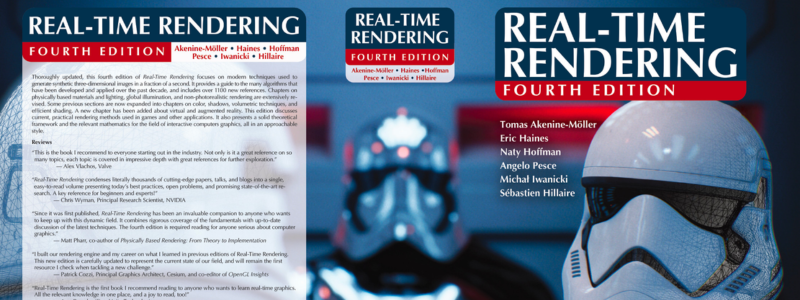
Real-Time Rendering

Real-Time Rendering is a collection of four editions and is an amalgamation of different experts who combined their forces and joined together to come up with this work. With three books already behind it, this newest edition delves into the most modern methods for exemplary results in rendering. The book is also written in a way that is easy to understand, complete with helpful examples and references to other examples.

You don’t need any prior 3D rendering knowledge to understand this book because it starts with the basics of mathematics and slowly progresses to more advanced techniques typically used in the finest quality games. While its primary focus is video game rendering, only a few architectural books can match this book as it details the 3D rendering field. All the methods that the book covers are universal and are also applicable to different rendering purposes.

Featuring 24 chapters, the book’s authors go into great detail as they describe every single step of the complicated process. After reading this book, you can expect to learn more about 3D rendering, transformation, processing, illumination, light, colors, texture, shading, AR, VR, and other elements. Real-time rendering is your best choice to learn more about detailed rendering.

book2

Eric Wing’s Revit 2020 for Architecture: No Experience Required

Revit 2020 for Architecture: No Experience Required is precisely what its title suggests. This is a must-read book for any beginner without experience using Revit for architecture. With Autodesk Revit considered the top architectural BIM software, it’s no surprise that many architects use it for 3D visualization. If you plan to use Autodesk for your 3D renders, this book, written by Eric Wing, a BIM Services Manager, is something you should read.

The book will guide you through the world of Revit and help you develop high-quality architectural renderings and visualizations. It opens with critical elements like familiarizing yourself with the interface of Revit and using its fundamental features as an example. It begins with model creation, progressing to door and window placement and various perspectives, views, plans, angles, and 3D perspectives. After you finish this book with 17 chapters alongside your project creation, you will soon master all the essential tools for high-quality and detailed 3D architectural renders.

RELATED: Architectural VR/AR 3D Rendering Costs, Rates & 3D Modeling Pricing for Design Firms

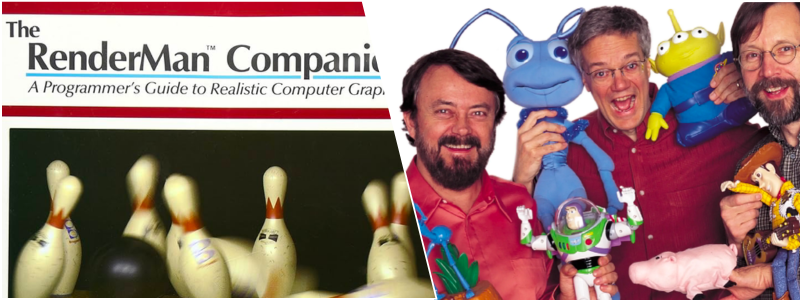
The RenderMan Companion: A Programmer’s Guide to Realistic Computer Graphics by Steve Upstill

Steve Upstill’s book covers everything, including the fundamentals of materials and lighting, to more advanced subjects like global illumination, motion blur, and depth of field. This also includes several chapters that discuss procedural modeling techniques and generating textures. The book is also a helpful resource for those who wish to learn and master techniques for computer graphics programming to create photorealistic images in different 3D applications such as Cinema 4D and Maya.

book3

Michael Brightman’s The SketchUp Workflow for Architecture

3D architects, 3D landscape architects, and 3D interior designers worldwide use the premier 3D design software SketchUp. Michael Brightman, the man behind this guide on SketchUp, is a successful architect and is now the Lead Instructor and President at a SketchUp Authorized Training Center based in Denver.
This book tackles modeling buildings, design visualizations, and developing construction documents using LayOut and SketchUp Pro. Published in 2013, this guide rose to popularity as one of the best books about software. The high demand for this book resulted in its recent update in 2018.

It also teaches field professionals how to harness the program’s power for all project sizes, types, and styles. It provides step-by-step guidelines on using the software at different stages of the architectural design process. Those who buy the volume will also gain access to tutorial videos on several advanced methods of architectural rendering. The guide teaches how architecture professionals can take advantage of SketchUp in different stages of their work.

RELATED: 3D Interior Design Costs, Modeling Pricing, and Rendering Rates for Buildings

CGarchitect

CGarchitect is an online open community that caters to enthusiasts and professionals in architectural rendering and visualization. This blog boasts a constantly growing showcase gallery of more than 100,000 renderings. They also regularly promote the newest job openings in the architectural visualization field.

The blog also features an impressive selection of articles that include insights from experts in the industry and the latest news about the constantly changing field of architectural rendering. You can also check out the bustling online forum where readers can share tips, raise questions, share their work, and ask for advice from other community members.

Enscape Blog

book4

The Enscape Blog, launched in 2017, has quickly become the leading blog on architecture and architectural rendering. It contains top-quality feature articles on various topics for AEC students and professionals and renders tips straight from visualization experts. It doesn’t matter if you’re an architect, 3D architectural rendering specialist, 3D designer, or just a 3D architectural visualization fan; this blog is something you should check out.

Ronen Bekerman Architectural Visualization Blog

The Ronen Bekerman Architectural Visualization Blog is directly relevant to people who work on architectural renditions. Aside from the available tutorials and resources to advance your skills in rendering, you can also explore different projects, showcase your work, and even follow weekly podcasts to learn the latest industry trends.

How Cad Crowd can help

Aside from these top 3D architectural rendering books, magazines, and blogs, Cad Crowd is another platform where you can find a blog section filled with helpful articles to gain more insights about the 3D architectural rendering industry.

Progression of 3D Architectural Rendering Technology for Firms in the Business World


Various forms of architecture have existed through the centuries. Thanks to architecture that works almost similar to signatures or footprints, contemporary archaeologists were even able to pinpoint and discover some civilizations. From the times of the Egyptian Pharaohs to this very day, architects tell distinct stories that everyone can understand. Their stories are filled with space, materiality, texture, light, and more.

3D architectural rendering services have been the unique language between designers and clients. If this tangible common ground existed, the work of an architect would have been evaluated based on mere numbers written on ledgers. This piece delves into the progression of 3D architectural rendering technology for firms in the business world.

The early days

The Egyptians, Greeks, and Romans have always been considered the true pioneers of architecture. These civilizations were responsible for constructing some of the world’s most ambitious and mystical wonders using ancient technology that humankind is still trying to decipher after thousands of years.
Kings commissioned most of these architectural feats, with master builders in charge of their conception and built through long years of labor and hard work. But how were these unique structures designed in the first place? How were they communicated back in the day that was different from the method used in modern times?

It’s easy to imagine pyramids growing out of the great span of the desert out of the blue or that ancient aliens were responsible for all the out-of-this-world early achievements in engineering and architecture. Although there’s no way to know if aliens exist and if they helped with these achievements, one thing is sure: long hours of designing, planning, and strategic execution were required for these structures to be formed as they are seen today.

There’s no surprise there. After all, ancient designers and architects likely used the same methods to communicate their ideas as those used now, albeit these were more primitive. Like the great artists of the past, architects experimented with various mediums and pigments to develop aesthetics that met their rulers’ requirements and desires.

progression1

It was long before perspective was discovered to represent realism, meaning reliefs and drawings were flat back then and lacked experiential properties. Things were the same with the Romans and Greeks. The field of architecture itself has enjoyed advancements just as the sophistication of expression and design and technological innovations have also made significant leaps. However, the planning and presentation of speculative buildings only evolved a little, even if hundreds of years had passed between them.

During this point in history, architects were considered artists by trade, but the only difference was that their artworks were real and tangible. You can trace the history of 3D architectural rendering technology if you follow the evolution of fine art itself. Techniques became better and more realistic, although they remained rooted in Egyptians’ exact flat representation. What’s even more impressive is that they were able to achieve all their feats if you consider that they lacked in terms of representational limitations.

RELATED: What are Architectural Rendering Costs, Rates, and Pricing for Companies?

The rise of new perspectives

It was not until after 1,500 years that Italians made one of history’s most crucial discoveries. Filippo Brunelleschi, a Renaissance man, left the world in awe when he painted the first-ever example of linear perspective. It was a 3D depiction that used converging lines to represent how the human eyes see the world visually.

Brunelleschi is a name that rings a bell because of his world-renowned dome in Florence. Together with his contemporaries, Brunelleschi found the foothold that architects and artists had long been looking for: the mathematical solution that aims to grasp a realistic 2D depiction of the actual 3D world.

Although there are still heated debates on whether Brunelleschi initially discovered the perspective, he became the pioneer behind its application in architectural analysis. The rest of the artists followed suit only a short time later. The era of the Italian Renaissance marked the first significant breakthrough humanity has seen as far as 3D architectural visualization services are concerned.

progression1.1

Perspective incorporated space and depth into drawings and paintings. Finally, architects could develop realistic portrayals to communicate and express their majestic designs. This helped them convince their clients or the government better regarding their validity. Sketches replaced the time-consuming and expensive models and sculptures, saving precious money and valuable time.

The start of the modern times

Only after 500 years did 3D visualization services see another significant leap. The development of linear perspective paved the way for all kinds of paths that gave architects, artists, and engineers the right visual tools to help them bring their designs to life. It also helped sustain their profession for many centuries.

However, a monumental shift occurred at the turn of the 20th century. Originating with the Bauhaus during the 1910s, the modern architecture movement took architectural rendering to newer and more exciting places. During this era, architects were no longer master builders as they became a more specialized group. Their efforts were then focused on the tectonics and expression of crafting space. Space and form became their main design tools that left behind uncalled-for flair and ornamentation.
While the architectural field shifted to a plain geometric assembly of volumes and lines, 3D architectural rendering followed suit. Historic designers like Le Corbusier and Walter Gropius were the finest in expressing design details in once-impossible ways.

The three-dimensional spaces were color-coded and overlapped, leading to diagrammatic portrayals that spoke about the experience and program without just drawing it realistically. The architects also developed visual tools that helped others understand not only the “what” but even the “how” and the “why.” It’s like the curtain was finally pulled back, allowing the layman to see space in the same way as architects did.

The rest of the architects soon followed the trend. The revolution in communicating design changed how clients perceived their projects and served as a critical turning point in the field of architecture itself. Louis Kahn and Frank Lloyd Wright worked on the designs of structures that suspended disbelief, taking architecture to greater heights than it enjoyed during antiquity. Buildings soon restored their importance partly because of the new methods of conception of designs.

RELATED: What are Architectural 3D Visualization Costs, Service Fees & Rates for Companies?

The demands of the present day

progression2

The present day is filled with Steve Wozniak, Steve Jobs, and Bill Gates. The swift advancements in computer technology in the past three decades have given the architectural world a whole new life. The capabilities of 3D architectural rendering technology made it easier for architectural design experts to present their work. They made the architectural business more efficient in one way or another, and the rest of the world had no choice but to keep up

But of course, it may mean it was challenging for people to adapt. There are still and possibly always will be several ambitious young architects and designers who live beyond the walls of the digital fortress. Architectural sketch design services and architectural drawing services continue to be critical elements of the architectural process and an essential tool for presenting conceptual ideas of their designs during the early stages. In one way or another, technology stomps on the ability of an architect to properly develop their ideas and points directly to the finish line even before the completion of the race.

It doesn’t matter which group you belong to. Undoubtedly, computer technology has had a historic impact on design communication. Artists and architects can smoothly transition between concrete and concept, which makes refinement in designs more of a trial and trial than anything else.
Different programs, including SketchUp, VRay, Rhino, AutoCAD, Mental Ray, and Maxwell, are the latest tools that empower designers and dazzle clients with on-demand results. This may pose a danger to the design’s integrity, but with the rigor and discipline that successful architects of the past have displayed, it would be easier to sidestep these risks.

RELATED: Learn About Architectural Design Fee Schedules, Rates, and Pricing for Architect Firms’ Costs

What does the future hold?

Time is the only thing that can tell how 3D architectural rendering technology will be in the next 100 years. With the continuous progress of technology, the 3D architectural design process will become more reliant and dependent on automated processes. Machines may soon gain control over things, posing the risk of losing the sense of humanity in design and architecture. Like other fields, architecture may clash with technology, leading to something good or bad.

How Cad Crowd can help

As 3D rendering technology evolves, businesses and firms can stay ahead using Cad Crowd’s platform to connect directly with skilled freelance architectural design experts. Whether navigating the challenges of automated processes or seeking expertise for upcoming projects, Cad Crowd can help find 3D architectural rendering technology professionals.

Choosing Optimal Hardware and Software for Your Company’s 3D Architectural Renderings


Architectural rendering has existed since the Renaissance era. Previously, designers visualized their plans through sketching. Since then, 3D architectural rendering services have revolutionized design and architectural fields. The world has come a long way from the traditional paper sketches. Today, architects and designers can create 3D architectural renderings to explain ideas and express themselves.

Creating art no longer requires long hours of drawing, mountains of paper stacks, and endless designs. All it takes is merely clicking a button to correct a simple single error. However, your company must choose and use the best hardware and software for your 3D architectural rendering projects to make this possible and doable.

Hardware for 3D architectural renderings

As far as hardware is concerned, it would help to remember that 3D rendering is a complex process that can also be very time-consuming. The 3D rendering procedure calls for computing power. This power comes from two completely different sources: the CPU and the GPU.

The Central Processing Unit (CPU) is your processor. This option is for lower-end rendering software because the CPU doesn’t have the same rendering power as the GPU. On the other hand, the Graphics Card or GPU is relatively faster than the CPU because it serves what it was designed to do: render graphics. The GPU can also deliver much better results than the CPU, with some software having the option to switch between these two processing units.

The rendering process uses up your PC’s cores and needs processing power. There are fewer cores in your CPU than in your GPU. The other processes that run on the PC also constantly use them. The GPU has more cores than the CPU, and its primary purpose or function is to render graphics. Therefore, having a great graphics card is better than a good CPU for 3D architectural renderings.

RELATED: What are Architectural Rendering Costs, Rates, and Pricing for Companies?

Hardware specs and requirements for 3D architectural renderings

All 3D architectural rendering designers require computers that have more powerful hardware specifications. If you don’t have a capable computer, even simple tasks will take a long time to load, while basic actions will be delayed several minutes. This level of inefficiency is downright unacceptable in any professional setting.

It would help if you chose a powerful CPU that can make your selected 3D computer graphics program work without any frustrating lags. Here are vital factors to consider when searching for a CP for your 3D architectural rendering projects:

Clock speed

The clock speed denotes the rate at which a central processing unit (CPU) delivers instructions. Many modern CPUs support a feature known as dynamic overclocking, also often referred to as Turbo Boost. This momentarily boosts the clock speed as needed to meet the demand.

Number of cores

A core is the CPU’s part that crunches numbers. A CPU that has more cores can perform more tasks simultaneously. Cores are specifically important regarding CPU rendering since CPU rendering engines designate a single bucket to every core.

Price

You can get CPUs at different price ranges. However, the best ones for 3D architectural renderings belong to the high-end category, with several CPUs known to have a much better value for money than others.

RELATED: How Can Real Time Rendering Services Help Companies Stand Out in the Digital Era?

Software for 3D architectural renderings

hardware1

In the realm of 3D architectural visualization services, numerous factors must align for successful 3D rendering. Yet, at the forefront stands the critical choice of software. The software you select plays a pivotal role in determining the quality, speed, and ultimate outcome of your architectural visualization projects.

Rendering software programs have varying prices, with several essential software programs being free while the rest can cost you a few thousand dollars. Their sophistication is the main difference between these different software programs. The sophistication of any rendering software entails quite a lot in terms of its function and several critical roles.

You’ll want to begin with more straightforward software if your company is less experienced. Alternatively, if you’re an experienced company, you’ll likely find using a more expensive 3D architectural rendering software more satisfactory. Higher-end software will provide more customization options for skilled users.

Everything depends on your specific needs and requirements. You can begin with something other than professional software. If your company has little business yet or you’re a smaller company, you won’t benefit much from software worth several thousand dollars that only a small team will use. You have to buy your software according to your unique needs.

RELATED: What are Architectural 3D Visualization Costs, Service Fees & Rates for Companies?

What to look for in 3D architectural rendering software

Since the software you use can make or break the results of your 3D architectural rendering projects, you must remember several essential qualities to look for before settling for one.

Availability

3D applications are available for different fields and industries. If you’re working on architectural design, you’ll likely use SketchUp, Rhino, or Autodesk Revit. But if you’re in the field of 3D architectural rendering or visualization, 3DS Max might be your go-to tool. If you’re working with animation or VFX, use Maya, Houdini, and Cinema 4D.

hardware2

It means that before anything else, you must determine if there is an available rendering engine option for the software you plan to use. Some rendering software programs are only available to a few applications. This can be especially tricky since a few might have modeling limitations. That’s why you must select a render engine that meets your application requirements.

Ease of use

Your idea is the most important thing as far as your 3D architectural rendering projects are concerned. You don’t want there to be a long waiting time or figure out how something should be done and then spend countless hours just trying it. You’d hope your 3D architectural rendering software is easy to learn and use, with its power not compromised. Spending more time being creative instead of waiting will be so much better.

Flexibility

Every craft has its own needs, so the best software must be able to do everything as much as possible. 3D architectural visualization scenes, for instance, are usually enormous and feature several billions of polygons required for more detailed buildings and specific vegetation used as part of the backdrop.

On the other hand, VFX requires a constant information flow between the software in the pipeline whose scenes go to Maya from 3DS Max and back again, complete with liquids, smoke, particles, fire effects, and more. The key here is flexibility, and the 3D rendering software must be able to render anything you have in mind and fit it seamlessly into your pipeline as much as possible.

Price

Money is a serious consideration. Aside from all the technical aspects and elements involved, the price tag plays a significant role in your chosen software. There are many options available, but the best software is one that hits the sweet spot between power and price. It should be affordable enough and still can do what it needs to do without cutting corners.

RELATED: 3D Rendering Costs & 3D Visualization Prices for Firms

Realism

Many clients look for photorealism when choosing 3D architectural rendering software. Photorealism refers to how close an image is compared to the real world. The viewer should believe the existence of the subject somewhere in the real world, whether it’s a crazy alien or a cozy house.

For this level of realism to be possible, your 3D architectural rendering software must have the ability to calculate lighting in the real world with precise light reflections, refractions, and bounces. The materials should also abide by real-world physics to look right. This realism can be crucial to prototyping real-world items before they are manufactured. Using the right 3D architectural rendering software will give you a great idea of how a design will respond to and look under the light.

Reliability

Your rendering software will gather all the essential data you’ve made and transform it into an image, whether a still or an animation frame. It means that you need reliable software so you can be sure that it will always work. It should also be designed from scratch to deal with your most significant and most complex projects, regardless of the heaviness of the scene or how silly it may seem. You would want to be supported even if your software is unreliable.

hardware3-1

Speed

Your 3D rendering software should be extra fast if creativity is your craft. Spending a long time waiting for your render to be completed rather than pushing your creativity’s limits doesn’t sound smart. This is why harnessing the power of all available hardware makes the big difference between a good and excellent result. The 3D rendering software you choose must leverage both GPU and CPU and use all machines available in your network so you can take advantage of your hardware and work the fastest way possible.

How Cad Crowd can help

Cad Crowd can help you find the best 3D architectural rendering services that use the best hardware and software combination at their disposal.

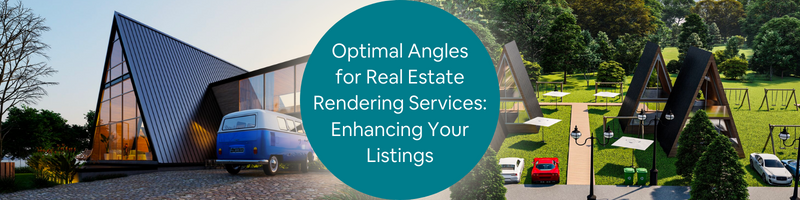
Optimal Angles for Real Estate Rendering Services: Enhancing Your Listings


Not all real estate rendering content is produced professionally, especially when 3D renders are concerned. A 3D rendering designer can achieve optimal angles for your images to enhance your real estate listings.

Unlike traditional photo shoots, 3D rendering projects require constant communication between the 3D real estate rendering designer and the client to achieve optimal results. You should be able to communicate your requirements to the 3D real estate rendering service for optimal satisfaction.

Important elements of effective real estate rendering

Camera angles are essential in real estate rendering, serving as the lifeblood that breathes life into 3D graphics. These angles offer different perspectives that provide more dimension and depth to architectural designs to produce an immersive and convincing exterior view. Using various angles is a unique method that requires meticulous execution to showcase architectural designs in the best light possible.

For example, an aerial or bird-view angle can show a broader structure context. This provides a more encompassing layout that goes well with the finer details of the design. Alternatively, a ground-level angle provides a viewer’s perspective that captures the experience of the person standing right before the structure. The interaction with ambient lighting can enrich the perspectives further, casting highlights and shadows that make the visuals look more realistic.

However, combining a high degree of artistry and technical know-how is essential to achieve these effects. This emphasizes the importance of working with the best 3D real estate rendering studio with professional CGI artists who can produce photorealistic renderings. A reliable 3D real estate rendering company understands subtle nuances of texture, perspective, and light to ensure that every rendering will convey the architect’s vision with aesthetic elegance and notable precision.

real-estate3-1

The introduction of CGI in real estate visualization has changed exterior presentations in more ways than one. Different angles of architectural designs are now brought to life with the help of CGI to create more realistic and immersive renderings. This unique combination of 3D rendering services and 3D architectural visualization services allows a more encompassing exploration of different designs to convey even the most complex details with outstanding precision.

CGI technology works great at presenting architectural elements, lighting, and textures to leave a long-lasting impression on the viewers. CGI offers engaging and dynamic visualizations by covering various exterior rendering requirements. It doesn’t matter if it is an aerial or eye-level view; CGI can easily incorporate all the angles to improve an architectural presentation further. With CGI being significantly versatile, designers can create more interactive and vivid experiences that evoke emotions and capture the true essence of different architectural concepts.

RELATED: CGI Design Costs, Freelancer Rates, and Designer Service Pricing for Your Company

What’s involved in the 3D real estate rendering process?

Before you ask about a 3D real estate rendering project, you first need to know precisely what you want to go into it and the specific part or role you will play during the process.

The following are the critical steps in developing 3D real estate rendering:

  1. Start with initial plans to determine the right camera angles.
  2. Come up with the 3D grey geometry.
  3. Apply environmental lighting and texture.
  4. Incorporate the interior design and the finishing details.

Clients must know the steps required to develop 3D real estate renderings to outline the final real estate rendering project.

Best camera angles for real estate rendering projects

hardware2-1

Now that you’ve got a good idea of what’s involved in the 3D real estate rendering process, the following are the most optimal camera angles you can consider for your next project:

Bird’s-eye or aerial view of architecture

Architectural buildings can be seen from an aerial, also known as a bird’s eye view, from above and below. These images can be taken by a helicopter or a drone or by 3D aerial design services. Aerial imagery is the finest method of showcasing a lofty structure in its full glory. Aside from this, the spectator can also get an idea of how the structure would fit in the entire neighborhood and its immediate surroundings. This angle highlights the exterior, regardless of whether the architect plans to make it stick out or blend in.

However, it is an expensive and time-consuming process to prepare a background for these 3D aerial perspectives. Opting for a photo montage rendering is the best choice. It can offer a photorealistic render of an up-and-coming building or several buildings that smoothly merge with a drone’s real-world photo of the surrounding environment. It results in a wonderfully realistic representation of the building while saving money and time.

A bird’s eye view provides the perfect angle for presenting a concept of neighbor districts, a huge building, or several buildings such as a resort or residential compound.

Vignette or close-up

A close-up view or vignette is another angle you can use to depict external architecture depiction. There are two main benefits of using close-up perspectives. For one, they start by offering more details regarding the design, materials, and other selling points that far-off views won’t be able to show.

Second, this particular angle allows viewers to connect more emotionally with the project. By focusing on the features of the architecture, observers can envision themselves almost touching the external surface and experiencing the area more personally. While close-up images might not perform individually, these are fantastic additions to renderings captured from a distance.

RELATED: Virtual Staging Costs, Service Fees & Architectural Pricing for Real Estate Companies

Eye-level or hero view

This next angle of exterior representation shows the structure as it would look to the eye of pedestrians. This perspective gives spectators the best means of understanding how they will perceive the structure when they enter or pass it. As a result, it is often a wise idea to add people, vehicles, and more auxiliary elements in this architectural depiction. The natural angle gives more atmosphere and life to the scene.
But there is a chance that a colossal building wouldn’t entirely fit in an eye-level depiction, so several renders are required to showcase the entire project. This angle is recommended for shopping areas, luxury real estate developments, and residential projects.

Site plan or master plan view

Architectural site plan design services offer an ideal depiction of the arrangement of landscaping, streets, parking, buildings, and other visual aspects of development projects. A master plan view generally showcases a set of housing units on an urban scale. It is essential to show the potential appearance of the real estate design in its actual environment, whether its purpose is to make the building blend in or stand out from its surroundings. A master plan view would be an ideal tool for city developments and urban architects.

angles1

Elevated or semi-aerial view

The elevated view is another angle real estate rendering services use to enhance property listings. This is a straightforward way to create a more thorough presentation of the project to show the building from a certain distance. This perspective allows you to show more of the area. Through this, the viewer can see how well the exterior will work with the nearby structures and the location as a whole. You may find this angle helpful if you want to show around the landscaping and development properties.

Worm’s eye view

In real estate rendering, a worm’s eye view is an angle from a lower vantage point and looks upwards. It is an angle that comes in handy if you want to emphasize the grandeur and height of a building. This can also induce an emotional impact as it portrays the structure as an impressive and towering entity that stands tall against the vast sky.

Summary

These are the five frequently used angles for real estate rendering services that can cover your real estate project’s requirements. All of these tasks can benefit from CGI, whether you wish to enlighten your audience regarding the surroundings and design of your building, amaze them with its grandeur, or create highlights that evoke emotions.

RELATED: 3D Rendering for Marketing Real Estate: What it is and How it Can Improve Your Real Estate Business

Find the best angle for the tone and style of your brand

It’s essential to research options and keep an open line of communication with your chosen 3D real estate rendering service provider to decide on the best angles that suit your real estate renderings. Always remember that each development is distinct and requires careful preparation and thinking before you finalize the perspectives.

Cad Crowd is a platform where you can select reliable services you can count on to deliver top-of-the-line real estate renders that use the most optimal angles.

Strategies for Incorporating Human Figures in Your Company’s 3D Architectural Renderings


Can you imagine what 3D architectural renderings would look like without humans? An architectural design without any signs of life is, well, lifeless. Human figures are the fastest way to form and establish an emotional connection. The right visual cues are all it takes to evoke deep feelings, transforming the most straightforward and plainest images into an excellent source of aspiration or awe. 

3D architectural renderers try to share these feelings, using representations of humans to take their designs to the next level. This piece delves into several strategies for incorporating human figures in your company’s 3D architectural renderings.

6 Strategies for incorporating human figures in your firm’s 3D architectural renderings

1. Come up with a 3D visual narrative 

Good stories linger no matter how much time has passed. The use of people allows you to tell 3D visual narratives without words. All you have to do is present people correctly to urge the viewers to scan the image or understand the critical takeaway with a glance. 3D character modeling services and freelancers can effectively create a narrative. The narrative you want to share should always tie back to the structure’s brand and the specific types of people it wishes to attract.

RELATED: 3D Character modeling and design process: top tips for your company or business 

3D character modeling enables human figures to be inserted into the narrative in the most appealing way. Since humans have been socially conditioned for centuries, this image can quickly get to them in just a matter of nanoseconds. Another factor to consider is how each element of the image, including all the small stories, plays off one another. Most of the time, 3D character designers put their narrative right in the foreground. Since it’s the part where the human eyes often see first, it’s also the perfect spot for placing your story. 

Every aspect of the image should supplement or expound on that story in one way or another. 3D character modeling and tiny bits of details can all form a narrative with multiple layers. The secret here is to figure out how to ensure that the stories in the background are kept from competing or taking away too much attention and focus from the main story. Remember that it’s innate for humans to process so much data, so it’s always wise to have your central concept on a golden plate over anything else.  

RELATED: How much does a 3D character modeling service cost for 3D artists & firms?

2. Create and place 3D character models

Of course, the story and 3D character models alone will never be enough. The 3D character modeler has to factor in how to place and integrate your human figures. But of course, this task is far from easy because this decision can directly affect how your 3D architectural renderings are perceived. Placing human figures can make a space look small or big and narrow or spacious. It can also highlight some key design elements or conceal its unresolved parts. 

3. Think of the future with architectural planning and design

Every area always thinks big, city or not. Sometimes, it can get so big that architectural planning and design plans last several decades into the future, even more so if central services are involved, such as infrastructure or transportation. How should you work on your company’s 3D architectural renderings with such a colossal gap? After all, decades are such a long time. 

As you plot out the not-so-distant future, you have to look at trajectories, trends, and the things that are no longer used in the world, particularly on the streets. Those clothes you see on the catwalk might wait to hit the market but might after a few years. Some innovations didn’t work initially, but these ideas often paved the way for developing newer and more exciting creations. 

3d-architectural-design-company

RELATED: Applications of 3D rigging services within the animation, film, and gaming industries 

All these changes mean you should choose human figures that look and see nature in the surrounding of a 3D architectural rendering. While space may be fun, it will never feel suitable or appropriate if it fails the scan test. And remember that the goal here is for the viewers to feel right. An unbelievable presentation will make your design moot, squandering the emotional connection. Consider the future of architectural planning and design services for your company, especially during extended development periods.

4. Trigger emotional response

One important thing to consider with human figures or 3D character modeling is your target audience’s feelings about the different looks, aesthetics, clothes, and others they see. Everything can trigger an emotional response, so paying close attention to what you put together is essential. This way, the viewers will feel intrigued or good about whatever you’re trying to show them. Make sure you pay attention to the following:

RELATED: 3D Character animation and modeling services for companies, cost rates, and pricing

Age is respected in several cultures but not so much in others. It can also be linked with everything from being past their prime to maturity, which makes age one of the most accessible identifiers for brand intent. If people over 70 mix with those in their 20s, how does it make the space look and feel? If the 3D architectural rendering firm creates 3D architectural renderings filled with kids, what does it say?

Different age ranges work wonders in changing how an image feels, which all boils down to the narrative. Who is part of the narrative, and who becomes the priority? What expectations and biases are there? Always keep the norms in mind and then work from there. 

  • Body language or facial expressions 

Are the mood and the faces of the people matched with each other? Do their faces also match their gestures? 3D architectural visualization artists often refrain from overreacting in their works. It’s easy for viewers to spot over-the-top gestures or fake smiles, and they never like any of these two. This is why it’s essential that feeling and look are always synonymous. Context is also critical. The gestures you choose must align with the viewers’ expectations. It would help to remember that everyone thinks about how different environments or situations should function. 

RELATED: Where and when to find freelance architecture visualization services and designers

Blue is comforting, just like how eye-catching red cars often get more tickets. This subject has been discussed in several studies, but it all boils down to one thing: colors are associated with moods. They draw attention and interest and tell where the eyes should go. Remember this when assigning colors to 3D architectural renderings and human figures. Don’t designate red to an individual if you want another character to stand out. 

5. Choose a style 

3D architectural visualization services involve two major types: usage and editorial. Usage is self-explanatory and what clients ask for when requesting an animation or image from your company. Usage lets you free your 3D architectural visualizations from all the unknowns to rely instead on clear presentations of the attributes of the environment and let them do most of the work. It is convenient on entitlement projects where balance dictates the fate of the entire neighborhood. 

There’s something comforting about depicting a family as it enjoys a picnic on the green grass or bikers enjoying the pleasant climate, especially when you present it positively. Alternatively, you want to be as eye-catching as possible for editorial visualizations. Many companies look to fashion spreads, focusing the image on props or costumes to elevate the mood.

RELATED: What is architectural visualization and why architectural rendering services use it

These underlying feelings connecting to a bigger idea of the brand of a building are what you should go after in your editorial push. You’ll have fun taking the editorial route if you have an excellent idea, a target audience ready to respond to creativity and an open brief. 

6. Customize it

Every client that comes to your 3D rendering company wants something unique. The fastest and easiest way to look commonplace is to fill your 3D architectural renderings with several stock 3D models they’ve already seen. This is why you might consider developing your library of 3D CAD human figures.

You could use a green screen and hire models for the job. It all boils down to brand. Some people can evoke feelings and emotions in the viewer. Although your company might mainly handle 3D architectural renderings and 3D architectural visualizations from scratch, you can get the highest level of control by casting a human model. 

RELATED: How to enhance your company’s 3D architectural rendering with advanced techniques

How Cad Crowd can help

Human figures are what will bring your company’s 3D architectural renderings to life. Without people in your 3D architectural visualizations, it’s almost impossible to evoke emotions, much less achieve the kind of action you’d want the viewers to take. Cad Crowd is a platform that can help you find the best 3D architectural rendering designers who can harness human figures’ power and potential to make your upcoming 3D architectural rendering projects more effective and successful than ever before. 

What are the Benefits of Vray Technology for 3D Architectural Rendering Companies?


3D architectural rendering companies that hope to succeed and grow should note that clients think differently than they do. Instead, you need to amaze and blow them away right from the get-go. Architects should combine various tools to showcase their skills to ensure clients are blown away by their work. Architects, artists, and designers can effectively communicate and express their ideas if they work collaboratively.

The universal plugin Vray allows different types of 3D modeling software to produce excellent results from designs. Your 3D architectural rendering company will have a fun time working with Vray technology thanks to its wide range of benefits, which include the following:

Vray enables access to extensive resources and libraries

Vray’s vast material library makes it stand out from its competition. You should never consider a material that doesn’t render flawlessly with life-like precision and add it to your design. The Vray plugin revolutionizes interior design and 3D architectural rendering by taking them to a new level. With Vray, you can effortlessly manipulate finish combinations in real time, eliminating the need to spend endless hours explaining the look and feel of every finish on every surface. Instead, you can simply showcase your design vision through stunning 3D renderings, making it a game-changer for both 3D interior design services and 3D architectural rendering services.

Visually presenting information allows you to make faster decision-making, depart sooner, and let you do all the things you love and appreciate about architecture. Only a few 3D rendering products can keep up with the popularity of Vray. It’s packed with tons of courses, lessons, and tutorials to help you make the most out of its potential. Practice is required to make the most of a product, especially with steep learning. But you will become better at it faster if you practice under focus and guidance with the help of the available resources at your disposal.

RELATED: 3D Interior Design Costs, Modeling Pricing, and Rendering Rates for Buildings

Be a part of a vast user community

vray1

The community of Vray 3D rendering software users is massive, with instructors, content creators, social media, forums, and more. You can ask for expert technical opinions on your newest renders and receive friendly feedback. There are also learning resources available for free that help beginners find their footing and guide well-versed artists who plan to implement new features. Designers and architects can search for 3D assets, tutorials, and docs to improve their 3D architectural rendering workflows.

Boundless options in Vray

Vray also has limitless options to adjust camera settings, depth of field, light source, material textures, bump maps, and more. It ultimately all boils down to flexibility if numerous options are available. It’s easy to get tempted to control all aspects of a design drawing, and Vray lets you do just that. All plugin products are also tailored to specifications to assure you that it’s yours and yours alone.

Material rendering

You last want your realistic 3D architectural visualization to look unrealistic. It will make your project look amateurish if your company is caught between finished and conceptual work. Ensure you nail realism if you want your work to be genuine, and this is where Vray comes in handy. Vray’s consistency and precision play a pivotal role in achieving the highest level of realism in your 3D architectural visualization services.

RELATED: What are Architectural 3D Visualization Costs, Service Fees & Rates for Companies?

No limits

Big projects always entail large overheads. Even the most straightforward scenes involving international airports, towering hotels, and smart cities can already contain thousands of lights and objects. It’s easy to feel nervous with the mere thought of all the data involved in such projects.

The good news is that Chaos, the company behind Vray, has developed a rendering engine that can handle these massive scenes quickly and smoothly. Tools like Proxy Objects can also handle the most exhaustive models without any issues with memory consumption. Meanwhile, the VR scene format lets you share scenes, 3D architectural models, or entire 3D architectural rendering projects across various host platforms without conversion troubles.

vray2

Exceptional photorealistic quality

Vray has already bagged Emy and Academy Awards, and many animations and sequences in TV shows and movies have been crafted using the physically accurate materials and lighting of this proven and tested render engine for production. 92 out of the top 100 architectural companies in the world use Vray daily to visualize their most significant and essential designs. Of course, you can also tap into its unique power and develop stunning visuals.

Vray has you covered if your company wants to create a more hyper-realistic 3D architectural rendering. It allows you to build fly-throughs and stills that resemble natural photography. Vray also offers VR camera support. By exporting 6×1 Cube or 360 spherical images, Vray empowers you to deliver an immersive and intuitive experience of your designs to clients, making it ideal for both traditional and cutting-edge AR/VR architectural services.

RELATED: Architectural VR/AR 3D Rendering Costs, Rates & 3D Modeling Pricing for Design Firms

More realistic visualization

The cleanest textures, the whitest whites, and the darkest blacks accurately represent real-life situations. You can use Vray to create spaces that will make your clients feel they live in them. Every design you make should be of top quality, whether presenting it to potential clients or submitting it to stakeholders.

Despite its subjective nature, quality is an easy-to-quantify and recognize measure.

You can catch the eye of more people and establish your reputation if your work stands out from the crowd. This is what 3D architectural rendering companies are all about.

Seamless integration with SketchUp, 3DS Max, and Rhino

vray3

Integrating with Google SketchUp is an indispensable feature for any 3D architectural rendering company. Sketchup can present ideas right away with the help of a simple set of tools. However, this modeling tool is technically not the most sophisticated.

But by using Vray, you can breathe life into your sketchy ideas at the fastest time possible. Client meetings that used to be held to address issues with conceptual programs can now be improved with real-life visualization, thanks to Vray.

Light and shadow

Shadow and light, and the way they are rendered in architectural visualizations, are just two of the most essential tools available at your disposal to understand realism unconsciously. Lighting that isn’t convincing can be off or distracting on a drawing. Vray is known to handle realistic shadow and light more realistically and accurately than other comparable renders.

Real-time validation of ideas

Vray provides two real-time solutions. First is Vray Vision, which is available in Rhino, Revit, and SketchUp. This raster engine lets you improve your design’s view in another window. Vray Vision allows you to export scenes to enable your clients to navigate them and evaluate and review design proposals.
Another real-time ray-traced solution is Chaos Vintage with Live Link, which lets you navigate the scene and check your design with Vray’s realistic quality. You can also work interactively with IPR or Interactive Production Rendering to check the result while you design and speed up the lookdev process of lighting and materials. It allows you to reach decisions faster, thus enhancing your productivity significantly.

RELATED: Top 20 3D Design Software Programs Used by 3D Services Firms & Freelance 3D Modelers

Easy learning and usage

The past several years have witnessed the redesigning of Vray to start easily and quickly. It only takes several steps to create gorgeous 3D architectural rendering imagery, which is undoubtedly every Vray designer’s dream. Creativity is the most critical aspect of any design. You can enjoy more opportunities and options if you can use friendly tools that you can seamlessly incorporate into your creative exploration.

vray4

Thanks to the scene intelligence technology and default settings of Vray that work with different scenes, you can spend more time on creative solutions and less on technical aspects. Vray can also seamlessly work with top 3D platforms like SketchUp, Rhino, Cinema 4D, Revit, 3DS Max, and more. However, even though it’s easy to learn, you can expect that there is still a learning curve due to the extensive material library and more settings and options as you find your way through the entire process. The real value of Vray lies in its work. The good news is that architects need to learn the system, change it based on their preferences, and make the most out of its efficiency.

Fast 3D rendering made possible

Fast is often associated with machines, settings, and 3D rendering model size. However, Vray consistently outperforms its competitors. Vray offers architects a range of benefits, including faster 3D rendering services, architectural drafting services, and 3D architectural animation services. Using a 3D visualization tool that lets you quickly determine if something will work before you fully engage in longer, higher-quality rendering presentations works to your advantage.

This will allow you to see the lighting, materials, and colors to decide the frame and composition much faster. Vray also offers a faster rendering engine that no other rendering software can provide. Consider using Vray if you’re looking for something quick that will maintain quality, even on a tight schedule.

RELATED: 3D flythrough & 3D Architectural Animations, Costs, Rates, and Pricing for Companies

How Cad Crowd can help

Cad Crowd is a platform where your 3D architectural rendering company can search for professionals who are well-versed in using Vray for architectural design services.

Real Estate Marketing: Advantages of 3D Architectural Rendering Services & Animation


Imagine yourself shopping around for a new real estate property. Do you want to see the same old top-down blueprints, or would you rather watch 3D presentations? 3D architectural rendering or 3D architectural visualization is one of the hottest game-changers in real estate marketing. Who can resist more visually stimulating and enticing architectural presentations?

Initially, animation was only used for the primary purpose of fun and entertainment and nothing else. However, 3D architectural animation services are now available and used for architectural projects related to almost everything. But if there’s one area where 3D architectural animation is starting to establish a stronghold, it is none other than real estate marketing. With the help of 3D architectural animation services, real estate marketers can now effectively advertise their home designs and properties to potential clients.

Read on to learn how you can benefit from architectural animation services:

Spot issues early on

3D architectural rendering services allow more precise visualization of drawings from an architectural standpoint. It gives architects a clearer view of the architectural dimensions and the project as a whole. It will enable them to pinpoint any problem they might encounter early during the design stage. This will save you money and time and prevent additional damages that might be incurred if the issues are fixed later on.

Attract more potential clients

Many studies have revealed that soft curve forms are more attractive to the human brain, which prefers visuals over static data dumps. This explains why more than 2D images might be needed to present the dimensions of the projects being designed.

3D architectural visualization services address this problem by presenting images that resemble their exact appearance in real life. It allows clients to observe and scrutinize the entire project from different angles to eliminate any room for doubt before the actual purchase. 3D architectural animation services and architectural walkthroughs help prospective clients experience how the project feels before the development starts.

real-estate1

Craft precise presentations

While 2D images are helpful in architecture, you’re essentially reviewing measurements and theoretical designs. You need to find out if these measurements will work out or even be possible in the real world. These designs can only be tested once you’re in the field. It can become an issue if you present your design to clients because they need help seeing the bigger picture or understanding the intricacies of complex 2D blueprints. 3D architectural rendering services & animation help bypass these issues.

RELATED: Virtual Staging Costs, Service Fees & Architectural Pricing for Real Estate Companies

Perform edits in a hurry

It’s a long and arduous process to create precise real estate presentations. Sometimes, the client may request a few tweaks even after you present the design. The main concern about editing 2D blueprints is that it could be more challenging and quick. If you’ve noticed an issue with the design, you’ll spend most of your resources re-sketching these concepts to implement new ideas.

Once again, 3D architectural visualization services and architectural presentation services can help you solve this issue. Architectural CAD design services can make the necessary changes right away with the help of tools such as AutoCAD. All of these changes can also take place in real time. You can immediately update the client and show them how the finished project will look. If the client is unsatisfied with the new design, the architectural designer can return to the original vision with just a few clicks.

Improved marketing experience

People are now content with dull and lifeless 2D blueprints. That’s why only some people are willing to engage with them. However, something more appealing, like 3D architectural animation, is guaranteed to attract more attention without trying too hard. 3D architectural renders are visually enticing because they are downright beautiful. Many people don’t even realize they’re looking at a 3D architectural rendering, not the real thing.

You can easily fit these rendered presentations into slideshows and short video commercials. This means that 3D architectural rendering and architectural presentation services are now the perfect tools to develop better presentations for marketing purposes. Since consumers are also most likely to buy something after seeing a video of it, you can use 3D architectural animation services for this purpose.

Guarantee a better understanding of the project

real-estate2

You can help your potential clients better understand how the finished project will look if you present a replica before its construction. This will help them decide accordingly. If there are changes or tweaks along the way, you can also quickly implement them before the plan for construction turns into a brick-and-mortar entity.

Seamless project execution

3D architectural rendering technology also helps architects achieve better accuracy throughout the project’s development. Since the risk of errors is reduced, it also eliminates the need to rework to a certain extent, reducing the number of interferences in the field. This will help your company boost its overall productivity.

Create more opportunities for virtual reality with 3D AR/VR Architectural Services

Virtual reality, or VR, is expected to continue growing and improving shortly, seizing the attention of consumers and companies alike. 3D AR/VR architectural services in real estate open the door to new opportunities and potential. 3D architectural rendering combined with AR/VR can develop virtual tours of real estate properties.

Buyers can also view entire properties through the website without the comforts of their homes. This fantastic level of immersion and convenience for clients is one of the best ways to stay ahead of your competition.

RELATED: Architectural VR/AR 3D Rendering Costs, Rates & 3D Modeling Pricing for Design Firms

Quick acquisition of government approvals

Neighborhood governments often dismiss many improvements and structures due to the vulnerability factor in appearance. But with precise 3D perception and animation and full confirmation, you can attain certainty and eliminate the vulnerability of the task for the convenient acquisition of government approvals.

Manage client expectations

Client dissatisfaction is often the result of mismanaged expectations. Designers usually make the grave mistake of assuming they are always on the same page with their clients throughout the process. They need to realize that, more often than not, clients need help understanding still images and blueprint designs.

3D architectural animation services can change these and more. Animation can serve as a walkthrough for clients, allowing them to experience it instead of merely looking at the design. Well-made architectural animations can enhance their understanding and give them a better idea of what to expect from the finished project.

real-estate3

Get more precise renderings

3D architectural rendering allows a higher level of precision for real estate listings. It makes animation different from 2D blueprints, static floor plans, and other basic diagrams that are known to leave some room for error. Aside from that, 2D drawings and floor plans don’t usually present a relative scale. However, 3D rendering services eliminate the risk of error by using minute details and measurements with almost zero tolerance. Instead of merely checking the 2D plan without any solid idea of dimensions or scale, you can present precise and accurate 3D architectural renders showing angles, depth, and scale to your clients.

Cost-effective

Contrary to popular belief, 3D rendering software can make the entire process cheaper than 2D blueprints. Designers enjoy the freedom of making changes and tweaks in just a few clicks, reducing the monetary investment for modifications. In addition, 3D 360-degree panorama rendering services can use the same file used for traditional marketing and static posts and convert them into virtual room tours, making them cost-effective and marketable in 3D architectural rendering.

RELATED: What Are Architectural Animation Costs, Rates, & 3D Design Pricing for Companies?

Eliminate communication gaps

Interior designers and architects involved in real estate businesses can better explain the details of their projects to the project stakeholders and the construction team with better clarity and precision with the help of 3D architectural visualization. It ensures that everyone is always on the same page to ensure flawless project execution without confusion and misunderstandings.

Waste reduction

Time is money in the real estate industry. The ability to detect errors proactively can go a long way to ensure you meet your deadlines and avoid unwanted delays. Since 3D architectural animation is not your ordinary still images, those who are part of the design process can check the 3D architectural animation and pinpoint any issues early. Lighting and spacing issues can also be addressed with the help of 3D architectural animation services.

How Cad Crowd can help

If you’re not ahead in real estate, you’re lagging many steps behind. Cad Crowd can help you find the best 3D architectural rendering and 3D architectural animation services to help you take your real estate marketing efforts to the next level. They also offer architectural presentation services that can provide an elevated understanding to clients when presenting your architectural project.