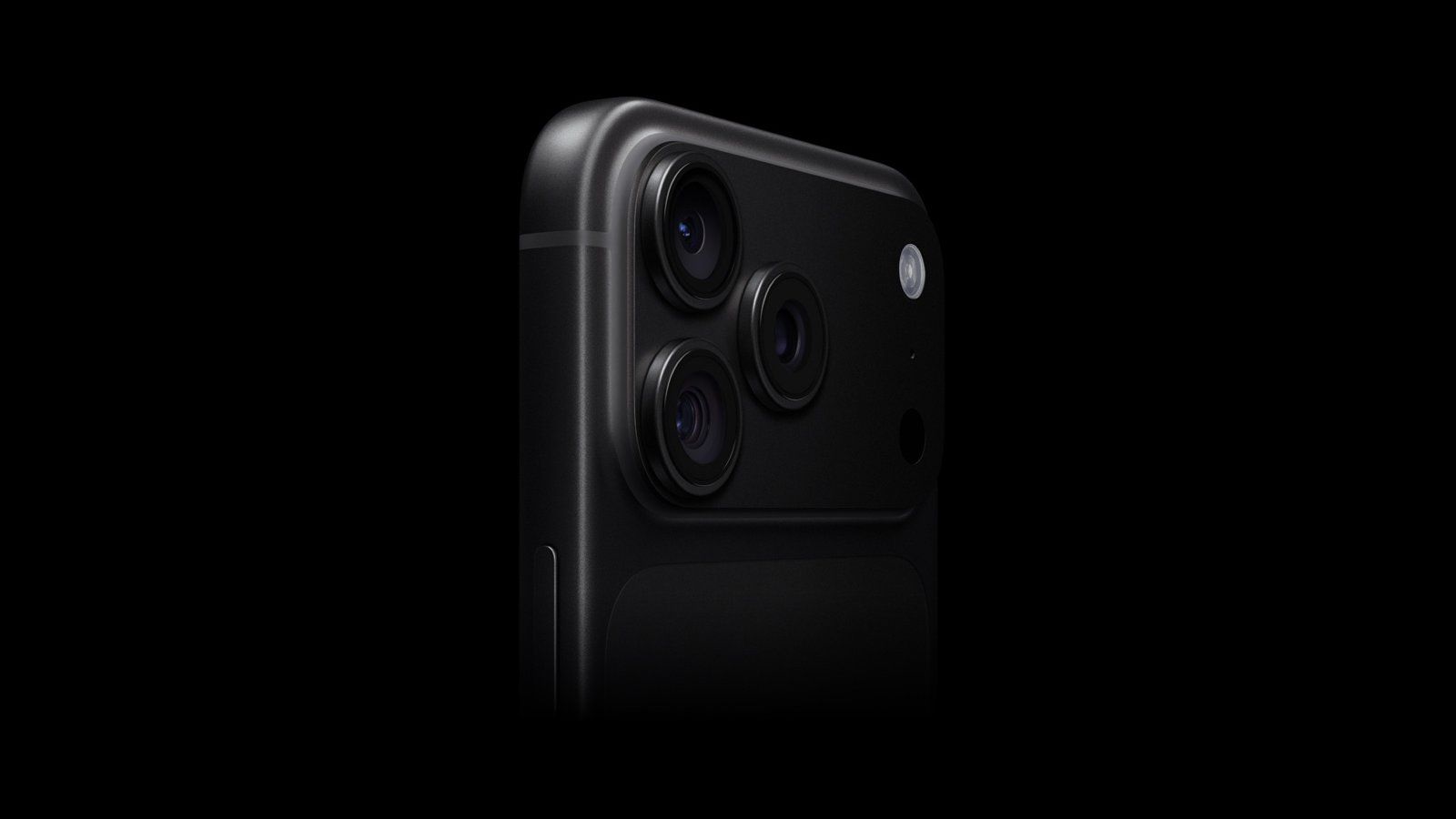
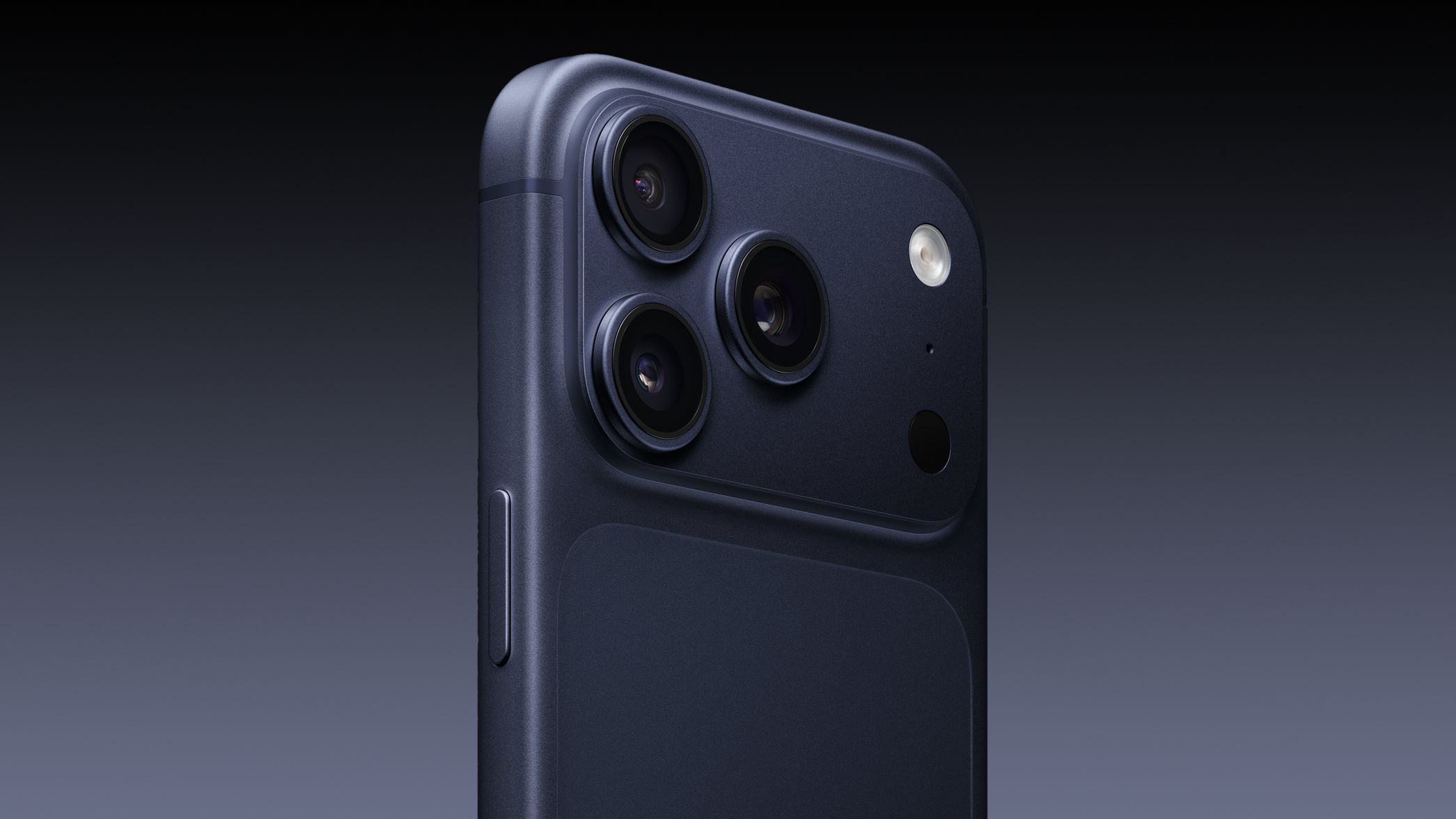
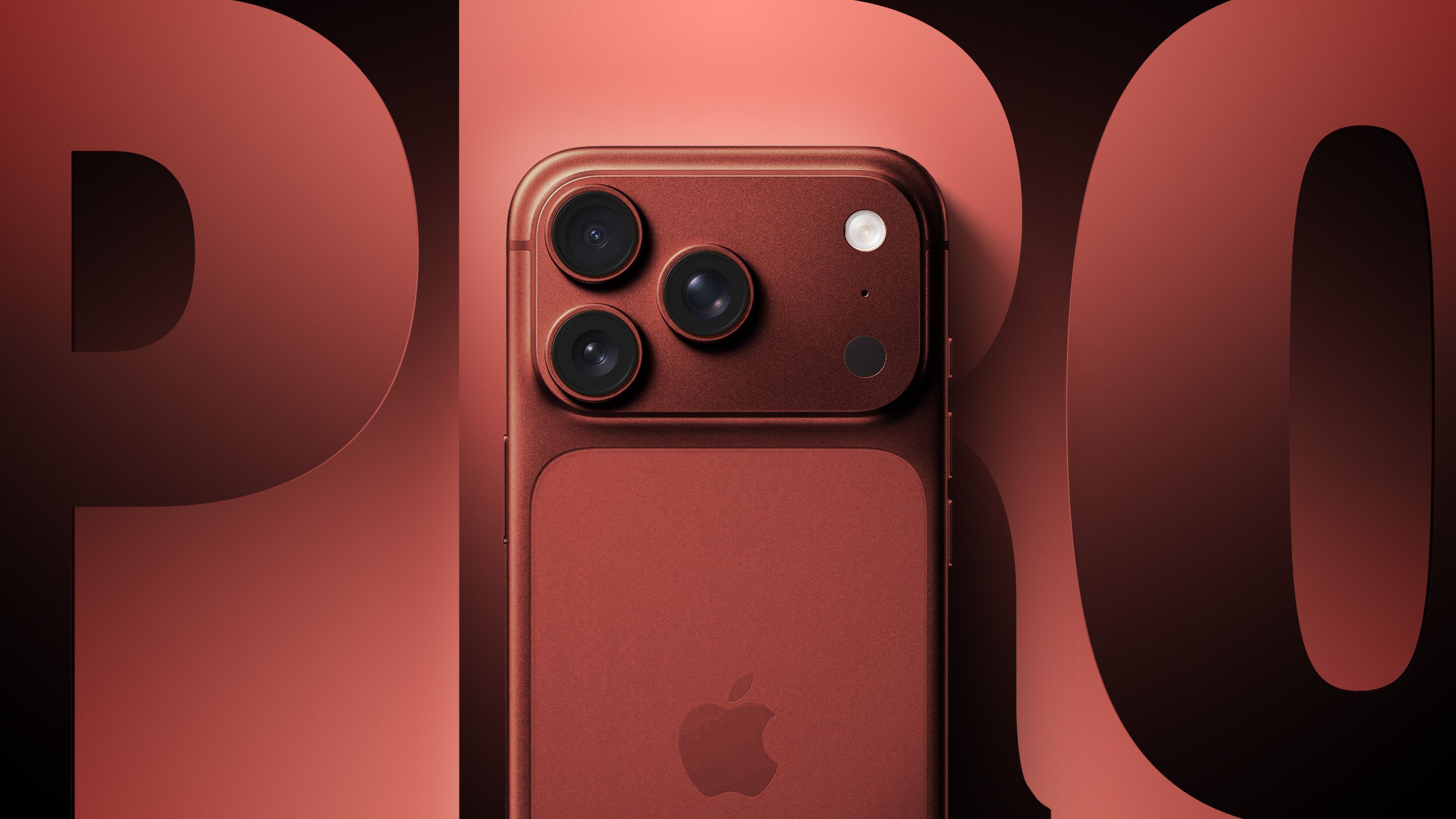
iPhone 18 Pro and iPhone 18 Pro Max pre-orders began today in the U.S. and many other countries. If you have yet to place a pre-order on Apple’s online store, you might face a longer wait now, depending on your desired configuration.
The first customers who pre-ordered right when pre-orders began at 5 a.m. Pacific Time today will have their devices delivered on Friday, September 18 launch day. As of 8:30 a.m. Pacific Time, though, select iPhone 18 Pro and iPhone 18 Pro Max configurations on Apple’s online store in the U.S. are now showing delivery estimates into October for new orders.
iPhone 18 Pro / Black / 256GB: September 18
iPhone 18 Pro / Black / 512GB: September 18
iPhone 18 Pro / Black / 1TB: September 18
iPhone 18 Pro / Black / 2TB: September 18
iPhone 18 Pro / Silver / 256GB: September 18
iPhone 18 Pro / Silver / 512GB: September 18
iPhone 18 Pro / Silver / 1TB: September 18
iPhone 18 Pro / Silver / 2TB: September 18
iPhone 18 Pro / Glacier / 256GB: September 18
iPhone 18 Pro / Glacier / 512GB: September 18
iPhone 18 Pro / Glacier / 1TB: September 18
iPhone 18 Pro / Glacier / 2TB: September 18
iPhone 18 Pro / Burgundy / 256GB: September 24-29
iPhone 18 Pro / Burgundy / 512GB: September 24-29
iPhone 18 Pro / Burgundy / 1TB: September 18
iPhone 18 Pro / Burgundy / 2TB: September 18
iPhone 18 Pro Max / Black / 256GB: October 6-13
iPhone 18 Pro Max / Black / 512GB: September 24-29
iPhone 18 Pro Max / Black / 1TB: September 18
iPhone 18 Pro Max / Black / 2TB: September 18
iPhone 18 Pro Max / Silver / 256GB: October 6-13
iPhone 18 Pro Max / Silver / 512GB: September 24-29
iPhone 18 Pro Max / Silver / 1TB: September 18
iPhone 18 Pro Max / Silver / 2TB: September 18
iPhone 18 Pro Max / Glacier / 256GB: October 6-13
iPhone 18 Pro Max / Glacier / 512GB: October 6-13
iPhone 18 Pro Max / Glacier / 1TB: September 18
iPhone 18 Pro Max / Glacier / 2TB: September 18
iPhone 18 Pro Max / Burgundy / 256GB: October 6-13
iPhone 18 Pro Max / Burgundy / 512GB: October 6-13
iPhone 18 Pro Max / Burgundy / 1TB: September 24-29
iPhone 18 Pro Max / Burgundy / 2TB: September 18
Apple Store pickup may still be an option for launch day depending on the model.
Inventory will likely continue to tighten for both delivery and Apple Store pickup as the day progresses, so order quickly if you are planning to.
Apple’s “Surprise and Shine” event kicks off today at 10:00 a.m. Pacific Time, where we’re expecting to see the foldable iPhone Duo, the iPhone 18 Pro and Pro Max, Apple Watch Series 12 and Ultra 4 models, new AirPods 5 earphones, and perhaps some other announcements.
Apple is providing a live video stream on its website, on YouTube, and in the company’s TV app across various platforms. We…
Less than a week before Apple debuts new iPhone 18 Pro models, research firm TrendForce estimated the prices of the devices based on the latest hardware cost environment.
TrendForce’s price estimates compared to last year’s models look like this:
Model
Starting Price
Model
Starting Price
Change
iPhone 17 Pro
$1,099
iPhone 18 Pro
$1,24…
Apple’s biggest event of the year is almost here, and all eyes are on Cupertino. With the first foldable iPhone expected to headline Apple’s “Surprise and Shine” event on Wednesday, September 9, at 10:00 a.m. Pacific Time, the rumor mill has been running full throttle, fuelled by the biggest single design change in the life of the iPhone.
To get you up to speed, here’s a quick reference…
Apple is working on a broader set of Camera app improvements in iOS 27 it has announced, according to a new deep dive from MacRumors forum member “pdfu.”
iOS 27 beta code apparently points to five features that could arrive alongside new iPhone models this week or in a future software update:
Exposure scopes: The Camera app can display a waveform or histogram to help judge exposure while shooting. A histogram shows how much of the image is too dark, too bright, or in between, while a waveform shows similar information but keeps it lined up with where those areas are in the frame.
Focus peaking and highlight warnings: New code overlays helpful information right on top of the camera preview. Focus peaking highlights the edges of whatever’s in sharp focus using a colored outline, while a separate overlay warns when part of the image is getting overexposed, using a solid color, a pulsing color, diagonal stripes, or a checkerboard pattern.
Repeated self-timer shots: Apple is adding the ability to take several timed photos in a row rather than just one. After each shot, the countdown starts again right away instead of waiting for the photo to finish saving, so the shots can be taken back to back.
Manual focus: A control for manually setting and locking focus, rather than relying on autofocus, has also turned up in testing, similar to what’s already available in Apple’s Final Cut Camera app. A version of this existed in iOS 26 with a focus slider, but that slider was removed in iOS 27 beta 1. The underlying focus-locking code is still there, but Apple has restricted it to devices that ship with iOS 27 or later, so it won’t work on any current iPhone.
Aperture-based image correction: A change to how photos are processed could be tied to a future iPhone with a variable aperture, a lens opening that can widen or narrow rather than staying fixed. iOS 27 can adjust lens corrections depending on the aperture setting, blending between up to four reference points to smooth out the results.
Although the hidden features could be made available to other iPhone models, the presence of aperture-based image correction when the iPhone 18 Pro is widely expected to offer a variable aperture main camera suggests that at least some of the capabilities could arrive with the new models.
Apple has added a new “iPhone Handoff” feature to iOS 27 that will allow you to switch between two iPhones while using the same phone number on each device.
This functionality was briefly mentioned during the WWDC 2026 keynote in June, on a slide that listed hundreds of new features coming in iOS 27 and corresponding software updates, but Apple never shared any further details at the time.
…
Less than a week before Apple debuts new iPhone 18 Pro models, research firm TrendForce has estimated the prices of the devices based on the latest hardware cost environment.
TrendForce’s price estimates compared to last year’s models look like this:
Model
Starting Price
Model
Starting Price
Change
iPhone 17 Pro
$1,099
iPhone 18 Pro
$…
Apple has announced that it will be holding an event on Wednesday, September 9 at 10 a.m. Pacific Time, with the company widely expected to unveil the iPhone 18 Pro, iPhone 18 Pro Max, its first-ever foldable iPhone, and more.
Other products expected to be announced at the event include an Apple Watch Series 12 with a ceramic case option, an Apple Watch Ultra 4, AirPods 5 with and without…
Apple takes its sweet time adopting a new trend or technology, but when it does, it delivers one of the best implementations ever. That’s exactly what everyone is expecting from the company’s first foldable. Call it the iPhone Fold or the iPhone Ultra, the Cupertino giant has more riding on this launch than perhaps any product launched in the last few years, and it could break cover later this year.
Apple has since confirmed its September 9, 2026 event date, with the tagline “Surprise and shine,” and sent invitations on August 26. The ‘surprise’ in the tagline could be a hint about the foldable iPhone. We’re now just days away from the iPhone Ultra’s expected reveal, and here’s everything you need to know about it.
iPhone Fold / Ultra: At a glance
Specification
Details
Name
iPhone Fold or iPhone Ultra
Apple yet to confirm the official name
Release date
Should be September 9, 2026
Availability possibly October–December 2026
Starting price
$1,999–$2,500
256GB / 512GB / 1TB storage options rumored
Form factor
Book-style fold (horizontal)
Similar to Samsung Galaxy Z Fold but with a wider aspect ratio when unfolded
Inner display
~7.76–7.8 inches, OLED
4:3 aspect ratio; near iPad mini-sized when unfolded
Outer display
~5.3–5.5 inches, OLED
Usable as a standard iPhone when folded
Crease
Near-invisible
Apple reportedly pursued elimination “regardless of cost”
Chip
A20 or A20 Pro
Based on expected September 2026 launch timeline
Biometrics
Side-mounted Touch ID
Face ID likely dropped to save internal space
Cameras
Dual rear (main + ultrawide), no telephoto
One front camera on inner display; one on outer display
Battery
5,000–5,500 mAh
Largest ever on an iPhone, per Weibo leakers
Frame material
Titanium and aluminum
Could use liquid metal hinge
iPhone Fold / Ultra: Latest News
August 26, 2026: Apple confirms its September 9 event.
August 24, 2026: Luxury customizer Caviar unveils several custom “iPhone Ultra” editions, priced from $13,840 to $18,840, months before Apple’s own official reveal.
July 11, 2026: A leaked regulatory filing suggests the iPhone Ultra uses a dual-cell battery (1,921mAh + 2,962mAh) totaling ~4,883mAh.
July 6, 2026: Apple reportedly raises its foldable production target to around 10 million units for the year, per Nikkei Asia; IDC pegs the average selling price at $2,500.
June 16, 2026: Bloomberg’s Mark Gurman reports Apple is already developing a second-generation foldable, codenamed V78, for a 2027 release alongside the 20th-anniversary iPhone.
May 26, 2026: A report by Letem světem Applem (via PhoneArena) shows the purported iPhone Ultra inside a protective case, revealing almost everything about the phone’s design.
May 26, 2026: A claim from Instant Digital (via Weibo) suggests that Apple is facing problems in improving manufacturing yields during the pre-assembly process. The issue is related to Surface Mount Technology (SMT).
May 19, 2026: Chinese tipster Digital Chat Station (via Weibo) shares that Apple could adopt a similar crease-free solution as Oppo Find N6.
May 16, 2026: Chinese tipster Instant Digital (via Weibo) claims that Apple has achieved a visually crease-free foldable display with “long-term stability.” The core problem, however, is improving the hinge reliability.
May 11, 2026: A report from MacRumors states that the first foldable iPhone could arrive in just two colors at launch.
April 7, 2026: After rumors about Apple hitting a development snag with the foldable, Bloomberg’s Mark Gurman pushed back by reinstating the September launch window.
March 16, 2026: Given that the device will run on iOS, and not iPadOS, it might miss out on some of the most popular apps or the advanced multitasking features built for iPads.
When will Apple release the iPhone Fold?
One of the most credible sources of information for upcoming Apple products, Bloomberg’s Mark Gurman, remains confident that the iPhone Ultra or iPhone Fold is on schedule for a September 2026 launch, at the company’s most important fall hardware event, which has also become one of the most important events in the consumer tech industry.
As mentioned earlier, Apple has confirmed its September 9 launch event. Although the devices haven’t been confirmed yet, we could see the iPhone Ultra join the two iPhone 18 Pro models at launch.
Apple has spent years watching from the sidelines, as Samsung, Google, and a couple of other Chinese companies reveal their foldables, and it wouldn’t risk revealing its first foldable through a separate event, one that might not have as much awareness or gather as much attention as its iconic fall event.
I believe the iPhone Ultra could be the last announcement, after the iPhone 18 Pro and iPhone 18 Pro Max reveal.
On the flip side, analyst Tim Long has flagged that shipments for the iPhone Fold might not begin until December 2026, implying the announcement and arrival could be separated by almost three months and corroborating a report by Nikkei Asia about Apple hitting development snags with the foldable related to engineering problems.
More recent reporting suggests the bigger risk is a staggered international rollout. Some supply chain sources claim that Apple might keep the iPhone Ultra US-only at launch. Buyers in other markets might have to wait a couple of months before getting their hands on it.
Date
Rumored milestone
Status
Sep 9, 2026
Announcement alongside iPhone 18 Pro and Pro Max
Confirmed
Sep 2026
U.S. availability
Likely
Oct–Dec 2026
Wider international rollout, potentially staggered by region
Likely
2027
Full launch pushed due to engineering failures
Now unlikely — production has reportedly been raised to 10 million units, suggesting confidence in the September timeline
I think it makes sense, and for one good reason. Releasing the foldable iPhone about three months after the regular iPhone 18 Pro models ship would give customers and Apple stores a chance to catch their breath, and, at the same time, create more hype for the foldable. It would also let people decide whether to spend a fortune on an iPhone that folds in half or settle for the Pro or Pro Max.
How much will the iPhone Fold cost?
On pricing, sources largely agree: the iPhone Fold won’t be cheap, not by a long shot. Ming-Chi Kuo places the starting price between $2,000 and $2,500, a range that Gurman seems to agree with. However, we’ve also heard rumors that the starting price could be less than $2,000.
Sonny Dickson
I believe a $1,999 starting price could be the sweet spot: high enough to reflect the technology but just below the psychologically daunting $2,000 ceiling.
A recent research firm, IDC, now expects an average selling price closer to $2,500, with top-storage configurations reaching $3,000 (via 9To5Mac). Apple has reportedly raised its production target to around 10 million units for the year, up from earlier estimates of 7–8 million.
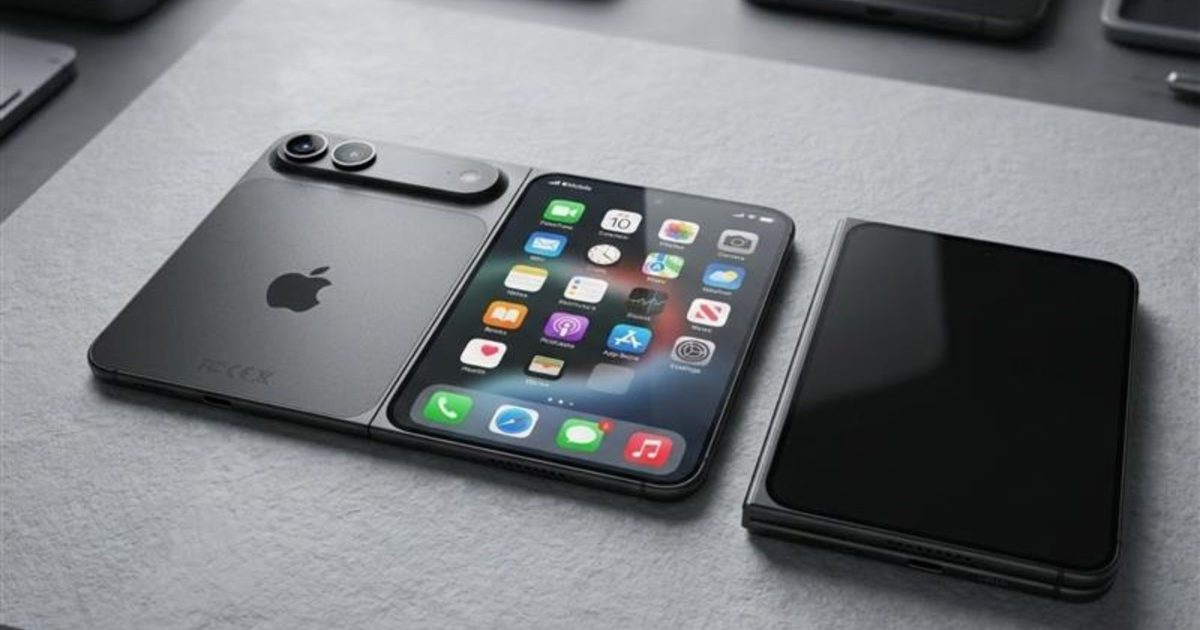
The dummy models Sonny Dickson shared on X in April 2026 make this immediately apparent. Both the cover screen and inner screen are noticeably broader than existing book-style foldables; Apple is clearly charting its own way.
According to Ming-Chi Kuo, the foldable iPhone could come with a 5.5-inch outer display and a 7.8-inch inner screen, both measured diagonally, both featuring an OLED panel. A MacRumors report goes further, citing specific resolutions: 2,088 x 1,422 on the 5.49-inch cover screen, and 2,713 x 1,920 on the 7.76-inch inner panel.
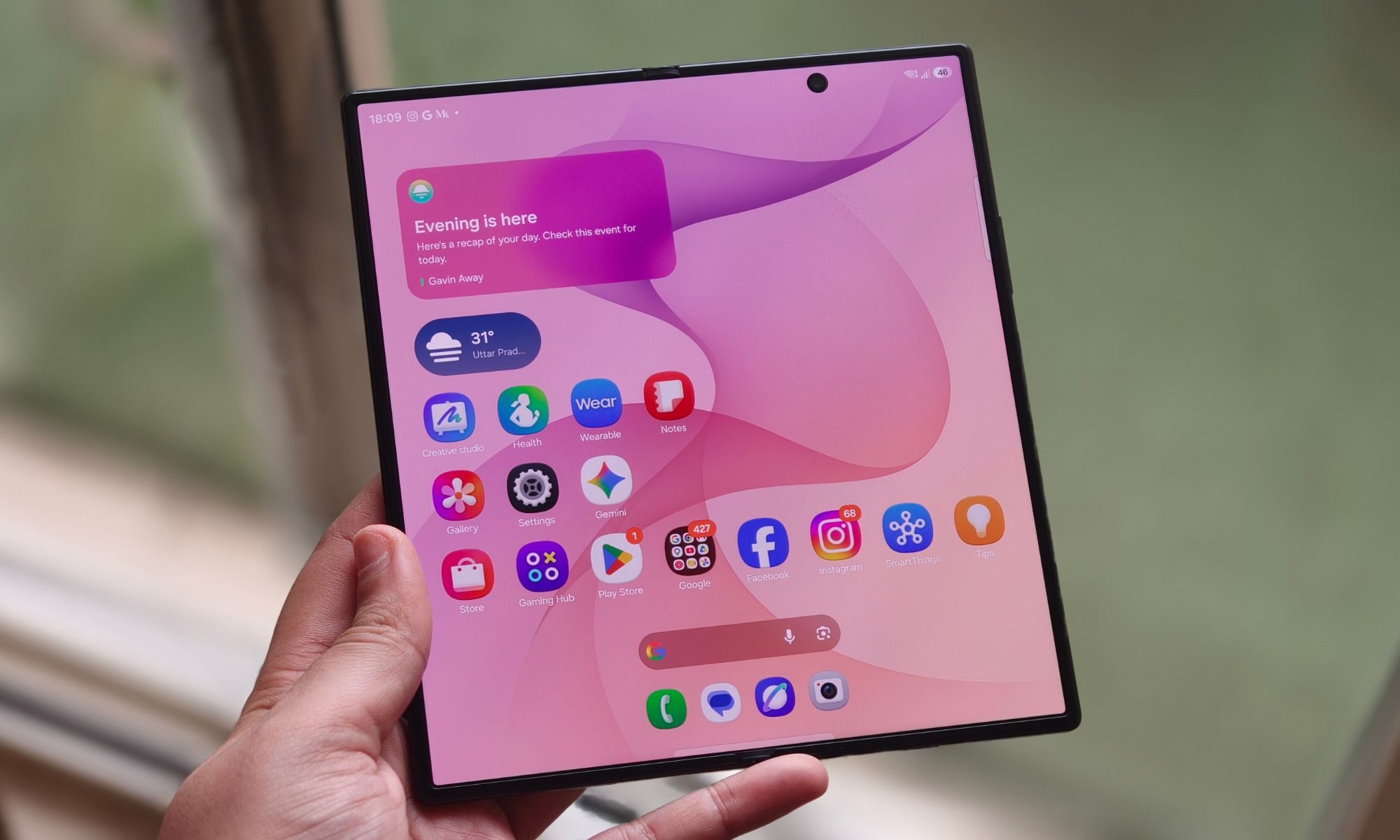
The inner screen could be closer to a 4:3 aspect ratio, as opposed to Fold 7’s 10:9, to better handle side-by-side app multitasking and video consumption without the black bars on the top and the bottom. While the inner screen could get Apple’s ProMotion display technology (up to 120Hz refresh rate), the cover screen could be limited to 60Hz, though that might not sit well with buyers who’re shelling out $2,000 for the smartphone.
yeux1122 / Naver
There should be a punch-hole cutout on the cover screen. The inner screen will also have a front camera, though whether it’s a punch-hole or under-display remains unconfirmed. On the back, the phone might feature a camera visor, similar to the one we’ve seen on the Pixel phones, with a double-camera array toward the left and an LED flash and microphone on the right side.
The frame could use a combination of titanium and aluminum. The most important design challenge, for Apple, is the foldable’s crease. On the crease front, Apple reportedly pursued a dual-layer ultra-thin glass structure and a liquid metal hinge to minimize it.
Prototype testing in May revealed a hinge rattling issue, but a follow-up leak on May 19 from DCS claimed Apple had since locked in both the hinge and panel design (via Notebookcheck), with the solution mirroring the near-crease-free approach used on the Oppo Find N6.
Shimul Sood / Digital Trends
On colors, the picture has narrowed. Leaked case and camera-protector leaks from Sonny Dickson point to silver/white and a darker blue or indigo option, broadly consistent with the “just two colors.” MagSafe remains a genuinely open question. Some leaked dummy units show no visible magnet ring, while later leaked third-party case designs include circular cutouts consistent with MagSafe magnets.
Performance and software
Under the hood, the iPhone Fold or Ultra will most likely run on one of Apple’s A20 chips, built on TSMC’s 2nm fabrication process. With more transistors on the chip, the chips could be up to 15% faster and 30% more efficient than the A19 series (via WCCFTech). Whether the foldable gets the regular A20 or the A20 Pro chip remains a point of contention.
Given what the company might charge for the device, customers will likely hold out for the A20 Pro chip; it doesn’t matter if it’s a binned version to control the performance and thermals. What’s less debated, however, is the packaging. Apple could use TSMC’s Wafer-Level Multi-Chip Module (WMCM) technology, which stacks RAM directly onto the chip wafer alongside the CPU, GPU, and Neural Engine.
The result could be faster RAM access, leading to better performance, less heat generation, and improved on-device Apple Intelligence performance. For those wondering, the iPhone Fold could ship with 12GB of LPDDR5X RAM, the same amount as the iPhone 17 Pro and the purported iPhone 18 Pro. Storage could span across three tiers: 256GB, 512GB, and 1TB.
On the connectivity front, we could get Apple’s second-generation C2 modem (same as the iPhone 18 Pro), the successor to the C1X modem on the iPhone 17e, which would also bring mmWave 5G support to the foldable. The device could also be eSIM-only, given the limited internal space.
As I mentioned earlier, the iPhone Fold or Ultra will most likely feature Touch ID instead of Face ID, a compromise that might sting at first, but given that fingerprint authentication is already present on existing iPads, it shouldn’t take long to get the hang of.
Out of the box, the iPhone Fold is expected to run iOS 27, and a special version of the operating system no less, built around utilizing the additional screen real estate on the foldable.
Apple
Like the iPhone 18 Pro, the iPhone Ultra will also run on iOS 27 out of the box. Alongside the new Apple Intelligence features, Siri AI, and deeper cross-app context already available in the public beta, the operating system update could also bring several improvements, particularly useful on a foldable.
Overall, split-screen multitasking could make the most headlines. Per reports, the phone should be able to run two apps side-by-side, perhaps with iPadOS-like layouts that better use the larger inner display. Code found in iOS 27’s beta version suggests that the software should be able to recognize whether the phone is open, closed, or positioned at a particular hinge angle.
Cameras and battery
On paper, the iPhone Fold or Ultra’s camera systems don’t look as good as the iPhone 18 Pro, or the iPhone 17 Pro for that matter, and for a device that might cost twice as much, that isn’t a trade-off worth ignoring.
The iPhone Fold is expected to come with two 48MP sensors on the back, similar to the baseline iPhone 17, one with a wide lens and another with an ultrawide lens. What’s missing here, you might ask? It’s the telephoto lens found on the Pro models, and I think it’s likely due to space constraints in the foldable’s chassis that Apple might not include a dedicated zoom lens.
A November 2025 JP Morgan forecast (via MacRumors) also claimed that Apple might drop the LiDAR module and optical image stabilization on the foldable. While the first might be okay, the second could be a dealbreaker, especially for a smartphone that costs around or over $2,000. If I were to presume, the company will lean on computational photography and the A20’s NPU to compensate for the lack of hardware.
The same forecast also says about a 24MP under-display selfie camera on the inner screen. Whether it will retain Center Stage functionality from the iPhone 17 series isn’t clear yet, and neither is the resolution of the punch-hole camera on the cover screen.
Here’s everything we know about the iPhone Fold so far:
– 5.5” cover / 7.8” inner display – Nearly invisible crease – Touch ID – Apple C2 modem – 48MP dual rear camera – 5400~5800mAh battery – iOS 27 with Split View
Talking about the battery, the iPhone Fold is rumored to ship with the largest battery on an iPhone, ever. According to Chinese tipster Fixed Focus Digital (via Weibo), the foldable could sport a 5,000 to 5,500 mAh battery, which, if true, could be bigger than the Fold 7’s 4,400 and the Pixel 10 Pro Fold’s 4,821 mAh battery.
However, a more recent, more specific leak from Digital Chat Station, citing a regulatory filing from Apple’s battery supplier, points to a dual-cell design instead, with two separate cells rated at 1,921mAh and 2,962mAh for a combined ~4,883mAh. But the figure itself is a step down from the original 5,000–5,500mAh estimate, and somewhat ironically, it would actually be smaller than the standard iPhone 18 Pro Max’s rumored ~5,567mAh battery,
The Razr Fold has a 6,000 mAh battery, but Cupertino’s foldable might beat it in usage time, mainly due to better hardware-software optimization and its chip’s superior efficiency. Initial rumors hinted at a silicon-carbon battery in the purported foldable, but none of the most credible sources have supported the notion.
Contrary to earlier rumors, recent pictures of the iPhone Fold, from a leaked case listing (via PhoneArena), suggest it might feature MagSafe charging after all. However, if that doesn’t happen, the iPhone Fold will be the first high-end iPhone to move out of the production line without MagSafe, since the iPhone 11 Pro, a genuinely baffling omission at $2,000.
Bottom line
The iPhone Fold is shaping up to be one of the most consequential product launches in Apple’s history, and one of the most expensive. While the company might actually achieve a crease-free display and create an ultra-durable foldable that passes the test of time, the compromises are hard to ignore, especially at an asking price north of $2,000.
Apple needs to do what it does best: stick to its core instincts and make the product work at all costs. With the September 9 event now locked in, we won’t have to wait much longer to find out if it does.
The iPhone 18 Pro, iPhone 18 Pro Max, and foldable “iPhone Ultra” could be in short supply this year, leading to long wait times and an initial sellout during preorders.
Semiconductor analyst Tim Culpan says Apple is having trouble getting enough DRAM to finish production of the new iPhone models, and chip supplier TSMC has $1 billion worth of unpackaged processors waiting on memory chips.
Apple’s new A20 Pro chips are built on TSMC’s 2nm process and use Wafer-Level Multi-Chip Module packaging to integrate the processor and DRAM at the wafer level. Unfortunately, that means TSMC needs to have the DRAM on hand for assembly, and it can’t be added at a later step. Apple is not able to stockpile finished dies and then add DRAM when it becomes available.
Apple and its assemblers think they can meet initial demand, but retail inventory could sell quickly, leading to prolonged delivery estimates. The chip backlog will delay main logic board assembly and final device assembly, which could impact production at Foxconn and other assemblers.
DRAM has been in short supply for months and has led to long wait times for the Mac Studio, Mac mini, and MacBook Air. Companies that make memory are prioritizing chips for AI data centers because those chips are more profitable, leaving little capacity available for manufacturing chips for consumer devices.
We’ve had ongoing rumors about manufacturing issues with the iPhone Ultra due to the complexity of the design, and supplies of the new foldable could be the most limited of the three iPhone models. Some reports suggest the foldable iPhone could be introduced in September and then launch later, in October or November, but others say it will be available at the same time as the iPhone 18 Pro and Pro Max.
The iPhone Ultra is going to cost as much as $2,500, but the novel form factor and Apple’s new Apple Upgrade pricing option could lead to more people being willing to shell out for the device. Apple is also expected to raise prices for the iPhone 18 Pro and iPhone 18 Pro Max, and analysts believe the devices could be up to $300 more expensive because Apple is paying more for RAM.
Last year, the iPhone Air, iPhone 17 Pro, and iPhone 17 Pro Max sold out during the preorder period, and shipping times extended into October. Along with potential production delays impacting supply, there will be no lower-cost iPhone 18 for people to choose this year, putting more pressure on iPhone 18 Pro supplies. Apple is not planning to launch the standard iPhone 18 until early 2027.
If you’re looking to get one of the new iPhone models in September, it’s a good idea to preorder right when the devices become available for purchase to have the best chance of getting one on launch day.