Avoid These Hardware Design & PCB Electronics Outsourcing Mistakes Made by New Startups


Outsourcing hardware design & PCB (printed circuit board) electronics refers to hiring a freelance firm or team of engineers, 3D designers, and developers to manufacture a product’s physical electronic system rather than creating it in-house. For different startups, outsourcing hardware design and PCB electronics is quite common and considered a best practice, especially for those that do not have any electrical engineers on the team. Outsourcing these processes to specialized experts can accelerate development while reducing overhead costs associated with hiring a full team. Also, experienced design firms and specialists can prevent costly trial and error. 

If you are in the business of consumer and industrial gadgets, smart home devices, wearables, medical electronics, digital automation systems, and more, outsourcing may just be what you need. There are numerous engineers and other specialized teams that offer outsourcing services to different startups. As an external service provider, Cad Crowd can connect you to a team of world-class quality engineering designers and contractors that will fit your specific design and manufacturing needs. But before you make the move to outsource for the first time, here are some mistakes that new startups typically make and how you can avoid them. 

1. Choosing the suppler with the lowest quote 

Big savings now may lead to bigger expenses later. There are many factors to consider when looking at the price. First is the experience, if the team can execute well according to your specifications. Second, cheap design does not necessarily mean good quality. You don’t want to end up with a product where everything was done haphazardly and rushed. Third, a quote can be very cheap because not all costs are upfront.

You may end up paying for a lot of hidden costs for any type of rework or troubleshooting.  Always keep in mind that redoing a product from scratch, as well as any delay, is more expensive than executing it correctly on the first run. Choosing the cheapest product design firm can affect your product, launch schedule, and most especially your budget, so always weigh your options carefully and choose wisely. 

RELATED: How to Price a New Consumer Electronic Product for Profit on Hardware Manufacturing Cost

2. Having no detailed product specifications 

Suppliers are not magicians. You cannot just order a product without clear, specific requirements and expect it to deliver exactly what you want. For a startup, it’s a rookie mistake to expect your supplier to know the ins and outs of your product, especially when it comes to technical electronic specifications like power consumption and requirements, outdoor or indoor usage, and even local regulations.

The moment there are gaps in the details, suppliers often tend to make their own adjustments. This can lead to possible multiple revisions and redesigns along the line. Remember,  every redo and rework and every week of delay will potentially cost you thousands of dollars, so always note down and document every single specification detail of the product. 

3. Not designing for mass production 

Design for Manufacturability (DFM) services are more important than you think. Your PCB prototype can work perfectly, but it may not work for mass production. The layout should always be fit for manufacturability. All the tiny specifications such as tight spacing, dense layouts, and poor planning of panels may result to issues that go beyond the capacity and capability of factories.

Also, if the proposed components are difficult to source, it becomes a major issue in the manufacturing process. Always keep in mind all manufacturing requirements when designing the layout and the system itself. If the PCB or hardware design is not scalable for mass production, this will cause delays in the product launch, increase per-unit costs, and reduce yield. 

RELATED: Guide to New Electronics Prototyping for Hardware Startups & Design Companies

4. Non-availability of all parts and components

Before going to production, startups need to ensure that the design prototype includes all parts and components that are readily available at any time. The supply chain is one of the key parts of the manufacturing process, and missing parts will stall the entire production for months on end. Make sure to verify that all parts are not obsolete, have a short lead time from order to delivery, and are sourced from a single, credible source. 

If parts are unavailable, the PCB design team must create a completely new PCB layout. Then, there’s the problem with reapplying for another round of certification, which will cause additional delays. Lastly, any additional parts would require a firmware rewrite to ensure compatibility with the entire system. Choose the right parts and make sure they are readily available anytime, at all times. 

PCB design services

5. Assuming that the first PCB prototype already works 

Any type of hardware always requires and needs several iterations. The first revision of any prototype is never perfect. Failing to plan for multiple revisions will prove very costly down the line. Never assume that the first one works immediately without any problems. The real scenario is that Revision No. 1 is when the electronics design team discovers major issues. Maybe there are faulty components, relay disconnections, gaps in the system, etc. Revision No. 2 is where any functional issues are fixed, such as parts not working together properly. Even that’s not enough, because Revision No. 3 is when the system’s performance can be optimized with additional tweaks.

These iterations are also when you can assess manufacturability and determine whether the product is ready for mass production. At the beginning of the design process, always include in the timeline and the overall budget considerations for multiple revisions and iterations. This ensures that your startup will either burn through funds or experience delays in the product launch, which can definitely result in your investors being frustrated or displeased. 

6. Lack of communication with outsourced suppliers

Before choosing the right team of external engineers and PCB designers to work with, make sure that you are prepared to communicate with them regularly. Have an organized communication system in place to share important files and documentation, update and review each other weekly, create logs for every approval and revision, and more. Creating a product requires very precise, no-fail coordination between the firmware and the hardware.

Clear communication must be maintained at all times to control the various revisions and iterations being applied. Also, having an open line between the startup team and the outsourced team will make it easier to quickly manage and resolve any issue that become escalated. It is critical to avoid any miscommunication to prevent major issues such as pin assignments out of place, incorrect voltage rails, or firmware that is completely incompatible with the hardware being designed. 

RELATED: Cost to Design a New Electronic Product, Develop PCB Hardware & Prototype Rates at Firms

7. Not securing ownership of the product source files 

It would be a massive problem if you do not gain ownership of the original design files. Here is a list of the important files you need to secure after working with any outsourced supplier: Full schematic design, PCB layout files, the Entire library of parts and components, and the Complete source code for all installed firmware. Why should you ensure that all these design files are in your possession? Because if you change suppliers or hire an entirely new design engineering team in the future, they do not need to create revisions or reworks from nothing.

Without the source file, revisions and redesigns would have to start from scratch, which can waste many months on rework on an existing product design. Even worse, if you try to request the original file from the previous supplier, you will likely have to pay very high fees to access it. Always ensure that ownership your own product’s design is very clearly stated in the contract to save yourself. 

8. Putting off compliance certifications 

All electronic products must be certified to ensure they operate safely and do not harm users or the environment. One thing about startups is that they always focus first and foremost on the design and remember to comply with necessary EMI/EMC and Certifications later on. One of the most important things that startups need before you can proceed to market a product is to comply with all necessary certifications that declare your product as up to global standards. 

But what if the product fails to meet EMI (electromagnetic interference), which ensures that the device does not produce unwanted emissions, or EMC (electromagnetic compatibility), which ensures that the product works properly? Then your product will have to undergo a major revision in the PCB layout and a total overhaul and redesign. Fixing these technical problems is a long, drawn-out process that costs a lot of money. So, even when planning the entire system from the beginning, always consider the compliance requirements.  

RELATED: Top 51 Websites to Hire Freelance Eagle PCB Designers & CAD Engineers for Electronics Design

9. Not planning for testing 

Designing a PCB with no plan for testing is a formula for disaster. Engineers should always design a PCB with a plan of how to test it, making sure that these are included in the initial prototype: multiple test points to check the signal, programming connectors where firmware can be uploaded, built-in access points to test chips, and plans on how to verify boards before they are shipped out. If you cannot test a board, it will be very difficult to identify faulty or defective boards, which part or component is defective, and why the defect occurred in the first place. This results in a lot of boards getting thrown away. Another problem is that it would be very difficult to troubleshoot and debug.

If there are no access points on how to check, the design engineering team would have to dismantle boards piece by piece, and waste so much time trying to guess what the issue is and where it is. Another worst-case scenario is that if boards are not tested before shipping, customers will discover the problems at home. This results in product returns, and in the end, the reputation of your startup and its products will feel the backlash.Always design your PCB’s schematics and layout with a plan to test it first. 

hardware design company

10. Not consolidating the firmware and hardware

The hardware is the physical board, while the firmware involves the software that runs inside the chip. Both are not independent of the other and must be taken together. It’s not uncommon for startups to outsource to different suppliers for hardware design and software development. This is not a problem if there is early communication and collaboration because anything related to hardware has a direct connection with how the firmware works. 

The problem with hardware and firmware not being in sync from the start is that when issues crop up, the PCB assembly team needs to make a new board, rewrite all the firmware, build totally new prototypes, which, of course, costs thousands of dollars. Even before actual layout design begins, both hardware and firmware teams must consolidate and integrate their work processes to ensure smooth outcomes. 

RELATED: Top 100 Electronics Design Companies to Create Prototypes for Hardware Startups

11. Setting unrealistic time schedules and deadlines  

Startup founders need to remember that software and hardware do not follow the same timelines. Hardware design involves many physical processes, such as planning the architecture, designing schematics and PCB layouts, procuring materials, fabricating prototypes, testing the product, and fixing and revising it. This process flow for the hardware alone takes months. Unlike software, which involves coding and testing, a physical PCB cannot be updated in a couple of minutes. Fabrication depends on the lead time provided by the manufacturer or factory.

This lead time also depends on the shipment schedule of the parts and components, which can be easily affected by climate and weather disturbances or by any problem in the supply chain, including political issues. Therefore, the timeline must always depend on the hardware schedule. Setting unrealistic timelines can result in the investors losing trust and confidence in your electronic product design company. If schedules are not laid out clearly, the teams will burn out from stress. Always plan accordingly based on the hardware design process. 

12. Lacking a sustainable manufacturing plan

Most startups focus a lot of energy on a successful, working prototype, but sometimes forget how to scale their product. The ability to transition to the manufacturing and mass-production stage is often overlooked. Thus, startups should remember that the actual product must be easily scalable, even when produced in the thousands. Some important things to keep in mind are to first choose the right manufacturing partner. Make sure that your partner’s factory is experienced in handling fine electronic components, assembling high-speed PCBs, and is able to maintain quality control despite the large-scale production.

Working with the right contract manufacturer is an important factor for success. Prototypes are sometimes assembled by hand, but mass production is created through automated machines. If your design easily falls apart on the assembly line, it means your manufacturing plan has suddenly become too costly. Lastly, don’t forget that particular parts and components might no longer exist in just a few years. Always plan for alternatives and secondary sources once the original ones become obsolete. 

RELATED: What are the Costs for New Hardware Product Design, PCB Prototyping Rates, and Services Pricing?

What makes a healthy outsourcing relationship?

Before outsourcing hardware design & PCB electronics to an external pcb layout design team, take note of these important guidelines to ensure positive outcomes.  

Scope of work and list of deliverables

You should always clearly indicate what the supplier will design, along with a complete list of features and performance goals. Also, the limitations and what is not to be included must also be stipulated. The number of prototype revisions should be clearly stated, taking into account the number of iterations and revisions required for the design (see section 5). The deliverables (schematics, PCB layout files, firmware files, test plans, etc.) must be clearly listed, along with a timeline with reasonable lead times and deadlines. Lastly, the ownership of the IP and design source files must already be identified at the beginning.  

Organized communication 

A strong and healthy relationship with the outsourced supplier is defined by regular updates. Having an open line of communication where all parties collaborate in a shared space is also critical for the engineering design team. There should be weekly coordination and review, as well as a platform to track and log all hardware and firmware decisions and approvals. 

Discussion of potential risks

Always bring up potential risks with your outsourced supplier, including the availability of the parts and components, any concerns about temperature, issues on EMI, compliance with regulations and requirements, and, of course, the cost versus the actual performance. Discuss these things openly and develop strategies to manage them immediately. 

Collaboration between hardware and firmware

If you outsource these two things separately, make sure coordination and collaboration start from Day 1. The software engineers responsible for the firmware should review the schematic design very closely. Technical details, such as pin assignments and even power modes, are reviewed early and approved together. Before the actual PCB layout, integration planning has already been done. 

RELATED: Best 49 Sites to Hire Altium Designers & Freelance Engineers for Electronics PCB Engineering

electronic device design services 3

Design for manufacturing

Make sure your outsourced supplier already has mass production and manufacturability in mind. The 3D engineering team needs to consider how to scale and produce in bulk even during the layout design stage. They know how to choose parts and components that are always available with a steady and stable supply. Test points are a must during prototyping, and that prototype must be ready to scale up and be mass-produced anytime. 

Clear breakdown of costs

To ensure a transparent relationship with your outsourced supplier, make sure that you understand the cost of engineering, the cost of prototype, and the costs of future revisions. Always ask for a breakdown of every single expense throughout the entire process. 

Turnover and ownership of files 

Your outsourced supplier must be willing to provide you with the following design source files: native schematics, PCB layouts, component library, source codes of firmware, and manufacturing files. You should never be held hostage by your supplier.

Outsourcing quick tips and checklist

  • Have a clear product specification. Be as detailed about the product as possible 
  • Know your target costs. Set them early to ensure achievable targets. 
  • Know the estimated volume of production. 
  • Understand certification requirements. Compliance is important to meet international standards. 
  • Set a realistic timeline. Make sure all schedules and deadlines defer to the physical design of hardware.
  • Check outsourcing suppliers’ previous experience. Have they previously designed something similar?
  • Ensure the supplier understands the process of contract manufacturing and mass production. Can they create a prototype that is ready for manufacturing and shipment? 
  • Clearly state ownership of source files. All files should be turned over to you.

RELATED: Best 31 Sites to Hire Freelance KiCAD Designers & PCB Electronics Engineers for Companies

Choosing the right outsourced team that fits your startup

Having a solid and reliable outsourcing partner for hardware design and PCB electronics is essential for every startup’s success. Outsourcing the product concept design services and development of your hardware can be very beneficial for your startup, saving you resources, time, and costs in the long-term. However, a successful partnership begins by selecting the right team of engineers and designers to fulfill your outsourcing needs. The solution to all your hardware design outsourcing problems is Cad Crowd.

They provide a one-stop shop for all the specialized expertise required who can help with electronics such as electrical engineers, PCB layout designers, software developers for firmware, consultants for manufacturing design, and more. You get access to a vast network of freelance experts and professionals whose skills and experience match exactly what your product requires to get from concept development to being ready to market. Cad Crowd vets and selects each one of their possible freelance candidates so that you won’t make the costly mistake of outsourcing to someone who does not fit your project.

Cad Crowd prevents that by giving you access to multiple engineer profiles and portfolios where you can review previous work, check feedback from other clients who have outsourced with them. Even better, you can communicate with CAD engineering candidates before actually going into a contract of commitment. Because sometimes it’s not just about choosing the team members with the best technical background, but also someone who can fit in with the culture of your startup.

At the early stages of any startup, being cost-efficient while maintaining a high standard of quality in every product is critical to long-term success and survival. Having a complete in-house team for hardware design & PCB electronics can be very expensive. Not only do you have to think of salaries, but licenses of software, as well as equipment for research & development is needed as well. That’s a lot of overhead costs when you’re in the early stages, where the budget is limited. 

RELATED: Hiring the Best Electrical Engineers & Freelance PCB Designers

How Cad Crowd can help

With Cad Crowd, you have access to all these resources for hardware design and firmware development without any requirement to provide them with permanent employment. This allows your startup to remain flexible yet effective, being able to pivot whenever needed as your startup evolves. The best thing about Cad Crowd, you are not limited to your region.

You can connect to skilled electronic engineers from all over the world, giving you more options to hire someone who has the exact experience with your product, whether it is something similar or even more complex or specialized. Transform your innovative product concept into a very real and reliable tangible electronic product with the right outsourced supplier from Cad Crowd’s network. Contact us for a free quote.

author avatar

MacKenzie Brown is the founder and CEO of Cad Crowd. With over 18 years of experience in launching and scaling platforms specializing in CAD services, product design, manufacturing, hardware, and software development, MacKenzie is a recognized authority in the engineering industry. Under his leadership, Cad Crowd serves esteemed clients like NASA, JPL, the U.S. Navy, and Fortune 500 companies, empowering innovators with access to high-quality design and engineering talent.

Connect with me: LinkedInXCad Crowd

IoT Electronic Device Design Tips for Startups Working With Electronics Engineering Companies


Todays post covers IoT electronic device design tips for startups working alongside electronic engineering firms. If you’re a startup itching to show the world its next Internet of Things behemoth, getting from concept to working prototype can be hiking through a jungle in flip-flops. There are thick stands of technical decisions, shadowy swamps of cost estimates, and herds of design niceties that will bring you to a standstill. Salvation is at hand, though, in making the journey a much less painful one, and yes, enjoyable as well.

One of the smartest things that any IoT startup can ever do is marry the old with an established design engineering company. They’ve ridden out the storms that you have not yet. They’ve done it with the advantage of seeing an idea materialize with the limitations of tight deadlines and tighter budgets. A platform like Cad Crowd facilitates your ability to carry out such a search since you can connect with pre-screened electronics design firms for IoT devices. Rather than shooting in the dark as to which company has the potential to transform your idea into a product, you get to hire the services of people whose skills have already been vetted.

RELATED: What is the Internet of Things and What Does It Mean for the Economy?

Begin with a vision

Startups do their best to differentiate themselves to the world. Your idea is obvious to you, but there isn’t a living electronics engineer who can read your thoughts. Spend a few minutes before going to an electronics engineering company to put down your product’s mission, target audience, and primary functions. Plain English is good enough. Sketch out your ideas. Ridiculously horrible stick figures are okay.

When you arrive at a company via Cad Crowd or otherwise, an explicit brief will initiate a successful collaboration. A grimy concept can lead to costly reworking in the future. Think of providing a map to a man whose points of reference have been eliminated and then instructing him to find buried treasure. A great concept saves everyone a headache.

Love the prototype, do not be afraid

The prototype phase is intimidating, especially to shoestring business owners. But to bypass it or do it on the cheap is to skydive for the first time and try out a parachute. A thought-out prototype catches pitfalls early when they cost less to repair and sting less. Electronics engineering companies are proficient in quick prototyping. They will inform you on what to utilize, how to lay out your PCB, and how to get your IoT device to speak. Cad Crowd will identify designers who make things right in an effort to deliver functional prototypes that mimic actual usage.

That is where you get to have a look at your idea transition from napkin sketch to something that you can hold in your hands, press buttons on, and even maybe have the potential to take to investors. Budget frugal but not cheap startups are not short on dollars, and the quickest way to kill an IoT device is to cut corners financially. Cutting corners on electronics design services results in devices that burn out, have awful battery life, or are flaky with connectivity. IoT electronics designers can save money without losing functionality.

RELATED: Smart Manufacturing Using CAD Design is the Future for OEM’s

With Cad Crowd, you are paying the experts to guide you on what microcontrollers, sensors, and communication protocols will suit your product best. They are able to provide you with affordable solutions that don’t have to compromise on functionality. It is getting an experienced chef to inform you which costly ingredients to splurge on and which one can use cheap ingredients that won’t ruin the dish.

Respect the power of the PCB layout

Printed circuit boards are the brains of IoT stuff. A poorly done design will generate signal interference, unnecessary heat, or parts that won’t fit in your go-to enclosure. If your PCB is spaghetti on a bumpy road, you’re asking for disaster. PCB design companies spend years learning to design PCBs. They know how to route the traces, power distribution and electromagnetically design the board. Having experts locate experts to source through Cad Crowd is like hiring experts to turn your messy sketch into a functioning board. Good layout is obvious when it works but painfully obvious when it does not work.

Test like your startup’s life depends on it

Testing isn’t sexy. Nobody’s bragging about hours spent agitating products on a vibration table or baking them in humidity chambers. But testing prevents products that look fabulous on photo shoots from being products that merely endure real-world abuse. Your IoT product can get beaten up by temperature shock, radio frequency interference, or careless users who fiddle with devices as if they are stress balls. With a seasoned electronic enclosure design firm on your side, you will be able to design test cases that mimic abuse conditions. You can tap into teams that have abused a product to the nth degree and gained something from the experience via Cad Crowd. Solid testing is translated into fewer returns in warranty and ranting customer complaints. 

RELATED: Electronic Enclosure Design Tips: A Complete Guide from Freelance Engineers and Design Services Firms

3D Printing and Design Services for Wearable Technology

Security cannot be an afterthought

There simply are too many IoT devices appearing on store shelves with poor security. Uncured devices are catnip to cyber thieves, big open doors into networks and data. You don’t want your coffee machine to be part of a legion of botnets. Address encryption, authentication, and secure firmware updates with your engineers early in your design cycle. If you’ve got a solid team of engineers to work alongside using Cad Crowd, you’ll have access to engineers who are knowledgeable about today’s best practices in security and can bake those in from day one.

Security patches cost tens of times more dollars after you’ve shipped your product than before a breach made the headlines. Think about the User Experience. Even the most advanced device is pointless if it is hard to use. A poorly designed interface or misplaced button can kill your IoT device faster than a firmware flaw. The human element counts.

Design services for the Internet of Things (IoT) products can collaborate with user experience designers and industrial designers to detail every aspect. They can communicate the LED positions, choose tact switches, and make it easy to pair the product with an app. Cad Crowd also employs designers who understand design as well as they understand engineering. They can help you design a product that will make users enthusiastic and not drive them crazy.

RELATED: 7 Tips for Product Designers Creating IoT Products for Millennial Customers

Plan for scalability

Most start-ups develop a prototype and wish that scaling up were as easy as pie. The reality is that manufacturing thousands of units gets you issues you never even realized when hand-soldering. Parts obsolesce, assembly turns out to be more complex than expected, or certifying standards catch you off guard. Seasoned consumer electronics design experts will also consider manufacturability during design time. They can design your IoT product keeping the manufacturing process in mind and selecting volume available parts and assembly-friendly layouts. You can leverage experts who have guided products from idea to mass production without sour surprises using Cad Crowd.

Be open to criticism and flexibility

Startups become enamored with the fact that they innovated and won’t alter. There needs to be flexibility when developing IoT. Your initial testers or engineering collaborators may find better alternatives through feedback. Perhaps that costly sensor can be substituted with one that costs half as much but has equal efficacy. Perhaps some minimal adjustment to your casing renders it more robust. Engineering design companies survive on iteration. They’re not present to murder your idea but to refine it. Cad Crowd lets you get the experts easily who would adore your ideas and provide genuine feedback. Having an open mind, you can avoid expensive pivots in the future. 

Know regulatory requirements early on

IoT products most commonly need to get certified with CE, FCC, or UL in order to sell them. Holding them to the end will blow your budget and timeline. IoT-proven engineering expert designers will handle compliance testing and paperwork for you. They know what is current when it comes to standards and how to set up your hardware so that it will succeed on the first attempt. You can navigate your way through the regulatory thicket easily without getting lost with Cad Crowd’s pre-approved designers.

RELATED: The Future of Wearable Technology: Trends Impacting Business & Product Development

Let power management be at the forefront of your mind from day one

Battery drain is a real customer disappointment. Regardless of whether your IoT device is a fixed location or in motion, power management optimization must occur. Well-designed circuits and well-designed parts will maximize part selection for optimal battery life without feature compromise. Cad Crowd can assist you in hiring electrical engineering experts in low-power designing and provide suggestions for optimizations that you can implement. They can assist you in designing around different power sources, such as energy harvesting or solar panels, if these would be possible in your product application.

Documentation is dull, but it’s the future savior of debugging and development. Decent documentation allows for simple addition of new people, simple modification, and avoidance of costly mistakes. Electronics engineering firms typically have procedures for creating thorough documentation. With Cad Crowd, you will be assured of schematics, code, and assembly instructions for your IoT device to be as clear as day and understandable within seconds. Your future self and even investors will thank you.

Choose the appropriate connectivity protocol

Not everything needs Wi-Fi, and not everything will be happy to employ Bluetooth. Roller skating mountain climb is the wrong selection of protocol. Your CAD automation engineer will be able to weigh the trade-offs involved in such selections as Wi-Fi, Bluetooth Low Energy, Zigbee, LoRa, or cellular. When looking for Cad Crowd professionals, you find professionals familiar with how power consumption, range, and bandwidth affect the functionality of your product. They will save you from signing up for a protocol that will drain the battery or does not work in your desired environment. Sound decision-making here avoids you suffering and customer complaints down the line.

RELATED: Top 100 Electronics Design Companies to Create Prototypes for Hardware Startups

electronics design services

Do not underestimate industrial design

Electronics is half the battle. Your product’s case, controls, and overall interface lead into the experience. A great circuit board in a sloppy case is better than five-star dinner on a paper plate. Electrical engineering companies collaborate with industrial designers in most situations, and you can access their services within your fingertips at a single stop through Cad Crowd’s website. Enclosure aerodynamics can enable improved cooling, easier assembly, and optimization of your product once the market is saturated. Small design changes, tactile grip or well-placed LED, for example, can propel your device to the next level.



Firmware development deserves serious attention

Firmware is the hidden glue that should keep your IoT thing running. Shitty or sloppy firmware solution injects bugs, crashes, or security vulnerabilities. Do firmware development as well as you do your hardware design. Cad Crowd can locate design engineering designers with IoT firmware skills on your behalf. They can optimize low-power devices, securely deploy over-the-air software updates, and accomplish solid error handling. Solid firmware equals less customer support limbo and happier customers.

Budget for certification and compliance costs

Certification testing is costly and time-consuming, too. Startups consider it an afterthought in the majority of instances and fail to start early. Organize your engineering personnel and make an early choice about what certification you need. Cad Crowd introduces you to the professionals who have already overcome these issues. They will be designing your PCB and enclosure with minimal or zero redesign time so that they are ready for the test. On budget and timeline will make your investors happy and your timeline will be realistic.

RELATED: The Future of Electronic Design Engineering: Innovations and Trends for CAD Services Companies

Have open and frequent communication

The best alliances are based on communication. Regular reports, open questions, and open feedback stop small things from becoming catastrophes. Don’t be caught thinking everything is okay just because no one is complaining. When you employ engineering designers on Cad Crowd, you are confident that you are employing people who believe in clarity. They will catch and warn problems ahead of time and work together to resolve them. Communication prevents everyone’s stress and expense.

Get your team involved in the design process

Even if you’ve had that much work done by an electronics engineering company, your people need to be kept busy. Your sales, marketing, and support staff can recognize user requirements or business requirements that may not be obvious to engineers. Cross-function feedback is encouraged not to narrow down one’s mind. Cad Crowd allows one to search for designers willing to work with non-technical stakeholders. Their capacity to listen to various inputs can shape a product that suits your technical and market requirements.

Prototype multiple variations

Occasionally, the initial prototype is perfect, until you employ it and find bugs that never crossed your mind. With two or more iterations, you can compare usability, speed, and price compromises. It offers investors and potential customers choices to choose from as well. Cad Crowd prototype design experts are masters at prototyping inexpensively in iteration cycles. They can test various components, configurations, or shape variables so that you have the information you need to make more informed decisions. Messing around with other solutions too early will prevent you from expensive pivots down the road.

RELATED: Key Differences between Prototyping and Prototype Engineering for Companies & Firms

Control your supply chain early

The electronic global supply chain is as volatile as it is risky. Materials go out of stock, lead times stretch out, and overnight prices inflate. Anticipatory sourcing keeps your project from lagging behind. With Cad crowd product engineering experts, you will be able to tap into their spares and good supplier know-how. They can produce your IoT product in a flexible manner to stay away from production bottlenecks. Planning the supply chain ahead of time is boring, but it is the pathway to successful scaling. Do not compromise on aesthetics and branding.

IoT product is your heritage brand. Starting from color, form, and material you choose can establish the image you make for your customer. Branded product consideration ahead makes it happen and makes your product stand out from the rest. Cad Crowd will allow you to have the designers themselves, who are branding and engineering experts, work for you. They will have them design enclosures for you with your logo on them, choose LED colors within your color scheme, and make your product look as good as it performs.

Guard your intellectual property early

Your IoT idea must be sufficiently good to get noticed, i.e., sufficiently good to outsmart copycats too. Having your intellectual property established in advance will save you headaches later on legally. Talk to a patent lawyer or use something like Cad Crowd to submit your design to designers who have been educated about design secrecy. Publish your papers securely and with your engineering staff so that your idea gets published. Hire Freelance Experts on Demand

RELATED: How to Protect Your Intellectual Property: Alternatives to Patents

Startups don’t usually have in-house specialists to get things accomplished. You would need a Bluetooth sage for two weeks or a power management whiz for a month. Full-time hiring for a short period of time will ruin you. Cad Crowd is perfect for the job. Its single talent pool of electronics designers and engineers enables you to keep the crème de la crème project by project. It’s not expensive but will provide you with professional mentorship at each development phase.

product engineering services

Build a strong relationship with your engineering firm

A positive working relationship with your manufacturing engineer counterparty is better than the latest sensor technology. Respect and trust create positive feedback and innovative problem-solving. Sit down with them on a regular basis, share in milestone success, and consider engineers as part of your team, not suppliers. Cad Crowd Using is able to make this sort of connection since they have the trust that you are connecting with individuals who pride themselves on their reputation. They value the need for meeting and making long-term connections.

Prepare investor presentations

Good prototypes, immaculate white sheets, and a good marketing strategy are what investors want. The professionally created IoT device sends them a message that you are professional and entrepreneurial. Your engineering partner can help you create professional schematics, real photos, and working demos that will make your potential financiers gobsmacked. On Cad Crowd, you can outsource designers skilled enough to encapsulate your technical information in investor-grade material. They can provide you with photorealistic 3D visualization services or even interactive models that unleash the full value of your product.

RELATED: Top 25 Resources for Everyday Inventors

Your roadmap to IoT success

It can be intimidating to have an IoT product as a startup company, but you can do it with the right guidance. Having it designed by an experienced electronics design company is one of the best things that you can do. Sites like Cad Crowd eliminate the uncertainty of who to call to get trusted pros with experience with IoT issues and how to have each phase of development done.

How Cad Crowd can help

If you are ready to bring your IoT idea to a stable, dependable, and marketable product, visit Cad Crowd today. You can outsource electronics designers, engineering companies, architecture design companies, or freelance designers who will be able to turn your ideas into reality. Your next innovation revolution is closer than effective collaboration. Get a free quote today!

author avatar

MacKenzie Brown is the founder and CEO of Cad Crowd. With over 18 years of experience in launching and scaling platforms specializing in CAD services, product design, manufacturing, hardware, and software development, MacKenzie is a recognized authority in the engineering industry. Under his leadership, Cad Crowd serves esteemed clients like NASA, JPL, the U.S. Navy, and Fortune 500 companies, empowering innovators with access to high-quality design and engineering talent.

Connect with me: LinkedInXCad Crowd

Best 49 Sites to Hire Altium Designers & Freelance Engineers for Electronics PCB Engineering


Need to work with a freelance Altium designer or PCB wizard without losing your sanity (or your wallet)? You’re not the only one. You might be creating a next-generation IoT device, redesigning an old board, or pursuing signal integrity like a rabid squirrel on caffeine, but finding the right person is mission-critical. But let’s face it – typing “freelance PCB designer” into Google unleashes a torrent of platforms, job boards, and enigmatic LinkedIn profiles that all begin to look the same.

That’s where this guide comes in – your handpicked, non-sense guide to the 51 top platforms and communities where talented Altium engineers and PCB design freelancers actually congregate (and are available for hire). We’ve combed the web – from premier marketplaces to sketchy but nuggetty forums – to assist you in finding actual experts in layout, schematic design, DFM checks, and more.

Get a cup of coffee. Bookmark this page. And prepare to hire the right engineer for your board, not a simple engineer with a board.

Section 1: General freelance marketplaces

Cadcrowd

Cad Crowd

Cad Crowd provides an engaging PCB and Altium professionals hiring experience. With its worldwide network of screened freelance experts, customers connect to world-class engineering skills without dealing with the headache of searching through unverified resumes. Need a schematic, layout, or full PCB design? Their engineers tend to come with serious Altium credentials – prepared to produce on quality, no matter how tight the deadline. Users tend to sing the praises of smooth communication and how quickly projects are matched. Extra brownie points? You can even host a design contest to tap into crowdsourced new ideas. It’s a nimble, secure method to turn electronics projects into reality quickly.

Website: CadCrowd.com

truelancercom logo

Truelancer

Truelancer has quietly built a reputable name for matching clients with top-level PCB design services and Altium professionals. It’s not simply expanding – it’s flourishing, with its precision-crafted talent pool and remarkably seamless hiring process. Users sing the platform’s praises for ease of use and consistently excellent outcomes, with pros frequently sporting a 4.8-star average rating. One impressive feature? The rapid quote return time keeps projects on track without interruption. Throw secure payment methods into the equation, and it’s not hard to see why Truelancer is emerging as a top pick for companies requiring skilled, efficient, and trustworthy electronic design experts on demand.

Website: Truelancer.com

Guru logo

Guru

Guru is a reputable option for anyone searching for skilled PCB experts, boasting more than 2,200 professionals standing by to tackle complex projects. It’s not so much about finding the right talent – it’s about smart working. The site includes WorkRooms, a shared workspace for teams and clients to organize projects with ease and transparency. Mix in SafePay, and payments are secure from the moment the payment is initiated to the moment the payment is finalized. For companies juggling extended or enterprise-level projects, Guru provides the organization, responsibility, and talent pool to keep projects flowing. It’s an enterprise-grade environment that brings flexibility and heavy-hitting project management tools together.

Website: Guru.com

freelancercom

Freelancer.com

Freelancer.com is a freelance behemoth – and deservedly so. With more than 80 million members, it brings together companies of every size with top talent, particularly in high-value fields such as Altium engineering experts. Whether you need hourly assistance, fixed-price work, or even hosting a competition to generate innovation, they’ve got your back. It’s used by international brands for quick, scalable outcomes and provides a large talent base that covers every continent. From startups to industry leaders, everyone gets something useful here. It’s a favourite platform for serious projects, and serious engineering talent appears to compete.

Website: Freelancer.com

fiverr logo

Fiverr

Fiverr is a must-stop place if you’re searching for speedy, one-off PCB or Altium design assistance. Their “Altium Designer” and “PCB Designer” categories are filled with skilled freelancers providing transparent, upfront pricing and specified packages – no uncertainty to worry about. Surfing is easy, with filters that allow you to search for pros from the US, Pakistan, Turkey, and other places. You can view portfolios, check reviews, and view what you’ll actually receive before committing. For either a one-time circuit board layout or an intricate multilayer design, Fiverr provides an unexpectedly seamless experience for short-term PCB design requirements.

Website: Fiverr.com

Upwork-logo

Upwork

Upwork is a giant when it comes to discovering high-quality Altium and PCB design talent. It has the largest collection of vetted CAD professionals in the industry, with ratings, portfolios, and detailed skill sets. Whether you’re searching for an experienced designer or someone with specialized circuit board knowledge, the site makes it simple to compare at a glance. With millions of users and an extensive library of finished PCB projects, it’s a trusted place for companies wanting quality and flexibility. Just advertise your work details, and before long, you’ll be sorting through competitive bids from keen, skilled freelancers.

Website: Upwork.com

Why these marketplaces make the first cut

These sites are your go-to first because:

  • Volume & variety – hundreds of thousands of expert profiles and skill levels
  • Trust & transparency – ratings, feedback, milestones, de-risk hiring
  • Global access – broad geographic availability provides time-zone and language flexibility
  • Flexible billing – select hourly, fixed-price, or contest formats

These giants span a broad organizational range – from maker hobbyists to enterprise hardware teams. But occasionally you require more vetted, niche talent…

PCB design examples by Cad Crowd altium experts

Section 2: Curated & vetted talent platforms

For those who want premium skill and reliability, these next-gen, invitation-only platforms are ideal:

Toptal-logo

Toptal

Toptal isn’t just another freelance platform – it’s a curated gateway to the top 3% of engineering design talent. Known for its laser-sharp focus on quality, Toptal puts freelancers through intense technical assessments, soft skills interviews, and test projects before giving them the green light. That translates to when businesses require a PCB or Altium design expert, they’re hiring someone who’s really put their skills to the test. The benefits? Time zone-aligned experts, personal account managers, and seamless replacements if something goes wrong. It’s a refined, high-end experience for businesses looking to avoid the employment roulette and go straight to the crème de la crème of engineering experts.

Website: Toptal.com

arcdev logo 2

Arc (formerly CodementorX)

Arc, previously CodementorX, may be most famous for software development skills, but it’s also a first-choice site for embedded systems and electronics specialists. Looking for someone who has native Altium fluency or can walk you through a difficult hardware stack? Arc’s got you covered. It’s a great option for startups that may need a few hours of PCB design expert consultation or an entire PCB design project done from the ground up. All candidates are extensively screened and assessed with live problem-solving interviews, so you’re not merely recruiting a résumé – you’re hiring an experienced expert who can walk in and get results immediately.

Website: Arc.dev

Gunio logo

Gun.io

Gun.io is an invite-only, hand-curated platform that serves high-end software and hardware developers. It’s particularly useful for businesses needing to recruit embedded systems engineers who come with serious chops to the party – think Altium excellence and firmware-over-hardware expertise. Although Gun.io is more software-oriented, many of its screened pros have a hybrid advantage that mixes low-level programming with hands-on hardware design. That’s pure gold if you’re creating an embedded product from the ground up. This site is not for the faint of heart – it’s designed for seasoned pros and critical projects where quality, accuracy, and end-to-end development are not optional.

Website: Gun.io

LabXchange logo

LabXchange (Hypothetical Boutique Agency)

Picture access to a boutique shop where each hardware designer on the team is an experienced vet. That’s the strength behind LabXchange – a handpicked network of top Altium engineers on fractional hires. They’re not new graduates; they’re seasoned veterans with actual PCB launches in their background, optimized DFM workflows, and extensive supply chain integration expertise. Whether it’s ramping a prototype or untangling a tricky production issue, LabXchange provides a lean, high-skilled alternative to overweight teams and sluggish consultancies. It’s lean, it’s pointed, and it’s tailored to companies that need best-in-class hardware brains, only when they require them.

Website: LabXchange.org

Section 3: Niche tech communities & forums

These peer-led forums are often under-the-radar, but gems hide within!

Reddit

Reddit – r/PrintedCircuitBoard & r/PCB

Reddit’s r/PrintedCircuitBoard and r/PCB forums are buzzing hubs for PCB pros, hobbyists, and freelancers. These communities aren’t just about troubleshooting; they’re also platforms for job postings, portfolio show-offs, and candid rate discussions. One freelancer noted, “I’ve paid anywhere between $50 and $150 USD per hour for contract PCB design services,” with the higher rates going to seasoned experts equipped with their own tools. It’s a goldmine for anyone looking for brutally honest critiques and serious technical expertise. Bonus? Users are willing to entertain side jobs such as board reviews, so Reddit is a good place to meet expert PCB designers.

Website: r/PrintedCircuitBoard & r/PCB

EEweb logo

EEWeb

EEWeb is not only an electronics engineering services community – it’s also a thriving ecosystem where innovation and opportunity collide. One highlight? A Job Postings section that also acts as a marketplace for freelancing. It’s where experienced engineers get to demonstrate their skills, usually touting their proficiency with Altium and PCB design layout. If you’re a firm on the hunt for expert services or a freelancer looking to secure your next gig, this is where the connections are made. The environment is professional but friendly, making it simple to network, work together, and thrive. For those who know, EEWeb’s not just helpful – it’s vital to staying connected to the industry.

Website: EEweb.com

PCBShopper logo

PCBShopper / Manufacturer forums

PCBShopper and manufacturer forums might not seem like high-traffic goldmines at first glance, but they’re quietly buzzing with opportunity. Threads such as “Designer looking for PCB prototyping gigs” or “Altium layout help needed” pop up regularly, offering freelance engineers direct access to real-world jobs from people who understand the grind. These communities are popular with a niche group – engineers who think in the language of tolerances, trace widths, and DRCs. Though volumes may appear light, conversation quality is high. It’s where pragmatic minds congregate, so these communities are perfect for those committed to doing work with actual manufacturing constraints, not just theory.

Website: PCBShopper.com

hackadayio logo

Hackaday.io

Hackaday.io is where creative minds come together. It’s a playground for tinkerers, engineers, and dreamers who bring their hardware builds to life – and proudly share them with the world. From blinking LED arrays to robots made out of scrap, the projects here range from brilliantly practical to delightfully bizarre. What makes it even better? Many users are actively seeking collaborators for PCB design and development. If you’re interested in creative or open-source electronics – or simply enjoy working on the cusp of weird and brilliance – this group could be your ideal match. It’s not only a display; it’s an invitation to create something amazing together.

Website: Hackaday.io

element 14 community logo

Element14 Community

Element14 Community is a thriving hotspot for electronics folks, hobbyists, and pros. Sponsored by industry giant DigiKey, it’s not only a forum – it’s a platform for teamwork. Whether you’re looking to team up on a project, need feedback on a tricky schematic, or want to bounce ideas off seasoned Altium users, you’ll find plenty of responsive minds ready to help through design engineering services. Well-detailed posts often get quick attention, making it a go-to spot for serious design work and even occasional consultancy offers. If you love innovation and collaboration, this community has a place at the table for you.

Website: Community.Element14.com

Why curated & community platforms are important:

  • Quality over quantity – each member is known, often by referrals or vetting.
  • Specialized skills – more likely to locate signal integrity, EMI/EMC, and multi-layer PCB specialists.
  • Flexible access – niche communities may be more open to part-time, phased, or consulting-based relationships.

Section 4: Specialist engineering agencies & boutiques

Having an idea that high-end results are usually the result of hardworking teams, below are the best agencies where Altium and PCB skills excel:

Cadcrowd logo

Cad Crowd (Agency tier)

Cad Crowd is not only your run-of-the-mill freelance marketplace – it’s taken up a notch with agency-level services designed specifically for serious hardware endeavors. Be it product launch or prototype optimization, they match you with pre-screened PCB engineering specialists who actually meet your specific needs. You can either have design contests to test creative possibilities or jump directly to the pros with a direct hire. Integrated functionality like intellectual property protection, real-time feedback loops, and design-for-manufacture (DFM) checks maintains your ideas secure and production-ready. It’s an intelligent, streamlined way for companies that don’t just need a freelancer – they need results.

Website: CadCrowd.com

codementor x

CodementorX

CodementorX is a go-to platform for anyone looking for elite-level engineering talent. It’s particularly relied upon for hiring high-quality hardware engineers with extensive experience in firmware and PCB design. What sets the experience apart is the one-on-one project matching – you’re not merely finding talent; you’re hiring an experienced mentor who sees your project through from start to finish. From preliminary schematics to final layout, every detail is taken care of, right down to intuitive Altium integration. Require embedded systems assistance? CodementorX has that covered as well. It’s a strong, mentor-guided method that keeps projects razor-sharp, intelligent, and on course from beginning to end.

Website: Codementor.io

gigster logo

Gigster

As a technology-outsourcing giant, Gigster builds entire hardware teams on demand. If you’re developing an IoT device or consumer product, their Altium-expert PCB engineers work together with mechanical and firmware experts, delivering to you a refined, end-to-end product.

Website: Gigster.com

topcoder logo

Topcoder

Topcoder is no ordinary freelance site – it’s more akin to a turbocharged innovation lab. If you’re facing challenging hardware design issues with FPGAs, signal integrity, or mixed-signal PCB designs, this is the platform where the best brains meet. Post a challenge, and a carefully selected group of top engineering design services – each with heavy Altium chops – comes together to crack it. What makes Topcoder unique is its crowd-competition model, making each project a competition for the smartest, most optimal solution. It’s not about getting the work done – it’s about unleashing brilliant engineering in a high-pressure situation. For serious hardware challenges, this is where things get real.

Website: Topcoder.com

arshon technology logo

Arshon Technology provides serious engineering power to the world of PCB design, with full-service offerings straight from its North American headquarters. If it’s Altium layout, DFM planning, or prototyping processes, they know how to create smart from scratch. Their workflow is designed for accuracy, starting with schematic assistance through to test-stage designs ready to roll into production-grade manufacturing. Toss in their experience with EMC/EMI optimization, and you have a partner who can keep signal integrity and compliance under control. Scalable electronics companies that’re serious about it get confidence at all levels from Arshon.

Website: Arshon.com

What sets these agencies apart

  • Strong vetting & domain match: talent tends to involve embedded, signal integrity, or RF veterans.
  • Team composition: you get to leverage engineers, project managers, DFM reviewers, and occasional firmware spares
  • Process consistency: formalized workflows, milestone checks, and explicit documentation
  • Scale & complexity: appropriate for multi-layer, regulated, or manufacturing-hardened projects

Section 5: Education, component libraries & DFM consultancies

Altium education logo

Altium Education Portal

The Altium Education Portal is a goldmine for anyone looking to sharpen their PCB design skills or better understand the engineers they work with. It offers free, self-paced training and hands-on courses that dive deep into schematics, PCB layout, and manufacturing essentials. Whether you’re aiming to build in-house expertise or just want to confidently evaluate a freelance designer’s portfolio, this portal delivers. It’s not so much about learning the tools – it’s about communicating in the same technical tongue as your colleagues. That level of information can revolutionize your projects and make communication from idea to production much easier.

Website: Education.Altium.com

altium 2 logo

Altium Professional Training

Altium professional training is much more than self-study can provide. There are paid courses, instructed by seasoned developers and veteran PCB professionals, that delve into advanced capabilities, real-world workflows, and best practices for saving time for product engineering companies. These sessions aren’t solely for skill-bolstering – they’re deliberate devices for creating a smarter team. Businesses can utilize them to skill up engineers, and freelancers can obtain certifications that increase their authenticity. It’s a savvy solution to guarantee that everyone is on the same page concerning best-practice-level design methods prior to a project even being initiated, saving time, limiting mistakes, and increasing the overall quality of your PCB development process.

Website: Altium.com

altium 365 logo

Altium 365 Library Management Services

Altium professional training is much more than self-study can provide. There are paid courses, instructed by seasoned developers and veteran PCB professionals, that delve into advanced capabilities, real-world workflows, and best practices for saving time. These sessions aren’t solely for skill-bolstering – they’re deliberate devices for creating a smarter team. Businesses can utilize them to skill up engineers, and freelancers can obtain certifications that increase their authenticity. It’s a savvy solution to guarantee that everyone is on the same page concerning best-practice-level design methods prior to a project even being initiated, saving time, limiting mistakes, and increasing the overall quality of your PCB development process.

Altium 365 Library Management Services removes the anxiety from PCB design by providing expertly curated, supply chain-integrated component libraries that engineers can actually count on. Equipped with lifecycle tracking built in, standardized templates, and rigorous collaboration controls, the platform ensures teams remain on the same page and in sync. It’s not merely a matter of organization – it’s about minimizing risk and eliminating design glitches. Engineering design experts who design component libraries using Altium 365 add an added level of assurance to each project, guaranteeing that procurement and performance are already covered. It’s a more intelligent, simplified approach to handling parts and advancing PCB designs without surprises.

altium logo

Altium Component Library Documentation

The Altium Component Library Documentation is not simply a technical guide – it’s a roadmap to efficiency. It guides you through creating, structuring, and maintaining component libraries, which is essential when scaling PCB workflows. Freelance engineers who master this documentation aren’t just extra qualified – they’re a commodity. Customers appreciate engineers who can make their projects run more efficiently and maintain consistency throughout designs. Knowing how to effectively utilize Altium libraries reduces mistakes, speeds up prototyping, and simplifies collaboration between teams. It’s the type of backroom expertise that efficiently drives high-performance electronics from scratch.

altium logo

Freelance Component Library Experts

Freelance Component library experts are a first-stop service for engineers who work with Altium. These professionals provide bespoke library development services throughout forums, Reddit threads, and freelance sites, commonly assisting teams in saving time and preventing mistakes. One Redditor posted a useful tip: “Make sure you put all the parameters… in because they can be helpful.” That tip captures a main aspect of what experts do – make sure all the details, from fingerprints to specs, are correct and comprehensive. Whether you’re building a single board or working on a product family, getting a pro to create a library can streamline your PCB design process and make it much more efficient.

Cadcrowd logo

Cad Crowd DFM Services

Cad Crowd’s Design for Manufacturing (DFM) services add some serious firepower to your product development arsenal. Their team of experienced DFM freelancers addresses everything from PCB manufacturability to tolerancing and tooling, right down to 3D printing workflows. From tuning in for production or scaling up, their professionals make sure your designs are practical, efficient, and ready to roll. So what makes Cad Crowd stand out? Each freelancer is pre-screened, and work is produced in concise, milestone-based stages – no surprises, only results. For startups and mature companies alike, it’s a trusted route to smarter, smoother manufacturing from the first sketch.

Freelancer & Upwork DFM Experts

When seeking the services of DFM and PCB design for manufacturability services, Freelancer.com and Upwork are two safe bets. Freelancer has top-notch engineers ready to provide services in the $30 to $80 hourly range. Upwork, on the other hand, is full of highly-rated specialists who can provide detailed reviews of your DFM, intelligent design optimizations, and manufacturability reports that will turn your project into reality. Whether you’re ironing out nascent ideas or preparing for production, these sites provide you with access to worldwide engineering expertise with real-world knowledge, without the expense of a full-time employee. Its design-for-manufacturing made it agile, cost-effective, and flexible.

fiverr-logo

Fiverr DFM & Manufacturing Services

Fiverr’s manufacturing and DFM services unlock a universe of affordable expertise for product engineers, particularly in high-velocity markets like electronics, aerospace, and medical technology. Require a quick manufacturability check or wish to lock down realistic budgets before reaching the production line? Fiverr’s storefront enables you to meet experienced freelancers with specialized expertise in design for manufacturing (DFM) to help identify cost-saving enhancements or prevent production hurdles in advance. Whether you’re prototyping a drone or fine-tuning a medical device, this platform offers a streamlined way to collaborate with professionals who understand the nuances of turning ideas into production-ready solutions.

Cadcrowd logo

Flexing It®

Flexing It® is a go-to platform in the Asia–Pacific region for companies seeking top-tier electronics freelancers. It’s not your typical job board – this expert consulting platform is geared toward professionals seeking brief or fractional projects, so it’s perfect for those who love variety and flexibility. Whether you’re a PCB mastermind or an Altium design specialist, Flexing It unlocks the potential for fun freelance projects from all industries. For companies requiring top talent without a lengthy commitment, it’s an astute means of securing proven individuals. And for freelancers, it’s a doorway to serious, skill-based jobs that pay and push you.

Website: FlexingIt.com

Section 6: Educational platforms & mentored learning

These sites are also talent sources – you learn and work alongside Altium-wise experts, usually working on live projects.

Udacity logo

Udacity Nanodegree – PCB Design with Altium

Udacity’s PCB Design with Altium Nanodegree is not another online tutorial – it’s a full-blown entry point into pro electronics design services. Students dive deep into the world of printed circuit boards, learning schematic creation, layout techniques, and how to run design rule checks using industry-standard Altium software. What makes it stand out is the hands-on approach paired with expert mentorship, so you’re not just watching videos – you’re building real projects. Graduates don’t just walk away with new skills; they often launch freelance careers with a polished portfolio and hard-earned credentials. For future hardware designers, it’s an effective means to level up with intent.

coursera logo

Coursera / EIT’s PCB Design Specialization

If you want to be serious about PCB design, the Coursera specialization offered by the European Institute of Innovation & Technology (EIT) is one to look into. This course goes in-depth into practical applications with Altium, one of the world’s most advanced design tools. Students don’t simply sit back and watch videos – instead, they actually design printed circuit boards, turn in projects, and receive close feedback. It’s not all about school either; high-performing participants can potentially have a shot at securing contract PCB design work after completing. That means this isn’t merely a learning track – it’s perhaps a career-making launching pad for anyone seeking to enter professional circuit design.

Website: Coursera.org

altium academy logo

Altium Academy / AltiumLive Community

Altium Academy and the AltiumLive Community are not only about learning, they’re talent-spotters’ goldmines. Although the vast majority of visitors go there to learn through tutorials, the true treasure is in the shared projects within the community. Designers publish their work in great detail, making it even easier to recognize those who not only know their way around the platform but have truly mastered it. These top contributors tend to overachieve, with innovative solutions and keen insights reflective of expert-level knowledge. For anyone looking for a freelancer who knows Altium’s tools like the back of their hand, this is the site to monitor. It’s where passion, skill, and public portfolios converge – all within one very active forum.

Hackster Bootcamps

hacksterio logo

Hackster Bootcamps are where electronics hobbyists immerse themselves in real-world circuit design under the guidance of mentors who are as comfortable with Altium as they are with their own hands. These lab-based workshops are all about bringing ideas into working electronic boards, with generous amounts of fiddling, prototyping, and eureka moments in between. Most bootcamp alumni flaunt the label of “PCB layout expert,” sometimes advertising their new qualifications in the form of freelance board design work. It is about more than learning – more about it being a stepping stone to half-time employment, working with others, and becoming part of an increasing body of hardware designers who enjoy creating whatever comes next in electronics.

Website: Hackster.io

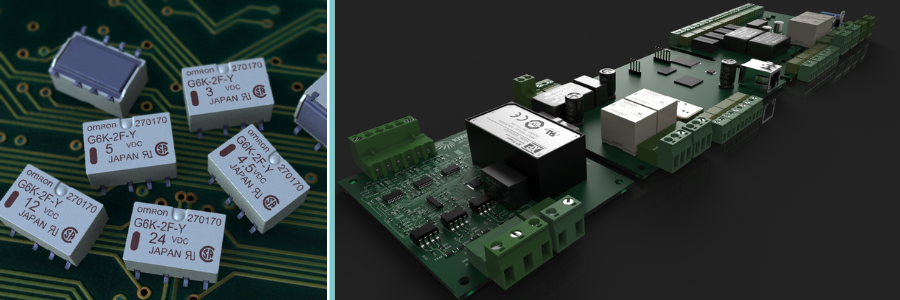
PCB examples with relay and advanced circuit by Cad Crowd altium designers

Section 7: Component library builders & Altium add-on providers

Custom tools, scripts, and libraries are typically created by power users who also accept freelance design positions:

hacksterio logo

SnapEDA

SnapEDA is not only a reference destination for downloadable component libraries – it’s driven by high-level talent in the background. Some of its leading contributors are well-versed Altium professionals who moonlight as consultants, providing insight on board design and tailoring pin libraries. Their real-world experience results in content that’s not only complete, but it’s developed by individuals who design and construct PCBs for a living. Whatever you’re knee-deep in – a layout or schematic troubleshooting – SnapEDA becomes more than a library destination – it’s a peaceful collaboration with a few of the industry’s brightest minds, all focused on making your design process smarter and faster.

ultra librarian logo

Ultra Librarian

Ultra Librarian isn’t merely a parts library – it’s the standard of excellence for component footprints and 3D model generation. Why? Because its engineering staff is loaded with Altium specialists who have PCB design memorized. Those experts don’t merely construct libraries – they construct confidence. Want a complete board layout done perfectly? They work on the side as freelance contractors, doing specialized projects with the same attention to detail and style they apply to Ultra Librarian. For designers and companies pursuing velocity, precision, and design-killing imagery, Ultra Librarian provides more than information – it provides design bullets.

Website: Ultralibrarian.com

Octopart logo

Octopart (Component Data Experts)

Octopart has earned its place as a go-to site for electronic component information, but what actually fuels its accuracy is a behind-the-scenes crew of engineers well-versed in Altium. Not only do these specialists know the software – they live it. Their expertise is so in demand that many of them become freelancers, filling the gap between electronic CAD design and intelligent component buying. Whether syncing a BOM or optimizing design-to-sourcing processes, these engineers get it to click. For firms looking for slick backend integration, Octopart’s unofficial contingent of Altium-knowing freelancers is a little-known gem in waiting.

Website: Octopart.com

Section 8: DFM consultancies & electronics production integrators

Perfect if you’re planning on going into manufacturing design services – these teams not only check your work in Altium, but also optimize it for production:

dyson logo

Dyson Semiconductor Design Group

The Dyson Semiconductor Design Group understands how to toughen up Altium designs, make them smarter, and prepare them for the real world. With extensive knowledge in Electromagnetic Analysis (EMA) and thermal/EMC optimization, they optimize circuit layouts to exceed rigorous manufacturing and environmental requirements. It’s more than getting a design to function; it’s ensuring it performs flawlessly under pressure, whether that be heat, interference, or production limitations. This company doesn’t accept “good enough.” They get bogged down in the details, turning mediocre schematics into high-reliability systems that will perform in tough environments. When precision and longevity are critical, Dyson is the company to count on.

Website: Dyson.com

accelero logo

Accelero Solutions

Accelero Solutions approaches electronic product testing with seriousness and ingenuity. This consultancy doesn’t merely take a passing look at design-for-test; it immerses itself in it. They are experts at translating Altium PCB designs into real-world production test fixtures, so everything is correctly wired for success from the beginning. View them as connecting your board design to the test bench, taking digital layouts, and bringing them into easy probe mapping and manufacturability. Their hands-on method lowers errors, saves time, and gets products onto the market sooner. Whatever your debugging or mass production preparation, Accelero ensures your test plan is far from an afterthought.

Website: AcceleroSolutions.com

Q-tech electronics logo

Q-Tech PCB Advisory

Q-Tech PCB Advisory is a trusted worldwide partner for smart, effective circuit board design. Focusing on Design for Manufacturability (DFM), this company facilitates streamlined board review, panelization, and yield optimization for improved production results. Their hands-on expertise allows for smoother processes and less stress during production. For engineers who work in Altium, there’s even better news – Q-Tech has Altium-experienced engineers available for direct hire. Whether you’re a large company increasing production or a startup perfecting your first board, Q-Tech applies clarity, accuracy, and engineering brawn to your PCB process.

Website: Qtech-us.com

rekall technologies logo

Rekall Tech (Acq)

Rekall Tech (Acq) has built a solid reputation with the working-class engineer and manufacturer for their practical, hands-on yield improvement approach. Reknowned for their top-notch consultants, they excel at identifying inefficiencies that others may overlook. Their third-party Altium board audits are their crown jewel, preventing mistakes from escalating into expensive issues. For companies that require some extra design brawn, Rekall also provides freelance seating, matching businesses with CAD design services that are prepared to fill in. It’s a clever combination of accuracy, efficiency, and actual hands-on experience that keeps production lines humming along.

Website: Rekalltech.com

BluePrint PCB Inspectors

BluePrint PCB Inspectors excel at the all-important post-routing audit stage, where a small mistake can have large implications in the long run. They carefully review your design, pointing out errors that could impact functionality or hold up fabrication. Their input isn’t merely useful – it’s a guide to excellence. Freelancers who intervene here to correct mistakes and refine the final layout are usually the unrecognized heroes. Repair what is broken, listen to the inspector’s advice, and you might find yourself with a stable freelance business finishing up designs and preparing them for production.

Section 9: Manufacturer-affiliated collaboration platforms

These are tied to PCB/assembly producers and frequently link users with their design service departments directly:

JLCPCB logo

JLC Design Services

JLC Design Services removes the headache from PCB design by providing professional Altium schematic and layout assistance directly from their internal team. How are they different? Their designs integrate perfectly into JLCPCB’s own prototype and assembly lines, providing a streamlined journey from idea to final product. And the best part? Their services are affordable and DFM-compliant through and through – so your boards are production-ready without the shock.

Website: Design.jlcpcb.com

PCBWay logo

PCBWay One-Stop Service

PCBWay provides PCB design services manned by Altium-experienced engineers backed by their production feedback loops, best when turnkey, rapid prototyping design services are needed.

Their services are exceptional, DFM-compliant, and while the price range may vary, it’s still an affordable solution for rapid turnarounds.

Website: PCBWay.com

PCBWay logo

Sunstone Circuits Design Services

Sunstone engineers help prepare Altium data and verify layouts prior to committing to board fabrication. This results in improved first-pass success.

Website: Sunstone.com

euro circuits logo

Eurocircuits PCB Design Service

An EU-located PCB fab that provides board design review and correction service via professionally trained Altium designers, desk-side DFM assistance in their integrated build process.

Website: Eurocircuits.com

ALLPCB design logo

ALLPCB Design Help

ALLPCB provides more than quick PCB production – it’s also a convenient portal to local design talent. With locations in China, this rapid-turn facility includes an Altium-listed “design service” designed to simplify your project from start to finish. Need help polishing your layout or troubleshooting a tricky board? You’re in luck. Their network of PCB professionals is integrated directly into the order system, so design files can be uploaded, reviewed, and improved – all in one seamless workflow. It’s a smart option for engineers who want speed without sacrificing support, especially when timelines are tight and every detail counts.

Website: Allpcb.com

That wraps the tour! With these 51 platforms in your toolkit, you’re well-positioned to tackle any PCB project – from creative maker prototypes to multi-layer production designs. Happy hiring – and may your boards route clean and ship fast!

author avatar

MacKenzie Brown is the founder and CEO of Cad Crowd. With over 18 years of experience in launching and scaling platforms specializing in CAD services, product design, manufacturing, hardware, and software development, MacKenzie is a recognized authority in the engineering industry. Under his leadership, Cad Crowd serves esteemed clients like NASA, JPL, the U.S. Navy, and Fortune 500 companies, empowering innovators with access to high-quality design and engineering talent.

Connect with me: LinkedInXCad Crowd