Important Tips for Hiring New Product Development Services Firms & Freelance Design Experts


Designing a brand-new product isn’t exactly a walk in the park, especially if you intend to mass-produce and sell it at a profit, too. It takes meticulous planning, some serious budget considerations, and an almost obsessive level of devotion to the undertaking just to get the product properly designed and made to begin with.

And even when the product is finally here and ready to market, there’s little guarantee that it’s going to hit the ground running. Unless you have designed, produced, and released a product before, chances are you’ll bump into a number of perplexing challenges and get caught off guard by some hurdles you never knew existed in the first place. Even if this isn’t your first run, it doesn’t mean you won’t come across some difficulties, either. The difference is that you’ve gained some experience now, meaning you’ve gone through the intricacies before and become more prepared to face what’s coming next.

Either way, help isn’t always hard to come by. Like every other challenging task, designing a product is best left to the professionals. In this case, you have the option to seek assistance from a product development firm or a freelance design expert to provide guidance throughout the process. For example, you can find plenty of design forms and experienced freelance 3D design experts on freelancing platforms like Cad Crowd. However, not all design firms and experts are created equal; each has a distinct specialization in product categories, varying experience levels, a track record in the industry, and a history of successful projects. The following tips should help you discover the best possible partner for your specific needs and circumstances.


🚀 Table of contents


Be crystal clear about your goals

This first tip actually has little to do with hiring a professional design expert. Instead, it concerns your vision of the product and how you want to achieve it. Every product starts its existence as an idea. However, it takes work to turn the idea into a tangible product. A significant portion of this “work” involves identifying the nature of the product itself, including what it does, how it works, where it can be manufactured, why people would want it, who the target buyers are, and when it will be ready for sale.

You need to set a series of measurable goals, such as the target research and development cost, maximum production cost, estimated time to market, and expected profit margin, among others. Everything must be well-articulated from the beginning. All those targets and product descriptions will likely change throughout the development process, but at least you start with something definable, so you can keep track of those changes.

Research potential partners

Now that you’ve clearly defined everything there is to know about the product (or rather the idea of a product), you’ll come to realize that a collaboration with a professional design expert, or perhaps a product design firm, should go a long way to help you turn the idea into reality. The next step is to research potential partners. Because it makes little sense to just browse every single firm you can find online, you need to set the search criteria in advance to narrow down the options.

For example, limit the search to design experts who specialize in physical products rather than apps, UI, firmware, or other digital objects. Ensure the specialization includes the product category relevant to your idea. Focus on specific regions or areas, as well as a price range. The level of experience should also be included as a requirement, as seasoned product designers are more likely to understand the task’s complexities and guide you through the process.

Take a closer look at their portfolio

This is a no-brainer, really. Product development firms and freelance design experts often highlight their previous successful projects, prototype designs, collaborations with notable individuals, partnerships with prominent companies, and current ongoing projects. Don’t be surprised if their portfolios are filled with a broad variety of designs or products from entirely different categories. The key step here is to determine if any of them have experience working on a product similar to your design. It doesn’t have to be exactly the same, however.

As long as the product in the portfolio is in the same category as yours, it’s a huge plus. That being said, a diverse portfolio actually indicates versatility, a wide range of expertise, and proficiency in the trade. Don’t forget to read the case studies, if available, as they often provide valuable insights into problem-solving methods, client interactions, design workflows, and other project-related information.

RELATED: How 3D printing for rapid manufacturing is pushing boundaries at product design services firms

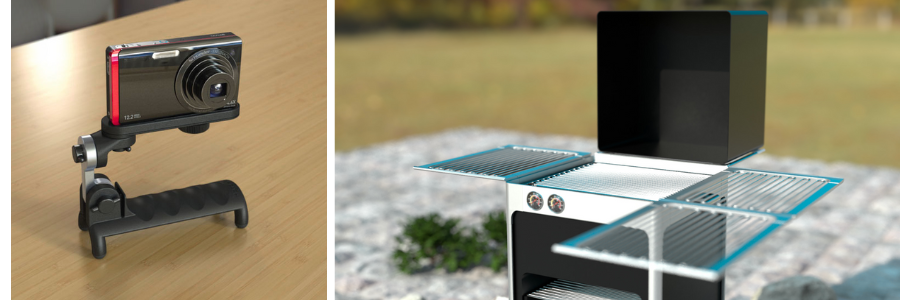
wheelchair and sous vide cooker product design by Cad Crowd experts

Pay attention to the team members’ skill set

When looking for design firms, it’s advisable to pay close attention not only to the principal engineer’s qualifications but also to those of the other team members. Partnering with a design firm doesn’t always mean you’ll be working directly with all the senior engineers. A design team typically comprises a project leader (manager), a product design experts, and two or more junior engineers. Of course, every firm has a different approach to a project, but the description generally holds true for the vast majority of small to medium-sized companies.

What you want is a diverse team comprised of professionals from various backgrounds. For instance, for the development of a complex mechanical product, the ideal team should consist of a mechanical engineer, an electrical engineer (for electronic products), and industrial/product designers. It’s essential that the team’s combined expertise encompasses a broad enough range of knowledge to develop your design into a viable product.

Take a long look at the pricing model

Some product development firms do not provide clear pricing information on their websites, but they’re willing to email it if you ask. If you opt for the freelancer route, pricing information is often more readily available. The most common pricing models include fixed-fee (a single fee that covers their services for the entire duration of the project) and hourly rate (based on the time they spend working on the project). A fixed fee is predictable, but it likely involves a large upfront payment; an hourly rate is more flexible, but it may lead to a significant expense if the project takes longer than expected.

Understand the design process and QA practices

The product development workflow is just about the same, no matter the design expert or the firm you hire. It begins with the ideation step, followed by market research, and then proceeds to prototype making, testing, documentation, and ultimately, mass production. But this is a generalization because they always have their own unique perspectives and approach to the design process.

Even if the basic workflow is the same across the board, they might employ different methodologies, such as Agile (focusing on iterative processes and flexibility), Waterfall (emphasizing linear and sequential development), or Design Thinking (focused on meeting users’ needs). Each methodology also has its own strong and weak points, so get yourself familiar with the matter before making a choice for your consumer product design firm. QA practices are just as important; ask the firms and design experts about their product testing procedures, how much of the design budget goes to quality assurance activities, who is involved in product reviews, and so forth. The more questions you ask, the more answers you get.

Place emphasis on project management

The cornerstone of a successful project is effective management. The term “management” is used in the broadest possible sense of the word and should encompass communication, collaboration practices, budget efficiency, and the extent of your involvement, among other aspects. A good product development firm should always keep you informed by providing timely updates on progress and timeline reports.

Poor communication often leads to design clashes, multiple runs of revisions, and misunderstandings, all of which can result in increased cost. It can be quite tricky to assess how exactly a firm manages a project unless you’ve hired them before. But it shouldn’t stop you from inquiring about their project management tools and preferred communication methods or channels. You may also be able to gauge their responsiveness during the initial consultation phase. In general, you should prioritize a firm or design expert who demonstrates strong collaborative effort, provides prompt answers to inquiries, responds to feedback, and uses a robust project management platform.

Get to know their manufacturing considerations

The ultimate goal of designing a physical product is to have it mass-produced in a cost-effective manner and sell it for profit. This is why you should be persistent with your inquiries about the production considerations. Product development experts are not inexpensive. You’ll be making a pretty substantial investment, so you need to know what you’re getting even before you make that hiring decision. Ask as many questions as you can muster about the firm’s strategies to prepare the product for mass production.

The question can be about injection molding, CNC machining, electronic product assembly, and 3D printing. If your product needs to be environmentally friendly, ensure the firm can provide you with satisfactory answers regarding material selection, product recyclability, end-of-life management, and other relevant aspects. A significant aspect of production consideration is DFM (Design for Manufacturability), which involves design optimizations to prepare the product for practical manufacturing. A product designed with the DFM approach in mind typically has a lower production cost as well.

Ask for well-defined deliverables

Developing a product from scratch isn’t something you can do in a matter of days. It may take weeks or even months, depending on design complexity and requirements. You shouldn’t expect any firm or design expert to get the job done in record time, but you can ask for details about project scope, realistic timelines, and a schedule for deliverables. All this information should help you track progress easily, address potential issues as they arise, and ensure proper collaboration throughout the project. If there are changes to the schedule due to unexpected challenges, the firm must provide prompt and clear updates, as delays may ripple through the project timeline.

RELATED: 10 design principles for product development & industrial design services teams

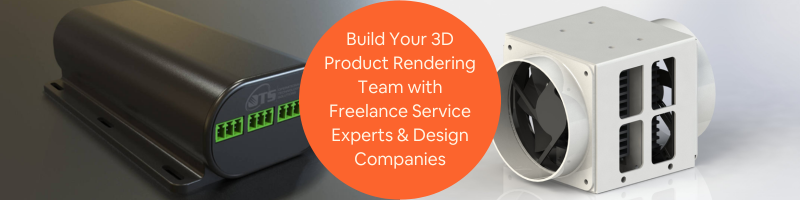
electronic device and wireless charger by Product design experts from Cad Crowd

Discuss the issues regarding confidentiality and intellectual property

The idea is yours, and you hire the product development firm or design expert to help you materialize that idea into reality. Whether you like it or not, collaboration means sharing every single detail about the idea with the professionals you hire. You practically present a potential invention to them, and you have to pay for it. Ideally, all the inventions and innovations that may come to the surface during the collaboration, along with the documentations related to the project, should be yours, because it’s your project, and you merely hire them to help you. But sometimes, things are not always that simple. This is why it’s essential to have a proper discussion about IP ownership and confidentiality in advance with product engineering services. The usual solution is to enforce an NDA.

Consider cultural fit

When people say “cultural fit” in hiring, it typically refers to the alignment of values between the employer and the employee. For example, if you want to design an eco-friendly product, then you should collaborate with a firm or design expert who also demonstrates an inclination for reducing harm to the environment; if you’d like to be heavily involved in the day-to-day activity in the project, you should hire a team with a dedicated project manager. When both parties share similar values and prefer the same approach to working, it’s easier to avoid misunderstandings, reduce conflicts, and tackle all possible challenges. In short, cultural fit improves productivity.

Check testimonials

A reliable method for gaining insight into a firm’s capabilities, communication style, collaborative efforts, and project management skills is to review testimonials. If possible, reach out to previous clients and ask them to describe their experience hiring the design firm. Please understand that it can be difficult to track down every single client who hired the firm in the past because of the NDA in their contracts. Seeking information from unofficial sources, such as through a professional network, can also reveal the quality of the services. The reputations of freelance design experts are likely easier to verify by simply looking at their ratings and clients’ feedback on freelancing platforms.

Avoid the common pitfalls

You’ll be surprised to know how many mistakes you can possibly make when hiring a design firm. For example, you decide to hire a firm or a design expert simply because the services are cheap. While price is always an important consideration, making a decision based solely on price often leads you to a design firm that may not have the necessary expertise and experience to complete the job. In some cases, cheap prices also indicate a long completion time; even if the firm has the professionals to deliver a quality product, the low price may suggest that your project is not a priority.

Another common mistake is choosing a design expert whose specialization is entirely different from your product category. Say you want to build a relatively simple yet robust desk ornament made of stainless steel; it makes little sense if you hire a design expert known for fashion accessories services. Even if the price is good and the designer has years of experience in the clothing industry, you can find a much better fit for the project.

Overemphasizing experience or reputation over creativity and fresh ideas can also be a mistake. It wouldn’t be a stretch to say that there are hundreds, if not thousands, of new design professionals out there eager to showcase their skills and unique visions to clients everywhere. Just because they’re new, it doesn’t always mean they’re any less capable than the others. Consider giving them a pilot project for simple product development, just to see how they handle the job. Like all pilot projects, don’t spend too much money on it; keep it a low-risk investment, but make sure the project allows you to assess its overall performance.

Conclusion

Whether you end up partnering with a freelance design expert or a full-blown product development company, the decision likely comes with quite a sizable investment for good reasons. They lend some specialized skills to help materialize an idea, bring an objective viewpoint to your design preferences, and offer a fresh perspective to keep everything on track. Believe it or not, much of that investment actually goes to something a little less tangible: experience. Now that you have experienced professionals on your team, the product development process has every chance to run more efficiently; they should know which strategies will work to your advantage and what to avoid, to prevent a waste of resources.

But the investment is not without risk, either. The right product development firm can open the door to brilliant ideas, help execute every action plan with good accuracy, and lead you to a hassle-free path toward a successful venture. On the other hand, choosing the wrong one can lead to a significant waste of time and money. The problem is, sometimes there’s no way to know if you’re making the wrong decision before it’s too late.

RELATED: Prototype design engineering: How well should your company’s prototype function?

How Cad Crowd can help?

While the tips above may not cover everything, treat them as essential guidelines for finding reliable design professionals in your product category. To kick-start your search, explore freelancing platforms like Cad Crowd, which are well-regarded for their impressive product design portfolios, with Cad Crowd being the premier place to find these talents. Don’t hesitate! Start your journey now to discover the perfect designer for your needs! Request your FREE quote now!

author avatar

MacKenzie Brown is the founder and CEO of Cad Crowd. With over 18 years of experience in launching and scaling platforms specializing in CAD services, product design, manufacturing, hardware, and software development, MacKenzie is a recognized authority in the engineering industry. Under his leadership, Cad Crowd serves esteemed clients like NASA, JPL, the U.S. Navy, and Fortune 500 companies, empowering innovators with access to high-quality design and engineering talent.

Connect with me: LinkedInXCad Crowd

Key Factors to Consider When Vetting Engineering Firms for Design & Consulting Services


Here’s the thing about choosing an engineering firm: it’s nothing like picking a restaurant based on Google reviews. You’re not going to find testimonials saying, “Amazing structural analysis, would collapse bridges with them again!” But whether you’re developing the next breakthrough medical device, planning a LEED-certified skyscraper, or yes, even perfecting that game-changing smart toaster everyone’s been waiting for, the stakes are absolutely massive. Get this decision wrong, and you’re not just dealing with a disappointing meal; you’re looking at blown budgets, missed deadlines, and watching your brilliant concept turn into an expensive lesson in what not to do.

Make one misstep and you’re not only working with mushy tacos; you’re dealing with busted budgets, blown deadlines, and projects that go from vision to catastrophe quicker than you can say “Request for Proposal.

So, how do you screen an engineering design firm from industry giant Cad Crowd that won’t merely check the boxes but will actually advance your project with brains, boldness, and brilliance? Grab yourself a coffee (or something more potent, if your budget allows), and let’s dive deep into the most important factors you actually need to think about when selecting the perfect firm for your design and consulting needs.


🚀 Table of contents


Experience is more than a number on their website

All engineering companies have experience, typically with a neat round number on their website, such as “50+ years of combined experience.” Sounds great, but what does that actually mean? It might be one veteran engineer who’s been around since rotary phones, accompanied by two recent graduates who still call their professors for guidance. The number doesn’t tell you much.

What is more important is pertinent experience. If you’re designing a wearable health monitor, a group with expertise in aerospace work may not be the best fit, even if they assisted in putting a satellite into orbit. The technical proficiency may be similar, but context, user requirements, and regulatory requirements are all different.

Dig into the portfolio of engineering design experts. Have they solved similar problems before? Have they worked in your space? Look for evidence they’ve handled challenges like FDA approvals, LEED certifications, or tight form-factor constraints. If your idea involves smart sensors, advanced materials, or custom simulation work, make sure their experience supports that, not just on paper, but in practice. Flashy CAD models are nice, but they won’t help if your final product can’t function outside the render.

RELATED: Drafting vs. design of interior projects: What’s the difference for CAD design companies?

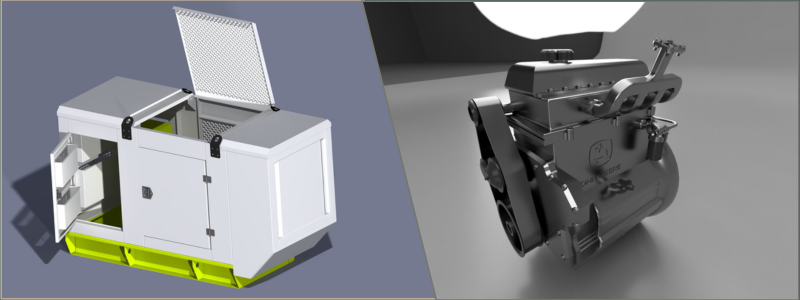
Silent diesel generator and advanced engine system CAD and engineering design through Cad Crowd

Team dynamics: The secret chemistry that counts

This is where the real narrative starts, the human beings behind the project. You’re not contracting a firm; you’re partnering with real human beings who’ll be sweating it out alongside you. So, just who are they? Who’s at the helm? Who will you be talking to each week? These aren’t little questions. Indeed, they can make or break your whole experience. Other companies present their A-players during the pitch, then assign your project to junior staff after you sign on the dotted line.

That’s a bait-and-switch you can do without. It’s chemistry, too. You’ll be working a lot of hours with this team on calls, in meetings, and in the trenches. If the chemistry doesn’t work in the early stages, it probably won’t improve. You require a team that listens, challenges constructively, and understands what you’re trying to create. If the talks already feel strained or stilted, it could be time to go somewhere else. A good working relationship based on trust and communication can save you considerable time, money, and anguish later on.

Pick wisely.

Technical breadth and depth: The engineering buffet

Today’s engineering is more of a smorgasbord than an individual course of action. Contemporary products don’t confine themselves to a single discipline; today’s products tend to integrate mechanical design, electrical engineering, embedded systems, industrial design services, software development, and even fluid dynamics. When you bring on a company that excels in only one area, it leaves you scrambling to coordinate a multitude of specialists. Now you’re having to juggle vendors like you’re bowling pins, praying nothing falls on the floor. And no, there’s no standing ovation for that show.

That’s why it is worth searching for engineering companies that have a complete range of experience to draw upon. Do they provide finite element analysis (FEA) and computational fluid dynamics (CFD)? Are they able to rapidly transition from concept sketches to working prototypes? Are they able to take you all the way to the manufacturing hand-off?

The more of these services that reside under one roof, the less bumpy your ride will be. It cuts down on miscommunication, accelerates development, and helps keep your vision from getting lost in translation. In the modern era of product development, technical breadth and depth are no longer an added value; they’re the entrée.

Communication: The underrated superpower

One of the most underappreciated assets of an amazing engineering company isn’t the tech stack, talent, or timelines—it’s communication. Transparent, no-surprises communication. If you’ve ever spent hours refreshing your inbox waiting for updates that never arrived, or gotten a project status email that reads like a Klingon-language novel from the planet Sto-Vo-Kor, you know exactly how infuriating poor communication can be.

Excellent engineering design firms don’t only construct, they clarify. They understand how to take complicated technical language and make it accessible to all, from investors to product managers, so everyone can comprehend it and take action. That is not merely politeness; it’s an art, and one that separates the great from the good.

High-end companies also adopt tools that allow staying in the know to be a breeze for all. Real-time collaboration environments, transparent Gantt charts that truly reflect tangible progress, and weekly updates that advance the project, not clutter up your calendar, are indicators of a team mindful of your time and priorities.

Amidst a sea of buzzwords and grandiose promises, actual communication remains the superpower that keeps everything on course.

Flexibility & problem-solving skills

Engineering isn’t a straight road. It’s a twisting road with potholes, detours, and the occasional missing bridge. Projects hit snags, pieces of equipment magically go out of stock, and timelines stretch like taffy. The true measure of an excellent engineering partner isn’t whether or not they encounter potholes, because they will, but how they react when things go wrong.

There are some companies that collapse at the first sign of trouble. Others return with a plan: “Here’s the problem, and here are three good ways to fix it.” That’s what you want to have in your head. The right team isn’t panicking or stalling. They adapt with confidence, troubleshoot quickly, and move the project forward.

It’s not about solving for X—it’s about welcoming flexibility from day one. Consider iterative design, rapid prototyping design services, and agile processes. These are not buzz terms—they’re indicators of a company that can change course in real time. You don’t require a company that gathers in a room for a week to get a bolt moved. You require engineers who spot an issue, roll up their sleeves, and fix it without skipping a beat.

Prototyping abilities: From napkin drawing to something you can drop

Renderings can charm souls on a screen, but in real-world performance, they tend to fall short. Similar to a dream date profile picture, a computer model can be filtered and polished far from the real thing. That’s where prototyping pays its dividends.

Whether a crude foam-core mockup taped together with duct tape, a machined part on a CNC, or a smooth 3D print, a prototype brings an idea to life in something you can touch, test, and yes, accidentally drop on the floor.

It’s not just about building something once. It’s about learning what works, what doesn’t, and iterating fast. When choosing a product design firm, ask about their prototyping capabilities. Do they build in-house or work with partners they trust? How quickly can they go from CAD model to physical object? Can they crank out multiple versions in a short time frame?

Faster, more accurate, and more flexible prototyping can be the key to a wow-inspiring investor presentation versus an opportunity lost. Particularly when there is little time, a company that can mock up, iterate, and refine in a hurry becomes your best friend.

Project management skills: The glue that holds it all together

Ever seen a project unravel because no one was clearly in charge? It happens more often than you’d think. Engineering firms may have top-tier technical expertise, but without strong project management, things can fall apart fast. Brilliant designs don’t mean much if they get buried under missed deadlines and ever-expanding scope.

That’s where project management expertise comes in—not a nice-to-have but the backbone of effective delivery. A competent firm should know what they are doing before anything starts. Are they tracking progress using tools such as Jira, Asana, or MS Project? Do you get milestone check-ins so that things are on track? Is there a roadmap that actually works from beginning to end?

Good project management doesn’t merely avoid chaos. It creates clarity, accountability, and order. A strong project manager anticipates issues ahead of time, keeps teams on track, and ensures deliverables are on schedule and of high quality. When these abilities are ingrained in a design engineering services company’s culture, they’re not constructing projects. They’re constructing trust.

RELATED: Best 50+ product design companies & new prototype development services firms in the US

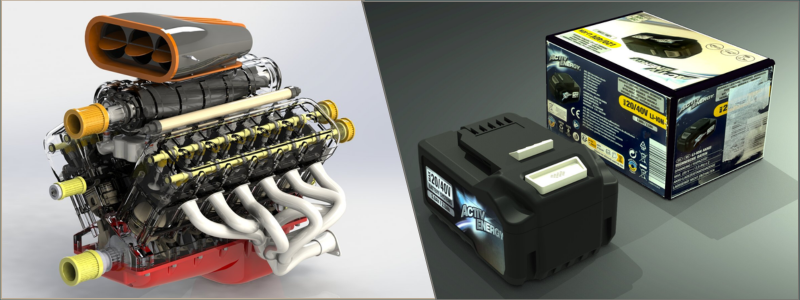
Engineering design of a V12 engine and power batteries through Cad Crowd design services

Reputation & references: The Yelp review of the engineering world

Before booking a restaurant, you probably read three Yelp reviews, check the photos, and maybe even skim the menu. So why wouldn’t you do at least that much due diligence before hiring an engineering firm for your next big project?

Begin with customer testimonials, but don’t confine yourself to the carefully selected quotes on their website. Those are carefully edited for effect. Request the firm’s actual references, individuals you can speak with directly. Legitimate firms won’t mind introducing you to previous clients who can give you an accurate picture of what working together was like. You’ll want to ask: Were deadlines met? Was the project within budget? How was communication? If there were issues, how were they resolved?

Aside from customer testimonials, seek industry cred. Are they presenting at engineering conferences, writing opinion pieces, or receiving awards? That’s generally a good indicator that they’re not only effective marketers but committed engineering professionals well-regarded by their peers.

In an age where your project’s success rests on your ability to trust, don’t leave the background check behind. Research now can prevent a lot of regret later.

Cost structure & transparency: Show me the money (and the fine print)

Ah, yes, the infamous money talk. It’s not necessarily anyone’s highlight of initiating an engineering project, but it’s one of the most significant. Whether you’re introducing a new product or undertaking a structural rework, it’s wise to understand how your, say, for example, structural engineering company bills. Are they charging by the hour or quoting a flat fee? Are change orders readily including unexpected expenses? And what if a project extends beyond its expected duration or goes over budget?

A company that can’t articulate its price or won’t even talk about it is waving a giant red flag. You’re not merely contracting for brains and blueprints. You’re entering into a business arrangement, and transparent cost projections are essential to preventing drama down the road.

Seek out companies that are transparent with full-fledged proposals and itemize the “why” of each fee. They should also assist you in making decisions, such as between expensive components and less expensive options.

And don’t forget, the cheapest bid isn’t always the wisest. Bad engineering will end up costing you exponentially more in the end. Honest pricing may not be sexy, but it spares your wallet and your head.

Compliance and industry knowledge: Can they play by the rules?

If your product must navigate safety certifications, environmental requirements, or international compliance, working with a company that makes it up as it goes along is not a possibility. Understanding the rules is paramount. It makes sense to inquire beforehand which regulations they have experience with. Whether it’s submitting to FDA standards, ISO certification, UL testing, or even your local zoning regulations, the know-how counts.

Having worked through these processes before with a company saves you time, money, and grief. Bonus points if they’ve worked on projects in the highly regulated fields of medical devices, aerospace engineering services, or automotive. These don’t brook errors—one misstep may result in regulatory hell or government notices you don’t want to receive.

A compliance-savvy firm will more likely steer your product safely through the approval maze and inspection gauntlet. This skill not only guarantees that your product complies with regulations but also instills trust and customer confidence. In product development, following the rules isn’t simply intelligent, it’s a necessity.

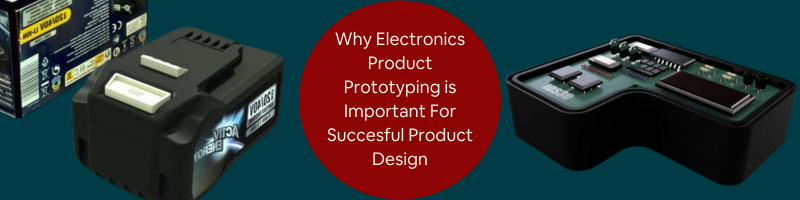
RELATED: Why electronics product prototyping is important for successful product development at PCB design companies

Cultural fit: The x-factor you can’t ignore

It’s more than locating a capable engineering firm by skills and expertise. This is where you’ll know that cultural compatibility is a big deal. It’s all about how much you mesh with their organization and whether they really respect your company’s values, tempo, and vision. When dealing with an outside firm, it’s not just a matter of handing off work; it’s a collaboration. If the team makes you feel like a nuisance every time you have a question or doesn’t fit your working style, that tension can slow the whole thing down.

A company that feels like an extension of your own team makes the process smoother and, really, more fun. Communication works better, trust develops organically, and issues get resolved quicker. Pay close attention to those initial conversations, how they react, their demeanor, and vibe. If anything seems off, it likely is. You don’t have to accept just “meh” when there are amazing engineering companies that really resonate with your vibe. That special somebody can make the difference in your project’s success and your sanity.

Post-project support: Will they ghost you after launch?

When your product does finally ship or your build is complete, it’s tempting to believe that the hard work is behind you. But oftentimes, that’s when it really starts for consumer product design companies. Once the initial rush wears off, unexpected bugs will erupt, and what appeared to be a flawless version will require adjustments. Documentation updates become imperative, and suddenly, stakeholders have “just one more question” that no one saw coming.

After checking the dotted line, it’s wise to inquire about support after the project. Do they have warranty periods that will cover those inevitable repairs? Do they have maintenance packages that will keep things running in tip-top condition? It’s also good to know whether they’re prepared to assist with subsequent versions or upgrades, version 2.0 and all the rest. Expansion usually means new problems, so see whether the team can grow with your changing needs.

Having a company that doesn’t vanish after shipping is worth its weight in gold. A partner who hangs in there with you through the rough spots and iterates can spare you headaches and keep your project going strong long after it’s launched. Reliable help isn’t a nice-to-have; it’s frequently the difference between a good project and a great one.

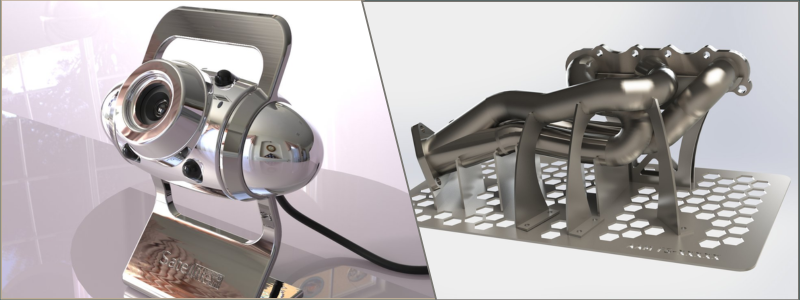
Satellite camera and engine exhaust engineering designs from Cad Crowd design professionals

RELATED: 10 design principles for product development & industrial design services teams

Final thoughts: You’re not just hiring a vendor—You’re choosing a co-pilot

Choosing an engineering company isn’t like buying a product from a shelf. It’s more like choosing a co-pilot for a long flight across thunderclouds, time zones, and occasional rough air. You need someone to know how to fly, certainly, but also someone you don’t mind being stuck beside when things get rocky.

So ask the tough questions. Get into the weeds. Don’t rush it. The right partner will not only help you deliver your vision, but they’ll stretch it, test it, and make it better.

And when that prototype becomes a reality, when that system fits together like a puzzle, when your product starts shipping or your building opens to the public, you’ll know:

Partner with Cad Crowd Now!

Ready to find your engineering co-pilot? Don’t settle for just any firm when you could partner with a team that actually gets it. At Cad Crowd, we’ve helped countless innovators turn wild ideas into market-ready products. Let’s chat about your project, reach out today for your FREE quote!

author avatar

MacKenzie Brown is the founder and CEO of Cad Crowd. With over 18 years of experience in launching and scaling platforms specializing in CAD services, product design, manufacturing, hardware, and software development, MacKenzie is a recognized authority in the engineering industry. Under his leadership, Cad Crowd serves esteemed clients like NASA, JPL, the U.S. Navy, and Fortune 500 companies, empowering innovators with access to high-quality design and engineering talent.

Connect with me: LinkedInXCad Crowd

Why Electronics Product Prototyping Is Important for Successful Product Development at PCB Design Companies


During the development phase of an electronic product, PCB design firms that are part of the industry-leading platform Cad Crowd are confronted with a myriad of challenges. The terrain is littered with considerations, ranging from attaining design accuracy and functionality to making sure that the end product is industry-compliant and user-friendly. Among the most crucial steps in this process is the prototyping stage. The prototype is not only an initial version of the product, but it is also a very important tool that determines the path of the entire product development process.

Prototyping is one of the steps between the initial idea and final product, enabling PCB design firms to prototype, streamline, and modify the design prior to mass production. To an uninitiated eye accustomed to how electronics are made, prototyping is a hands-on way to prove design decisions, identify errors, and guarantee that the end product will meet the original design. In this article, we’ll explore why electronics product prototyping is essential for successful product development and how it directly influences efficiency, cost-effectiveness, and overall product success.

RELATED: How to Find an Electronic Design Company for Outsourcing New Product Engineering

1. Testing feasibility and functionality

At the very foundation of any successful electronics product is the need for proper functionality. If there is no working prototype, then the most well-thought-out concept can fail in practical applications. Prototyping offers a chance to verify the feasibility of the design—whether it functions as intended and satisfies all technical requirements. PCB designers must ensure that the designs are well-compatible with other components such as processors, sensors, and power systems.

Using prototypes will help them to visualize that the circuit is working properly, detect possible connectivity issues, and test for power supply or signal integrity problems. It is also not unusual for initial designs to fall into unexpected traps, such as voltage drops, interference, or misplaced signal routing. With a prototype, these faults can be spotted and fixed in the early stage of production to avoid expensive reworking in later stages of manufacturing.

RELATED: The Future of Electronic Design Engineering: Innovations and Trends for CAD Services Companies

For example, a prototype may simulate real-world conditions so that all components work well together. Testing under different environmental conditions such as temperature fluctuations or humidity can also ensure long-term reliability. If the prototype does not pass these tests, the design can be modified to make sure it works under the most demanding conditions without major failures.

2. Iterative improvement and design refinement

Prototyping design services with electronics present PCB design businesses with a very valuable chance to iterate on designs. Although computer-aided design (CAD) and simulation software are tools for the early stages of design, they cannot always foresee every problem that will occur in the real world. For instance, simulations do not always simulate every possible interaction between components, resulting in unexpected surprises during implementation. Through prototyping and detailed testing, design teams can identify errors that require modification.

When a component runs too hot or the physical cover of the PCB is too dense, degradation can happen, affecting performance. Prototypes can isolate such problems in a concrete, quantifiable manner, allowing for exact, data-driven decisions regarding how to optimize the design. Iteration of the product can result in an improved, more cost-efficient, and user-friendly final product. Additionally, it also provides the design team the opportunity to gauge and incorporate the feedback of the stakeholders—either from internal testers, clients, or actual users—so that the product is optimized from various angles.

pcb design specialists

3. Reducing costs and minimizing risk

One of the greatest strengths of electronics prototyping is that it can lower the overall risks linked to product design and development services. The sooner problems are found in the development process, the less expensive and time-consuming it will be to correct them. If a flaw is detected during prototyping, engineers can modify the design before investing in costly manufacturing or mass production runs. This can be cost-saving, particularly when using costly materials or when dealing with special sourcing or custom fabrication components.

RELATED: How to Find an Electronic Design Company for Outsourcing New Product Engineering

Cost-effectiveness in prototyping is not just about avoiding problems that may come up during manufacturing. It also enables PCB design companies to gain a better understanding of the cost structure, including component sourcing and assembly. By refining the design during the prototype stage, they can optimize the design for lower production costs without sacrificing quality.

The prototype provides a tangible roadmap for scaling up the design, allowing companies to forecast the costs more accurately and prepare for mass production with a clearer financial understanding. Identifying design flaws early in the process can save electronic design businesses from expensive recalls, warranty claims, and tarnished reputations. These can be a disaster for businesses, especially businesses with limited resources or tighter margins. Prototypes serve as a safety net against such an expensive fall.

4. Improved communication and cooperation

Effective communication between service providers and clients is crucial to a project’s success. Prototypes provide an excellent medium for communication in that they offer an actual and understandable representation of the end product to all parties concerned. Instead of relying on diagrams or conceptual talk, a prototype provides clients, manufacturers, and engineers with an actual object to engage with, experiment on, and review.

RELATED: How to Develop a New Electronic Hardware Prototype & Products for Your Company

Such a physical and visual model has the potential to make decision-making more efficient, synchronize expectations, and encourage a more cooperative development process. Prototyping also enhances in-house communication between the design team. Developers, designers, and engineers can collaborate to discuss the physical product, find out areas where there are likely to be design flaws, and suggest possible solutions through first-hand testing.

The process instills a collaborative attitude, stimulating the sharing of knowledge and promoting the chances of developing innovative solutions to design issues. In addition, prototypes allow the design team to run more focused user testing. The end-user or client can get their hands directly on a product, and give useful feedback from which design improvements can be made. This results in a more user-needs-satisfying product, bringing increased customer satisfaction and a higher market success rate.

5. Validate market readiness and customer acceptance

Finally, the success of any electronic device is dependent on how well it will be accepted in the market. Customers and end-users expect high-quality, functioning products that fulfill their requirements and expectations. Prototyping offers an initial chance to check if the design is ready for the market, not only from a technical perspective but also with regard to user experience. Prototype testing by potential customers or target markets gives PCB design companies the opportunity to gain valuable insights into the appeal, usability, and functionality of the product.

electrical design firm

RELATED: Top 100 Electronics Design Companies to Create Prototypes for Hardware Startups

Intuitive features or hard-to-use features, easily misunderstood components, or issues related to ergonomics or aesthetics can be resolved before actual production is carried out. Through prototype market testing, organizations are able to confirm whether products appeal to intended customers. Opinions regarding design elements, ease of handling, and overall usability can assist in refining the product to achieve ultimate value and satisfaction for clients. This is important in determining product success when released to the marketplace and competing against industry rivals.

6. Conformance to industry practices and requirements

Numerous electronics products have to comply with industry standards and regulatory standards, including safety approvals, electromagnetic compatibility (EMC) testing, and environmental studies. Prototyping provides electronic designers a chance to validate that their products comply with these regulations prior to mass production.

Prototype testing against regulatory requirements ensures that the product will not have legal issues or delays in the approval process. For instance, in sectors such as healthcare or consumer electronics, where certifications like CE, UL, or FCC compliance are mandatory, a prototype can ensure that the product meets such standards. This avoids expensive design reworks later and allows the product to be legally marketed and sold.

RELATED: How Much Does It Cost to Outsource PCB Design Services & Electronics Engineering Complete Prices for Companies

7. Speeding up time-to-market

In sectors with strong innovation, time-to-market is a key indicator of a product’s success. Electronics prototyping serves to speed up the product creation process by allowing quicker detection of design errors and more rapid iteration.

Instead of devoting long hours to trial-and-error work in mass production, PCB design firms can utilize prototypes to effectively pinpoint problems, fix them, and proceed with a streamlined process of development. This quick cycle of development enables firms to get to market sooner, providing them with a competitive advantage and the capacity to react to customer demands or new trends.

Conclusion

Prototyping is a necessary process in developing electronic products, especially for firms that specialize in PCB design. It offers an invaluable chance to test functionality, improve designs, reduce costs, enhance communication, and prepare the market. Through enabling engineers to solve potential problems early in development, prototypes help facilitate a less bumpy mass production transition and a greater probability of delivering a product that either meets or even surpasses customers’ expectations.

How Cad Crowd can help

For PCB companies looking for a design product service in a fast-paced and competitive business environment, adopting the prototyping process is essential. Cad Crowd can help you develop your PCB design through prototyping, which not only produces more functional and dependable products but also increases efficiency, minimizes risks, and ultimately leads to the long-term success of the company. Contact us today for your free quote!

author avatar

MacKenzie Brown is the founder and CEO of Cad Crowd. With over 18 years of experience in launching and scaling platforms specializing in CAD services, product design, manufacturing, hardware, and software development, MacKenzie is a recognized authority in the engineering industry. Under his leadership, Cad Crowd serves esteemed clients like NASA, JPL, the U.S. Navy, and Fortune 500 companies, empowering innovators with access to high-quality design and engineering talent.

Connect with me: LinkedInXCad Crowd