SAVE $40: As of Nov. 26, the Apple Pencil (1st Gen) is on sale for $59 in Amazon’s Black Friday sale. That’s a 40% discount on the list price.
Amazon’s Black Friday sale has kicked off and the deals are aplenty. With discounts across everything from TVs to robot vacuums, you can find a deal on pretty much anything you need.
And if a new iPad stylus is on your wishlist, now is the time to buy. As of Nov. 26, the Apple Pencil (1st Gen) is on sale for just $59. Not only are you saving $40, but this is the lowest it has ever been priced at Amazon — who can argue with that?
The Apple Pencil (1st Gen) is a smart stylus that does more than just take notes. It offers precision, pressure, and tilt sensitivity. These allow you to create fine details, adjust line thickness, and add shading, just like using a regular pencil. There’s also little to no noticeable lag, so it is perfect for drawing, sketching, shading, and any task that requires precision.
It works with various iPads, including the 6th to 10th generations (the 10th generation requires a USB-C to Apple Pencil Adapter). The package includes the Apple Pencil, a Lightning adapter, an extra tip, and a USB-C to Apple Pencil Adapter for charging and pairing.
Mashable Deals
This is not the latest model in the Apple Pencil range, with the Pencil 2 and Pencil Pro both succeeding it. For a more advanced stylus, we recommend the Pro which boasts haptic feedback and magnetic charging.
Finally, iOS 18 has arrived, and you now know how to make your iPhone more powerful, more secure, and easier to use in ways you never thought possible. Whether you are a tech enthusiast or just an iPhone user looking to upgrade or curious about what is new in this latest update. We have something to share on this. From improved privacy controls to smarter widgets, one feels that Apple solved all the things other than giving users a lot more ways to customize their devices and improve their lives. Following are a few top features of the newest iOS 18 and learn how these new features will help enjoy a seamless iPhone experience.
Top 10 Features of iOS 18 Update: Must Know
Apple Intelligence Integration
The integration of Apple Intelligence is one of the most notable improvements in the latest iOS update. This is essentially Apple’s idea of using artificial intelligence to improve gadget responsiveness and context awareness. Imagine being able to schedule reminders simply by mentioning them in your texts or having your iPhone recognize what you need before you even look for it. Apple Intelligence can learn from your actions and recommend apps, tasks, or settings to make using your iPhone easier and more convenient.
For instance, if you open the Maps app when leaving your office too often, Apple Intelligence will recognize and immediately advise opening Maps at the appropriate time. It can also provide customized prompts depending on previous interactions, like recommending workout songs or keeping you up to date on the newest news in your favored themes. Thus, your iPhone will be a true assistant to you without requiring specific commands.
Home Screen Customization
Home Screen personalization has significantly improved with iOS 18, offering more personalization options than ever before. You can now select different “Modes” on your home screen depending on your lifestyle, such as work, entertainment, or relaxation. Each mode lets you choose certain widgets, apps, and even wallpapers, giving you a personalized experience based on what you’re doing. For example, you can have a basic home screen with only the most important apps at work and a colorful layout with media apps and game widgets at home.
Additionally, widgets became interactive in iOS 18. You can now control media, execute tasks, and update information directly from widgets without opening the corresponding app. This improves the home screen’s functionality, allowing quick access to important features with a few clicks.
Redesigned Photo App
The Photos app has also received a new appearance and a lot of new features. One of the most significant modifications is the addition of “Memory Mixes,” which automatically build albums based on shared events, such as a trip with friends or family reunions. These Memory Mixes are more adjustable, so you can simply add and remove photos, apply certain filters, and change the music playing in the background. Apple has also updated its search capabilities, allowing you to find photographs by context, such as “birthday party in 2023” or “mountain trip.”
Editing capabilities in the Photos app have also been updated. Users may now make more exact adjustments, such as changing the backdrop of a shot to increase depth or remove undesired components. AI-powered editing capabilities enable users to instantly clean up images, transforming ordinary photos into stunning memories without the need for additional photo-processing software.
Enhanced Message Features
Messages have been upgraded with new features that make keeping connected more pleasurable. One of the most significant enhancements is “Voice Clips Enhancements,” which converts your voice communications in real time. This is especially beneficial when you are unable to listen to a voice note; simply read the transcript instead.
Another useful feature is the option to set vanishing messages, which is comparable to other messaging apps. This feature gives users more control over their privacy by allowing them to send messages that disappear after a specified time. Furthermore, there are new “Expressive Stickers,” which contain animated emojis and stickers made from your own images, allowing for even more personalized interactions.
Group conversations have also been upgraded, with new options to handle notifications, assign tasks, and generate polls directly within the conversation, making it easier to collaborate with friends or coworkers.
Control Center Enhancements
The Control Center has undergone a significant change, making it far more customizable and intuitive. You may now add new controls, organize them as needed, and access more settings without having to navigate through menus. You can include quick buttons for managing smart home devices, as well as sliders for finely adjusting screen brightness or volume.
Furthermore, iOS 18 has a function called “Quick Actions” that suggests actions based on the task you are performing at the moment. For instance, if you like to fall asleep while listening to your music, the control center can recommend setting up a sleep timer.
The Password App
The Passwords App is the next noteworthy feature of the new iOS 18. It saves all the passwords in a separate section. Thus, you can manage, add, and remove saved passwords on all of your devices with its integration with your iCloud Keychain. It also provides recommendations for weak or commonly used passwords, making it easy to maintain online security.
Additionally, you can safely share a password with friends or family using the “Password Sharing” feature of the Passwords App. Wi-Fi networks and shared streaming services benefit greatly from this feature. All the shared passwords are encrypted to guarantee that only authorized users can access them.
App Locking and Hiding
Privacy is a major concern, and Apple has responded by introducing additional ways to protect apps and data. With iOS 18, you can now lock specific apps with Face ID or a passcode. This means you may add an extra layer of security to apps that handle sensitive data, like banking or messaging apps.
In addition, there is a new “App Hiding” function, which allows you to conceal select apps from the home screen and library. Hidden apps can still be found using search, but they are invisible to anyone leisurely perusing your phone. This is especially useful if you wish to clear your home screen or keep specific apps secret.
iPhone Mirroring
It is one of the best features seen on iOS 18, as it can mirror the screen of your iPhone wirelessly to another iOS device. Which is a pretty good tool for lecturers or presentation-makers. Or you use it just to share your iPhone screen for some kind of amusement. It does work easily and wirelessly, switching between your iPhone and any other connected Apple device without needing cords or complicated settings.
This function also enables multi-device control, allowing you to operate your iPhone from an iPad while mirroring, making navigation much easier when the device is linked to a larger screen.
Continuity Camera for Apple TV 4K
The Continuity Camera feature now works with Apple TV 4K. It allows your iPhone to serve as a powerful webcam for FaceTime chats and video conferences on a bigger screen. This also allows you to watch high-quality video discussions on the television, good for family calls, virtual events or business meetings. The camera quality of the iPhone is far much better than most built-in webcams that result in clearer, sharper video output.
The Continuity Camera for Apple TV now includes Center Stage capabilities as well. This keeps you engaged during video chats, even if you move around, making for a more immersive experience for participants.
Continuity Camera for Apple TV 4K
The Continuity Camera feature now works with Apple TV 4K. It enables your iPhone to operate as a powerful webcam for FaceTime chats and video conferences on a bigger screen. It also allows you to view high-quality video discussions on your television, making it ideal for family calls, virtual events, and business meetings.
Additionally, users can build a digital voice that sounds like their own with the new “Personal Voice” feature. The assistive access feature streamlines the iPhone interface for users with cognitive impairments by providing a larger font for simpler navigation and a streamlined home screen with key mobile apps.
Additionally, Apple has included “Motion Sensitivity Adjustments,” which reduces animations and effects that some users may find uncomfortable. This guarantees that everyone can use their device with ease, regardless of their unique needs.
Conclusion
iOS 18 offers several innovative new features that will increase the accessibility, safety, and personalization of your iPhone. From the smart integration of Apple Intelligence that makes your smartphone more intuitive to the Home Screen personalization possibilities, the revamped Photos App, and increased privacy features like App Locking and Hiding, this update has something for everyone.
Other innovations, such as iPhone Mirroring and Continuity Camera with Apple TV 4K, extend the usability of your iPhone beyond a single screen, while accessibility improvements guarantee that Apple’s technology is accessible to all users. With all of these additions, iOS 18 has proven to be a significant step forward, enriching the iPhone experience and tailoring it to individual needs.
If you enjoyed Batman: Caped Crusader on Prime Video and are interested in revisiting the superhero’s past animated adventures, Amazon has some excellent deals on Batman Blu-ray box sets for Black Friday 2024. For Caped Crusader fans, the most notable deal of the bunch is Batman: The Complete Animated Series on Blu-ray for $30 (was $71). Caped Crusader is considered a spiritual successor to this beloved series, and the early ’90s series still stands tall as the best animated Batman TV series of all time.
Batman: The Complete Animated Series (Blu-ray)
$30 ($71)
Batman: The Complete Animated Series
This 12-disc box set includes all 85 episodes of the original animated series that ran from 1992-95, as well as the complete arc of The New Batman Adventures, for a grand total of 109 episodes. You’re also getting a pair of feature films in the form of Batman: Mask of the Phantasm and the 1998 movie Batman and Mr. Freeze: SubZero. Sadly, this isn’t a Mortal Kombat crossover.
For the bonus features, everything from earlier DVD release is included, such as commentary tracks, in-depth documentaries, and more behind-the-scenes content. Overall, this isn’t a bad way to enjoy 35 hours, especially when you’re watching–and hearing!–the late Kevin Conroy as one of the best Batmen of all time alongside Mark Hamill stealing scenes as the Joker.
Then there are other episodes, full of intrigue, mystery, and crime as Batman tangles with some of the most nefarious members of his rogues gallery like Two-Face, Scarecrow, and Poison Icy. Oh, and Condiment King.
Live-action Batman movies are also on sale for great places, including Batman 4K Film Collection for $40 and The Dark Knight Trilogy for $30. The former includes Batman 1989, Batman Returns, Batman Forever, and Batman & Robin, while the latter comes with all three of Christopher Nolan’s gritty Batman movies on 4K Blu-ray. For more on those collections, check out our stories focused on The Dark Knight and Batman 4K Film Collection.
Have you ever been frustrated by the tedious process of copying error descriptions from the Error List? Previously with Visual Studio, copying an error would include all column headers and row values, which isn’t always what you want. If you were planning to search for the error online, it was a hassle to clean up the text after pasting.
Now when you `Ctrl+C` on a row in the Error List, only the error description is copied to the clipboard. You can still copy the entire row with `Ctrl+Shift+C` and now even directly search the web for the error. This makes it easy to get the information you need, saving precious time and headaches.
Additional options for copying
Visual Studio 2022 now offers multiple copy options in the Error List for quick access to what you need.
After selecting the relevant error, you can choose the option in the context menu or use the following keyboard shortcuts.
Context menu option
Keyboard shortcut
Description
Copy
Ctrl+C
Copy only the description
Copy Row
Ctrl+Shift+C
Copy the entire row, description and all
Search the Web for Help
Ctrl+F1
Search online for the error with Bing
You can also Copy and Copy Row with multiple errors at a time, so you can get all the information you need at once.
Conclusion
We are continually improving Visual Studio based on your feedback, striving to make your development experience as smooth and productive as possible. This update to the Error List copying functionality is just one of the many ways we are working to enhance your workflow. Thank you for your continued support and valuable insights.
It’s true that we don’t know exactly what the Samsung Galaxy S25 will bring; however, reliable leaks paint a pretty good picture. We’re expecting a new phone with a similar design, a Qualcomm Snapdragon 8 Elite chipset, and One UI 7.
For
Qualcomm Snapdragon 8 Elite processor with custom Oryon cores (rumored)
One UI 7 (Android 15) available at launch with seven years of OS upgrades
New Galaxy AI features (assumed)
A bigger screen and slightly larger form factor (rumored)
Against
Higher price point due to Snapdragon 8 Elite chipset (rumored)
Not available currently with expected launch window of mid-January 2025
Snapdragon 8 Elite could pose thermal and battery life problems
Still going strong in 2024
So far, it’s been a fantastic year for the Samsung Galaxy S23. It’s very similar to the newer Galaxy S24, and it received a few significant software updates. That includes the bump to One UI 6 and a bunch of top Galaxy AI features. This phone has a lot of life left in it, but the Galaxy S25 could entice some users to upgrade early.
For
Snapdragon 8 Gen 2 chipset is still capable in 2024
This phone will still get a couple of OS upgrades
Great battery life
Much cheaper than the newer Galaxy S24, and expectedly the Galaxy S25
Against
Slow wired charging
Aging camera hardware
Retail availability will be hard to come by
Samsung needs a win with the upcoming Galaxy S25 series. The company is facing major issues and delays with its One UI 7 update, based on Android 15. It’s also apologizing for failing to innovate. While we don’t know exactly what the Samsung Galaxy S25 will look like, we do know a whole lot based on leaks and rumors ahead of the phone’s expected mid-January launch.
With a Qualcomm Snapdragon 8 Elite chipset, a bigger display, slight design tweaks, and a software overhaul, the Galaxy S25 could indeed be a massive victory. The question is, will the upgrades be tempting enough to make people still rocking a Samsung Galaxy S23 want to upgrade? That’s what we’ll help you start to figure out in this early comparison.
Samsung Galaxy S25 vs. Galaxy S23: Design
Why you can trust Android Central Our expert reviewers spend hours testing and comparing products and services so you can choose the best for you. Find out more about how we test.
(Image credit: Derrek Lee / Android Central)
If you’ve been keeping a close eye on new Samsung phones recently, you probably have a good idea of where the Samsung Galaxy S25’s design is headed. With the Galaxy Z Fold 6, Galaxy Z Flip 6, and Galaxy S24 FE, the company moved to a flat and more rectangular design language. Based on the latest renders, we expect the Galaxy S25 to follow a similar pattern. It’ll likely be a boxy phone with matte aluminum rails and a new lens covering around the rear camera system, closely resembling the Galaxy Z Fold 6.
The exact dimensions of the Galaxy S25 are up in the air, but rumors suggest the phone could have a chassis measuring 146.94 x 70.46 x 7.25mm. That would be slightly smaller than the current Galaxy S24 and the older Galaxy S23. The phone’s weight could be around the 168-gram mark. As far as durability is concerned, an IP68 water and dust-resistance rating and Gorilla Glass coverings are near locks.
(Image credit: Android Headlines)
The biggest change to the Galaxy S25 could be the display size. The older Samsung Galaxy S23 features a 6.1-inch AMOLED display, but the Galaxy S25 could receive a bump to a 6.3-inch panel. That would follow industry trends, which are consistently shifting to favor larger displays. For example, Apple made the iPhone 16 Pro and Pro Max larger this year.
Although the Galaxy S23 will have a smaller screen, it’ll likely keep up with the newer model in terms of display specs. We expect both phones to have a 120Hz AMOLED panel with variable refresh rates and high brightness capabilities.
(Image credit: Derrek Lee / Android Central)
In terms of colors, the latest leaks reveal the Galaxy S25 should come in at least four colors: Moon Night Blue, Silver Shadow, Sparkling Blue, and Sparkling Green. Meanwhile, the Galaxy S23 came in many more colors: Cobalt Violet, Amber Yellow, Onyx Black, Marble Grey (Samsung exclusive Jade Green, Sapphire Blue, Sandstone Orange). In all likelihood, Samsung still has a few online exclusives up its sleeve for the Galaxy S25 series.
Samsung Galaxy S25 vs. Galaxy S23: Hardware and specs
Those looking for a major camera upgrade on the Samsung Galaxy S25 series may end up once again disappointed. Top rumors indicate that the Galaxy S25 will have the same camera hardware as the Galaxy S24, which, unfortunately, would also be the same as the Galaxy S23. However, there are also leaks that predict Samsung could make a major camera hardware switch to Sony sensors, but this is something that leakers can’t agree on yet.
If the Galaxy S25 indeed sticks with the same camera hardware, both phones in this comparison would feature a 50MP main shooter, a 12MP ultrawide lens, and a 10MP telephoto lens supporting 3x optical zoom. There could be some quality improvements, even with the same hardware, based on improved image-signal processing and computational photography features.
Swipe to scroll horizontally
Row 0 – Cell 0
Samsung Galaxy S25
Samsung Galaxy S23
Processor
Snapdragon 8 Elite or Exynos 2500 (rumored)
Snapdragon 8 Gen 2 for Galaxy
Display
6.3-inch AMOLED screen (rumored)
6.1-inch Dynamic AMOLED 2X Display (1080×2340), 120Hz refresh rate (48-120Hz), Up to 1,750 nits
The exact memory and storage configurations are unknown, as are the connectivity options. However, we’re looking for the Galaxy S25 to get 5G support, Wi-Fi 7, and Bluetooth 5.3, which would make it competitive with recent flagship releases.
Samsung Galaxy S25 vs. Galaxy S23: Performance and software
(Image credit: Derrek Lee / Android Central)
The key things to watch on the Samsung Galaxy S25 are the phone’s performance and software. It’s tabbed to get the Qualcomm Snapdragon 8 Elite chip, which you can think of as a Snapdragon 8 Gen 3 successor. It’s called ‘Elite’ because it now uses the same custom Oryon cores that power Qualcomm’s Snapdragon X Elite laptop chips. In other words, the Snapdragon 8 Elite will be the most performant chip ever in a Galaxy phone.
However, we don’t know what effect that will have on thermals, performance, or battery life. Some rumors suggest the Galaxy S25 will get a 5,000mAh battery to help make the phone longer-lasting. Additionally, reports indicate that the Snapdragon 8 Elite is an expensive chip, and its inclusion could drive the price upward.
On the flip side, the Galaxy S23 still sports the Snapdragon 8 Gen 2 for Galaxy processor. It’s going to be two years old when the Galaxy S25 debuts, but it’s still plenty capable. It’ll eventually get the jump to One UI 7 and currently supports a wide variety of Galaxy AI features. Plus, there are still a few years of software upgrades left.
One UI 7 is expected to launch on the Galaxy S25, but it’s a bit of a wild card. There have been extensive delays to One UI 7’s development and release, partly because it’s an ambitious update. If Samsung pulls it off, it’ll be a key reason why the Galaxy S25 sets itself apart. However, if its struggles continue, the phone could be a buggy mess at launch.
Samsung Galaxy S25 vs. Galaxy S23: Should you upgrade?
(Image credit: Derrek Lee / Android Central)
As we look toward the Samsung Galaxy S25’s expected mid-January launch, it’s time to start thinking about whether Galaxy S23 owners should upgrade. Buying the Galaxy S25 two years after purchasing the Galaxy S23 could be a tough sell. That’s especially true if the design is lackluster and the cameras are unchanged. But the Snapdragon 8 Elite chipset, a bigger screen, and new software features might be tempting.
It’ll soon be the latest and greatest
Samsung is known for fairly small year-over-year upgrades, but the Galaxy S25 might offer enough improvements over the Galaxy S23 to make users consider a switch. Some things we’re expecting include a Snapdragon 8 Elite chip, a bigger screen, and a larger battery.
Not done yet
The Samsung Galaxy S23 is getting older, there’s no doubt about that. But with a Snapdragon 8 Gen 2 chipset, Galaxy AI features, and a few software upgrade to come, the Galaxy S23 still has plenty of life left in it.
Elon Musk’s brain implant company, Neuralink, announced on Tuesday that it is launching a study to test its implant for a new use: allowing a person to control a robotic arm using just their thoughts. “We’re excited to announce the approval and launch of a new feasibility trial to extend BCI control using the N1 implant to an investigational assistive robotic arm,” Neuralink said in a post on Musk’s social media platform X.
A BCI, or brain-computer interface, is a system that allows a person to directly control outside devices with their brain waves. It works by reading and decoding intended movement signals from neurons. Neuralink’s BCI involves a coin-sized device dubbed N1 that is surgically implanted in the brain by a robot. The company is currently evaluating the safety of its BCI, as well as its ability to control a computer in individuals with paralysis.
Moving a computer or prosthetic arm is not a new feat for BCIs. In 2008, a team led by Andrew Schwartz at the University of Pittsburgh showed that a monkey could control a robotic arm to feed itself using signals from its brain. After that, researchers moved on to human volunteers. In a 2012 study published in the journal Nature, two people paralyzed due to stroke were able to guide a robotic arm to reach and grasp objects simply by thinking about it. One was able to serve herself coffee for the first time in 14 years. In another study from 2016, a man with a BCI regained a sense of touch using a robotic arm.
The BCIs used in those studies were clunky setups that required running a cable from the research participants’ head to a computer that decodes brain signals. By contrast, Neuralink’s system is wireless.
On social media earlier this year, Neuralink demonstrated that its BCI can be used to control a computer cursor. In a video on X, study participant Noland Arbaugh was shown using the Neuralink device to play chess and other games on a computer. Arbaugh, who became a quadriplegic after a swimming accident in 2016, spoke with WIRED earlier this year about how the implant has given him a sense of independence.
Arbaugh underwent brain surgery in January to receive the Neuralink implant, but a few weeks later, the device started to malfunction. The implant has 64 thin, flexible wire threads that penetrate the brain tissue. Each thread contains 16 electrodes that collect neural signals. In a blog post from May, Neuralink said several threads had retracted from Arbaugh’s brain, causing him to temporarily lose cursor control. Neuralink was able to restore Arbaugh’s control by modifying its brain recording algorithm to be more sensitive and changing how it translates neural signals into cursor movements.
With more than 7,000 registered churches in Canada alone, it won’t be an exaggeration to say that setting your ministry apart from the rest is no easy feat. If you want to stand out from the rest of the crowd, you need a well-designed and carefully crafted 3D logo design. Contrary to popular belief, logos are more than fancy fonts or pretty images. A logo visually represents your church, what it stands for, and what people can expect.
It is all about creating an identity that conveys your values and resonates with your community. It takes a mere 0.1 seconds for someone to form an impression of a 3D logo and approximately 5 to 7 impressions to finally recognize it. This is a mere snap of a finger for your church to capture the interest of your target audience.
Importance of a strong and memorable 3D church logo design
Designing a 3D company logo for your church is an exciting journey, but why do you even need one in the first place? Here are the top reasons why your church needs a 3D logo design sooner than later:
Establish your credibility and build trust
Credibility and trust are critical for all organizations, and churches are no exception. A properly designed logo from 3D logo design services can establish trust in the community and church members. It’s been discovered that consumers gauge a company’s credibility according to its visual identity.This principle is also applicable to churches.
Once the community sees a skillfully designed 3D logo, it can establish a positive impression and indicate that you have a trustworthy and reputable church. A visually enticing 3D logo design also conveys attention to detail and professionalism. This can create a longer-lasting impression on existing members and potential visitors.
Establish an unforgettable identity
As far as building a strong church community is concerned, a well-designed 3D logo for your church is critical in making this established identity possible. The 3D logo created by a 3D logo design expert will serve as the visual representation of the distinct personality of your church and set you apart from the other congregations out there.
Just think of some iconic logos for churches, such as the flame and cross of the United Methodist Church or the powerful but simple ichthus symbol that numerous Christian denominations are using these days. These logos are instantly recognizable, allowing people to connect with the mission and values of the church at a glance.
Reflection of mission and core values
Your church’s 3D logo should communicate your mission and core values effectively. Typography, colors, and symbolism are critical in achieving this. For example, a church focusing on compassion and love may feature inviting and warm colors or heart symbols on the logo design. On the other hand, a church that emphasizes indemnity and tradition may choose more subdued colors and classic typography. Once all these design elements align with your church’s purpose and beliefs, your logo will become a powerful and strong visual representation of your church’s identity.
How to choose the right 3D church logo designer
People hire 3D designers for different reasons. Most businesses, for example, hire them to create professional-looking and high-quality 3D company logo designs. Advertising and marketing agencies work with these service providers to help with their ads. Many social media managers collaborate with them to draw more attention and traffic to their pages. Today, churches use them to keep their existing members and attract new ones.
But with the sheer number of 3D church logo designers, how do you narrow your search to ensure you’ll settle for the best one for your needs? Here are a few tips to help you get started with your quest for the right 3D designer for your church logo.
Define the intended purpose and function of your logo
Before anything else, you should at last have a good idea of the symbolism of your church logo. You don’t have to be a certified creative to determine what you want the 3D logo to convey. When hiring a logo designer for your church, you can expect them to ask you many questions. This gives them a good idea of what exactly you’re looking for. This is why you must be clear with your expectations right from the start when answering these questions.
It would be best to be transparent about your specific needs with the 3D logo designer. You might want to check the logos of other churches to get some inspiration or take note of those logos that never fail to catch your interest every time you see them.
Things can get a bit messy at this point. Although everyone appreciates and admires creativity, there are instances when your vision might be strictly professional or even risky. You should communicate these things with the 3D graphic designer before they get to work. Once again, it’s crucial to set clear expectations to keep your line of communication open during the project. This will allow the 3D logo designer to ask you questions throughout the process, for example, if you prefer a particular color combination or a specific detail.
Decide if you will choose local or work with an overseas 3D logo designer
While searching for a 3D logo designer for your church, you also have to figure out if you like to work with someone from your local area or want to hire someone from overseas. Your needs may strictly determine your choice here.
Check the portfolio of the 3D logo designer
Don’t forget to check the portfolio of the 3D church logo designer. All 3D logo designers have a unique style, and not every style will suit your needs. Since you need a 3D logo for your church, you might not get the results you want if you hire a 3D logo designer who only designs social media ads. Inspect the craftsmanship of the 3D logo designer’s work and ensure that this is aligned with your vision.
You must compare the rates of the 3D church logo designers you plan to work with. This is an essential step, although it’s usually the most challenging part. You need to set a budget before anything else, but you can narrow your search further if you compare their rates. When reaching out to 3D logo designers to get their pricing, give them an overview of your vision. You can then agree on the terms and conditions and pricing, including the cost of revisions if needed or if you only need to pay after the design is completed.
While designing your church’s 3D logo, the designer will create several thumbnails or sketches of ideas. They will also consult you for your approval before they continue. Ensure you stay in touch with the 3D logo designer so the process will run smoothly for you and the designer.
Tips for designing your 3D church logo
A church must have a strong visual identity to establish genuine and meaningful connections with the members and the local community. It should be memorable, trustworthy, and credible. The logo is at the heart of this identity. Follow these tips when designing your 3D church logo to ensure the best results for your congregation:
Align the font style with your church
While your cho9sen symbol can easily stand on its own, your logo will still likely include the abbreviation or name of your church. Pick an attractive font that is easy to read and matches your church’s message.
Nail the brand identity of your church. Identify what makes your church tick, including its values, mission, and vision. See to it that your designs and symbols will represent these properly. Defining all of these should be done before you design your branding assets, including your logo, to ensure cohesiveness and uniformity.
Try abstract symbols if possible
Don’t shy away from exploring abstract symbols. It is among the reasons why it’s critical to develop a clear identity for your brand. As long as you understand the audience and mission of your church, you can think outside the box once it’s time to choose nonconventional logo shapes and iconography or give a unique twist to a classic.
Draw up different types of 3D logos
Logos come in different types. Wordmarks contain only the church name, while lettermarks only include abbreviations or acronyms. You can also design your 3D logo with an emblem or symbol. You can also combine a symbol and words if you like.
Although it’s tempting to design a 3D church logo that you can proudly showcase on the signs outside your church, your website, and your social media handles, you also need to consider the feelings of your congregation. Visuals are often the first things enticing worshippers to a particular church, so ensure your logo will resonate with as many people as possible.
How Cad Crowd can help
Cad Crowd boasts an extensive global network of 3D logo designers who can craft a professional logo for your church. Contact us today!
MacKenzie Brown is the founder and CEO of Cad Crowd. With over 18 years of experience in launching and scaling platforms specializing in CAD services, product design, manufacturing, hardware, and software development, MacKenzie is a recognized authority in the engineering industry. Under his leadership, Cad Crowd serves esteemed clients like NASA, JPL, the U.S. Navy, and Fortune 500 companies, empowering innovators with access to high-quality design and engineering talent.
Teamfight Tactics’ Into the Arcane set may have come out last week, but like everything that comes into contact with the Arcane, it’s not quite done evolving yet. To celebrate the release of the final episodes of Arcane, TFT’s developers have released a new video announcing that some of the show’s most important characters are coming to the game next week. (If you haven’t finished the show yet, tread lightly — spoilers are in the video).
If you’re an Arcane fan who’s already played TFT set 13, you’ve likely been wondering where characters like Viktor and Warwick are, or how exactly they missed the cut. Thankfully, the game’s upcoming update should make sense of that for you. In the above announcement video, set 13 lead designer Shawn Elizabeth Main revealed that Viktor, Mel, and Warwick are coming to Into the Arcane as new 6-cost units.
This is the first time that TFT has added 6-cost units to the game, and their power level appears to fit their high price. The video shows off some of the abilities of all three champions — each in their final forms from the last act of Arcane — and they seem capable of totally turning the tide of a TFT match all on their own. Of course, to counteract that power, these units will be exceedingly rare, only available in the endgame of a match — and even then you, might not see them.
The video announcement itself has a few more interesting insights into how the team balanced releasing the set and hiding some of its most exciting units, as well as how they designed these new characters to feel as exciting and powerful as they look in the show.
These 6-cost units will be added to Teamfight Tactics in its next patch, which is set for release on Dec. 5.
I have been working with an existing VS2022 project to compile C++ code to generate .exe files for targeting Windows. I now need to cross-compile for a Linux target (using WSL). I’ve been following this walkthrough on the MS website: https://learn.microsoft.com/en-us/cpp/build/walkthrough-build-debug-wsl2?view=msvc-170 . This walkthrough says I need to create a CMake project from scratch so that I can build Linux binaries directly on WSL. However, a brand new project is causing me problems because I need re-configure all my external dependencies to match my Windows build environment. I have hundreds of dependencies so I don’t have the time to re-do this manually. Can someone please recommend a way for me to replicate my Linux build environment to match my Windows project? Reading online, I can see some people use vcpkg for this but haven’t been able to figure this out yet! Is this the right tool for the job?
The Atari 7800+ is the most pure gaming experience I’ve had from any device in a long, long time. I don’t have nostalgia for the original console, which came out in 1986, eight years before I was born. Yet, using it evokes a feeling beyond nostalgia. Playing old cartridges—both Atari’s new re-releases and 40-plus-year-old original titles—on a modern screen, I’m reminded just how necessary work like the Atari 7800+ is for allowing more people to experience gaming history.
When was the last time I ever needed to blow into a cartridge? It must have been more than 20 years ago when I last used the Nintendo 64. Nowadays, the only cartridges you’ll find are for the Nintendo Switch, and they’re practically as small as an SD card. Hell, even that is considered archaic by modern standards. The endorphin hit I get from the tactile feel of slotting in a 7800 game is not to be overstated. You can get these games easily online and emulate them with ease, but the 7800+ makes things easy for both the modern gamer or nostalgic millennial.
Atari 7800+
The Atari 7800+ is a simple console that’s easy to set up and plays practically all your past Atari 2600 and 7800 games without compromise.
Pros
Easy setup that works well on any TV with HDMI
Wireless controllers are comfortable
As close to an original Atari experience as you can get on modern TVs
Works with any original controller or Atari 2600 game
Cons
Games may not look great at widescreen aspect ratio
Console doesn’t come with more than one controller and game
The $130 Atari 7800+ isn’t a console remix. Unlike the upcoming Analogue 3D, an FPGA-emulation N64 redux, it does not sport any additional launcher where you can get achievements or use to take screenshots. Instead, it uses open-source emulatorsStella and ProSystem to match the hardware on the original 7800, which makes the cartridges playable on a modern screen. There’s no extra system for saving states and no built-in Bluetooth or WiFi connectivity. At 80% the size of the original 7800, the 7800+ is a small, black box with that classic 80s-style rainbow gradient that you hook up to a TV, plug in a controller, slot in a cartridge, and go to town.
It’s as pure an experience as you can get in today’s modern age without going out and buying a used console and a TV to hook up the age-old RCA cables. This version of the Atari 7800 uses HDMI and can support both widescreen and 4:3 aspect ratios. Still, the console doesn’t modify each cartridge to make each game fit your exact screen dimensions. Text in some games looks blown out to the expanded size, but it’s far from unplayable.
It’s so low-key it doesn’t even include a charging brick, just a USB-C to USB-C wire. Atari sent us their “VIP kit” that packs every re-release and first-time official cartridge the company sells for the 7800+ at $30 a pop. The box has a console, a single wireless thumbstick controller, and a copy of Bentley Bear’s Crystal Quest. You may find the original console with more controllers and games for around $50 less through resellers on eBay or potentially at your local retro games shop.
However, those consoles don’t benefit from easy HDMI connectivity or the simple yet effective improvements to the 7800’s minimal UI that make switching cartridges easy and intuitive. The wireless controllers are easy to pair and feel clicky and responsive, even when the rough, rectangular plastic feels quite old-school.
Atari’s biggest improvement to the 7800 is its new game selection. It’s a great sign when a legacy publisher works with community developers to bring playable cartridges of ports and homebrews to the new system. These games may not be great—some aren’t even fun beyond their novelty—but they’re a piece of gaming history and deserve to be capable of playing on a modern TV.
The Atari 7800+ is exactly what we wish a company like Sega or Nintendo would do with its own legacy of systems. We don’t need another faux console like the NES Classic or SNES Classic, which merely plays a limited selection of past greats. We want a console that will legitimately play old cartridges. If Nintendo packaged up an NES rerelease that could play old and newly made cartridges, it would be a boon to players and preservationists alike.
Out of the box, the Atari 7800+ is as simple as they come. There’s a port apiece on the back of the device for power and HDMI. You’ll also find a manual switch on the back for entering the widescreen, 16:9, or 4:3 aspect ratios. There’s a power, reset, pause, and select button. Once you plug it in, you basically don’t need to do any other setup. Once your TV is on the correct input, slotting in a cartridge will take care of the rest.
You can switch between the two aspect ratios on the fly, even in a game. This benefits certain titles that rely on you reading text stretching across the screen. In a game like Asteroids Deluxe, the wider display is actually a little more beneficial, as you have more runway before you teleport from one side of the screen to the other.
The wireless controller that comes with the 7800+ doesn’t connect directly to the console. Instead, it connects to a dongle you plug into the console. This takes very little time, even if the ports on the console feel more squishy than snappy. The rectangular controllers only have two buttons and a joystick. Playing the games with the system’s Rockchip 3128 SOC was fast, and I didn’t spot any issues with off-colors or glitches.
That stick screws off in case you want to use the pure D-pad, but even with it on, everything felt very snappy. The large buttons have a very old-school feel without relying on ancient switches. Even during lengthy sessions, I didn’t feel my hands cramping against the squared-off plastic. It feels solid in that kind of way that old folk like to say, “They don’t make ‘em like they used to.”
The 7800+ is also compatible with Atari’s other retro controllers and anything from the days of the 2600 or 7800. I plugged in an actual retro Joystick controller to test it, and yes, it definitely works. What’s great is having all the peripherals together; none of them looked out of place.
When using those older controllers, you realize just how stiff the original joystick controller’s button is, and the knob itself doesn’t have as much give as you might expect just looking at it. Atari put some effort into making these controls comfortable for modern gamers. If you truly want to be as close to the original experience as possible, you’ll find some of these OG controllers for at or less than the price of Atari’s new Cx40+ joysticks.
Some may wish the console had extra amenities, like switching aspect ratios without having to reach behind it. However, there are benefits to these limitations. This console is aping the old design down to the small details. It came from an age that required you to stand up and swap cartridges. When you change the original for the sake of quality of life, you also detract from its verisimilitude.
The presentation is very, very retro. Each re-released game comes with its own slipcase, instruction manual, and flatpack box you need to construct yourself. You can play most of your old games, though the actual list of official 7800 is relatively small. The vast majority of the Atari 2600 should be playable, although we couldn’t possibly test every game Atari claims is playable.
Like the original console, the 7800 redux is compatible with most Atari 2600 games. That includes all the titles Atari released for last year’s 2600+ console, plus the upcoming RealSports collection, Caverns of Mars, and Adventure. You may struggle to get some of these older boxed sets with them being sold out, but I took a little trek to my closest retro shop in Manhattan and found a few games available to play, even if most of them were copies of Baseball.
For our review, Atari sent us a copy of classic games like Ninja Golf and Fatal Run. Several other games required extra TLC before they could come to the 7800+. Atari worked with a minor legend in the homebrew Atari scene, Robert DeCrescenzo, to bring us Bentley Bear’s Crystal Quest. He also provided work to bring Bounty Bob Strikes Back! from the Atari 5200 to the 7800. Alongside all that areAsteroids Deluxe, Space Duel, and Frenzy.
I’ve always wanted to play Ninja Golf, and it’s truly as difficult and zany as I imagined. The text looks fine on a widescreen setup, and the controls are responsive as you try to dodge marauding ninjas and groundhogs. Fatal Run was the last game Atari ever released for the 2600, and its place on the 7800 cements it as a truly interesting vehicle combat game that somehow feels as novel now as it likely did back in the day.
Both those games play fine at the 16:9 aspect ratio. Even Frenzy plays fine at widescreen, but other games are better if you switch to 4:3. Even a game like Space Duel (a more colorful version of Asteroids) may look a little too squashed when set on the larger screen setting.
Bounty Bob is the kind of game that makes you clutch your controller in utter frustration. You have a moderate amount of control over your jumps, but since there is fall damage, you won’t survive an accidental leap to a lower platform. It’s a game where you can spend hours with and barely beat the first screen. I had a similar experience with Bentley Bear, which drove me mad by how you need to time precise jumps to avoid enemies without daring to touch a single pixel.
One of the reasons the original 7800 didn’t sell was its lack of quality platformers to compete with Super Mario Bros. on the NES. And still, that original Mario game is king for its tight controls and responsive jumps. Bentley Bears isn’t any real competition for Mario and Sonic, not even from the era of the 7800’s inception. This game selection includes several legitimate classics, but other games exist to tell a story of a time and place in gaming history.
The Atari 7800+ is a great retro console that does one thing and one thing only: play old Atari games on modern TVs. That wouldn’t necessarily be enough, but Atari went the extra mile to acquire and publish several titles emblematic of Atari’s retro days and today’s community of homebrewers.
You can buy some of these games yourself (potentially spending more for some games like Fatal Run), but the 7800+ versions are essentially equivalent to those original titles. Playing them on this recreation console is as close as many will come to experiencing gaming history in a tactile way beyond typical emulation on PC or phone.
You do have to come to terms with the fact that this is still basically a form of emulation. Purists might scoff at the idea of running these games on anything but the true-blue system or even FPGA, but that’s beyond the scope of this console. It better represents a path forward for other major publishers whose legacies step back into the 1970s and 80s. Even if the games themselves aren’t as fun by today’s standards (although Asteroids still rules), they still deserve to be understood. Atari’s system accomplishes that by embedding itself within the community, and it is better off for it.


 Top 10 Features of iOS 18 Update: Must Know
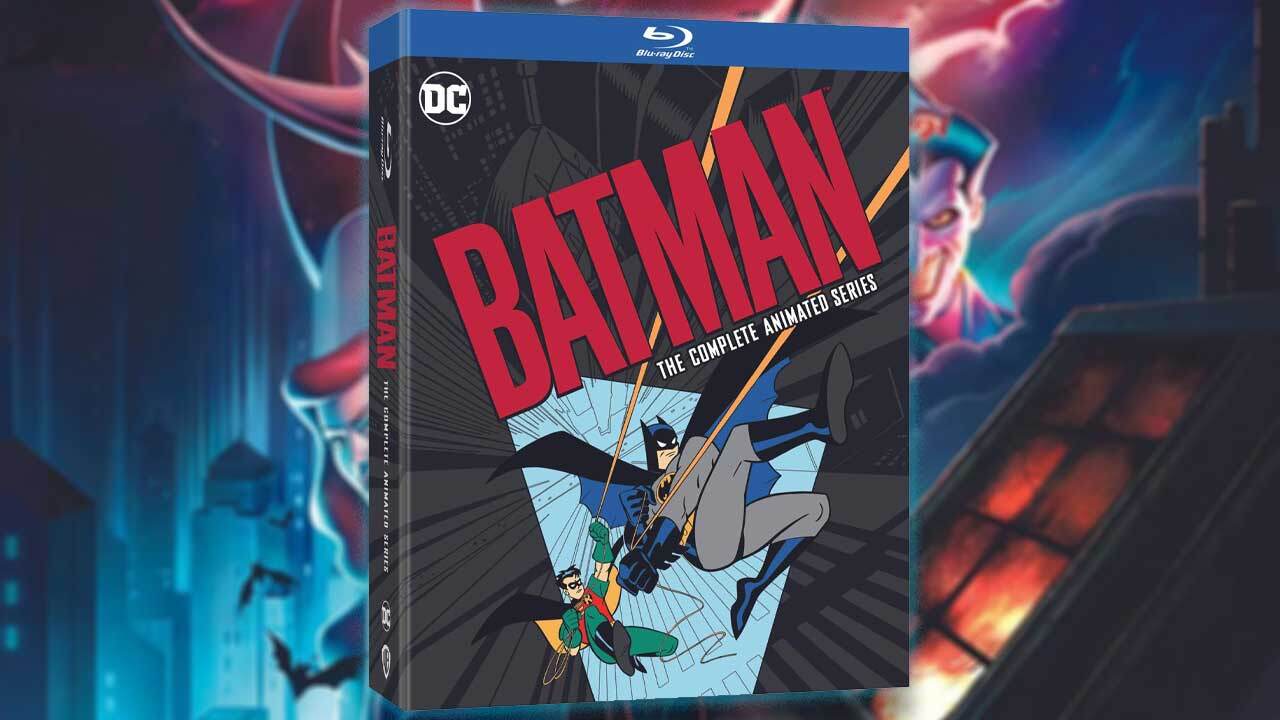

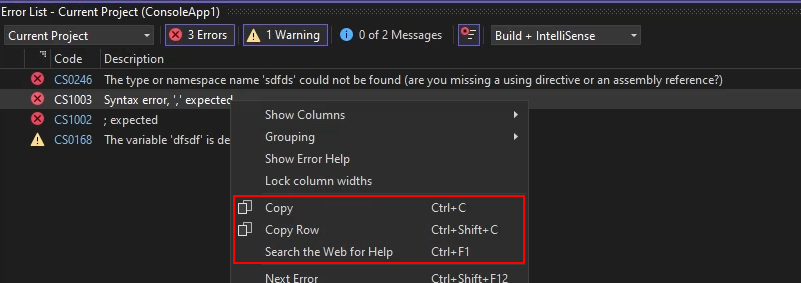
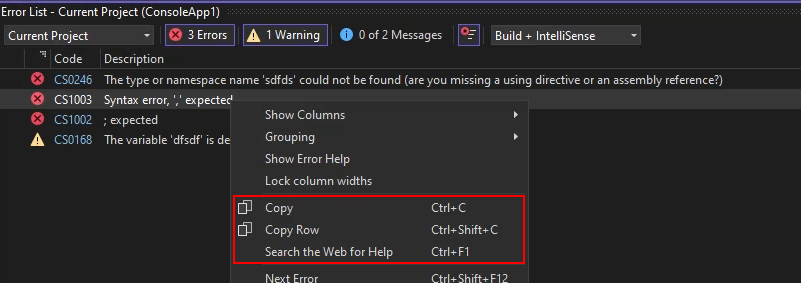
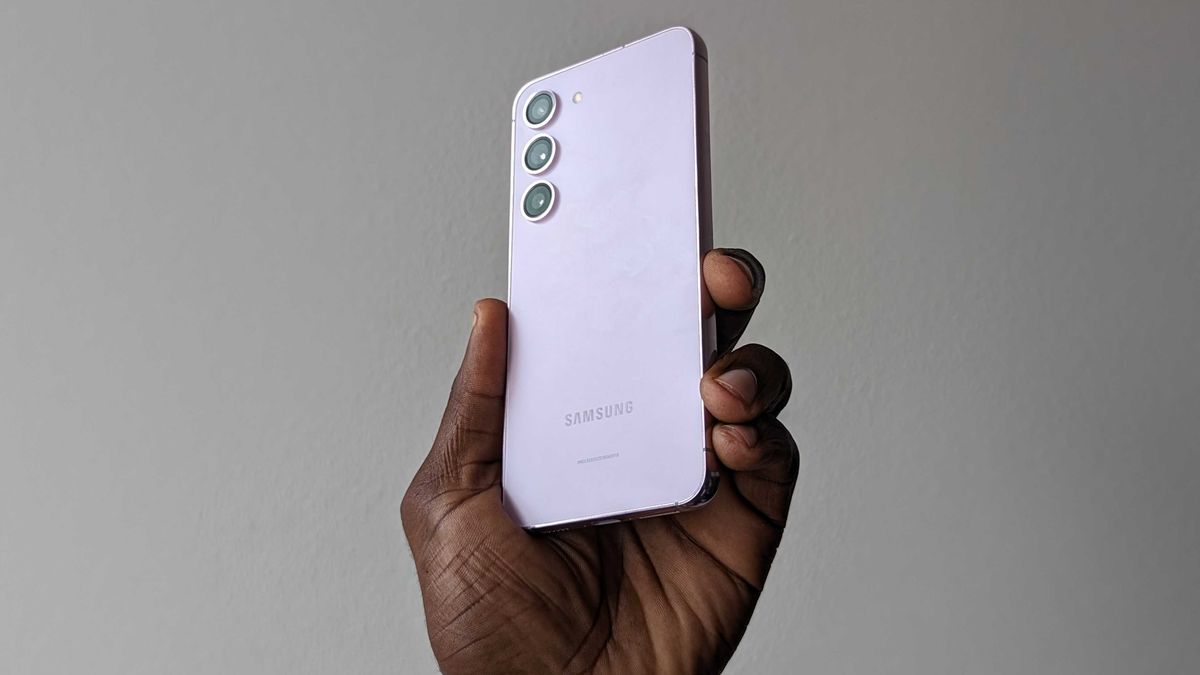


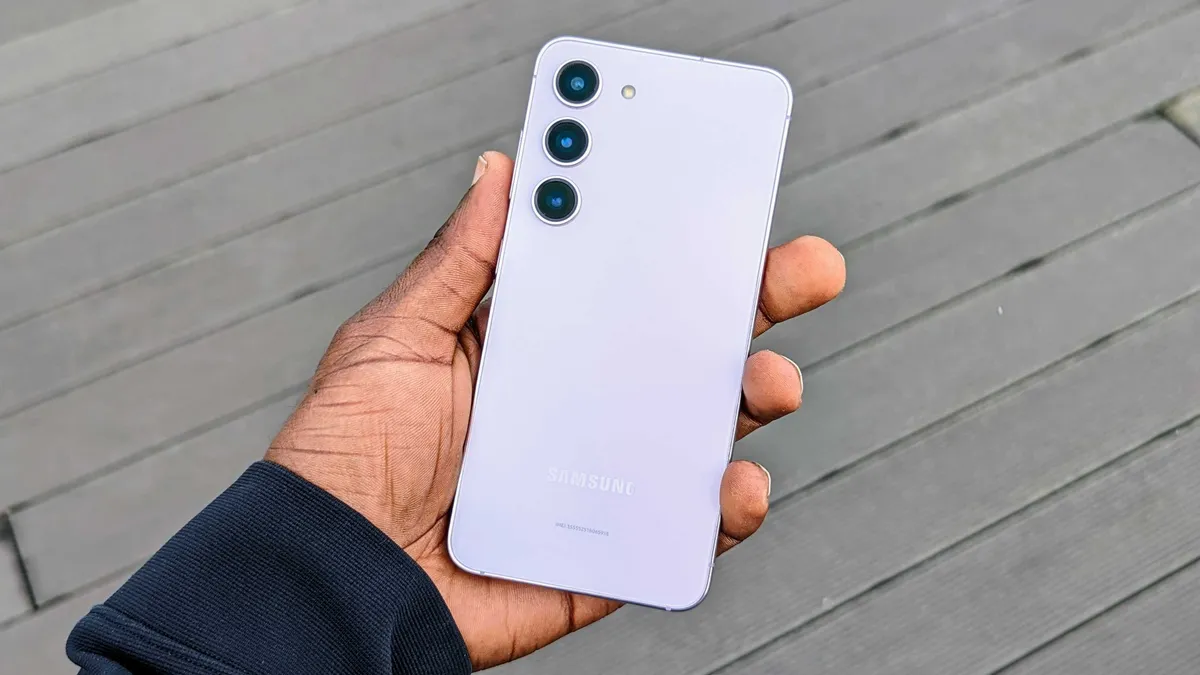
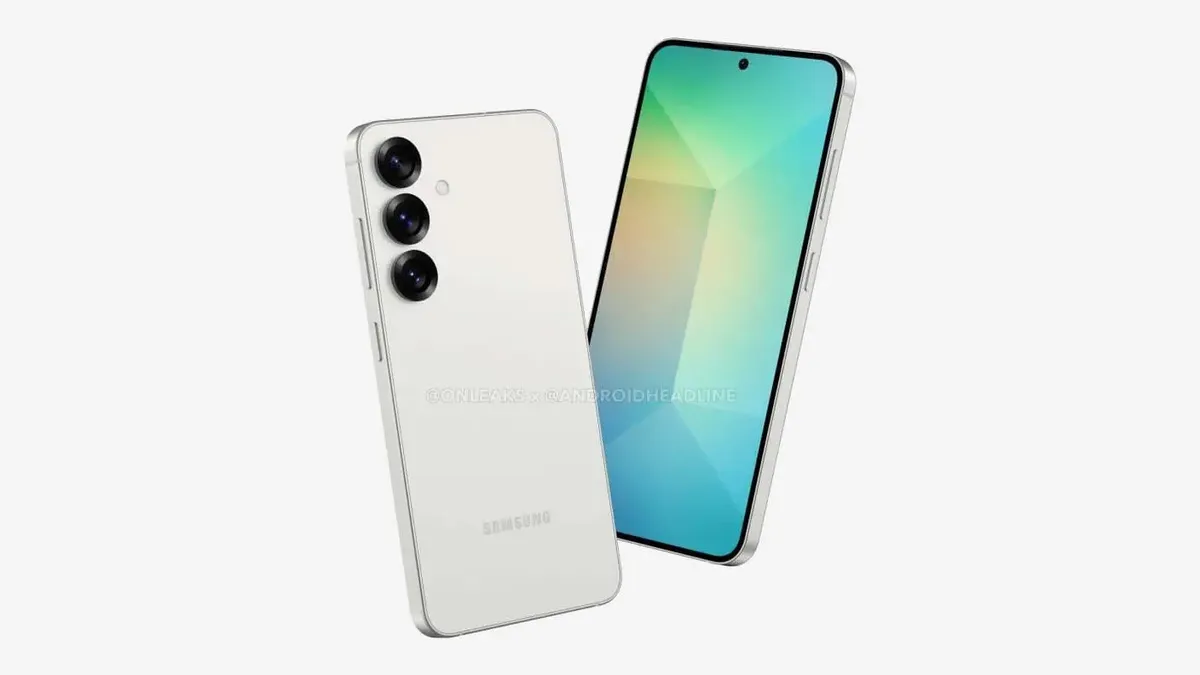




 Table of Contents